

Buying the right industrial belt online can feel risky — a poor decision often results in costly downtime, project delays, and unexpected expenses. When a low-grade belt fails under pressure, your crew stops, productivity drops, and repair costs skyrocket. The key to avoiding these setbacks is selecting durable conveyor belt rubber engineered for strength, flexibility, and wear resistance. This guide helps you evaluate your needs, verify supplier credibility, and invest confidently in a belt that enhances performance and maximizes long-term ROI.
Core conveyor belt rubber specs
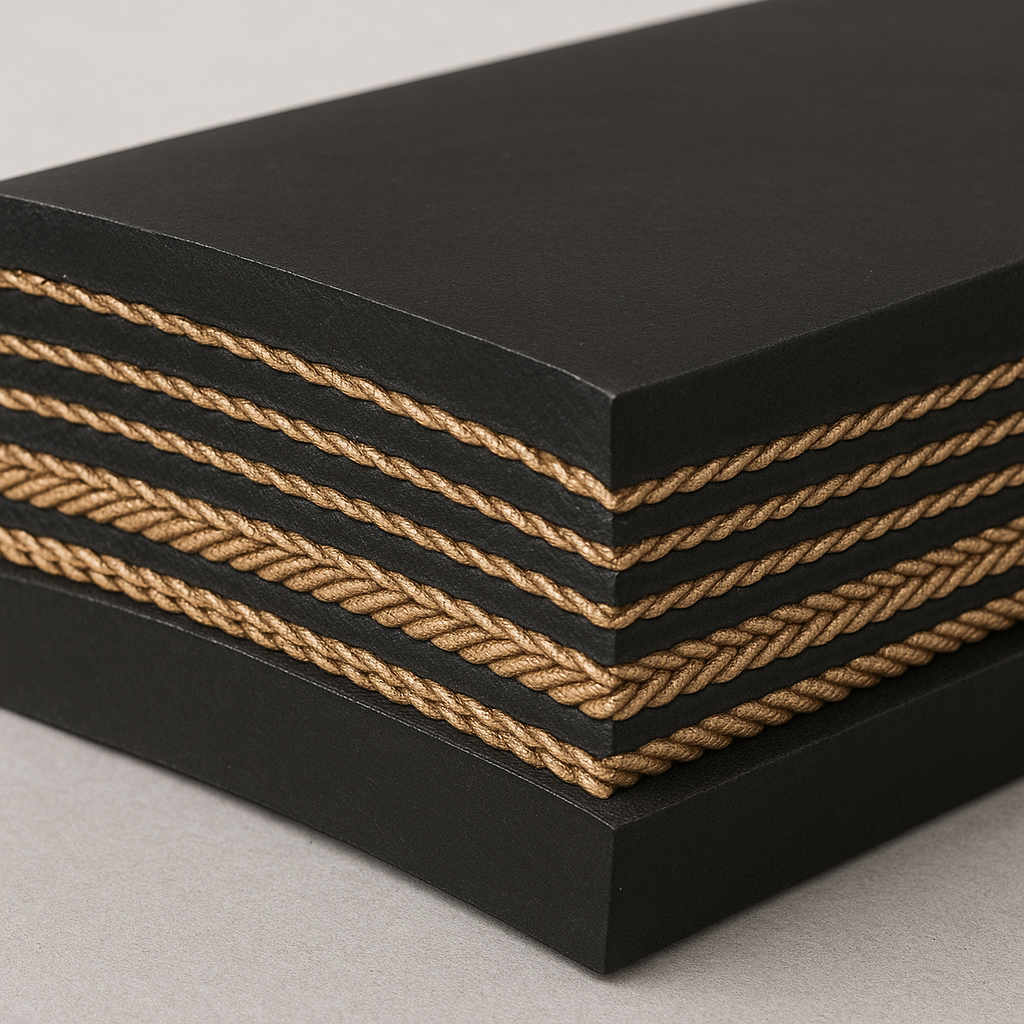
What are the key technical specs?
Understanding technical data sheets is vital. Core factors include the carcass type (e.g., EP fabric), ply count, cover thickness, and tensile strength (N/mm). But what do these numbers actually mean for your job site? They directly define the belt’s ability to handle weight, absorb impact, and resist damage.
Key Takeaway: A technical data sheet (TDS) reveals a belt’s true capabilities far better than marketing descriptions.
Why does ply rating matter?
The ply rating indicates impact resistance and load support. More plies create a more rigid belt, suitable for heavy aggregates. Fewer plies are sufficient for lighter, uniform materials like sand or soil. Matching the ply count to your load prevents premature stretching and failure.
| Specification | Low-Duty Profile | Medium-Duty Profile | Heavy-Duty Profile | |
|---|---|---|---|---|
| Tensile Strength | 200-315 N/mm | 400-630 N/mm | 800+ N/mm | |
| Ply Count | 2-3 Plies | 3-4 Plies | 4-6 Plies | |
| Top Cover | 1.5-3 mm | 3-5 mm | 6+ mm | |
| Typical Use | Sand, soil, small gravel | Crushed stone, cement | Large rock, demolition debris |
Assess conveyor belt rubber grades
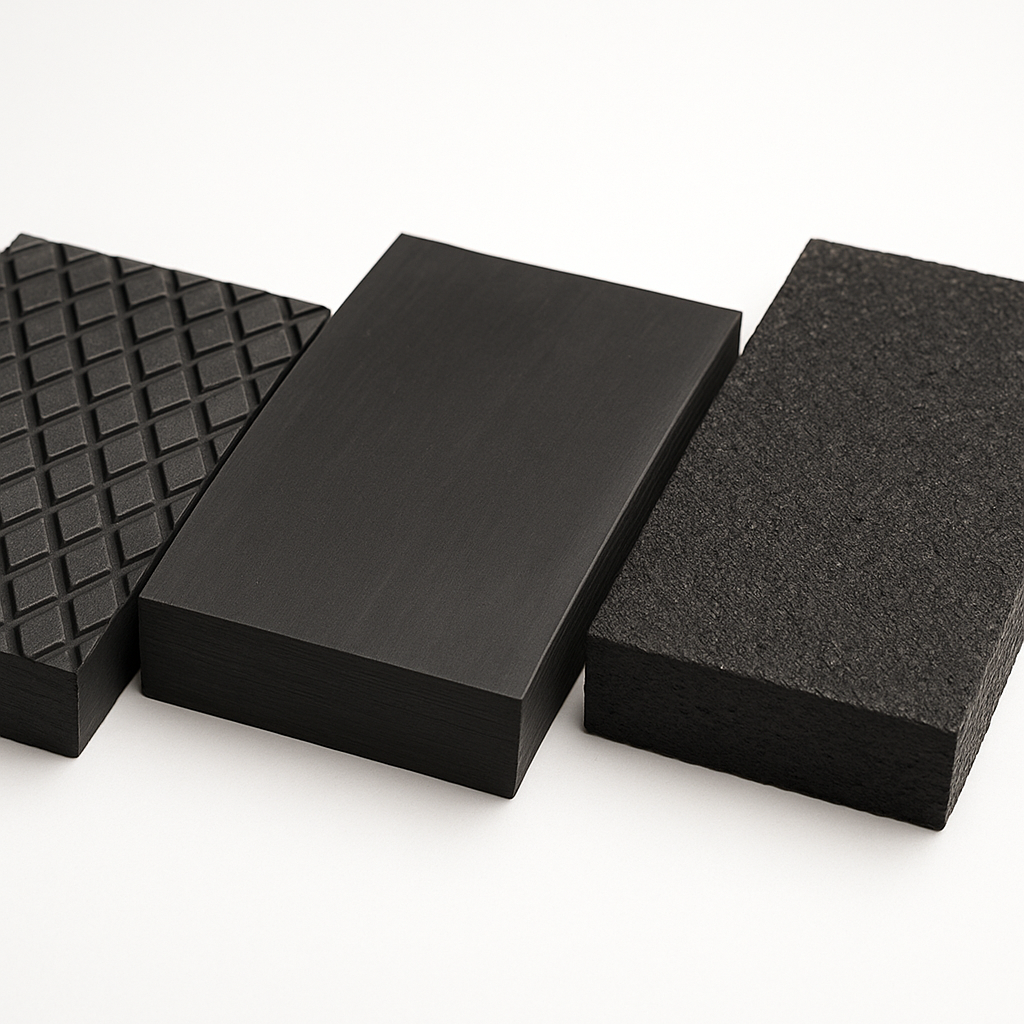
Which grade handles abrasion best?
For sharp materials like granite or recycled concrete, an abrasion-resistant grade like DIN W or IS Grade M24 is necessary. Here’s the deal when it comes to durability: matching the rubber grade to the abrasiveness of your material is the most important factor for belt longevity.
Do I need heat or oil resistance?
Yes, if you handle specialized materials. Use a Heat Resistant (HR) belt for hot asphalt or an Oil Resistant (OR) belt for certain waste products. A standard belt will quickly degrade, swell, and fail when exposed to these conditions.
Key Takeaway: Using a standard belt with hot or oily materials is a guaranteed path to premature failure and costly replacement.
| Grade Type | Primary Use Case | Temperature Range | Key Benefit | |
|---|---|---|---|---|
| Abrasion Resistant (AR) | Rock, gravel, aggregates | Ambient | High wear and cut resistance | |
| Heat Resistant (HR) | Hot asphalt, clinker, cement | Up to 200°C (400°F) | Prevents cracking and hardening | |
| Oil Resistant (OR) | Oily materials, waste recycling | Ambient | Prevents swelling and degradation | |
| Flame Resistant (FR) | Underground mining, high-risk areas | Varies | Self-extinguishing properties |
Conveyor belt rubber & your load
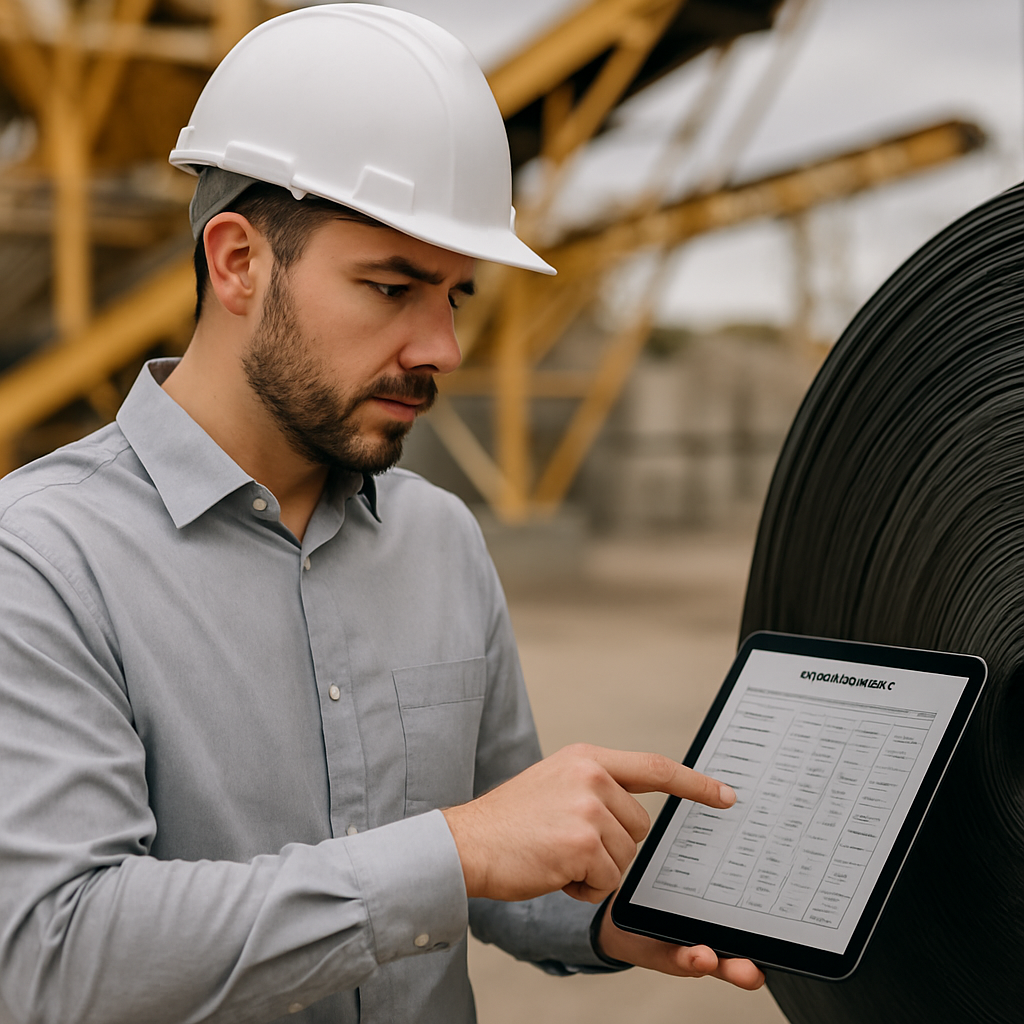
How does load volume affect choice?
Your required Tons Per Hour (TPH) rate directly impacts the belt width and tensile strength needed. Higher volumes demand a wider, stronger belt to prevent system strain, spillage, and excessive wear.
What about material properties?
You might be wondering how to calculate this… but it’s simple: sharp, heavy materials require thicker rubber covers and a higher-grade compound to protect the belt’s inner fabric carcass from punctures and cuts.
Does incline angle change needs?
Absolutely. For inclines steeper than 18 degrees, material will slide backward on a standard smooth belt. In these cases, you must use a cleated or chevron-patterned belt to effectively move material uphill.
Key Takeaway: Before you buy, create a detailed profile of your material: type, size, volume, and conveyor incline.
| Load Type | Material Example | Incline Angle | Recommended Belt Feature | |
|---|---|---|---|---|
| Light & Fine | Sand, dry soil | < 18° | Standard smooth conveyor belt rubber | |
| Heavy & Abrasive | Crushed rock | < 18° | Heavy-duty, high-grade smooth belt | |
| Any Material | Gravel, soil, bags | 18° – 35° | Chevron or Cleated conveyor belt rubber |
Conveyor belt rubber durability
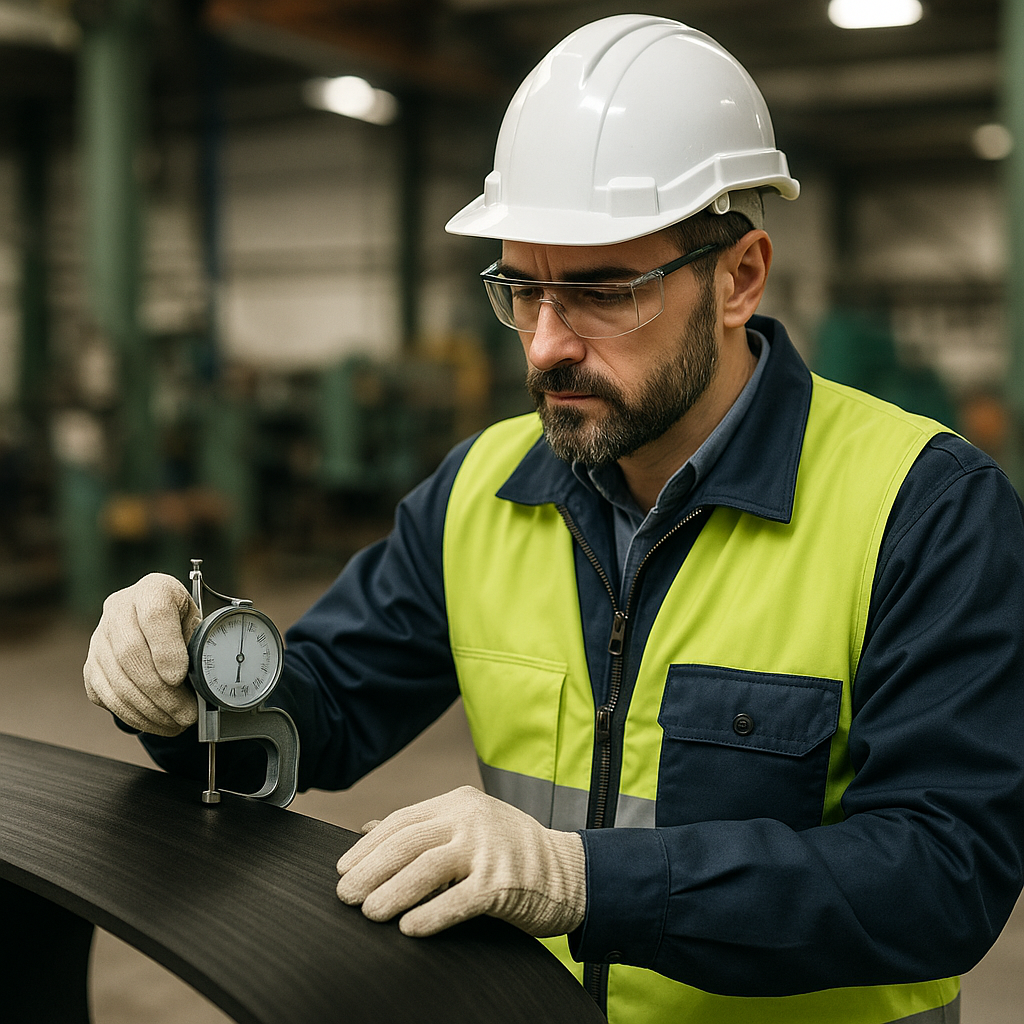
How is belt lifespan measured?
True lifespan is measured in operational hours and total tonnage moved, not just time. This is where it gets interesting… while a warranty provides a baseline, proper installation and maintenance can easily double a belt’s effective service life.
What factors cause premature wear?
The most common culprits are belt mistracking, improper splicing, impact damage at loading points, and exposure to UV light or chemicals. Most of these issues are entirely preventable with regular inspections and proper setup.
Key Takeaway: The majority of premature belt failures are not due to manufacturing defects but to preventable operational issues.
| Wear Type | Primary Cause | Prevention Method | |
|---|---|---|---|
| Edge Fraying | Belt Mistracking | Regular alignment checks | |
| Grooving/Gouging | Sharp materials, trapped debris | Proper skirtboard and scraper use | |
| Cracking | UV exposure, age, heat | Use of appropriate grade, proper storage | |
| Splice Failure | Improper installation | Professional splicing (hot/cold) |
Vendor conveyor belt rubber trust
How to vet online suppliers?
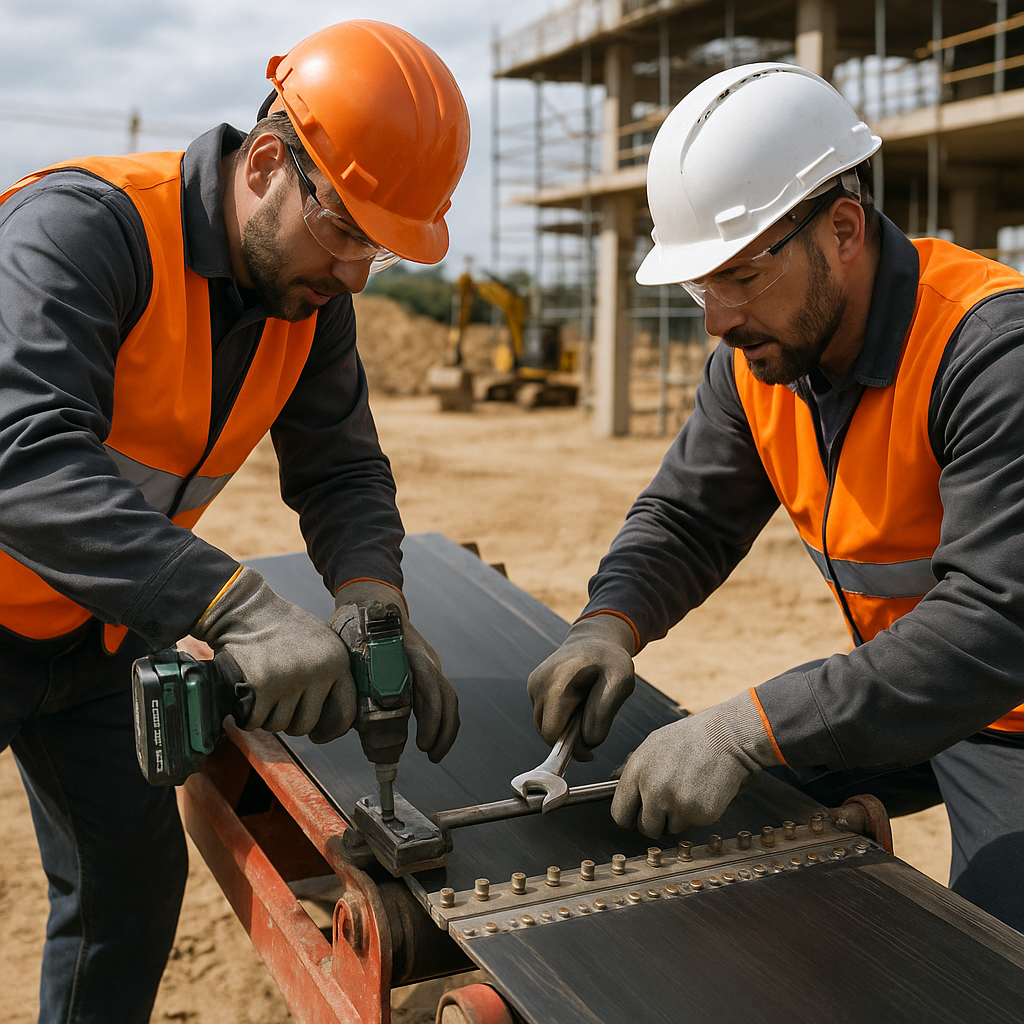
A professional website is just the start. A credible supplier provides detailed product data sheets, a physical address, customer case studies, and clear warranty information. What’s the real story behind a flashy website? A lack of technical details is a major red flag.
What certifications should I look for?
Look for quality management certifications like ISO 9001 and product-specific standards such as IS 1891 or DIN 22102. These certifications prove the manufacturer adheres to consistent, verifiable quality control processes.
Key Takeaway: Certifications matter more than marketing claims. They are an independent verification of quality.
| Indicator | Reputable Supplier | Risky Supplier | |
|---|---|---|---|
| Transparency | Provides technical data sheets (TDS) | Vague or missing specifications | |
| Credibility | Clear warranty & return policies | No clear policy or “final sale” | |
| Support | Offers technical support/consultation | No phone number, email only | |
| Certification | Displays ISO/IS/DIN certifications | No mention of quality standards |
Conveyor belt rubber cost factors
What determines the final price?
Key cost drivers are belt width, length, tensile strength, ply count, and the specific rubber grade. Specialty grades like Heat Resistant (HR) or Flame Resistant (FR) will naturally cost more than a standard abrasion-resistant belt.
Is a cheaper belt really cheaper?
Almost never. You must evaluate the Total Cost of Ownership (TCO). But here’s the kicker… a cheap belt that fails early can cost you more in downtime and replacement labor than the initial savings. A quality belt saves money in the long run.
Key Takeaway: Don’t compare purchase prices. Compare the total cost over a three-year period, including replacements and downtime.
| Cost Factor | Low-Price Belt (1-Year Lifespan) | High-Quality Belt (3-Year Lifespan) | |
|---|---|---|---|
| Upfront Cost | $2,000 | $3,500 | |
| Replacement Costs (over 3 years) | $4,000 (2 replacements) | $0 | |
| Estimated Downtime Cost | $3,000 | $500 (less maintenance) | |
| Total Cost over 3 Years | $9,000 | $4,000 |
Conveyor belt rubber maintenance

What are daily maintenance checks?
A simple daily walk-around can prevent catastrophic failure. Check for proper belt tracking, listen for unusual noises from rollers, and ensure belt scrapers are functioning correctly. Ready for the good part? It only takes 5 minutes and can save you thousands.
How do you properly store belts?
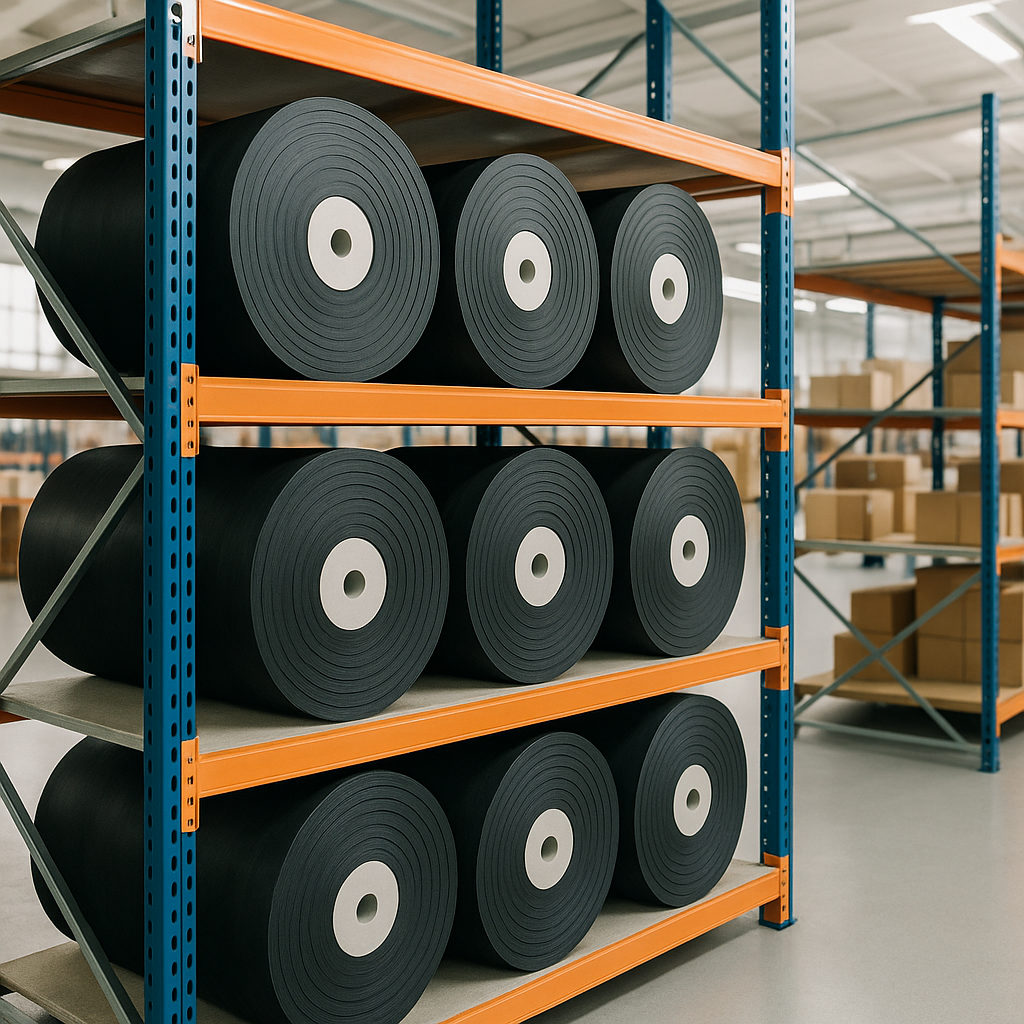
Store spare belts in a cool, dry, dark location away from direct sunlight and electric motors, which produce ozone. Keep them on a pallet or rack, never directly on a concrete floor.
Key Takeaway: Proper storage protects your backup belt. A poorly stored spare can degrade and become unusable before it’s ever installed.
| Frequency | Maintenance Task | Purpose | |
|---|---|---|---|
| Daily | Check belt tracking and alignment | Prevent edge damage and spillage | |
| Weekly | Inspect splices and fasteners | Catch wear before splice failure | |
| Monthly | Check belt tension | Ensure proper grip and power transfer | |
| As Needed | Clean belt surface and pulleys | Prevent material buildup and mistracking |
Online conveyor belt rubber buys
What are the risks of buying online?
The primary risks are receiving a product that doesn’t match the advertised specifications, discovering damage that occurred during shipping, or facing a difficult and costly return process with an uncooperative seller.
How to handle shipping & returns?
So, what’s the catch with ‘free shipping’? It likely won’t cover return freight if there’s an issue. Always inspect the belt for damage before signing the delivery receipt and fully understand the supplier’s return policy and any restocking fees beforehand.
Key Takeaway: Your responsibility begins at the loading dock. A thorough inspection upon arrival protects you from liability for shipping damage.
| Aspect | Buying Online | Buying Local Distributor | |
|---|---|---|---|
| Selection | Vast, global options | Limited to stocked brands | |
| Pricing | Often more competitive | Can be higher due to overhead | |
| Convenience | 24/7 ordering | In-person inspection possible | |
| Risk | Higher risk of spec/damage issues | Lower risk, immediate support |
Conveyor belt rubber safety rules
What are key installation hazards?
The single greatest hazard is the stored kinetic energy in a tensioned belt. Pay close attention to this section—it could save a life. Strict lockout/tagout (LOTO) procedures must be followed before any installation, maintenance, or cleaning work begins.
How to ensure safe operation?
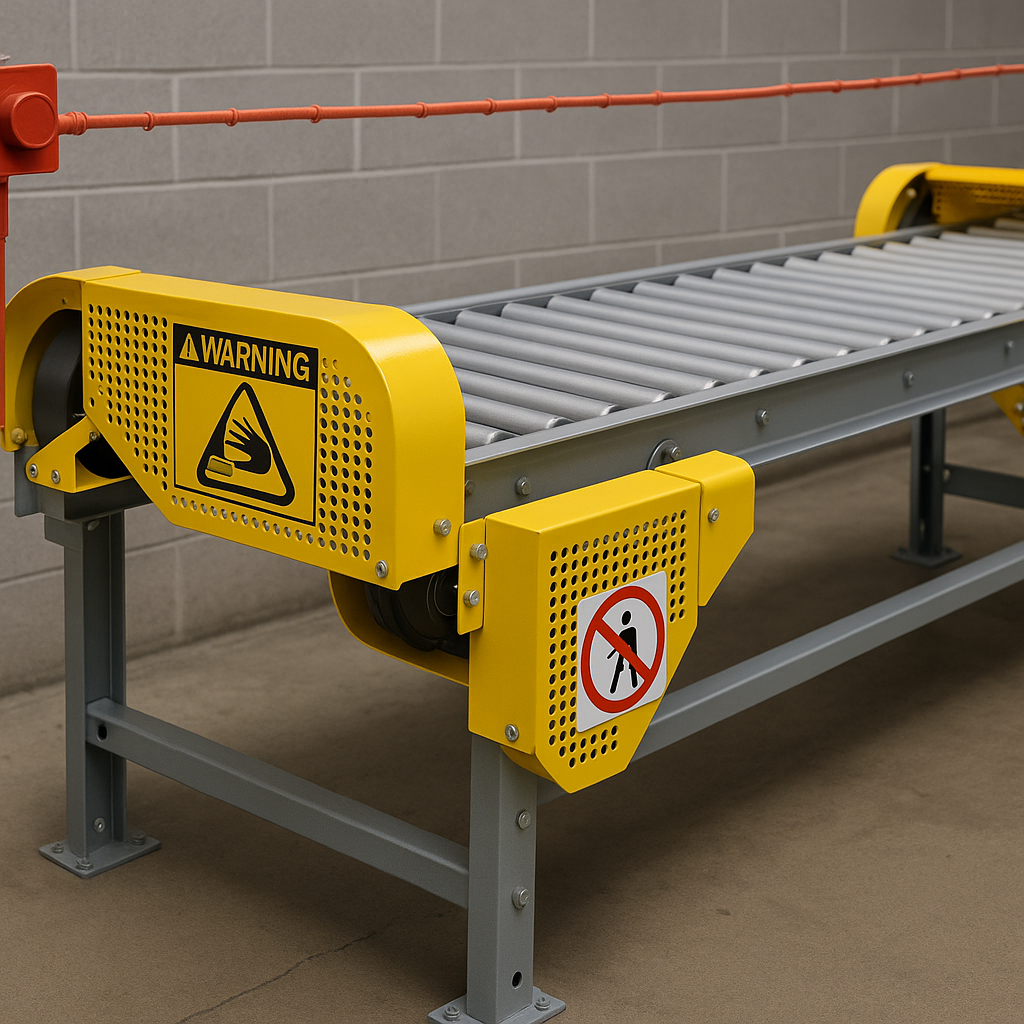
Proper guarding for all moving parts—pulleys, rollers, and belts—is non-negotiable. Emergency stop cords should be installed and accessible along the length of the conveyor, and all personnel must receive regular safety training.
Key Takeaway: A safe worksite is an efficient worksite. A strong safety culture prevents injuries and minimizes operational downtime.
| Hazard | Risk Level | Mitigation Measure | |
|---|---|---|---|
| Pinch Points | High | Install and maintain guards on all rollers/pulleys | |
| Material Fall-off | Medium | Use proper skirting and avoid overloading | |
| Sudden Startup | High | Implement strict Lockout/Tagout (LOTO) | |
| Caught-in/Crushing | High | Never wear loose clothing; stay clear of moving parts | |
| Belt Fire | Low-Medium | Use Flame-Resistant (FR) belts in high-risk areas |
Future of conveyor belt rubber

What new materials are emerging?
Now for a look at what’s next… advancements in composite materials and specialized rubber compounds are producing belts that offer even greater wear resistance and lower rolling resistance, which helps reduce energy consumption.
How is IoT changing monitoring?
“Smart belts” with embedded sensors are here. They actively monitor wear, tension, and alignment in real-time. This data allows for predictive maintenance, enabling you to fix a potential issue long before it causes a catastrophic failure.
Key Takeaway: IoT integration is transforming conveyor belts from passive components into active, data-providing assets that optimize uptime.
| Feature | Traditional Conveyor Belt | “Smart” IoT Conveyor Belt | |
|---|---|---|---|
| Monitoring | Manual, visual inspection | Real-time, sensor-based data | |
| Maintenance | Reactive or scheduled | Predictive (Fix before it breaks) | |
| Failure Detection | After the fact | Early warnings via alerts | |
| Efficiency | Good | Optimized for energy use and uptime |
Conclusion
Choosing the right construction conveyor belt rubber online is a strategic decision, not a coin toss. By assessing your load, selecting the correct specs and grade, vetting your supplier, and focusing on total cost of ownership, you can secure a reliable asset for your operations. Don’t leave your project’s productivity to chance. If you’re ready to buy with confidence, contact our conveyor specialists today for a personalized analysis and quote to ensure you get the perfect belt for the job.
FAQ Section
- Q1: Can I repair a torn conveyor belt rubber?
- Yes, small punctures and tears can be repaired using cold bonding adhesive kits or professional hot vulcanization. However, for large gashes or extensive damage, replacement is the safer and more reliable long-term solution.
- Q2: What’s the best conveyor belt rubber for sharp rock?
- The best choice is a belt with a high-tensile fabric carcass (e.g., EP 630/4) and a thick, highly abrasion-resistant top cover, typically a Grade M24 (IS) or DIN W/X. The thickness protects the carcass from impact and cuts.
- Q3: How do I calculate the right belt length?
- The most accurate method is to use the conveyor manufacturer’s specifications. If unavailable, you can measure the complete loop length of the conveyor path with a measuring tape and add approximately 2-3% of the total length to account for tensioning and splicing needs.
- Q4: Can I get a custom-width conveyor belt rubber?
- Absolutely. Most reputable online suppliers and manufacturers offer custom slitting services. You can order a belt cut to your precise width requirements to fit your existing conveyor frame perfectly.
- Q5: What’s the difference between fabric and steel cord?
- Fabric belts (using Polyester/Nylon plies) are the standard for most construction applications, offering excellent flexibility and impact resistance. Steel cord belts provide far superior tensile strength and are used for extremely long, high-tension systems, such as in large-scale mining operations.