
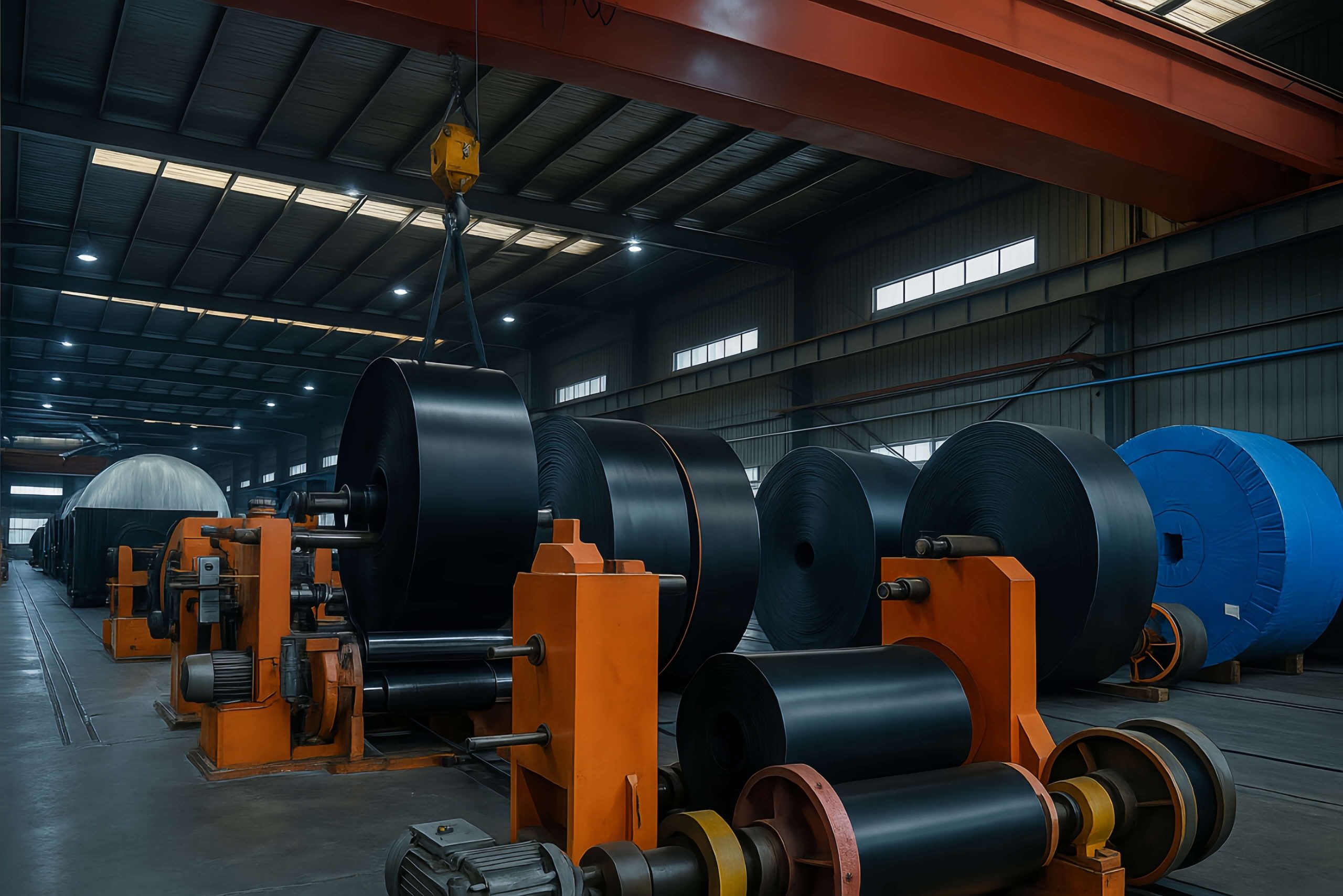
The rubber conveyor belt market is expected to grow rapidly as industrial automation increases worldwide. Upgrading to advanced conveyor belt technology helps manufacturers reduce costs, improve efficiency, and stay competitive in modern bulk material handling systems.
How will the rubber conveyor belt market grow by 2034?
The rubber conveyor belt market is expected to achieve a valuation of USD 5.8 billion by 2034, driven by a consistent 4% compound annual growth rate. This upward trajectory reflects a growing global reliance on mechanized material handling within the industrial sector.
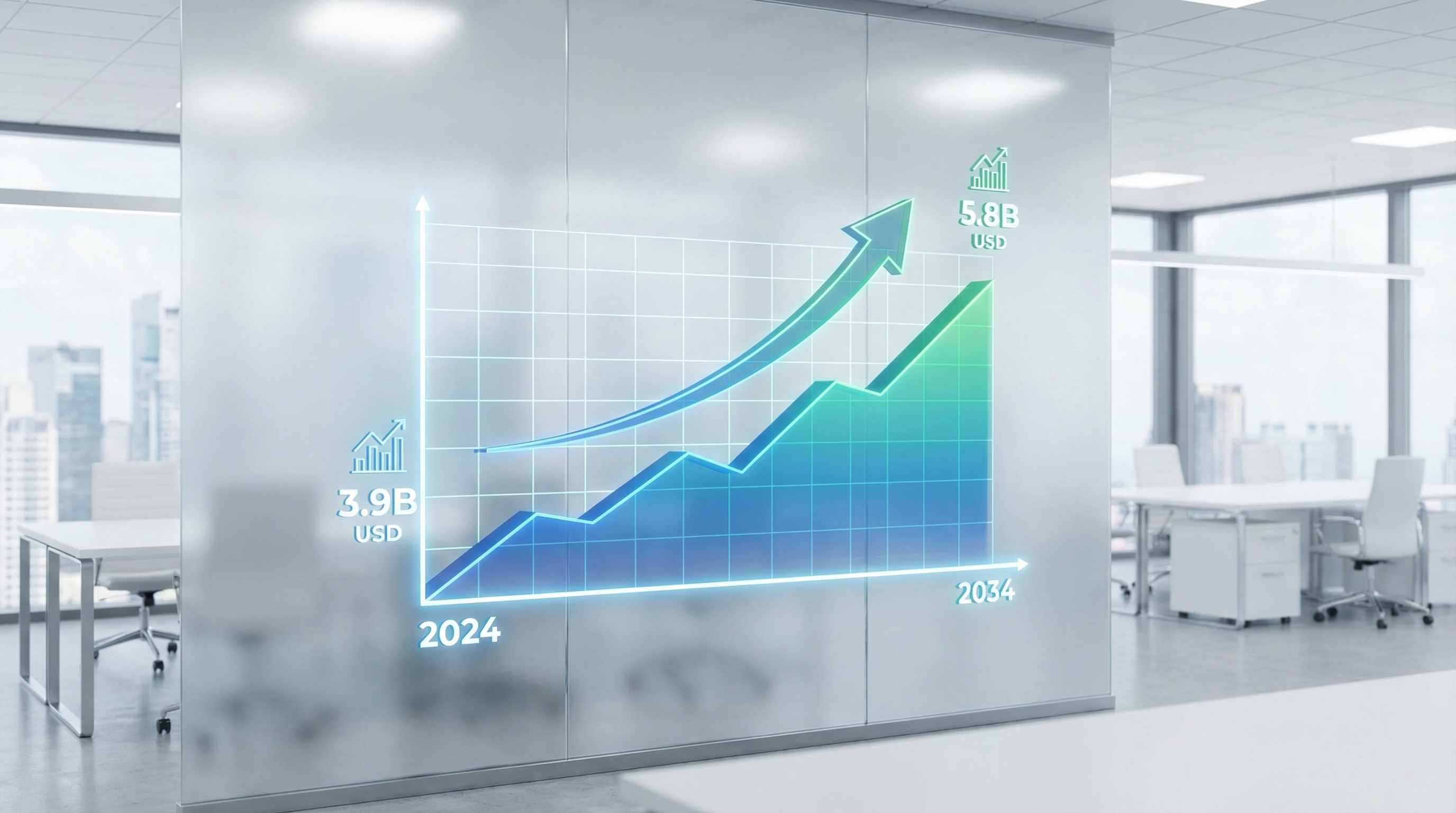
2034 market valuation and growth projections
By 2034, the total market value will have increased significantly from its 2024 baseline of USD 3.9 billion. This expansion is fueled by massive infrastructure projects and the modernization of mining hubs.
Here is the deal: Investment in durable conveying systems is no longer optional for businesses seeking to maintain high throughput. The data indicates that early adopters of high-capacity belts will capture the largest share of operational efficiency gains.
What is the expected CAGR for the next decade?
The forecasted CAGR of 4% ensures a steady and predictable rise in demand for rubber-based conveying solutions. This stability allows you to plan long-term capital expenditures with greater confidence in technology longevity.
| Metric | Forecast Projection (2025-2034) | |
|---|---|---|
| Market Valuation | USD 5.8 Billion by 2034 | |
| CAGR | 4.0% Steady Growth | |
| Primary Driver | Industrial Automation Surge |
The steady climb in market valuation highlights the critical role these components play in the global supply chain.
Key Takeaway: Monitoring these growth projections helps you align your procurement strategy with global industrial trends, ensuring your facility remains equipped for a decade of increased demand.
Why does automation drive the rubber conveyor belt market?
Automation drives the rubber conveyor belt market by necessitating high-speed, continuous material flow systems that operate without human intervention. As factories shift toward 24/7 production cycles, the demand for resilient conveying interfaces becomes paramount.
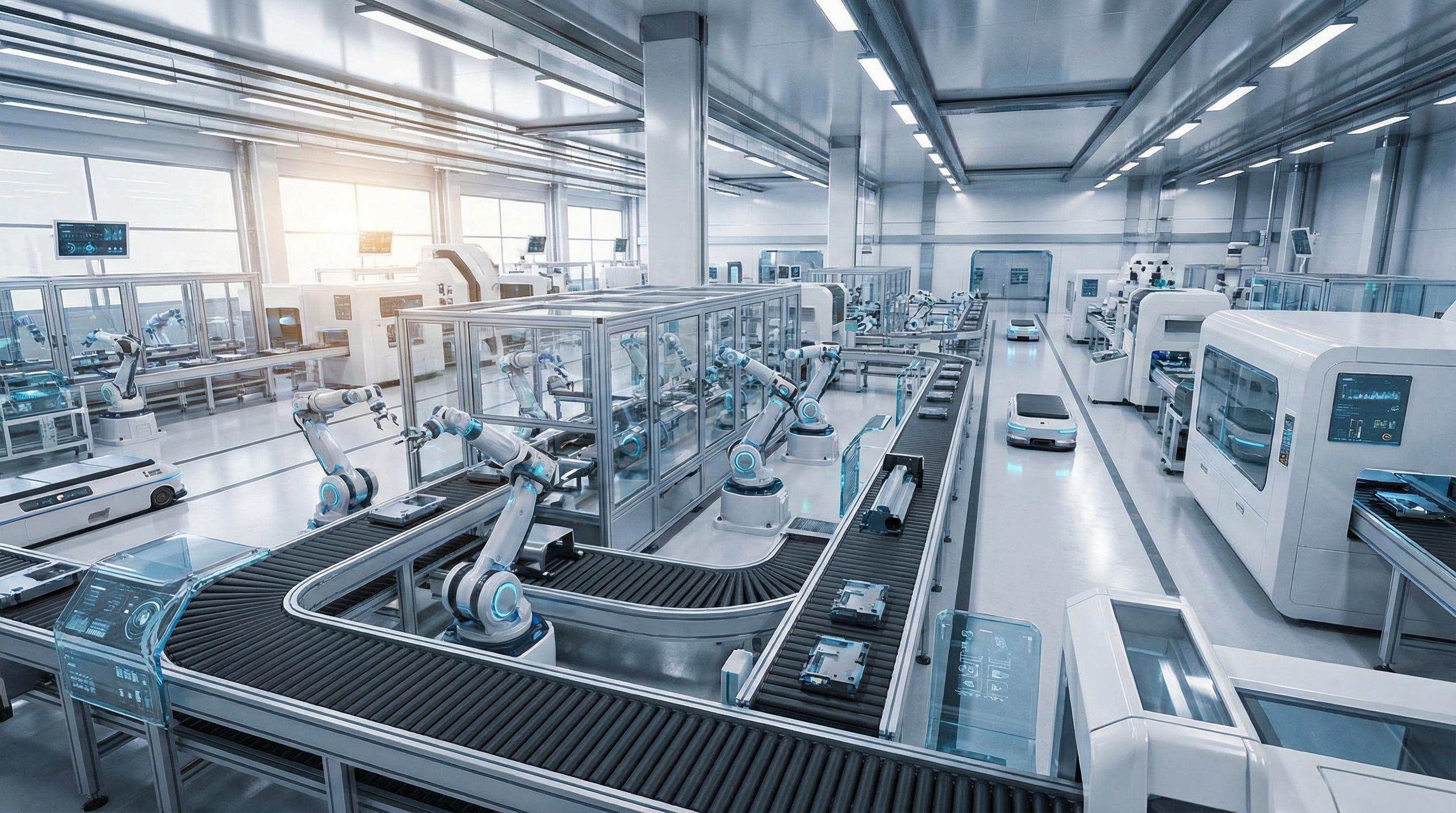
The impact of mechanized systems on belt demand
Mechanized systems require belts that can handle precise start-stop motions and high-frequency cycles without stretching or tearing. As you integrate robotics, the rubber conveyor belt market responds with specialized compounds designed for these stresses.
Consider this:
- Automated systems reduce idle time by up to 30%.
- Belts optimized for automation require 20% less frequent tensioning.
- Synchronized conveying eliminates bottlenecks in complex production lines.
Reducing manual labor through smart conveying
Transitioning from manual sorting to smart conveying allows you to reallocate labor to higher-value tasks. This shift reduces the risk of workplace injuries associated with heavy lifting and repetitive motion.
But wait, there is more: Smart conveying systems are the backbone of modern “lights-out” manufacturing facilities. By investing in these systems now, you significantly reduce the long-term cost of human error in your logistics chain.
| Automation Benefit | Impact on Belt Specification | |
|---|---|---|
| 24/7 Operation | Enhanced fatigue resistance required | |
| Robotic Integration | High-precision surface grip needed | |
| Labor Reduction | Low-maintenance self-tracking designs |
The synergy between robotics and conveying technology is the primary engine of modern industrial throughput.
Key Takeaway: Embracing automation-ready belts allows you to scale your production capacity while simultaneously lowering your per-unit labor costs.
Which segments lead the rubber conveyor belt market today?
Medium-weight belts lead the rubber conveyor belt market today, currently commanding a dominant 46.3% share of the total valuation. These belts are the preferred choice because they offer the most versatile balance between tensile strength and installation flexibility.
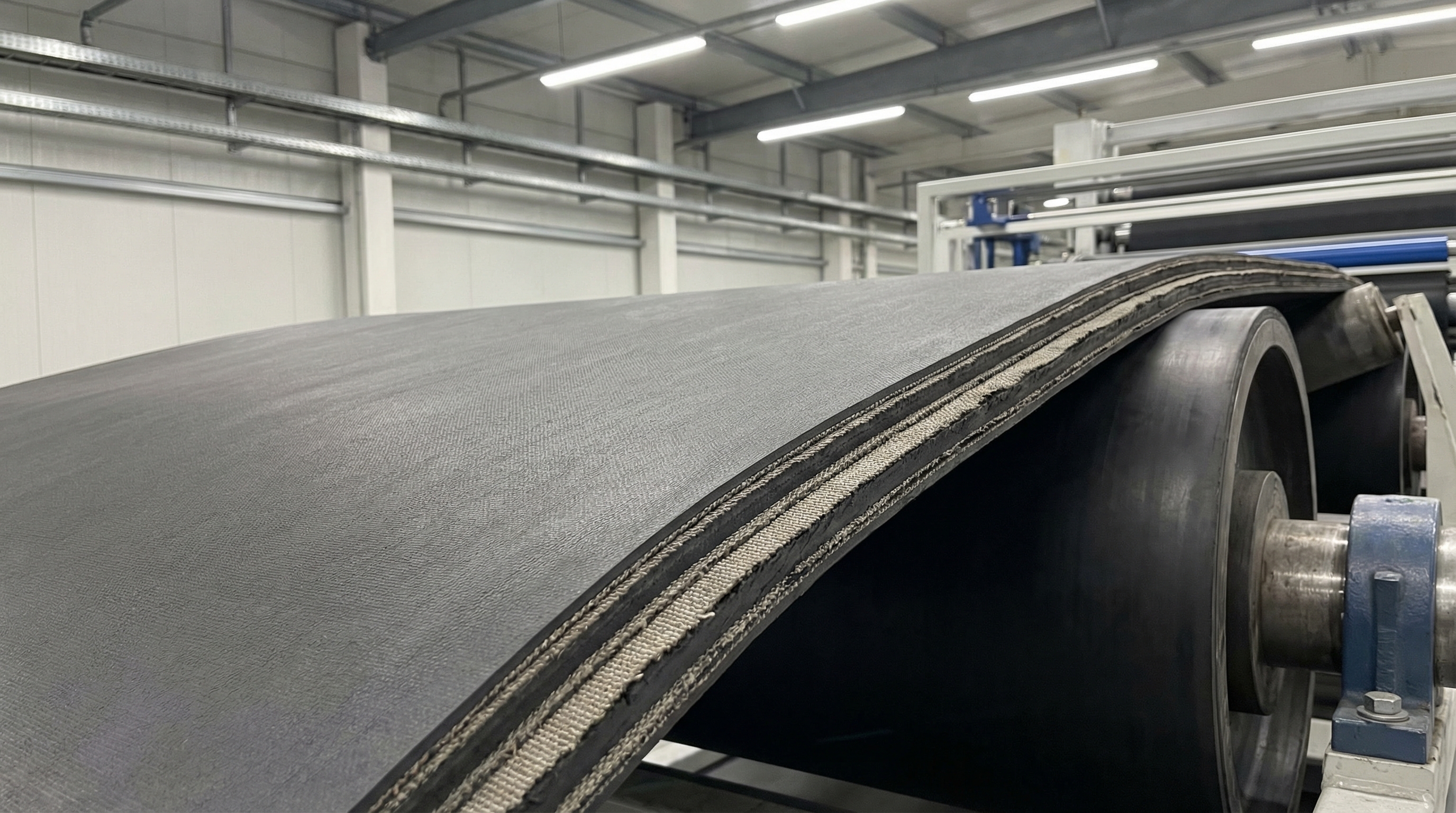
The 46.3% market share held by medium-weight belts stems from their ubiquitous use in manufacturing, packaging, and light industrial processing. You likely find these belts ideal for applications where heavy-duty steel cords are overkill but lightweight belts lack durability.
Here is the deal: Industrial operators prioritize medium-weight solutions because they minimize energy consumption while maintaining a high safety factor. This middle-ground approach is the sweet spot for maximizing the ROI of your conveyor hardware.
Balancing flexibility and cost in industrial use
The leading segments of the rubber conveyor belt market prioritize cost-effectiveness without sacrificing the ability to navigate complex conveyor geometries. High flexibility allows for smaller pulley diameters, which can reduce the overall footprint of your facility.
Consider this:
- Medium-weight belts are 15% more energy-efficient than heavy-duty alternatives.
- They support a wider range of splice types for faster on-site repair.
- The lower weight reduces wear and tear on drive motors and bearings.
| Belt Segment | Current Market Share | Primary Use Case | |
|---|---|---|---|
| Medium-Weight | 46.3% | General Manufacturing & Logistics | |
| Light-Weight | 22.5% | Food Processing & Electronics | |
| Heavy-Weight | 31.2% | Mining & Heavy Aggregates |
Market leadership in the medium-weight category proves that versatility remains the most valued trait in industrial procurement.
Key Takeaway: Utilizing the market-leading medium-weight belts ensures your systems remain compatible with standard industrial components while providing the durability needed for most production environments.
Are textile plies leading the rubber conveyor belt market?
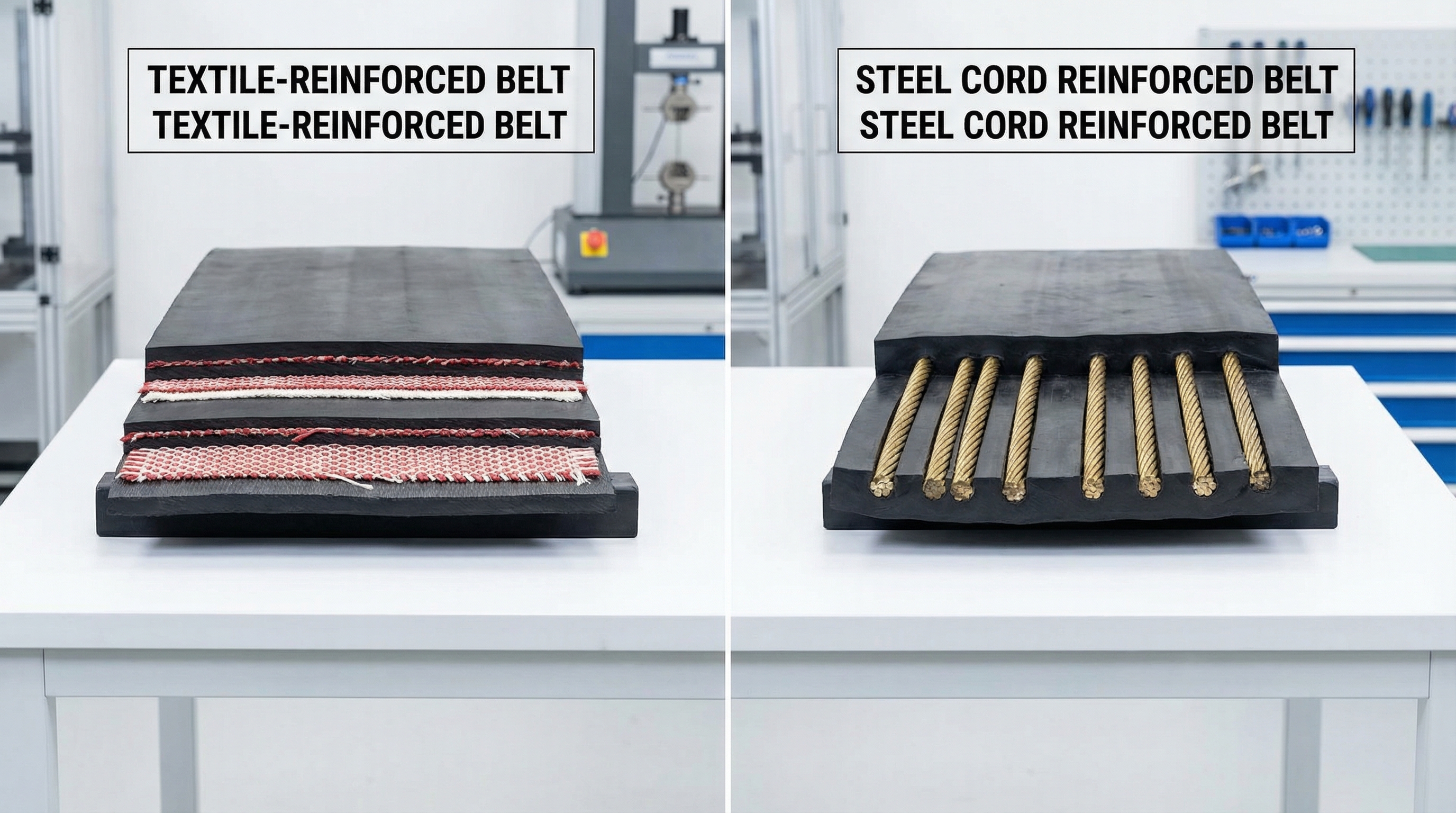
Textile plies are indeed leading the rubber conveyor belt market due to their superior impact resistance and lower cost-per-meter. These materials provide the essential structural integrity required for the vast majority of standard industrial applications.
The dominance of textile-reinforced material types
The current dominance of textile-reinforced material types is a result of their exceptional longitudinal flexibility and high resistance to edge wear. When you choose these belts, you benefit from a proven technology that handles transverse loads without permanent deformation.
Think about it: If your operations involve frequent impact or sharp turns, textile layers provide the cushioning effect necessary to prevent carcass rupture. This makes them the “bread and butter” of the global rubber conveyor belt market.
Will steel cord demand rise in heavy-duty sectors?
There is a growing trend where steel cord demand is rising within deep-sea ports and massive open-pit mines. These sectors require the extreme tensile strength and zero-stretch properties that only high-tensile steel cables can provide over long distances.
But wait, there is more:
- Steel cord belts allow for conveyor lengths exceeding 10 kilometers.
- They are indispensable for transporting heavy ores at high vertical inclines.
- Advanced bonding agents have significantly reduced the risk of cord corrosion.
| Reinforcement Type | Key Advantage | Typical Application | |
|---|---|---|---|
| Fabric / Textile | High impact elasticity | Manufacturing & Aggregate | |
| Steel Cord | Low elongation & high strength | Long-distance Mining | |
| Aramid Fiber | High heat resistance | Foundries & Sinter Plants |
The choice between textile and steel reinforcements defines the operational limits and longevity of your conveying infrastructure.
Key Takeaway: Selecting the correct reinforcement—whether dominant textile plies for flexibility or steel cords for extreme tension—is the most critical decision in optimizing your belt’s service life.
How does mining impact the rubber conveyor belt market?
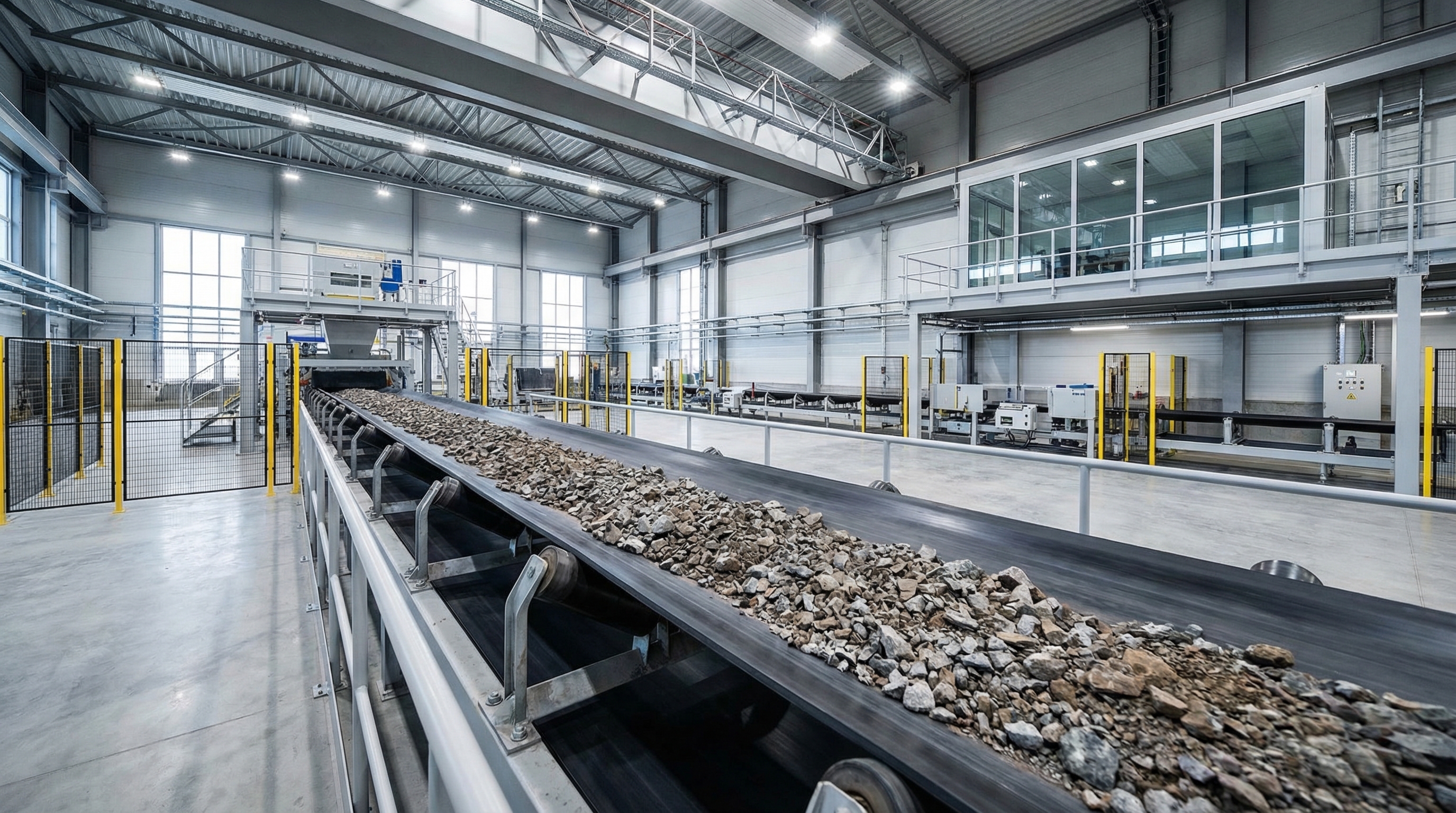
The mining industry impacts the rubber conveyor belt market as the single largest consumer of high-abrasion, heavy-duty belt solutions. Extractive industries require massive volumes of replacement belts to handle the continuous flow of abrasive ores and coal.
Bulk material handling in coal and ore extraction
Effective bulk material handling is the lifeblood of any profitable mining operation, making high-performance belts a non-negotiable asset. Mining industry solutions focus on multi-ply rubber structures that can withstand the jagged edges of crushed stone.
Consider this:
- Mining belts must operate in 100% humidity or extreme dust.
- Tear-resistant layers prevent small punctures from becoming catastrophic failures.
- Flame-retardant properties are legally required for all underground coal transport.
High-durability solutions for abrasive loads
The rubber conveyor belt market has responded to mining needs by developing “Super Brute” compounds that resist gouging. You need these high-durability solutions to minimize the astronomical costs associated with unplanned downtime in a mine.
Here is the deal: Replacing a 500-meter belt in a deep mine can take days, costing millions in lost production. High-abrasion resistance ensures that your belts wear down predictably rather than failing suddenly under load.
| Mining Factor | Belt Requirement | Operational Benefit | |
|---|---|---|---|
| Sharp Ores | High cut/gouge resistance | Fewer belt punctures | |
| Long Distances | Steel cord reinforcement | Reduced energy consumption | |
| Safety Regs | ISO/MT Flame retardancy | Regulatory compliance |
Mining’s extreme conditions continue to push the boundaries of what modern rubber chemistry can achieve.
Key Takeaway: Investing in specialized mining-grade belts protects your high-volume operations from the specific abrasive stresses that destroy standard industrial belts.
What defines the U.S. rubber conveyor belt market trends?
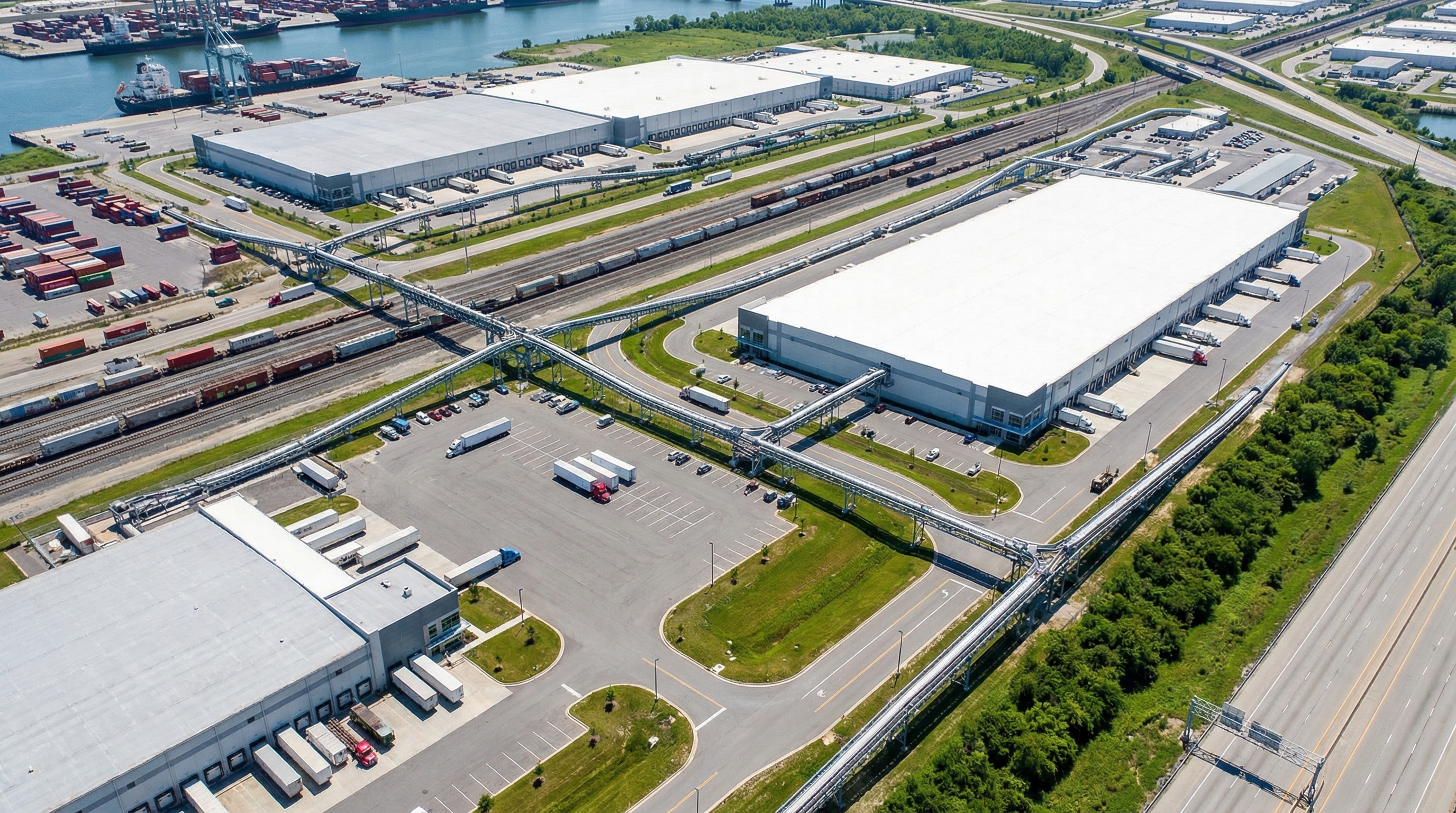
U.S. rubber conveyor belt market trends are defined by a massive push toward re-shoring manufacturing and major federal infrastructure investments. These factors have created a surge in domestic demand for both replacement parts and new facility installations.
Domestic growth and infrastructure investment
The revitalization of American industrial hubs has forced a rapid upgrade of existing conveying networks to meet modern throughput standards. You are likely seeing increased demand for belts that meet strict domestic safety and environmental regulations.
Consider this:
- The Infrastructure Investment and Jobs Act is fueling aggregate demand.
- New gigafactories require specialized clean-room conveyor belts.
- Domestic sourcing reduces shipping lead times from weeks to days.
How does the U.S. CAGR compare to global averages?
The U.S. CAGR remains competitive with global averages, though it is more heavily weighted toward high-tech logistics and “smart” warehousing. While the global rubber conveyor belt market focuses on bulk raw materials, the U.S. sector is leading in light-to-medium-weight automation.
Think about it: Are you prepared for the shift toward high-speed sorters? The U.S. market is moving faster toward high-frequency, low-maintenance systems than almost any other region, making technology selection more critical than ever.
| Trend | Market Impact | Strategic Response | |
|---|---|---|---|
| Re-Shoring | Increased new installation sales | Stocking modular belt components | |
| Green Initiatives | Demand for low-friction rubber | Upgrading to energy-efficient belts | |
| Tech Integration | Rise in sensor-ready belts | Implementing predictive maintenance |
American market trends highlight a transition from simple transport to data-integrated material handling.
Key Takeaway: Staying ahead of U.S. market trends means prioritizing “smart” and “green” belt technologies that align with upcoming regulatory and efficiency standards.
Can IoT sensors shift the rubber conveyor belt market?
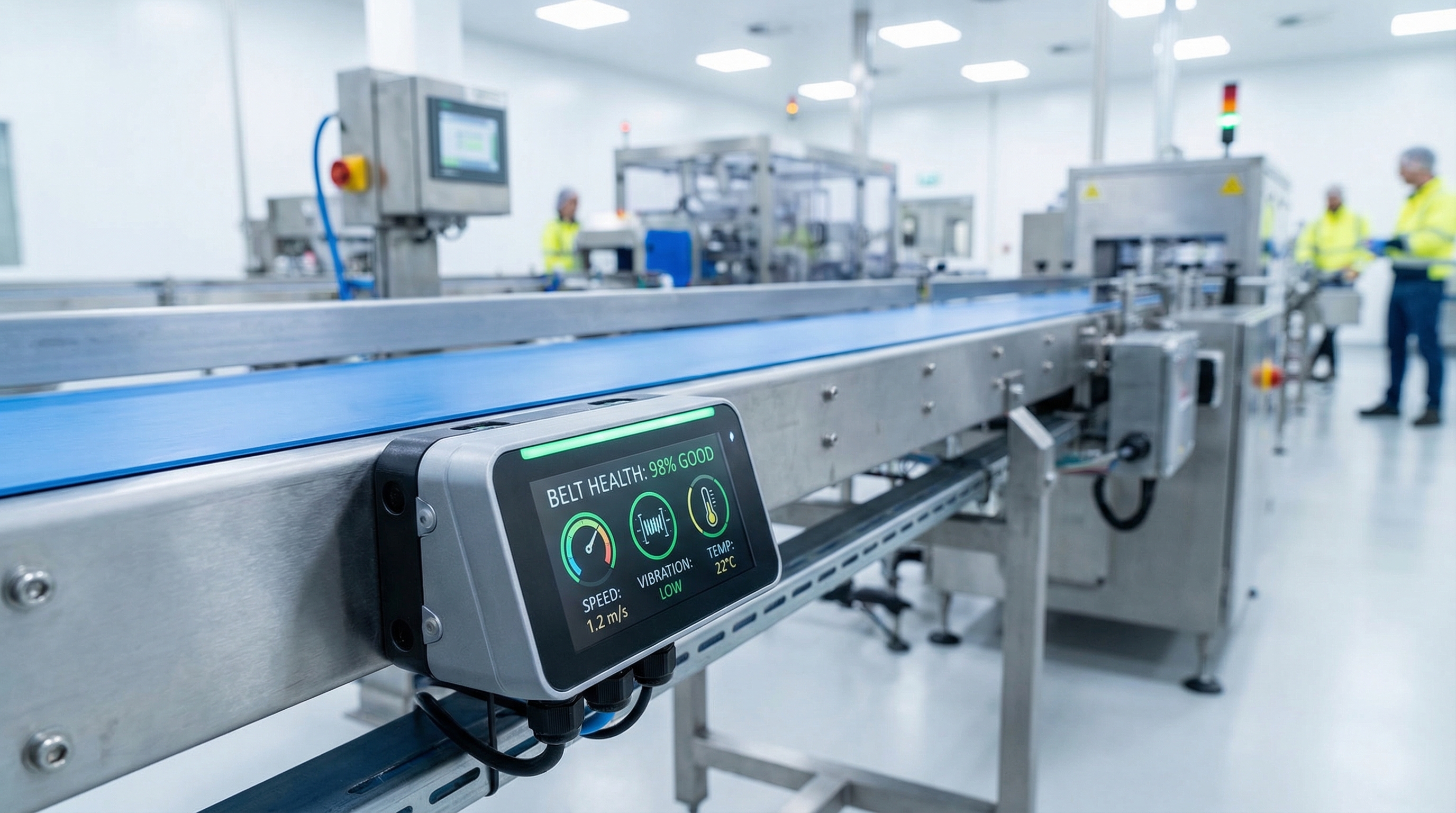
IoT sensors can shift the rubber conveyor belt market by moving the industry from reactive repairs to a 100% predictive maintenance model. By embedding electronics into the belt or frame, operators can detect failures before they happen.
Real-time monitoring for predictive maintenance
Real-time monitoring allows you to track variables like belt temperature, edge wear, and splice integrity through a digital dashboard. This advancement in the rubber conveyor belt market means you no longer have to rely on visual inspections alone.
Consider this:
- Temperature sensors detect bearing failures before they cause fires.
- Acoustic sensors identify belt misalignment in real-time.
- Tension monitors prevent over-stretching and premature carcass failure.
Integrating smart technology into belt systems
Modern belt systems are becoming “data points” in a larger industrial internet of things (IIoT) ecosystem. When you integrate these smart modules, you gain the ability to optimize belt speed based on actual load weights, saving significant energy.
Here is the deal: The initial cost of IoT-ready belts is higher, but the reduction in unplanned downtime pays for the technology within the first year. Consider these systems as “insurance” for your most critical production lines.
| Sensor Type | Function | Value to User | |
|---|---|---|---|
| Thermal Imaging | Detects hot spots | Fire prevention & safety | |
| RFID Tags | Tracks belt service life | Accurate replacement scheduling | |
| Laser Scanners | Measures surface wear | Optimized belt rotation |
The integration of IoT marks the end of the “dumb” rubber belt era and the beginning of the intelligent conveyor.
Key Takeaway: Adopting IoT-enabled belts gives you a massive competitive advantage by virtually eliminating the risk of unexpected belt snaps or motor burnouts.
What risks face the global rubber conveyor belt market?
Raw material price fluctuations and high initial capital requirements represent the most significant risks facing the global rubber conveyor belt market. Because rubber is a global commodity, geopolitical shifts can cause sudden spikes in manufacturing costs.
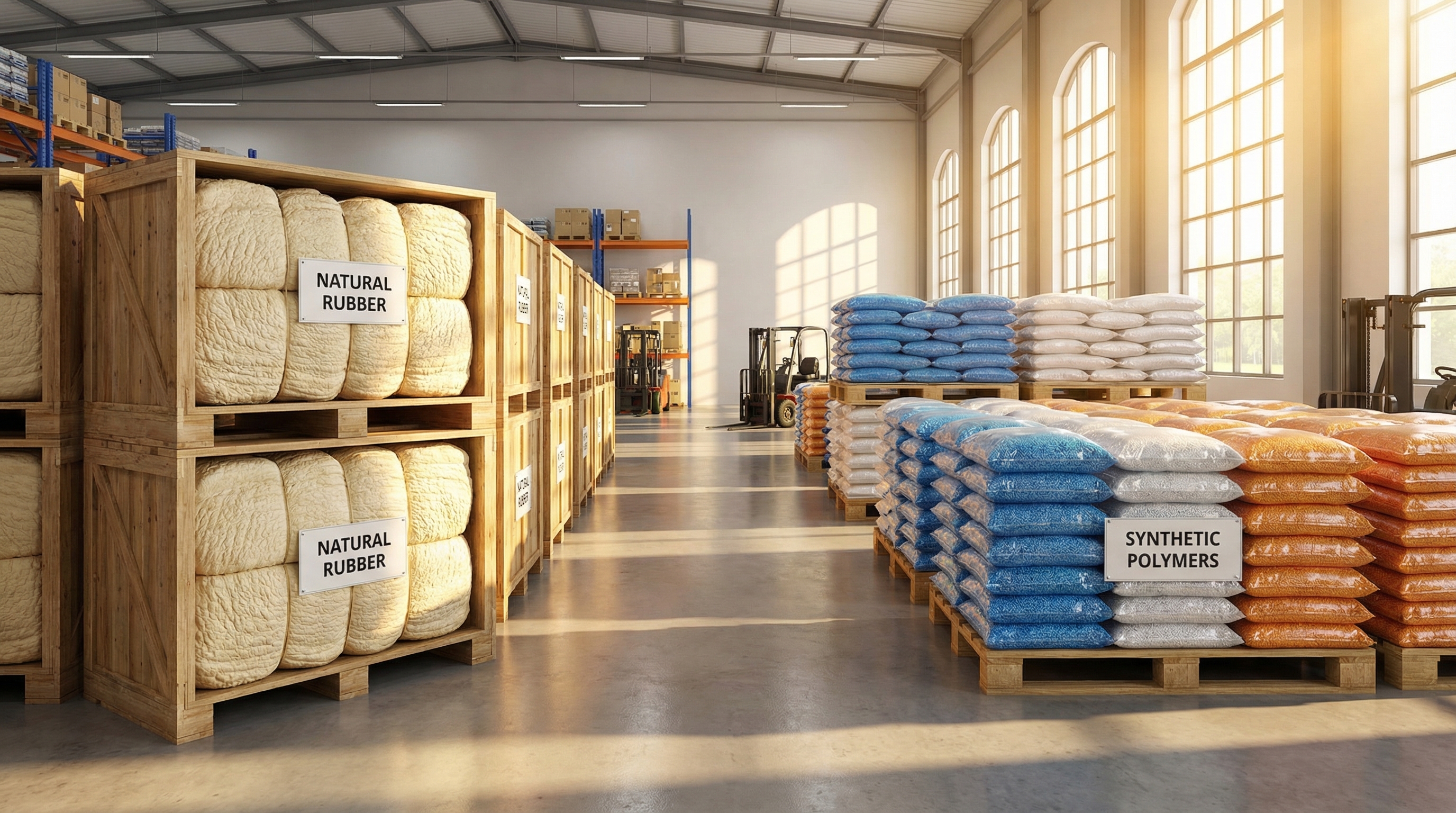
Managing raw material price fluctuations
The cost of natural and synthetic rubber can fluctuate by 20% within a single quarter, making it difficult for you to maintain stable procurement budgets. The rubber conveyor belt market is highly sensitive to the price of oil, which is the primary feedstock for synthetic polymers.
Consider this:
- Natural rubber supply is affected by climate patterns in Southeast Asia.
- Synthetic rubber costs track closely with global Brent Crude prices.
- Steel reinforcement prices are subject to international trade tariffs.
High initial investment costs for automation
While automation offers long-term savings, the high initial investment for a fully automated rubber conveyor belt market solution can be a barrier for many firms. You must balance the immediate “sticker shock” against the decade-long ROI of a modernized system.
But wait, there is more: To mitigate these costs, many facilities are opting for heat and abrasion resistant belts that last longer, reducing the total cost of ownership over time. Investing in quality upfront reduces the frequency of expensive replacement cycles.
| Risk Factor | Mitigating Strategy | Expected Result | |
|---|---|---|---|
| Price Volatility | Long-term supply contracts | Price stability and budget control | |
| Supply Chain Gaps | Multi-vendor sourcing | Reduced downtime due to shortages | |
| High CAPEX | Focus on “Premium” durability | Lower long-term maintenance costs |
Navigating market risks requires a strategic approach to both sourcing and material selection.
Key Takeaway: Mitigating market risks is best achieved by choosing high-specification belts that offer a longer service life, effectively decoupling your operations from short-term commodity price spikes.
Does e-commerce boost the rubber conveyor belt market?
E-commerce significantly boosts the rubber conveyor belt market by creating an insatiable demand for high-speed parcel handling and warehouse automation. The “Amazon effect” has forced logistics providers to expand their conveyor networks at an unprecedented pace.
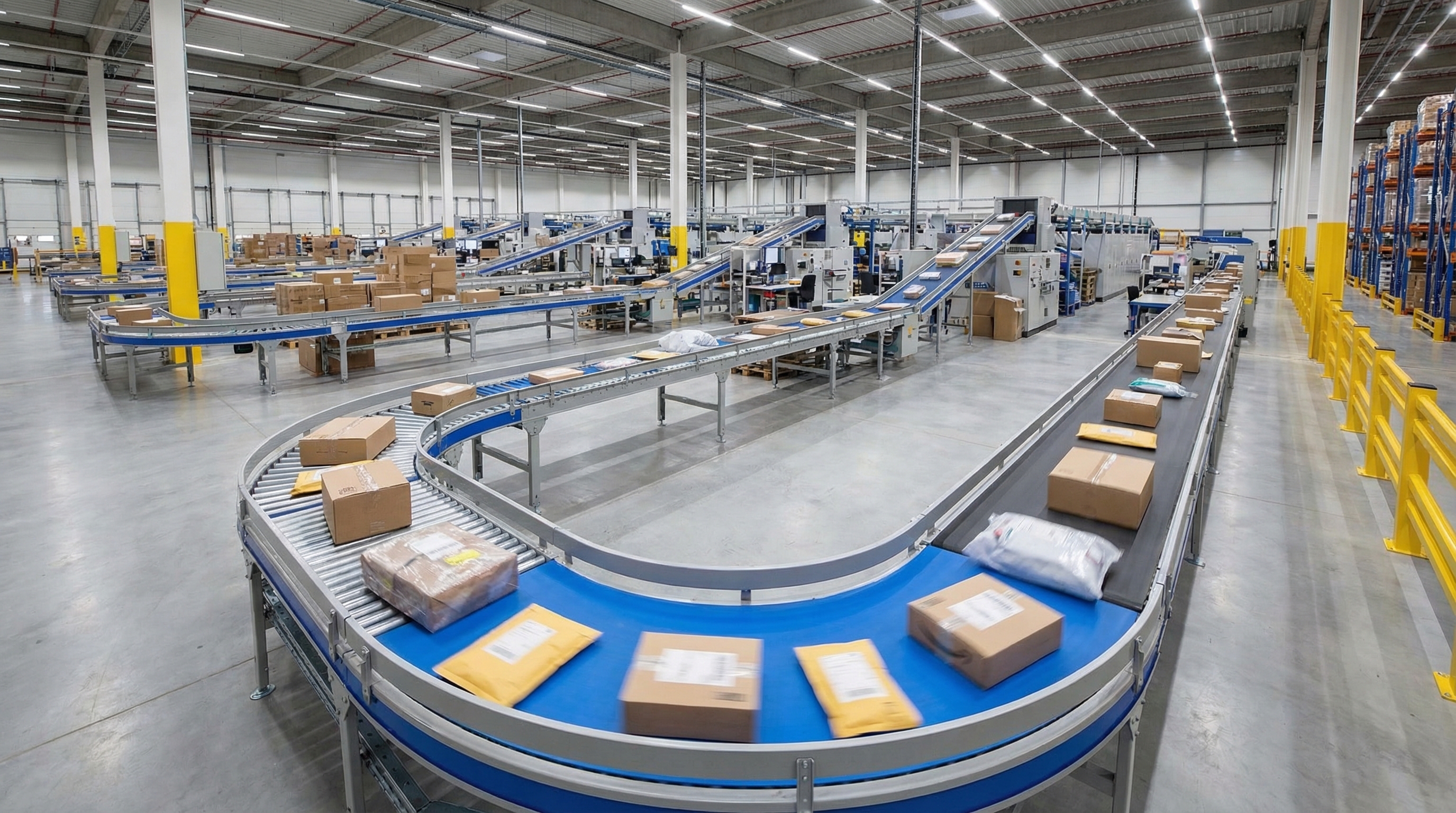
Logistics and warehouse automation requirements
Modern e-commerce fulfillment centers require belts that can handle thousands of small packages with extreme precision. The rubber conveyor belt market has evolved to provide low-noise, high-grip surfaces that prevent parcels from sliding during rapid acceleration.
Consider this:
- Fulfillment centers now operate 24/7 with zero room for error.
- Belts must be non-marking to avoid damaging consumer goods.
- Flame-retardant covers are essential for high-density robotic warehouses.
Light-weight vs. medium-weight logistics solutions
In the e-commerce sector, the choice between light-weight and medium-weight belts depends on whether you are moving individual items or bulk-loaded shipping containers. The rubber conveyor belt market offers specialized “Rough Top” textures for steep inclines in sorting facilities.
Think about it: Here is the deal: Every second saved in parcel sorting directly impacts your shipping window. Upgrading to high-speed logistics belts is the fastest way to increase your facility’s daily throughput capacity.
| Logistic Need | Belt Feature | Result | |
|---|---|---|---|
| High Speed | Low-stretch polyester carcass | Accurate sorting at 3m/s+ | |
| Inclined Sorting | Rough Top or Chevron profile | Prevents package back-slip | |
| Noise Reduction | Specialized bottom fabrics | Improved worker environment |
E-commerce has transformed conveying from a “bulk commodity” service into a high-precision logistics tool.
Key Takeaway: E-commerce growth demands a shift toward high-speed, low-noise belts that can handle high-frequency parcel sorting without mechanical degradation.
Navigating the future rubber conveyor belt market requires a strategic shift toward direct-to-factory sourcing and a focus on specialized material performance. As complexity increases, partnering with an experienced manufacturer becomes your most valuable asset.
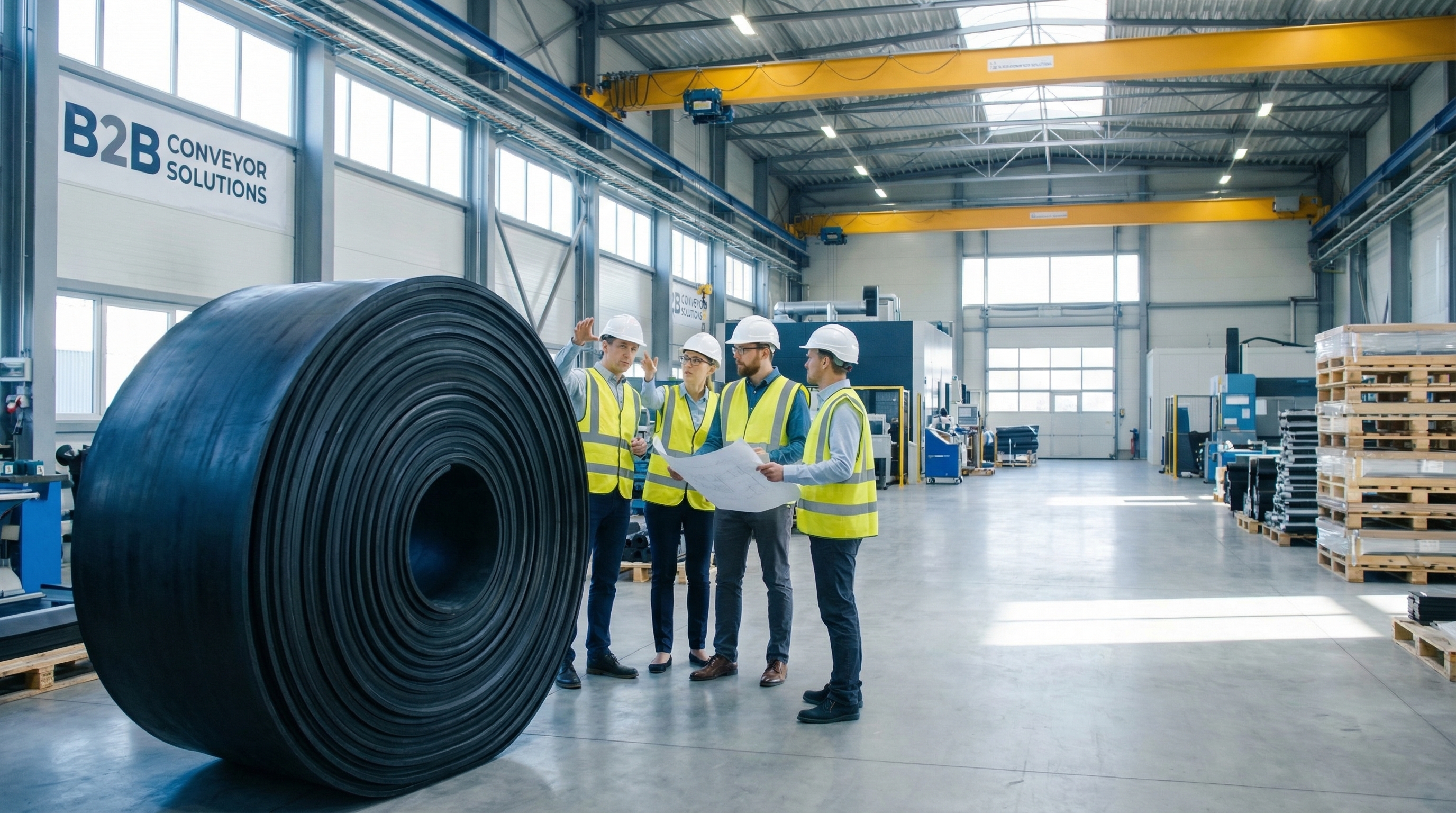
Strategic considerations for industrial procurement
When you plan your next procurement cycle, consider the total lifecycle cost rather than just the initial purchase price. The future rubber conveyor belt market will reward those who prioritize energy efficiency and reduced maintenance requirements.
Consider this:
- Direct factory sourcing can save you 15-30% in middleman markups.
- Customized belt widths (up to 3200mm) maximize your existing hardware.
- Requesting detailed test reports ensures international standard compliance.
Selecting the right manufacturer for long-term growth
The right partner should provide more than just a product; they should offer technical consultation and custom engineering. In the evolving rubber conveyor belt market, the ability to get a tailored solution within 24 hours is a massive operational advantage.
Here is the deal: A manufacturer with a global distributor network and proven export experience (to hubs like Turkey, Australia, or the UAE) is much more likely to understand your specific logistical challenges. Don’t settle for a generic supplier when you can have an engineering partner.
| Procurement Focus | Future Market Standard | User Benefit | |
|---|---|---|---|
| Sourcing | Direct Factory Partnership | Cost savings & stable lead times | |
| Technical | Custom Drawing Support | Perfect fit for legacy systems | |
| Quality | ISO 9001 / CE Certification | Guaranteed safety & performance |
Strategic procurement is the only way to insulate your business from the rising complexity of global supply chains.
Key Takeaway: Successful navigation of the future market depends on moving away from “commodity” buying and toward strategic partnerships with manufacturers who offer custom engineering and direct cost advantages.
We understand that your primary challenge is maintaining high-capacity material flow while managing the rising costs of industrial hardware. Our team specializes in solving these inefficiencies by providing direct-from-factory rubber conveyor belts engineered for the exact stresses of your specific industry. We provide the structural backbone for your automation surge, ensuring that your facility remains productive, safe, and profitable for decades to come. To secure your facility’s future and receive a tailored technical solution within 24 hours, reach out to our team for an expert consultation.
FAQ
Can I customize the width of the belts to fit my existing automation system? Yes, modern manufacturing allows for customized belt widths, with our facility offering widths up to 3200 mm to accommodate diverse industrial conveyor frames and high-capacity bulk handling needs. This ensures a perfect fit for even the most non-standard legacy systems.
What is the best material for a rubber conveyor belt in a high-abrasion environment? For high-abrasion environments like mining or aggregate handling, textile-reinforced or steel cord belts with specially formulated top covers are best. These materials provide the necessary tear resistance and durability to handle sharp or heavy loads without premature carcass failure.
How do I know if my facility needs medium-weight or heavy-weight belts? Selection depends on your specific load capacity and material type; medium-weight belts are generally sufficient for 46.3% of industrial applications where they balance flexibility and strength. Heavy-weight belts should be reserved specifically for extreme impact zones and massive, long-distance ore transport.
Can I integrate smart sensors into older rubber conveyor belt systems? Most modern IoT sensors and monitoring modules are designed for easy retrofitting. You can install these on existing conveyor frames to track belt heat, tension, and wear, moving your operations toward a more efficient predictive maintenance model without replacing your entire infrastructure.
What is the best way to mitigate the impact of raw material price fluctuations? The most effective strategy is to partner directly with a high-capacity manufacturer. Direct factory sourcing eliminates middleman markups and provides more stable pricing and lead times during periods of market volatility, giving you better long-term budget control.