
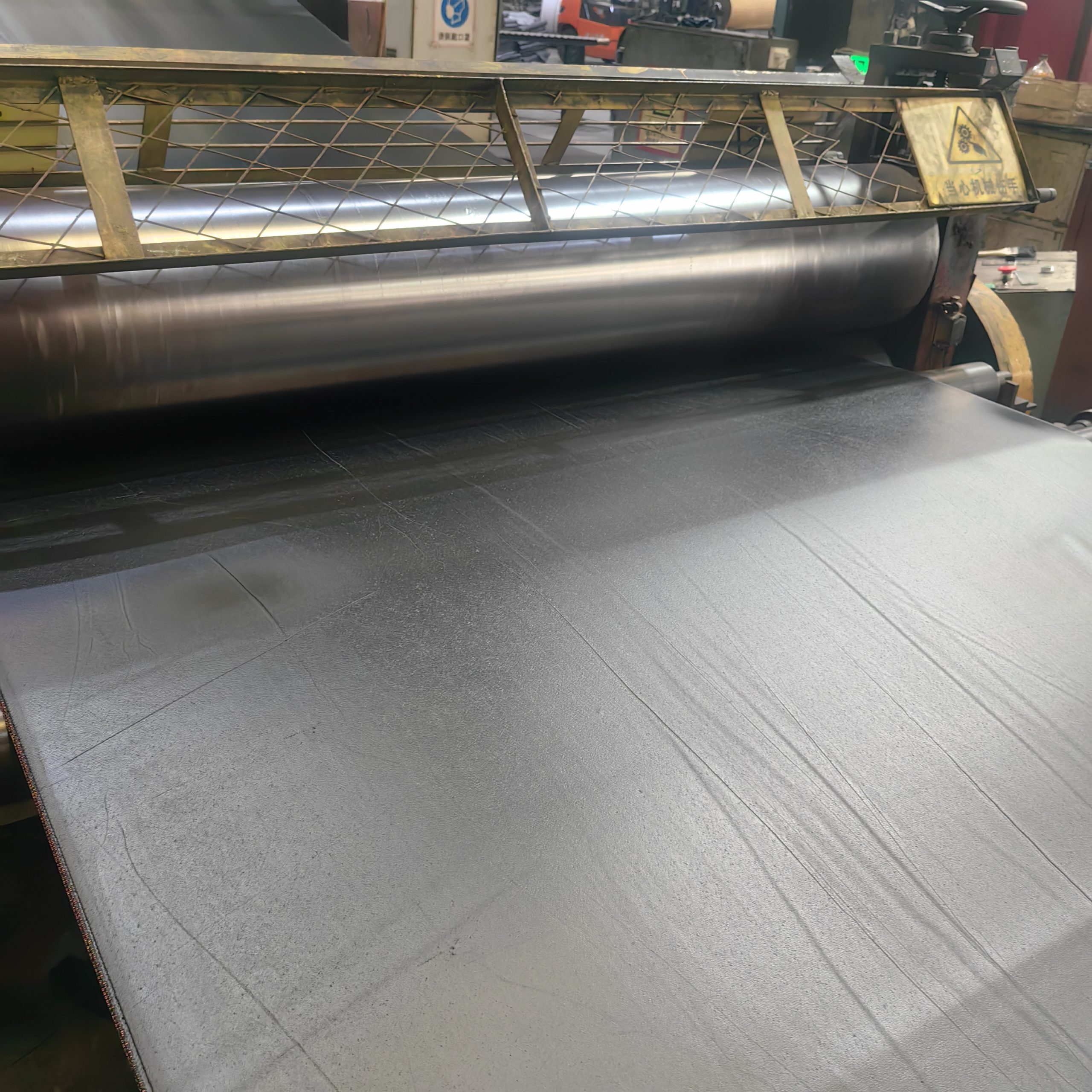
Plaster casting relies on a durable rubber belt for conveyor systems to move abrasive raw materials efficiently. A high-quality belt reduces downtime, lowers replacement costs, and keeps production running smoothly in demanding casting environments.
Why select a specific rubber belt for conveyor systems?
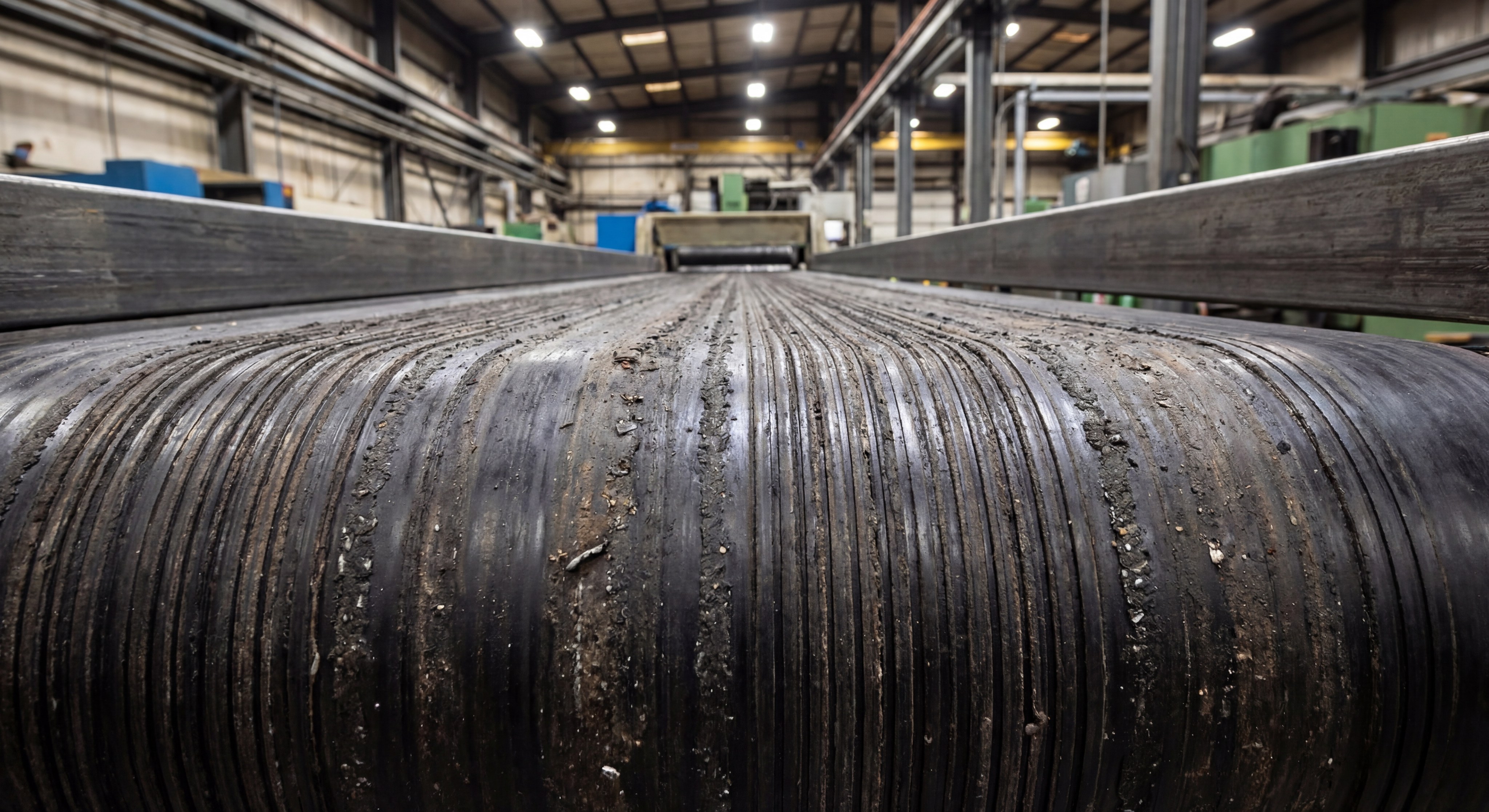
You must select a specific rubber belt for conveyor setups because the physical properties of plaster and casting materials can cause standard belts to degrade rapidly. These specialized belts are designed to resist the fine particulates and moisture levels found in casting environments. Without a tailored solution, you risk frequent tracking issues and surface delamination.
Tailoring design to material needs
The abrasive nature of plaster dust means you need a cover compound with high wear resistance. Here is the deal: standard rubber often hardens and cracks when exposed to the chemical additives used in modern molds.
- High-density rubber compounds prevent particle impregnation.
- Smooth surface finishes allow for easier cleaning and maintenance.
- Multi-ply carcasses provide the lateral stability needed for wide casting beds.
Impact of the operational environment
Your facility’s temperature and humidity levels play a massive role in how your belt performs over time. If the belt isn’t rated for your specific environment, it will stretch or shrink, leading to pulley slippage.
- Chemical resistance prevents swelling from mold release agents.
- Thermal stability ensures the belt remains flexible during curing processes.
| Selection Factor | Impact on Casting | Recommended Specification | |
|---|---|---|---|
| Abrasion Resistance | Prevents surface pitting | NQ/W Grade Rubber | |
| Moisture Control | Stops belt slipping | Textured Bottom Cover | |
| Chemical Stability | Resists mold agents | Nitrile-enhanced Compound |
The data suggests that matching belt chemistry to the specific chemicals in your plaster mix can increase service life by over 40%.
Key Takeaway: Selecting a belt based on your specific material chemistry and environmental variables is the only way to ensure long-term reliability in plaster casting applications.
How does a custom rubber belt for conveyor use work?
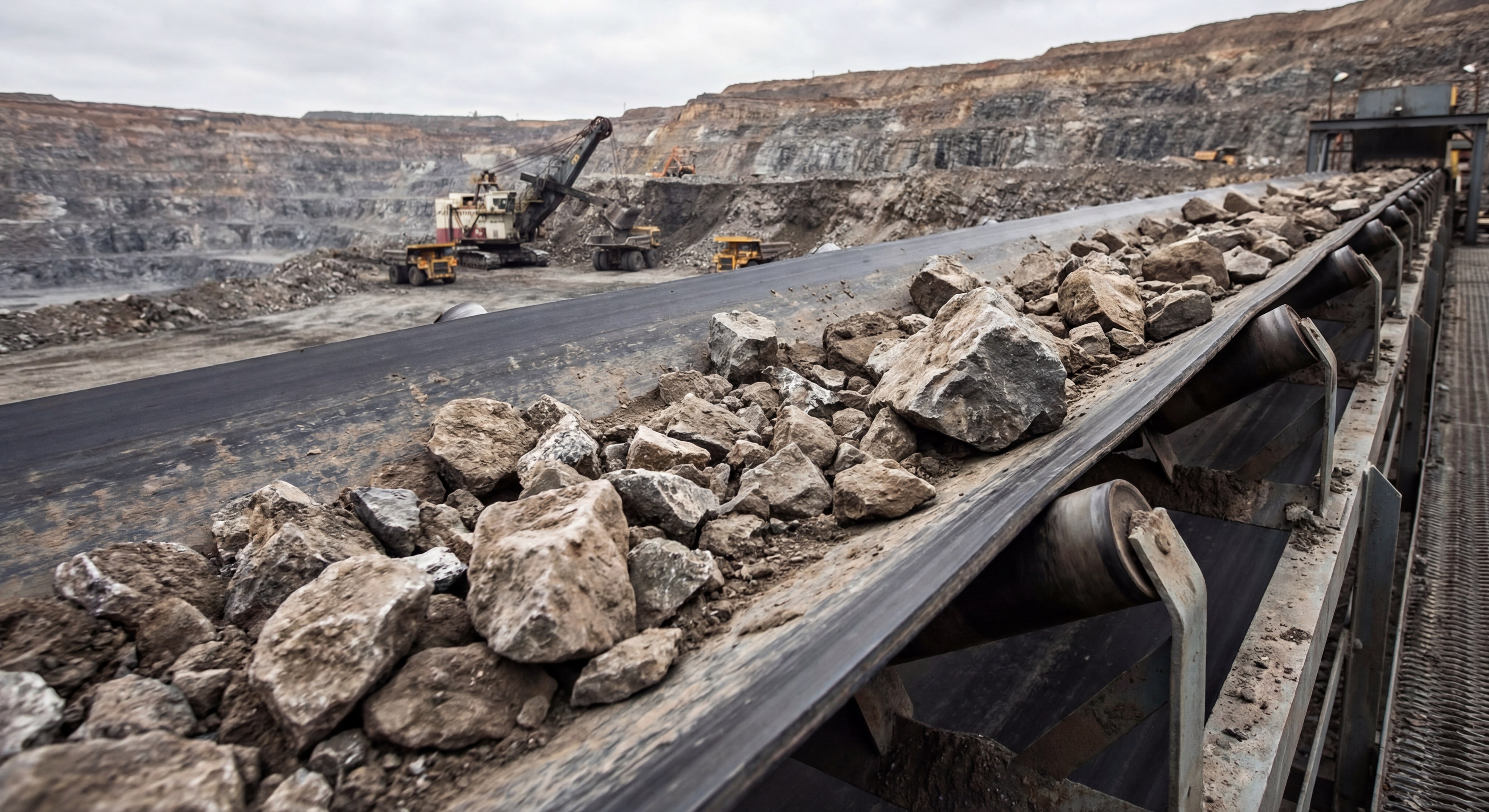
A custom rubber belt for conveyor systems works by utilizing a multi-layered structure that balances tensile strength with surface flexibility to move heavy plaster molds. These layers are vulcanized together to form a single, inseparable unit that can withstand high tension. You will find that the synergy between the internal carcass and the external cover is what defines the belt’s performance.
Understanding multi-ply structures
The internal carcass, often made of polyester or nylon, provides the “bones” of your conveyor system. But wait, there’s more: these layers are specifically oriented to handle the impact of heavy molds being dropped onto the line.
- EP fabric layers offer low elongation under high loads.
- Skim rubber between plies absorbs energy and prevents internal friction.
The role of surface profiles
In plaster casting, you often need the mold to stay perfectly still while the belt is in motion. Custom profiles or specific friction coefficients on the top cover ensure that delicate molds don’t slide or tip during transport.
- Matte finishes provide consistent grip for smooth-bottomed molds.
- Precision-ground edges ensure the belt tracks perfectly between pulleys.
| Component | Primary Function | Advantage for User | |
|---|---|---|---|
| Top Cover | Protects against abrasion | Lower replacement costs | |
| Fabric Carcass | Provides tensile strength | Minimal belt stretching | |
| Bottom Cover | Transfers drive power | Efficient motor energy use |
An analysis of carcass construction reveals that high-tensile fabric is essential for maintaining belt tension over long production lines.
Key Takeaway: Understanding the internal layers of your belt allows you to specify the exact strength required for your mold weights, preventing mid-shift failures.
Which rubber belt for conveyor suits steep inclines?
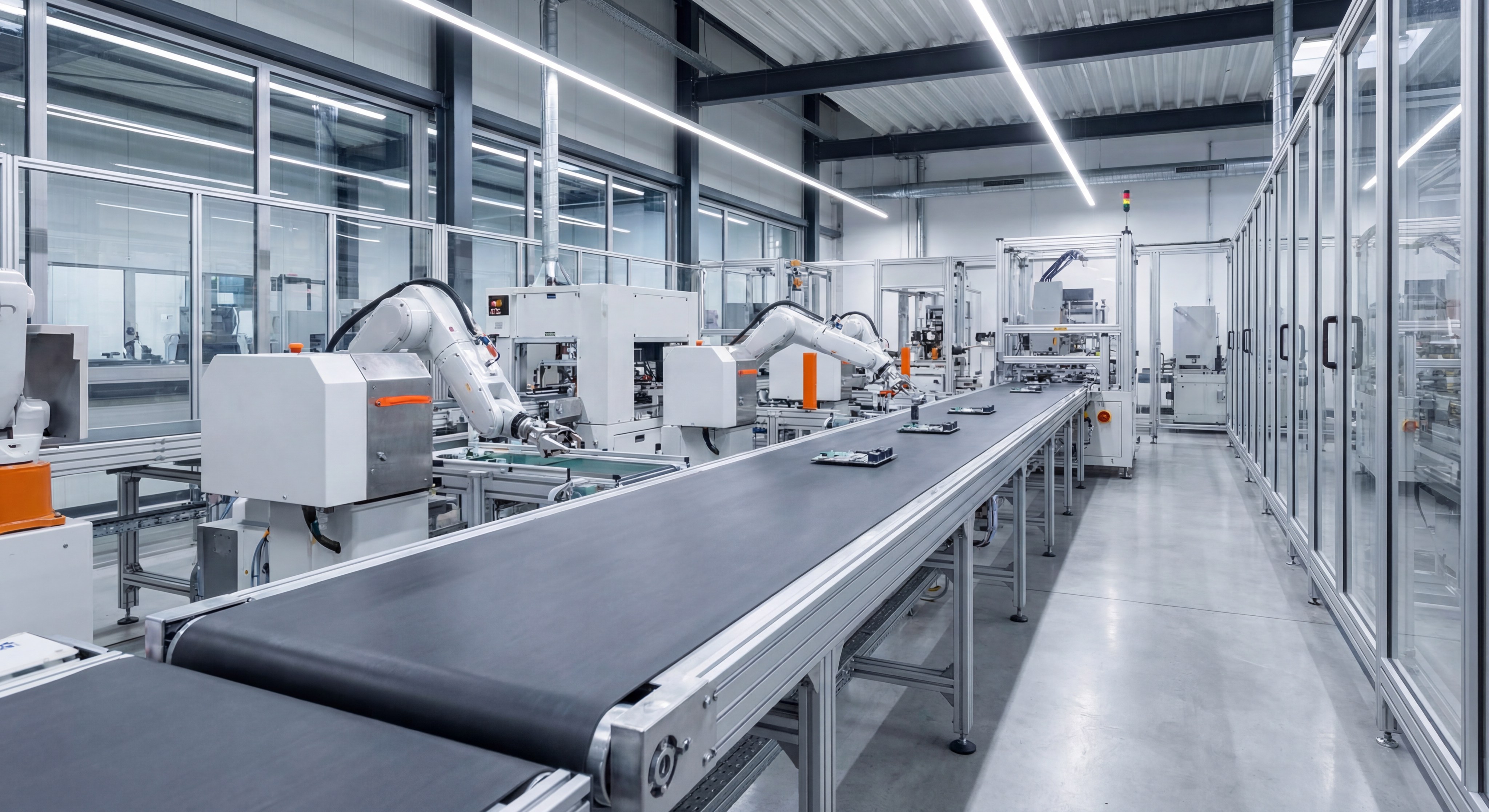
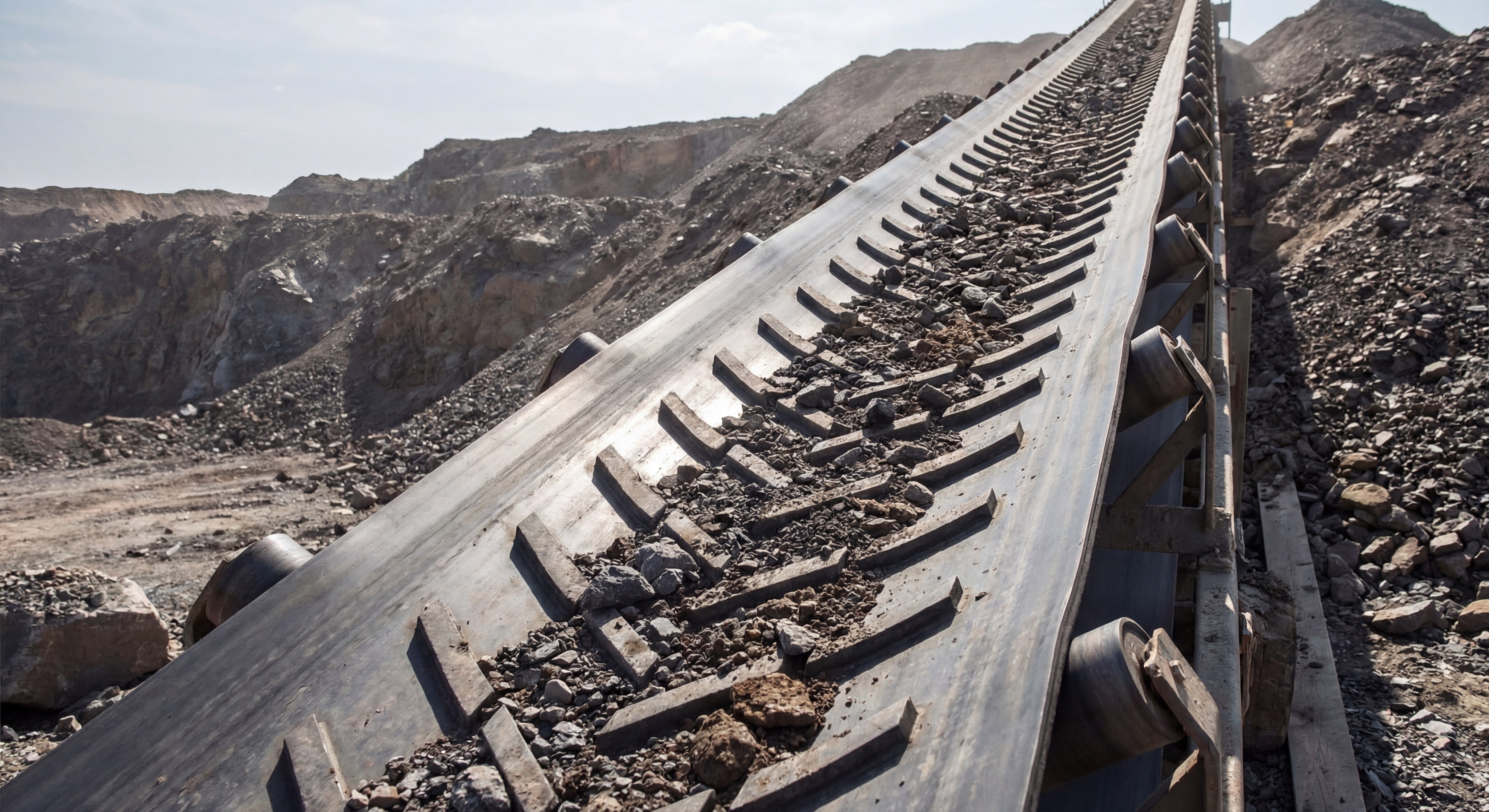
The best rubber belt for conveyor systems on steep inclines is one featuring a chevron or corrugated sidewall profile. These designs prevent your materials from rolling back down the line, even at angles exceeding 40 degrees. You can maximize your floor space by using vertical or high-incline transport for your casting materials.
Benefits of chevron profiles
Chevron belts use molded-in rubber cleats that act as “steps” for your loose plaster or finished parts. What does this mean for you? It means you can move more material in a smaller footprint without losing product to gravity.
- V-shaped patterns channel moisture away from the center.
- Integrated cleats are stronger than glued-on versions.
- Various cleat heights are available to match your specific material size.
Corrugated sidewall efficiency
When you need to go nearly vertical, corrugated sidewalls allow the belt to flex around pulleys while keeping the material contained. This setup is ideal for moving raw plaster powder from storage bins to the mixing station.
- Cross-cleats prevent material from sliding back.
- Sidewalls keep the belt edges clean and reduce spillage.
| Incline Angle | Recommended Profile | Typical Application | |
|---|---|---|---|
| 0° – 15° | Smooth Surface | Finished mold transport | |
| 15° – 35° | Chevron (V-Pattern) | Bagged plaster movement | |
| 35° – 80° | Sidewall & Cleats | Bulk powder lifting |
Engineering data proves that utilizing high-incline belts can reduce the total length of your conveyor system by up to 60%.
Key Takeaway: High-incline belts with integrated profiles allow you to optimize your facility layout and move materials vertically with high security.
When is a fabric rubber belt for conveyor necessary?
A fabric rubber belt for conveyor operations is necessary when you need a balance of high flexibility, lightweight construction, and significant tensile strength. These belts are the standard for most medium-duty industrial applications, including plaster molding lines. You will appreciate the lower energy costs associated with moving these lighter textile-reinforced belts.
EP and NN reinforcements
Polyester-Nylon (EP) and Nylon-Nylon (NN) are the two most common fabric types used in these belts. Here is the deal: EP belts are preferred for most applications because they don’t stretch as much as pure nylon options.
- EP fabric resists moisture and mildew in damp casting rooms.
- NN fabric offers superior impact resistance for heavy loading zones.
- Both types are highly resistant to rot and chemical degradation.
Determining ply count
The number of fabric layers determines the overall thickness and strength of your belt. You must calculate your maximum load and pulley diameters to choose the right ply count for your system.
- 2-ply belts are great for small pulleys and light parts.
- 4-ply belts provide the ruggedness needed for heavy industrial casting.
| Fabric Type | Strength | Stretch Level | Impact Resistance | |
|---|---|---|---|---|
| EP (Polyester) | High | Low | Medium | |
| NN (Nylon) | High | High | Excellent | |
| CC (Cotton) | Medium | Medium | Low |
The choice between EP and NN depends largely on whether your system prioritizes low stretch or high impact absorption.
Key Takeaway: Fabric-reinforced belts offer the most versatile and cost-effective solution for standard material handling in casting facilities.
Why use a steel cord rubber belt for conveyor needs?
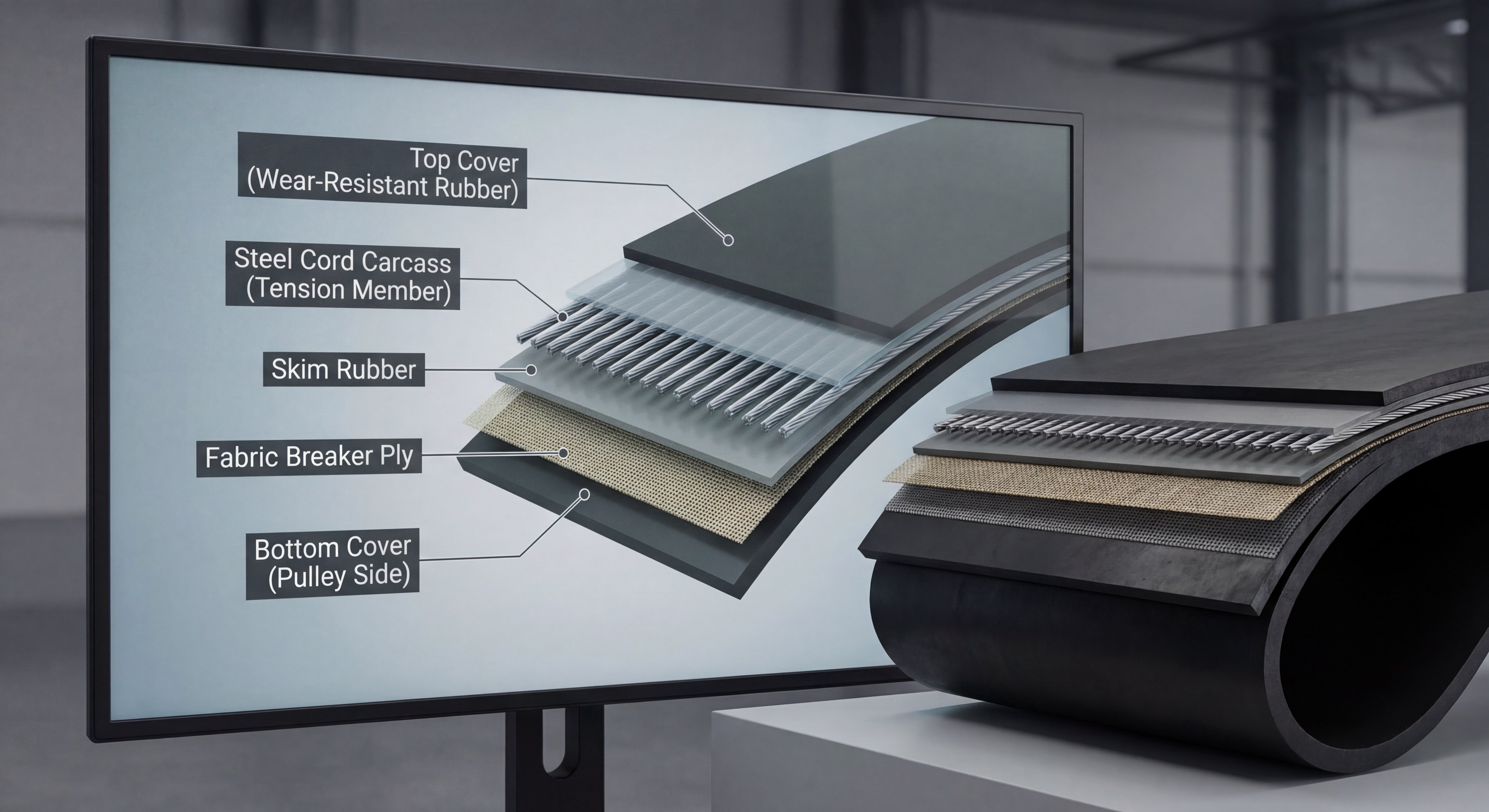
You should use a steel cord rubber belt for conveyor needs when your application involves extremely long distances or incredibly heavy bulk loads. Steel cords provide virtually zero stretch, making them the ultimate choice for high-tension environments. If your casting plant involves moving tons of raw gypsum over hundreds of meters, steel is the only option.
Superior tensile strength
Steel cords are embedded in the rubber to act as the primary tension members. But wait, there’s more: these cords are coated in specialized adhesives to ensure they never pull out of the rubber carcass.
- Steel cords handle loads that would snap fabric belts.
- The open-cord design allows rubber to flow through, creating a mechanical lock.
- Superior troughing characteristics allow for high-volume transport.
Elongation control for long lines
Because steel does not stretch like fabric, you don’t need massive take-up systems to keep the belt tight. This simplifies your conveyor design and reduces the physical footprint of your machinery.
- Precise tracking is easier to maintain over long distances.
- Reduced energy loss from belt “creeping” on the pulleys.
| Feature | Steel Cord Belt | Fabric Belt | |
|---|---|---|---|
| Maximum Tension | Extremely High | Moderate | |
| Elongation | < 0.2% | 1.5% – 4.0% | |
| Impact Resistance | Very High | High |
Technical assessments show that steel cord belts are the most efficient choice for any system exceeding 500 meters in length.
Key Takeaway: Steel cord belts provide the ultimate structural integrity for heavy-duty bulk handling, ensuring your primary supply lines never fail.
Is a heat resistant rubber belt for conveyor essential?
A heat resistant rubber belt for conveyor systems is essential if your process involves moving plaster molds directly from curing ovens or handling hot raw materials. Standard rubber will quickly become brittle and crack when exposed to temperatures over 80°C. You must protect your investment by choosing a compound rated for your specific thermal cycle.
Handling hot materials
In casting, the curing process often generates significant heat that transfers directly to the belt surface. Here is the deal: specialized EPDM or SBR compounds are used to maintain flexibility even under constant thermal stress.
- T1 ratings handle temperatures up to 125°C.
- T3 ratings can withstand peak temperatures of 200°C for short bursts.
- Heat-resistant covers prevent the “popcorn” effect of surface bubbling.
Preventing thermal delamination
Extreme heat can cause the layers of a belt to separate if the adhesive isn’t rated for high temperatures. You will avoid catastrophic belt failure by ensuring your supplier uses heat-stabilized fabric and rubber.
- High-temp adhesives maintain the bond between plies.
- Reinforced edges prevent heat-related fraying.
| Heat Grade | Constant Temp | Peak Temp | Application | |
|---|---|---|---|---|
| Grade T1 | 100°C | 125°C | General curing lines | |
| Grade T2 | 125°C | 150°C | Heavy mold transport | |
| Grade T3 | 150°C | 200°C | Direct oven discharge |
Monitoring surface temperature with infrared sensors can help you determine the exact heat grade required for your specific process.
Key Takeaway: Heat-resistant belts are a critical safety and financial safeguard for any production line involving thermal curing or hot material transport.
Can a food grade rubber belt for conveyor ensure safety?
A food grade rubber belt for conveyor units ensures safety by using non-toxic, FDA-compliant materials that won’t contaminate sensitive products. While plaster casting isn’t food production, many specialty casting applications in medical or dental fields require similar levels of purity. You can maintain a “clean-room” environment by using white or blue oil-resistant food-grade belts.
FDA compliance standards
These belts are manufactured using specific polymers that do not leach chemicals into the products they carry. What does this mean for you? It means your high-purity plaster or medical molds remain uncontaminated throughout the process.
- White rubber compounds make it easy to spot debris or buildup.
- Non-porous surfaces prevent the growth of bacteria or mold.
- Resins used in the belt are odorless and tasteless.
Hygiene and maintenance
Cleaning a food-grade belt is significantly easier than cleaning a standard industrial belt. You can use harsher cleaning agents without worrying about the rubber breaking down or losing its grip.
- Smooth covers prevent plaster dust from getting trapped in the grain.
- Sealed edges prevent internal fabric from soaking up cleaning fluids.
| Property | Food Grade Belt | Industrial Belt | |
|---|---|---|---|
| Color | White / Blue / Green | Black | |
| FDA Status | Compliant (CFR 21) | Not Rated | |
| Odor | Low / None | Chemical / Rubber |
Switching to a food-grade belt in sensitive casting environments reduces the risk of product rejection due to discoloration or chemical transfer.
Key Takeaway: Utilizing food-grade materials in specialized casting applications guarantees a level of purity that standard industrial belts cannot match.
What oil resistant rubber belt for conveyor is best?
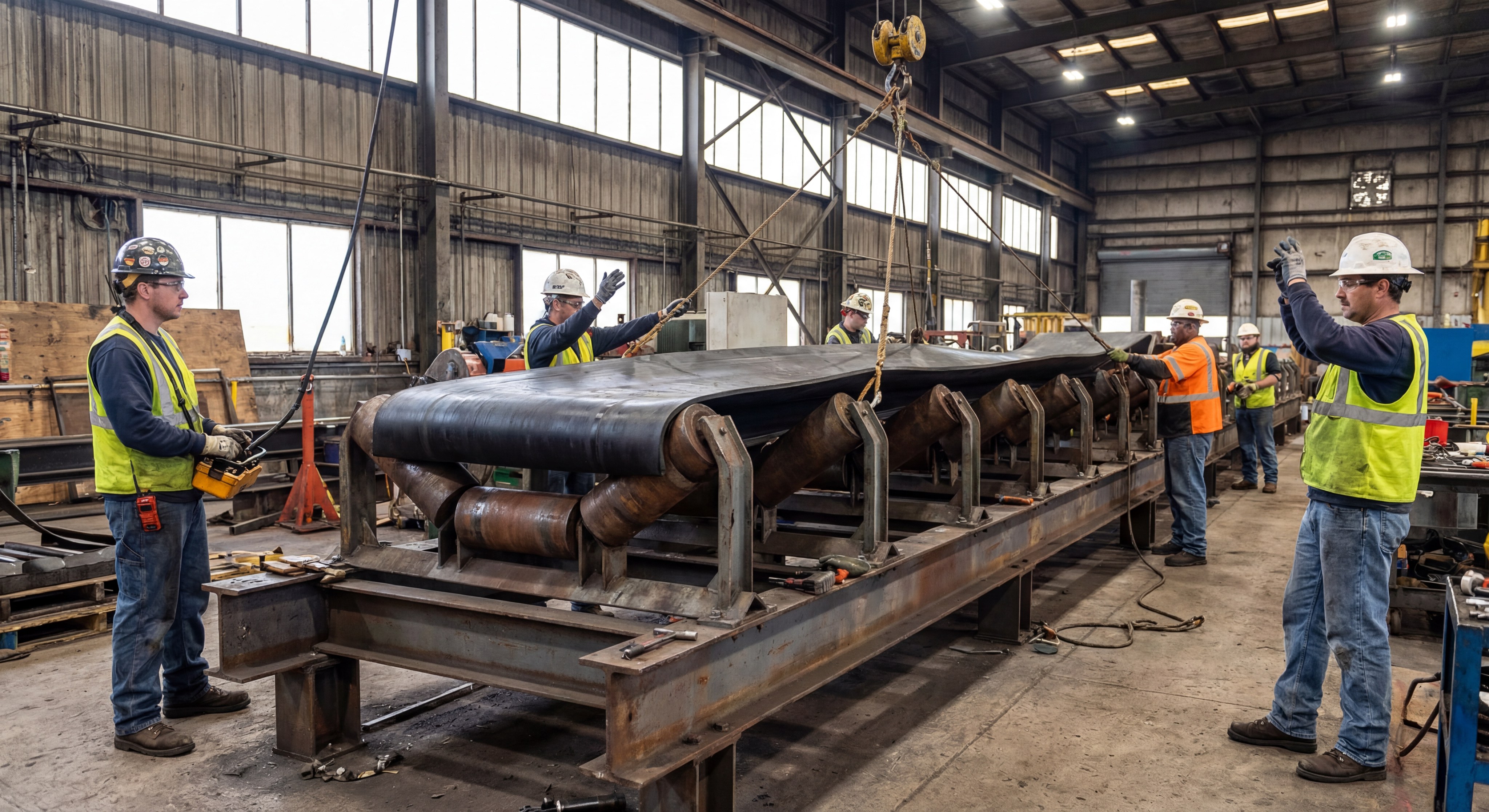
The best oil resistant rubber belt for conveyor systems is one made with a high Nitrile (NBR) content, specifically designed to resist swelling and softening. Many mold release agents and lubricants used in plaster casting are oil-based and will destroy standard rubber. You will notice your belts warping or “waviness” at the edges if they aren’t properly rated for oil exposure.
Mineral oil and fat resistance
Oil resistance is categorized by the severity of the exposure. Here is the deal: you need to determine if you are dealing with light misting or full immersion in oily substances.
- MOR (Moderate Oil Resistance) handles light lubricants.
- OR (High Oil Resistance) is required for heavy mold release agents.
- SOR (Super Oil Resistance) is best for petroleum-heavy environments.
Preventing chemical swelling
When oil penetrates rubber, it causes the belt to expand, leading to tracking problems and eventually tearing. By using a fully oil-resistant compound, you ensure the belt maintains its original dimensions throughout its life.
- Nitrile covers provide a barrier against penetration.
- Specialized fabric treatments prevent oil from “wicking” into the belt core.
| Resistance Level | Best For | Result of Failure | |
|---|---|---|---|
| Low | Dry powders only | Rapid softening | |
| Moderate | Light misting | Edge curling | |
| High | Direct oil contact | No change in structure |
Independent testing confirms that Nitrile-based belts maintain their tensile strength 300% longer than SBR belts when exposed to industrial oils.
Key Takeaway: Matching the oil resistance level to your specific mold lubricants prevents belt swelling and ensures your line stays perfectly aligned.
How does an abrasive rubber belt for conveyor last?
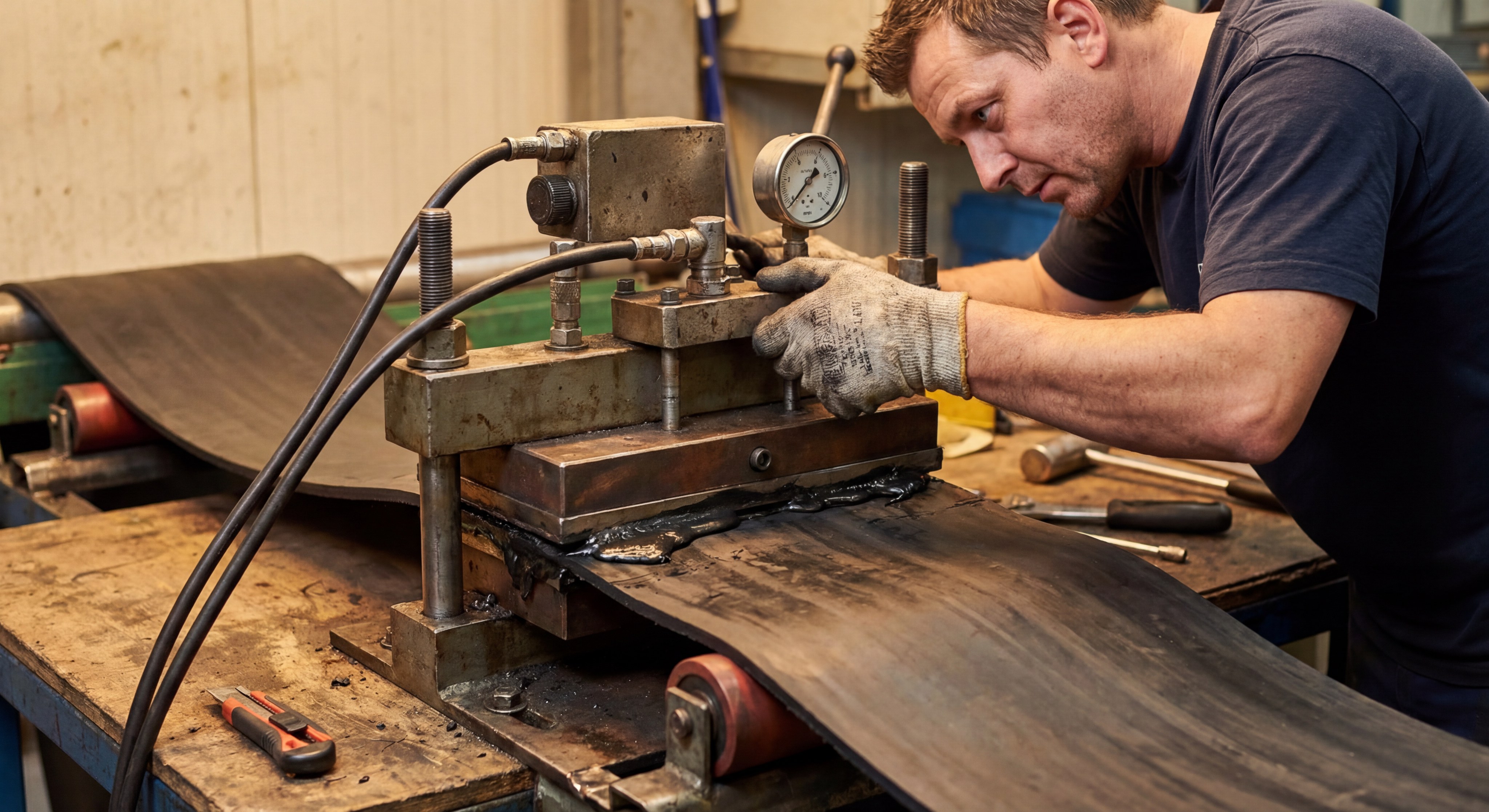
An abrasive rubber belt for conveyor systems lasts longer because it utilizes high-density, cross-linked rubber that resists cutting and gouging from sharp materials. Plaster shards and raw gypsum can be incredibly sharp, acting like sandpaper on a moving belt. You will save thousands of dollars in replacement costs by investing in a high-grade abrasion-resistant cover.
Resisting sharp materials
The hardness and thickness of the top cover are your first line of defense. But wait, there’s more: these covers are engineered to “give” slightly under impact, preventing the material from cutting into the belt carcass.
- Grade D/H rubber provides extreme cut resistance.
- High-tensile top covers prevent gouges from spreading into tears.
- Thick covers allow for more wear before the fabric is exposed.
Minimizing surface wear
As materials slide onto the belt at loading points, they cause friction. An abrasion-resistant belt uses low-friction compounds that allow material to settle without grinding away the rubber.
- NQ and W grades are the industry standard for high-wear zones.
- Uniform rubber density ensures even wear across the entire belt width.
| Wear Grade | Abrasion Loss (mm³) | Durability Level | |
|---|---|---|---|
| DIN-Y | < 150 | Standard Duty | |
| DIN-W | < 90 | High Wear | |
| DIN-X | < 120 | Impact Resistant |
Analysis shows that reducing abrasion loss from 150mm³ to 90mm³ can nearly double the operational lifespan of a belt in a casting facility.
Key Takeaway: High-grade abrasion resistance is the most effective way to lower your “cost per ton” of material moved by extending the time between belt swaps.
Where can you buy a quality rubber belt for conveyor?
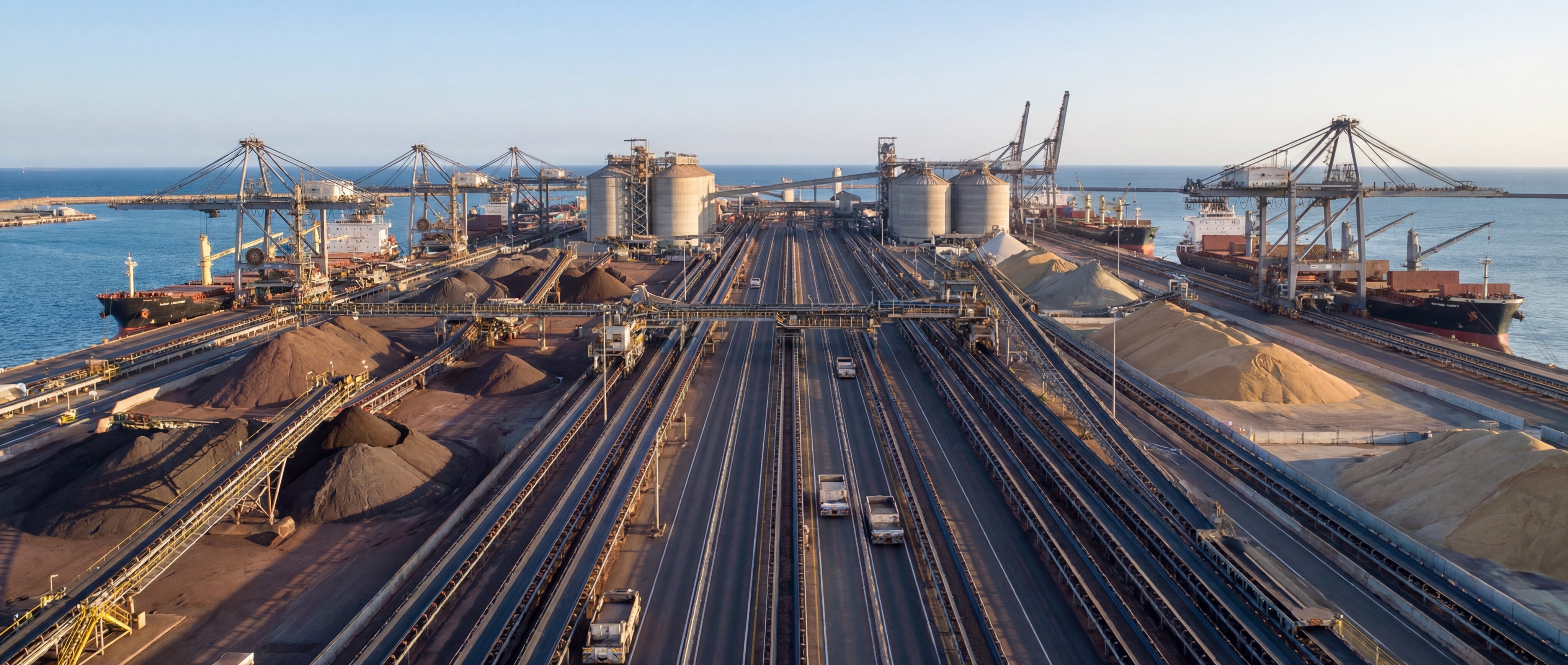
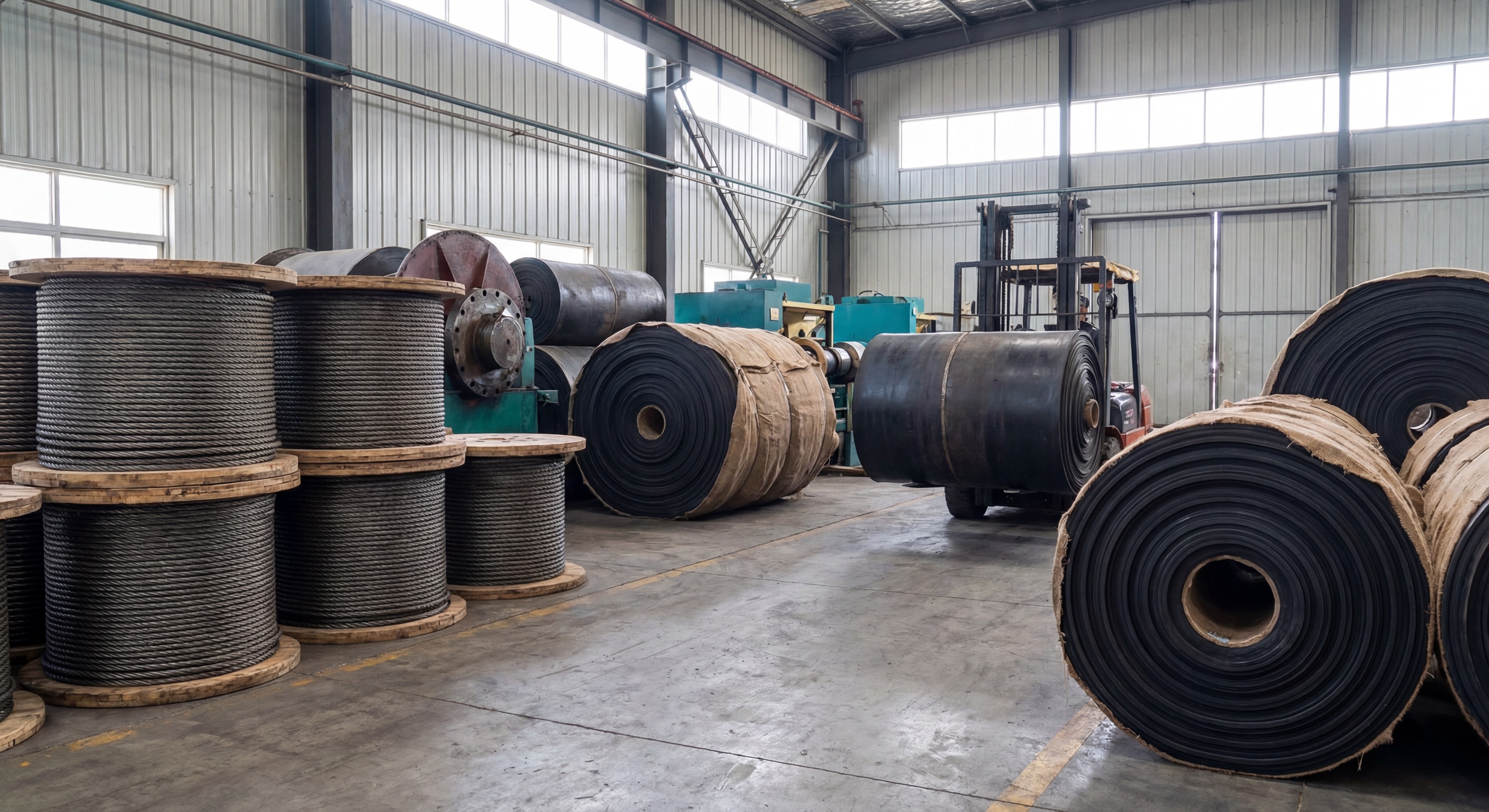
You can buy a quality rubber belt for conveyor systems directly from a certified manufacturer that specializes in industrial material handling. Buying direct allows you to customize the specifications to your exact project needs rather than settling for an off-the-shelf product. You will also benefit from technical expertise that ensures you are buying the right belt for your specific plaster casting application.
Direct factory manufacturer benefits
Working with a factory gives you access to the latest rubber compounding technology and quality control standards. What does this mean for you? It means you get a fresher product with a longer shelf life and a lower price point by cutting out the middlemen.
- Custom widths and lengths are made to order.
- Direct engineering support for complex conveyor designs.
- Transparent lead times and shipping schedules.
Certified production standards
You must ensure your supplier follows ISO 9001 and international safety standards for conveyor manufacturing. This guarantees that every meter of belt you receive has been tested for tensile strength, elongation, and cover adhesion.
- CE and EN certifications ensure compliance with safety regulations.
- Batch testing reports should be available for every shipment.
| Purchasing Option | Cost Savings | Technical Support | Customization | |
|---|---|---|---|---|
| Direct Manufacturer | 15% – 30% | High | Unlimited | |
| Local Distributor | 0% | Moderate | Limited | |
| Online Reseller | Variable | Low | None |
Data comparisons indicate that direct factory procurement leads to a 20% reduction in total material handling costs over a three-year period.
Key Takeaway: Buying directly from a specialized manufacturer ensures you receive a high-performance, custom-tailored product at the most competitive price.
Conclusion
Every conveyor belt application is indeed different, especially in the demanding world of plaster casting where moisture, abrasion, and heat are constant challenges. We have explored how the right rubber belt for conveyor systems solves the problems of premature wear, material rollback, and chemical degradation. By choosing a manufacturer that understands these nuances, you are not just buying a spare part; you are securing the future of your production line. We believe that every industrial facility deserves equipment that works as hard as they do, and we are committed to providing the durable technology that makes that possible. If you are ready to eliminate downtime and optimize your workflow, contact us today for a technical consultation and a solution designed specifically for your needs.
FAQ
Can I get a sample of the rubber belt for conveyor?Yes. We offer material samples so you can test the rubber hardness and fabric quality against your specific materials before committing to a full order.
What’s the best rubber belt for conveyor high heat?It depends on your peak temperature. For most casting applications, our Grade T2 or T3 EPDM-based heat-resistant belts provide the best protection against thermal cracking.
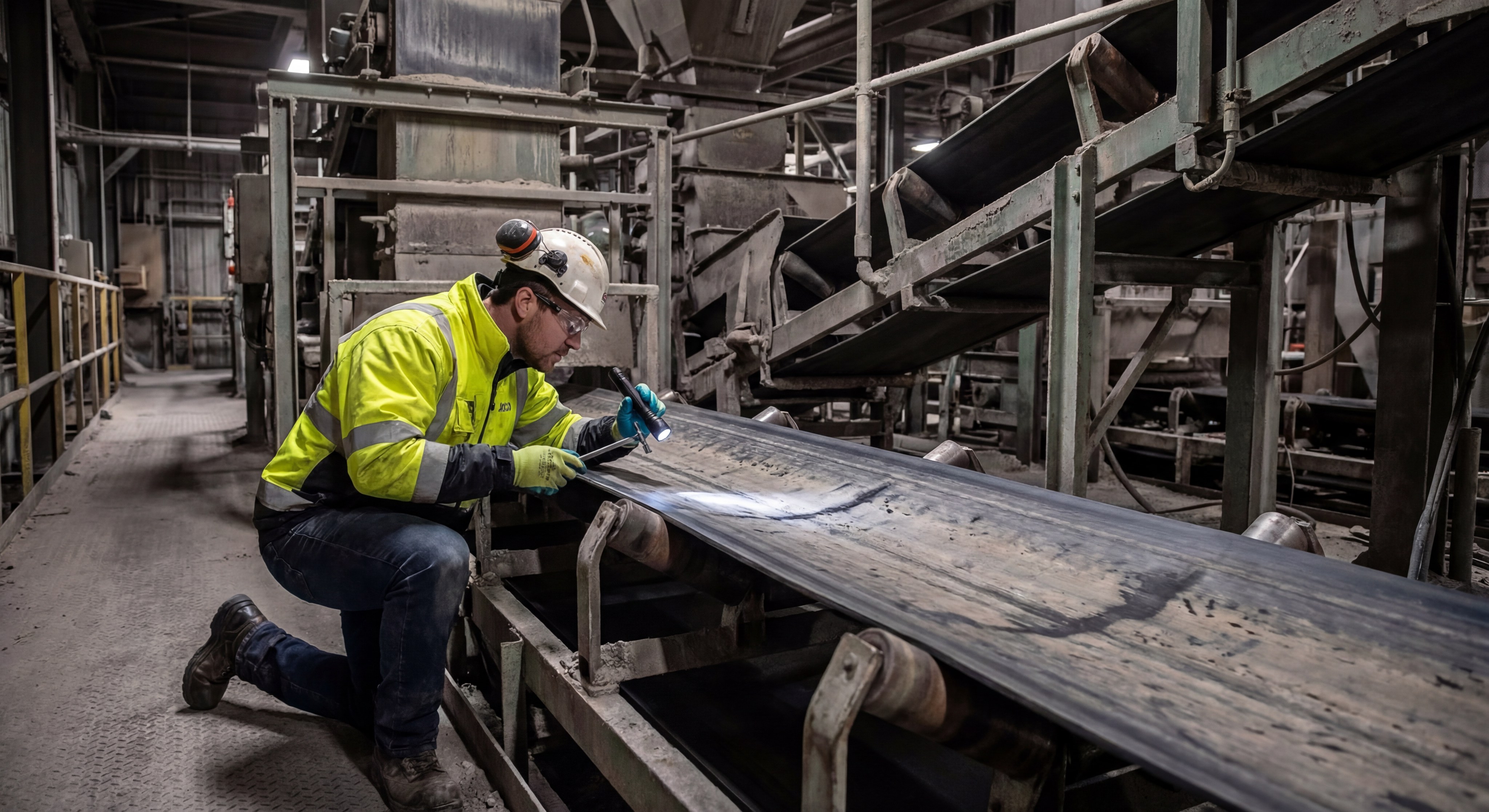
How do I know if my rubber belt for conveyor is worn out?You should look for exposed fabric, significant edge fraying, or a reduction in cover thickness of more than 50%. If the belt starts slipping despite proper tension, it is likely time for a replacement.
Can I use a standard rubber belt for conveyor in oily environments?No. Standard SBR or Natural Rubber will swell and warp almost immediately when exposed to industrial oils or mold release agents, leading to tracking failure.
What’s the best way to clean a rubber belt for conveyor?Yes, most industrial belts can be cleaned with a mild detergent and water, but for plaster applications, a mechanical belt scraper is the most effective way to prevent buildup.