
A steel cord rubber conveyor belt is designed for heavy-duty material handling in mining and aggregate industries. It offers high tensile strength, minimal elongation, and reliable performance for long-distance conveying.
Why choose a steel cord rubber conveyor belt?
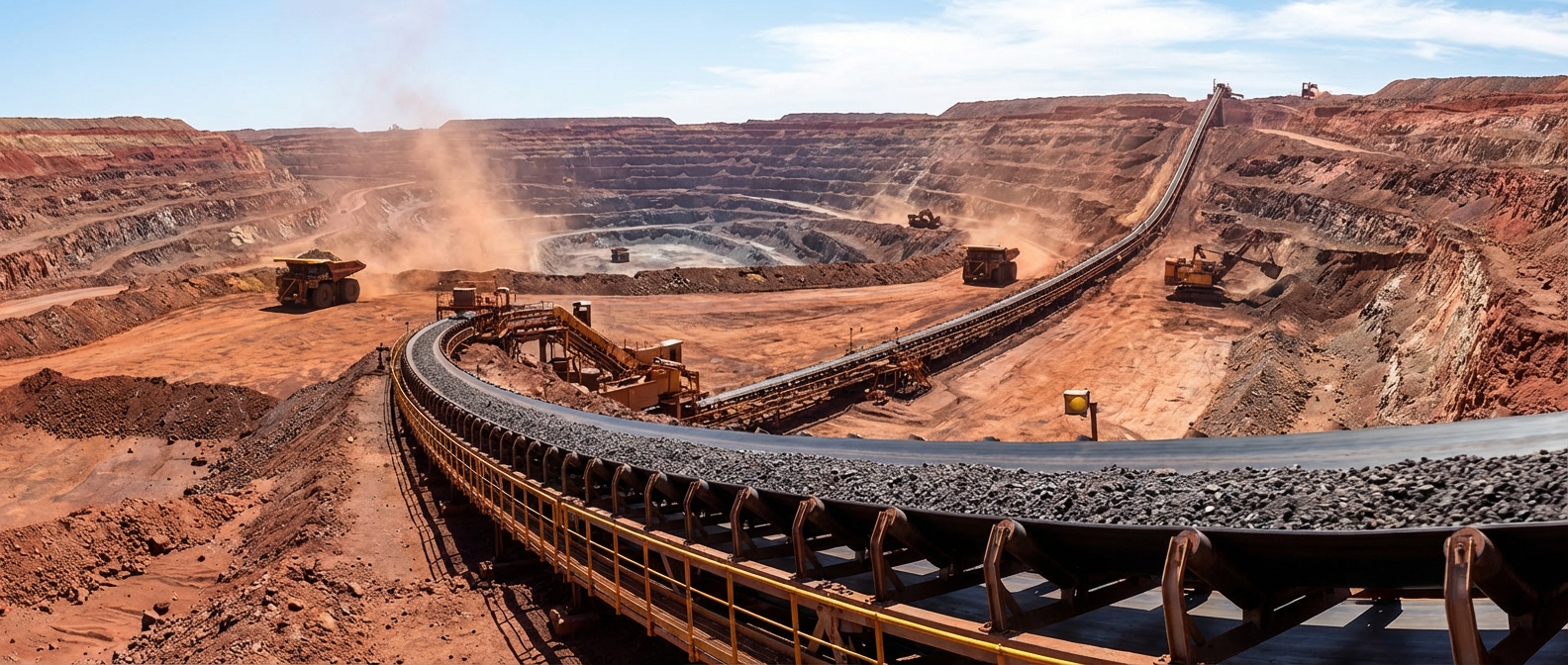
You should choose this belt when your operation requires extreme durability for long-distance transport and high-volume material handling. This specific steel cord rubber conveyor belt configuration is designed to outperform fabric alternatives in deep mines and massive open-pit facilities.
Is it perfect for long-haul conveying?
High-tension systems require a carcass that won’t stretch under the weight of several kilometers of material. Think about it:
- Reduced take-up travel requirements.
- Lower energy consumption over long distances.
- Exceptional tracking stability.
The bottom line? You get a more efficient system that requires fewer transfer points and less structural intervention.
Managing high-mass material flows
Heavy loads of iron ore or granite put immense pressure on your system’s structural integrity. These belts utilize a high-tensile carcass to support massive weight without sagging between idlers.
Here is the best part: The structural rigidity ensures your material stays centered and your motors operate at peak efficiency. This prevents the costly spillage often seen with lower-grade reinforcement materials.
Key Takeaway: Choosing the right reinforcement ensures your long-distance systems remain stable and efficient under maximum load conditions.
| Benefit | Impact | |
|---|---|---|
| Long-haul Capacity | Supports kilometers of continuous transport | |
| Low Elongation | Minimizes take-up and maintenance needs | |
| High Load Support | Prevents sagging and material spillage |
This analysis confirms that reinforcement choice is the primary driver of long-term system stability.
How is a steel cord rubber conveyor belt built?
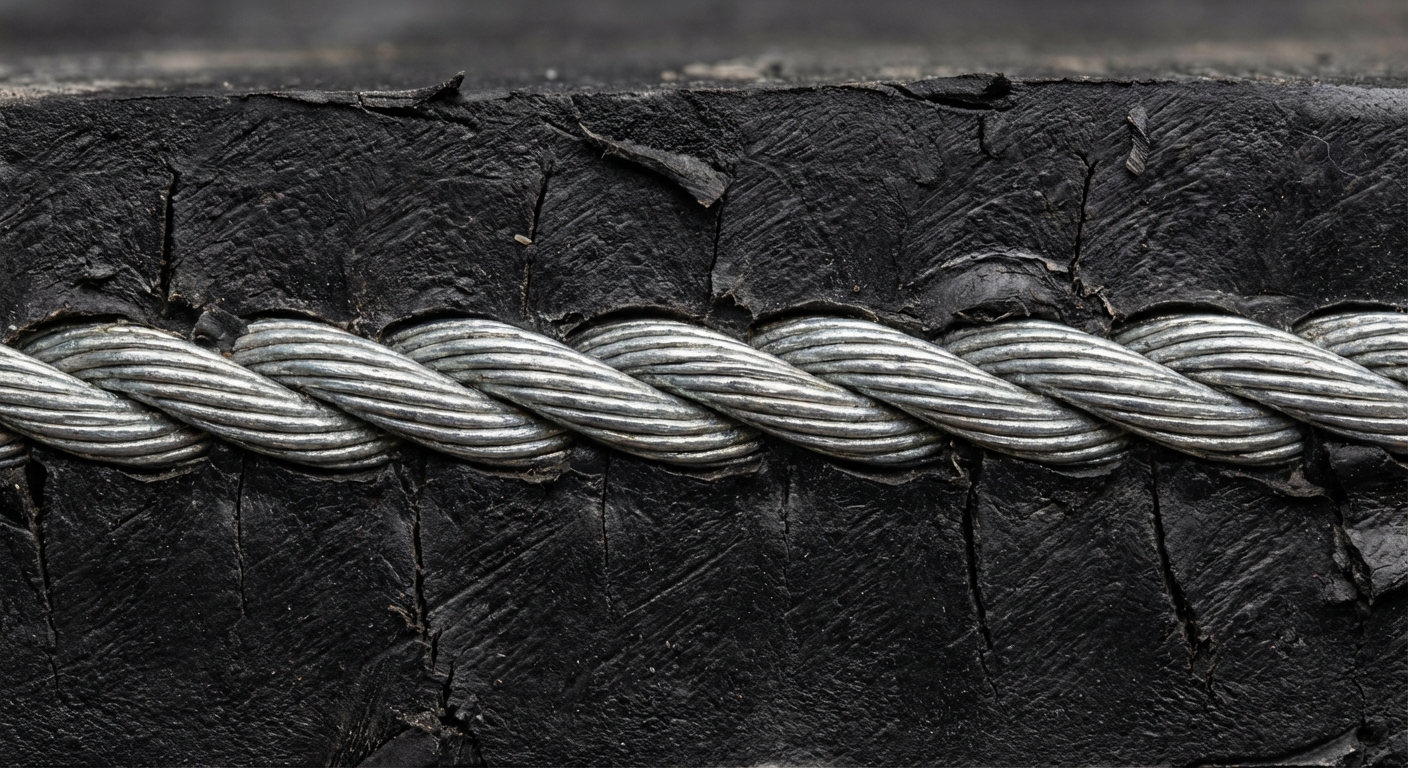
The construction features high-tensile steel cords embedded in a premium rubber matrix to ensure maximum structural integrity. Choosing a high-quality steel cord rubber conveyor belt means investing in a carcass where the metal and rubber act as a single, indestructible unit.
High-tensile reinforcement properties
The internal cords are organized in a perfect row to provide balanced tension across the entire width of the belt. You should know:
- Tensile strengths often exceed 5,000 N/mm.
- Balanced cord tension prevents belt cupping.
- High structural pull-out strength is guaranteed.
The result is a belt that handles the most violent startups without the risk of cord separation.
Core rubber penetration benefits
During the vulcanization process, the core rubber is forced deep into the gaps of the open-lay steel cables. It gets better:
- This creates a permanent chemical bond.
- It prevents oxygen and moisture from reaching the metal.
- The cables are locked in place against fatigue.
By ensuring 100% rubber penetration, the belt remains flexible while maintaining the rigid strength of the galvanized steel.
Key Takeaway: Precision engineering in the construction phase prevents the internal delamination that leads to premature belt failure.
| Component | Function | |
|---|---|---|
| Galvanized Steel Cords | Provides the primary tensile strength | |
| Core Rubber | Bonds cables and prevents internal friction | |
| Cover Rubber | Protects the carcass from external wear |
This construction data highlights why these belts are the gold standard for heavy-duty industrial reliability.
Is your steel cord rubber conveyor belt corrosion-proof?
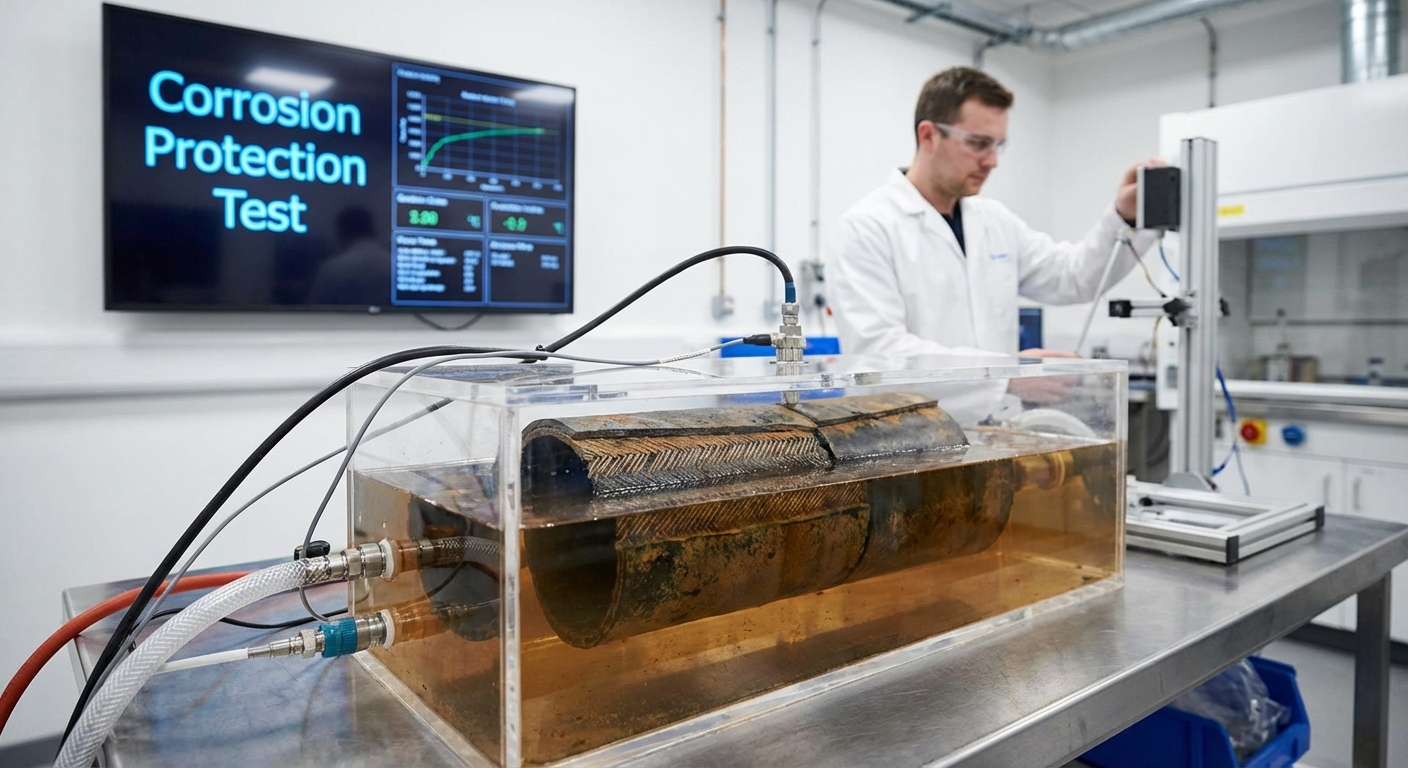
Yes, these belts achieve permanent corrosion protection through the use of hot-galvanized steel cords and specialized chemical bonding systems. Every steel cord rubber conveyor belt produced for wet environments must be able to resist the moisture that naturally seeps through cover cuts.
Chemical adhesive bonding systems
Modern adhesives create a molecular link between the zinc coating of the cords and the surrounding rubber matrix. Believe it or not:
- This prevents “wicking” of moisture along the cables.
- Corrosion cannot spread even if the belt is punctured.
- The bond strength exceeds the rubber’s own tear resistance.
This specialized bonding ensures that a small surface nick doesn’t turn into a catastrophic internal failure.
Hot-galvanized steel cord protection
The cords themselves are treated with a thick layer of zinc before they are ever introduced to the rubber. Look at it this way:
- Zinc acts as a sacrificial anode.
- It provides a second layer of defense against rust.
- It extends the lifespan of the belt in humid climates.
Even in the most humid tropical mines, your internal reinforcement remains as strong as the day it was manufactured.
Key Takeaway: Advanced corrosion protection is the only way to ensure your high-value belt investment lasts for decades rather than years.
| Protection Level | Technology Used | |
|---|---|---|
| Primary Defense | Hot-galvanized zinc coating | |
| Secondary Defense | High-penetration core rubber | |
| Tertiary Defense | Chemical adhesive bonding |
Effective moisture management is clearly the deciding factor in the operational life of a steel-reinforced carcass.
Can a steel cord rubber conveyor belt handle heat?
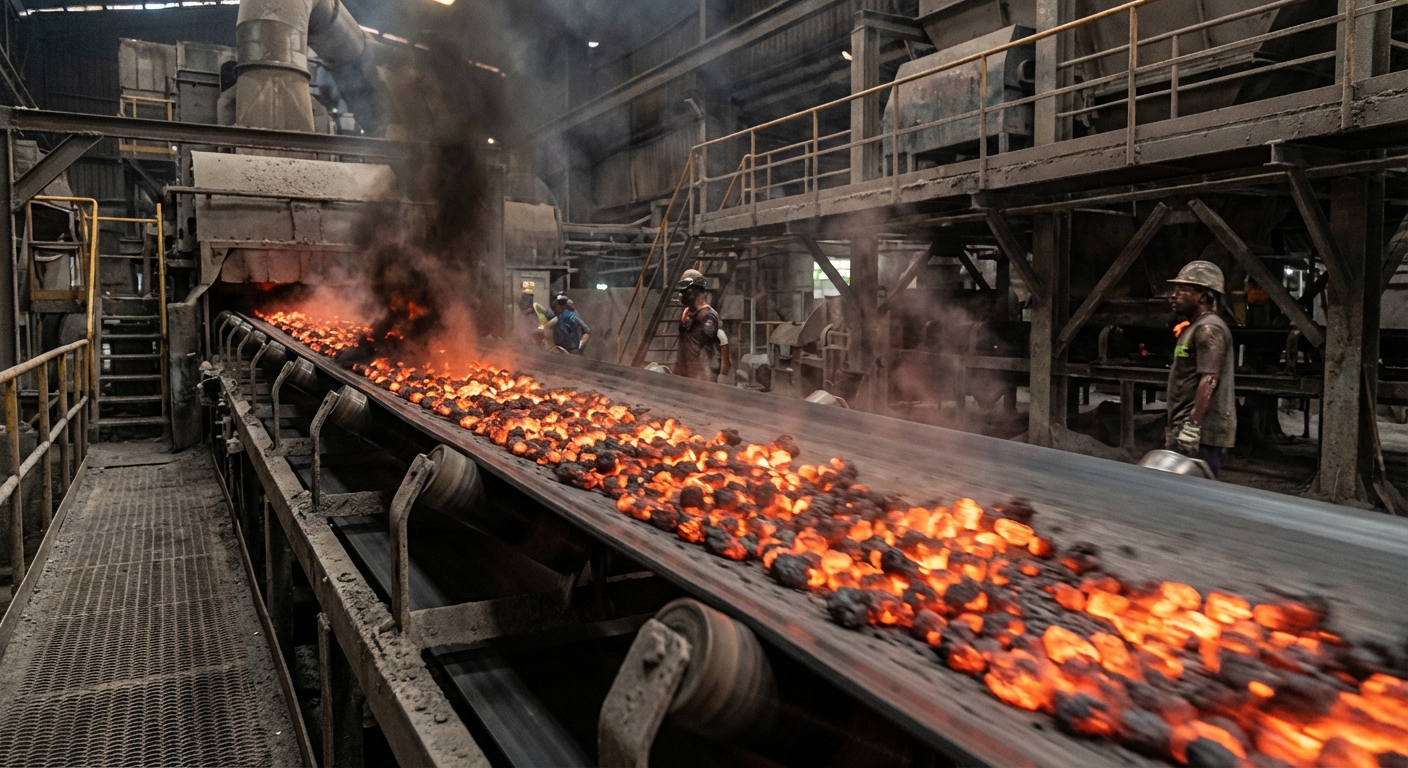
High-temperature grades are capable of handling continuous material temperatures of up to 190°C without compromising the carcass structure. When you transport clinker or hot slag, a standard steel cord rubber conveyor belt would quickly harden and crack if not specifically formulated for thermal stress.
Continuous 190°C thermal resistance
Specially formulated EPDM or heat-resistant compounds allow the belt to maintain its flexibility under extreme heat. The reality is:
- The rubber won’t become brittle and flake off.
- Internal cord bonding remains stable at high temps.
- Maintenance cycles are significantly extended.
What does this mean for you? You can run your cement or steel plant at higher capacities without fearing a belt blowout.
Managing peak temperature surges
Industrial processes often experience short-term spikes where material can reach 200°C or even higher. The good news:
- The thick cover rubber acts as a thermal insulator.
- The steel cords conduct heat away from hotspots.
- High-grade belts resist localized cover “popcorn” effects.
This resilience allows your system to survive process upsets that would destroy a standard textile-reinforced belt instantly.
Key Takeaway: Utilizing heat-resistant grades ensures your hot-material handling systems stay online during extreme temperature fluctuations.
| Grade | Max Continuous Temp | Peak Temp | |
|---|---|---|---|
| T120 | 120°C | 150°C | |
| T200 | 190°C | 200°C |
Matching the thermal grade to your specific clinker temperature is the most important step in belt selection.
Does the steel cord rubber conveyor belt resist fire?
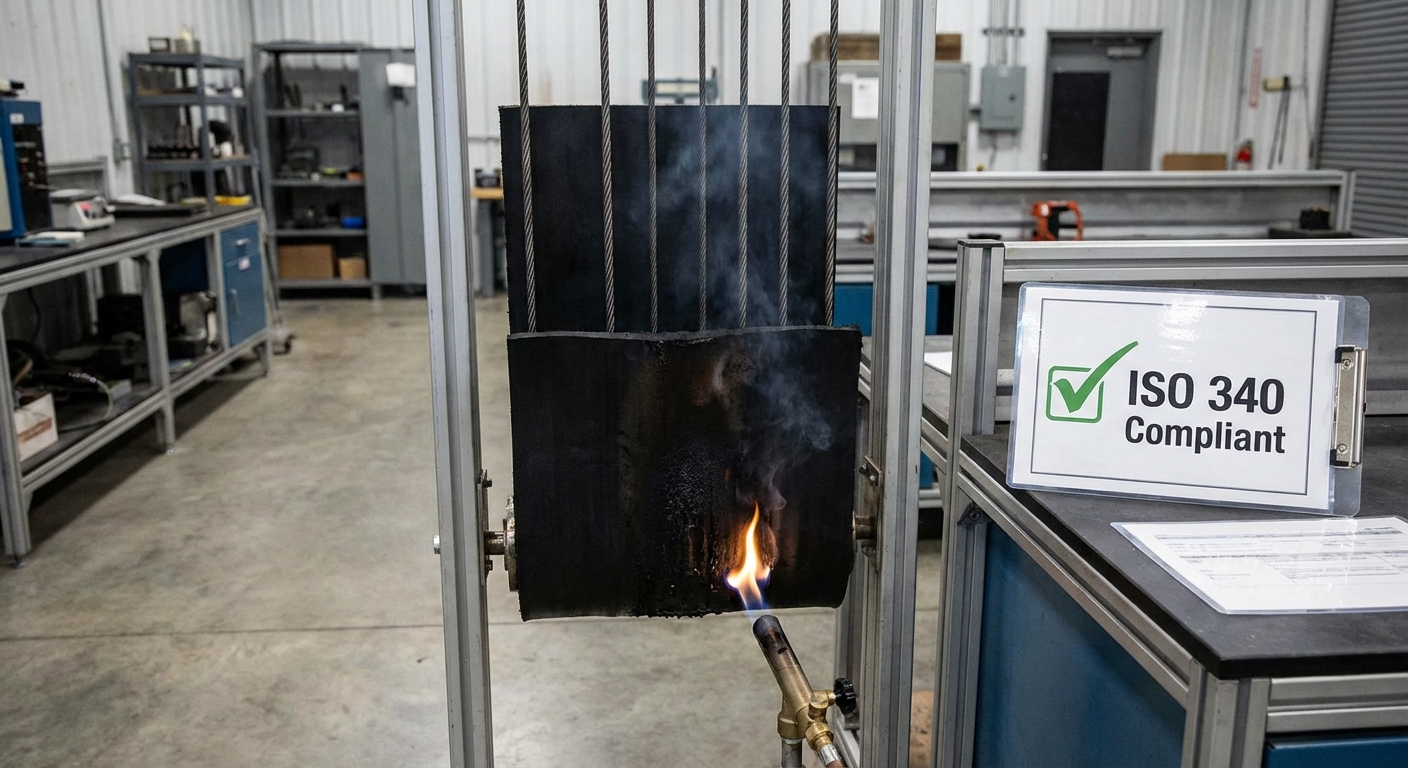
Fire resistance is achieved through compliance with ISO 340 standards, making these belts self-extinguishing and safe for tunnel projects. For operations in enclosed spaces, a specialized steel cord rubber conveyor belt is mandatory to prevent the spread of toxic smoke and flames.
Compliance with ISO 340 standards
Safety is not optional when you are working in high-risk environments like tunnels or power plants. Think about it:
- The belt must stop burning within seconds of flame removal.
- It must pass rigorous vertical and horizontal tests.
- Smoke density must be kept to a minimum.
Your compliance with international safety protocols protects both your personnel and your high-value infrastructure.
Safe use for tunnel projects
Tunneling applications require materials that won’t contribute to a fire’s fuel load if an incident occurs. The bottom line?
- Self-extinguishing rubber compounds are used.
- These belts do not carry the fire along the conveyor line.
- They are ideal for high-risk infrastructure projects.
By selecting an ISO-compliant grade, you mitigate one of the most dangerous risks in bulk material handling.
Key Takeaway: Implementing fire-resistant belts is a critical safety investment for any project involving enclosed or underground material transport.
| Standard | Requirement | Application | |
|---|---|---|---|
| ISO 340 | Self-extinguishing within 15s | Tunnels / General Safety | |
| Grade K | Abrasion + Fire Resistance | Industrial Safety |
Adherence to fire safety standards ensures that your operation meets global insurance and regulatory requirements.
Is a steel cord rubber conveyor belt wear-resistant?
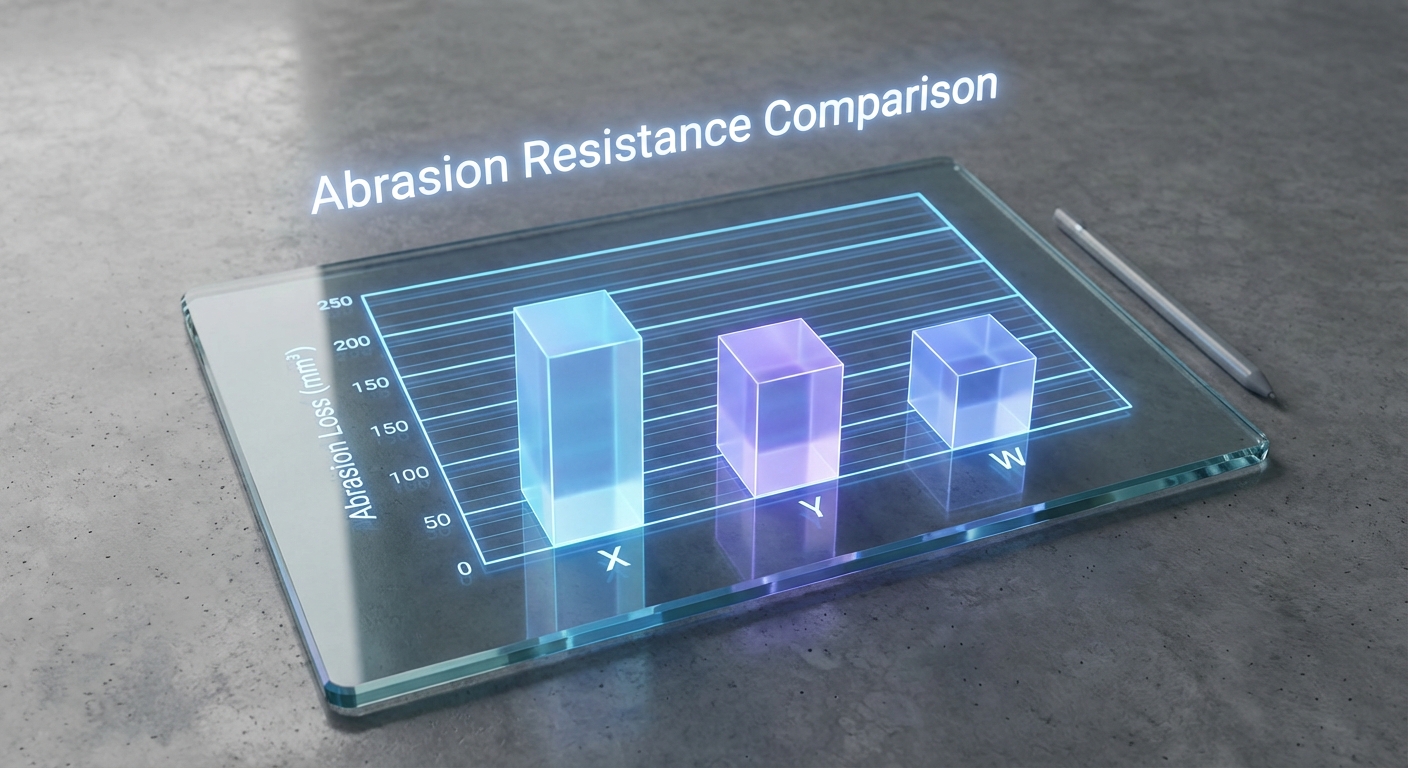
Superior wear resistance comes from high-quality rubber covers that protect the internal steel carcass from sharp, abrasive materials. Choosing a steel cord rubber conveyor belt with optimized cover grades significantly reduces the mm³ of rubber lost per operational hour.
High resistance to cutting and impact
Sharp rocks falling from height can gouge deep into a belt’s surface, exposing the cords to the elements. Here is the secret:
- Impact-resistant covers absorb the energy of falling ore.
- Specialized polymers resist sharp-edge cutting.
- The thick cover provides a buffer for the internal cords.
This protection is essential for primary crushers where the impact energy is at its absolute maximum.
Protecting the internal carcass
If your cover wears down to the steel cords, the belt is effectively dead and requires immediate replacement. You should know:
- Wear-resistant grades keep the core sealed.
- Excellent aging properties prevent surface cracking.
- The rubber maintains its grip over many years.
The bottom line? You maximize the return on your investment by keeping the “skeleton” of the belt protected.
Key Takeaway: Optimized cover grades prevent surface damage from reaching the internal cords, drastically extending the service life.
| Cover Grade | Abrasion Loss (max) | Main Strength | |
|---|---|---|---|
| Grade X | 120 mm³ | Impact & Cut Resistance | |
| Grade Y | 150 mm³ | Standard Wear | |
| Grade W | 90 mm³ | Extreme Erosive Wear |
This data confirms that selecting a Grade W or X cover is the best defense against highly abrasive minerals.
What is a steel cord rubber conveyor belt grade?
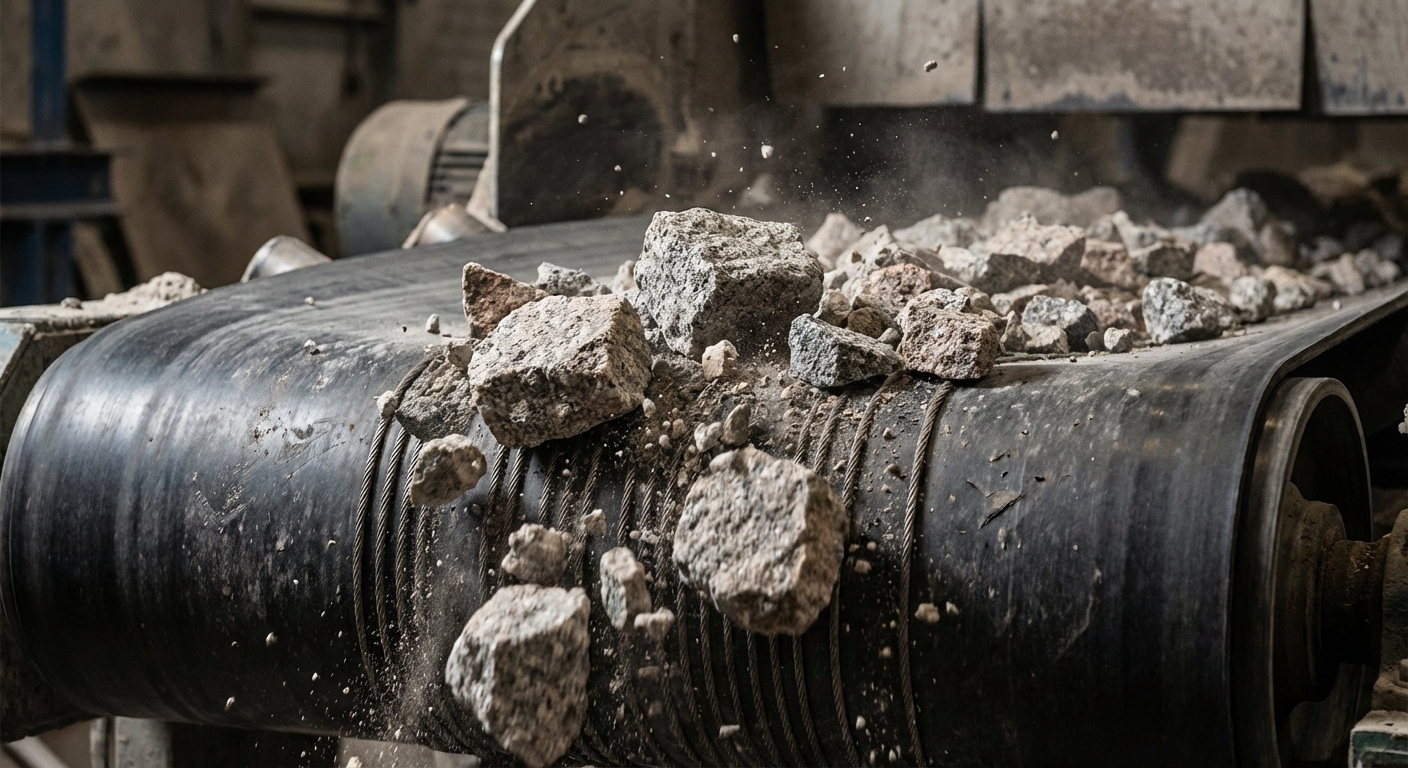
Belt grades like X, Y, and W define the specific rubber cover characteristics tailored for different levels of impact and erosive wear. Every steel cord rubber conveyor belt is classified based on its ability to withstand the unique mechanical stresses of your specific material.
Comparing X, Y, and W cover types
Different materials require different rubber formulations to ensure they don’t wear away prematurely. It works like this:
- Grade X is for heavy-duty impact (large rocks).
- Grade Y is for standard, non-extreme applications.
- Grade W is for small, highly abrasive “sandpaper” materials.
By matching the grade to your ore type, you avoid paying for over-engineered covers or suffering from under-performing ones.
Heavy-duty covers for sharp rocks
Primary crushed ore often contains jagged edges that can slice through soft rubber like a knife. Think about it:
- You need high tensile strength in the rubber itself.
- High elongation at break prevents tearing.
- Toughness is prioritized over simple hardness.
What does this mean for you? You get a belt that “bounces back” from impacts instead of being shredded.
Key Takeaway: Understanding cover grades allows you to customize your belt to the specific geology and physics of your mining site.
| Material Type | Recommended Grade | Key Property | |
|---|---|---|---|
| Large Sharp Granite | Grade X | Cut/Impact resistance | |
| Iron Ore Fines | Grade W | Low abrasion loss | |
| General Aggregate | Grade Y | Balanced performance |
Matching material size and sharpness to the correct rubber grade is the foundation of low-cost conveying.
How strong is a steel cord rubber conveyor belt?
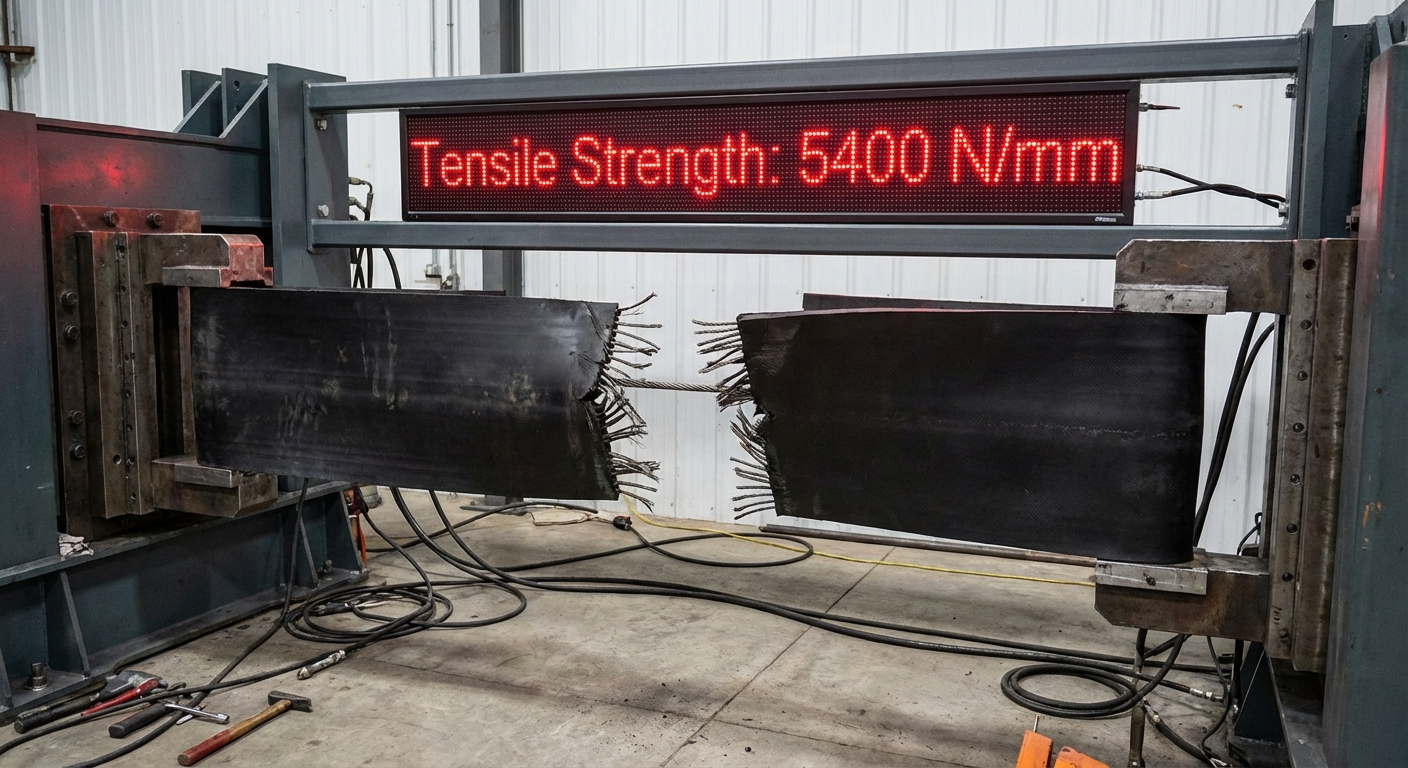
Exceptional strength is demonstrated by tensile ratings up to 10,000 N/mm, providing the pull-out resistance needed for extreme tensions. This steel cord rubber conveyor belt strength allows you to design massive conveyor flights that would be impossible with any other technology.
Tensile strength up to 10,000 N/mm
While standard belts operate at St 1000 or St 2000, specialized projects can push far beyond these limits.