
Selecting a dependable supplier is essential, yet the global market is filled with high-risk choices. Picking the wrong partner can lead to frequent breakdowns, rising maintenance costs, and serious production losses. To avoid these issues, you must evaluate each rubber conveyor belt manufacturer with a strategic, data-driven approach. This guide outlines the key factors that separate reliable manufacturers from risky ones, helping you secure a supplier that supports long-term efficiency and operational stability.
The Role of a Rubber Conveyor Belt Manufacturer
A rubber conveyor belt manufacturer is a strategic partner that provides comprehensive material handling solutions, not just products. They are essential for industrial automation and operational efficiency across numerous sectors.
Defining Core Functions
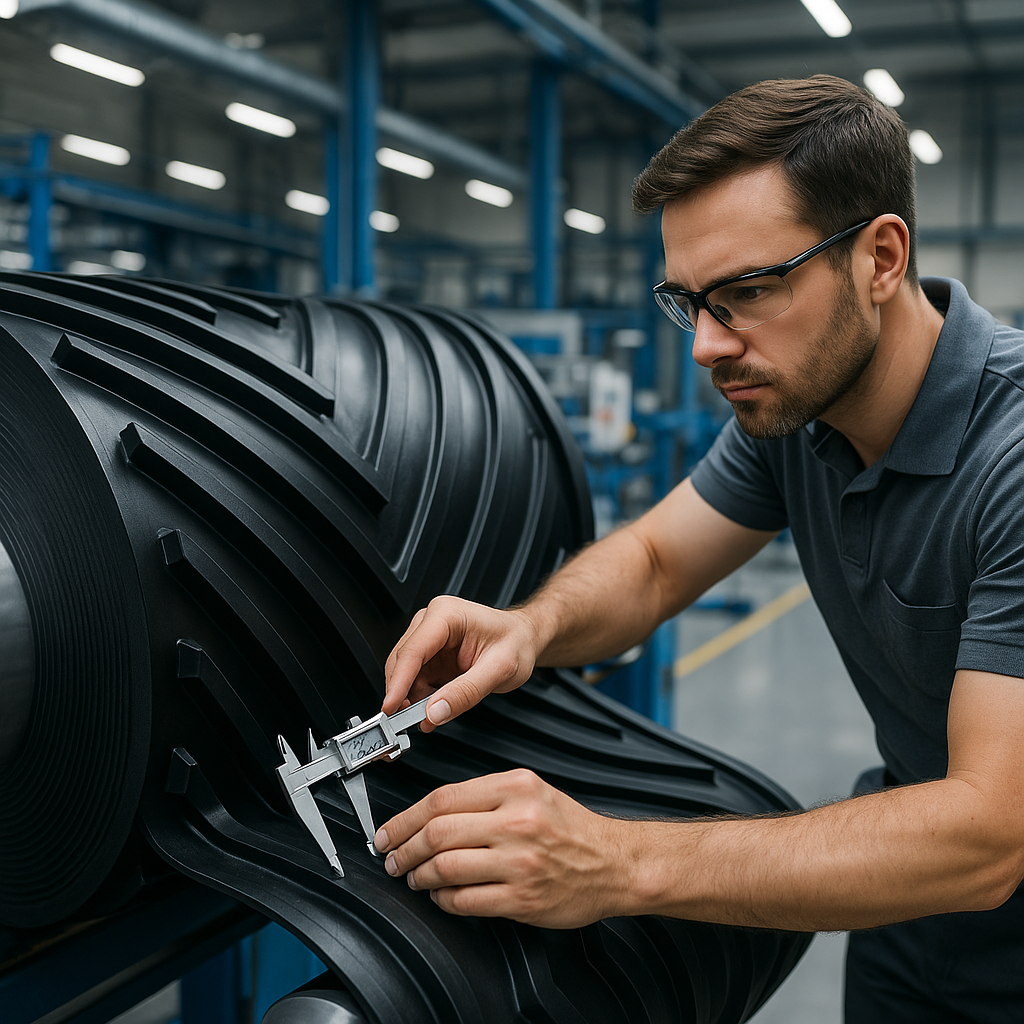
These manufacturers are integrated solution providers whose work extends far beyond the factory floor. But what does that actually mean for your business? It means they are involved from initial concept to long-term support.
- Research & Development (R&D)
- High-quality production
- Global logistics and support
- Comprehensive after-sales service
Analyzing Market Impact
The market for rubber conveyor belts is a massive, growing industry, reflecting its importance to the global economy. Here’s the real story. These manufacturers are the backbone for a variety of critical sectors worldwide.
- Mining and minerals
- Agriculture and food processing
- Logistics and package handling
- Heavy industrial manufacturing
Key Takeaway
A top manufacturer is a strategic partner, not just a supplier, integral to modern industrial efficiency.
| Metric | Data Point | Implication for Buyers | |
|---|---|---|---|
| Global Market Size (2022) | Approx. $30 Billion | A massive, competitive industry. | |
| Projected Growth (by 2027) | Approx. $40 Billion | Indicates ongoing innovation and demand. | |
| Compound Growth Rate | Approx. 6% CAGR | Signals a healthy, evolving market. |
Choosing a manufacturer means you are selecting a partner whose market stability and growth directly impact your own supply chain’s reliability.
Vetting a Global Conveyor Belt Manufacturer
Vetting a global manufacturer involves a rigorous evaluation of their technical capabilities, quality systems, and market reputation. This process ensures you select a reliable partner who can meet your specific operational demands.

Essential Selection Criteria
When evaluating a potential partner, you must look beyond the price tag to the core pillars of their business. You might be wondering, where do I even start? Begin with these four non-negotiable criteria.
- Proven innovation and R&D
- Stringent quality control processes
- Robust global reach and support
- Positive customer feedback
Deeper Evaluation Metrics
Secondary criteria can reveal a manufacturer’s long-term viability and alignment with your company’s values. This is where it gets interesting. These factors separate good suppliers from great strategic partners.
- Sustainability and environmental compliance
- Documented manufacturing capacity
- Product diversification for various needs
Key Takeaway
A comprehensive vetting process that goes beyond price is non-negotiable for mitigating risk and ensuring a reliable supply chain.
| Evaluation Metric | Why It Matters | Example Indicator | |
|---|---|---|---|
| Sustainability | Meets regulations, improves brand image. | Use of recycled materials, ISO 14001 cert. | |
| Manufacturing Capacity | Ability to handle large or urgent orders. | Stated production volume, lead times. | |
| Product Diversification | One-stop-shop for various needs. | Offers PVC, Rubber, Modular, etc. |
These deeper metrics provide a clear picture of a manufacturer’s resilience and ability to grow alongside your business.
Innovation in a Rubber Conveyor Belt Manufacturer
Innovation from a leading manufacturer directly translates to improved efficiency, durability, and a lower total cost of ownership for you. Market leaders drive progress by investing heavily in research and development.

The Drive for New Technology
The push for new technology is driven by the need to solve complex industrial challenges. But what’s the bottom line? These innovations deliver tangible benefits to your operations.
- Advanced synthetic materials for durability
- Specialized coatings for unique applications
- Intelligent monitoring systems
Practical Innovations
Leading manufacturers are commercializing specific technological advancements that are changing the game. Let’s break it down. These are not theoretical concepts but practical solutions in use today.
- High-strength fabrics like Kevlar
- Anti-slip and wear-resistant coatings
- Modular designs for easier maintenance
Key Takeaway
Partnering with an innovative manufacturer future-proofs your operation and delivers a competitive advantage through superior technology.
| Innovation | Benefit | Leading Player Example | |
|---|---|---|---|
| High-Strength Materials | Increased durability, longer life. | Fenner Dunlop | |
| Intelligent Monitoring (IoT) | Predictive maintenance, less downtime. | Continental AG | |
| Modular Design | Faster repairs, reduced disruption. | Intralox, Habasit AG |
Embracing these innovations means your conveyor system can become a source of valuable operational data, not just a material mover.
QC for a Top Rubber Conveyor Belt Manufacturer
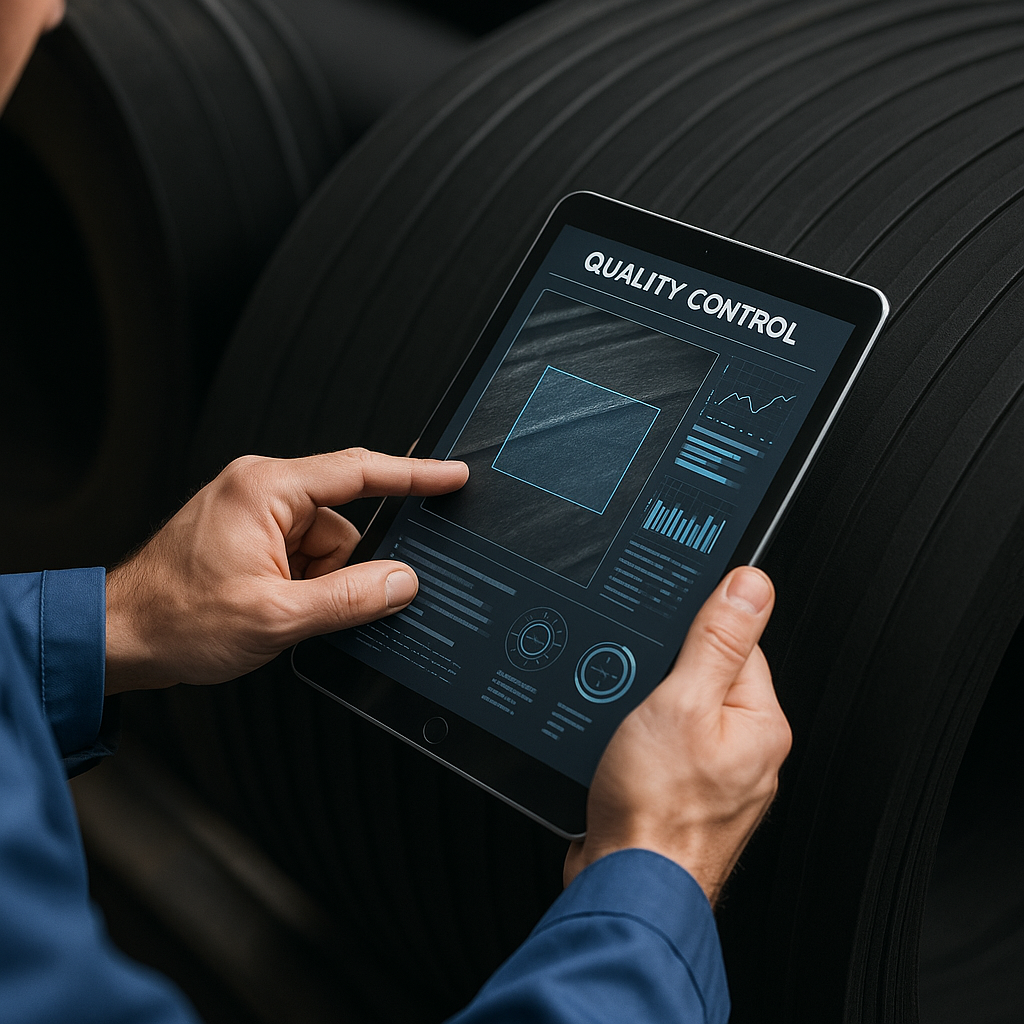
Quality control (QC) in a top manufacturer is the systematic process that guarantees every belt meets stringent performance and safety standards. This disciplined approach is the foundation of product reliability and your operational peace of mind.
The Foundation of Reliability
Consistent QC is what separates elite manufacturers from the rest of the pack. So, what should you look for? Verifiable certifications are your first checkpoint.
- Adherence to international standards (e.g., ISO 9001)
- Industry-specific safety certifications
- Transparent in-house testing protocols
Standards and Certifications
A robust quality system involves multiple layers of verification to ensure performance under real-world conditions. Here’s the deal. These standards aren’t just for show; they guarantee the product’s integrity.
- Manufacturing to DIN, ISO, or CEMA standards
- Third-party certifications for specific applications
- Rigorous testing for wear, tear, and load capacity
Key Takeaway
Verified quality control isn’t a feature; it’s the bedrock of a product you can trust, directly impacting safety and operational uptime.
| Quality Standard | Description | Importance for Buyer | |
|---|---|---|---|
| ISO 9001 | Int’l standard for quality management systems. | Ensures a consistent, documented process. | |
| Industry-Specific Certs | E.g., food-grade or flame-retardant. | Guarantees fitness for your application. | |
| In-House Testing | Rigorous testing for durability and performance. | Reduces the risk of premature failure. |
A manufacturer’s commitment to these standards is a direct reflection of their commitment to your success and safety.
Global Reach of a Rubber Conveyor Belt Manufacturer
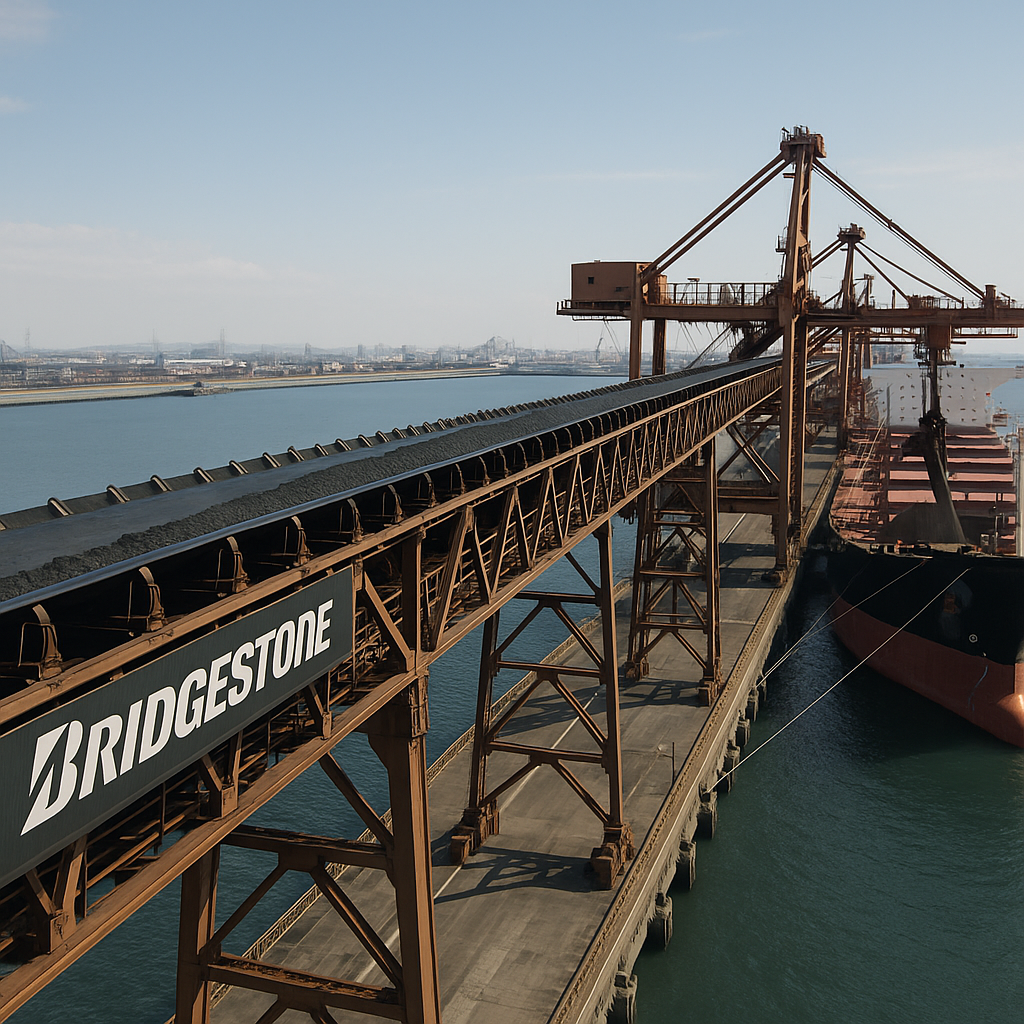
The global reach of a manufacturer signifies their capacity for providing consistent product quality and responsive support across different regions. It reflects financial stability and a resilient, well-managed supply chain.
Why a Global Footprint Matters
A manufacturer with an extensive global footprint offers significant strategic advantages for your business. Think about it this way. It de-risks your supply chain and ensures expert help is always nearby.
- Supply chain resilience against disruption
- Localized technical and sales support
- Consistent product quality worldwide
- Faster lead times and delivery
Regional Market Performance
Top manufacturers don’t just exist globally; they excel by adapting their products and services to meet regional demands. What’s the real story here? They understand the unique needs of different markets.
- North America: Focus on automation and logistics
- Europe: High standards for quality and environment
- Asia-Pacific: Support for rapid industrialization
Key Takeaway
A manufacturer’s global reach is a strong indicator of their stability, resourcefulness, and ability to provide consistent support worldwide.
| Region | Key Demand Driver | Top Performer Example | |
|---|---|---|---|
| North America | Automation & efficient logistics. | Continental AG, Gates Corp. | |
| Europe | High quality & environmental standards. | Habasit AG, Forbo Siegling | |
| Asia-Pacific | Rapid industrialization & infrastructure. | Mitsuboshi Belting Ltd. |
A global partner ensures you receive the same high level of service whether your facility is in Houston, Hamburg, or Hong Kong.
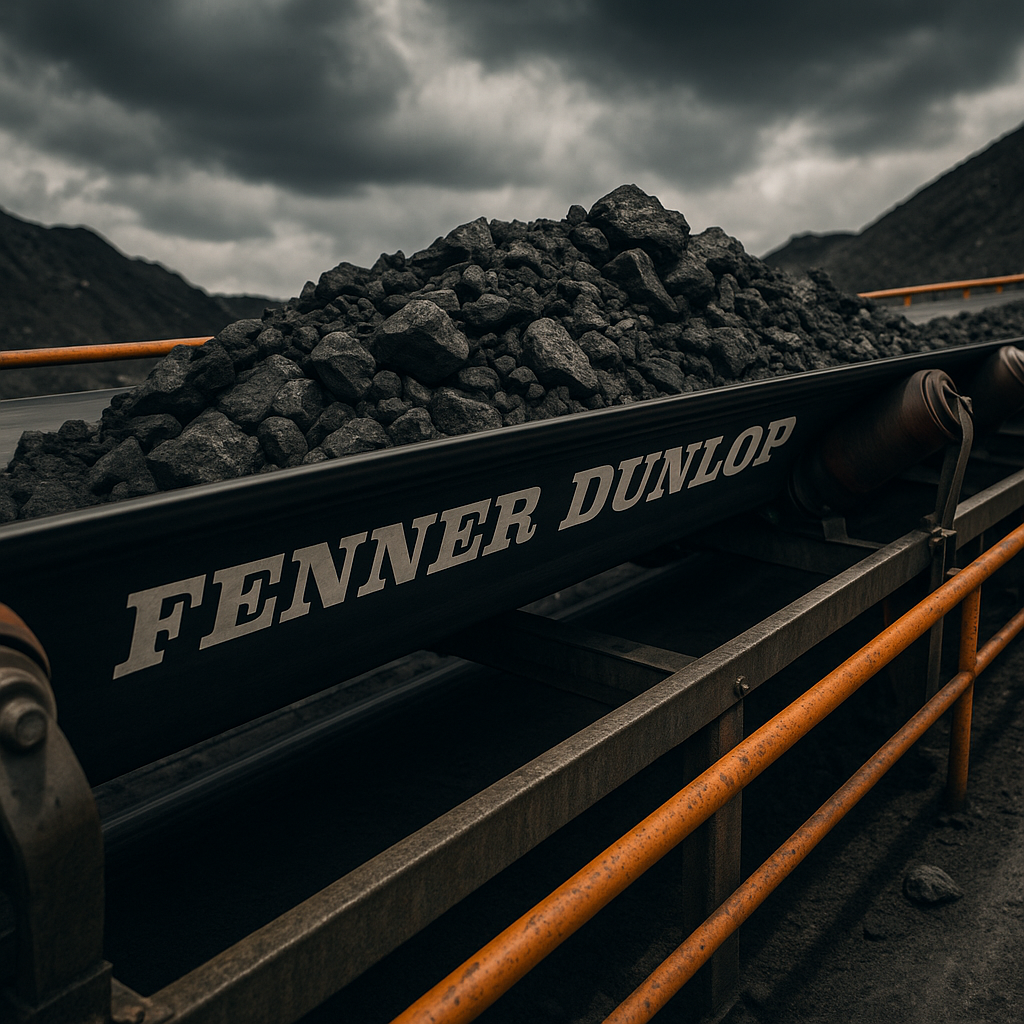
Heavy-Duty Rubber Conveyor Belt Manufacturer Use Case
A heavy-duty manufacturer builds belts engineered to withstand the most extreme industrial environments, such as mining and aggregate. Their success in these sectors serves as a powerful benchmark for product toughness and reliability.
The Challenge of Mining
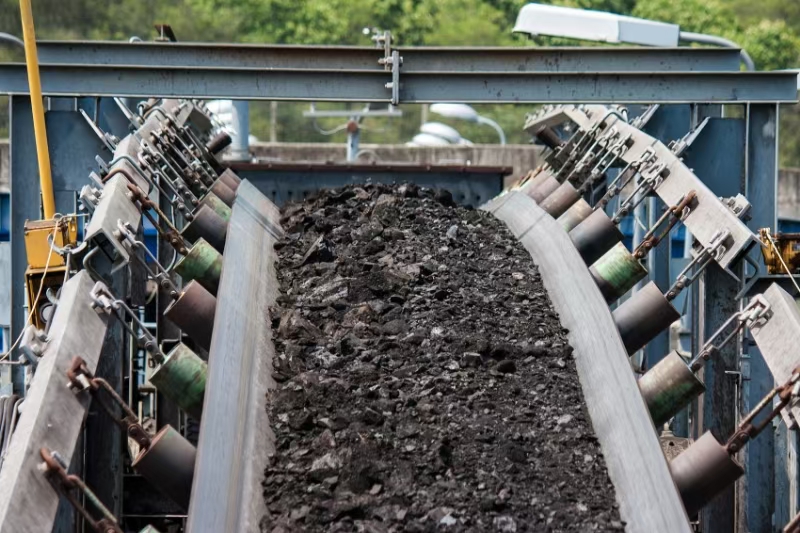
The mining industry is the ultimate proving ground for a conveyor belt, subjecting it to relentless punishment. Now for the tough part. Belts must endure constant abrasion, heavy loads, and harsh elements.
- Extreme abrasion from rock and ore
- High-tension, long-distance transport
- Potential exposure to chemicals and oils
Tech for Extreme Conditions
Manufacturers focused on heavy industry develop specific technologies to combat these challenges. This is where the rubber meets the road. These features are designed for maximum uptime in brutal conditions.
- Superior heat and chemical resistance
- High-strength steel or synthetic cord cores
- Advanced anti-static and flame-retardant properties
Key Takeaway
A manufacturer’s success in the mining sector is a powerful testament to their engineering capabilities and product durability.
| Feature | Application in Mining | Manufacturer Example | |
|---|---|---|---|
| Extreme Wear Resistance | Transporting abrasive ore and minerals. | Metso, Fenner Dunlop | |
| High-Strength Core | Handling heavy loads over long distances. | Sempertrans | |
| Flame Retardancy | Ensuring safety in underground operations. | Fenner Dunlop |
If a belt can survive a mine, it can handle the demands of almost any other heavy industrial application with ease.
A Specialty Rubber Conveyor Belt Manufacturer
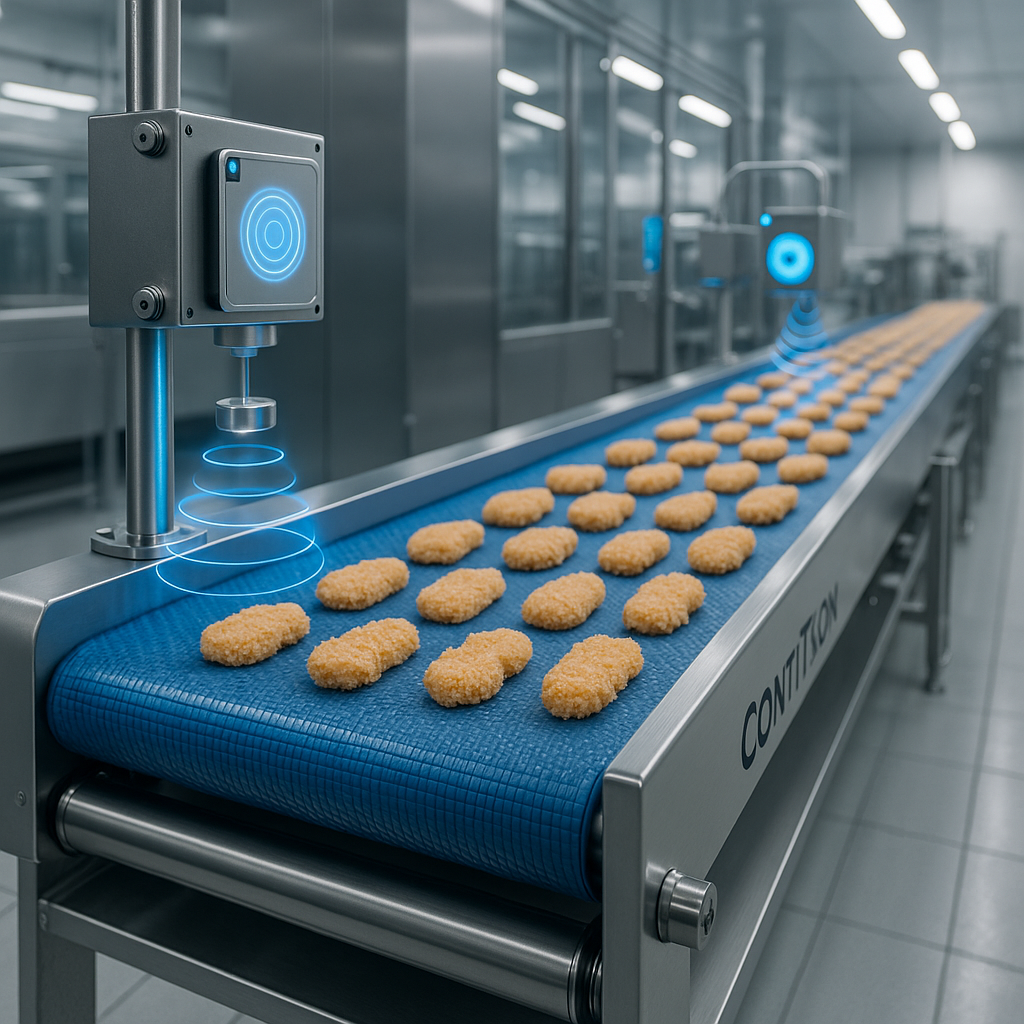
A specialty manufacturer focuses on creating tailored solutions for niche industries with unique requirements, like food processing or logistics. They provide belts engineered for specific tasks, ensuring optimal performance, hygiene, and safety.
Serving Niche Industries
Not all industrial environments are the same; many require highly specialized equipment to meet regulations and operational goals. But not all belts are created equal. Niche industries have demands that general-purpose belts cannot meet.
- Strict hygiene and sanitation standards
- Non-toxic and non-marking materials
- Precision movement and high-speed sorting
Solutions for Food & Logistics
Leading specialty manufacturers excel by developing products that solve specific problems in sectors like food and e-commerce. Let’s look at the specifics. Their designs prioritize safety and efficiency.
- Food-grade materials compliant with FDA/EU regulations
- Modular designs for easy cleaning and repair
- High-friction surfaces for incline/decline sorting
Key Takeaway
Choosing a manufacturer with proven expertise in your specific industry ensures the solution is perfectly aligned with your operational needs.
| Industry | Key Requirement | Specialist Manufacturer | |
|---|---|---|---|
| Food Processing | Hygiene, non-toxic materials, easy cleaning. | Habasit AG, Forbo Siegling | |
| Logistics/E-commerce | High speed, precision, modularity. | Intralox, Ammeraal Beltech | |
| Automotive | Durability, oil resistance, precise movement. | Goodyear, Bando Chemical |
Partnering with a specialist eliminates guesswork and ensures your conveyor system is an asset, not a liability.
Market Strategy of a Conveyor Belt Manufacturer
A successful manufacturer’s market strategy involves much more than just selling products; it is a complex plan to manage costs, innovate, and deliver superior value. This strategy determines their stability and reliability as a long-term partner.
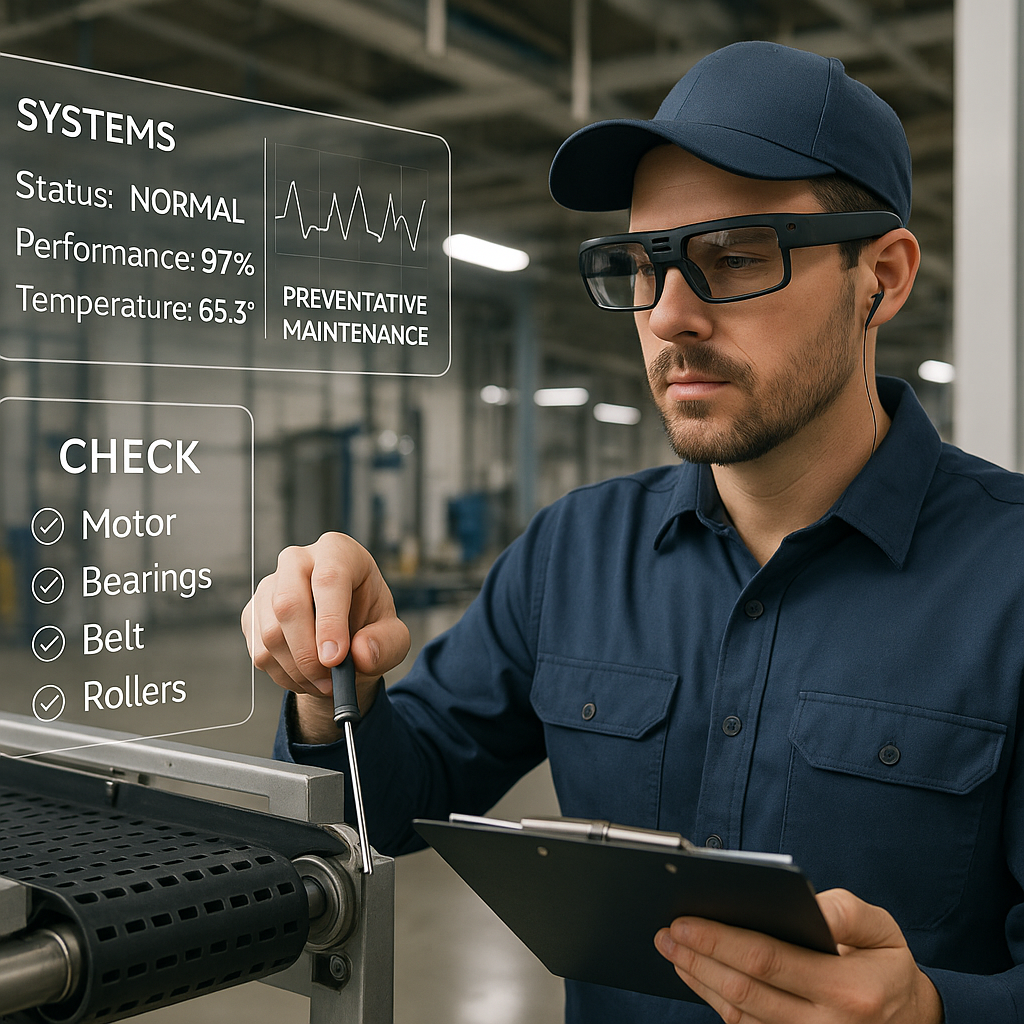
Top manufacturers operate in a challenging environment marked by intense competition and volatile costs. So how do the best survive? They build resilient business models to weather market turbulence.
- Fluctuating raw material prices (rubber, synthetics)
- Intense price pressure from global competitors
- Evolving customer demands for speed and service
Competitive Strategies
Leading companies stay ahead by employing sophisticated strategies that create a competitive moat around their business. Here’s the secret. They compete on value, not just price.
- Optimizing global supply chains for cost control
- Differentiating through value-added services
- Investing in brand reputation and customer feedback
Key Takeaway
A strong manufacturer employs sophisticated strategies to ensure stability, quality, and service despite market pressures.
| Challenge | Strategic Response | Example in Action | |
|---|---|---|---|
| Raw Material Volatility | Flexible sourcing, cost control measures. | Diversifying supplier base. | |
| Intense Competition | Focus on service and value-add. | Offering predictive maintenance services. | |
| Customer Demands | Investment in R&D and customization. | Developing application-specific belts. |
Understanding a manufacturer’s strategy gives you insight into their long-term stability and customer commitment.
Challenges for a Rubber Conveyor Belt Manufacturer
Even the top manufacturers face significant industry headwinds, including tightening environmental regulations and rising customer expectations. Their ability to navigate these challenges separates the leaders from the laggards.
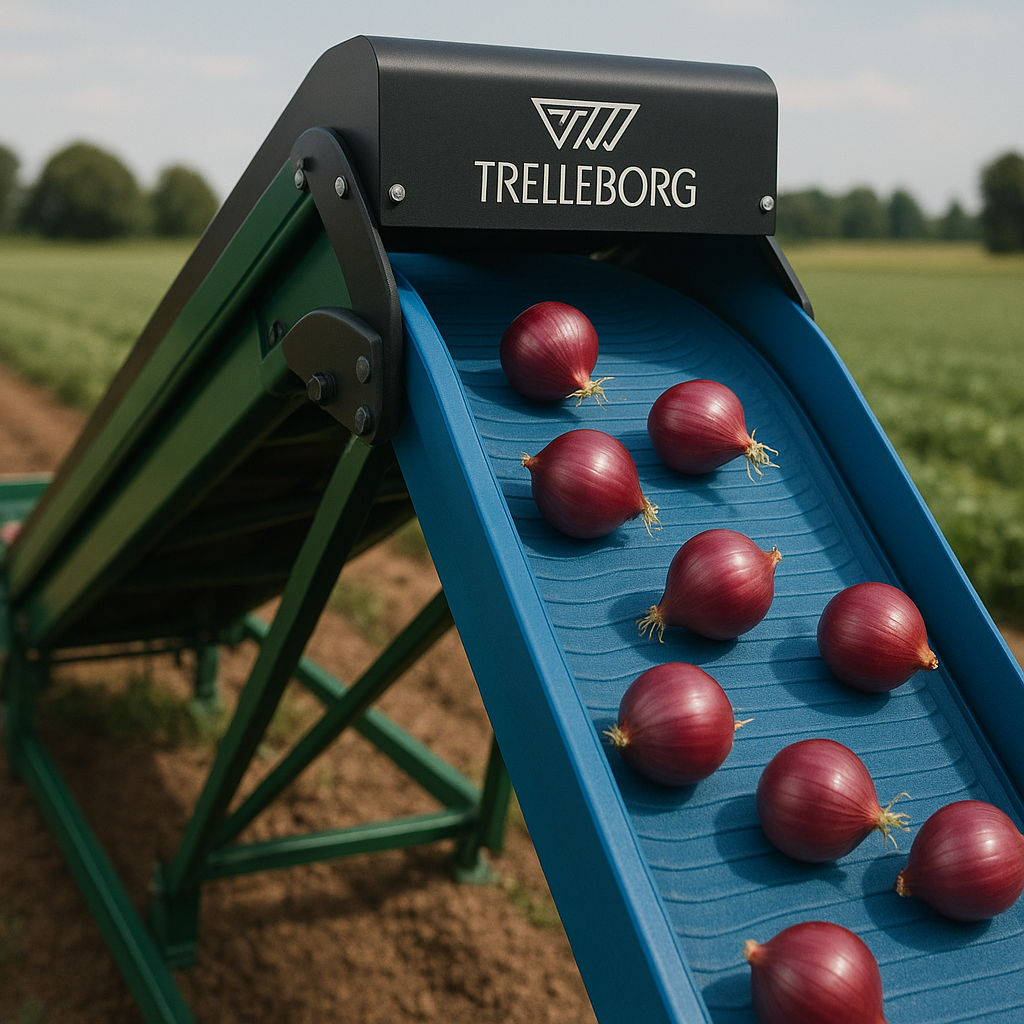
Facing Industry Headwinds
The manufacturing landscape is constantly shifting, presenting several primary challenges for belt producers. It’s not all smooth sailing. These pressures demand continuous adaptation.
- Stricter environmental regulations globally
- Growing demand for “green” and sustainable products
- The need for constant technological evolution
Responding to Pressure
Leading companies proactively turn these industry challenges into competitive opportunities. But here’s the kicker. They innovate not just their products, but their entire business model.
- Developing eco-friendly product lines
- Implementing robust material recycling programs
- Shifting from product sales to service-oriented models
Key Takeaway
How a manufacturer responds to industry challenges is a clear indicator of their long-term vision, resilience, and viability as a partner.
| Challenge | Opportunity | Leading the Charge | |
|---|---|---|---|
| Environmental Pressure | Develop “green” product lines. | Trelleborg | |
| Need for Customization | Offer tailored, value-added solutions. | Habasit AG | |
| Supply Chain Risk | Build more resilient, diversified networks. | Continental AG |
A forward-thinking partner doesn’t just react to challenges; they anticipate them and innovate accordingly.
Future of the Rubber Conveyor Belt Manufacturer
The future of conveyor belt manufacturing is being shaped by digitalization, sustainability, and a move towards service-based models. Manufacturers who embrace these trends will become indispensable partners in creating the smart factories of tomorrow.

Emerging Industry Trends
Several key trends are set to redefine the industry and what you should expect from your manufacturing partner. What’s next on the horizon? These changes will impact efficiency and intelligence.
- Deeper integration of IoT for “smart belts”
- Rising demand in emerging industrial markets
- A greater focus on full lifecycle services
Outlook and Predictions
The industry is shifting from a product-centric approach to a more holistic, service-centric model. Get ready for this. Your conveyor system is about to become an intelligent data hub.
- Predictive maintenance driven by real-time data
- Increased use of data analytics to optimize flow
- Growth in hyper-customization for specific needs
Key Takeaway
The future belongs to agile manufacturers who embrace technology and service to become indispensable partners in their clients’ success.
| Future Trend | Impact on Buyers | What to Look For in a Partner | |
|---|---|---|---|
| “Smart” Belts (IoT) | Predictive maintenance, higher efficiency. | Strong data and software capabilities. | |
| Service-Oriented Models | Lower TCO, expert maintenance support. | Comprehensive service level agreements (SLAs). | |
| Hyper-Customization | Solutions perfectly matched to needs. | A collaborative, engineering-led approach. |
Choosing a future-ready partner today ensures your operations remain competitive and efficient for years to come.
Choosing the right rubber conveyor belt manufacturer requires a multi-faceted evaluation of their innovation, quality, and strategic vision. The best suppliers act as partners, providing solutions that enhance efficiency, safety, and profitability. Ready to secure your operations with a reliable conveyor solution? Contact our experts today for a complimentary assessment of your needs and find the perfect manufacturing partner for your business.
FAQ Section
Q1: Can I use a general rubber conveyor belt manufacturer for food processing?It’s not recommended. You should choose a manufacturer specializing in food-grade belts, like Habasit or Forbo Siegling, to ensure compliance with strict hygiene and safety standards.
Q2: What’s the best indicator of a belt’s durability?Look for manufacturers with proven success in heavy-duty industries like mining, such as Fenner Dunlop or Metso. Their products are engineered for extreme wear, which is a strong quality signal.
Q3: Is a manufacturer with global reach always better than a local one?Not necessarily, but global reach often indicates financial stability, a resilient supply chain, and broader technical expertise. It’s a key factor for large-scale or multi-national operations.
Q4: How important are sustainability practices when choosing a manufacturer?Increasingly important. It not only helps meet corporate social responsibility goals but also often indicates an innovative, forward-thinking manufacturer like Trelleborg.
Q5: What’s the difference between a modular belt and a standard rubber belt?A standard rubber belt is a single continuous loop, while a modular belt is made of interlinked plastic pieces. Modular belts, a specialty of Intralox, are easier to repair and customize for complex layouts.