
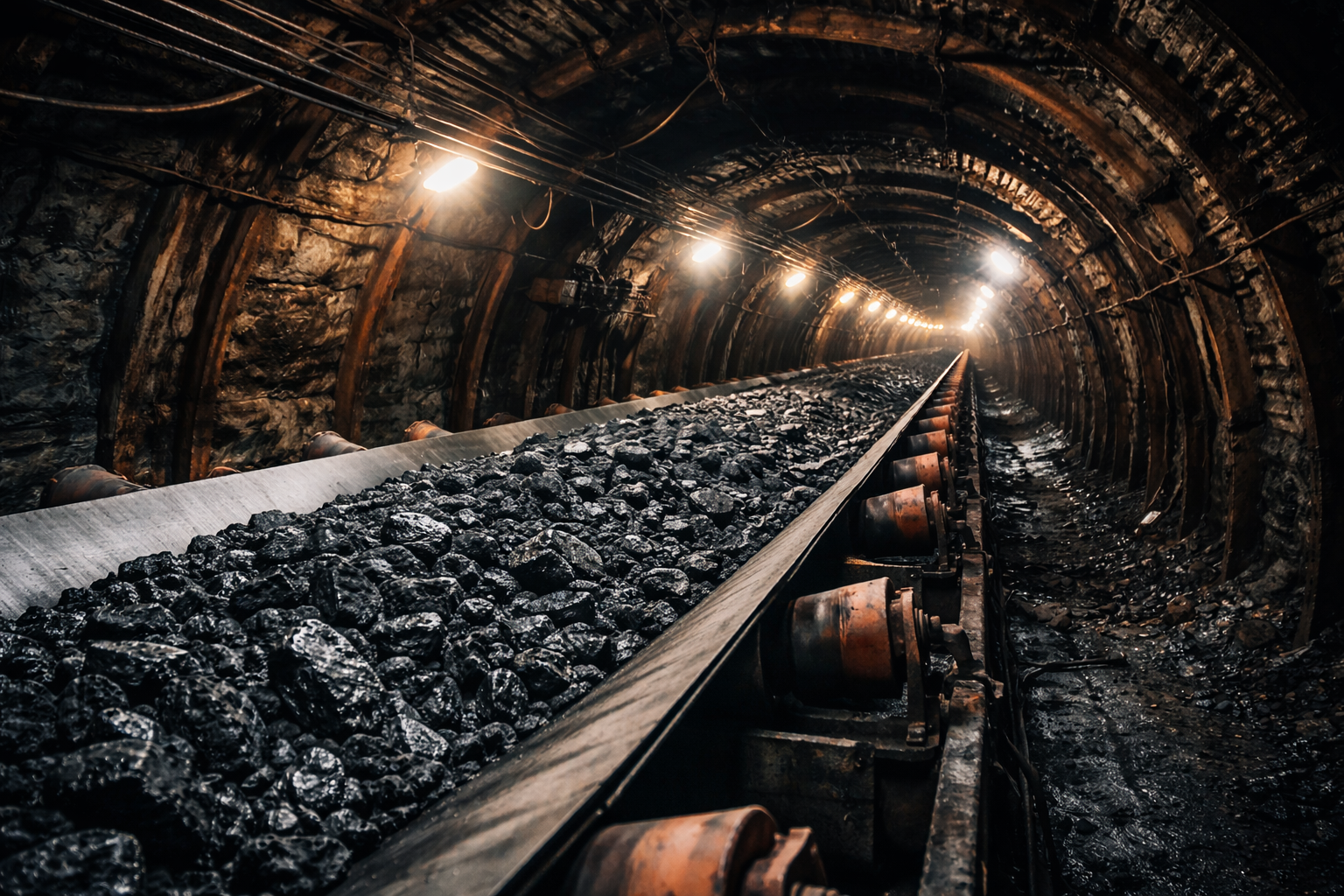
A high-quality industrial rubber conveyor belt improves stability in plaster casting production by ensuring smooth material transport, reducing downtime, and maintaining consistent casting quality.
Why use an industrial rubber conveyor belt for plaster?
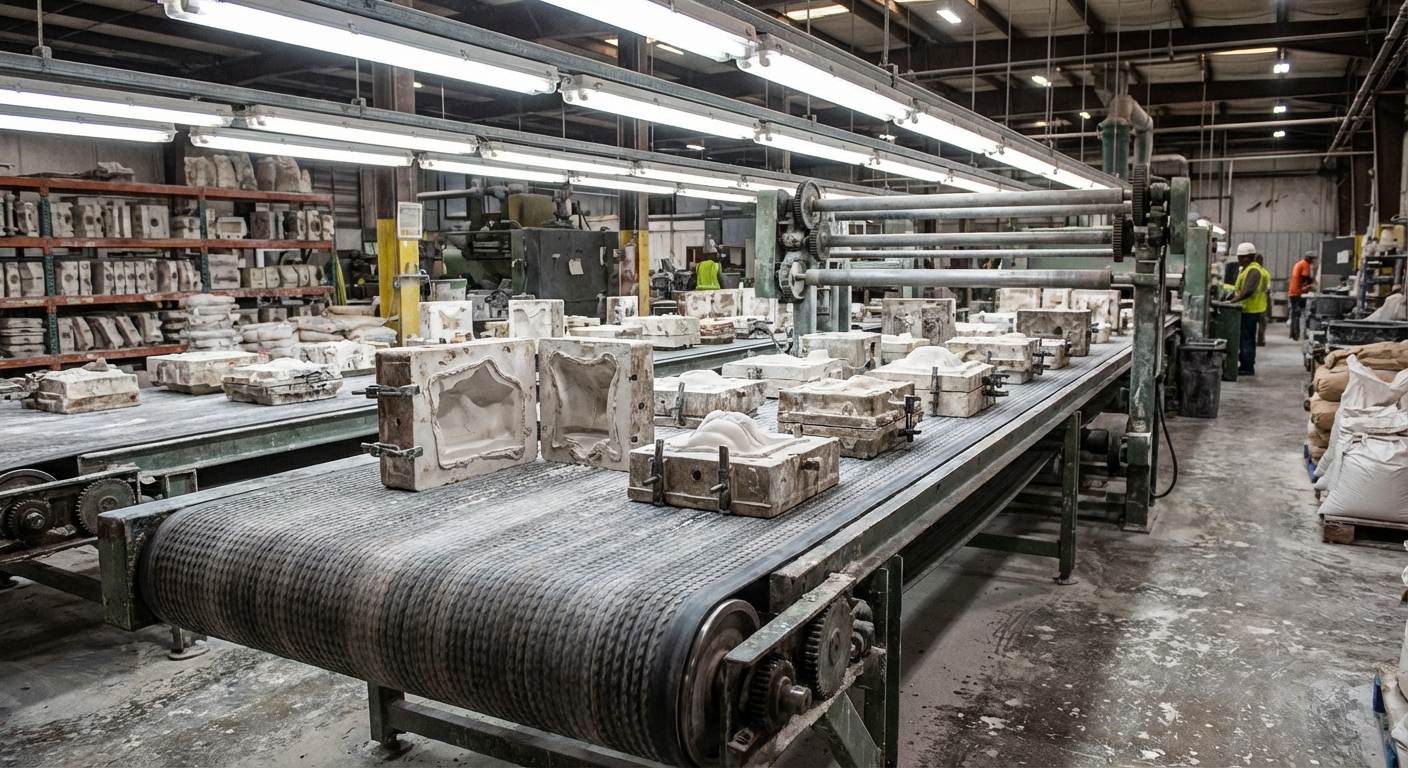
You utilize these advanced systems because they provide the necessary damping and smooth motion required to transport delicate gypsum molds without structural cracking. Selecting a high-quality industrial rubber conveyor belt is the first step in ensuring that your liquid plaster sets correctly before the heat-intensive pouring phase begins.
How does the molding phase benefit?
Precision in the molding phase is non-negotiable for high-tolerance parts. Think about this: even a minor tremor on the production line can lead to internal voids within the plaster.
- Maintains mold geometry during initial curing.
- Reduces surface imperfections on the cast.
- Allows for continuous rather than batch processing.
Why is pouring stability critical?
The pouring phase involves extreme temperatures and heavy materials. You need a system that remains perfectly level to avoid spilling molten non-ferrous alloys.
Key Takeaway: Using a high-stability belt ensures that the transition from plaster setting to metal pouring is seamless and safe for operators.
| Feature | Impact on Casting | |
|---|---|---|
| Vibration Damping | Prevents mold micro-cracks | |
| Smooth Transition | Reduces material spillage | |
| Speed Control | Optimizes curing time |
Careful selection of transport mechanics prevents the common structural failures associated with manual mold handling.
What defines an industrial rubber conveyor belt setup?
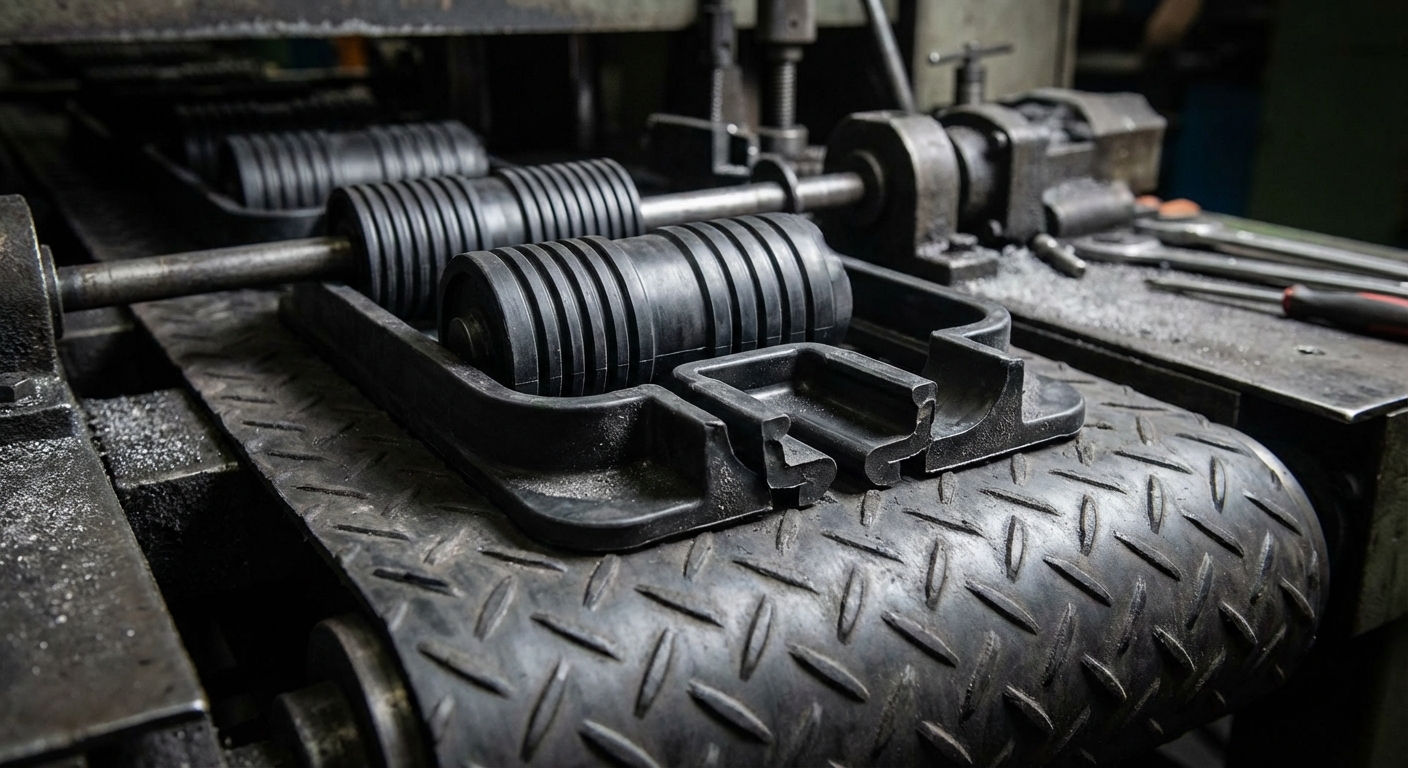
A standard setup for plaster casting consists of a heat-resistant rubber cover, a reinforced carcass for load distribution, and precision-engineered drive components. Every industrial rubber conveyor belt must be specified to resist the chemical properties of gypsum while maintaining a high coefficient of friction to prevent mold sliding.
What is the carcass reinforcement?
The internal carcass provides the tensile strength needed to pull heavy loads across long distances. It typically uses synthetic fabrics to remain flexible yet durable.
- EP fabric layers for stretch resistance.
- Steel cord options for extreme length.
- Cross-rigid structures for wide molds.
Why optimize cover compounds?
But that’s not all; the top cover must be specifically formulated to handle the abrasive nature of dried plaster. You should choose compounds that allow for easy cleaning and prevent dust accumulation.
Key Takeaway: A well-defined belt specification balances the internal strength of the carcass with the external durability of the rubber covers.
| Component | Standard Specification | |
|---|---|---|
| Top Cover | Abrasion Resistant Rubber | |
| Internal Ply | High-Strength EP Fabric | |
| Edge Type | Molded or Sealed Edges |
Matching your belt components to your specific plaster mix prevents premature wear and reduces maintenance frequency.
How does an industrial rubber conveyor belt move mold?
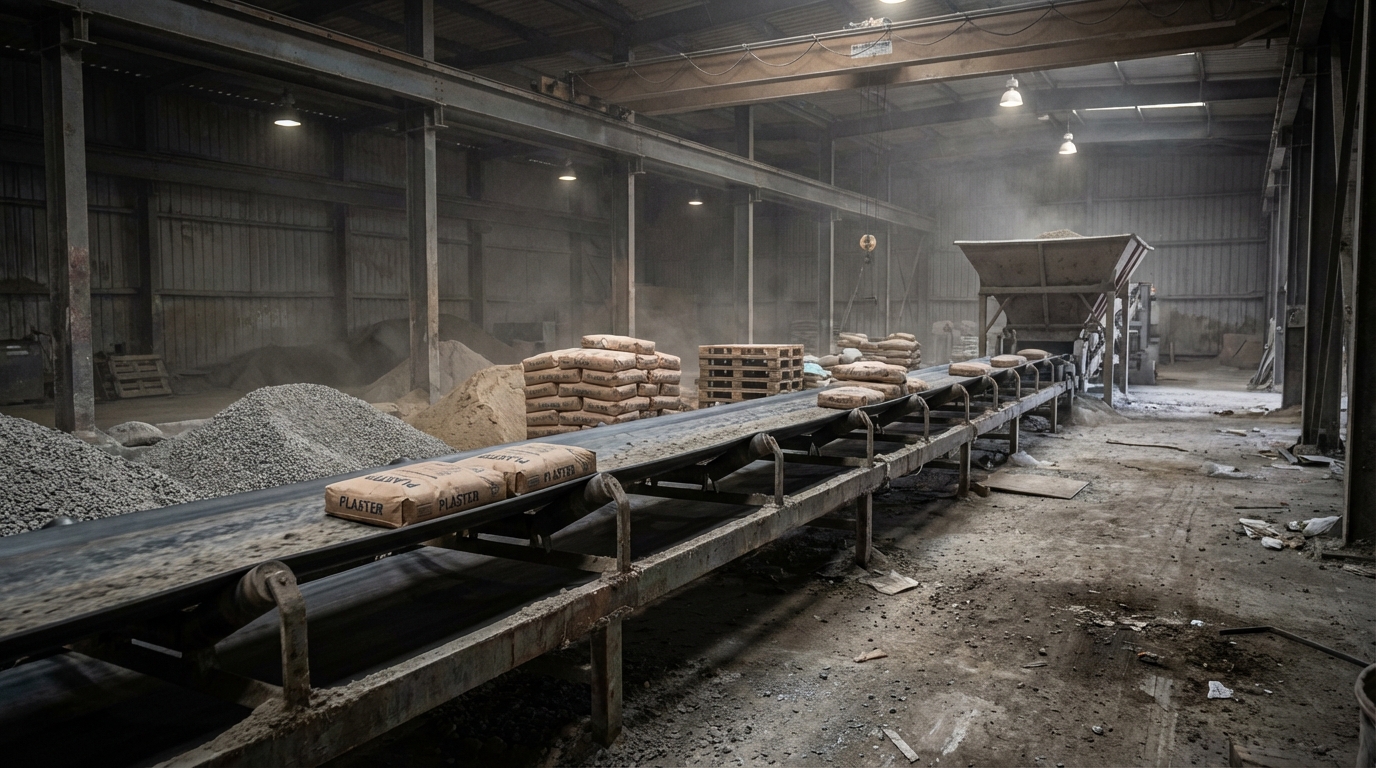
These systems move molds by synchronizing the drive motor with the curing rate of the plaster to ensure a consistent, non-stop flow through the oven. Integrating a premium industrial rubber conveyor belt allows you to automate the transit of heavy molds through varying environmental zones.
Is speed synchronization possible?
Modern controllers allow the belt to move at micro-speeds during the critical setting phase. Here is the kicker: consistent speed prevents the “surging” effect that often leads to cracked plaster bases.
- Prevents mechanical shock at transfer points.
- Synchronizes with automated pouring ladles.
- Facilitates uniform cooling of the metal.
What about friction coefficients?
The belt surface must have enough grip to hold the mold in place without causing sticking. You need to verify that the rubber compound does not react with the mold release agents used in your process.
Key Takeaway: Mechanical movement must be smooth and predictable to maintain the tight tolerances required in plaster casting applications.
| Motion Metric | Target Value | |
|---|---|---|
| Speed Variance | Less than 0.5% | |
| Friction Level | Medium-High Grip | |
| Tracking Accuracy | +/- 5mm Alignment |
A predictable flow through the production line is the foundation of high-yield casting operations.
Is your industrial rubber conveyor belt losing yield?
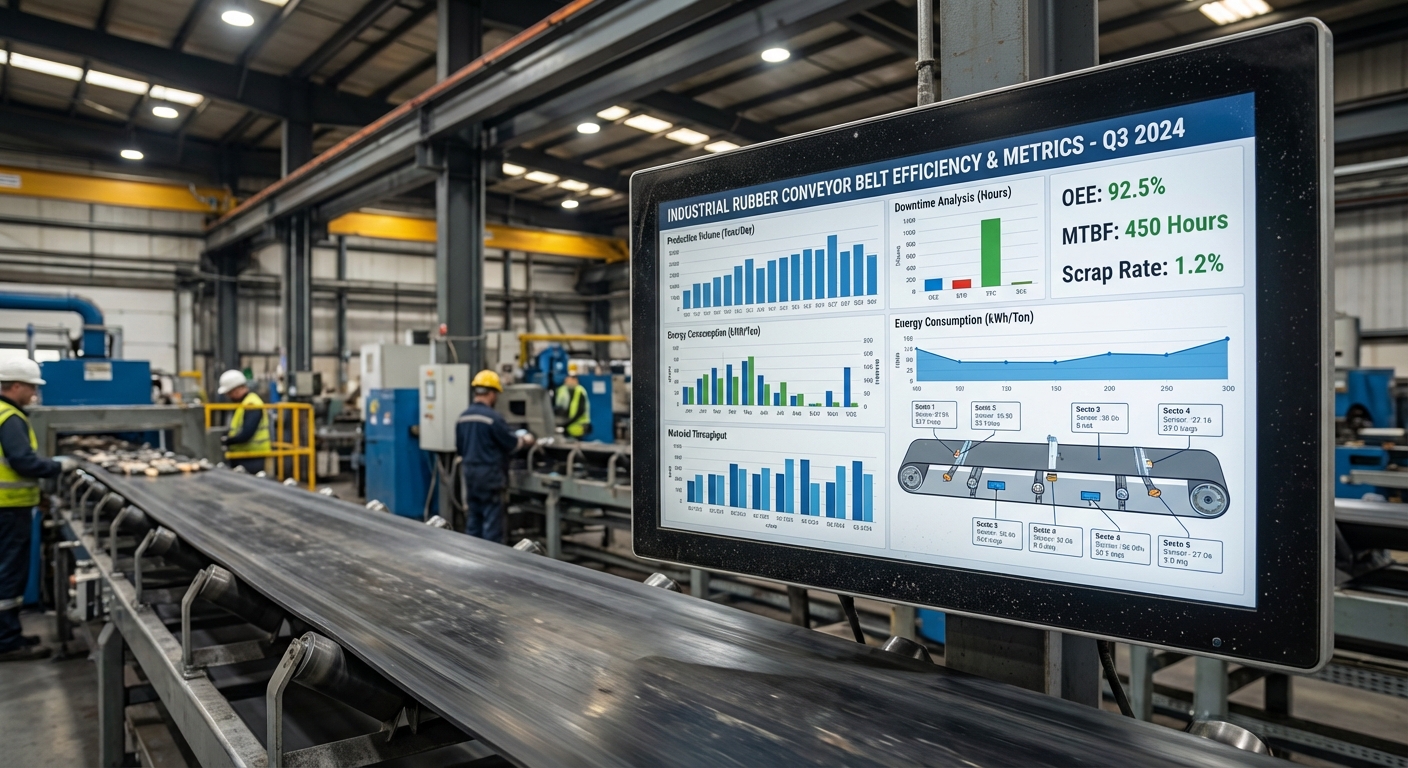
Your yield decreases when belt slippage or poor tracking causes molds to tilt or collide, resulting in deformed casts and wasted alloys. An old or poorly maintained industrial rubber conveyor belt often contributes to high scrap rates by introducing subtle vibrations that disturb the molten metal during solidification.
Are tracking issues common?
Misalignment is a primary cause of production losses in large facilities. You might be wondering if your current tracking hardware is sufficient for the weight of industrial gypsum molds.
- Leads to edge damage on the belt.
- Causes uneven wear on drive rollers.
- Increases the risk of mold tipping.
Can belt tension affect quality?
Inconsistent tension causes the belt to sag between idlers. This creates a “roller coaster” effect that is disastrous for a mold that hasn’t fully hardened.
Key Takeaway: Monitoring your belt’s performance metrics is essential for maintaining a high yield and reducing the percentage of scrapped parts.
| Yield Loss Cause | Solution | |
|---|---|---|
| Belt Sagging | Increase Idler Frequency | |
| Misalignment | Install Auto-Trackers | |
| Vibration | Use Low-Stretch Belts |
Tracking your data helps you identify exactly where in the process your belt is failing to protect your product.
Can an industrial rubber conveyor belt handle slurry?
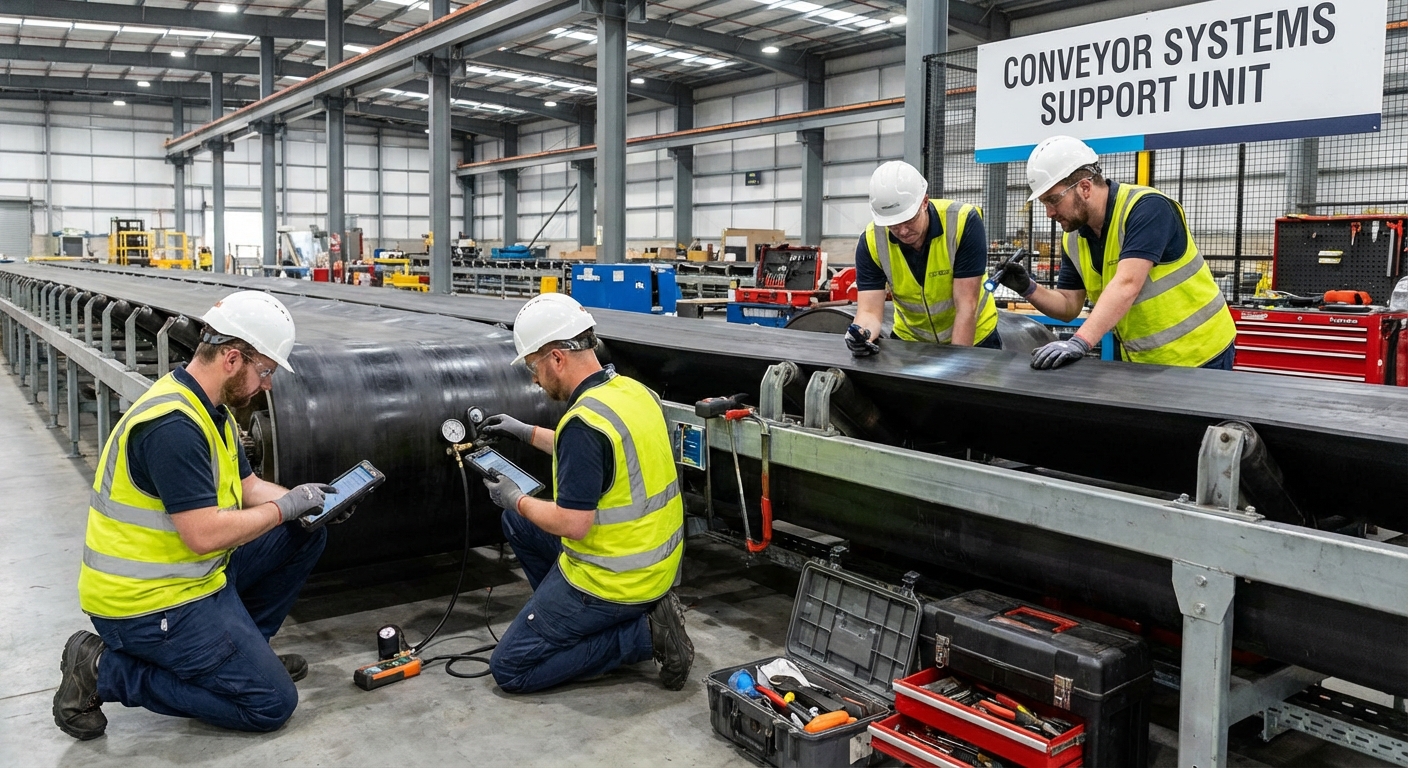
Yes, specialized belts with sealed edges and moisture-resistant carcasses are designed to handle wet plaster slurry without experiencing ply separation. By choosing a high-quality industrial rubber conveyor belt , you ensure that liquid plaster spills do not rot the internal fabric of your system.
How does moisture resistance work?
Moisture-resistant compounds prevent the rubber from swelling when exposed to water-based plaster mixes. Check this out: a saturated belt loses its tensioning properties and can fail catastrophically under load.
- Prevents microbial growth in the carcass.
- Maintains dimensional stability in humid zones.
- Resists chemical degradation from additives.
Why use sealed edges?
Sealed or molded edges provide a physical barrier against liquid ingress. You should insist on this feature if your process involves high-volume slurry pouring directly near the belt line.
Key Takeaway: Moisture management is critical to extending the lifespan of belts operating in the wet sections of a casting plant.
| Belt Feature | Slurry Performance | |
|---|---|---|
| Sealed Edges | High Protection | |
| Non-Porous Cover | Easy Cleanup | |
| EPDM Compounds | Superior Water Resistance |
Protecting the internal structure of the belt from moisture ensures a long-term return on your equipment investment.
Will an industrial rubber conveyor belt reduce waste?
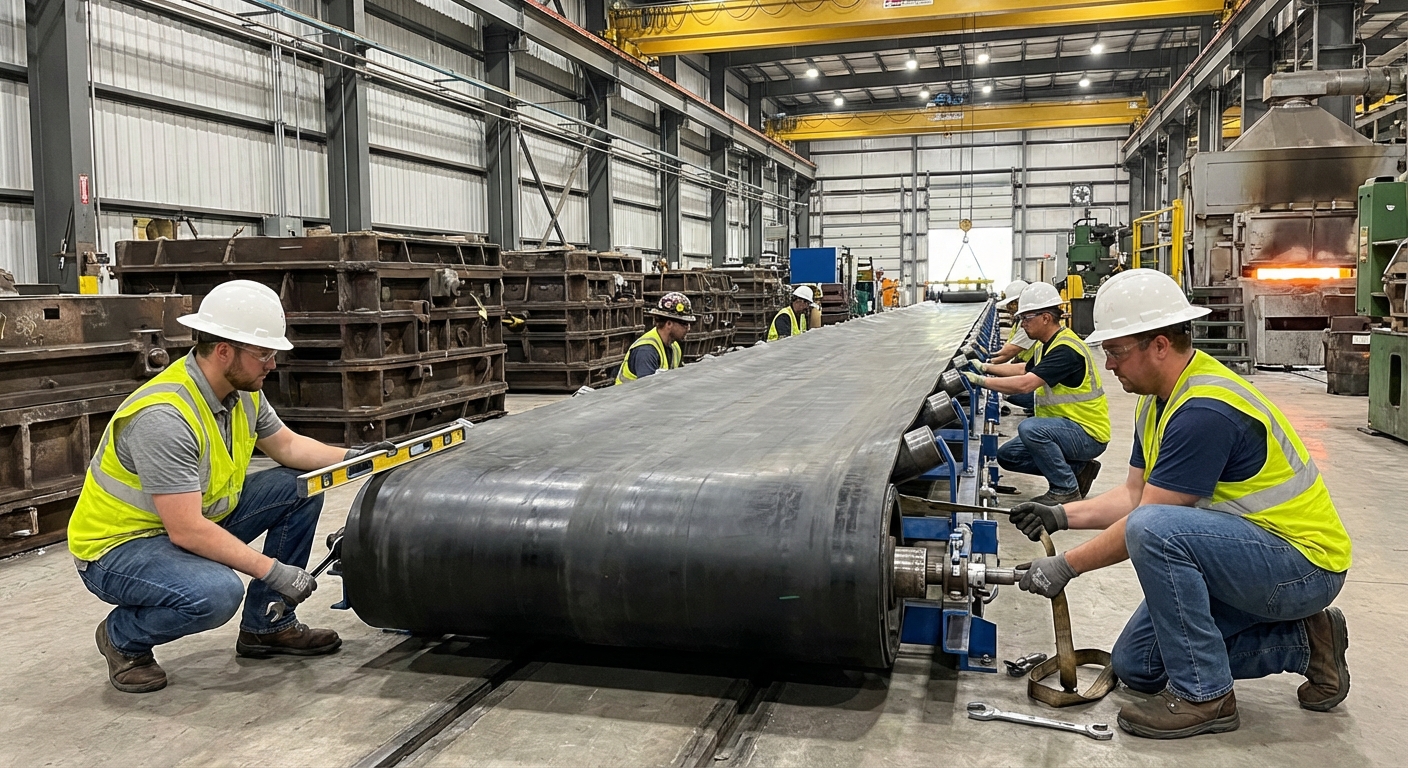
Modern belt systems reduce waste by providing a stable platform that eliminates the accidental breakage of delicate green molds during high-speed transit. Every industrial rubber conveyor belt you install should be optimized to dampen the impact of loading and unloading cycles.
How does surface texture help?
A smooth, flat surface ensures that the base of the mold remains perfectly flat. Now, if the belt surface is uneven, the plaster mold may develop a curved base, leading to instability during the metal pour.
- Eliminates high-spot pressure on molds.
- Reduces dust generation from friction.
- Simplifies the automated removal of casts.
What is impact damping?
The rubber covers act as a shock absorber during the placement of heavy mold frames. You can specify different durometer ratings to find the perfect balance of softness and durability.
Key Takeaway: Reducing mechanical shock at every stage of the process directly translates to a significant reduction in material waste.
| Waste Driver | Belt Solution | |
|---|---|---|
| Mold Cracking | Shock-Absorbing Covers | |
| Spillage | Improved Leveling | |
| Base Deformation | High-Flatness Carcass |
Minimizing waste requires a holistic approach to how your materials interact with the conveyor surface.
Which industrial rubber conveyor belt boosts uptime?
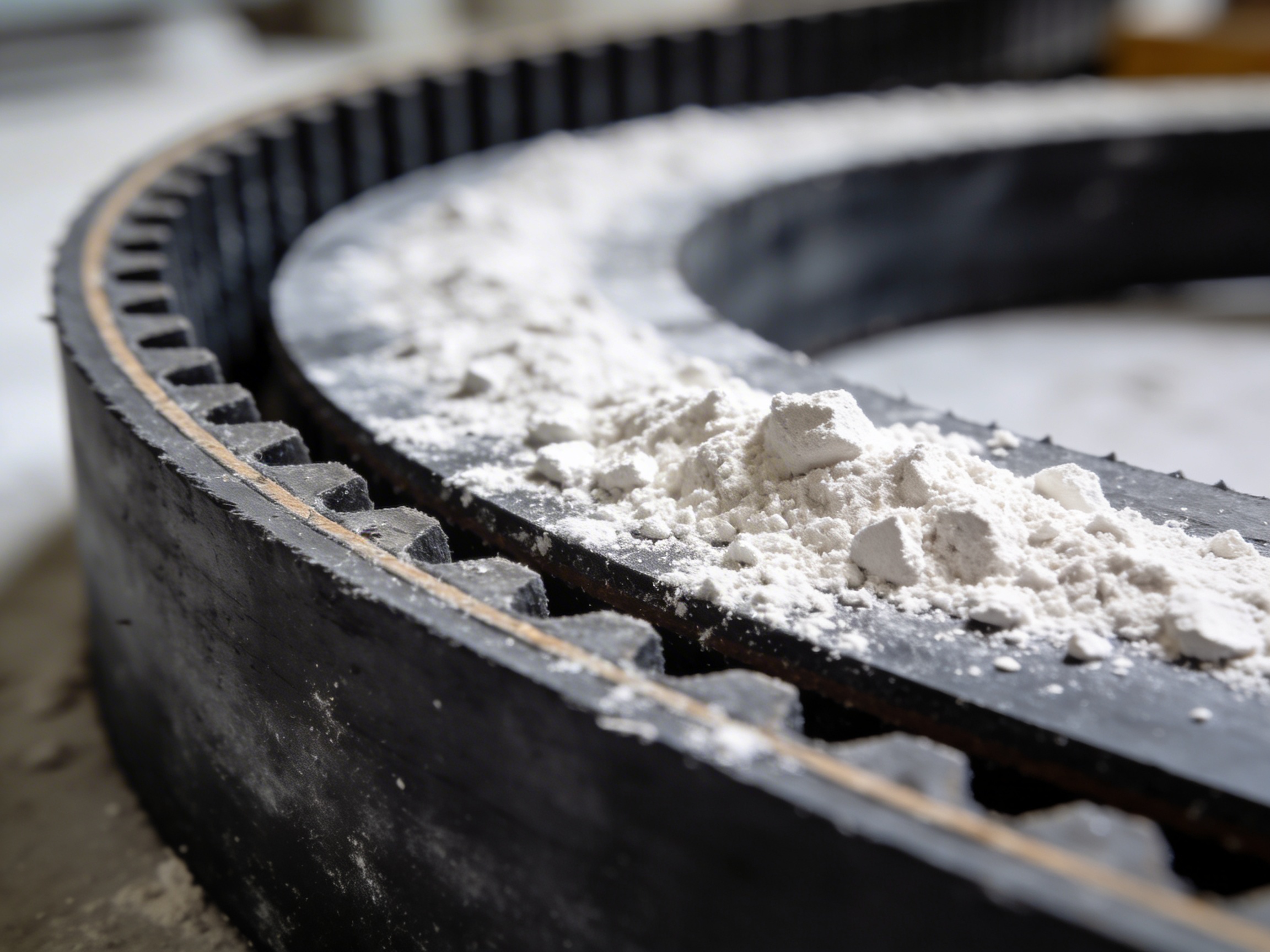
Belts with high-grade abrasion resistance and heat-tolerant polymers boost your uptime by reducing the need for frequent replacements and repairs. Investing in a heavy-duty industrial rubber conveyor belt means your production line can run 24/7 without the risk of thermal fatigue.
Why look at abrasion ratings?
Plaster dust is surprisingly abrasive to standard rubber compounds. Best of all? High-grade belts use additives like carbon black to resist the “sandpaper” effect of hardened gypsum.
- Extends the cycle life by 30-50%.
- Reduces the frequency of belt scraping.
- Prevents thin spots that lead to tears.
How does ply thickness matter?
Additional plies provide a safety margin against accidental punctures from heavy metal tools. You should evaluate the total thickness based on your heaviest mold weight and the length of your conveyor.
Key Takeaway: High-performance materials may have a higher upfront cost, but they significantly lower the total cost of ownership by maximizing uptime.
| Uptime Factor | Premium Belt Impact | |
|---|---|---|
| Heat Resistance | Prevents Thermal Cracking | |
| Tensile Strength | Reduces Stretch Adjustments | |
| Cover Durability | Minimizes Patch Repairs |
Prioritizing durability in your component selection ensures that your plant maintains a consistent production rhythm.
How to clean an industrial rubber conveyor belt fast?
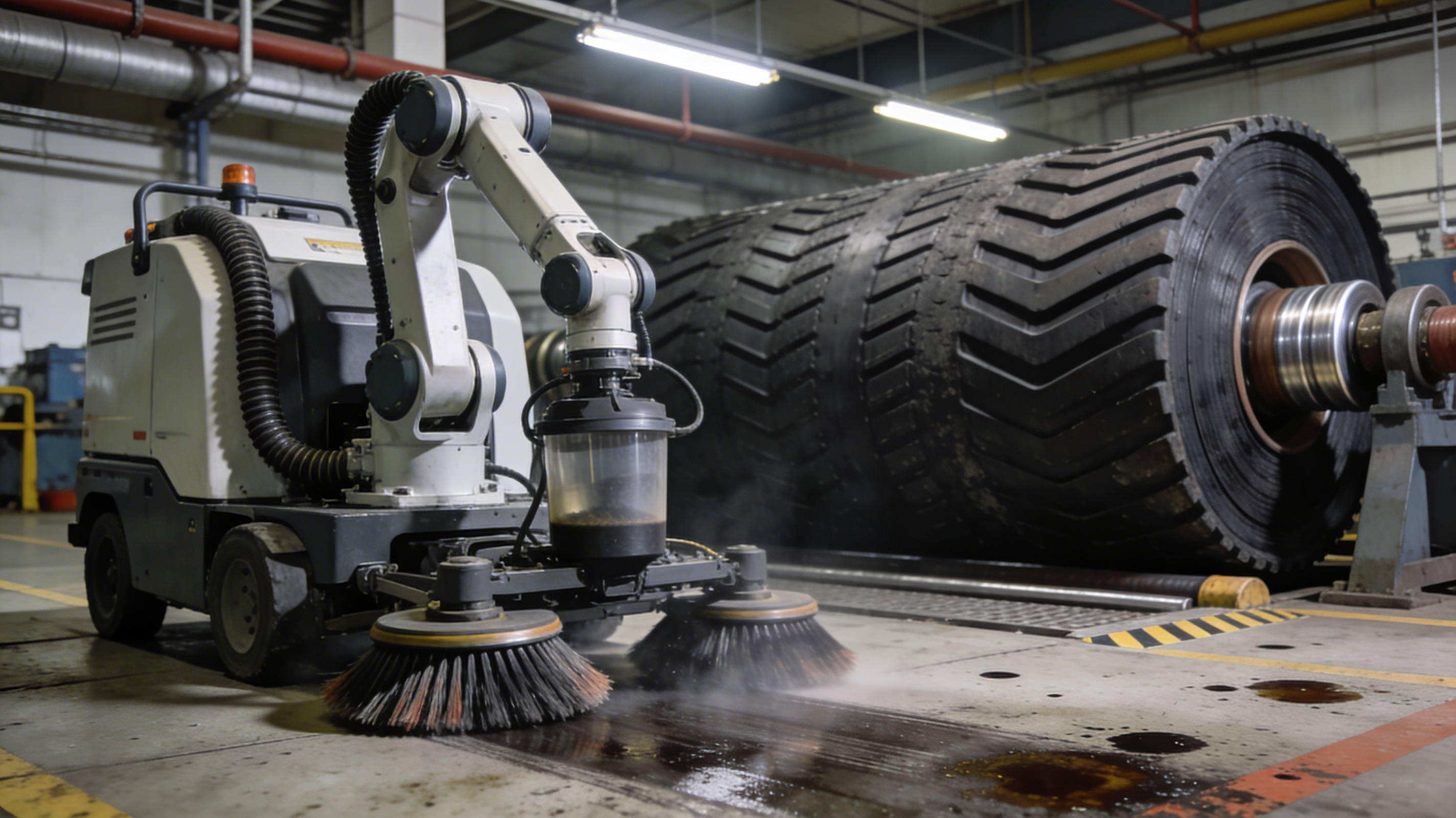
You can clean your belts rapidly by integrating high-efficiency scrapers and vacuum systems that remove dry plaster residue before it can bond to the rubber surface. Maintaining your industrial rubber conveyor belt requires a cleaning strategy that addresses both the dry dust and the wet slurry phases.
Which scraper selection is best?
Primary and secondary scrapers should be made of materials that won’t gouge the rubber cover. Wait, there’s more: choosing a self-adjusting scraper ensures consistent pressure even as the blade wears down.
- Tungsten carbide for heavy buildup.
- Polyurethane for delicate finishing.
- Rotary brushes for textured surfaces.
Are air nozzle systems effective?
High-pressure air can blow fine plaster dust out of the small crevices in the belt surface. This prevents the accumulation of material that can lead to tracking issues over time.
Key Takeaway: Efficient cleaning protocols prevent “carryback,” which is the primary cause of pulley wear and belt misalignment.
| Cleaning Tool | Best For | |
|---|---|---|
| Belt Scraper | Large Debris/Wet Slurry | |
| Vacuum System | Fine Plaster Dust | |
| Wash Box | High-Precision Cleaning |
A clean belt is a reliable belt, ensuring that your production environment remains safe and efficient.
Is an industrial rubber conveyor belt vital for drying?
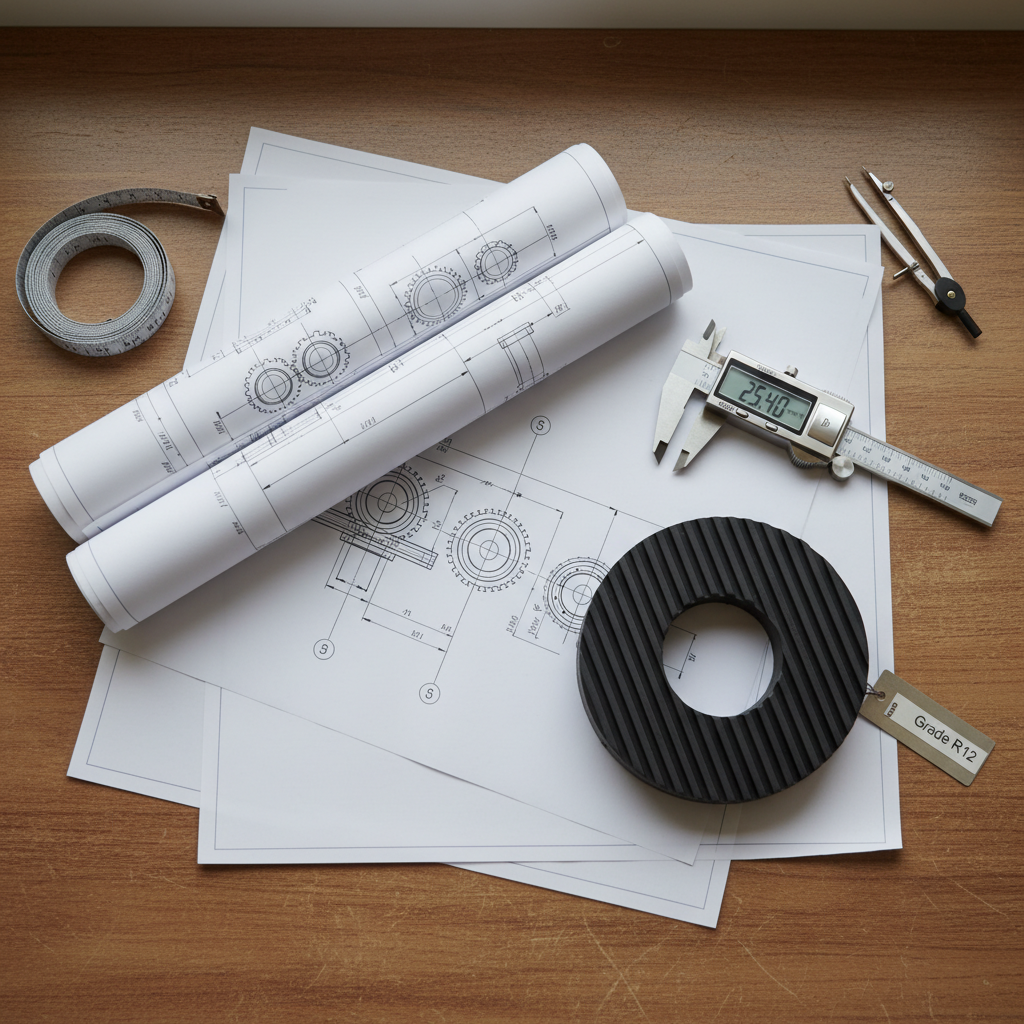
It is vital because it facilitates the uniform heat exposure and airflow required to extract moisture from the plaster mold without causing warping. Your industrial rubber conveyor belt must be able to withstand continuous exposure to oven temperatures ranging from 60°C to 150°C.
How does airflow integration work?
Look: if the belt is too thick or solid, it may block heat from reaching the bottom of the mold. You should work with engineers to find the right balance of belt thickness and thermal conductivity.
- Ensures consistent moisture removal.
- Prevents localized overheating.
- Reduces the total drying time required.
What about heat tolerance?
Heat-resistant EPDM belts are specifically designed to prevent the rubber from hardening and cracking in the dry heat of the oven. You should verify the “T” rating of any belt used in the drying section.
Key Takeaway: Uniform drying is only possible with a conveyor system that can handle sustained thermal loads while maintaining a flat surface.
| Drying Zone Metric | Required Belt Property | |
|---|---|---|
| Temperature | Heat Grade (T2 or T3) | |
| Moisture Content | Humidity Resistance | |
| Dwell Time | Low-Speed Precision |
Optimizing the drying phase through superior belt selection reduces the risk of mold failure during the metal pour.
Does an industrial rubber conveyor belt automate casts?

Automated production relies on these belts to provide a predictable, repeatable grid for robotic pick-and-place systems to identify mold locations. A modern industrial rubber conveyor belt acts as the digital backbone of your facility, allowing sensors to track every part through the lifecycle.
How does robotic synchronization work?
Robots require a vibration-free surface to accurately place non-ferrous inserts into the plaster molds. The result? Higher precision and lower labor costs for your facility.
- Enables 24/7 automated casting.
- Reduces human error in mold placement.
- Improves safety by removing people from heat zones.
What do logic controllers do?
Variable frequency drives (VFDs) allow you to speed up or slow down the belt based on the real-time sensor data from the drying oven. This ensures that every mold arrives at the pouring station at the perfect temperature.
Key Takeaway: Automation is only as reliable as the mechanical system moving the product through the robotic workspace.
| Automation Layer | Belt Requirement | |
|---|---|---|
| Sensor Feedback | Consistent Surface Color | |
| Robotic Grip | Non-Slip Texture | |
| Precision Stop | Instant Braking Support |
Embracing automation through advanced conveying technology positions your plant at the forefront of the industry.
Solving Your Material Handling Challenges
By addressing the inherent instabilities in the plaster casting process, we help you eliminate unplanned downtime and maximize your production yield. Whether you are dealing with brittle molds, high-temperature zones, or complex automation requirements, the right infrastructure makes the difference between profit and loss. We provide the engineering expertise to customize every belt to your specific environmental challenges, from moisture-sealed edges to heat-rated covers.
Our vision is to empower industrial facilities with the most reliable material handling solutions on the market, ensuring that your production line never stops moving. We invite you to contact us today to discuss your specific casting needs and receive a technical consultation within 24 hours. Let us help you build a more resilient, efficient, and profitable manufacturing future through superior engineering and direct factory support.
FAQ
Can I use a standard fabric belt for plaster slurry?
No, standard belts will absorb moisture and rot. You must use a belt with sealed edges and a water-resistant rubber compound to prevent internal carcass degradation.
What’s the best way to prevent plaster buildup on the rollers?
The best solution is a combination of high-quality belt scrapers and automated air nozzles. This prevents material from hardening on the pulleys, which is the leading cause of belt tracking issues.
How do I know if my belt is heat-resistant enough for the drying oven?
Check the “T” rating on the belt’s technical data sheet. For plaster drying ovens, you typically require an EPDM-based T2 or T3 rated belt to withstand continuous temperatures above 100°C.
Can I automate the loading of plaster molds onto the belt?
Yes, you can easily integrate robotic arms with the conveyor system. This requires a belt with a high coefficient of friction and a precision drive to ensure the robot can locate the mold accurately every time.
How do I know if my scrap rate is caused by the conveyor?
Analyze your scrapped parts for micro-cracks or base deformities. If these patterns are consistent, it indicates that belt vibrations or sagging between idlers are disturbing the plaster during its critical setting phase.