
Reliable rubber belt conveyor manufacturers provide durable conveyor solutions for plaster casting operations, ensuring smooth material transport, reducing downtime, and maintaining stable production efficiency.
What is plaster casting for rubber belt conveyor manufacturers?
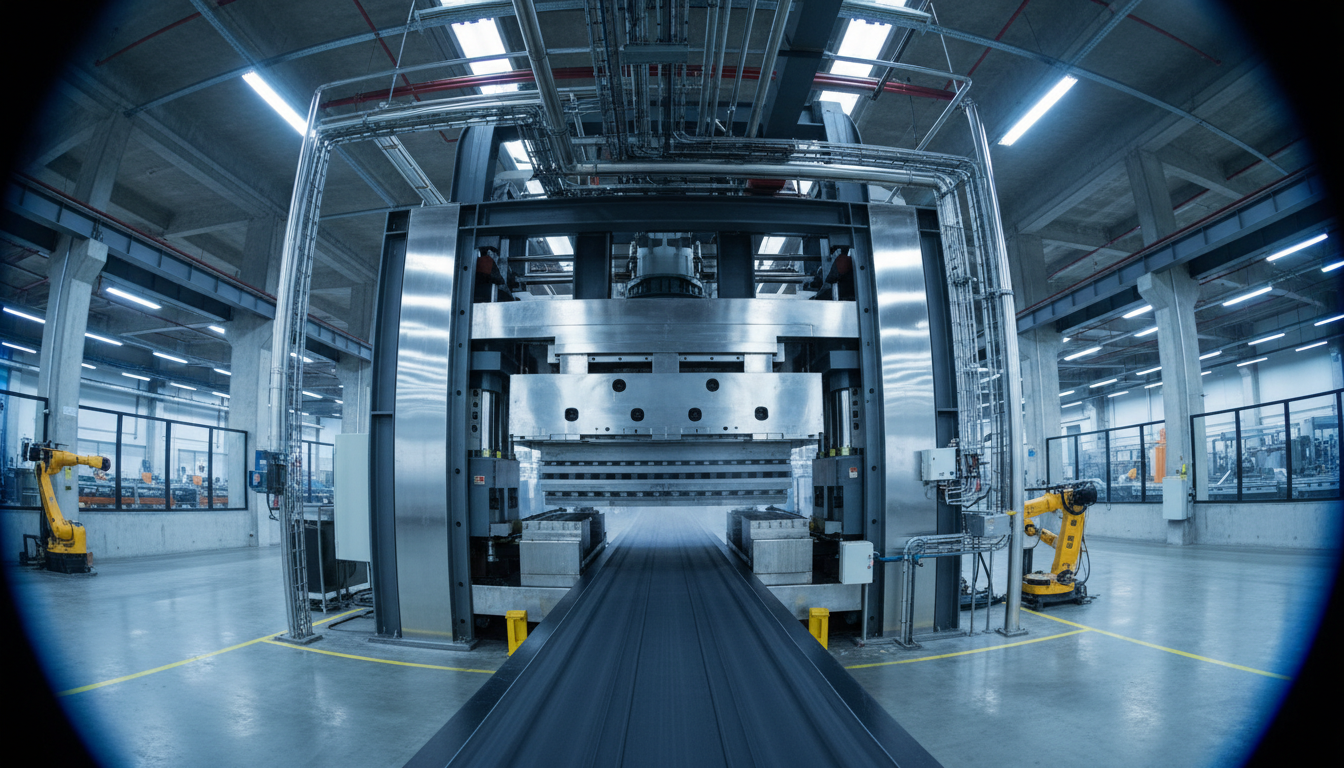
For specialized rubber belt conveyor manufacturers, plaster casting represents a rigorous application where precision belts must transport raw mineral gypsum and finished molds through various thermal stages. This process is essential for creating high-detail aluminum or zinc parts that require a superior surface finish.
Why is gypsum handling unique?
- Raw gypsum is highly abrasive and can wear down standard covers quickly.
- Moisture content in the slurry requires belts with superior carcass adhesion.
- Consistency is the key to preventing mold breakage during transport.
Look at it this way: You are not just moving dirt; you are moving the foundation of a high-precision part. If your belt slips or vibrates, the entire batch of molds could be ruined instantly.
Key Takeaway
Plaster casting is a detail-oriented manufacturing method that relies on stable, high-tension belts to ensure raw material purity and mold integrity throughout the production line.
| Feature | Requirement | Benefit | |
|---|---|---|---|
| Material | Gypsum slurry | High detail accuracy | |
| Belt Role | Raw material transport | Consistent feed rate | |
| Industry | Aerospace & Automotive | Superior surface finish |
Understanding the fundamental material requirements is the first step toward optimizing your facility’s long-term throughput.
How do rubber belt conveyor manufacturers optimize gypsum transport?
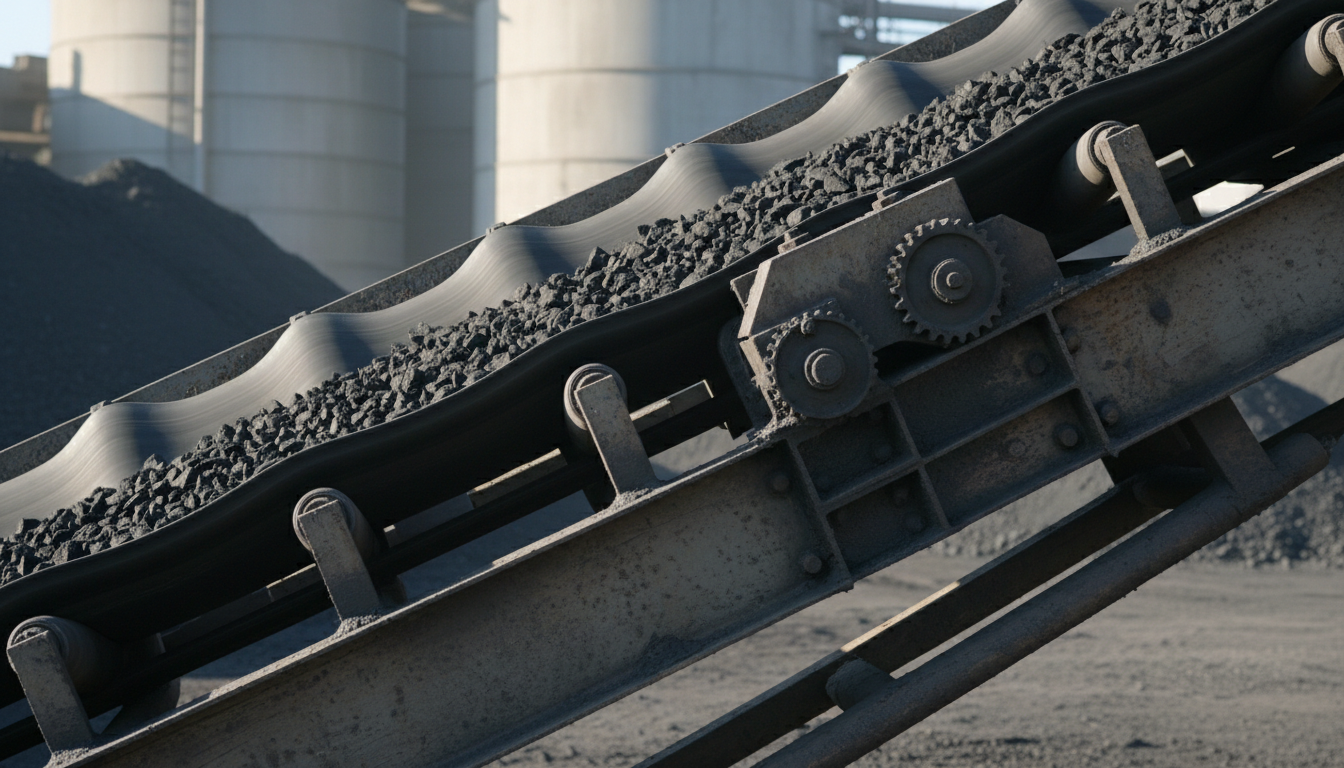
Reliable rubber belt conveyor manufacturers optimize gypsum transport by utilizing specialized cover compounds that resist the abrasive nature of mineral dust while providing a high-grip surface. You need to move bulk gypsum from storage silos to mixing stations without significant material loss.
Can steep inclines improve your facility layout?
- Chevron patterns prevent gypsum powder from sliding back during elevation.
- Sidewall designs allow for vertical transport in tight factory footprints.
- Enclosed systems reduce dust contamination in the casting area.
In simple terms: You can maximize your floor space by going vertical. This keeps your mixing station close to the casting line, reducing the time the slurry stays in the pots.
Key Takeaway
Optimized transport systems allow for efficient bulk material movement, ensuring that your raw ingredients are always ready for the precision mixing stage.
| Strategy | Design Choice | Result | |
|---|---|---|---|
| Space Saving | Sidewall belts | Vertical material flow | |
| Dust Control | Pipe conveyors | Cleaner work environment | |
| Slippage Prevention | Chevron profiles | Reliable steep conveying |
Designing a layout that moves material faster and cleaner directly impacts your daily production capacity and safety standards.
Which belts do rubber belt conveyor manufacturers use for hot slurry?
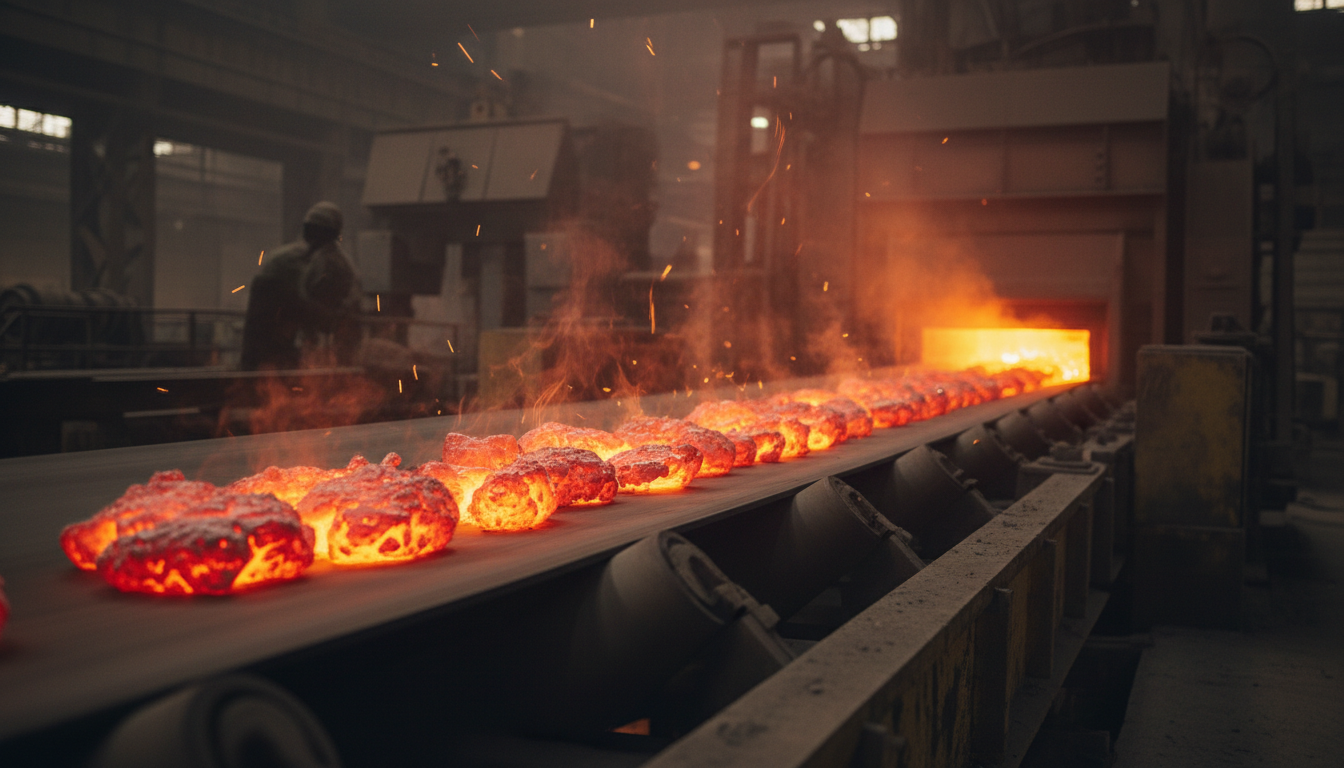
Leading rubber belt conveyor manufacturers recommend EPDM-based covers for handling hot plaster slurry to prevent the rubber from hardening or cracking under thermal stress. When you are dealing with exothermic reactions in the plaster mix, standard belts can become brittle within weeks. By choosing heat-resistant conveyor belts , you ensure your production line doesn’t crumble under the heat.
How do EPDM covers handle high temperatures?
- They resist “coking” or the permanent hardening of the rubber surface.
- Thermal dissipation layers protect the internal fabric carcass from burning.
- Elasticity is maintained even during 24/7 exposure to hot molds.
Check this out: Heat is the silent killer of industrial rubber. Without the right chemical formulation, your belt will snap like a dry twig when it rounds the drive pulley.
Key Takeaway
High-temperature zones in a plaster plant require specialized polymers to ensure the belt remains flexible and functional throughout the curing process.
| Temperature Range | Compound Type | Application | |
|---|---|---|---|
| Up to 120°C | Standard SBR | General transport | |
| Up to 180°C | Enhanced SBR | Hot slurry zones | |
| 200°C and above | Pure EPDM | Drying oven discharge |
Selecting the correct thermal grade prevents unexpected belt failures that could halt your entire casting department.
How do rubber belt conveyor manufacturers handle heavy casting molds?
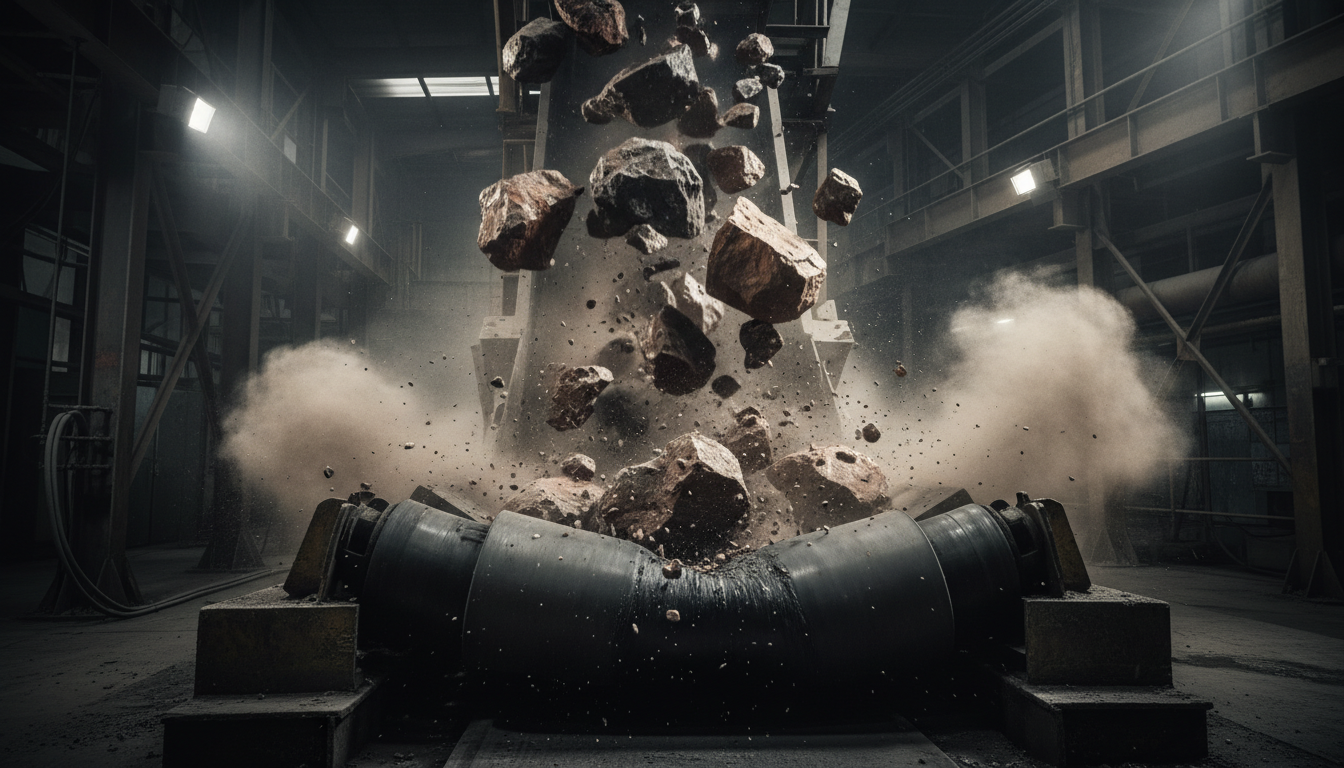
To handle heavy casting molds, rubber belt conveyor manufacturers build belts with reinforced carcasses that provide the necessary tensile strength to support massive dead loads without stretching. You will often encounter molds that weigh hundreds of pounds each, placing immense pressure on the idlers and the belt itself.
What reinforcement is best for heavy loads?
- Steel cord reinforcement provides the ultimate strength for high-weight lines.
- Multi-ply EP fabric offers flexibility for systems with smaller pulleys.
- Straight-warp technology prevents the belt from sagging between rollers.
But here is the kicker: If your belt stretches too much, your molds will bounce. That vibration can cause internal fractures in the plaster, leading to “flashing” or metal leaks during the pour.
Key Takeaway
Heavy-duty reinforcement is non-negotiable for mold transport lines to maintain the flat, stable surface required for high-quality casting.
| Load Type | Reinforcement | Benefit | |
|---|---|---|---|
| Individual Molds | EP Fabric | Shock absorption | |
| Continuous Line | Steel Cord | Zero elastic stretch | |
| Raw Gypsum | Multi-ply | High impact resistance |
Maintaining a stable conveying surface ensures that every mold arrives at the pouring station in perfect condition.
Why do rubber belt conveyor manufacturers focus on precision drying?
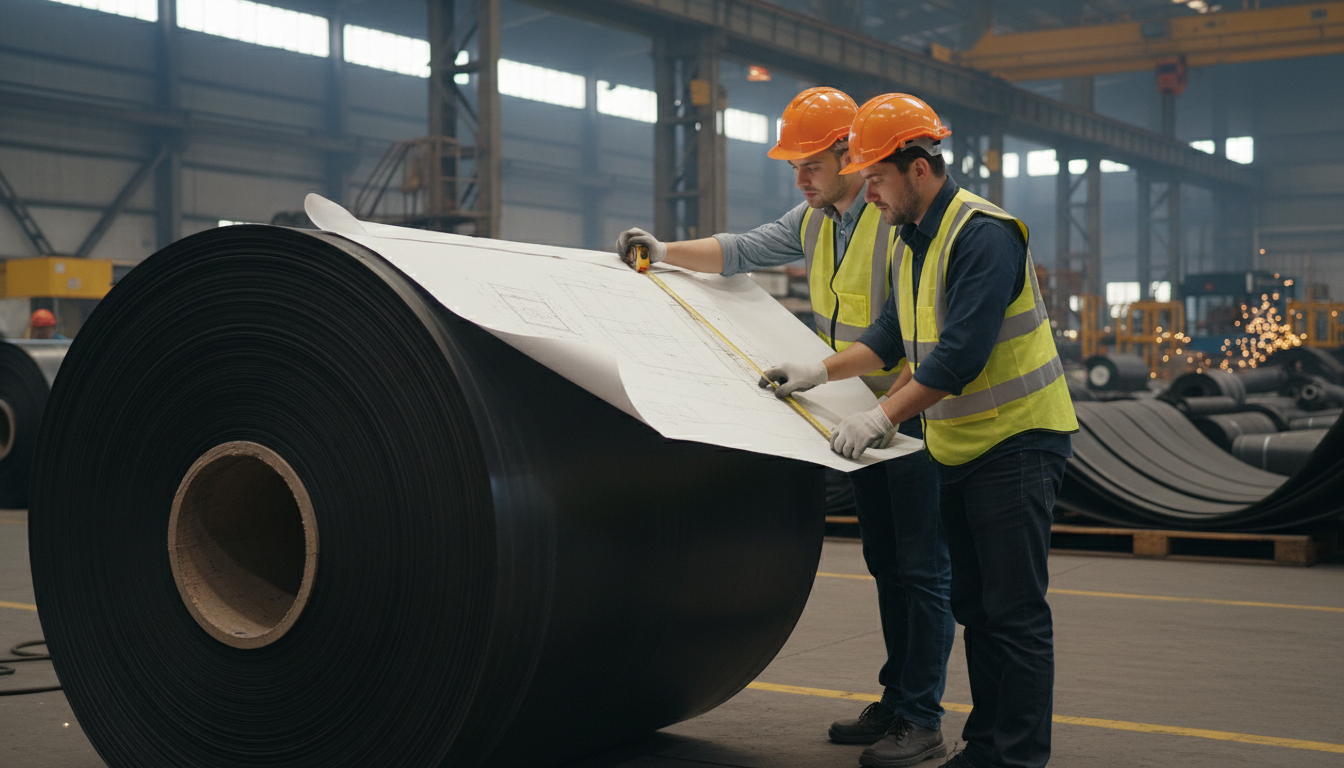
Experienced rubber belt conveyor manufacturers focus on precision drying because the belt must maintain its tracking and speed in the humid, high-heat environment of a drying oven. You need to remove all moisture from the plaster molds before metal is poured to prevent steam explosions. By reviewing product specifications , you can select a belt that won’t warp or shrink in the oven.
Does humidity affect belt tracking?
- Moisture-resistant carcasses prevent the belt from “cupping” or curling.
- Precision-ground edges ensure the belt stays centered in narrow dryer tunnels.
- Anti-fungal compounds prevent mold growth in damp loading zones.
Wait, there is more: A belt that walks off its tracks inside a 300-degree oven is a nightmare to repair. You need a system that stays true even when the environment is fighting against it.
Key Takeaway
Dryer-specific belts are engineered to handle the unique combination of high heat and high humidity without losing their structural shape.
| Environmental Factor | Belt Requirement | Critical Outcome | |
|---|---|---|---|
| High Humidity | Moisture-proof carcass | No edge curling | |
| Oven Heat | Thermal stability | Consistent belt speed | |
| Drip Zones | Slip-resistant cover | Secure mold positioning |
Consistent tracking in the dryer tunnel ensures that your molds are heated evenly, which is critical for the final casting quality.
Can rubber belt conveyor manufacturers resist plaster chemicals?
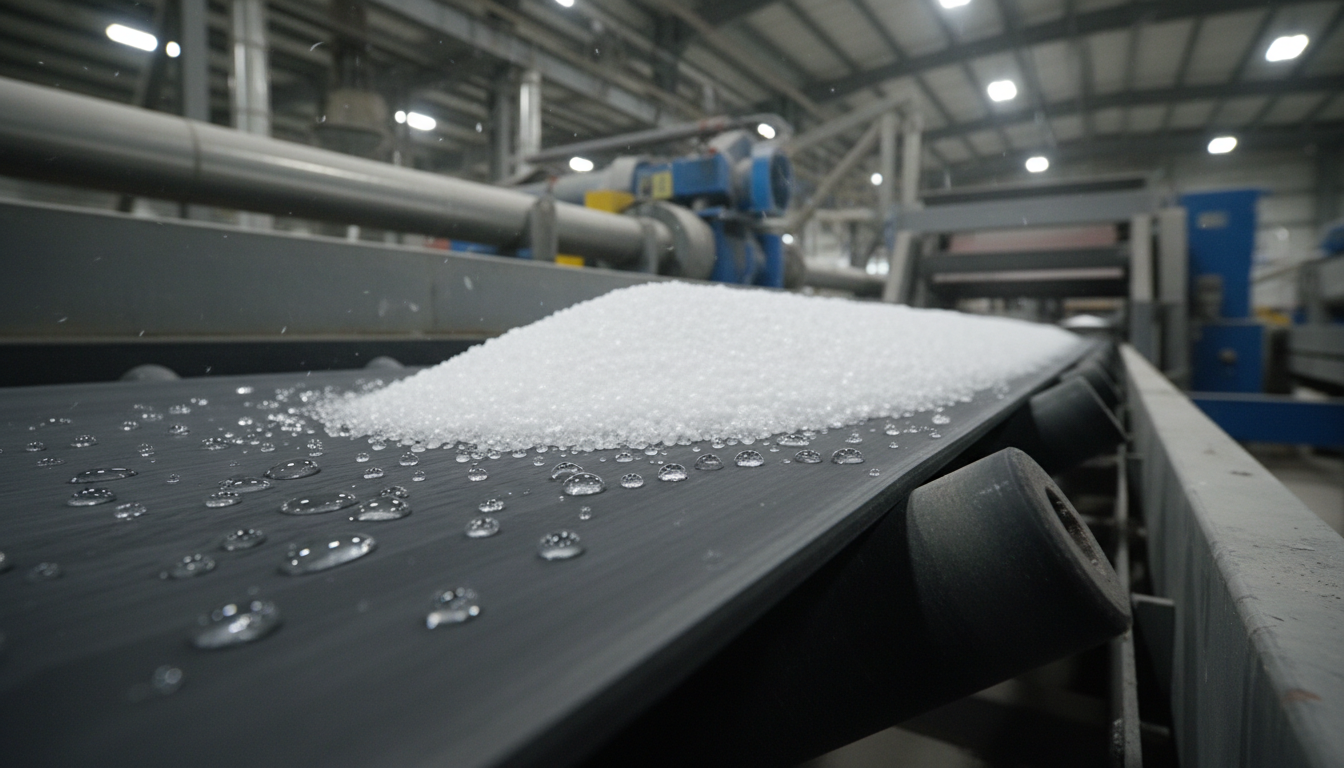
Yes, rubber belt conveyor manufacturers design chemical-resistant belts that specifically withstand the alkaline nature of gypsum and the various release agents used in casting. You may notice that standard rubber often swells or becomes tacky when it comes into contact with industrial oils.
Which chemicals are most harmful to rubber?
- Petroleum-based release agents can dissolve standard SBR covers.
- Alkaline plaster slurry can cause premature drying and cracking.
- Cleaning solvents used to remove plaster buildup are often highly corrosive.
Look at it this way: Chemical damage isn’t always immediate; it’s a slow rot. One day your belt looks fine, and the next day the cover is peeling off in huge, expensive chunks.
Key Takeaway
Chemical-resistant polymers like Nitrile (NBR) are essential for any part of your casting line where oils or release agents are present.
| Chemical Type | Risk Level | Solution | |
|---|---|---|---|
| Release Agents | High (Swelling) | Oil-resistant Nitrile | |
| Gypsum Slurry | Medium (Abrasion) | High-tensile SBR | |
| Cleaning Acids | High (Corrosion) | Specialized EP polymers |
Protecting your investment with chemical-resistant covers can double or even triple the operational lifespan of your belts.
How do rubber belt conveyor manufacturers maintain casting lines?
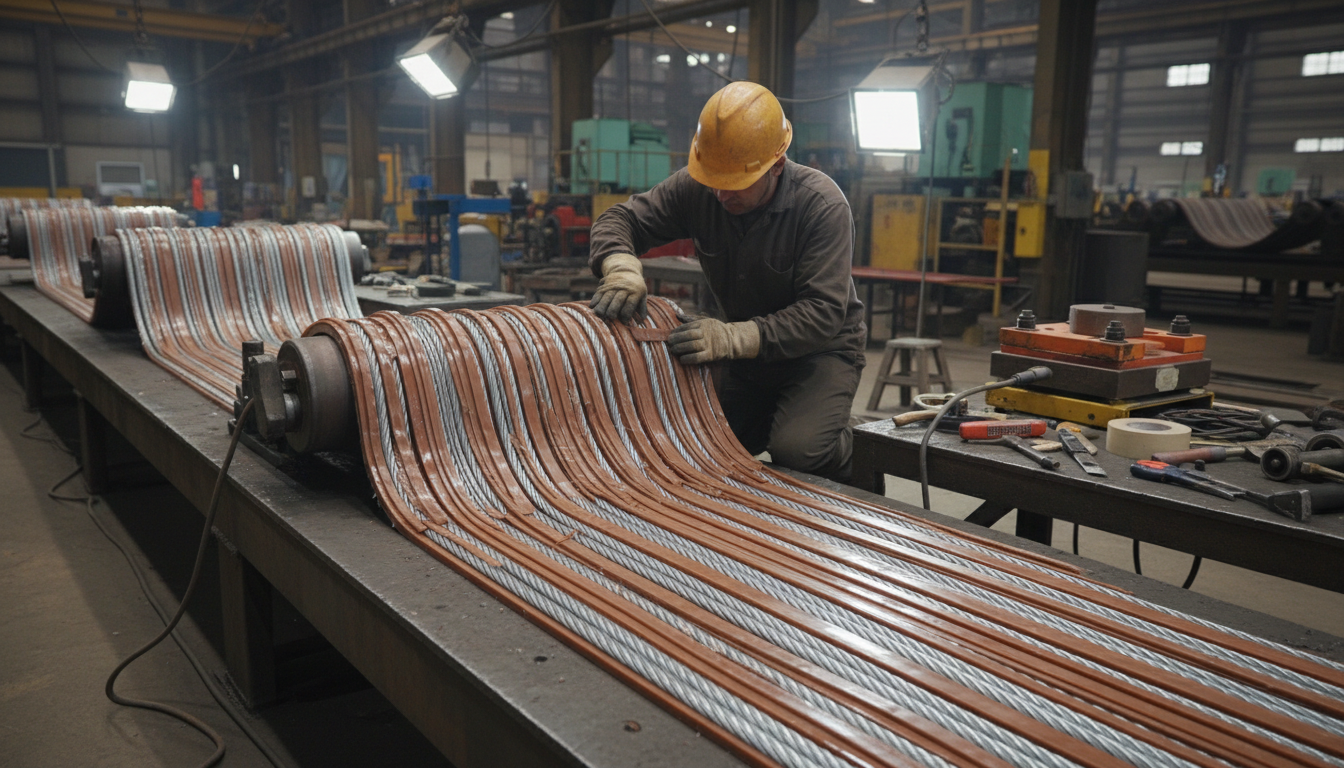
Leading rubber belt conveyor manufacturers maintain casting lines by providing high-quality splicing materials and on-site technical support to ensure joints are as strong as the belt itself. You should know that the splice is the weakest point of any system. By using steel cord belt technology , you can achieve nearly 100% joint strength through hot vulcanization.
Is hot vulcanization better for casting?
- It creates a seamless joint that won’t catch on delicate plaster molds.
- The chemical bond is much stronger than mechanical fasteners.
- A flat splice prevents the vibration that could crack a green mold.
Check this out: Mechanical clips are fast, but they are loud and they bump. In a plaster plant, that tiny bump can be the difference between a perfect part and a pile of scrap.
Key Takeaway
Professional splicing is the foundation of a reliable conveyor system, ensuring smooth mold movement and long-term structural integrity.
| Splice Type | Best Use | Strength Rating | |
|---|---|---|---|
| Hot Vulcanized | Permanent mold lines | 95-100% | |
| Cold Bonded | Fast onsite repairs | 70-80% | |
| Mechanical | Temporary fixes | 50-60% |
Investing in high-quality joints pays off through reduced maintenance downtime and the elimination