
A reliable price rubber conveyor belt balances cost and durability, helping industries reduce downtime, avoid hidden expenses, and achieve long-term efficiency with high-performance conveying solutions.
How does the core impact the price rubber conveyor belt?
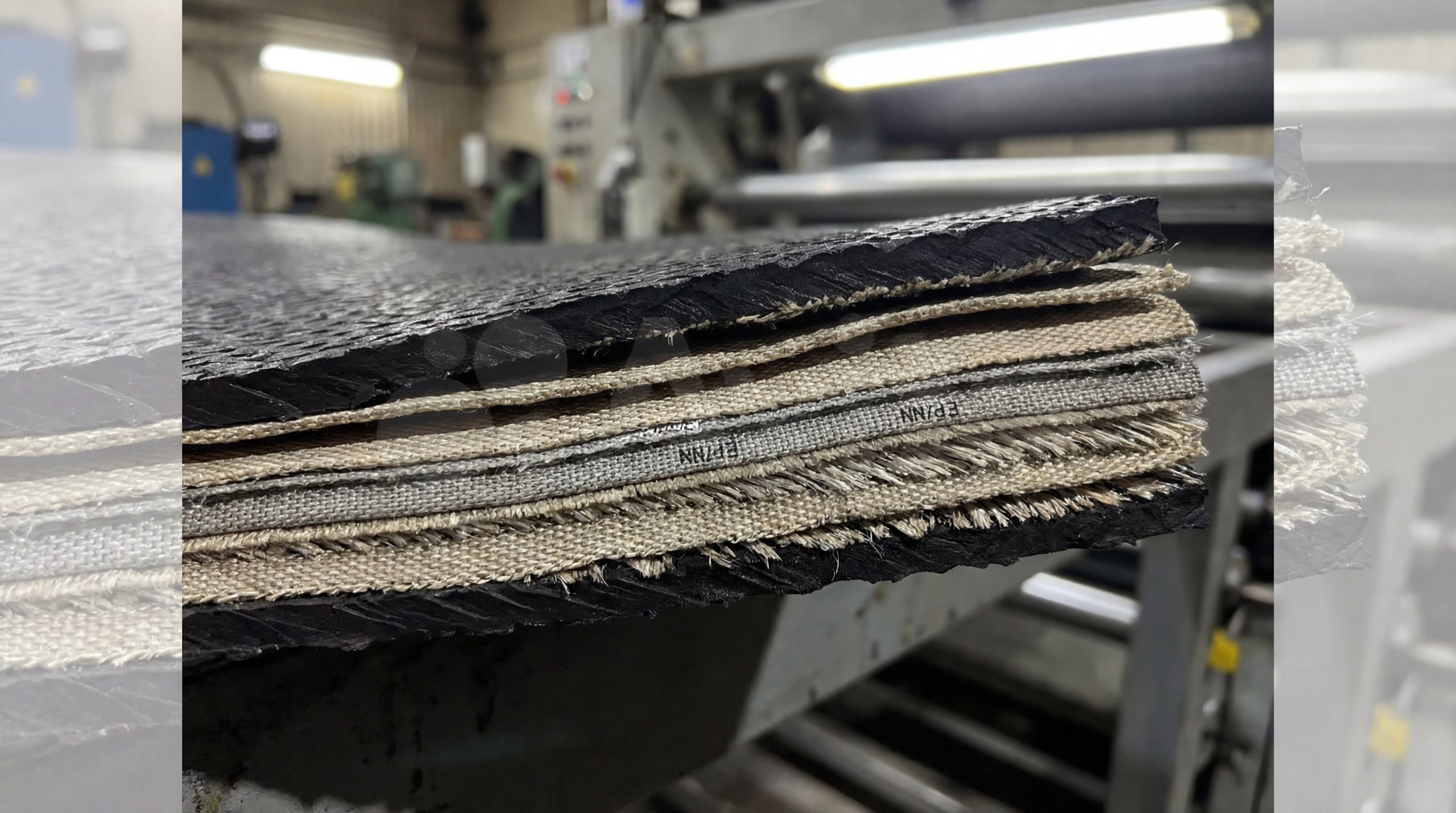
The internal core acts as the skeleton of the system, directly determining the load capacity and the overall price rubber conveyor belt value. Understanding this internal structure is the first step in determining market value and functional performance for your facility. Believe it or not, the choice between EP, NN, or Cotton plies can change your maintenance schedule entirely. We prioritize price rubber conveyor belt integrity by using premium textile plies that prevent elongation.
What defines fabric core technology?
Fabric core belts use multiple textile layers to provide tensile strength while remaining flexible. These layers are engineered to withstand the constant tension of industrial pulleys without snapping. You will find that the number of plies typically ranges from two to six depending on your specific load requirements.
How does structural integrity affect costs?
The bond between the rubber cover and the fabric core is vital for preventing delamination. High-quality vulcanization ensures that the “skeleton” and the “skin” move as a single, unified component.
- Prevents ply separation.
- Improves impact resistance.
- Extends the service life of the belt.
Summary Table: Core Influence Factors
| Component | Function | Cost Impact | |
|---|---|---|---|
| Layer Count | Tensile Support | Higher plies increase price | |
| Core Material | Elasticity/Strength | Synthetic fibers cost more than cotton | |
| Adhesion Level | Structural Unity | Critical for long-term ROI |
Properly selecting the core material is the most effective way to manage your long-term operational budget.
Key TakeawayThe internal fabric core is the foundation of belt performance; choosing the right fiber type balances your initial investment with the necessity for long-term durability in harsh environments.
Does textile choice change the price rubber conveyor belt?
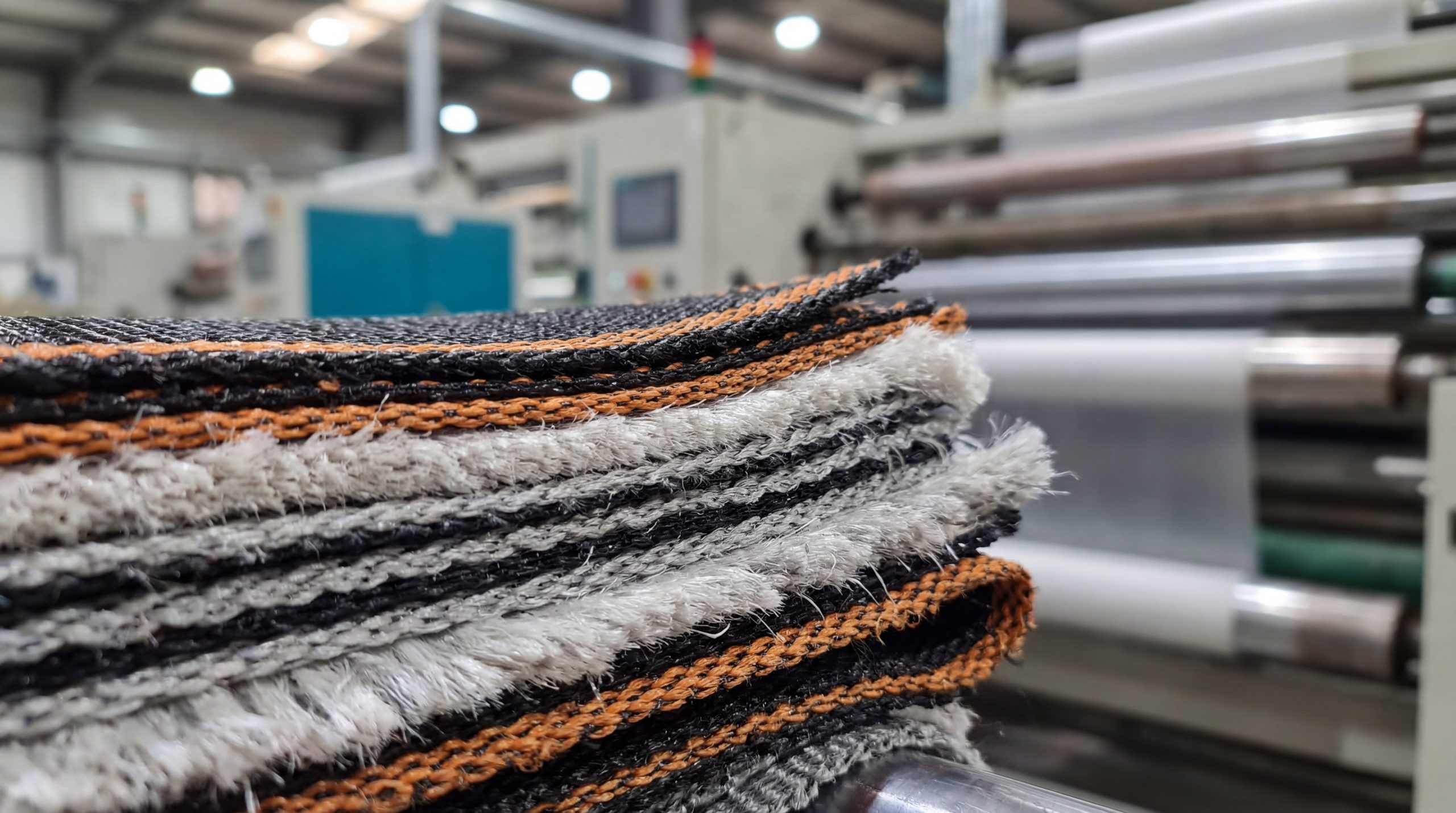
The type of synthetic fiber used directly dictates the flexibility and strength, which are primary factors in the final price rubber conveyor belt calculation. Selecting between Polyester (EP) and Nylon (NN) depends heavily on your specific conveying distance and impact requirements. Here is the kicker: choosing the wrong fiber can lead to excessive belt stretch and constant adjustments. You need a material that matches the tension of your machinery perfectly.
Why choose Polyester (EP) fibers?
EP belts offer exceptionally low stretch, making them ideal for long-distance conveying where stability is paramount. They provide excellent resistance to moisture and mildew, which protects the core from rotting in humid conditions. You will save money on labor because these belts require fewer take-up adjustments.
What makes Nylon (NN) fibers unique?
Nylon is famous for its high elasticity and superior impact resistance, which is perfect for heavy shock loads. It allows the belt to absorb the energy of falling materials without tearing the fabric core.
- Superior troughing ability.
- High fatigue resistance.
- Ideal for high-impact loading zones.
Summary Table: EP vs. NN Comparison
| Metric | Polyester (EP) | Nylon (NN) | |
|---|---|---|---|
| Elongation | Low (Stable) | High (Elastic) | |
| Impact Resistance | Moderate | Superior | |
| Best Application | Long distances | Heavy shock loads |
While EP is the standard for most industrial uses, NN is the better choice for environments where sharp materials are frequently dropped onto the belt.
Key TakeawayMulti-ply belts provide versatile strength across different applications; EP is generally the most cost-effective choice for long-distance stability with minimal maintenance.
Which industry uses affect the price rubber conveyor belt?
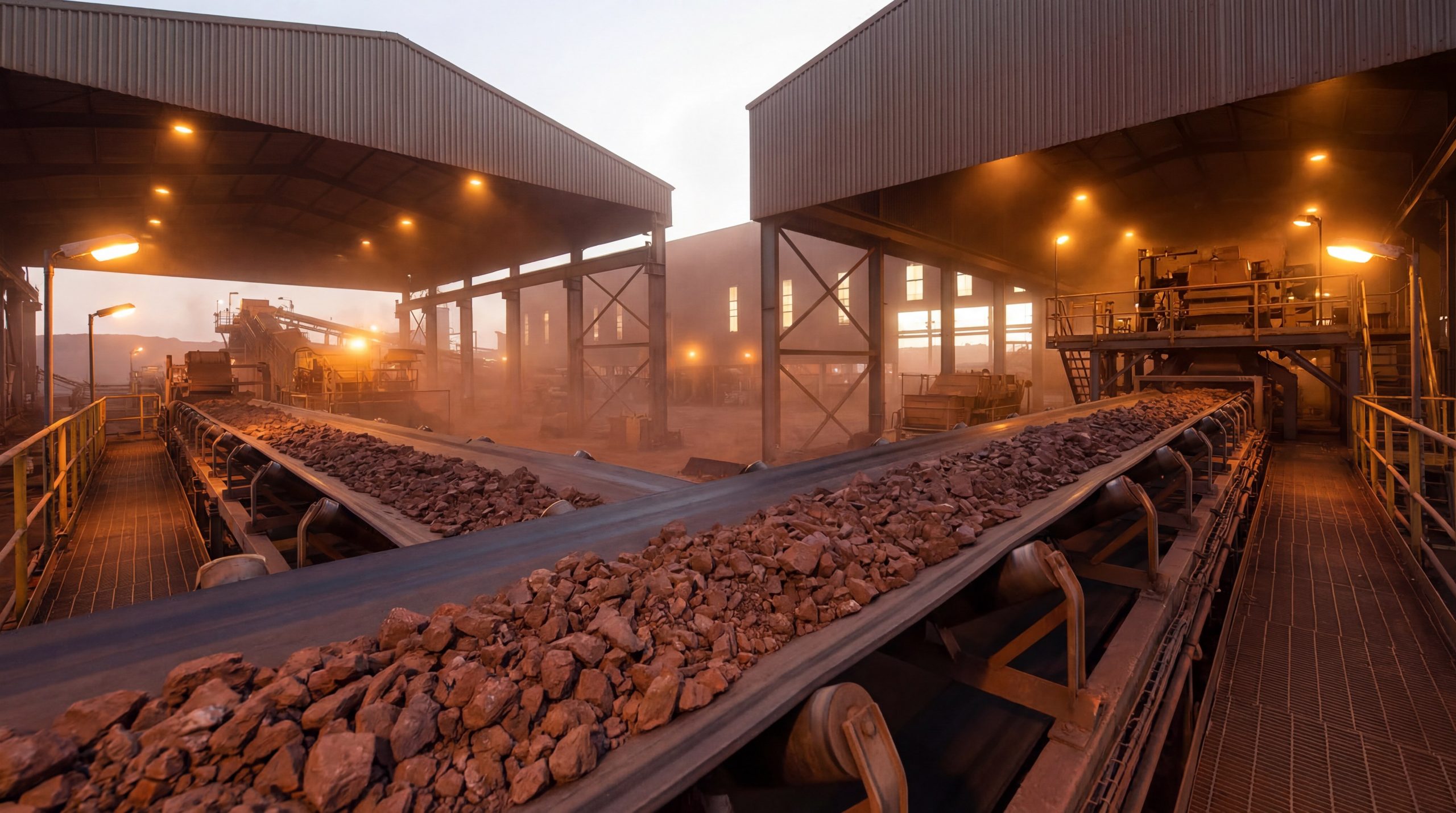
Industrial applications like mining and mineral processing require high-abrasion resistance, which justifies a higher price rubber conveyor belt for specialized compounds. The environment where the belt operates dictates the rubber grade needed to prevent surface cracking. The best part? Engineering the belt for specific sharp ores ensures it won’t fail prematurely. You can optimize your price rubber conveyor belt by selecting the exact thickness required for your specific material density.
How does mining impact belt selection?
Mining environments involve sharp rocks and heavy mineral loads that can quickly destroy standard belts. Our belts are engineered with high-tensile carcasses to handle these extreme conditions without failing. You should look for belts with reinforced edges to prevent fraying during heavy use.
What are the needs of ports and bulk loading?
High-capacity port systems rely on wide belts to move massive volumes of grain or coal. These systems require consistent tracking and high speed to meet ship loading deadlines.
- Wide width options (up to 3200mm).
- High-speed performance.
- Resistance to salt and coastal humidity.
Summary Table: Industry Application Needs
| Industry | Primary Challenge | Recommended Solution | |
|---|---|---|---|
| Mining | Abrasion/Tear | High-Strength NN | |
| Cement | Heat/Dust | Heat-Resistant EP | |
| Ports | Throughput/Width | Wide Multi-ply EP |
Matching your belt to the specific challenges of your industry prevents the “hidden” costs associated with using generic equipment.
Key TakeawayFabric belts are the versatile workhorses of the global industry, adaptable to nearly any environment ranging from deep underground mines to bustling coastal shipping ports.
How do you calculate the price rubber conveyor belt ROI?
A true ROI calculation considers the lifespan and energy efficiency alongside the initial price rubber conveyor belt quoted by the manufacturer. While a lower price might seem attractive, the frequency of repairs can quickly erase any initial savings. Think about it: a belt that lasts twice as long effectively halves your equipment cost over time. You should analyze the cost per ton of material moved to find the most efficient solution.
Low-quality rubber compounds wear down faster, leading to thinner covers and exposed fabric cores. Once the core is exposed, moisture can enter and cause the belt to rot or delaminate from the inside. This leads to catastrophic failure and expensive emergency repairs that stop your entire production line.
How does energy efficiency play a role?
Lighter fabric core belts require less power to move than heavy steel cord alternatives. By reducing the weight of the conveying medium, you lower the electrical consumption of your motor systems.
- Lower power requirements.
- Reduced motor wear.
- Faster startup times for long systems.
Summary Table: ROI Cost Factors
| Cost Element | Cheap Belt | Quality Belt | |
|---|---|---|---|
| Initial Price | Low | Moderate | |
| Maintenance | Frequent | Minimal | |
| Total Lifecycle Cost | High | Optimized |
Investing in quality materials upfront is the only way to ensure that your operational costs remain predictable and low throughout the year.
Key TakeawayTotal value is measured by performance over time; focusing on the total lifecycle cost rather than the sticker price ensures your facility remains profitable and safe.
Why is EP favored for the price rubber conveyor belt?
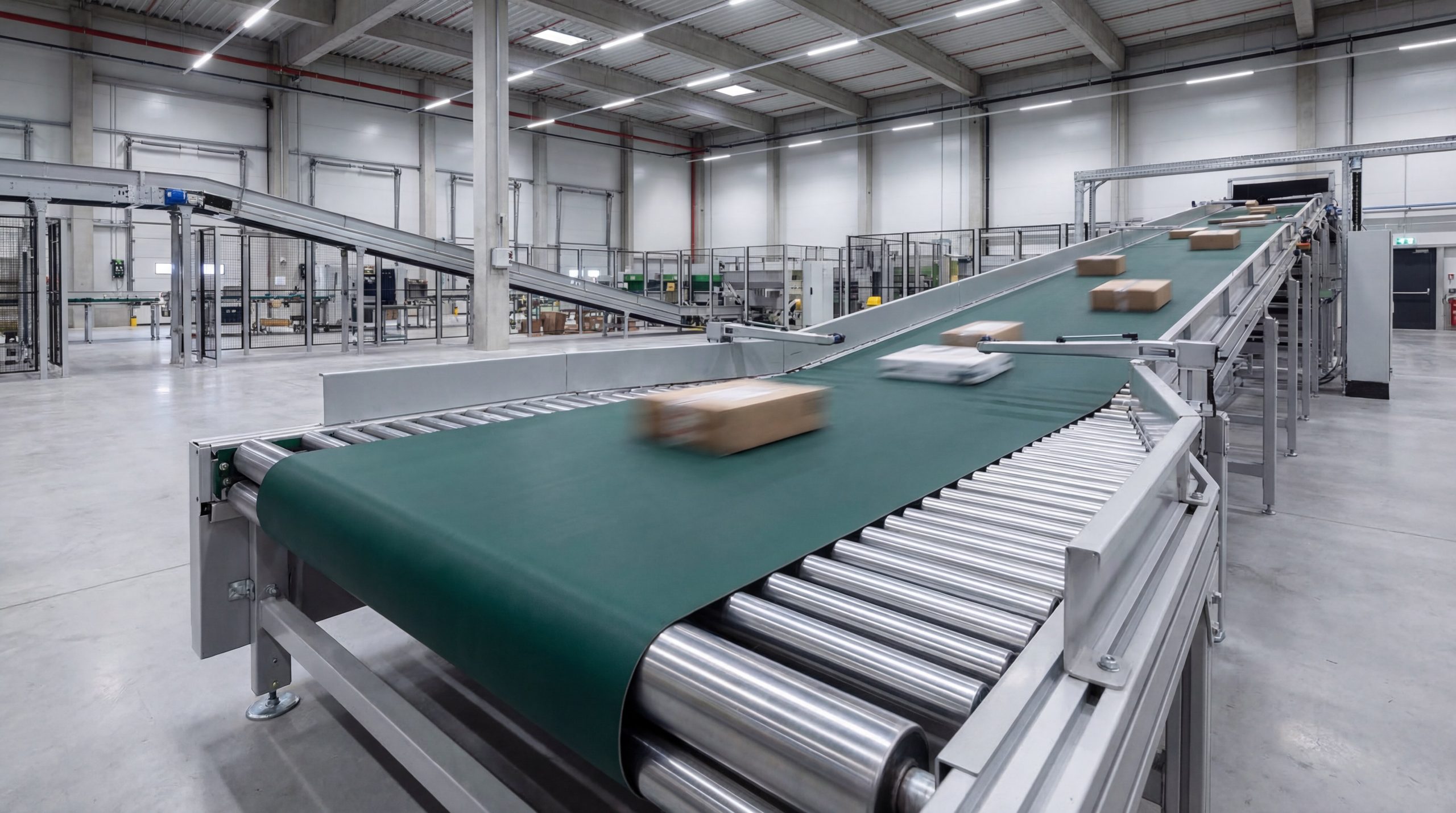
EP belts offer the best balance of price and performance for 80% of standard industrial conveying needs, making them the most popular price rubber conveyor belt option. Their polyester warp provides high strength while the nylon weft allows for excellent troughing. It gets better: these belts are naturally resistant to the effects of water and common chemicals. You can trust a price rubber conveyor belt with an EP core to stay stable even under varying load conditions.
What are the low elongation properties?
Because EP fibers do not stretch significantly, the tension in your conveyor system remains constant. This stability prevents the belt from slipping on the drive pulley, which can cause friction damage. You will experience fewer shutdowns for belt re-tensioning compared to other material types.
Is EP resistant to environmental rot?
Synthetic polyester fibers do not absorb moisture, meaning they won’t rot or weaken in wet environments. This makes them perfect for outdoor logistics centers or mines with high water ingress.
- Rot-proof construction.
- High adhesion strength.
- Consistent performance in humidity.
Summary Table: EP Core Benefits
| Advantage | Technical Impact | ROI Benefit | |
|---|---|---|---|
| Low Elongation | Less slippage | Lower maintenance labor | |
| Rot Resistance | Core integrity | Longer replacement cycles | |
| High Adhesion | No delamination | Higher safety ratings |
The versatility of EP makes it the industry standard for a reason, providing reliable service across diverse climates and loads.
Key TakeawayEP belts provide the optimal mix of high strength and low stretch, ensuring that your conveyor system requires minimal mechanical intervention over its lifespan.
Does heat resistance raise the price rubber conveyor belt?
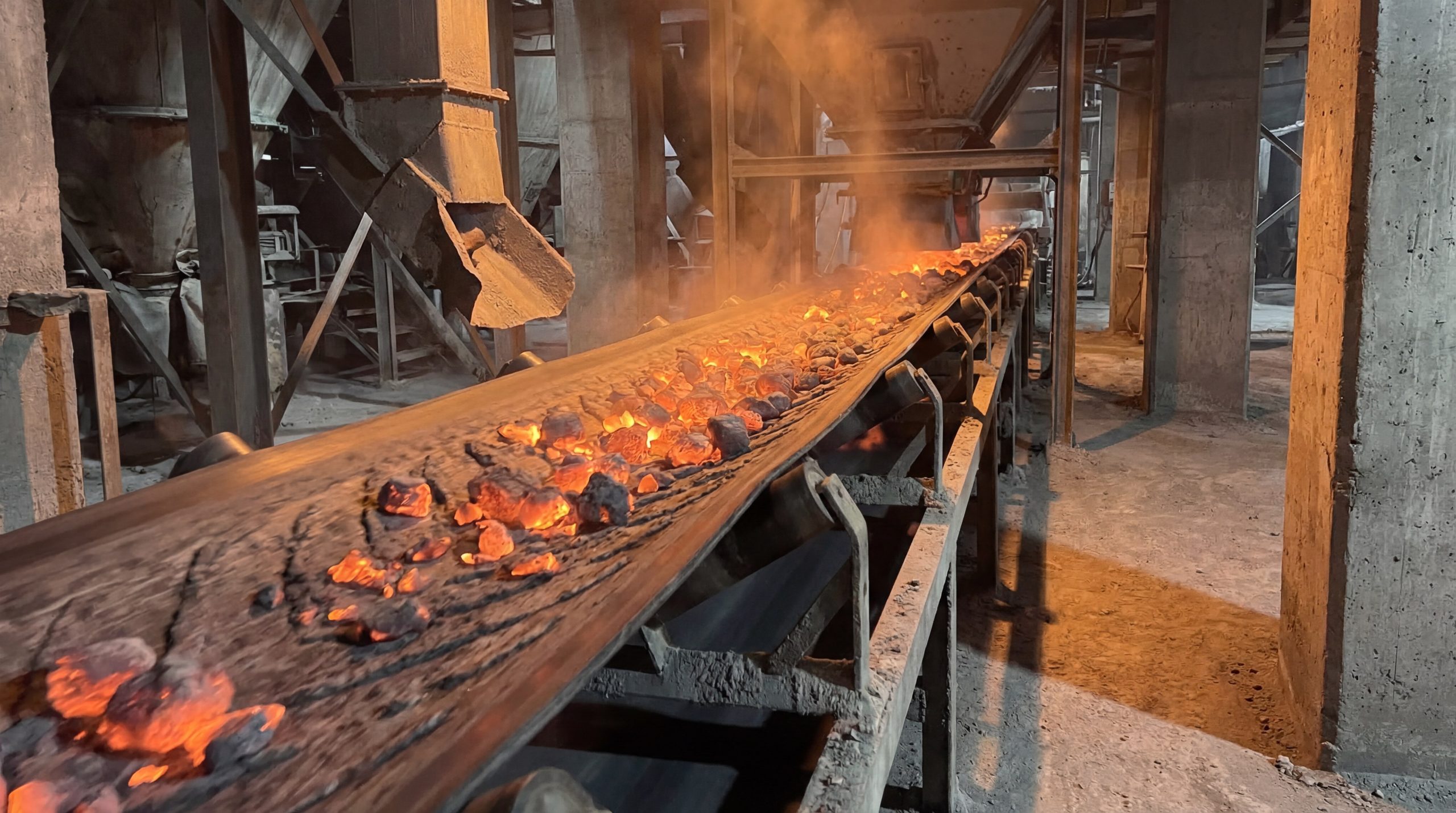
Transporting hot clinker or sintered ore requires specialized EPDM compounds that will increase the initial price rubber conveyor belt significantly. Standard rubber will harden and crack when exposed to temperatures above 100°C, leading to rapid surface failure. Make no mistake: using a standard belt for high-heat applications is a recipe for disaster. You must match the rubber grade to the peak temperature of your conveyed material.
When is EPDM rubber necessary?
EPDM is a specialized polymer designed to withstand continuous exposure to temperatures reaching up to 200°C or higher. It maintains its flexibility and prevents the “popcorn” effect where the rubber cover bubbles and peels away from the core. You will find this essential in cement plants and steel mills.
How do special compounds protect the system?
Beyond heat, these belts can be engineered for flame retardancy in underground coal mines. Specialized chemicals are added to the rubber to ensure it self-extinguishes if a fire occurs.
- Heat resistance (T1-T3 grades).
- Flame retardant safety.
- Oil and chemical resistance.
Summary Table: Specialized Property Impact
| Property | Material Used | Peak Temperature | |
|---|---|---|---|
| Heat Resistant | EPDM / SBR | 200°C+ | |
| Flame Retardant | PVC / FR Rubber | Safety Rated | |
| Oil Resistant | Nitrile (NBR) | Chemical Stable |
While specialized compounds increase the upfront cost, they act as an insurance policy against catastrophic equipment failure in extreme conditions.
Key TakeawaySpecialized properties are vital for facility safety; investing in heat or flame resistance is necessary for any environment where temperatures or fire risks are high.
Is customization key for the price rubber conveyor belt?
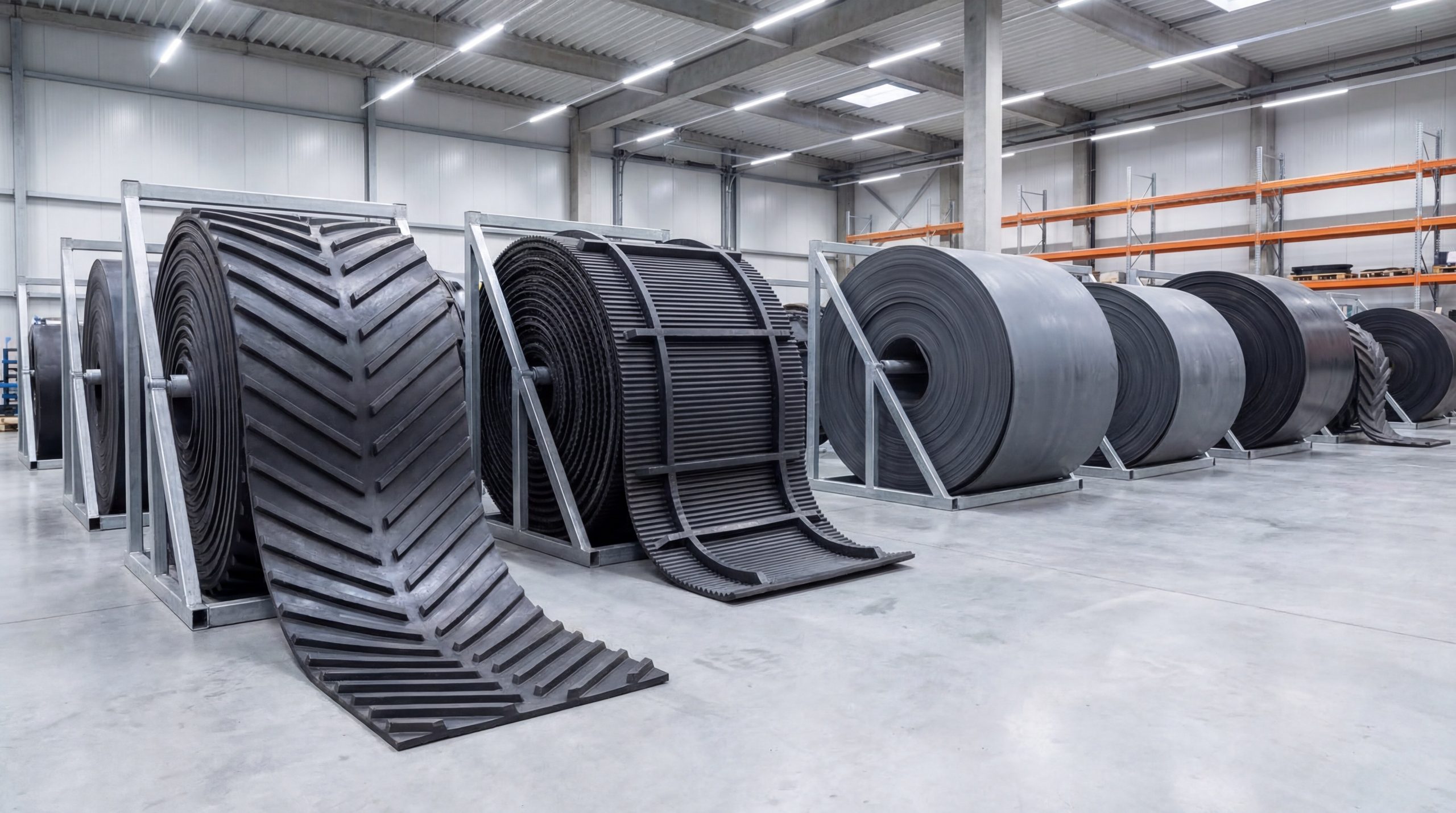
Customization ensures the belt is fit-for-purpose, optimizing both the actual performance and the total price rubber conveyor belt you pay. By selecting the exact width and cover thickness, you avoid paying for over-engineered features you don’t actually need. Wait, there’s more: specialized surface patterns like Chevron can solve material rollback issues on steep inclines. You can get a tailored price rubber conveyor belt that matches your specific machinery’s footprint perfectly.
Why choose specialized profiles?
For incline conveying, a flat belt often fails to keep materials from sliding backward. Chevron patterns or corrugated sidewalls provide the necessary grip to move bulk materials up steep angles efficiently. You can achieve much higher throughput in a smaller warehouse footprint using these specialized designs.
What about OEM branding and packaging?
Many large-scale operations require custom logo embossing for asset tracking and corporate identity. We provide custom stencils that are vulcanized directly into the rubber cover for a permanent mark.
- Custom width up to 3200mm.
- 72+ Chevron mold patterns.
- Waterproof export packaging.
Summary Table: Customization Options
| Option | Benefit | Application | |
|---|---|---|---|
| Max Width | High volume | Port loading | |
| Surface Pattern | Anti-slip | Incline conveying | |
| Custom Logo | Asset tracking | Large-scale mining |
Customization allows you to fine-tune your equipment to your operational reality, ensuring maximum efficiency without wasted materials.
Key TakeawayTailoring your belt specifications to your exact needs ensures that you are paying for performance where it matters most, rather than buying generic, mismatched equipment.
Does factory R&D lower the price rubber conveyor belt?
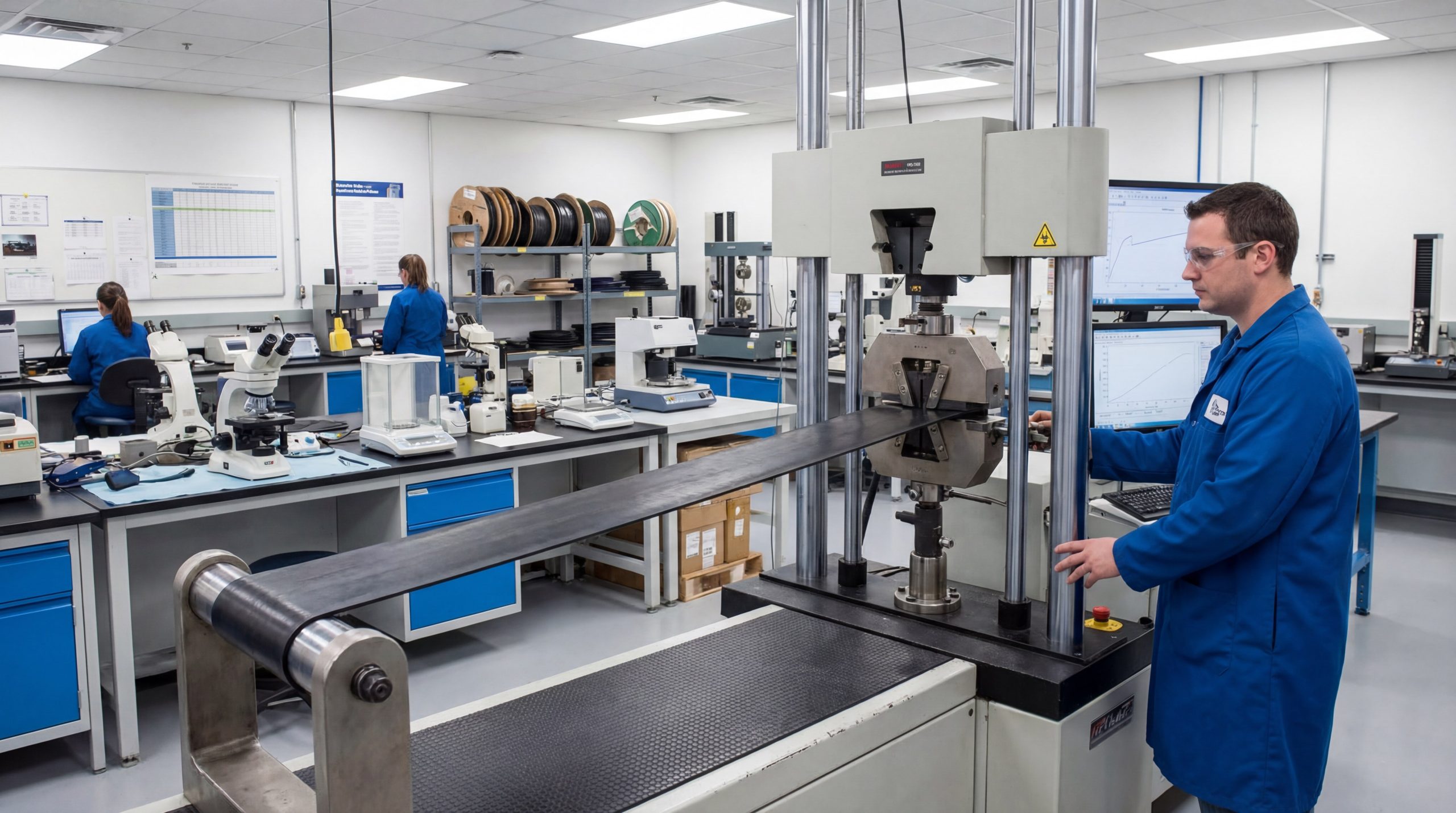
Direct factory manufacturing ensures that you pay for quality materials and engineering rather than middleman markups on the price rubber conveyor belt. Our advanced quality control labs test every batch for tensile strength and abrasion resistance before it leaves the facility. Check this out: direct access to engineers allows for faster quotes and technical troubleshooting. You benefit from a more stable lead time when the factory controls every step of production.
How does lab testing protect your order?
Electronic tensile testers and abrasion chambers verify that the rubber compound meets international standards like DIN or AS. This ensures that the belt you receive will actually handle the loads we promise in our technical data sheets. You should always demand a testing report to verify the quality of your purchase.
What is the benefit of the direct supply model?
By eliminating trading companies, we can pass savings of 15% to 30% directly to you. This lower cost does not mean lower quality; it simply means fewer hands are taking a profit from your procurement budget.
- ISO 9001 certified labs.
- Direct engineering support.
- Factory-direct pricing.
Summary Table: Manufacturing Excellence
| Process | Equipment | Quality Benefit | |
|---|---|---|---|
| Mixing | Automated Compounders | Consistent rubber | |
| Vulcanization | High-Pressure Presses | Maximum adhesion | |
| Testing | Tensile Testers | Verified safety |
Factory-direct R&D means your belts are built with the latest technology under strict supervision, providing peace of mind for your operations.
Key TakeawayDirect manufacturing is the most effective way to secure high-quality equipment; it removes unnecessary markups while ensuring that every product meets rigorous safety standards.
Do certifications validate the price rubber conveyor belt?
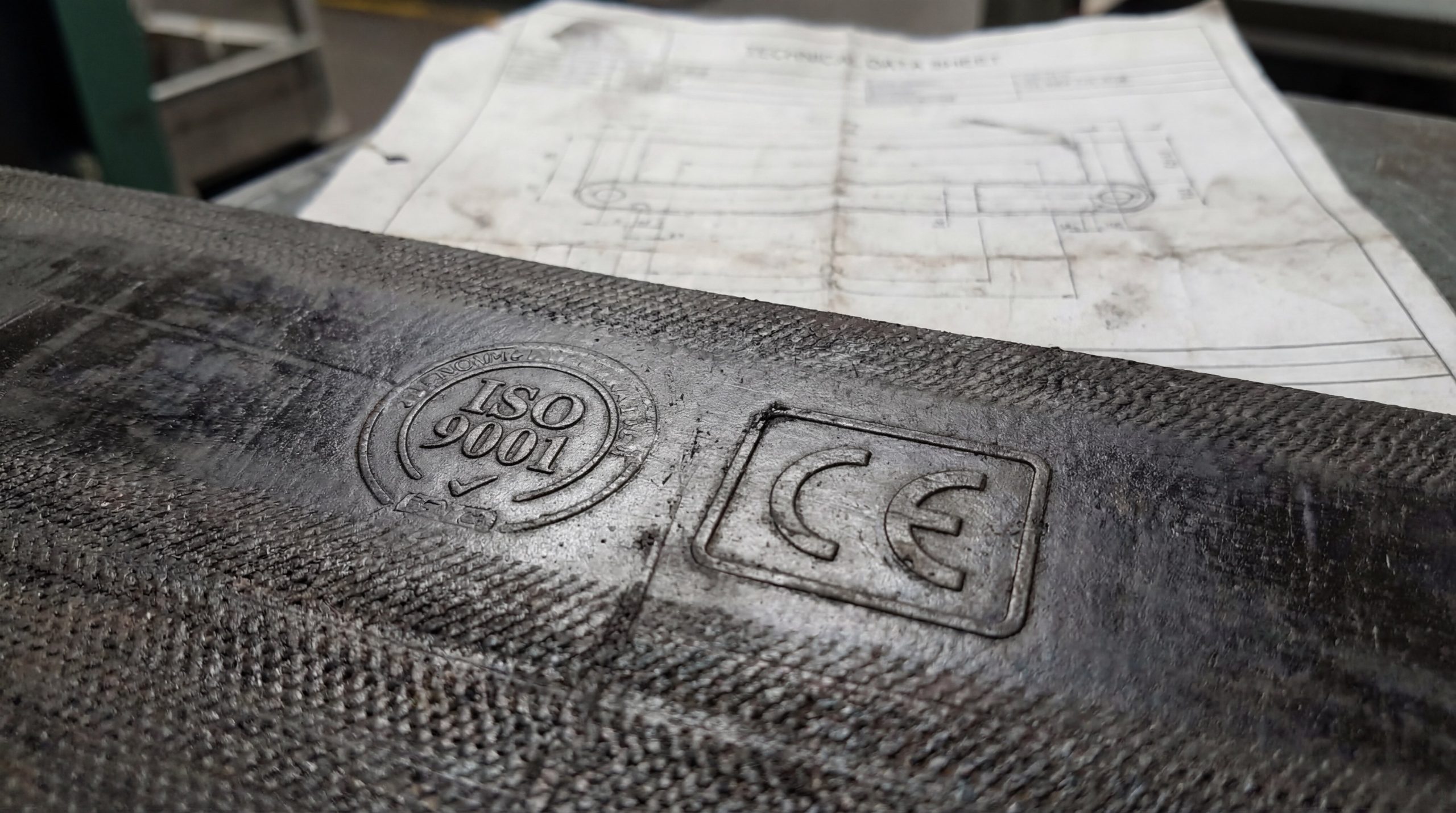
Certifications and test reports are the only objective way to verify you are receiving the quality you paid for in your price rubber conveyor belt. Holding ISO 9001 and CE EN14973 certifications guarantees that the manufacturing process follows international safety and management guidelines. In short, certifications separate reliable manufacturers from fly-by-night operations. You can trust that our price rubber conveyor belt has been vetted by third-party inspectors for global use.
Why are global standards important?
Standards ensure that belts from different manufacturers can operate on the same conveyor systems without compatibility issues. They also set the baseline for safety, particularly for flame-retardant and anti-static properties in hazardous environments. You should verify that your supplier meets the specific codes for your region, such as MT668 for mining.
How do you verify a test report?
A valid test report should include specific metrics for tensile strength, elongation at break, and rubber wear volume. These numbers tell you exactly how the belt will behave under stress and how long the cover will last.
- Verify ISO accreditation.
- Check CE compliance.
- Demand specific test data.
Summary Table: Critical Global Standards
| Standard | Region | Primary Focus | |
|---|---|---|---|
| ISO 9001 | Global | Management Quality | |
| CE EN14973 | Europe | Safety/Performance | |
| MT668 | China/Mining | Flame Retardancy |
International certifications provide a layer of security for your investment, ensuring that your equipment meets the highest global standards for performance.
Key TakeawayCertifications are non-negotiable for industrial safety; they provide the proof of quality needed to protect your staff and your long-term machinery investments.
Can global shipping lower the price rubber conveyor belt?
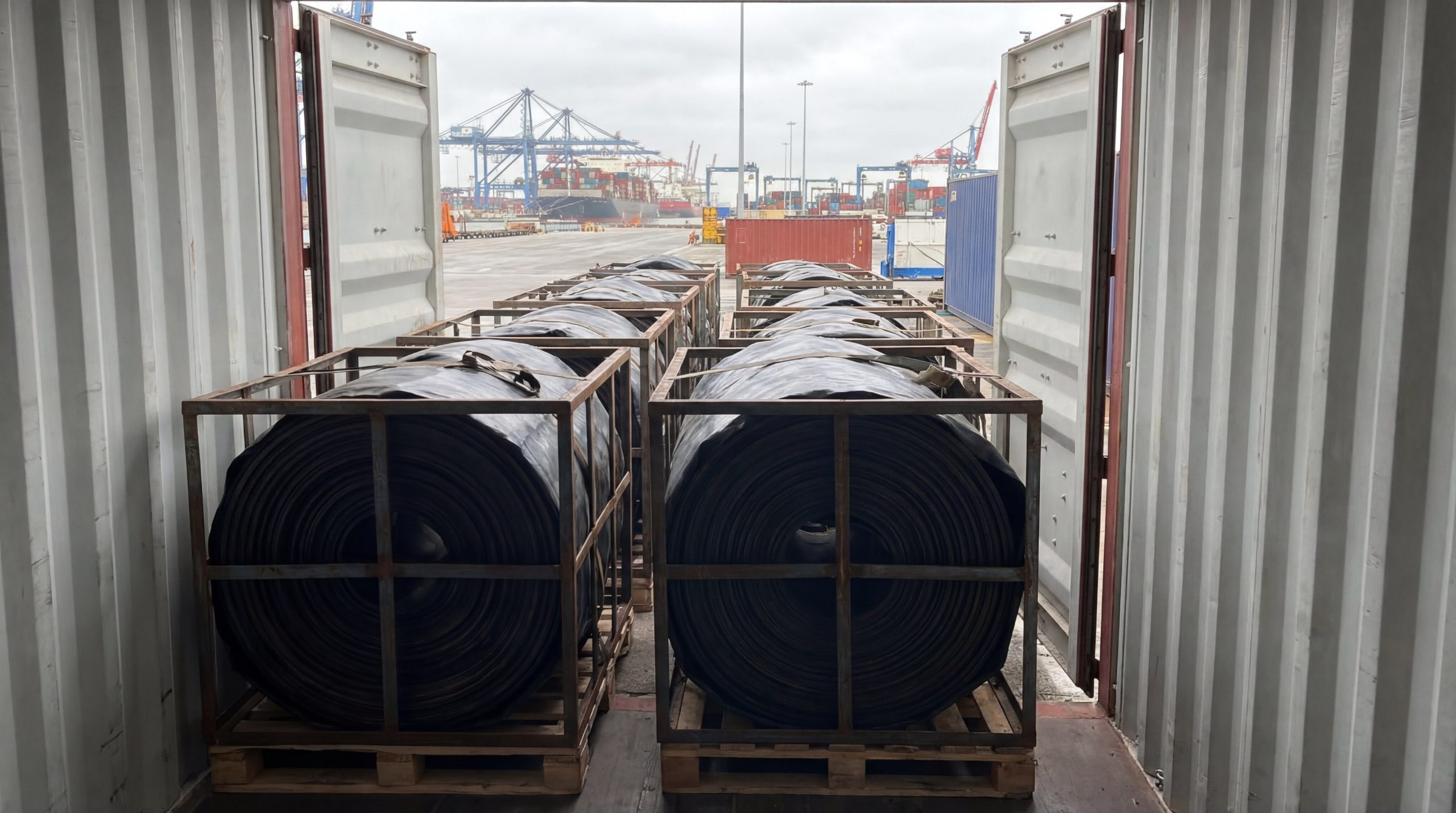
Global export experience translates to smoother logistics and lower landed costs, which ultimately helps you secure a better total price rubber conveyor belt. An experienced exporter knows how to pack belts using steel frames or waterproof wrapping to minimize the shipping volume. Now you might wonder, how does local knowledge affect your bottom line? We understand the regional requirements of 20+ countries, ensuring your order clears customs without expensive delays.
How does packaging protect your investment?
Poorly packed belts can be damaged by salt air or physical impact during long ocean voyages. We use reinforced steel crates and multiple layers of protective film to ensure your belt arrives in the same condition it left the factory. This prevents the cost of returning damaged goods or delaying your project.
Why is experience with regional requirements vital?
Every country has different environmental conditions and UV levels that can affect rubber lifespan. Our experience in Australia, the UAE, and Turkey allows us to recommend the specific compounds that thrive in those diverse climates.
- Steel frame support.
- UV resistant packaging.
- Expert customs documentation.
Summary Table: Global Logistics Support
| Region | Focus Area | Logistics Benefit | |
|---|---|---|---|
| Australia | Mining Standards | High performance | |
| UAE | UV/Heat Resistance | Durability in sun | |
| Turkey | Cement Industry | specialized delivery |
Smooth logistics are the final step in securing a cost-effective solution, ensuring that your equipment arrives on time and ready for installation.
Key TakeawayGlobal experience ensures that your order is handled with professional care; it minimizes shipping risks and ensures your equipment arrives ready for immediate operation.
Conclusion
Selecting the right industrial equipment is a strategic decision that directly affects your facility’s long-term profitability and safety. By focusing on total value and internal core quality rather than just the initial price rubber conveyor belt, you ensure operational stability for years to come. Zhenxing Rubber is committed to providing one-stop conveying equipment solutions that solve frequent downtime problems and reduce maintenance overhead. We offer a vision of high-efficiency material handling powered by direct factory expertise and global quality standards. Whether you need heat-resistant clinker belts or high-strength mining solutions, our team is ready to provide a custom quote within 24 hours. Don’t let low-quality equipment compromise your production schedule. To optimize your conveying system and secure the best ROI, contact us today for a professional technical consultation.
FAQ
Can I get a custom width for my price rubber conveyor belt?Yes, we can manufacture belts in any width up to 3200mm to match your specific conveyor system’s dimensions. Our factory-direct model allows for precise customization of both width and rubber cover thickness.
What’s the best way to prevent belt elongation over time?Choosing an EP (Polyester) fabric core is the best way to minimize stretch because polyester fibers have high dimensional stability. This reduces the need for constant take-up adjustments and prevents drive pulley slippage.
How do I know if I need a heat-resistant rubber grade?If your conveyed material consistently exceeds 100°C, you should switch to an EPDM heat-resistant compound to prevent the rubber from hardening. Using standard rubber in high-heat zones leads to rapid cracking and catastrophic cover failure.
Can I request a sample before committing to a large order?Absolutely, we provide material samples for quality verification along with internal testing reports that detail tensile strength and abrasion metrics. This allows your technical team to verify our quality standards before final procurement.
What’s the best packaging for long-distance sea shipping?We recommend using reinforced steel frames combined with waterproof wrapping to prevent physical damage and moisture ingress during transport. This professional packaging ensures the belt remains in peak condition throughout the entire global logistics process.