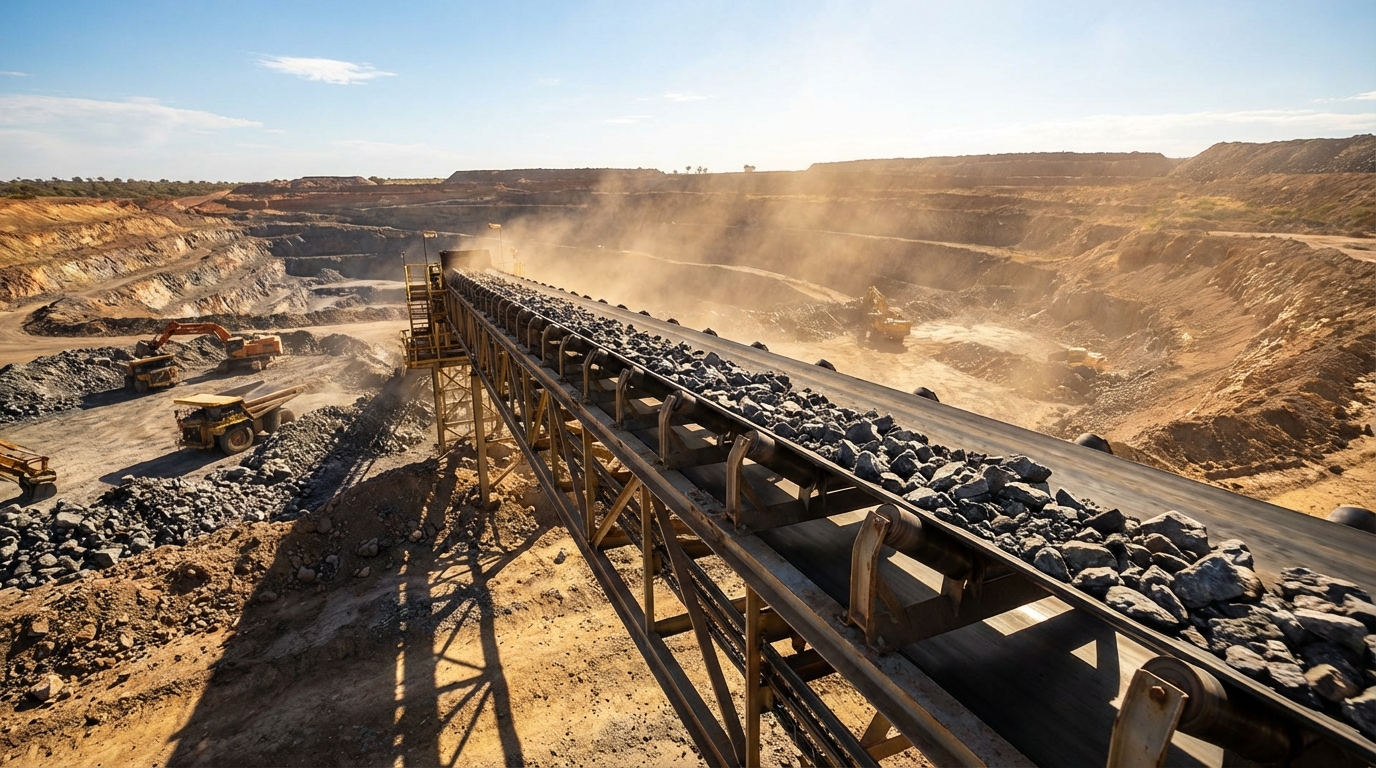
In plaster casting production, a durable rubber conveyor belt for sale ensures stable transport of abrasive materials, improving efficiency, reducing downtime, and maintaining consistent product quality.
Why choose a quality rubber conveyor belt for sale?
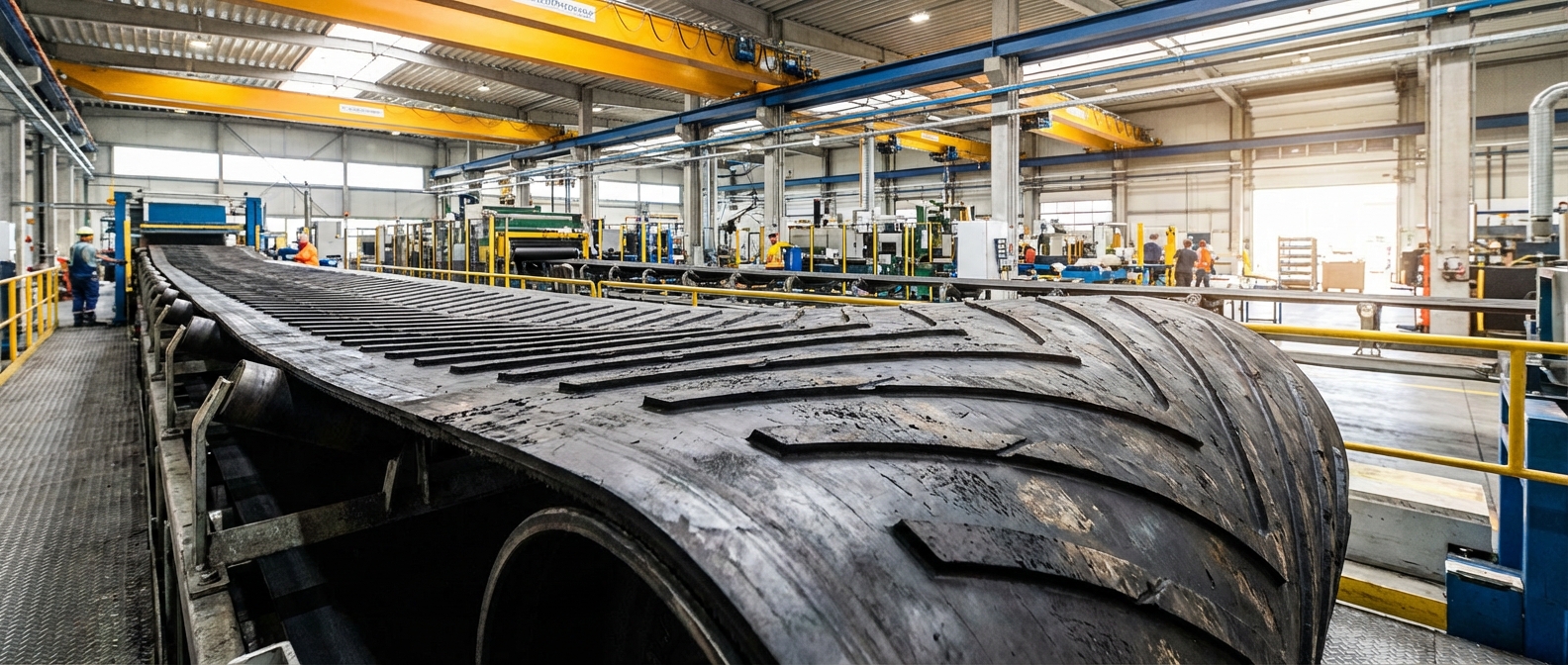
Choosing a premium belt ensures that your plaster casting facility maintains a steady flow of materials without the risk of sudden mechanical failure. Investing in a high-grade rubber conveyor belt for sale allows you to minimize downtime and maximize the lifespan of your heavy-duty machinery. These belts are engineered to handle the abrasive nature of raw gypsum and the weight of finished metal molds.
What defines high-performance rubber compounds?
High-performance compounds are characterized by their superior tensile strength and resistance to elongation under heavy loads. You need a material that can withstand constant friction while maintaining its structural integrity over thousands of cycles.
- High tensile strength for heavy mold transport.
- Advanced abrasion resistance to prevent surface tearing.
- Optimal flexibility for navigating complex pulley systems.
Here is the kicker: the chemical composition of the rubber directly dictates how well the belt resists moisture and chemical additives used in the casting slurry.
How does belt durability impact long-term ROI?
Durability reduces the frequency of replacements, which significantly lowers your total cost of ownership over the life of the system. A belt that lasts ten years provides much better value than a cheaper alternative that snaps within twenty-four months.
Key Takeaway: Selecting a high-quality belt is the foundation of a reliable material handling system in any industrial casting environment.
| Benefit | Impact on ROI | |
|---|---|---|
| Extended Lifespan | Lower capital expenditure over time | |
| Reduced Maintenance | Minimal labor costs for belt repairs | |
| Stable Throughput | Predictable production schedules |
The relationship between material grade and operational efficiency is a critical factor that determines your facility’s profit margins.
Where to find a steel cord rubber conveyor belt for sale?
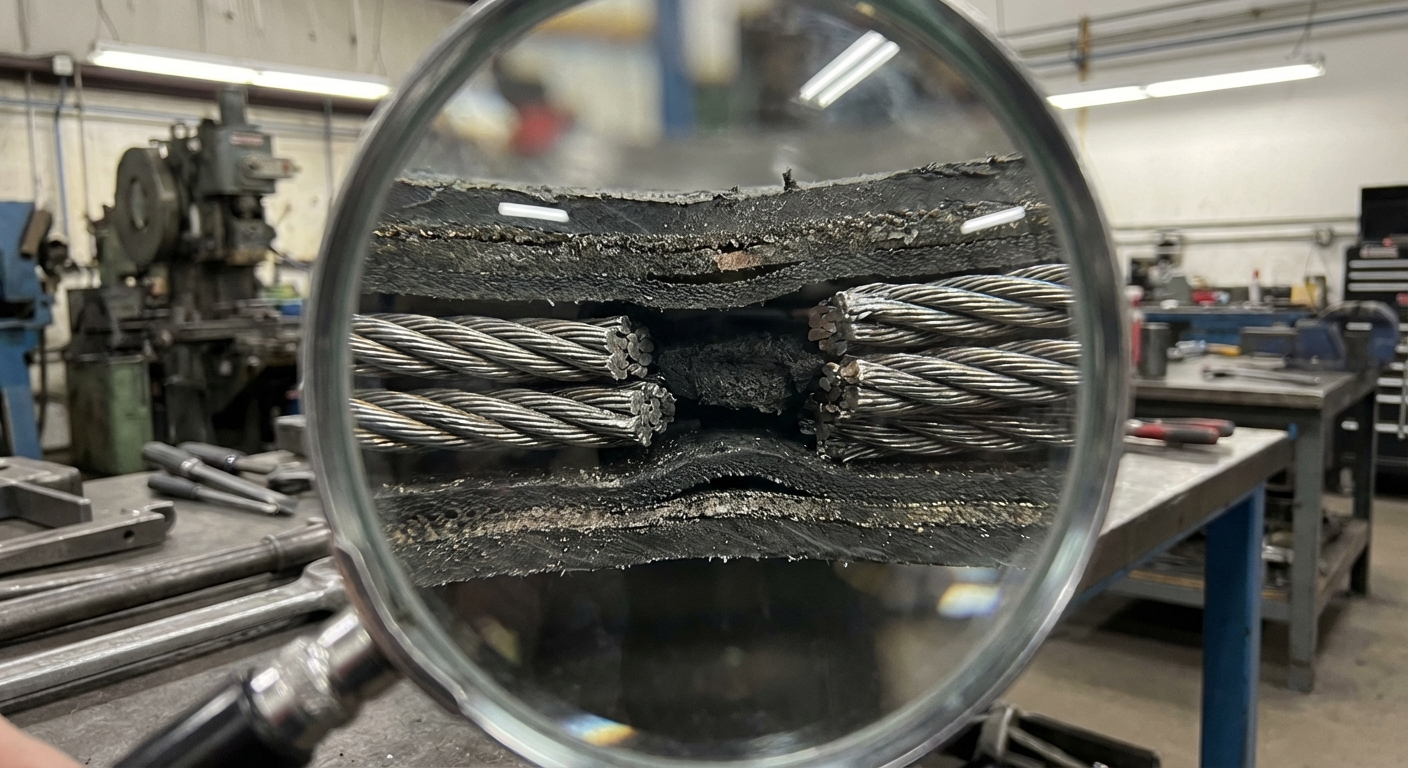
You can find high-tensile steel cord options directly from specialized manufacturers who focus on long-distance and heavy-load industrial transport. When you search for a steel cord rubber conveyor belt for sale, you are looking for a solution that utilizes internal steel cables to provide unmatched strength and low stretch. These belts are essential for transporting large quantities of plaster or heavy metal castings across expansive factory floors.
Engineering for long-distance mining transport
Engineering these belts involves embedding parallel steel cords within a specialized rubber matrix to ensure balanced tension. This design prevents the belt from sagging or snapping when carrying tons of raw minerals or heavy industrial molds.
- Low elongation for precise positioning.
- Internal cable protection against corrosion.
- High impact resistance for heavy loading zones.
You might be wondering: how do these belts handle the extreme weight of a full casting line? The internal steel skeleton acts as a bridge, distributing the weight evenly across the entire surface.
Breaking down ST-series tensile strength levels
ST-series ratings, such as ST1000 or ST4000, indicate the breaking strength in Newtons per millimeter of width. You should select the rating based on the maximum tension your conveyor system will generate during peak operations.
Key Takeaway: Steel cord reinforcements are the gold standard for applications where traditional fabric plies would fail under extreme tension.
| ST Rating | Breaking Strength | Common Use Case | |
|---|---|---|---|
| ST1000 | 1000 N/mm | Medium distance factory lines | |
| ST2500 | 2500 N/mm | Heavy-duty bulk handling | |
| ST4000 | 4000 N/mm | Long-distance mining transport |
Using high-tensile steel reinforcements eliminates the need for frequent tensioning adjustments, ensuring a more stable production environment.
Is there a chevron rubber conveyor belt for sale?
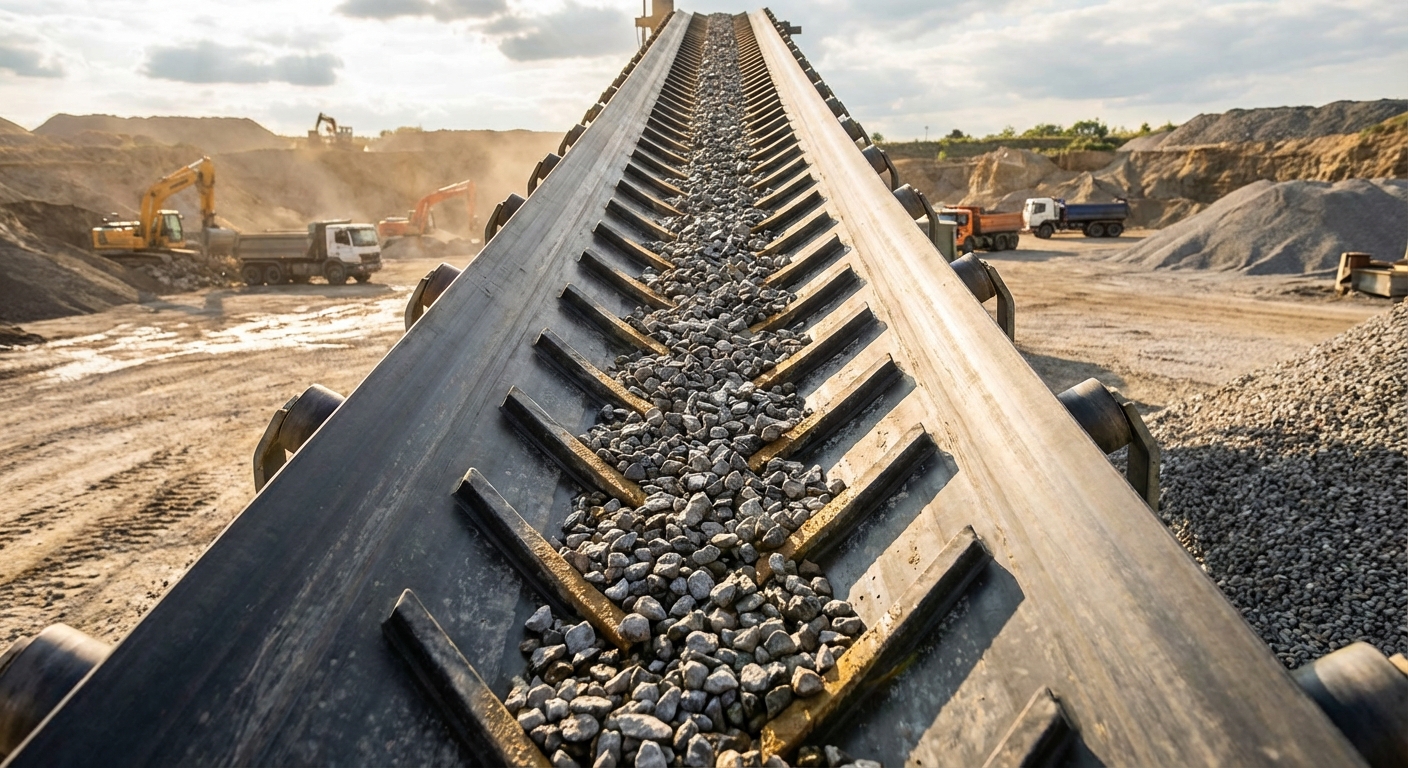
Yes, chevron belts are readily available for industries that need to transport loose materials like plaster powder up steep inclines. A chevron rubber conveyor belt for sale features molded cleats that prevent material from sliding backward during transport. This is particularly useful in the early stages of the plaster casting process where dry gypsum must be moved to mixing stations.
Optimizing inclined material transport angles
Optimizing your incline allows you to save floor space by moving materials vertically rather than horizontally. These belts can handle angles of up to 40 degrees without significant material loss or “roll-back.”
- V-shaped profiles for maximum grip.
- Molded cleats that won’t peel off under load.
- Custom heights for different grain sizes.
But wait, there is more: the height of the chevron profile can be customized to match the specific flow characteristics of your plaster mix.
Customizing cleat patterns for maximum grip
Custom patterns ensure that the belt matches the viscosity and weight of the materials you are moving. For fine powders, a closed-V pattern is often the most effective for containing the product.
Key Takeaway: Chevron profiles are essential for vertical integration within a manufacturing plant, allowing for more efficient use of available space.
| Profile Type | Height Range | Application | |
|---|---|---|---|
| Open V | 15mm – 32mm | Large aggregates/Gravel | |
| Closed V | 15mm – 25mm | Fine powders/Sand | |
| Multi-V | 10mm – 15mm | Small parts/Components |
The geometry of the cleat is the primary determinant of how much material can be moved per hour at a specific incline angle.
Need a sidewall rubber conveyor belt for sale?
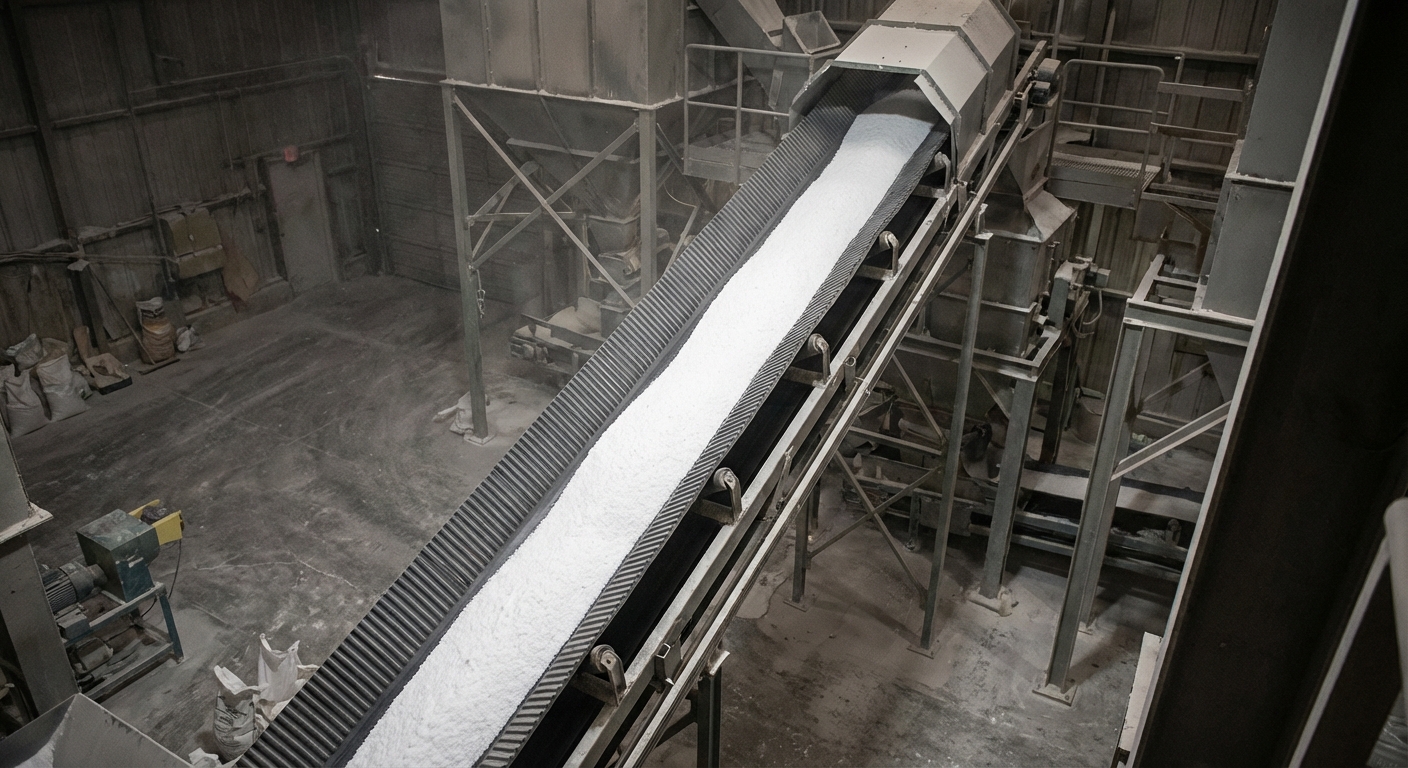
Sidewall belts are the ideal choice when you need to move bulk plaster materials at extremely steep or vertical angles. A sidewall rubber conveyor belt for sale provides a contained environment with corrugated edges and internal cleats that create “buckets” for the material. This setup is perfect for facilities where footprint is limited and you need to lift materials directly to higher processing tiers.
Solving steep and vertical lifting challenges
Vertical lifting is solved by using a corrugated sidewall that can flex around pulleys while keeping the edges sealed. This design allows for a 90-degree lift, which is often required in complex plaster casting plants.
- Corrugated walls for flexible movement.
- Transverse cleats for secure material lifting.
- Base belts designed for high cross-rigidity.
It gets better: these belts virtually eliminate the need for transfer points, reducing the risk of material degradation and dust emission.
Reducing material spillage in bulk handling
Reducing spillage is critical for maintaining a clean and safe working environment, especially when dealing with fine plaster dust. The enclosed nature of the sidewall system ensures that almost 100% of the material reaches its destination.
Key Takeaway: Sidewall systems provide the highest level of material containment for vertical transport applications in tight industrial spaces.
| Component | Function | Material | |
|---|---|---|---|
| Base Belt | Structural support | Cross-rigid Rubber | |
| Sidewall | Containment | Corrugated Rubber | |
| Cleats | Lifting | Reinforced Rubber |
Integrating sidewall technology into your material handling line drastically reduces the maintenance labor required for cleaning spilled gypsum.
Looking for an EP rubber conveyor belt for sale?
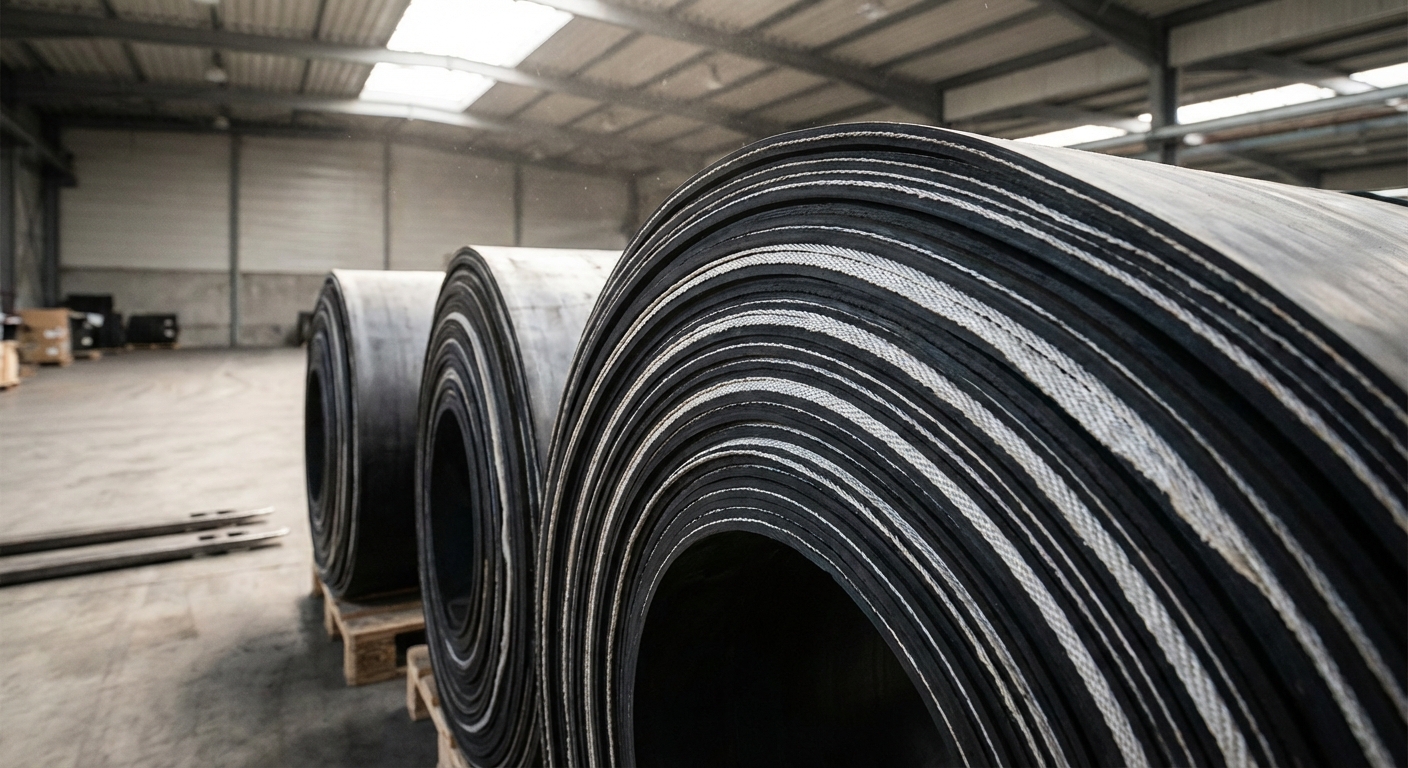
EP belts are the most common fabric-reinforced options used in general manufacturing due to their excellent impact resistance. When you source an EP rubber conveyor belt for sale , you are getting a polyester-nylon carcass that offers low stretch and high strength. These belts are perfect for the cooling lines and finishing stages of the plaster casting process.
The versatility of fabric reinforcements
Fabric reinforcements offer a lightweight yet durable alternative to steel cord for shorter conveyor runs. You can easily splice these belts on-site, which reduces the complexity of maintenance and initial installation.
- High resistance to edge fraying.
- Excellent troughability for centered loads.
- Resilient against moisture and rot.
Think about this: why use heavy steel when a multi-ply EP belt can handle the same load with less energy consumption?
Why EP is the industrial gold standard for impact
EP is considered the standard because it combines the high strength of polyester with the flexibility and impact resistance of nylon. This combination allows the belt to absorb the energy of falling molds without sustaining permanent damage.
Key Takeaway: EP belts offer the best balance of cost, performance, and ease of maintenance for most indoor industrial applications.
| Feature | EP Belt Advantage | |
|---|---|---|
| Elongation | Extremely low, stays in tension | |
| Impact Strength | High, absorbs heavy drops | |
| Flexibility | Good, works with small pulleys |
The mechanical properties of EP fabric ensure that your conveyor system remains reliable even under fluctuating load conditions.
Who offers a heat resistant rubber conveyor belt for sale?
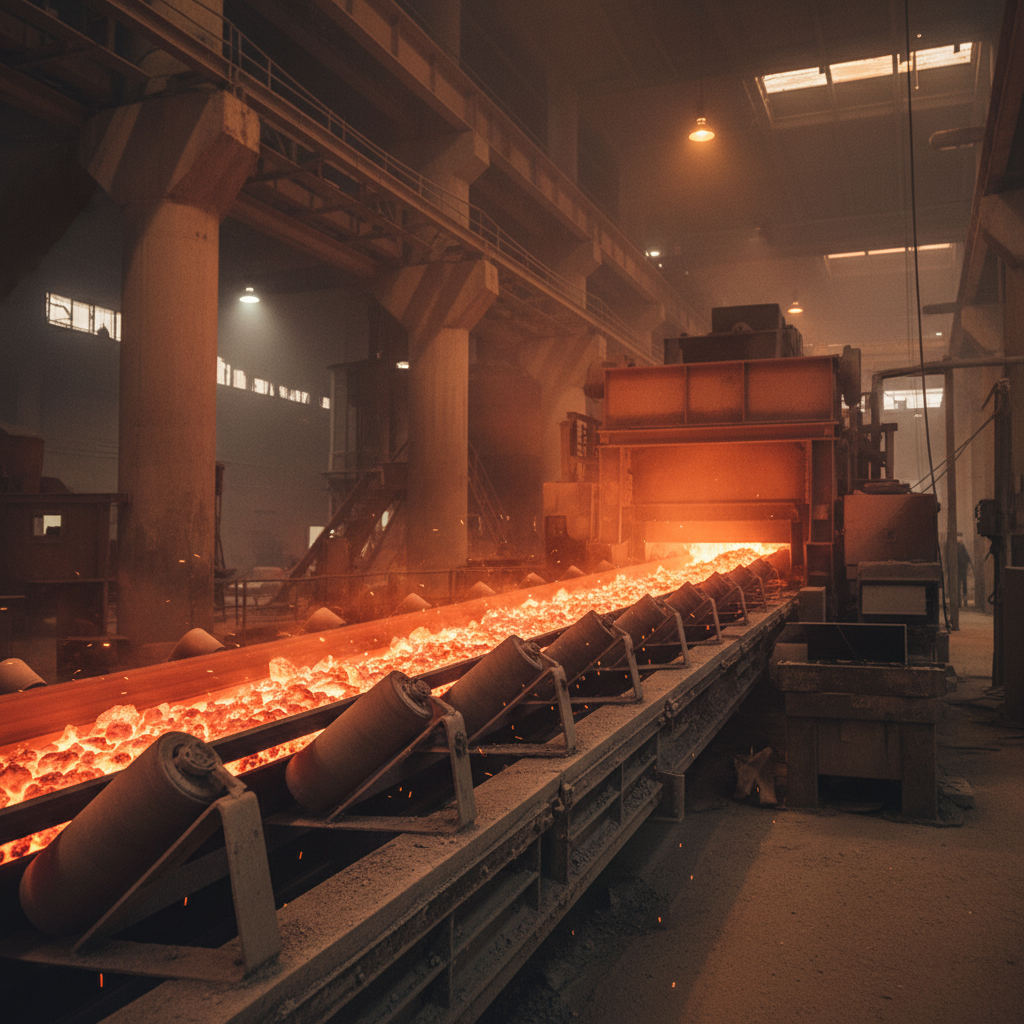
Manufacturers who specialize in high-temperature environments provide belts that can withstand the extreme heat of the plaster baking and metal pouring stages. A heat resistant rubber conveyor belt for sale is essential for transporting hot metal molds that have just been cast. Without specialized heat-resistant compounds, a standard belt would quickly become brittle, crack, and eventually fail.
Withstanding extreme temperatures in cement kilns
Extreme temperatures require the use of EPDM or other heat-stable rubbers that do not degrade when exposed to constant thermal energy. You need a belt that can handle intermittent temperatures of up to 200°C during the mold-stripping phase.
- EPDM cover rubber for thermal stability.
- Specialized fabric carcasses that resist heat aging.
- Smooth surface to prevent hot material traps.
Look: using a standard belt in a high-heat zone is a recipe for a catastrophic fire or total production halt.
Protecting belt carcass integrity from thermal aging
Thermal aging can weaken the internal plies of a belt, leading to delamination and loss of tensile strength. Heat-resistant belts are treated with anti-oxidants and specialized curing agents to maintain their flexibility over time.
Key Takeaway: Specialized heat-resistant belts are a safety and operational necessity for any casting process involving molten metal or ovens.
| Grade | Max Temperature | Application | |
|---|---|---|---|
| T1 | 120°C | General hot materials | |
| T2 | 150°C | Foundry sand/Plaster | |
| T3 | 200°C | Hot metal/Cement clinker |
Investing in the correct heat grade ensures that your conveyor system doesn’t become the weakest link in your high-temperature production line.
Searching for an aramid rubber conveyor belt for sale?
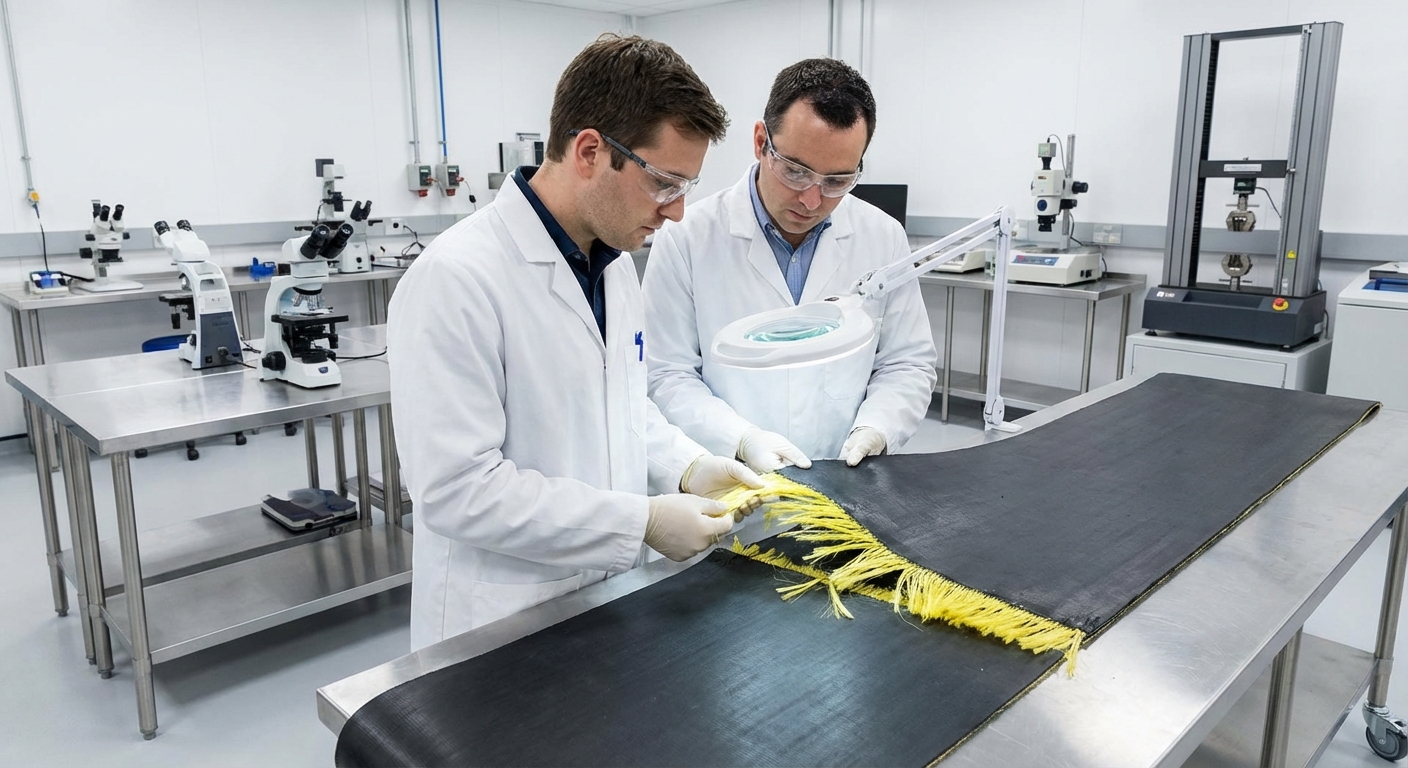
Aramid belts are high-tech alternatives for facilities that require extreme strength without the weight of steel. An aramid rubber conveyor belt for sale uses synthetic fibers that are five times stronger than steel on a pound-for-pound basis. These are often used in specialized plaster casting applications where fire resistance and low weight are critical for overhead conveyor systems.
Aramid vs. Steel Cord: Which is better?
Aramid is better for applications where energy efficiency and corrosion resistance are the top priorities. While steel cord is incredibly strong, aramid provides similar tensile ratings while significantly reducing the load on the conveyor motors.
- Non-corrosive synthetic fibers.
- High flame resistance for safety.
- Lightweight for easier installation.
Simply put: aramid belts allow you to run longer conveyors with smaller, more energy-efficient motors.
Lightweight high-strength solutions for fire-prone areas
In fire-prone environments, aramid’s natural resistance to burning provides an extra layer of protection for your facility. You can maintain high-speed operations without worrying about the belt contributing to a potential fire hazard.
Key Takeaway: Aramid belts are the premier choice for modern factories looking to combine high performance with advanced safety and energy savings.
| Property | Aramid Belt | Steel Cord Belt | |
|---|---|---|---|
| Weight | Very Low | High | |
| Strength | Equivalent | Very High | |
| Corrosion | Immune | Susceptible |
The transition to aramid technology represents a significant leap forward in reducing the environmental footprint and operational costs of material transport.
Can I buy a pipe rubber conveyor belt for sale?
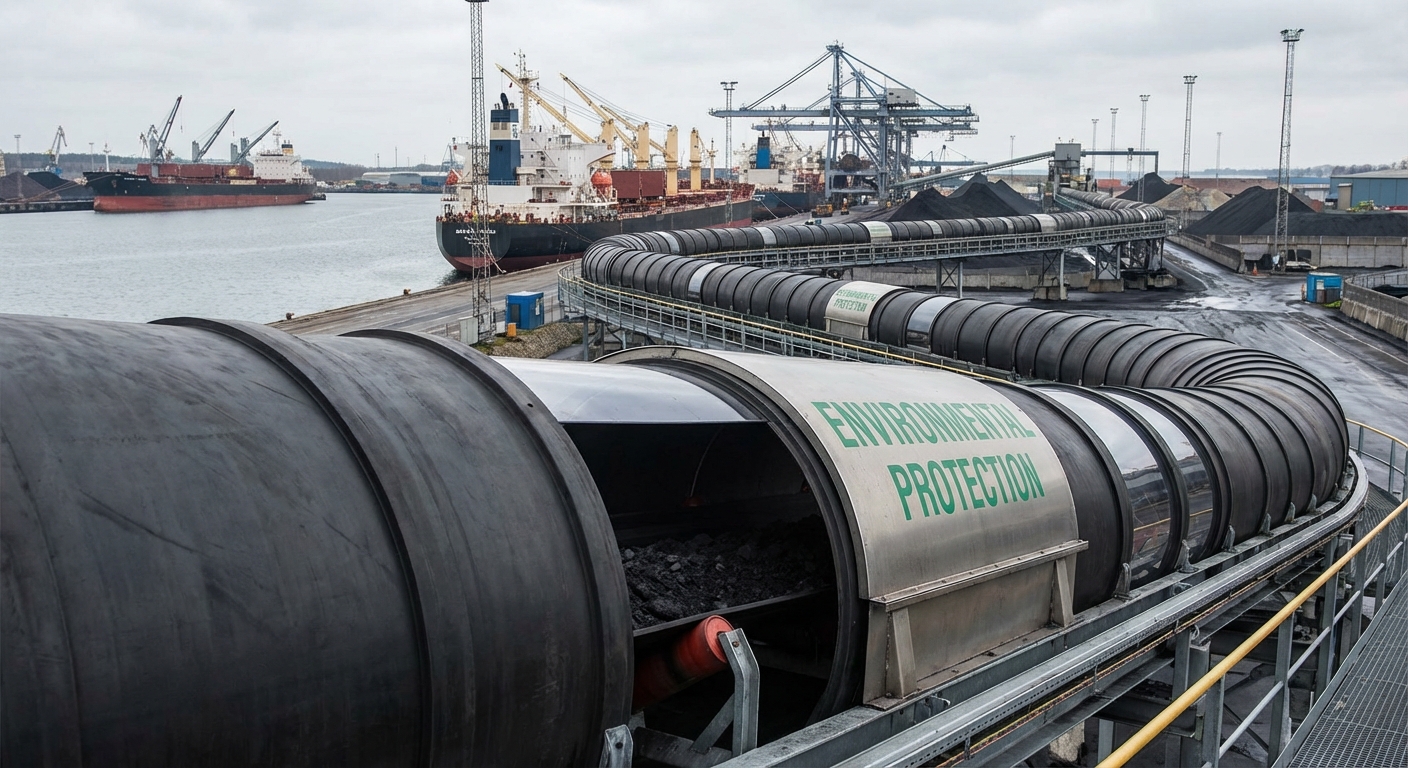
Yes, pipe conveyors are available for facilities that need to transport sensitive plaster materials through environmentally sensitive areas or around sharp curves. A pipe rubber conveyor belt for sale is designed to fold into a tubular shape after loading, completely enclosing the material. This prevents plaster dust from escaping and protects the raw materials from external contamination like rain or wind.
Benefits of dust-proof enclosed tubular transport
Enclosed transport is the best way to handle the fine particulate matter associated with the dry stages of the plaster casting process. You can navigate through residential or protected areas without the need for expensive external housing or dust collection systems.
- 360-degree material enclosure.
- Capability to handle sharp horizontal and vertical curves.
- Elimination of material spillage and wind-blown loss.
Truth be told: a pipe conveyor is often the only way to meet strict environmental regulations in urban manufacturing zones.
Environmental compliance in bulk material handling
Compliance with air quality standards is much easier to achieve when your transport system is inherently dust-proof. The pipe belt remains closed along the entire run, only opening at the loading and discharge points for controlled handling.
Key Takeaway: Pipe conveyors offer an environmentally friendly and space-saving solution for complex material routes in regulated industries.
| Advantage | Environmental Impact | Operational Benefit | |
|---|---|---|---|
| Enclosure | Zero dust emissions | Clean facility | |
| Curve Radius | Smaller footprint | Flexible routing | |
| Weatherproof | No wet material | Consistent quality |
Choosing an enclosed pipe system demonstrates a commitment to sustainable manufacturing while improving the overall efficiency of your logistics.
What specs define a mining rubber conveyor belt for sale?
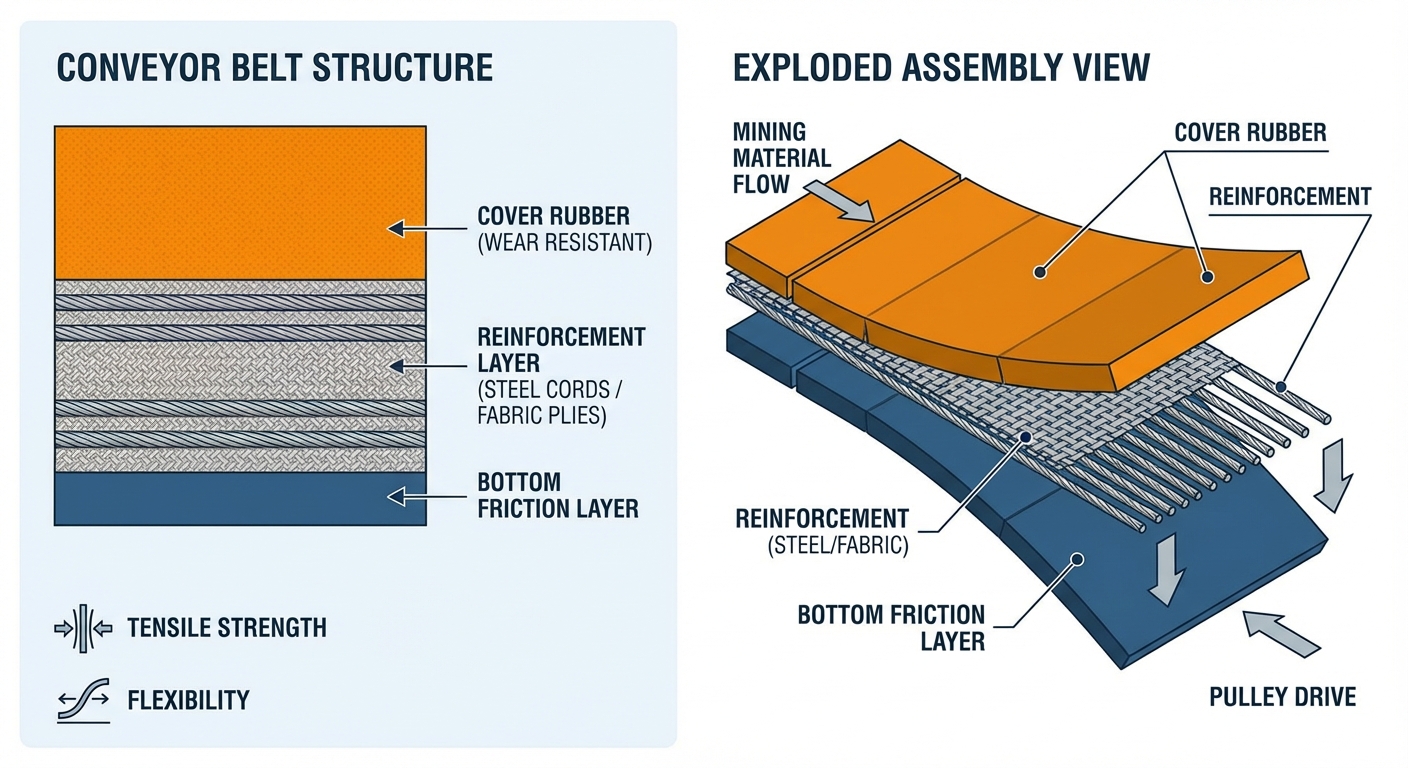
Mining grade specifications focus on flame retardancy, anti-static properties, and extreme abrasion resistance. A mining rubber conveyor belt for sale must meet international safety standards like CE EN14973 to be used in underground or high-risk environments. These specifications ensure that the belt can handle the jagged edges of raw minerals while maintaining a safe operating environment for workers.
Safety standards like ISO or CE ensure that the belt will self-extinguish within seconds if exposed to a flame. You must verify these certifications to ensure your facility remains compliant with local fire codes and insurance requirements.
- Fire-resistant compounds (FR grade).
- Anti-static properties to prevent sparking.
- High-impact carcasses for heavy ore drops.
You might be wondering: why is anti-static property so important? In many casting plants, fine dust can become explosive, and a single static spark from a belt could be disastrous.
Anti-tear reinforcements for sharp ore handling
Anti-tear layers, often made of transverse steel mesh or specialized fabric, prevent a sharp object from slicing the entire length of the belt. This “rip-stop” technology is crucial for preventing long-term damage from accidental contamination in the material stream.
Key Takeaway: Mining-grade belts provide the highest level of physical protection and fire safety available in the conveyor industry.
| Standard | Focus Area | Requirement | |
|---|---|---|---|
| ISO 340 | Flame Retardancy | Self-extinguishes < 15s | |
| ISO 284 | Anti-Static | Surface resistance < 3×10^8 ohms | |
| DIN 22102 | General Specs | Material quality benchmarks |
Specifying mining-grade belts for your most demanding sectors ensures a level of durability that far exceeds standard industrial requirements.
How to source a custom rubber conveyor belt for sale?
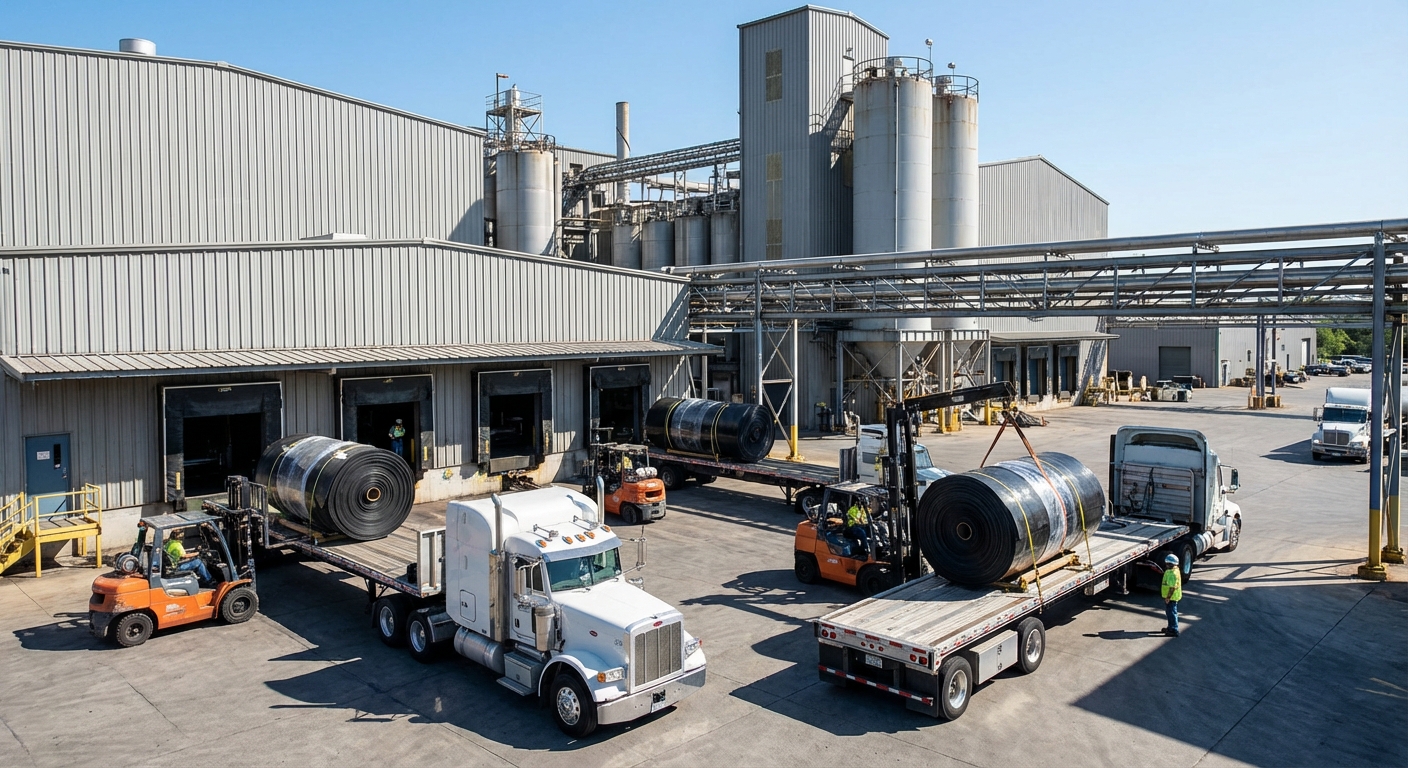
Sourcing a custom belt requires direct communication with a manufacturer that has the engineering capacity to tailor the rubber compound and reinforcement to your needs. When you inquire about a custom rubber conveyor belt for sale, you should provide detailed information about your material weight, speed requirements, and environmental conditions. Working with a direct-to-factory supplier allows you to cut out the middleman and get the best possible pricing for your specific technical needs.
Finding a reliable direct-to-factory manufacturer
A reliable manufacturer should have decades of experience and a proven track record of supplying heavy industry. You should look for a partner that offers “one-stop supply,” from the initial rubber mixing to the final vulcanization and testing stages.
- Self-owned factory for quality control.
- Dedicated R&D team for custom solutions.
- International certifications (ISO9001, CE).
Ready to start? The first step is to request a technical consultation to determine which reinforcement and cover grade will maximize your uptime.
Essential certifications to verify before procurement
Verifying certifications like ISO14001 and SGS testing reports is the only way to guarantee that the belt you receive meets the advertised specifications. You should always ask for a detailed product brochure that outlines the technical performance of their ST and EP series belts.
Key Takeaway: Direct factory sourcing is the most effective way to ensure you receive a high-performance belt tailored to your unique industrial requirements.
| Sourcing Step | Action | Outcome | |
|---|---|---|---|
| Consultation | Define specs | Accurate quote | |
| Verification | Check ISO/CE | Guaranteed safety | |
| Customization | Tailor compounds | Optimal performance |
The right manufacturing partner will not just sell you a belt; they will provide a long-term solution that stabilizes your entire production process.
Conclusion
Mastering the plaster casting process requires more than just high-quality molds; it demands a reliable material handling infrastructure that can withstand the rigors of heavy-duty manufacturing. At Zhenxing Rubber, we are dedicated to providing the world’s most durable and efficient conveying solutions, ensuring that your facility remains productive and safe. Whether you need steel cord strength or the specialized incline capabilities of chevron profiles, our engineering team is ready to deliver. Our vision is to empower your business with high-performance belts that set the standard for industrial excellence. To secure your facility’s future and optimize your throughput, contact us today for a comprehensive quote and technical assessment.
Frequently Asked Questions
Can I use a standard fabric belt for moving hot plaster molds?No, because standard rubber will quickly degrade, crack, and lose its tensile strength when exposed to temperatures exceeding 80°C. You must use a heat-resistant belt with specialized EPDM cover rubber to ensure safety and longevity in high-temperature zones.
What’s the best way to prevent plaster dust from escaping during transport?The best way is to utilize a pipe conveyor belt system that completely encloses the material in a tubular shape. This method prevents 100% of material spillage and dust emission, which is essential for meeting environmental compliance standards.
How do I know if I need steel cord or EP fabric reinforcement?You should choose steel cord for long-distance runs or extremely heavy loads where low elongation is critical for system stability. EP fabric is better suited for shorter, indoor conveyors where flexibility and ease of on-site splicing are more important.
Can I customize the height of the cleats on a chevron belt?Yes, you can customize the cleat height and pattern to match the specific grain size and moisture content of your materials. This ensures maximum grip and prevents material roll-back even on steep inclines.
What’s the best way to verify the quality of a Chinese manufacturer?The best way is to verify their international certifications, such as ISO9001 and CE, and request current SGS testing reports. Additionally, look for a manufacturer with at least 20-30 years of history and a self-owned factory to ensure consistent quality control.