A heavy duty rubber conveyor belt improves material handling efficiency by providing high durability, strong traction, and reliable performance for demanding industrial conveyor systems.
Why does your rubber conveyor belt supplier see system lag?
System lag often stems from using generic belts that fail to account for specific material weight, abrasiveness, or incline requirements. Your rubber conveyor belt supplier knows that a “one-size-fits-all” approach leads to premature wear and inconsistent tracking. When belts aren’t optimized for the duty cycle, the entire motor system works harder, driving up energy costs.
- Generic belts often lack the specific cover grades needed for sharp or oily materials, leading to surface degradation.
- You might face frequent tracking issues that require manual adjustment and stop production entirely.
- Here is the kicker: a cheap belt usually costs triple in maintenance over its short lifespan.
Can custom-engineered solutions fix this?
- Custom designs ensure the tensile strength matches your peak load requirements without over-stressing the pulleys.
- You get specialized profiles like Chevron or Sidewall that prevent material fallback on steep rises.
- Key Takeaway: Proper belt selection by a qualified expert eliminates the root causes of conveyor inefficiency.
You vet them by confirming they offer direct factory manufacturing capabilities and a proven track record in your specific industry. A premium rubber conveyor belt supplier ( https://conveyorbelt-zhenxingrubber.com/ ) should provide comprehensive technical documentation and 24-hour quotation support. Think about the peace of mind that comes with knowing your manufacturer has 200+ employees dedicated to quality.
Should you look for direct factory support?
- Direct factories like Zhenxing eliminate middleman markups and provide more accurate lead times for large projects.
- You can request specific product samples to verify rubber quality before committing to a full facility overhaul.
- It is a game-changer when you can communicate directly with the engineers who built your system.
Why does engineering depth matter?
- Engineers can provide drawing-based quotations that ensure the new belt fits your existing frame perfectly.
- You gain access to specialized rubber compounds that resist extreme heat, cold, or chemical corrosion.
- Key Takeaway: A supplier with strong engineering support reduces the risk of ordering incompatible components.
| Selection Criteria | Generic Trader | Premium Factory | |
|---|---|---|---|
| Pricing | High Markups | Direct & Competitive | |
| Technical Support | Limited | Engineering-led | |
| Customization | Stock Only | Tailored Specs |
The data confirms that factory-direct partnerships yield superior ROI through lower acquisition costs and better technical alignment.
Why ask a rubber conveyor belt supplier for steel cord?
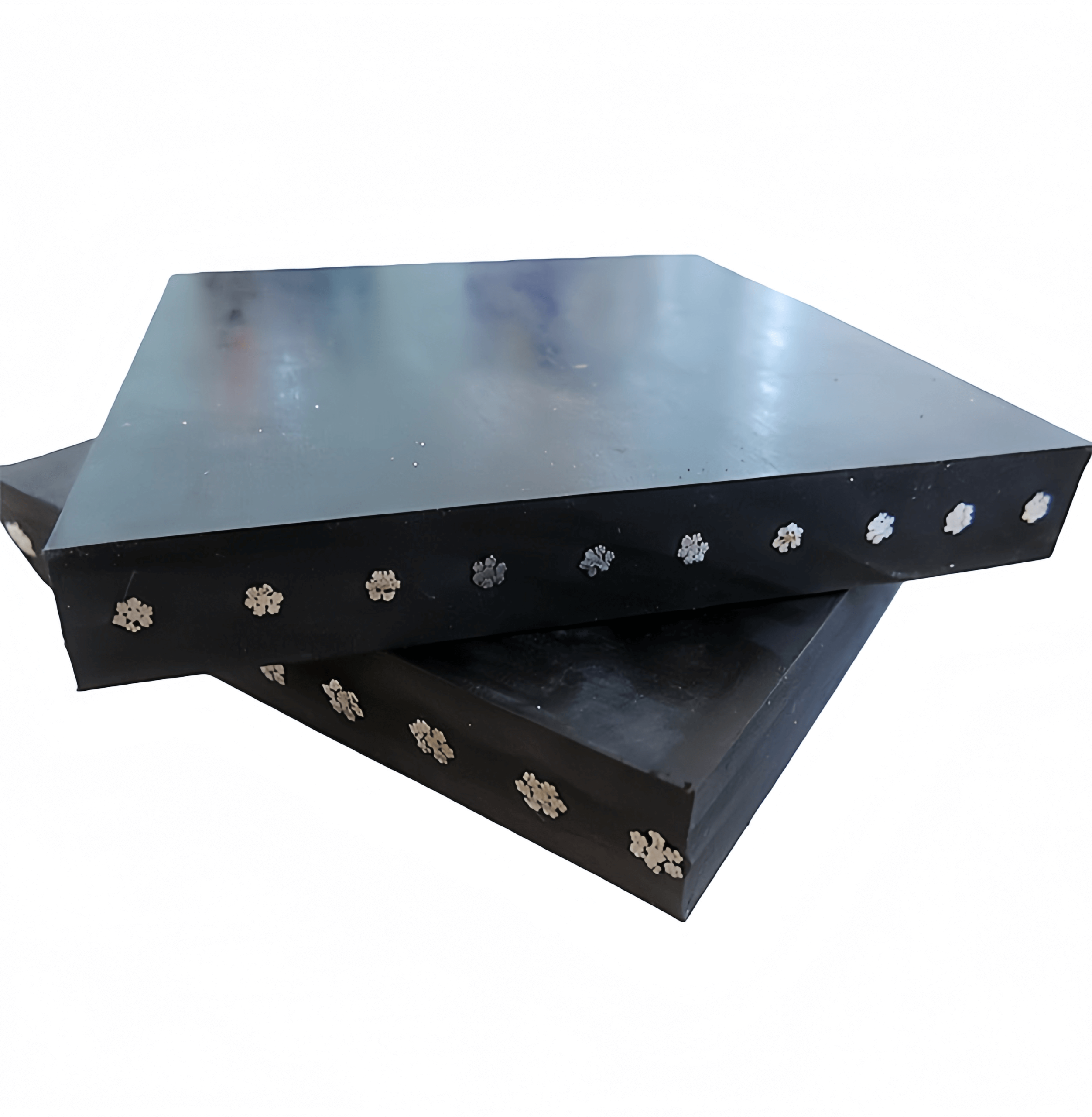
You ask for steel cord when your operation involves high-tensile loads and long-distance conveying that textile belts cannot handle. A knowledgeable rubber conveyor belt supplier will recommend steel cord belts for mining and heavy aggregate because they offer minimal elongation. This means you won’t have to deal with the constant re-tensioning required by lower-grade materials.
When is high impact resistance vital?
- Steel cord reinforcement provides the structural integrity needed to survive 3.5-meter drop heights at loading points.
- You benefit from a belt that resists punctures from sharp ore or heavy limestone chunks.
- Here is the reality: without steel cables, heavy-duty systems are prone to catastrophic longitudinal rips.
How does longevity affect your budget?
- Steel cord belts significantly extend the service interval, often lasting years longer than fabric alternatives in identical conditions.
- You reduce the frequency of belt replacements, which is one of the most expensive maintenance tasks in any plant.
- Key Takeaway: Steel cord is the gold standard for high-capacity systems where reliability is non-negotiable.
| Parameter | Textile Belt | Steel Cord Belt | |
|---|---|---|---|
| Max Strength | Medium | Very High | |
| Elongation | 1.5% – 4% | < 0.25% | |
| Impact Rating | Standard | Extreme |
Steel cord belting remains the most cost-effective solution for long-haul and heavy-load industrial infrastructure despite higher initial costs.
Can a rubber conveyor belt supplier explain EP fabric?
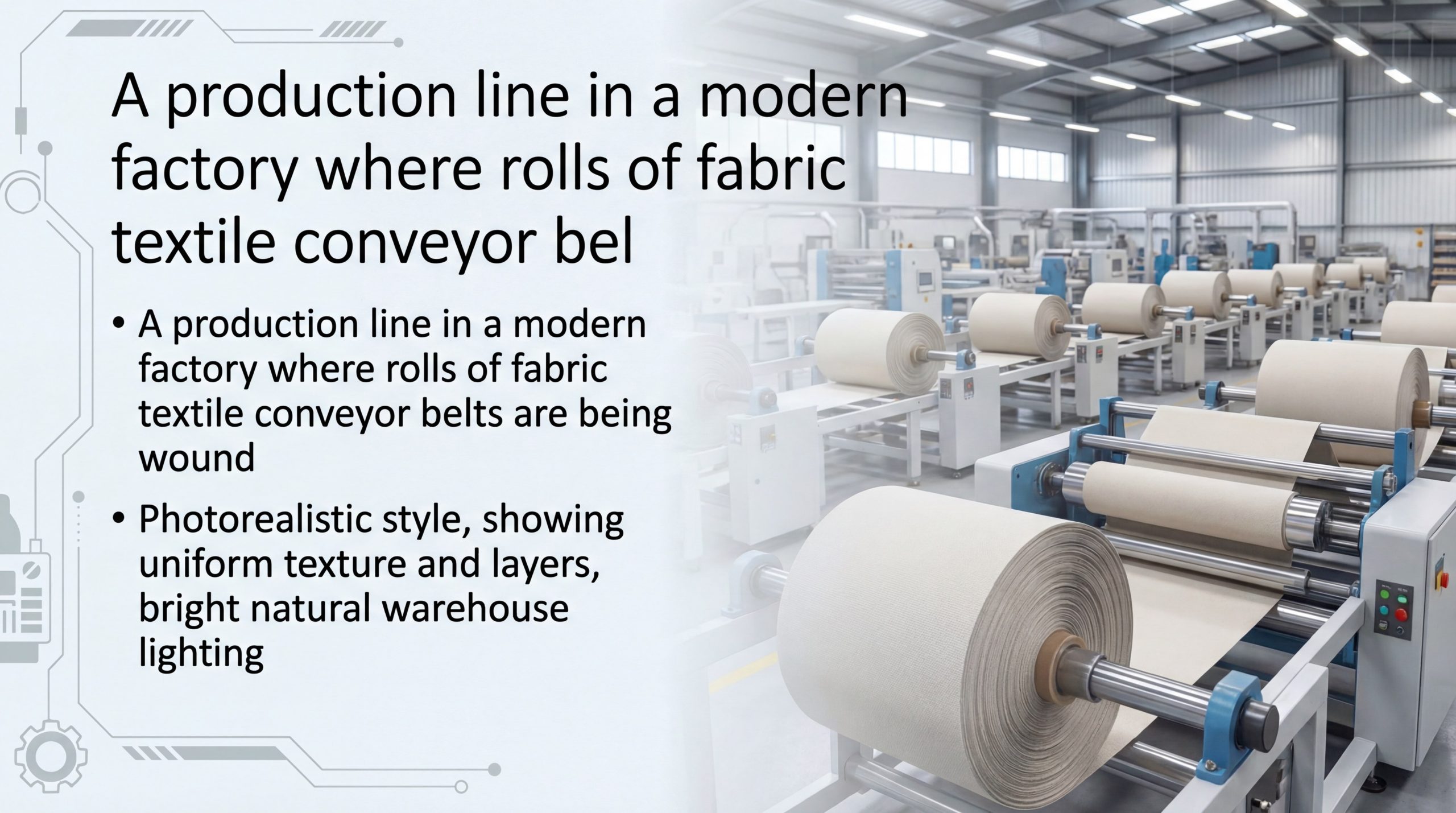
They can explain that EP (Polyester/Polyamide) fabric is the most versatile multi-ply solution for medium-duty industrial conveying. Every rubber conveyor belt supplier (Link: https://conveyorbelt-zhenxingrubber.com/ ) stocks EP belts because they combine high modulus with excellent troughability. Whether you are moving sand, grain, or cement, EP fabric provides the flex needed for small pulley diameters.
Why is moisture resistance a priority?
- Polyester fibers in EP belts do not absorb water, preventing the internal rot and mildew that plague cotton-based belts.
- You can operate in high-humidity port environments without worrying about belt shrinkage or strength loss.
- Think about it: a water-resistant core means your belt maintains its dimensions through all weather conditions.
Is flex life important for your pulleys?
- The polyamide weft provides the impact resistance and flexibility needed to wrap around smaller drive pulleys without cracking.
- You get a belt that can trough easily to carry larger volumes of bulk material without spilling.
- Key Takeaway: EP fabric offers the best balance of price and performance for 80% of standard industrial applications.
| Feature | EP Fabric | Cotton/Nylon | |
|---|---|---|---|
| Water Absorption | Near Zero | High | |
| Heat Resistance | Up to 150°C | Low | |
| Stretch Factor | Low | High |
The superior moisture resistance and dimensional stability of EP fabric make it the industry standard for general-purpose material handling.
Does your rubber conveyor belt supplier offer chevron?
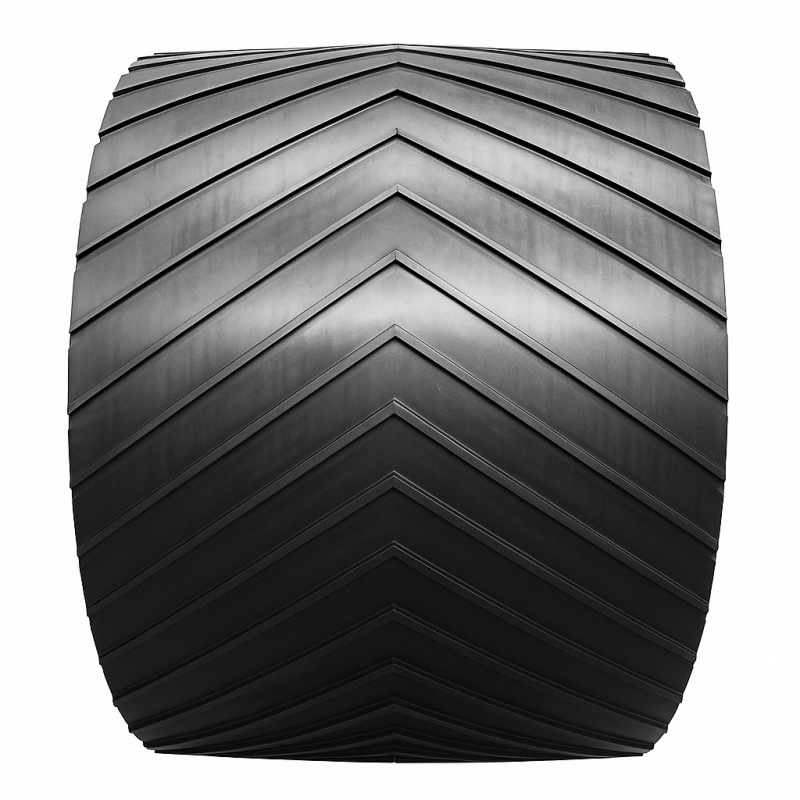
They offer Chevron patterns specifically to allow for material transport on inclines ranging from 20 to 45 degrees. A specialist rubber conveyor belt supplier uses molded cleats to ensure bulk materials don’t slide back down the line. If you are struggling with spillage on your incline sections, switching to a Chevron profile is the immediate fix you need.
How do different cleat heights help?
- Higher cleats are designed for larger lumps like coal, while lower patterns work best for fine aggregates or sand.
- You can choose a pattern that matches your specific material flow to maximize volumetric capacity.
- Here is the kicker: the right cleat pattern can increase your incline throughput by over 30%.
Can you use Chevron for packaged goods?
- These belts are excellent for bags and boxes that would otherwise slip on a flat rubber surface.
- You minimize product damage because the cleats provide a stable “pocket” for the item during the climb.
- Key Takeaway: Molded Chevron belts are essential for vertical efficiency in space-constrained facilities.
| Pattern Type | Optimal Angle | Best Material | |
|---|---|---|---|
| Open V | 20-25° | Grain / Fine | |
| Closed V | 30-45° | Coal / Lumps | |
| U-Pattern | 25-35° | Wet Aggregate |
Utilizing molded profiles allows operations to overcome steep gradients without sacrificing material stability or belt speed.
Is your rubber conveyor belt supplier mining compliant?
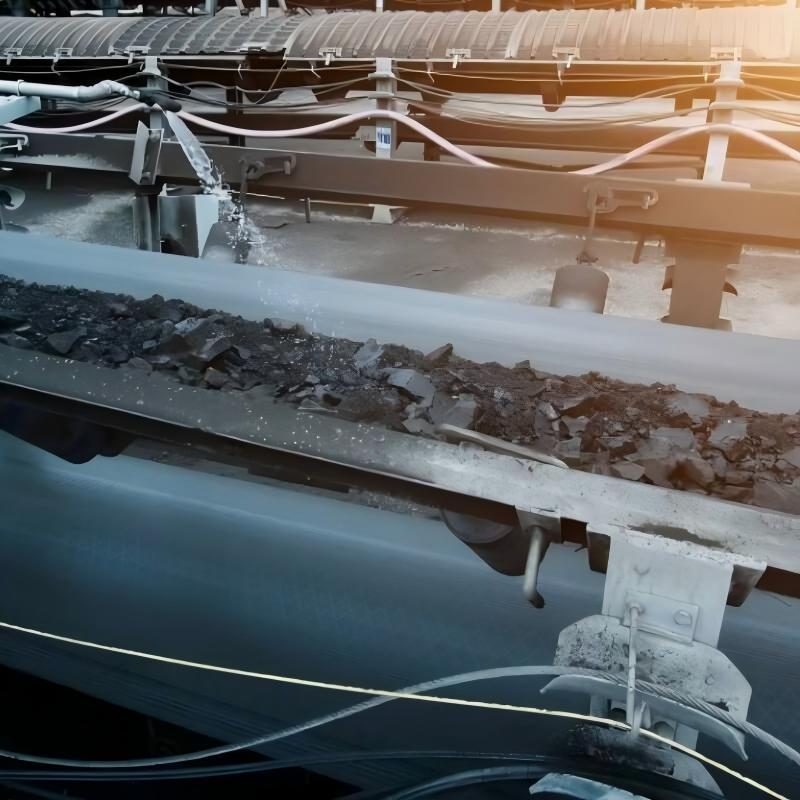
They are compliant if their products meet global safety standards like CE, EN14973, or MT668 for flame retardancy. Any rubber conveyor belt supplier (Link: https://conveyorbelt-zhenxingrubber.com/ ) serving the mining sector must provide anti-static properties to prevent spark ignition. In underground environments, choosing a non-compliant belt isn’t just a maintenance risk—it’s a massive safety liability for your entire crew.
What is a solid woven belt?
- Solid woven belts (PVC/PVG) are designed specifically for the high-risk environments of underground coal mines .
- You get a monolithic structure that cannot delaminate, providing superior fastener holding strength for heavy loads.
- Think about the safety: these belts are engineered to self-extinguish within seconds if a fire starts.
Why is anti-static behavior mandatory?
- Friction in dry mines can build up massive static charges that pose an explosion risk in gassy environments.
- You must ensure your supplier provides certified test reports for electrical resistance on every batch.
- Key Takeaway: Mining-grade belts prioritize safety and fire suppression without compromising on high-tensile performance.
| Certification | Region | Primary Focus | |
|---|---|---|---|
| MT 668 | China/Global | Mining Safety | |
| EN 14973 | Europe | Flame Resistance | |
| ISO 9001 | Global | Quality Process |
Strict adherence to safety certifications ensures that conveyor systems remain operational even in the most hazardous and volatile subterranean conditions.
How a rubber conveyor belt supplier handles fabrication?
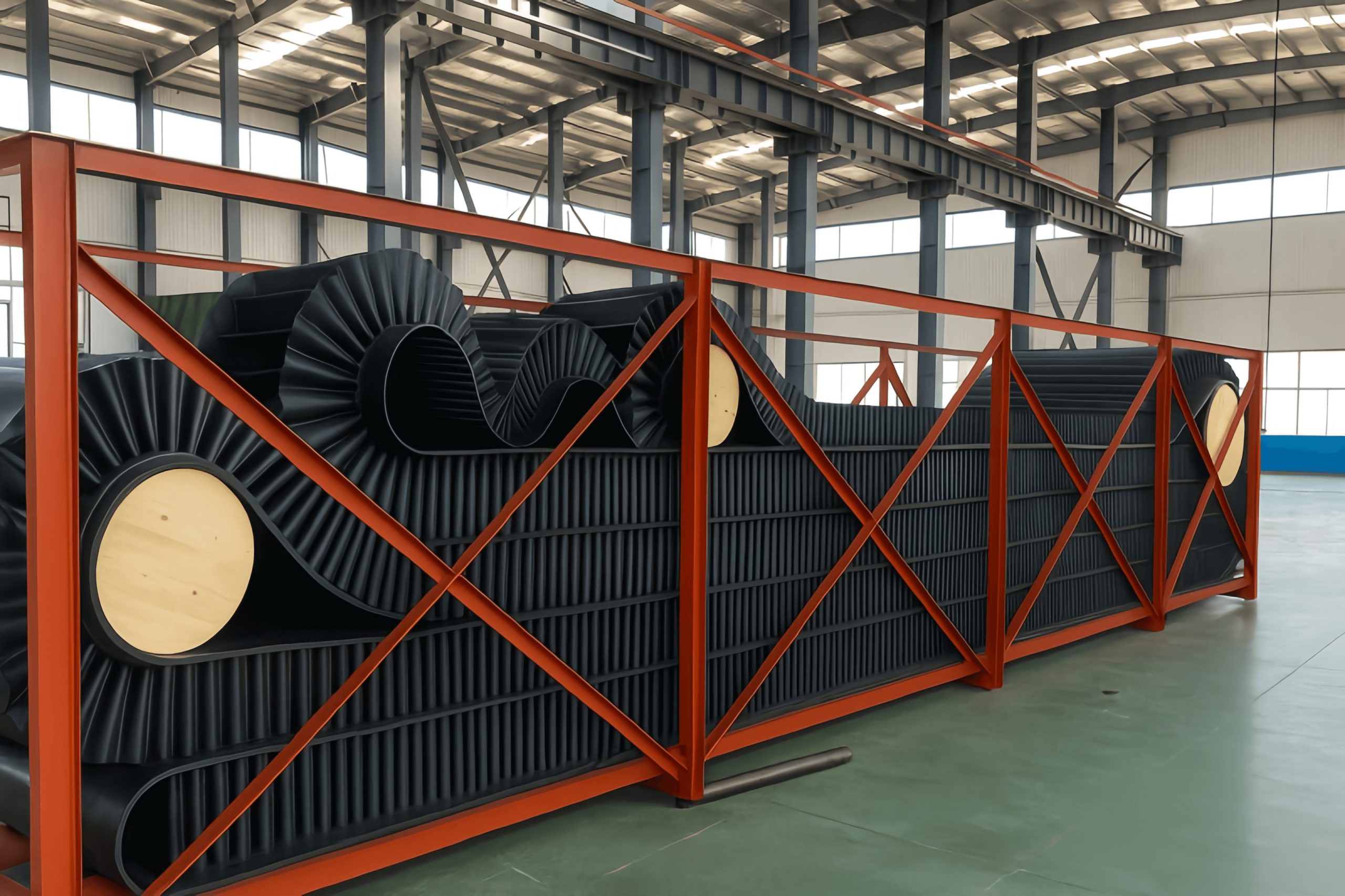
A supplier handles fabrication by using hot vulcanization and precision molding to add specialized components like sidewalls or V-guides. Your rubber conveyor belt supplier should offer sidewall belts that allow for vertical lifting up to 90 degrees. This level of customization is what enables you to fit a high-capacity conveyor system into a tiny warehouse footprint.
Do you need corrugated sidewalls?
- Corrugated walls allow the belt to flex around pulleys while keeping loose bulk material contained.
- You prevent “side-spill” completely, which keeps your facility cleaner and reduces the need for manual cleanup.
- It is a game-changer for moving granular chemicals or fertilizers that are prone to dusting.
What about mechanical lace vs. splicing?
- Mechanical lace allows for quick emergency repairs, but hot vulcanized splicing offers the longest service life.
- You should work with a supplier that can provide both the tools and the materials for onsite belt joining.
- Key Takeaway: High-quality fabrication transforms a simple rubber strip into a high-utility material handling tool.
| Fabrication Type | Best Use Case | Benefit | |
|---|---|---|---|
| Sidewalls | Steep Incline | Zero Spillage | |
| Cleats | Material Lift | Pocket Stability | |
| V-Guides | Alignment | Perfect Tracking |
Precision fabrication ensures that specialized belts can handle non-standard geometries while maintaining high structural integrity during operation.
Why your rubber conveyor belt supplier needs a factory audit?
They need an audit to identify existing bottlenecks and wear patterns that are shortening your equipment’s lifespan. A proactive rubber conveyor belt supplier (Link: https://conveyorbelt-zhenxingrubber.com/ ) will offer technical consultations to evaluate your system’s pulleys, scrapers, and rollers. Think about it: a belt is only as good as the system it runs on, and a site visit can reveal simple fixes that double your belt life.
How does an audit prevent failure?
- Engineers can spot misaligned rollers that cause “edge-fray” before the belt snaps during a critical shift.
- You receive a report on material loading points, which are the #1 cause of impact damage.
- Here is the kicker: a single audit can save you tens of thousands in avoided emergency repairs.
Can audits help with throughput?
- By analyzing belt speed and load tension, specialists can recommend higher-strength belts that allow for faster line speeds.
- You get a roadmap for upgrading your facility to handle increased production targets next year.
- Key Takeaway: Expert audits move your maintenance strategy from “reactive” to “predictive,” ensuring maximum uptime.
| Audit Focus | Primary Discovery | Operational Impact | |
|---|---|---|---|
| Alignment | Tracking Issues | Reduced Edge Wear | |
| Load Point | Impact Damage | Longer Belt Life | |
| Tensioning | Slippage | Higher Efficiency |
Regular system audits provide the empirical data needed to optimize performance and eliminate the hidden costs of mechanical friction.
Why Are Global Export and Quality Standards Critical?
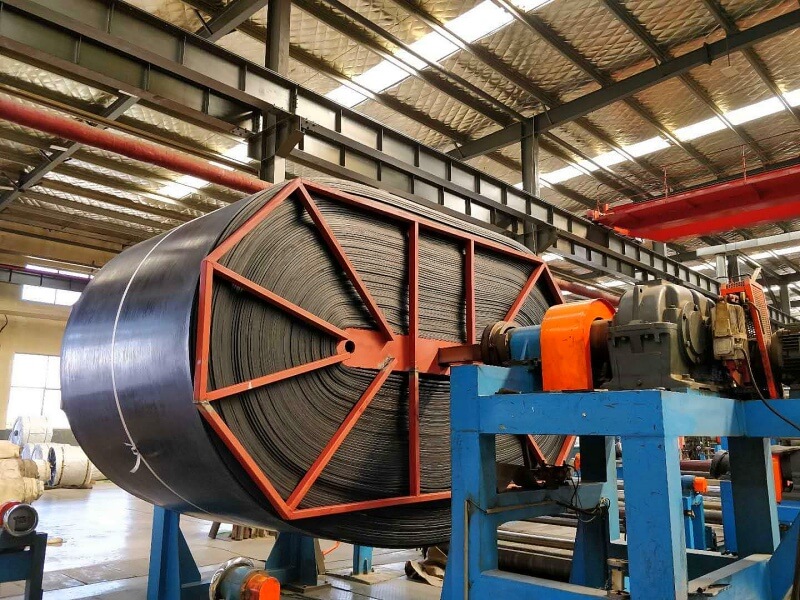
Quality standards are critical because they guarantee that the belt you receive matches the performance specifications you ordered. A global rubber conveyor belt supplier must use waterproof export packaging to ensure rubber properties aren’t degraded by salty sea air during transit. When your project depends on tight timelines in Turkey, Australia, or Russia, you need a partner who understands international logistics and customs compliance.
Is ISO certification enough?
- ISO 9001 ensures consistent manufacturing processes, but you also need specific testing reports for tensile and abrasion resistance.
- You should ask for SGS or third-party verification if you are running high-stakes infrastructure projects.
- Think about the security: documented quality control means zero “bad batches” that stall your installation.
How does packaging affect delivery?
- Professional steel frames or wooden crates prevent the “telescoping” of belt rolls during rough handling at ports.
- You receive your product in factory-fresh condition, ready for immediate installation on your conveyor frame.
- Key Takeaway: Global export excellence ensures that distance is never a barrier to receiving premium conveyor components.
| Package Method | Protection Level | Best For | |
|---|---|---|---|
| Waterproof Wrap | Medium | Domestic Transit | |
| Steel Frame | High | Ocean Export | |
| Wooden Pallet | Standard | Air Freight |
Maintaining high export standards ensures that international clients receive products that perform exactly as specified upon arrival at the job site.
Why partner with a rubber conveyor belt supplier now?
You partner with a rubber conveyor belt supplier (Link: https://conveyorbelt-zhenxingrubber.com/ ) now to secure stable pricing and reliable lead times before your current system fails. Waiting for a catastrophic break means paying 5x more for rush shipping and losing days of productivity. By initiating a technical consultation today, you can begin the process of custom fabrication that will carry your facility through the next decade of growth.
Is it easy to get a quote?
- Most premium suppliers provide a tailored solution and accurate pricing within 24 hours of receiving your specs.
- You only need to provide basic info like belt width, length, and material type to get started.
- Here is the kicker: the time you spend on a quote now is the time you save on repairs later.
What is the first step?
- Reach out to an engineering team to discuss your current downtime challenges and performance goals.
- You can request a factory visit or a digital audit to verify the supplier’s capabilities first.
- Key Takeaway: Taking the initiative now secures your supply chain and protects your facility’s long-term profitability.
Industrial productivity is fueled by the reliability of your material handling systems. At Zhenxing Rubber, we solve the downtime problems mentioned in our introduction by providing direct-factory, custom-engineered belts that are built to last. Our vision is to empower global industry with resilient, high-performance belting that turns every conveyor into a competitive advantage. To see the difference that 40 years of manufacturing excellence can make, contact us today for your free technical consultation.
Frequently Asked Questions
Can I get a custom belt length for my existing conveyor system?Yes. Every belt we manufacture is cut and fabricated to your exact dimensions, ensuring a perfect fit with no unnecessary slack or tension issues.
What’s the best belt for moving hot materials in a cement plant?Heat-resistant EP belts are the best choice for temperatures up to 200°C. We use specialized EPDM rubber covers that prevent hardening and cracking in extreme thermal zones.
How do I know if I need steel cord or textile belting?Textile belts are perfect for distances under 500 meters and medium loads. If your line is longer or carries massive iron ore loads, steel cord is necessary for its near-zero stretch properties.
Can I request custom branding and logo printing on my order?Absolutely. We offer OEM services that include embossed or printed logos on the belt surface and custom labeling on all export packaging.
What’s the best way to handle material fallback on a 30-degree rise?Molded Chevron belts are the most effective solution. The “V” pattern creates a physical barrier that traps bulk materials, allowing for high-speed conveying on steep inclines.