
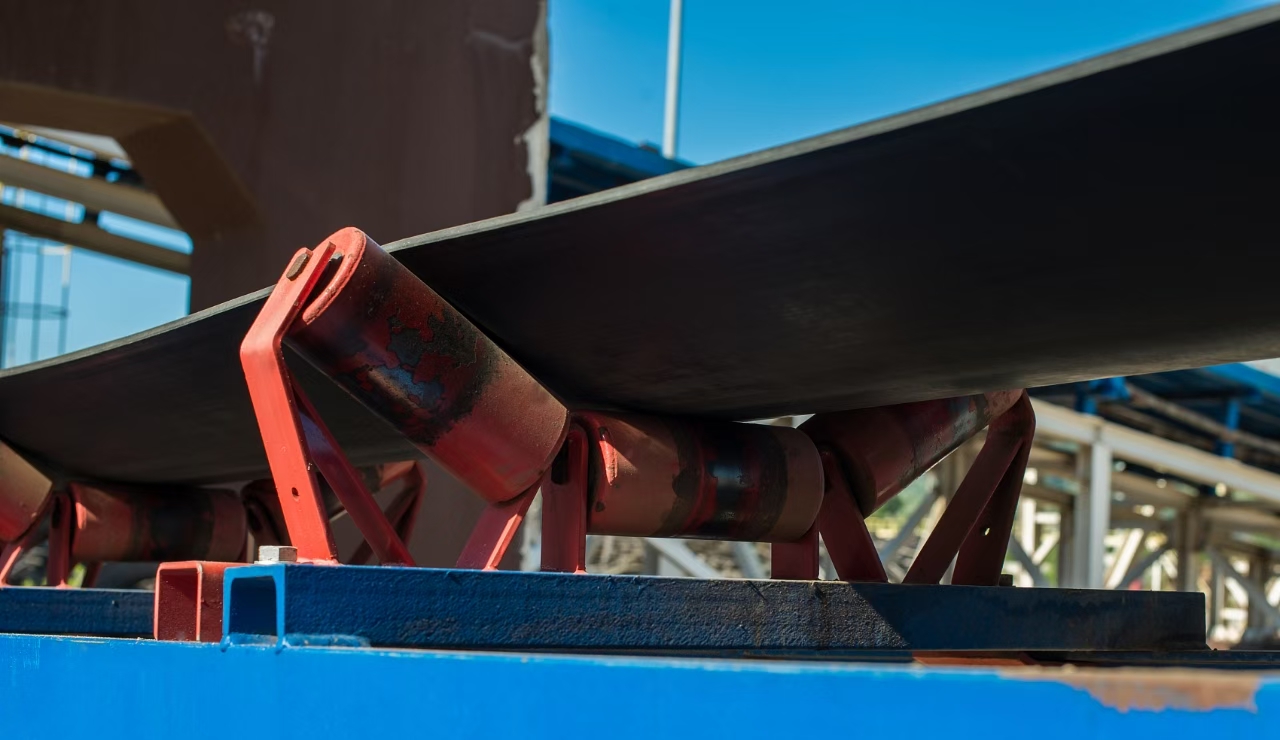
Unexpected conveyor belt failures can bring your operations to a standstill, causing production delays, supply chain stress, and costly repairs that often reach thousands per incident. These breakdowns also jeopardize delivery commitments and frustrate clients who rely on consistent performance. Gaining a clear understanding of the rubber conveyor belt manufacturing process allows you to choose belts engineered with precision, durability, and the right materials for demanding B2B environments. This overview explains each stage—from raw compound preparation to modern engineering innovations—so you can confidently select custom solutions that enhance efficiency, minimize disruptions, and reduce long-term operating costs.
Evolution of Rubber Conveyor Belt Manufacturing
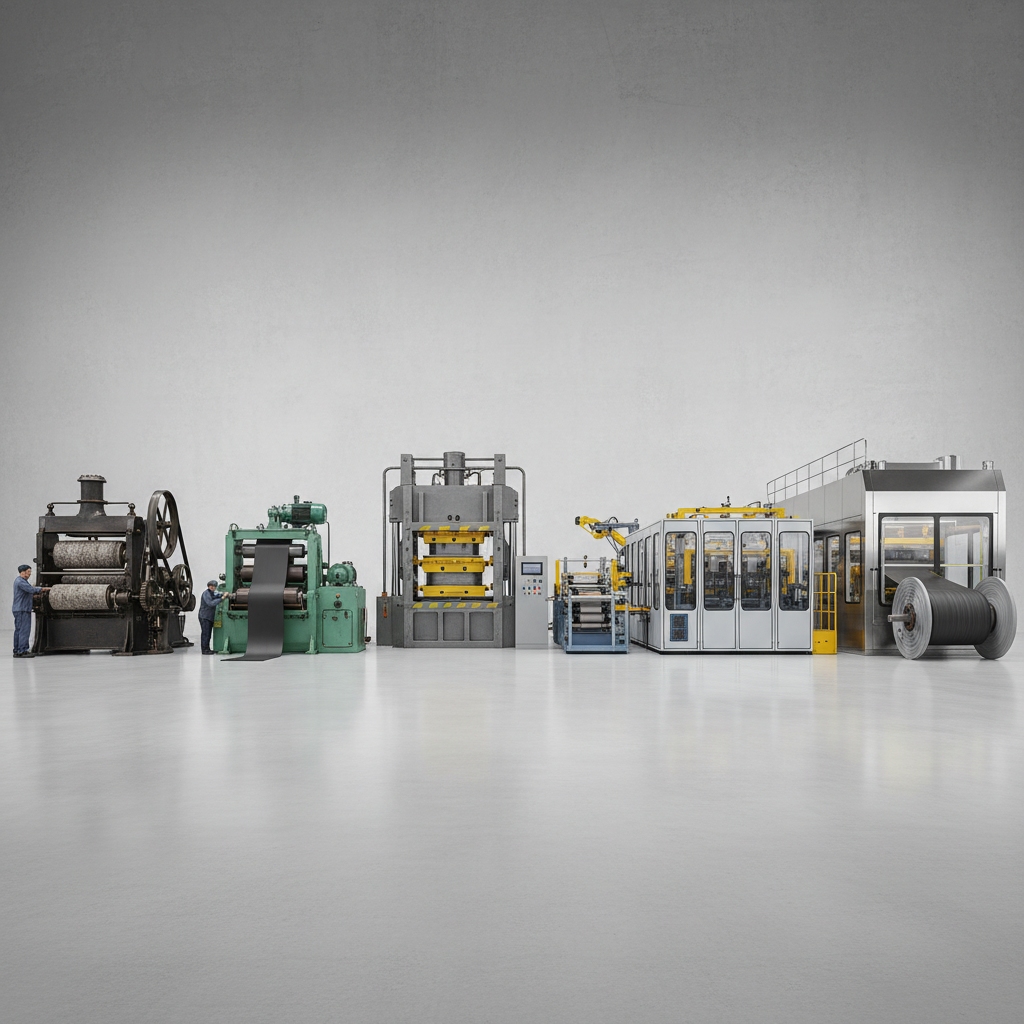
What Sparked Early Rubber Innovations?
Early 19th-century experiments with natural rubber for waterproofing inspired conveyor applications, driven by industrial revolution demands.
How Did Modern Techniques Emerge?
Post-WWII synthetic rubbers and automation refined processes, enabling scalable production for heavy industries.
Why Is Rubber Belt History Relevant?
Understanding evolution ensures you choose belts resilient to today’s high-speed, varied environments.
Key Takeaway: Historical advancements underscore the shift to durable, adaptable belts vital for modern efficiency.
| Stage | Innovation | Impact | |
|---|---|---|---|
| 1800s | Natural Rubber Use | Basic durability | |
| 1940s | Synthetics Introduced | Enhanced resistance | |
| 2000s | Automation | Cost reduction by 30% |
Analysis: This progression highlights how innovations address wear, reducing your downtime by prioritizing evolved materials.
Selecting Raw Materials for Rubber Belts
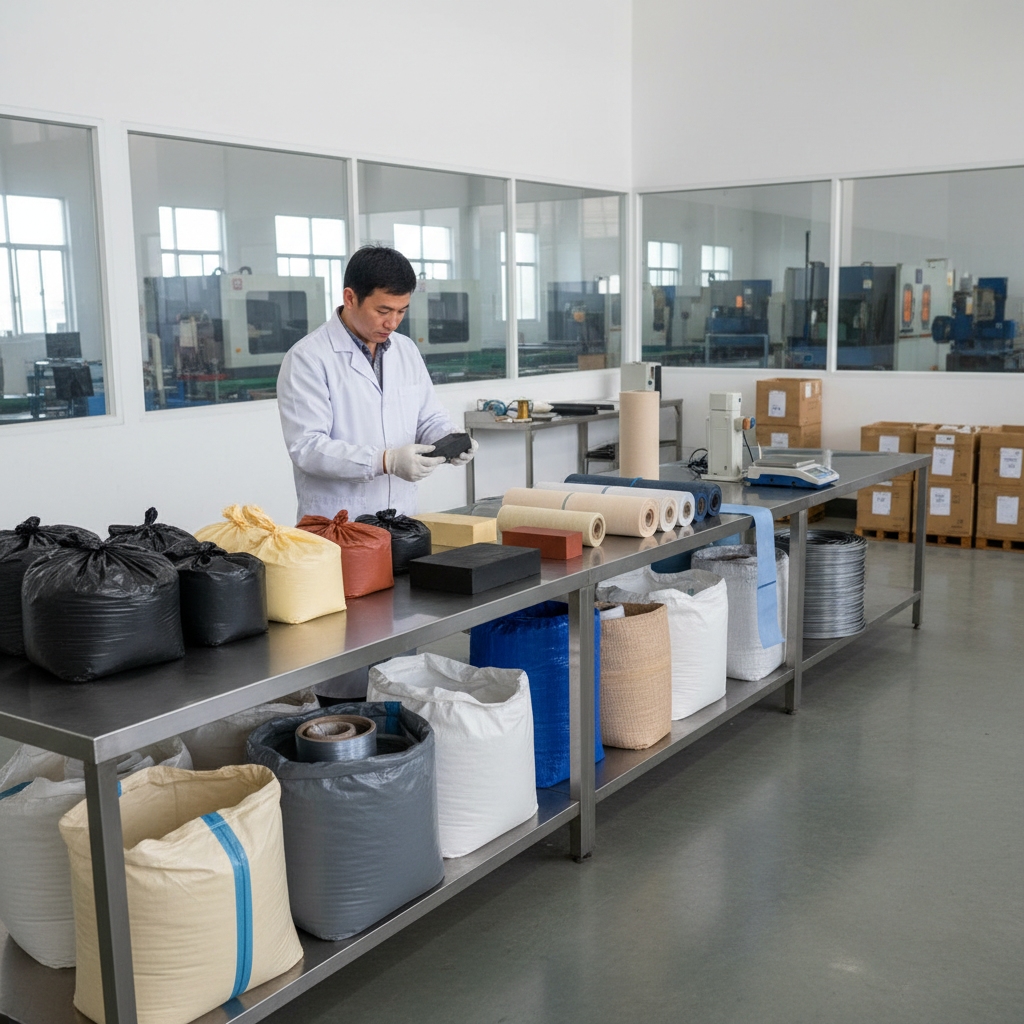
What Rubber Compounds Are Essential?
Natural and synthetic rubbers like NR and SBR provide flexibility and abrasion resistance.
How Do Reinforcements Strengthen Belts?
Fabrics (nylon, polyester) or steel cords add tensile strength for load-bearing.
Which Chemicals Boost Performance?
Vulcanizing agents and antioxidants improve heat and chemical resistance.
Key Takeaway: Tailored materials ensure belts withstand your specific operational stresses.
| Material | Property | Application | |
|---|---|---|---|
| NR Rubber | Elasticity | Light loads | |
| Steel Cord | Tensile Strength | Heavy mining | |
| Antioxidants | Durability | Harsh environments |
Analysis: Selecting reinforcements balances cost and performance, potentially extending belt life by 50%.
Mixing and Compounding Rubber Mixtures
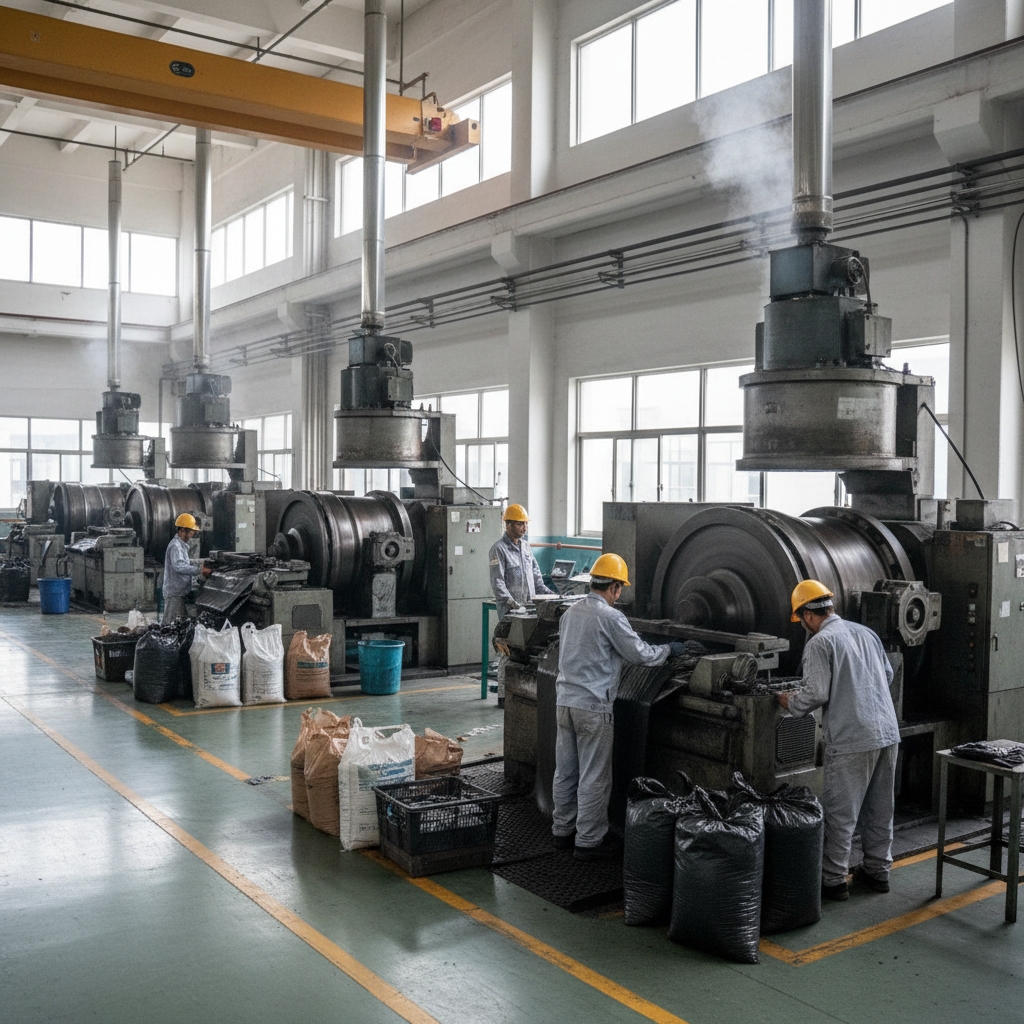
What Equipment Ensures Uniformity?
Banbury mixers blend ingredients evenly for consistent properties.
How Do Techniques Affect Properties?
Shear mixing enhances adhesion; over-mixing risks degradation.
Why Control Temperature in Mixing?
Prevents scorching, maintaining compound integrity below 100°C.
Key Takeaway: Precise mixing yields uniform belts that perform reliably under load.
| Technique | Equipment | Benefit | |
|---|---|---|---|
| Batch Mixing | Banbury | Uniformity | |
| Continuous | Extruders | Efficiency | |
| Temperature Control | Coolers | Prevents defects |
Analysis: Uniformity reduces failure rates, optimizing your production uptime.
Calendering Rubber Sheets and Layers
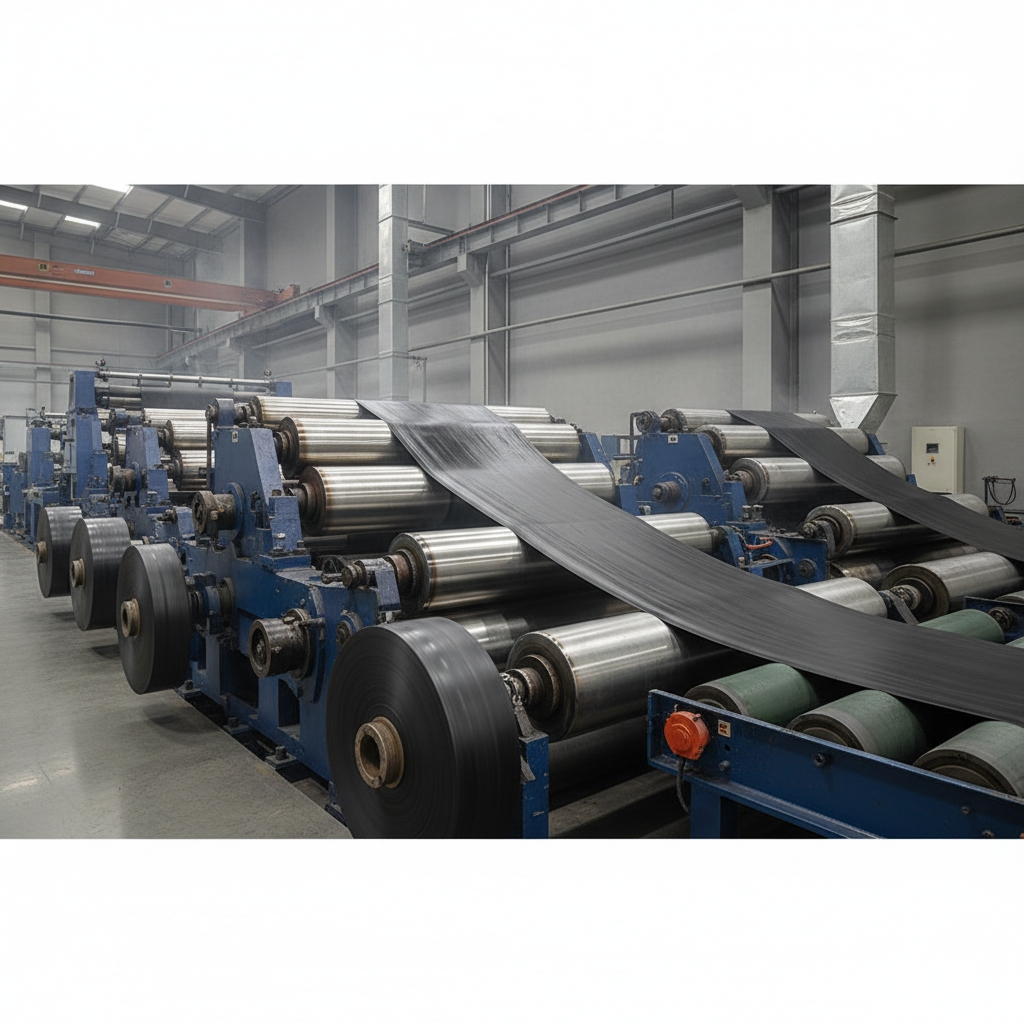
How Is Rubber Formed into Sheets?
Heated rollers compress mixtures into thin, even layers.
What Role Do Reinforcements Play?
Fabrics are embedded during calendering for structural integrity.
Why Align Layers Precisely?
Misalignment causes weak spots, leading to premature failure.
Key Takeaway: Calendering creates layered strength essential for seamless operation.
| Layer Type | Thickness (mm) | Purpose | |
|---|---|---|---|
| Top Cover | 2-5 | Abrasion protection | |
| Carcass | 1-3 | Load support | |
| Bottom Cover | 1-4 | Flex resistance |
Analysis: Precision alignment cuts waste, ensuring belts meet your exact specs.
Building the Rubber Belt Carcass
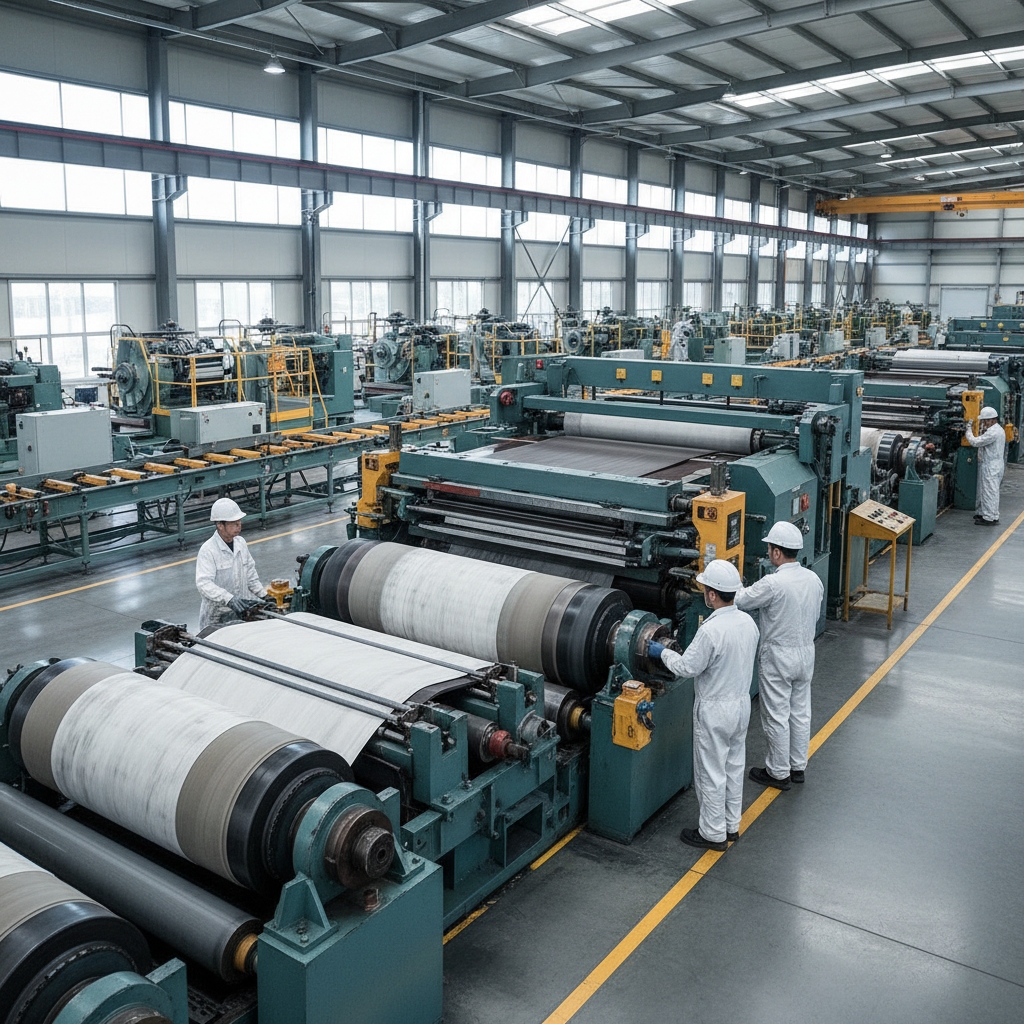
How Are Covers Applied Effectively?
Adhesives bond covers to the carcass for full encapsulation.
What Differs in Fabric vs. Steel Builds?
Fabric offers flexibility; steel provides superior strength for heavy duty.
Why Balance Flexibility and Strength?
Optimizes handling and longevity in dynamic applications.
Key Takeaway: Carcass building integrates components for robust, tailored performance.
| Build Type | Flexibility | Strength | |
|---|---|---|---|
| Fabric | High | Medium | |
| Steel Cord | Low | High |
Analysis: Balancing traits minimizes your maintenance needs.
Vulcanizing Rubber Conveyor Belts
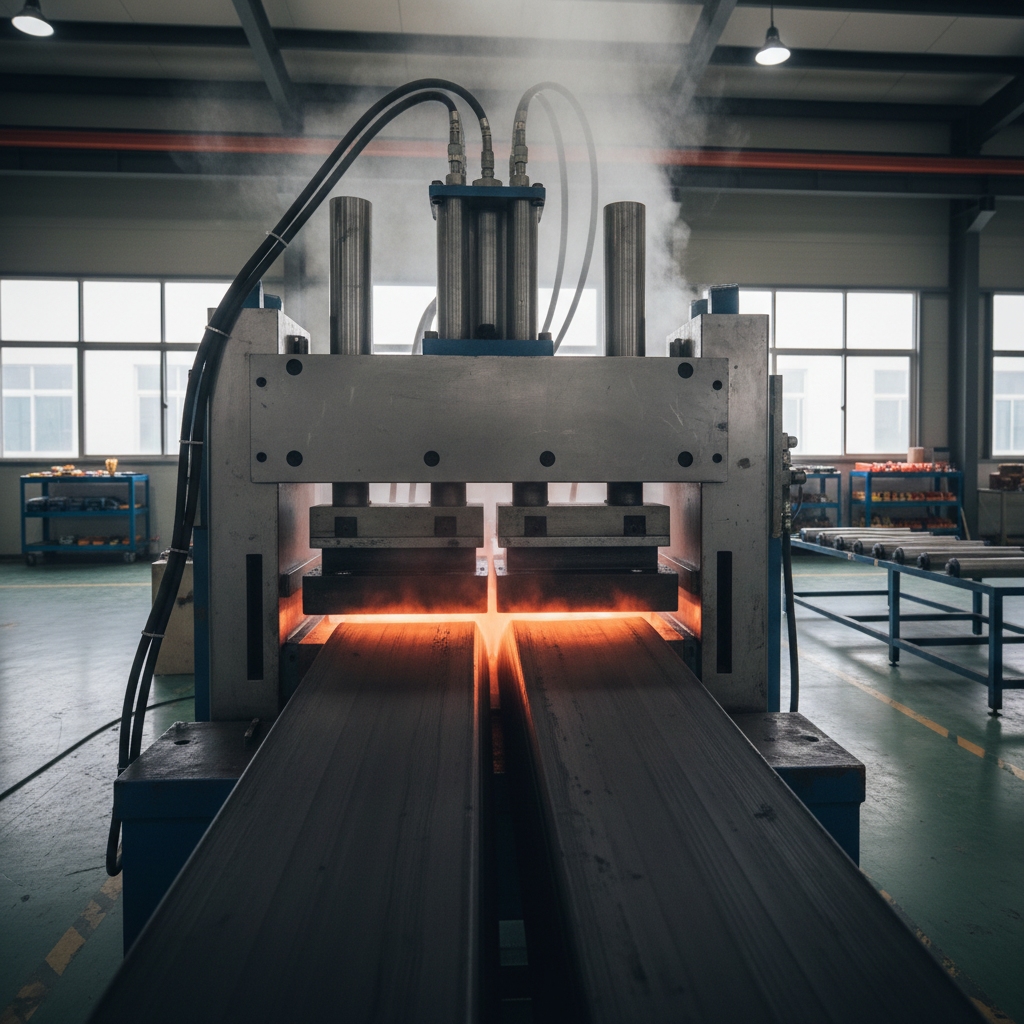
What Batch Methods Achieve Curing?
Press molds apply heat (150°C) and pressure for uniform curing.
How Do Continuous Processes Work?
Rotary vulcanizers handle long belts efficiently.
Why Monitor Heat and Pressure?
Ensures complete cross-linking, preventing cracks.
Key Takeaway: Vulcanization transforms raw layers into durable, elastic belts.
| Method | Time (min) | Suitability | |
|---|---|---|---|
| Batch | 20-30 | Custom sizes | |
| Continuous | 5-10 | High volume |
Analysis: Proper curing boosts lifespan, reducing replacement frequency.
Ensuring Quality in Rubber Belt Production
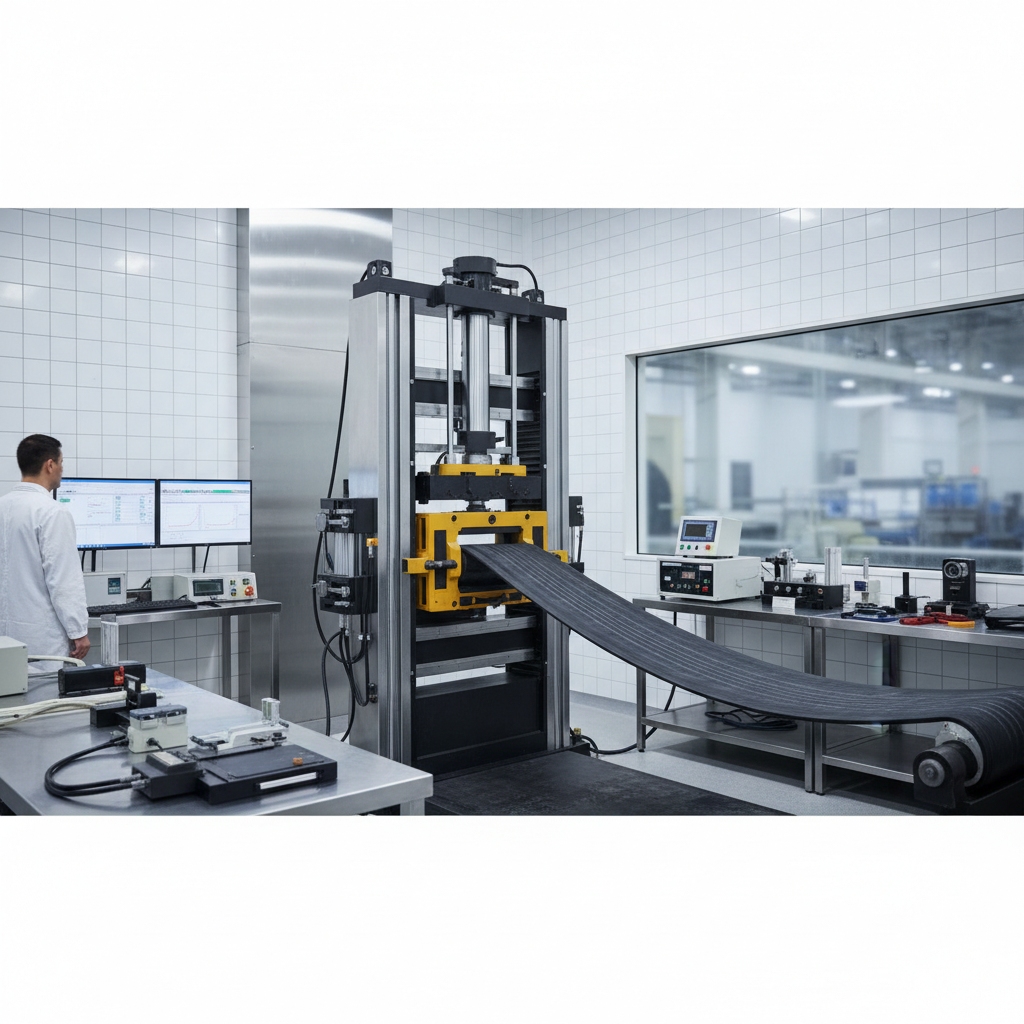
What Tests Verify Tensile Strength?
Pull tests measure load capacity up to 1,000 N/mm.
How Are Ratings Standardized?
ISO 283 follows DIN for elongation and adhesion.
Why Check Thickness and Elongation?
Detects variances that impact performance.
Key Takeaway: Rigorous testing guarantees belts meet industry standards.
| Test | Standard | Metric | |
|---|---|---|---|
| Tensile | ISO 283 | >15% elongation | |
| Thickness | DIN 22102 | ±0.5 mm tolerance |
Analysis: Quality checks prevent field failures, safeguarding your operations.
Packaging and Shipping Rubber Belts
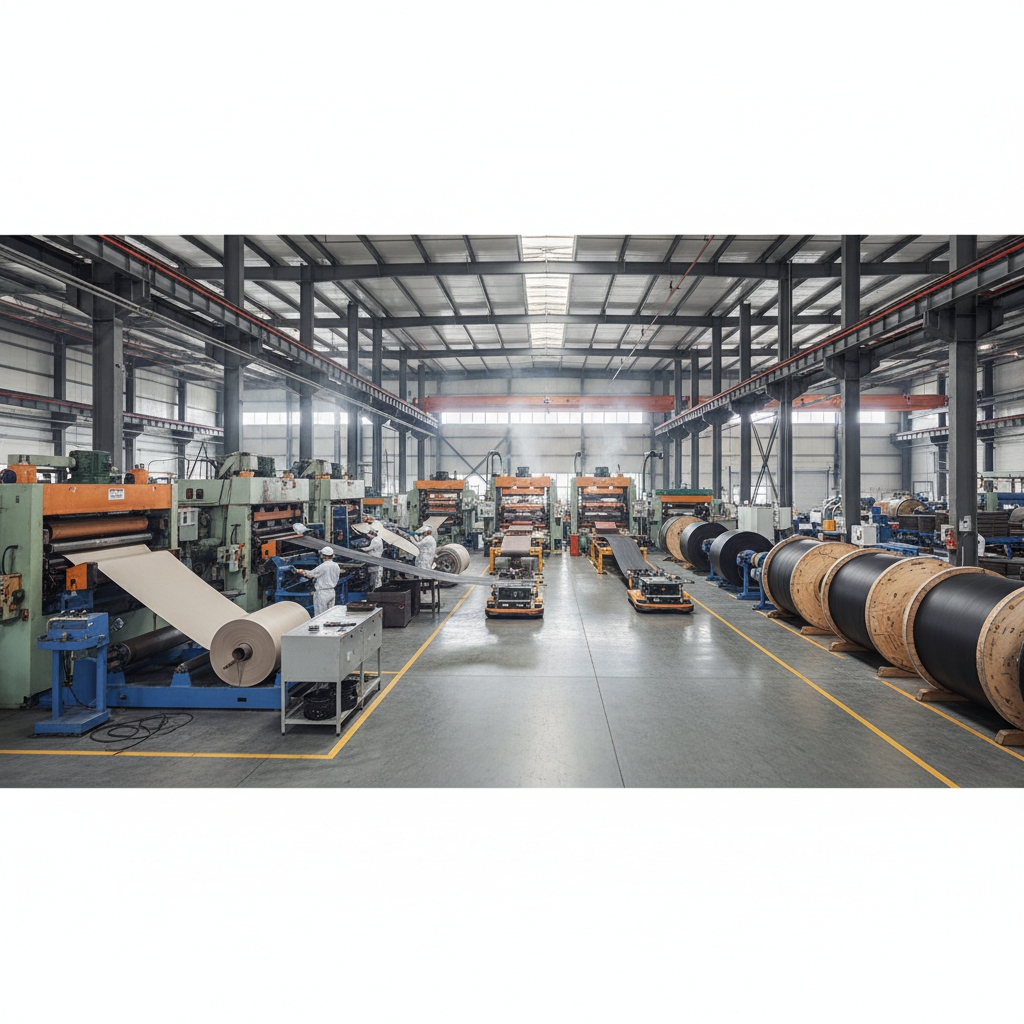
How Is Cutting Done Accurately?
Laser-guided skiving ensures clean edges.
What Protects Belts During Transit?
Coiled wrapping with desiccants prevents moisture damage.
Why Include Usage Instructions?
Guides installation for optimal performance.
Key Takeaway: Secure packaging maintains integrity from factory to site.
| Protection | Method | Benefit | |
|---|---|---|---|
| Wrapping | PVC Film | Dust-proof | |
| Coiling | Steel Reels | Easy handling |
Analysis: Proper shipping reduces damage claims by 40%.
Special Aspects of Rubber Belt Process
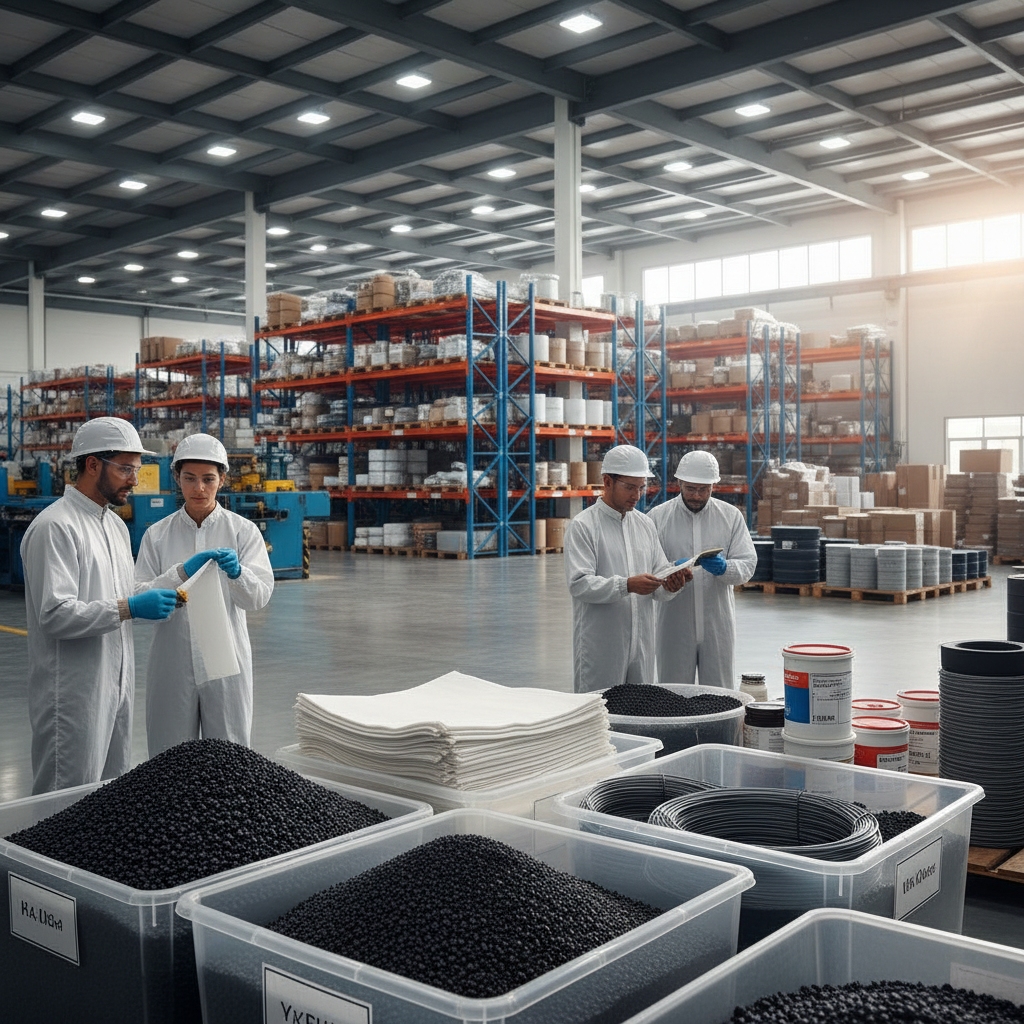
How Choose Materials by Application?
Oil-resistant compounds for mining; food-grade for processing.
What Handles Environmental Factors?
UV stabilizers for outdoor use.
Why Comply with Safety Regulations?
Meets OSHA for hazard-free operations.
Key Takeaway: Customization addresses unique challenges for safety and efficacy.
| Application | Material | Regulation | |
|---|---|---|---|
| Mining | Oil-Resistant | MSHA | |
| Food | FDA-Compliant | FDA 21 CFR |
Analysis: Compliance minimizes risks in specialized settings.
Innovations in Rubber Belt Manufacturing
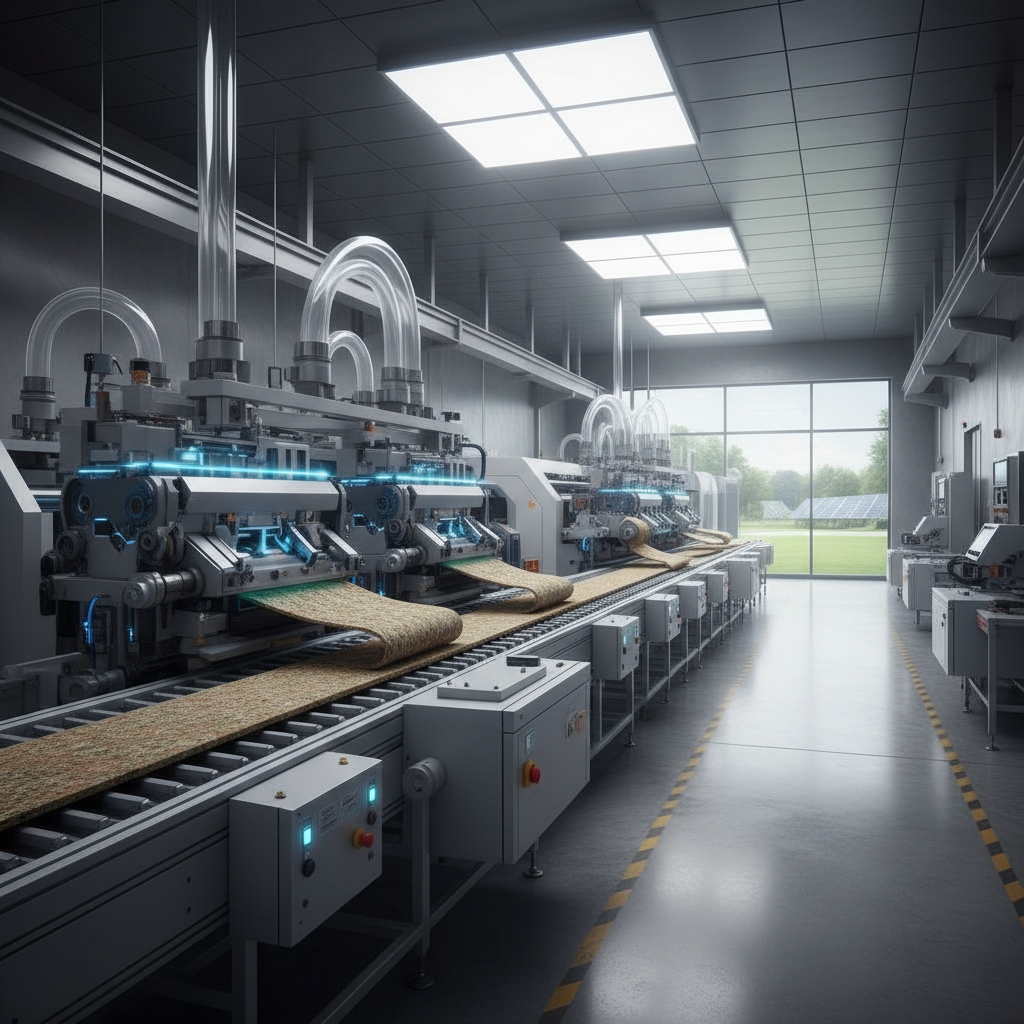
What Eco-Friendly Materials Emerge?
Recycled rubbers reduce carbon footprint by 20%.
How Do Sensors Enable Predictions?
IoT monitors wear for proactive maintenance.
Why Adopt Lightweight Reinforcements?
Aramid fibers cut energy use in transport.
Key Takeaway: Innovations drive sustainability and smart manufacturing.
| Innovation | Benefit | Adoption Rate | |
|---|---|---|---|
| Recycled Rubber | Eco-Friendly | 25% growth | |
| IoT Sensors | Predictive | Reduces downtime 30% |
Analysis: These advances future-proof your supply chain.
From raw material selection to innovative vulcanization, this process crafts resilient rubber conveyor belts that minimize disruptions. Partner with experts to optimize your supply chain—request a consultation today.
FAQ
Can I customize rubber belt compounds for oil resistance?
Yes, compounds like NBR (nitrile butadiene rubber) are tailored for oil exposure in mining or automotive settings. By adjusting fillers and accelerators during mixing, belts achieve up to 80% resistance, preventing swelling or degradation. Consult manufacturers for ASTM-tested formulations matching your load and temperature needs, ensuring longevity without compromising flexibility. (72 words)
What’s the best vulcanization for high-volume production?
Continuous vulcanization via rotary or tunnel ovens excels for high-volume, offering uniform curing at speeds up to 30m/min. It outperforms batch presses by reducing cycle times from 30 to 5 minutes, ideal for standard belts. Monitor steam pressure at 5-7 bar for optimal cross-linking, minimizing defects in large runs. (68 words)
Can rubber belts meet FDA standards for food handling?
Absolutely, using white NR or EPDM compounds free of harmful additives complies with FDA 21 CFR 177.2600. These belts feature smooth surfaces to prevent contamination, with low migration tests ensuring food safety. Ideal for bakery or meat processing, they maintain hygiene under washdown conditions. (62 words)
What’s the ideal thickness for heavy-duty rubber belts?
For heavy-duty applications like quarrying, 20-30mm total thickness balances strength and flexibility. Top covers (6-10mm) resist abrasion, while carcass (10-15mm) handles 500+ kN/m tension. Thinner (15mm) suits lighter loads to save weight. Base selection on DIN 22102 ratings for your specific pulley diameter and load. (71 words)
How long does the rubber conveyor belt manufacturing process take?
The full process spans 24-72 hours, depending on scale. Mixing and calendering take 4-8 hours, building and vulcanizing 12-24 hours, plus 8-12 for quality checks and packaging. Custom orders extend to 1-2 weeks; high-volume runs streamline to 48 hours via continuous methods. (64 words)