Choosing the right types of rubber conveyor belt is critical in plaster casting to ensure thermal stability, smooth material transport, and reduced downtime in demanding industrial environments.
How do you choose the best belt conveyor rubber?
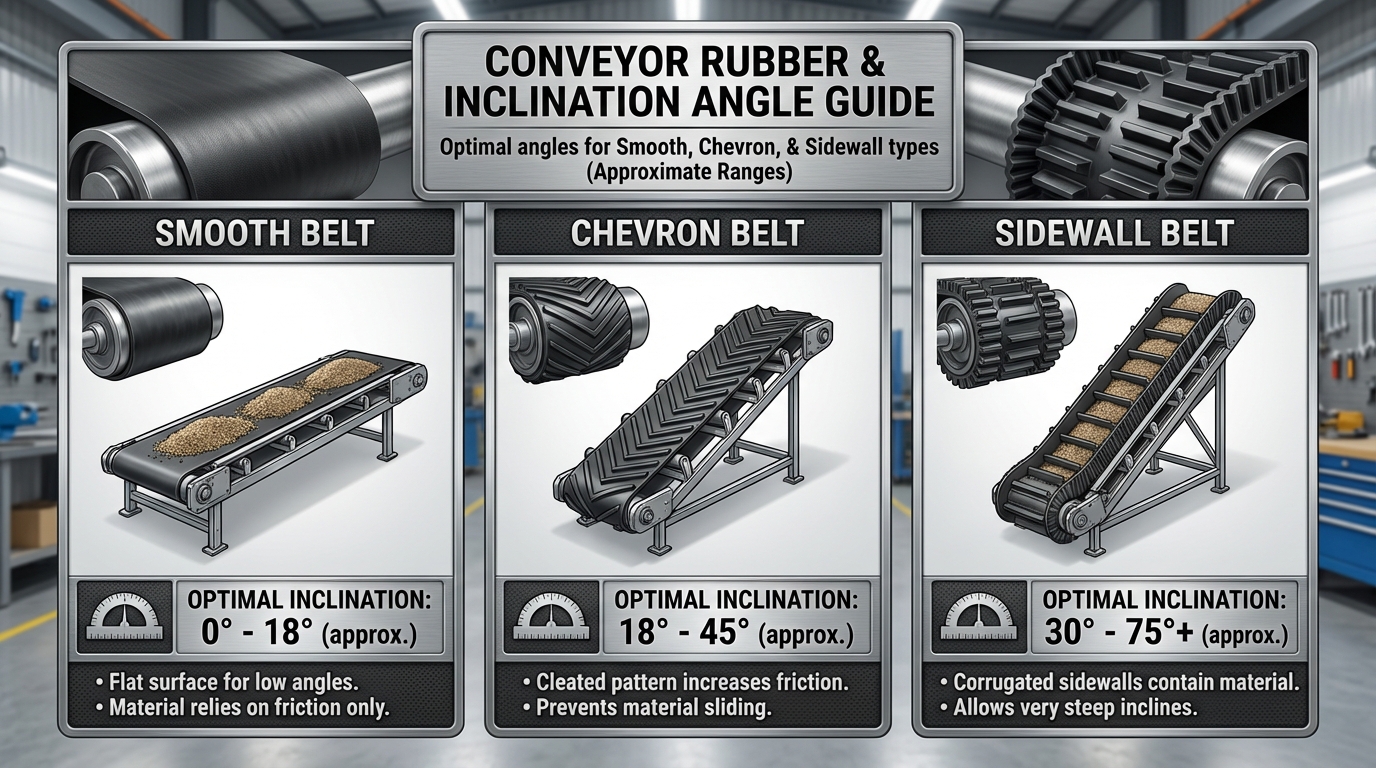
You choose the best belt conveyor rubber by matching the physical properties of the elastomer to your specific material weight and the required inclination of your system. It is vital to consider whether you are moving raw minerals or delicate finished goods. Professional engineering guidance helps you avoid the “jungle” of abbreviations and select a compound that offers the right balance of grip and durability.
Prioritizing Material Compatibility
Believe it or not, the chemical reaction between your material and the belt surface can determine the longevity of your entire line. You must ensure the rubber compound is resistant to the specific abrasiveness or oil content of your cargo.
- Abrasion Resistance: Necessary for crushed gypsum and aggregates.
- Oil Resistance: Essential for handling mineral fats or additives.
- Chemical Stability: Prevents surface degradation over time.
Assessing Environmental Stress
But that is not all, as the external environment plays a massive role in belt performance. High humidity or extreme ambient temperatures can cause standard rubber to soften or become brittle prematurely.
- Ambient Temperature: Standard belts typically handle -35°C to +80°C.
- UV Exposure: Critical for outdoor mining or port operations.
- Load Capacity: Determines the required tensile strength of the reinforcement.
Key Takeaway
Selecting the right specification reduces unplanned maintenance and extends the service life of your equipment.
| Selection Factor | Performance Impact | |
|---|---|---|
| Rubber Quality | Abrasion and tear resistance | |
| Inclination Angle | Prevents material rollback | |
| Temperature Rating | Prevents surface cracking |
A strategic choice at the procurement stage ensures that your production facility operates at peak efficiency for years.
Can belt conveyor rubber handle clinker?
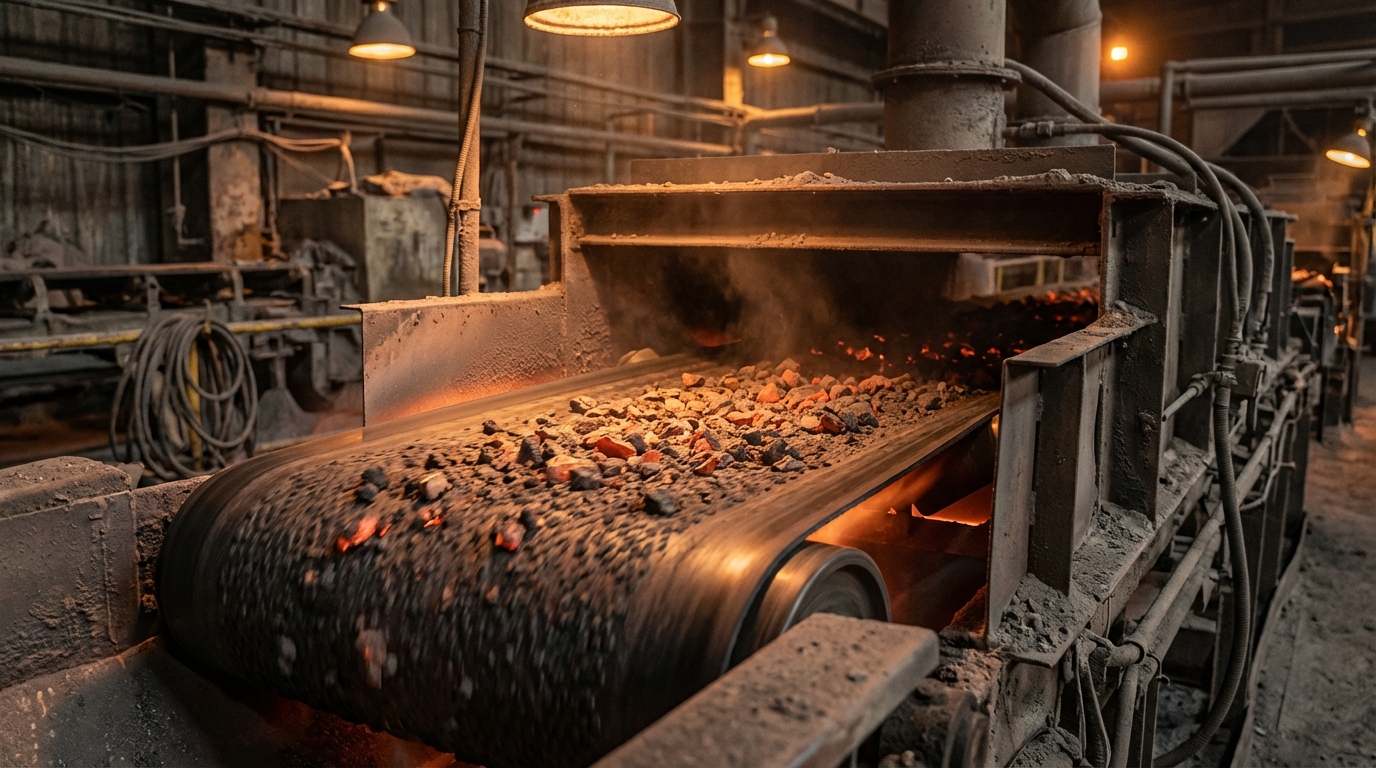
Yes, specialized belt conveyor rubber is designed to transport hot clinker and sintered materials in cement and plaster plants. Heat accelerates the aging process of standard rubber, which results in surface cracks and carcass delamination. Using a heat-resistant compound allows you to maintain continuous operation even when materials reach peak temperatures during handling.
Thermal Protection Features
But wait, there’s more to these belts than just a thick cover. They are engineered with heat-resistant fabric or steel cord layers to maintain tensile strength under thermal load.
- EPDM Compounds: Offer superior resistance to hardening and cracking.
- Thermal Barriers: Reduce the heat transfer from the material to the carcass.
- High-Peak Tolerance: Some belts can handle short bursts of up to 400°C.
Key Takeaway
Heat-resistant belts are mandatory for high-temperature zones to prevent catastrophic belt failure.
| Feature | Industrial Benefit | |
|---|---|---|
| Heat Resistance | Increases service life in kilns | |
| Flexibility | Maintains performance over pulleys | |
| Durability | Reduces downtime in cement plants |
Correct thermal management through proper belt selection is the only way to ensure safety in challenging industrial conditions.
Is belt conveyor rubber right for mining?
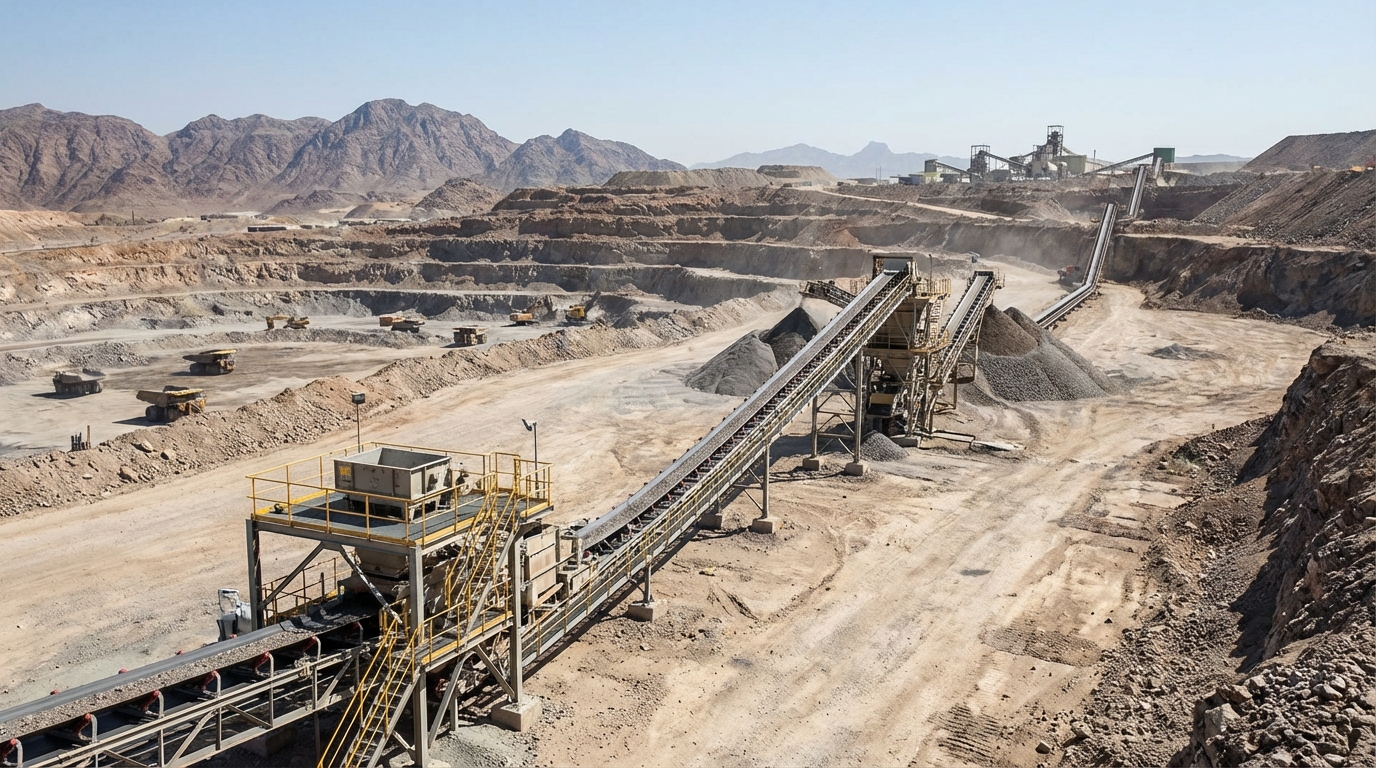
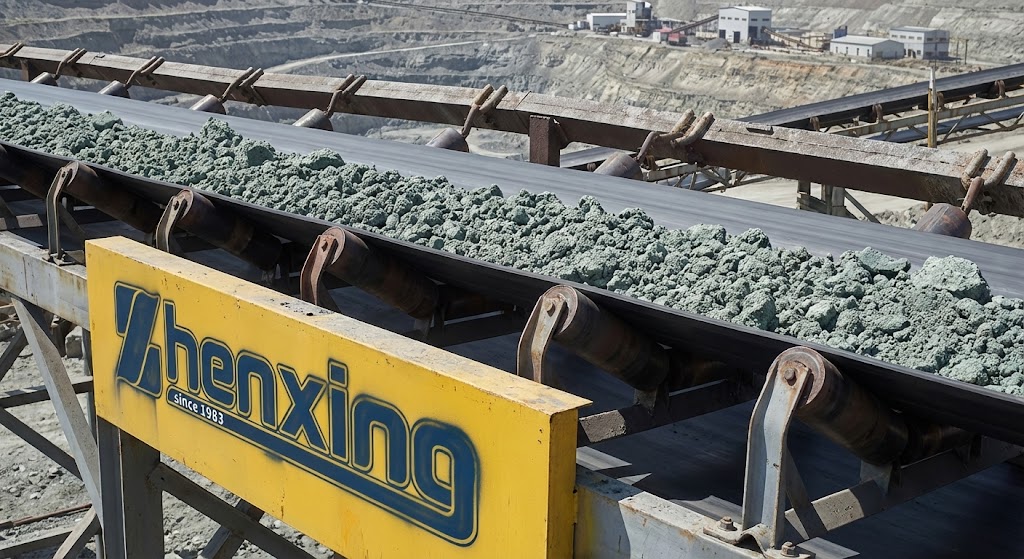
Standard belt conveyor rubber is the primary solution for the mining industry due to its high impact resistance and ability to span long distances. Mining operations involve heavy, sharp rocks that can easily puncture lower-grade materials. By utilizing reinforced rubber, you gain a transport system that handles massive throughput with minimal elongation.
Heavy-Duty Reinforcement
Here is the kicker: the “carcass” of the belt provides the strength needed for vertical or long-range transport. You can choose between synthetic fabrics or steel cords depending on the tension requirements of your mine.
- Steel Cord: Ideal for extremely long conveyor installations.
- EP Fabric: Provides high impact resistance for medium lengths.
- Tear Resistance: Prevents small punctures from turning into long longitudinal rips.
Key Takeaway
Reinforced rubber provides the structural integrity needed for the world’s most demanding extraction sites.
| Mine Requirement | Rubber Solution | |
|---|---|---|
| Sharp Impact | High-tensile top cover | |
| Long Distance | Low-stretch steel cord | |
| Continuous Load | Multi-ply EP fabric |
Integrating a mining-grade belt ensures that your extraction process remains profitable by minimizing replacement costs.
Who provides customized belt conveyor rubber?
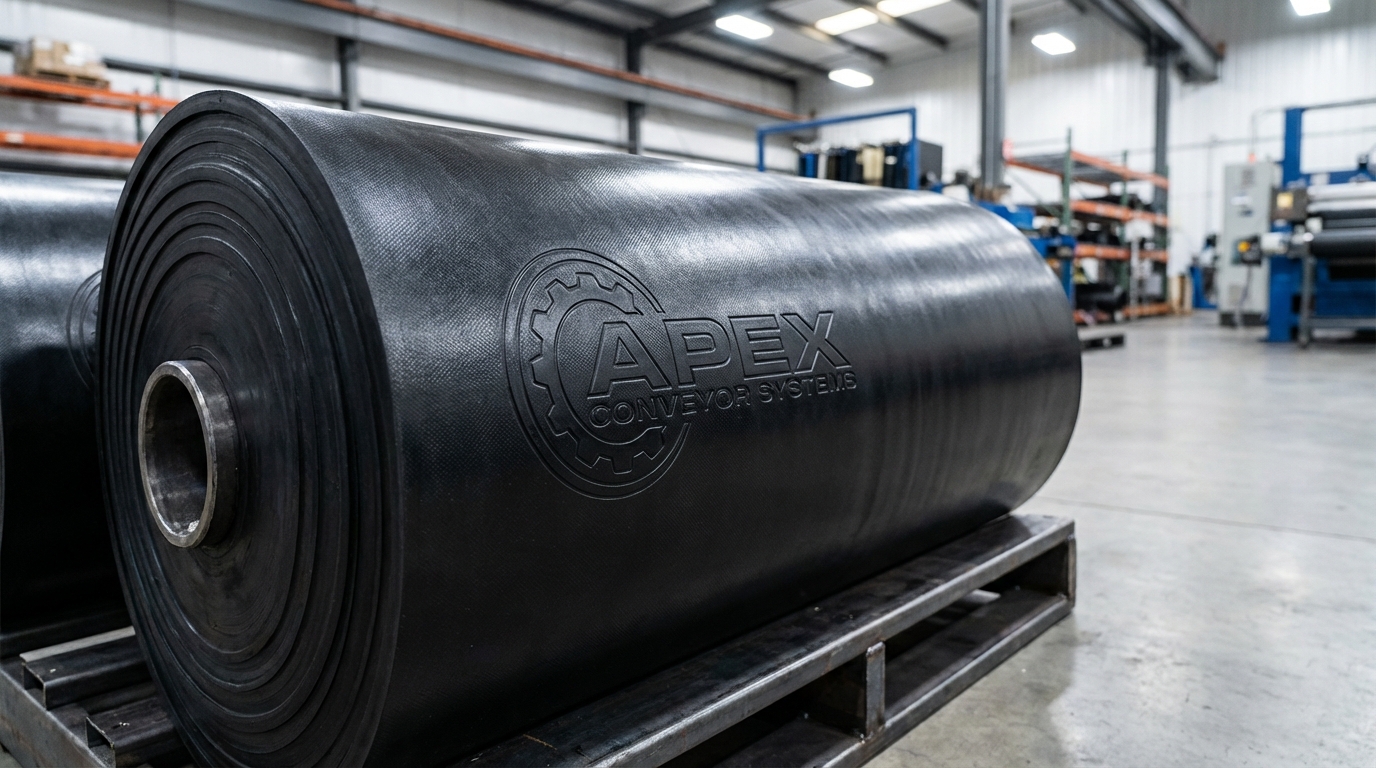
You should look for a direct factory manufacturer that offers customized belt conveyor rubber tailored to your specific facility dimensions and branding needs. Professional manufacturers provide OEM services that allow you to specify widths up to 3200 mm and custom logo embossing. This ensures that the replacement parts fit your existing machinery perfectly without the need for on-site modifications.
Customization Options
Think about it: a custom-fit belt reduces the risk of edge wear and misalignment. You can order exact lengths and specialized surface patterns to solve unique handling problems.
- Molded Edges: Provide a cleaner finish and better protection for the carcass.
- Branding: Custom logos can be embossed for better inventory management.
- Width Flexibility: Ranging from 500 mm to over 3000 mm.
Key Takeaway
Factory customization eliminates the middleman and guarantees a perfect fit for your industrial equipment.
| Custom Feature | Operational Advantage | |
|---|---|---|
| Custom Width | Prevents material spillage | |
| Logo Embossing | Professional branding and tracking | |
| Specific Length | Simplifies installation and splicing |
Direct factory collaboration provides you with the technical support and cost advantages necessary for large-scale operations.
What is inside heavy-duty belt conveyor rubber?
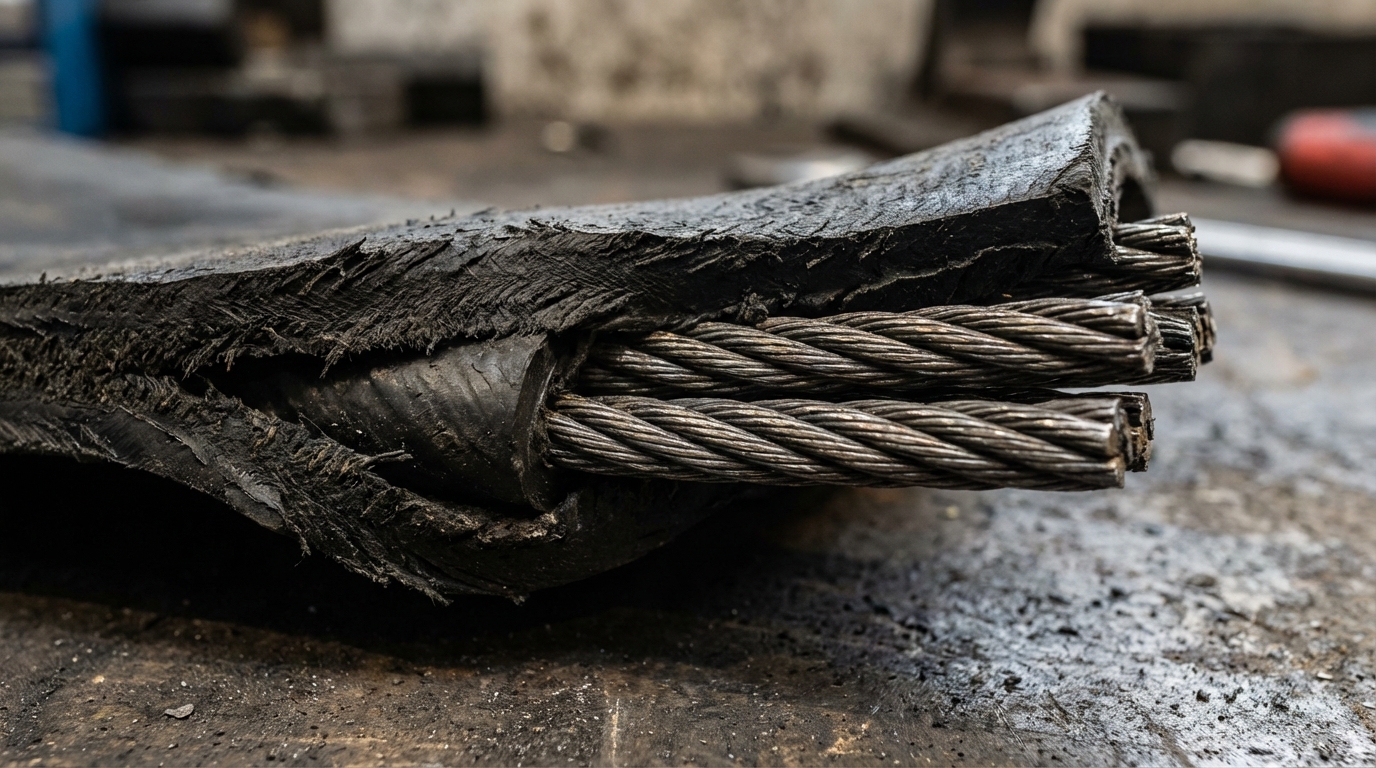
The internal structure of heavy-duty belt conveyor rubber consists of a high-strength carcass made from steel cords or multiple layers of synthetic fabric. This internal skeleton is what allows the belt to carry tons of material over several kilometers without stretching out of shape. You must understand the internal composition to ensure the belt can handle the tensile tension of your motor drives.
Structural Reinforcement
The best part? Modern reinforcement materials offer an incredible strength-to-weight ratio. High-tensile steel cables are embedded within the rubber to provide maximum durability for the most punishing applications.
- Steel Cables: Provide zero-stretch performance for long-range systems.
- Adhesion Layers: Ensure the rubber covers never peel away from the core.
- Breaker Plies: Protect the core cables from vertical impact damage.
Key Takeaway
The internal carcass is the most critical component for maintaining the structural integrity of your transport system.
| Core Material | Best Use Case | |
|---|---|---|
| Steel Cord | High-tension, long-distance mining | |
| EP Fabric | General industrial and medium loads | |
| Aramid Fiber | Lightweight, high-strength applications |
Investing in a high-quality carcass ensures that your belt will not fail under the heavy load of industrial production.
Does EP fabric improve belt conveyor rubber?
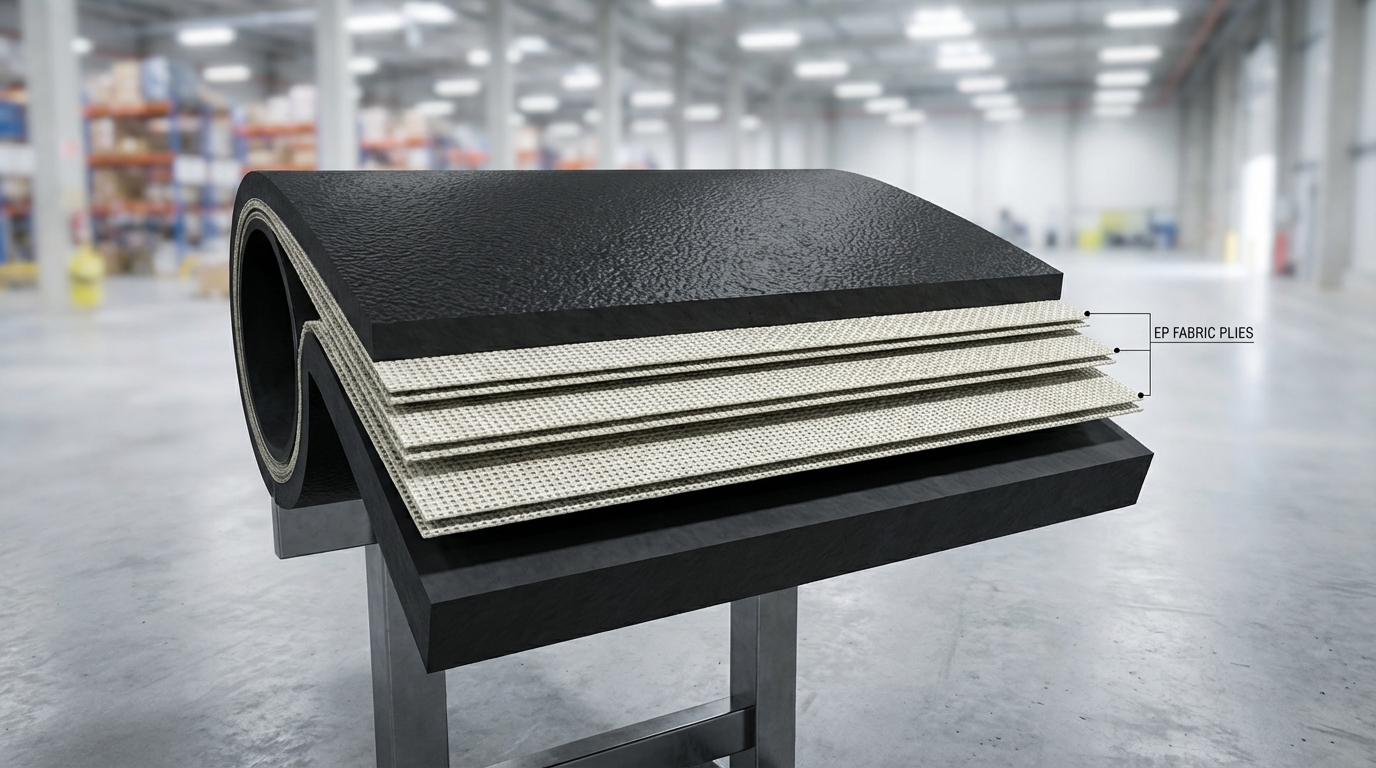
EP fabric significantly improves belt conveyor rubber by providing a combination of low longitudinal stretch and high transverse flexibility. This material uses polyester in the warp and nylon in the weft, making it the industry standard for small to medium-length conveyors. You will find that these belts are easier to track and offer excellent resistance to moisture and mildew.
Advantages of EP Fabric
Check this out: the “EP” designation means you get the best of both worlds in terms of strength and elasticity. This fabric core absorbs the shock of falling materials without permanently deforming the belt.
- Low Stretch: Minimizes the need for frequent tension adjustments.
- Impact Resistance: Nylon weft provides a cushion against heavy cargo.
- Moisture Resistance: Synthetic fibers will not rot in wet environments.
Key Takeaway
EP fabric belts offer the most versatile performance for the majority of industrial material handling tasks.
| Fabric Layer | Functional Role | |
|---|---|---|
| Polyester (Warp) | Provides tensile strength and low stretch | |
| Nylon (Weft) | Adds impact resistance and flexibility | |
| Rubber Skim | Bonds the fabric layers together |
Using EP-reinforced belts allows you to optimize your facility for a wide variety of materials and environmental conditions.
Which belt conveyor rubber stops rollback?
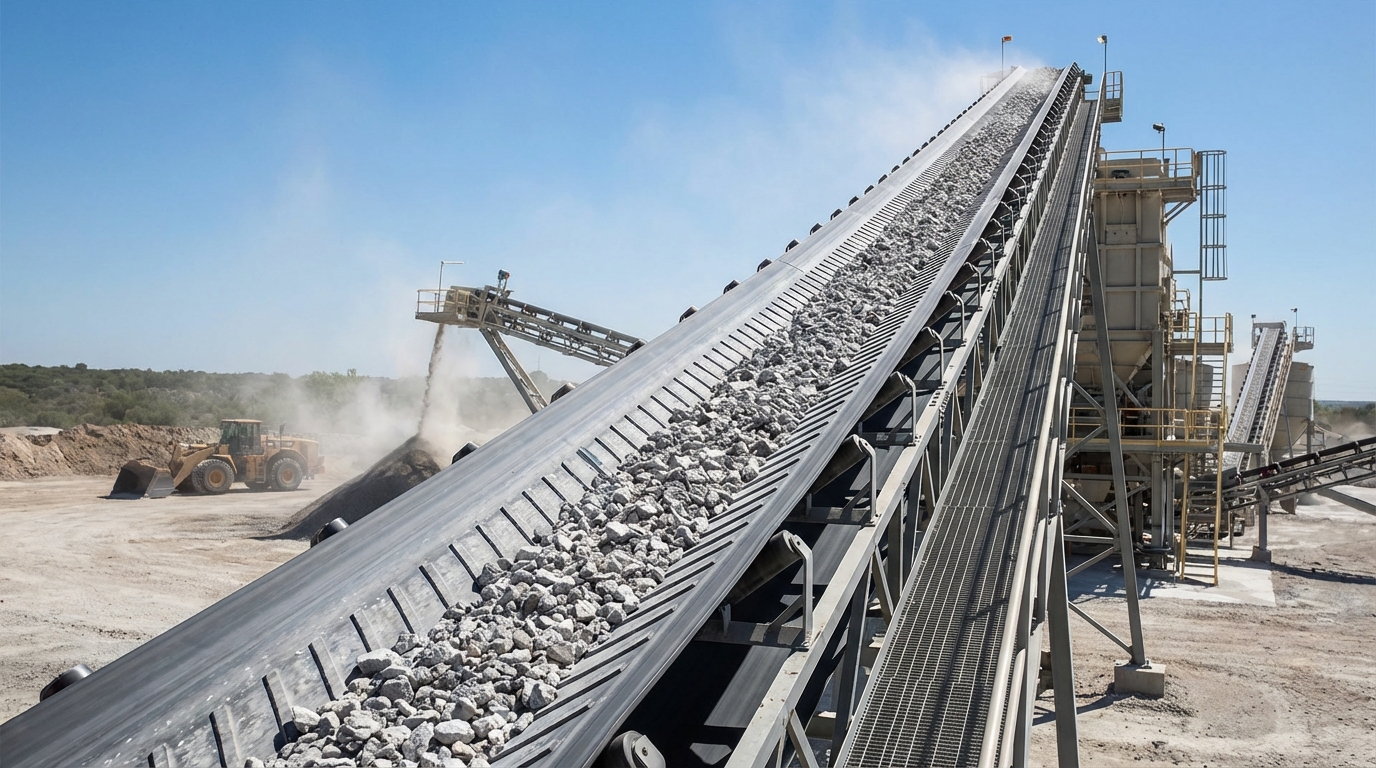
You stop material rollback by using belt conveyor rubber with a profiled surface, such as Chevron cleats or structured “Grip Top” covers. While smooth belts work well up to 18°, steeper inclines require mechanical grip to keep the material moving upward. These profiles are vulcanized directly onto the rubber surface to ensure they never peel off under load.
Profiled Handling Solutions
Wait, there’s more to inclined transport than just adding cleats. You must match the pattern height and shape to the size of the material you are conveying, whether it is fine powder or large aggregates.
- Chevron V-Patterns: Best for bulk materials like sand and gypsum.
- Grip Top Structure: Ideal for parcelled goods or finished plasterboards.
- Cleat Heights: Range from 5 mm to 32 mm depending on the slope.
Key Takeaway
Profiled belts allow you to move materials at angles up to 45°, maximizing your facility’s vertical space.
| Profile Type | Optimal Angle | Material Suitability | |
|---|---|---|---|
| Smooth Surface | 0° – 18° | Non-slip bulk/unit loads | |
| Chevron Pattern | 18° – 45° | Loose bulk (sand, gravel) | |
| Sidewall Belt | 30° – 90° | Vertical steep transport |
By selecting a profiled rubber surface, you eliminate the risk of cargo sliding backward and causing production bottlenecks.
How is belt conveyor rubber used in plaster?
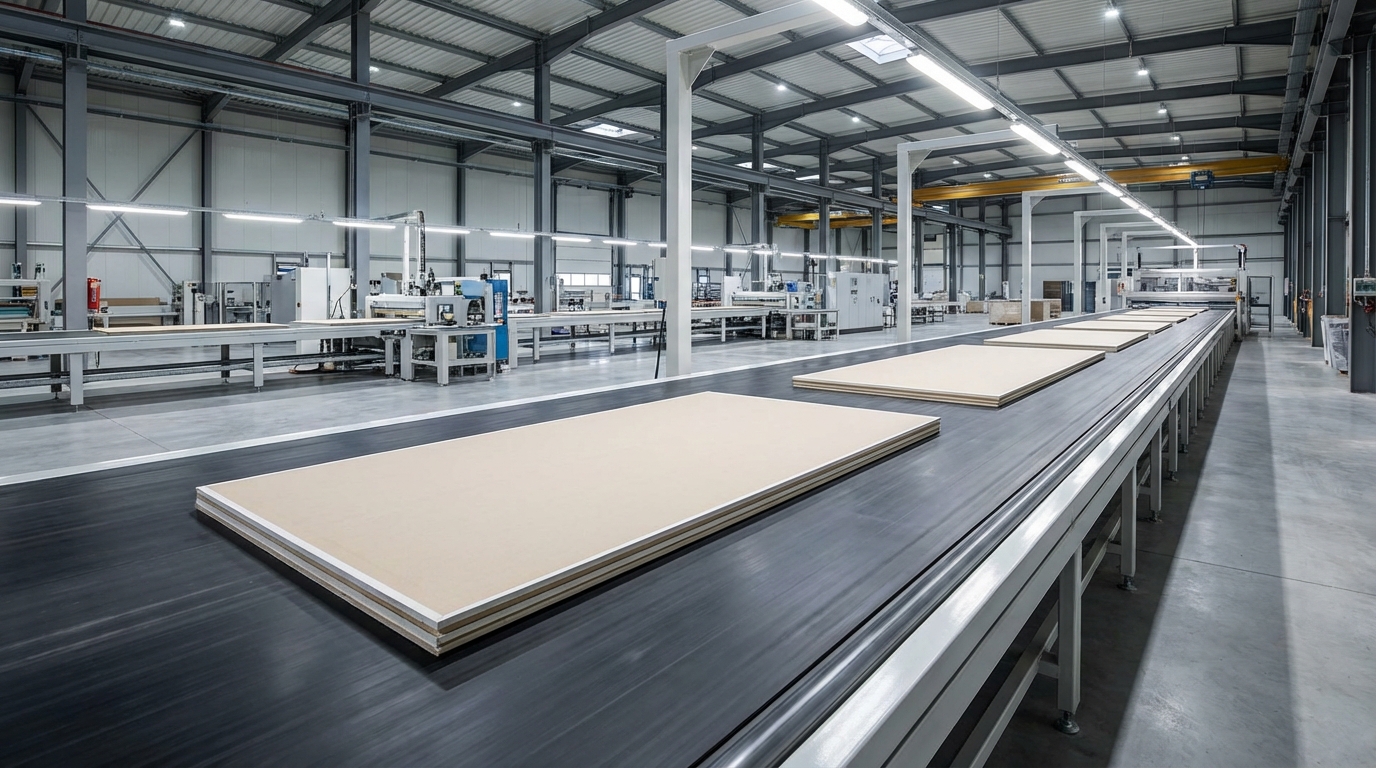
In plaster manufacturing, belt conveyor rubber is used as the forming surface where the wet slurry is cast between paper layers to create boards. The belt must be perfectly flat and high-speed capable to ensure the boards have a uniform thickness. You rely on these belts to transport the “wet” boards through the setting phase and into the high-heat drying kilns.
Precision in Plasterboard Production
The reality is that any imperfection on the belt surface will be transferred directly to the finished plasterboard. This is why high-precision belts with molded edges are used to maintain the pristine quality of the product.
- Uniform Thickness: Ensures the board is flat across its entire width.
- Surface Texture: Specialized “smooth” finishes prevent marking the paper.
- Speed Stability: Essential for synchronized high-capacity production lines.
Key Takeaway
Specialized plasterboard belts are essential for maintaining product quality in high-speed manufacturing lines.
| Process Stage | Belt Requirement | |
|---|---|---|
| Wet Forming | High flatness and water resistance | |
| Setting Line | Stable speed and precise tracking | |
| Drying Zone | High-temperature resistance |
Precision belts allow you to increase your production speed while reducing the number of defective boards produced.
Why buy wholesale belt conveyor rubber?
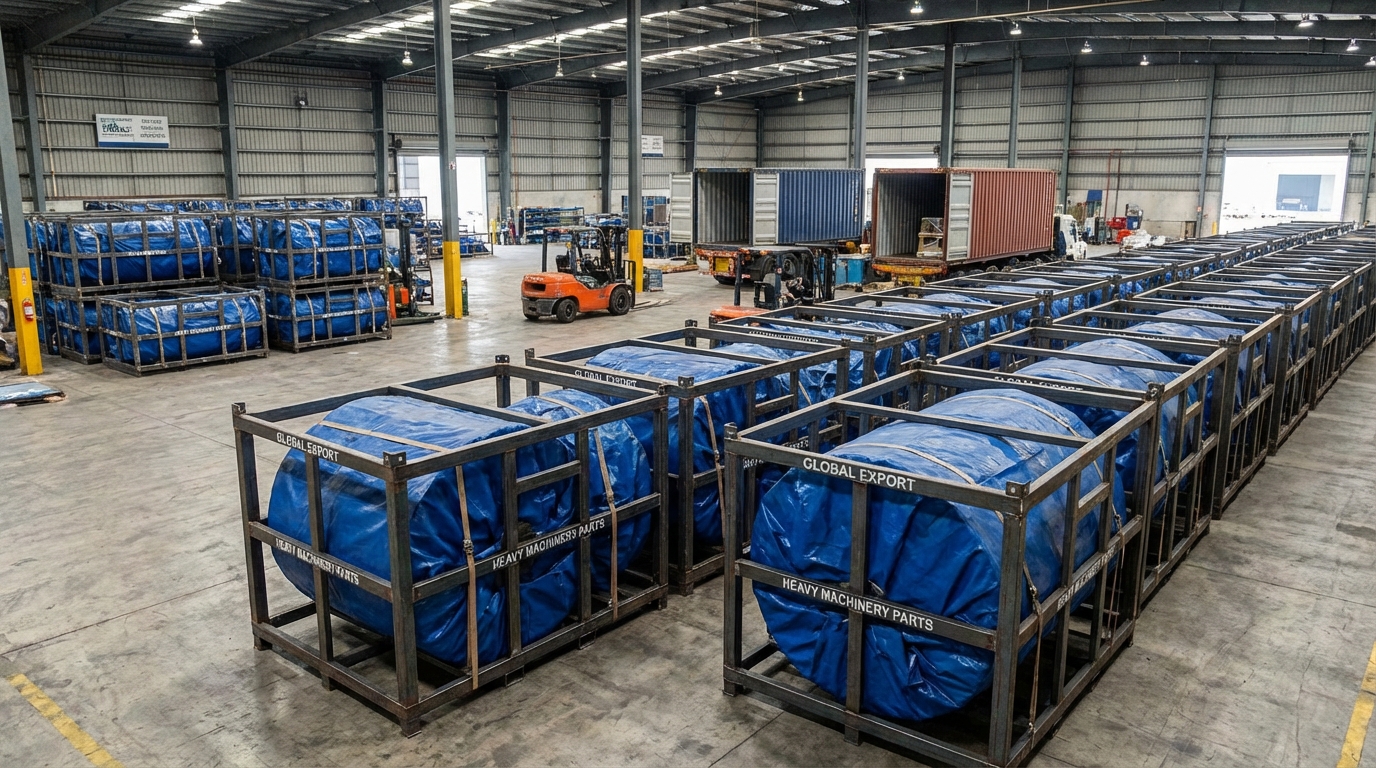
Buying wholesale belt conveyor rubber directly from a factory allows you to save significantly on costs while ensuring a stable supply of high-quality replacement parts. Trading companies often add a 15-30% markup, whereas direct procurement gives you factory-direct pricing. Additionally, buying in bulk ensures that you always have critical spares in stock to avoid catastrophic downtime.
Cost and Logistics Efficiency
Here is the kicker: direct factory partnerships give you access to expert engineering consultations that trading companies cannot provide. You get a tailored solution that is manufactured and packaged specifically for international export.
- Direct Pricing: Saves 15-30% compared to local distributors.
- Quality Control: You deal directly with the people who test the rubber.
- Global Export: Professional packaging ensures the belts arrive in perfect condition.
Key Takeaway
Direct factory procurement offers the best balance of technical expertise and cost-efficiency.
| Procurement Method | Cost Saving | Technical Support | |
|---|---|---|---|
| Direct Factory | 15% – 30% | High (Direct Engineers) | |
| Trading Company | 0% | Low (Resellers) | |
| Local Distributor | -10% (Premium) | Medium (Generalist) |
Strategic wholesale buying ensures your facility stays operational without the financial burden of middleman markups.
How to maintain your belt conveyor rubber?
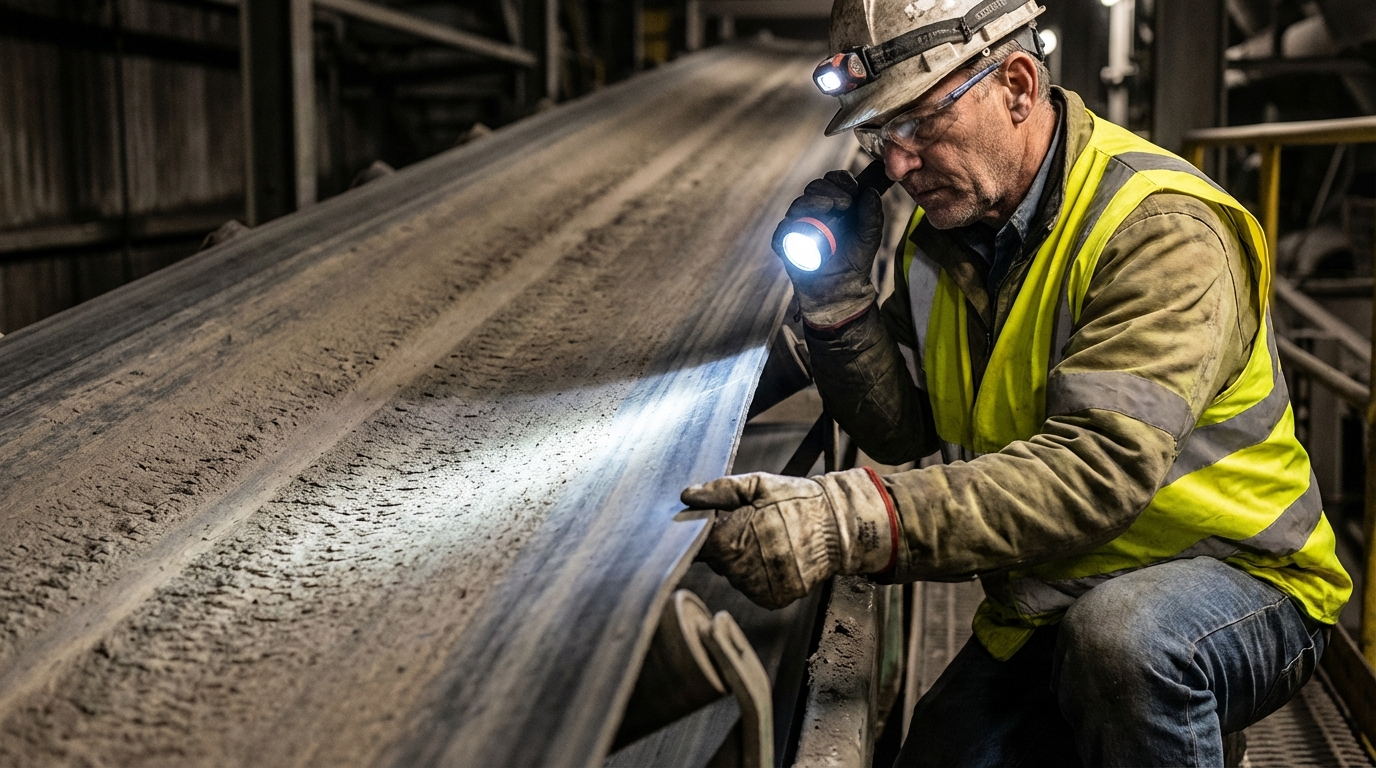
You maintain your belt conveyor rubber by performing regular inspections of the surface for wear and ensuring the system is correctly aligned to prevent edge damage. Most belt failures are caused by preventable issues like misalignment or the build-up of material on the pulleys. By implementing a monthly maintenance schedule, you can extend the life of your belt by up to 25%.
Proactive Maintenance Steps
Believe it or not, a simple cleaning system can prevent the majority of surface cracks and carcass punctures. Keeping the belt free of abrasive dust and debris is the easiest way to protect your investment.
- Alignment Checks: Prevents the belt from rubbing against the frame.
- Cleaning Systems: Use scrapers to remove material build-up.
- Splicing Inspection: Check joints regularly for any signs of peeling.
Key Takeaway
Regular maintenance is the most effective way to prevent unplanned downtime and maximize your return on investment.
| Maintenance Task | Frequency | Expected Benefit | |
|---|---|---|---|
| Visual Inspection | Weekly | Identifies early wear patterns | |
| Alignment Tuning | Monthly | Prevents edge fraying | |
| Deep Cleaning | Quarterly | Extends top cover life |
A well-maintained belt conveyor rubber system provides a reliable foundation for all your industrial casting and transport needs.
Summary of Solutions
Industrial facilities that invest in high-quality, application-specific transport systems see a measurable increase in uptime and product quality. From the heat-intensive zones of a cement plant to the high-speed lines of a plasterboard factory, the right rubber compound and carcass reinforcement are non-negotiable. By choosing direct factory solutions, you gain access to customized engineering, wholesale pricing, and the technical support needed to handle steep angles and heavy mining loads.
Our Brand Stance: We believe that every conveyor belt application is unique and deserves a precision-engineered solution. Our commitment is to provide direct factory expertise and high-performance rubber products that empower your facility to operate without limits. To find the perfect belt for your specific needs, contact us today and let our engineers design your next success.
FAQ
Can I use the same belt for different materials?Directly speaking, no. Every material has a different “angle of repose” and abrasiveness, so the rubber must be matched to the specific cargo to prevent slippage and premature wear.