
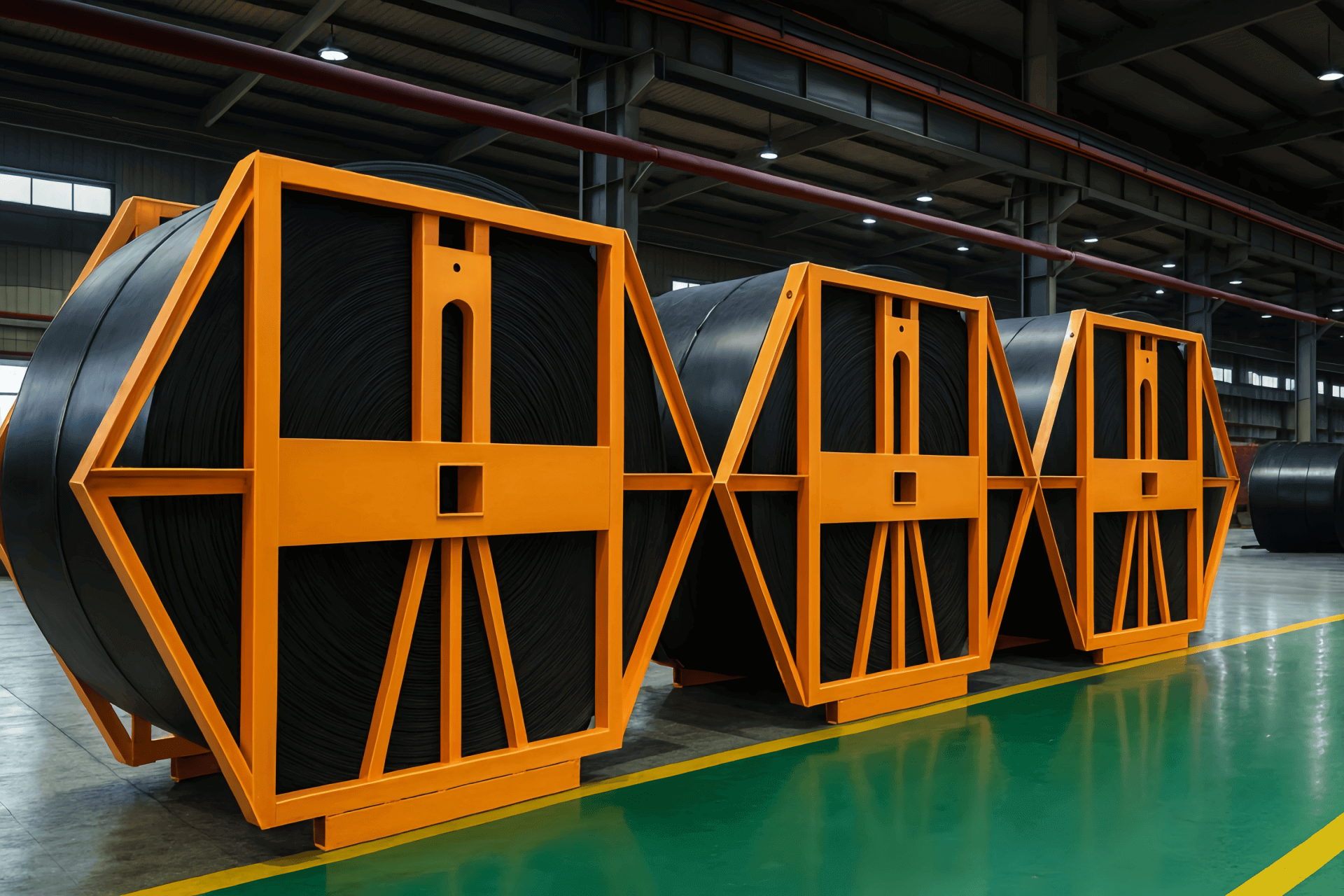
A rubber conveyor belt repair kit allows fast on-site fixes for tears or punctures using cold-curing compounds. It helps maintenance teams restore belt integrity quickly, reduce costly downtime, and keep production lines running efficiently.
What is an instant rubber conveyor belt repair kit?
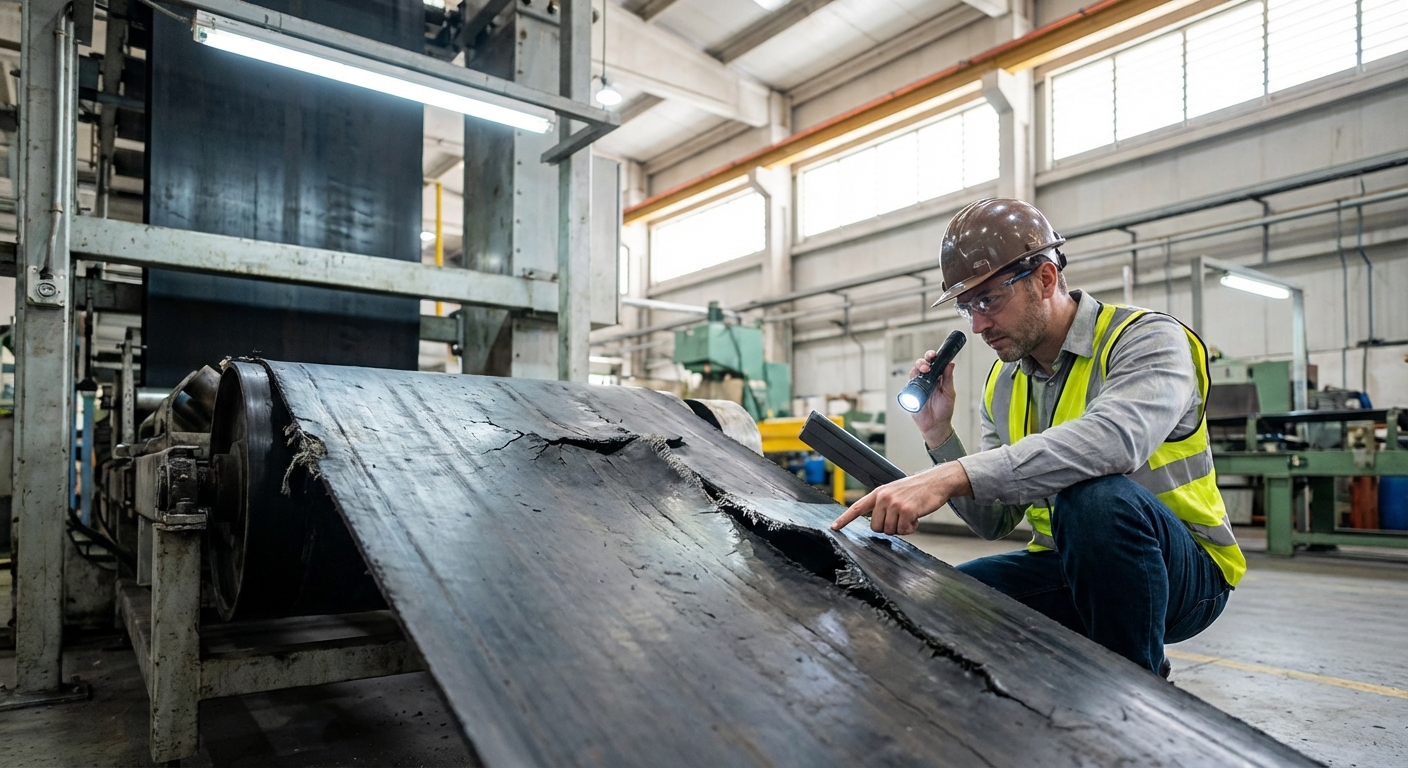
An instant rubber conveyor belt repair kit is a pre-packaged set of chemical compounds and tools designed to fill gouges and seal tears in conveyor surfaces. These kits typically contain a two-part resin system that undergoes a chemical reaction to mimic the properties of the original belt rubber.
Why is composition important?
The material usually consists of a resin and a hardener that, when mixed, create a high-grade rubber with a Shore A hardness of roughly 60–65. This allows the repaired section to move through pulleys and over rollers without cracking or peeling.
Here is the deal: You do not need to be a specialist to achieve professional results. Most kits are designed for “on-the-spot” use by your existing maintenance crew.
- Two-part chemical resin and hardener.
- Specialized spatulas for smooth application.
- Cleaning agents to ensure proper bonding.
- Reinforcement patches for larger structural tears.
Key Takeaway: A repair kit is a comprehensive chemical solution designed to provide a permanent, flexible fix for surface-level belt damage.
| Aspect | Detail | |
|---|---|---|
| Material Type | Two-part polyurethane/rubber resin | |
| Hardness | Shore A 60-65 | |
| Application | On-the-spot manual application |
The table above illustrates the specific chemical and physical characteristics that allow these kits to effectively mimic industrial rubber.
Why choose a rubber conveyor belt repair kit?
You should choose a rubber conveyor belt repair kit because it eliminates the need for expensive vulcanizing presses and reduces system downtime from days to hours. Traditional hot splicing or vulcanization requires heavy equipment and a high degree of technical skill.
Is downtime a major factor?
The primary benefit is the significant reduction in operational interruptions that affect your bottom line. By repairing a belt in-situ, you avoid the labor-intensive process of removing the belt or waiting for external contractors.
But wait: There are even more benefits to consider beyond just time savings. These kits provide a cost-effective alternative to complete belt replacement for localized damage.
- Significant reduction in maintenance labor costs.
- Extension of the overall lifespan of the belt.
- Improved safety by preventing tear propagation.
- Resistance to chemicals, moisture, and extreme temperatures.
Key Takeaway: Choosing a manual repair kit provides a high-performance fix that balances economic efficiency with operational speed.
| Benefit | Impact | |
|---|---|---|
| Time Savings | Resumes operation in 30-60 minutes | |
| Cost | 80% cheaper than belt replacement | |
| Equipment | Zero heavy machinery required |
The data provided shows how manual repair kits outperform traditional methods in terms of resource allocation and speed.
How to prep for a rubber conveyor belt repair kit?
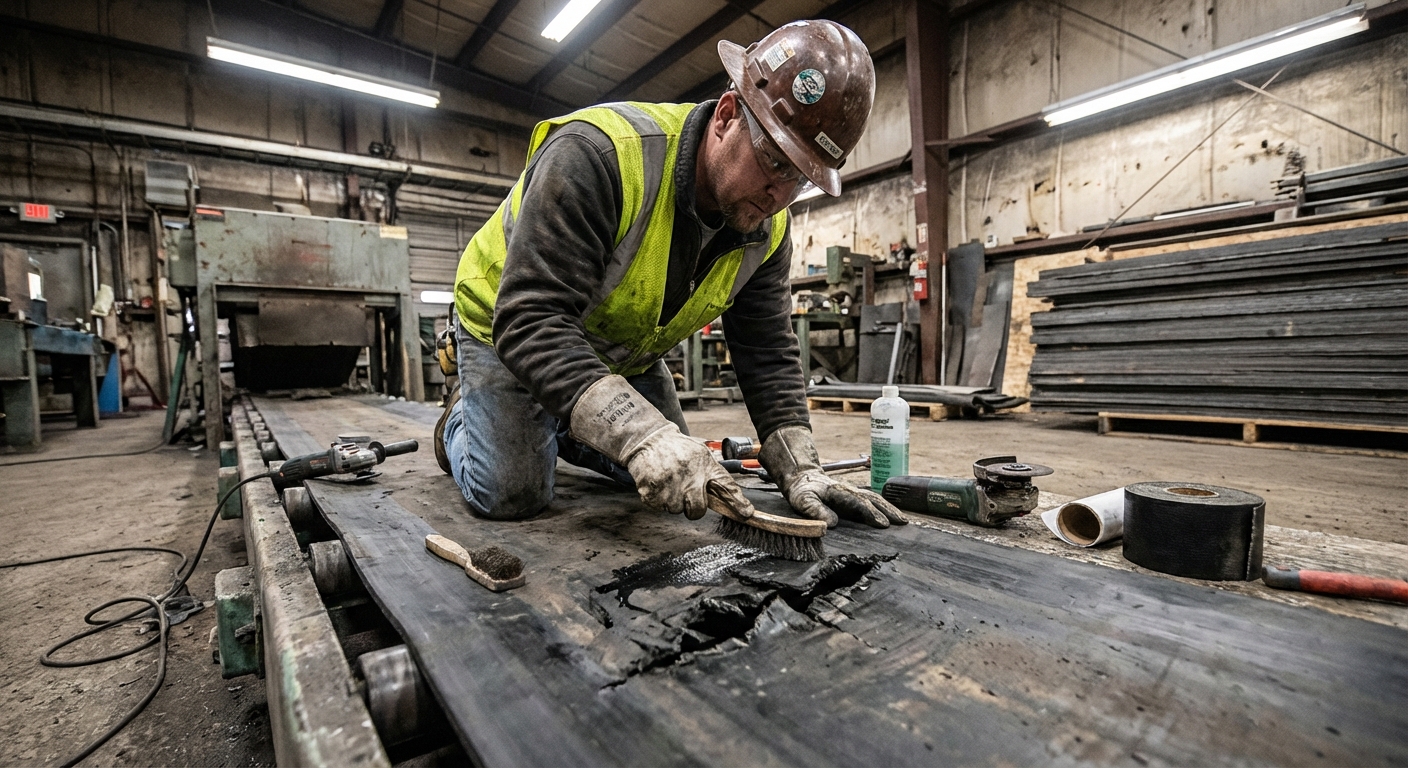
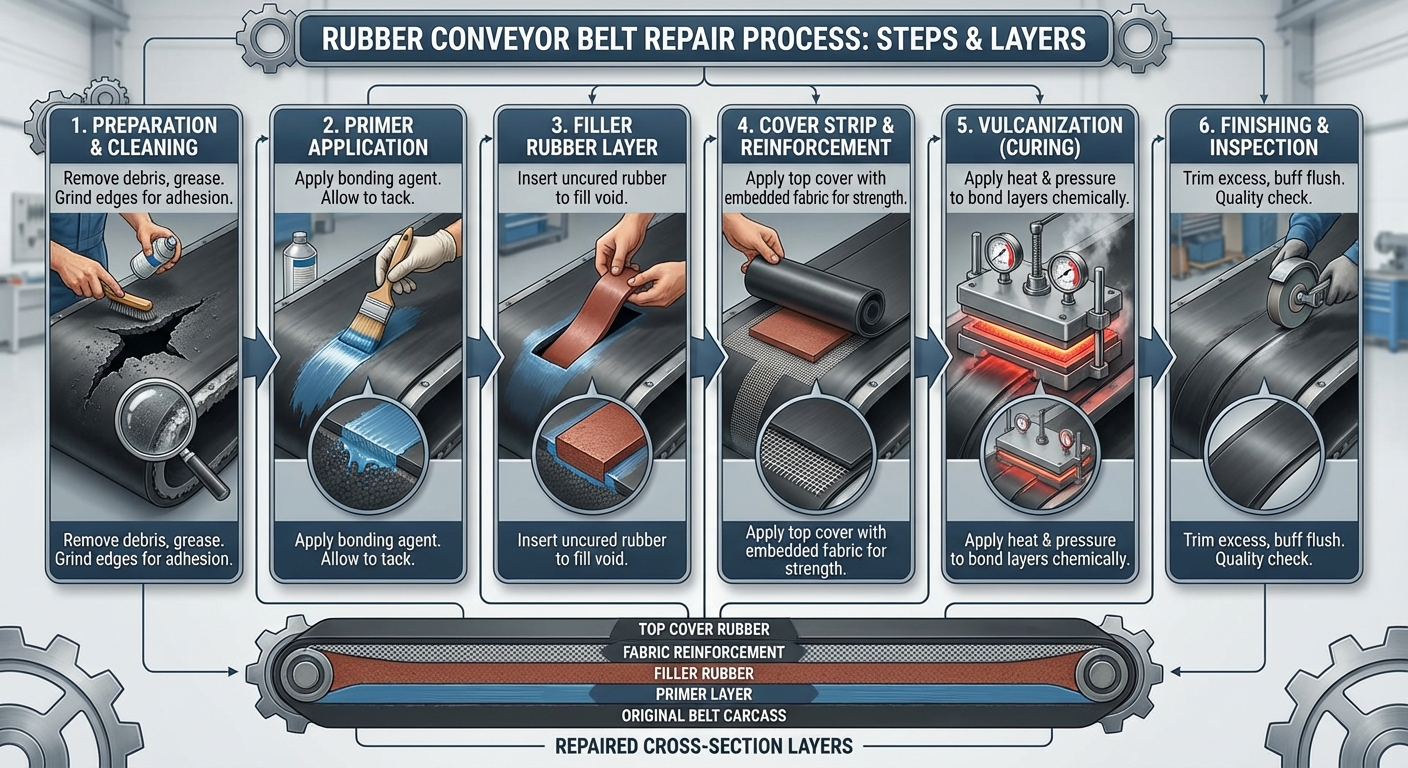
Preparation involves cleaning the damaged area and buffing the rubber surface to create a rough texture for the rubber conveyor belt repair kit to bond with. Without proper preparation, the chemical adhesive will not adhere correctly to the slick surface of the belt.
How do I clean the surface?
You must remove all grease, oil, and dust using a specialized cleaning fluid or a high-purity solvent. Once the surface is clean, use a wire brush or a grinding tool to create a “mechanical key” on the rubber.
Think about this: The strength of your repair is entirely dependent on the quality of your initial surface preparation. Skipping the cleaning step is the most common cause of repair failure in industrial settings.
- Use a dedicated surface activator or cleaner.
- Ensure the area is completely dry before application.
- Buff the area at least 50mm beyond the damage edges.
- Remove all loose rubber shards from the wound.
Key Takeaway: Thorough cleaning and mechanical buffing are essential steps to ensure the repair compound forms a permanent bond.
| Step | Action Required | |
|---|---|---|
| Clean | Remove oils and dust with solvent | |
| Buff | Create a rough surface with a wire brush | |
| Dry | Wait for all cleaning agents to evaporate |
Proper preparation as outlined in the table ensures that the chemical bond achieves its maximum rated tensile strength.
What damage fits a rubber conveyor belt repair kit?
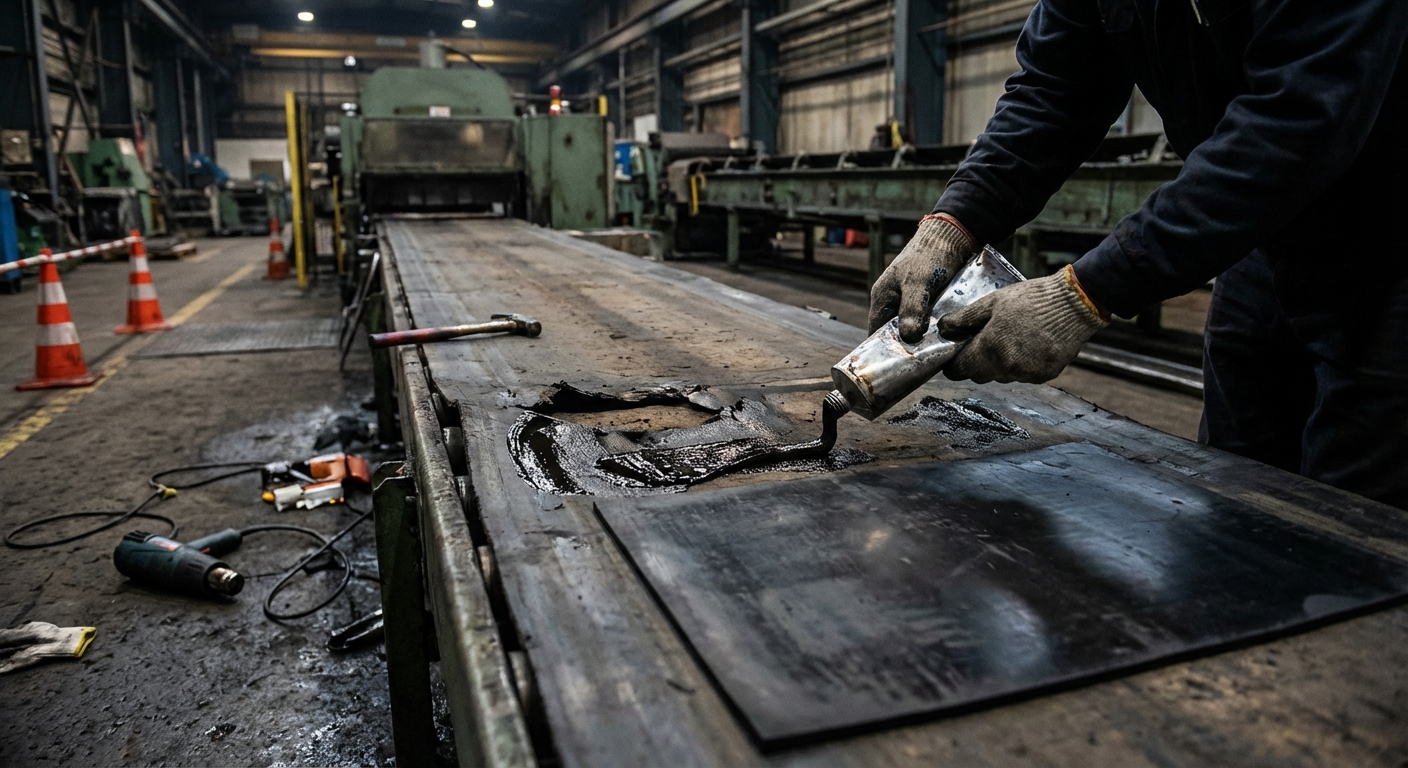
A rubber conveyor belt repair kit is ideal for fixing longitudinal cuts, small punctures, edge gouges, and cracks in the top cover. It acts as a filler that restores the belt’s profile and prevents moisture from reaching the internal fabric or steel cords.
Can it fix structural tears?
While these kits are excellent for surface repairs, they are not intended as a primary jointing or splicing solution for high-tension belts. They are best used to seal holes caused by sharp rocks, metal debris, or material impact.
Check this out: Detecting damage early is the key to successful maintenance. Small cuts can quickly grow into massive longitudinal splits if they are not filled immediately.
- Punctures caused by trapped material.
- Longitudinal gouges from failed scrapers.
- Edge fraying on fabric-reinforced belts.
- Scratches from transporting sharp metal or stones.
Key Takeaway: These kits are versatile fillers designed for surface restoration and sealing against environmental degradation.
| Damage Type | Suitability | |
|---|---|---|
| Punctures | Highly Recommended | |
| Surface Gouges | Highly Recommended | |
| Full Belt Breaks | Not Recommended (Needs Splicing) |
This comparison highlights that while the kit is powerful, it is specifically optimized for sealing and surface restoration rather than structural joining.
Is a rubber conveyor belt repair kit flexible?
Yes, a rubber conveyor belt repair kit produces a cured compound that maintains the same flexibility and elasticity as the original conveyor belt material. This is critical because the belt must wrap around head and tail pulleys without the repair popping out.
Will it crack under tension?
The high-grade chemical formula is engineered to withstand the constant flexing and impact of heavy material loading. It exhibits excellent elongation properties, meaning it stretches and contracts alongside the rest of the belt surface.
Here is the deal: Rigid repairs fail because they cannot move with the belt. By using a flexible chemical replica, you ensure the patch lasts as long as the belt itself.
- High elongation at break percentages.
- Shore A hardness matched to standard belts.
- Resistance to cyclic fatigue from pulley bending.
- Impact absorption during heavy material loading.
Key Takeaway: Flexibility is a core feature that ensures the repair remains intact during the continuous movement of the conveyor system.
| Property | Value | |
|---|---|---|
| Flexibility | High (Elastomeric) | |
| Shore Hardness | 60-65A | |
| Adhesion | Superior to most rubber surfaces |
As shown in the table, the physical properties are specifically tuned to match the dynamic environment of a working conveyor.
How fast does a rubber conveyor belt repair kit cure?
A rubber conveyor belt repair kit typically begins to cure within 2 to 10 minutes of application, with full functional strength achieved in about one hour. This rapid chemical reaction is what makes “instant” repair kits so valuable for mission-critical operations.
Can I speed up the process?
The curing time is generally dependent on ambient temperatures, with warmer environments accelerating the chemical bonding. In most industrial settings, the belt can resume working at full load shortly after the surface becomes tack-free.
But wait: While the surface may feel dry quickly, the chemical bond continues to strengthen over the first 24 hours. For the best long-term results, allow the belt to sit idle for at least 30 minutes.
- Initial set time: 2-5 minutes.
- Functional curing: 30-60 minutes.
- Full chemical cure: 24 hours.
- Performance varies slightly with temperature.
Key Takeaway: The rapid curing cycle of these compounds is the primary driver for minimizing industrial downtime.
| Phase | Duration | |
|---|---|---|
| Mixing | 60-90 Seconds | |
| Initial Set | 5-10 Minutes | |
| Resume Operation | 60 Minutes |
The timeline provided allows maintenance managers to accurately schedule repairs during shift changes or short breaks.
Are rubber conveyor belt repair kits cost-effective?
Using a rubber conveyor belt repair kit is extremely cost-effective because the price of a kit is a small fraction of the cost of a new belt or a professional vulcanizing service. You save money on both the materials and the labor required for the fix.
The real savings come from the prevention of catastrophic belt failure, which can cost tens of thousands of dollars in emergency repairs. By fixing small gouges now, you prevent water and chemicals from rotting the internal belt carcass.
You might be wondering: How much can I actually save? Most facilities report a 70% to 90% reduction in repair-related expenses when switching to high-quality chemical repair kits.
- Minimal investment in specialized tools.
- Reduced need for expensive outside contractors.
- Protection of the high-value belt carcass.
- Decreased inventory requirements for spare belts.
Key Takeaway: The economic value of these kits lies in their ability to provide high-quality repairs at a localized, low-cost level.
| Cost Factor | Repair Kit | Full Replacement | |
|---|---|---|---|
| Material Cost | Low | Very High | |
| Labor Hours | 1-2 Hours | 12-24 Hours | |
| Downtime Cost | Minimal | Massive |
This comparison clearly demonstrates that proactive maintenance with repair kits is the most financially sound strategy for plant managers.
Does a rubber conveyor belt repair kit need tools?
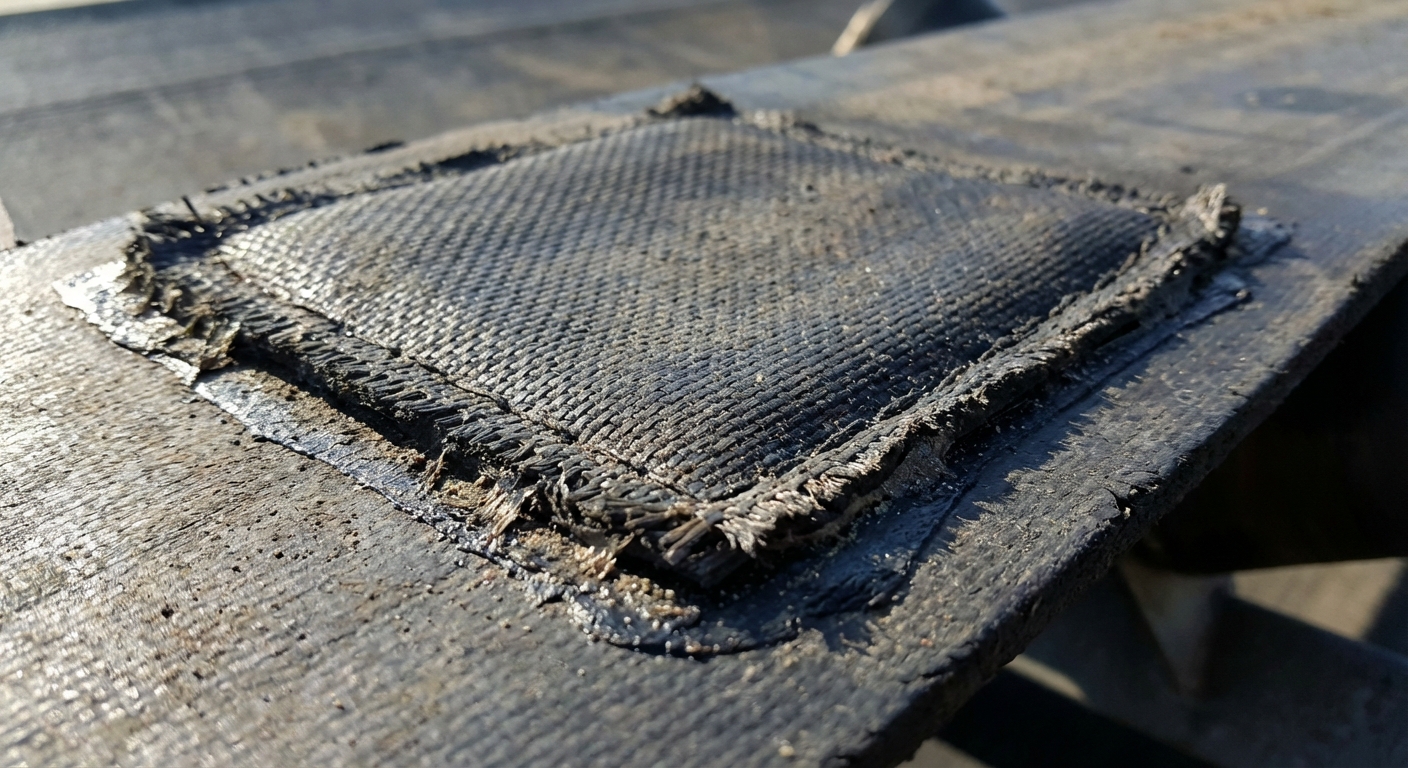
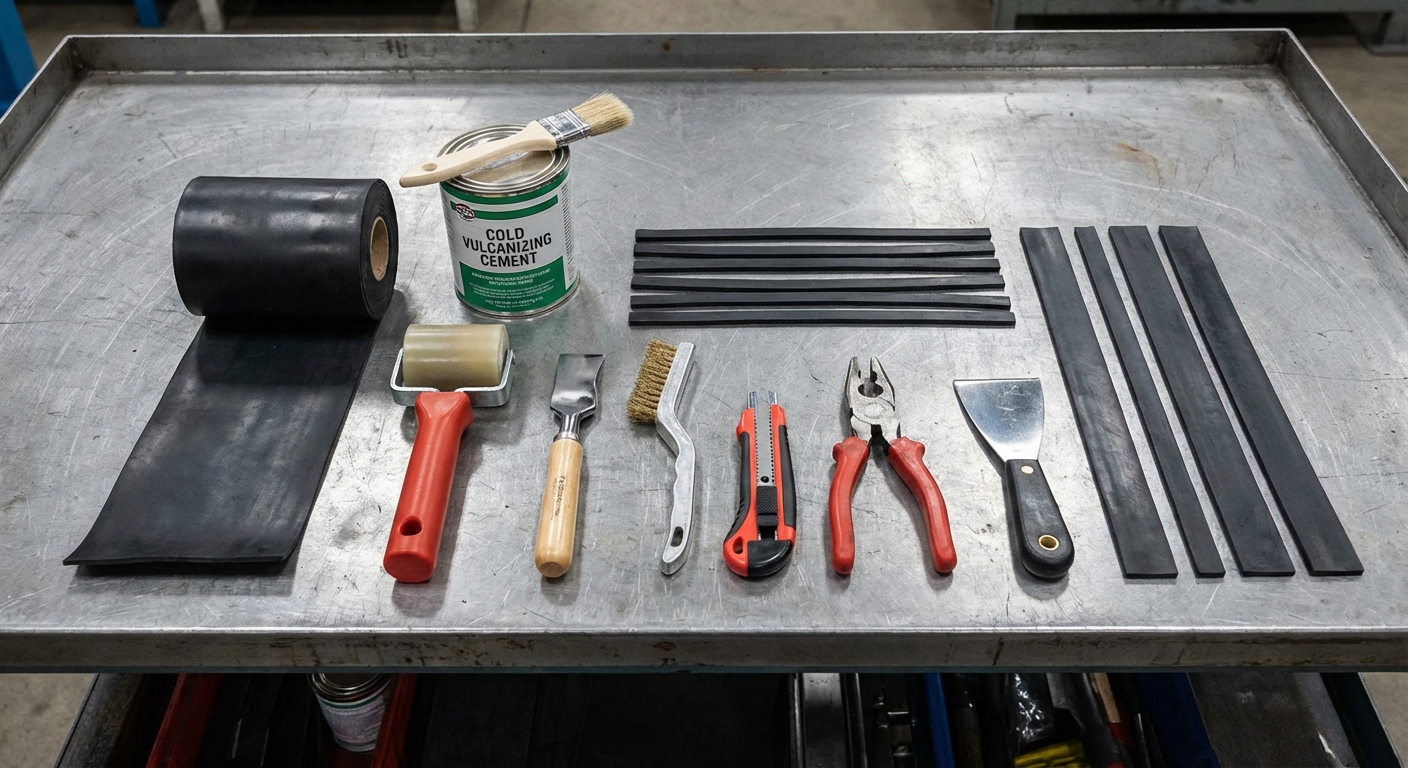
A rubber conveyor belt repair kit usually includes all necessary application tools, though you may need a simple hand grinder or wire brush for surface preparation. The kit is designed to be self-contained so that your team can carry it directly to the conveyor site.
What is inside the box?
Most high-quality kits provide mixing spatulas, application spreaders, and the chemical components themselves. Some premium versions also include reinforcement mesh for larger holes or cleaners for the preparation phase.
Believe it or not: You do not need any power tools beyond a basic grinder to achieve a factory-standard repair. This simplicity allows for repairs in remote locations where power may be limited.
- Mixing tins for the two-part resin.
- Spatulas for even spreading.
- Reinforcement fabric or mesh.
- Safety gear like gloves or glasses.
Key Takeaway: The self-contained nature of these kits ensures that maintenance crews have everything they need for immediate intervention.
| Included Tool | Purpose | |
|---|---|---|
| Spatula | Homogeneous mixing of resin | |
| Spreader | Leveling the compound on the belt | |
| Reinforcement | Adding structural strength to large holes |
The list of included tools simplifies the logistics of maintenance, ensuring no time is wasted looking for parts.
How to store your rubber conveyor belt repair kit?
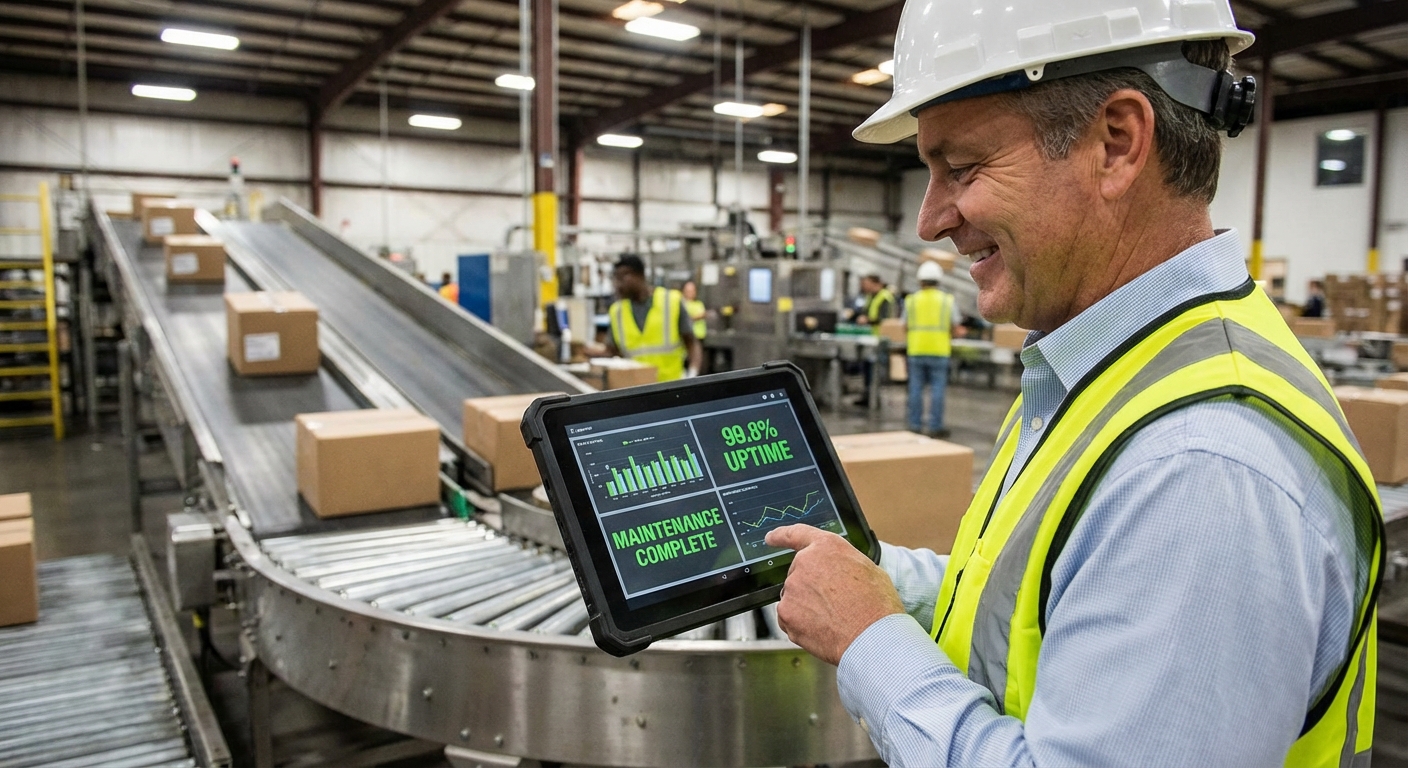
To maintain the shelf life of your rubber conveyor belt repair kit , store it in a cool, dry place away from direct sunlight and extreme temperatures. Most chemical compounds in these kits are sensitive to moisture and heat, which can cause premature curing.
How long will it last?
In a sealed, original container, most repair kits have a shelf life of approximately two years. Keeping the inventory in a climate-controlled environment ensures the resins remain liquid and ready for emergency use.
Here is the deal: Chemicals that are stored improperly will lose their bonding strength. Always check the expiration date and seal integrity before taking a kit out to the field.
- Store between 15°C and 25°C for best results.
- Keep containers tightly sealed to prevent moisture ingress.
- Avoid storing near heat-generating machinery.
- Rotate stock to ensure the oldest kits are used first.
Key Takeaway: Proper storage is the only way to guarantee that your emergency repair kit will perform as expected when a failure occurs.
| Condition | Recommended Setting | |
|---|---|---|
| Temperature | 15°C – 25°C | |
| Humidity | Low / Dry | |
| Shelf Life | Up to 2 Years |
The storage guidelines in the table protect your investment and ensure operational readiness for your maintenance team.
Can I finish a rubber conveyor belt repair kit well?
You can achieve a professional finish by buffing the surrounding surface area once the rubber conveyor belt repair kit has fully cured. This levels the repair with the original belt surface, preventing scrapers or cleaners from catching on the patch.
Why is finishing necessary?
A smooth, flush finish ensures that the belt continues to track correctly and that secondary maintenance tools, like belt scrapers, operate efficiently. A high-quality finish also prevents material from getting trapped in the edges of the repair.
Wait, there is more: A well-finished repair is almost indistinguishable from the original belt. This aesthetic quality is often a sign of a high-strength chemical bond that will last for years.
- Buff the edges until they are flush with the belt.
- Inspect the bond for any air bubbles or gaps.
- Ensure no compound has dripped onto pulleys.
- Test the belt at low speed before full loading.
Key Takeaway: The finishing process is the final step in ensuring that your repair does not interfere with the mechanical components of the conveyor.
| Action | Goal | |
|---|---|---|
| Buffing | Create a flush, level surface | |
| Inspection | Verify bond integrity and density | |
| Tracking | Ensure belt movement remains straight |
This final set of actions ensures that your “instant” fix becomes a long-term, reliable part of your material handling system.
Fixing a damaged belt no longer requires days of downtime or expensive specialized contractors. By utilizing our advanced chemical solutions, you can restore your system’s performance and protect your high-value assets from further degradation. We specialize in providing the heavy-duty components and repair materials needed to keep global industrial operations moving smoothly. Our vision is to empower maintenance teams with the best tools to achieve 99% uptime in every facility. If you are ready to eliminate conveyor-related bottlenecks, contact us today for a tailored technical consultation and high-performance product support.
Frequently Asked Questions
Can I use this kit on PVC belts?Yes, most high-quality kits are designed to work with fabric, steel cord, and PVC materials. The chemical resins form a strong bond with various synthetic and natural rubber surfaces used in industrial belts.
What’s the best way to handle large structural tears?It depends on the tension of the belt. For non-structural surface gouges, the chemical filler is perfect, but for full-thickness tears under high tension, you should combine the kit with mechanical fasteners or a professional splice.
How do I know if the repair has failed?No, a successful repair will not peel or crack under normal operation. If you see the edges lifting, it is usually a sign that the surface was not cleaned or buffed properly during the preparation phase.
Can I apply the kit in freezing temperatures?It depends on the specific resin formulation. Most compounds require an ambient temperature of at least 15°C to cure correctly, so you may need to use a heat lamp or temporary enclosure in cold environments.