
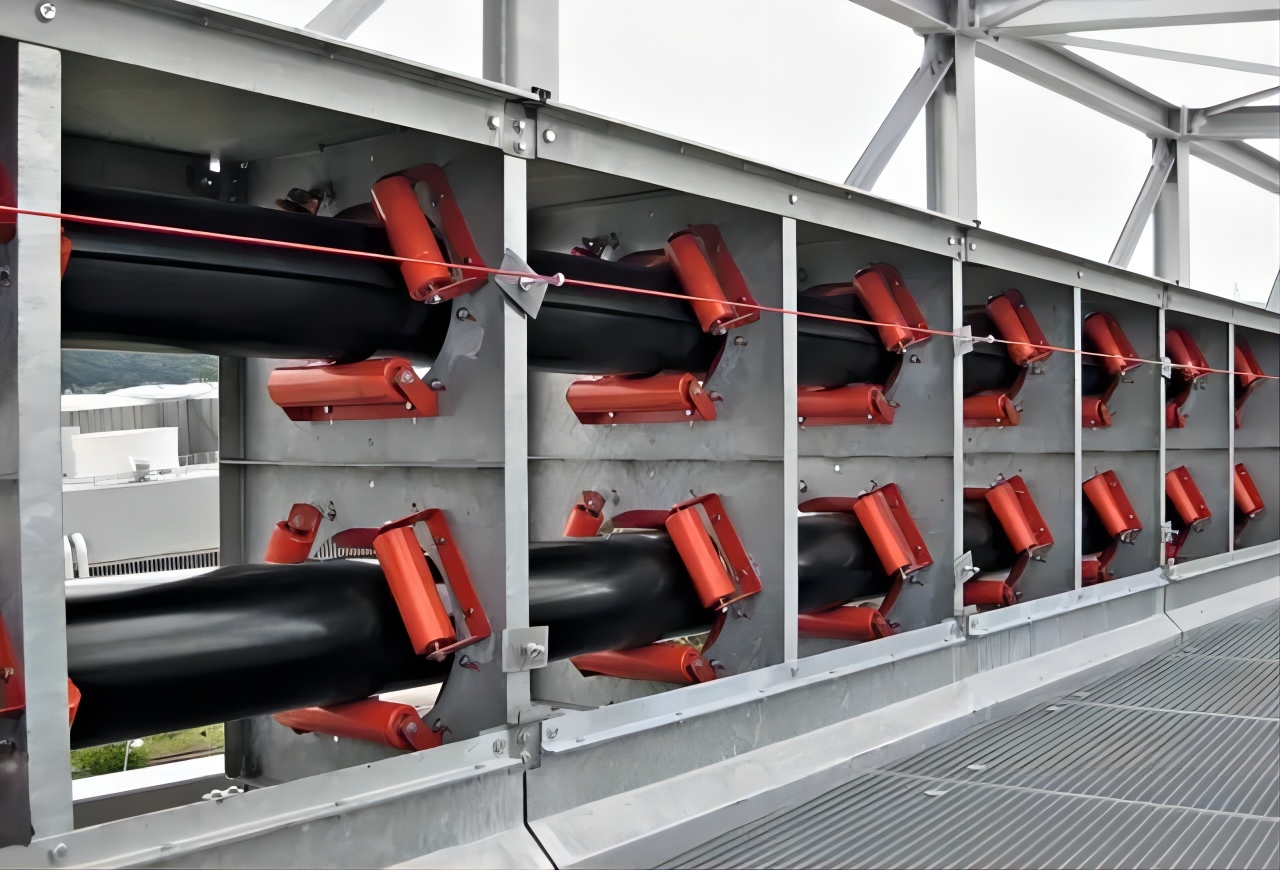
Imagine your team battling manual material transport, causing delays and inefficiencies that slow production. These issues escalate into higher labor costs, missed deadlines, and safety risks. The answer lies in advanced conveyor belting — automating your workflow for superior speed, reliability, and safety across every stage of your operation.
Steel Cord Conveyor Belting for Heavy Loads
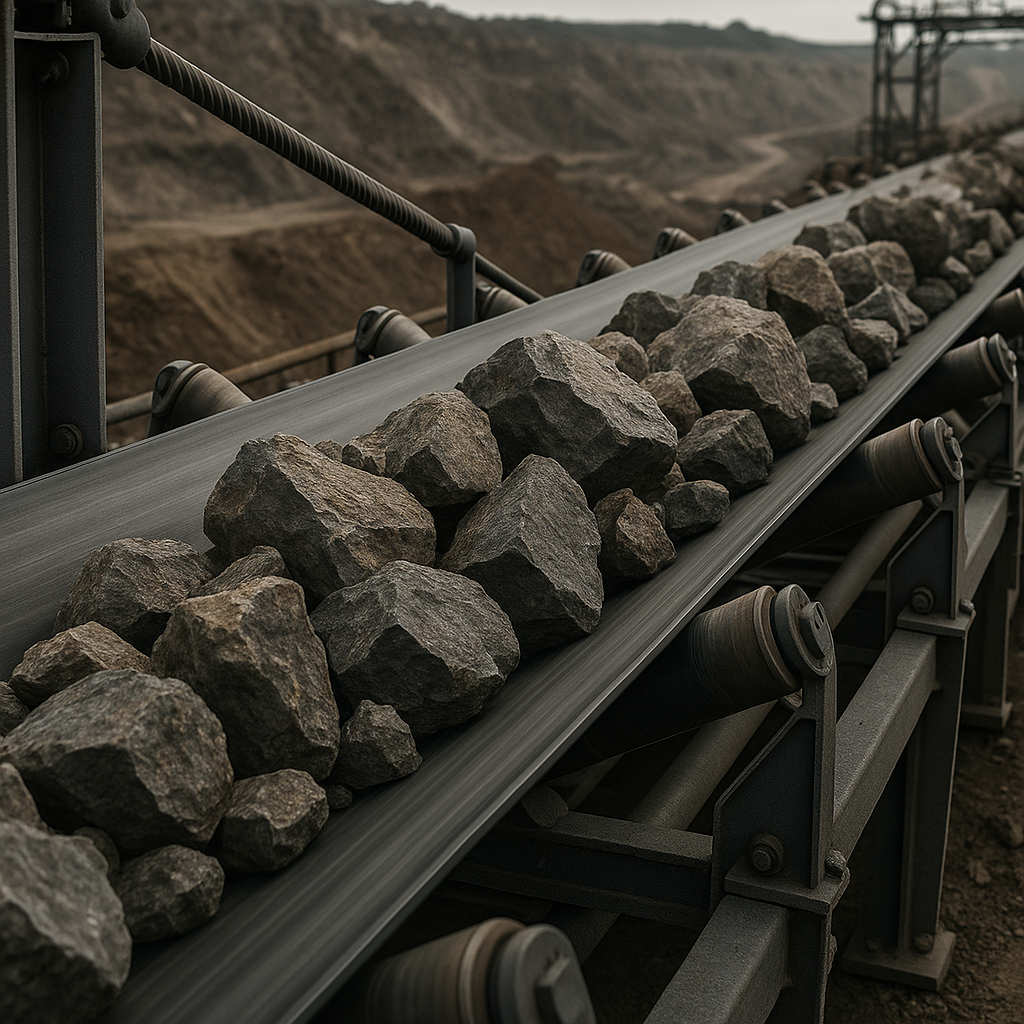
Steel cord conveyor belting is built for heavy loads because its internal steel cables provide unparalleled tensile strength. This allows the belt to transport massive volumes over extreme distances without stretching or breaking. It is the powerhouse of material handling systems.
Why is steel cord used for long distances?
Its minimal elongation ensures the belt remains stable over many kilometers, which is critical for overland mining and transport systems. This stability reduces the need for multiple transfer points and simplifies your entire setup. Here’s the deal: fewer transfer points mean fewer points of failure.
What industries rely on steel cord belts?
Heavy industries depend on this robust belting to move bulk materials with maximum efficiency. These sectors commonly include:
- Mining operations for transporting ore and overburden
- Power plants for consistent coal handling
- Large-scale construction for moving aggregate
How does it handle extreme stress?
The steel reinforcement absorbs high-impact loads and resists punctures from sharp, abrasive materials. This durable construction ensures reliable performance even under the most demanding conditions your operation faces.
Key Takeaway: For operations moving heavy materials over long distances, steel cord conveyor belting offers the ultimate strength, maximizing uptime and throughput.
| Feature | Benefit | |
|---|---|---|
| High Tensile Strength | Moves extremely heavy loads | |
| Low Elongation | Ideal for long-distance systems | |
| Impact Resistance | Protects against sharp material |
The analysis confirms that steel cord’s core properties directly correlate with reduced downtime in high-stress environments.
Textile Conveyor Belting: A Versatile Solution
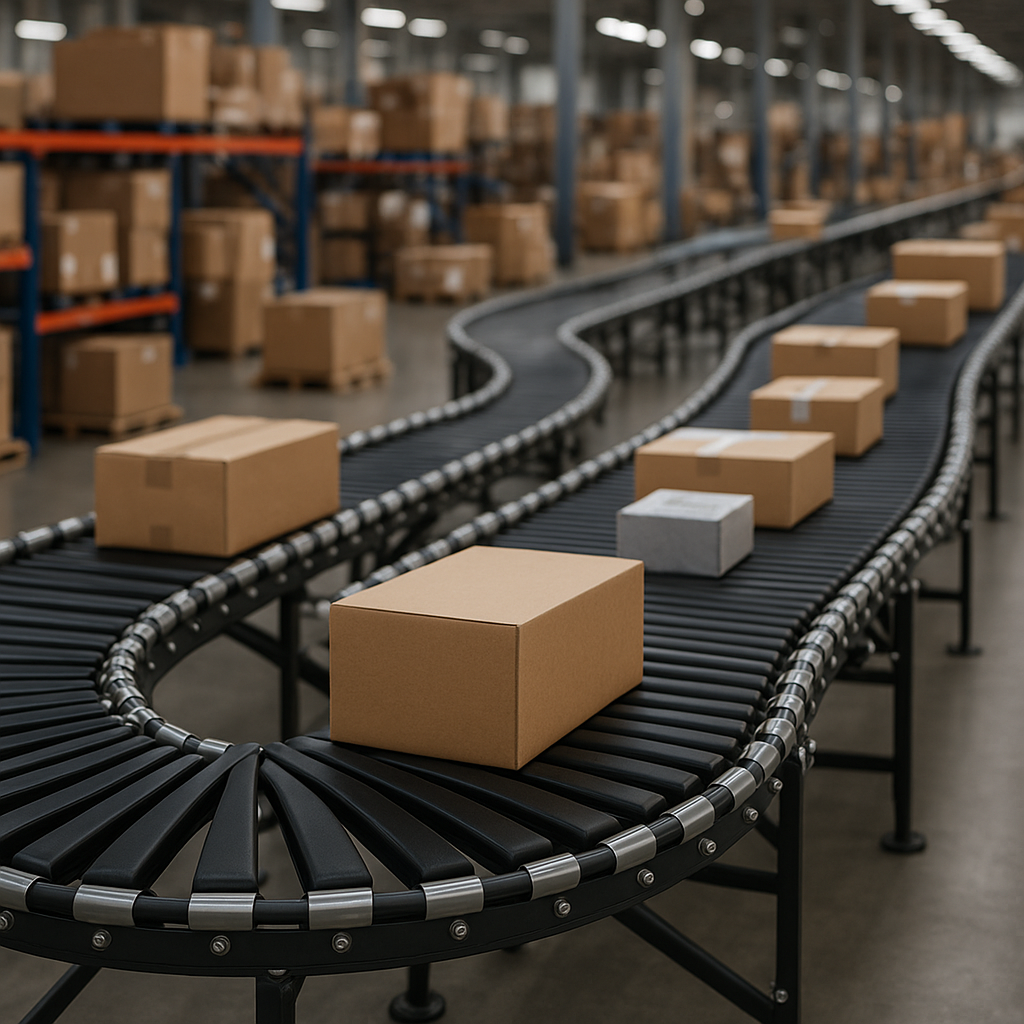
Textile conveyor belting is highly versatile due to its adaptable carcass, which can be customized with different fabrics and rubber covers. This flexibility allows it to meet the specific demands of countless light-to-medium duty applications. You can tailor its performance to fit your budget and operational needs.
What makes textile belting so adaptable?
Its design incorporates various fabric plies like polyester and nylon, offering different levels of strength, flexibility, and impact resistance. This means you get a belt specifically engineered for your unique material handling challenge.
How is it designed for abusive conditions?
Specialized rubber compounds are used for the covers to protect the belt’s core from abrasion, oils, and heat. But that’s not all. The multi-ply carcass is designed to effectively distribute impact forces, extending the belt’s service life.
When should you choose textile conveyor belting?
You should choose this belting for applications where flexibility and cost-effectiveness are as important as durability. It is an excellent choice for:
- Sand and gravel pits
- Recycling facilities
- General industrial manufacturing
Key Takeaway: Textile conveyor belting provides a balanced, customizable, and economical solution for moderate-duty applications where versatility is a priority for your business.
| Feature | Benefit | |
|---|---|---|
| Customizable Plies | Tailored strength and flex | |
| Specialized Covers | Resists abrasion and chemicals | |
| Cost-Effective | Excellent price-performance |
This adaptability makes textile conveyor belting the most common and practical choice across a diverse set of industrial sectors.
Solving Steep Incline Conveyor Belting Challenges
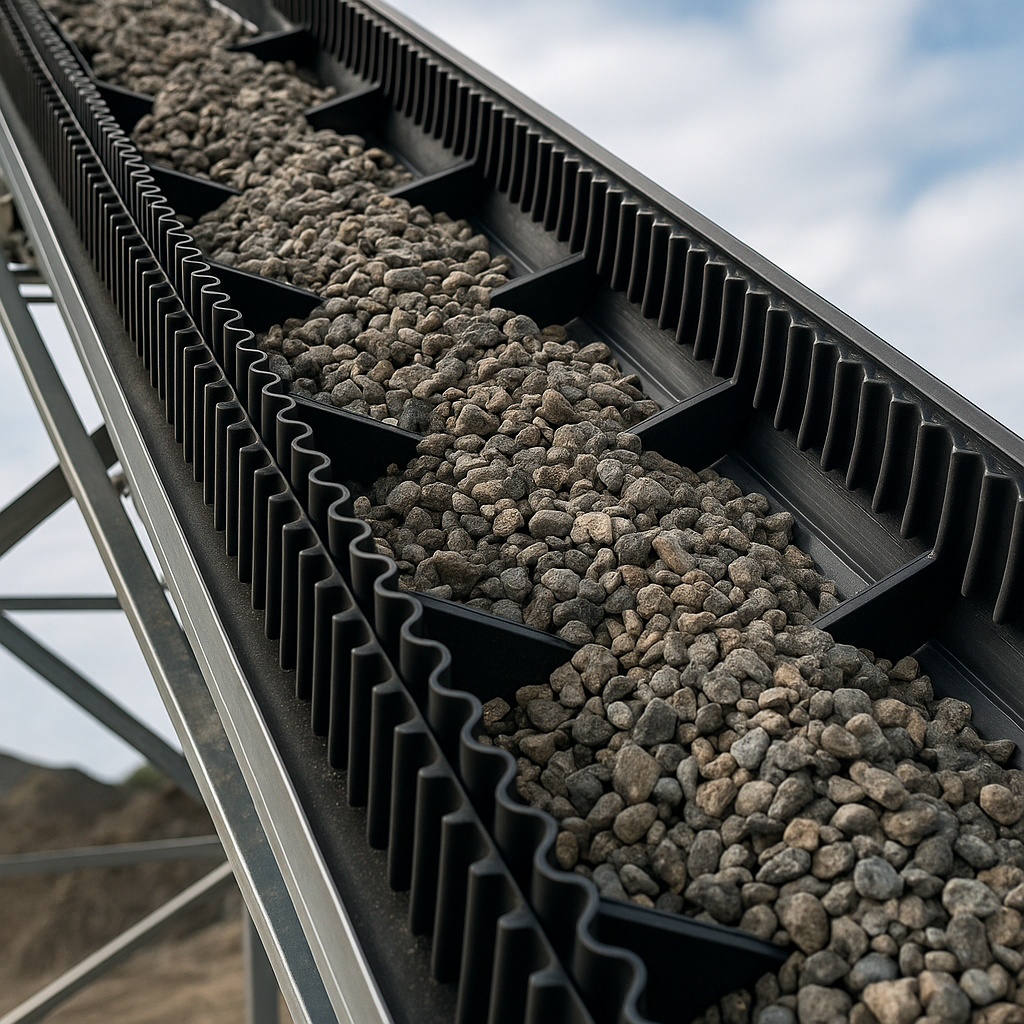
Steep incline conveyor belting solves material handling challenges by using special profiles or sidewalls to move materials at angles up to 90 degrees. This capability allows you to maximize space and create more efficient plant layouts. It effectively turns vertical space into productive conveying distance.
How do corrugated sidewalls work?
Corrugated sidewalls are flexible, fabric-reinforced walls attached to the edges of a cross-stabilized base belt. They create a contained pocket that allows material to be lifted at steep angles without spillage. What does this mean for you? A cleaner and more efficient operation.
What are the benefits of steep incline systems?
These systems offer significant advantages by reducing the need for long, sprawling conveyor runs. Key benefits include:
- Smaller operational footprint
- Elimination of multiple transfer points
- Reduced material degradation from falls
Can these belts handle vertical conveying?
Yes, when equipped with both corrugated sidewalls and transverse cleats, these belts can lift material vertically. The cleats act as shelves within the contained pocket, preventing bulk materials from sliding back down.
Key Takeaway: Steep incline conveyor belting enables you to design compact and highly efficient layouts, saving valuable plant space and reducing system complexity.
| Feature | Benefit | |
|---|---|---|
| Corrugated Sidewalls | Prevents material spillage | |
| Transverse Cleats | Enables vertical material lifting | |
| Compact Footprint | Saves valuable operational space |
These features make steep incline systems a transformative solution for facilities with spatial constraints.
Enclosed Conveyor Belting for Clean Transport
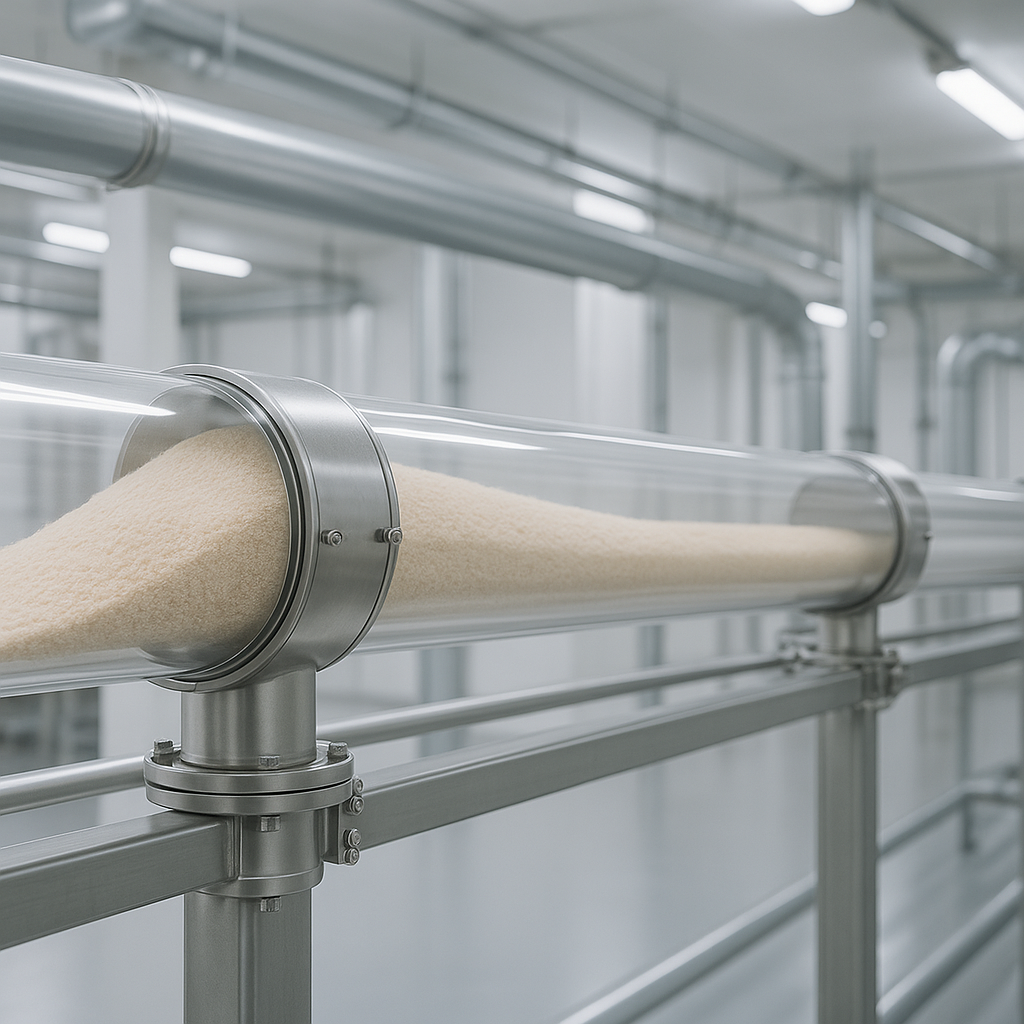
Enclosed conveyor belting provides clean transport by fully containing the material within a tube-like belt. This design protects sensitive materials from the environment and prevents dust or spillage from contaminating the surrounding area. It ensures your product and your facility stay pristine.
Why use enclosed systems for materials?
You should use these systems to protect valuable or hazardous materials from rain, wind, and contamination. It is also ideal for preventing fine powders from becoming airborne, ensuring a safer and cleaner work environment for your team.
The unique design allows the belt to be twisted and turned to navigate complex routes and tight curves. Here’s the deal: this eliminates the need for traditional transfer points at every corner. This capability simplifies your system layout dramatically.
What makes them an efficient choice?
Their ability to convey material on both the forward and return runs doubles handling capacity within a single system. The enclosed design also minimizes cleanup costs and material loss, directly boosting your bottom line.
Key Takeaway: For clean, efficient, and flexible material transport, enclosed conveyor belting offers a superior solution that protects both your product and your environment.
| Feature | Benefit | |
|---|---|---|
| Tubular Design | Contains material, prevents spillage | |
| High Flexibility | Navigates tight horizontal & vertical curves | |
| Two-Way Conveying | Doubles capacity in a single system |
The enclosed system’s efficiency and cleanliness provide a clear return on investment through reduced waste and maintenance.
Solid Woven Conveyor Belting for Safety
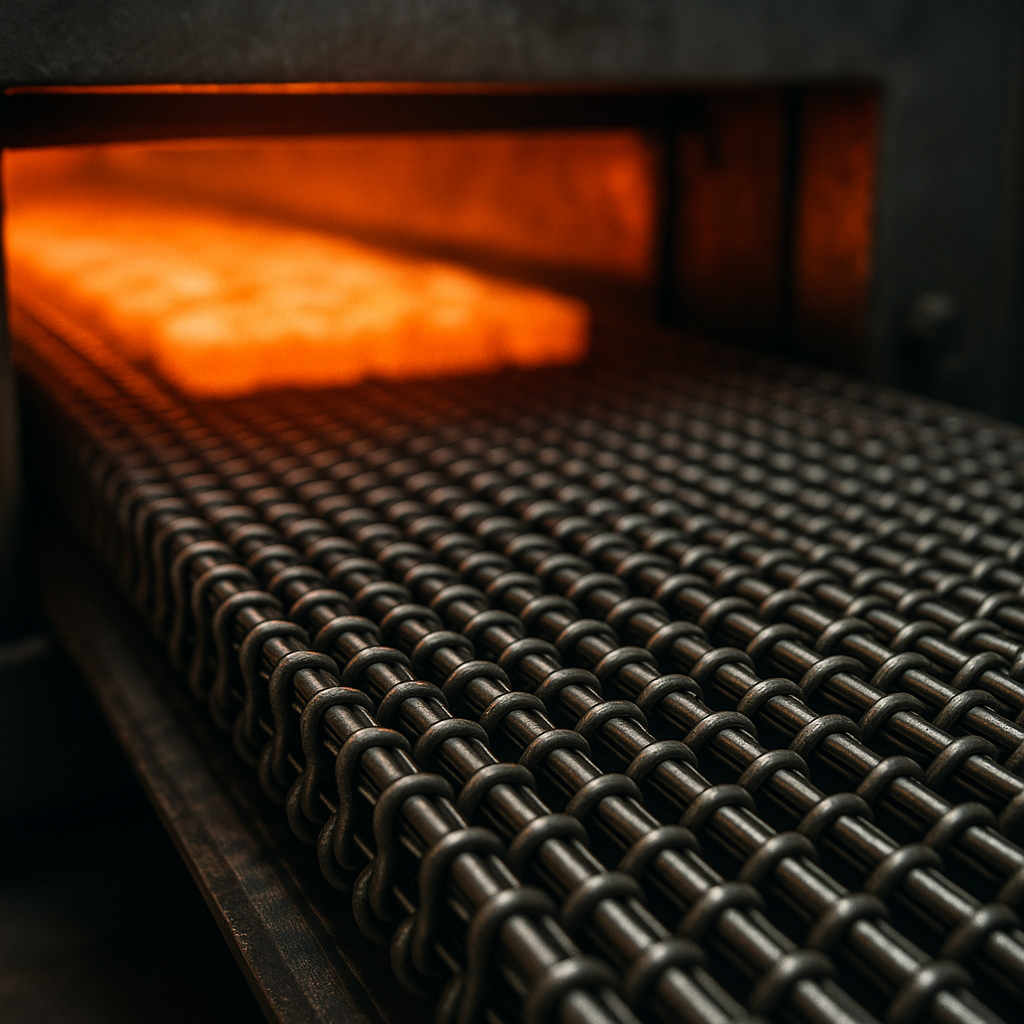
Solid woven conveyor belting is designed for safety because its single-ply, integrated construction offers extreme resistance to fire, tearing, and impacts. Impregnated with materials like PVC or PVG, it is inherently flame-retardant. This makes it an essential choice for high-risk environments.
What are the properties of PVC and PVG belts?
PVC (polyvinyl chloride) belts provide excellent fire and moisture resistance, making them ideal for general-purpose use where safety is paramount. PVG (polyvinyl nitrile) belts add an extra layer of rubber for superior abrasion resistance in more demanding conditions.
How does it resist fire and moisture?
The solid woven carcass is thoroughly impregnated with fire-retardant compounds that self-extinguish when a flame source is removed. But that’s not all. This impregnation also makes the belt highly resistant to moisture absorption, preventing rot and degradation.
Why is it best for impact resistance?
Unlike multi-ply belts, a solid woven belt has no layers that can separate or delaminate upon heavy impact. Its single, robust structure distributes impact forces across the entire belt width, giving you superior durability.
Key Takeaway: When operational safety is non-negotiable, particularly in underground mining, solid woven conveyor belting provides unmatched fire resistance and structural integrity.
| Feature | Benefit | |
|---|---|---|
| Solid Woven Carcass | Resists delamination and tearing | |
| PVC/PVG Impregnation | Provides fire and moisture resistance | |
| High Impact Strength | Withstands heavy, sharp materials |
The unified construction of solid woven belting is its greatest asset, ensuring reliability where system failure is not an option.
Steel Mesh Conveyor Belting and Durability
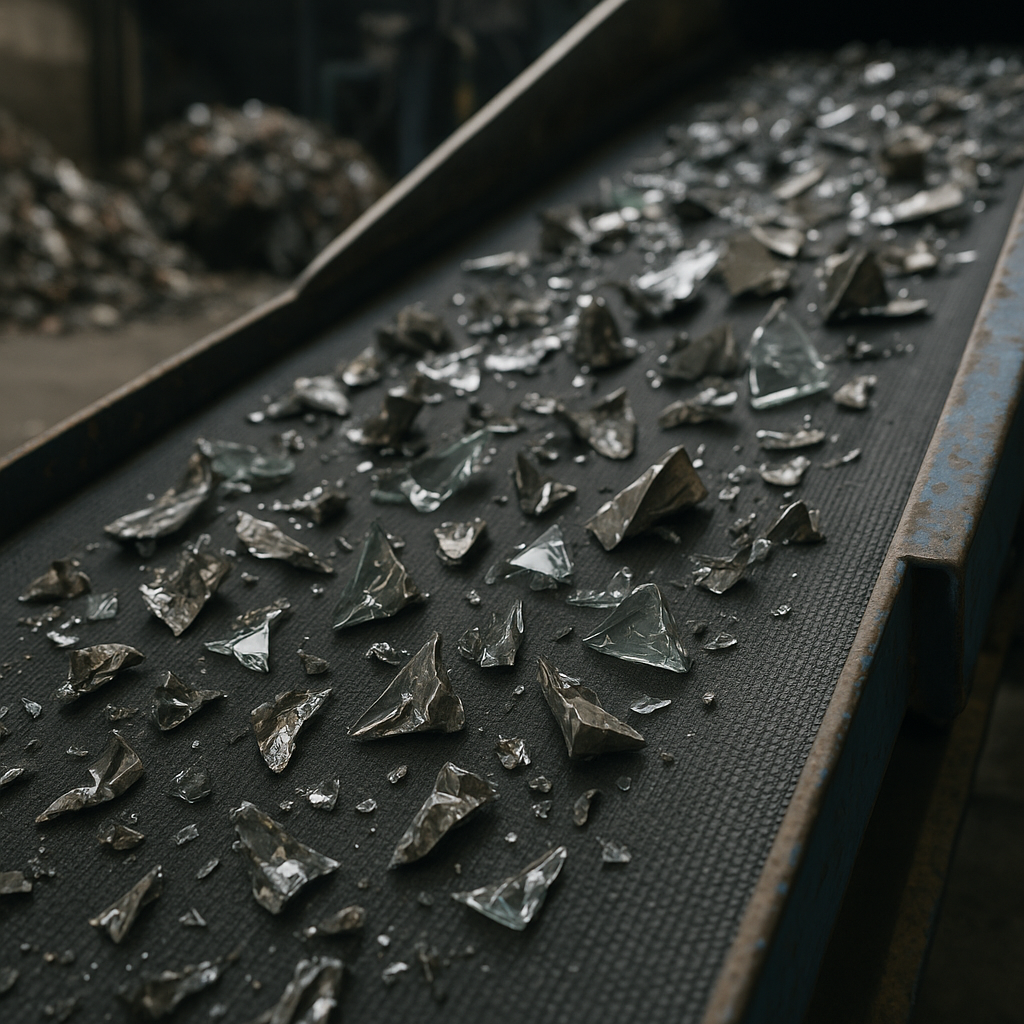
Steel mesh conveyor belting offers exceptional durability by integrating a layer of steel mesh into the belt’s carcass. This reinforcement provides extreme resistance to rips, tears, and punctures from sharp-edged materials. It is engineered for the most punishing applications.
When is a steel mesh belt necessary?
A steel mesh belt is necessary when you are conveying materials with extremely sharp edges, such as scrap metal, glass, or coarse ore. It acts as a protective shield for the tension-bearing members of the belt. This prevents catastrophic failures and costly downtime.
How does it handle sharp-edged materials?
The internal steel mesh deflects sharp objects, preventing them from piercing through the belt and damaging the core. What does this mean for you? Significantly longer belt life and fewer emergency repairs in harsh environments.
What are its benefits for long systems?
In long conveying systems, a single rip can lead to a complete belt replacement, resulting in massive costs. A steel mesh belt contains any damage locally, often allowing for a simple repair instead of a full replacement. Benefits include:
- Superior rip and tear resistance
- Extended belt service life
- Reduced risk of catastrophic failure
Key Takeaway: For operations handling sharp, abrasive materials, steel mesh conveyor belting provides an insurance policy against punctures and rips, ensuring system longevity.
| Feature | Benefit | |
|---|---|---|
| Integrated Steel Mesh | Provides extreme puncture resistance | |
| Localized Damage | Prevents long, catastrophic rips | |
| Extended Service Life | Reduces total cost of ownership |
This type of belting offers a strategic advantage by mitigating the high costs associated with belt failure from sharp materials.
Selecting the Right Conveyor Belting Type
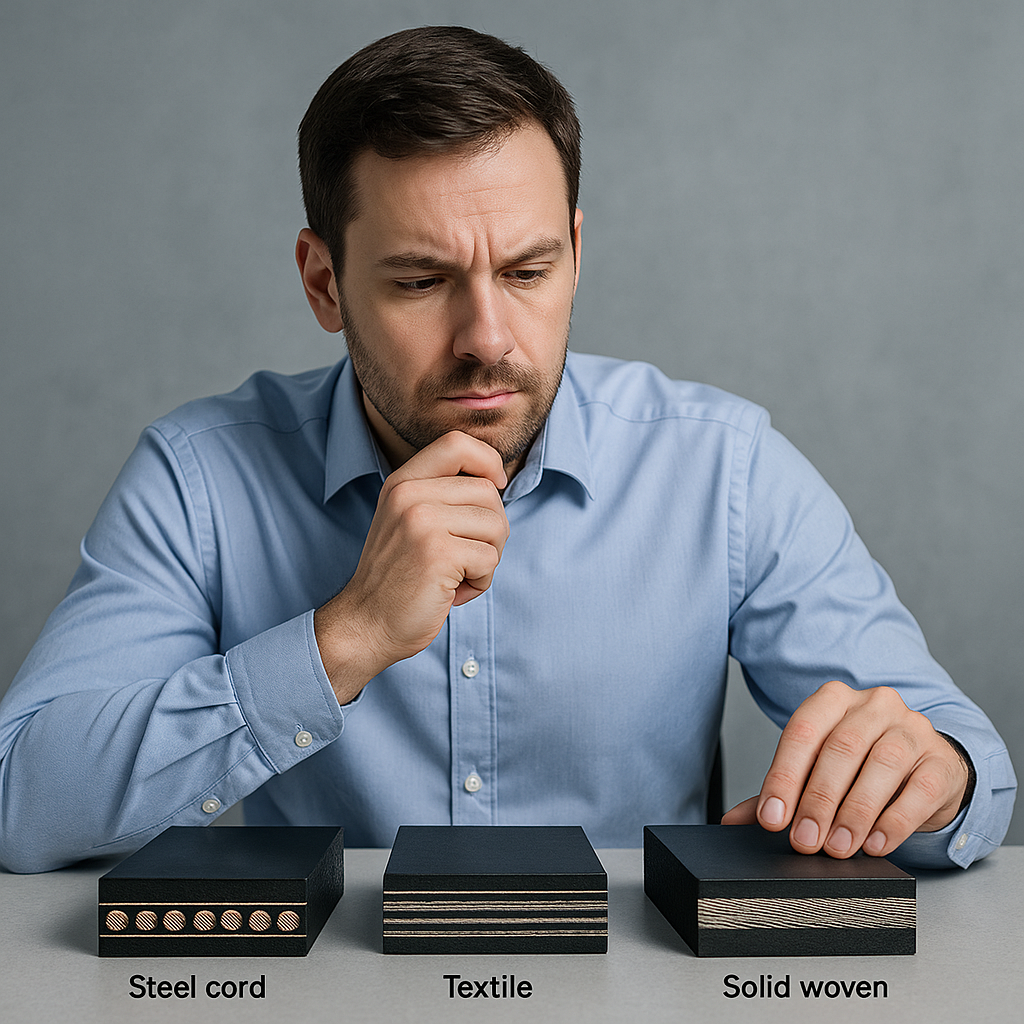
Selecting the right conveyor belting involves a careful analysis of your specific operational requirements and the properties of the material being handled. A poor choice can lead to inefficiency, premature wear, and safety hazards. Making an informed decision is critical for success.
What factors should guide your choice?
Your choice should be guided by several key factors to ensure optimal performance and longevity. These include the conveyor length, lift height, required capacity, and environmental conditions like heat or chemical exposure. Here’s the deal: a holistic assessment prevents costly mistakes.
How do materials impact belt selection?
The material’s characteristics are paramount in your decision. You must consider:
- Lump size and weight
- Abrasiveness and sharpness
- Moisture, oil, or chemical content
For example, oily grains require a different belt cover than sharp, abrasive rocks.
What are the key performance differences?
The primary differences lie in tensile strength, impact resistance, and flexibility. Steel cord offers the highest strength for heavy, long-distance conveying, while textile belts provide flexibility for general use. Special types like solid woven prioritize fire safety.
Key Takeaway: Matching the conveyor belting type to your material and system parameters is the most important step in designing a reliable and cost-effective operation.
| Belt Type | Primary Application | |
|---|---|---|
| Steel Cord | Heavy loads, long distances | |
| Textile | General purpose, versatile use | |
| Solid Woven | High-safety, fire-risk areas | |
| Steep Incline | Space-saving, high-angle conveying |
A systematic evaluation of these differences ensures you invest in a solution that delivers long-term value.
Industrial Use of Conveyor Belting
Industrial use of conveyor belting is widespread across nearly every sector, serving as the backbone for moving everything from raw materials to finished goods. Specific belt types are engineered to meet the unique challenges of each industry. This specialization ensures efficiency and safety.
Which belts are used in mining & construction?
Mining and construction predominantly use steel cord and heavy-duty textile conveyor belting. These belts must withstand extreme abrasion, high-impact loads from rock and ore, and often operate over long distances. What does this mean for you? You need a belt built for pure punishment.
What belting is suited for food processing?
Food processing requires specialized conveyor belting that meets strict hygiene standards. These belts often have PVC or polyurethane covers that are non-toxic, easy to clean, and resistant to fats and oils. Key features include:
- FDA-compliant materials
- Sealed edges to prevent contamination
- Resistance to cleaning chemicals
How is conveyor belting used in ports?
Ports use a combination of heavy-duty textile and steel cord conveyor belting to rapidly load and unload bulk cargo like grain, coal, and iron ore from ships. High-capacity, steep-incline systems are also common for efficiently moving materials between different levels of a terminal.
Key Takeaway: Understanding the specific demands of your industry is crucial to selecting a conveyor belting solution that ensures safety, compliance, and peak productivity.
| Industry | Primary Belt Types | |
|---|---|---|
| Mining & Construction | Steel Cord, Heavy Textile | |
| Food Processing | Hygienic PVC/Polyurethane | |
| Ports & Terminals | Steel Cord, Steep Incline |
The right belt selection directly impacts operational efficiency and profitability within each specific industrial context.
Digital Monitoring for Conveyor Belting
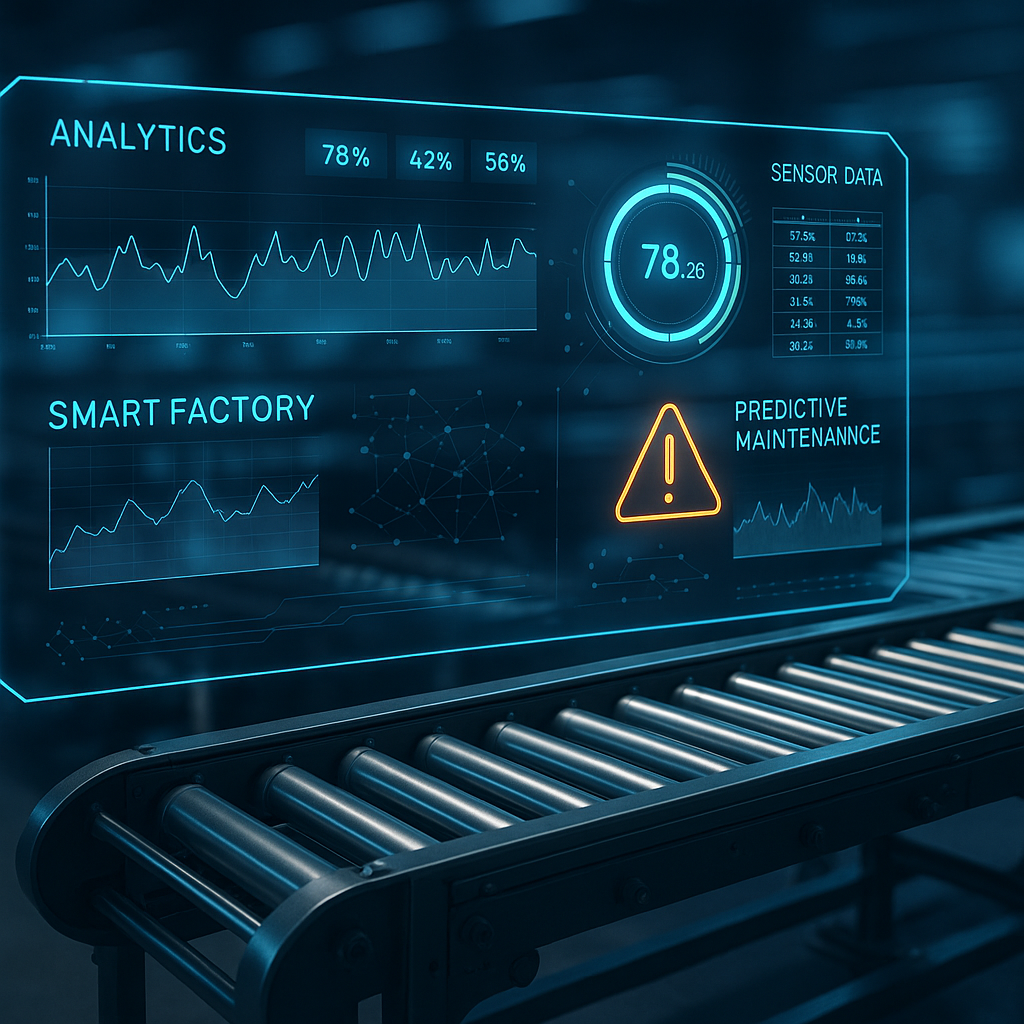
Digital monitoring for conveyor belting uses advanced sensors and software to provide real-time insights into the health and performance of your system. This technology transforms maintenance from a reactive to a predictive process. It allows you to anticipate problems before they cause downtime.
How do digital solutions improve efficiency?
These solutions improve efficiency by continuously tracking key performance indicators like belt speed, load, and alignment. This data helps you optimize throughput and identify operational bottlenecks. But that’s not all. It also enables proactive maintenance scheduling.
What systems monitor belt condition?
Modern systems use various technologies to monitor the condition of your conveyor belting. These include:
- X-ray or magnetic sensors to detect internal steel cord damage
- Laser scanners to measure belt wear and profile
- Acoustic sensors to identify failing idlers
Can software predict maintenance needs?
Yes, intelligent software algorithms can analyze sensor data to detect patterns that indicate impending failures. This predictive capability allows you to schedule repairs during planned shutdowns, avoiding catastrophic failures and maximizing uptime.
Key Takeaway: Implementing digital monitoring solutions for your conveyor belting is a strategic investment that pays dividends through increased reliability, efficiency, and safety.
| Technology | Monitored Parameter | |
|---|---|---|
| X-Ray Sensors | Internal cord integrity | |
| Laser Scanners | Surface wear and alignment | |
| Predictive AI | Impending component failure |
Adopting these digital tools marks a fundamental shift from reactive repairs to proactive asset management.
Maintenance of Your Conveyor Belting
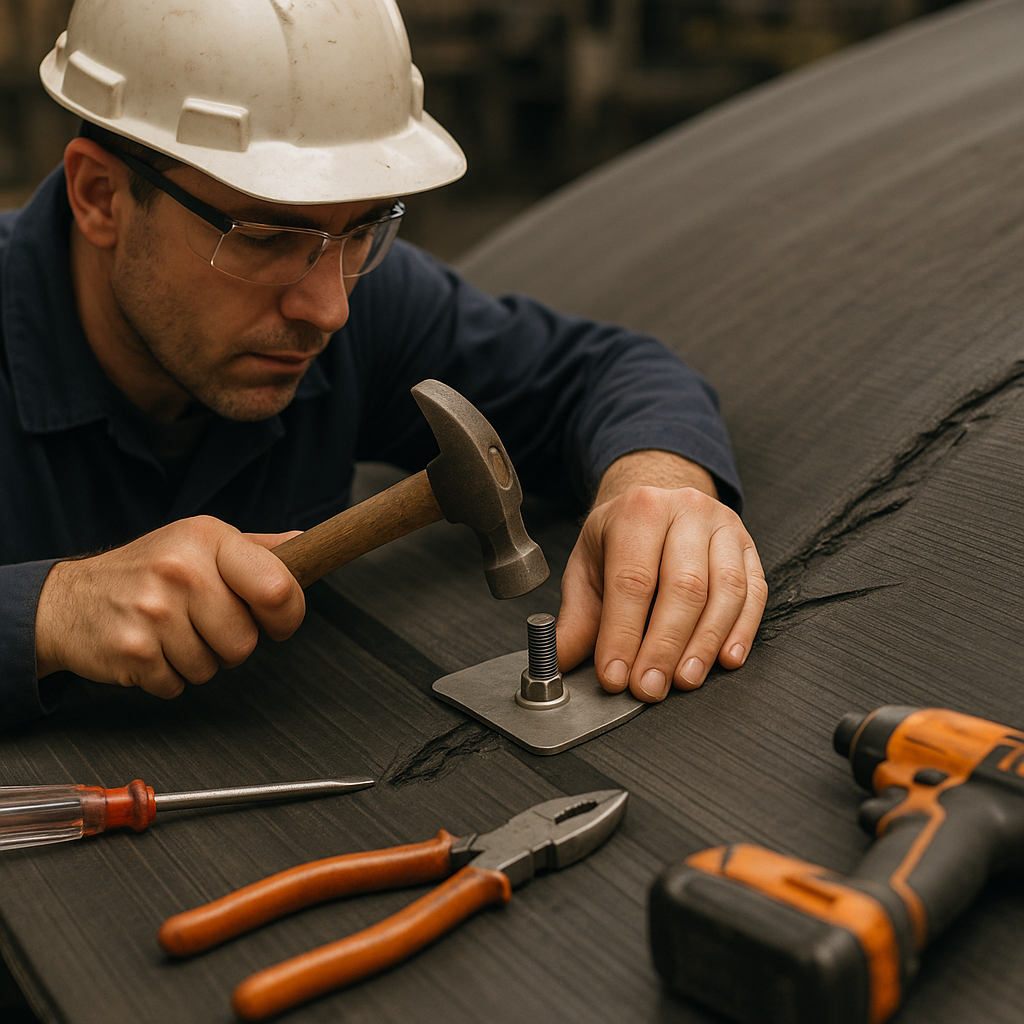
Proper maintenance of your conveyor belting is essential to ensure its longevity, safety, and operational reliability. A proactive maintenance program involves regular inspections, timely repairs, and correct splicing techniques. This approach protects your investment and prevents costly unplanned downtime.
What is essential for belt repair?
The essential elements for effective belt repair are using the correct materials and following proven procedures. You must use repair materials that are compatible with your belt’s cover compound. Proper surface preparation is also critical for a durable bond.
How do you correctly splice belting?
Correctly splicing a belt requires precision, cleanliness, and the right tools, whether you are performing a mechanical or vulcanized splice. A vulcanized splice, which creates a seamless joint, is the strongest and most durable option. Here’s the deal: a bad splice is the weakest point in your conveyor.
What tools are needed for maintenance?
A well-equipped maintenance team needs a specific set of tools for conveyor belting care. These include:
- Belt cutters and skivers for preparation
- Vulcanizing presses for hot splicing
- Tensioning devices for proper installation
Key Takeaway: A dedicated and well-executed maintenance strategy is the most effective way to maximize the service life of your conveyor belting and ensure continuous operation.
| Maintenance Task | Key Requirement | |
|---|---|---|
| Repair | Compatible materials, surface prep | |
| Splicing | Precision, cleanliness, correct tools | |
| Inspection | Regular visual and digital checks |
Consistent maintenance is not a cost but an investment in operational stability and long-term profitability.
Conclusion
You have seen how operational bottlenecks, high costs, and safety risks can undermine your material handling efficiency. The right conveyor belting is the definitive answer, transforming your facility into a seamless, productive, and safe environment. We provide the expertise to analyze your unique challenges and deliver a tailored belting solution that maximizes uptime and profitability. Our vision is to power your progress with intelligent and reliable conveying systems that set the standard for industrial performance.
Frequently Asked Questions
1. Can I use a single belt type for all my materials?No, it’s not recommended. Different materials have unique properties (abrasiveness, moisture, oil content) that require specific belt constructions and cover compounds for optimal performance and longevity.
2. What’s the best way to reduce belt slippage?Yes, you can significantly reduce slippage by ensuring proper belt tensioning, using lagged pulleys for better grip, and keeping the belt and pulleys clean from material buildup.
3. Is a vulcanized splice always better than a mechanical one?Yes, a vulcanized splice is almost always superior. It creates a stronger, more durable, and seamless joint that moves smoothly over pulleys and scrapers, extending the life of your belt.
4. How often should I inspect my conveyor belting?You should conduct daily visual inspections for obvious issues and perform more detailed inspections weekly or monthly, depending on the intensity of your operation. Digital monitoring can provide continuous oversight.
5. Can I repair a major rip in my conveyor belt?Yes, you can, but the method depends on the severity. While small punctures are easily patched, major rips may require a significant section replacement or a professionally installed splice to restore structural integrity