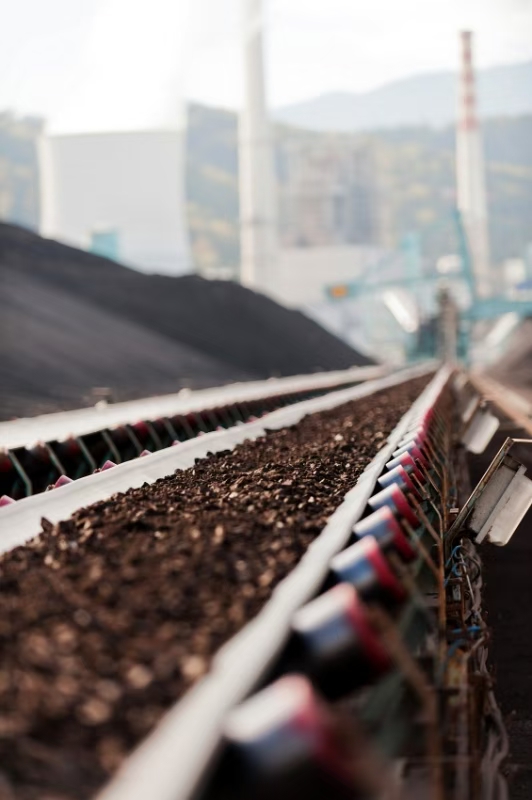
Sourcing high-quality rubber conveyor belts from China can feel like navigating a minefield. With countless suppliers promising the world, it is difficult to separate the reliable partners from the ones that lead to operational disasters. A single bad batch of conveyor belts can bring your operations to a grinding halt, meaning costly downtime, missed deadlines, and a tarnished reputation. This guide cuts through the noise, providing a clear blueprint for vetting potential partners and securing a supply chain that powers your business forward.
1. Traits of a Top Rubber Conveyor Belt Manufacturer
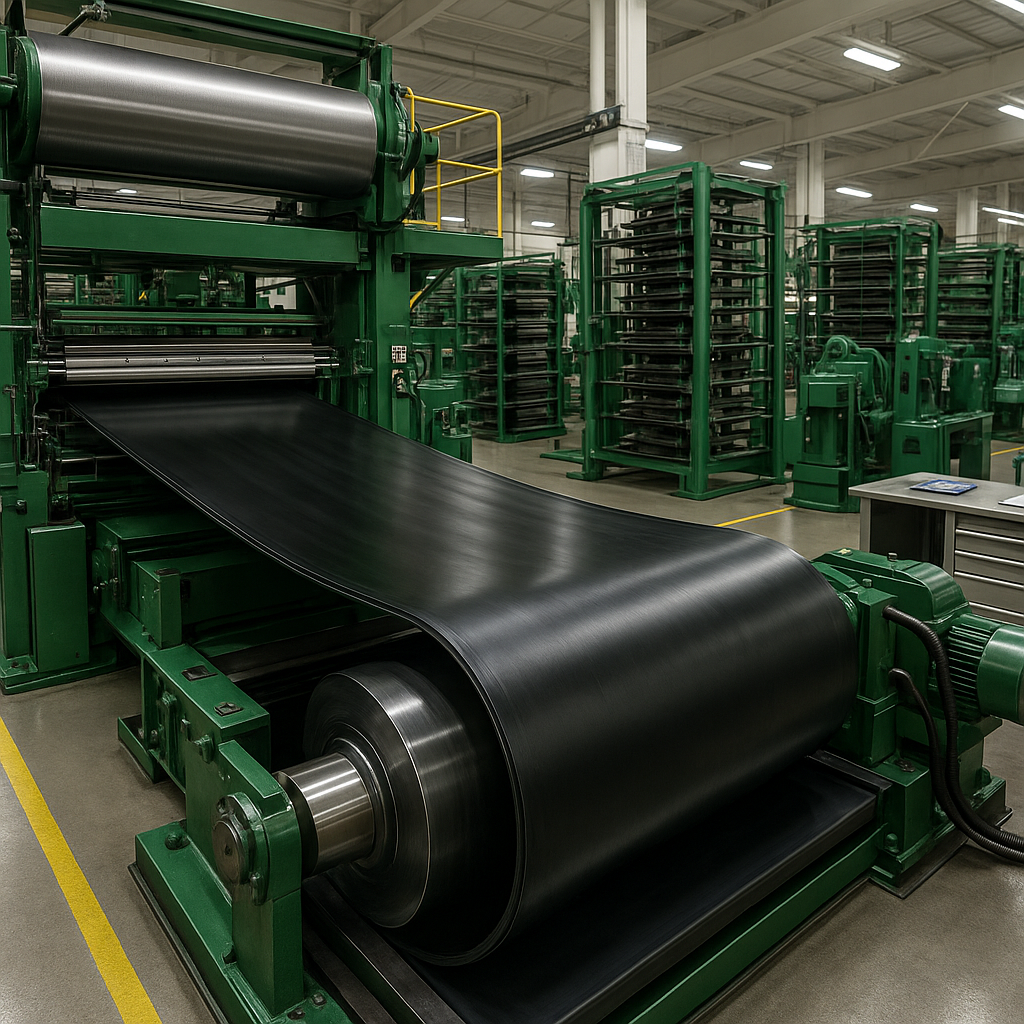
The best manufacturers are defined by their deep industry experience, commitment to innovation, and a strong global reputation. These traits ensure they can deliver reliable products that meet your specific operational needs. Look for a partner who demonstrates excellence across all three areas.
How Do You Spot Industry Experience?
You can identify experienced manufacturers by their long history and diverse project portfolio. Here’s what to look for:
- Decades of continuous operation in the industry.
- A diverse portfolio serving multiple sectors like mining and logistics.
- Publicly available case studies or project histories.
What Is Their Approach to Innovation?
A manufacturer’s dedication to innovation is evident through its investment in research and development. The bottom line is that they should actively be creating better products.
- Dedicated R&D facilities and personnel.
- Partnerships with technical universities or research institutions.
- A record of patents or proprietary belt technology.
How to Evaluate Their Reputation?
You can assess a company’s reputation by checking its role in setting industry standards and its presence in global markets. Now, let’s get to the heart of it: a good reputation is earned, not bought.
- Contributions to creating national or international standards.
- Positive client testimonials from verifiable sources.
- An established presence in key international markets.
Key Takeaway: A top manufacturer combines decades of experience with a forward-looking approach to innovation and a proven reputation.
| Evaluation Metric | High-Quality Indicator | Low-Quality Indicator | |
|---|---|---|---|
| Experience | 20+ years, diverse portfolio | <5 years, narrow focus | |
| Innovation | Dedicated R&D, patents held | No R&D, copies designs | |
| Reputation | Global presence, positive reviews | Local only, no references |
These indicators provide a quick yet effective framework for initial supplier assessment.
2. A Rubber Conveyor Belt Manufacturer’s Quality

A top rubber conveyor belt manufacturer guarantees quality through superior material science, strict production standards, and rigorous testing. These elements are non-negotiable for ensuring belt longevity and operational safety. Your focus should be on verifying their quality control processes from raw materials to the finished product.
How Can You Verify Material Quality?
You can verify material quality by demanding transparency in their sourcing and adherence to international standards. Think about this: the final product can only be as good as the raw materials used to make it.
- Request information on their raw material suppliers.
- Inquire about their capabilities with both steel cord and EP fabric.
- Check for compliance with standards like DIN, AS, and RMA.
What Certifications Should You Look For?
You should always look for internationally recognized certifications that validate their quality management and product safety claims. Here’s the deal: certifications from third-party auditors provide objective proof of a manufacturer’s capabilities.
- ISO 9001 for a certified quality management system.
- Specific safety ratings like MT668 for fire resistance.
- Food-grade compliance (e.g., FDA) for agricultural or food processing.
Key Takeaway: Verifiable certifications and material transparency are the clearest indicators of a manufacturer’s commitment to quality.
| Quality Factor | What to Verify | Importance Level | |
|---|---|---|---|
| Materials | Sourcing transparency, compound quality | High | |
| Testing | In-house lab reports, tensile tests | High | |
| Certifications | ISO 9001, specific safety standards | High |
A manufacturer’s willingness to provide this data is a strong positive signal.
3. A Rubber Conveyor Belt Manufacturer’s Scale
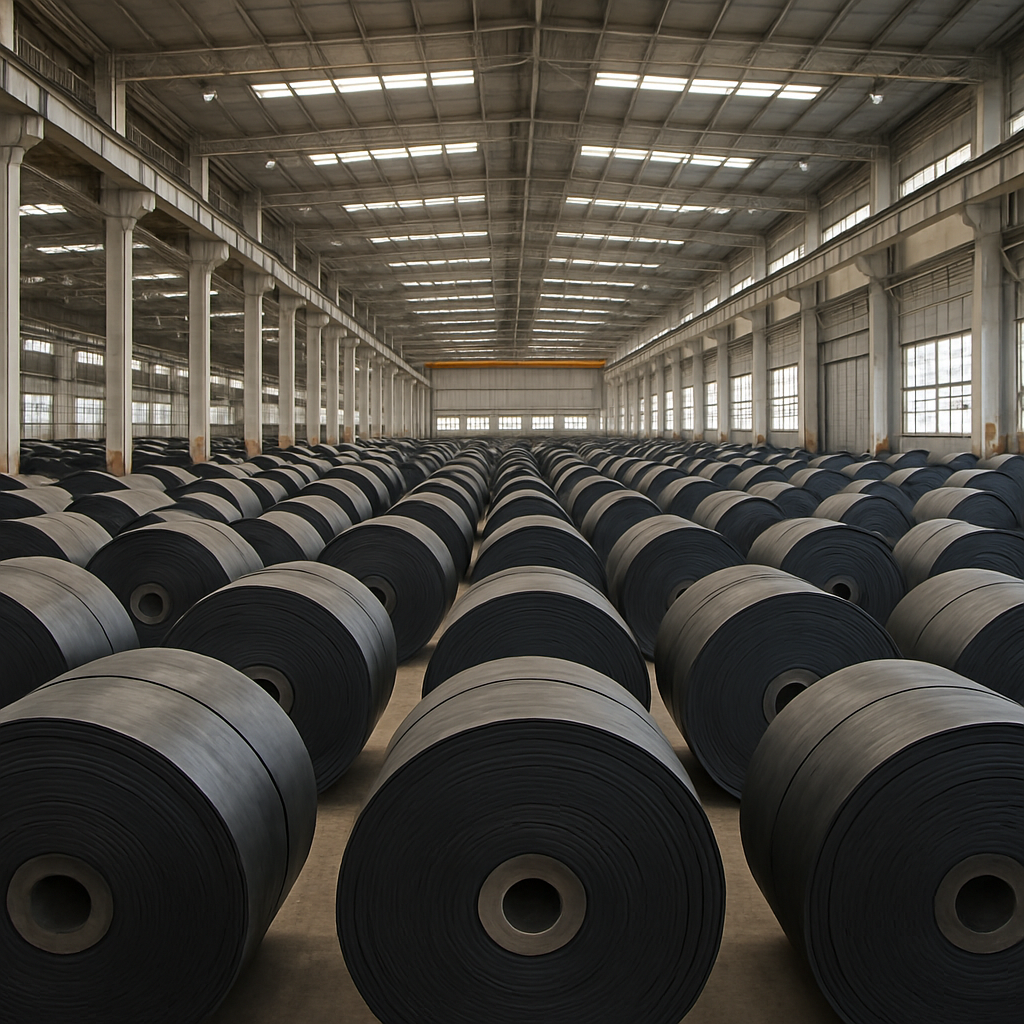
A manufacturer’s production scale and advanced machinery directly impact their ability to handle large orders, meet deadlines, and maintain consistent quality. Large-scale operations often signal a stable and reliable supply chain partner. This ensures you receive your orders on time, every time.
How to Assess Production Capacity?
Assess production capacity by examining their annual output, number of production lines, and level of automation. Let me explain: higher capacity reduces the risk of production bottlenecks that could delay your order.
- Multiple advanced vulcanizing production lines.
- Annual output metrics measured in millions of square meters.
- Use of modern, automated machinery for consistency.
Why Does Geographic Location Matter?
A manufacturer’s location matters because it significantly affects shipping costs and delivery times. Want to know the secret? Proximity to major ports and raw material hubs creates major logistical advantages.
- Easy access to major international shipping ports.
- Location within an industrial cluster for raw material access.
- Situated in a region with favorable export policies.
Key Takeaway: A large-scale, strategically located manufacturer can offer better pricing and more reliable delivery schedules.
| Operational Scale | Advantage | Consideration for You | |
|---|---|---|---|
| High Capacity | Reliable for large-volume orders | May be less flexible for small runs | |
| Strategic Location | Lower shipping costs, faster transit | Check proximity to your target port | |
| Modern Machinery | High consistency, better quality | Higher initial investment may be priced in |
This analysis helps you match the manufacturer’s scale to your specific volume and logistical needs.
4. Custom Work from a Rubber Conveyor Belt Manufacturer
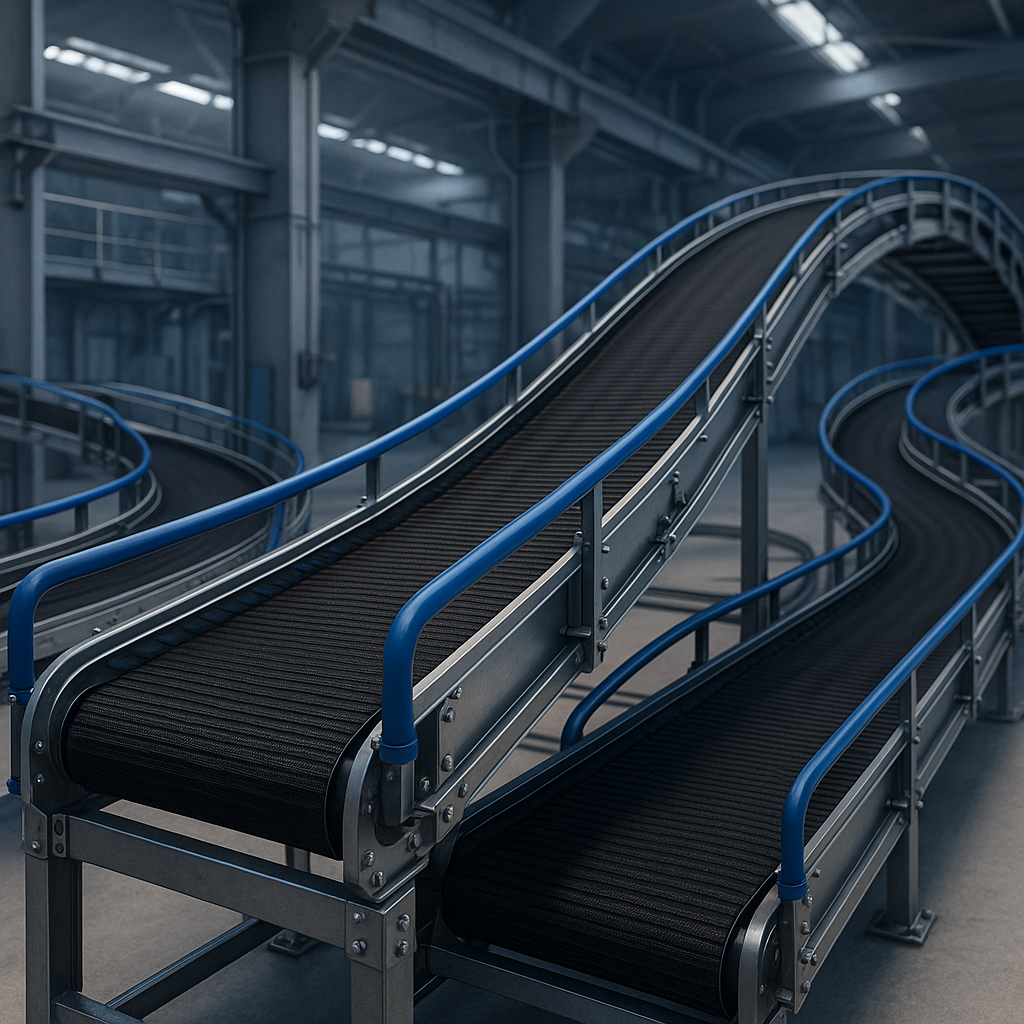
The ability to provide custom rubber conveyor belt solutions is a key service that separates top manufacturers from standard suppliers. They can engineer belts for unique applications, such as extreme temperatures, steep inclines, or specific material properties. This ensures you get a product perfectly suited to your operational challenges.
What Are Common Customization Options?
Common customizations include adding cleats or sidewalls, using special rubber compounds, and creating unique belt patterns. Here’s the breakdown of what is possible:
- Cleated and corrugated sidewall belts for incline conveying.
- Heat, oil, acid, alkali, or cold-resistant compounds.
- Application-specific types like chevron or pipe conveyor belts.
How to Vet Their Customization Process?
You should vet their customization process by confirming they have an in-house engineering team and a clear procedure for design and approval. What does this mean for you? It ensures your unique requirements are accurately translated into a functional product.
- An experienced in-house engineering and design department.
- The flexibility to produce small, specialized test batches.
- A transparent consultation, design, and approval process.
Key Takeaway: A manufacturer with strong customization capabilities can act as a problem-solving partner, not just a parts supplier.
| Customization Aspect | What to Look For | Benefit to You | |
|---|---|---|---|
| Engineering Team | In-house designers and engineers | Expert guidance on your problem | |
| Product Options | Wide range of compounds and structures | A solution for any environment | |
| Process | Clear consultation and approval steps | No surprises in the final product |
This ensures the final belt solves the exact problem you are facing.
5. A Rubber Conveyor Belt Manufacturer’s R&D

A strong focus on research and development (R&D) allows a rubber conveyor belt manufacturer to create more durable, efficient, and innovative products. This commitment signals that the company is invested in long-term performance rather than just short-term sales. By choosing an R&D-focused partner, you gain access to cutting-edge solutions.
Signs of a Strong R&D Department
A strong R&D department is identifiable by its dedicated resources, collaborations, and a history of introducing new products. Look for these clues to see if they are serious about innovation:
- A publicly stated budget or team dedicated to R&D.
- Published technical papers or partnerships with research institutions.
- A track record of launching new and improved belt lines.
Why Does R&D Impact Your Bottom Line?
R&D directly impacts your bottom line by producing belts that last longer, reduce energy consumption, and solve complex operational issues. It all comes down to this: innovation lowers your total cost of ownership.
- More durable belts mean fewer replacements and less downtime.
- Energy-efficient designs can lower your factory’s power consumption.
- New solutions can overcome long-standing production challenges.
Key Takeaway: Investing in a supplier with strong R&D means you are investing in future-proofing your own operations.
| R&D Indicator | What it Means | Impact on Your Business | |
|---|---|---|---|
| Dedicated Team | Commitment to improvement | Access to better technology | |
| New Products | Market-aware and proactive | Solutions for emerging needs | |
| Technical Papers | Deep domain expertise | A more knowledgeable partner |
A partner that innovates helps you stay competitive in your own market.
6. A Global Rubber Conveyor Belt Manufacturer’s Reach
Choosing a rubber conveyor belt manufacturer with proven global reach ensures they have experience with international logistics, standards, and support. This experience is critical for a smooth procurement process, from order to delivery. A global footprint demonstrates a high level of professionalism and reliability.
How to Verify Their Export Experience?
You can verify their export experience by asking which countries they serve and their familiarity with international shipping protocols. It’s simpler than you think: just ask for a list of their key export markets.
- A history of exporting to dozens of countries.
- Significant market share in the Americas, Europe, or Southeast Asia.
- Clear understanding of international incoterms and customs.
Do They Offer International Support?
Top global suppliers offer dedicated international support, including multilingual staff and clear warranty policies for exports. Here’s the deal: effective support is crucial if issues arise after delivery.
- Sales and technical support staff fluent in English.
- A network of local or regional distribution partners.
- Transparent warranty, return, and claim policies for exports.
Key Takeaway: A manufacturer with global experience minimizes logistical headaches and provides better long-term support for your business.
| Global Reach Factor | Why It’s Important | What to Check | |
|---|---|---|---|
| Export Markets | Proves logistical competence | Ask for a list of served countries | |
| Support Staff | Ensures clear communication | Test their English responsiveness | |
| Policies | Protects your investment | Review their warranty documentation |
A proven global track record significantly de-risks the sourcing process.
7. A Rubber Conveyor Belt Manufacturer’s Product Range

A top rubber conveyor belt manufacturer offers a diverse product portfolio that caters to a wide array of industries and applications. A broad range is a strong indicator of deep technical expertise and the ability to serve as a one-stop shop for all your conveyor needs. This simplifies procurement and ensures solution availability.
What Belt Types Should They Offer?
A comprehensive supplier should offer standard fabric and steel cord belts, as well as specialized and application-specific designs. You might be wondering what to look for specifically.
- A full range of standard EP, NN, and steel cord belts.
- Specialized belts made from PVC or PU for specific industries.
- Application-specific designs like rough top, chevron, or elevator belts.
Why a Wide Range is a Good Sign
A wide product range proves the manufacturer has broad technical knowledge and can adapt to different market demands. What this really means is they have likely solved a wide variety of customer problems before.
- It demonstrates comprehensive engineering and material science skills.
- It allows you to consolidate your purchasing with a single supplier.
- It shows they are adaptable and responsive to industry needs.
Key Takeaway: A diverse product range signifies a knowledgeable and versatile manufacturer capable of meeting both standard and unique needs.
| Product Range | Implication | Benefit For You | |
|---|---|---|---|
| Standard Belts | Core competency is solid | Reliable for everyday needs | |
| Specialized Belts | Advanced material knowledge | Solutions for tough environments | |
| Custom Designs | Strong engineering capabilities | A partner for unique challenges |
This versatility makes them a more valuable long-term partner.
8. Cost from a Rubber Conveyor Belt Manufacturer
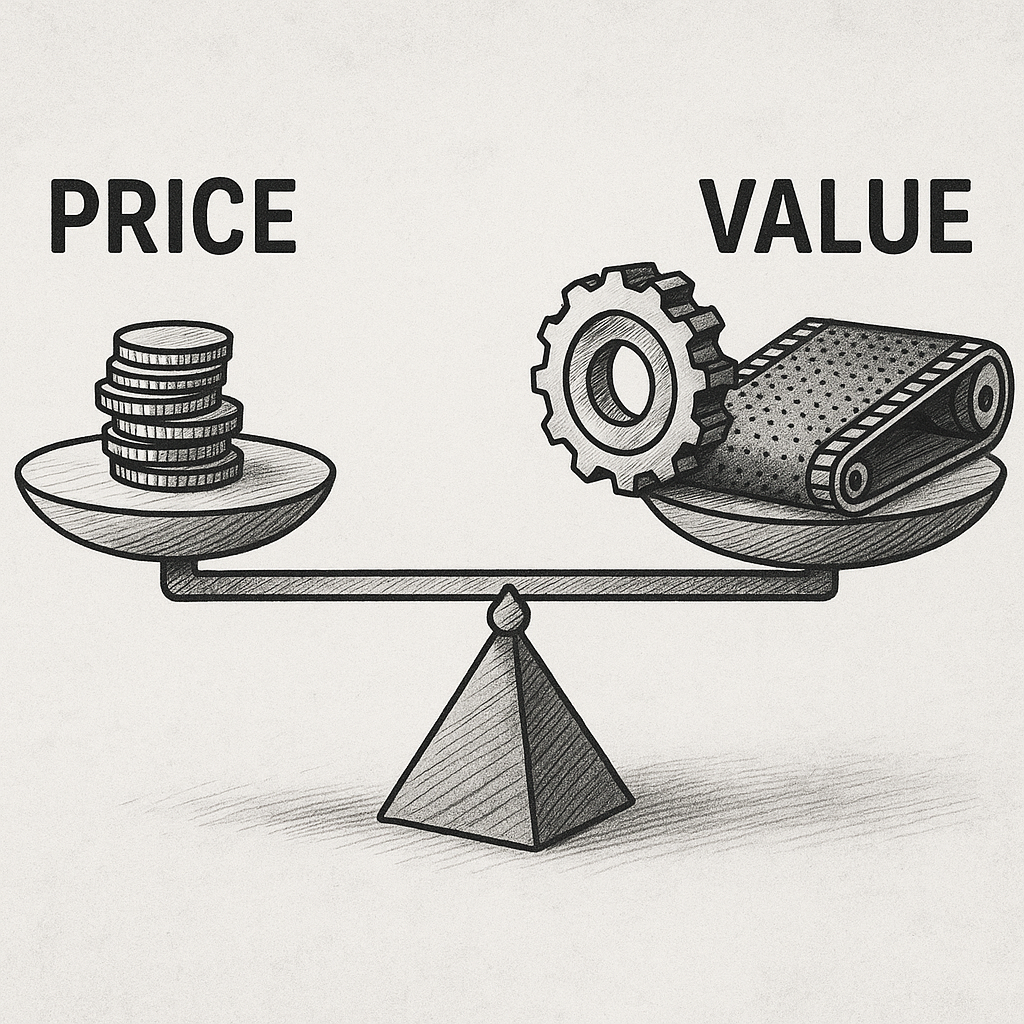
The cost of a belt from a top rubber conveyor belt manufacturer should be evaluated based on long-term value, not just the initial price tag. Key factors influencing price include raw materials, construction complexity, and order volume. The goal is to find a balance that ensures reliability without overspending.
What Determines the Final Price?
The final price is determined by the quality of raw materials, the complexity of the belt’s construction, and the size of your order. Let’s break it down: each of these components adds to the manufacturing cost.
- The grade and type of rubber compound and reinforcement fabric.
- The number of plies and any special features like cleats.
- Order volume, as larger orders often receive better pricing.
Balancing Cost vs. Long-Term Value
You must balance upfront cost against the total cost of ownership, which includes maintenance and downtime. The bottom line is this: a cheap belt that fails frequently is far more expensive than a durable one.
- Low-cost belts often lead to a higher total cost of ownership.
- Factor in the financial impact of production downtime and replacement labor.
- A premium belt often delivers a much better return on investment (ROI).
Key Takeaway: Focus on the total cost of ownership (TCO) and long-term value rather than making a decision based on price alone.
| Cost Factor | Low-Price Trap | High-Value Approach | |
|---|---|---|---|
| Initial Price | Lowest possible unit cost | Competitive price for specified quality | |
| Durability | Frequent replacements, high TCO | Longer lifespan, lower TCO | |
| Performance | Causes downtime and lost revenue | Maximizes uptime and productivity |
Choosing value over price is a strategic decision that pays dividends.
9. Future Trends for a Rubber Conveyor Belt Manufacturer
A forward-thinking rubber conveyor belt manufacturer is actively adopting future trends like smart technology and sustainable practices. These innovations are shaping the next generation of conveyor systems, offering predictive maintenance and reduced environmental impact. Partnering with such a manufacturer ensures your operations stay modern and efficient.
Are They Investing in Smart Technology?
You can tell if they are investing in smart tech by looking for products with integrated sensors or IoT capabilities. Here’s what to look for:
- Integration of wear sensors for predictive maintenance alerts.
- IoT-enabled systems for remote performance monitoring.
- Use of data analytics to help customers optimize belt performance.
What About Sustainable Practices?
Sustainable practices are becoming a key differentiator, so you should check for the use of eco-friendly materials and energy-efficient processes. The reality is: sustainability is not just good for the planet, but also for brand reputation.
- Development of belts using recycled materials.
- Energy-efficient manufacturing processes to reduce carbon footprint.
- Products designed for an extended lifecycle to minimize waste.
Key Takeaway: Choosing a manufacturer that embraces future trends prepares your operation for the next decade of industrial advancements.
| Future Trend | Indicator of Adoption | Your Advantage | |
|---|---|---|---|
| Smart Belts | Sensor integration, IoT features | Predictive maintenance, less downtime | |
| Sustainability | Eco-friendly materials, ISO 14001 | Improved corporate responsibility | |
| Automation | Robotic assembly, automated QC | Higher precision and consistency |
Aligning with an innovative supplier gives you a competitive edge.
10. How to Find Your Rubber Conveyor Belt Manufacturer
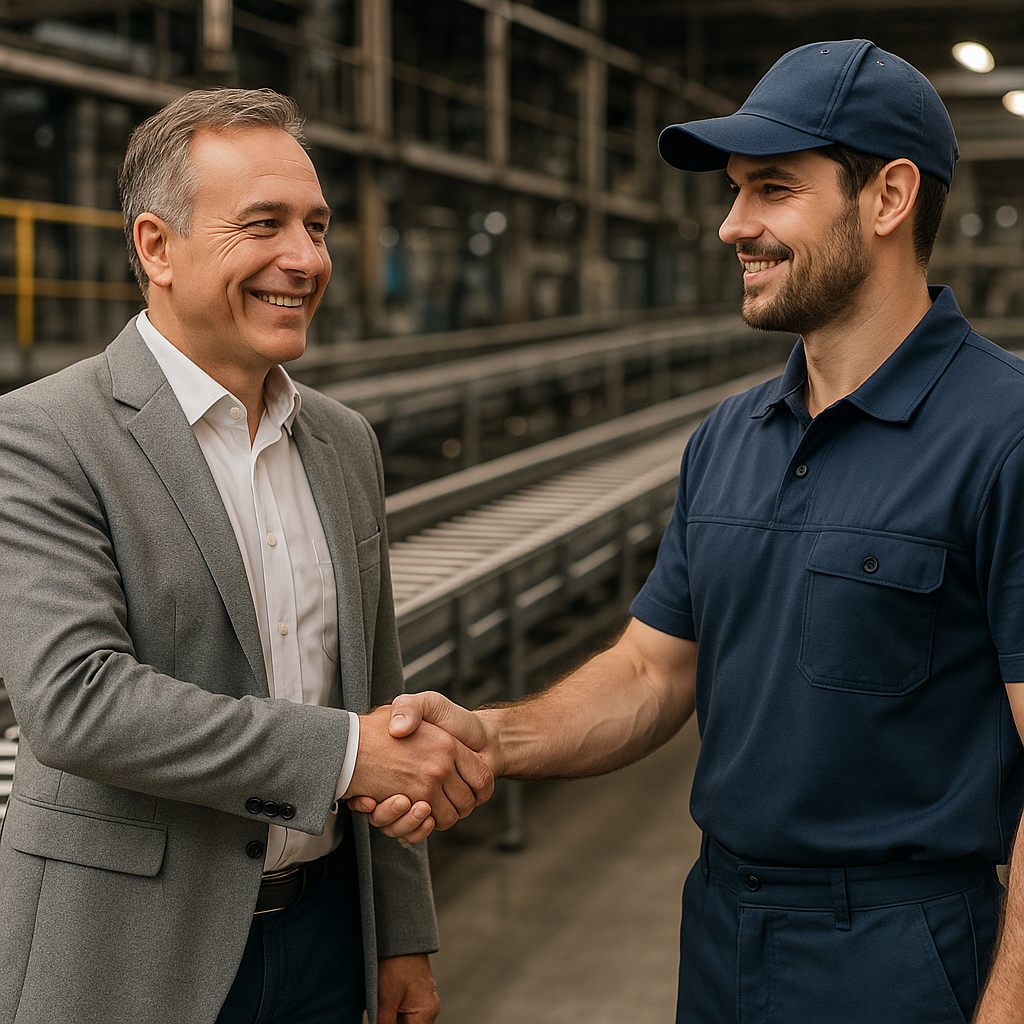
Finding the right rubber conveyor belt manufacturer is a process of strategic vetting that transforms a simple transaction into a long-term partnership. By using the criteria in this guide, you can systematically evaluate potential suppliers. The goal is to secure a partner who is invested in your success.
Creating Your Supplier Shortlist
You can create a shortlist by ranking potential partners against these criteria, requesting samples, and conducting audits. Ready to get started?
- Rank suppliers based on quality, scale, R&D, and global reach.
- Request technical data sheets and physical samples for evaluation.
- Schedule a virtual or, if possible, an in-person factory audit.
The Final Step: Building a Partnership
The final step is to build a relationship based on trust, clear communication, and mutually beneficial terms. Remember this: a supplier sells you a product, but a partner helps you succeed.
- Prioritize manufacturers who communicate clearly and transparently.
- Negotiate terms that foster a collaborative, long-term relationship.
- Choose a partner who shows a genuine interest in your operational goals.
Key Takeaway: The ultimate goal is to select a manufacturing partner whose success is intrinsically linked to your own.
| Vetting Stage | Action Item | Desired Outcome | |
|---|---|---|---|
| Shortlisting | Rank suppliers based on data | A list of 3-5 qualified candidates | |
| Verification | Request samples and audit factory | Tangible proof of their claims | |
| Negotiation | Discuss long-term partnership terms | A mutually beneficial agreement |
This structured approach minimizes risk and maximizes the chance of a successful outcome.
Conclusion
You no longer need to guess when selecting a supplier. This guide has equipped you with a comprehensive framework to assess quality, scale, innovation, and reliability, turning a risky decision into a strategic advantage. It protects you from the costly downtime and operational failures caused by inferior products.
Are you ready to partner with a manufacturer that prioritizes your operational excellence? Contact our experts today for a complimentary consultation to find the perfect conveyor belt solution that drives efficiency and boosts your bottom line. Our vision is to be the world’s most dependable conveyor belt partner, continuously innovating to ensure our clients’ success is at the heart of everything we do.
Frequently Asked Questions (FAQ)
1. How do I know if I need a custom belt?You likely do if your application involves extreme temperatures, steep inclines, or direct contact with materials like oil that standard belts cannot handle. If a standard EP or steel cord belt fails prematurely, a custom-engineered solution is your next step.
2. Can I trust a manufacturer without a global presence?It depends on your market. For domestic operations, a strong regional supplier can be excellent. However, a global reach indicates proven experience with complex logistics, diverse international standards, and a higher level of quality control demanded by competitive markets.
3. How much should I budget for a quality rubber belt?There is no single answer, but you should budget based on total cost of ownership (TCO) rather than just the upfront unit price. A cheaper belt that requires frequent replacement will cost more in the long run due to downtime and labor. Invest in durability for a better return.
4. What is the most important factor to consider?While all factors matter, quality is non-negotiable. Poor material quality or construction is the root cause of most belt failures, leading to safety hazards, operational downtime, and significant financial loss. Prioritize verifiable quality above all else.
5. How can I verify a manufacturer’s claims?Always verify through third-party proof and direct requests. Ask for copies of their ISO certifications, request client references in a non-competing industry, and demand detailed technical data sheets for the specific belt you are considering.