
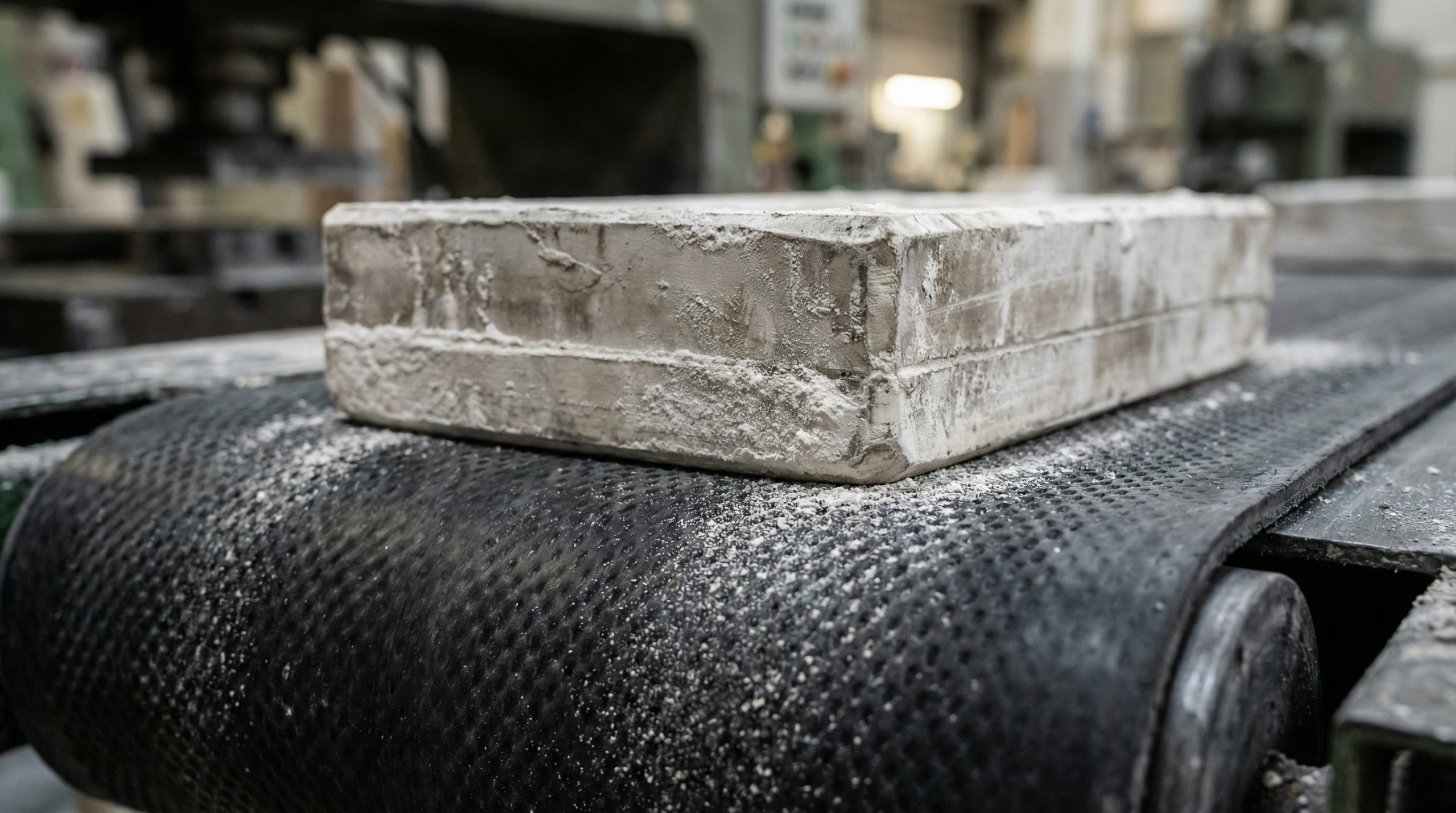
A black rough top rubber conveyor belt provides high friction for stable transport, preventing slippage, reducing damage, and improving efficiency in plaster casting and industrial conveying systems.
What is a black rough top rubber conveyor belt for casting?
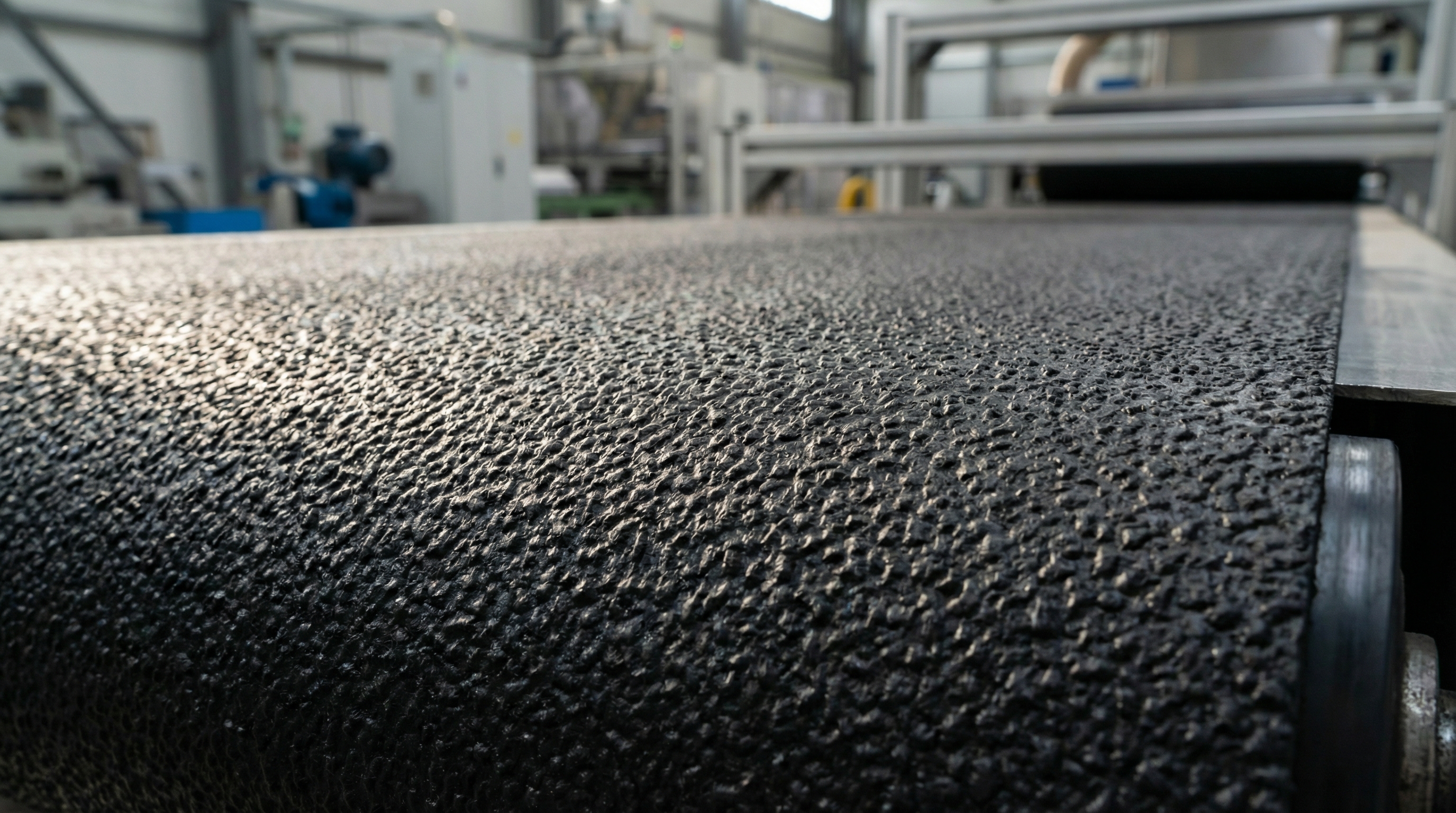
A black rough top rubber conveyor belt is a specialized transport medium featuring a deeply textured surface designed to increase the coefficient of friction between the belt and smooth industrial products. In plaster casting, this belt provides the necessary “bite” to move wet or finished molds without the risk of sliding or misalignment. You can find detailed specifications for these black rough top rubber conveyor belt systems in our primary product catalog.
Primary Industrial Function
The best part?
- High friction coefficient
- Non-slip surface profile
- Vibration dampening properties
- Improved load stability
Look: This specialized texture acts as a mechanical lock, ensuring that even the most slippery plaster surfaces remain fixed in place during transit.
| Feature | Benefit | |
|---|---|---|
| Textured Surface | Prevents product slippage on inclines | |
| Rubber Compound | Offers durability and shock absorption | |
| High Grip | Increases throughput safety |
The integration of specialized rubber compounds with a rough profile ensures that delicate plaster molds are handled with extreme precision.
Key Takeaway: Rough top belts are the essential high-friction solution for moving smooth casting materials.
How is the black rough top rubber conveyor belt structured?
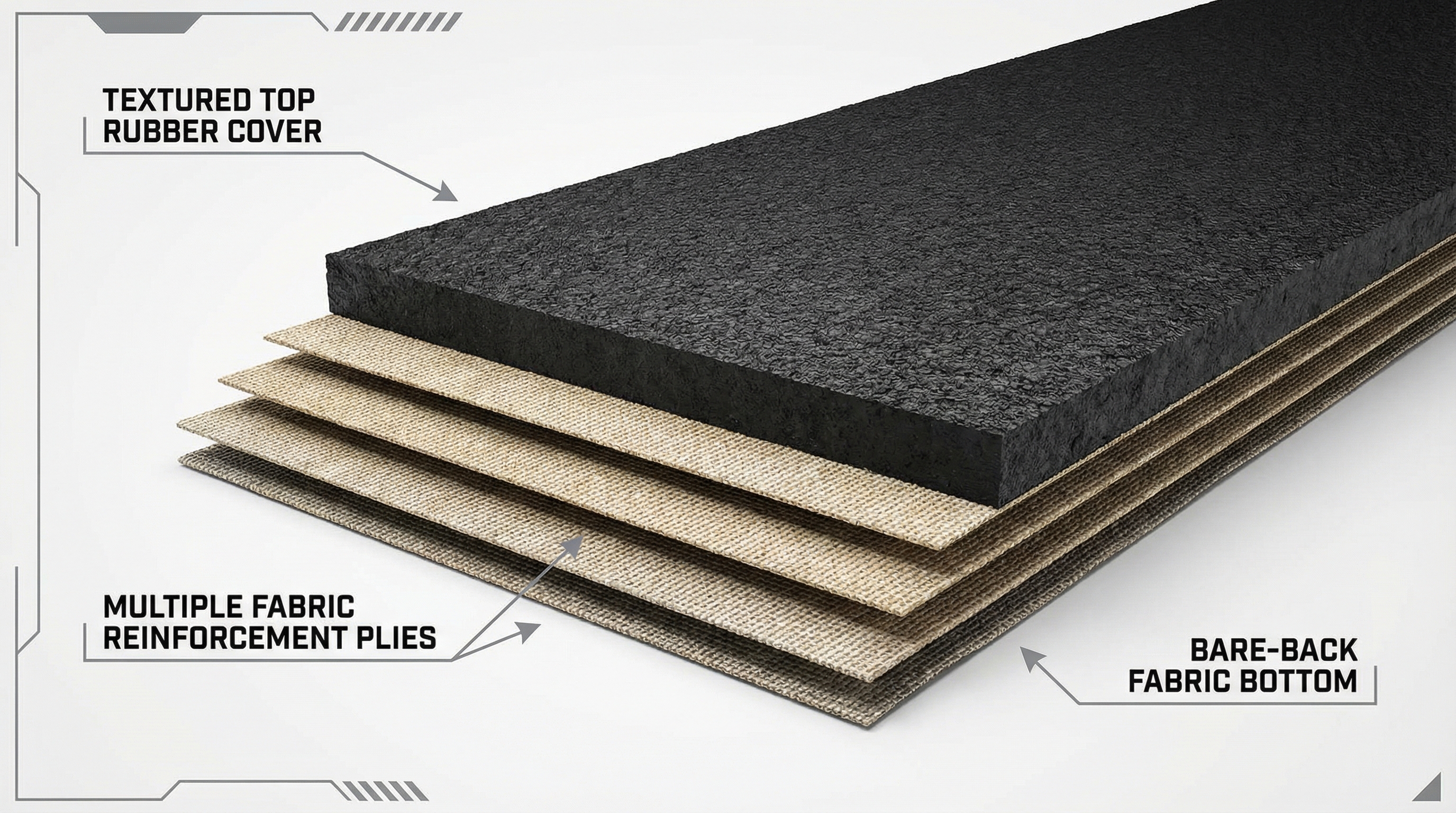
The structure of a black rough top rubber conveyor belt typically consists of a high-strength textile carcass sandwiched between a textured rubber top cover and a low-friction “bare back” bottom. This multi-layered design provides the tensile strength needed to carry heavy plaster molds while maintaining the flexibility required for smaller pulley diameters.
Component Layers and Materials
Here is the deal:
- EP or NN fabric plies
- Natural or synthetic rubber covers
- Bare back fabric bottom
- Integrated surface patterns
The secret lies in the internal reinforcement that prevents elongation even when the system is under heavy load. By using a fabric textile conveyor belt as the foundation, the rough top system can endure the heavy stresses of casting operations.
| Layer | Material | Function | |
|---|---|---|---|
| Top Cover | Textured Rubber | Grip and protection | |
| Core Plies | EP/NN Fabric | Tensile strength | |
| Bottom Cover | Bare Back | Reduced sliding resistance |
Precision engineering ensures that each layer contributes to the overall stability and longevity of the material handling system.
Key Takeaway: The multi-ply structure provides the perfect balance of surface grip and internal durability.
Why use a black rough top rubber conveyor belt for plaster?
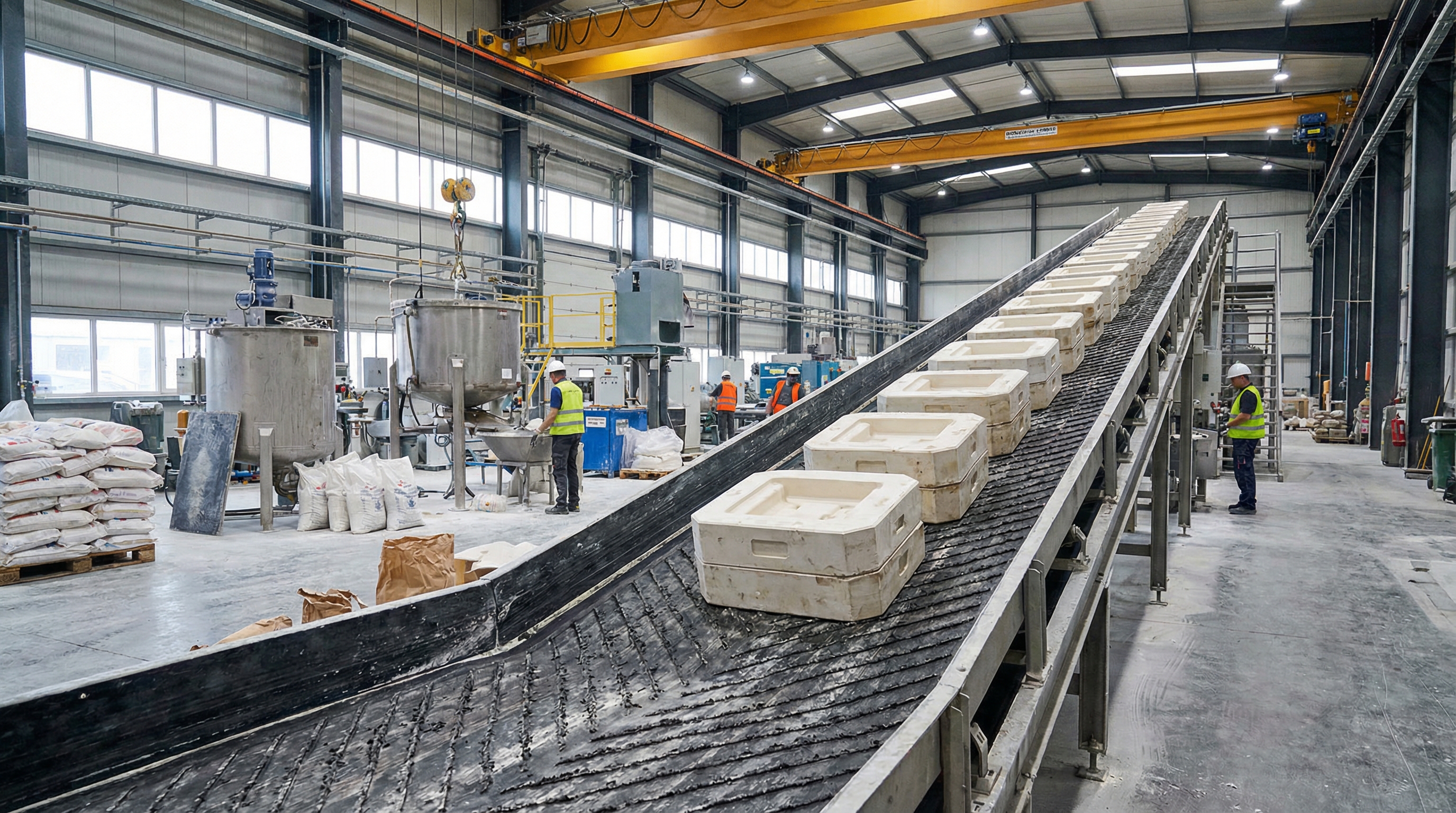
You should use a black rough top rubber conveyor belt in plaster facilities because it effectively manages the smooth, low-friction base of plaster molds that often causes sliding on standard flat belts. This high-friction black rough top rubber conveyor belt is engineered to maintain a secure hold even when plaster dust or moisture is present on the line.
Solving common casting bottlenecks
The best part?
- Eliminates mold sliding
- Handles steep incline angles
- Resists dust accumulation
- Reduces product breakage
Look: When you upgrade to a textured surface, you immediately eliminate the frequent production stops caused by displaced items on the conveyor. These systems are specifically built to perform in environments where fine particles can compromise traction, much like construction and aggregate industry solutions.
| Challenge | Rough Top Solution | |
|---|---|---|
| Smooth Product Surface | Mechanical grip profile | |
| Steep Inclines | High friction rubber | |
| Production Dust | Debris-tolerant pattern |
Adopting high-grip surfaces transforms a problematic production line into a highly efficient and safe industrial operation.
Key Takeaway: Rough top belting is the specific antidote to the slippage challenges inherent in plaster manufacturing.
Where is a black rough top rubber conveyor belt most used?
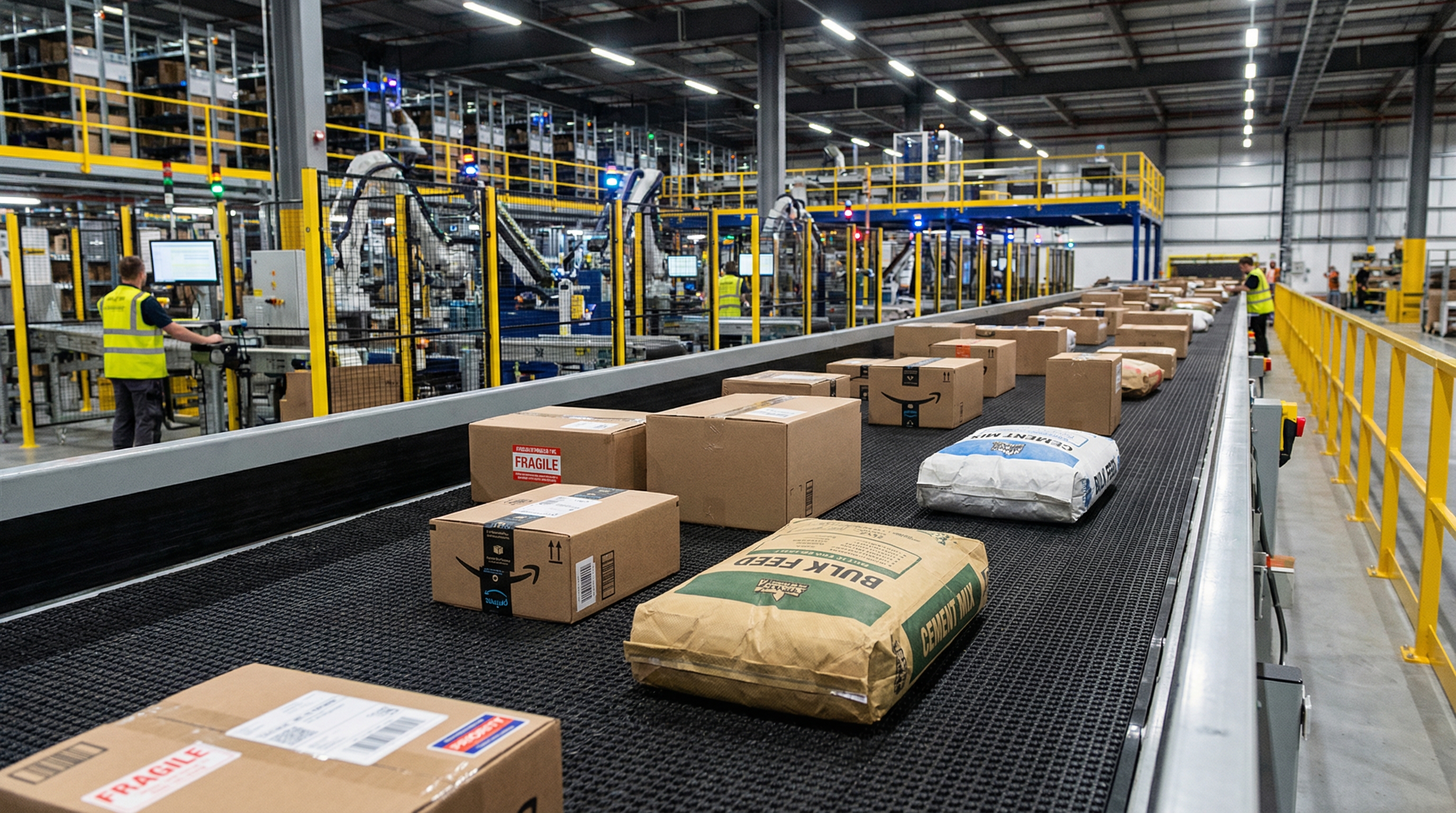
A black rough top rubber conveyor belt is most commonly used in plaster and ceramic plants, airport baggage systems, and packaging lines where items must be moved up or down steep inclines. Its versatility allows it to serve as a reliable transport medium for any smooth-surfaced package or finished good that requires a steady grip during movement.
Critical Application Zones
Here is the deal:
- Inclined loading ramps
- Finished mold drying lines
- Bagged material transport
- Logistics sorting centers
The secret lies in the belt’s ability to handle angles that would be impossible for standard smooth-cover belts. While these are common in logistics, they also play a vital role in cement industry solution designs where bagged gypsum or lime must be moved securely.
| Sector | Typical Use Case | |
|---|---|---|
| Plaster Casting | Mold transport to ovens | |
| Warehouse | Carton incline conveying | |
| Airport | Luggage ramp handling |
This belt type acts as a universal solution for industries that deal with smooth or packaged goods on vertical gradients.
Key Takeaway: Any environment requiring inclined transport of smooth objects benefits from rough top technology.
How does a black rough top rubber conveyor belt handle grip?
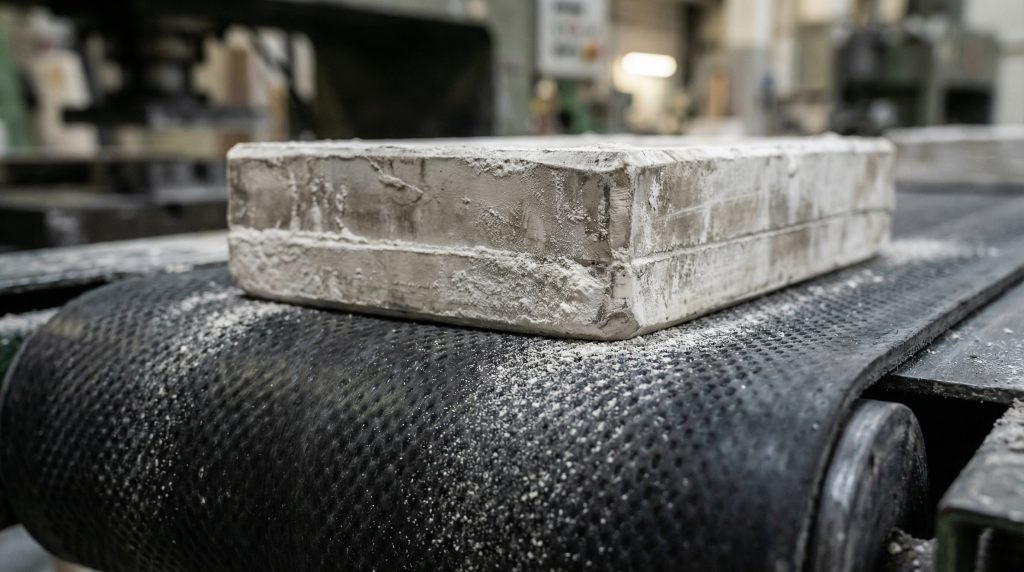
A black rough top rubber conveyor belt handles grip through a combination of rubber deformation and a high surface-to-load friction coefficient created by its pimpled or ribbed profile. This black rough top rubber conveyor belt creates thousands of tiny contact points that mechanically interlock with the base of the plaster mold to prevent downward sliding.
Physics of Surface Friction
The best part?
- Increased surface area
- Pressure-point deformation
- Moisture drainage channels
- Enhanced static friction
Look: The rubber “fingers” compress slightly under the weight of the mold, creating a vacuum-like hold that prevents any lateral movement. This high-friction property is essential for safety and throughput stability in every casting operation.
| Mechanism | Impact on Casting | |
|---|---|---|
| Micro-Interlocking | Total stability during transit | |
| Compound Elasticity | Shock absorption for delicate items | |
| Textured Valleys | Clearance for fine plaster dust |
Understanding the physical interaction between the rubber pattern and the mold is the key to optimizing your conveyor speed.
Key Takeaway: Grip is achieved through mechanical interlocking and the natural adhesion of high-quality rubber compounds.
Can a black rough top rubber conveyor belt improve casting?
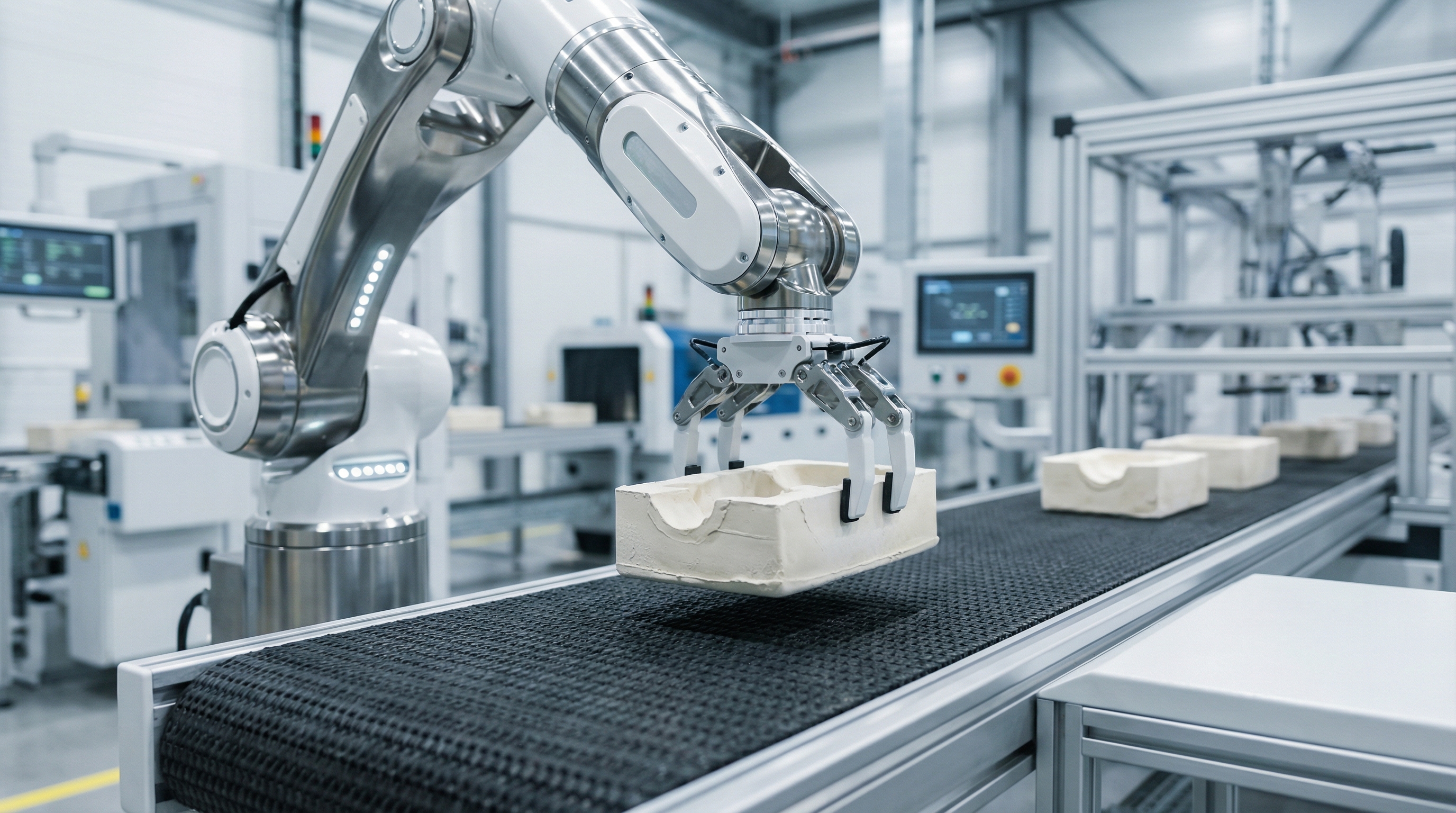
Yes, a black rough top rubber conveyor belt can significantly improve casting operations by allowing for higher line speeds and steeper conveyor angles without compromising the integrity of delicate molds. By ensuring that products stay exactly where they are placed, the belt facilitates the use of automated robotic arms and reduces the manual labor needed to realign shifted items.
Operational Efficiency Gains
Here is the deal:
- Higher RPM capabilities
- Reduced manual intervention
- Fewer product rejects
- Optimized factory layout
The secret lies in the predictability of the belt, which allows you to program automated casting machinery with much tighter tolerances. This precision movement is a hallmark of high-performance systems, comparable to the heavy-duty belts found in the mining industry for continuous handling.
| Metric | Improvement with Rough Top | |
|---|---|---|
| Throughput Speed | 20-30% increase | |
| Product Waste | 15% reduction | |
| Labor Costs | Lower manual monitoring |
Investing in reliable traction is a direct catalyst for increased production speed and improved profit margins over time.
Key Takeaway: Precise material handling is the foundation for scaling up automated plaster casting processes.
How to clean a black rough top rubber conveyor belt safely?
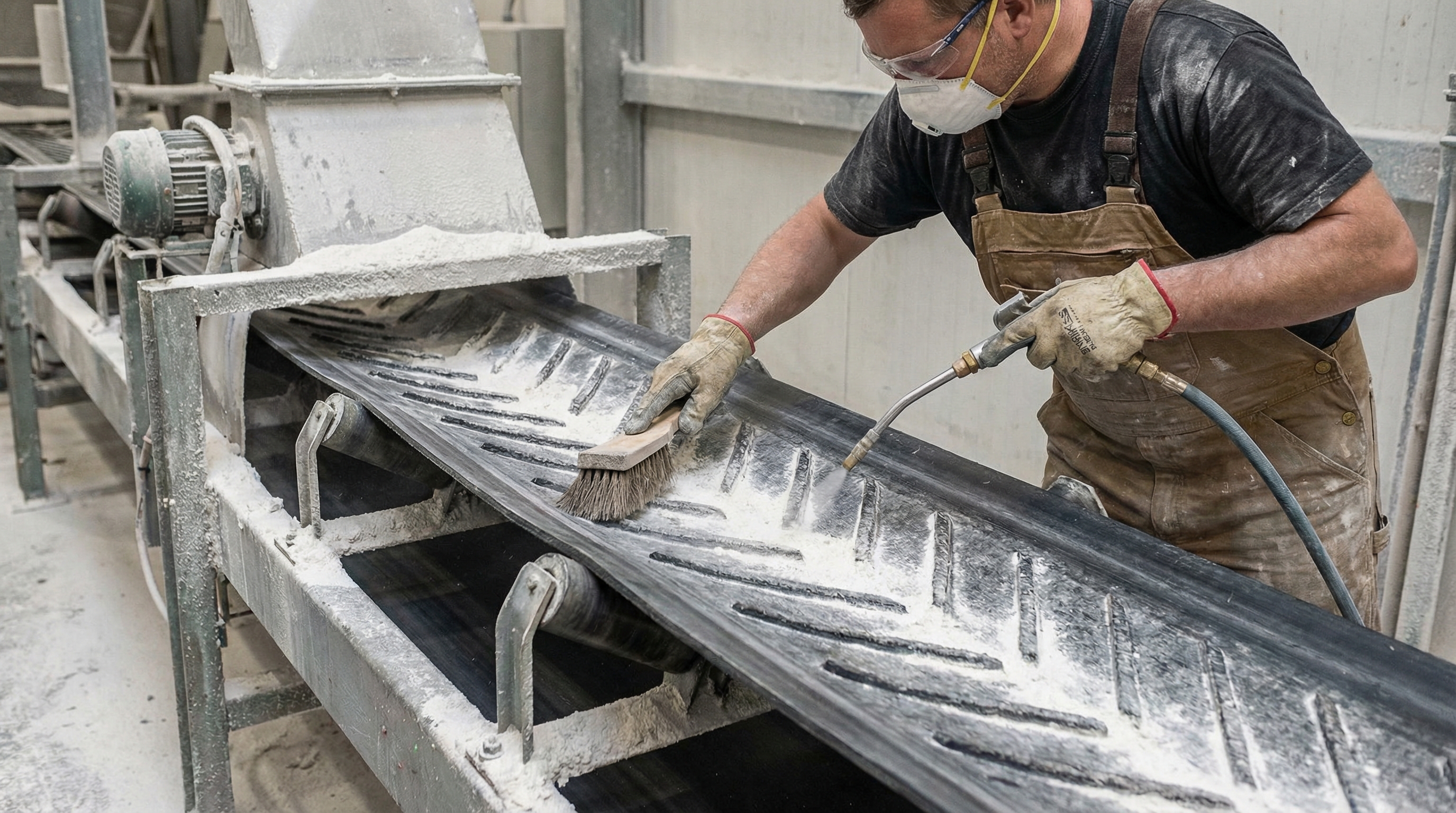
You can clean a black rough top rubber conveyor belt safely by using dry nylon brushes or compressed air to dislodge dry plaster dust that settles in the textured valleys. Maintenance of this black rough top rubber conveyor belt is vital to ensure that the friction-producing patterns do not become “clogged” with hardened plaster debris that would smooth out the surface.
Maintenance and Hygiene Protocols
The best part?
- Dry-brushing efficiency
- Low-pressure air cleaning
- Chemical-free maintenance
- Long-term grip retention
Look: Regular cleaning routines ensure that the high-friction profile remains as effective on year three as it was on day one. Selecting the right rough top conveyor belt for your facility involves planning for these routine maintenance steps to preserve performance.
| Method | Frequency | Target | |
|---|---|---|---|
| Air Blowing | Daily | Loose plaster dust | |
| Nylon Brushing | Weekly | Embedded particles | |
| Mild Rinse | As Needed | Hardened residue |
Proper cleaning prevents the gradual loss of traction and ensures the belt continues to meet stringent safety requirements.
Key Takeaway: Consistent cleaning prevents the “leveling” of the texture and preserves the belt’s critical safety benefits.
What is the black rough top rubber conveyor belt life span?
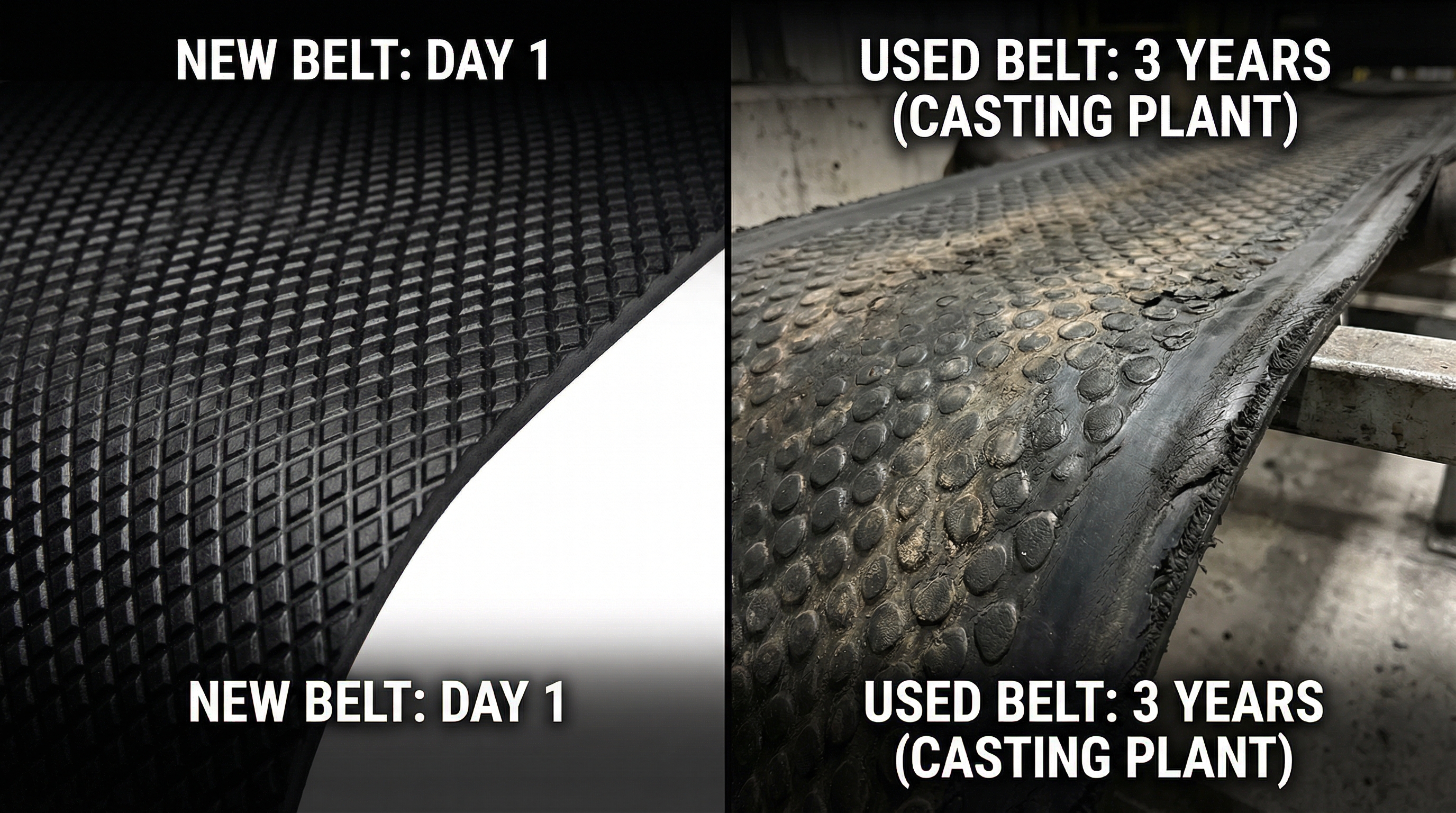
The lifespan of a black rough top rubber conveyor belt typically ranges from 3 to 7 years in a plaster casting facility, depending on the abrasion levels and the weight of the molds. While plaster is not extremely abrasive, the constant friction and cleaning cycles will eventually wear down the textured profile, signaling the need for a proactive replacement schedule.
Factors Affecting Durability
Here is the deal:
- Quality of rubber compound
- Total load weight
- Operating speed
- Ambient temperature
The secret lies in selecting a high-grade cover rubber that resists “flattening” even under continuous industrial stress. Durability depends on both the quality of the fabric core and the environmental conditions present on the casting floor.
| Variable | Effect on Life Span | |
|---|---|---|
| Heavy Load | Accelerates texture wear | |
| High Speed | Increases friction heat | |
| UV Exposure | Can cause rubber hardening |
Monitoring the depth of the texture allows maintenance teams to predict replacement needs before a failure occurs.
Key Takeaway: Premium belts offer a significantly longer service life, reducing the total cost of ownership for the facility.
Does a black rough top rubber conveyor belt save costs?

Yes, a black rough top rubber conveyor belt saves costs by drastically reducing the number of broken plaster molds and lowering the energy consumption of your conveyor drive system. Investing in a high-quality black rough top rubber conveyor belt with a bare-back bottom reduces the friction against the slider bed, leading to noticeable savings in monthly electricity bills.
Return on Investment Analysis
The best part?
- Reduced product waste
- Lower motor strain
- Fewer emergency repairs
- Optimized floor space
Look: By allowing for steeper inclines, the rough top belt lets you design more compact production lines, saving expensive factory square footage. These financial benefits make the transition to rough top belting a clear choice for any professional conveyor belt operation looking for efficiency.
| Saving Category | Description | |
|---|---|---|
| Material Savings | Less breakage during transit | |
| Energy Efficiency | Bare-back reduced friction | |
| Floor Space | Smaller conveyor footprint |
The cost of the belt is minor compared to the total savings generated through increased stability and reduced product loss.
Key Takeaway: The initial investment is quickly recovered through waste reduction and operational energy savings.
How to choose the best black rough top rubber conveyor belt?

To choose the best black rough top rubber conveyor belt, you must evaluate your conveyor’s incline angle, the weight of your heaviest plaster mold, and the diameter of your smallest pulleys. A professional consultation ensures that the belt you select has the appropriate number of plies and the correct rubber compound to handle your unique environmental challenges.
Selection Criteria and Specs
Here is the deal:
- Minimum pulley diameter
- Tensile strength (EP rating)
- Cover thickness requirements
- Friction bottom type
The secret lies in matching the belt flexibility to your system’s drive pulleys to prevent premature cracking or mechanical failure. Working with an experienced manufacturer ensures your rough top belt meets all specific safety and performance standards for your plant.
| Parameter | Importance | |
|---|---|---|
| Incline Angle | Dictates texture depth | |
| Mold Weight | Determines ply count | |
| Pulley Size | Limits belt thickness |
Choosing the right specifications from the start prevents costly downtime and ensures a smooth material handling operation.
Key Takeaway: Accurate specification and professional consultation are the foundations of a reliable transport system.
Frequently Asked Questions (FAQ)
1. Can I use rough top belts for wet plaster?Rough top belts are excellent for managing moisture, as the textured valleys provide channels for liquid to drain away from the contact points. However, you must clean the belt regularly to prevent wet plaster from hardening and filling the grip pattern, which would reduce traction.
2. What’s the best way to clean the texture?The most effective method is using a stiff nylon brush combined with low-pressure compressed air to dislodge particles without damaging the rubber cover. Avoid using harsh chemical solvents that could degrade the non-slip properties of the belt surface over time.
3. Can I run these belts on a flat slider bed?Yes, you can run them on slider beds if you choose a “bare back” version which features a fabric bottom designed for low friction. If your system uses rollers, a standard rubber-covered bottom is typically preferred for better protection and tracking stability.
4. What’s the maximum incline for plaster molds?For smooth-bottomed plaster molds, a rough top belt can typically handle angles between 25 and 30 degrees depending on the specific rubber compound. If your incline exceeds this range, you might need to consider a more aggressive cleated or chevron belt design.
5. Can I get custom logo printing on the belt?Yes, we offer custom branding and specification marking services during the manufacturing process to help with inventory management and brand identity. This allows you to clearly identify the belt type and its installation date directly on the surface for better maintenance tracking.
Optimize Your Casting Line Today
Are you ready to eliminate product slippage and increase your plant’s throughput? Our engineering team is standing by to provide a tailored solution for your specific plaster casting requirements. Contact us today to receive a free technical consultation and a detailed quotation for your next high-performance belt system.