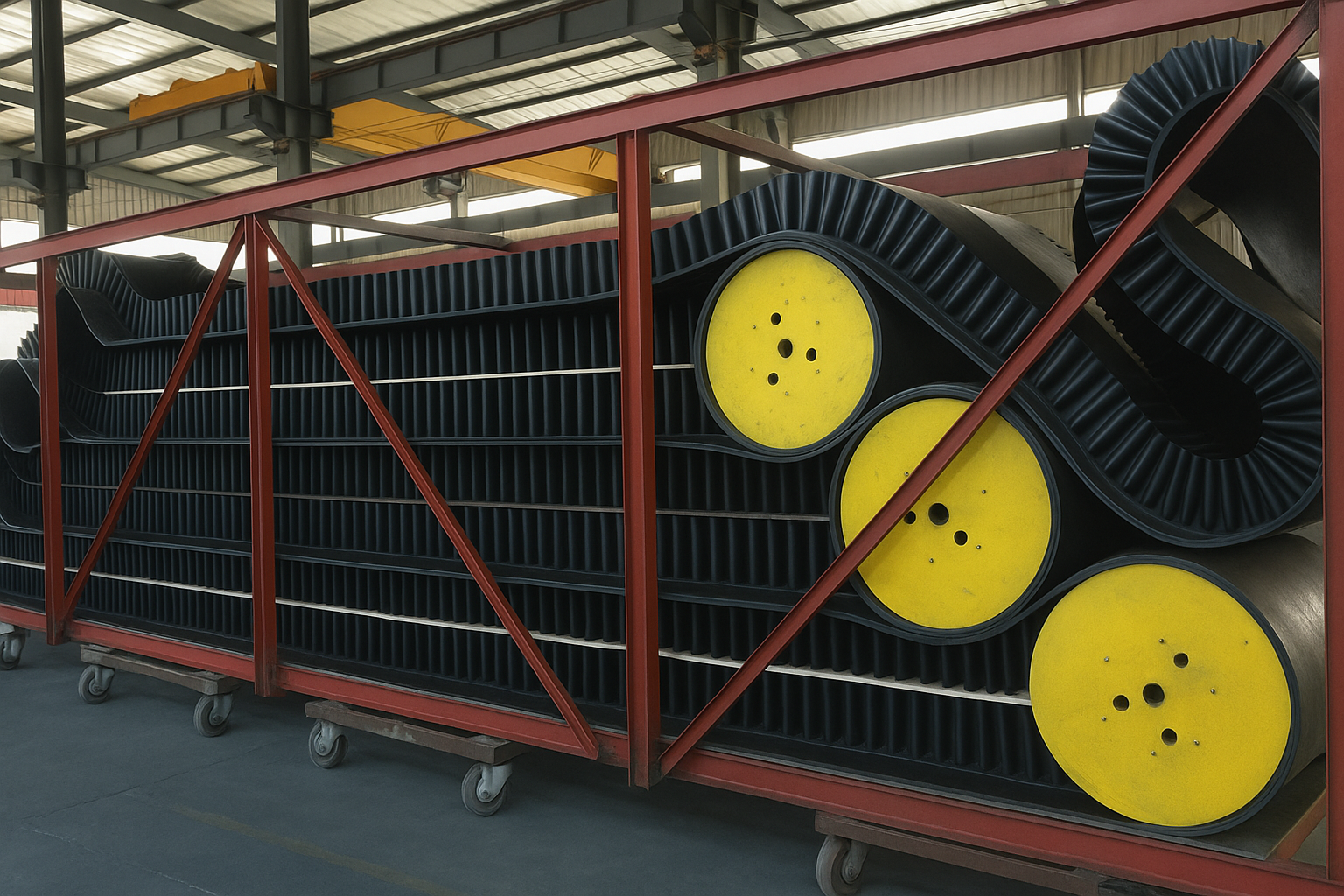
A reliable china sidewall rubber conveyor belt factory provides efficient vertical conveying solutions, reducing spillage, saving space, and ensuring stable performance in heavy-duty industrial applications.
What Is an Outdoor Sidewall Conveyor Belt?
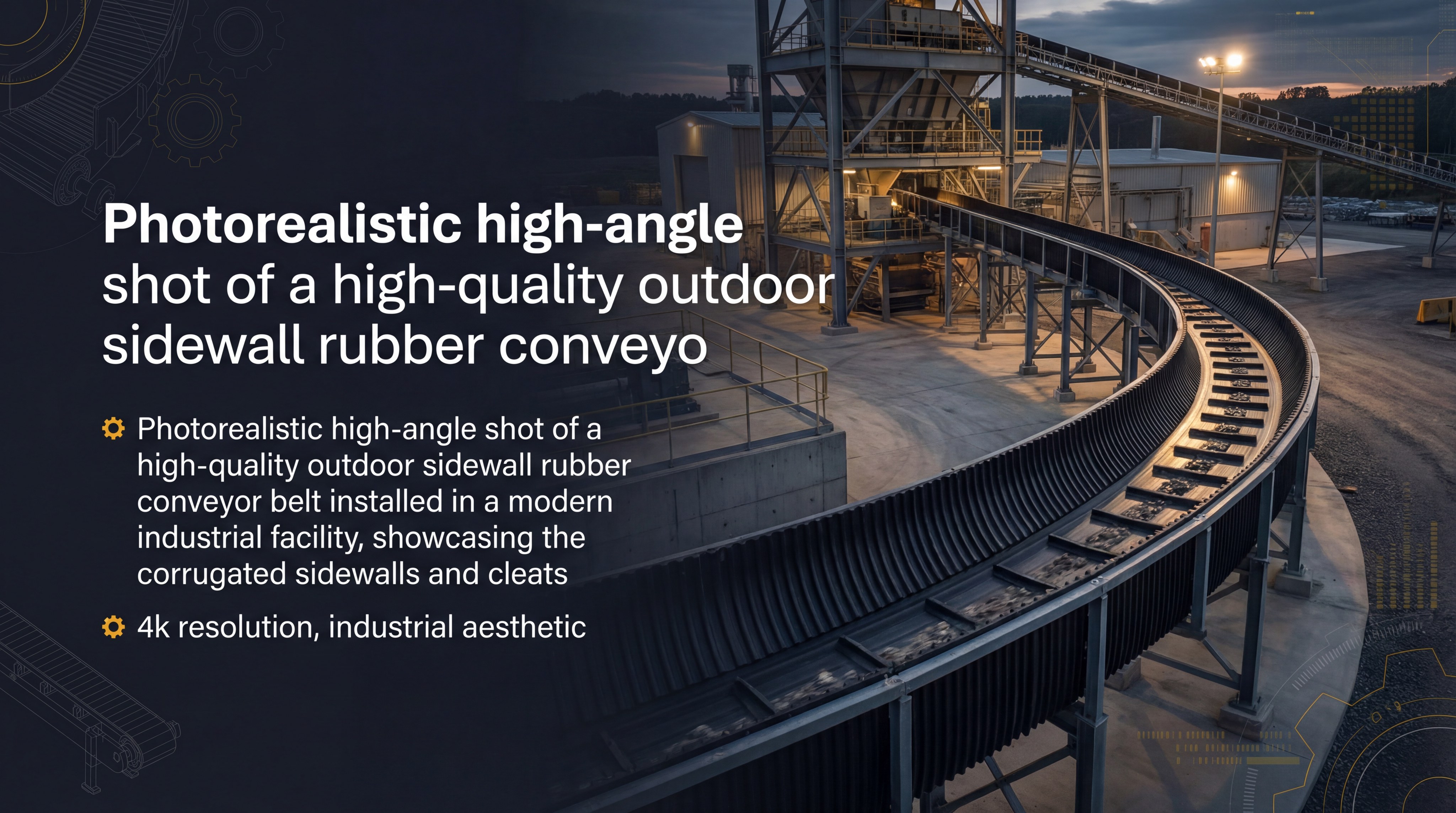
An outdoor sidewall conveyor belt is a specialized rubber belt equipped with corrugated edges and horizontal cleats designed for the steep-angle or vertical transport of bulk materials. When you source from a reputable china sidewall rubber conveyor belt factory , you receive a product engineered to withstand harsh weather conditions while maximizing material throughput.
How Is the Base Belt Constructed?
The base belt is the foundation of the entire system, providing the necessary tensile strength and stability. You will find that these belts are usually reinforced with high-strength fabric or steel cords to prevent stretching.
- High-tensile polyester (EP) or nylon (NN) fabric layers.
- Cross-rigid properties to prevent the belt from sagging between idlers.
- Durable top and bottom rubber covers for impact protection.
Look: The integrity of your entire material handling line depends on this base layer’s ability to remain stiff across its width while remaining flexible along its length.
What Makes It Suitable for Outdoor Use?
Outdoor suitability is determined by the specific rubber compounds used during the manufacturing process. Because your facility might face direct sunlight or heavy rain, these belts are treated with specialized UV and moisture inhibitors.
Wait, there’s more:
- Anti-aging additives to prevent rubber cracking in the sun.
- Waterproof fabric cores that resist rot and mildew.
- Cold-resistant compounds for operations in sub-zero climates.
Key Takeaway: A well-constructed outdoor sidewall belt combines high-strength base materials with specialized protective covers to ensure long-term reliability in exposed environments.
| Component | Function | Material Choice | |
|---|---|---|---|
| Base Belt | Provides tension and cross-rigidity | EP Fabric / Steel Cord | |
| Sidewalls | Contain material at steep angles | High-elasticity Rubber | |
| Cleats | Prevent material back-sliding | Reinforced Rubber Blocks |
This structural harmony ensures that your bulk materials remain secure even during vertical lifts.
How Do Sidewall Conveyor Belts Operate?
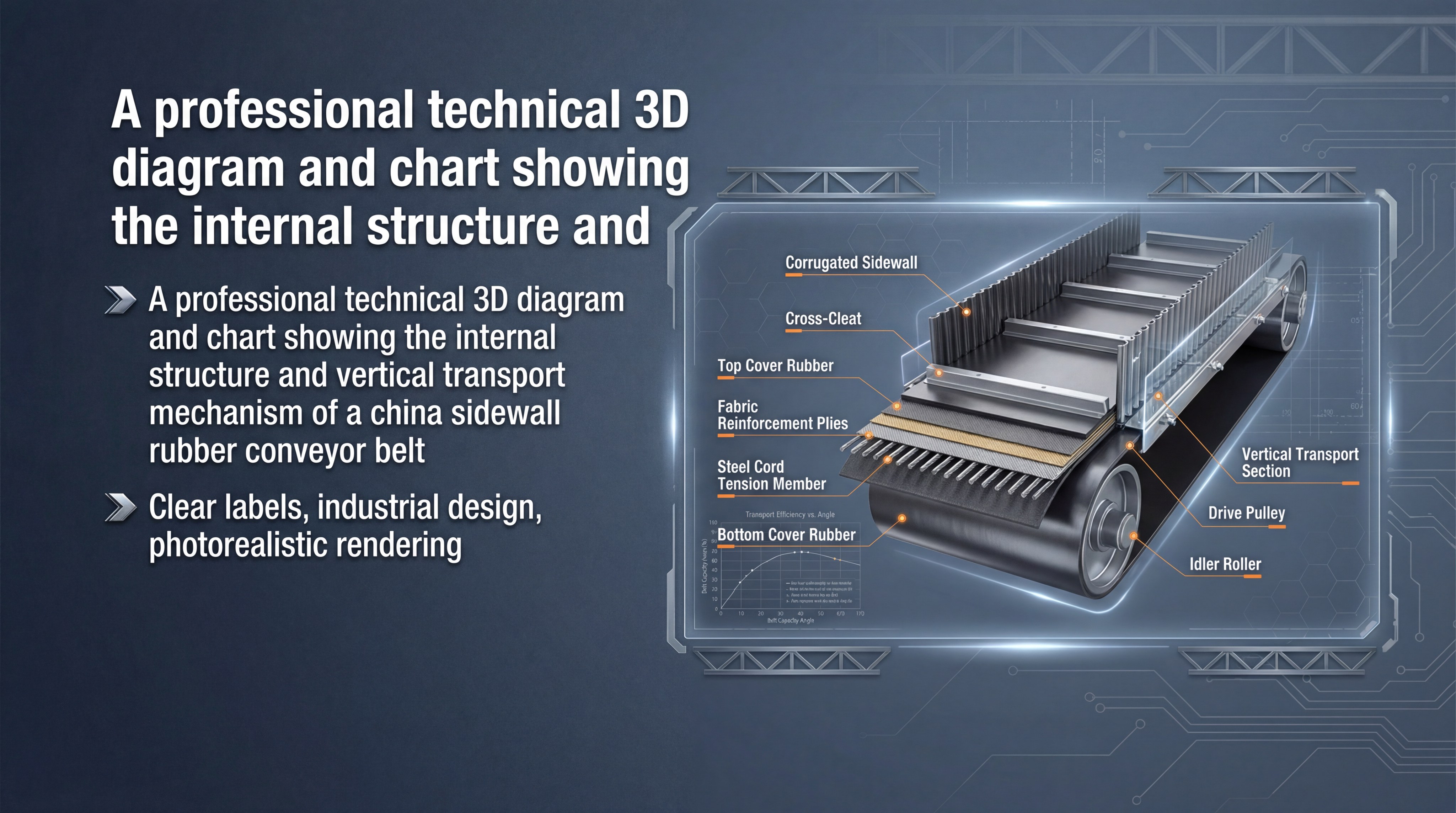
Sidewall conveyor belts operate by using a combination of corrugated edges and horizontal cleats to form moving “pockets” that trap and lift bulk materials vertically. A professional china sidewall rubber conveyor belt factory ensures that these components work in perfect synchronization to eliminate spillage during high-speed operations.
How Are Materials Transported Vertically?
The vertical transport mechanism relies on the cleats acting as shelves within the corrugated walls. As the belt moves upward, gravity holds the material against the cleat, while the sidewalls prevent it from falling off the sides.
- Materials are loaded onto the flat horizontal section.
- The belt transitions into a steep incline or vertical lift.
- Pockets keep the material stable regardless of the angle.
Think about it: You can essentially turn a traditional conveyor into a vertical lift without needing the massive footprint of a standard inclined system.
What Is the Role of Corrugated Walls?
Corrugated walls are designed to flex around the pulleys while maintaining a height that contains the material. These walls are vulcanized onto the base belt to ensure they can handle the stress of continuous bending without peeling.
- S-shaped or W-shaped corrugations for maximum flexibility.
- Available in heights ranging from 40mm to over 400mm.
- Reinforced with fabric inserts for added tear resistance.
Here’s the kicker: The flexibility of these walls allows you to use smaller pulley diameters, which further reduces the overall size of your machinery.
Key Takeaway: The operation of these belts relies on the creation of secure pockets that defy gravity through clever mechanical design and high-friction rubber surfaces.
| Operating Feature | Benefit to You | Impact on Efficiency | |
|---|---|---|---|
| Pocket Formation | Zero material spillage | High | |
| Vertical Transition | Minimum floor space usage | Critical | |
| Smooth Discharge | Faster cycle times | Moderate |
These operational dynamics allow your facility to achieve higher throughput in significantly smaller footprints.
What Are the Critical Design Components?
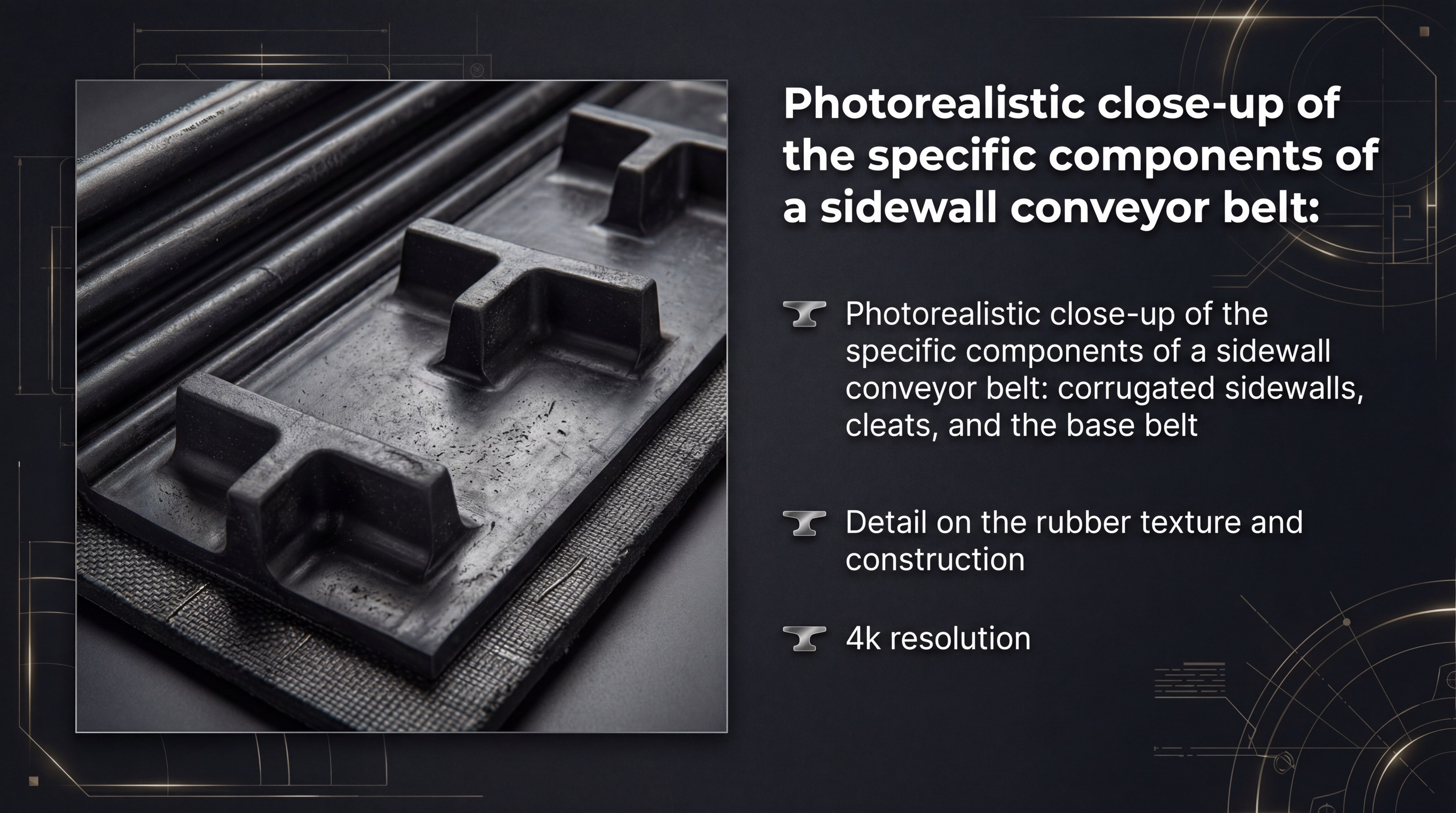
The critical design components of a sidewall belt include the cross-rigid base belt, the corrugated sidewalls, and the transverse cleats, all of which must be perfectly bonded. Leading engineers at a china sidewall rubber conveyor belt factory focus on the fabric and textile base to ensure the belt does not bow under heavy vertical loads.
Why Are Flexible Sidewalls Important?
Flexible sidewalls allow the belt to curve around drive pulleys and idlers without cracking or losing their shape. You need this flexibility to ensure the belt lasts through millions of cycles without requiring expensive replacements.
- High elasticity allows for smooth pulley wrapping.
- Corrugated shapes distribute stress evenly across the rubber.
- Variable heights accommodate different volumes of bulk material.
The best part? You get a system that moves like a standard belt but performs like a heavy-duty elevator.
How Do Cleats Prevent Material Backflow?
Cleats are the horizontal barriers that prevent your materials from sliding backward down the belt. They come in various shapes, such as T, C, or TC, depending on the steepness of your incline.
- T-Cleats: Used for light materials at moderate angles.
- C-Cleats: Curved design for higher capacity and stickier materials.
- TC-Cleats: Heavy-duty reinforced blocks for vertical or “wall” lifts.
Wait, there’s more: Cleats are often bolted or vulcanized to the sidewalls to create a completely sealed material pocket.
Key Takeaway: Cleats and sidewalls must be engineered as a cohesive unit to prevent any material leakage or mechanical failure during vertical transitions.
| Component | Design Focus | Priority | |
|---|---|---|---|
| Cleat Shape | Material retention efficiency | High | |
| Wall Height | Volume capacity | High | |
| Base Rigidity | Tracking and stability | Critical |
This technical synergy is what allows you to transport everything from fine powders to large rocks without losing a single gram.
How Are These Specialized Belts Manufactured?
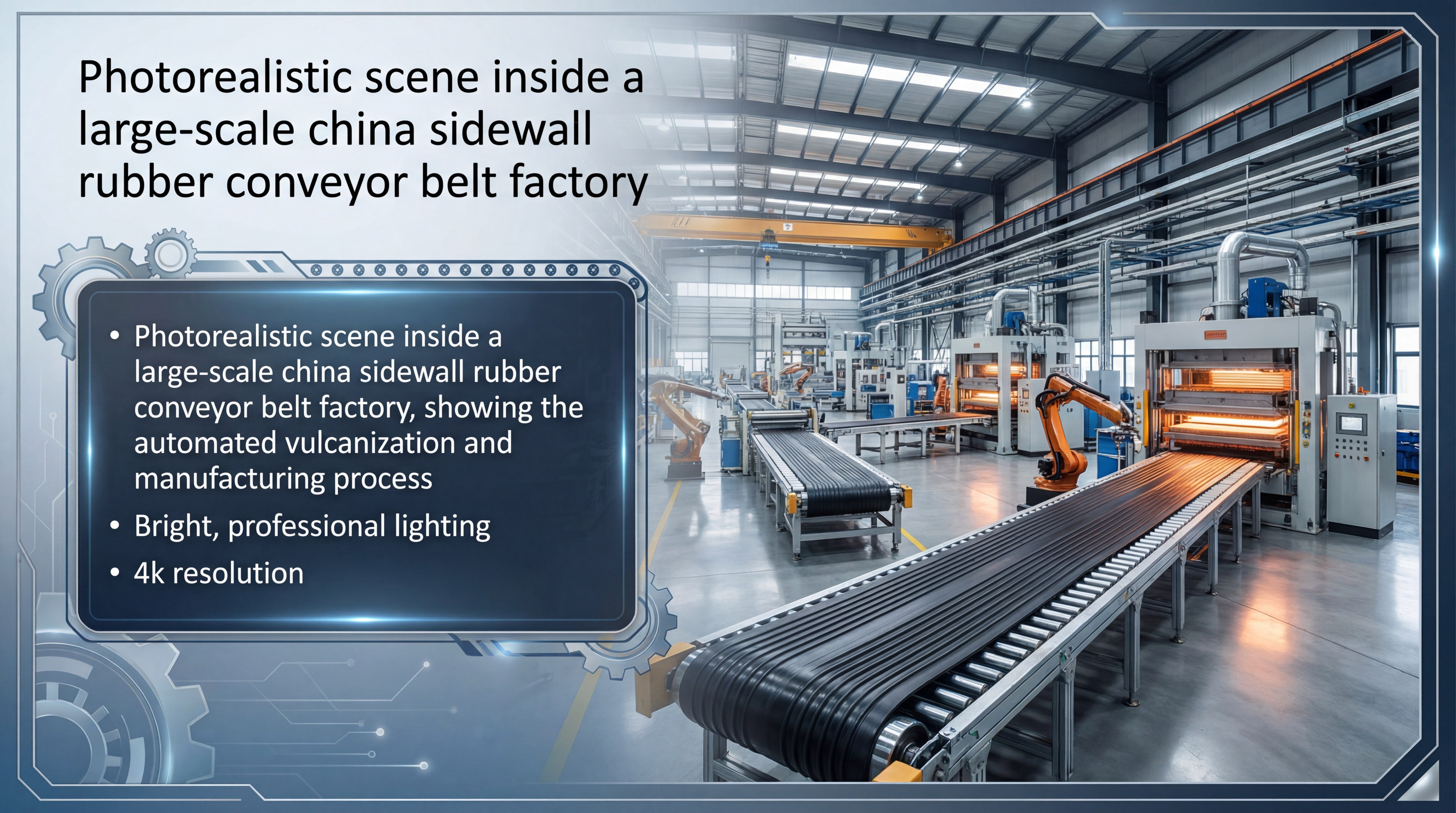
These specialized belts are manufactured through a multi-stage process involving base belt production, sidewall molding, and a final vulcanization step that bonds all components into a single unit. Every china sidewall rubber conveyor belt factory utilizes precision machinery to ensure that the bonding strength between the cleats and the base belt exceeds international safety standards.
What Is the Vulcanization Process?
Vulcanization is the chemical process where heat and pressure are applied to rubber to cross-link the polymer chains. This makes the rubber durable, elastic, and resistant to environmental degradation.
- Raw rubber compounds are mixed with sulfur and accelerators.
- The belt is placed in a high-pressure vulcanizing press.
- Precise temperature control ensures a uniform cure across the surface.
Here’s the deal: Without proper vulcanization, your sidewalls would simply peel off the base belt the first time they encountered a heavy load.
How Are Sidewalls Attached to the Base?
The attachment process can be done through cold bonding or hot vulcanization. You will find that hot vulcanization is the preferred method for heavy-duty industrial belts because it creates a permanent molecular bond.
- The base belt surface is prepared through grinding.
- A bonding agent is applied to the footprint of the sidewall.
- The components are pressed together and cured under heat.
Look: A perfectly attached sidewall will actually tear the rubber of the base belt before the bond itself fails.
Key Takeaway: Manufacturing excellence in China involves combining advanced chemistry with heavy-duty mechanical pressing to create a belt that is virtually indestructible.
| Process Stage | Goal | Metric | |
|---|---|---|---|
| Mixing | Consistent material properties | Durometer Hardness | |
| Bonding | Maximum adhesion | Adhesion Strength (N/mm) | |
| Inspection | Zero defects | Visual/Ultrasonic |
High manufacturing standards translate directly into lower maintenance costs for your specific operation.
What Are the Advantages of Using Sidewall Belts?
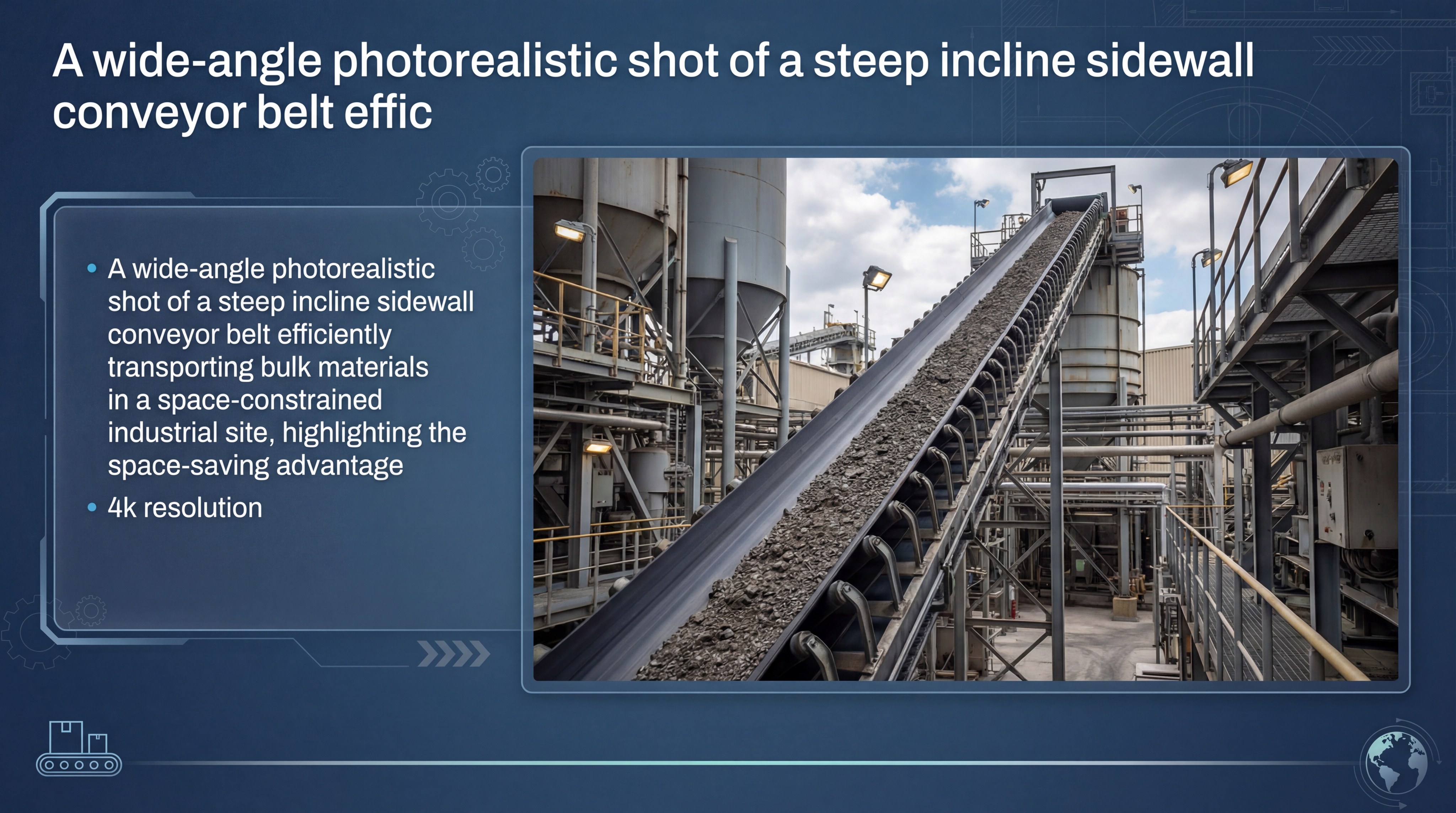
The advantages of using sidewall belts include the ability to transport materials at steep angles, significant floor space savings, and a reduction in the number of transfer points required. By choosing a china sidewall rubber conveyor belt factory for your sidewall conveyor solutions , you gain access to technology that can replace multiple conventional conveyors with a single unit.
How Does It Save Valuable Floor Space?
Because these belts can operate at angles up to 90 degrees, you don’t need the long, sloping infrastructure required by traditional belts. You can install your material handling system vertically, freeing up the rest of your factory floor for other equipment.
- Replaces long horizontal-to-incline conveyor runs.
- Allows for “Z-shaped” or “L-shaped” configurations.
- Reduces the overall building height or footprint required.
Think about it: You could potentially double your production capacity simply by reclaiming the space once occupied by bulky conveyor ramps.
Can It Handle Steep Incline Angles?
Yes, these belts are specifically designed for inclines that would cause materials to tumble backward on standard belts. Whether you are moving sand, coal, or chemicals, the pocket design ensures everything stays in place.
- Effective transport at 45, 60, and even 90 degrees.
- Maintains high capacity even at vertical angles.
- Reduces the risk of material degradation from tumbling.
Wait, there’s more: This steep-angle capability means you can bypass obstacles in your facility that would stop a traditional conveyor system.
Key Takeaway: Sidewall belts provide a unique combination of versatility and space-efficiency that traditional conveyor systems simply cannot match.
| Advantage | Economic Impact | Operational Benefit | |
|---|---|---|---|
| Space Saving | Lower land/building costs | Better plant layout | |
| Steep Incline | Fewer machines needed | Lower maintenance | |
| High Capacity | Faster ROI | Increased revenue |
Reducing the number of machines in your line naturally leads to fewer points of failure and a more reliable system.
What Material Options Are Available for Covers?
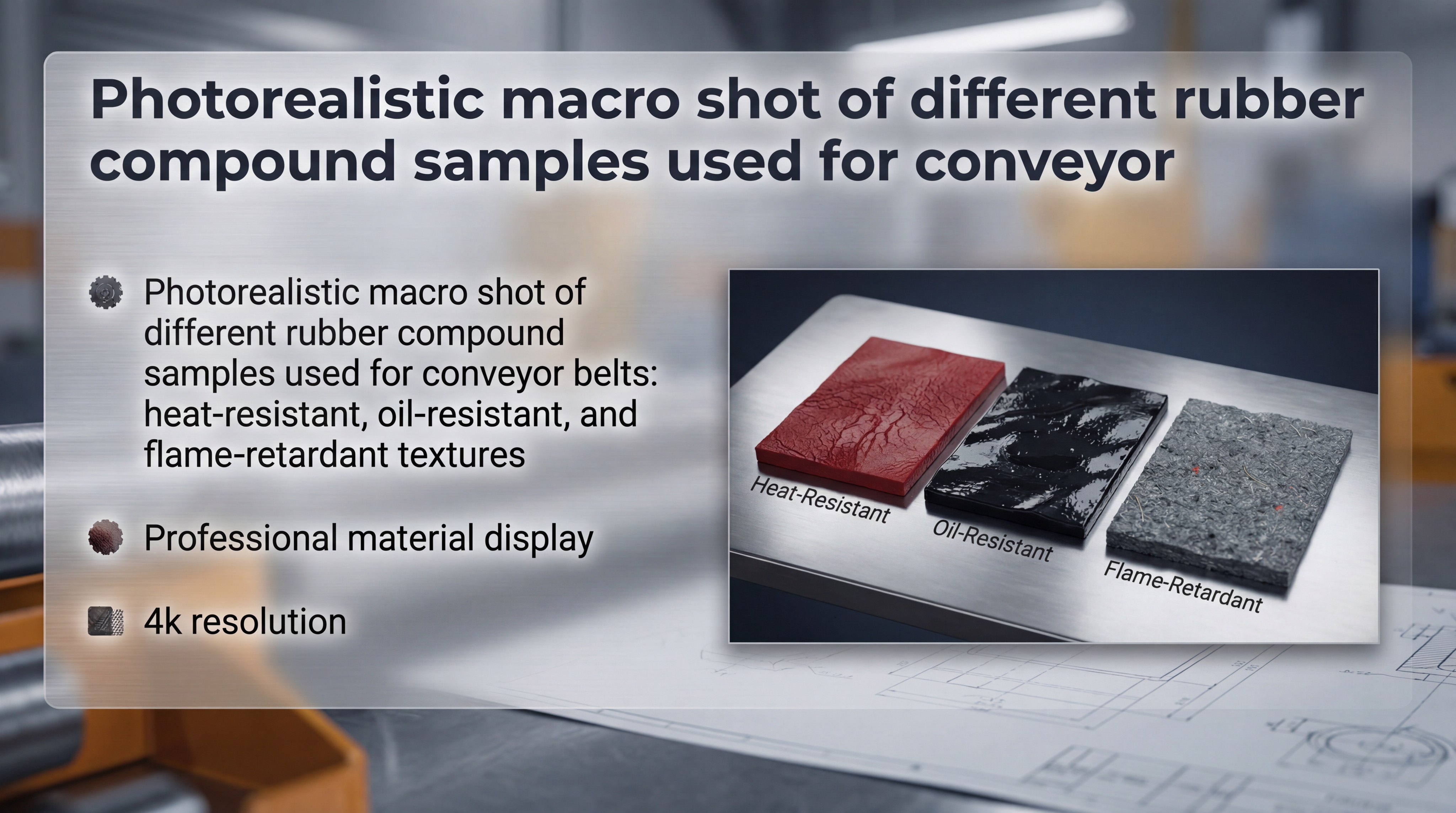
Material options for covers include heat-resistant, oil-resistant, flame-retardant, and abrasion-resistant rubber compounds tailored to specific industrial environments. Your china sidewall rubber conveyor belt factory can customize the chemical makeup of the rubber to ensure it survives the specific challenges of your worksite.
Is Heat Resistance Crucial for Cement Plants?
In cement plants, belts often transport clinker at temperatures exceeding 200°C, making heat resistance absolutely vital. If you use a standard belt in these conditions, the rubber will harden and crack within days.
- Special EPDM or Chlorobutyl compounds for high heat.
- Multi-layered heat shields to protect the internal fabric.
- Maintains flexibility even after prolonged exposure to hot loads.
Here’s the kicker: Using the right heat-resistant cover can extend your belt’s life by up to 300% in a cement or steel mill environment.
Why Use Oil-Resistant Rubber Compounds?
Oil-resistant compounds are necessary whenever you are transporting materials that contain petroleum or vegetable oils. Oils cause standard rubber to swell and lose its bond with the internal fabric.
- Nitrile-based rubber to resist chemical swelling.
- Prevents the sidewalls from detaching due to oil contamination.
- Essential for fertilizer plants and food processing.
The best part? Your belt remains dimensionally stable, meaning you won’t deal with tracking issues caused by uneven swelling.
Key Takeaway: Choosing the right cover material is a strategic decision that directly impacts the lifespan and safety of your conveyor system.
| Cover Type | Best For | Temperature Range | |
|---|---|---|---|
| Heat Resistant | Cement, Steel, Power | Up to 250°C | |
| Oil Resistant | Chemicals, Grains, Fertilizers | Standard | |
| Flame Retardant | Coal Mining, Underground | Standard |
Selecting the correct compound prevents premature failure and protects your investment from chemical or thermal damage.
Which Industrial Applications Require Sidewall Belts?
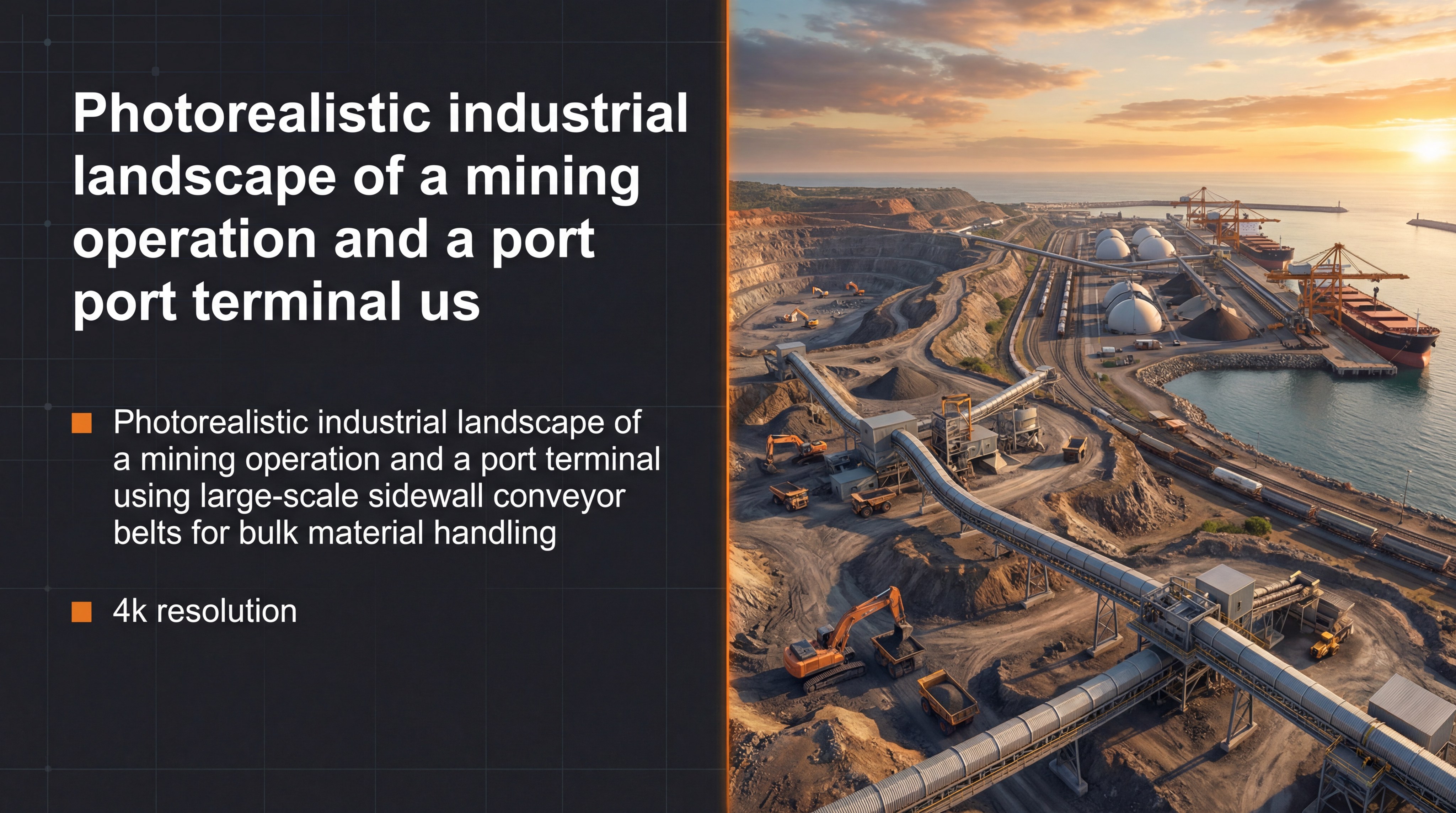
Industrial applications requiring sidewall belts include coal mining, cement production, power generation, and port bulk material handling. A china sidewall rubber conveyor belt factory often partners with the mining industry to deliver high-capacity systems capable of lifting tons of ore from deep underground pits.
How Is Bulk Material Handled in Mining?
In mining, you need to move vast quantities of heavy, abrasive rocks from the crushing station to the surface. Sidewall belts allow you to do this vertically, which is much faster and cheaper than using trucks or long-haul flat conveyors.
- Vertical shafts use sidewall belts to lift ore to the surface.
- High abrasion-resistant covers prevent sharp rocks from cutting the belt.
- Steel cord reinforcements handle the massive weight of the vertical column.
Look: Mining operations that switch to vertical sidewall systems often see a drastic reduction in their “cost per ton” of material moved.
What Are the Port and Terminal Requirements?
Ports need to load and unload ships as quickly as possible to minimize docking fees. Sidewall belts are used in ship loaders and unloaders because they can reach deep into the hold of a ship and pull material out vertically.
- Compact designs fit on mobile ship-unloading arms.
- High-speed operation for fast turnaround times.
- Dust-control covers can be added to the sidewall system.
Wait, there’s more: Because these systems are so efficient, they help ports handle more ships per year, significantly increasing their annual revenue.
Key Takeaway: Sidewall belts are the backbone of high-efficiency bulk material systems in the world’s most demanding industrial sectors.
| Industry | Primary Use Case | Critical Requirement | |
|---|---|---|---|
| Mining | Deep pit ore lifting | Impact resistance | |
| Port | Ship loading/unloading | High speed | |
| Power | Coal bunker feeding | Flame retardancy |
By matching the belt design to your specific industry, you ensure maximum uptime and system longevity.
How Do Environmental Factors Affect Performance?
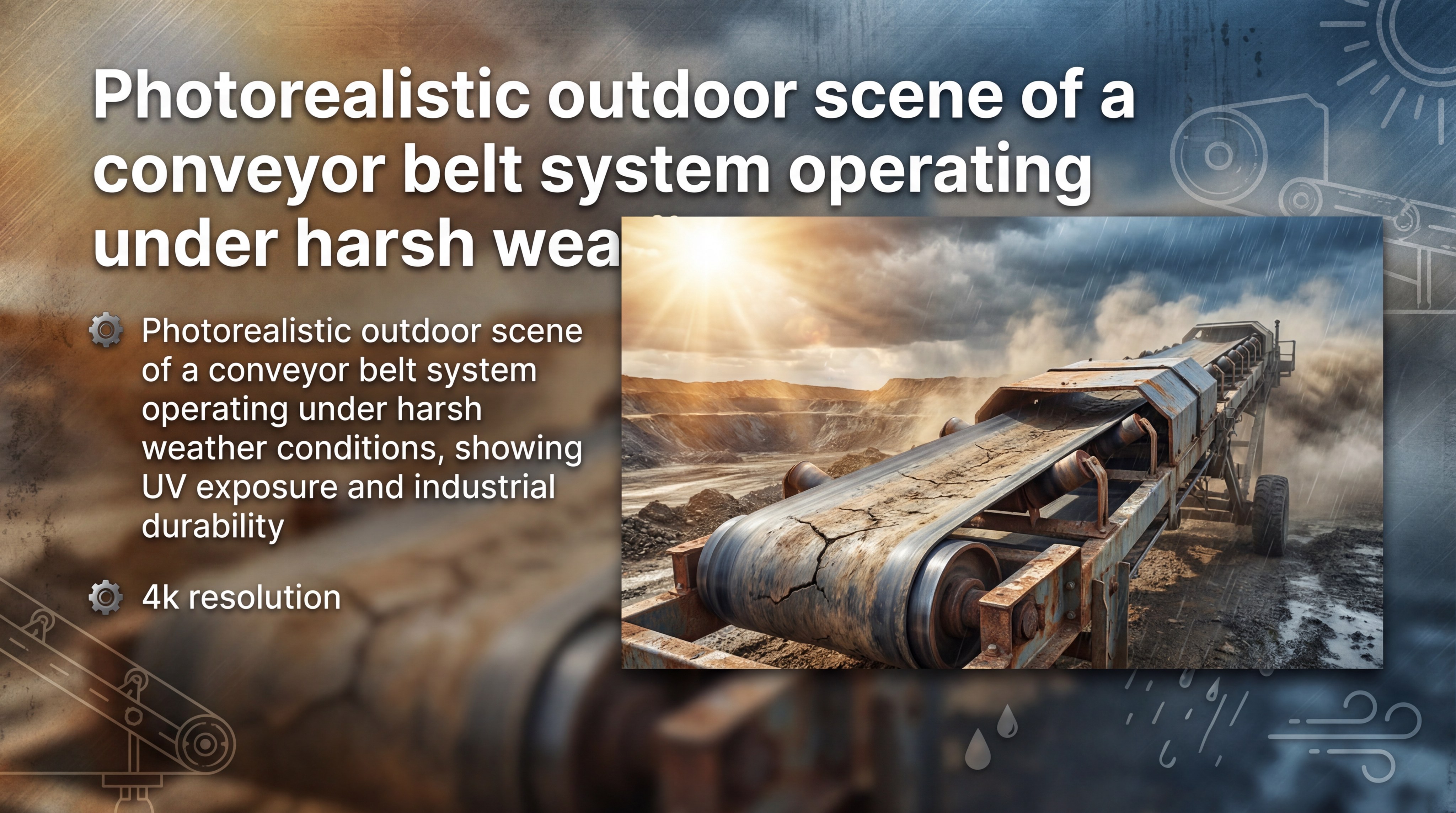
Environmental factors like UV radiation, extreme temperatures, and high humidity can significantly degrade the performance and lifespan of an outdoor conveyor belt. A professional china sidewall rubber conveyor belt factory uses advanced laboratory testing to simulate these conditions and ensure the rubber compounds remain stable for years.
How Does UV Exposure Impact Belt Life?
Constant exposure to the sun’s UV rays can cause a process called “photo-oxidation,” which makes the rubber brittle and prone to cracking. You will notice that unprotected belts begin to develop small surface cracks that eventually lead to catastrophic failure.
- UV-resistant additives are mixed directly into the rubber.
- Specialized surface coatings can reflect solar heat.
- Prevents the sidewalls from losing their elasticity over time.
Think about it: A belt that survives ten years in the sun is much more cost-effective than a “cheap” belt that fails in two.
What Precautions Are Needed for Cold Zones?
In extremely cold environments, standard rubber can become as brittle as glass. If you operate in a sub-zero zone, you need a belt designed to remain flexible at temperatures as low as -40°C.
- Special low-temperature plasticizers keep the rubber soft.
- Fabric cores must be treated to prevent ice-crystal formation.
- Prevents the belt from snapping during a cold start-up.
Here’s the deal: Cold-resistant belts prevent expensive winter downtime and keep your materials moving even in the harshest blizzards.
Key Takeaway: Environmental protection is not an “extra” feature; it is a fundamental requirement for any outdoor material handling operation.
| Environmental Factor | Risk | Solution | |
|---|---|---|---|
| Extreme Heat | Rubber softening/swelling | Heat-resistant compounds | |
| Extreme Cold | Cracking and snapping | Cold-resistant additives | |
| UV Radiation | Surface brittleness | Anti-UV stabilizers |
Proactive environmental engineering ensures your belt performs consistently regardless of the weather outside.
What Maintenance Practices Extend Belt Service Life?
Maintenance practices like regular visual inspections, proper cleat cleaning, and monitoring for wear patterns are essential for extending the service life of your equipment. When you partner with a china sidewall rubber conveyor belt factory , you should also consult their guidelines for cement plant maintenance or other specific industry standards.
How to Inspect for Sidewall Damage?
You should regularly check the base of the corrugated walls for any signs of “delamination” or peeling from the base belt. Early detection of these small splits allows you to perform cold-bond repairs before the entire wall detaches.
- Check for cracks in the valleys of the corrugations.
- Inspect the “foot” of the sidewall for lifting.
- Look for missing sections caused by material impact.
Look: A five-minute daily walk-around inspection can save you five days of unplanned maintenance later in the month.
What Is the Proper Way to Clean Cleats?
Sticky materials like clay or wet coal can build up in the pockets, reducing your belt’s capacity and causing balance issues. You need to install a specialized belt cleaner or a “beater” pulley to shake loose the remaining material at the discharge point.
- Use non-abrasive scrapers to avoid damaging the rubber.
- High-pressure air or water jets for extremely sticky substances.
- Ensure the cleaning system does not catch on the cleats.
Wait, there’s more: Keeping your belt clean also prevents “carryback,” where material falls off on the return side and damages your pulleys.
Key Takeaway: Consistent, proactive maintenance is the only way to ensure you get the maximum possible return on your conveyor belt investment.
| Maintenance Task | Frequency | Benefit | |
|---|---|---|---|
| Visual Inspection | Daily | Catch small issues early | |
| Cleat Cleaning | Continuous | Maintain full capacity | |
| Tension Check | Monthly | Prevent belt slippage |
Effective maintenance reduces the total cost of ownership and prevents dangerous on-site accidents.
How to Source From a Leading China Supplier?
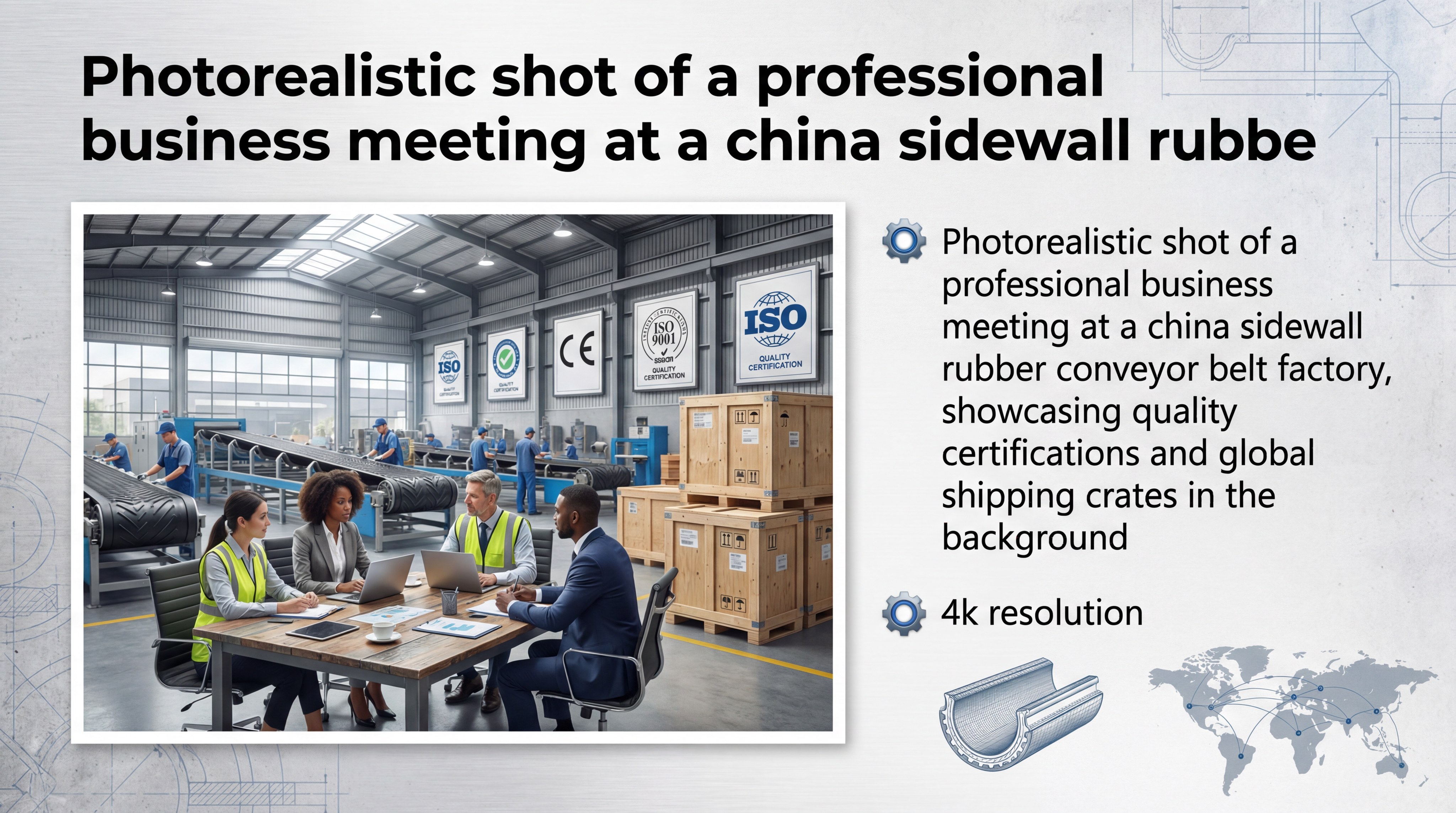
Sourcing from a leading China supplier involves evaluating their quality certifications, production capacity, and ability to provide customized technical support. A top-tier china sidewall rubber conveyor belt factory will offer comprehensive documentation and even invite you to inspect their manufacturing facility before you place a large order.
What Certifications Ensure Global Quality?
You should look for suppliers that hold ISO 9001 for quality management and CE or SGS certifications for product safety. These labels guarantee that the belts are manufactured using standardized processes and high-grade raw materials.
- ISO 9001: Ensures consistent manufacturing quality.
- SGS/CE: Verifies the belt meets international safety standards.
- Testing Reports: Proof of tensile strength and abrasion resistance.
The best part? Dealing with a certified factory minimizes the risk of receiving low-quality “copycat” products that fail within weeks.
How to Evaluate Production Capacity?
You need a supplier that can handle large-scale orders without compromising on lead times. Check if they have multiple vulcanizing lines and a large inventory of raw materials to ensure they can ship your belts when you need them.
- Monthly output in terms of square meters.
- Experience with large international shipping projects.
- Ability to customize belt widths up to 2400mm or more.
Wait, there’s more: A high-capacity factory often has better pricing because they buy their raw materials in massive bulk quantities.
Key Takeaway: Choosing a supplier is about more than just the lowest price; it’s about finding a long-term partner with the technical skill to support your growth.
| Evaluation Metric | What to Look For | Why It Matters | |
|---|---|---|---|
| Certifications | ISO, CE, SGS | Guarantee of quality | |
| Testing Lab | On-site facility | Accurate performance data | |
| References | Global client list | Proven track record |
By doing your due diligence up front, you ensure a smooth procurement process and a high-performance material handling system.
FAQ: Common Questions About Sidewall Belts
Can I use a sidewall belt for food-grade applications?Yes, you can request white, non-toxic rubber compounds that meet FDA standards for food processing environments.
What’s the best way to repair a small tear in the sidewall?The best way is to use a high-quality cold-bonding repair kit specifically designed for rubber, which allows you to patch small cracks without removing the belt.
How high can the corrugated sidewalls be made?Most manufacturers can produce walls from 40mm up to 400mm, or even higher for specialized high-capacity vertical applications.
Can sidewall belts handle sharp recycled glass or metal scrap?Absolutely, provided you select a “Super Abrasion Resistant” or “Anti-Tear” cover compound designed for recycling industries.
What is the maximum angle a sidewall belt can climb?With the correct cleat and sidewall configuration, these belts can operate at a full 90-degree vertical angle.
Contact Us for Expert Guidance
Ready to optimize your vertical material handling? Our engineering team is standing by to provide a custom analysis of your facility’s needs and a detailed quotation within 24 hours. Whether you need heat-resistant belts for a cement plant or high-capacity systems for mining, we have the manufacturing expertise to deliver. Please contact us today to receive our latest product brochure and technical specifications.
Our Vision: To empower global industry with high-efficiency, space-saving conveyor technology that sets the standard for reliability and performance.