
What is the primary role of plaster casting?
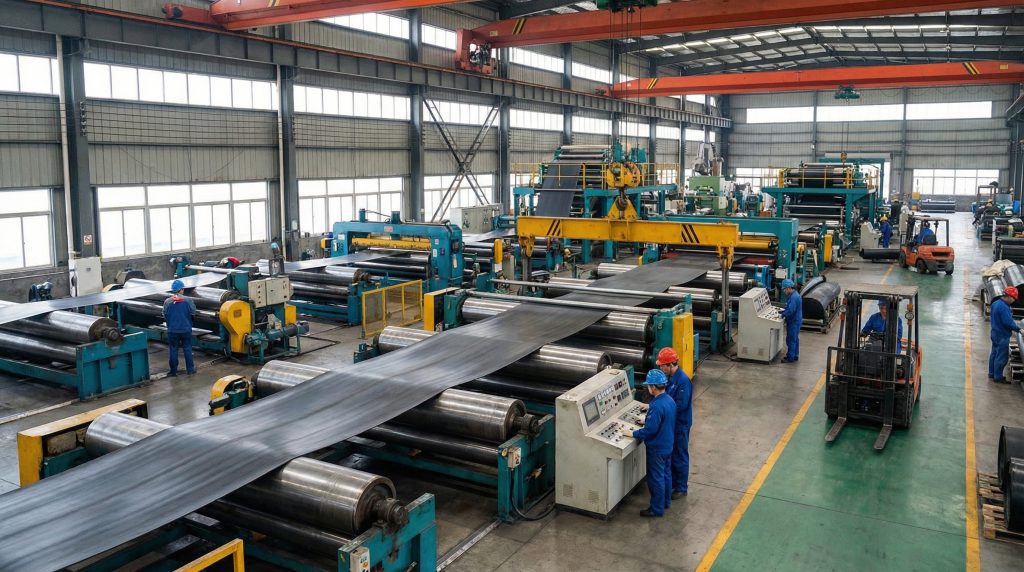
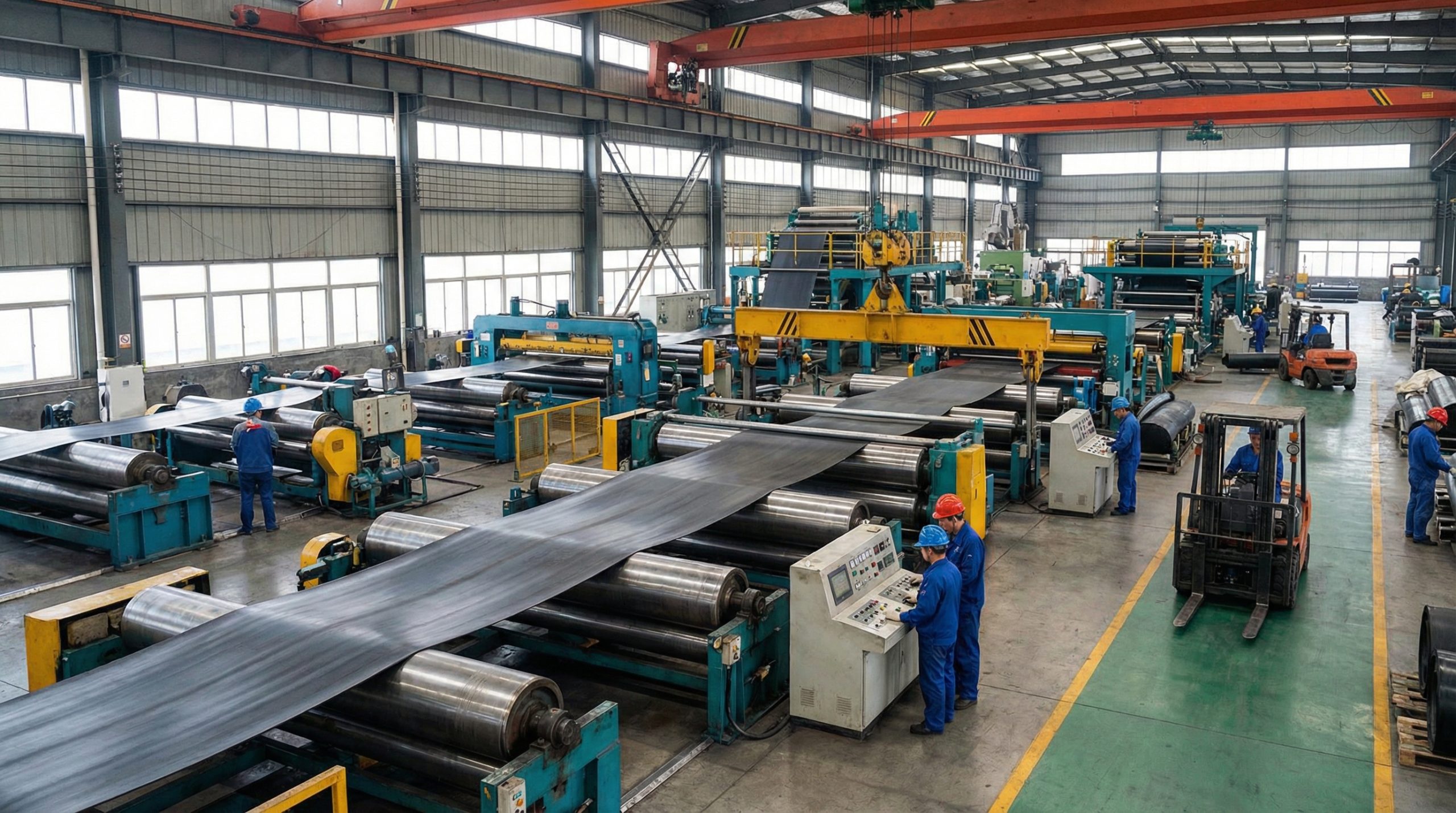
Professional china rubber conveyor belt manufacturers provide reliable transport solutions that protect delicate plaster casting finishes, reduce defects, and improve production efficiency.
What is the relation to conveyor belts?
Here is the deal: A precision-cast part is only as good as the system that transports it. If you move a hot, newly formed plaster cast on a rough, standard belt, the surface will be ruined by scuffing.
- Felt belts offer a non-marking surface for hot metal.
- They provide a soft cushion for fragile gypsum molds.
- Specialized fibers withstand the high radiant heat of the foundry.
Key Takeaway: You achieve a zero-defect production line when you combine precision plaster casting with the protective handling of industrial felt belts.
How does the plaster casting process work?
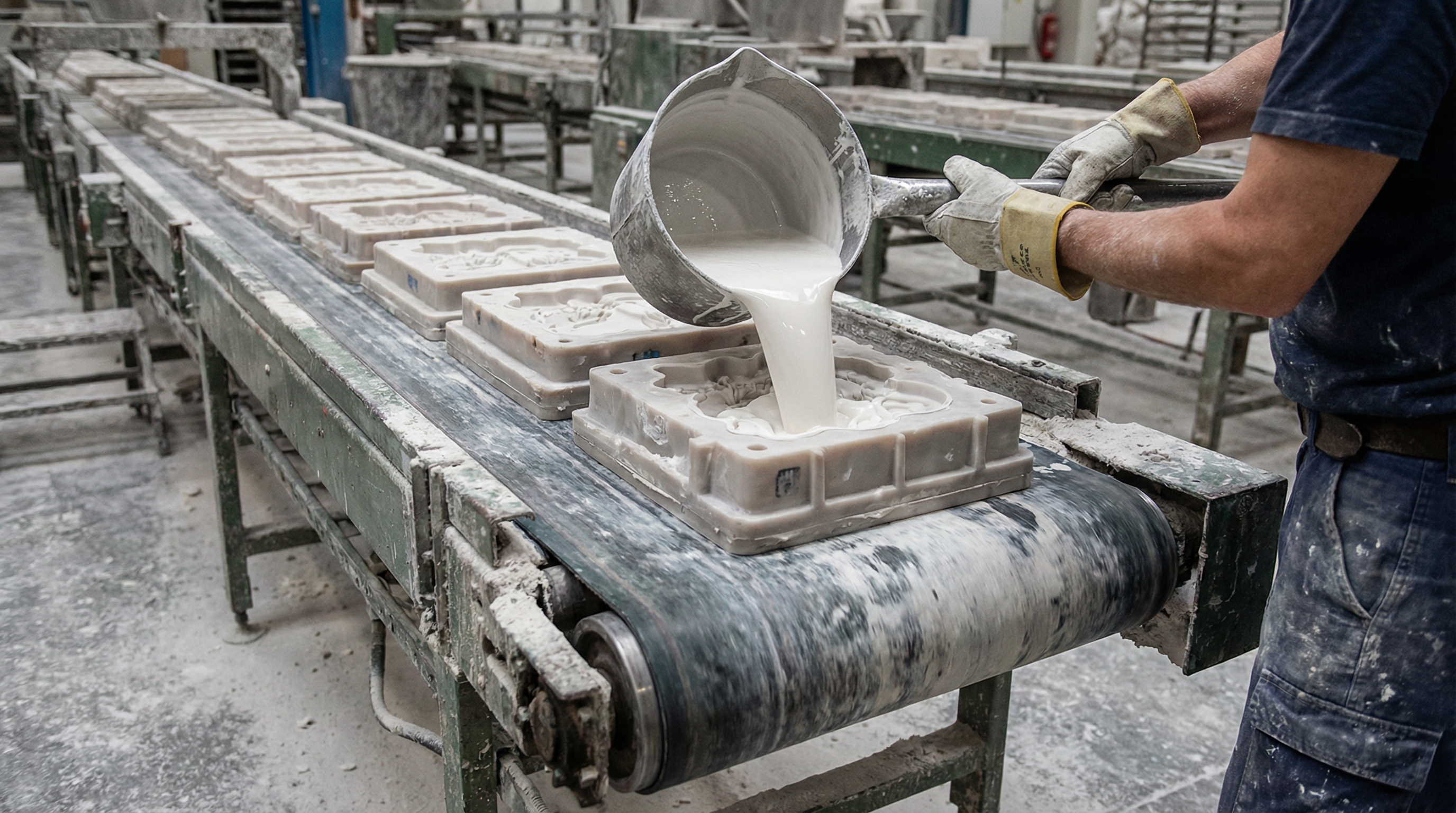
The process works by pouring a liquid gypsum slurry over a master pattern to create a high-detail, sacrificial mold. Professional china rubber conveyor belt manufacturers play a vital role here by supplying the stable platforms used to transport these heavy liquid molds into curing ovens.
How do you prepare the mold?
But that is not all. You must mix the plaster with water and refractory additives to ensure the mold remains stable under the thermal shock of molten aluminum.
- Pattern preparation involves applying a release agent.
- The slurry is degassed in a vacuum chamber.
- Molds are baked in an oven to remove all moisture.
What happens during pouring?
Make no mistake: moisture is the enemy of a successful cast. If the mold is not completely dry, the molten metal will react violently with any residual steam.
| Process Step | Technical Requirement | Strategic Benefit | |
|---|---|---|---|
| Baking | Total moisture removal | Prevents gas porosity | |
| Pouring | Low-pressure gravity feed | Uniform metal density | |
| Breakout | Manual mold destruction | Reveals complex internal shapes |
Proper mold curing ensures the structural integrity of every component you produce in the facility.
Key Takeaway: You gain superior detail capture by using liquid-state molding, which flows into crevices that solid sand particles simply cannot reach.
Why is material handling critical in this field?
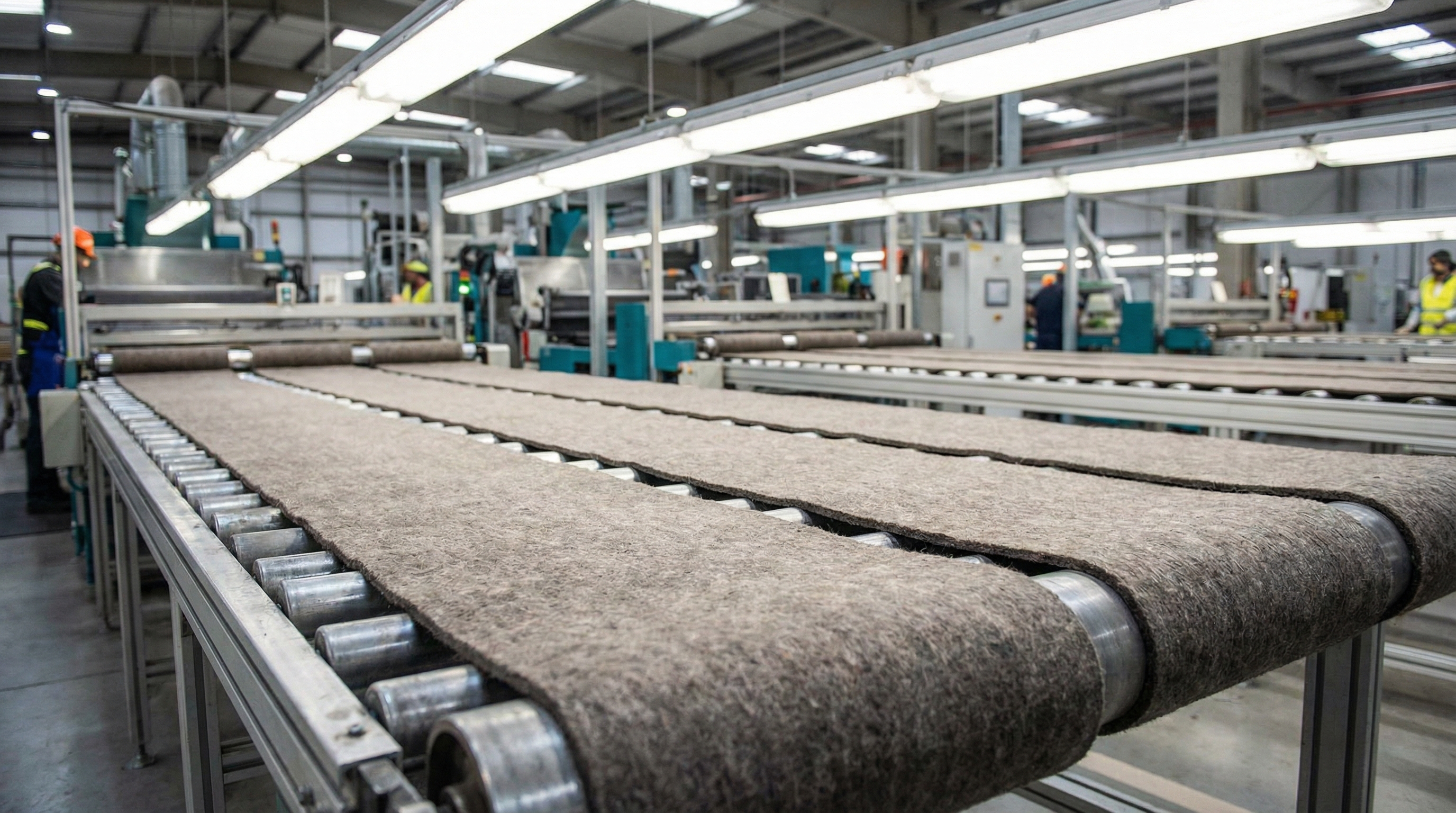
Material handling is critical because the “as-cast” surface of a plaster-molded part is extremely vulnerable to mechanical damage while hot. Leading china rubber conveyor belt manufacturers recommend using high-temperature felt because it isolates the metal from abrasive vibrations.
Can you prevent belt marking?
Here is the kicker: Standard carbon-black rubber belts often transfer marks or melt onto the surface of parts exceeding 150°C. Using a seamless felt construction eliminates these “ghosting” effects entirely.
- Aramid fibers prevent belt deformation under heavy loads.
- PBO felt layers handle temperatures up to 600°C.
- Smooth textures prevent the transfer of industrial grit.
Key Takeaway: You protect your investment in precision by using a transport medium that respects the delicate metallurgy of your finished products.
| Handling Factor | Felt Belt Solution | Operational Impact | |
|---|---|---|---|
| Surface Scuffing | Non-marking soft fibers | Zero rejection for surface flaws | |
| Thermal Decay | Heat-stable aramid core | 12+ months of belt longevity | |
| Part Alignment | Tracking-aligned belts | Perfect positioning for robotics |
Specialized felt belts act as a soft-touch buffer that maintains the value of every part on the line.
What are the main industrial uses for casting?
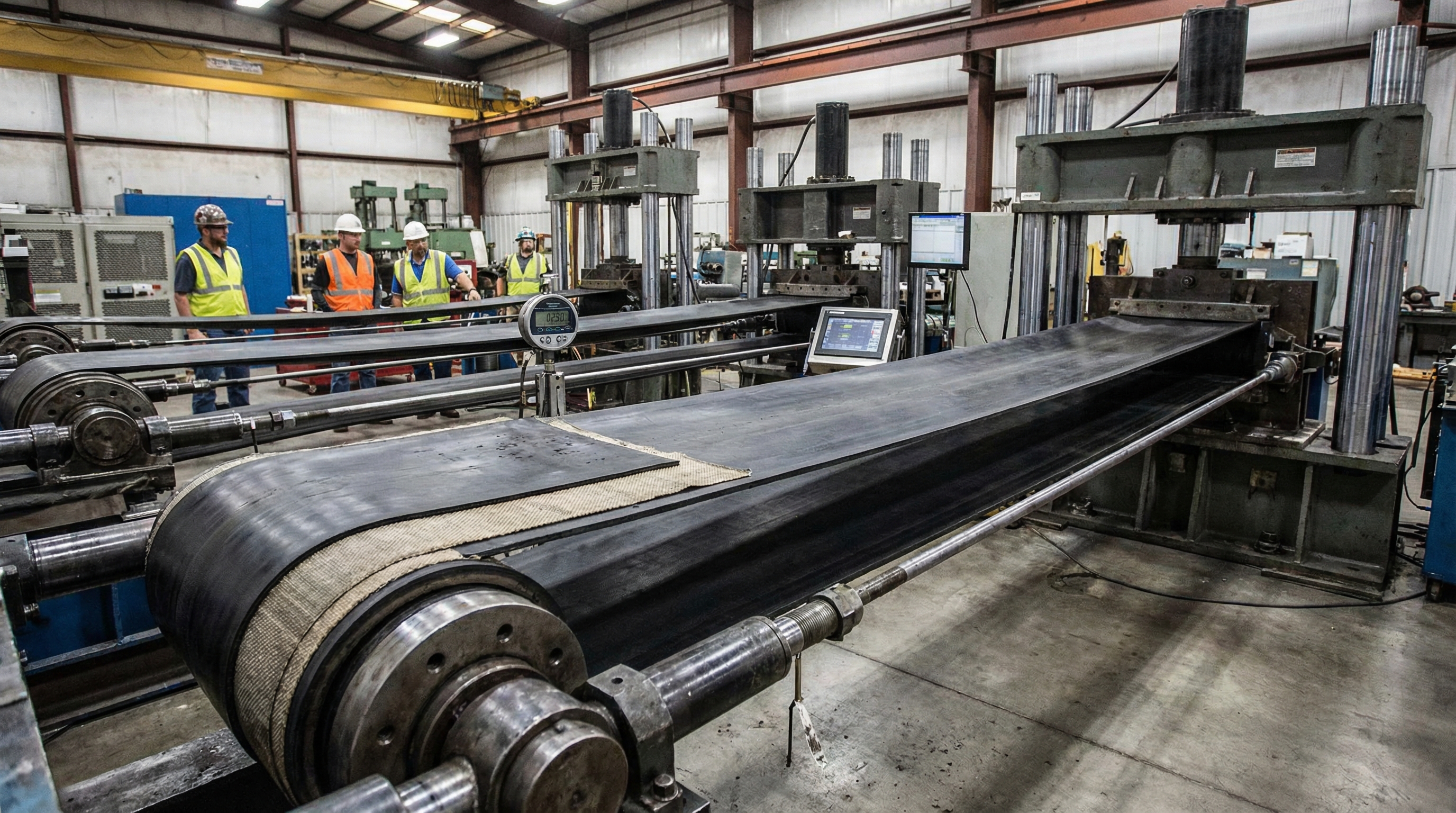
The main industrial uses for this casting method are found in aerospace, high-end electronics, and automotive prototype development. Top-tier china rubber conveyor belt manufacturers support these sectors by providing the high-speed sorting lines needed to manage complex parts.
Is it suitable for aerospace?
But wait, there is more. You will find that turbine housings and electronic enclosures rely on this process for their lightweight, thin-walled designs.
- Complex valve bodies for hydraulic systems.
- Intricate heat sinks for high-power electronics.
- Lightweight structural frames for medical devices.
What about automotive prototypes?
Believe it or not, this method is the fastest way to bridge the gap between a digital CAD model and a functional metal part. It allows for rapid testing of intake manifolds without expensive steel tooling.
| Industry Sector | Typical Component | Material Advantage | |
|---|---|---|---|
| Aerospace | Turbine engine housings | Weight-to-strength ratio | |
| Medical | Surgical tool frames | Biocompatible precision | |
| Automotive | Prototype manifolds | Rapid design validation |
The versatility of this method allows you to produce functional metal prototypes that behave exactly like die-cast parts.
Key Takeaway: You can leverage plaster casting to produce thin-walled components that are lighter and more precise than any sand-cast equivalent.
How do you achieve superior surface finishes?
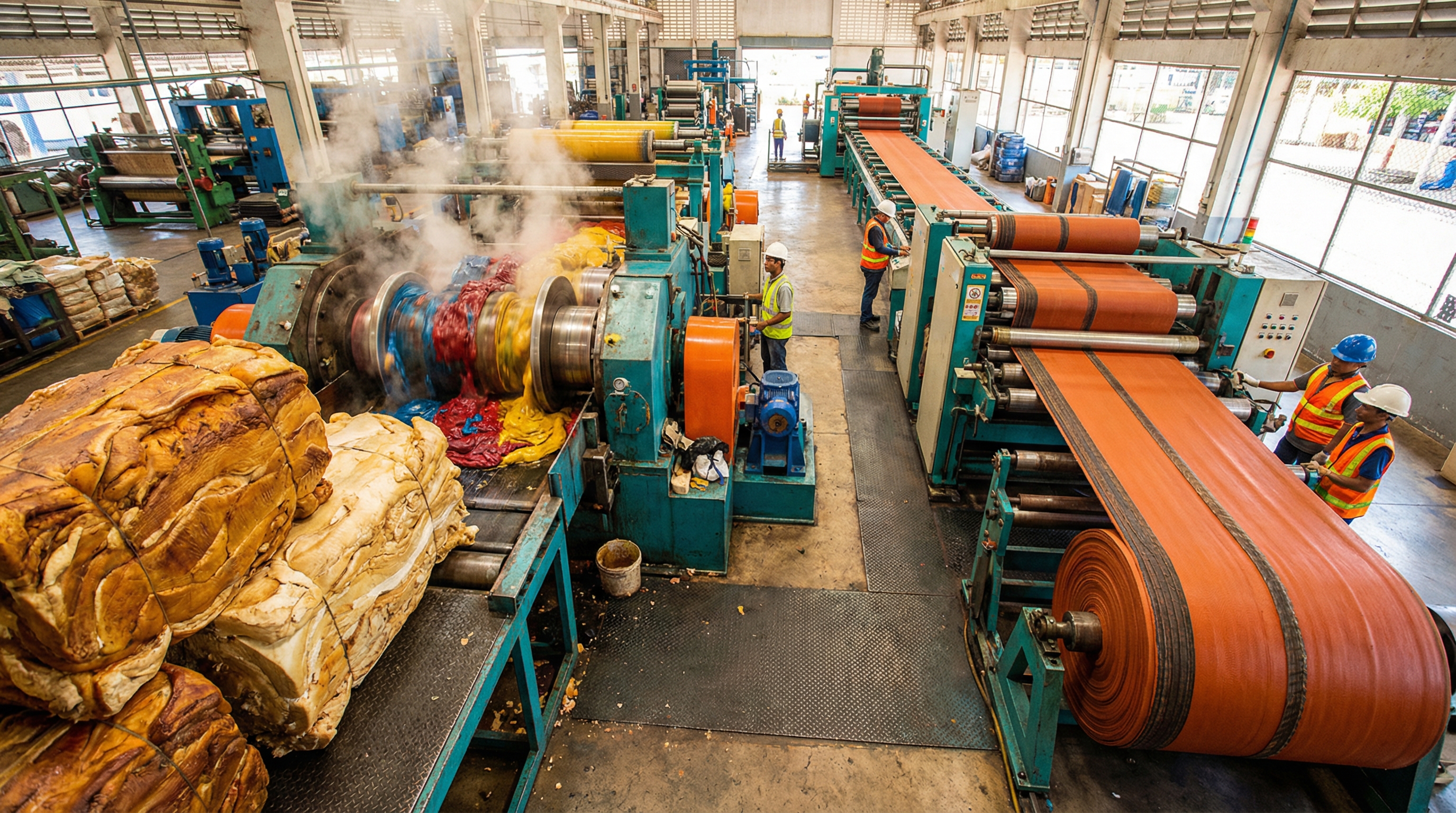
You achieve superior surface finishes by ensuring the mold slurry is perfectly homogeneous and the transport system is vibration-free. Professional china rubber conveyor belt manufacturers emphasize that even minor vibrations during the cooling stage can create micro-cracks in the plaster.
How do additives improve the finish?
It gets better: Mixing talc or silica flour into the gypsum reduces the grain size of the mold surface to nearly microscopic levels.
- Vacuum degassing removes all trapped air bubbles.
- Slow pouring speeds prevent turbulence in the metal.
- Controlled cooling prevents thermal warping of the surface.
Can conveyor belts help?
But that is not all. A soft, lint-free felt belt prevents the part from sliding or vibrating during the critical seconds when the metal is still semi-solid.
| Finish Parameter | Technical Solution | Resulting Quality | |
|---|---|---|---|
| Roughness (Ra) | 1.5 – 3.2 micrometers | Mirror-like as-cast finish | |
| Texture | Felt fiber contact | No “orange peel” effect | |
| Cleanliness | Oil-free belt surfaces | Ready for immediate painting |
A high-quality surface finish reduces your labor costs by eliminating the need for manual grinding or polishing.
Key Takeaway: You save thousands in post-processing costs when your initial cast is so smooth it requires no secondary machining.
What are the key advantages of this method?
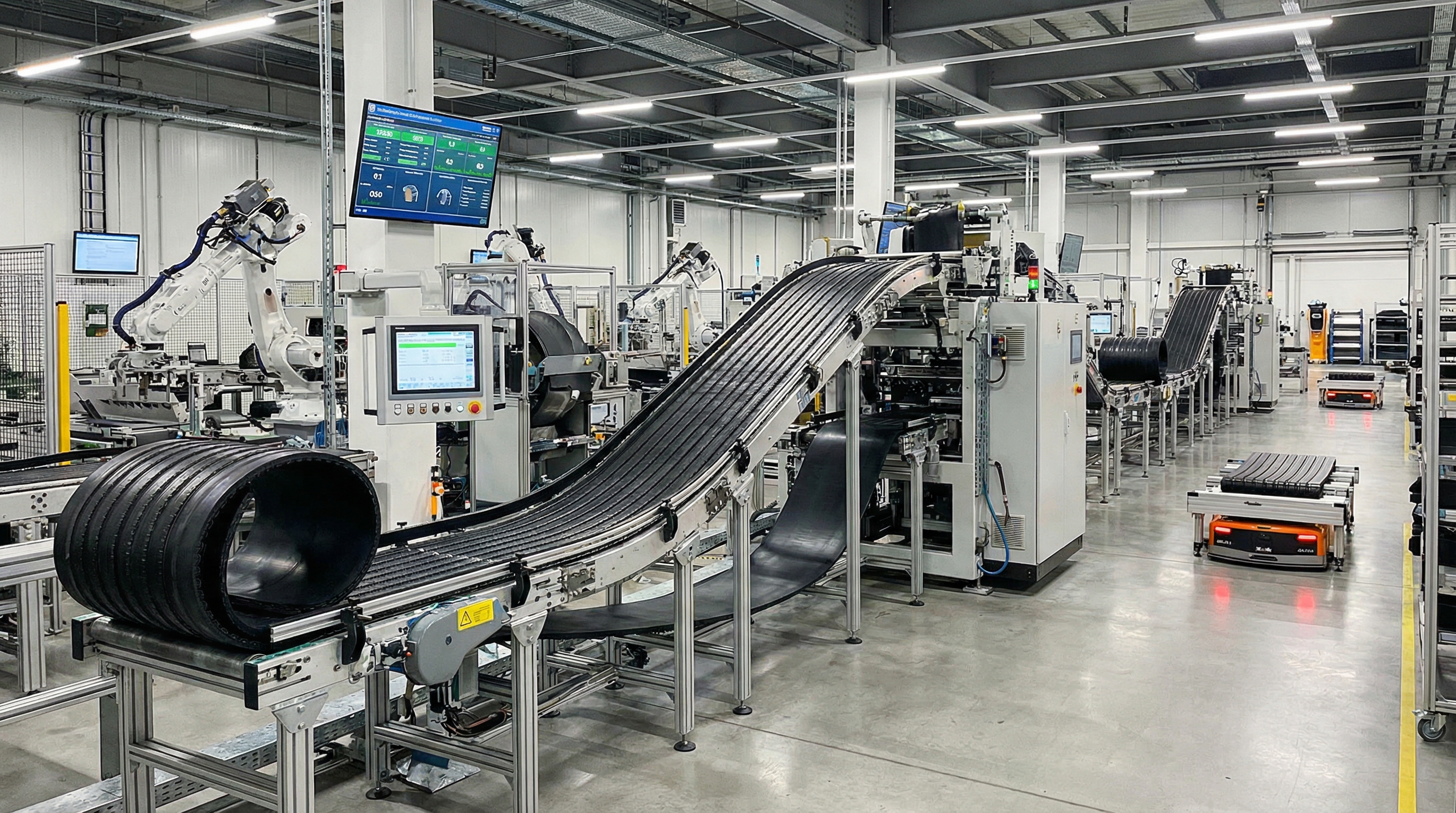
The key advantages include exceptional dimensional accuracy, the ability to cast thin walls, and significantly lower tooling costs compared to die casting. Leading china rubber conveyor belt manufacturers enable these advantages by providing the automated logistics needed for high-volume efficiency.
Why is precision an advantage?
Here is the deal: You can achieve tolerances as tight as ±0.005 inches per inch, making this process ideal for interlocking mechanical parts.
- No “draft” angles are required for part removal.
- Thin sections down to 1.5mm are achievable.
- Complex internal cores allow for intricate cooling paths.
Is the cost an advantage?
You should know that while a plaster mold is sacrificial, the master pattern used to create it is very inexpensive compared to a steel die.
| Advantage Metric | Plaster Casting | Traditional Sand | |
|---|---|---|---|
| Wall Thickness | 1.5mm Minimum | 3.0mm Minimum | |
| Tolerance | ±0.13mm | ±0.50mm | |
| Machining Need | Minimal | High |
This process allows you to produce “near-net-shape” parts that require almost zero secondary work before assembly.
Key Takeaway: You gain the accuracy of die casting with the flexibility and lower cost of prototype molding techniques.
How do specialized felt belts prevent damage?
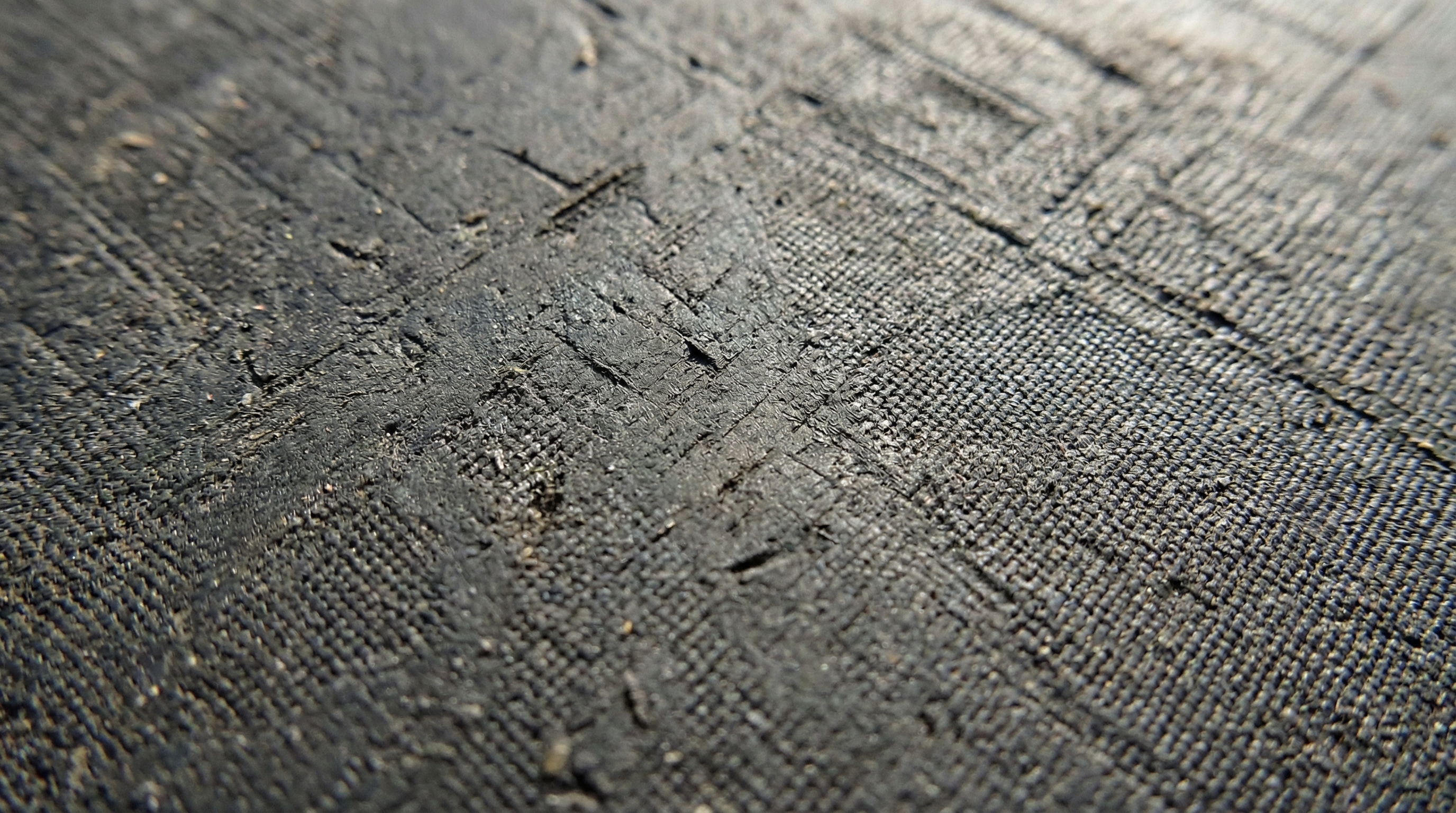
Specialized felt belts prevent damage by providing a thermally stable, non-abrasive surface that cushions the casting against mechanical shocks. Reliable china rubber conveyor belt manufacturers engineer these belts to act as a heat sink that dissipates radiant energy safely.
How does fiber density matter?
Look at it this way: A high-density aramid felt distributes the weight of a heavy metal cast across a larger surface area to prevent indentation.
- Heat-resistant resins prevent fiber shedding.
- Seamless surfaces prevent part snagging.
- Anti-static treatments protect electronic enclosures.
Can they handle 600°C?
You will love this: Modern PBO (Zylon) felt belts can operate at temperatures where standard rubber would instantly vaporize or catch fire.
| Protection Category | Belt Feature | User Benefit | |
|---|---|---|---|
| Impact Safety | Cushioned felt layer | No hairline fractures | |
| Heat Stability | Para-aramid core | No belt melting or odors | |
| Surface Integrity | Non-marking weave | Clean, marketable parts |
Proper belt selection is the final insurance policy for your high-value precision metal components.
Key Takeaway: You eliminate “belt burn” and surface contamination by switching to a transport system designed for the thermal realities of a foundry.
Which alloys are most compatible with plaster?
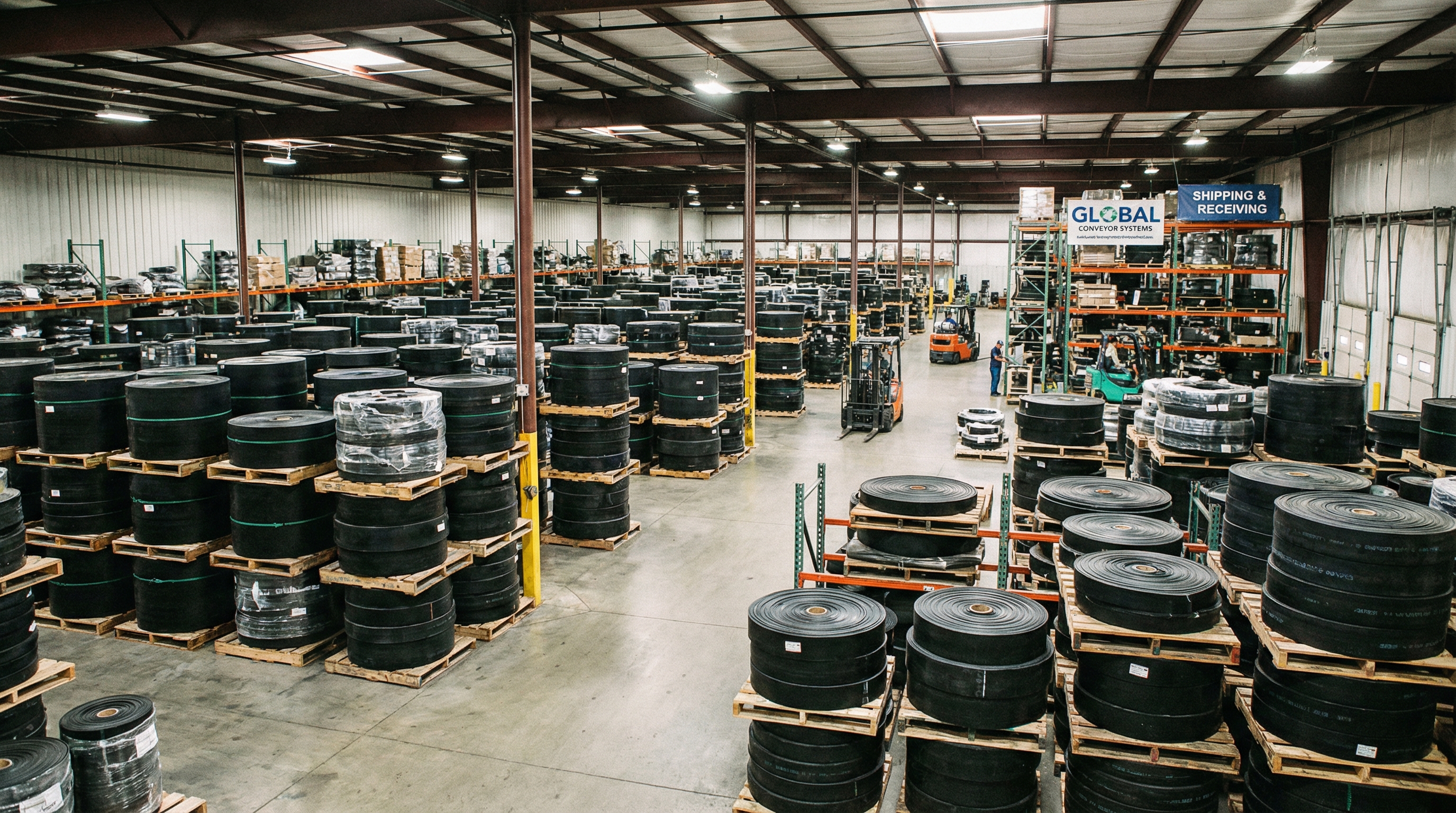
Non-ferrous alloys like aluminum, zinc, and magnesium are the most compatible because their melting points are within the stability range of gypsum. To handle these specific alloys, china rubber conveyor belt manufacturers offer custom belt widths to match different cooling tray sizes.
Is aluminum the best choice?
Here is the kicker: Aluminum A356 is the “gold standard” because it flows perfectly into thin plaster sections while maintaining high structural strength.
- Zinc is preferred for microscopic gear detail.
- Magnesium offers the best weight reduction.
- Beryllium copper is used for specialized tools.
Why not use steel?
Make no mistake: If you try to cast steel in a plaster mold, the mold will explode because the high heat causes the gypsum to chemically decompose.
| Alloy Type | Melting Point | Primary Industrial Use | |
|---|---|---|---|
| Aluminum | ~660°C | Engine parts and frames | |
| Zinc | ~420°C | Small gears and housings | |
| Magnesium | ~650°C | Aerospace components |
Matching your metal choice to the thermal limits of the plaster is the first step toward a perfect production run.
Key Takeaway: You achieve the best results by sticking to light alloys that take full advantage of the plaster’s ability to capture detail.
How do you ensure high dimensional precision?
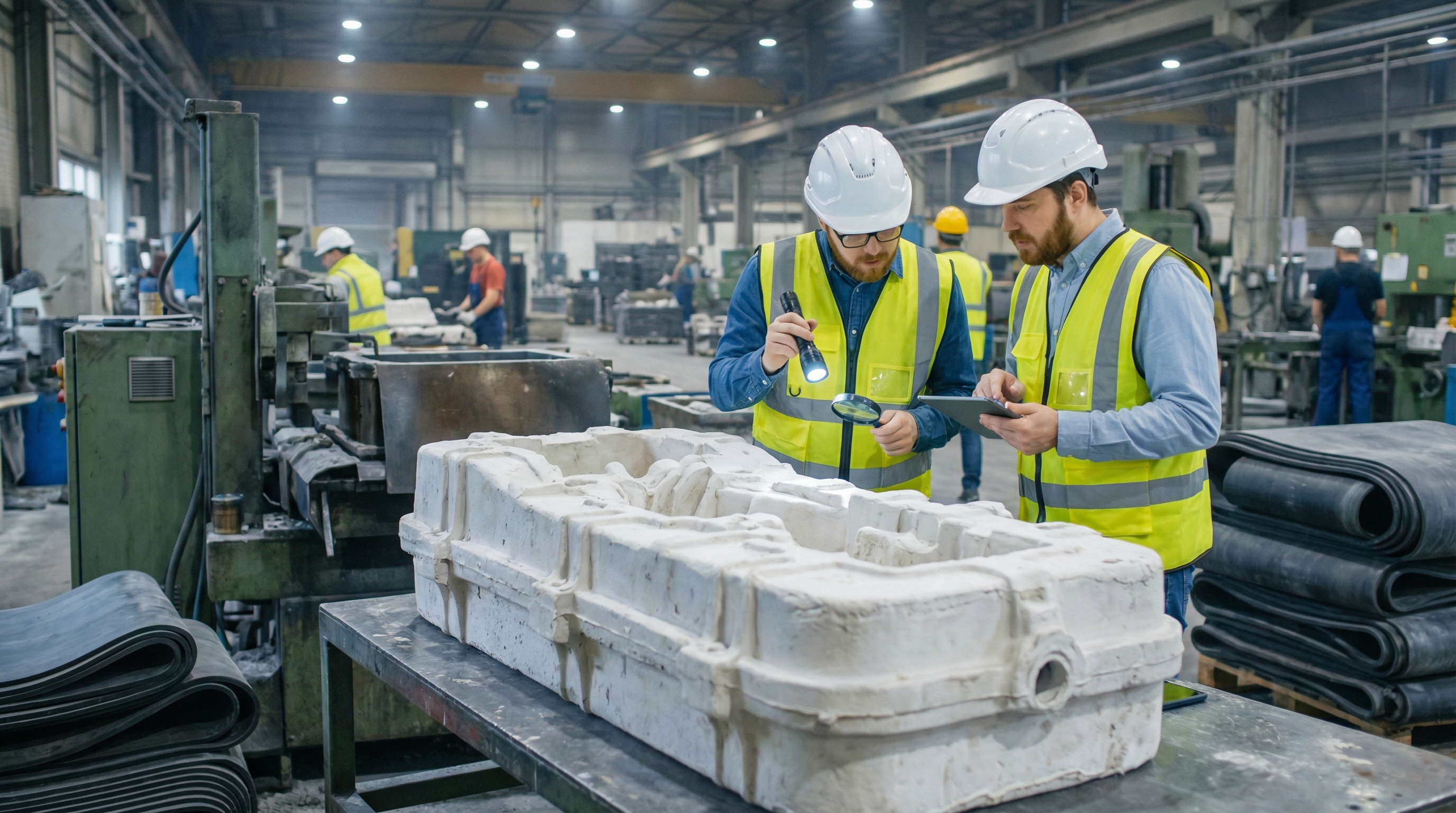
You ensure high dimensional precision by using vacuum-mixed slurry and maintaining a constant temperature in the curing oven. Expert china rubber conveyor belt manufacturers recommend automated belt tracking systems to ensure the mold stays perfectly level during the critical setting phase.
Can you achieve zero draft?
But that is not all. Because the mold is broken away from the part, you can design vertical walls with zero degrees of draft.
- Precision patterns are verified by CMM.
- Molds are cured in batches for consistency.
- Thermal expansion of the plaster is calculated.
How does automation help?
It gets better: Using a synchronized conveyor system allows you to pour multiple molds in a continuous stream without the risk of human-handling errors.
| Precision Metric | Target Specification | Quality Control Method | |
|---|---|---|---|
| Linear Tolerance | ±0.005 in/in | Laser scanning inspection | |
| Flatness | < 0.1mm | Granite plate verification | |
| Wall Thickness | 1.5mm – 3.0mm | Ultrasonic thickness testing |
Dimensional stability is the hallmark of a process that treats casting like a science rather than an art form.
Key Takeaway: You can replace expensive machined parts with plaster-cast components that meet the same strict tolerance requirements at a fraction of the cost.
Is this process cost-effective for you?
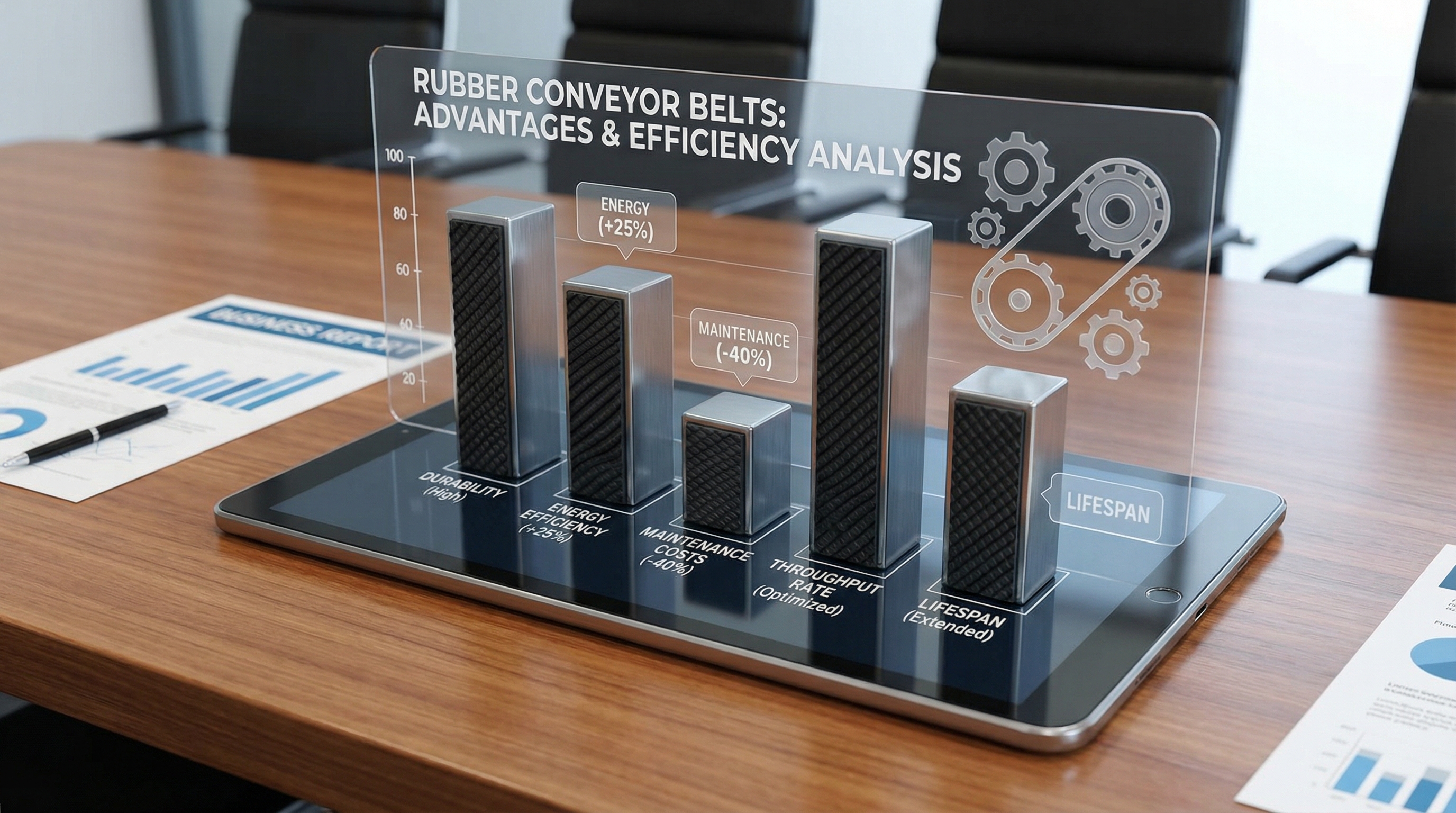
Plaster casting is highly cost-effective for non-ferrous prototypes and low-to-medium production runs where die-tooling costs are prohibitive. Top china rubber conveyor belt manufacturers demonstrate that high-performance felt belts reduce your total cost of ownership by lowering maintenance and rejection rates.
Does it save on tooling?
Here is the deal: You can save up to 80% on initial tooling costs compared to high-pressure die casting for production runs under 5,000 units.
- Lower energy costs for mold preparation.
- Reduced material waste due to high precision.
- Minimal labor costs for post-cast finishing.
What is the ROI on felt belts?
Believe it or not, a high-quality felt belt pays for itself in just weeks by reducing the rate of surface-damaged parts from 10% to nearly 0%.
| Efficiency Metric | Improved System | Business Result | |
|---|---|---|---|
| Energy Usage | Optimized ovens | 25% lower utility bills | |
| Maintenance | Auto-clean felt belts | 40% reduction in downtime | |
| Lifespan | Aramid reinforced | 2x longer belt service life |
Investing in a high-efficiency transport system ensures that your casting facility remains competitive in a global manufacturing market.
Key Takeaway: You maximize your profit margins by combining the low tooling costs of plaster molding with the high operational efficiency of professional conveyor solutions.
Partner With a Reliable Conveyor Expert
Modern manufacturing demands a perfect synergy between the molding process and the transport infrastructure. At Weifang Zhenxing Rubber Co., Ltd., we provide the advanced felt and rubber solutions that allow you to push the boundaries of precision casting. Our mission is to eliminate your industrial pain points—surface damage, thermal failure, and excessive downtime—by providing direct factory-grade belts that outperform the competition.
Whether you are casting aluminum aerospace housings or magnesium automotive frames, our engineering team is ready to provide a tailored solution within 24 hours. We combine 20 years of expertise with a commitment to consistent, ISO-certified quality.
Are you ready to optimize your material handling and eliminate rejection costs? Contact us today for a technical consultation and a customized quotation.
Frequently Asked Questions
Can I cast iron or steel using plaster molds?Concise Answer: No, you cannot because the temperatures required for ferrous metals would cause the gypsum to decompose and explode.
What is the best way to clean a felt conveyor belt?Concise Answer: Use a soft rotary brush and high-pressure air to remove plaster dust without damaging the heat-resistant fibers.
How do I know if my casting line needs a felt belt?Concise Answer: If your parts are showing scuff marks, “belt burn,” or black rubber residue, it is time to switch to non-marking felt.
Can I achieve zero-degree draft with this process?Concise Answer: Yes, because the mold is sacrificial and broken away, you are not limited by the “pull” requirements of permanent molds.
What is the heat limit for a professional aramid belt?Concise Answer: Most professional para-aramid (Kevlar) belts handle up to 450°C, while specialized PBO felt can withstand up to 600°C.