
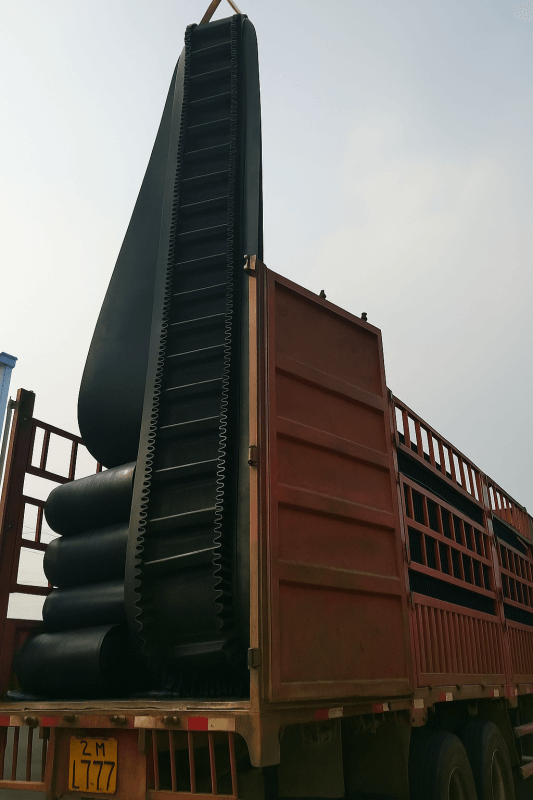
A sidewall rubber belt conveyor enables efficient steep-angle transport, preventing material rollback, reducing spillage, and maximizing space in plaster casting operations.
What is a sidewall rubber belt conveyor?
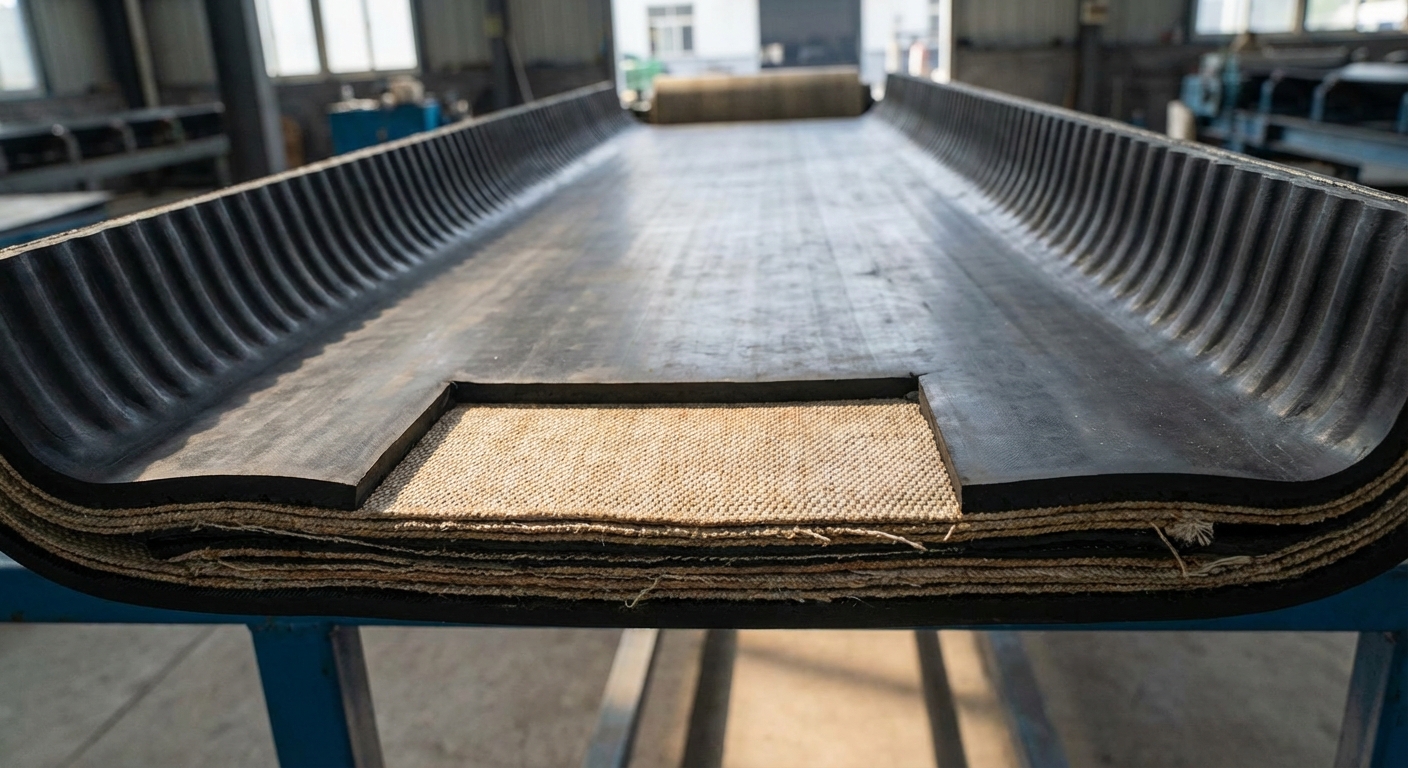
A sidewall rubber belt conveyor is a specialized bulk handling system that utilizes a cross-rigid base belt with corrugated sidewalls and transverse cleats. This sidewall rubber belt conveyor design allows you to move materials like plaster or aggregate vertically without the need for multiple transfer points.
How do the corrugated walls function?
Corrugated sidewalls act as a flexible container that expands and contracts as the belt moves over pulleys. Here is the deal: without these walls, materials would fall off the sides during high-angle transport.
- Prevents lateral material leakage.
- Facilitates steep angles up to 90 degrees.
- Increases the volumetric capacity of the belt.
What makes the base belt cross-rigid?
The base belt is engineered with a specialized carcass that provides high transverse stiffness while remaining flexible longitudinally. This ensures the belt stays flat on the return side and does not bow under heavy loads.
Key Takeaway: Utilizing a cross-rigid base ensures your system remains stable during high-capacity vertical lifts, protecting your equipment from mechanical warping.
| Component | Primary Function | Advantage | |
|---|---|---|---|
| Base Belt | Load support and tension | High stability | |
| Sidewall | Material containment | Zero spillage | |
| Cleat | Product lifting | Steep incline support |
Choosing the correct base belt stiffness is critical for preventing longitudinal sagging during high-tension operations.
Why use a sidewall rubber belt conveyor in casting?
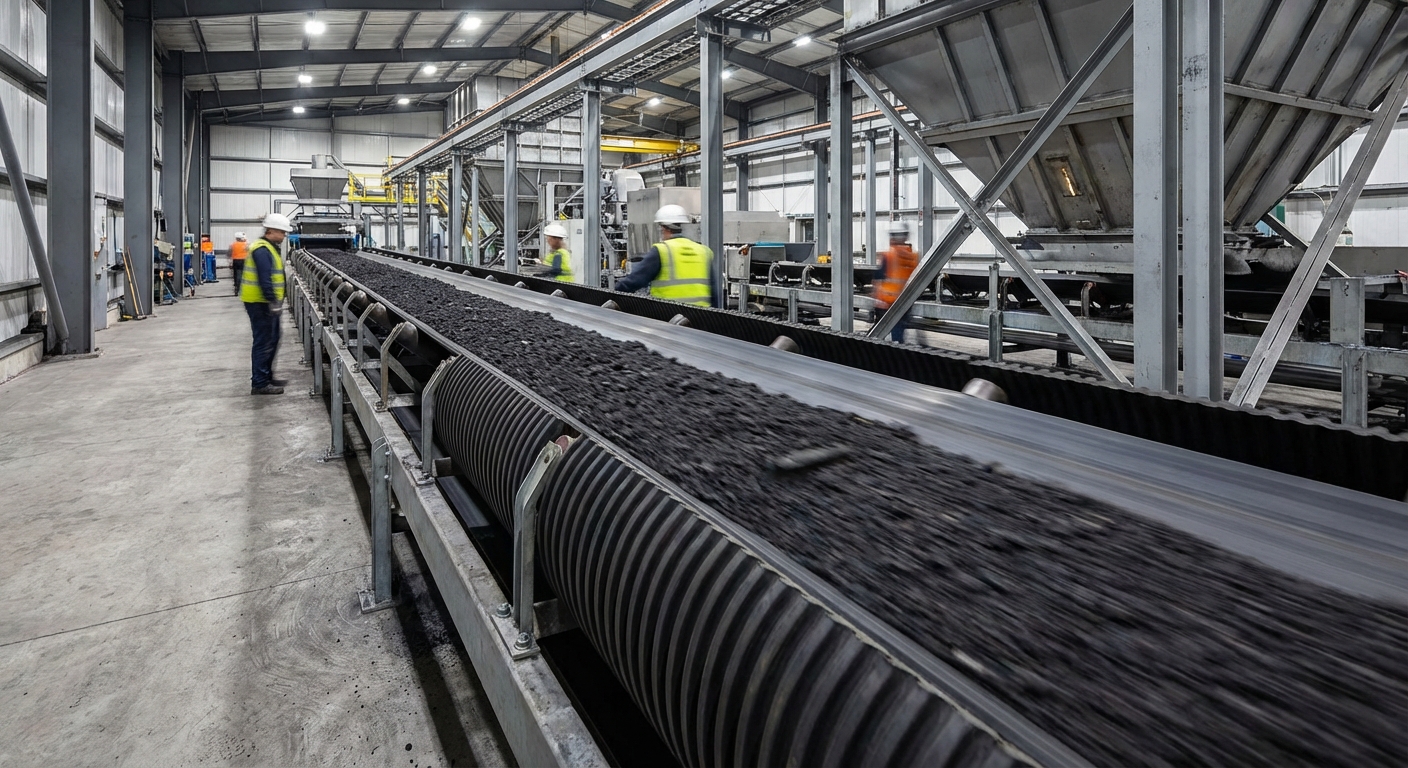
Plaster casting facilities use this system because it optimizes vertical space while maintaining the delicate consistency of the casting powder. Integrating a sidewall rubber belt conveyor into your casting line ensures that you can move dry plaster from floor level to overhead hoppers efficiently.
Can it save facility floor space?
Traditional conveyors require long distances to reach high elevations due to angle limitations. Sidewall systems allow for vertical “S-shape” configurations that occupy a fraction of the traditional footprint.
- Reduces required conveyor length.
- Eliminates the need for multiple transfer towers.
- Allows for compact facility layouts.
Wait, there’s more: these belts are highly adaptable to existing structures, making them perfect for facility retrofits.
Key Takeaway: Reducing your equipment footprint allows you to allocate more space to production molds and casting finishing stations.
| Benefit Category | Impact on Casting | ROI Metric | |
|---|---|---|---|
| Space | 50% footprint reduction | Lower real estate costs | |
| Cleanliness | 95% spillage reduction | Lower labor costs | |
| Efficiency | Continuous vertical flow | Higher throughput |
Integrating vertical transport directly into the casting line eliminates the bottlenecks associated with batch bucket elevators.
What are the parts of a sidewall rubber belt conveyor?
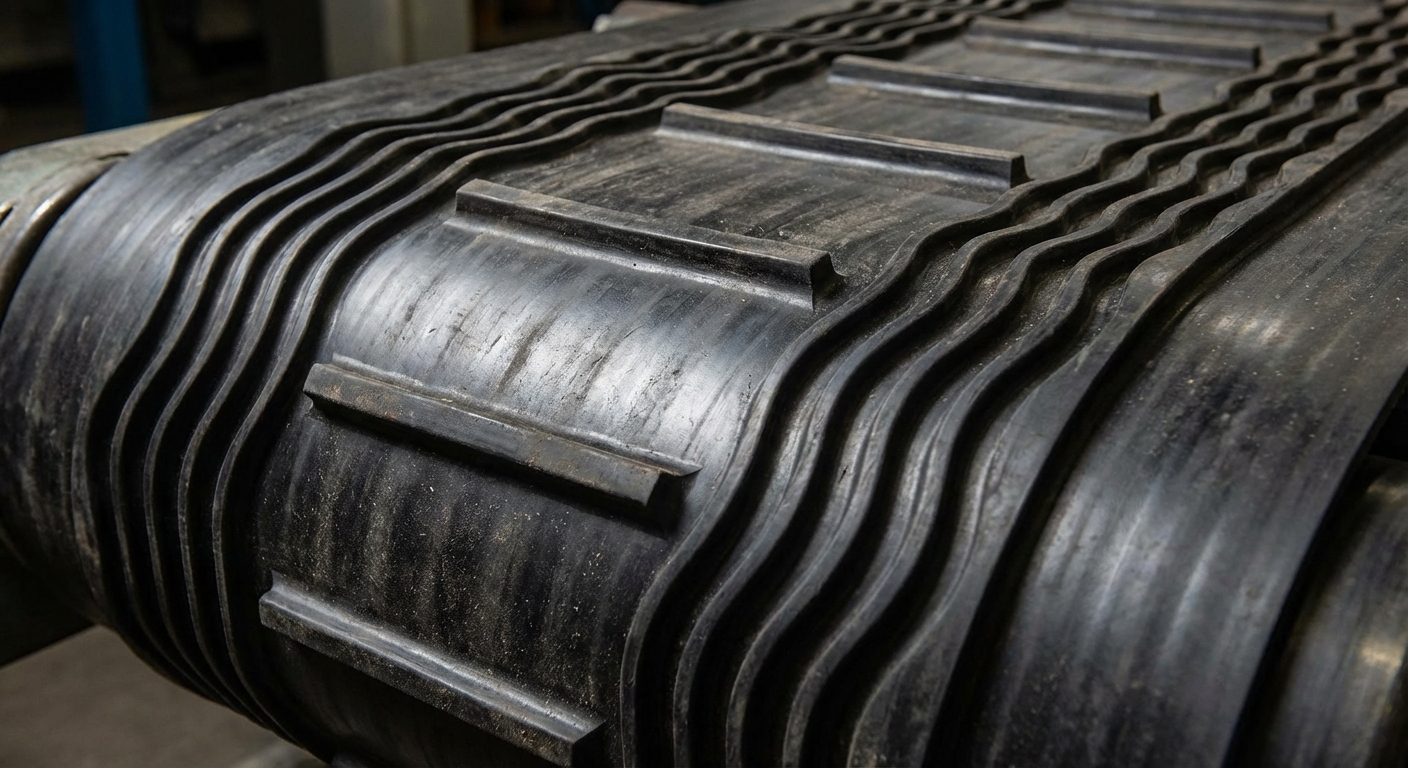
The primary parts of a sidewall rubber belt conveyor include the base belt, the corrugated edges, and the transverse cleats. These components are typically hot-vulcanized together to create a singular, durable unit capable of heavy-duty industrial cycles.
Why are cleats essential for steep angles?
Cleats are the horizontal dividers that create pockets for the material. Without them, your plaster or stone would simply slide down the belt when the angle exceeds 20 degrees.
- T-Cleats for moderate inclines.
- C-Cleats for heavy-duty lifting.
- TC-Cleats for vertical 90-degree transport.
Here is the deal: the cleat profile must match your material’s flow characteristics to prevent sticking.
How are the components bonded?
High-quality manufacturers use hot vulcanization to bond the sidewalls and cleats to the base belt. This process creates a molecular bond that is far superior to cold glue, especially in high-heat casting environments.
Key Takeaway: Investing in hot-vulcanized components prevents premature debonding, which is the leading cause of belt failure in vertical systems.
| Part | Material | Durability Factor | |
|---|---|---|---|
| Sidewall | High-elasticity rubber | Flex-fatigue resistance | |
| Cleat | Reinforced rubber | Impact resistance | |
| Carcass | Polyester/Nylon (EP) | Low elongation |
Proper component synchronization ensures the belt can navigate pulleys without internal stress concentrations.
Can I use a sidewall rubber belt conveyor for plaster?
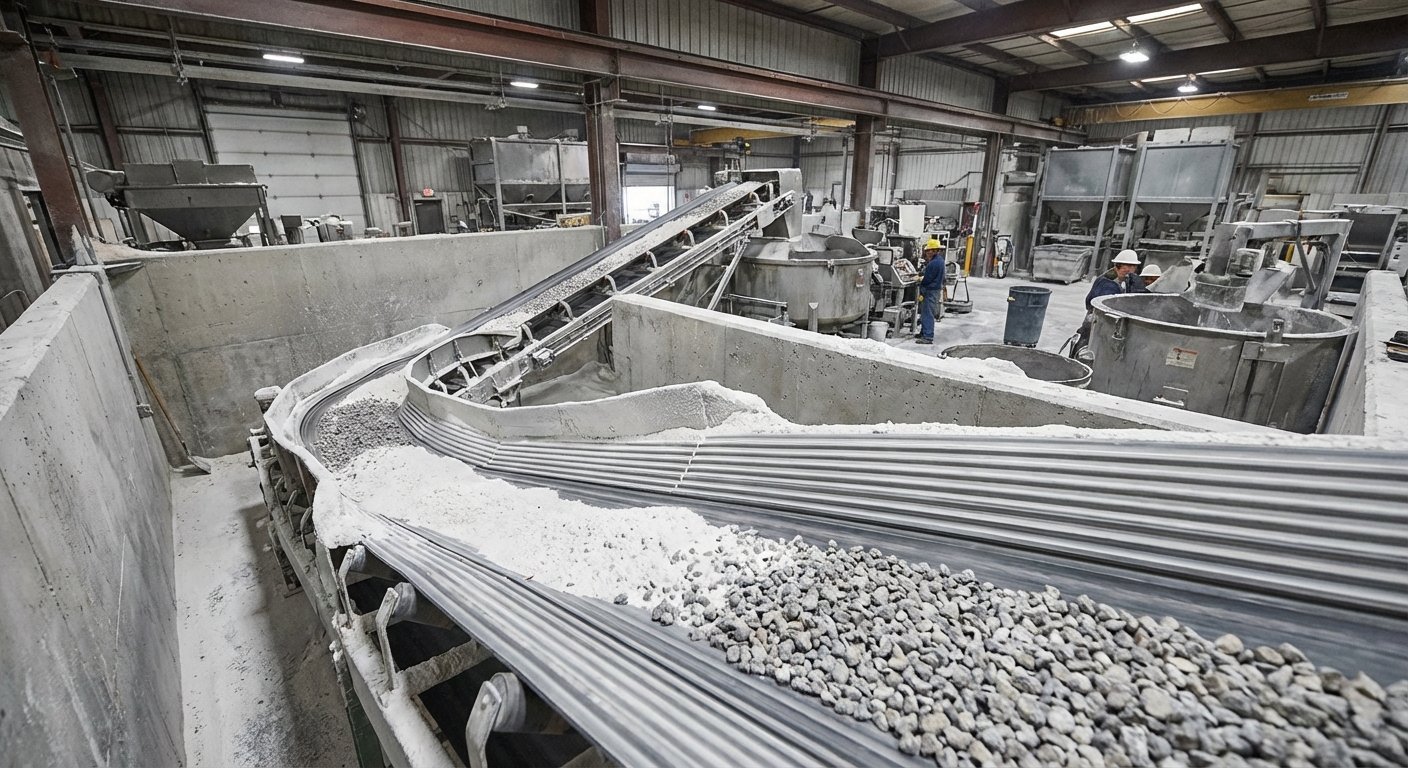
You can absolutely use this system for plaster, as the pocket design is ideal for fine powders that tend to aerate or spill. A sidewall rubber belt conveyor protects the fine particles from windage and keeps the facility environment dust-free.
Is it safe for fine powder transport?
The high walls create a “moving bucket” that shields the plaster from air currents. This containment is vital for maintaining the specific gravity and moisture content of your casting materials.
- Minimizes dust emissions.
- Prevents material contamination.
- Maintains consistent batch weights.
Wait, there’s more: you can add a cover to the system to create a fully enclosed environment for sensitive materials.
Key Takeaway: Superior containment leads to a healthier workspace and ensures that every ounce of expensive casting powder reaches the mold.
| Material Type | Suitability | Containment Need | |
|---|---|---|---|
| Dry Plaster | High | High (Dust control) | |
| Wet Slurry | Moderate | Medium (Cleanup) | |
| Casting Sand | High | Low (Flowability) |
Choosing a belt with anti-static properties is recommended when handling fine plaster powders to prevent buildup.
How does a sidewall rubber belt conveyor work?
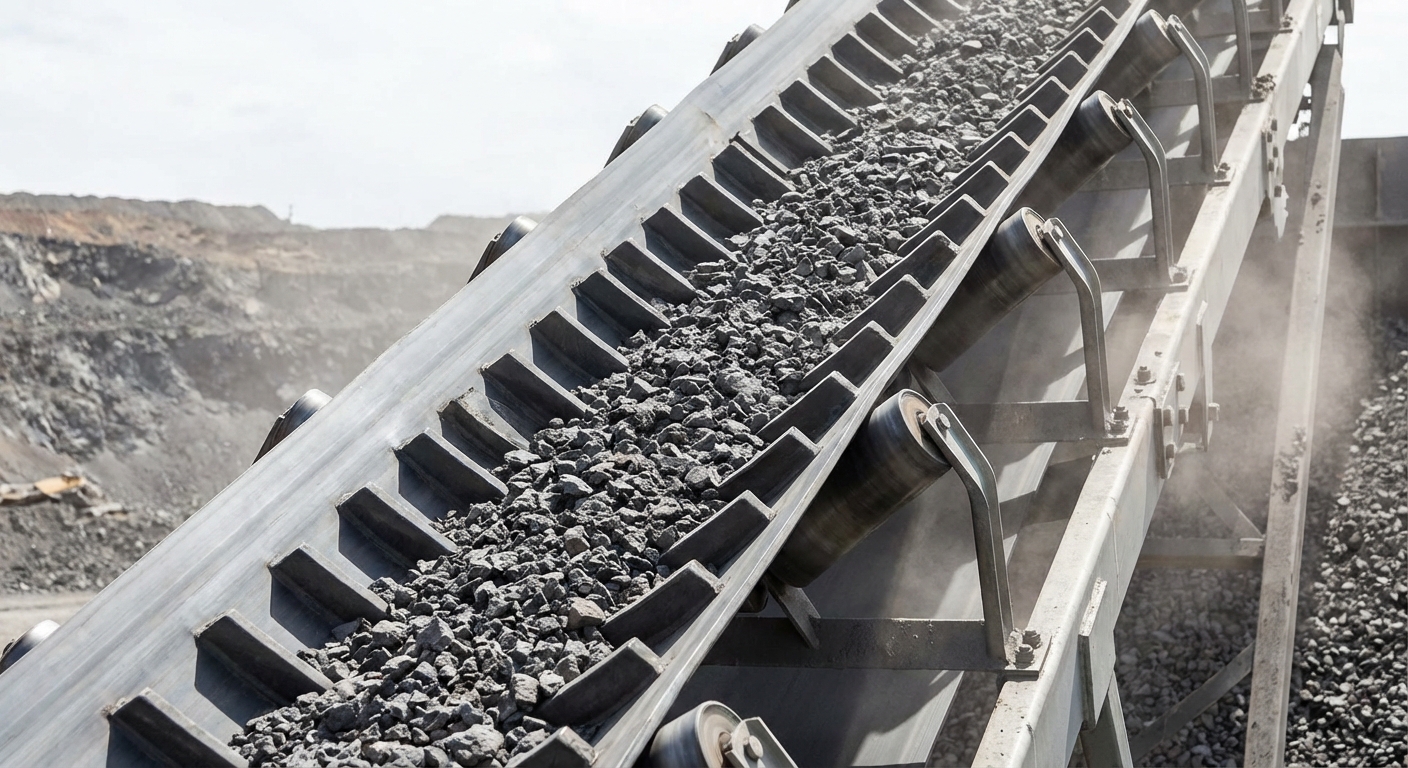
This system works by creating individual pockets that trap material, allowing for a steady flow regardless of the conveyor’s incline. As the sidewall rubber belt conveyor moves, the corrugated walls flex around the drive and tail pulleys while the cleats provide the necessary lift.
What happens during the return phase?
On the return side, the belt is supported by specialized stub rollers that only touch the edges of the base belt. This prevents the cleats and sidewalls from being crushed or damaged during the inverted travel phase.
- Material enters the pocket at the tail.
- The belt ascends the vertical section.
- Material is discharged via gravity at the head.
Here is the deal: the discharge trajectory is influenced by belt speed and cleat height.
How does it handle the transition?
The transition from horizontal to vertical is achieved using deflection wheels. These wheels press down on the base belt’s edges to change the direction of travel without stressing the corrugated walls.
Key Takeaway: Understanding the physics of the “S” transition helps you design a system that minimizes mechanical wear on the rubber components.
| Stage | Action | Mechanical Focus | |
|---|---|---|---|
| Loading | Pocket filling | Impact absorption | |
| Incline | Lifting | Cleat strength | |
| Discharge | Emptying | Gravity/Centrifugal force |
Proper tensioning is required to ensure the deflection wheels maintain constant contact with the belt edges.
What types of sidewall rubber belt conveyor are best?
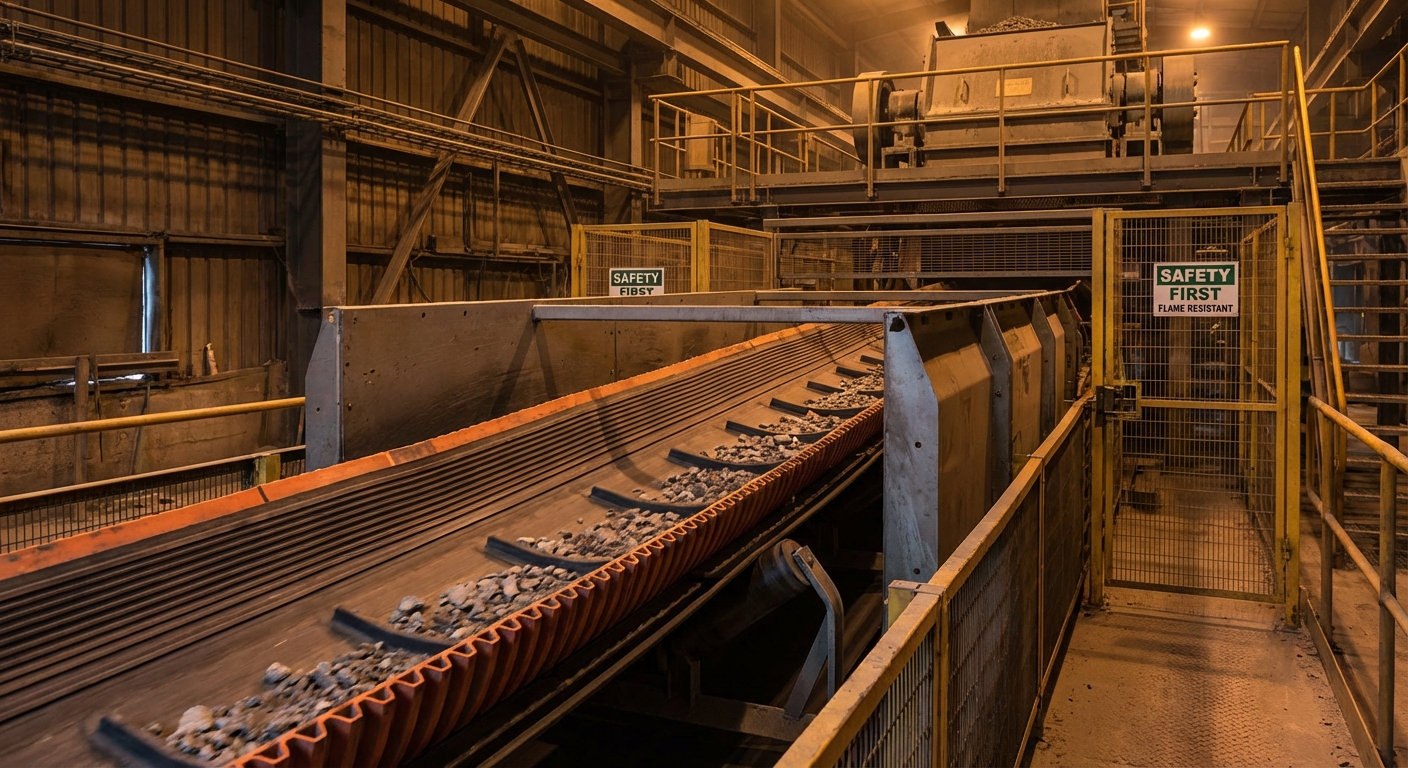
The best type depends on your specific casting environment, with oil-resistant or flame-retardant versions often being necessary. A sidewall rubber belt conveyor should be selected based on the chemical properties of your additives and the ambient temperature of your plant.
Are there heat-resistant options?
Casting processes often involve high temperatures near the kilns or drying racks. Using a heat-resistant (HR) rubber compound prevents the sidewalls from becoming brittle or cracking over time.
- HR (Heat Resistant) for up to 200°C.
- OR (Oil Resistant) for additive-rich plaster.
- FR (Flame Retardant) for underground safety.
Wait, there’s more: you can also choose between fabric reinforced or steel cord base belts for extreme lift heights.
Key Takeaway: Selecting the correct rubber compound ensures your belt doesn’t degrade when exposed to the harsh chemical environment of industrial casting.
| Belt Type | Best Use Case | Temperature Limit | |
|---|---|---|---|
| Standard | General bulk handling | 80°C | |
| Heat Resistant | Kiln feeding | 200°C | |
| Oil Resistant | Chemical additives | 100°C |
Matching the belt’s cover grade to your material’s abrasiveness will significantly extend the system’s service life.
Why is a sidewall rubber belt conveyor efficient?
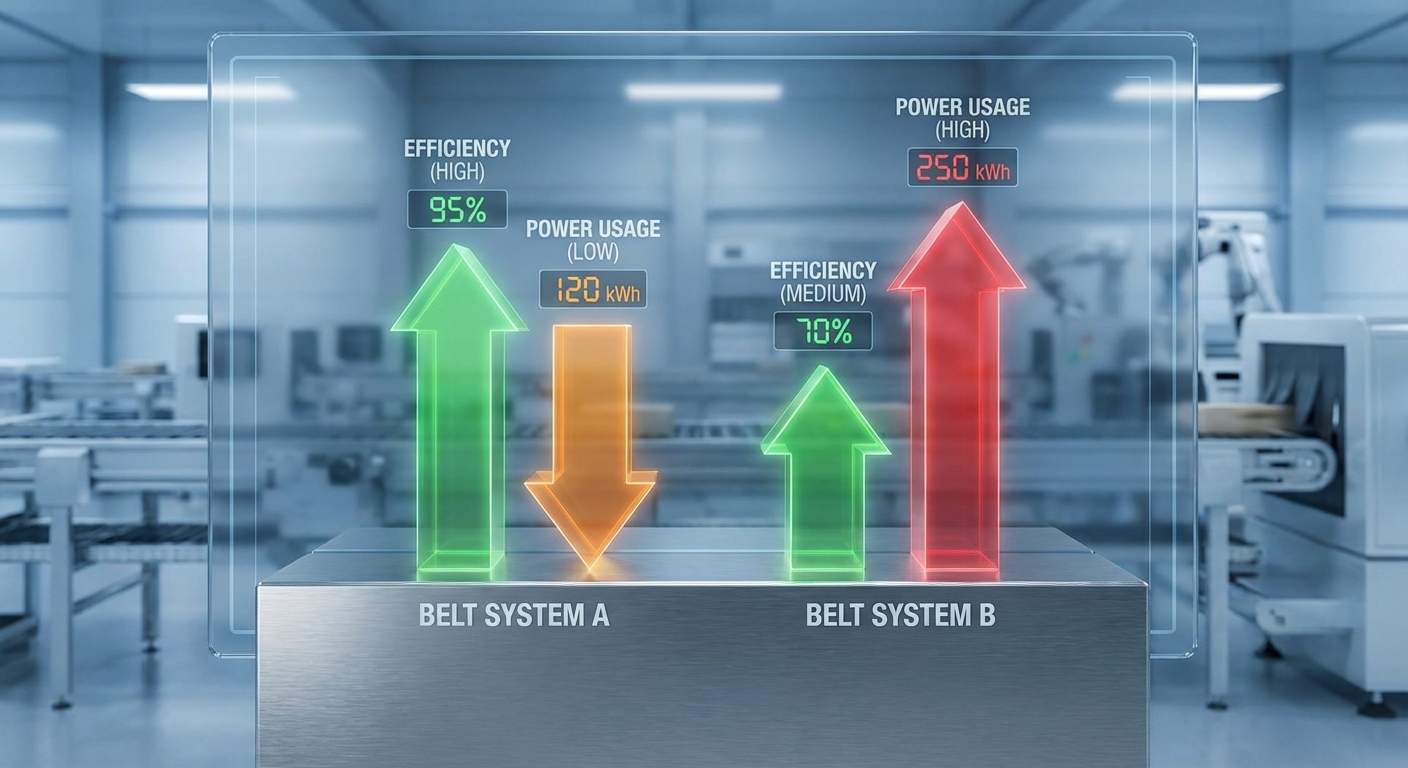
Efficiency is achieved through the elimination of intermediate transfer points and the reduction of power consumption. Because a sidewall rubber belt conveyor can handle steep angles, it replaces multiple smaller conveyors, reducing the number of motors required to move the same volume.
Does it reduce maintenance costs?
Fewer moving parts and transfer points mean fewer bearings to grease and fewer motors to repair. The corrugated design also reduces the “rollback” of material that typically wears down traditional belt covers.
- Lower energy consumption per ton.
- Reduced spare parts inventory.
- Faster cleaning cycles.
Here is the deal: the initial investment in a sidewall system is offset by the drastically lower operational costs over its lifespan.
How does it impact throughput?
By providing a continuous flow of material, you eliminate the batch-loading delays common with other vertical lifting methods. This ensures your casting molds are fed at a consistent, predictable rate.
Key Takeaway: High-efficiency transport directly correlates to higher production numbers and lower overhead costs for your casting operation.
| Efficiency Factor | Traditional Belt | Sidewall System | |
|---|---|---|---|
| Max Incline | 18-20° | 90° | |
| Transfer Points | High | Low | |
| Power Usage | Medium | Optimized |
The data proves that vertical integration via sidewall belts reduces mechanical loss by up to 30%.
How to maintain a sidewall rubber belt conveyor?
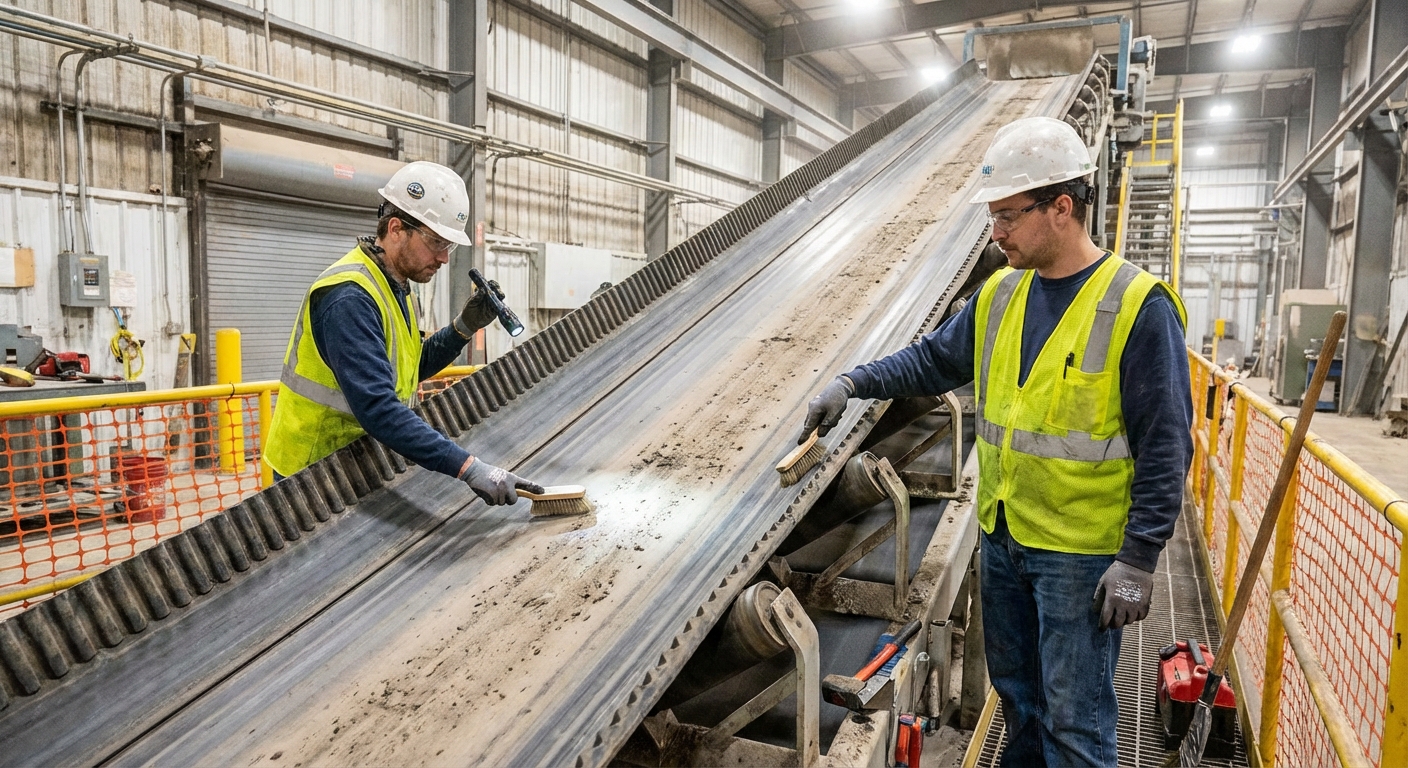
Proper maintenance involves regular inspection of the bond between the cleat and the base belt to prevent detachment. A sidewall rubber belt conveyor requires specialized cleaning systems, such as beater rollers, to remove fine plaster dust from the pockets.
What is the best cleaning method?
Traditional scrapers cannot be used because they would damage the cleats and sidewalls. Instead, use “beater” rollers on the return side or air knives to blow away residual casting powder.
- Inspect for sidewall cracking.
- Check cleat alignment.
- Lubricate stub rollers regularly.
Wait, there’s more: regular tension adjustments are vital because an over-tensioned belt can cause the cross-rigid base to snap.
Key Takeaway: Consistent cleaning prevents material buildup, which can cause the belt to track improperly and damage the expensive corrugated edges.
| Maintenance Task | Frequency | Priority | |
|---|---|---|---|
| Visual Inspection | Daily | High | |
| Beater Cleaning | Weekly | Medium | |
| Tension Check | Monthly | High |
Preventative maintenance is the most effective way to ensure 24/7 uptime in a high-demand casting facility.
How to select a sidewall rubber belt conveyor size?
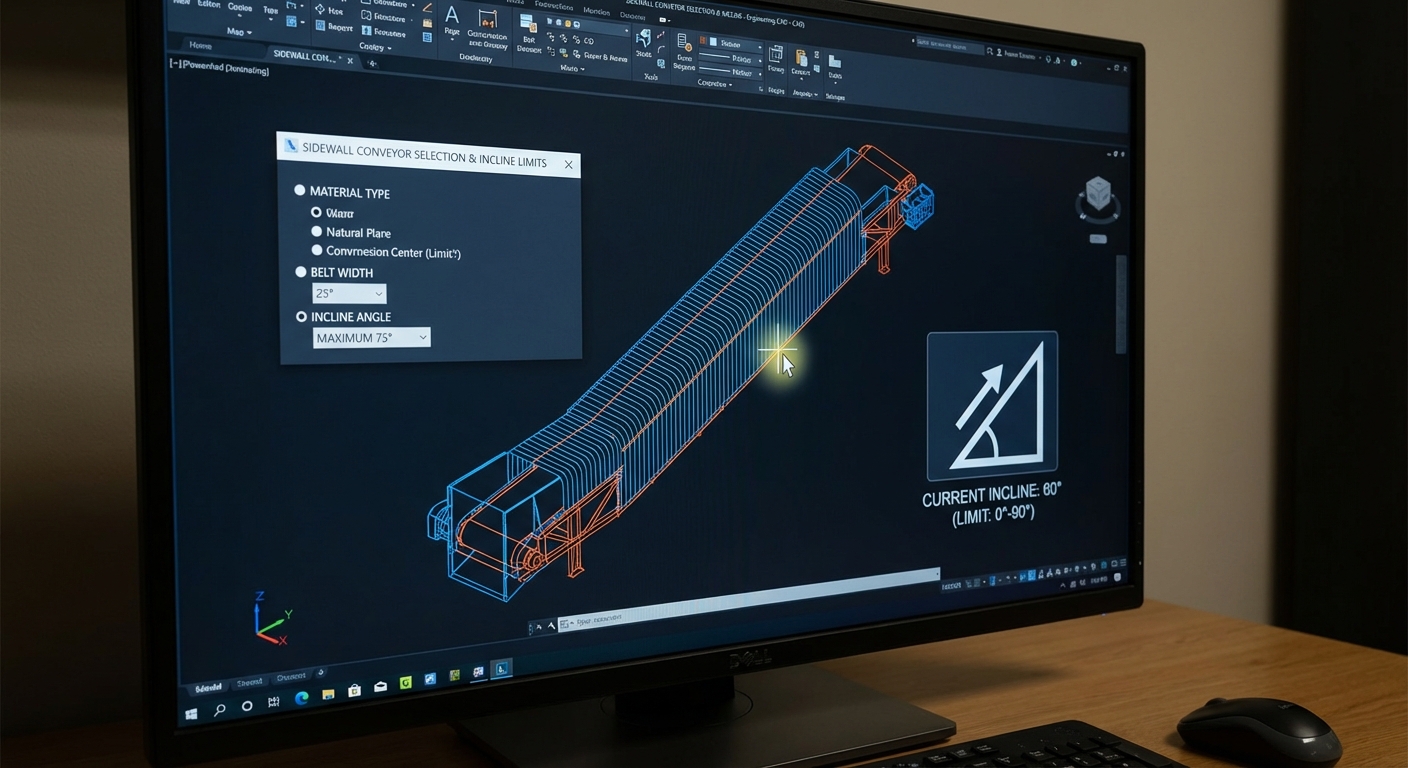
Selection is based on the required tons-per-hour capacity and the maximum particle size of the casting material. You must ensure the sidewall rubber belt conveyor has a pocket width that is at least 2.5 times larger than the largest lump of material.
How do I calculate sidewall height?
The sidewall height must be sufficient to contain the material “surge” during loading without spilling over the top. Typically, the height is selected to provide a 10-20% safety margin above the material level.
- Determine the required throughput (TPH).
- Select belt width based on capacity.
- Choose cleat height for the incline angle.
Here is the deal: if you choose a sidewall that is too short, you will face massive spillage during high-speed operation.
What incline is too steep?
While 90 degrees is possible, it requires specific cleat profiles and heavy-duty tensioning systems. Most plaster casting facilities find that 60 to 75 degrees offers the best balance between space saving and mechanical longevity.
Key Takeaway: Correct sizing prevents motor strain and ensures your system can handle peak production loads without overflow.
| Load Variable | Selection Impact | Recommendation | |
|---|---|---|---|
| Particle Size | Cleat Spacing | 2.5x larger | |
| Bulk Density | Base Belt Strength | EP200 – EP500 | |
| Height | Drive Power | High torque motor |
Consulting with an engineer during the design phase ensures your belt selection matches your specific material flow.
What is the future of sidewall rubber belt conveyor?
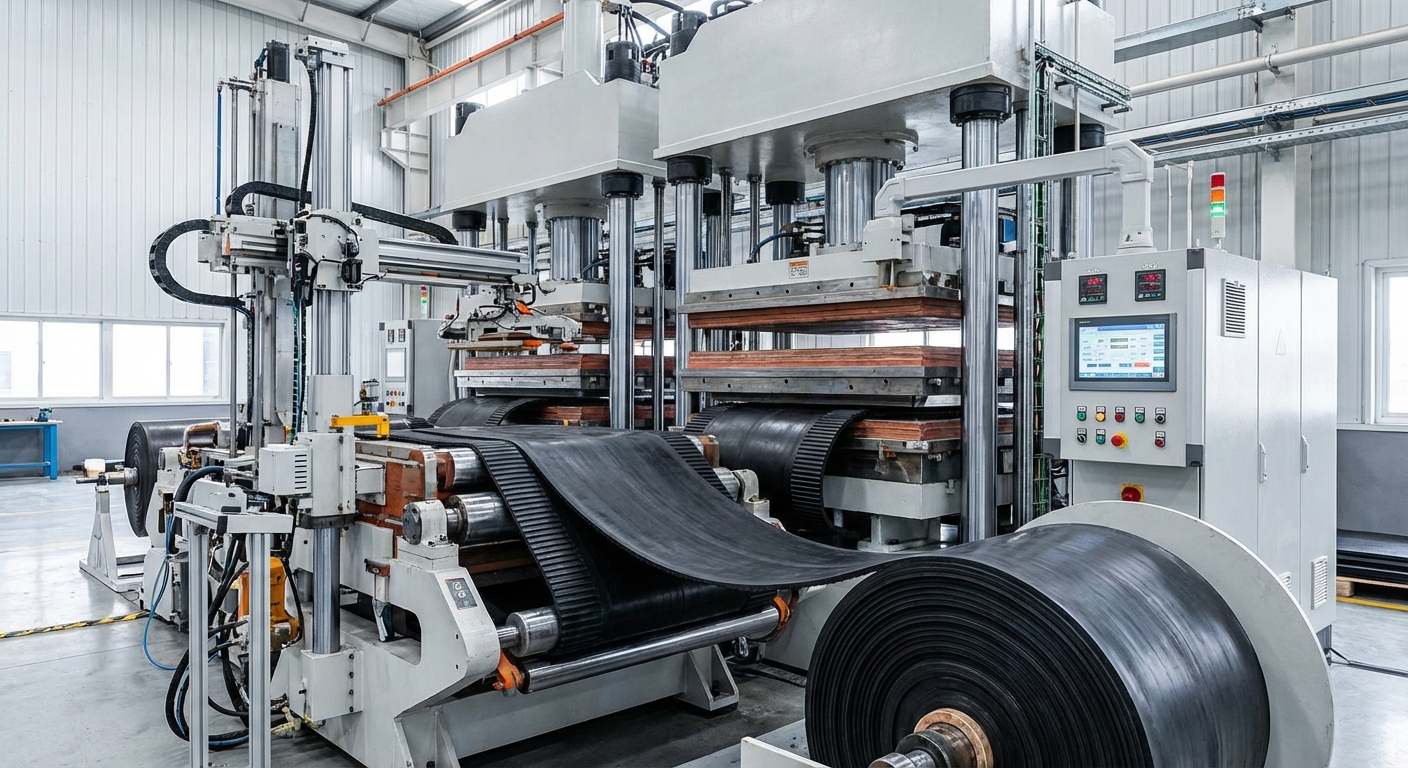
The future involves the use of aramid fibers for lighter, stronger belts and advanced automated vulcanization processes. A sidewall rubber belt conveyor is now being integrated with IoT sensors to monitor belt wear and tension in real-time.
Are there eco-friendly belt options?
Manufacturers are developing new rubber compounds that utilize recycled materials without sacrificing the high elasticity required for corrugated walls. These “green” belts help casting facilities meet modern sustainability goals.
- Aramid fibers for energy savings.
- Bio-based rubber compounds.
- Smart sensors for predictive maintenance.
Wait, there’s more: advancements in laser-welding for cleats are creating even stronger bonds than traditional vulcanization.
Key Takeaway: Adopting smart conveyor technologies allows you to predict failures before they happen, ensuring your casting line never stops.
| Innovation | User Benefit | Industry Trend | |
|---|---|---|---|
| Aramid Fiber | Lower weight | Energy Efficiency | |
| IoT Sensors | Zero downtime | Smart Manufacturing | |
| Laser Bonding | Longer life | Advanced Materials |
Next-generation sidewall belts are designed to last 40% longer than those produced just a decade ago.
Common Questions About Sidewall Systems (FAQ)
Can I transport wet plaster using a sidewall belt?Yes, but you must select a moisture-resistant rubber compound and ensure the discharge point has an effective cleaning mechanism to prevent sticky buildup in the pockets.
What’s the best way to prevent material rollback?The best way is to use “C” or “TC” cleats, which are specifically angled to create a secure bucket shape that holds material firmly even at 90-degree vertical inclines.
Can I retrofit my old conveyor with a sidewall belt?Generally, no. Sidewall systems require specific frame widths and specialized rollers to accommodate the corrugated walls, meaning a full system upgrade is usually necessary.
How long does a sidewall rubber belt last?With proper maintenance and correct material selection, a high-quality sidewall belt can last between 5 to 8 years in a typical industrial casting environment.
What is the maximum capacity these belts can handle?High-capacity systems can move over 2,000 tons per hour, though most plaster casting operations operate in the 50 to 200 tons-per-hour range.
Strategic Summary for Casting Professionals
The sidewall rubber belt conveyor represents the pinnacle of bulk material handling for modern casting facilities. By integrating corrugated walls and transverse cleats, you can achieve vertical transport that was previously impossible with traditional belt systems. This technology not only saves valuable floor space but also significantly reduces maintenance costs and material waste.
Our brand vision at Zhenxing Rubber is to provide the world’s most durable and efficient material handling solutions through continuous innovation and superior engineering. If you are ready to eliminate spillage and maximize your production capacity, contact us today to speak with a specialist. Our engineering team is standing by to design a custom solution tailored to your specific facility needs.