
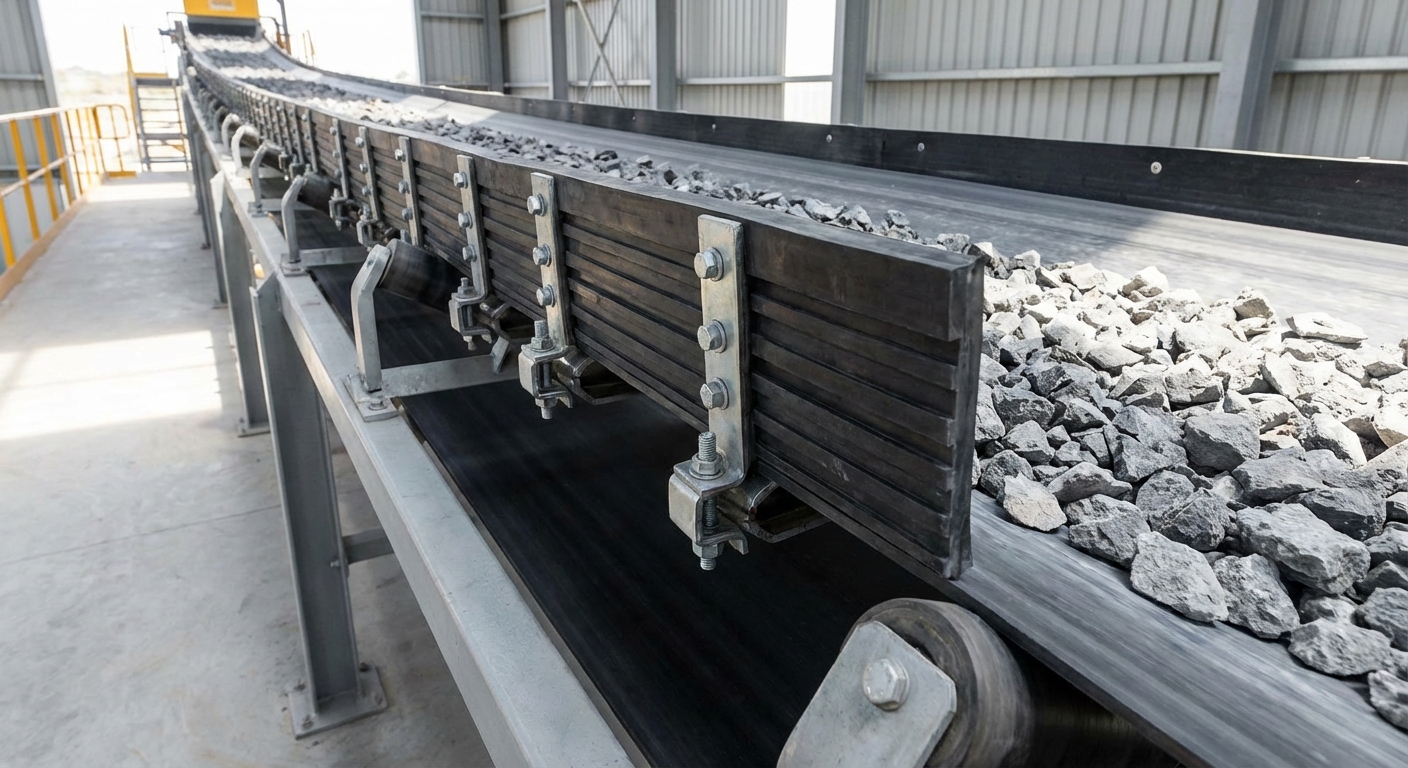
A rubber skirt belt conveyor system creates an effective seal at transfer points, preventing spillage and dust, reducing maintenance, and improving safety in material handling operations.
What is conveyor belt skirting in a rubber skirt belt conveyor?
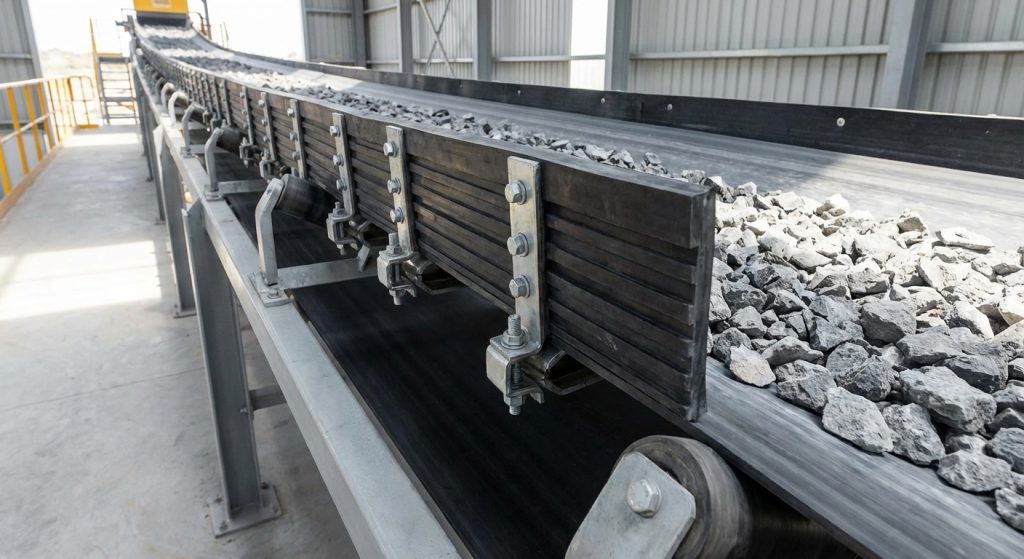
Skirting is a sealing arrangement installed at loading zones to ensure that all bulk cargo stays securely on the moving belt surface. The rubber skirt belt conveyor utilizes these vertical barriers to close the gap between the stationary chute and the moving conveyor. Without this barrier, fine particles and large chunks would fly off during the impact of loading.
Where is skirting installed?
You will typically find skirting systems mounted along the sides of the loading chute at the tail end of the system. It runs parallel to the belt direction to guide material toward the center.
What components make up the system?
The assembly relies on several mechanical parts to maintain a tight seal against the belt cover. You must ensure all parts are corrosion-resistant for long-term reliability. But that’s not all…
- Rubber skirting strips for the primary seal.
- Quick-release clamps for fast adjustments.
- Backing plates to provide structural support.
Key Takeaway: Skirting acts as the primary barrier between stationary equipment and moving belts to prevent material loss.
| Component | Function | Typical Material | |
|---|---|---|---|
| Skirting Strip | Primary seal | Rubber or Polyurethane | |
| Mounting Clamps | Secures rubber | Stainless or Carbon Steel |
Review the mounting hardware regularly to ensure the vertical pressure remains consistent across the loading zone.
How does a rubber skirt belt conveyor seal bulk materials?
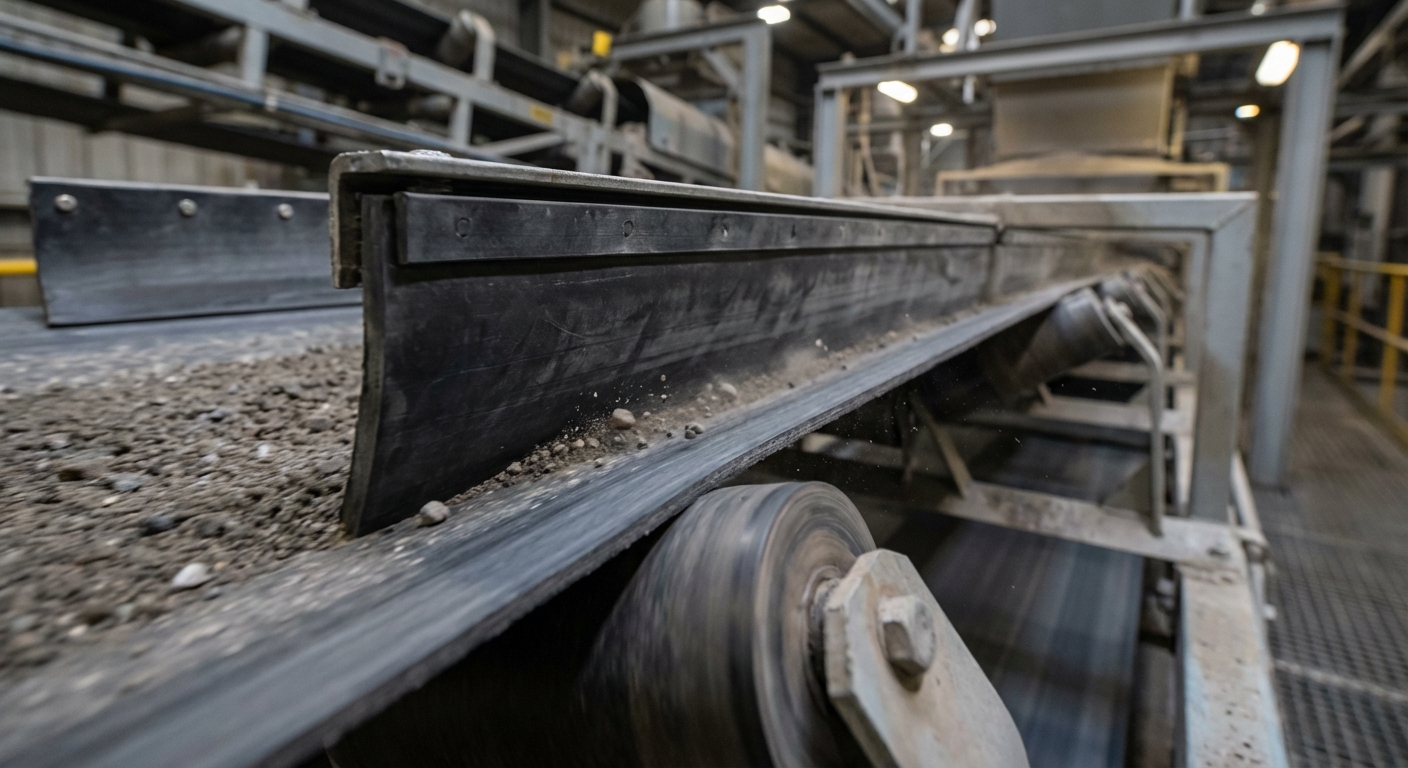
The sealing process occurs through light, friction-based contact between the flexible skirt edge and the top cover of the belt. A rubber skirt belt conveyor creates a localized pressure zone that keeps fines from sliding underneath the chute walls. This interaction must be precise to avoid damaging the belt while still stopping dust.
Does the skirting touch the belt?
You should aim for a “light touch” where the rubber barely grazes the belt surface to minimize heat and wear. Excessive pressure can lead to grooves forming in your expensive belt covers.
How does it work with idlers?
Proper belt support is the secret to a successful seal in any industrial application. If the belt sags between idlers, the seal will break and allow material to escape. Think about this for a second…
- Impact idlers prevent the belt from bouncing.
- Slider beds provide a flat surface for the seal.
- Cradles maintain the trough angle during loading.
Key Takeaway: A functional seal requires both flexible skirting material and rigid belt support to maintain contact.
| Feature | Importance | Operational Result | |
|---|---|---|---|
| Contact Pressure | Critical | Prevents belt cover wear | |
| Belt Support | High | Maintains consistent sealing |
Check the gap between your idlers to ensure the belt remains perfectly flat under the skirting area.
Why is sealing essential for a rubber skirt belt conveyor?
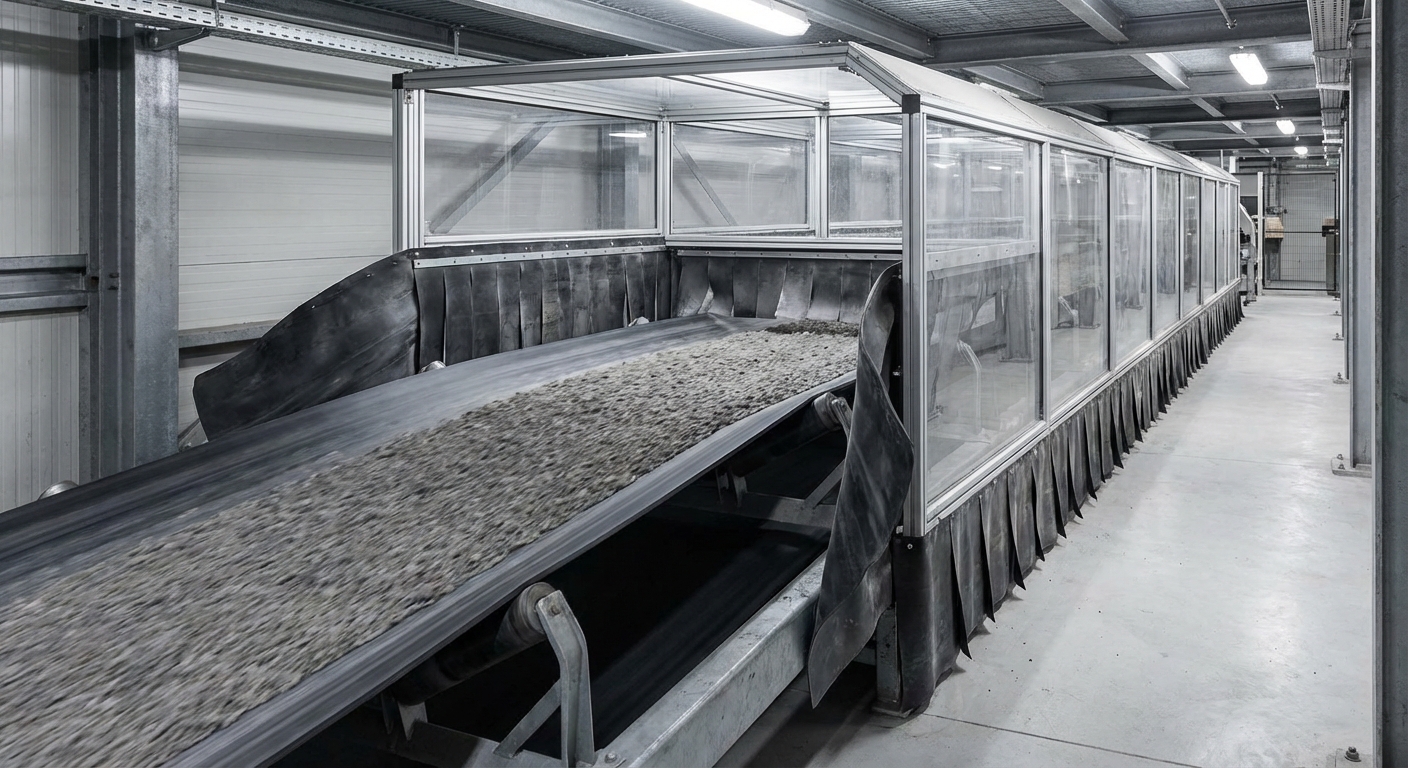
Effective sealing is essential because it directly impacts your bottom line by reducing wasted product and expensive labor costs. Your rubber skirt belt conveyor performs best when 100% of the material loaded at the tail reaches the discharge point. Spillage represents a loss of saleable product and a significant safety risk for your workers.
How does it prevent spillage?
The skirting acts as a physical wall that blocks material from escaping the high-velocity loading zone. You can contain even the most turbulent materials by adjusting the skirt height correctly.
Can it handle heavy impact?
You can pair skirting with a high-durability Fabric (Textile) Conveyor Belt to manage heavy rock loads. This combination absorbs the kinetic energy of falling material while keeping the edges sealed. But wait, there’s more…
- Reduces the need for manual cleanup crews.
- Prevents material from burying the tail pulley.
- Decreases the risk of belt misalignment.
Key Takeaway: Sealing maximizes your operational efficiency by keeping all materials within the intended flow path.
| Spillage Type | Impact | Prevention Method | |
|---|---|---|---|
| Large Chunks | Mechanical damage | Heavy-duty skirt walls | |
| Fine Particles | Dust and mess | Soft rubber dual-seals |
Analyze the size of your spilled material to determine if you need thicker skirting or a softer sealing edge.
What materials suit a rubber skirt belt conveyor environment?
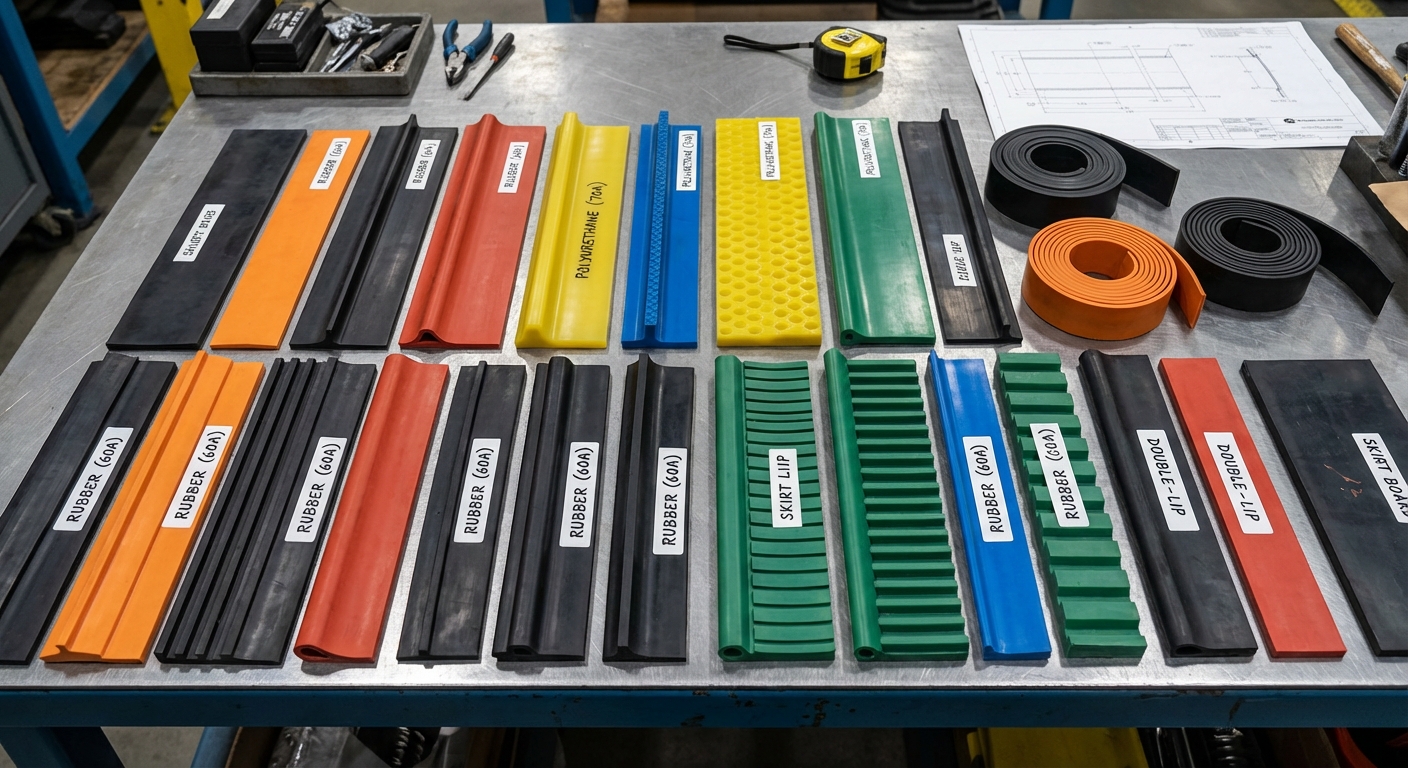
Material selection depends on the abrasiveness, temperature, and chemical nature of the bulk goods you are transporting daily. Choosing the right rubber skirt belt conveyor compound ensures that the seal doesn’t wear out prematurely in harsh conditions. You must match the hardness of the skirt to the specific needs of your cargo.
Is soft rubber better than poly?
Soft rubber is generally superior for sealing fine dust because it conforms easily to the belt’s micro-textures. Polyurethane offers better resistance against sharp, heavy rocks that might gouge standard rubber.
When should you use FRAS rubber?
Fire-Resistant Anti-Static (FRAS) materials are mandatory if you operate in underground mines or grain elevators. These materials prevent the buildup of static electricity that could trigger a dangerous explosion. Consider the following benefits…
- Longer service life in abrasive environments.
- Reduced friction against the conveyor belt.
- Improved resistance to oils and chemicals.
Key Takeaway: The ideal skirting material is always slightly softer than the belt cover to prevent permanent damage.
| Material | Best Application | Key Benefit | |
|---|---|---|---|
| Natural Rubber | Sand and Fines | Superior dust seal | |
| Polyurethane | Crushed Rock | High wear resistance |
Test the hardness of your current skirting to ensure it is not harder than your conveyor belt’s top cover.
How does a rubber skirt belt conveyor stop airborne dust?
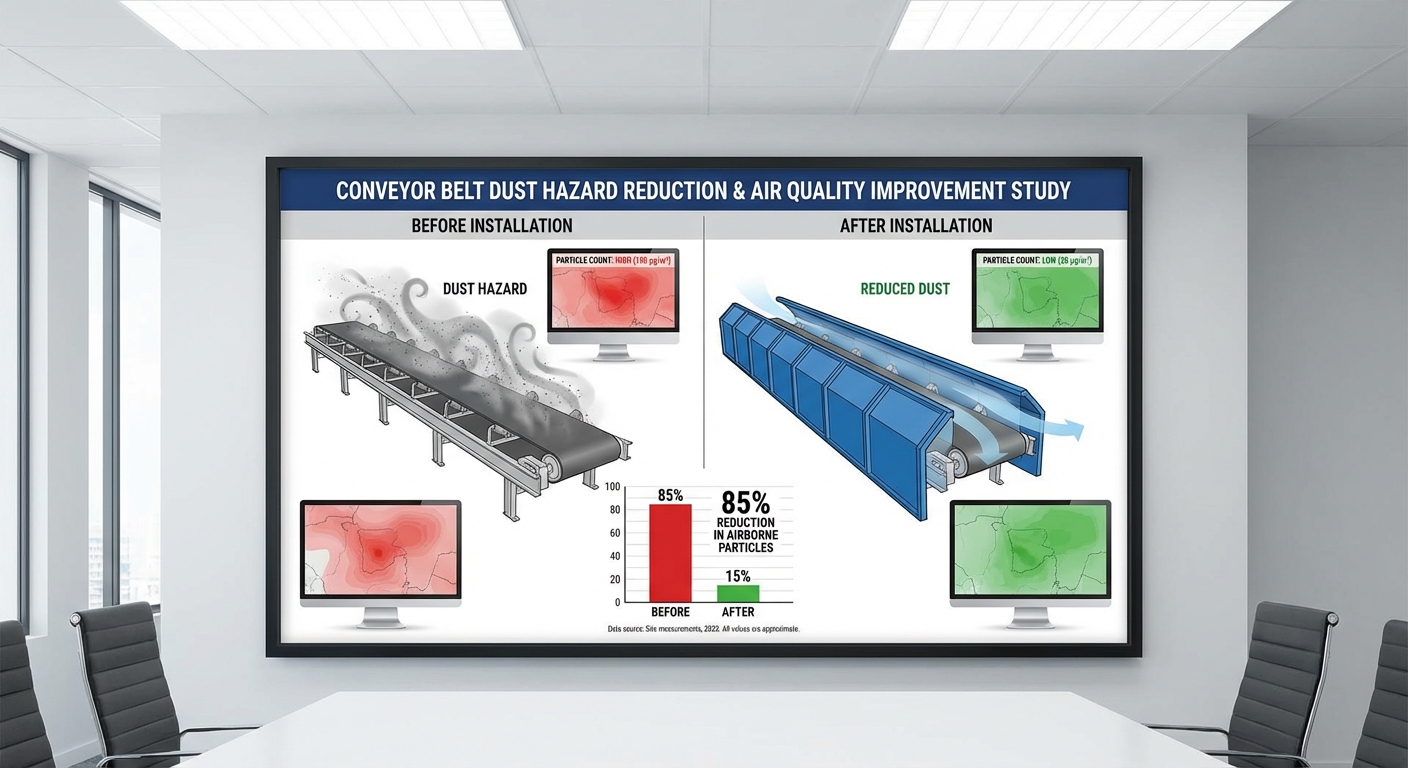
Dust suppression is achieved by creating a pressurized environment inside the chute that prevents small particles from escaping into the air. A rubber skirt belt conveyor acts as a secondary containment system that traps airborne fines before they drift away. You can achieve almost zero dust emissions by using a dual-seal skirting design.
Can it stop airborne particles?
Dual-seal systems use a primary flap to contain material and a secondary flexible lip to trap fine dust. You will see a massive improvement in air quality once these are properly aligned.
Why is dust control a priority?
Dust is not just a mess; it is a major health hazard that can lead to long-term respiratory issues for your team. You also reduce the risk of mechanical failure caused by fine dust entering your bearings and motors. But that’s not all…
- Improves visibility in the loading zone.
- Ensures compliance with environmental regulations.
- Prevents dust from coating safety signage.
Key Takeaway: Modern skirting systems are your first line of defense against hazardous industrial dust emissions.
| Hazard | Risk Level | Mitigation Strategy | |
|---|---|---|---|
| Dust Inhalation | Very High | Use dual-seal skirting | |
| Low Visibility | Medium | Enclose the loading zone |
Evaluate the air quality near your transfer points to see if your current seal is failing to contain fines.
Can a rubber skirt belt conveyor increase your daily output?
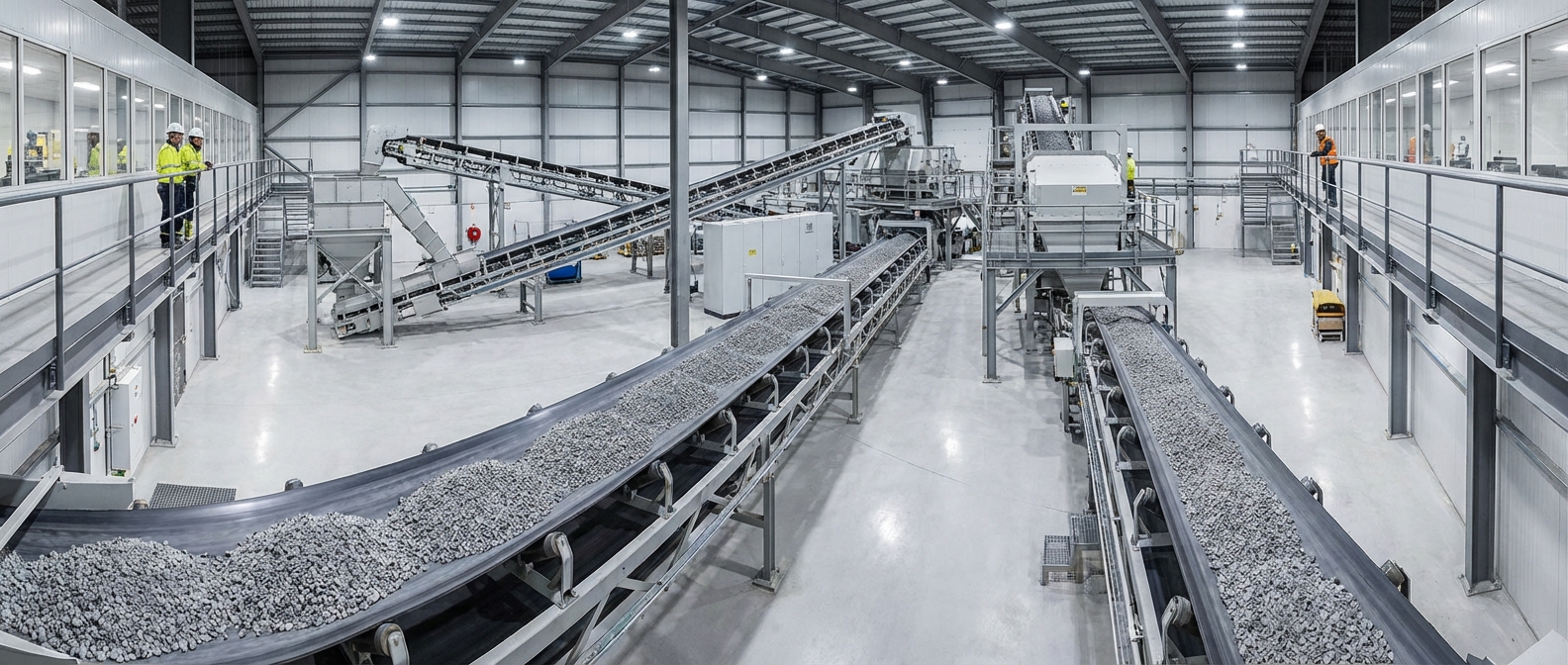
Productivity increases significantly because you spend less time on maintenance and more time moving material through your facility. A rubber skirt belt conveyor minimizes “cleanup shifts” where the entire plant must stop for hours. You can maintain a continuous flow of goods without worrying about material piles blocking your walkways.
Does it reduce cleanup downtime?
You can save dozens of man-hours every week by eliminating the need to shovel spillage back onto the belt. This allows your maintenance team to focus on proactive repairs rather than cleaning.
Can it protect heavy-duty belts?
High-quality skirting prevents debris from getting trapped and tearing a Steel Cord Conveyor Belt . This protection is vital for high-tension systems that are expensive to replace. It gets even better…
- Extended runtime between maintenance cycles.
- Higher average belt speeds without spillage.
- Reduced wear on return idlers and pulleys.
Key Takeaway: Better containment directly translates to higher uptime and more profitable production cycles.
| Metric | Without Skirting | With Proper Skirting | |
|---|---|---|---|
| Maintenance Time | High | Optimized | |
| System Throughput | Restricted | Maximized |
Calculate the cost of your weekly cleanup labor to see how quickly a skirting upgrade will pay for itself.
What is the maintenance for a rubber skirt belt conveyor?
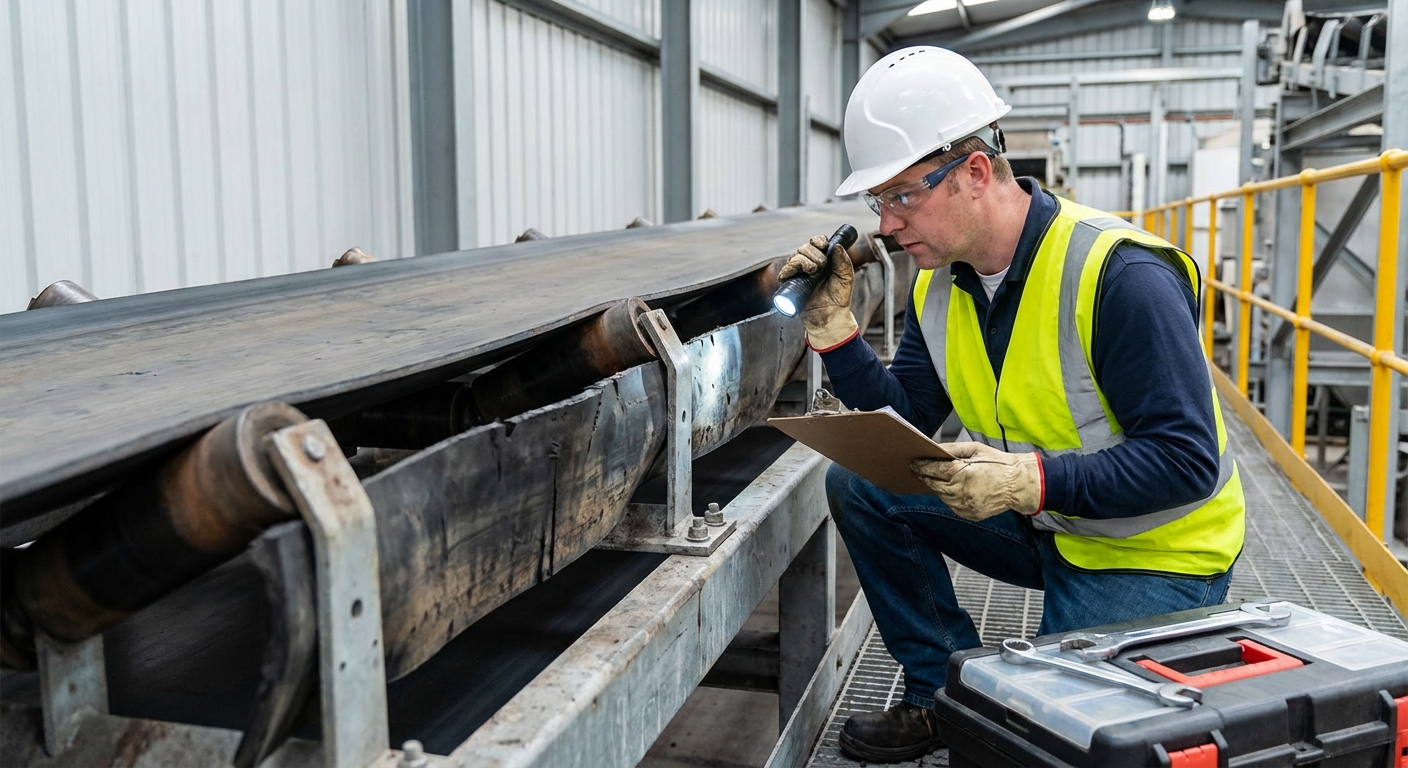
Maintenance involves regular inspections to adjust the clamping pressure and replace the rubber strips once they become thin. Keeping your rubber skirt belt conveyor in top shape prevents small gaps from turning into major material blowouts. You should schedule these checks as part of your weekly preventative maintenance routine.
How often should you adjust clamps?
You should check clamp tightness weekly, especially in systems with high vibration that might loosen the mounting hardware. Re-adjusting the height of the rubber ensures the seal remains effective as the material wears down.
What signs indicate skirt wear?
You should look for “feathering” at the bottom of the rubber or visible light passing under the seal. If you see material piles starting to form on the floor, the skirt needs immediate attention. Don’t overlook these details…
- Cracks or brittle sections in the rubber.
- Seized or rusted clamping mechanisms.
- Grooves forming in the conveyor belt surface.
Key Takeaway: Proactive maintenance is cheaper than replacing a damaged conveyor belt or paying for emergency cleanup.
| Task | Frequency | Target Objective | |
|---|---|---|---|
| Height Adjustment | Weekly | Maintain light contact | |
| Clamp Inspection | Monthly | Prevent loose hardware |
Walk the length of your loading zone and use a flashlight to check for gaps between the seal and the belt.
How do you pick the right rubber skirt belt conveyor material?
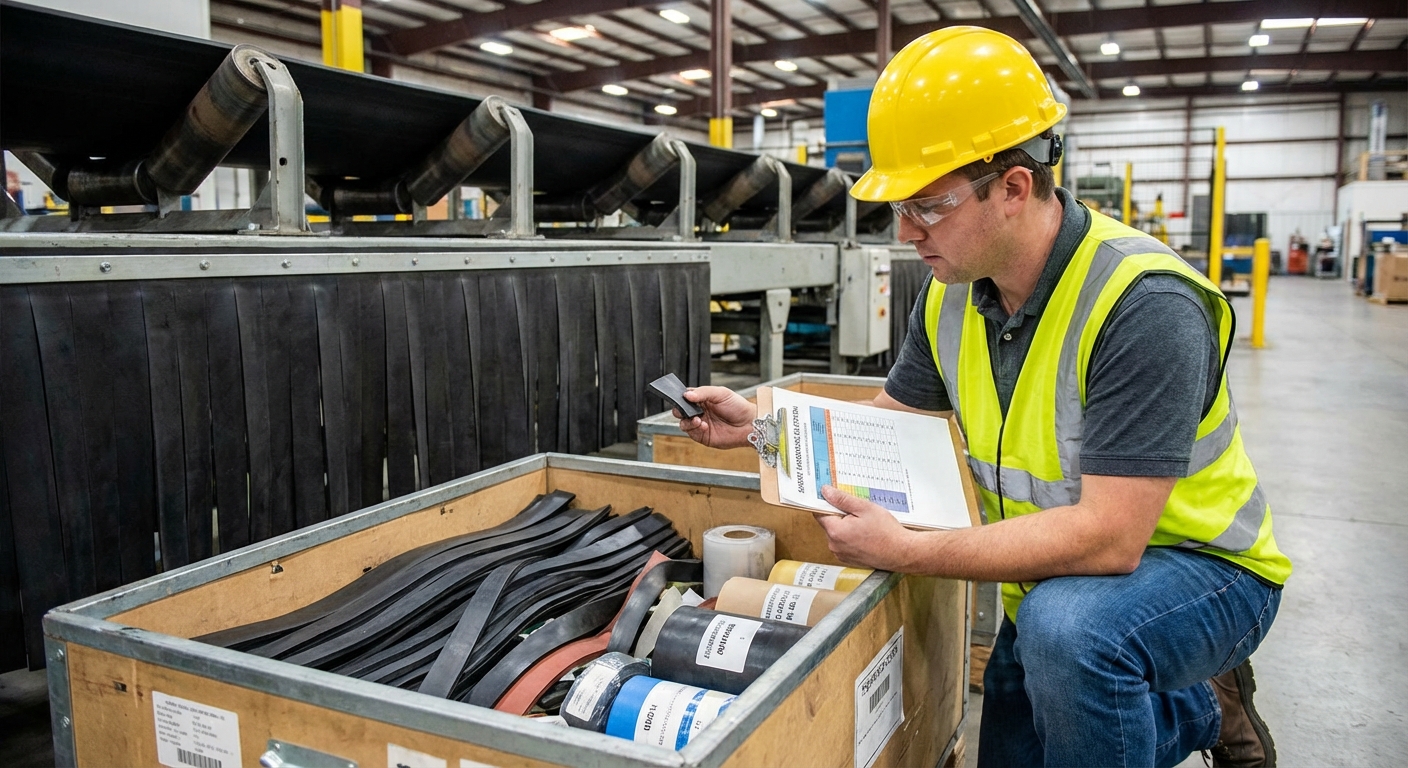
Selecting the right material requires an understanding of the balance between sealing flexibility and abrasion resistance for your specific belt. The rubber skirt belt conveyor setup must be tailored to the hardness of your belt’s top cover to ensure compatibility. You should always consult with an engineer if you are dealing with specialty materials.
Is shore hardness important?
Shore hardness determines how much the skirting will resist wear versus how well it will seal against the belt. You typically want a rating between 45 and 60 Shore A for most general-purpose rubber belts.
Does it work with specialty belts?
Standard skirting can be difficult to use with a Chevron Conveyor Belt because of the raised profiles on the surface. You may need specialized comb-skirting or soft flaps that can deflect over the cleats without losing the seal. Think about these options…
- Heat-resistant rubber for cement plants.
- Oil-resistant compounds for chemical processing.
- White food-grade rubber for hygienic applications.
Key Takeaway: Always select a skirting material that provides a soft seal to protect your primary conveyor investment.
| Application | Material Type | Recommended Hardness | |
|---|---|---|---|
| General Aggregate | Natural Rubber | 50 Shore A | |
| Hot Sinter/Clinker | EPDM Rubber | 60 Shore A |
Compare your current material specifications with the manufacturer’s recommendations to identify any potential wear issues.
Does a rubber skirt belt conveyor protect expensive components?
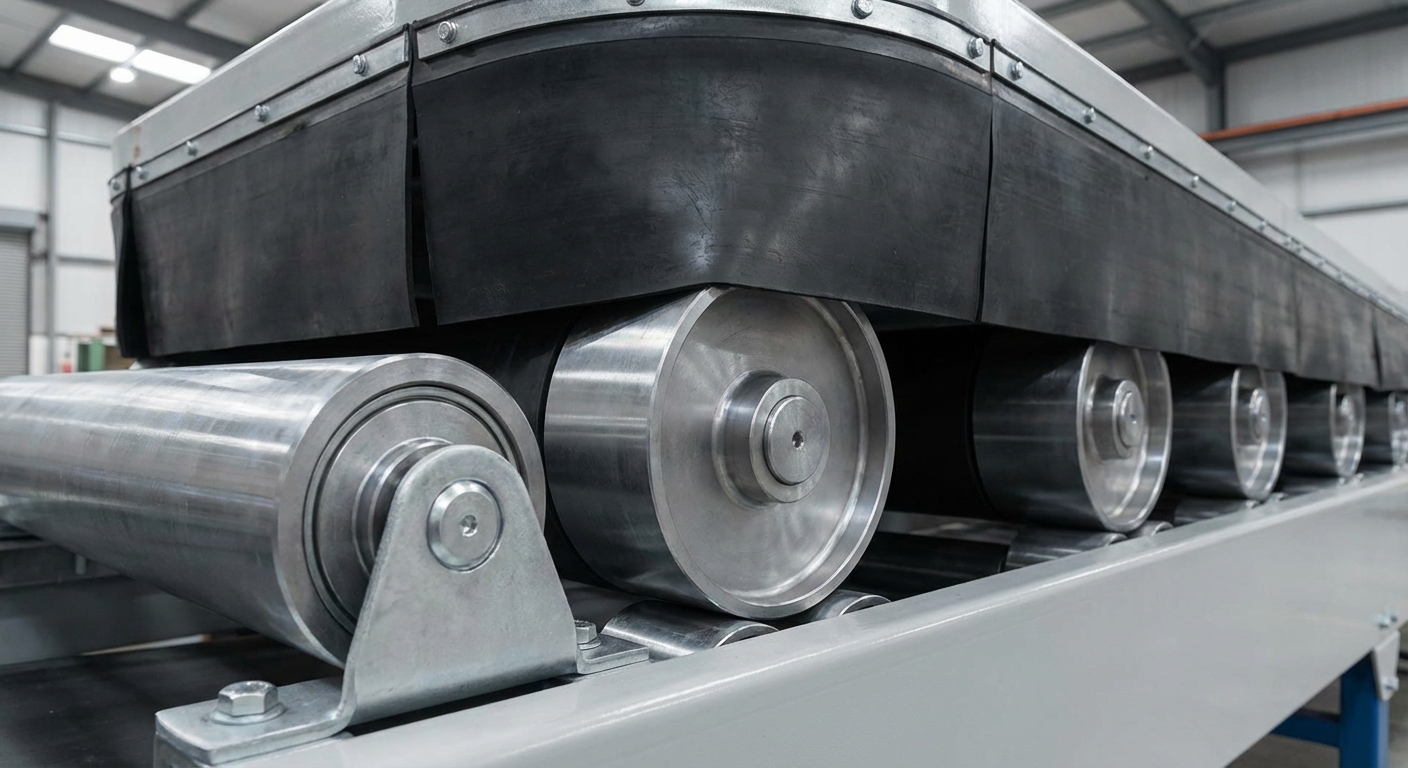
Yes, a properly sealed system protects auxiliary parts like idlers, pulleys, and bearings from being destroyed by spilled debris. Your rubber skirt belt conveyor prevents material from falling onto the return side of the belt where it could get crushed. This protection extends the life of your entire infrastructure, not just the rubber belt.
Can it save your rollers?
Material that spills off the side often lands directly on your return idlers, causing them to seize and develop flat spots. You can prevent this by stopping the leak at the source with high-quality skirting.
How does it protect vertical systems?
Skirting is vital for maintaining the cleanliness of a Sidewall Conveyor Belt during heavy loading. Without it, material can get trapped in the corrugated walls and cause mechanical stress or belt tearing. But wait, there’s more…
- Prevents material buildup on the tail pulley.
- Reduces the risk of bearing contamination.
- Extends the life of the belt scraper system.
Key Takeaway: Skirting is a small investment that prevents massive repair bills for rollers and pulleys.
| Component | Threat | Protective Solution | |
|---|---|---|---|
| Tail Pulley | Material entrapment | Tight skirt seals | |
| Idler Rollers | Seizing/Abrasive wear | Contained loading zone |
Inspect the area around your tail pulley for material buildup to see if your skirting is failing to protect the system.
How safe is a properly installed rubber skirt belt conveyor?
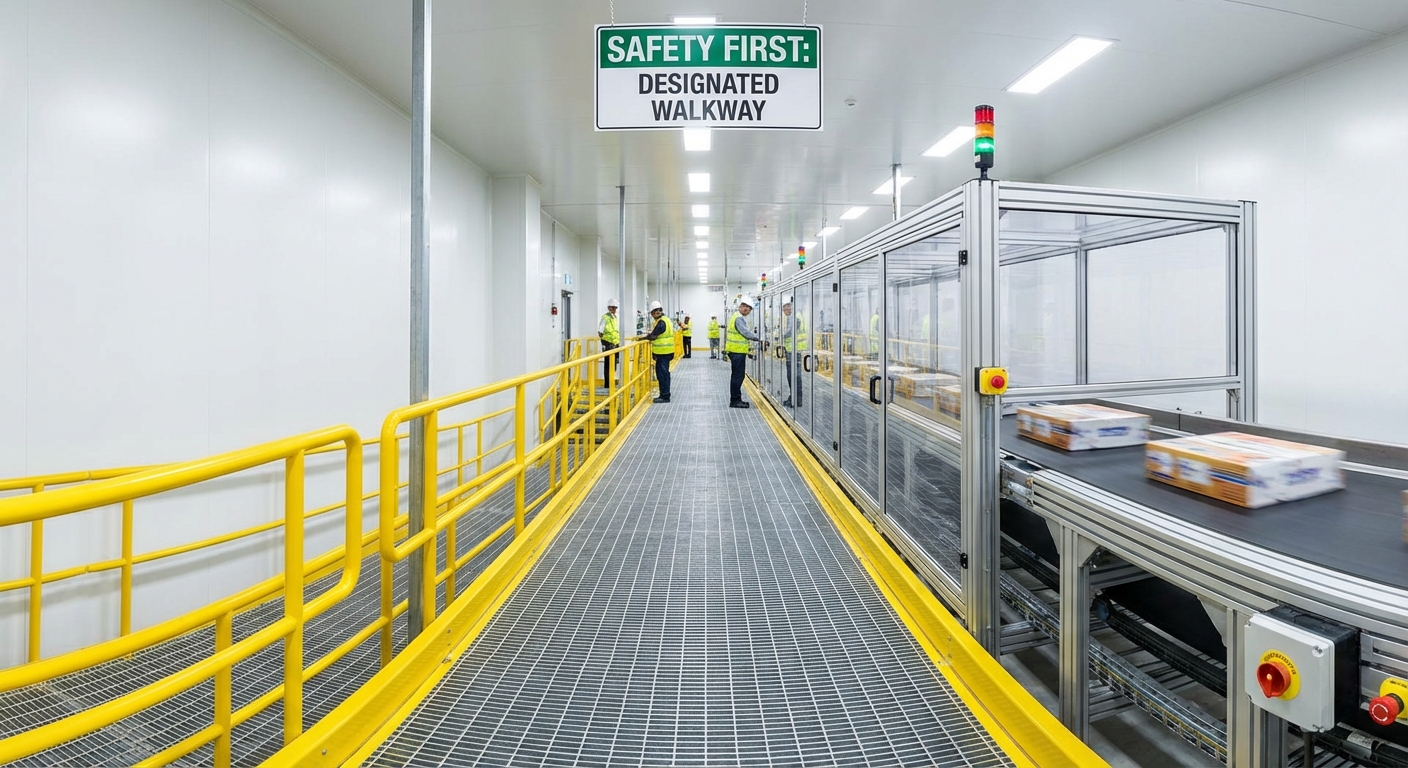
Safety increases exponentially when you eliminate slip hazards and explosive dust clouds from your material handling environment. Every rubber skirt belt conveyor serves as a critical safety barrier that keeps walkways clear and air breathable. You can achieve high safety ratings by prioritizing the containment of all bulk goods.
Does it prevent explosive clouds?
By trapping fine particles within the chute, skirting prevents the formation of combustible dust clouds in the air. This is a primary safety requirement for handling materials like coal, sugar, or grain.
Can it reduce slip hazards?
Spilled material on walkways is a leading cause of industrial accidents and falls in processing plants. You can keep your floors clean and safe by ensuring your loading zones are perfectly sealed. Consider these safety facts…
- Cleaner environments reduce trip accidents.
- Better air quality protects long-term health.
- Controlled flow reduces fire risks from friction.
Key Takeaway: Safety compliance is much easier to manage when your material stays exactly where it belongs.
| Safety Goal | Mechanism | Material Requirement | |
|---|---|---|---|
| Fire Safety | Dust containment | FRAS-rated rubber | |
| Fall Prevention | Spillage control | Flexible dual-seals |
Audit your facility for material piles in walkways and link them back to specific loading zones that need better seals.
Investing in high-quality skirting is a fundamental step for any industrial operation looking to modernize its material handling. By choosing the right components for your rubber skirt belt conveyor, you protect your personnel, your equipment, and your bottom line. Our vision is to provide the most reliable sealing solutions that eliminate downtime and maximize safety across the globe. At ZHENXING, we specialize in high-performance rubber products that solve your toughest spillage and dust problems forever. Contact us today to find the perfect sealing solution for your specific application.
Frequently Asked Questions
- Can I use standard rubber for skirting on high-temperature belts?No, you must use specialized heat-resistant compounds like EPDM to prevent the rubber from melting or becoming brittle.
- What’s the best material for sealing a conveyor in a rock crushing plant?Polyurethane is the best choice because it offers the highest resistance to cutting and gouging from sharp aggregate.
- How do I know if my skirting is creating too much friction on the belt?You will notice excessive heat at the seal point or see black rubber dust accumulating along the edges of the belt.
- Can I install new skirting without removing the existing chute?Yes, most modern clamping systems are designed to be retrofitted to existing chutes without requiring major structural changes.
- What’s the best way to adjust skirting for a belt that is not centered?You should first correct the belt tracking issues before attempting to adjust the skirting to prevent uneven wear.