
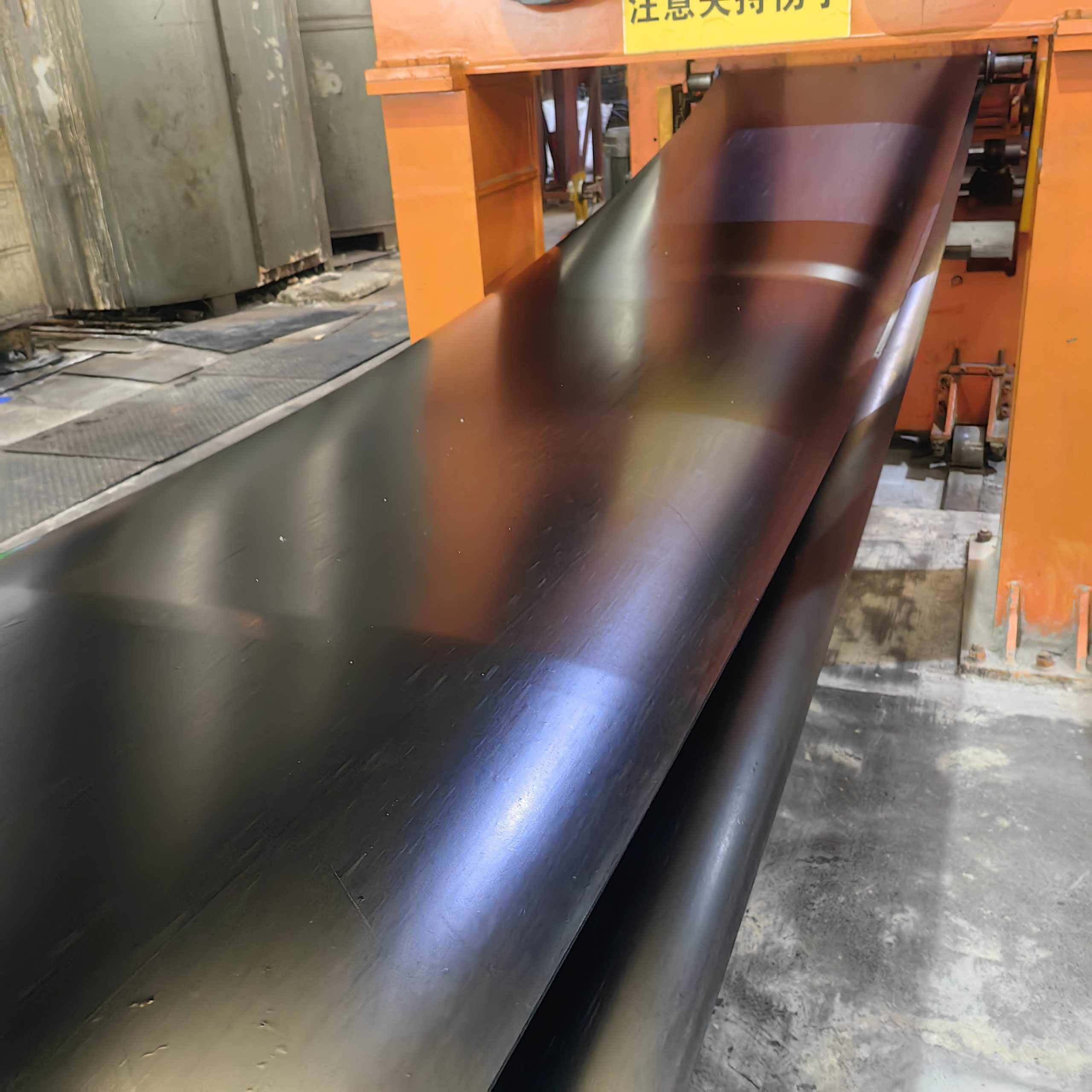
A plain flat rubber conveyor belt ensures smooth, reliable material transport, reducing slippage, minimizing wear, and improving efficiency in high-volume industrial operations.
What is a plain flat rubber conveyor belt and its features?
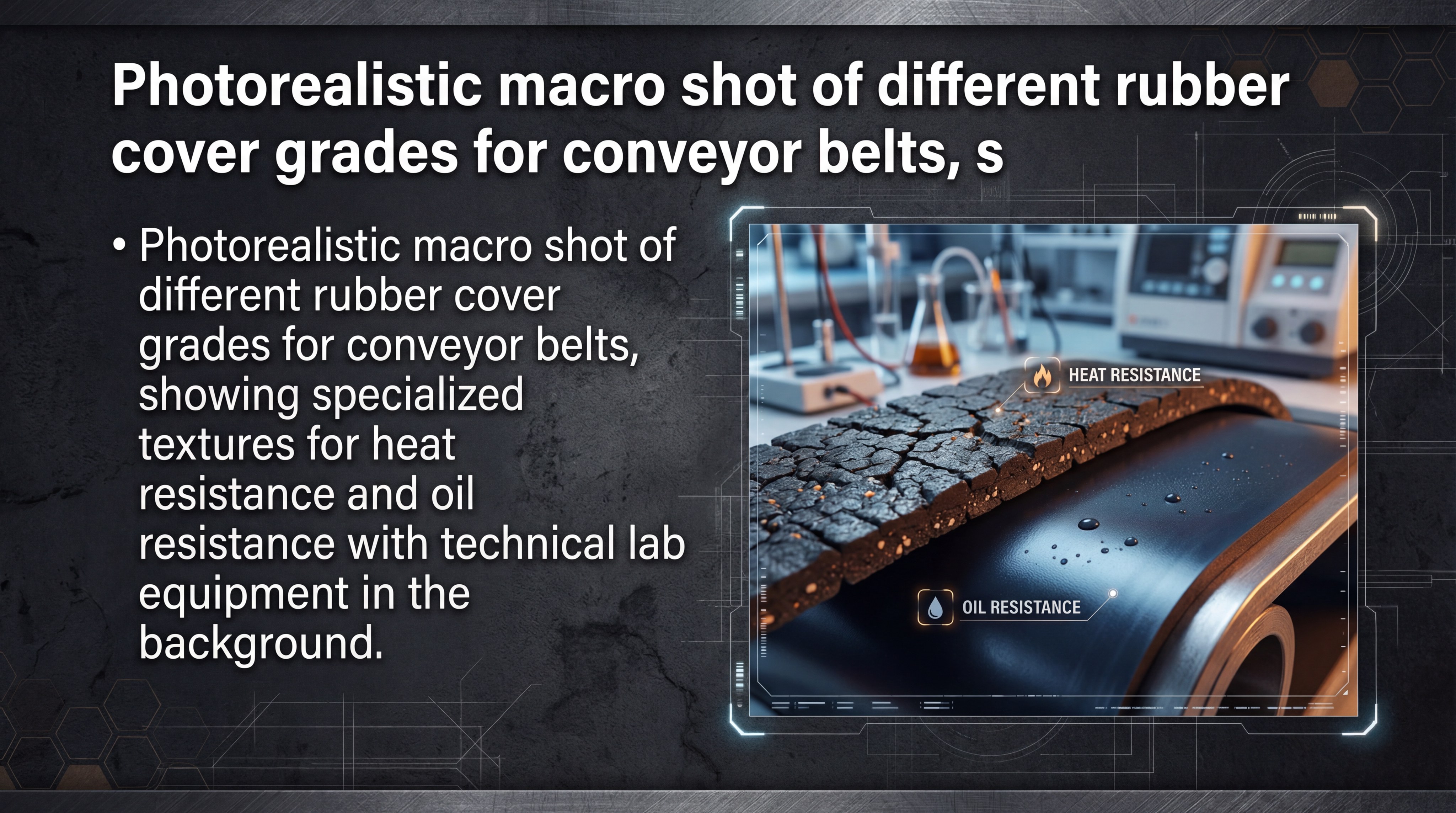
A plain flat rubber conveyor belt is a multi-layered industrial component consisting of a reinforced textile or steel carcass protected by top and bottom rubber covers. This design ensures that the belt maintains a perfectly smooth surface, allowing for the stable movement of various materials without interference from patterns or cleats.
Essential Physical Attributes
The primary draw of this equipment is its versatility in handling different load types across your facility. Without a reliable surface, your delicate goods could suffer from vibration damage or inconsistent positioning. Key attributes include high-tensile reinforcement layers for minimal elongation and abrasion-resistant rubber covers for extended service life.
Key TakeawayThe flat profile is the foundation of modern bulk handling, offering a universal surface that adapts to diverse industrial needs.
| Feature | Industrial Benefit | |
|---|---|---|
| Smooth Surface | Prevents material buildup and facilitates easy cleaning. | |
| Rubber Compounding | Provides resistance to heat, oil, and chemical corrosion. | |
| Multi-ply Carcass | Enhances impact resistance during heavy loading cycles. |
This data table highlights the specific mechanical features that contribute to the long-term reliability of your conveyor system.
How does a plain flat rubber conveyor belt work for you?
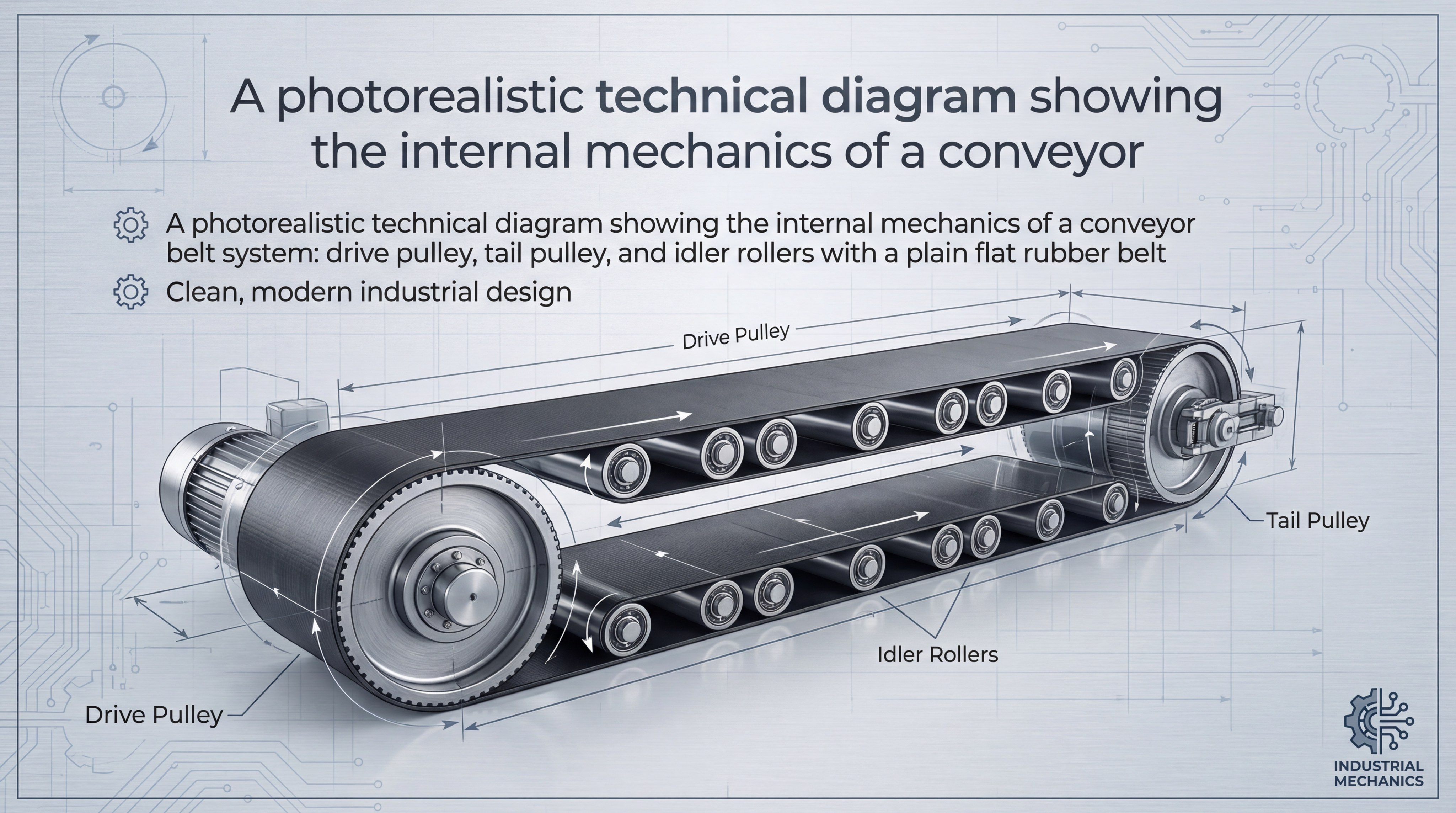
A plain flat rubber conveyor belt operates through a friction-driven system where the belt is pulled across a series of pulleys and idlers by a motorized drive unit. As the drive pulley rotates, it creates tension that moves the continuous loop of rubber, allowing you to load materials at one point and discharge them at another.
The Mechanics of Movement
The efficiency of your system depends heavily on the interaction between the belt’s bottom cover and the drive pulley. Correct tensioning is the secret to preventing energy loss and premature wear on your motor. The system relies on drive pulleys for torque, carrying idlers to prevent sagging, and return idlers to maintain alignment.
Key TakeawayUnderstanding the synergy between the drive components and the belt surface is critical for optimizing your plant’s energy consumption.
| Component | Operational Role | |
|---|---|---|
| Drive Pulley | Power transmission and directional control. | |
| Snub Pulley | Increases belt wrap for better traction. | |
| Impact Idlers | Absorbs energy at loading points to protect the belt. |
This overview provides a structural roadmap for diagnosing potential performance bottlenecks in your existing conveyor layout.
Which sectors use a plain flat rubber conveyor belt most?
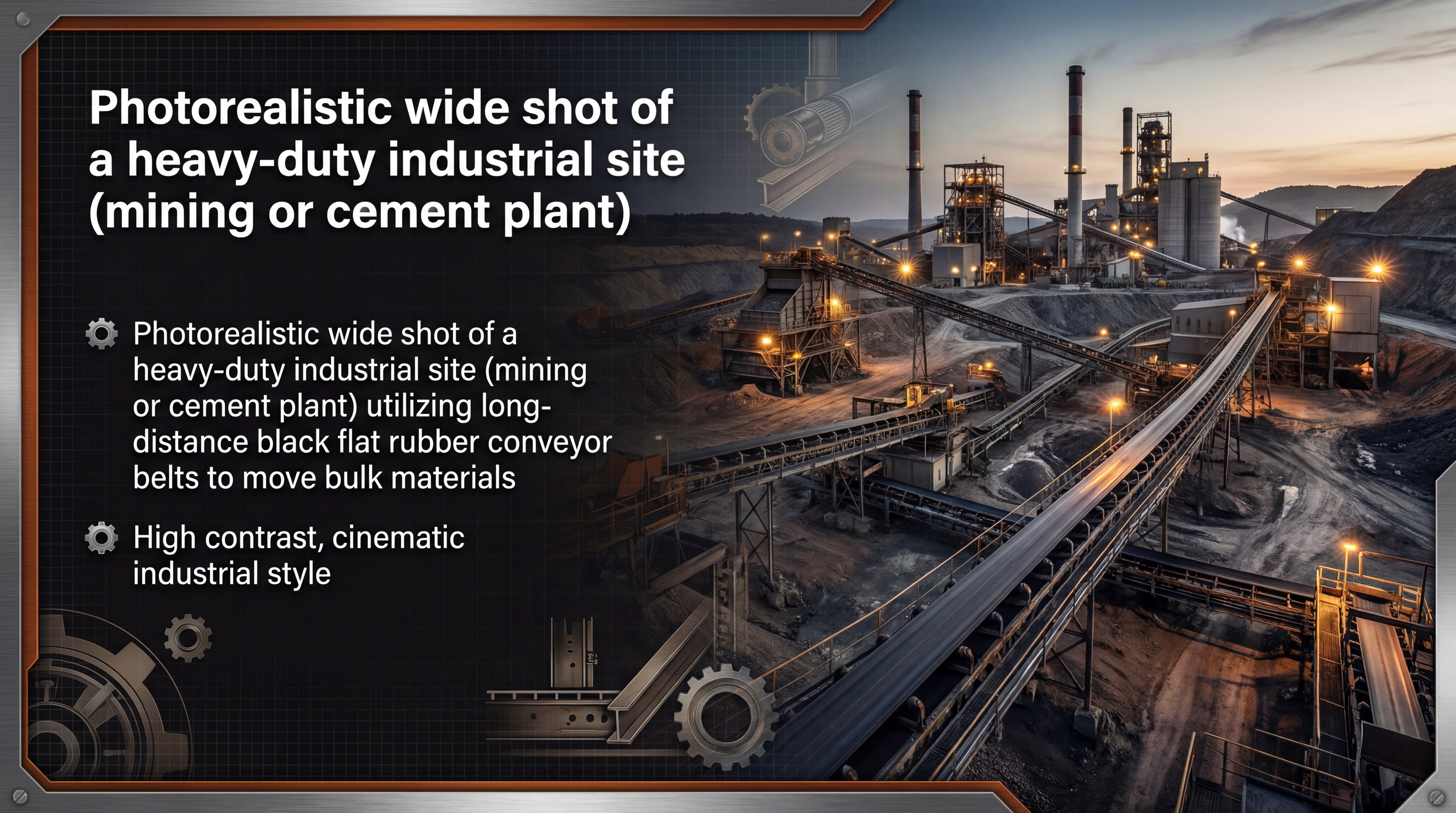
The plain flat rubber conveyor belt is an essential asset in sectors ranging from heavy mining and cement production to agricultural processing and port logistics. You will find these belts integrated into systems where horizontal transport or shallow inclines are the primary requirement for material flow.
Core Industrial Applications
Different industries require specific rubber grades to handle the unique characteristics of their materials. Choosing the wrong belt for a specialized environment like a chemical plant can lead to total system failure within months. Common applications include mining for ores, cement plants for clinker, and ports for high-capacity bulk handling.
Key TakeawayIdentifying your industry-specific demands allows you to select a rubber compound that maximizes uptime and safety.
| Industry | Typical Material Handled | |
|---|---|---|
| Steel Mills | Sintered ore and hot coke. | |
| Power Plants | Coal feeding and ash removal. | |
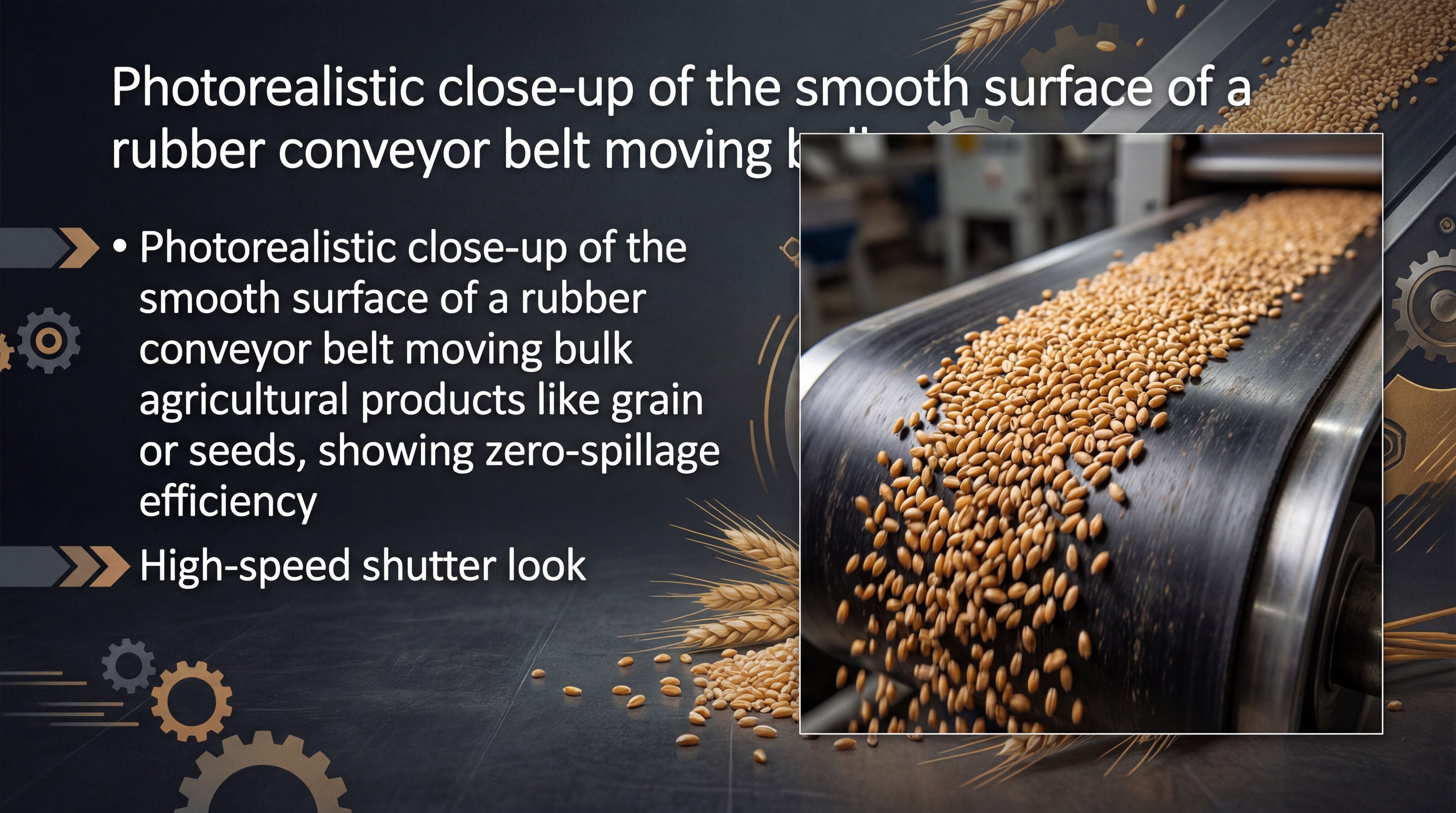
| Agriculture | Grain, sugar cane, and bulk seeds. |
The table above categorizes the most common industrial environments where flat belts serve as the primary transport mechanism.
What covers a plain flat rubber conveyor belt for strength?
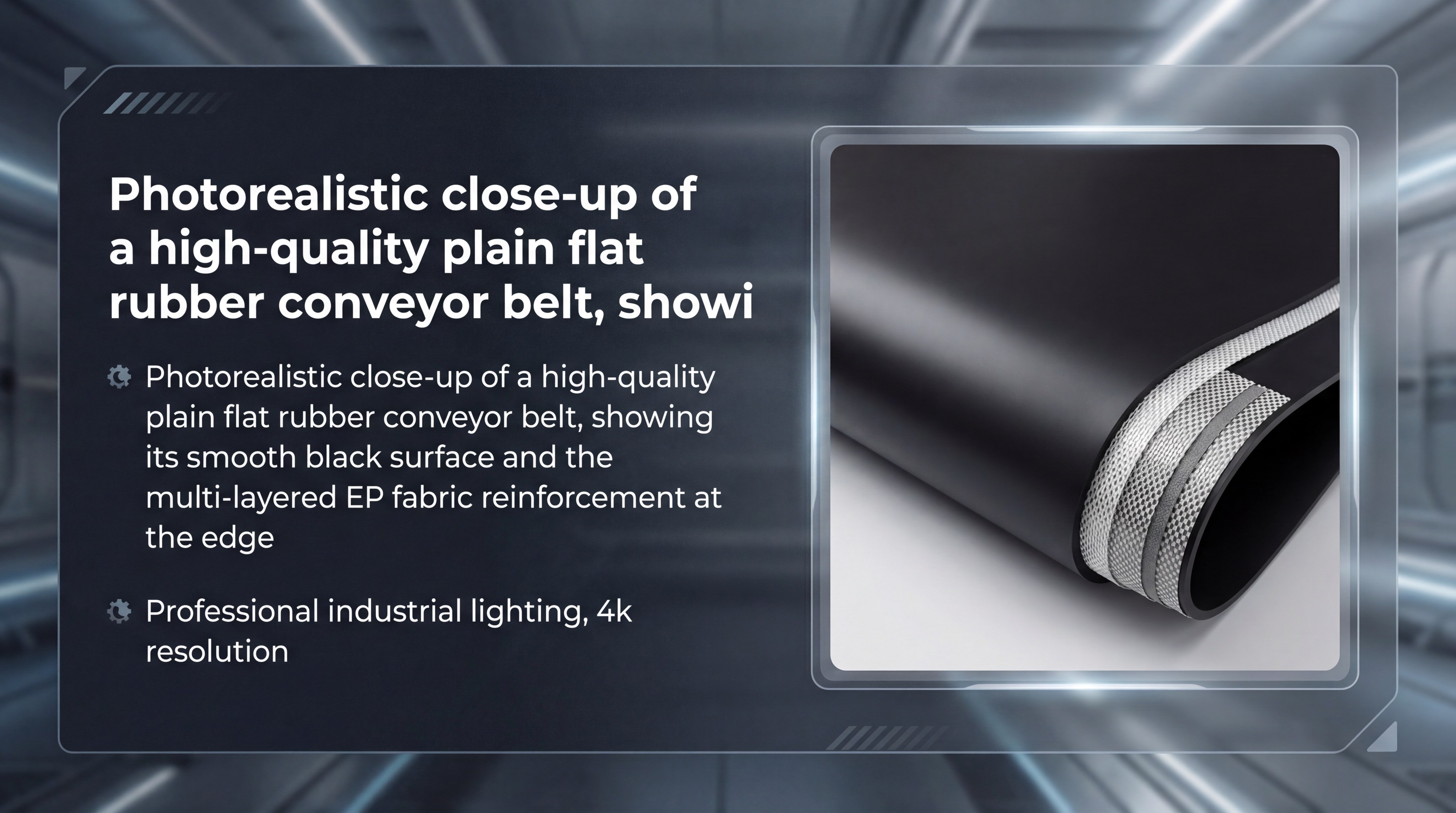
The covers of a plain flat rubber conveyor belt are engineered from specialized synthetic or natural rubber compounds that shield the internal reinforcement from environmental damage. You can choose from various cover grades depending on whether your application involves sharp rocks, oily substances, or extreme temperatures.
Reinforcement and Cover Grades
The internal carcass acts as the “skeleton” of the belt, providing the tensile strength needed to carry heavy loads. The adhesion between the rubber covers and this carcass is what determines the belt’s resistance to delamination. Options range from EP fabric for high strength to specialized oil-resistant compounds that prevent swelling.
Key TakeawayThe combination of a strong carcass and a resilient cover grade is the ultimate defense against mechanical and chemical wear.
| Carcass Type | Best Use Case | |
|---|---|---|
| EP (Polyester) | General purpose bulk handling with moderate impact. | |
| NN (Nylon) | Applications requiring high flexibility and fatigue resistance. | |
| ST (Steel Cord) | Long-distance, high-tension mining operations. |
This comparison assists you in matching the internal reinforcement of the belt to the specific stresses of your application.
What is the plain flat rubber conveyor belt making process?
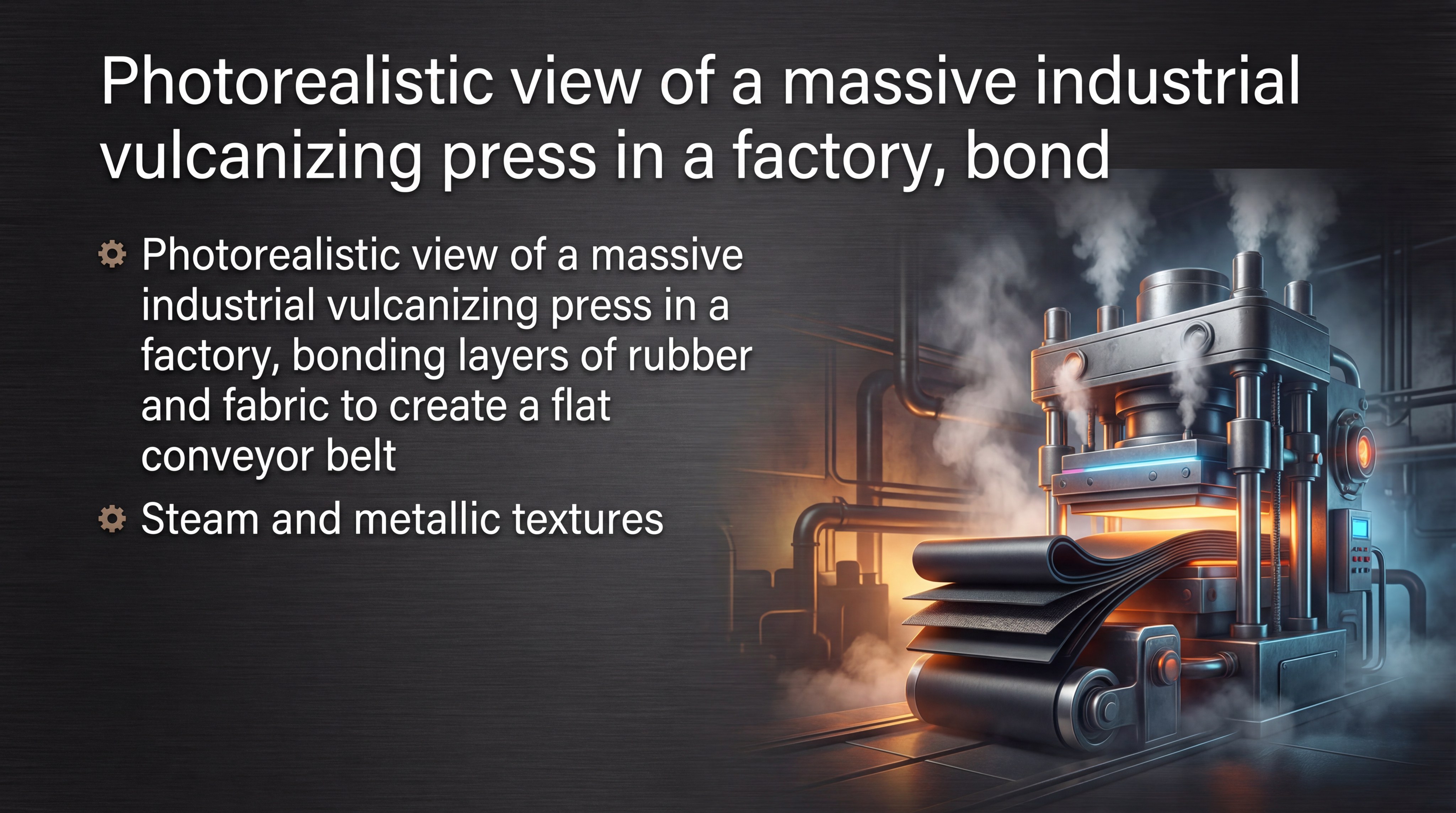
The production of a plain flat rubber conveyor belt involves a high-precision vulcanization process where layers of rubber and fabric are bonded under extreme heat and pressure. This industrial process ensures that the resulting product is a unified, durable component capable of withstanding years of continuous operation.
Manufacturing Excellence
Each stage of production, from raw material mixing to final inspection, is designed to meet international standards. Automated calendaring ensures that the thickness of your belt is consistent across every meter of its length. The process includes mixing, calendaring, vulcanization in a massive press, and final slitting.
Key TakeawayA rigorous manufacturing process guarantees that your belt will perform predictably under the maximum rated loads.
| Process Step | Quality Objective | |
|---|---|---|
| Compounding | Chemical resistance and elasticity. | |
| Vulcanization | Structural integrity and ply adhesion. | |
| Final Testing | Tensile strength and abrasion verification. |
These manufacturing phases are critical for producing a belt that adheres to the strict safety requirements of global heavy industry.
What are the plain flat rubber conveyor belt top benefits?

The primary benefits of utilizing a plain flat rubber conveyor belt include its cost-effectiveness, high transport efficiency, and low maintenance requirements compared to more complex belt types. By choosing a flat profile, you simplify your system design and reduce the number of potential failure points in your logistics chain.
Economic and Functional Advantages
Optimizing your overhead is easier when you use standardized components that are widely available and easy to repair. A simpler belt design translates directly into shorter lead times and lower replacement costs for your business. Flat belts offer high versatility and lower power consumption due to reduced friction against idlers.
Key TakeawayFlat belts provide the highest return on investment for any facility focused on horizontal bulk material movement.
| Advantage | Practical Impact | |
|---|---|---|
| Operational Speed | Allows for higher throughput rates in bulk terminals. | |
| Noise Reduction | Smooth operation creates a safer and quieter work environment. | |
| Simplified Cleaning | Easier for scrapers to remove sticky material residues. |
This analysis demonstrates why the flat rubber belt remains the industry standard for general material handling.
Can a plain flat rubber conveyor belt be customized easily?
Yes, you can customize a plain flat rubber conveyor belt in terms of its width, length, thickness, and specialized cover properties to fit your unique machinery. Modern manufacturing facilities allow for precise adjustments to the rubber formulation to ensure the belt survives in highly acidic, oily, or fire-prone environments.
Tailored Engineering Options
Your specific site conditions often demand more than a “one-size-fits-all” solution. Custom widths, specialized edges to prevent fraying, and specific branding for equipment identification can further enhance functionality. Multi-ply configurations can also be added for extreme impact zones.
Key TakeawayCustomization ensures that your belt is not just a replacement part, but a specifically engineered tool for your productivity.
| Custom Option | Application Need | |
|---|---|---|
| Fire Resistance | Essential for underground mining and power plants. | |
| Cold Resistance | Required for outdoor operations in arctic climates. | |
| Anti-Static | Prevents spark generation in explosive dust environments. |
Consult this table to determine which specialized properties are necessary for your facility’s safety and performance standards.
How should you maintain a plain flat rubber conveyor belt?
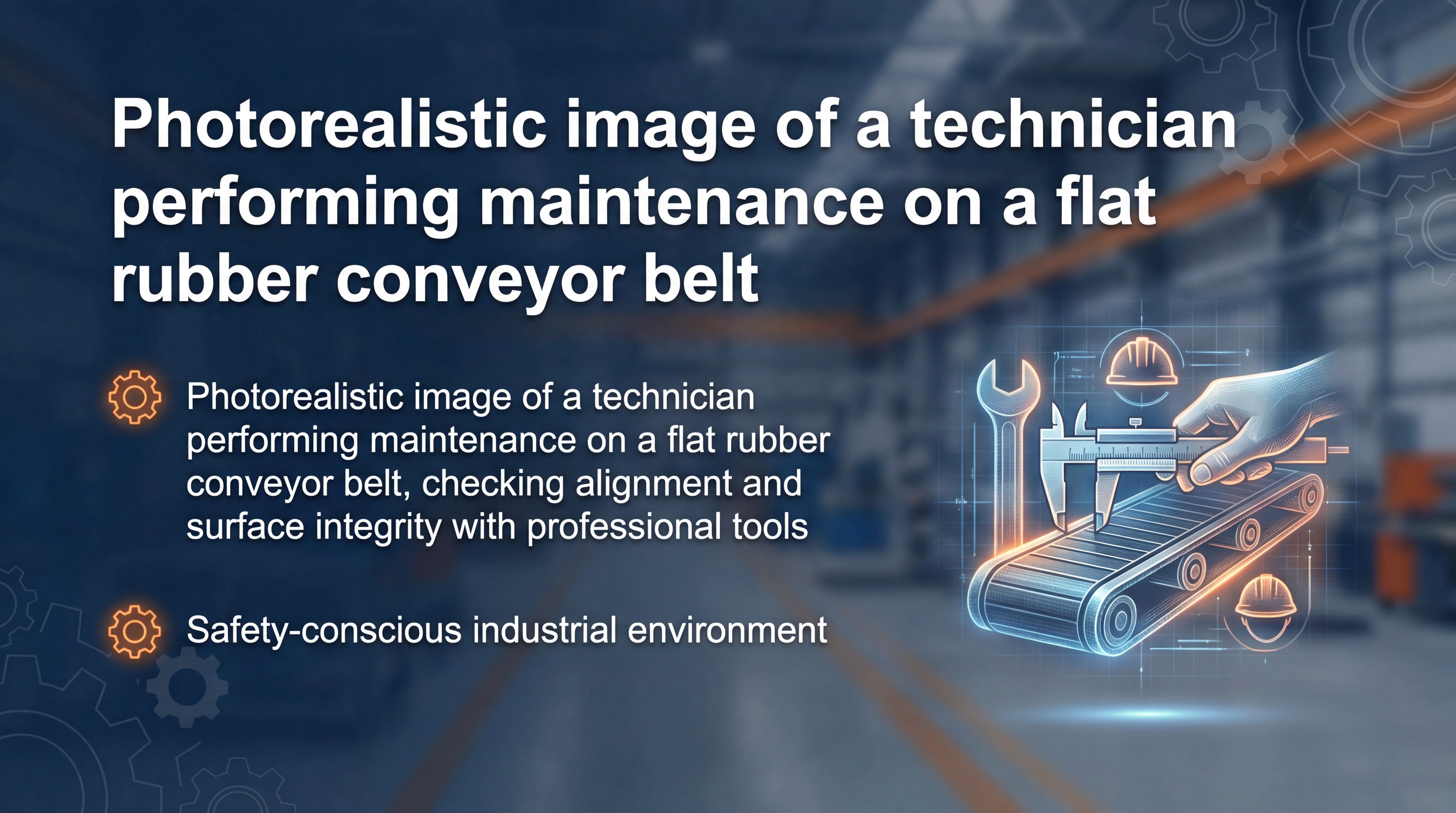
Maintaining a plain flat rubber conveyor belt requires regular inspections of the surface for cuts and monitoring the alignment to prevent edge damage. By implementing a proactive maintenance schedule, you can catch minor issues like mistracking before they escalate into expensive system failures or belt snaps.
Proactive Care Strategies
The longevity of your investment is directly tied to how well you manage the tension and cleanliness of the system. Most belt failures are caused by neglected pulleys or buildup on the return idlers. Regular cleaning, alignment checks, and visual inspections of the carcass are essential for success.
Key TakeawayA small investment in weekly inspections can double the operational lifespan of your rubber conveyor belts.
| Task | Recommended Frequency | |
|---|---|---|
| Surface Cleaning | Daily or after every shift. | |
| Alignment Check | Weekly. | |
| Detailed Inspection | Monthly. |
This schedule serves as a baseline for creating a maintenance protocol that protects your industrial assets.
Why pick a plain flat rubber conveyor belt over chevron?
You should pick a plain flat rubber conveyor belt over a chevron type when your conveyor system operates at an incline of less than 20 degrees or handles packaged goods. While chevron belts are excellent for steep climbs, the flat belt is superior for cleaning efficiency and high-speed horizontal transport.
Comparing Performance Profiles
Choosing between these two types is a matter of physics and the angle of repose for your material. Flat belts are significantly easier to maintain because they don’t require specialized cleaning systems for patterns and allow for 100% efficient scraping.
Key TakeawayUnless your incline is steep enough to cause material backflow, the flat belt is the more efficient and economical choice.
| Factor | Flat Belt | Chevron Belt | |
|---|---|---|---|
| Max Incline | ~20 Degrees | Up to 40 Degrees | |
| Cleaning | Easy (Scrapers) | Difficult (Brushes) | |
| Initial Cost | Lower | Higher |
This comparison helps you decide which belt geometry is appropriate for the physical layout of your facility.
How to select the right plain flat rubber conveyor belt?
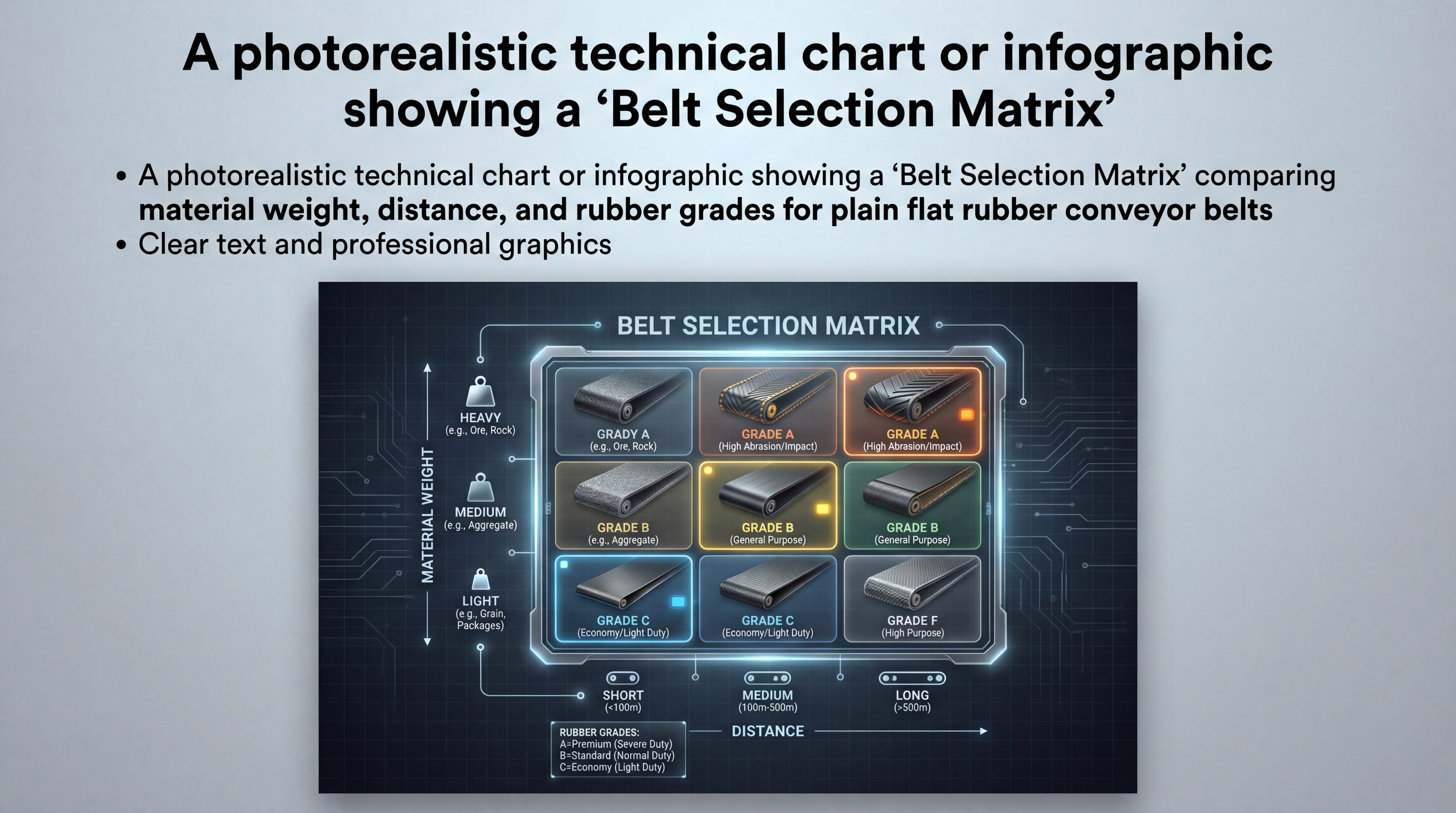
Selecting the right plain flat rubber conveyor belt involves analyzing your material’s weight, the distance of the conveyor, and the environmental factors of your plant. You must match the belt’s tensile strength to the tension requirements of your motor while ensuring the cover grade can handle the chemical nature of your cargo.
Strategic Selection Criteria
Your procurement process should be driven by data and technical specifications rather than price alone. A cheap belt that stretches excessively will cost you more in downtime than a premium belt would have cost upfront. Consider material weight, chemical exposure, and system tension.
Key TakeawayA data-driven selection process is the only way to guarantee the long-term efficiency and safety of your conveyor system.
| Selection Metric | Importance | |
|---|---|---|
| Tensile Strength | Prevents belt breakage under peak load conditions. | |
| Cover Thickness | Dictates how much wear the belt can take before the carcass is exposed. | |
| Troughability | Ensures the belt makes proper contact with idlers for tracking. |
Evaluating these metrics ensures that your new conveyor belt is perfectly integrated into your current operational workflow.
Conclusion
Integrating a high-quality flat conveyor belt into your industrial system is the most effective way to ensure reliable, high-volume material handling. From mining and cement to agriculture and ports, the versatility and durability of the flat profile remain unmatched. By focusing on superior manufacturing standards and specialized rubber compounds, you can significantly reduce maintenance costs and improve your plant’s overall throughput. To secure a high-performance solution tailored to your specific needs, contact us today for expert consultation and a personalized quote. Our vision is to empower global industries with the most reliable and efficient conveyor solutions, ensuring your business keeps moving forward without interruption.
FAQ
Can I use a flat belt for inclined conveying?Yes, but typically only for inclines up to 15 to 20 degrees depending on the material’s friction. Beyond this, items may slide back, requiring a patterned belt.
What’s the best way to repair a small cut in the rubber?The best method is using cold vulcanizing adhesive and a rubber repair patch, which provides a fast and durable fix without heavy machinery.
How do I know if my belt tension is too high?If you notice excessive wear on pulley bearings, narrowing of the belt width, or the motor running at high temperatures, your tension likely needs adjustment.
Can I customize the color of the belt for food safety?Yes, specialized white rubber compounds are available specifically for the food and pharmaceutical industries to meet hygiene and safety standards.
What’s the best material for long-distance mining belts?Steel cord reinforcement is the industry standard for long-distance mining due to its extremely low elongation and high tensile strength.