
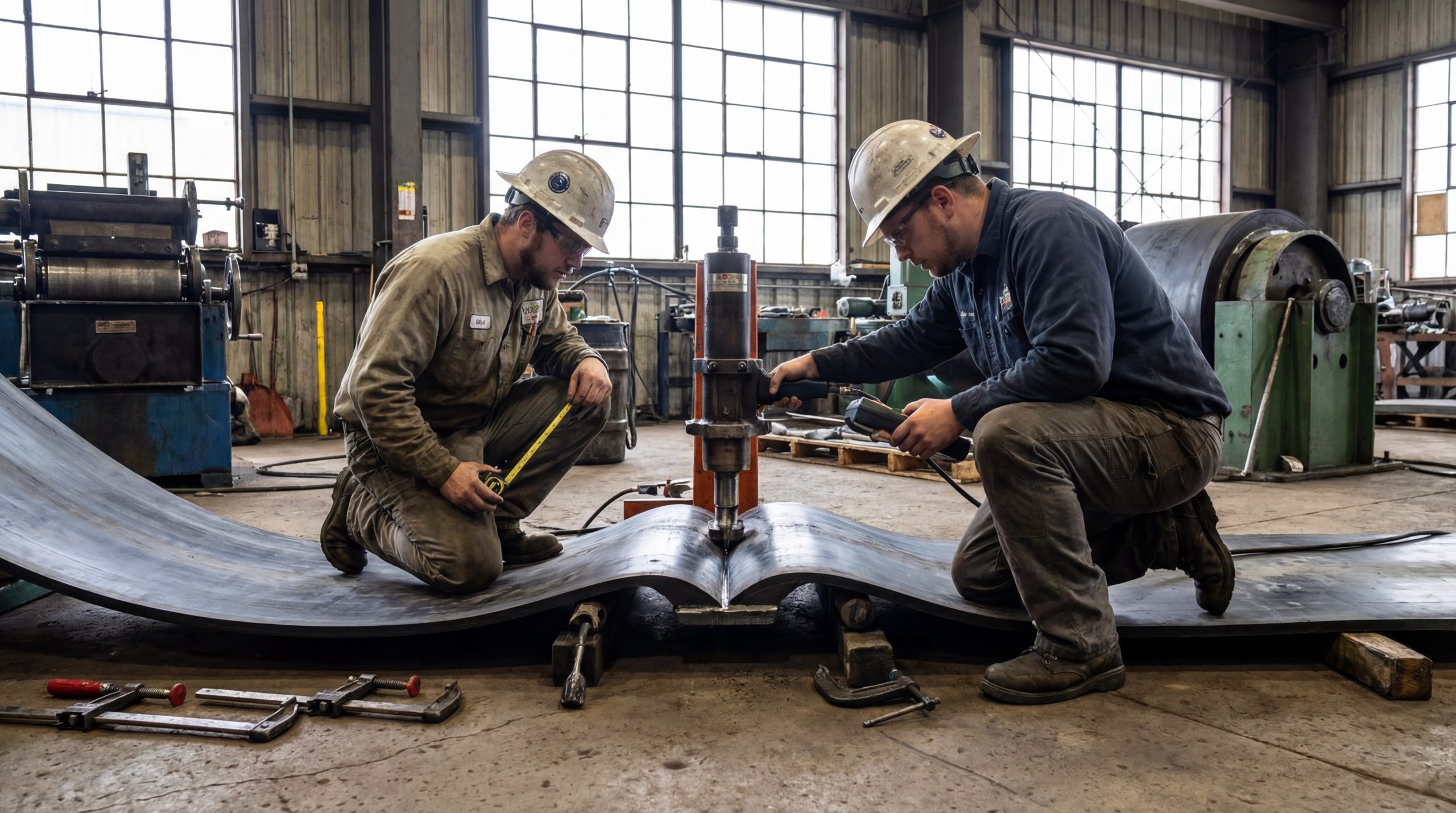
Learning how to cut rubber conveyor belt correctly ensures clean edges, strong splices, reduced downtime, and improved safety in high-demand industrial production environments.
How to cut rubber conveyor belt for industrial safety?
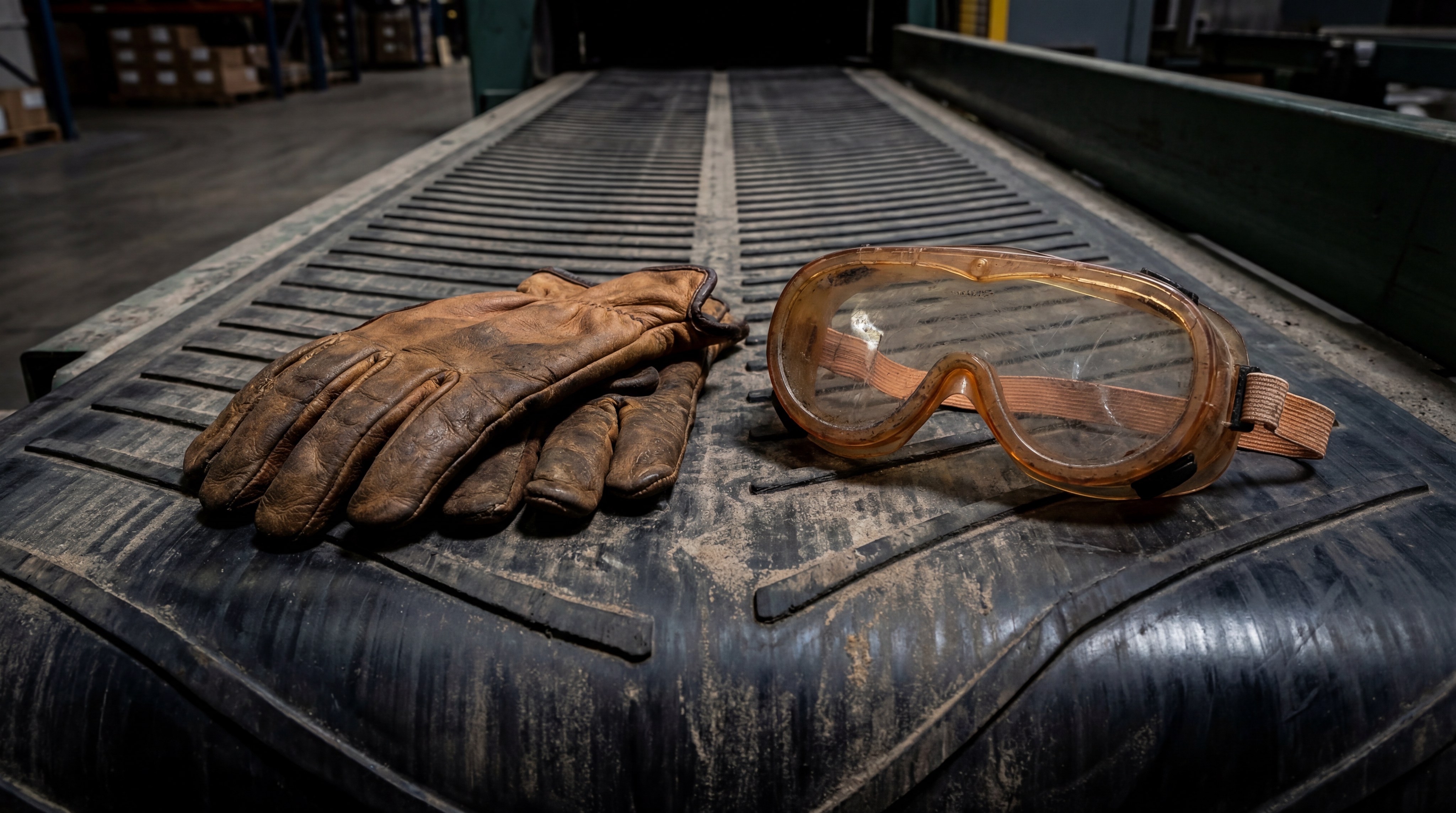
Knowing how to cut rubber conveyor belt requires prioritizing operator safety through specialized protective gear and strict protocol compliance. You must never attempt a cut without a stable work surface and a clear perimeter to prevent accidental slips or trips. Using advanced safety equipment at Zhenxing Rubber significantly reduces the risk of lacerations and repetitive strain injuries during the modification process.
What PPE is required for belt cutting?
Effective personal protective equipment (PPE) acts as your first line of defense against the inherent dangers of sharp blades and high-speed power tools.
- Cut-resistant gloves: Look for Level 5 protection to withstand accidental blade contact.
- Safety goggles: Wrap-around styles prevent flying rubber debris or sparks from reaching your eyes.
- Dust masks: Essential for capturing fine rubber particles released during high-speed cutting.
But that’s not all.
Why is tool maintenance a safety factor?
A dull blade is often more dangerous than a sharp one because it requires you to apply excessive force, which leads to loss of control.
- Inspect edges before every cut to ensure there are no nicks or dull spots.
- Verify that all safety guards on power tools are functional and properly positioned.
Here is why: Sharp tools follow the intended path with minimal resistance, keeping your movements predictable and safe.
Key Takeaway: Safety is achieved through the combination of high-grade PPE and maintaining sharp, well-guarded cutting equipment to prevent unpredictable tool behavior.
| Safety Element | Requirement | Purpose | |
|---|---|---|---|
| Hand Protection | Level 5 Cut Resistance | Prevent lacerations from blade slips | |
| Eye Protection | ANSI Z87.1 Goggles | Shield against high-speed debris | |
| LOTO Protocol | Lockout-Tagout | Ensure machinery cannot start during work |
Maintaining a rigorous safety culture ensures that your technical proficiency is never compromised by avoidable workplace accidents.
How to cut rubber conveyor belt using effective tools?
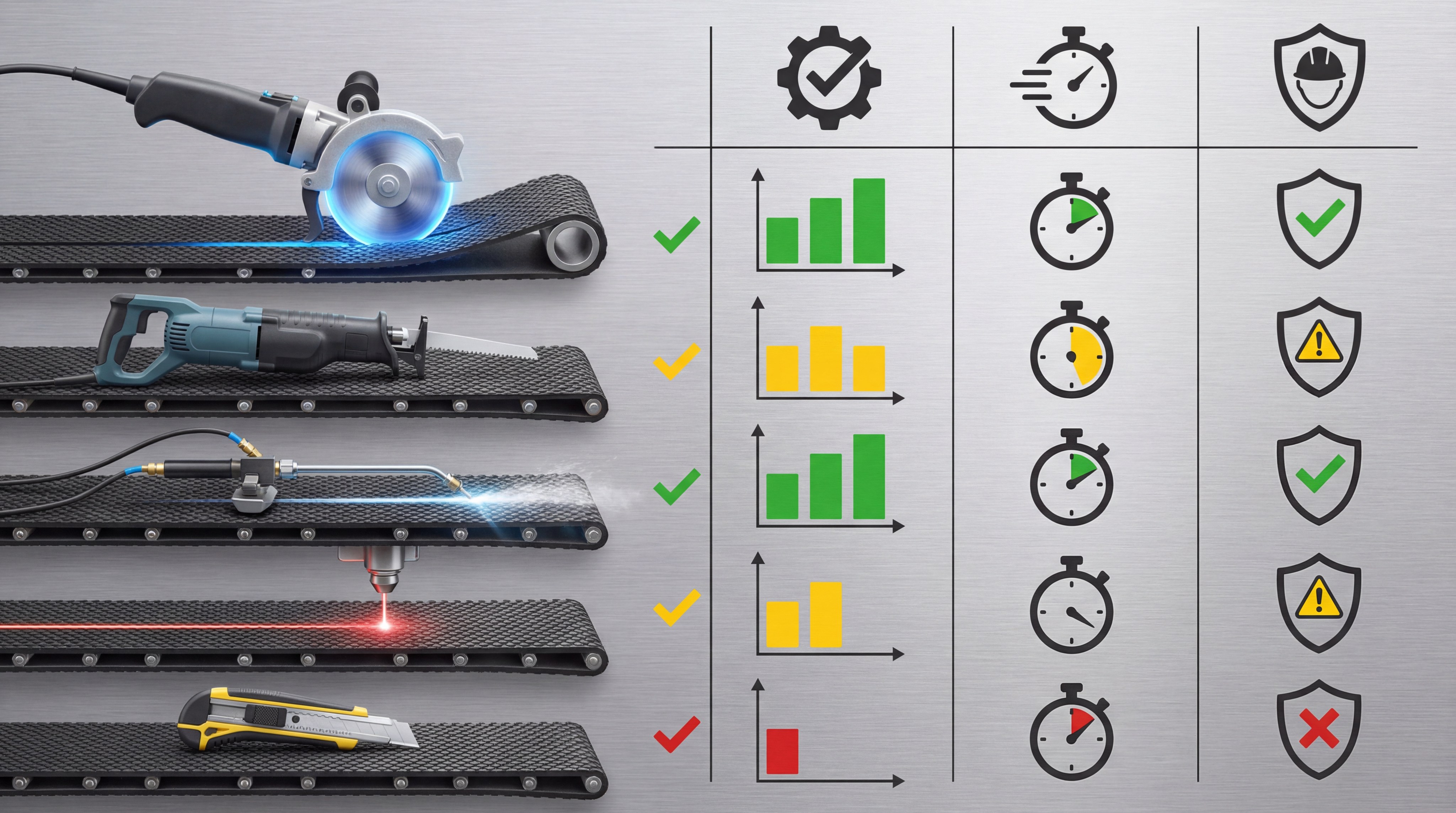
Determining how to cut rubber conveyor belt effectively depends entirely on matching the tool’s power and blade type to the belt’s thickness and reinforcement material. While manual knives are sufficient for thin, fabric-reinforced belts, heavy-duty mining belts often require motorized solutions to achieve a clean finish. Selecting the right tool from the Zhenxing Product Guide ensures you don’t compromise the belt’s structural integrity or waste labor hours.
Which manual tools are best for light belts?
For lightweight applications, portability and precision often outweigh the need for high-velocity power.
- Heavy-duty utility knives: Ideal for PVC or single-ply rubber belts under 8mm.
- Belt shears: Provide excellent leverage for trimming frayed edges or small localized repairs.
This is critical because manual tools allow for tactile feedback, ensuring you don’t over-cut sensitive fabric layers.
How do power tools improve efficiency?
Power tools are the preferred choice for industrial environments where time and perfect straightness are non-negotiable.
- Electric belt cutters: These specialized tools use high-frequency oscillation to glide through thick rubber.
- Angle grinders: Best suited for belts containing internal steel cords that manual blades cannot penetrate.
Here is the truth: Using a powered cutter can reduce your labor time by up to 60% compared to manual methods.
Key Takeaway: Tool selection should be based on belt gauge; use manual knives for precision on thin belts and electric cutters for speed and consistency on heavy-duty materials.
| Tool Type | Best Use Case | Efficiency Rating | |
|---|---|---|---|
| Utility Knife | PVC / Light Fabric Belts | 40% (Precision focus) | |
| Electric Slicer | Heavy Rubber Belts | 90% (Speed focus) | |
| Angle Grinder | Steel Cord Reinforcement | 85% (Material focus) |
The right tool not only makes the job easier but acts as a guarantee for the quality of the subsequent splice.
How to cut rubber conveyor belt with chalk lines?
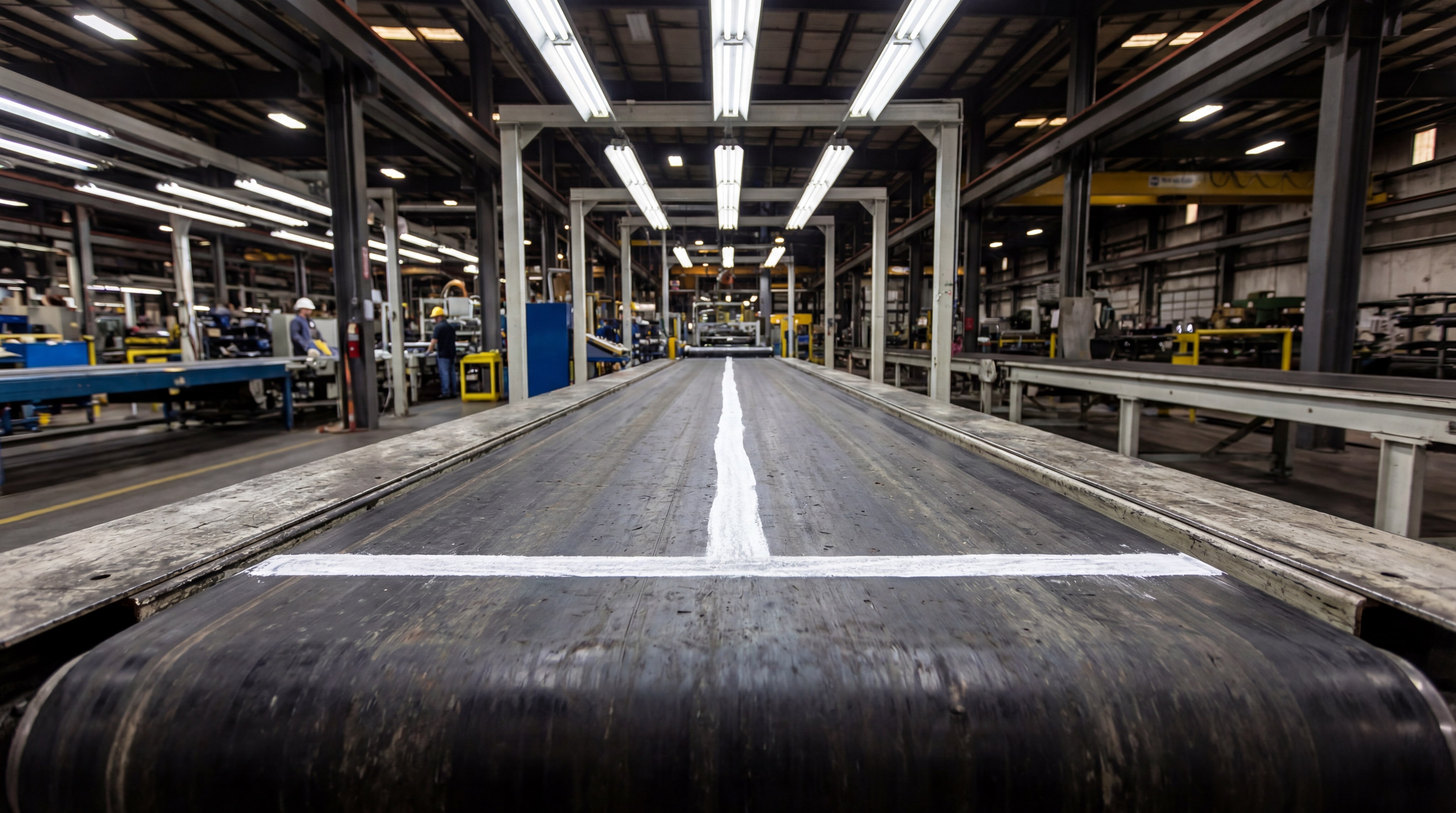
To understand how to cut rubber conveyor belt straight, you must utilize a chalk line to establish a high-visibility reference path across the entire width of the belt. Attempting to “eyeball” a cut is the primary cause of belt mistracking and premature splice failure in industrial systems. A crisp chalk line provides a professional guide that remains visible even in dusty environments, ensuring your blade never wanders from the center.
How do you snap a perfect chalk line?
Consistency is key when marking your belt, as even a slight deviation can lead to a crooked joint.
- Secure one end of the line at your starting mark using a heavy weight or a helper.
- Pull the line taut across the belt to ensure there is no slack that could cause a curved mark.
But that’s not all.
Why is marking the centerline important?
Marking the centerline allows you to verify that your cut is perfectly perpendicular to the belt’s travel direction.
- Find the three-point center by measuring the belt width at multiple intervals.
- Connect these points to ensure the line represents the true axis of the conveyor system.
Here is why: A cut aligned with the centerline ensures that tension is distributed equally across the splice once the belt is running.
Key Takeaway: Using a taut chalk line and identifying the true centerline prevents “dog-leg” joints and ensures the belt tracks perfectly on the rollers.
| Marking Step | Tool Used | Critical Result | |
|---|---|---|---|
| Measurement | Steel Tape | Accuracy within 1mm | |
| Line Setting | Chalk Box | High-visibility guide | |
| Square Check | Carpenter’s Square | 90-degree alignment |
Starting with a perfectly marked line is the most cost-effective way to avoid expensive rework and belt damage.
How to cut rubber conveyor belt with utility knives?
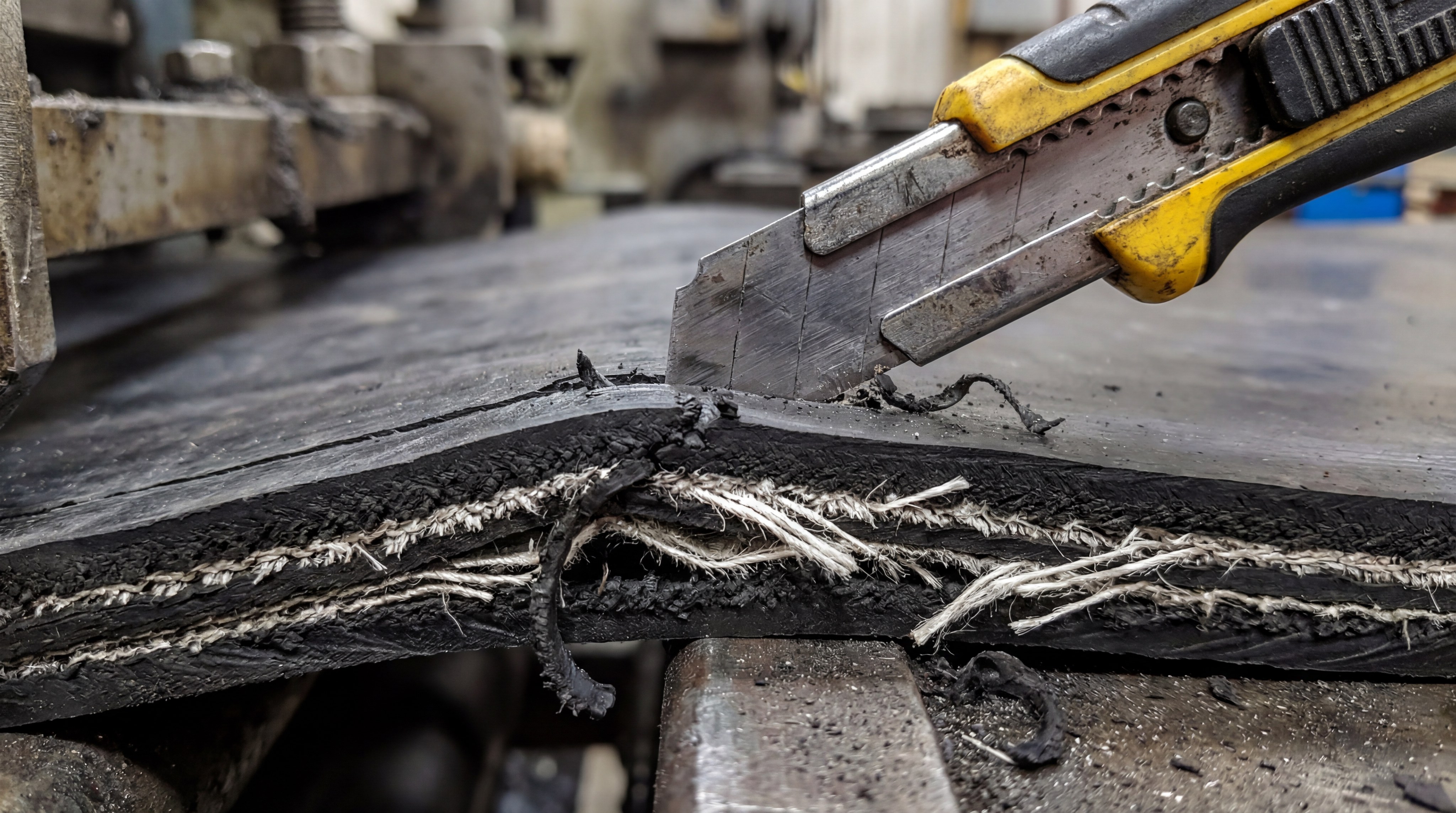
Mastering how to cut rubber conveyor belt with a utility knife involves using a “multi-pass” technique where you score the surface before plunging the blade to full depth. This method prevents the blade from binding in the high-density rubber and allows you to maintain better control over the cutting angle. You can explore Zhenxing’s services for professional-grade manual equipment recommendations that simplify this process.
What is the multi-pass cutting technique?
Instead of trying to force the blade through 12mm of rubber in one go, you should divide the effort into manageable layers.
- First pass: Lightly score the rubber to create a track for the blade to follow.
- Subsequent passes: Apply steady pressure to deepen the cut by 2-3mm with each stroke.
This is critical because it reduces the physical strain on your wrist and keeps the cut line clean.
How do you prevent blade binding?
Rubber naturally “grabs” the sides of a blade, which can lead to sticking and dangerous jerky movements.
- Apply a small amount of liquid soap or water to the blade to act as a lubricant.
- Keep the belt under slight tension by placing a small piece of wood under the cut line.
Here is the secret: Lubrication allows the blade to slide through the rubber with half the effort usually required.
Key Takeaway: Always use multiple shallow passes and moderate lubrication to prevent the knife from binding and to ensure a straight, vertical cut edge.
| Technique | Action | Benefit | |
|---|---|---|---|
| Scoring | 1mm Initial Cut | Establishes a permanent guide | |
| Lubrication | Soap/Water Application | Reduces friction and heat | |
| Relief Support | Wood Block Under Cut | Opens the gap to prevent binding |
Proper manual technique results in a smooth finish that is ready for mechanical fasteners or vulcanization without additional grinding.
How to cut rubber conveyor belt measurements accurately?
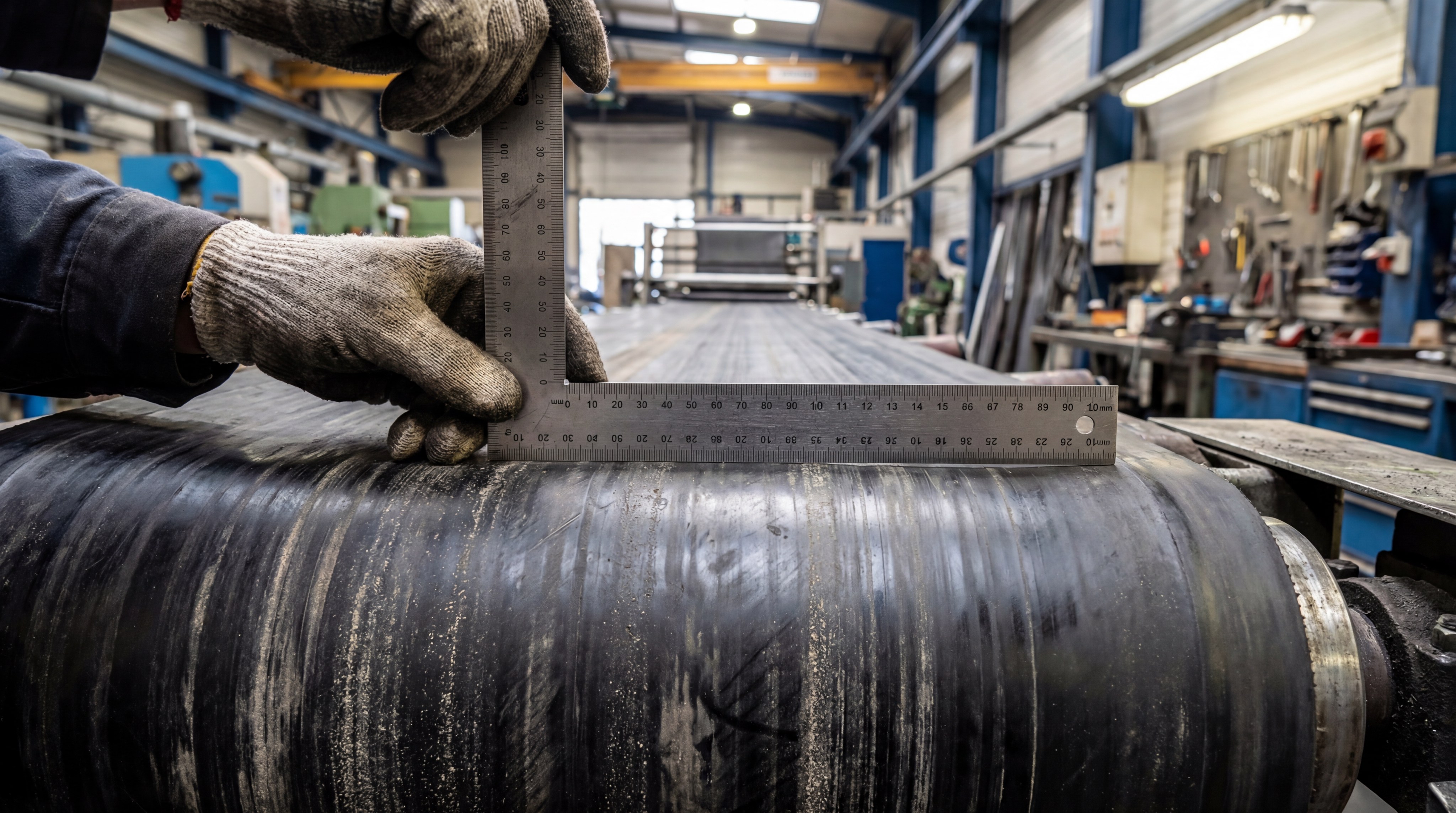
Precision in how to cut rubber conveyor belt begins with the “double-check” rule, where measurements are taken from both edges to a central point to ensure perfect squaring. Even a fraction of an inch error in measurement can cause the belt to pull to one side, leading to catastrophic edge wear against the conveyor frame. Taking your time during the measurement phase is the mark of a truly professional technician.
Can you use the “Squared Centers” method?
This method is the industry standard for ensuring your cut is exactly 90 degrees to the belt’s length.
- Measure the width at two points and mark the exact center of each.
- Connect these points to find the centerline, which acts as your primary reference.
But that’s not all.
What tools ensure measurement precision?
Relying on high-quality measuring tools prevents the accumulation of small errors over long distances.
- Steel tape measures: Unlike cloth tapes, steel does not stretch or warp in varying temperatures.
- T-squares: These large tools allow you to quickly transfer a 90-degree angle from the belt edge to the center.
Here is why: Using standardized tools ensures that everyone on the maintenance team is working with the same data.
Key Takeaway: Measuring from the centerline rather than just the edges compensates for any existing belt irregularities and ensures a balanced joint.
| Measurement Type | Goal | Tool Recommendation | |
|---|---|---|---|
| Width | Identify Centerline | Steel Tape | |
| Squareness | 90-degree Cut | Large T-Square | |
| Repeatability | Verify Consistency | Laser Distance Meter |
Accurate measurements are the foundation upon which all other belt maintenance and repair tasks are built.
How to cut rubber conveyor belt for splicing?
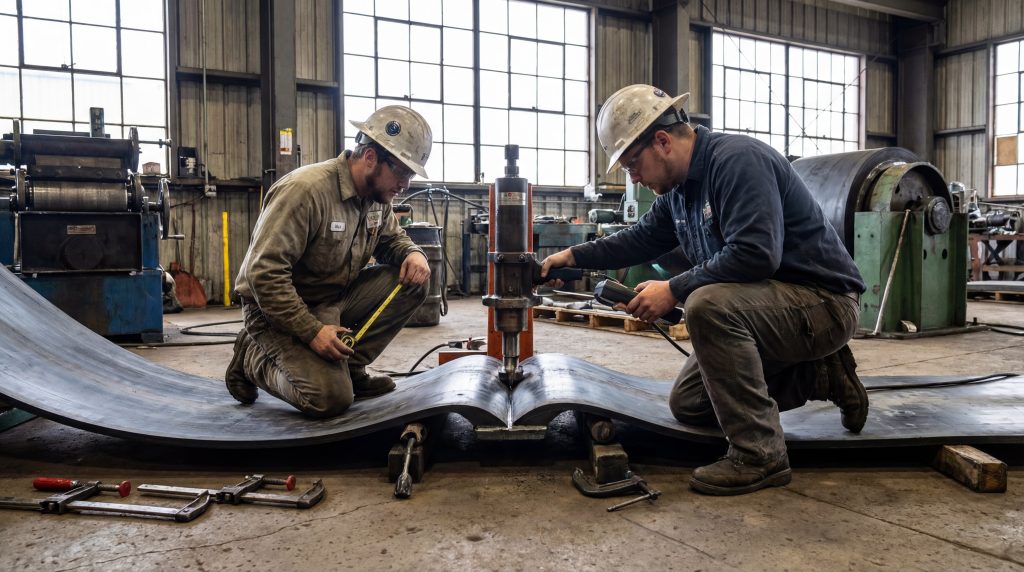
Preparing how to cut rubber conveyor belt for splicing requires specific edge preparation, such as beveling or skiving, to ensure the two ends join smoothly without creating a hump. A clean-cut edge is essential for the Zhenxing Splicing Solutions to bond successfully, as any contaminants or irregularities will weaken the joint. Whether you are using mechanical fasteners or cold vulcanization, the quality of your cut determines the ultimate strength of the connection.
How do you prepare edges for cold bonding?
Cold bonding relies on chemical adhesion, which is only as strong as the surface area it can grip.
- Cut the belt ends at a slight bevel to increase the surface area for the adhesive.
- Ensure that all fabric plies are exposed cleanly and are not frayed or burnt.
This is critical because a properly prepared edge allows the adhesive to penetrate deep into the belt’s core.
Why is squaring essential for mechanical fasteners?
Mechanical fasteners exert immense pressure on the belt ends, and any misalignment will lead to fastener pull-out.
- Square the ends using the centerline method to ensure fasteners pull straight.
- Prick-mark the fastener holes to keep the hardware perfectly aligned across the width.
Here is why: Straight-pulling fasteners reduce the stress on individual “teeth,” preventing the belt from “zippering” apart.
Key Takeaway: Splicing success is 90% preparation; a clean, beveled, and perfectly squared cut is the only way to ensure a joint lasts for the life of the belt.
| Splicing Method | Edge Requirement | Critical Tool | |
|---|---|---|---|
| Cold Bonding | Beveled / Roughened | Skiving Knife | |
| Mechanical | Perfectly Squared | Belt Square | |
| Vulcanization | Step-Cut Layers | Ply Separator |
A professional splice looks like a seamless extension of the belt, and that appearance starts with a precision cut.
How to cut rubber conveyor belt for clean edges?
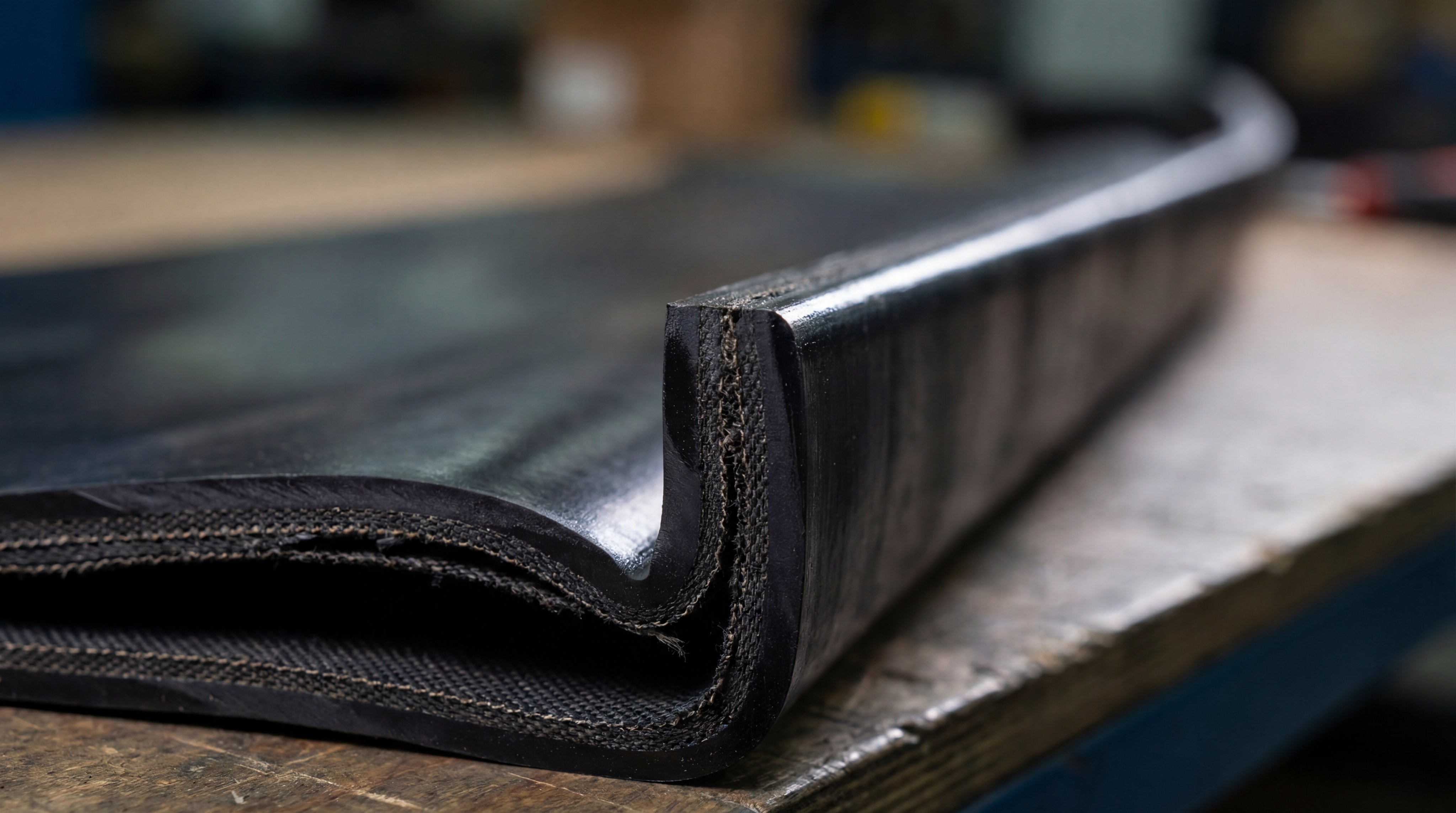
Achieving a professional result in how to cut rubber conveyor belt ends with post-cut finishing, which includes removing burrs and “sealing” the edge plies to prevent moisture ingress. If the cut edge is left rough, it becomes a magnet for debris, which can eventually work its way between the plies and cause delamination. A clean edge isn’t just about aesthetics; it is a functional requirement for belt longevity in harsh environments.
How do you remove rubber burrs?
Burrs are small, ragged pieces of rubber left behind by the blade that can interfere with the belt’s path.
- Use a fine-grit sandpaper or a dedicated edge-finishing tool to smooth the transition.
- Work the tool in one direction only to prevent further fraying of the internal fabric.
But that’s not all.
Why should you seal the edges?
In wet or chemical environments, the exposed fabric plies act like a wick, absorbing liquids that can rot the belt from the inside.
- Apply an edge-sealing compound to provide a waterproof barrier for the fabric.
- For PVC belts, a heat-sealing iron can be used to “melt” the edge fibers together.
Here is why: Sealing the edges can extend the life of a cut-edge belt by up to 25% in outdoor applications.
Key Takeaway: Finishing the cut with light sanding and a ply-sealer prevents delamination and keeps the belt running smoothly through the scrapers.
| Edge Issue | Solution | Benefit | |
|---|---|---|---|
| Frayed Plies | Sanding / Trimming | Prevents debris snagging | |
| Moisture Ingress | Ply Sealer | Prevents internal rot | |
| Beveled Corner | Grinding | Smoother scraper transition |
A well-finished edge demonstrates a commitment to maintenance excellence and protects your capital investment.
How to cut rubber conveyor belt tool selection?
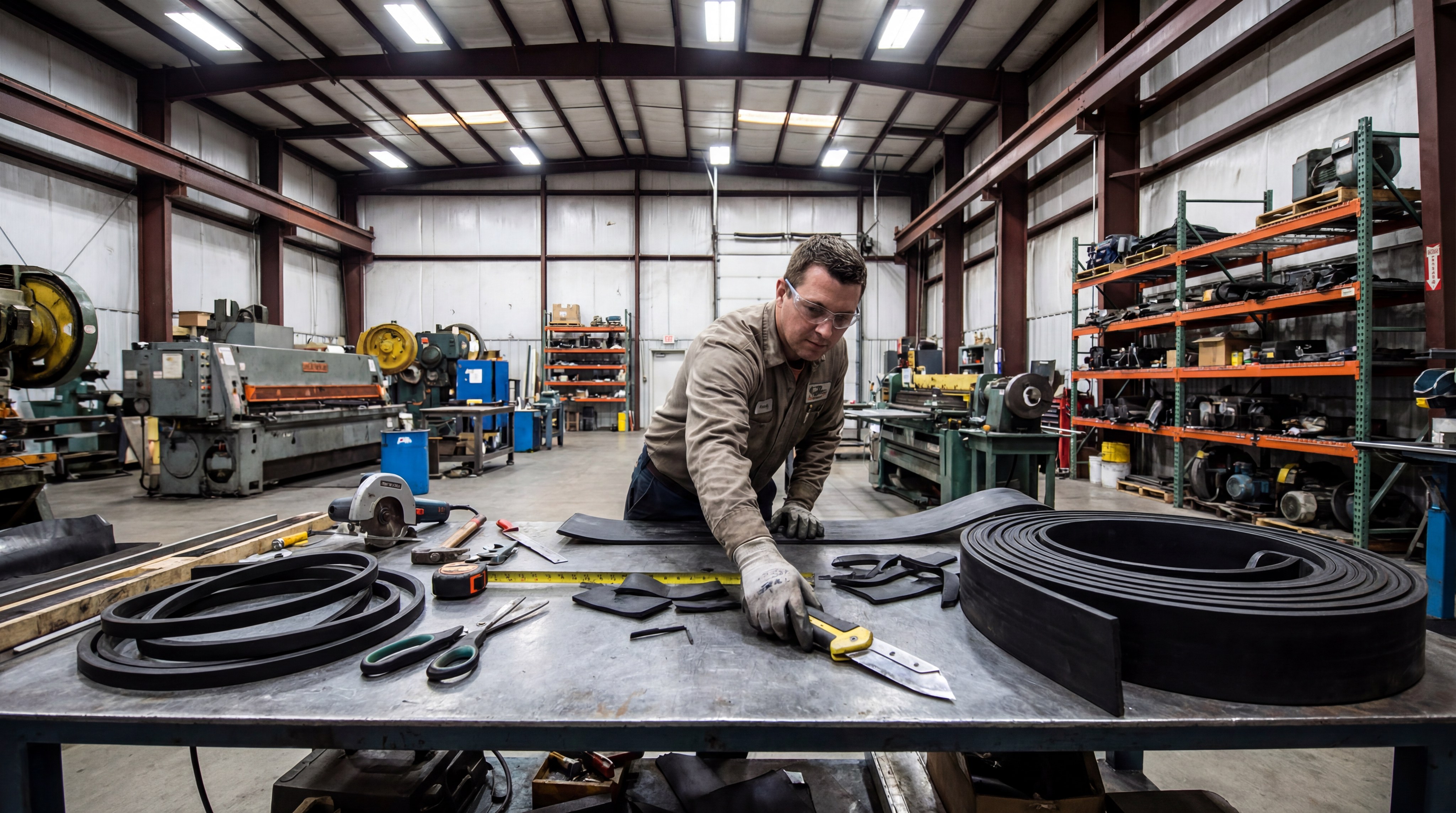
The complexity of how to cut rubber conveyor belt is significantly reduced when you invest time in pre-project tool selection based on the specific belt grade (e.g., EP, NN, or Steel Cord). Heavy-duty belts require more than just sharp knives; they often require specialized reciprocating saws or hydraulic shears to manage internal reinforcements. Visit the Zhenxing Home Page to see the variety of belt constructions that dictate these different tool requirements.
Does the belt reinforcement change tool choice?
The internal “skeleton” of the belt determines the resistance your cutting tool will face.
- Fabric (EP/NN): Can be managed with utility knives or electric slicers.
- Steel Cord: Requires an angle grinder with a diamond-grit blade to cut through high-tensile wire.
This is critical because using a standard blade on steel cord will destroy the tool and the belt within seconds.
When should you use a specialized belt cutter?
Professional belt cutters are designed with a specific “cradle” that keeps the belt flat and the blade at a perfect 90-degree angle.
- Use these for repeating cuts where consistency across multiple belts is required.
- They are ideal for wide belts (over 1200mm) where hand-control becomes difficult over long distances.
Here is the truth: A specialized tool pays for itself in just three precision cuts by eliminating the cost of errors.
Key Takeaway: Match the tool’s cutting force to the belt’s reinforcement type; steel requires grinders, while fabric can be cut with manual or electric blades.
| Belt Grade | Primary Reinforcement | Recommended Tool | |
|---|---|---|---|
| EP Belt | Polyester/Nylon | Electric Belt Slicer | |
| Steel Cord | High-Tensile Wire | Industrial Angle Grinder | |
| PVC Belt | Monofilament | Utility Knife / Hot Knife |
Choosing the correct tool is the first step toward a safe and successful maintenance outcome.
How to cut rubber conveyor belt in systems?
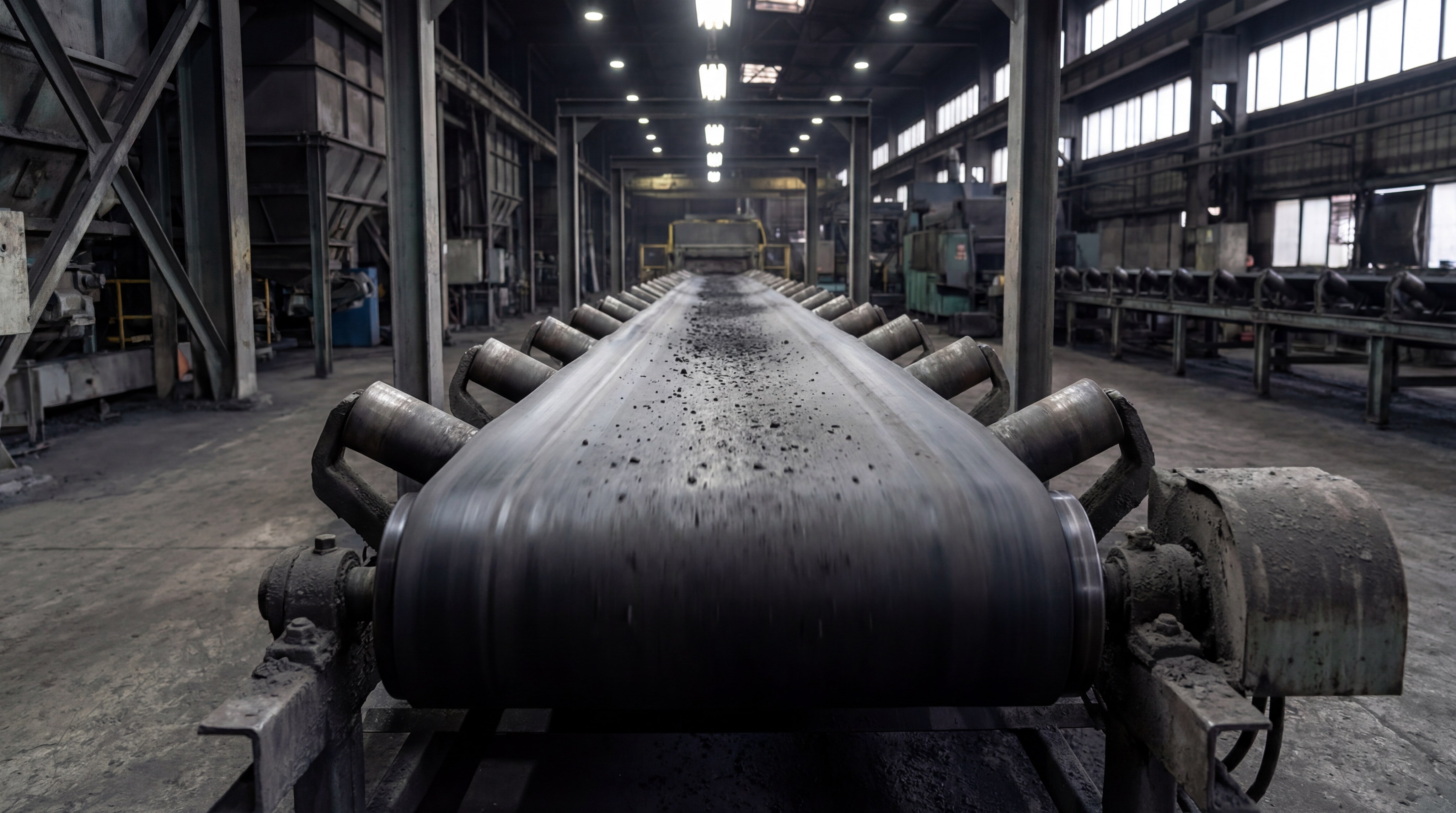
Understanding how to cut rubber conveyor belt while it is still mounted in the conveyor frame requires specialized techniques like “relief clamping” to prevent the belt from snapping back under tension. You must always release the take-up system fully and use dedicated belt clamps to secure the slack before the first cut is made. This process ensures the safety of the technician and prevents the belt from disappearing into the drive assembly.
How do you secure a belt under tension?
Never cut a belt that still has system tension, as the energy release can be lethal.
- Back off the take-up pulleys to create “dead weight” slack at the work area.
- Apply heavy-duty clamps on both sides of the intended cut to anchor the belt to the frame.
But that’s not all.
What is the “Step-Cut” method for in-system repairs?
This method involves cutting the belt in sections to manage the material weight as you go.
- Cut through 75% of the width, leaving a “hinge” of rubber.
- Support the cut section before severing the final 25% to prevent the belt from dropping.
Here is why: Managing the material’s weight prevents the live ends of the belt from damaging rollers or pulleys during the cut.
Key Takeaway: Always use mechanical clamps to anchor slack and release take-up tension fully before making any cuts on a mounted conveyor belt.
| System Step | Action | Safety Result | |
|---|---|---|---|
| Tension Release | Move Take-up Pulleys | Eliminates energy snap-back | |
| Clamping | Secure Belt to Frame | Prevents belt from sliding | |
| Final Severing | Support Heavy Ends | Protects equipment from impact |
Working safely within the conveyor system requires a meticulous approach to energy management and physical stabilization.
How to cut rubber conveyor belt using finishers?
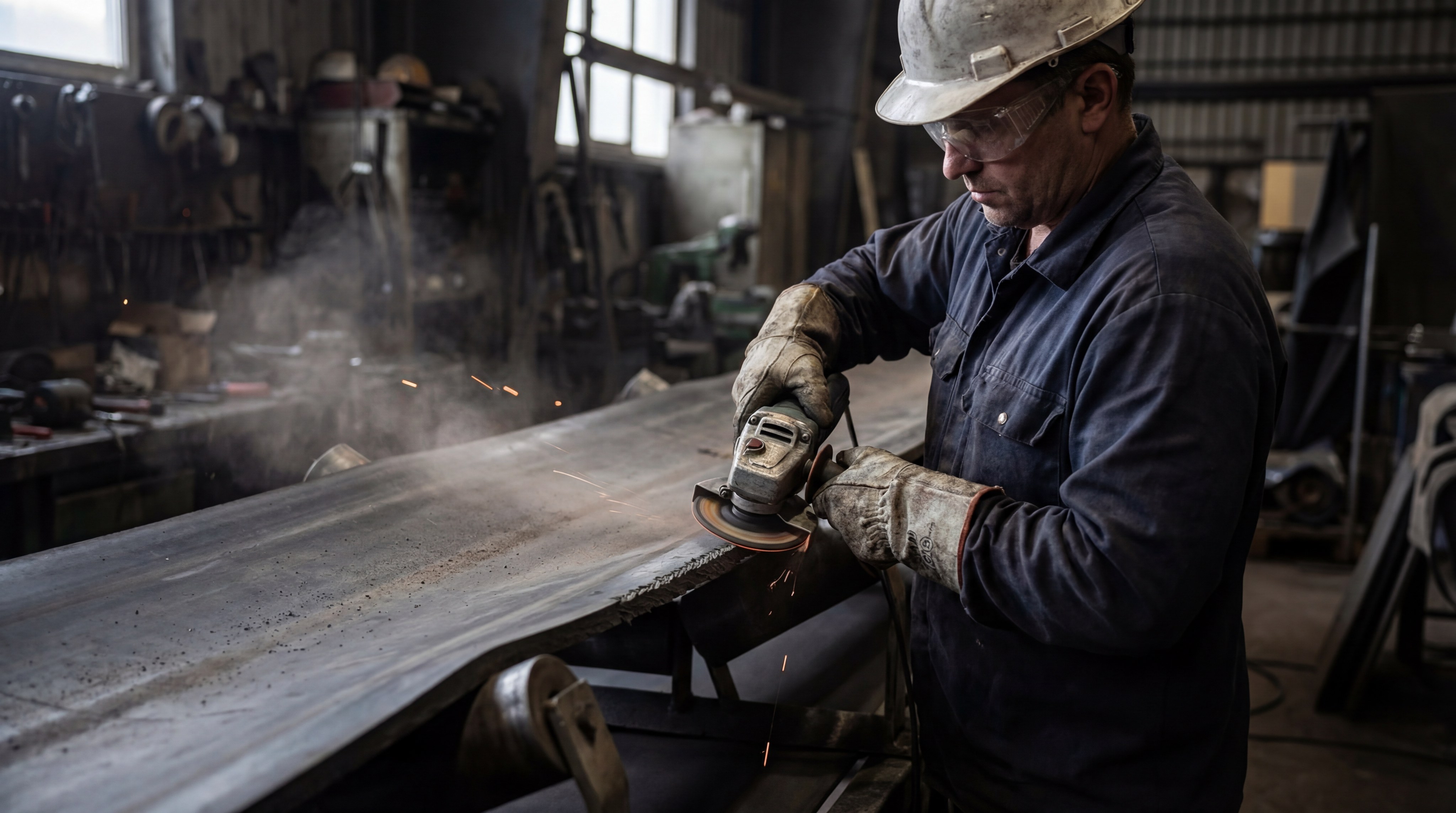
Finalizing how to cut rubber conveyor belt with an angle grinder or belt sander ensures that the edges are aerodynamic and less likely to snag on scrapers or skirt boards. High-speed grinding helps to “seal” the rubber through friction-heat, effectively closing off small pores where dust and oil could enter. This final step transforms a raw industrial material into a precision-engineered component ready for years of service.
How do you perform “Skiving” with a grinder?
Skiving is the process of tapering the belt edges to allow them to overlap or transition smoothly through components.
- Use a coarse-grit flapper disc to gradually thin the top cover of the rubber.
- Maintain a shallow angle (approx. 30 degrees) to create a long, smooth ramp.
This is critical because a ramped edge passes through scrapers without the “thump” that often leads to mechanical wear.
What are the benefits of heat-sealing during grinding?
As the grinder passes over the rubber, the friction generates enough localized heat to bond the cut fibers.
- This “fusing” action creates a tougher edge resistant to abrasive wear.
- It minimizes the amount of loose fabric that scrapers can hook and pull.
Here is why: A heat-fused edge is much less likely to “delaminate” under high-pressure cleaning cycles.
Key Takeaway: Using a grinder to bevel the edges and heat-seal the surface fibers significantly reduces mechanical friction and moisture absorption.
| Finishing Tool | Effect | Application | |
|---|---|---|---|
| Flapper Disc | Smooth Tapering | Scraper transitions | |
| Belt Sander | Ply Smoothing | General edge cleanup | |
| Sealing Compound | Waterproofing | Outdoor / Wet environments |
Mastering the final finish is what separates an emergency patch job from a world-class conveyor installation.
Strategic Summary and CTA
Cutting a rubber conveyor belt is a precise engineering task that demands the right tools, meticulous measurements, and an unwavering commitment to safety. By following the “Multi-Pass” approach and utilizing the “Centerline” method, you eliminate the risks of mistracking and joint failure. At Zhenxing Rubber, we provide the high-performance belts and technical insights necessary to keep your bulk handling systems running at peak reliability. Our vision is to empower global industries with durable, factory-direct solutions that minimize downtime and maximize productivity. If you need professional assistance or high-grade replacement belts, contact us today for an expert consultation.
Frequently Asked Questions
Can I cut a steel cord belt with a hand saw?No. Steel cord belts require high-speed power tools like angle grinders equipped with diamond-grit or carbide saw blades because the internal tensile wires are made of high-strength steel that manual blades cannot penetrate.
What’s the best way to prevent the belt from tracking to one side after a cut?The most effective way is to use the “Squared Centerline” method. Instead of measuring from the belt’s edges, locate the exact center at several points along the belt, connect them with a chalk line, and ensure your cut is perfectly perpendicular to this line using a professional T-square.
Can I use liquid lubricant to make the cutting easier?Yes. Applying a small amount of liquid dish soap or water to your blade reduces friction between the rubber and the metal, making the cut much smoother and preventing the blade from binding, though you must avoid oil-based lubricants as they can degrade the rubber.
What’s the best tool for an on-site emergency belt repair?The best tool for speed and precision on-site is an electric belt cutter. These tools are portable, safer than open-blade utility knives, and provide the consistent torque needed to cut through multi-ply fabric belts without requiring excessive physical force from the technician.
Can I cut a conveyor belt while it is under tension in the machine?Absolutely not. You must always release the system tension via the take-up pulley and secure the belt with heavy-duty mechanical clamps before cutting. Relieving tension prevents a dangerous snap-back effect that could result in severe injury or equipment damage.