
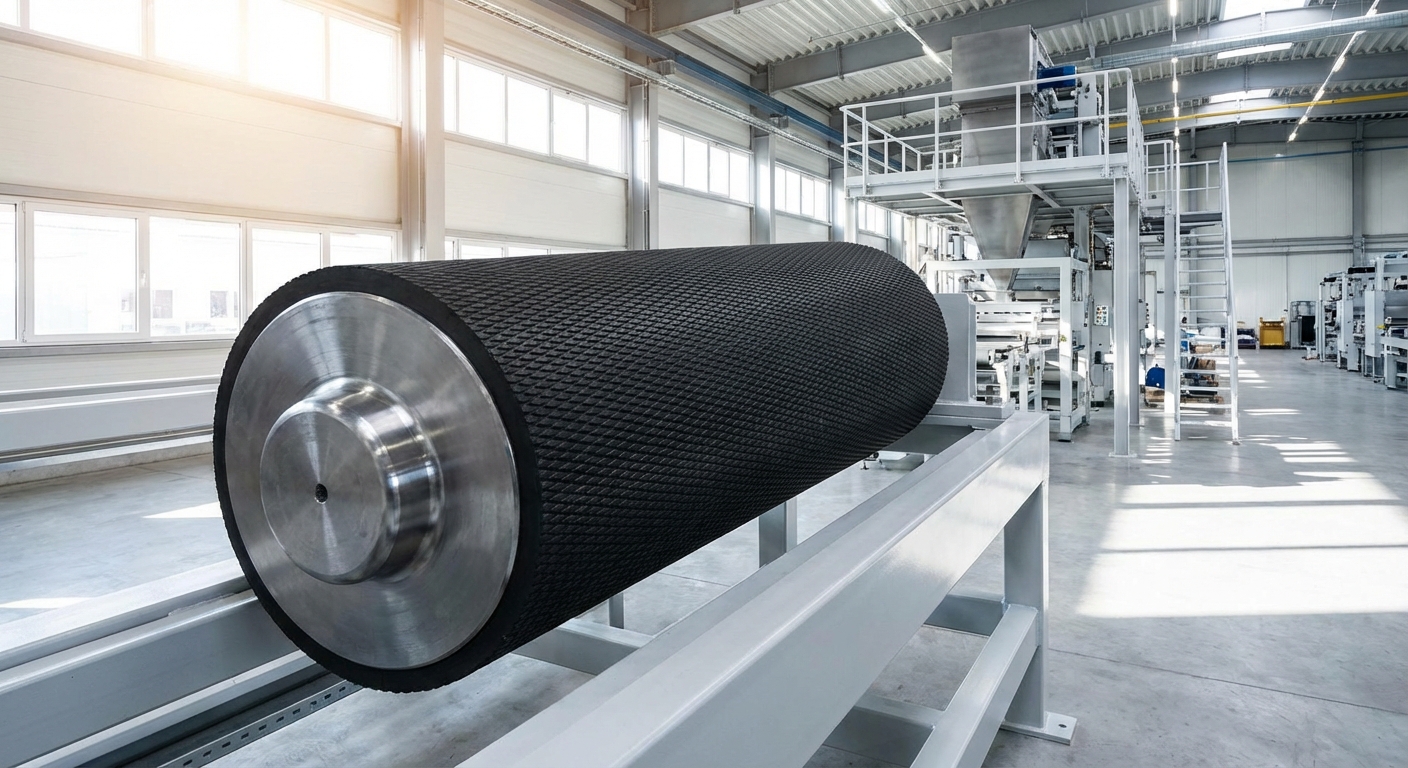
A conveyor belt rubber coated drive roller provides high traction and stable power transmission, reducing slippage, preventing overheating, and ensuring efficient, reliable conveyor operation.
1. What is a conveyor belt rubber coated drive roller?
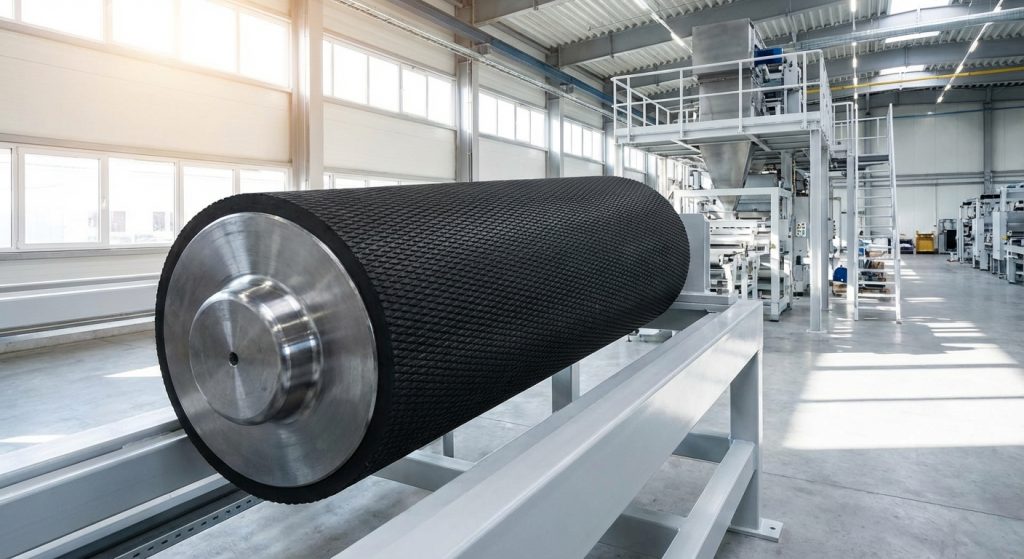
A conveyor belt rubber coated drive roller is a specialized mechanical drum encased in a layer of rubber to increase the coefficient of friction. This conveyor belt rubber coated drive roller acts as the primary driving force that pulls the belt across the system. You will find these installed at the head of the conveyor where maximum torque is required.
What are the main components of this roller?
The structure consists of a rigid steel core and a precision-engineered shaft. The outer layer is made of vulcanized rubber compounds like SBR or Neoprene. These materials are bonded together under high pressure to ensure they do not separate during operation.
But here is the kicker: The thickness of the rubber can be customized to handle specific industrial loads.
- Steel Core: Provides structural strength.
- Rubber Lagging: Creates the friction surface.
- End Discs: Connect the shell to the shaft.
How are the rubber surfaces finished?
The rubber surface can be smooth or patterned depending on your specific needs. Diamond and herringbone patterns are popular for shedding water and debris. This ensures that the grip remains consistent even in wet conditions.
Key Takeaway: A rubber coated roller is a precision-engineered tool that converts motor torque into linear motion.
| Component | Function | Material | |
|---|---|---|---|
| Core Shell | Load support | High-tensile steel | |
| Lagging Layer | Traction | Vulcanized rubber | |
| Drive Shaft | Power transfer | Carbon steel |
Analysis: The combination of a rigid metal base and a flexible rubber exterior allows for maximum power transmission without damaging the belt.
2. Why use a conveyor belt rubber coated drive roller?
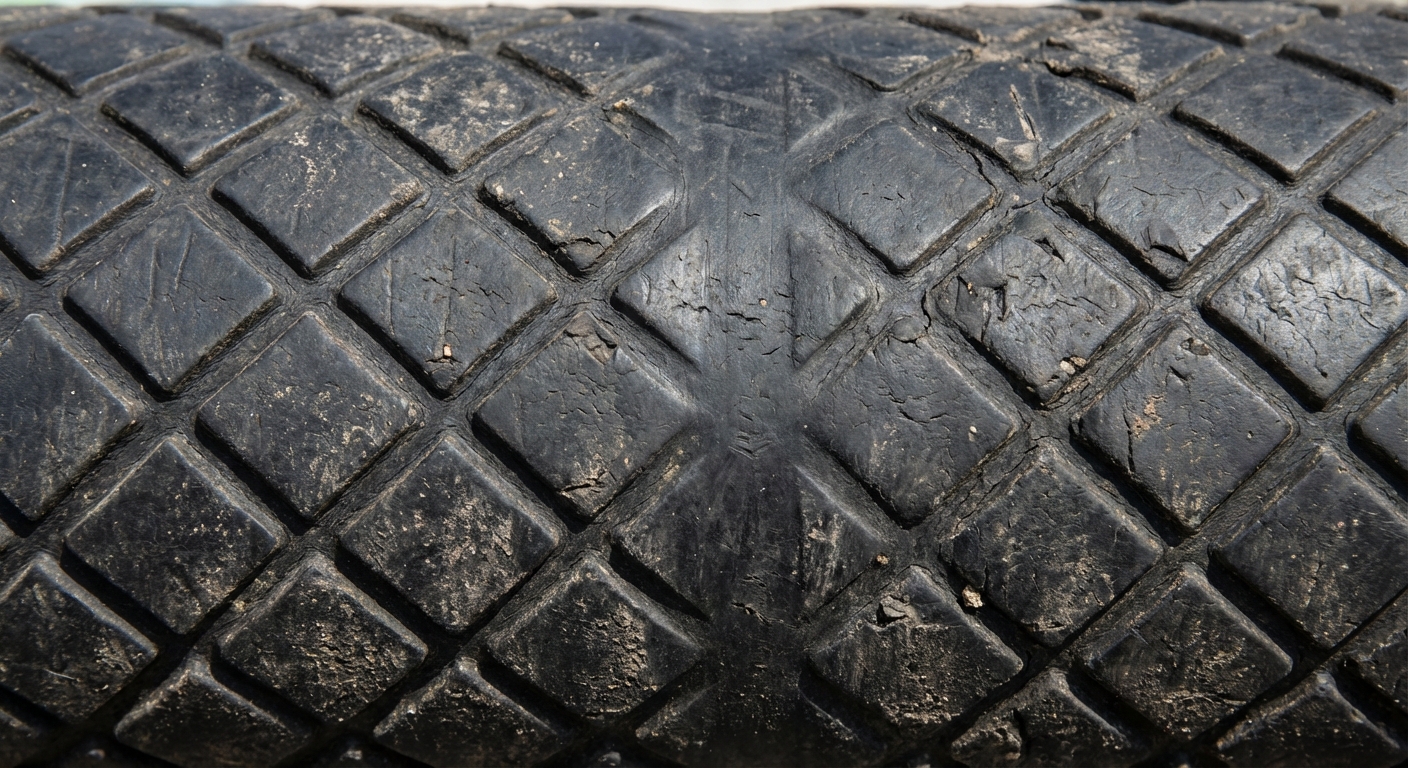
You use a conveyor belt rubber coated drive roller to eliminate slippage and protect your system from vibration damage. A standard conveyor belt rubber coated drive roller ensures that your belt moves at a constant speed regardless of the weight it carries. This reliability is essential for precision sorting and packaging lines.
Can it prevent belt wear?
Think about it: Every time a bare metal roller slips against a belt, it acts like a grinding wheel. The rubber coating provides a soft yet firm grip that prevents this abrasive action. This effectively doubles the lifespan of your conveyor belts.
- Zero Slippage: Maintains production speed.
- Vibration Damping: Protects bearings and motors.
- Self-Cleaning: Patterns eject dirt and moisture.
Does it improve noise levels?
The rubber layer acts as a natural acoustic insulator during high-speed operations. You will notice a significant drop in ambient factory noise when switching from bare rollers. This creates a much safer and more comfortable environment for your staff.
Key Takeaway: Utilizing rubber coating is a strategic investment that reduces maintenance costs and improves workplace comfort.
| Benefit | Operational Result | Financial Impact | |
|---|---|---|---|
| High Traction | No slippage | Lower energy bills | |
| Impact Absorption | Less vibration | Fewer motor repairs | |
| Grip Surface | Steady tracking | Reduced downtime |
Analysis: The transition to rubber-coated surfaces shifts your maintenance strategy from reactive repairs to proactive efficiency.
3. How does a conveyor belt rubber coated drive roller work?
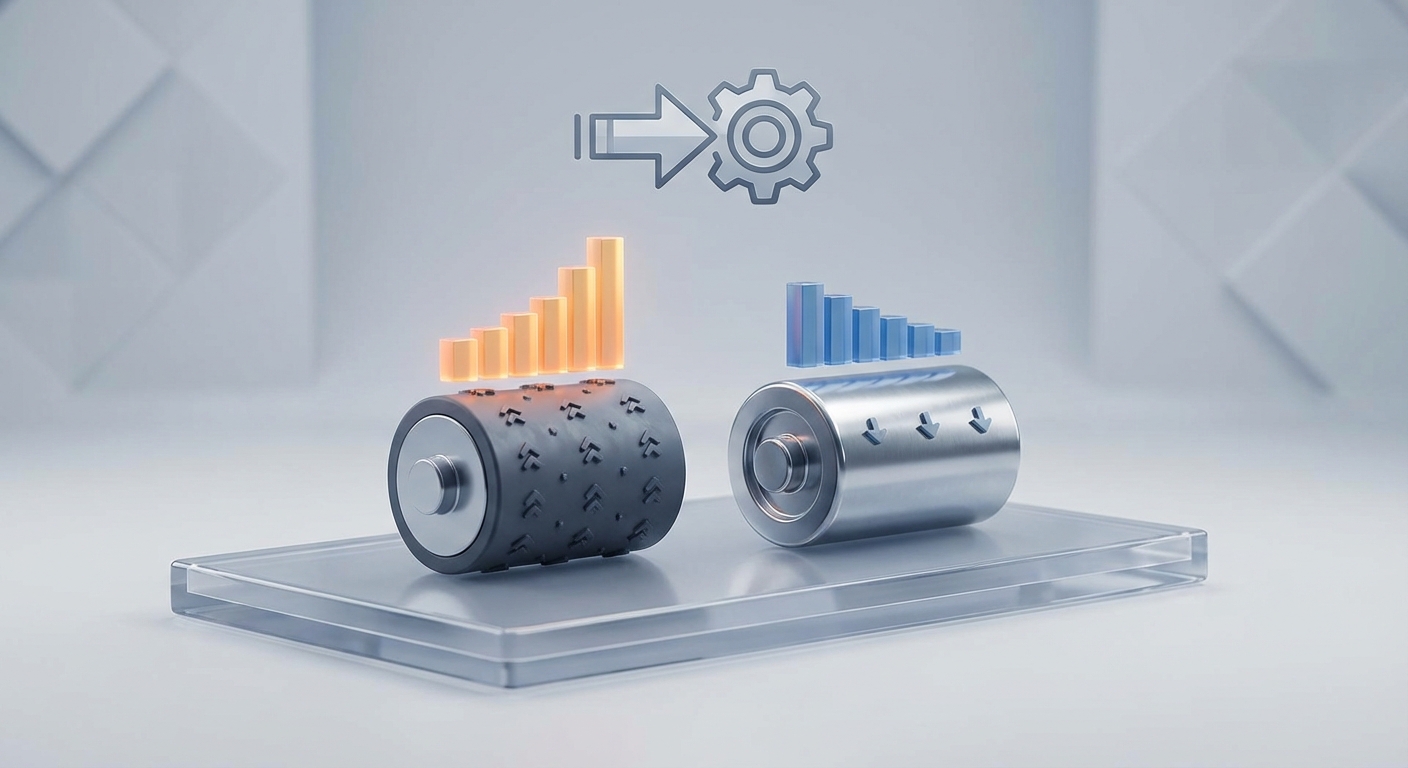
A conveyor belt rubber coated drive roller works by utilizing the elastic properties of the rubber to “bite” into the belt surface. When the motor rotates the conveyor belt rubber coated drive roller , the friction between the lagging and the belt pulls the entire system forward. This mechanical engagement is much stronger than metal-to-fabric contact.
What is the role of friction?
Believe it or not: A rubber-coated surface has a friction coefficient three times higher than polished steel. This means you can move heavier loads using less motor tension. It prevents the belt from “creeping” or losing alignment under heavy stress.
- Surface Deformation: Rubber conforms to the belt.
- Tension Support: Holds the belt firmly in place.
- Torque Conversion: Turns rotation into linear flow.
How does the pattern help?
The grooves in the rubber allow air and water to escape from the contact zone. This prevents hydroplaning where the belt might slide on a thin layer of moisture. It ensures your production line stays active even in humid or dusty environments.
Key Takeaway: The system relies on the physical bond between the rubber’s texture and the belt’s underside to move materials.
| Factor | Influence | Outcome | |
|---|---|---|---|
| Rubber Hardness | Grip level | Traction control | |
| Pattern Depth | Water shedding | Wet-weather reliability | |
| Surface Area | Pressure distribution | Belt protection |
Analysis: Modern drive rollers use physics-based designs to ensure that power is never lost to heat or friction.
4. Who needs a conveyor belt rubber coated drive roller?
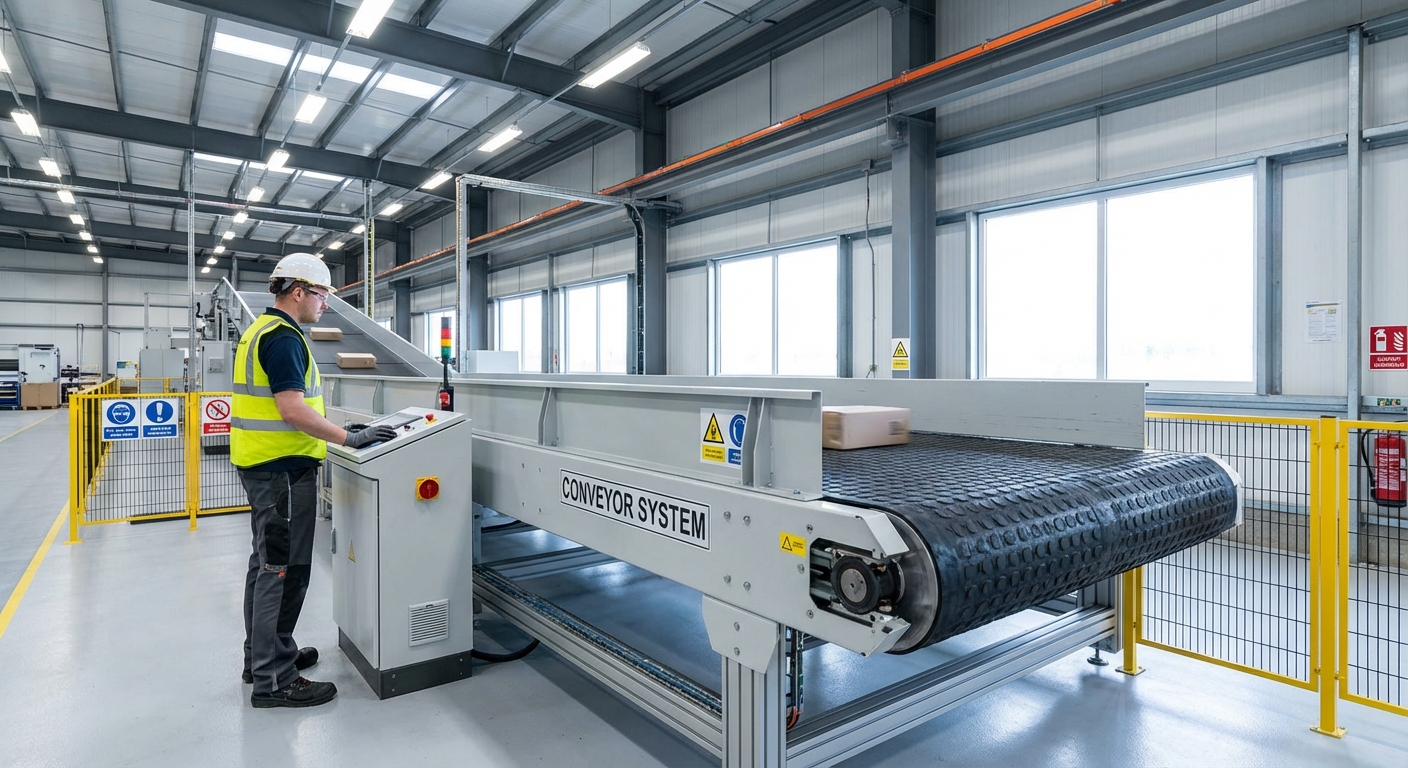
You need a conveyor belt rubber coated drive roller if your facility handles bulk materials, heavy packages, or operates in extreme conditions. Any manager using a conveyor belt rubber coated drive roller understands that consistent performance is the backbone of a profitable operation. If your belts are constantly tracking off-center, you likely need a rubber surface.
Is it necessary for logistics?
The best part? Distribution centers rely on rapid starts and stops which require the high-grip surface of rubber. Without it, packages would slide backward during acceleration. This precision ensures that your sorting systems remain accurate 24/7.
- Mining Operations: To handle abrasive rocks and ores.
- Food Processing: To maintain hygiene and grip.
- Recycling Centers: For moving varied, slippery waste.
Why do agricultural plants need them?
In grain elevators and silos, dust can create a slippery film on metal rollers. Rubber coated rollers are essential here to maintain traction despite the environmental challenges. They ensure that your harvest moves quickly from storage to transport.
Key Takeaway: These rollers are essential for any industry where belt slippage is a threat to productivity or safety.
| Industry | Primary Requirement | Solution Provided | |
|---|---|---|---|
| Logistics | High acceleration | Instant grip | |
| Mining | Durability | Abrasion resistance | |
| Agriculture | Dust management | Grooved surfaces |
Analysis: Professional material handling requires specialized surfaces that can adapt to the specific friction needs of the industry.
5. When to replace a conveyor belt rubber coated drive roller?
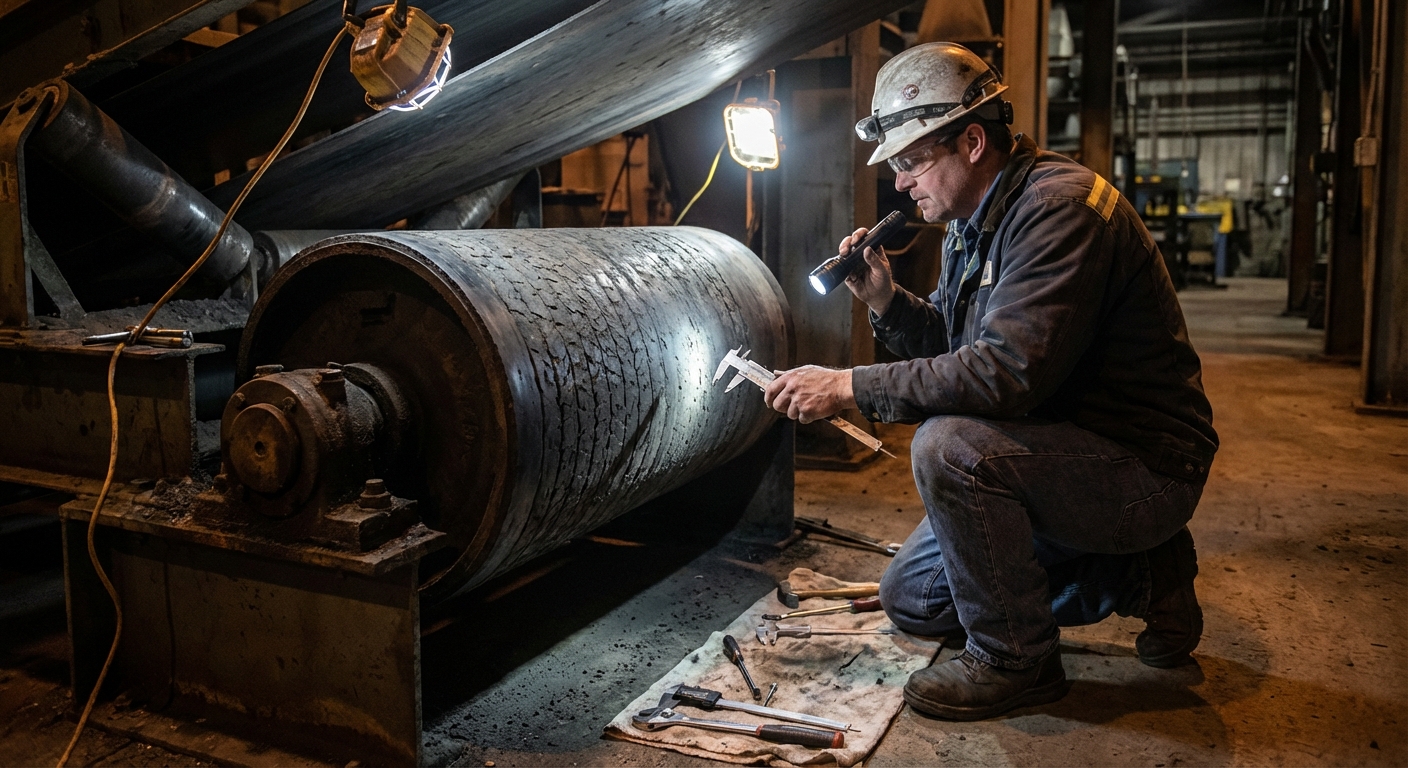
You should replace a conveyor belt rubber coated drive roller when the rubber thickness has worn down to 25% of its original size. Monitoring your conveyor belt rubber coated drive roller for cracks or bald spots is a critical part of your weekly maintenance checklist. If you hear squealing sounds during startup, it is a sign the friction layer is failing.
How do I spot physical damage?
Look: If you see the metal shell peeking through the rubber, the roller is no longer safe to use. You might also notice large chunks of rubber missing or “chunking” due to heavy impacts. These defects will quickly destroy your conveyor belt if left unaddressed.
- Deep Cracks: Indicate rubber oxidation or aging.
- Smooth Spots: Show where the pattern has worn away.
- Vibration: Signals an unbalanced or worn core.
Does performance drop indicate wear?
If your motor is working harder to move the same load, the grip is likely gone. You will see an increase in energy consumption and a decrease in belt speed consistency. Replacing the roller now is much cheaper than replacing a snapped belt later.
Key Takeaway: Timely replacement prevents catastrophic mechanical failures that can shut down your entire facility for days.
| Sign of Wear | Cause | Urgency | |
|---|---|---|---|
| Exposed Steel | Total rubber loss | Critical | |
| Surface Cracks | UV or chemical damage | High | |
| Pattern Loss | High-hour abrasion | Moderate |
Analysis: A worn-out roller is a liability that wastes power and threatens the structural integrity of your conveyor system.
6. Where to install a conveyor belt rubber coated drive roller?
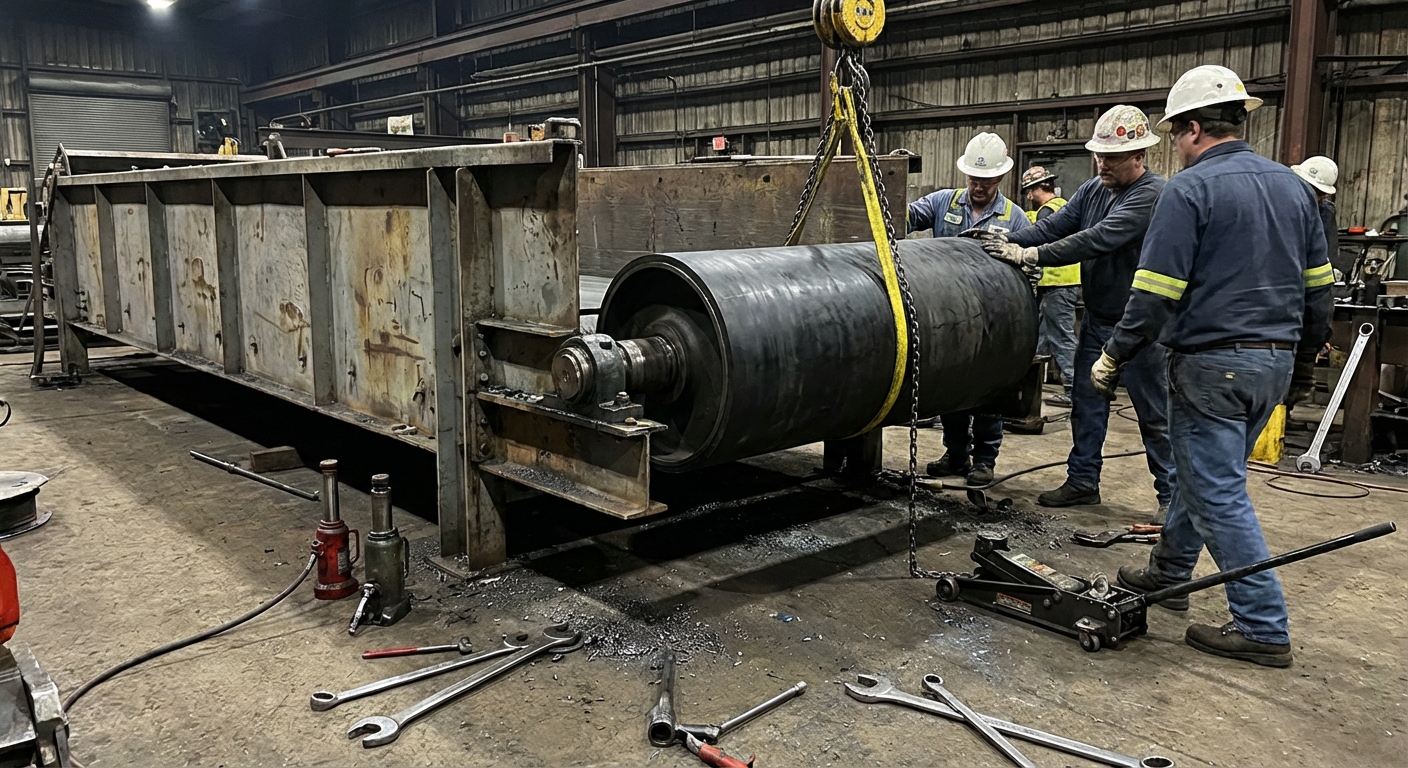
You must install a conveyor belt rubber coated drive roller at the primary drive station where the motor is coupled. Placing a conveyor belt rubber coated drive roller at the head end ensures that the belt is pulled rather than pushed, which is the most efficient configuration. You can also use them in “snub” positions to increase the belt’s wrap angle.
Why is the head position best?
You see: The head pulley handles the highest tension in the entire conveyor loop. By using a rubber-coated roller here, you maximize the power transfer precisely where it is needed most. This prevents the belt from sagging or slipping under the weight of the load.
- Drive Station: The main power delivery point.
- Snub Roller: To increase contact area.
- Tail Pulley: If tracking issues persist at the end.
Can I use them on return paths?
While drive rollers are most important, using rubber-coated rollers on return paths can help with belt cleaning. The rubber helps shake off stuck materials before they can reach the drive components. This keeps your entire system cleaner and more efficient.
Key Takeaway: Proper placement at high-tension points is the secret to getting the most out of your rubber coating investment.
| Position | Priority | Function | |
|---|---|---|---|
| Head Pulley | Maximum | Primary belt drive | |
| Snub Pulley | High | Wrap angle increase | |
| Drive Station | Maximum | Torque application |
Analysis: Strategic installation ensures that every kilowatt of motor power is successfully converted into material throughput.
7. Can a conveyor belt rubber coated drive roller boost safety?
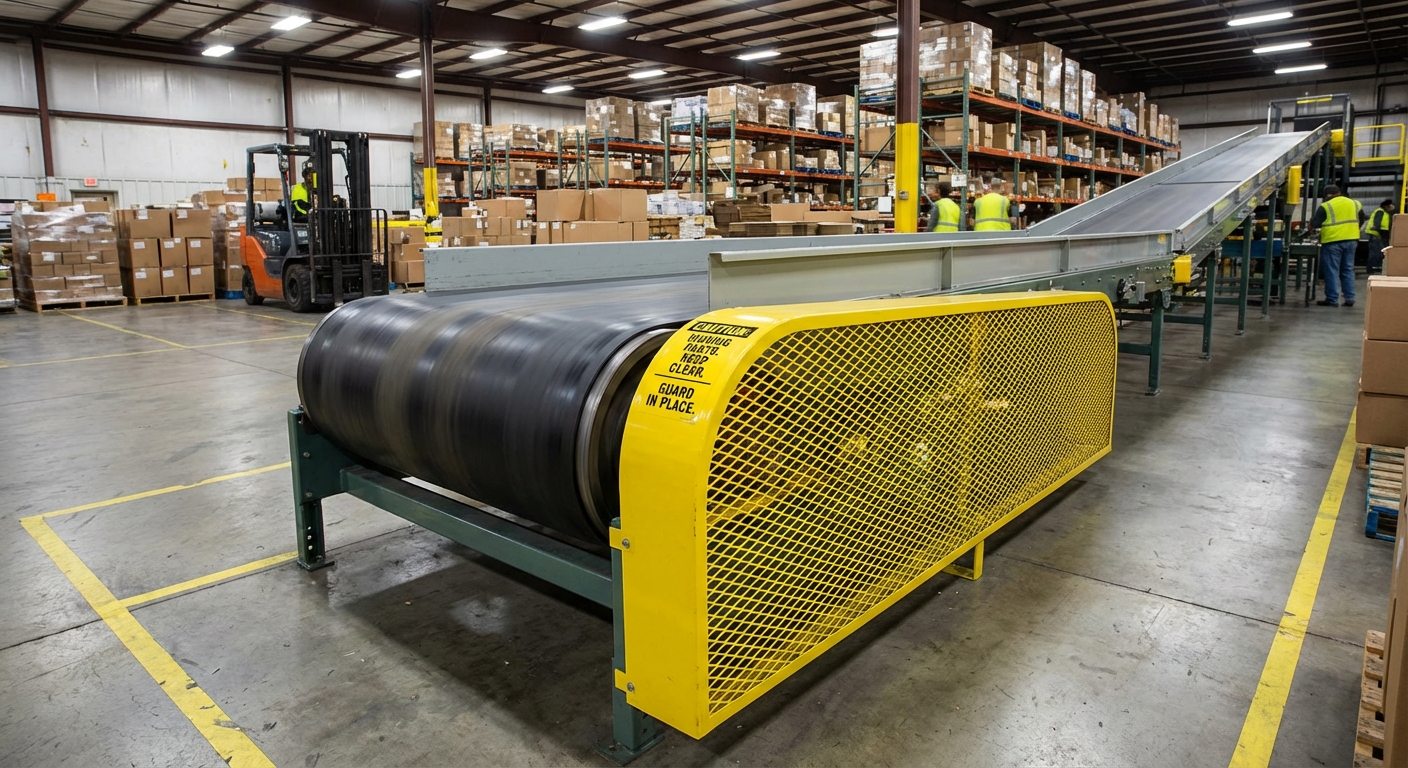
Yes, a conveyor belt rubber coated drive roller boosts safety by preventing erratic belt movements and reducing fire hazards. A high-quality conveyor belt rubber coated drive roller ensures the belt stays on its intended track, preventing spillage that workers could trip over. It also prevents the extreme heat buildup caused by metal-on-belt friction.
How does it prevent fires?
In other words: Slippage generates intense heat that can ignite dust or the belt material itself. Rubber coating stops this slippage, keeping the operating temperature well within safe limits. This is especially vital in grain handling and coal mining environments.
- Heat Reduction: Prevents friction-based fires.
- Noise Control: Protects worker hearing health.
- Tracking Stability: Prevents material side-spillage.
Does it help with emergency stops?
The high friction of the rubber ensures that when you hit the emergency stop, the belt stops instantly. Without rubber, the belt might coast forward due to inertia, leading to injuries or equipment jams. This responsiveness is a key component of your safety protocol.
Key Takeaway: Safety is a side effect of mechanical efficiency; a well-gripped belt is a safe belt.
| Safety Benefit | Hazard Mitigated | Outcome | |
|---|---|---|---|
| Increased Grip | Friction fires | Fire prevention | |
| Precise Stopping | Inertia drift | Worker safety | |
| Noise Damping | High decibels | Hearing protection |
Analysis: Investing in rubber-coated components is a proactive way to meet modern industrial safety regulations and protect your team.
8. Does a conveyor belt rubber coated drive roller save money?

Yes, a conveyor belt rubber coated drive roller saves money by reducing energy consumption and extending the life of your belts. Every time your conveyor belt rubber coated drive roller slips, you are paying for electricity that isn’t moving any material. Over a year, this “lost power” can add up to thousands of dollars in wasted utility costs.
How much can I save on power?
Keep in mind: A 10% reduction in slippage can lead to a 10% reduction in your monthly energy bill. Rubber coating ensures a nearly 1:1 ratio between motor energy and belt movement. You get exactly what you pay for in terms of production output.
- Lower Utility Bills: No wasted motor revolutions.
- Fewer Belt Purchases: Belts last 50% longer.
- Reduced Labor: Less time spent on tracking adjustments.
What about maintenance labor?
Slipping belts require constant attention and adjustment from your maintenance team. By installing rubber-coated rollers, you free up your technicians to focus on other critical tasks. This reduces your overall labor costs and improves facility uptime.
Key Takeaway: The initial cost of the coating is recovered quickly through energy savings and reduced maintenance hours.
| Cost Area | Bare Metal | Rubber Coated | |
|---|---|---|---|
| Energy Waste | High | Minimal | |
| Belt Life | Short | Long | |
| Maintenance | Frequent | Scheduled |
Analysis: Financial data consistently shows that rubber-coated rollers offer one of the fastest returns on investment in the conveyor industry.
9. Which conveyor belt rubber coated drive roller is the best?
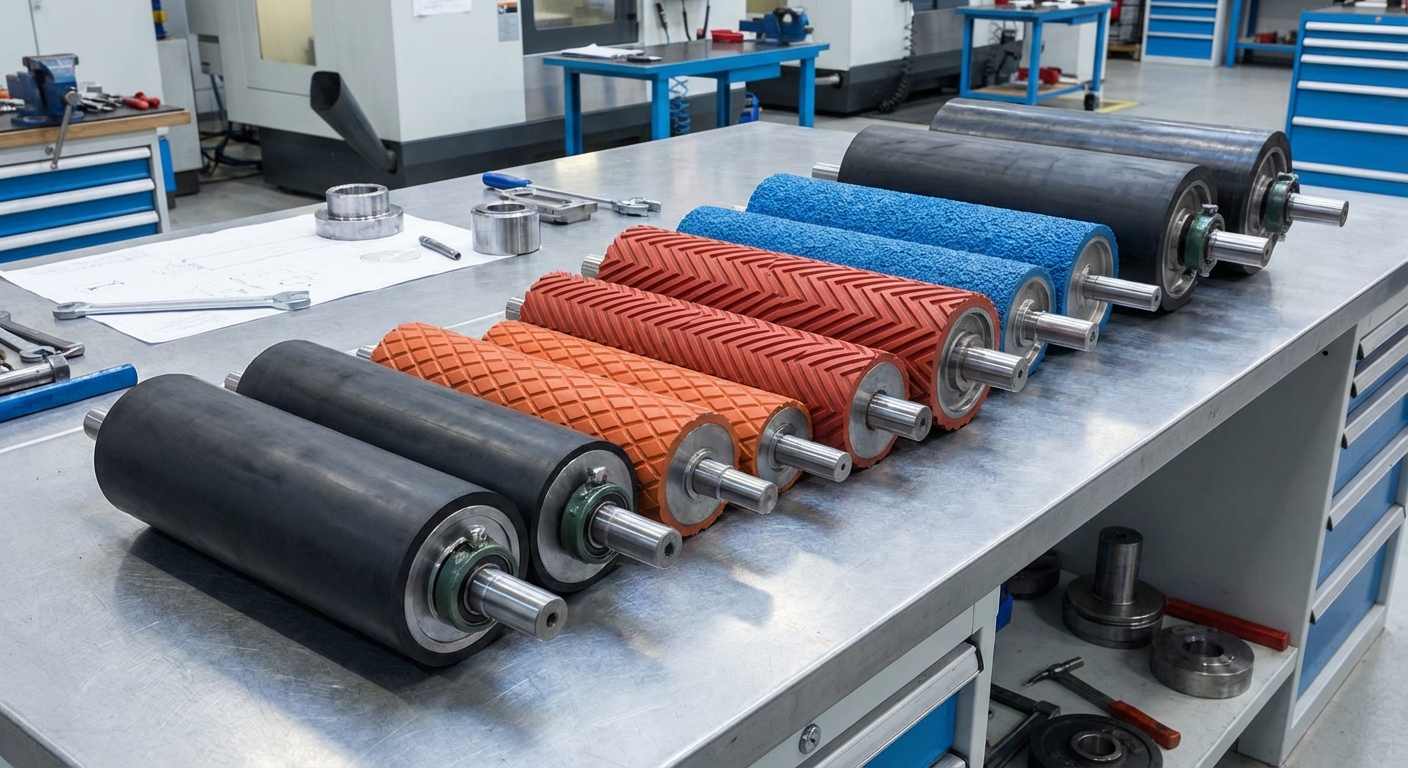
The best conveyor belt rubber coated drive roller is one that uses hot-vulcanized rubber tailored to your specific environment. When choosing a conveyor belt rubber coated drive roller , you should look for a shore hardness that matches your belt material. Most general-purpose systems perform best with a 65 Shore A hardness rating.
Is hot vulcanization better than cold?
Simply put: Hot vulcanization creates a chemical bond that is virtually impossible to break. Cold-glued rubber often peels off under heavy load or temperature changes. If you want a roller that lasts for years, always choose the hot-vulcanized option.
- Natural Rubber: Best for high-friction general use.
- Nitrile: Ideal for oily or greasy environments.
- EPDM: The top choice for high-heat applications.
Which pattern should I choose?
Diamond patterns are the gold standard for shedding water and fine particles in all directions. Herringbone patterns are excellent if you need to help the belt stay centered through self-tracking. Your choice should depend entirely on the moisture and dirt levels in your facility.
Key Takeaway: The “best” roller is the one engineered to solve your specific environmental and mechanical challenges.
| Feature | Best Choice | Why? | |
|---|---|---|---|
| Bonding | Hot Vulcanized | Maximum durability | |
| Material | Environment-Specific | Prevents chemical wear | |
| Surface | Patterned | Debris management |
Analysis: Quality is defined by the synergy between the rubber compound and the vulcanization process used during manufacturing.
10. How to clean a conveyor belt rubber coated drive roller?
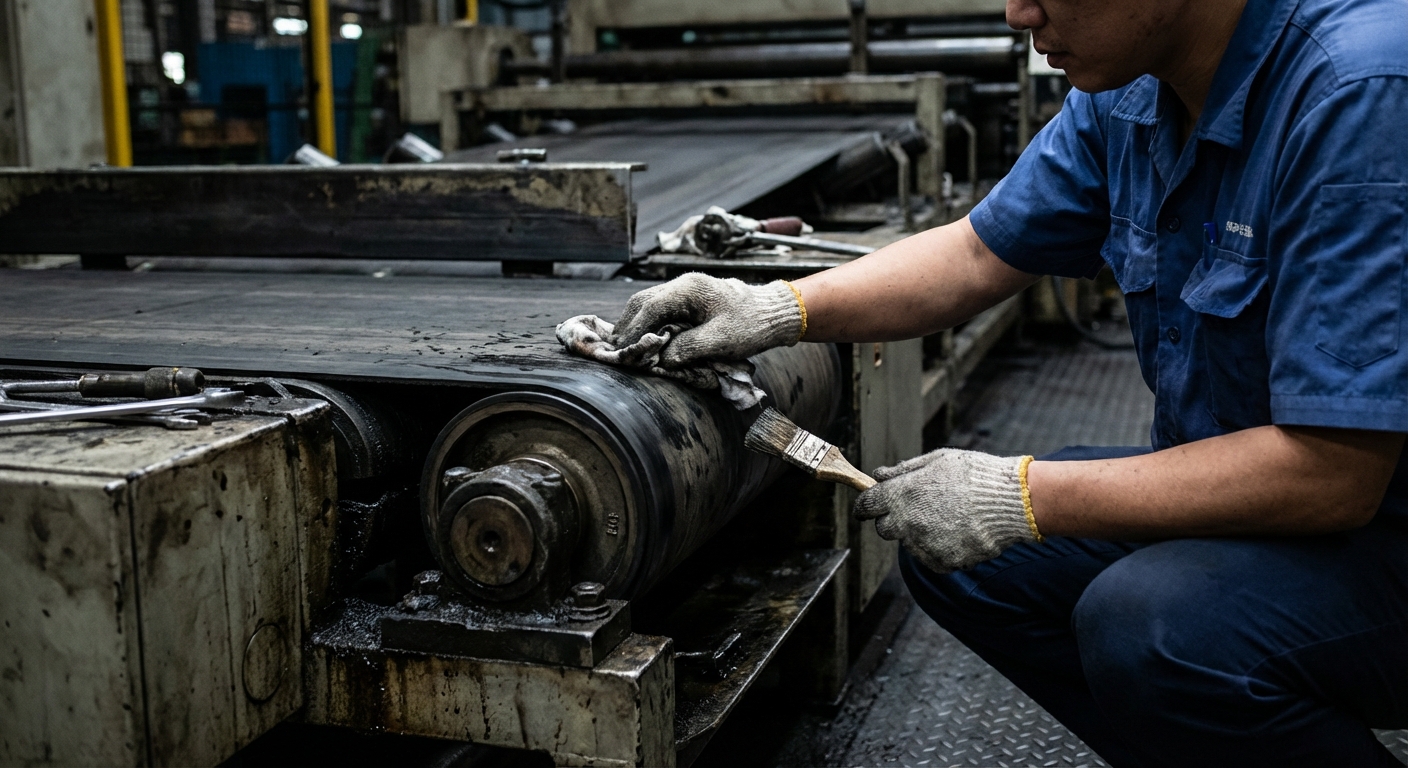
You clean a conveyor belt rubber coated drive roller by using a mechanical belt scraper and performing regular manual washdowns. Maintaining a clean conveyor belt rubber coated drive roller is the only way to ensure the friction levels remain high over time. You must never use petroleum-based solvents as they will dissolve the rubber.
Should I use mechanical scrapers?
By the way: A primary scraper installed at the head pulley will remove 90% of the material before it even touches the roller. This prevents material from being crushed into the rubber grooves. It is the most effective way to maintain a high-performance drive surface.
- Polyurethane Scrapers: Effective and gentle on rubber.
- Water Washdown: For removing dust and fine residues.
- Manual Brushing: During scheduled downtime inspections.
What are the dangers of a dirty roller?
Build-up on the roller creates an uneven surface that causes the belt to vibrate and drift. This leads to edge damage on the belt and puts uneven stress on the drive motor. A clean roller is a silent, efficient, and long-lasting roller.
Key Takeaway: A simple cleaning schedule can double the life of your rubber lagging and protect your drive motor.
| Tool | Frequency | Purpose | |
|---|---|---|---|
| Primary Scraper | Continuous | Material removal | |
| Soft Brush | Weekly | Dust clearing | |
| Water Hose | Monthly | Residue washing |
Analysis: Cleanliness is a fundamental part of mechanical maintenance that directly impacts the friction capacity of your drive rollers.
Optimizing your conveyor system is about more than just moving boxes; it is about protecting your infrastructure and maximizing your energy efficiency. By integrating rubber-coated drive rollers, you eliminate the friction losses that steal your profits and damage your equipment. Our vision is to provide every facility with the high-traction solutions needed for a seamless, safe, and productive workflow. To see how our customized lagging can transform your operations, contact us today for a professional consultation.
Can I use a rubber coated roller for high-heat materials?
Yes, but you must select an EPDM or Silicone-based rubber coating specifically designed for high temperatures. Standard natural rubber will melt or become brittle if exposed to temperatures above 80°C (176°F) for extended periods.
What’s the best way to prevent the rubber from peeling?
Always choose hot-vulcanized rollers rather than cold-bonded ones. Hot vulcanization creates a permanent molecular bond between the rubber and the steel core that can withstand high torque without delamination.
How do I know if the rubber is too hard for my belt?
If you notice the belt is slipping even though the roller is new, the rubber may be too hard (high Shore rating). A hard surface doesn’t conform to the belt’s texture, resulting in a lower actual contact area and reduced grip.
Can I re-coat an old metal roller?
Yes, absolutely. If the steel core is still structurally sound, it can be stripped of old rubber, sandblasted, and re-coated with a fresh layer of vulcanized rubber to save on the cost of a new core.
Is it possible to use these rollers in food-grade environments?
Yes, white FDA-approved Nitrile or Silicone coatings are available specifically for the food and pharmaceutical industries. these materials are oil-resistant and non-marking, ensuring they meet all sanitary requirements for direct contact.