
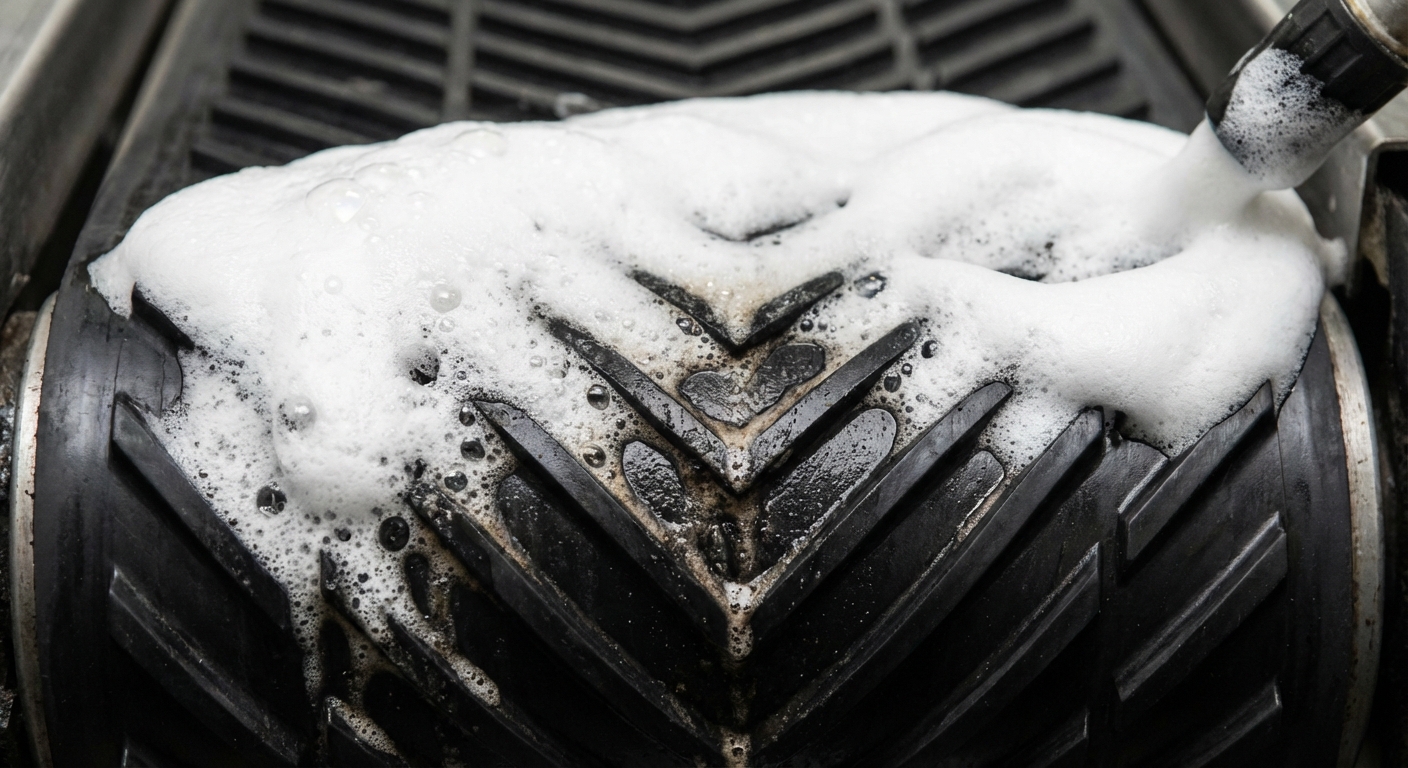
Understanding how to clean rubber conveyor belt effectively helps prevent carryback, reduce wear, improve safety, and ensure efficient, long-term operation in industrial systems.
Why is belt cleanliness vital for ROI?
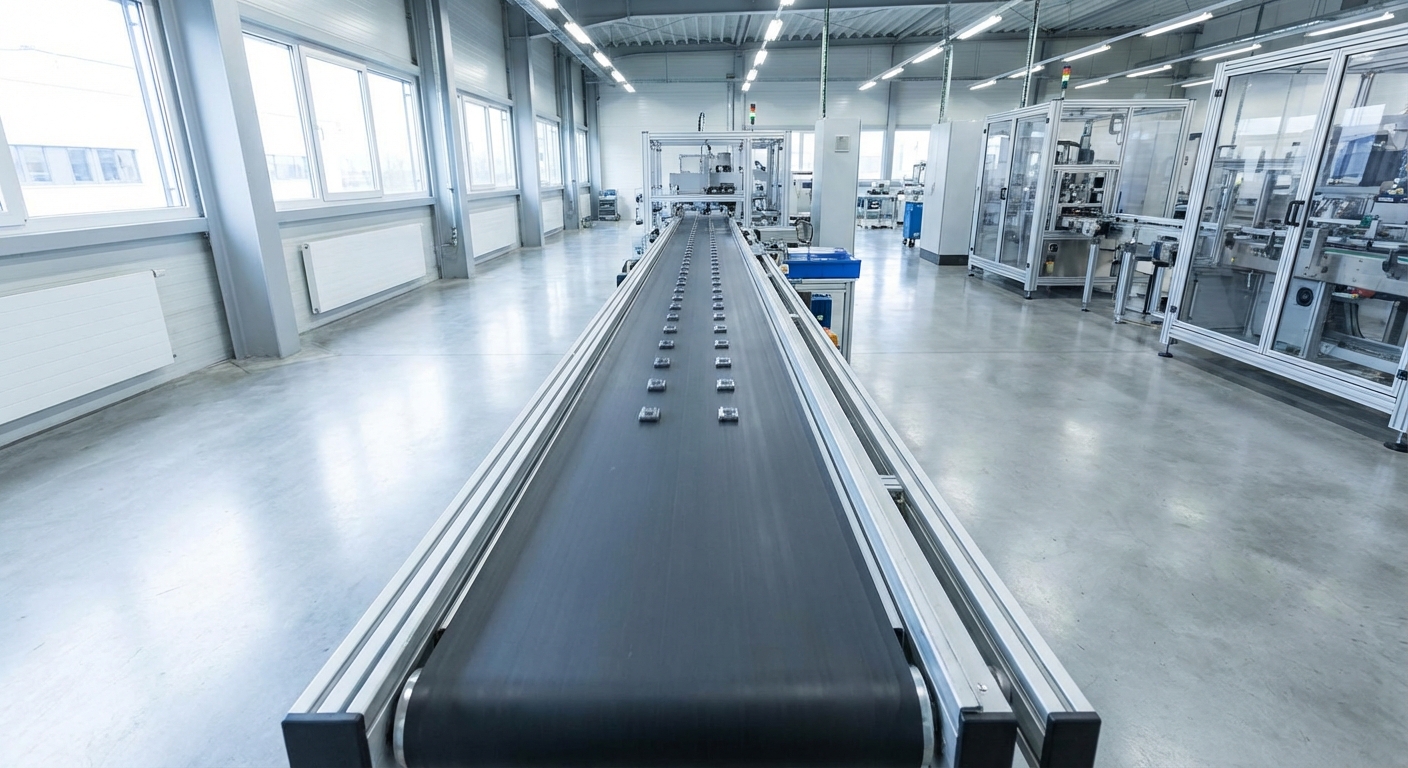
Proper cleaning maximizes ROI by extending the service life of expensive belt assets and reducing energy consumption. Understanding how to clean rubber conveyor belt surfaces ensures your system operates with minimal friction and resistance. This proactive approach prevents the abrasive wear that thins belt covers and destroys rollers.
Does carryback destroy your rollers?
Look: Residues left on the surface can quickly harden and damage the mechanical parts of your system. By removing these particles early, you stop the mechanical strain that leads to premature failure.
- Prevent material buildup on pulleys.
- Maintain proper belt tracking.
- Reduce motor strain and heat.
- Lower replacement frequency.
Can you lower your energy bills?
The best part? A clean belt runs smoother, requiring less torque from the motor to move materials effectively. When your system is free of debris, you consume significantly less power during daily operations.
| ROI Factor | Impact of Cleaning | Long-term Result | |
|---|---|---|---|
| Asset Life | Increases | High Savings | |
| Power Use | Decreases | Lower Bills | |
| Downtime | Minimizes | Peak Output |
Consistent sanitation ensures that your energy expenditures remain optimized while protecting your hardware from unnecessary friction. Key Takeaway: Consistent debris removal is the foundation of a reliable and safe conveying environment.
How to prepare for effective belt cleaning?
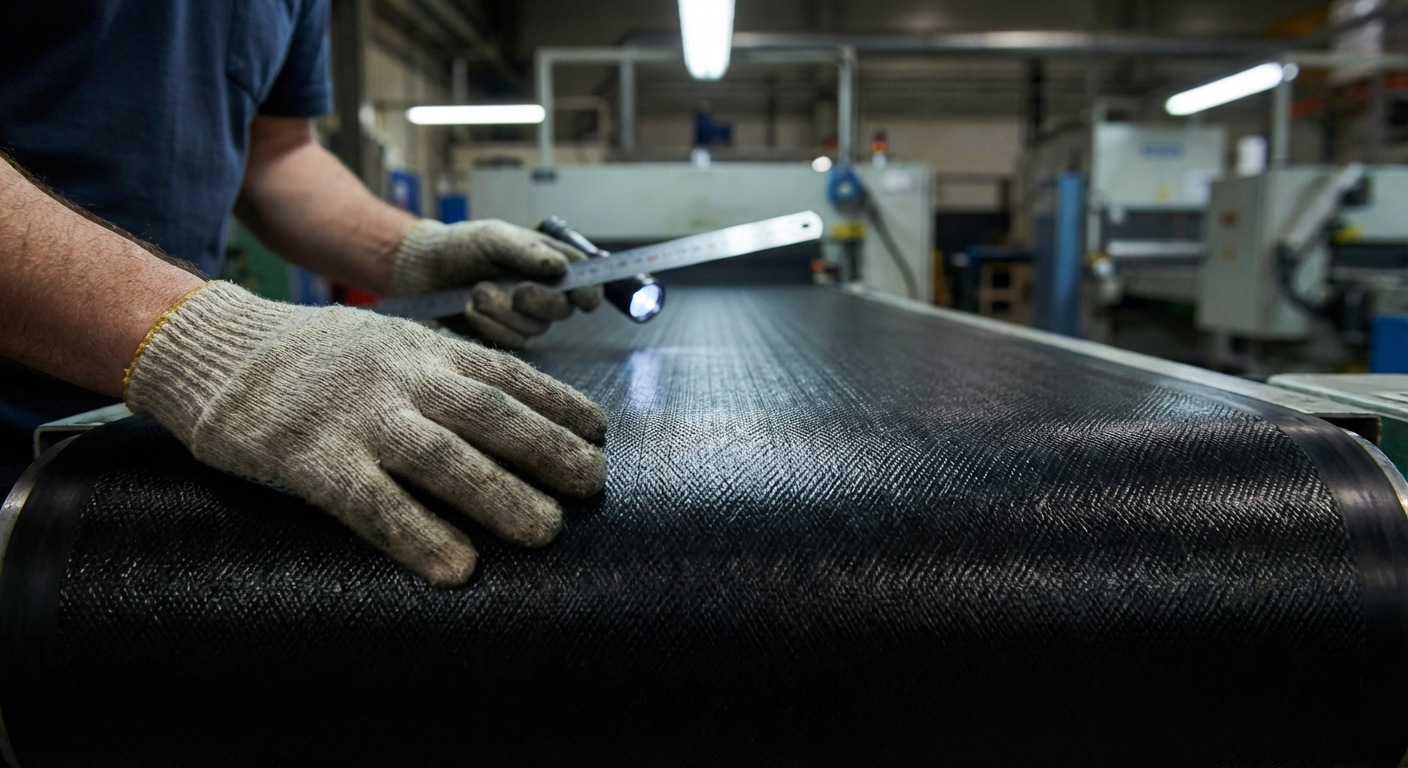
Preparation involves conducting a full lockout-tagout procedure and inspecting the belt for structural damage before starting. You must identify specific contaminants to determine how to clean rubber conveyor belt components effectively for your specific industry. Skipping the assessment phase can lead to using the wrong tools, which might damage the rubber surface.
Is an inspection necessary?
Wait, there’s more: A thorough visual check helps you locate areas with the heaviest material buildup. This allows your team to focus their efforts on critical points like the discharge head and return rollers.
- Check for rips or tears.
- Identify oil or chemical spills.
- Test belt tension.
- Verify scraper alignment.
Key Takeaway: Proper preparation prevents mechanical damage and ensures the safety of your maintenance crew.
| Prep Step | Purpose | Benefit | |
|---|---|---|---|
| Lockout | Safety | Zero Injuries | |
| Inspection | Targeting | Faster Cleaning | |
| Tool Selection | Efficiency | Surface Protection |
An organized preparation phase reduces the time the system is offline while ensuring no part of the belt is neglected. Key Takeaway: Thorough inspection before cleaning prevents small issues from becoming major mechanical failures.
What tools are best for manual cleaning?
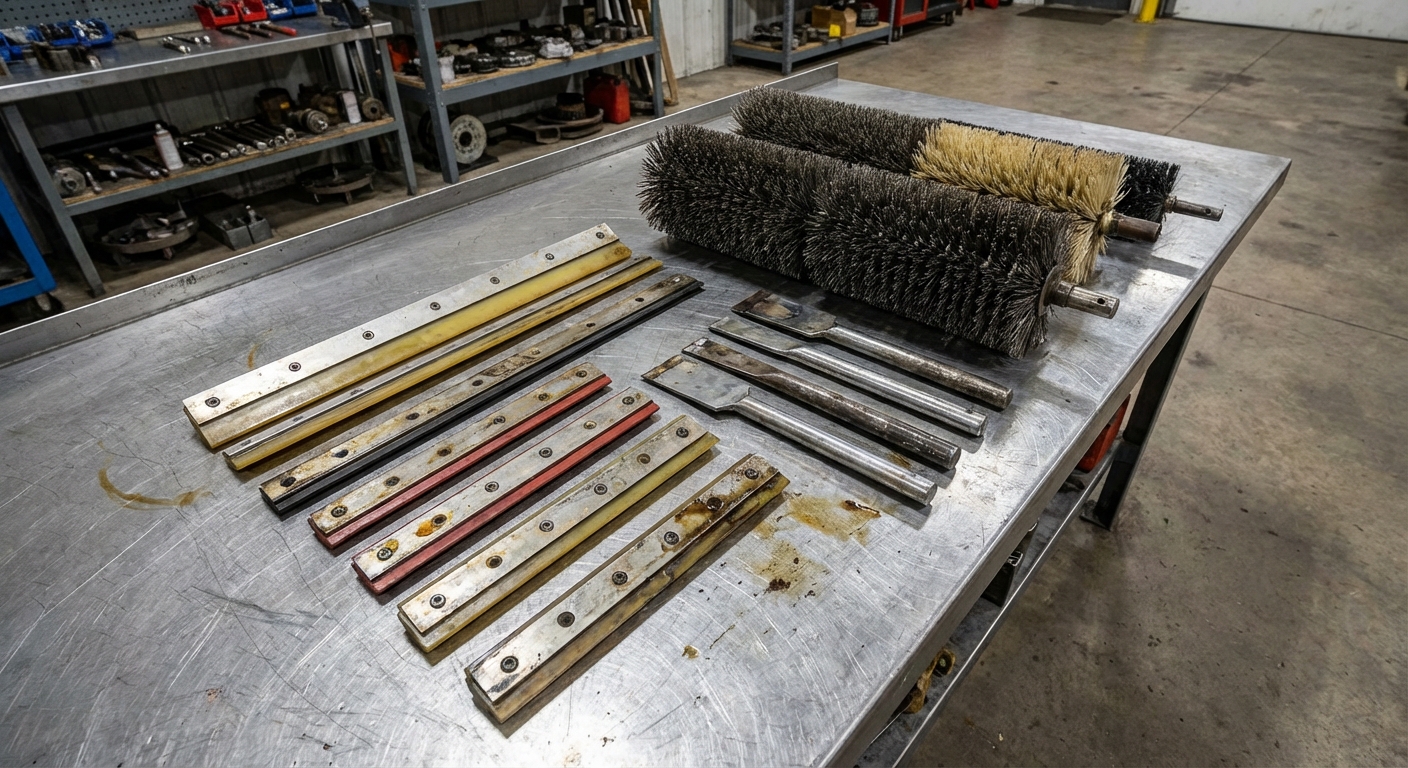
Handheld scrapers, heavy-duty brushes, and industrial vacuums are the most effective tools for targeted manual cleaning. While learning how to clean rubber conveyor belt systems manually is labor-intensive, it is the only way to reach recessed corners. These tools allow for precise removal of hardened clinker or sticky residues that automated systems might overlook.
Which brushes work best?
But that’s not all… The stiffness of the bristles should match the material you are handling to avoid scratching the rubber cover. Using the right tool ensures you remove the grime without compromising the belt’s structural integrity.
- Wire brushes for hardened scale.
- Nylon brushes for fine dust.
- Plastic scrapers for soft buildup.
- Handheld vacuums for recovery.
Key Takeaway: Manual tools provide the precision needed for complex belt geometries and hard-to-reach areas.
| Manual Tool | Best Use Case | Risk Level | |
|---|---|---|---|
| Steel Scraper | Hardened Material | Medium | |
| Nylon Brush | Fine Particulates | Low | |
| Vacuum | Dry Dust | Minimal |
Manual intervention remains a critical component of a deep-clean strategy even in highly automated industrial facilities. Key Takeaway: Handheld tools offer the surgical precision required to clear debris from the most difficult conveyor segments.
How do automated scrapers improve efficiency?
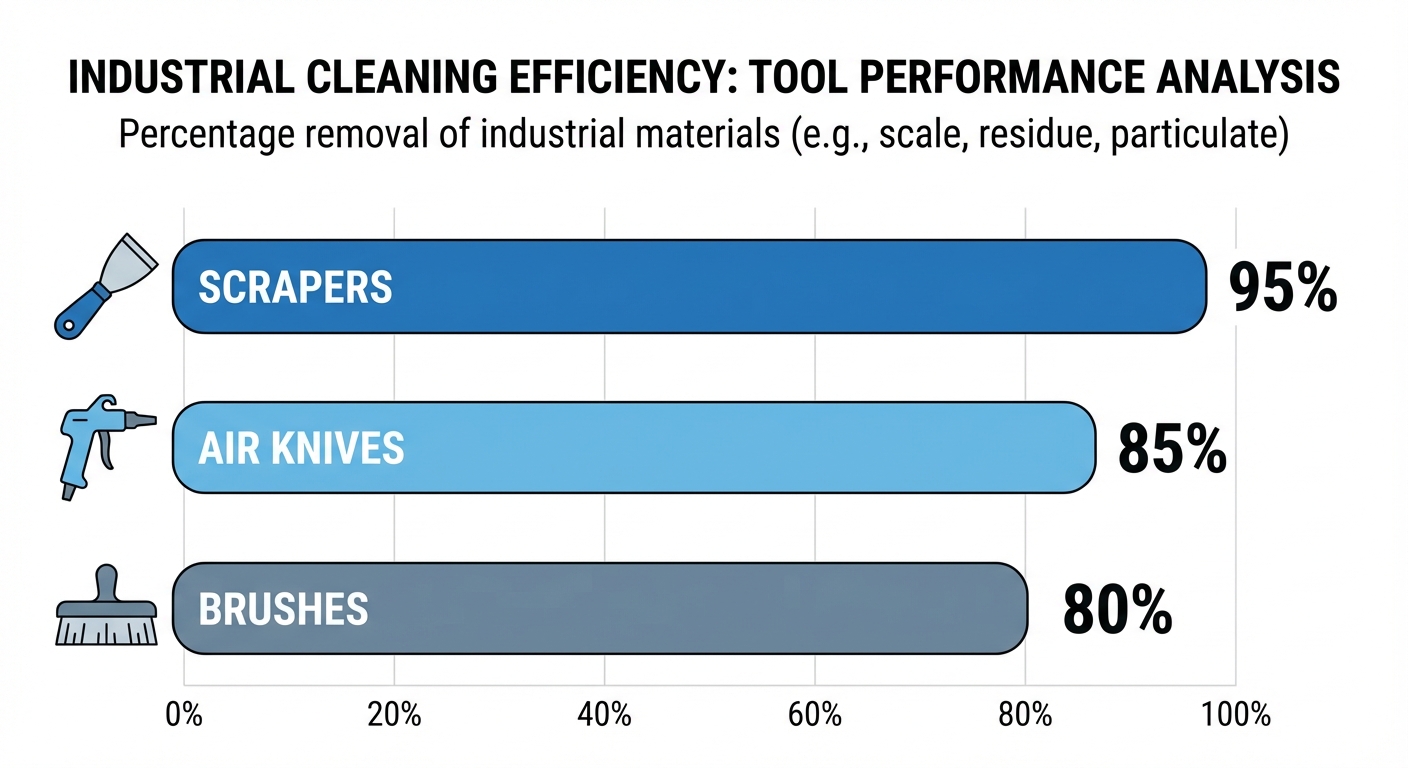
Automated scrapers provide continuous debris removal without the need for manual intervention or system shutdowns. They are the most efficient answer for how to clean rubber conveyor belt systems in high-volume mining and cement industries. By staying in constant contact with the belt, these scrapers eliminate carryback before it can drop onto the floor.
Can scrapers reduce labor costs?
Here is the kicker: Installing primary and secondary scrapers reduces the number of hours your crew spends on manual housekeeping. This allows your staff to focus on more complex maintenance tasks rather than basic debris removal.
- Primary scrapers for bulk removal.
- Secondary scrapers for fine residue.
- Self-adjusting tensioners.
- Polyurethane or tungsten blades.
Key Takeaway: Automation ensures a consistent level of cleanliness that manual labor simply cannot match over time.
| Scraper Type | Material Removal | Efficiency | |
|---|---|---|---|
| Primary | 90% Bulk | High | |
| Secondary | 9% Fines | Very High | |
| Combined | 99% Total | Optimal |
A multi-stage scraper system provides the most comprehensive protection against material carryback and mechanical wear. Key Takeaway: Automated systems pay for themselves by significantly reducing the labor required for daily belt maintenance.
When should you use chemical cleaners?
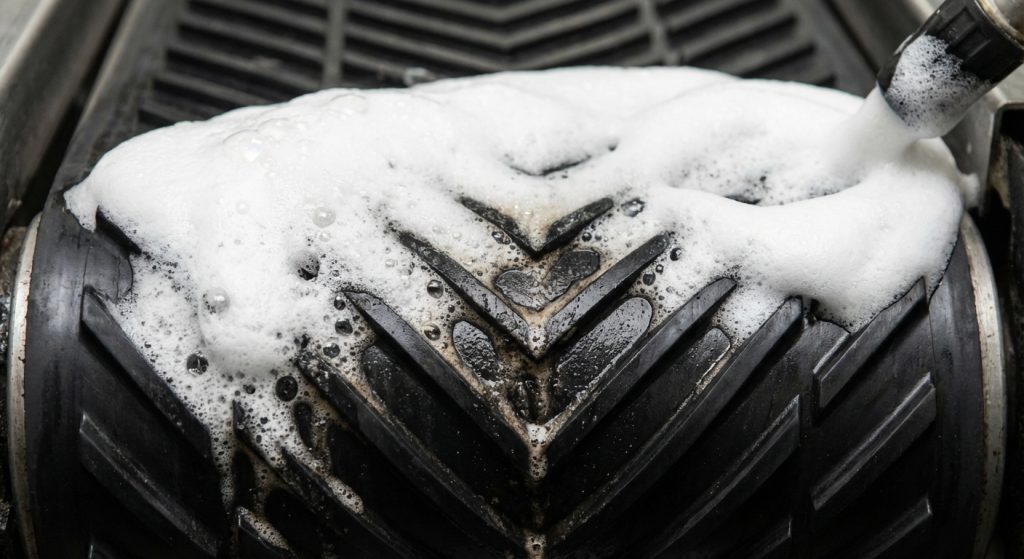
Chemical cleaners are necessary when handling oily, greasy, or organic materials that water or scrapers cannot dissolve. You must understand how to clean rubber conveyor belt surfaces with pH-neutral detergents to avoid damaging the rubber plies. Using specialized solvents helps break down stubborn biofilms and industrial lubricants that lead to belt slippage.
Do detergents harm the rubber?
Think about this: Harsh industrial solvents can dry out the rubber, leading to cracks and premature belt failure. Always opt for manufacturer-approved, biodegradable agents to ensure the longevity of your conveyor system.
- Biodegradable degreasers.
- pH-neutral soaps.
- FDA-approved sanitizers.
- Oil-emulsifying foams.
Key Takeaway: Selecting the right chemical agent is vital for removing grime while preserving the belt’s flexibility.
| Chemical Type | Target Grime | Safety Rating | |
|---|---|---|---|
| Neutral Soap | General Dust | Excellent | |
| Degreaser | Oils/Grease | Good | |
| Sanitizer | Bacteria | Required (Food) |
The correct chemical application ensures a deep level of hygiene that is essential for food-grade or pharmaceutical operations. Key Takeaway: Balancing chemical potency with rubber compatibility is the secret to effective long-term belt sanitation.
Is high-pressure washing safe for rubber?
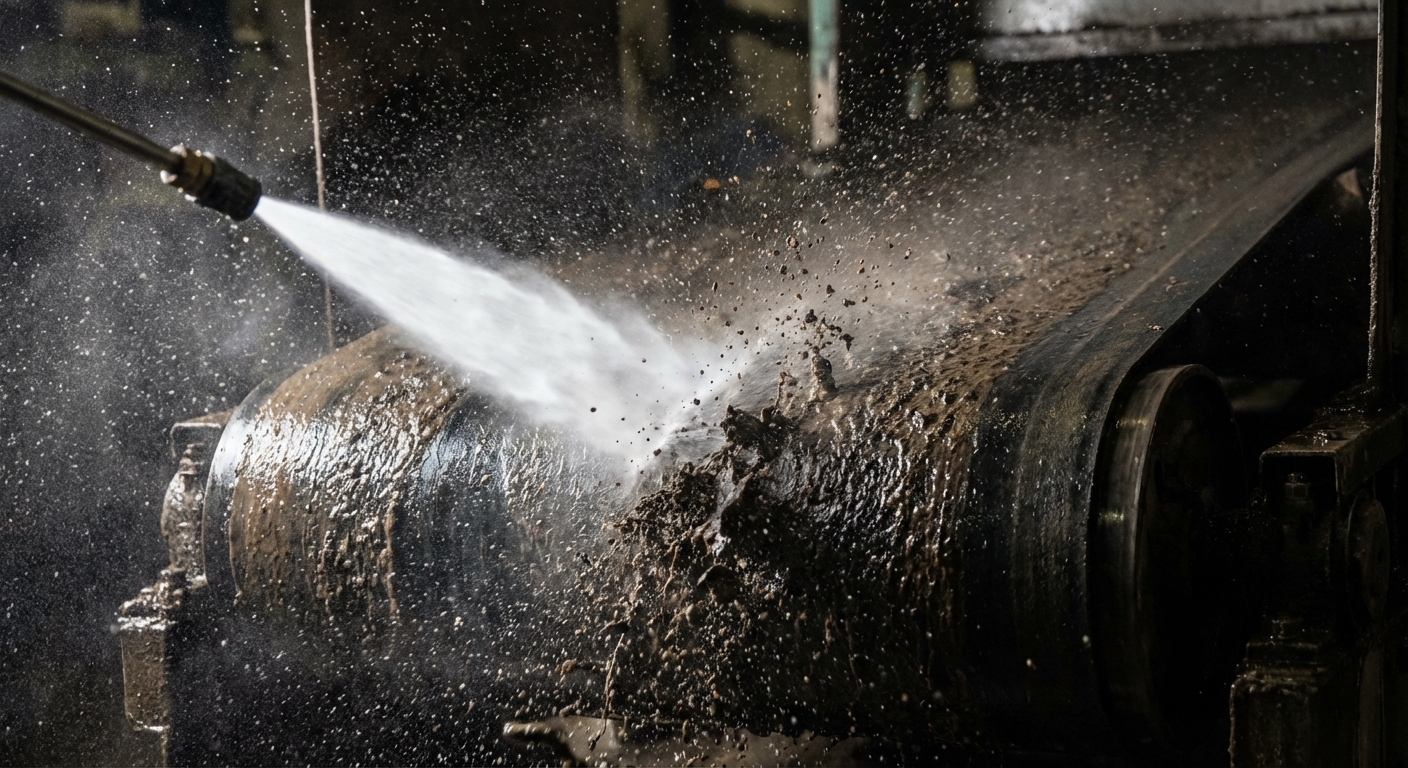
Yes, high-pressure washing is safe if the nozzle distance and pressure levels are calibrated to the belt’s specific rubber grade. Expert protocols on how to clean rubber conveyor belt recommend water jets for deep-seated grime that mechanical scrapers cannot reach. It is particularly effective for belts with textured surfaces or grooves.
How to avoid surface erosion?
Listen closely: Using excessive pressure or holding the nozzle too close can strip the top layer of the rubber, making it porous. When done correctly, high-pressure water acts as a non-abrasive liquid scraper.
- Use fan-shaped spray patterns.
- Maintain a 12-inch distance.
- Regulate pressure below 2000 PSI.
- Ensure proper drainage setup.
Key Takeaway: Pressurized water provides a deep-clean solution that removes particles from the microscopic pores of the rubber.
| Washing Spec | Recommendation | Goal | |
|---|---|---|---|
| Pressure | < 2000 PSI | No Surface Damage | |
| Nozzle Type | Fan Spray | Even Coverage | |
| Temp | Warm/Room | Grease Removal |
Controlled water pressure allows for rapid sanitation across large belt areas without the risks associated with mechanical scraping. Key Takeaway: High-pressure washing is the gold standard for restoring belts to their original “as-new” condition.
How to handle stubborn material buildup?
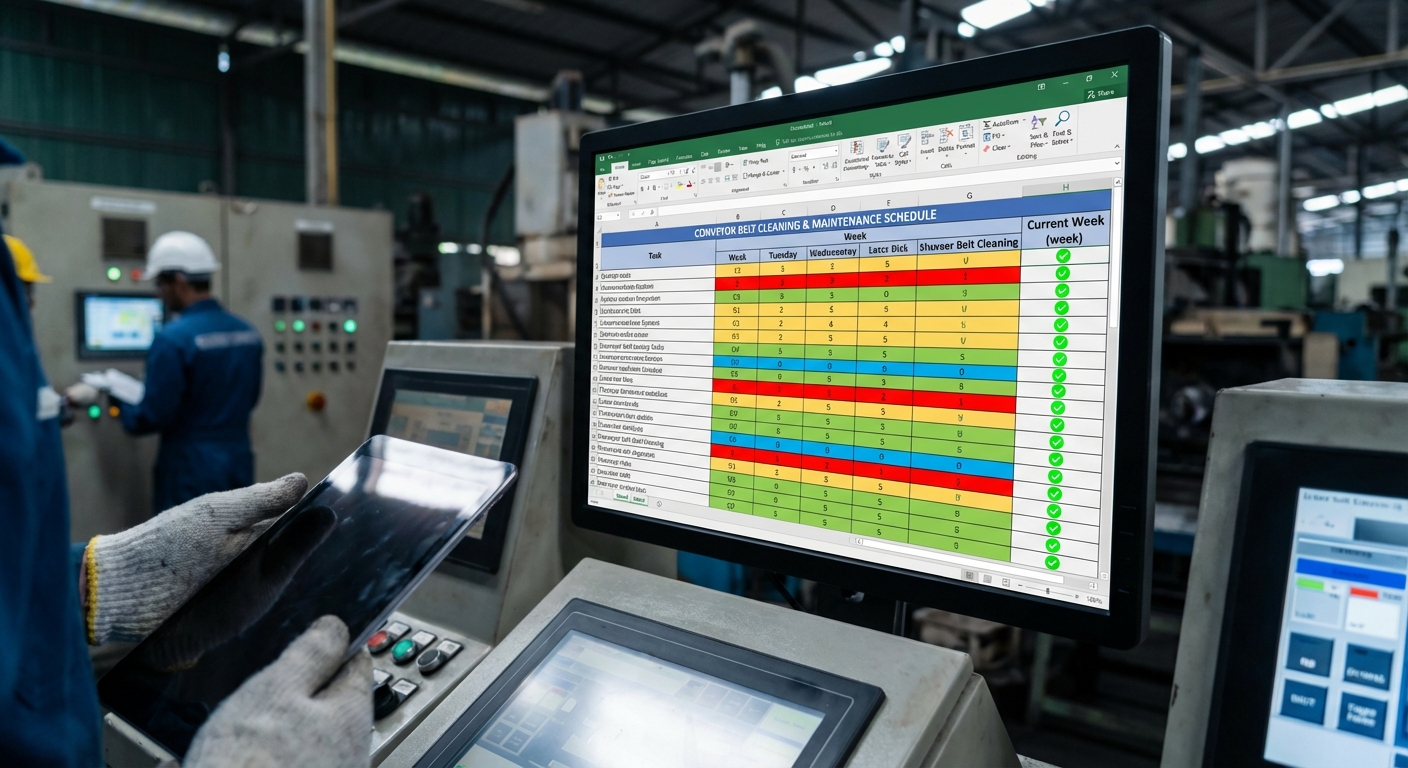
Stubborn buildup requires a combination of steam cleaning and motorized rotary brushes to penetrate hardened layers of material. Mastering how to clean rubber conveyor belt segments with “baked-on” debris often involves softening the residue first. This multi-step process ensures that the belt surface is not gouged or scratched during removal.
Is steam better than water?
Believe it or not: Steam reaches higher temperatures that emulsify grease and soften resins much faster than cold water jets. This reduces the mechanical force needed to clear the belt, protecting the underlying fabric.
- Soften with steam first.
- Use rotary brushes for texture.
- Apply vibrating scrapers.
- Finish with a neutral rinse.
Key Takeaway: A layered approach to cleaning ensures that even the toughest industrial residues are removed safely.
| Buildup Type | Best Solution | Success Rate | |
|---|---|---|---|
| Hardened Ore | Steam + Brush | 95% | |
| Sticky Resins | Solvents | 90% | |
| Fine Scale | Scrapers | 85% |
Using heat and mechanical action together provides the highest success rate for removing industrial-grade contaminants from rubber. Key Takeaway: Combining thermal and mechanical cleaning methods is essential for managing extreme material carryback.
What safety protocols must you follow?
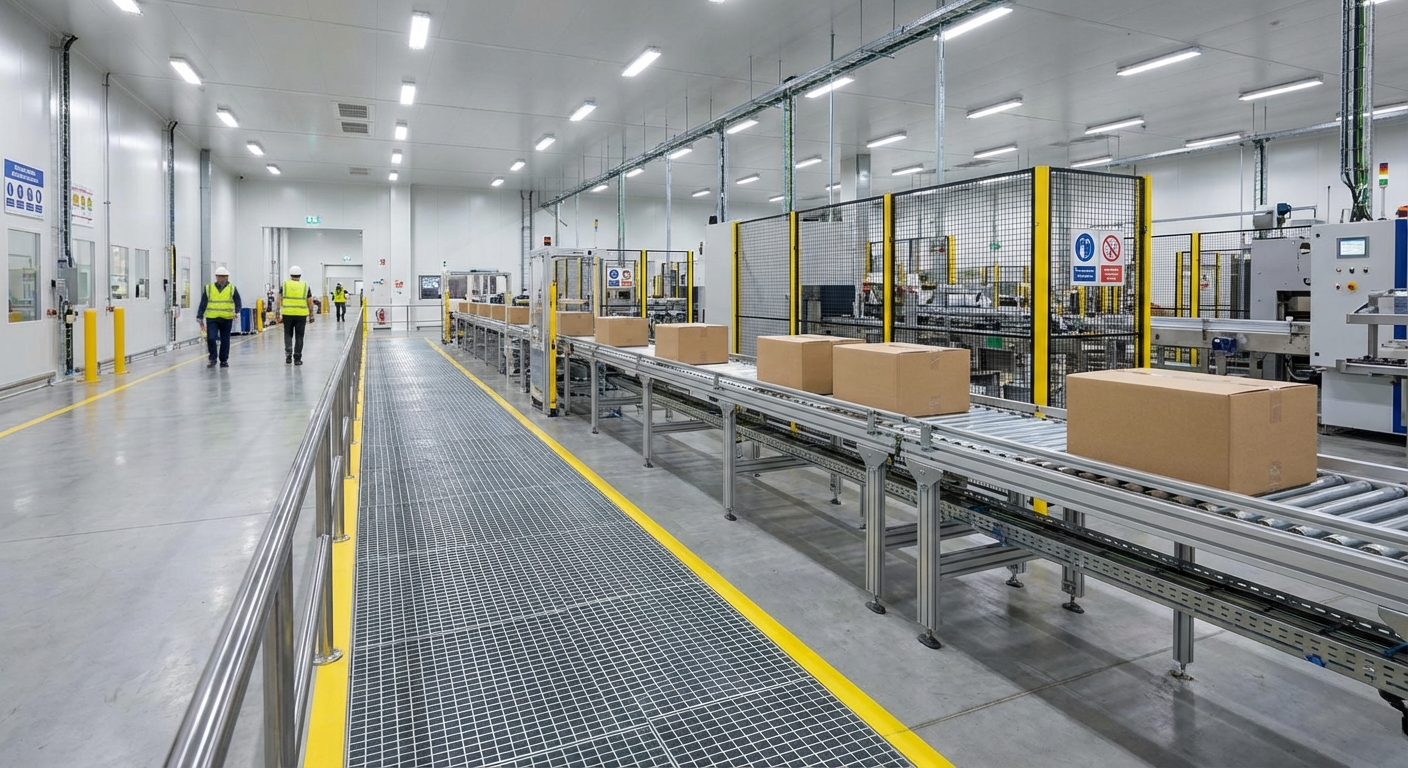
Safety protocols require a strict lockout-tagout (LOTO) process to ensure no mechanical movement occurs during the cleaning cycle. Training staff on how to clean rubber conveyor belt safely prevents workplace injuries and expensive mechanical accidents. Never attempt to manually clean a moving belt, as the risk of entanglement is extremely high.
Can you clean while running?
Make no mistake: While automated scrapers work during operation, any manual intervention must happen while the system is completely de-energized. Safety must always take priority over production speed in any industrial environment.
- Apply LOTO procedures.
- Wear puncture-resistant gloves.
- Use long-handled tools.
- Monitor air quality in pits.
Key Takeaway: Strict adherence to safety standards protects your workforce and prevents catastrophic liability issues.
| Protocol | Action | Result | |
|---|---|---|---|
| LOTO | Power Isolation | Zero Motion | |
| PPE | Gear Usage | Injury Prevention | |
| Training | Education | Safe Operations |
A culture of safety ensures that belt maintenance is performed correctly without compromising the health of your employees. Key Takeaway: Safety is not an option; it is the most critical requirement of any conveyor belt sanitation program.
Can technology monitor your belt’s health?
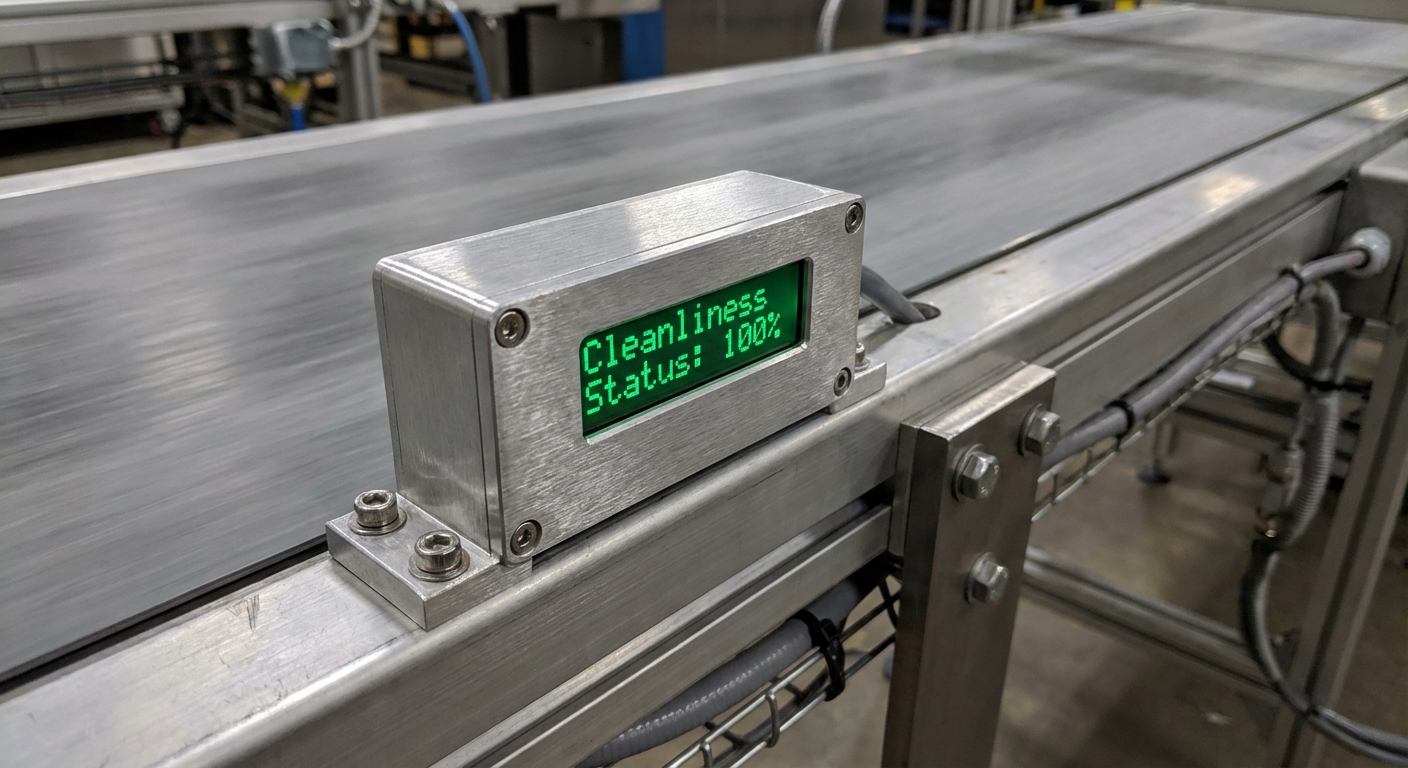
Digital sensors and visual monitoring systems can now track the cleanliness and wear levels of your belt in real-time. These advanced tools help you decide how to clean rubber conveyor belt systems by alerting you when material buildup reaches a critical threshold. This data-driven approach allows for predictive maintenance rather than reactive repairs.
Do sensors detect carryback?
Keep in mind: Smart sensors can measure the weight of the return belt or use cameras to detect residues left on the surface. When the system detects too much grime, it can automatically trigger a wash cycle.
- Optical cleanliness sensors.
- Motor amperage monitors.
- Scraper wear indicators.
- Cloud-based data logs.
Key Takeaway: Real-time monitoring turns cleaning from a guessing game into a precise, automated technical process.
| Tech Tool | Metric Tracked | Advantage | |
|---|---|---|---|
| Cameras | Surface Residue | Visual Proof | |
| Ammeter | Friction Levels | Load Alerts | |
| IoT Log | Cleaning Frequency | Better Planning |
Investing in monitoring technology reduces human error and ensures your belts are always running at peak efficiency levels. Key Takeaway: Modern sensors allow maintenance teams to intervene exactly when needed, maximizing uptime and ROI.
How to create a lasting maintenance plan?
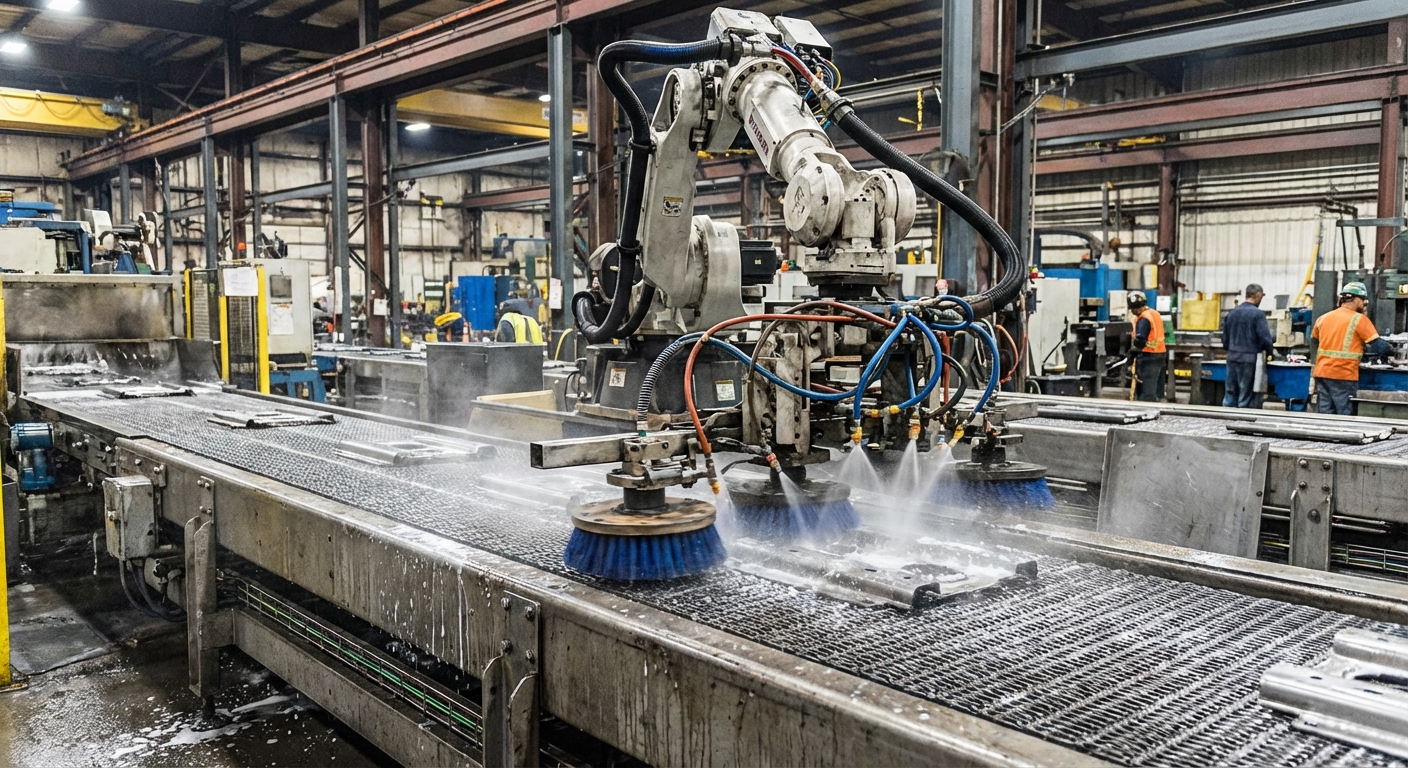
A lasting plan combines scheduled visual inspections with automated cleaning cycles tailored to your material load and environment. Documenting how to clean rubber conveyor belt tasks ensures consistency across different shifts and different machine operators. This structured approach prevents small debris issues from snowballing into system-wide failures.
Should you clean your belts daily?
The results are clear: High-volume facilities benefit from daily inspections and light cleaning to prevent the “crusting” that damages rubber covers. A weekly deep-clean cycle further ensures that no hidden residues are causing mechanical friction.
- Shift-based visual checks.
- Weekly automated wash cycles.
- Monthly chemical treatments.
- Annual belt integrity audits.
Key Takeaway: Consistency is the most important factor in maintaining a high-performance conveyor system over many years.
| Schedule | Frequency | Primary Focus | |
|---|---|---|---|
| Daily | Every Shift | Scraper Checks | |
| Weekly | Weekend | Full Surface Wash | |
| Monthly | Planned Stop | Component Deep-Clean |
A well-documented maintenance schedule ensures that your conveyor system remains a reliable asset rather than a constant liability. Key Takeaway: Documentation and consistency are the twin pillars of a successful industrial maintenance strategy.
Frequently Asked Questions About Belt Cleaning
Can I clean my belt while the system is running?Yes, you can use automated scrapers and brushes that are integrated into the conveyor frame for continuous cleaning. However, manual cleaning must only be done under a full lockout-tagout procedure to prevent severe entanglement injuries.
What’s the best way to remove grease from rubber?The best way is to apply a specialized, pH-balanced degreasing foam that emulsifies the oils without drying out the rubber plies. Avoid using petroleum-based solvents, as they can cause the rubber to swell and weaken the belt’s structure.
Can I use a pressure washer on all belt types?Yes, but you must calibrate the pressure to avoid eroding the top cover of the rubber. For lightweight fabric belts, use lower PSI settings and a wider fan nozzle to distribute the force more evenly.
What’s the best tool for cleaning textured belts?The best tool is a motorized rotary brush that can reach deep into the patterns of the belt. These brushes dislodge trapped particles that flat scraper blades would simply glide over.
What’s the best schedule for a coal mine belt?The best schedule is a 24/7 automated scraping system combined with a weekly high-pressure wash. This prevents the heavy, abrasive coal dust from hardening on the return rollers and causing tracking issues.
Conclusion
Maintaining a clean conveyor belt is the only way to solve the problems of expensive carryback, premature part wear, and dangerous workplace hazards mentioned earlier. By implementing automated scrapers, targeted chemical cleaning, and digital health monitoring, you can secure a massive return on your equipment investment. Our vision is to provide high-performance rubber solutions that keep your global operations running smoothly and safely. To learn more about our industrial belt options or to get expert maintenance advice, contact us today and let our engineering team optimize your system’s efficiency!