
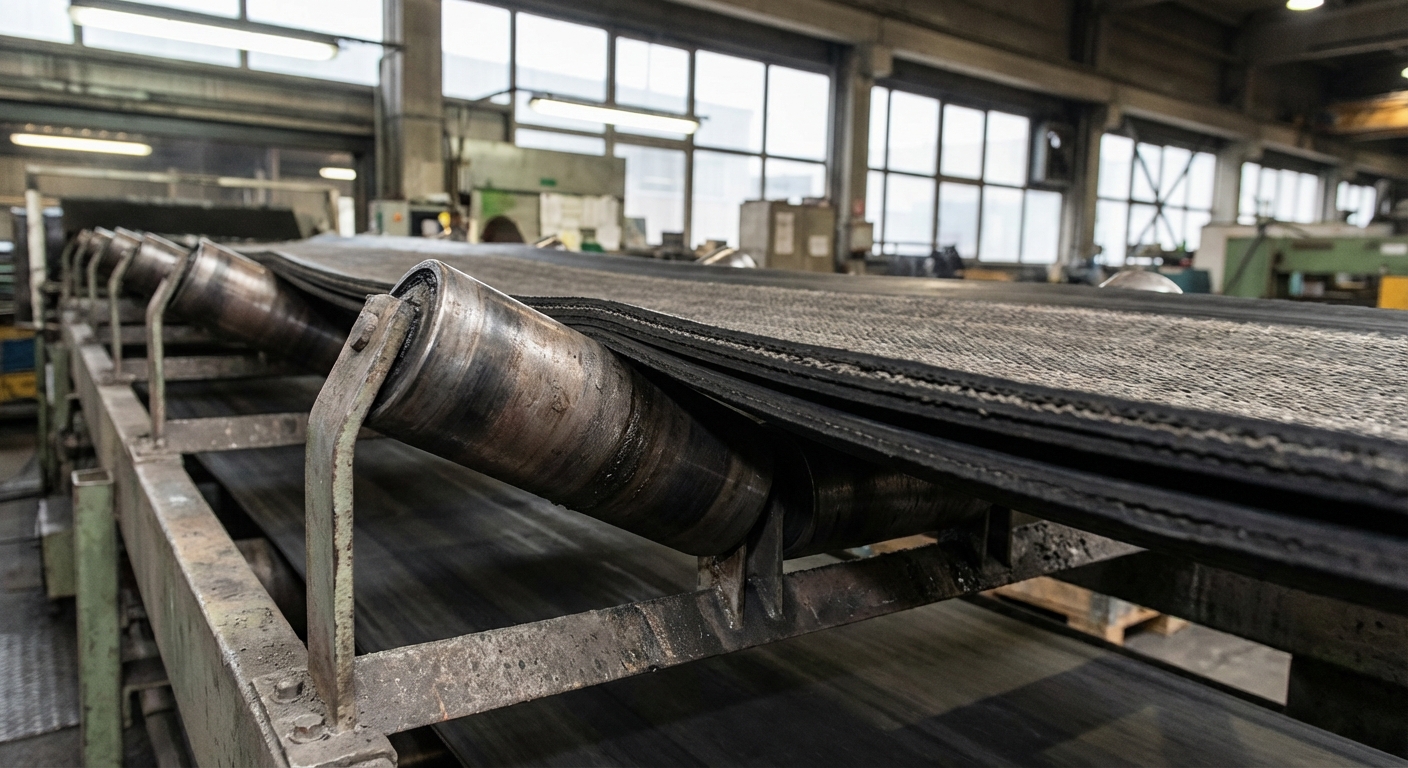
A 3-ply rubber conveyor belt provides strong support and vibration-free transport in plaster casting, reducing mold damage, improving stability, and ensuring consistent, high-quality production.
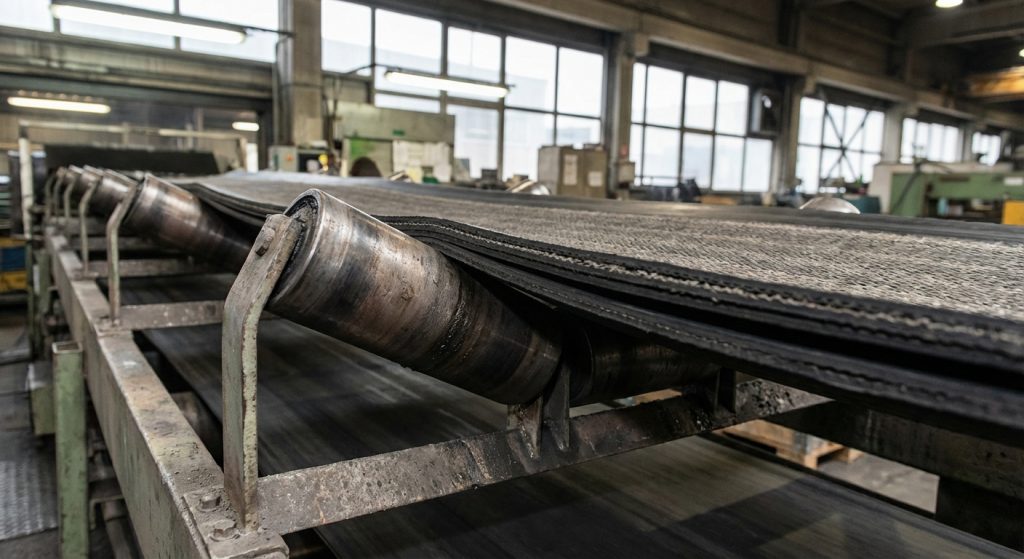
What is the primary role of plaster casting in industry?
Plaster casting serves as a high-precision alternative to sand casting, primarily used to create intricate parts with superior surface finishes. Utilizing a 3-ply rubber conveyor belt in this environment ensures that delicate gypsum molds remain perfectly level throughout the pouring phase. This process is essential for industries that require near-net-shape components without the need for extensive secondary machining.
Achieving High Dimensional Accuracy
The gypsum material allows for the reproduction of fine details that other casting methods simply cannot match. Because the mold is liquid during the initial stage, it captures every nuance of the pattern.
- High detail reproduction
- Smooth surface finishes
- Reduced machining requirements Here is the kicker: the precision of the mold is entirely dependent on the stability of the conveyor system.
Supporting Non-Ferrous Metal Production
Most industrial plaster casting lines focus on aluminum, magnesium, and zinc alloys due to their compatible melting points. These metals are poured into the dried plaster molds to create lightweight, durable parts.
- Aluminum alloy casting
- Magnesium component production
- Zinc hardware manufacturing But that’s not all; the weight of these metals requires a reinforced belt to prevent system lag.
Key Takeaway: Plaster casting is the go-to method for high-detail non-ferrous parts that demand a smooth, machine-like finish.
| Role | Industrial Benefit | |
|---|---|---|
| Precision Molding | Eliminates fine-detail errors | |
| Surface Finishing | Reduces post-production costs | |
| Material Support | Handles heavy non-ferrous loads |
This analysis shows that the primary role of casting is to deliver precision that reduces overall manufacturing time.
How does a 3-ply rubber conveyor belt enhance operations?
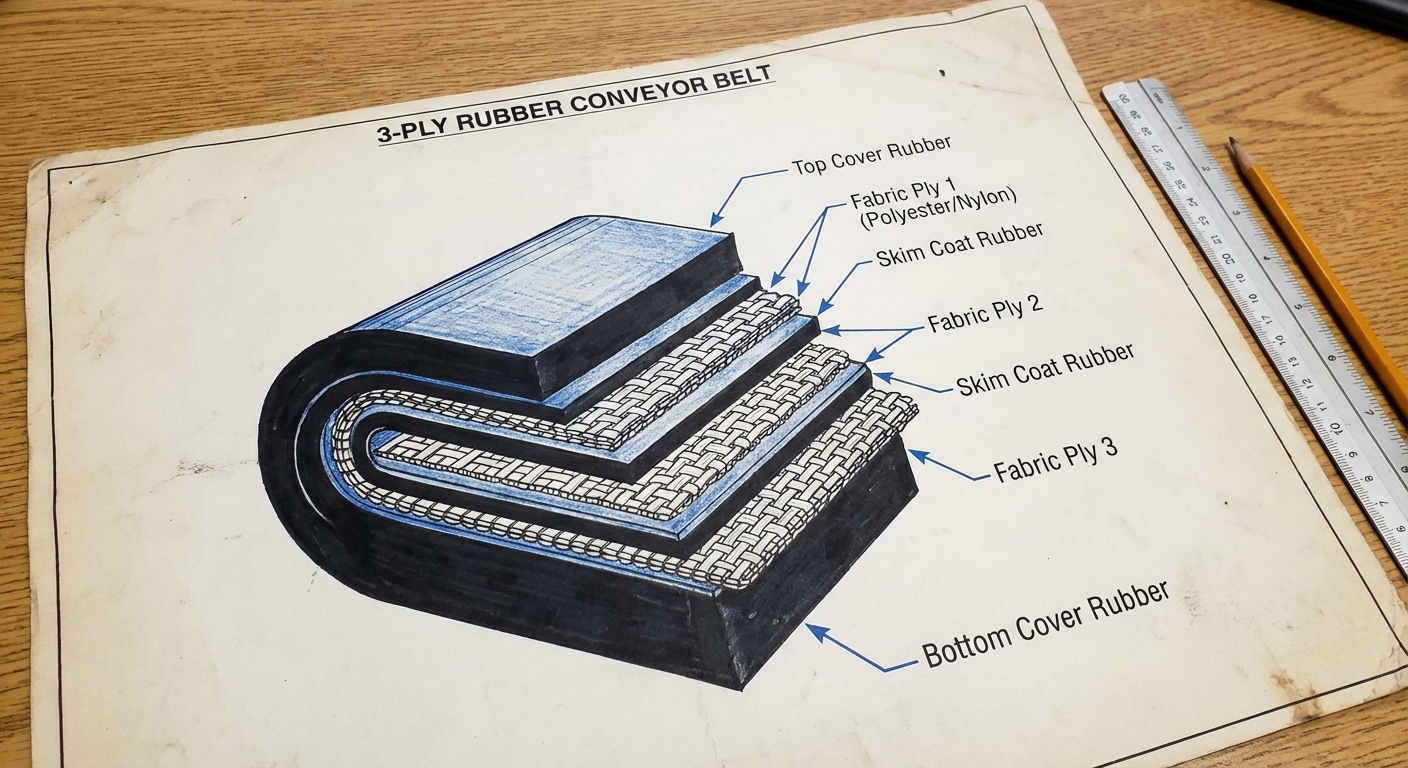
A 3-ply rubber conveyor belt enhances operations by providing superior tensile strength and a flat carrying surface that prevents mold deformation. The internal layers of synthetic fabric distribute the heavy weight of the plaster slurry across the entire width of the belt. This prevents the “cupping” effect often seen in lighter belts, which can lead to uneven mold thickness and structural failure.
Distributing Mechanical Stress
The three distinct layers of fabric reinforcement act as a backbone for the conveyor system. This ensures that the belt does not stretch or slip when moving heavy batches of molds through the drying kilns.
- High tensile strength
- Minimal belt elongation
- Enhanced fastener holding Believe it or not, this internal architecture is what keeps your production timing accurate.
Resisting Chemical and Heat Exposure
Industrial plaster contains moisture and alkaline agents that can degrade standard rubber compounds over time. Heavy-duty 3-ply belts are often equipped with heat-resistant conveyor belt covers to handle the drying environment.
- Alkaline resistance
- Heat-stabilized covers
- Moisture-proof carcass Think about it: a belt that resists rot will save you thousands in annual replacement costs.
Key Takeaway: The 3-ply structure is specifically designed to handle the combined stress of heavy weight and harsh chemical environments.
| Enhancement | Impact on Casting | |
|---|---|---|
| Structural Plies | Prevents belt sagging under wet plaster | |
| Reinforced Covers | Stops chemical degradation from gypsum | |
| High Tension | Ensures consistent speed for automation |
The data indicates that a 3-ply system is the minimum requirement for maintaining the ROI of a heavy casting line.
What materials are handled during industrial casting?
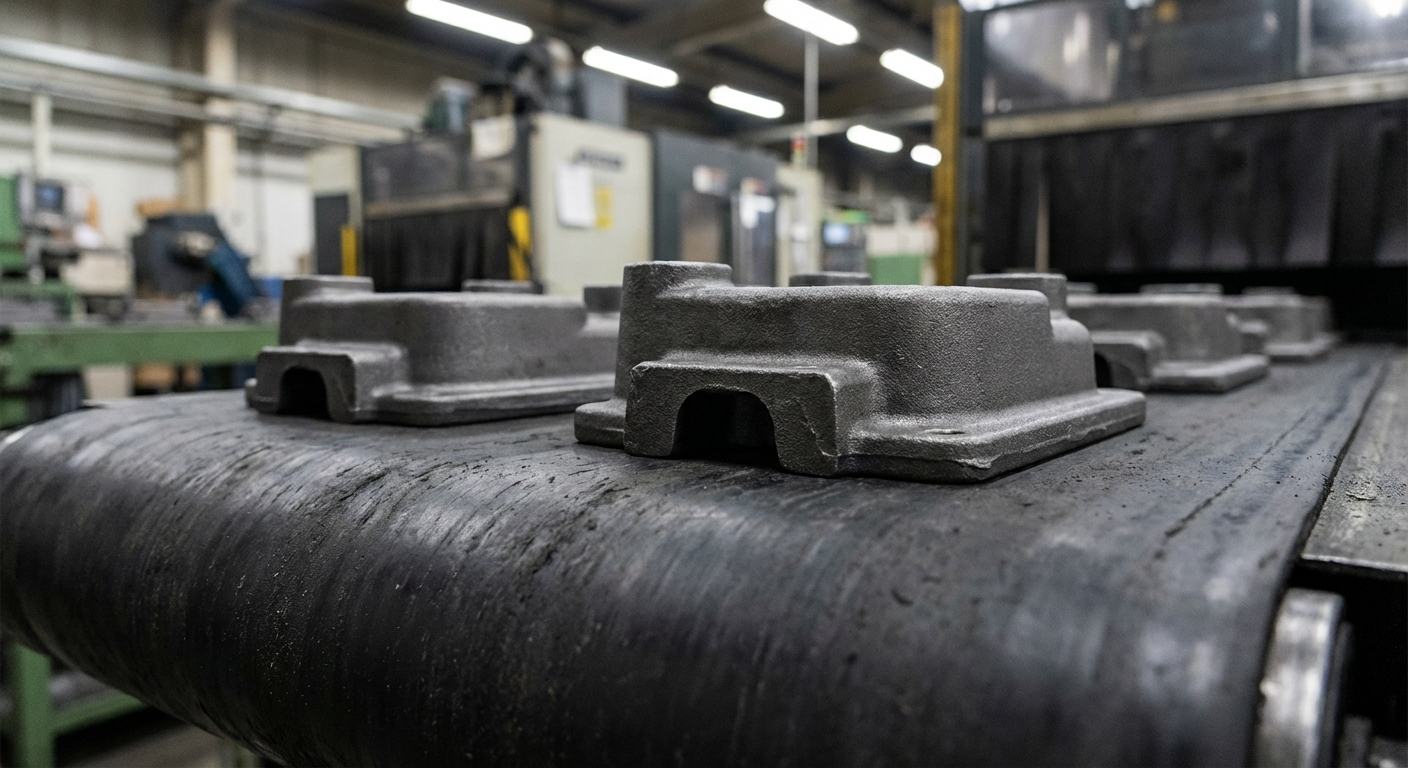
The materials handled during industrial casting include high-density gypsum slurries, heavy metal flasks, and various non-ferrous alloys. A 3-ply rubber conveyor belt is necessary because these materials create a high “deadweight” load that light-duty systems cannot support. Additionally, the abrasive nature of dried plaster dust requires a belt with a high-abrasion-resistant top cover.
Managing High-Density Slurries
The liquid gypsum used in the initial phase is remarkably heavy and exerts significant pressure on the belt surface. If the belt flexes too much, the slurry can shift, leading to an unbalanced and ruined mold.
- Liquid gypsum handling
- Strengthening agent transport
- Water-heavy mixture support But here is the real secret: only a heavy-duty belt maintains the flatness required for a perfect pour.
Handling Heavy Extraction Loads
Once the metal has cooled, the molds are broken away to reveal the finished parts, often involving heavy mechanical impact. The conveyor belt must survive these falling fragments and the weight of the recovered metal.
- Non-ferrous alloy parts
- Recovered metal housings
- Industrial gear castings Wait, there’s more; the belt must also resist the sharp edges of broken plaster during the cleanup phase.
Key Takeaway: The conveyor must handle a cycle that transitions from heavy liquid loads to abrasive solid fragments.
| Material | Physical Property | Conveying Challenge | |
|---|---|---|---|
| Gypsum Slurry | Liquid/Heavy | Requires zero-vibration transport | |
| Dried Plaster | Abrasive/Brittle | Causes rapid cover wear | |
| Cast Aluminum | Hot/Solid | Needs impact and heat resistance |
Handling these diverse materials requires a belt that is as versatile as it is strong to avoid frequent downtime.
What are the specific steps of the casting process?
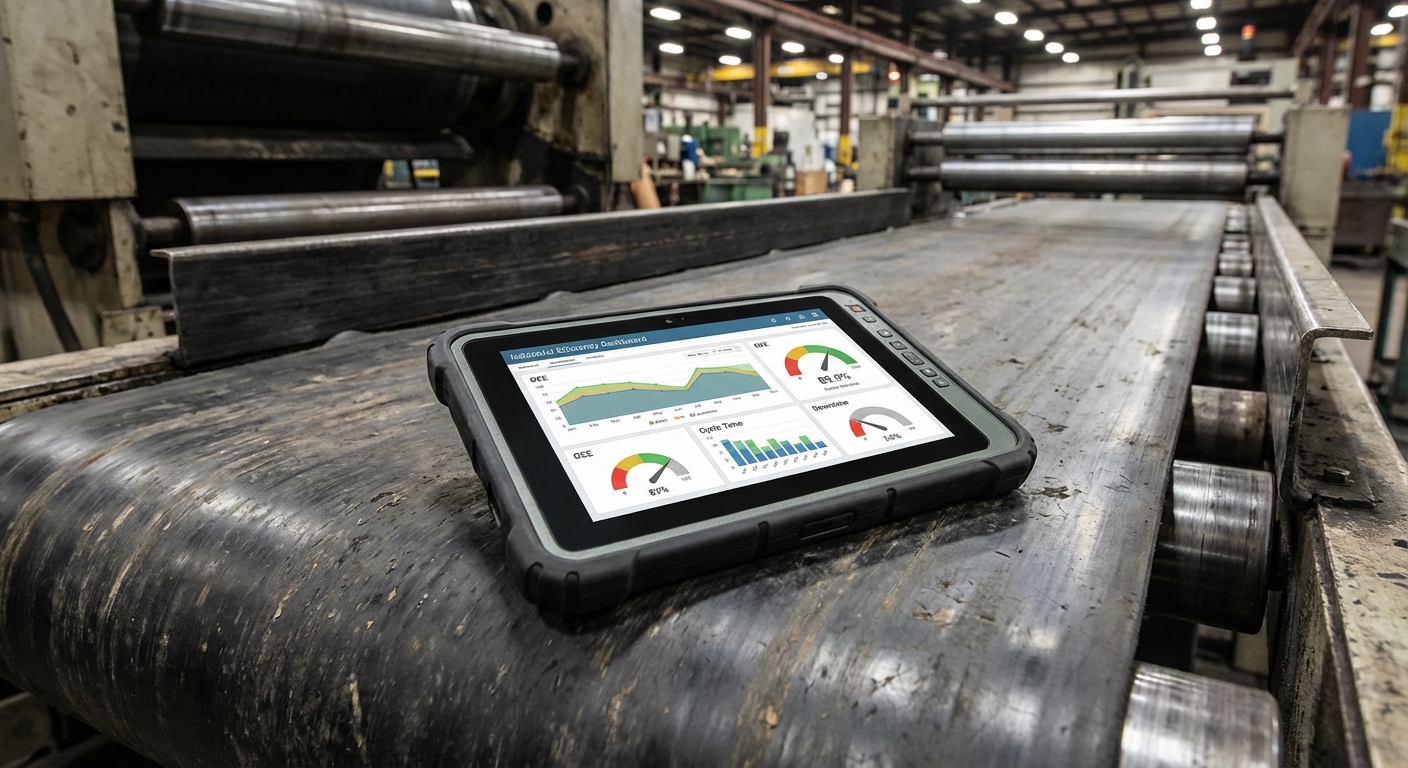
The casting process involves a sequence of mixing, pouring, setting, and drying that relies on a 3-ply rubber conveyor belt for movement. Each step must be perfectly timed to ensure the gypsum reaches the correct hardness before the metal is introduced. A heavy-duty belt provides the consistent travel speed necessary to synchronize these complex stages in an automated facility.
Mixing and Mold Pouring
The process begins with the preparation of the plaster slurry, which is poured over a reusable pattern. The conveyor belt carries the flask to a vibration table to ensure all air bubbles are removed from the mixture.
- Precise slurry mixing
- Bubble elimination via vibration
- Level pouring stations Make no mistake, if the belt isn’t perfectly flat, your mold will be uneven.
Drying and Metal Injection
After the mold sets, it travels into a drying oven to remove all moisture, which is a critical safety step to prevent explosions during metal pouring. The 3-ply rubber conveyor belt must withstand these elevated temperatures while moving the molds to the injection station.
- High-temp drying zones
- Moisture removal cycles
- Molten metal pouring Here is the kicker: any belt stretch in the oven will throw off the timing of your robotic pouring arms.
Key Takeaway: The casting process is a race against time and moisture, where conveyor reliability is the most critical variable.
| Step | Requirement | Conveyor Role | |
|---|---|---|---|
| Vibration | High grip | Keeps flask from sliding | |
| Drying | Heat resistance | Survives the curing oven | |
| Pouring | Speed accuracy | Aligns mold with metal flow |
Analysis of these steps shows that conveyor failure at any stage results in the total loss of the casting batch.
Why is belt stability crucial for setting molds?
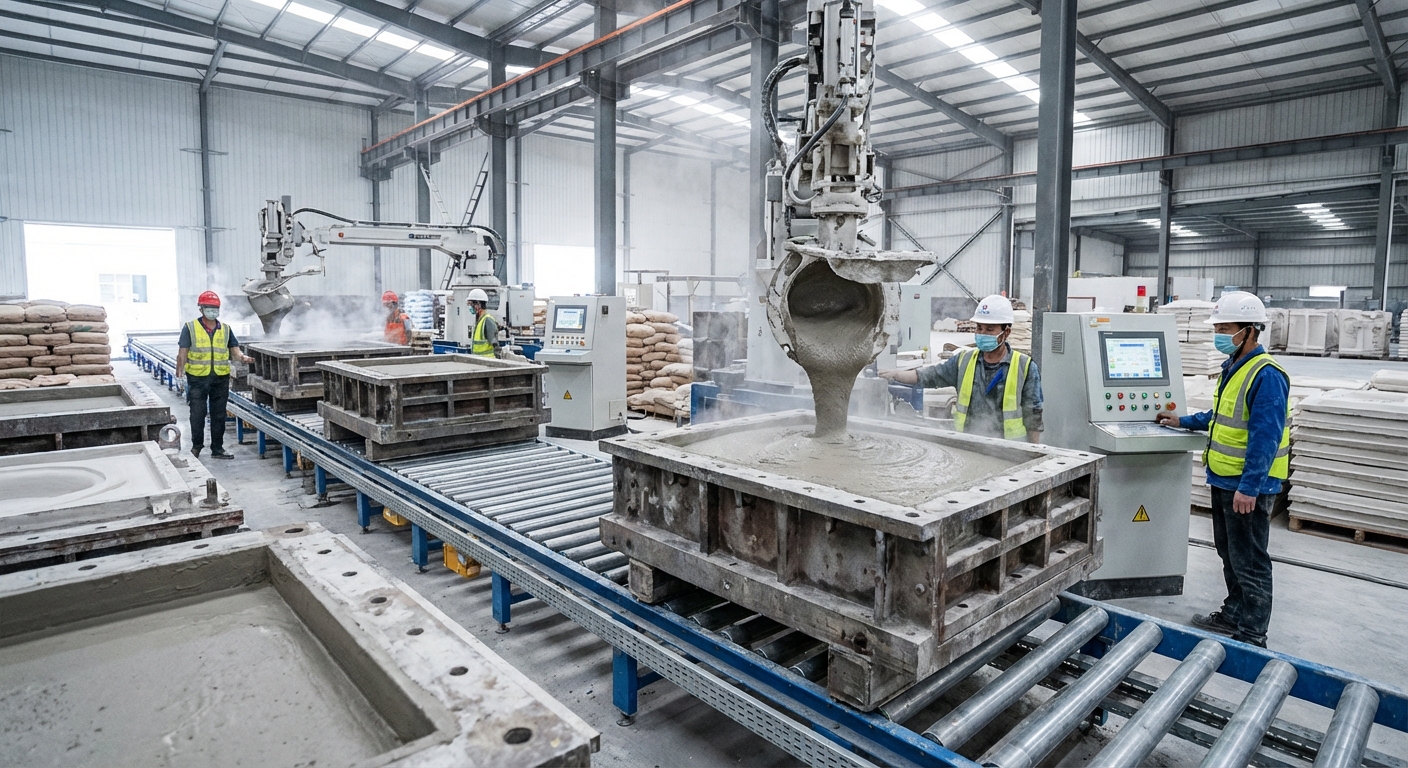
Belt stability is crucial because any vibration during the setting phase will cause internal fractures and surface imperfections in the plaster mold. A 3-ply rubber conveyor belt provides the necessary dampening effect to absorb mechanical noise from the motor and rollers. This ensures that the slurry transitions from a liquid to a solid in a completely undisturbed environment, preserving the fine details of the part.
Preventing Mold Cracking
Gypsum molds are extremely brittle during the “green” state before they are fully dried. Even a small “belt bounce” at a pulley transition can cause the mold to crack, rendering it useless for metal pouring.
- Vibration dampening
- Smooth pulley transitions
- Anti-rebound properties This is where it gets interesting: the extra plies in the belt act as a shock absorber for the mold.
Maintaining Level Transport
If a belt sags between rollers, the liquid slurry will pool toward the center, creating a mold with inconsistent wall thickness. A high-tension heavy-duty belt remains taut, ensuring the mold stays level from start to finish.
- Consistent belt tension
- Zero-sag performance
- Uniform load bearing But that’s not all; level transport is the only way to ensure the final part meets strict aerospace tolerances.
Key Takeaway: Stability isn’t just a feature; it is the fundamental requirement for a casting mold that doesn’t fail under pressure.
| Stability Factor | Effect of Vibration | Benefit of 3-Ply | |
|---|---|---|---|
| Surface Finish | Ripple patterns | Mirror-smooth results | |
| Internal Integrity | Structural cracks | Durable, reusable molds | |
| Alignment | Shifting patterns | Precise dimensional control |
The evidence suggests that investing in stability significantly lowers the scrap rate in precision casting facilities.
Which industrial sectors rely most on heavy-duty belting?
Sectors that require intricate, lightweight parts, such as aerospace and automotive, rely most on a 3-ply rubber conveyor belt for their casting lines. These industries use plaster casting to produce engine components, valve bodies, and complex housings that cannot be made via traditional sand casting. The heavy-duty nature of the belt ensures that these high-value production lines never stop due to mechanical failure.
Aerospace and Defense
In aerospace, every gram of weight matters, making aluminum and magnesium castings essential. The precision required for these parts means the conveyor system must be the most reliable component in the factory.
- Turbine housing production
- Electronic chassis casting
- Lightweight structural parts It gets even better: the high tensile strength of these belts allows for longer production lines with fewer transfer points.
Architectural and Decorative Manufacturing
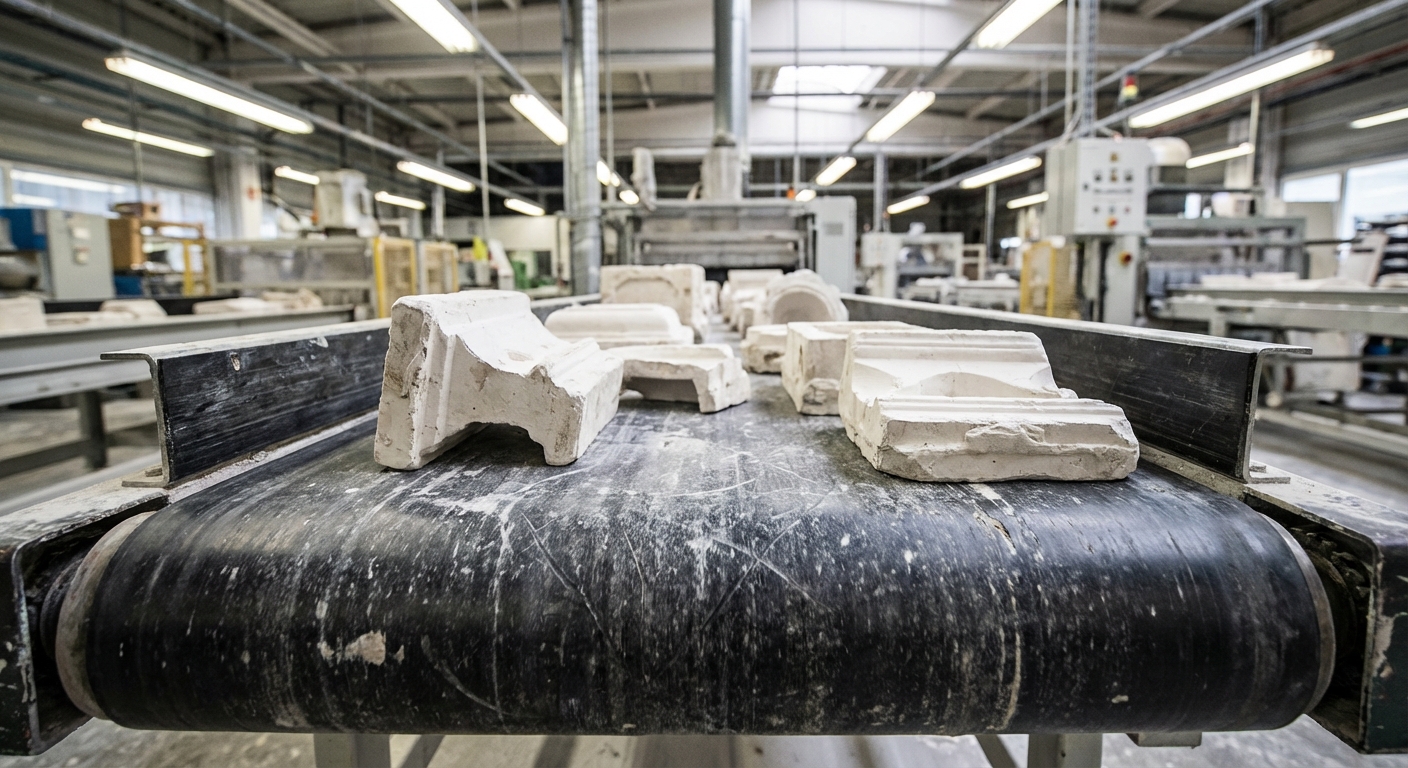
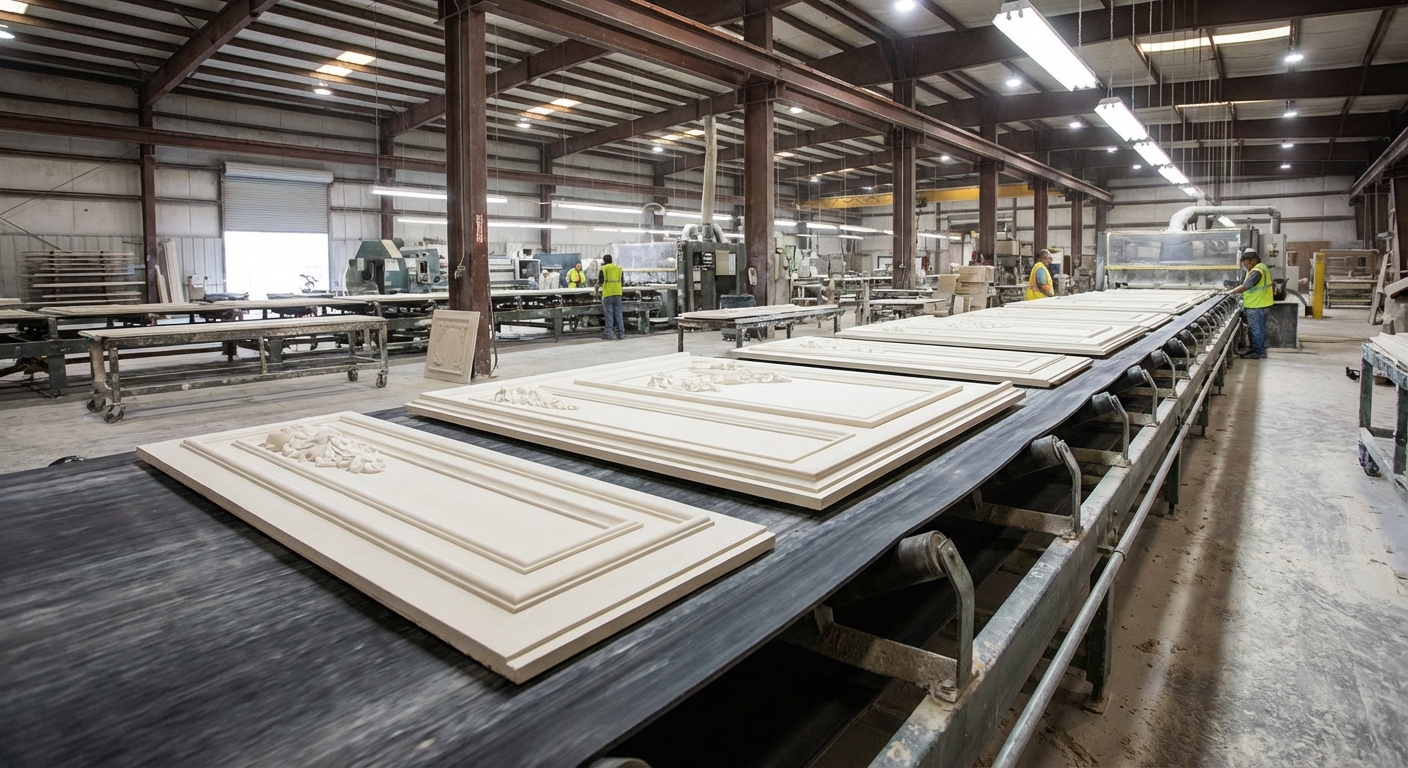
Large-scale gypsum panels and decorative moldings used in luxury construction require wide, heavy-duty belts. These panels can be several meters long, requiring a 3-ply rubber conveyor belt to prevent the massive molds from sagging.
- Decorative ceiling panels
- Ornate wall moldings
- Fireproof construction slabs Here is the kicker: the wide-width capability of our belts supports panels up to 3200mm across.
Key Takeaway: Any industry where “near-net-shape” accuracy is a priority will find heavy-duty belting to be a non-negotiable asset.
| Sector | Core Casting Need | Recommended Belt Type | |
|---|---|---|---|
| Aerospace | Extreme precision | High-tension 3-Ply | |
| Automotive | High volume/Speed | Abrasion-resistant EP | |
| Construction | Wide surface area | Wide-width Reinforced |
This industrial breakdown highlights how specific belt features cater to the unique demands of high-value manufacturing.
What are the major advantages of using 3-ply systems?
The major advantages of using a 3-ply rubber conveyor belt include its exceptional resistance to elongation and its ability to handle much higher tension ratings than standard belts. This means you can run longer conveyor systems with fewer drive motors, reducing your energy consumption and maintenance costs. Furthermore, the 3-ply construction provides a “fail-safe” thickness that protects the internal carcass from the abrasive dust common in plaster casting plants.
Enhanced Fastener Retention
In heavy-duty applications where vulcanized splicing isn’t always possible, 3-ply belts provide a much stronger grip for mechanical fasteners. This prevents the belt from pulling apart under the heavy load of metal flasks.
- Superior screw retention
- Reduced joint failure
- High-impact lacing support Think about it: fewer broken joints mean more hours of actual production time.
Longevity in Abrasive Environments
The top cover of a heavy-duty belt is specifically compounded to resist the “grinding” effect of dried plaster particles. By utilizing EP conveyor belt technology, the belt stays flexible while remaining incredibly tough.
- Thick sacrificial covers
- Crack-resistant compounds
- Superior flex life But wait, there’s more; the high adhesion between plies prevents the belt from delaminating, even in high-humidity zones.
Key Takeaway: The 3-ply system is the ultimate “workhorse” that balances cost-effectiveness with extreme industrial durability.
| Advantage | Practical Result | |
|---|---|---|
| Low Stretch | Maintains perfect timing for 24/7 lines | |
| Ply Adhesion | Prevents splitting in high-moisture areas | |
| Impact Strength | Absorbs the shock of heavy flask loading |
These advantages collectively ensure that your facility operates at peak efficiency with minimal mechanical intervention.
How do heavy-duty belts improve facility ROI?
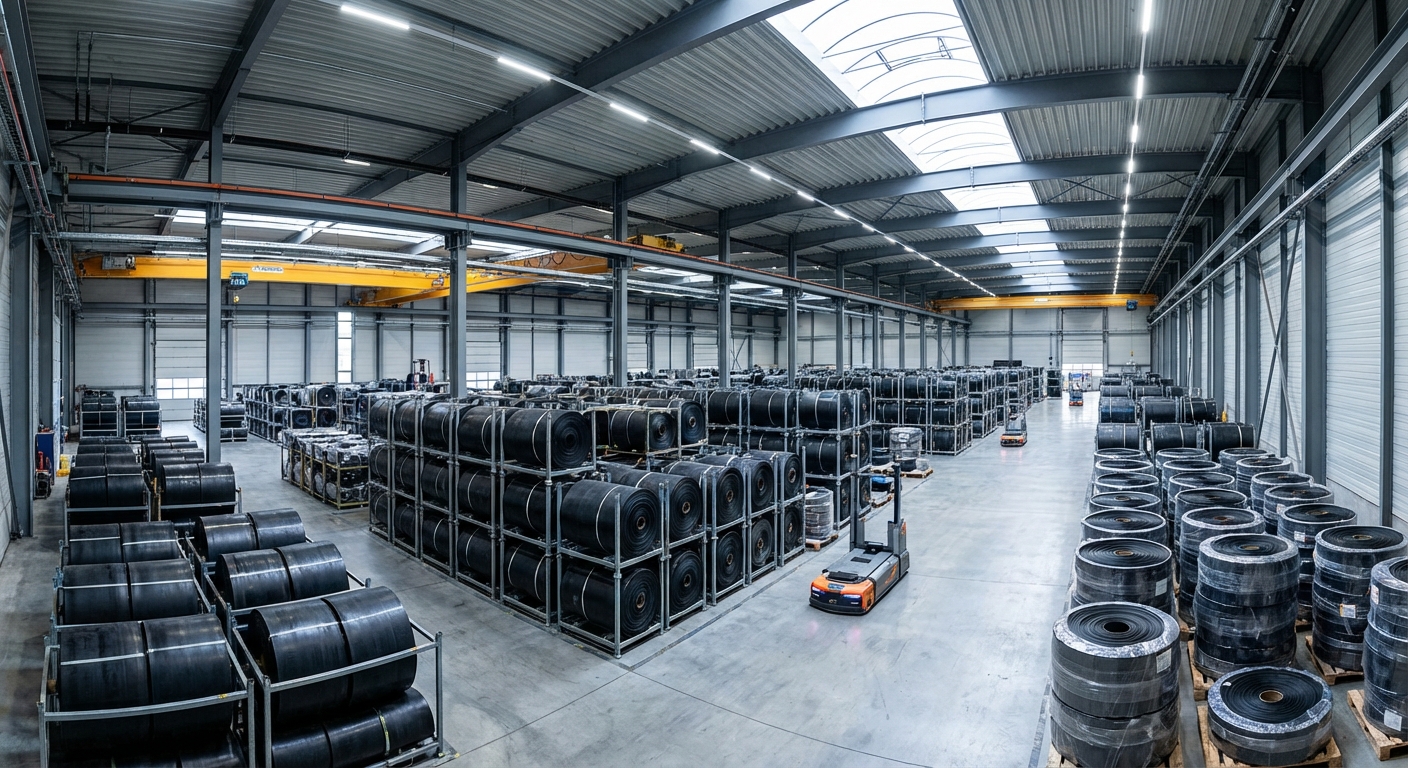
Heavy-duty belts improve facility ROI by dramatically reducing the frequency of unplanned downtime and extending the service life of the material handling system. By switching to a 3-ply rubber conveyor belt , you eliminate the “stretch and adjust” cycle that consumes hours of maintenance time every month. This reliability translates directly into more units produced per shift and a lower total cost of ownership over the life of the belt.
Minimizing Replacement Frequency
Standard belts often fail within months in a heavy casting environment due to cover wear or carcass stretching. A heavy-duty 3-ply belt can easily last 3-5 times longer, saving you the high cost of both the belt and the labor to install it.
- Long service life
- Reduced labor costs
- Fewer procurement cycles Here is the real secret: a durable belt is the cheapest insurance policy your plant can buy.
Reducing Material Scrap Rates
When a belt fails or vibrates, the entire batch of molds on the line is usually lost. The stability of a 3-ply rubber conveyor belt ensures that every mold reaches the pouring station in perfect condition, maximizing your material yield.
- Lower scrap percentages
- Higher material efficiency
- Improved client satisfaction But that’s not all; a more efficient line allows you to take on more complex, higher-paying contracts.
Key Takeaway: ROI isn’t just about the price of the belt; it’s about the thousands of dollars saved by preventing a single system failure.
| ROI Metric | Standard Belt | 3-Ply Heavy Duty | |
|---|---|---|---|
| Belt Life | 6-12 Months | 36-60 Months | |
| Scrap Rate | 8-10% | < 2% | |
| Energy Use | Higher (due to slip) | Lower (consistent grip) |
The data confirms that the higher initial investment in a 3-ply belt pays for itself within the first year of operation.
How should you select the right belt specifications?
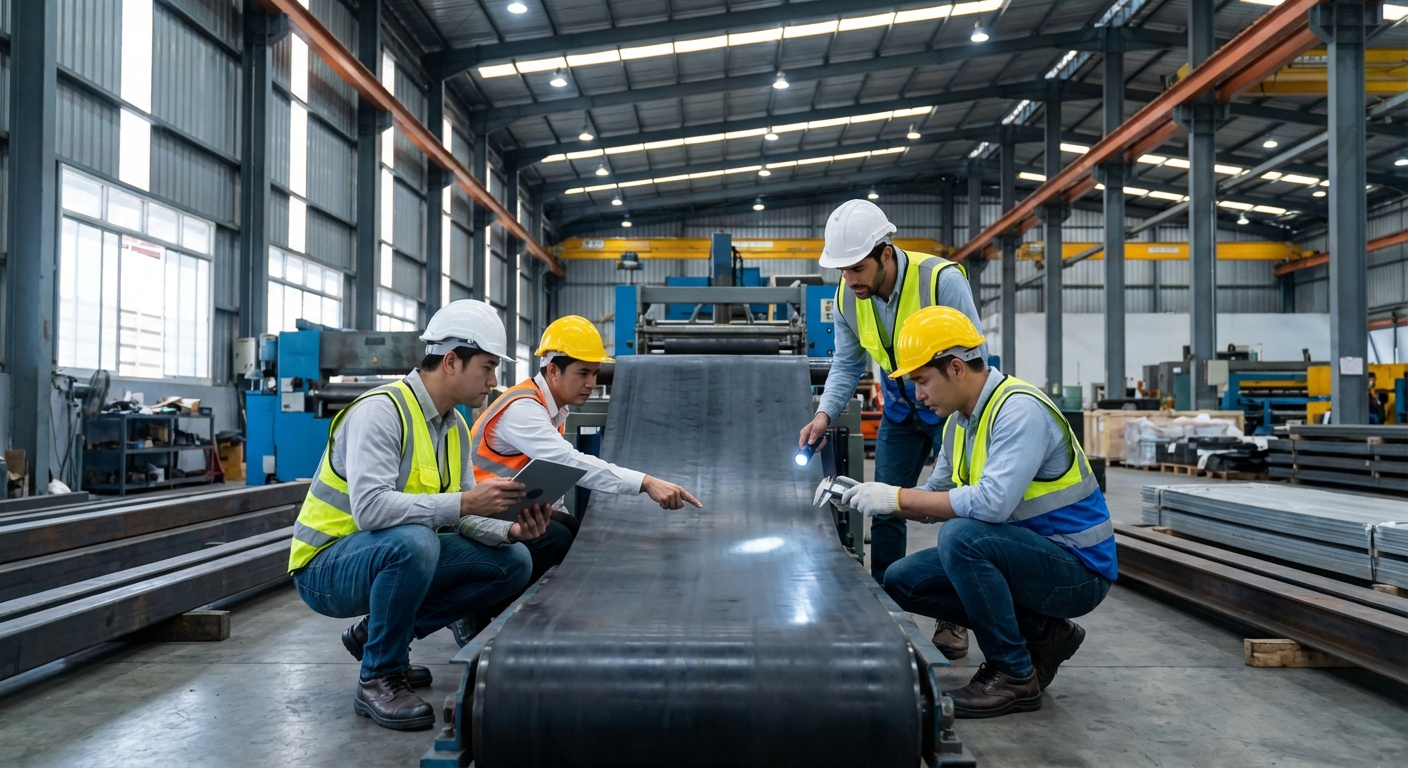
Selecting the right belt specifications requires an analysis of your mold weight, oven temperatures, and the chemical properties of your plaster mix. For heavy casting, you should always opt for a 3-ply rubber conveyor belt with a top cover thickness of at least 3/16″ to handle the abrasive dust. If your drying zone exceeds 200°C, you must specify an EPDM or high-temperature resistant compound to prevent the rubber from hardening and cracking.
Matching Tension to Load
Calculate the total weight of the molds that will be on the belt at any given time. This “working tension” will dictate whether you need a standard EP100 or a high-strength EP200 3-ply carcass.
- Load weight calculation
- Tension rating selection
- Safety factor application But here is the kicker: over-specifying your belt is always cheaper than under-specifying and suffering a snap.
Choosing the Correct Cover Grade
Not all rubber is the same; you need a grade that balances abrasion resistance with chemical stability. For plaster lines, a “Moderate Oil Resistant” (MOR) grade is often best if release agents are used in the molds.
- Abrasion resistance ratings
- Chemical compatibility
- Release agent tolerance Wait, there’s more; you should also consider a sidewall conveyor belt if your process involves moving loose gypsum on an incline.
Key Takeaway: Proper specification is the difference between a belt that lasts five years and one that fails in five weeks.
| Specification | Recommended Choice | |
|---|---|---|
| Carcass Material | EP (Polyester/Nylon) for low stretch | |
| Number of Plies | 3 (Min) for heavy industrial loads | |
| Top Cover | 4mm – 6mm High Abrasion Resistant |
Working with an expert engineering team ensures that your specifications are perfectly aligned with your operational reality.