
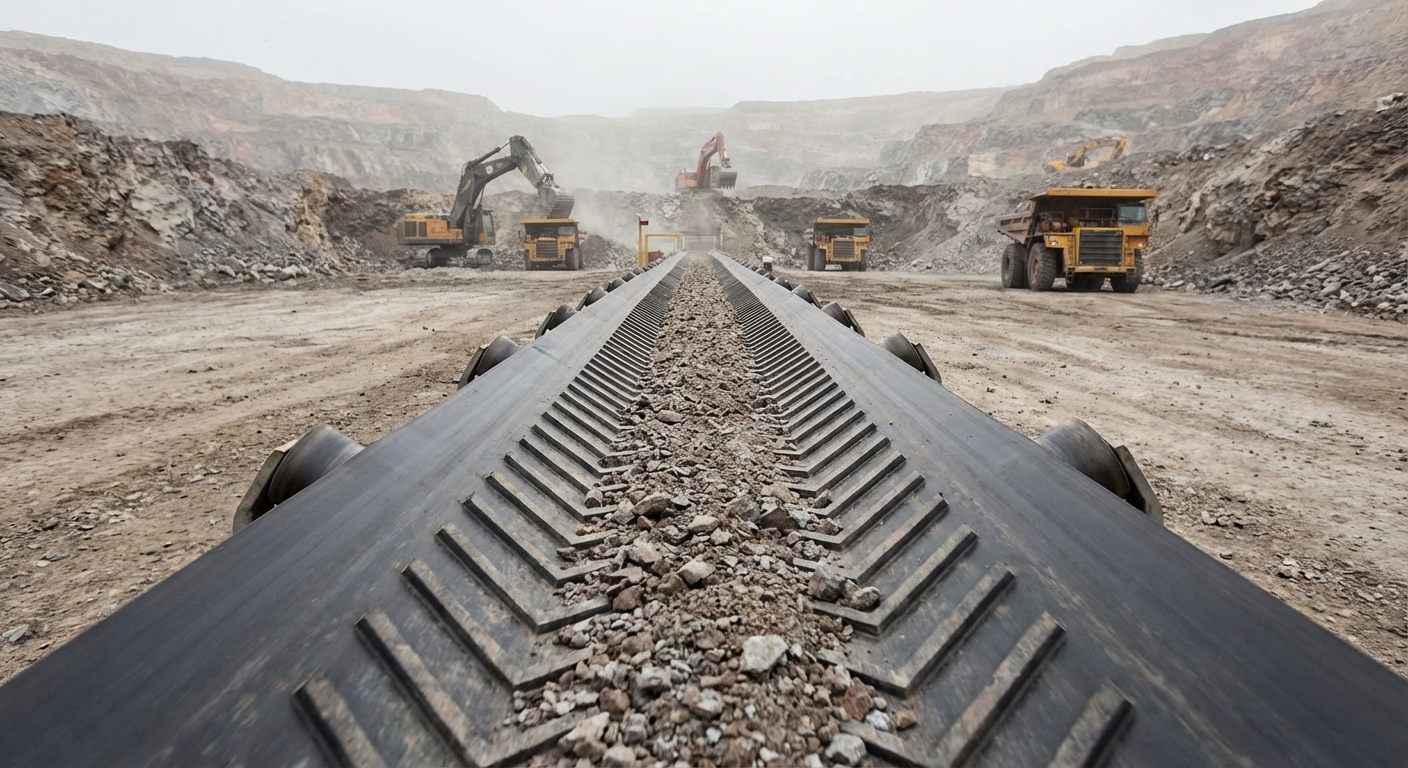
A china chevron rubber conveyor belt provides strong grip for steep-angle transport, preventing material rollback, reducing product loss, and ensuring safe, efficient handling in industrial operations.
Why use a china chevron rubber conveyor belt?
Using a china chevron rubber conveyor belt is essential for any facility that needs to transport bulk solids at angles exceeding 18 degrees. These belts utilize V-shaped profiles to trap materials and prevent them from sliding backward under the force of gravity.
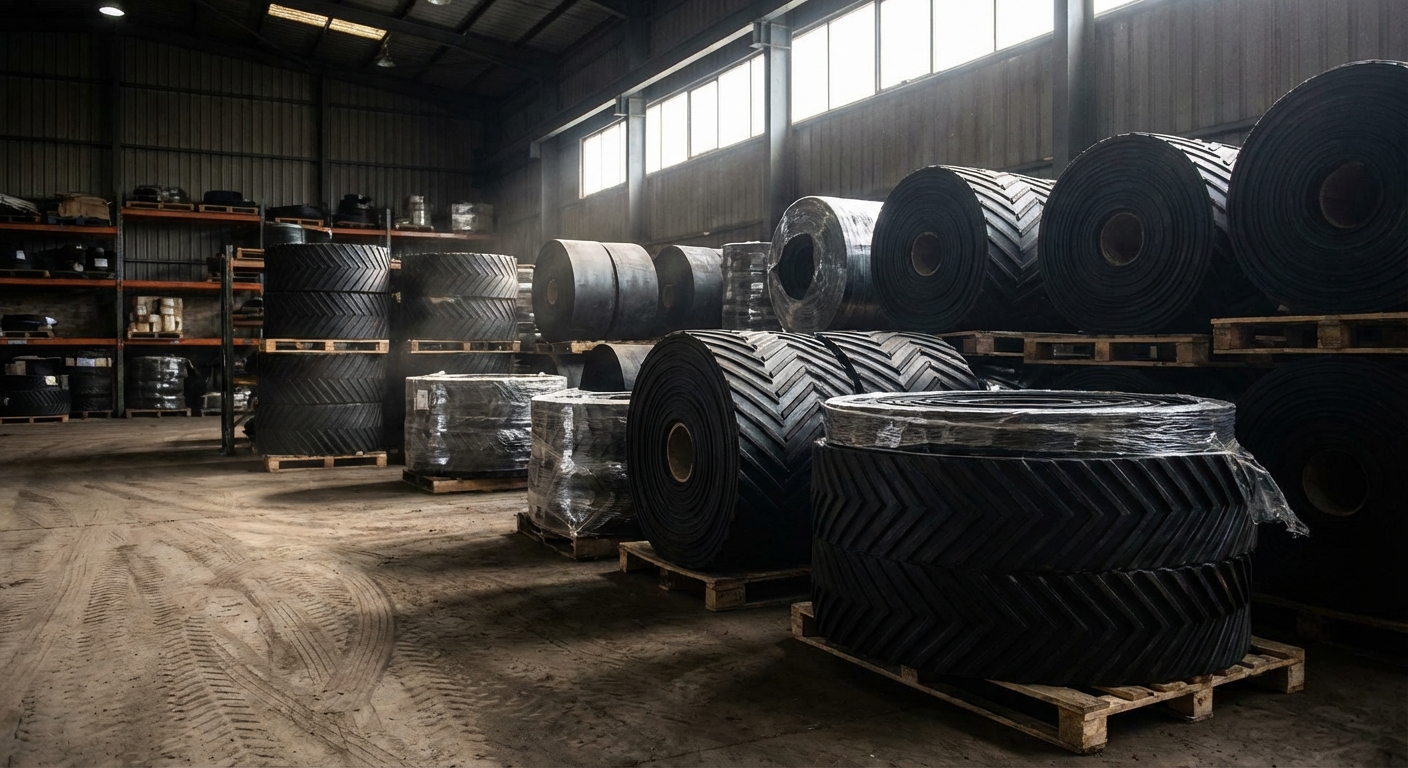
Does it save floor space?
Here is the deal: standard flat belts require very long footprints because they can only operate at shallow angles. By switching to a chevron profile, you can increase your incline to 45 degrees, significantly reducing the horizontal space needed for your conveyor system.
- Compact Footprint: Shorter conveyor frames are required.
- Vertical Efficiency: Reach higher silos with less distance.
- Cost Reduction: Lower infrastructure costs for building support.
Key Takeaway: You can maximize your facility’s vertical space and reduce equipment footprints by implementing a chevron pattern belt for steep handling.
| Benefit | Impact | |
|---|---|---|
| Space Savings | Reduced equipment length | |
| Material Stability | Zero rollback on inclines | |
| Throughput | Higher volume at steep angles |
This comparison highlights how chevron profiles enable superior operational geometry in tight industrial environments.
How does a china chevron rubber conveyor belt function?
A china chevron rubber conveyor belt functions by creating mechanical pockets with its raised cleats to cradle materials. The “Chevron” pattern refers to these V-shaped ridges that interlock with the load, providing the necessary friction to overcome gravity.
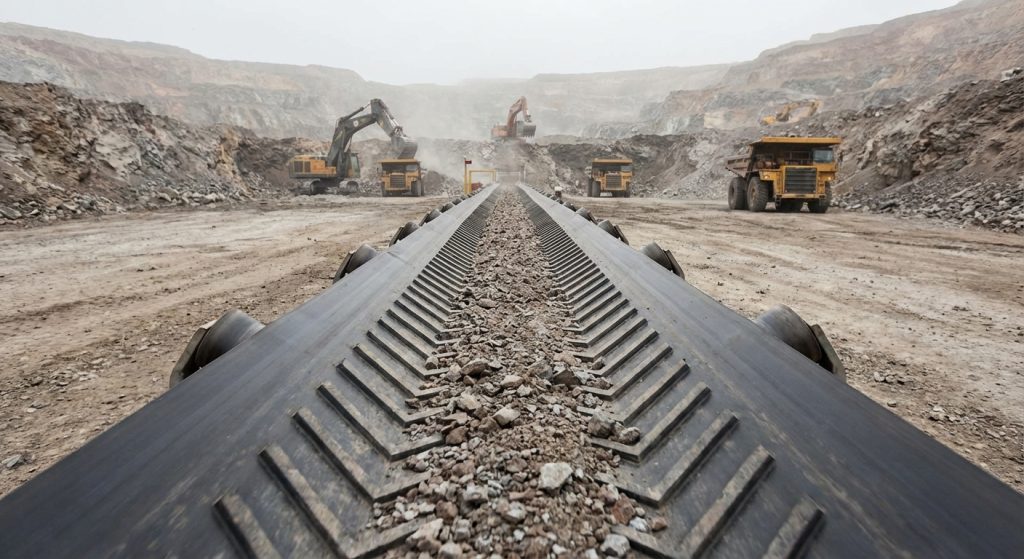
How does the pattern trap material?
Think about it: when you move loose sand or plaster, the particles want to tumble down the slope. The V-shaped cleats act as a series of dams that catch these particles, ensuring the entire load moves upward at the same speed as the belt.
- Mechanical Interlock: Cleats hold materials in “valleys.”
- Friction Enhancement: Profiled surface increases the coefficient of friction.
- Pattern Symmetry: Centered V-shapes prevent material from spilling off the edges.
Key Takeaway: The mechanical design of the cleats ensures that even fine powders like plaster stay localized on the belt during transit.
| Profile Type | Best For | |
|---|---|---|
| Open V | Wet materials and self-cleaning | |
| Closed V | Dry powders and fine grains | |
| Multi-V | Lightweight or small aggregates |
Choosing the correct profile geometry is the most critical step in ensuring your material handling system functions without failure.
What cleats define a china chevron rubber conveyor belt?
Cleats on a china chevron rubber conveyor belt are defined by their height, width, and pitch, which must match the size of the material you are moving. The geometry of the cleat determines how much “pocket” space is available for the material to sit in.
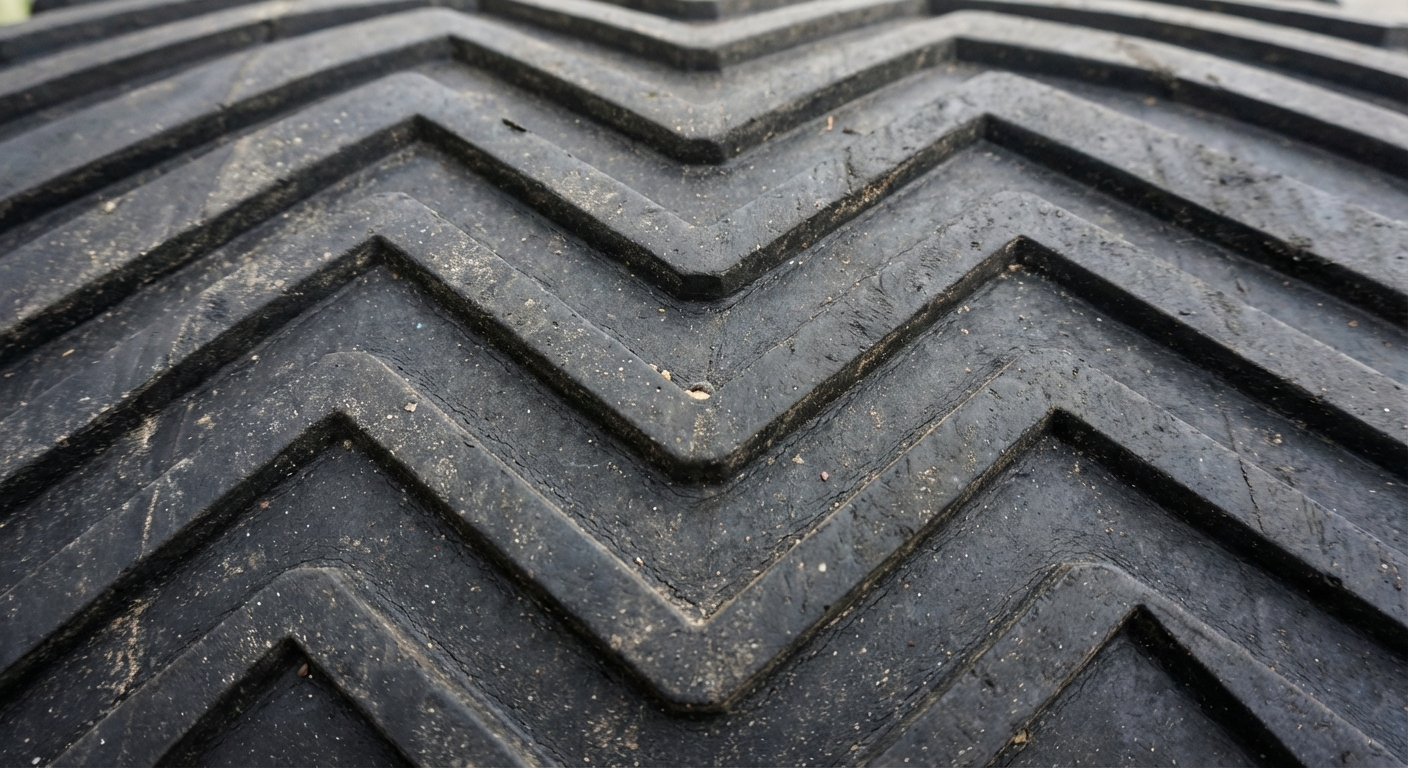
What heights are available?
The best part? You can select from various cleat heights, typically ranging from 5mm for light grain to 32mm for heavy rock and aggregates. Taller cleats are generally used for steeper angles or larger material sizes to provide a deeper “cup” for the load.
- C15 Cleats: 15mm height for medium inclines.
- C25 Cleats: 25mm height for steep vertical transport.
- Custom Pitch: The distance between cleats can be adjusted for flow.
Key Takeaway: You must match cleat height to your specific material density and incline angle to ensure maximum stability and zero loss.
| Cleat Height | Incline Limit | Typical Material | |
|---|---|---|---|
| 5mm – 10mm | Up to 25° | Fine powders, small seeds | |
| 15mm – 20mm | Up to 35° | Wet sand, small gravel | |
| 25mm – 32mm | Up to 45° | Large ore, heavy plaster |
Properly specified cleat dimensions directly correlate to the maximum achievable incline angle of your conveying system.
Where is a china chevron rubber conveyor belt used?
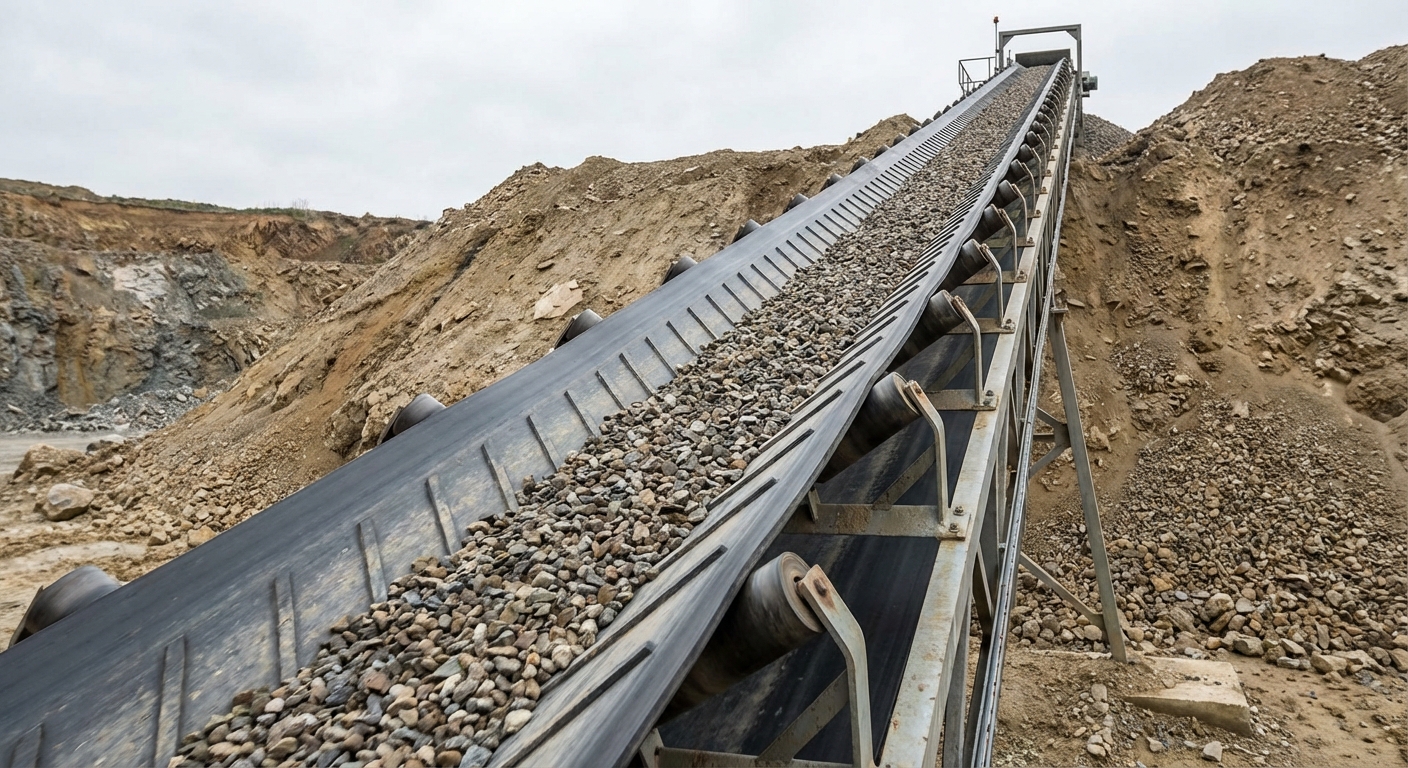
A china chevron rubber conveyor belt is used in industries like mining, agriculture, and construction aggregate industry applications where steep material elevation is required. Any facility moving loose materials like cement, plaster, or coal into silos will rely on these belts.
Is it effective for mining?
Look: in mining industry solutions , moving crushed ore out of pits requires extremely durable surfaces that won’t tear under heavy pressure. Chevron belts provide the rugged grip needed to haul abrasive rocks up steep grades without the constant risk of belt slippage.
- Quarry Operations: Moving gravel and sand.
- Cement Plants: Transporting raw limestone.
- Chemical Processing: Moving fertilizers and powders.
Key Takeaway: These belts are the standard choice for any heavy-duty application where space is limited and materials must be moved vertically.
| Industry | Primary Load | Key Requirement | |
|---|---|---|---|
| Construction | Plaster, Cement | High Friction | |
| Power Plants | Coal, Wood Pellets | Fire Resistance | |
| Agriculture | Grains, Fertilizers | Low Material Damage |
Industry-specific applications benefit from customized rubber compounds that resist oil, heat, or abrasion while maintaining cleat integrity.
How is a china chevron rubber conveyor belt manufactured?
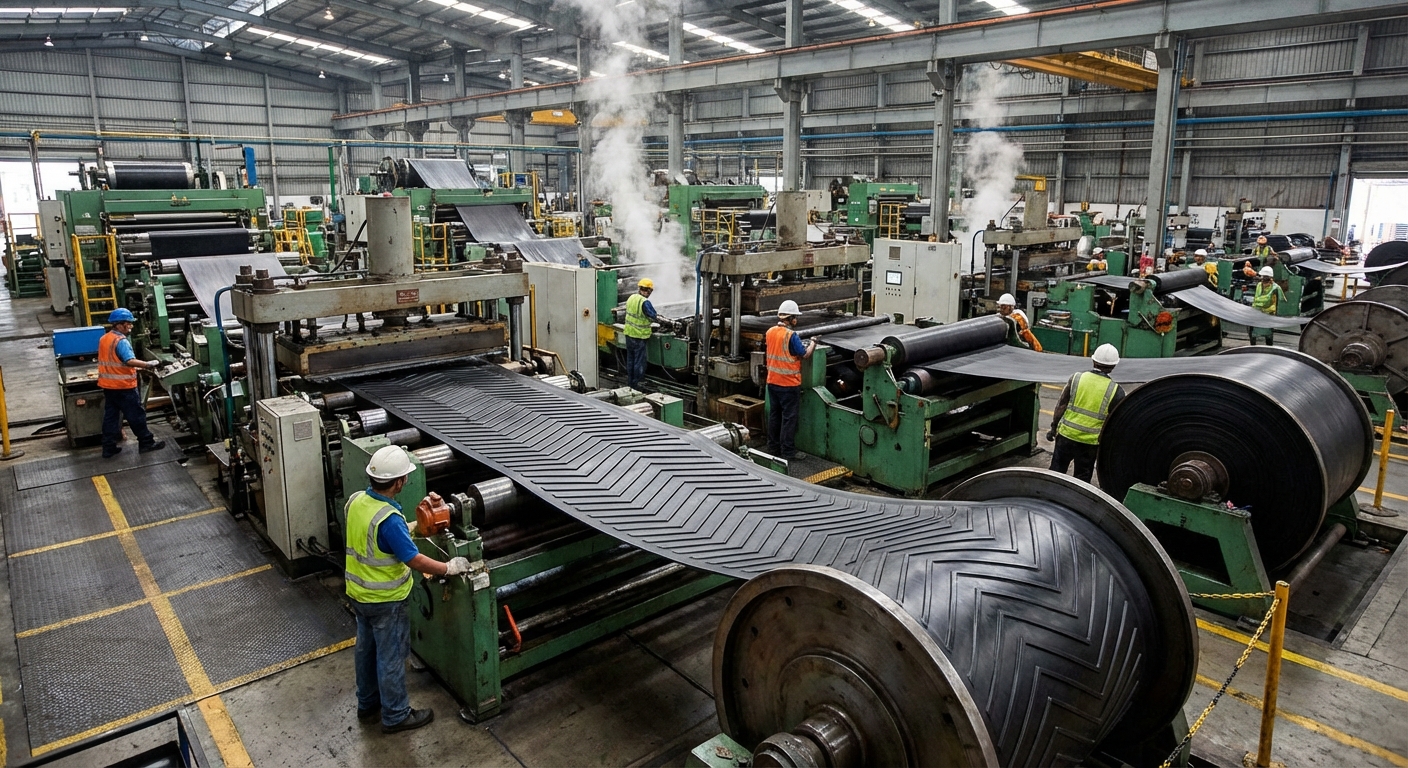
Manufacturing a china chevron rubber conveyor belt involves a vulcanization process where the pattern is molded directly into the top cover rubber. This creates a monolithic structure where the cleats are an inseparable part of the belt carcass rather than being glued on.
Why is molding better than gluing?
Simply put: molded cleats are far superior because they cannot be ripped off by heavy material impacts or the pressure of belt cleaners. When the pattern is part of the vulcanized whole, the entire belt maintains structural integrity even under extreme environmental heat.
- Integrated Design: Cleat and belt are one piece.
- High Pressure Molding: Ensures consistent pattern depth.
- Fabric Reinforcement: Layers of EP or NN fabric provide strength.
Key Takeaway: You should always opt for integrally molded belts to prevent the costly downtime associated with cleat detachment.
| Manufacturing Step | Purpose | Outcome | |
|---|---|---|---|
| Layering | Combines rubber and fabric | Tensile strength | |
| Molding | Shapes the V-pattern | Mechanical grip | |
| Vulcanization | Heat-curing the rubber | Durability |
The vulcanization process is the most critical factor in determining the long-term service life of an inclined belt.
What is a china chevron rubber conveyor belt capacity?
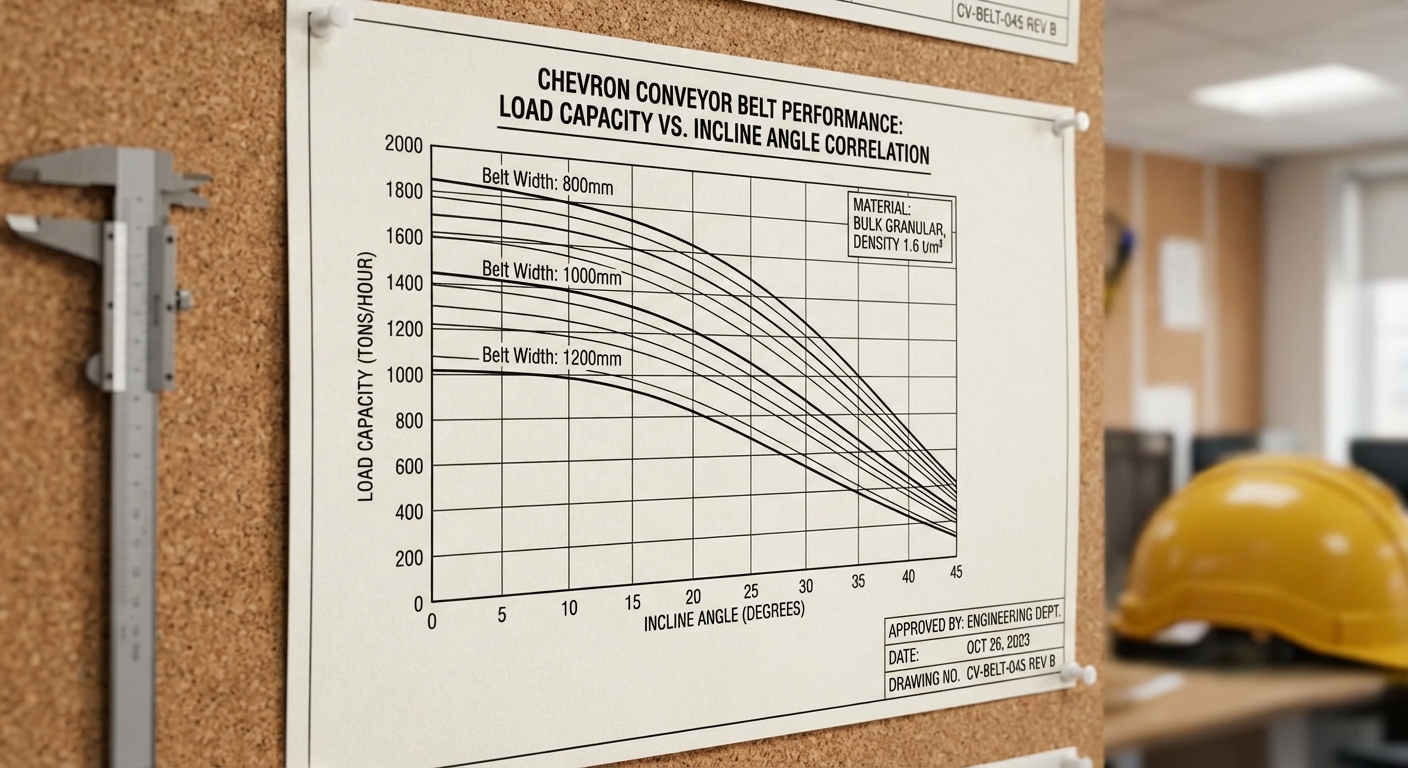
The china chevron rubber conveyor belt capacity is determined by the cross-sectional area of the material pocket and the speed of the belt. As the incline angle increases, the effective capacity usually drops because the material cannot be piled as high as it would on a flat surface.
Does speed affect capacity?
Truth be told: running a belt at high speeds can actually decrease capacity if the centrifugal force causes the material to bounce out of the cleats. You need to balance the belt width and cleat height with a moderate speed to ensure the material stays seated during the climb.
- Load Balancing: Don’t overfill the cleat pockets.
- Speed Control: Manage inertia at the drive pulleys.
- Incline Correlation: Steeper angles require deeper cleat heights.
Key Takeaway: You must consult engineering charts to ensure your belt width and speed are optimized for the specific density of your material.
| Incline Angle | Capacity % (vs Flat) | Cleat Suggestion | |
|---|---|---|---|
| 20 Degrees | 90% | Low Profile | |
| 30 Degrees | 75% | Medium Profile | |
| 40 Degrees | 60% | High Profile |
Understanding the relationship between incline angle and volume loss is vital for accurate production planning in your facility.
How to install a china chevron rubber conveyor belt?
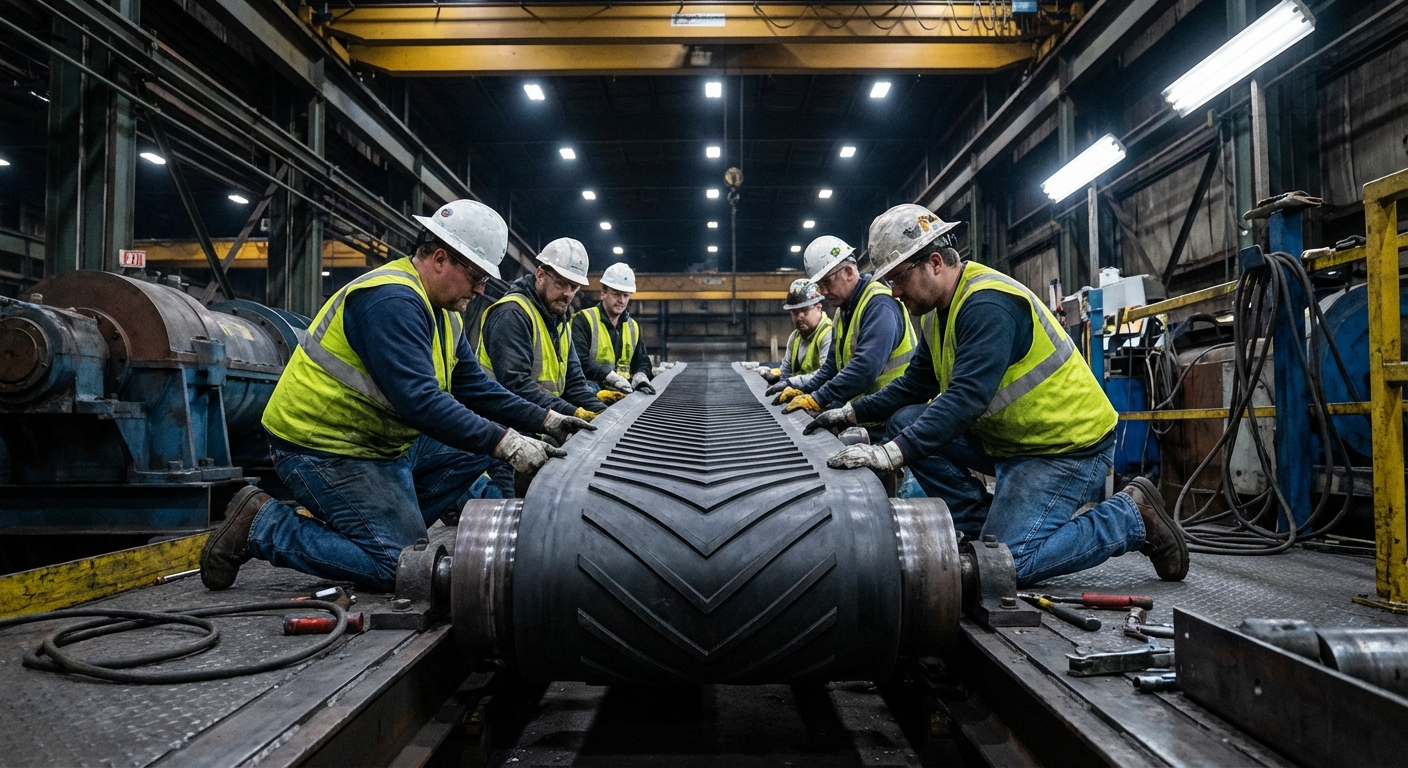
Properly installing a china chevron rubber conveyor belt requires ensuring that the V-pattern is oriented in the correct direction relative to the material flow. Most systems require the “point” of the V to lead the way as the belt travels over the drive pulley.
What about the return idlers?
But wait, there’s more: you cannot use standard flat return idlers because they will bump against the raised cleats and cause vibration. You must install specialized sidewall conveyor belts type return rollers or disc-style idlers that allow the cleats to pass through without contact.
- Pattern Alignment: Center the V-pattern on the pulley.
- Tensioning: Prevent sagging that could damage cleats.
- Splicing: Use cold bonding for a smooth transition.
Key Takeaway: You must use compatible return-side components to protect the cleat pattern from premature wear during operation.
| Installation Check | Method | Priority | |
|---|---|---|---|
| Directional Flow | Point of V leading | High | |
| Idler Clearance | Disc or ring rollers | Critical | |
| Belt Tracking | Edge sensors | Medium |
Incorrect orientation or idler selection is the leading cause of pattern damage during the first week of operation.
Can a china chevron rubber conveyor belt handle grain?
A china chevron rubber conveyor belt is excellent for handling grains and other agricultural products that are prone to sliding. When loading silos or truck trailers, these belts move huge volumes of seeds or fertilizers quickly without causing the “avalanche” effect common on flat belts.
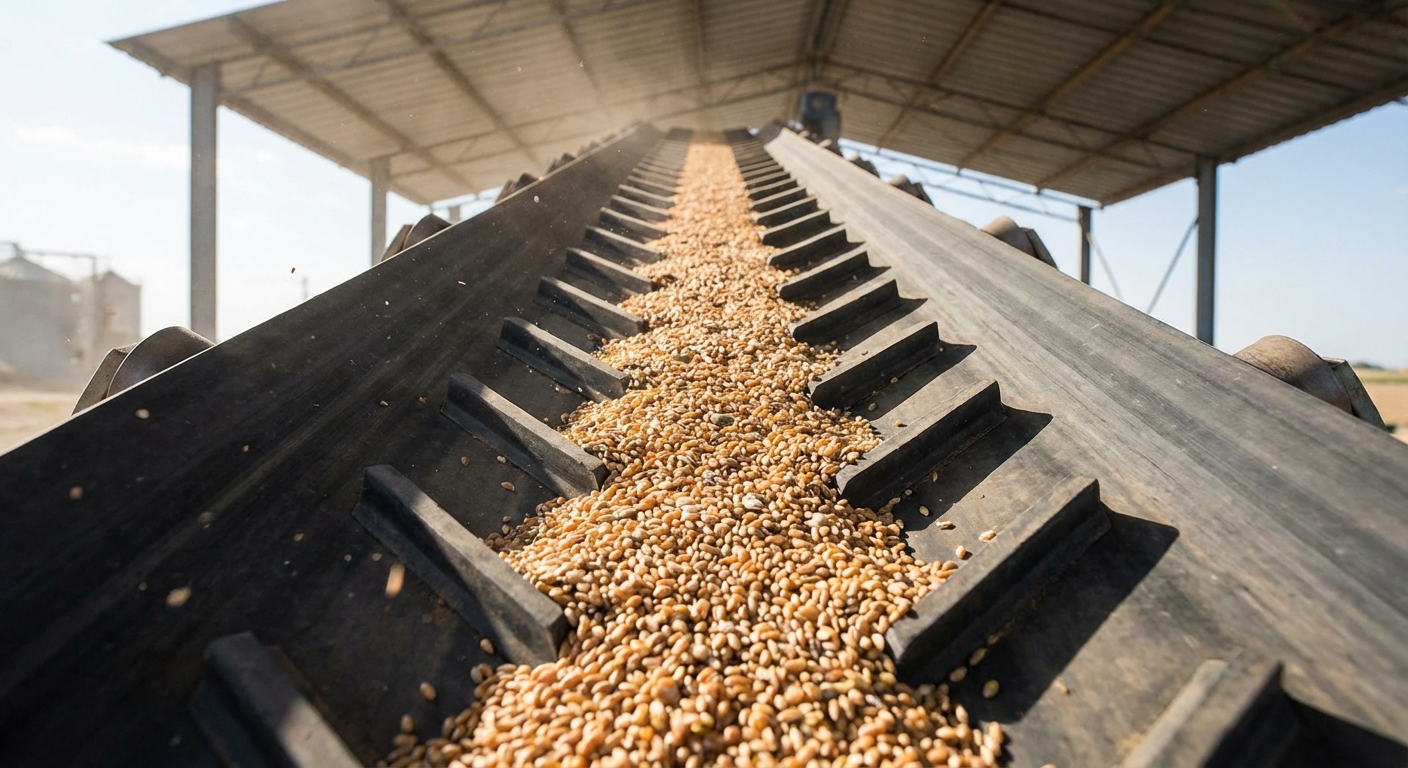
Is there a food-grade version?
Simply put: for agricultural use, you often need white conveyor belts that are designed for hygiene. These specialized chevron belts ensure that no rubber contaminants enter the grain stream while providing the necessary grip for vertical storage loading.
- Gentle Handling: Cleats prevent material agitation.
- High Throughput: Fill silos faster than screw augers.
- Weather Resistance: Compounds built for outdoor use.
Key Takeaway: Agricultural facilities can significantly increase loading efficiency by using chevron belts instead of traditional bucket elevators or flat conveyors.
| Crop Type | Cleat Profile | Benefit | |
|---|---|---|---|
| Wheat/Grain | Low Profile | High speed flow | |
| Soybeans | Medium Profile | Prevents rolling | |
| Fertilizers | Chemical Resistant | Prevents belt rot |
Using the right rubber compound ensures that fertilizers or moisture don’t degrade the belt carcass over time.
How to inspect a china chevron rubber conveyor belt?
Inspecting a china chevron rubber conveyor belt involves checking the height of the cleats and looking for signs of separation at the base. You should also examine the “valleys” of the pattern to ensure that sticky materials like plaster aren’t building up and hardening.
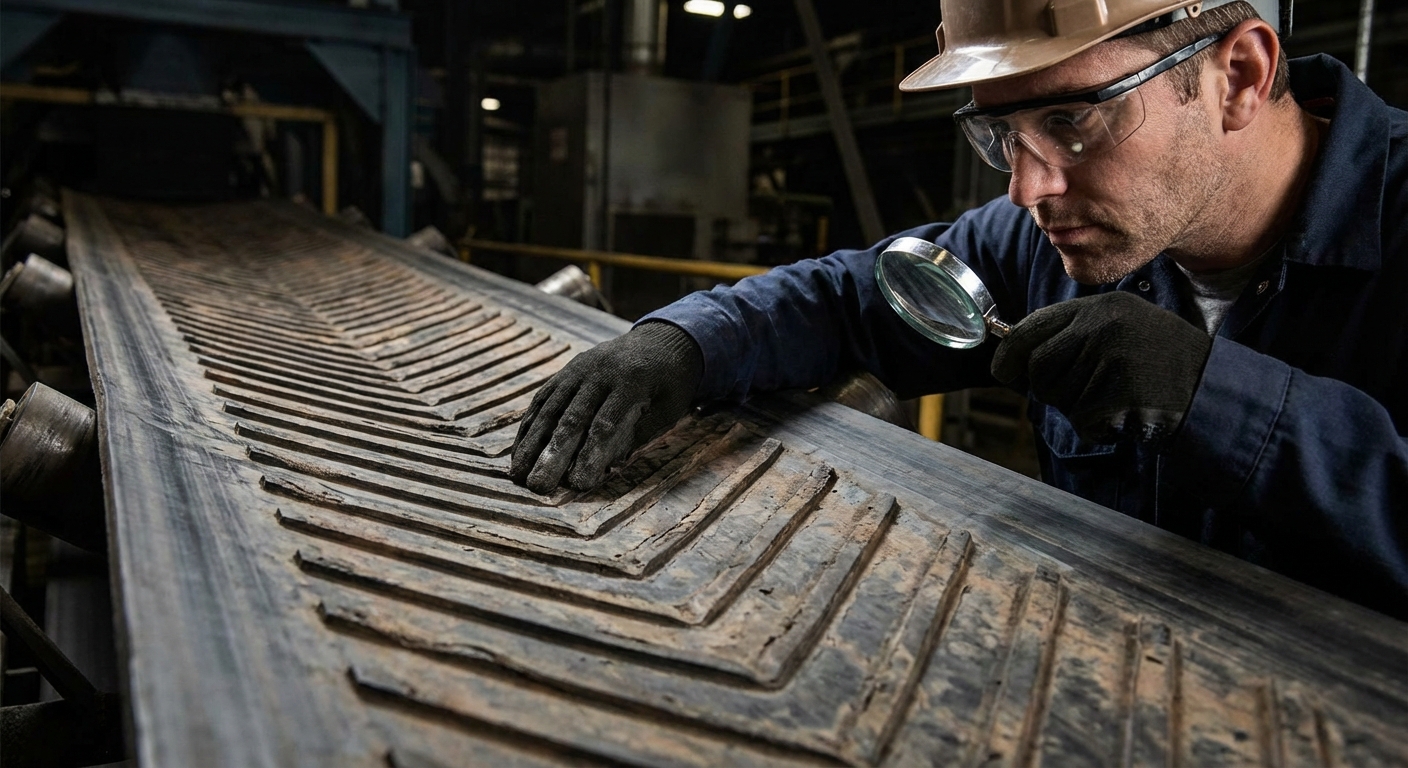
What are the signs of wear?
Look: if the sharp edges of the V-pattern start to look rounded or smooth, your conveying capacity will begin to drop. This rounding indicates that the material is abrasive and is slowly grinding down the rubber, which will eventually lead to load slippage.
- Cleat Height: Measure monthly to track wear.
- Base Integrity: Check for cracks where the cleat meets the belt.
- Tracking Issues: Ensure the belt isn’t rubbing against the frame.
Key Takeaway: Regular inspection prevents catastrophic failure by allowing you to schedule replacements before the cleats lose their grip.
| Inspection Point | Frequency | Warning Sign | |
|---|---|---|---|
| Cleat Edge | Monthly | Rounded or dull profile | |
| Pattern Valleys | Weekly | Material build-up | |
| Splice Joint | Quarterly | Fraying or lifting |
Proactive maintenance of your belt profile ensures that your system maintains peak efficiency throughout its entire service life.
Does a china chevron rubber conveyor belt help recycling?
A china chevron rubber conveyor belt is a major asset in recycling facilities where mixed materials must be separated at high speeds. Because recycled goods are often slick—like plastic bottles or glass—the chevron pattern provides the “bite” needed to move them up sorting inclines.
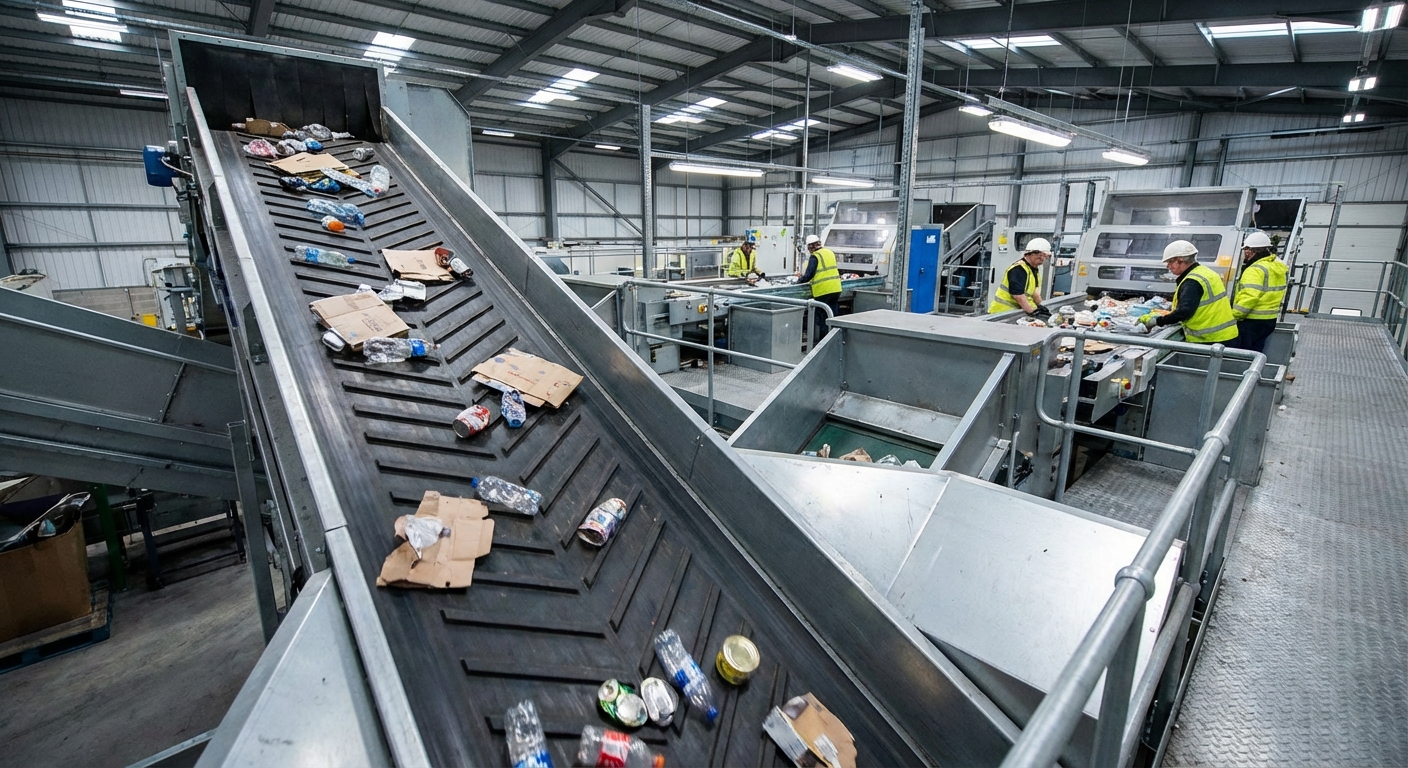
Does it handle sharp objects?
Think about it: recycling streams are full of jagged metal and broken glass that would shred a standard belt. High-quality chevron belts use cut-resistant rubber compounds that can withstand these sharp edges while the V-pattern keeps the material from tumbling back into the sorting pit.
- Tangle Resistance: Open patterns prevent wire snags.
- Liquid Drainage: V-shapes allow fluids to run off.
- Durability: Resists punctures from heavy scrap.
Key Takeaway: Recycling centers can optimize their sorting lines and reduce maintenance by using reinforced chevron belts designed for high-impact environments.
| Material | Challenge | Chevron Solution | |
|---|---|---|---|
| Plastics | Slick surface | Mechanical V-grip | |
| Glass | Sharp edges | Cut-resistant compound | |
| Paper/Cardboard | Lightweight | Pocketed containment |
Implementing chevron technology in recycling helps maintain a steady flow of materials to automated sorting machines, increasing recovery rates.
Conclusion
The china chevron rubber conveyor belt is the ultimate solution for industrial material handling challenges involving steep inclines and loose bulk solids. By providing a high-friction surface and mechanical interlocking cleats, these belts eliminate the costly problems of material rollback and wasted floor space.
Our mission is to provide you with engineered belt solutions that maximize your facility’s uptime and ROI. If you are ready to optimize your vertical conveying system, contact us today to receive a customized technical quote and design consultation.
FAQs
Can I customize the height of the cleats for my specific material? Yes, manufacturers provide various mold options ranging from 5mm to 32mm to ensure the pocket depth matches your material’s angle of repose.
What’s the best way to clean a chevron-patterned belt? It depends on the material, but typically you must use a rotary brush cleaner or specialized “finger” scrapers that can reach into the valleys of the V-pattern.
How do I know if I need a chevron belt instead of a flat belt? It depends on your incline angle; if your conveyor slope is greater than 15-18 degrees, a flat belt will likely suffer from material slippage, requiring a chevron upgrade.
Can I use standard return rollers with a chevron belt? No, because the raised cleats will strike the rollers and cause excessive noise and wear; you should use rubber-disced return idlers instead.
What’s the best rubber grade for oily materials on a chevron belt? Yes, for recycling or scrap applications involving oil, you must specify a MOR (Medium Oil Resistant) or OR (Oil Resistant) rubber compound to prevent belt swelling.