
A rough top rubber conveyor belt provides high friction for incline conveyors in plaster casting, preventing slippage, improving stability, and ensuring efficient transport of fragile molds.
What is a rough top rubber conveyor belt?
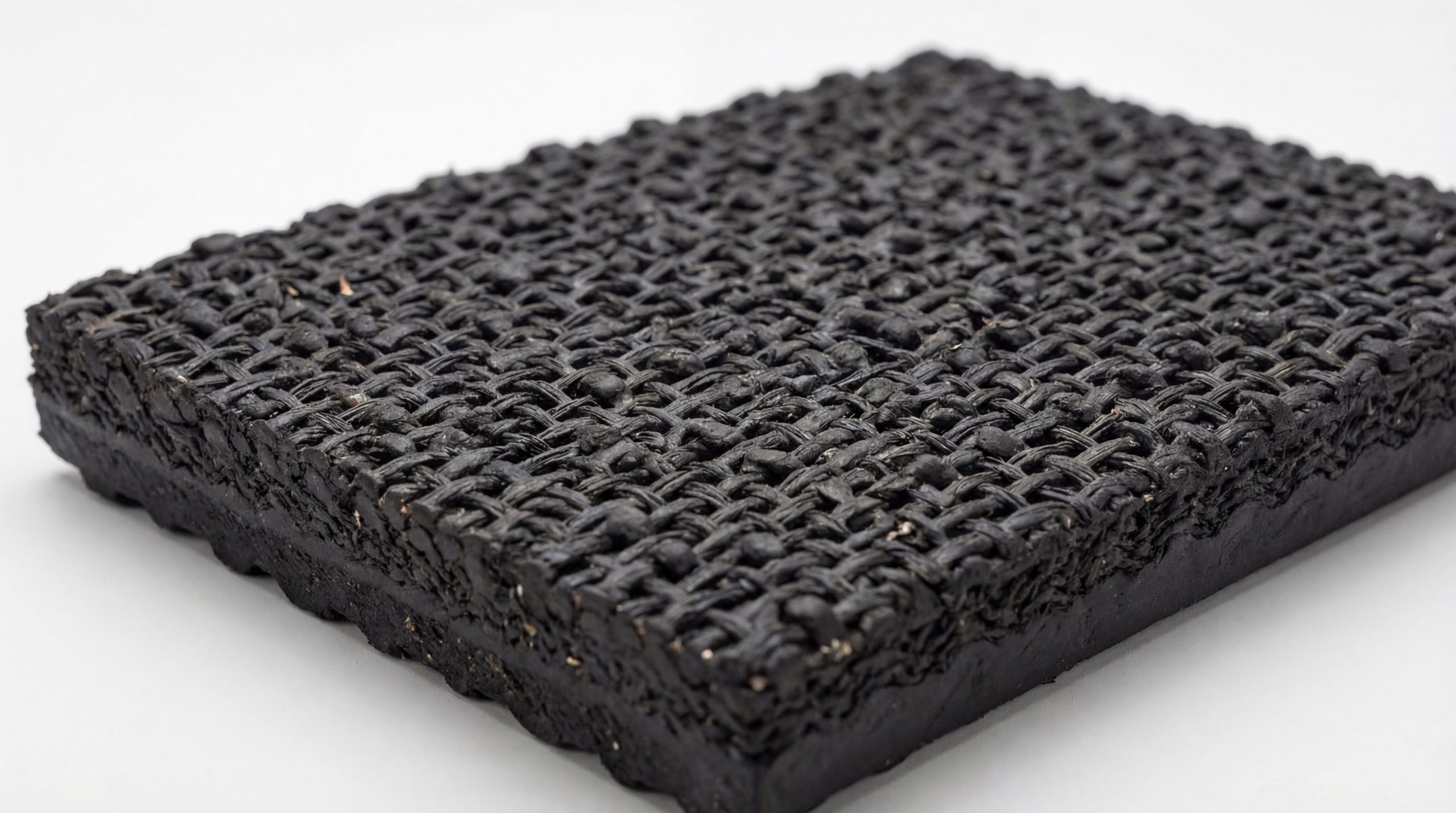
A rough top rubber conveyor belt is a heavy-duty transport surface characterized by a deeply textured “mesh” or “grass” pattern designed for maximum grip. This specific belt type uses high-quality rubber compounds to create a non-slip interface between the belt and the items being moved. You will typically find these used in environments where items are prone to rolling or sliding due to steep inclines.
What materials define the “super grip” surface?
The grip is primarily defined by a blend of natural and synthetic rubbers that maintain flexibility while offering high coefficient of friction. These materials are chosen for their ability to “bite” into the surface of a load without causing damage.
Here is the deal:
- Natural rubber provides excellent elasticity.
- SBR (Styrene Butadiene Rubber) enhances wear resistance.
- Synthetic additives prevent the surface from hardening in cold weather.
This material combination ensures your fragile plaster molds stay exactly where you place them during transport.
How is the texture applied during manufacturing?
The texture is integrated directly into the top cover during the vulcanization process using specialized embossing rollers. This ensures that the pattern is a physical part of the rubber rather than a coating that could peel off over time.
Think about this:
- Vulcanization bonds the pattern to the carcass.
- Precision rollers create uniform mesh depths.
- Heat treatment stabilizes the peaks of the texture.
Key Takeaway: Using a high-friction surface ensures that even the most delicate plaster casts remain stable during elevation, protecting your product integrity throughout the manufacturing cycle.
| Feature | Specification | Benefit | |
|---|---|---|---|
| Surface Pattern | Mesh / Rough Top | Prevents material back-slip | |
| Material Base | Rubber Blend | High durability and grip | |
| Incline Support | Up to 35 Degrees | Maximizes floor space |
This technical configuration allows for a significant increase in vertical transport efficiency without risking material loss.
How does a rough top rubber conveyor belt work?
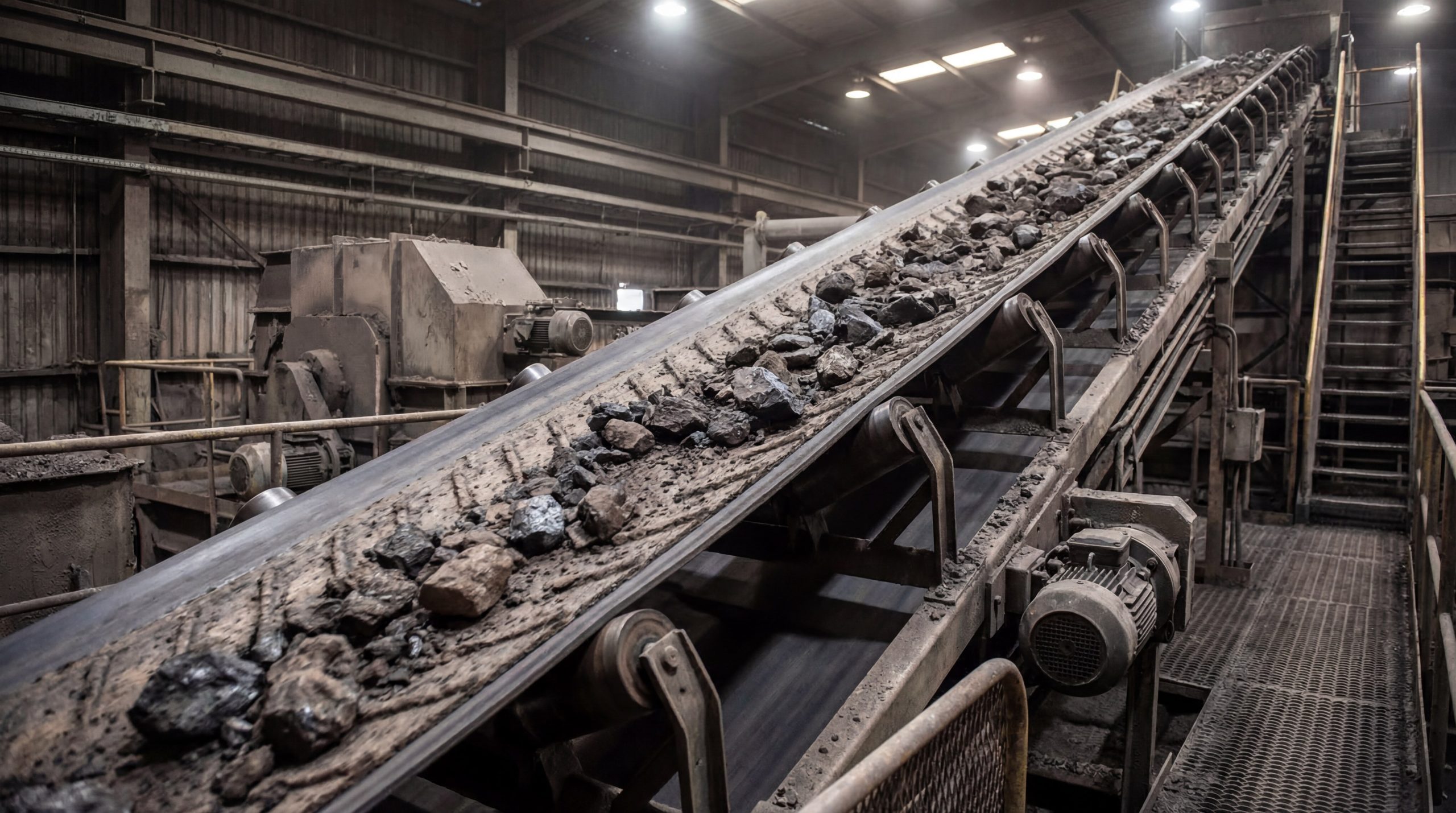
A rough top rubber conveyor belt works by creating thousands of tiny contact points that increase the physical friction between the belt and the product. These peaks and valleys in the rubber surface effectively “trap” the base of your plaster molds, preventing the force of gravity from pulling them down the incline.
How does the pattern increase friction?
The pattern works by increasing the surface area in contact with the load while providing mechanical resistance against sliding. Because the rubber is resilient, it deforms slightly under the weight of the mold to create a secure pocket.
But wait, there is more:
- Increased surface area improves total grip.
- Pattern orientation resists downward gravitational pull.
- Texture creates a vacuum-like effect on flat-bottomed casts.
This mechanical interlocking is what allows your system to handle steeper angles than a standard flat belt ever could.
What role does the rubber cushion play in stability?
The rubber top cover acts as a shock absorber that dampens vibrations coming from the conveyor rollers and motor. In plaster casting, this is vital because wet plaster is highly susceptible to cracking from minor industrial tremors.
Let us dive in:
- Soft rubber absorbs motor vibrations.
- Thick covers protect the internal fabric carcass.
- Resilience prevents the belt from becoming “slick” over time.
Key Takeaway: The combination of mechanical grip and vibration dampening allows you to transport fragile, wet plaster components at higher speeds without the risk of structural failure.
| Mechanism | Functional Action | Operational Result | |
|---|---|---|---|
| Friction Peaks | Mechanical Interlock | No product sliding | |
| Rubber Elasticity | Vibration Absorption | Reduced cracking in wet casts | |
| Texture Depth | Load Stabilization | Consistent product spacing |
The interaction between rubber elasticity and pattern depth creates a specialized “grip zone” that maintains load orientation during steep transitions.
Why use a rough top rubber conveyor belt for casting?
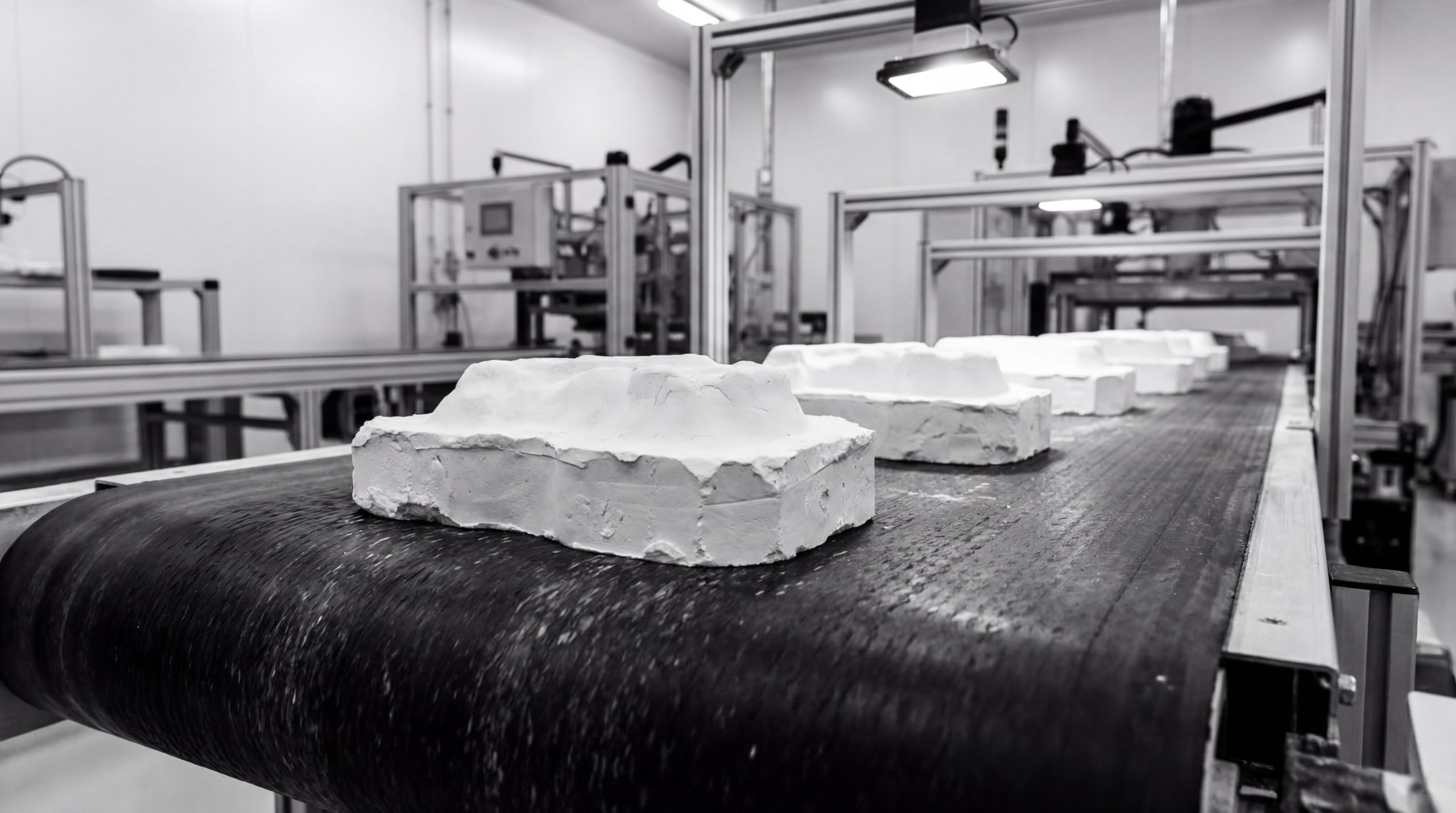
A rough top rubber conveyor belt is essential for casting because plaster molds are often heavy, wet, and incredibly smooth on the bottom. Without a textured surface, these molds act like skates on a flat belt, leading to catastrophic collisions at the base of your inclines.
How does it prevent mold displacement?
The belt prevents displacement by providing a consistent, high-friction surface that resists the “shearing” force of the mold’s weight. This ensures that every piece of plaster remains in its designated position, which is critical for automated picking or robotic handling.
What is more:
- Fixed positioning prevents product collisions.
- Consistent spacing aids in infrared sensor detection.
- High grip allows for faster belt acceleration.
By keeping the molds stationary, you reduce the need for manual intervention and workers having to “reset” the line.
Can it handle the moisture of wet plaster?
Yes, the rubber compounds used in these belts are naturally water-resistant and do not absorb moisture from the plaster. The “valleys” in the rough top pattern also provide a place for excess moisture or plaster dust to settle without making the entire surface slippery.
Think about this:
- Non-porous rubber prevents mold growth.
- Channels in the pattern allow water to drain away.
- Material resists the chemical alkalinity of plaster mixes.
Key Takeaway: Selecting a belt that manages both weight and moisture ensures your casting line remains productive even in the high-humidity environments typical of plaster manufacturing.
| Casting Challenge | Belt Solution | Performance Outcome | |
|---|---|---|---|
| Wet Surface Slippage | Textured Grip Peaks | 100% Load Stability | |
| Heavy Mold Weight | Multi-ply Carcass | Zero Belt Stretching | |
| Dust Accumulation | Self-cleaning Valleys | Sustained Friction Levels |
High-friction rubber is the only material capable of maintaining grip when surface contaminants like plaster dust or moisture are present.
What uses has a rough top rubber conveyor belt?
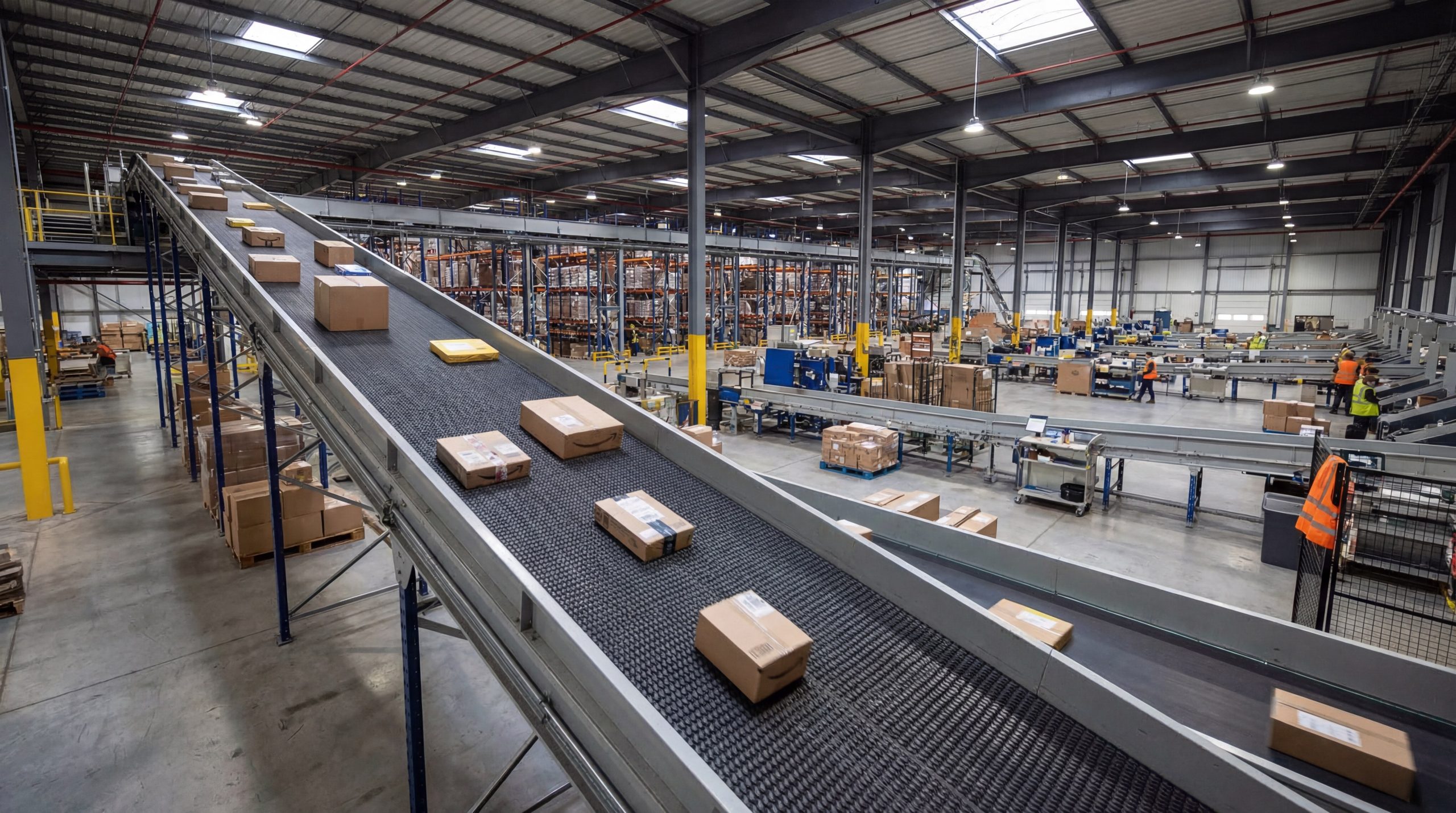
The primary uses for a rough top rubber conveyor belt involve the transport of packaged or fragile goods across steep vertical changes. While we focus on plaster, you will find these belts in logistics, airports, and food processing plants where incline stability is non-negotiable.
What is the maximum effective incline angle?
Under ideal conditions, a rough top belt can effectively transport materials at incline angles up to 35 degrees. However, the specific weight and surface texture of your plaster molds will determine if you should stay closer to 25 or 30 degrees.
Here is the deal:
- 0-20 degrees: Standard rough top works perfectly.
- 20-35 degrees: Deep texture patterns are required.
- Over 35 degrees: You may need a “cleated” belt instead.
Understanding these limits helps you design a factory layout that maximizes vertical space without overtaxing your equipment.
How does it handle varying loads?
The belt handles varying loads by utilizing a multi-ply fabric carcass that provides high tensile strength. This ensures the belt doesn’t stretch or warp when moving heavy plaster molds, even if the load distribution is uneven across the surface.
But wait, there is more:
- EP (Polyester/Nylon) fabric prevents elongation.
- Flexible rubber allows the belt to track well on small pulleys.
- High load capacity supports bulkier industrial casts.
Key Takeaway: Having a versatile belt allows you to run different product sizes and weights on the same line, giving you the flexibility to adapt to changing market demands.
| Application Type | Angle Range | Recommended Pattern | |
|---|---|---|---|
| Light Packaging | 15 – 25° | Fine Mesh | |
| Plaster Molds | 20 – 30° | Heavy Rough Top | |
| Bulk Sacks | 25 – 35° | Deep Diamond / Grass |
Determining the correct angle and pattern combination is the foundation of a reliable incline conveying system.
How to use a rough top rubber conveyor belt in casting?
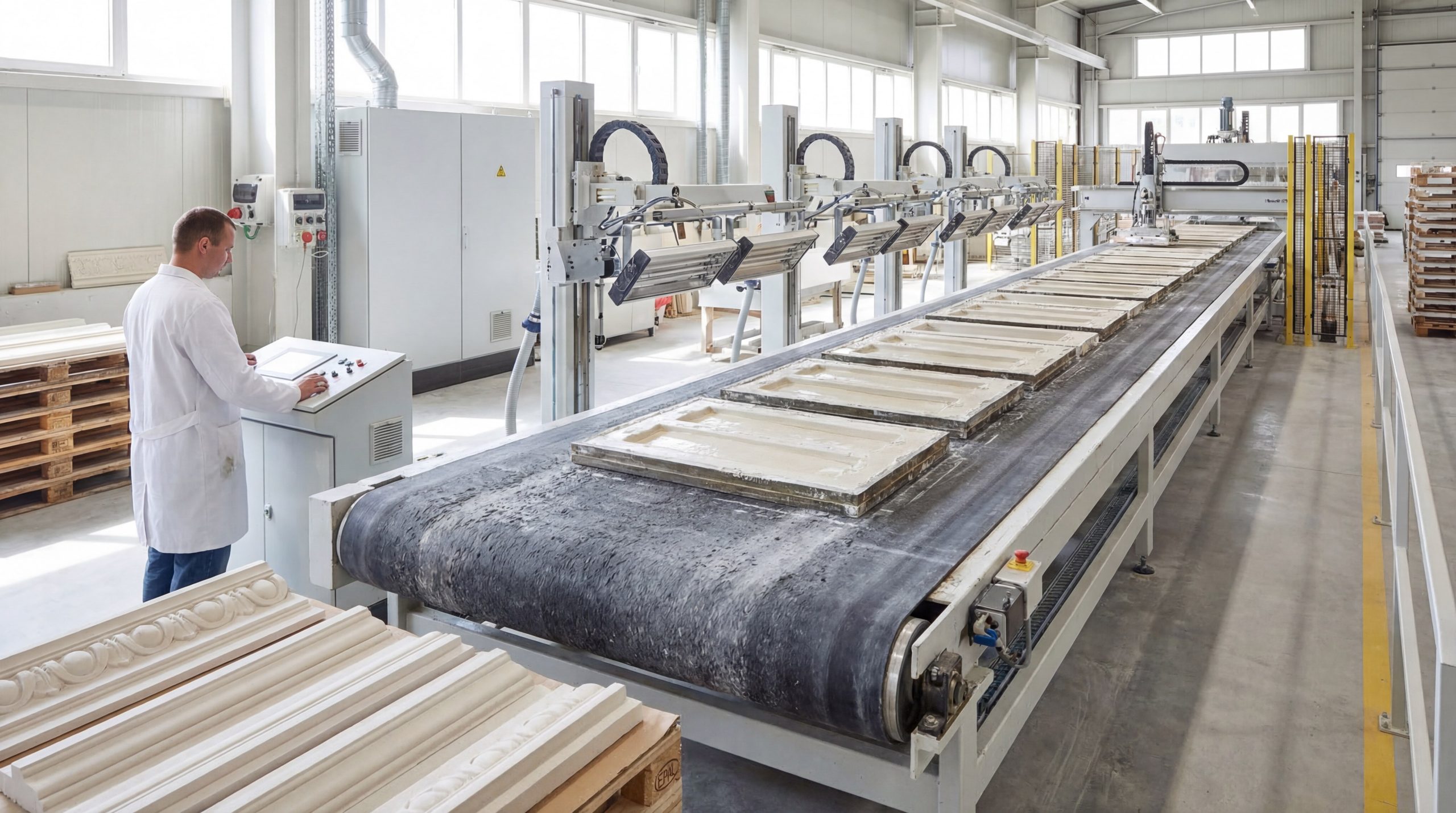
Integrating a rough top rubber conveyor belt into your casting process requires placing it at the critical transition points where molds move from the pouring station to the drying area. You must ensure the belt tension is set correctly to allow the textured surface to engage fully with the mold’s base.
Where is the belt placed in the casting line?
The belt is most effective when placed immediately after the molds have been filled or partially set. At this stage, the molds are at their heaviest and most prone to sliding, making the rough top texture essential for safe transport to the next station.
Let us dive in:
- Use it at the exit of the pouring station.
- Install it on the incline leading to high-level drying kilns.
- Place it at the packaging exit for finished goods.
Correct placement minimizes the distance fragile wet plaster has to travel on less stable flat belts.
Does the texture affect the mold finish?
Generally, the rough top texture does not affect the mold finish because it only contacts the bottom surface, which is usually hidden or ground flat later. However, the soft rubber peaks provide a cushioning effect that actually protects the mold from surface scratches.
What is more:
- Cushioning prevents bottom-edge chipping.
- Flexible peaks conform to slight mold irregularities.
- Non-marking rubber keeps the white plaster clean.
Key Takeaway: Smart belt placement and texture selection protect your plaster products from the moment they are poured until they are ready for shipping.
| Line Position | Function | Advantage | |
|---|---|---|---|
| Pouring Exit | Initial Transport | Stabilizes liquid-heavy molds | |
| Kiln Incline | Vertical Elevation | Saves floor space with steep angles | |
| Finishing Line | Final Inspection | Prevents scuffing on finished casts |
Strategic placement of textured belting ensures that product stability is maintained through the most hazardous sections of the production line.
Which industries need a rough top rubber conveyor belt?
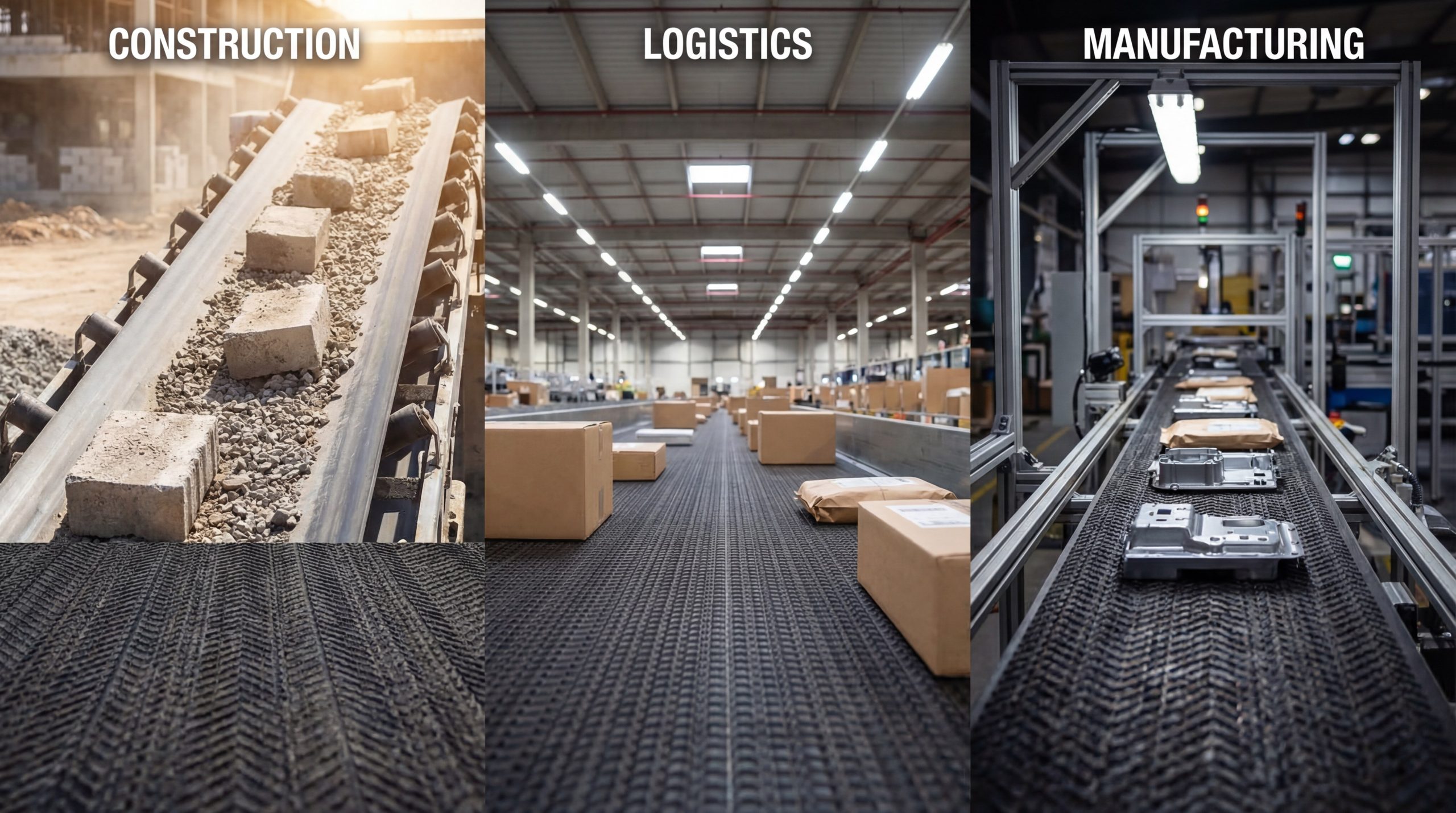
While plaster casting is a niche application, a rough top rubber conveyor belt is a staple in the construction, logistics, and manufacturing sectors. Any industry that deals with bagged goods, boxes, or fragile components on an incline relies on this specific technology to maintain throughput.
Is it used in construction?
In the construction industry, these belts are used to move bagged cement, aggregates, and even bricks between different levels of a job site. The “super-grip” surface handles the dusty and abrasive nature of construction materials without losing its friction properties.
Here is the deal:
- Moves heavy cement bags up steep scaffolds.
- Resists punctures from sharp aggregate stones.
- Handles outdoor weather conditions effectively.
The durability of rubber makes it the preferred choice over plastic alternatives in these rugged environments.
What about logistics and packaging?
In logistics, rough top belts are used on parcel sorters and telescopic loaders to move boxes into shipping containers. Because boxes vary in weight and friction, the “grass” pattern of the belt ensures everything from small envelopes to large crates stays in place.
Think about this:
- Prevents boxes from tumbling on sorting inclines.
- Reduces noise compared to plastic modular belts.
- Increases safety for workers at the loading dock.
Key Takeaway: The wide-scale adoption of this belt across global logistics proves its reliability as a solution for any incline material handling challenge you might face.
| Industry Sector | Primary Load | Key Benefit | |
|---|---|---|---|
| Construction | Bagged Cement | Tear and Abrasion Resistance | |
| Logistics | Cardboard Boxes | High-Speed Incline Sorting | |
| Plaster Casting | Fragile Molds | Vibration Dampening and Grip |
The versatility of the rough top design makes it a universal standard for industries requiring dependable vertical transport.
Why is a rubber rough top rubber conveyor belt better?
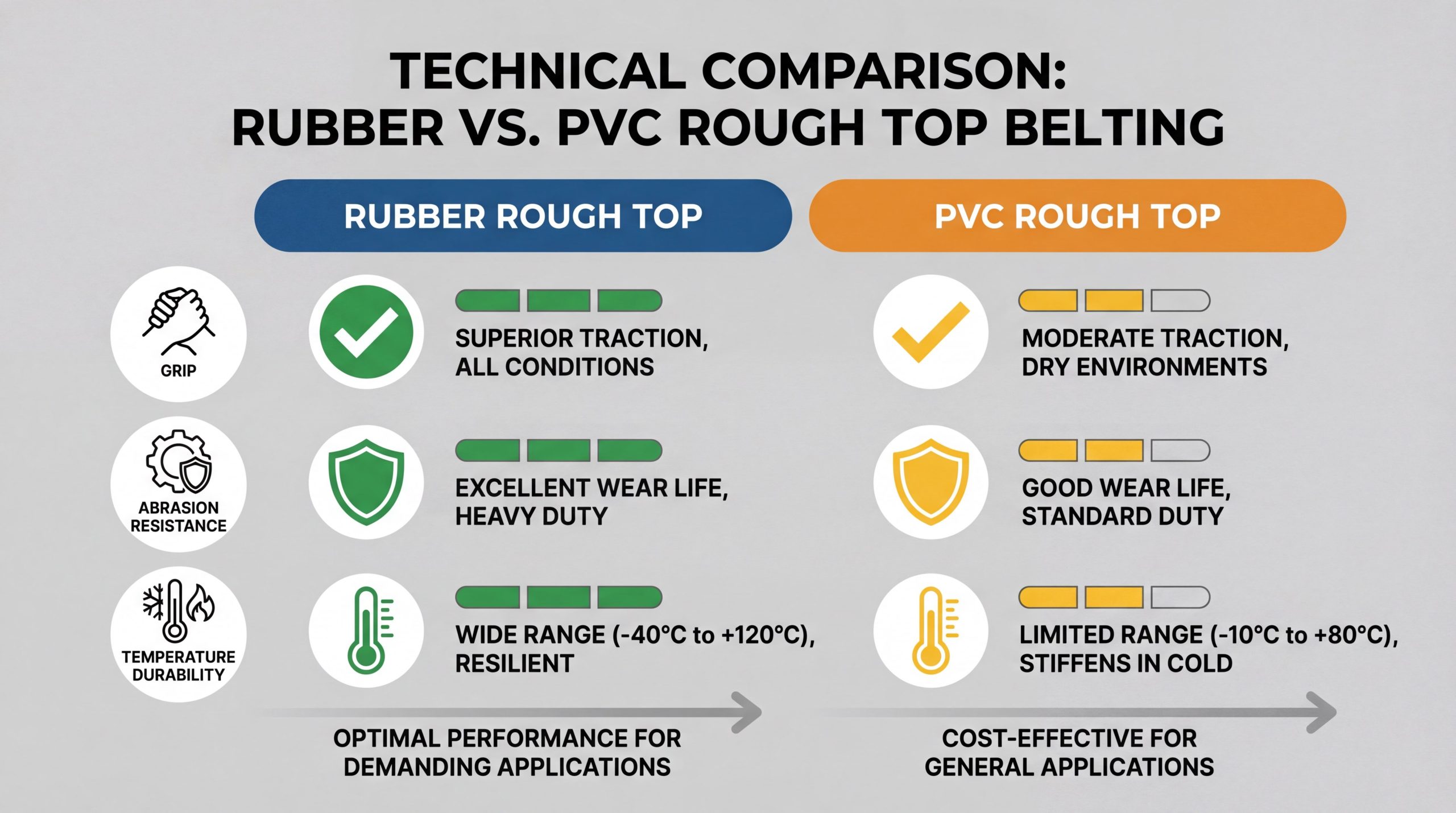
A rubber rough top rubber conveyor belt is superior to PVC alternatives because rubber maintains its grip and flexibility across a much wider temperature range. In a plaster factory, where kilns create high heat and loading docks may be cold, rubber’s resilience prevents the belt from cracking or becoming brittle.
Why is rubber more abrasion resistant?
Rubber has a higher molecular density and elasticity than PVC, allowing it to “give” when hit by an object rather than scratching or tearing. This is vital in plaster casting where sharp mold edges or spilled plaster chunks can act as abrasives.
But wait, there is more:
- Rubber has higher DIN abrasion ratings.
- Elasticity prevents surface “polishing” over time.
- Thicker covers allow for longer operational life.
You will replace a rubber belt much less frequently than a PVC one, leading to lower total cost of ownership.
How does it handle temperature?
Rubber stays pliable at temperatures as low as -40°C and as high as 120°C, whereas PVC often stiffens and loses grip when the temperature drops. This thermal stability ensures your incline conveyor performs consistently regardless of the season or factory climate.
Let us dive in:
- Does not “glaze” or melt under friction heat.
- Retains texture shape in humid drying rooms.
- Prevents belt slippage on pulleys in cold mornings.
Key Takeaway: Investing in rubber over PVC ensures your production line isn’t crippled by seasonal temperature swings or the abrasive nature of your materials.
| Material Property | Rubber Rough Top | PVC Rough Top | |
|---|---|---|---|
| Temperature Range | -40°C to +120°C | -10°C to +80°C | |
| Abrasion Resistance | Excellent (High) | Moderate | |
| Grip Retention | Consistent | Waxes/Slickens in Cold |
Technical data confirms that rubber is the superior choice for heavy-duty industrial applications requiring long-term reliability.
What patterns suit a rough top rubber conveyor belt?
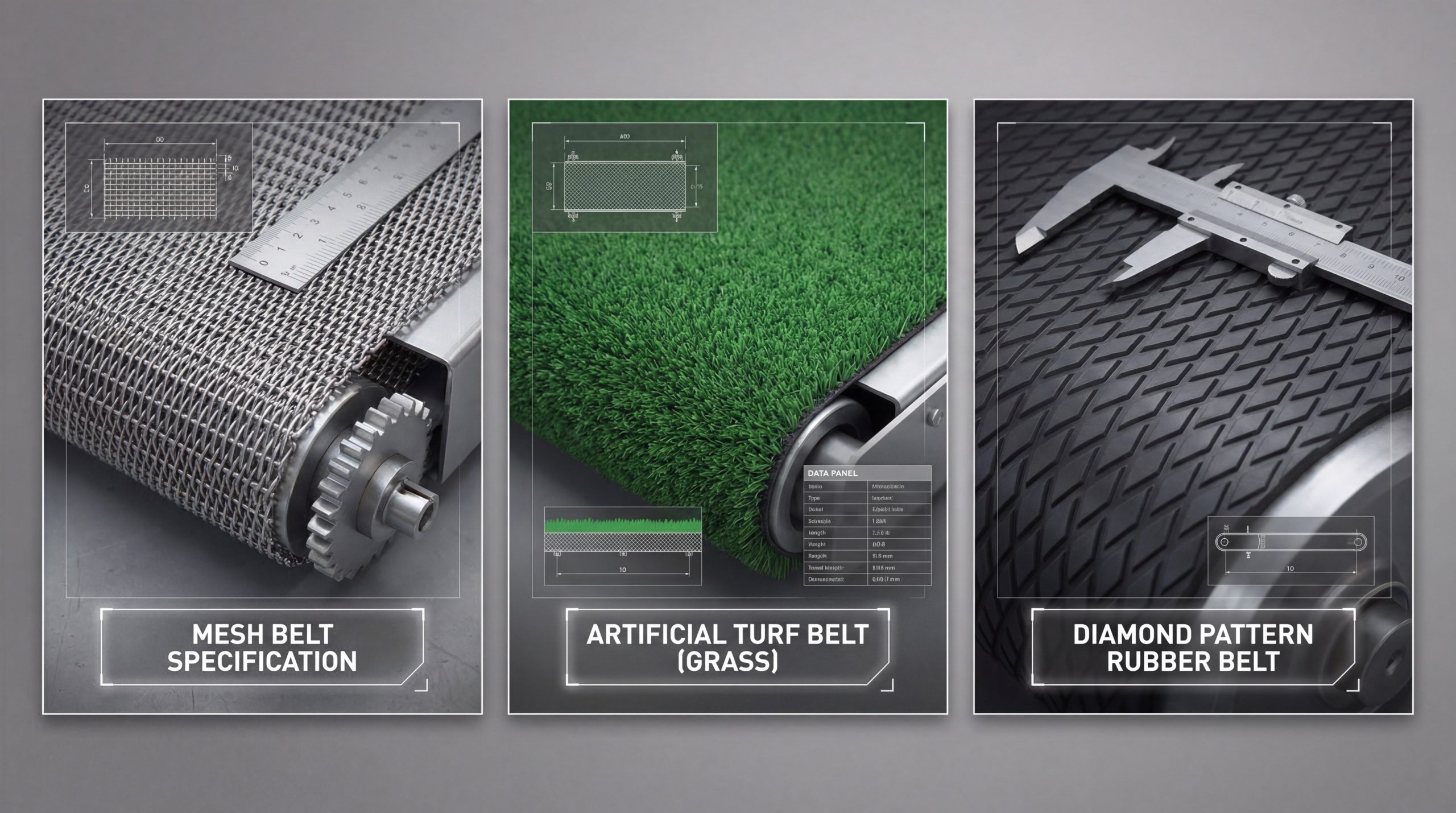
Selecting the right pattern for your rough top rubber conveyor belt depends on the specific weight and moisture level of your plaster molds. Most manufacturers offer a range of textures, from fine mesh for small parts to deep diamond or “grass” patterns for heavy industrial casts.
What are the main texture types?
The most common textures are the “Fine Mesh” for light packaging and the “Heavy Rough Top” (often called “Grass” or “Diamond”) for industrial loads. For plaster casting, a medium-to-heavy mesh is usually ideal to balance grip with easy cleaning.
What is more:
- Mesh: Best for flat, dry mold bottoms.
- Diamond: Better for heavy, wet molds.
- Grass: Provides the highest friction for steep inclines.
The deeper the pattern, the more “grip” it provides, but it may also trap more dust that requires cleaning.
How to choose the right pattern?
You should choose your pattern based on the steepest angle of your conveyor and the smoothness of your product’s base. If your plaster molds are very smooth and the angle is over 25 degrees, a deep grass pattern is the safest choice to prevent sliding.
Think about this:
- Test the friction coefficient with your specific mold.
- Consider if the pattern will leave impressions (if applicable).
- Evaluate how easy it is to brush away plaster dust.
Key Takeaway: Matching the texture depth to your specific incline requirements eliminates the “trial and error” phase of setting up your new production line.
| Pattern Type | Optimal Angle | Best Use Case | |
|---|---|---|---|
| Fine Mesh | 10 – 20° | Light finish products | |
| Medium Mesh | 15 – 25° | Standard plaster molds | |
| Deep Grass | 25 – 35° | Heavy, wet industrial casts |
Pattern selection is a critical engineering decision that dictates the maximum speed and safety of your conveyor system.
How to maintain a rough top rubber conveyor belt?
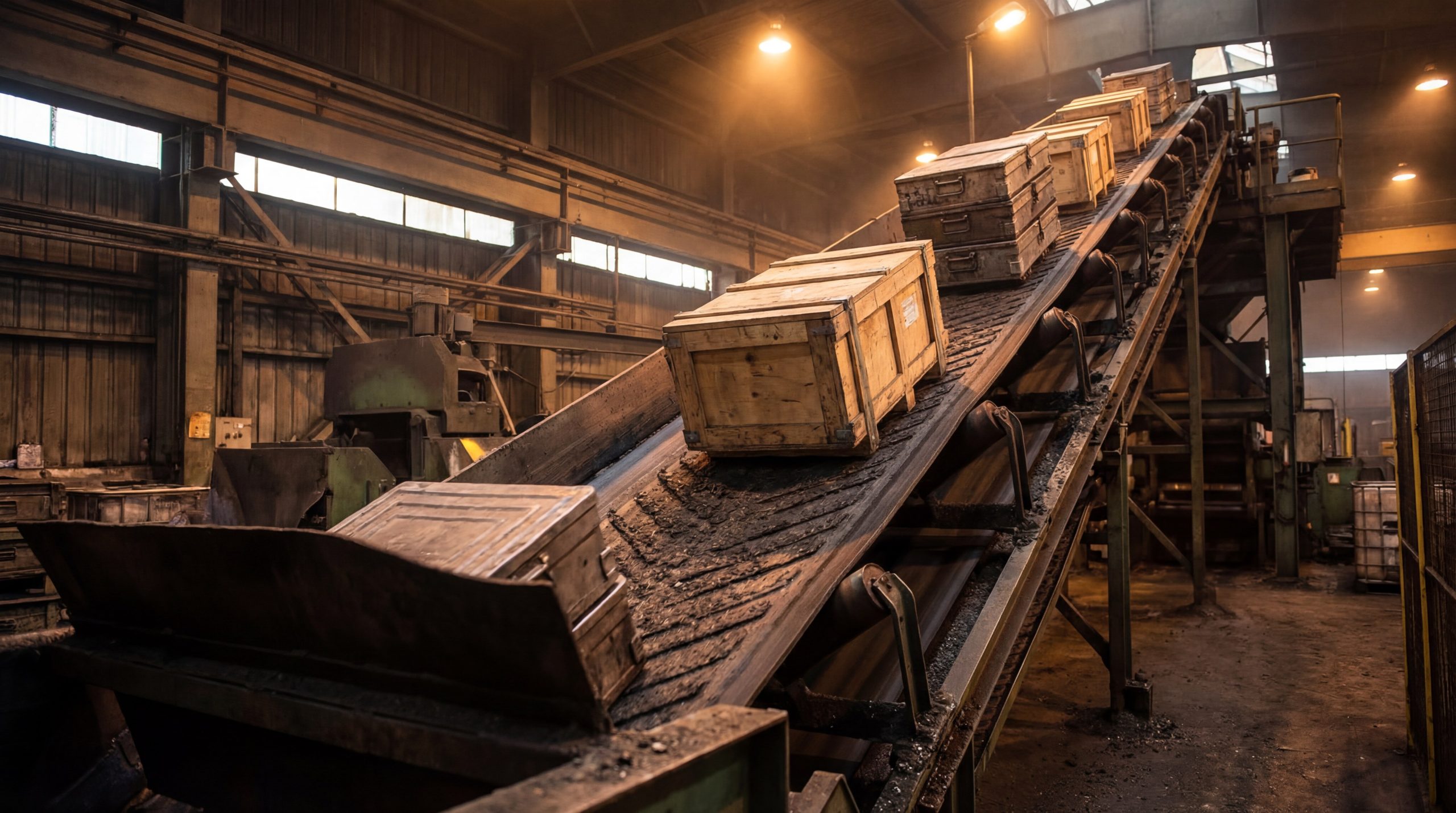
Maintaining a rough top rubber conveyor belt requires regular cleaning to ensure that plaster dust doesn’t fill the valleys of the texture and reduce friction. You should also perform routine inspections of the belt edges and the drive pulley to prevent mistracking, which can cause the belt to fray against the conveyor frame.
How to prevent surface damage?
Preventing damage starts with ensuring that no sharp metal objects or large, hardened plaster chunks fall onto the belt surface. You should also ensure that the loading transition is “soft,” meaning the product doesn’t drop from a height onto the textured rubber.
Here is the deal:
- Use impact cradles at loading points.
- Install scrapers to remove hardened plaster.
- Keep the belt tension within manufacturer specs.
Protecting the surface peaks is the only way to maintain the high-friction benefits you paid for.
What cleaning is required?
Because plaster is dusty, you should use compressed air or specialized nylon brushes to clean the belt surface regularly. Avoid using harsh chemical solvents that could break down the rubber compounds and lead to premature surface cracking.
But wait, there is more:
- Brushing prevents “slick” dust buildup.
- Compressed air reaches deep into the texture.
- Regular cleaning extends the belt’s service life.
Key Takeaway: A simple cleaning schedule prevents the “smoothing” of your belt’s surface, ensuring your incline remains safe and productive for years.
| Maintenance Task | Frequency | Objective | |
|---|---|---|---|
| Dust Brushing | Daily | Maintain Surface Friction | |
| Tension Check | Monthly | Prevent Pulley Slippage | |
| Edge Inspection | Weekly | Identify Mistracking Early |
Consistent maintenance is the most cost-effective strategy for maximizing the lifespan of high-performance rubber belting.
Who makes the best rough top rubber conveyor belt?
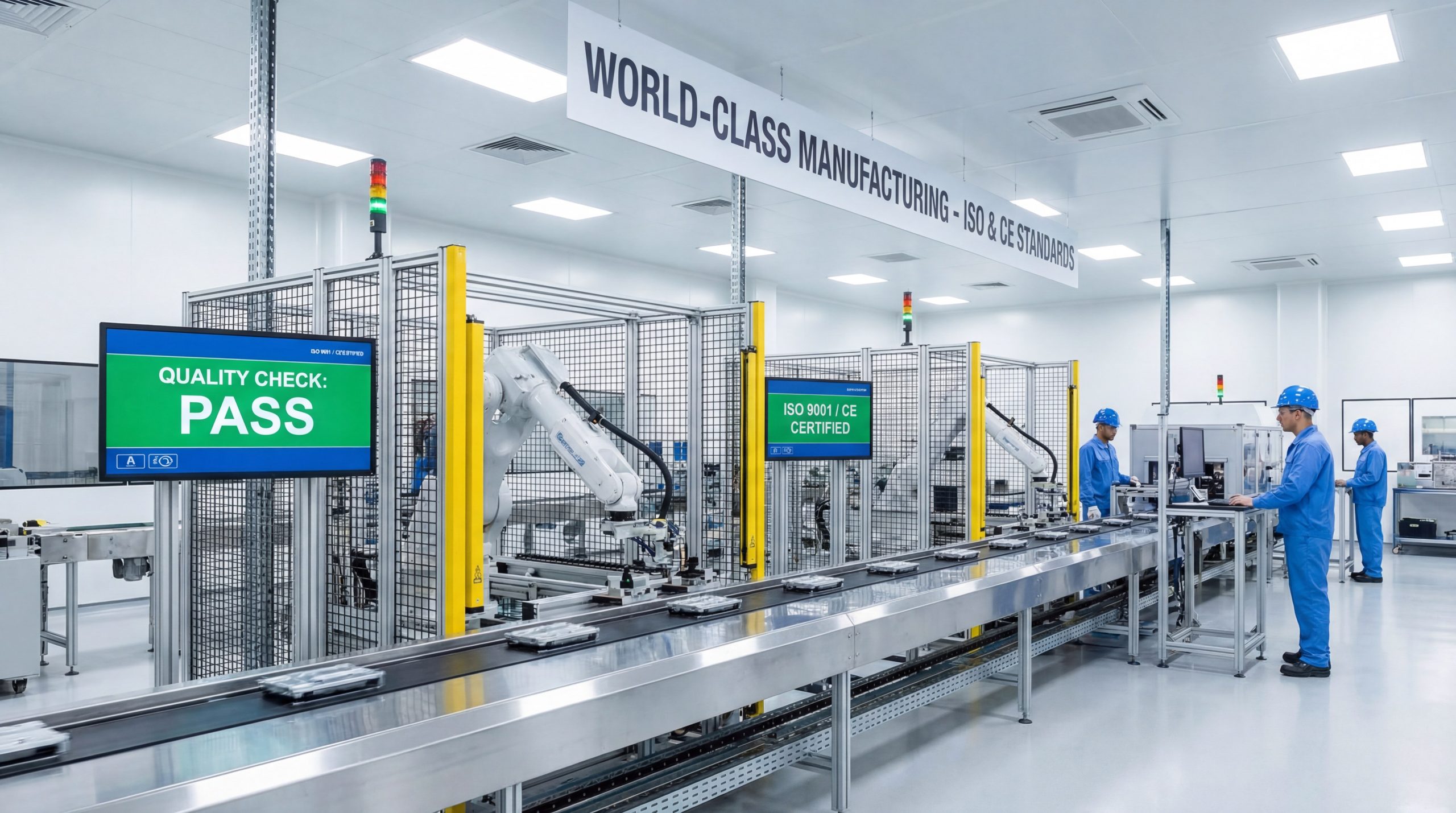
The best rough top rubber conveyor belt comes from manufacturers with decades of experience and a strict adherence to international quality standards like ISO 9001 and CE. You should look for a factory that handles the entire production process, from rubber compounding to final vulcanization, to ensure consistent quality.
Do certifications impact safety?
Certifications like CE and ISO 14973 ensure that the belt meets specific safety standards for flame retardancy and tensile strength. In an industrial casting environment, knowing your belt won’t fail under load or contribute to fire hazards is essential for plant safety.
Let us dive in:
- ISO 9001 ensures consistent manufacturing quality.
- CE certification guarantees European safety compliance.
- Flame-retardant options protect against kiln-related fires.
A certified belt is a sign of a professional manufacturer who understands the risks of heavy industrial operations.
What are factory-direct benefits?
Buying factory-direct allows you to customize the belt width (up to 3200mm) and thickness to your exact machinery specifications while avoiding middleman markups. You also gain direct access to technical support and custom rubber compounds tailored for your specific plaster casting chemicals.
What is more:
- Lower costs through bulk production.
- Custom lengths and widths available.
- Direct warranty and technical troubleshooting.
Key Takeaway: Partnering directly with a high-capacity manufacturer gives you the technical edge and price advantage needed to outpace your competition.
| Vendor Choice | Quality Control | Cost Efficiency | |
|---|---|---|---|
| Local Distributor | Variable | Lower (Markups) | |
| Online Reseller | Unknown | Moderate | |
| Direct Factory | High (ISO/CE) | Highest (Wholesale) |
Direct-to-factory sourcing provides the highest level of technical assurance and economic value for large-scale industrial projects.
Ensuring the stability of your plaster casting line requires more than just a standard belt; it demands a high-friction solution that understands the physics of incline transport. By addressing the problems of mold slippage, product damage, and production bottlenecks, the right rough top system transforms your facility into a high-efficiency environment. Our vision is to empower global manufacturers with durable, high-performance rubber technology that eliminates downtime and maximizes safety. If you are ready to upgrade your facility with world-class engineering, contact us today to find the perfect technical solution for your conveyor needs.
Frequently Asked Questions
What is the best incline angle for plaster molds?It depends on the moisture level and weight of your molds, but generally, 25 to 30 degrees is the optimal range for a rough top belt. Beyond 35 degrees, the risk of the mold tipping over increases, regardless of the belt’s grip.
Can I customize the width of my rough top rubber conveyor belt?Yes, professional factories can produce these belts in widths up to 3200mm to fit large-scale industrial casting lines. You should provide your exact roller measurements to ensure a perfect fit and proper tracking.
How do I know if my belt needs cleaning?It depends on your dust levels, but you will know the belt needs cleaning if you notice molds beginning to “drift” or slide slightly during elevation. A visual check of the texture valleys will reveal if they are filled with plaster residue.
How do I know if I should use rubber or PVC?It depends on your environment; if your factory experiences high heat from kilns or very cold temperatures, rubber is the better choice. Rubber also offers significantly higher abrasion resistance for heavy, sharp-edged plaster molds.
Can I use a rough top belt for food items too?Yes, but you must ensure the rubber compound is FDA-approved for food contact. Most standard industrial belts are not food-grade, so you must specify this requirement during the ordering process.