
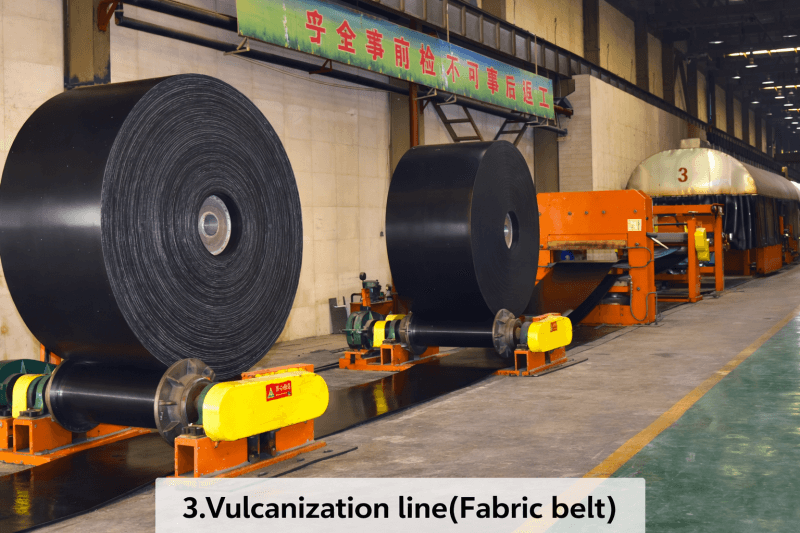
Reliable rubber conveyor belt suppliers provide stable, high-performance systems that reduce vibration, minimize defects, and improve efficiency in plaster casting production lines.
Could Plaster Casting redefine rubber conveyor belt suppliers?
Plaster casting redefines these specialized providers by demanding higher standards for vibration dampening and lateral stability during the mold-setting phase. Leading rubber conveyor belt suppliers must transition from simple material transport to providing engineered surfaces that protect fragile molds. This intersection of high-tension carcasses and precision surfaces ensures that delicate white plaster remains pristine during transport.
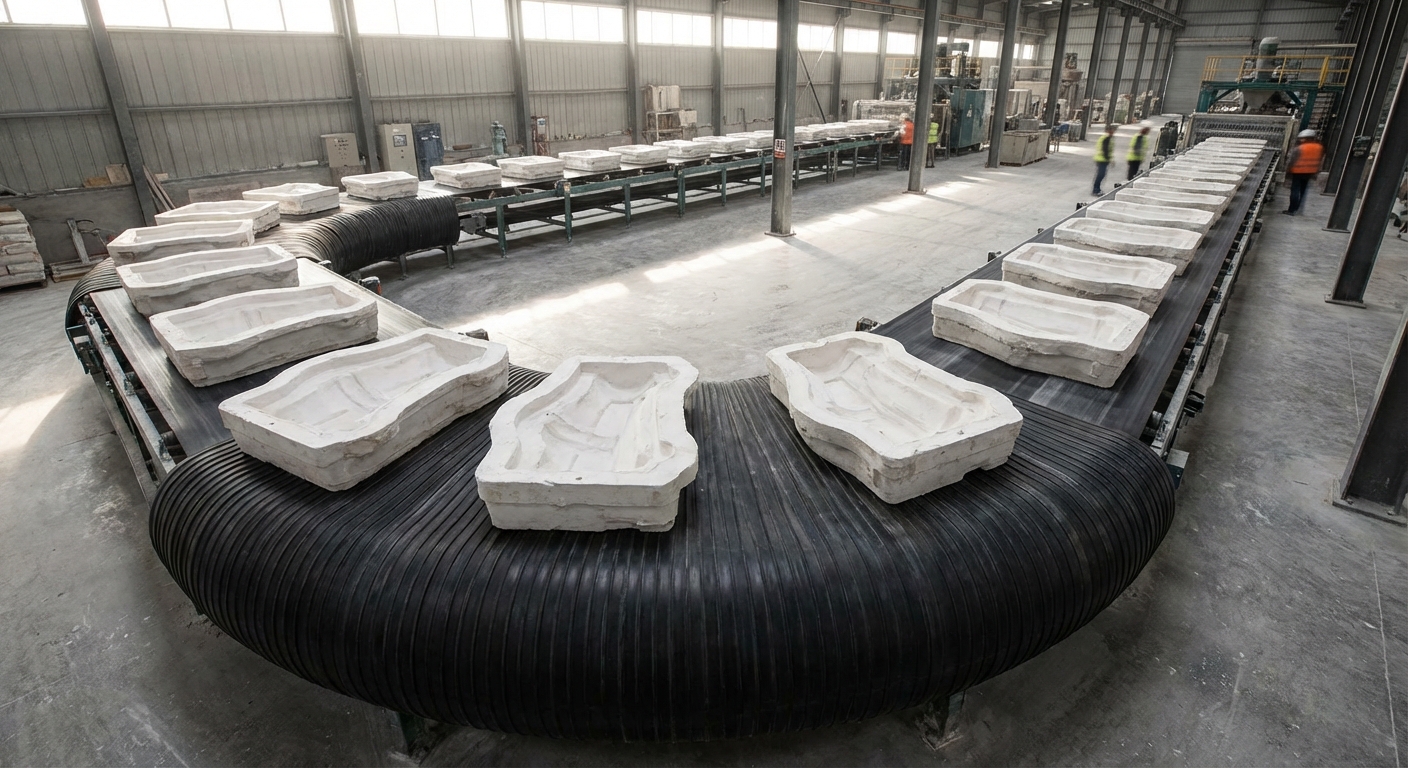
The Intersection of Casting and Belting
Believe it or not, the mechanical properties of your belt directly impact the final surface quality of the plaster. Heavyweight belts provide a stable foundation that prevents the “chatter” often seen in lighter-duty systems.
- Integration of vibration-dampening rubber compounds.
- Precision alignment for mold accuracy.
- Support for heavyweight casting frames.
Defining the Heavyweight Casting Standard
The standard for these belts involves high-tension ratings that exceed typical packaging requirements. You need systems that can handle the sheer weight of multiple large-scale molds without stretching or slipping.
Foundational Roles in Material Handling
Foundational stability starts with the carcass construction, ensuring the belt stays flat under heavy load. This allows for a continuous pouring process without the risk of spill-over or uneven curing.
Key Takeaway: Plaster casting efficiency is directly proportional to the reliability of the underlying conveyor system.
The following table summarizes the foundational requirements for casting belts:
| Feature | Casting Requirement | Benefit | |
|---|---|---|---|
| Carcass | High-Tension (PIW) | Prevents elongation | |
| Surface | Anti-Vibration | Protects mold integrity | |
| Alignment | Precision Tracking | Ensures uniform pouring |
How do rubber conveyor belt suppliers sync with casting flows?
Expert rubber conveyor belt suppliers sync with casting flows by designing variable speed systems that align perfectly with the chemical setting time of the gypsum. Here is the kicker: the timing of the pour must match the mechanical speed of the belt to prevent surface ripples. Mechanical synchronization ensures that the plaster transitions from a liquid to a solid state while in perfectly horizontal motion.
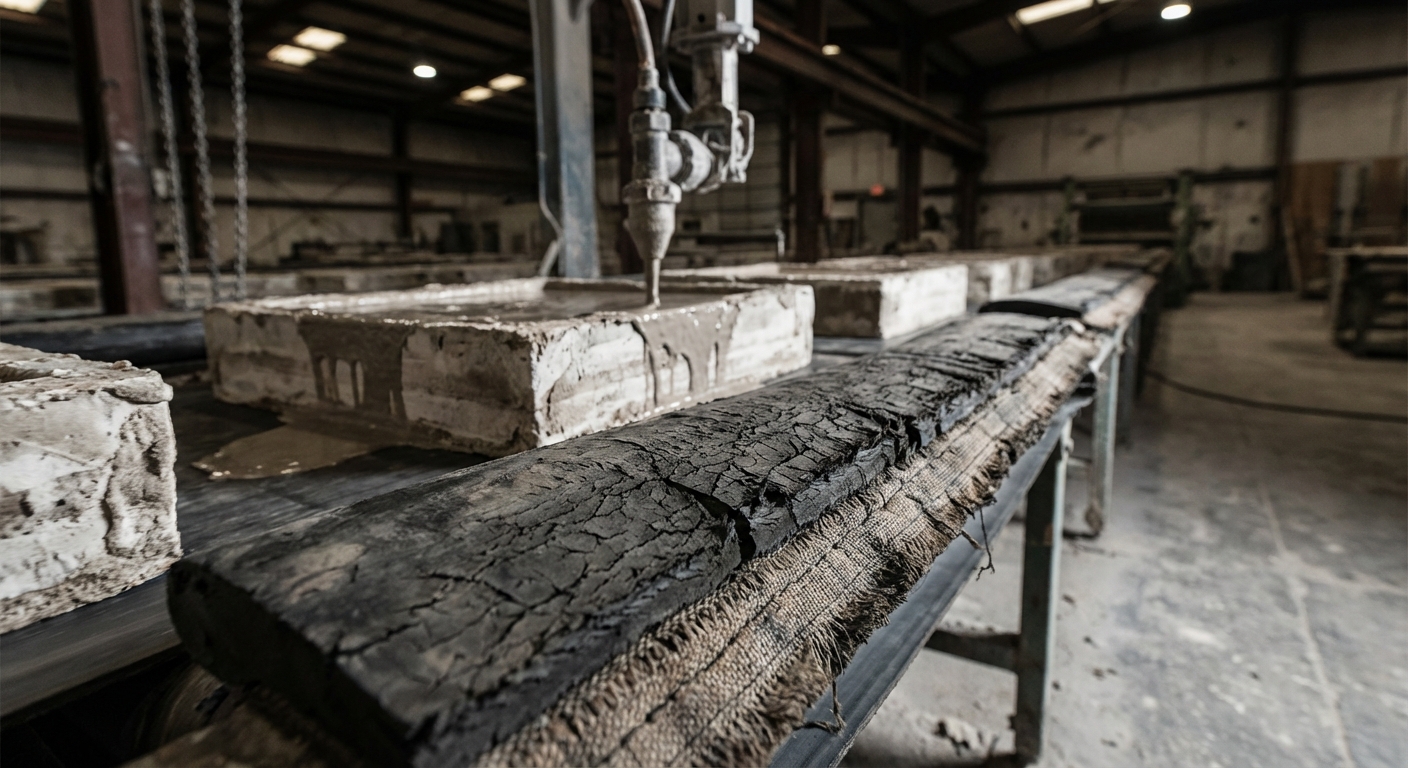
The Sequential Pouring Mechanism
A sequential pouring mechanism relies on the belt’s ability to maintain a constant, jerk-free speed. This allows robotic arms to deposit the plaster slurry with mathematical precision into moving molds.
- Variable speed drives for setting time adjustment.
- High PIW ratings for mold weight.
- Heat-resistant covers for curing environments.
Managing Belt Tension and Load
Managing the load requires a belt that doesn’t sag between idlers, which would cause the liquid plaster to pool unevenly. Heavyweight belting ensures a rigid, flat surface across the entire span of the conveyor.
Synchronization of Speed and Setting
If the belt moves too fast, the plaster may not set sufficiently before the next production stage; too slow, and you lose throughput. Proper synchronization balances these two critical factors for optimal yield.
Key Takeaway: Mechanical synchronization prevents mold cracking and ensures a uniform finish in plaster production.
This analysis shows how speed and tension management optimize the casting workflow:
| Metric | Impact on Casting | Solution | |
|---|---|---|---|
| Speed Consistency | Surface Quality | Precision VFD Drives | |
| Belt Tension | Mold Leveling | Heavyweight Carcass | |
| Load Capacity | Batch Volume | High PIW Ratings |
Which technical secrets do rubber conveyor belt suppliers hide?
The technical secrets of rubber conveyor belt suppliers lie within the multi-ply carcass engineering and the proprietary skim coats used to bond layers together. Think about this for a second: the internal architecture of the belt is what prevents “cupping” or edge curl in dusty environments. Utilizing a high-quality fabric conveyor belt provides the necessary flexibility for complex, multi-stage casting lines.
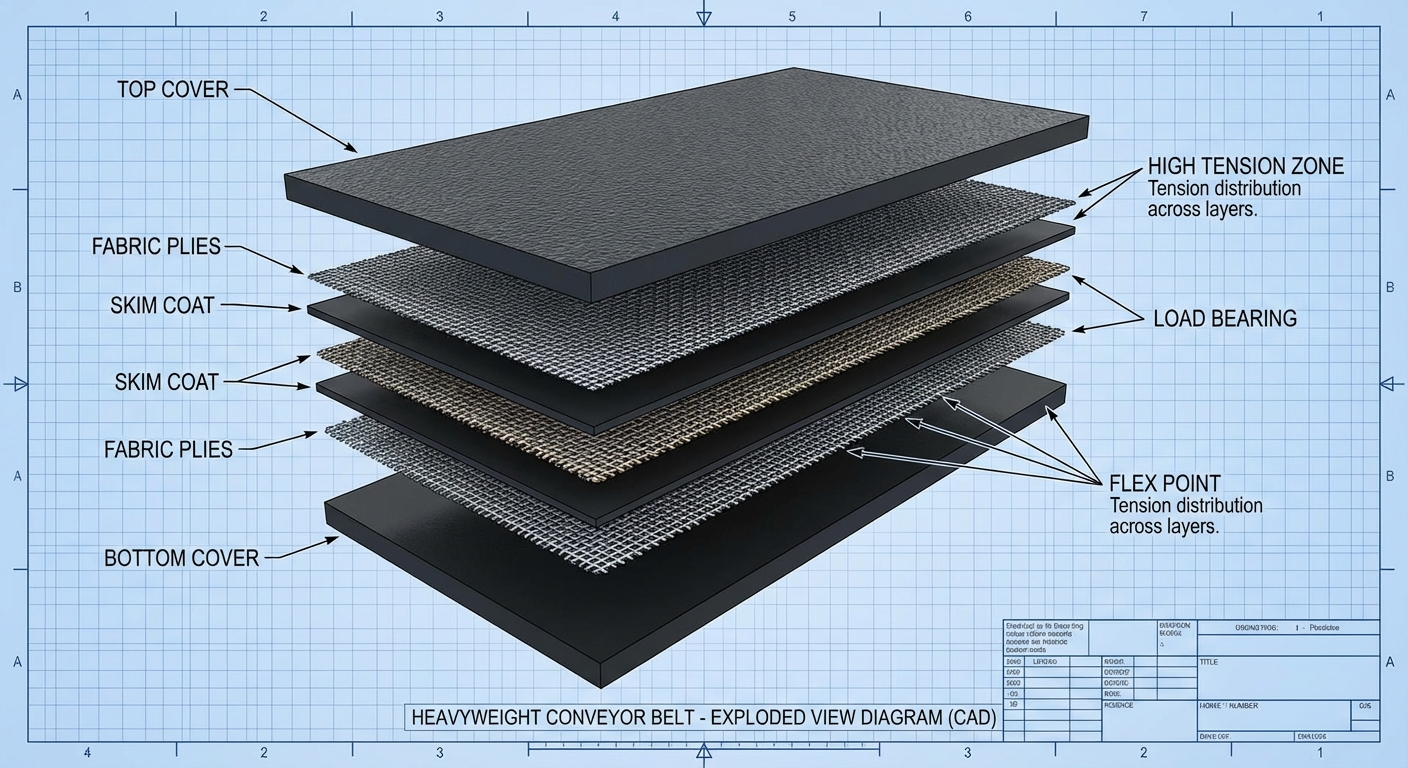
Multi-Ply Carcass Engineering
The carcass is the heart of the belt, using high-strength polyester and nylon fibers to resist stretching. These plies are layered to distribute the weight of the plaster molds evenly across the width.
- EP fabric layers for low stretch.
- Skim coat adhesion for ply integrity.
- Edge protection against abrasive plaster dust.
Advanced Compound Chemistry
Advanced compounds are used in the top cover to resist the abrasive nature of dry gypsum powder. This specialized rubber prevents the belt from wearing down prematurely due to constant friction.
Internal Reinforcement Structures
Reinforcement structures ensure that the belt remains dimensionally stable even when subjected to high temperatures in the drying oven. This stability is critical for keeping long conveyor runs perfectly aligned.
Key Takeaway: The internal architecture of the belt determines its lifespan in corrosive or dusty environments.
Technical specifications reveal the internal durability of professional belting:
| Component | Material Secret | Function | |
|---|---|---|---|
| Fabric Ply | EP (Polyester/Nylon) | Low elongation | |
| Skim Coat | Specialized Adhesion | Prevents delamination | |
| Cover | Abrasion-Resistant | Resists gypsum dust |
Can rubber conveyor belt suppliers survive plaster chemicals?
Qualified rubber conveyor belt suppliers utilize alkali-resistant compounds that prevent the rubber from swelling or cracking when exposed to gypsum additives. But that’s not all; the moisture-wicking properties of the belt cover ensure that the plaster doesn’t stick during the demolding process. Chemical compatibility is essential because plaster casting often involves accelerants or retardants that can be harsh on standard rubber.
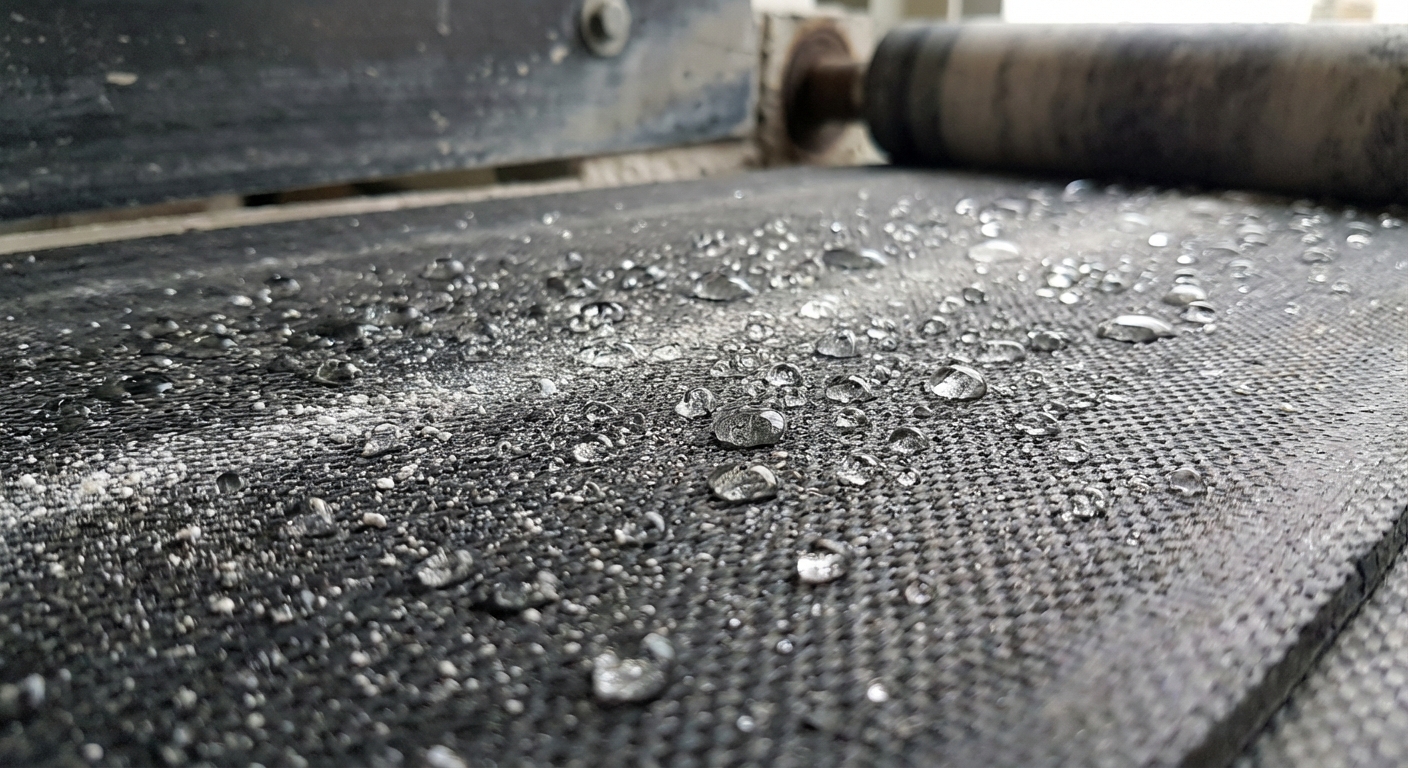
Chemical Resistance in Rubber Covers
The top cover must act as a barrier against the alkaline pH of wet plaster. Without this protection, the rubber would become brittle and develop surface cracks within months.
- Alkali-resistant rubber compounds.
- Non-porous surface finishes to prevent sticking.
- Easy-wash surfaces for routine maintenance.
Mitigating Moisture Absorption
If the belt carcass absorbs moisture, it can rot or lose its strength over time. Modern belting uses treated fibers that repel water, ensuring the belt stays dry and strong.
Surface Texture for Better Grip
A specific surface texture can help in the “release” phase of the casting. You want a surface that provides enough grip for movement but doesn’t bond with the curing material.
Key Takeaway: Chemical compatibility is a non-negotiable requirement for long-term belt performance in casting plants.
Consider these chemical resistance factors when selecting your next belt:
| Threat | Material Response | Protection Method | |
|---|---|---|---|
| Alkali Exposure | Swelling/Hardening | Specialized Nitrile/EPDM | |
| Moisture | Mildew/Rot | Treated Synthetic Fibers | |
| Additives | Surface Degradation | High-Density Polymers |
Why must rubber conveyor belt suppliers focus on precision?
Precision is the primary focus because even a millimeter of belt wobble can result in catastrophic defects in architectural plaster molds. Reliable rubber conveyor belt suppliers implement strict tracking protocols and often recommend a steel cord conveyor belt for applications requiring zero stretch. It gets even better: precision idler placement and electronic tracking sensors work together to maintain a perfectly flat profile.
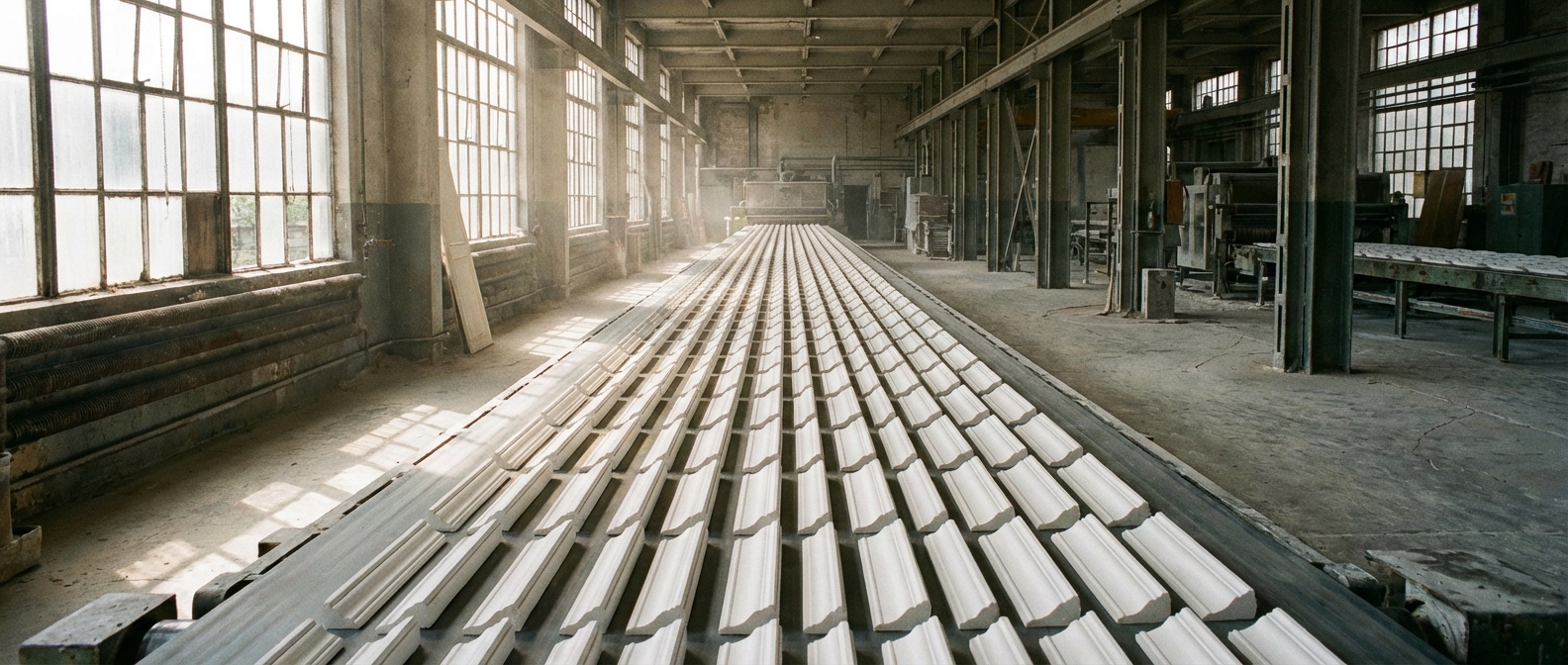
Vibration Reduction Strategies
Reducing vibration is critical during the initial pour when the plaster is still in a liquid state. Specialized rubber covers absorb the kinetic energy of the rollers, providing a smooth ride for the molds.
- Precision-ground pulleys to reduce run-out.
- Strategic idler placement for flat profiles.
- Electronic tracking sensors for real-time adjustment.
Lateral Stability and Tracking
Lateral stability prevents the belt from shifting side-to-side, which could cause molds to collide or tip. Accurate tracking ensures that the belt stays centered on the pulleys at all times.
Surface Leveling for Perfect Molds
A level surface is non-negotiable for achieving a uniform thickness in the finished plaster product. Any dip in the belt results in a corresponding bulge in the casting.
Key Takeaway: Stability is the foundation of precision casting; even a millimeter of deviation can ruin a batch.
Precision metrics are the difference between success and failure in casting:
| Precision Element | Tolerance Level | Resulting Quality | |
|---|---|---|---|
| Lateral Tracking | < 2.0 mm | Consistent Alignment | |
| Vibration Dampening | High Efficiency | Smooth Surface Finish | |
| Thickness Uniformity | ± 0.5 mm | Dimensional Accuracy |
How do rubber conveyor belt suppliers handle verticality?
When floor space is limited, rubber conveyor belt suppliers provide inclined solutions that move materials at steep angles without spillage. Now, consider this: utilizing a sidewall conveyor belt allows you to transport raw gypsum powder or small molds vertically. These systems maximize your facility’s square footage while maintaining a high throughput for finished goods.
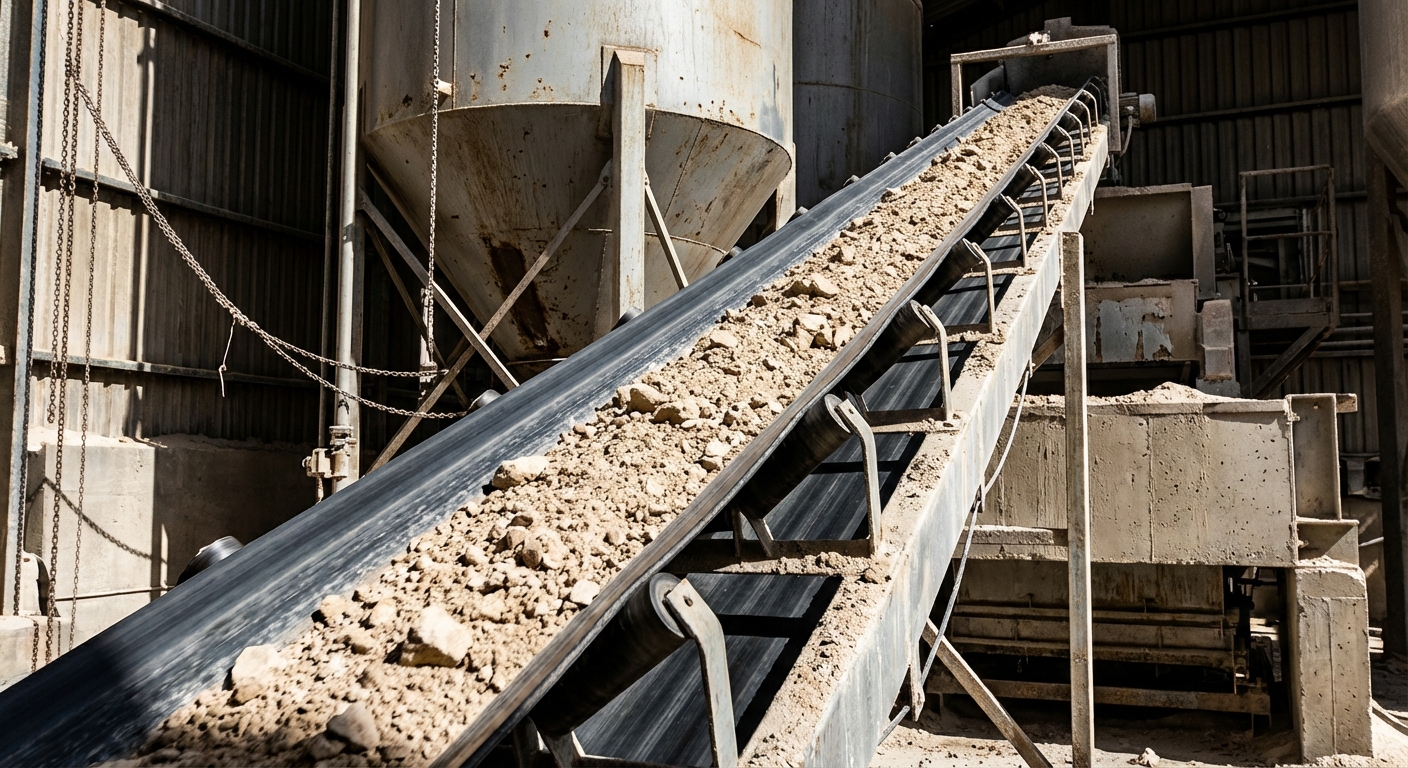
Steep Incline Casting Solutions
Inclined conveyors allow the casting process to span multiple levels within a factory. This is particularly useful for gravity-fed systems where raw materials are stored above the mixing station.
- Corrugated sidewalls for material containment.
- T-cleats and C-cleats for secure elevation.
- Cross-rigid base belts for lateral support.
Sidewall and Cleat Integration
Sidewalls prevent the “sloshing” of wet plaster as the belt moves up an incline. Cleats act as dividers, creating individual compartments that hold each mold securely in place.
Optimizing Space in Small Plants
By moving production upward, you can install more equipment on the factory floor. Verticality transforms a cramped workshop into a high-capacity production center.
Key Takeaway: Vertical conveying solutions maximize facility square footage while maintaining high throughput.
Spatial optimization is achieved through these vertical components:
| Feature | Design Purpose | Space Benefit | |
|---|---|---|---|
| Corrugated Sidewall | Prevents side spill | Narrower footprints | |
| Custom Cleating | Secures molds at angles | Steep-angle transport | |
| Cross-Rigidity | Prevents belt buckling | Vertical stability |
Are rubber conveyor belt suppliers ready for extreme heat?
High-quality rubber conveyor belt suppliers are prepared for extreme heat by offering EPDM or chlorobutyl covers that withstand curing oven temperatures. You might be wondering if standard rubber can handle the 200°C environments typical of drying tunnels. The truth is that only specialized heat-resistant grades can prevent the belt from becoming brittle and cracking under constant thermal stress.
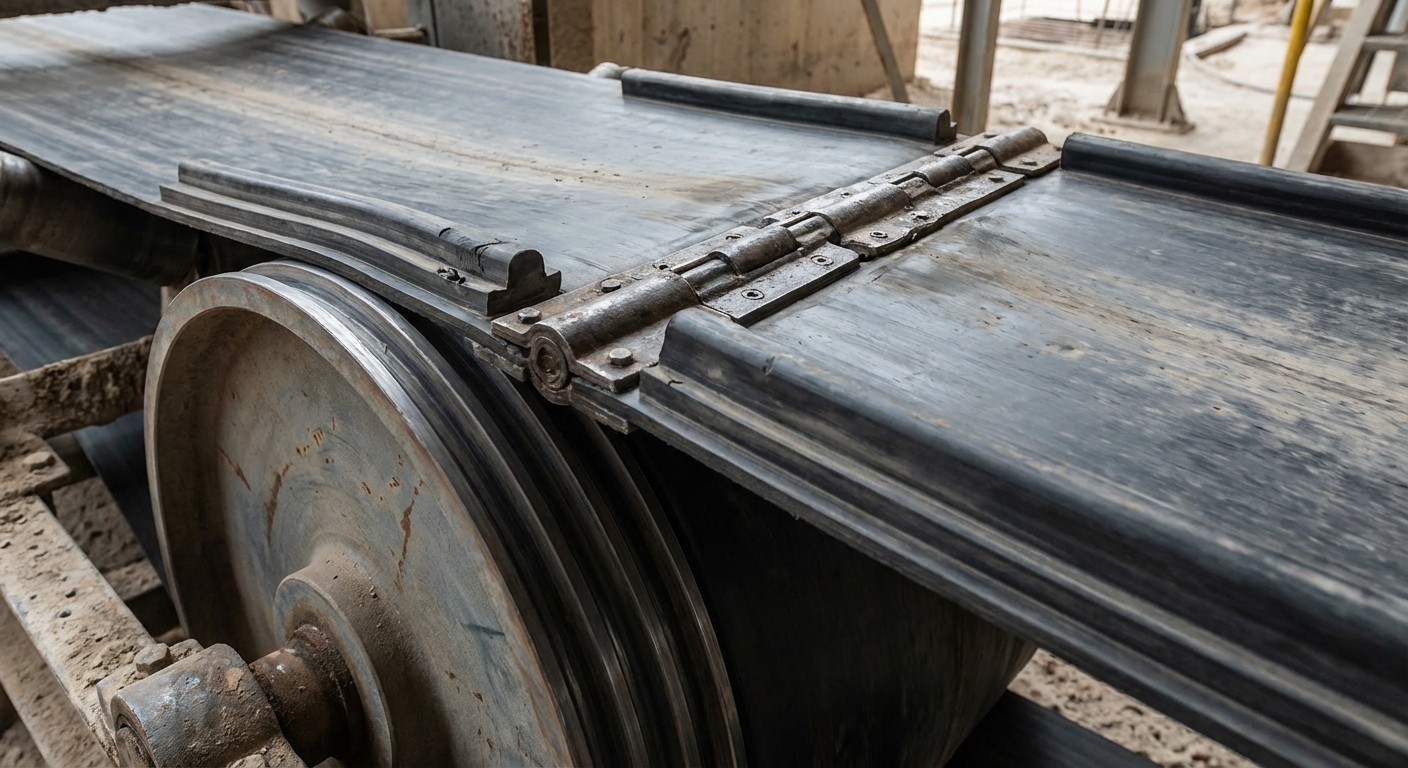
Thermal Resistance in Curing Ovens
The belt must maintain its tensile strength while passing through intense heat zones. Heat-resistant carcasses use specialized fibers that do not shrink or delaminate when baked.
- Heat-resistant carcasses that prevent delamination.
- Compounds designed to resist oxidative aging.
- Low-maintenance covers that don’t crack under thermal stress.
Preventing Premature Belt Aging
Extreme heat accelerates the aging process of rubber, causing it to lose elasticity. Using high-grade EPDM ensures that your belt remains flexible and durable for years, not just months.
Cover Grades for 200°C+ Environments
Different plaster products require different curing temperatures. You need a supplier that can match the cover grade exactly to your specific oven settings to avoid failure.
Key Takeaway: Selecting the wrong heat grade can lead to catastrophic belt failure and production downtime.
Thermal performance data ensures your line stays operational:
| Heat Grade | Temp Range (Continuous) | Application | |
|---|---|---|---|
| T1 Grade | Up to 120°C | Basic Drying | |
| T2 Grade | Up to 150°C | Rapid Curing | |
| T3 (EPDM) | Up to 200°C+ | High-Temp Tunnels |
Can rubber conveyor belt suppliers reduce operational cost?
Yes, rubber conveyor belt suppliers reduce operational costs by providing low-rolling resistance rubber that decreases power consumption. The bottom line? Efficiency is profit. By selecting a chevron conveyor belt for specialized grip, you can reduce the number of motor cycles required to move heavy batches.
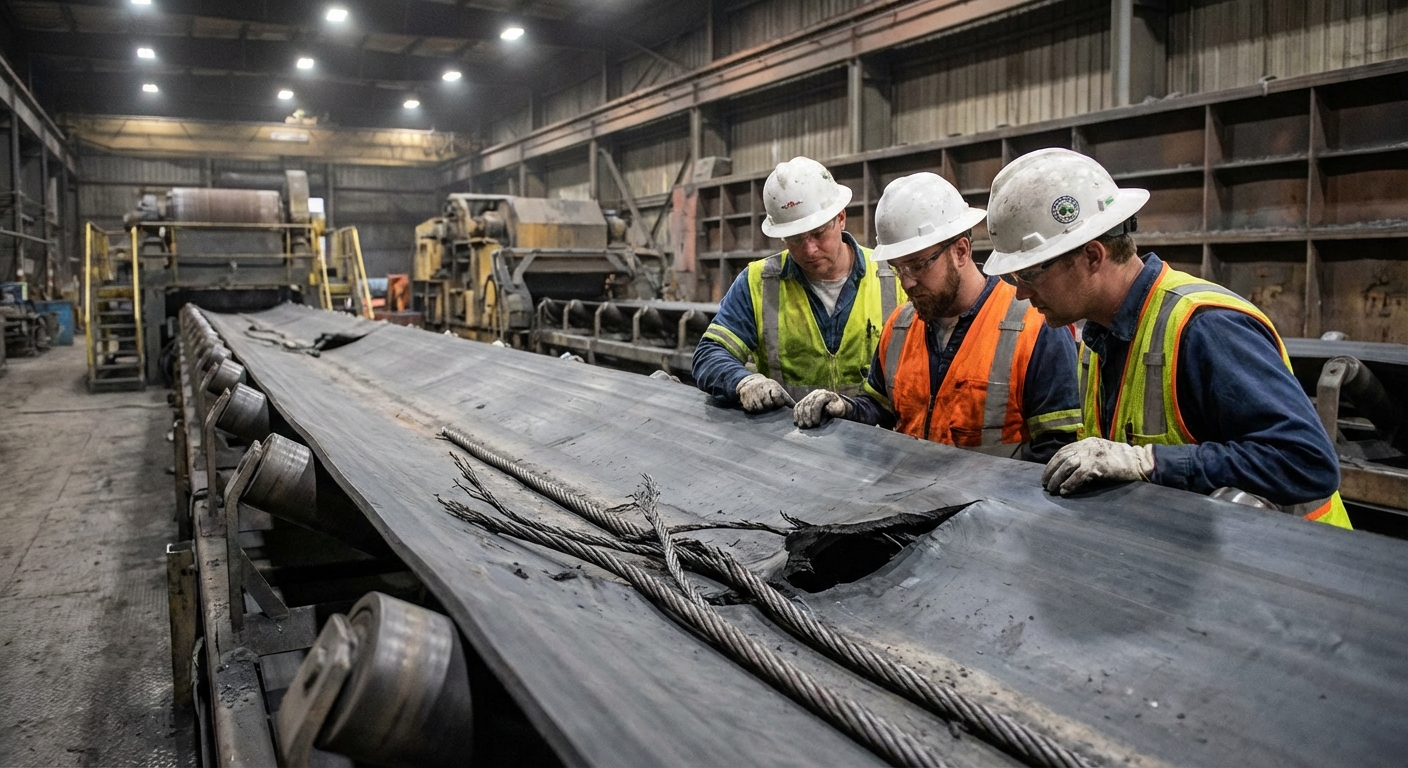
Energy Efficient Belt Design
Energy-efficient belts use a bottom cover that glides over idlers with minimal friction. This reduces the amperage draw on your motors, leading to lower monthly utility bills.
- Optimized rubber compounds for lower friction.
- High-durability edges to prevent fraying.
- Predictive maintenance based on belt wear patterns.
Reducing Maintenance Interventions
High-quality belting requires fewer adjustments and less frequent splicing. This keeps your maintenance crew focused on other critical tasks, reducing labor costs over time.
Extending the Lifecycle of Equipment
A smooth-running belt puts less strain on pulleys, bearings, and motors. By extending the life of your entire conveyor system, you maximize the return on your capital investment.
Key Takeaway: Investing in premium belts from specialized suppliers pays for itself through energy savings and longevity.
Economic benefits of high-efficiency belting include:
| Cost Center | Savings Method | Long-term Impact | |
|---|---|---|---|
| Energy | Low-rolling resistance | 10-15% Power Reduction | |
| Labor | Reduced maintenance | Lower overhead | |
| Capital | Extended component life | Deferred replacement costs |
What makes rubber conveyor belt suppliers vital for safety?
Suppliers are vital for safety because they provide anti-static and flame-retardant covers that prevent explosions in dusty environments. Safety first, always. Utilizing a flame retardant conveyor belt is a critical safeguard in plants where dry gypsum dust is prevalent. These specialized compounds are designed to self-extinguish, preventing a small spark from turning into a major facility fire.
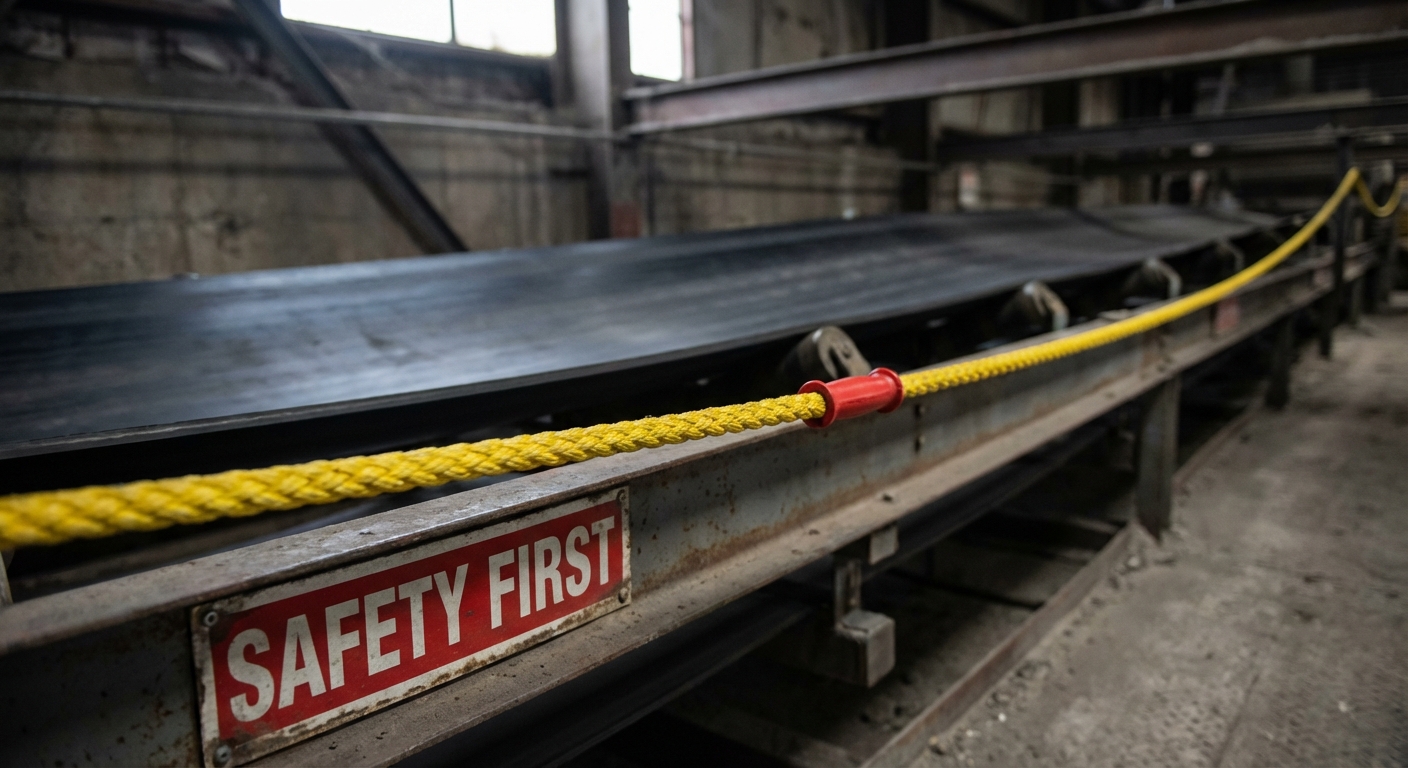
Flame Retardant Standards (MSHA/FR)
Compliance with global safety standards ensures that your facility is protected against fire risks. These belts undergo rigorous testing to ensure they do not support combustion.
- Compliance with global safety certifications.
- Static-dissipative rubber to prevent sparking.
- Self-extinguishing compounds for fire prevention.
Anti-Static Properties in Dusty Areas
Plaster dust can build up static electricity as the belt moves at high speeds. Anti-static rubber safely dissipates this charge to the ground, eliminating the risk of electrical discharge.
Emergency Stop and Safety Integration
Modern belts are designed to work seamlessly with emergency stop pull-cords and sensors. This integration ensures that the system halts immediately in the event of an obstruction or injury.
Key Takeaway: Safety features are not just a compliance checkbox; they are essential for protecting human life and infrastructure.
Safety compliance features are summarized here:
| Safety Feature | Risk Mitigated | Requirement | |
|---|---|---|---|
| Flame Retardant | Fire Spread | MSHA / DIN Compliance | |
| Anti-Static | Dust Explosion | < 300 MΩ Resistance | |
| Emergency Cord | Personal Injury | High-Visibility Yellow |
Why choose rubber conveyor belt suppliers for your project?
Choosing professional rubber conveyor belt suppliers ensures you receive custom-engineered solutions rather than generic, off-the-shelf products. Don’t settle for less than a partner who understands the unique mechanical stress of the plaster industry. These experts provide on-site vulcanization and 24/7 support to ensure your production line maintains peak performance year-round.
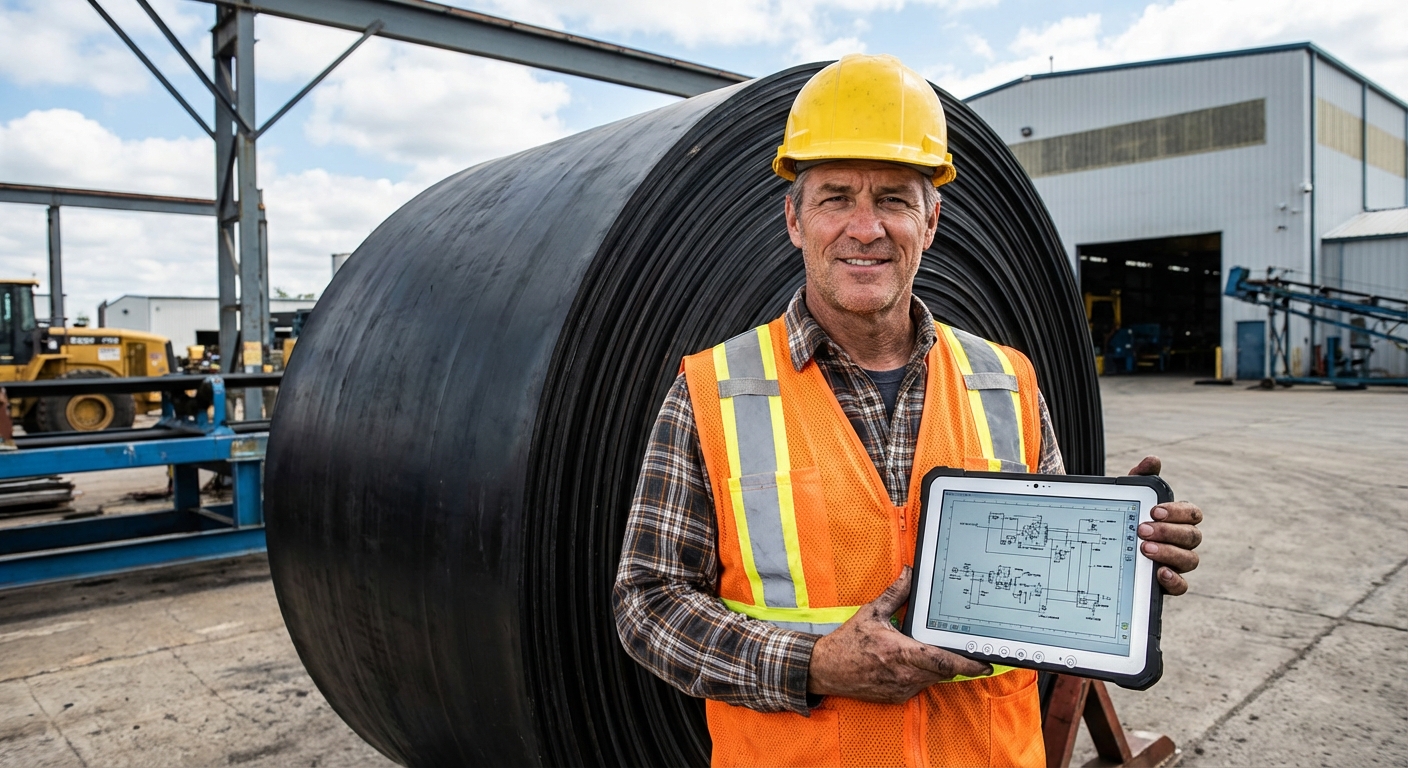
Custom Engineering Capabilities
Every factory layout is different, and your belt should be designed to fit your specific dimensions. Custom engineering ensures that every pulley, idler, and splice is optimized for your workflow.
- On-site vulcanization and splicing services.
- Inventory management of critical spare belts.
- Expert consultation for system upgrades.
Global Logistics and Rapid Support
When a belt breaks, every minute of downtime costs you money. Choosing a supplier with global logistics means you get replacement parts delivered and installed within hours.
Proven Industry Performance Metrics
A supplier with a track record in the casting industry can offer insights that save you time and money. They know which compounds work best for gypsum and which configurations prevent common failures.
Key Takeaway: A strategic partnership with a supplier ensures that your material handling remains a competitive advantage.
The final decision factors for a strategic partnership:
| Evaluation Factor | Supplier Capability | Business Result | |
|---|---|---|---|
| Technical Support | 24/7 Field Service | Minimal Downtime | |
| Customization | Bespoke Fabrication | Optimized Flow | |
| Reliability | Proven Track Record | Peace of Mind |
Ready to optimize your production line with the industry’s most durable heavyweight solutions? For expert guidance and custom fabrication, please contact us today.
FAQ
Can I customize the surface texture for specific plaster molds?Yes, you can select from a variety of surface finishes, including rough top, smooth, or custom-embossed textures. These options allow you to fine-tune the friction and release characteristics for your specific gypsum formulas.
What’s the best way to handle high-temperature curing on a belt?The most effective method is using EPDM (Ethylene Propylene Diene Monomer) rubber covers. These are specifically engineered to maintain their structural integrity and flexibility even when exposed to continuous heat up to 200°C.
Can I get on-site installation for heavyweight belts?Absolutely, professional field teams offer 24/7 on-site vulcanization and installation services. This ensures that the belt is spliced correctly and tensioned for immediate production use without the need for manual handling.
What’s the best cover grade for chemical resistance in casting?A high-quality nitrile or specialized alkali-resistant compound is recommended. These materials prevent the gypsum additives from degrading the rubber, significantly extending the lifespan of your conveyor system.
How does heavyweight belting reduce vibration?Heavyweight belts utilize a thicker, multi-ply carcass that acts as a natural dampener. This mass absorbs the mechanical energy from the conveyor rollers, providing a much smoother surface for delicate molds.