
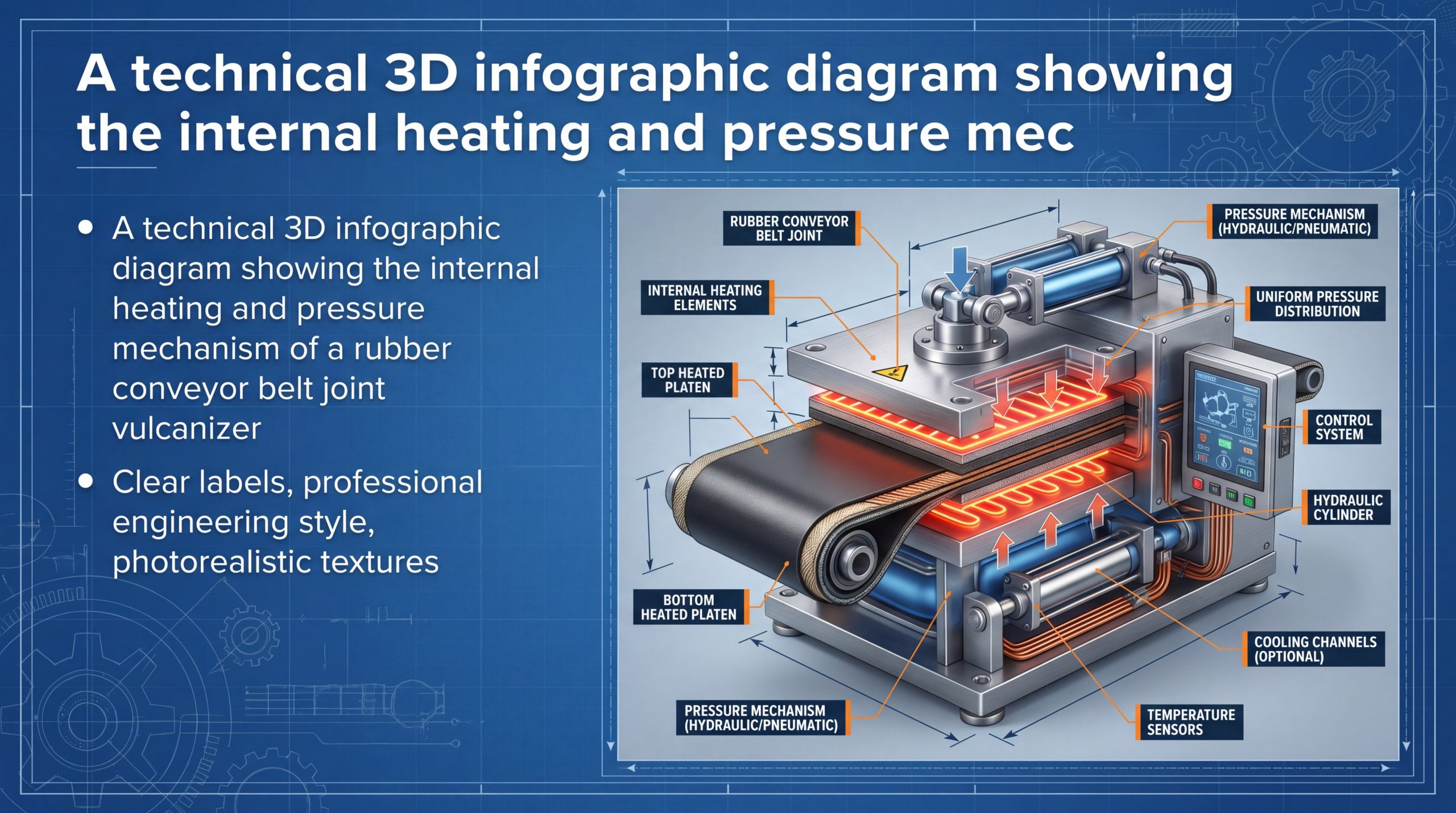
A Belt joint vulcanizing machine is an essential industrial solution for creating strong, seamless conveyor belt splices through advanced hot vulcanization technology. Designed to restore the original structural integrity of rubber conveyor belts, this equipment uses controlled heat and pressure to form durable molecular bonds that outperform traditional mechanical fasteners. By reducing belt failure, preventing unexpected downtime, and extending conveyor system lifespan, a Belt joint vulcanizing machine helps improve operational reliability and production efficiency in mining, cement, ports, power plants, and heavy-duty material handling industries.
Why buy a rubber conveyor belt joint vulcanizer?
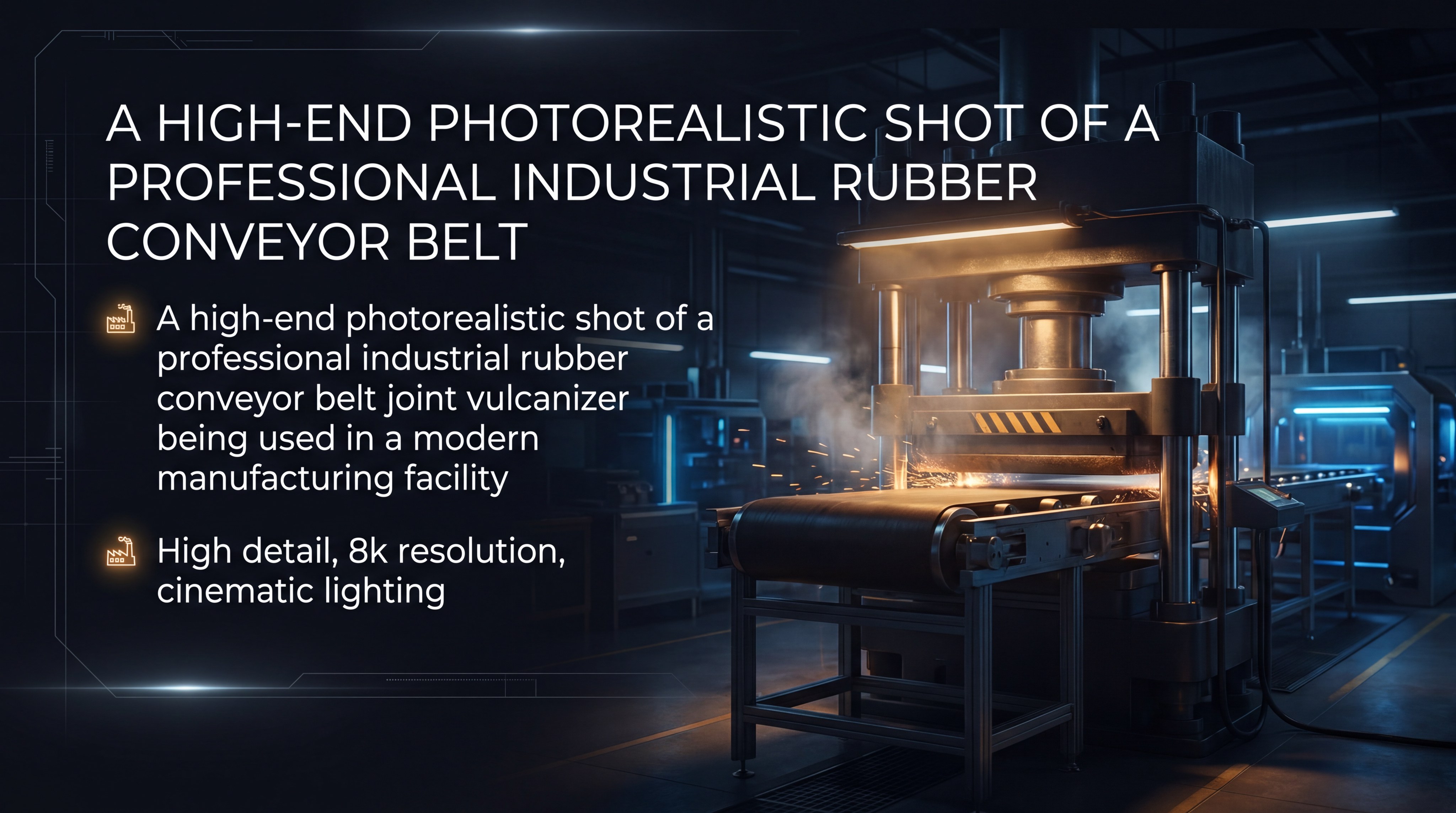
You should invest in this equipment because it provides a seamless joint that matches the original tensile strength of the belt. Utilizing a rubber conveyor belt joint vulcanizer ensures that your material handling systems operate without the vibration or noise associated with metal clips. This investment drastically reduces long-term maintenance costs by preventing premature wear on rollers and scrapers.
Does it improve joint integrity?
The process ensures that the spliced area is just as flexible and durable as the rest of the conveyor. Here is the deal: chemical bonding at high temperatures creates a unified structure rather than a mechanical attachment.
- Eliminates the risk of fastener pull-out.
- Provides a completely smooth surface for cleaners.
- Resists moisture and chemical ingress effectively.
Key Takeaway: Investing in vulcanization equipment prioritizes long-term system uptime over temporary, weak mechanical fixes.
| Benefit Category | Impact | Operational Value | |
|---|---|---|---|
| Strength | 90-100% of original belt rating | Supports high-tension loads | |
| Surface | Flush and seamless | Protects pulleys and scrapers | |
| Durability | Years of service life | Minimizes emergency repairs |
The high initial investment is quickly offset by the reduction in belt replacement frequency and labor costs.
How does a rubber conveyor belt joint vulcanizer work?
The machine works by applying a specific combination of heat (145°C) and pressure (1.5 MPa) to “cure” the unvulcanized rubber strips placed between the belt ends. Your rubber conveyor belt joint vulcanizer essentially transforms raw rubber into a stable, elastic material through a process called cross-linking. This is especially critical when dealing with a high-tension steel cord conveyor belt where internal alignment is paramount.
What is the role of thermodynamics?
Thermodynamics ensures that heat is distributed evenly across the entire splice area to prevent weak spots. You might be wondering why precision matters so much; even a small temperature variance can lead to under-cured or over-cured rubber.
- Heating plates maintain ±3°C uniformity.
- Pressure bags eliminate air pockets internally.
- Water cooling cycles stabilize the bond rapidly.
Key Takeaway: Successful vulcanization relies on the perfect synchronization of temperature, pressure, and timing to achieve a factory-grade splice.
| Processing Stage | Target Parameter | Result | |
|---|---|---|---|
| Heating | Room Temp to 145°C | Softens rubber for bonding | |
| Curing | 145°C for 30-50 min | Creates chemical cross-links | |
| Cooling | Down to 70°C | Solidifies the final joint |
Precise control of the heating curve is the single most important factor in determining the final splice quality.
What parts form a rubber conveyor belt joint vulcanizer?
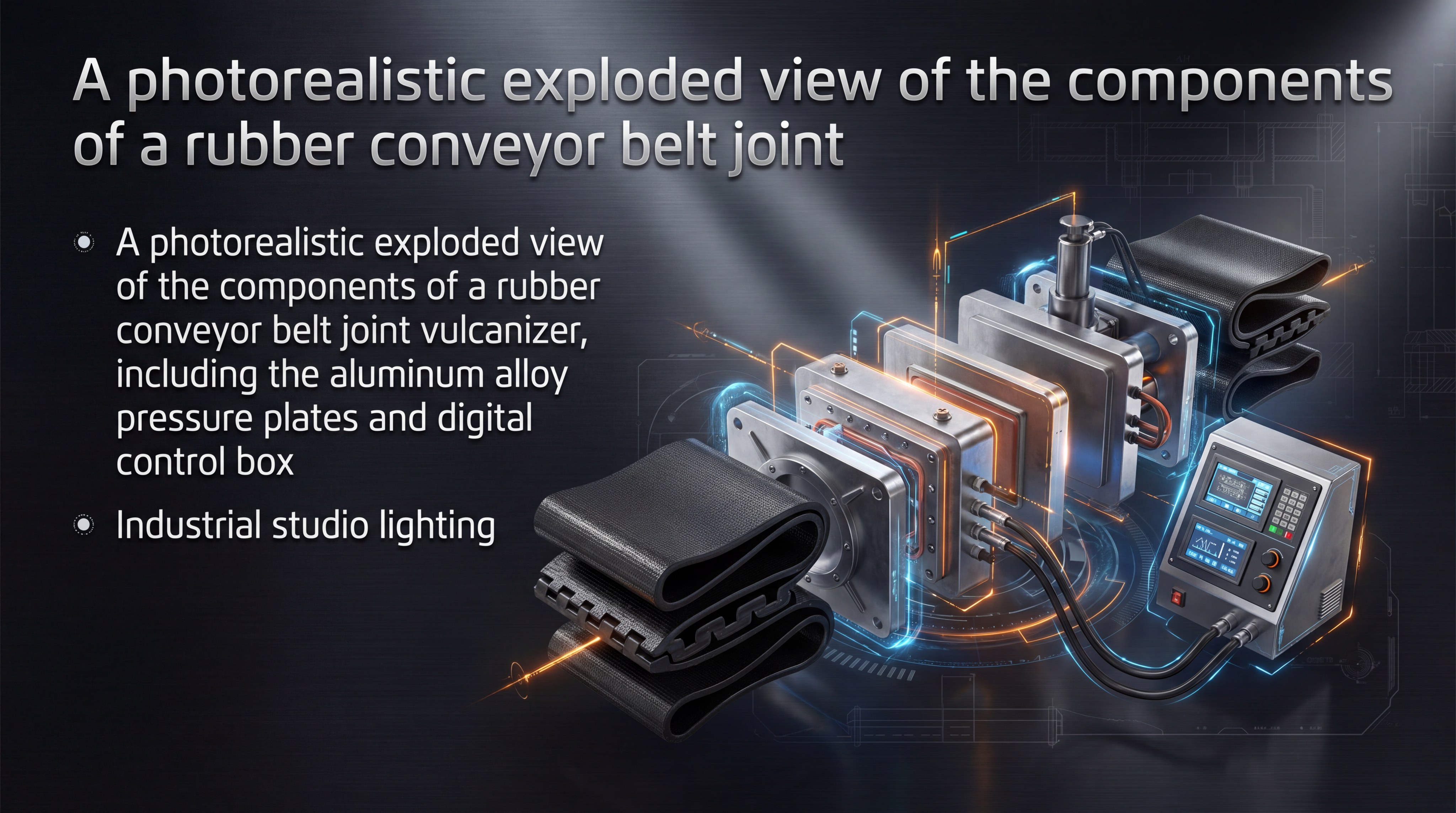
The machine is composed of high-strength aluminum alloy beams, heating plates, and a sophisticated electric control box. A rubber conveyor belt joint vulcanizer uses these lightweight components to allow for easy transport across rugged job sites. Each part is designed to withstand 1.5 MPa of pressure without warping or losing its parallel alignment.
Is the control box automated?
Modern control boxes feature digital displays and automated timers to manage the curing cycle without constant manual monitoring. Here is the deal: you can preset your parameters once and let the machine handle the rest.
- LCD display for real-time monitoring.
- Automatic shut-off upon completion.
- Waterproof and dustproof industrial casing.
Key Takeaway: Modular components like aluminum beams and digital controllers allow for a high degree of portability and precision.
| Component | Material | Purpose | |
|---|---|---|---|
| Pressure Beam | Aluminum Alloy | Provides structural clamping force | |
| Heating Plate | Silicone/Electric | Delivers uniform thermal energy | |
| Control Box | Digital/LCD | Manages the vulcanization cycle |
The use of high-grade aluminum ensures the machine remains durable while being light enough for manual handling on-site.
Where to find a rubber conveyor belt joint vulcanizer setup?
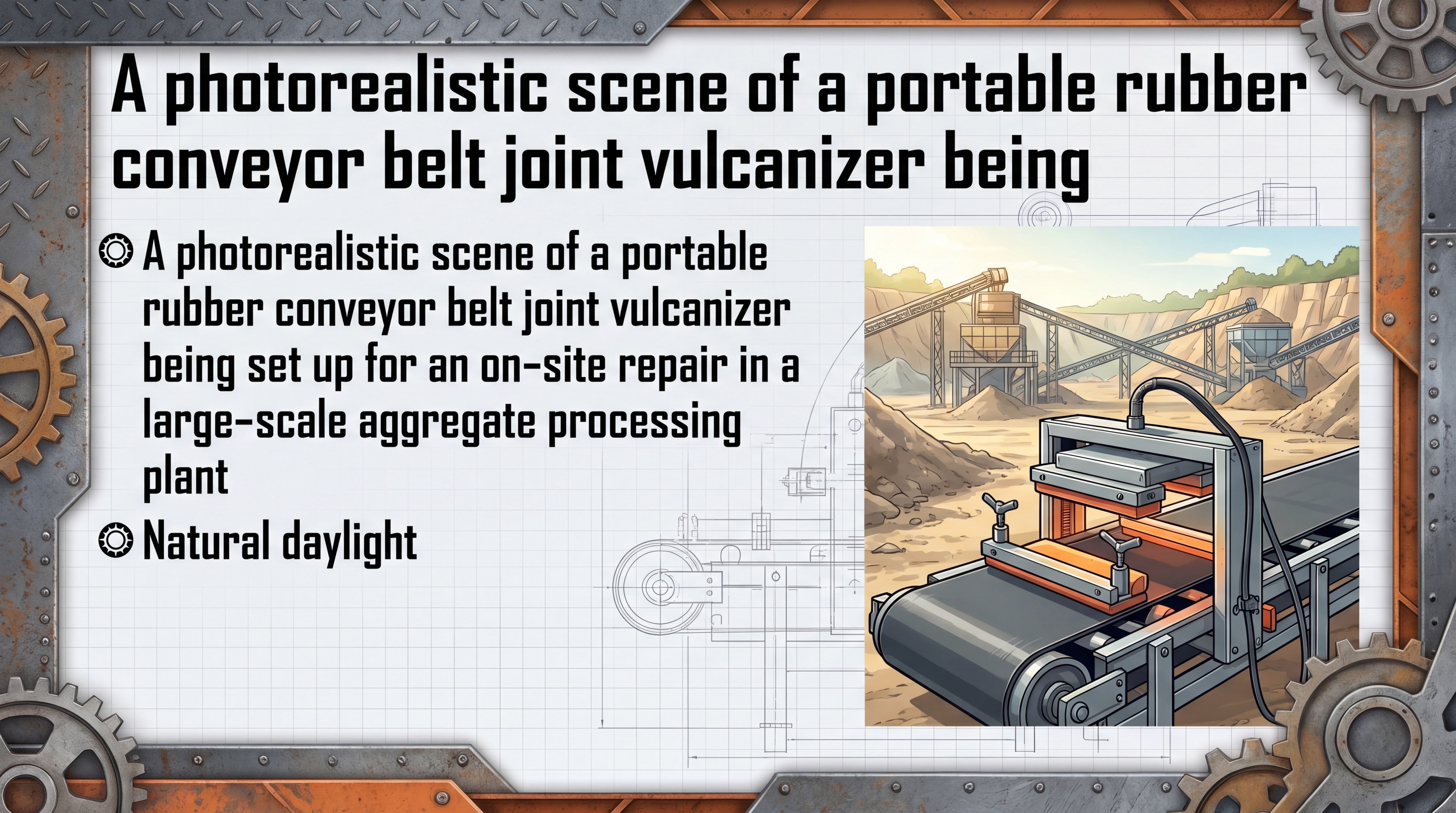
You will typically find these setups in mines, ports, and power plants where a sidewall conveyor belt or heavy fabric belt requires high-integrity splicing. A rubber conveyor belt joint vulcanizer is often deployed as a portable unit directly on the conveyor structure to avoid belt removal. This on-site capability is essential for large-scale operations where downtime costs thousands of dollars per hour.
Can it handle steep inclines?
The portable nature of the equipment allows it to be rigged in challenging positions, including steep inclines or elevated galleries. You might be wondering how the machine stays secure; it uses high-tensile bolts to lock the beams around the belt.
- Adaptable to various belt widths up to 3200mm.
- Portable frames for hard-to-reach locations.
- Compact control units for confined spaces.
Key Takeaway: Portability enables technicians to perform factory-quality repairs without disassembling the conveyor frame.
| Setting | Requirement | Equipment Advantage | |
|---|---|---|---|
| Open Pit Mine | Mobility | Lightweight aluminum construction | |
| Processing Plant | Reliability | Automated digital precision | |
| Port Terminal | Speed | Rapid water-cooling systems |
Field-proven portability ensures that your maintenance team can react quickly to belt damage anywhere in the facility.
How to use a rubber conveyor belt joint vulcanizer panel?

Operating the panel involves setting the target temperature and curing time according to the belt manufacturer’s specifications. Your rubber conveyor belt joint vulcanizer control box typically features intuitive buttons and indicator lights to guide you through the process. Once the parameters are locked in, the system manages the power output to maintain a steady thermal environment.
Are the readings accurate?
Digital sensors provide real-time feedback with a high degree of accuracy to ensure the belt never overheats. Here is the deal: if the temperature fluctuates too much, the bond will be inconsistent and prone to failure.
- Preset buttons for standard rubber types.
- Warning alarms for temperature deviations.
- Data logging for quality control records.
Key Takeaway: Advanced control panels simplify the complex chemistry of vulcanization into a few push-button steps.
| Panel Feature | Function | Operator Benefit | |
|---|---|---|---|
| Temp Display | Real-time monitoring | Ensures curing consistency | |
| Timer | Countdown clock | Prevents over-curing of rubber | |
| Safety Lock | Prevents accidental changes | Protects the ongoing splice |
Automation in the control panel reduces the risk of human error during critical maintenance windows.
Is a rubber conveyor belt joint vulcanizer for coal mines?
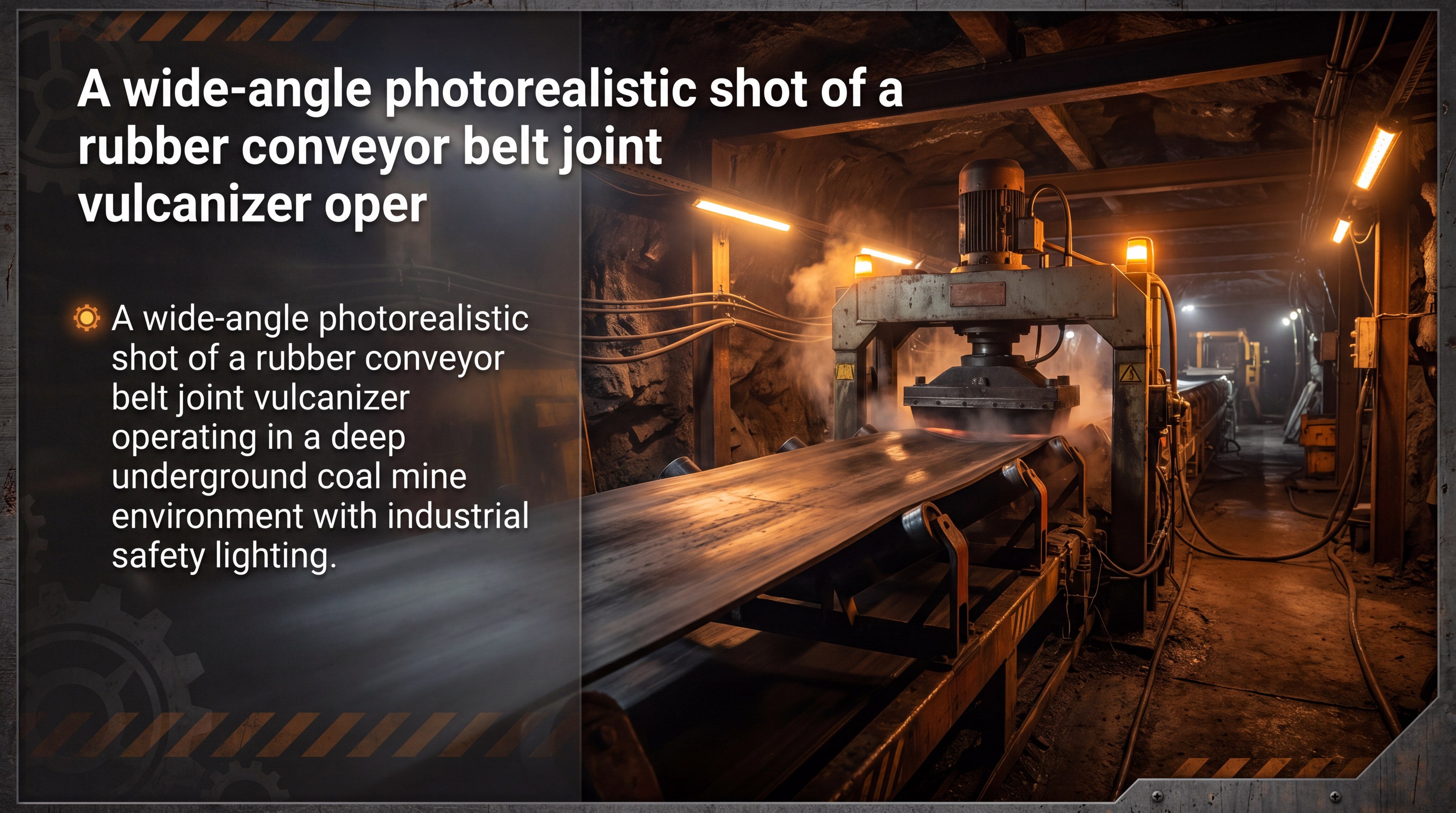
Yes, these machines are specifically engineered for underground coal mines where moisture and explosive dust are major concerns. A rubber conveyor belt joint vulcanizer used in these environments often features explosion-proof casings and specialized insulation for a chevron conveyor belt used on steep slopes. Maintaining joint safety in a coal mine is non-negotiable for protecting personnel and preventing fire hazards.
Does it resist underground humidity?
Specialized waterproofing technology protects the electrical components from the high humidity levels found in deep underground shafts. You might be wondering if the heat creates a hazard; the machines use localized heating zones to minimize environmental impact.
- Corrosion-resistant outer shells.
- Double-deck waterproof seals on controllers.
- Low-energy consumption for remote power grids.
Key Takeaway: Specialized mining vulcanizers combine high power for splicing with robust safety features for hazardous zones.
| Environment Factor | Machine Adaptation | Benefit | |
|---|---|---|---|
| High Humidity | Waterproofing / Seals | Prevents electrical shorts | |
| Explosive Dust | Sealed Control Box | Maintains safe operations | |
| Tight Spaces | Modular Frame | Easy transport in cages |
Designing for extreme environments ensures that the machine remains reliable even in the most unforgiving mining conditions.
How to adjust a rubber conveyor belt joint vulcanizer?
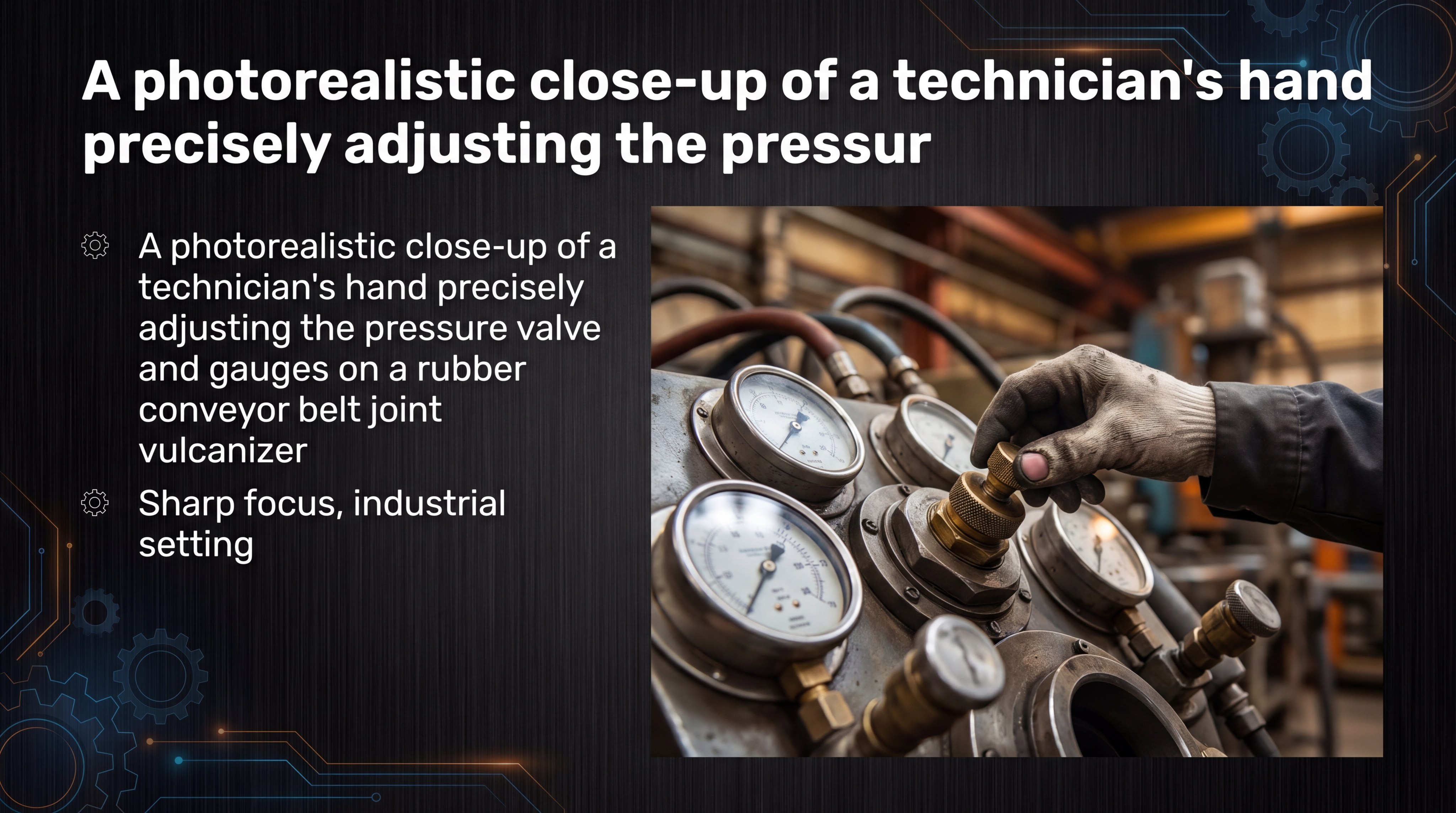
Adjustment involves calibrating the pressure valves and ensuring the heating plates are perfectly parallel to the belt surface. A rubber conveyor belt joint vulcanizer allows you to fine-tune the clamping force to exactly 1.5 MPa using a manual or electric pump. This precision prevents “belt edge thinning” and ensures the core tension members are properly encased in the new rubber bond.
Why is parallelism critical?
Parallel plates ensure that pressure is applied evenly across the entire width of the belt to prevent internal voids. Here is the deal: an uneven adjustment can cause the belt to mistrack or fold once it is put back under tension.
- Check plates for 0.03mm parallelism tolerance.
- Adjust tensioning bolts symmetrically.
- Monitor pressure gauges constantly during heating.
Key Takeaway: Careful mechanical adjustment before heating is the difference between a perfect splice and a crooked joint.
| Adjustment Task | Tool Used | Goal | |
|---|---|---|---|
| Pressure Level | Electric/Manual Pump | Achieve 1.5 MPa force | |
| Alignment | Torque Wrench | Even clamping across beams | |
| Temp Calibration | Digital Probe | Verify panel accuracy |
Technicians who prioritize setup adjustment see a significantly higher success rate in their splicing operations.
Is a rubber conveyor belt joint vulcanizer safe to use?
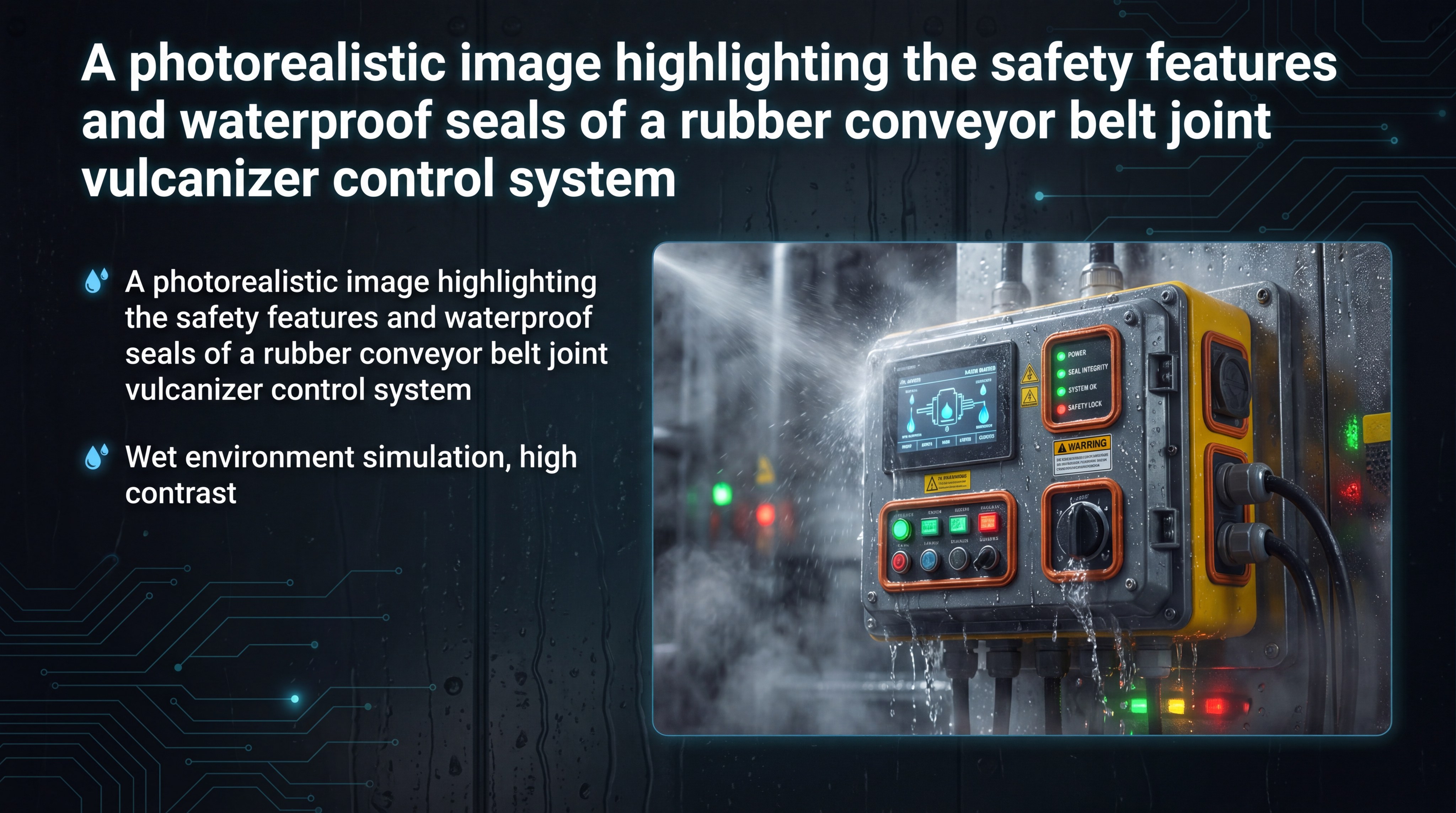
Safety is a core design feature, with automatic shut-off systems and high-pressure safety valves built into every unit. Your rubber conveyor belt joint vulcanizer is designed to handle extreme temperatures and pressures without posing a risk to the operator. This is particularly vital when splicing a pipe conveyor belt where the complex geometry requires extra caution during the clamping phase.
What are the electrical protections?
The machines use vertical double-deck waterproof technology to prevent electrical surges or shorts in wet industrial environments. You might be wondering about thermal safety; the outer covers are insulated to prevent accidental burns to technicians.
- Emergency stop buttons on all control boxes.
- Pressure relief valves on hydraulic components.
- Overheat protection circuits for the heating elements.
Key Takeaway: Multiple layers of redundant safety systems protect both the equipment and the personnel on the floor.
| Safety Layer | Implementation | Protection Type | |
|---|---|---|---|
| Thermal Insulation | Specialized plate covers | Prevents contact burns | |
| Pressure Valve | Auto-relief mechanism | Prevents mechanical blowout | |
| Circuit Breaker | Fast-acting fuse | Protects against surges |
Rigorous safety standards make hot vulcanization a reliable and predictable maintenance procedure.
Is a rubber conveyor belt joint vulcanizer energy efficient?
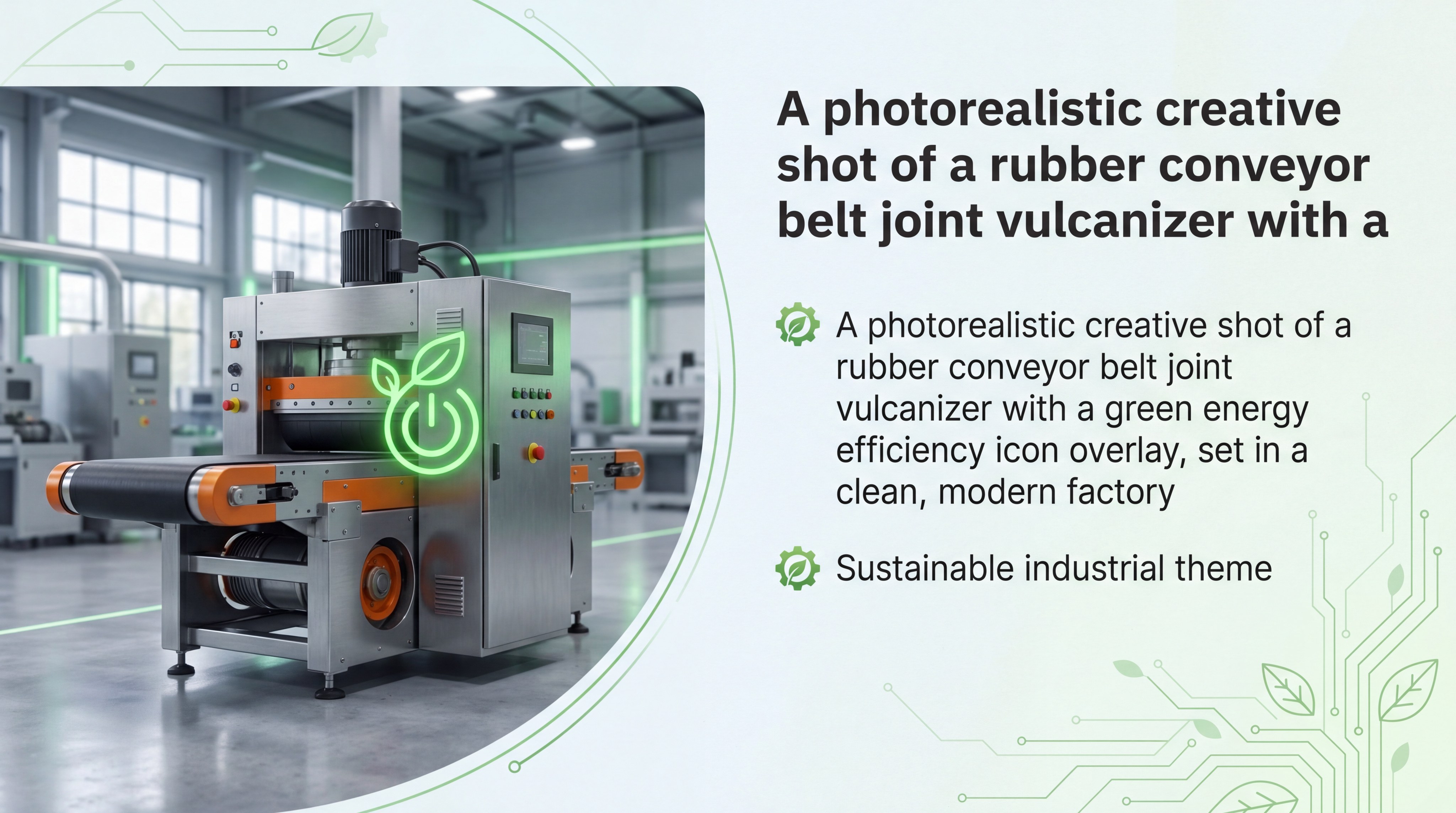
Modern machines are highly energy efficient, often using 50% less power than older models through advanced heating element design. A rubber conveyor belt joint vulcanizer now uses high-density insulation to retain heat within the splice area rather than losing it to the air. This efficiency is critical when operating in remote locations where power is supplied by generators.
How fast is the heating cycle?
Optimized power management allows the machine to reach 145°C in under 25 minutes, saving both electricity and labor time. Here is the deal: faster heating means your belt can return to service much sooner.
- High-wattage layers for rapid warm-up.
- Intelligent power modulation during curing.
- Rapid DC water-cooling for fast cycle turnover.
Key Takeaway: Energy efficiency directly correlates with faster repair times and lower operational costs per splice.
| Efficiency Factor | Advantage | Operational Result | |
|---|---|---|---|
| Insulation | Superior heat retention | Lower total Kw consumption | |
| DC Cooling | 15-minute cooldown | Faster equipment teardown | |
| Modulation | Steady-state power | Prevents energy spikes |
Reducing power consumption allows the machine to run on standard industrial grids without requiring specialized upgrades.
Does a rubber conveyor belt joint vulcanizer improve joints?
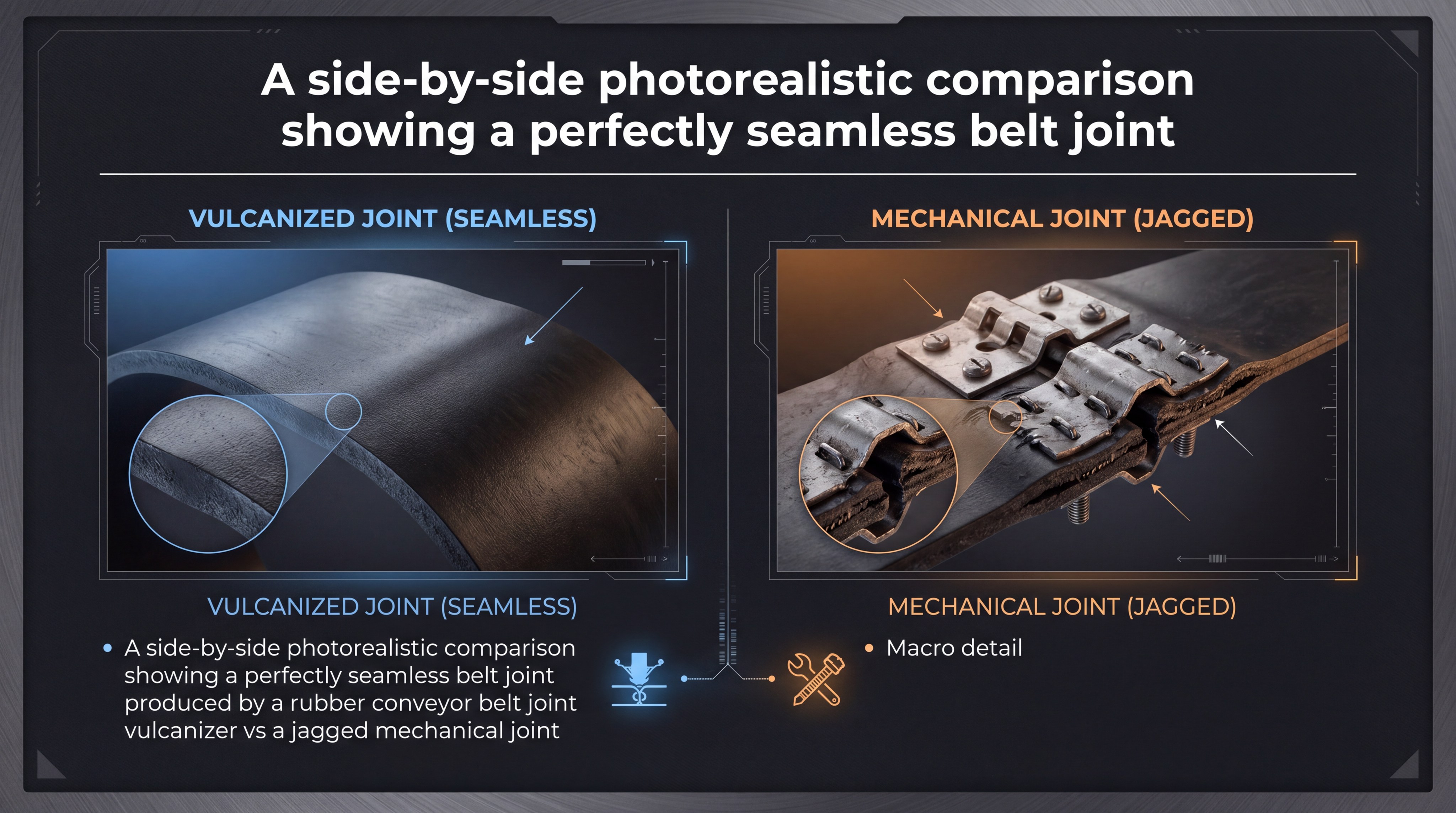
It improves joints significantly by creating a flush, integrated bond that is far superior to any mechanical or cold-bonded alternative. Using a rubber conveyor belt joint vulcanizer for your aramid conveyor belts prevents the fraying and edge-peeling that often leads to belt failure. The resulting joint is nearly invisible and moves through your pulley system with zero impact or vibration.
Is the bond permanent?
The chemical cross-linking achieved during hot vulcanization creates a permanent bond that will likely outlast the rest of the belt. You might be wondering if it can withstand extreme heat or cold; the vulcanized rubber retains its properties across a wide temperature range.
- No gaps for dust or material buildup.
- Maximum flexibility for small-diameter pulleys.
- Resistance to high-tension stresses.
Key Takeaway: Hot vulcanization is the gold standard for creating joints that mimic the strength and behavior of a continuous belt loop.
| Metric | Vulcanized Joint | Mechanical Joint | |
|---|---|---|---|
| Tensile Strength | 95% – 100% | 50% – 70% | |
| Service Life | Years | Months | |
| Pulley Wear | Zero | High |
The superior performance of a vulcanized joint makes it the only choice for mission-critical conveyor lines.
FAQ Section
Can I vulcanize a belt while it is still on the conveyor frame?Yes, modern machines are designed to be portable and modular, allowing you to perform hot vulcanization directly on the conveyor structure without removing the belt.
What’s the best way to ensure the heating plates are clean?You should always use a release agent or specialized “plaster casting” paper between the belt and the heating plates to prevent rubber from sticking and ensure a smooth surface finish.
What is the ideal pressure for a fabric rubber belt?Standard industrial practice for a high-quality rubber conveyor belt joint vulcanizer is to maintain a uniform pressure of 1.5 MPa throughout the curing stage.
Can I use the machine in the rain?While the control boxes use waterproof technology, it is always recommended to provide a temporary shelter or “splicing tent” to keep the belt ends dry and the electronics protected.
How long does a complete splice cycle take?Including setup, heating (25 mins), curing (30-50 mins), and cooling (15 mins), a typical splice cycle takes approximately 2 to 3 hours depending on belt width.
ConclusionAchieving a perfect conveyor belt joint requires the right combination of high-tech equipment and precise thermal management. To ensure your operations maintain maximum uptime and safety, contact us today for a customized quote on professional vulcanizing machines and premium rubber conveyor solutions.