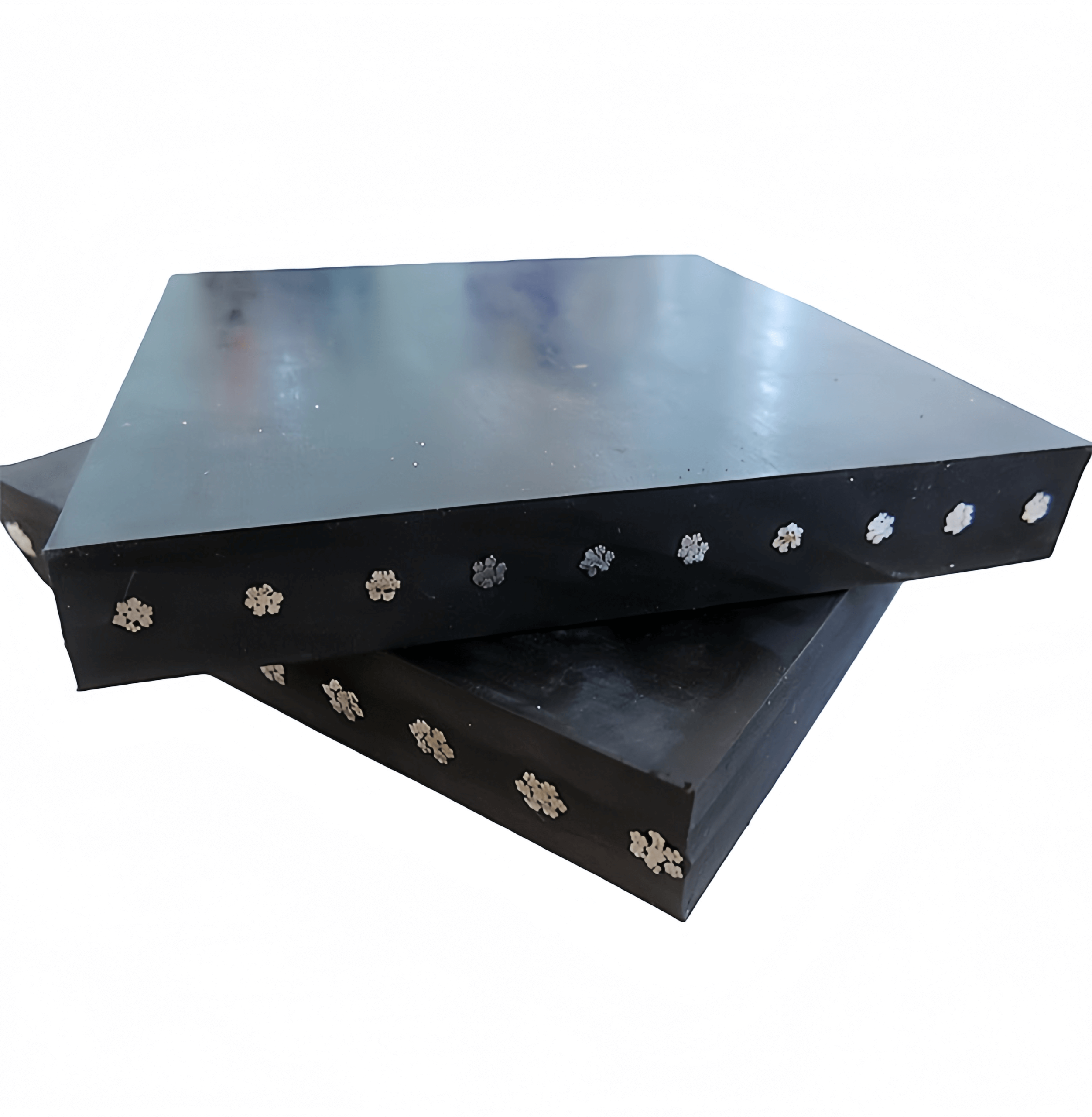
Choosing to buy conveyor belt rubber designed for plaster casting ensures moisture resistance, high load capacity, and stable material transport, reducing downtime and improving production efficiency.
Where can you buy conveyor belt rubber for casting?
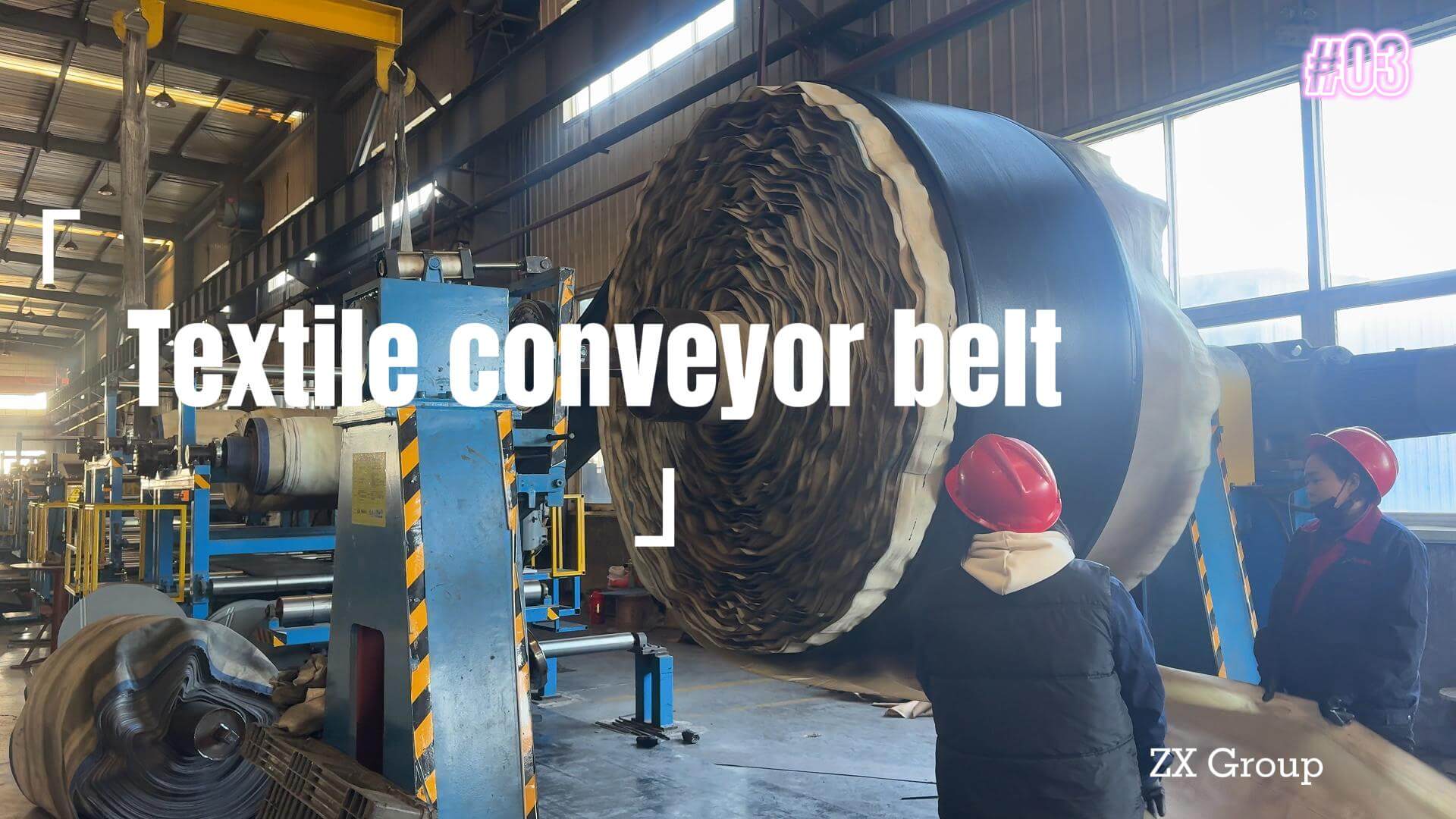
You can find specialized rubber components through direct-factory manufacturers that focus on heavy-duty building material applications. When you look to buy conveyor belt rubber , selecting a supplier with ISO 9001 certification ensures you receive consistent quality for your casting line.
What is the industrial casting process?
Plaster casting involves pouring gypsum slurry into molds that move along a continuous production line. These belts must remain perfectly level to prevent liquid overflow during the initial setting phase.
Think about it.
- Slurry mixing and pouring.
- Vibration for air bubble removal.
- Controlled setting and drying zones.
Why does rubber material selection matter?
The chemical nature of gypsum can cause standard rubber to swell or crack over time. High-quality compounds prevent these reactions from occurring during 24/7 operations.
Key Takeaway: Sourcing your belts from a direct factory ensures that the material composition is tailored specifically for the chemical demands of gypsum.
| Source Type | Quality Control | Customization | Lead Time | |
|---|---|---|---|---|
| Direct Factory | High | Full | Stable | |
| Trading Company | Variable | Limited | Variable |
Direct manufacturing eliminates middleman markups while providing the specific engineering support required for specialized casting environments.
How to buy conveyor belt rubber for mold transport?
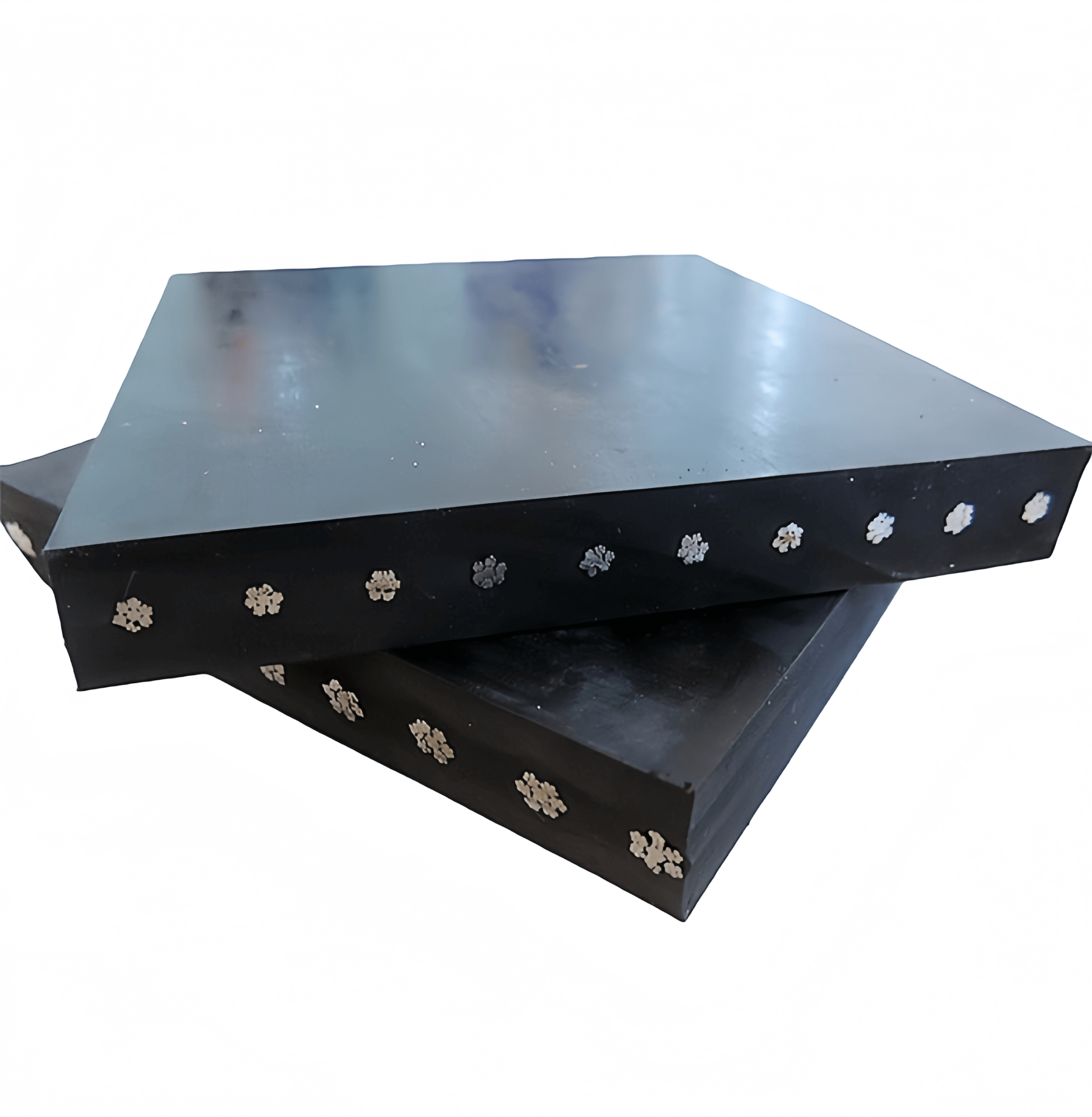
You must evaluate the weight of your molds and the total length of your line to determine the required tensile strength of the belt. To buy conveyor belt rubber effectively, you should prioritize belts that offer low-stretch characteristics to keep your mold alignment precise.
How does the belt transport heavy molds?
Molds filled with wet plaster are significantly heavier than finished dry products. The belt must provide a high friction surface to prevent heavy molds from shifting during acceleration or deceleration.
Here is the deal:
- High-grip top covers for stability.
- Multi-ply fabric cores for strength.
- Impact-resistant layers for loading zones.
Managing moisture and slurry runoff?
Slurry runoff is inevitable in plaster casting, so your belt must be easy to clean and resistant to water absorption. Belts with sealed edges prevent moisture from reaching the inner fabric layers and causing delamination.
Key Takeaway: Mold transport requires a combination of high-grip surfaces and structural integrity to handle the significant weight of wet gypsum without stretching.
| Transport Feature | Benefit | Importance | |
|---|---|---|---|
| High-Grip Cover | Prevents mold sliding | Critical | |
| Low-Stretch Core | Maintains mold timing | High | |
| Sealed Edges | Prevents core rot | Essential |
Properly specified belts ensure that molds remain perfectly positioned throughout the entire length of the casting conveyor.
Which uses require you to buy conveyor belt rubber?
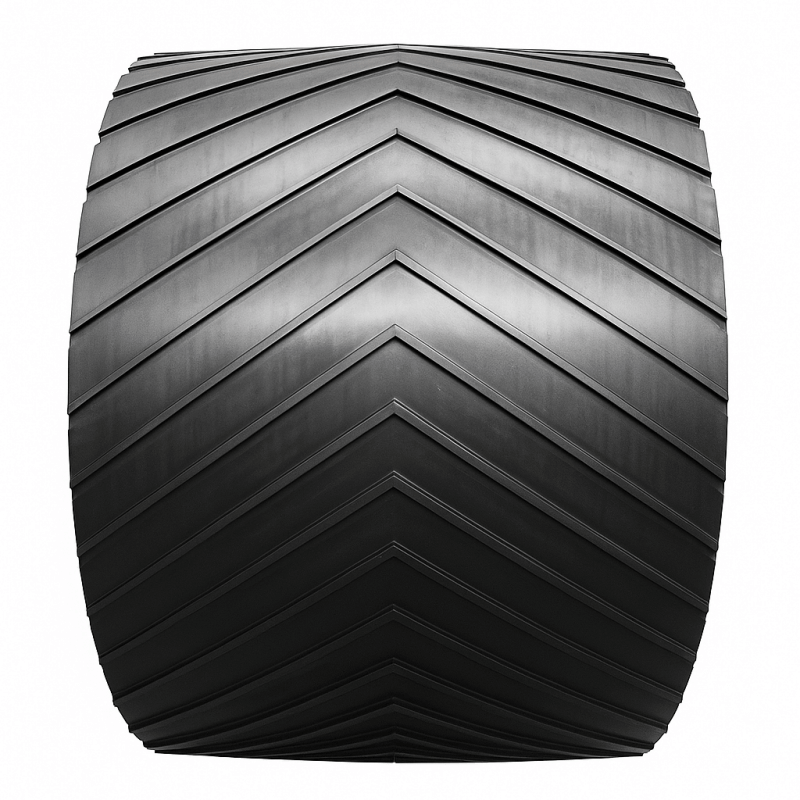
Plaster casting lines for wallboards, ceiling tiles, and architectural moldings all require specific rubber belt configurations to handle their unique shapes. When you buy conveyor belt rubber for these applications, you are investing in the stability of your final product dimensions.
Production of gypsum wallboards?
Wallboard production uses some of the longest and widest belts in the industry to create continuous sheets. These belts must be perfectly flat to ensure the uniform thickness of every board produced on the line.
The best part?
- High-speed continuous sheet forming.
- Precision thickness control.
- Integration with automated cutting tools.
Architectural molding and ceiling tiles?
Smaller casting lines for decorative tiles often involve complex molds that need gentle handling to avoid breakage. Rubber belts provide the necessary vibration dampening to protect delicate patterns during the early setting stages.
Key Takeaway: Different plaster products demand different belt widths and surface textures to ensure high-quality finishes and operational efficiency.
| Use Case | Belt Requirement | Focus | |
|---|---|---|---|
| Wallboards | Extra wide / Flat | High Volume | |
| Ceiling Tiles | Textured surface | Detail Accuracy | |
| Moldings | Vibration dampening | Product Integrity |
Selecting the right belt for your specific plaster product helps eliminate scrap and maximizes your total operational yield.
What features matter to buy conveyor belt rubber?
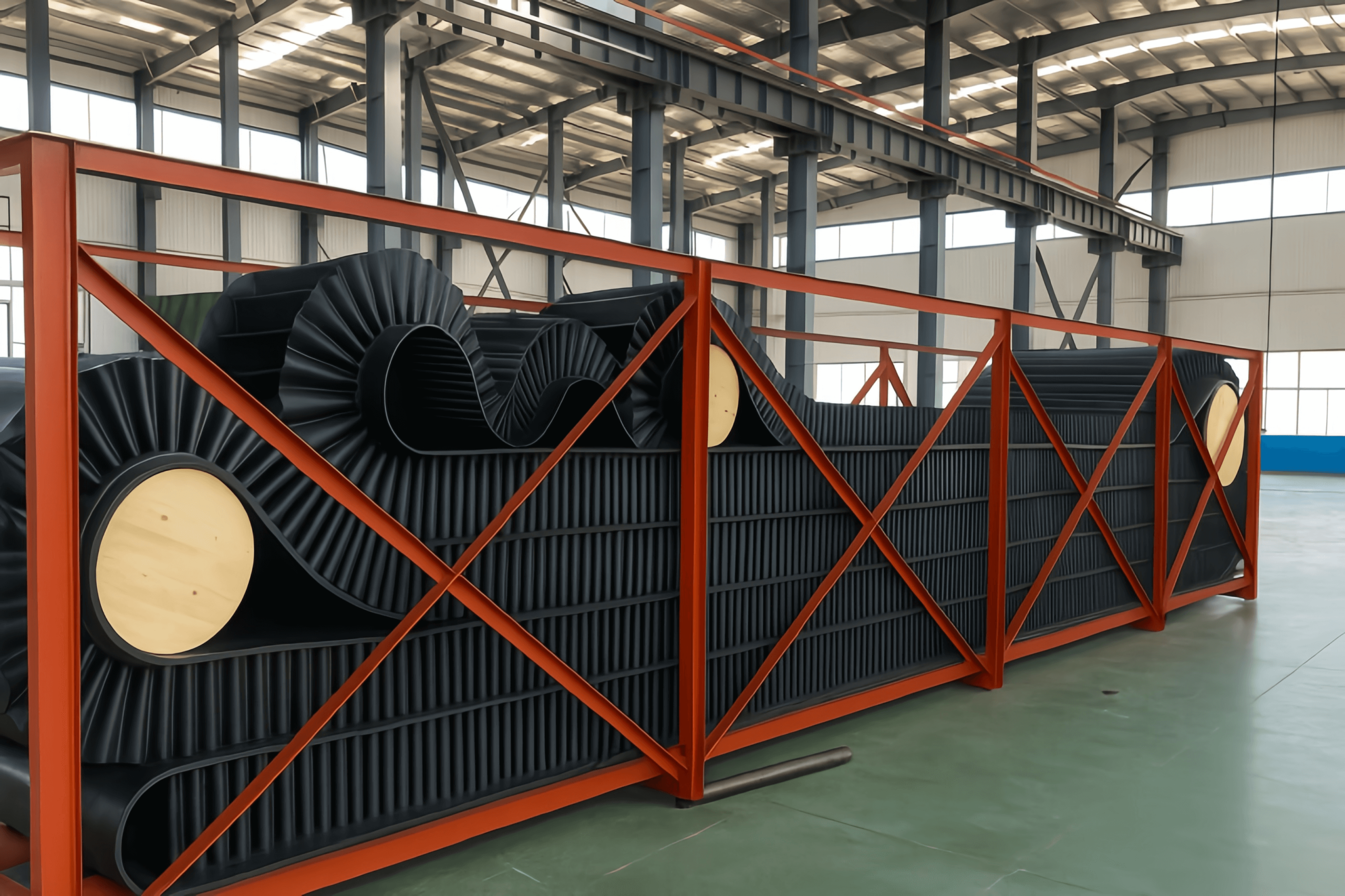
Focusing on abrasion resistance and cover thickness is vital for belts that will face constant scraping and cleaning cycles. When you buy conveyor belt rubber, you must check the technical specifications for shore hardness and tensile strength to match your equipment.
Fabric lightweight vs. steel cord strength?
Fabric belts are often sufficient for standard casting lines due to their flexibility and ease of installation. However, for extremely long lines with heavy loads, steel cord reinforcement provides the ultimate protection against belt stretch.
But wait, there’s more.
- EP fabric for general flexibility.
- Steel cord for zero-stretch needs.
- Aramid for high-impact protection.
Is oil and chemical resistance required?
Certain additives in plaster mixes can be corrosive to standard rubber compounds over long periods. You should verify that the belt cover can withstand the specific pH levels of your gypsum slurry.
Key Takeaway: Technical features like reinforcement type and chemical resistance directly determine the lifespan of your belt in a harsh casting environment.
| Feature | Fabric Belt | Steel Cord Belt | |
|---|---|---|---|
| Load Capacity | Moderate | Extreme | |
| Stretch Risk | Higher | Negligible | |
| Flexibility | High | Moderate |
Understanding the balance between core strength and cover durability allows you to select a belt that won’t fail prematurely.
Why buy conveyor belt rubber for building materials?
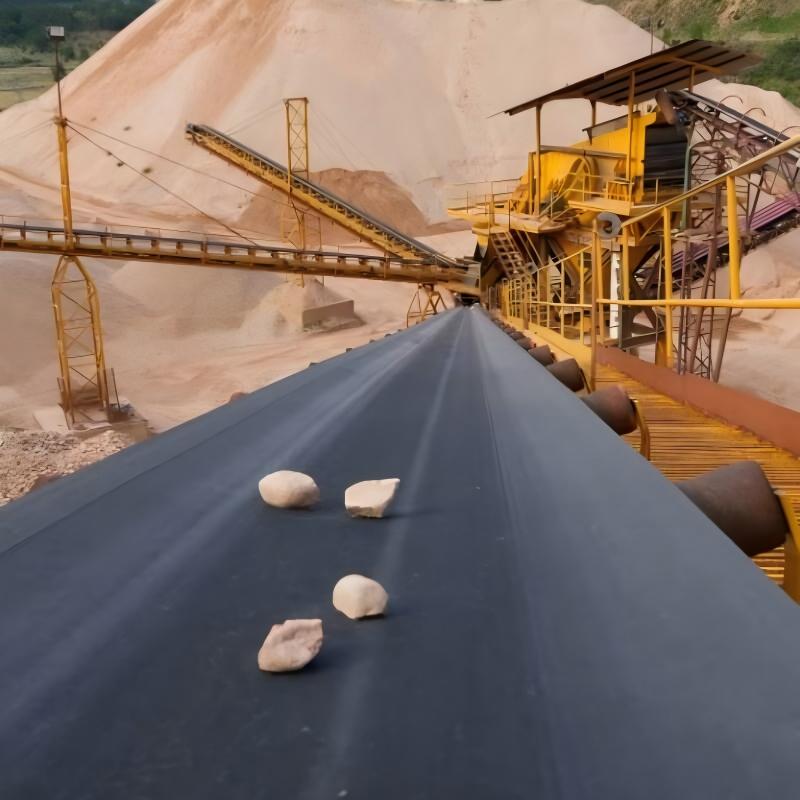
The building materials industry uses raw gypsum and limestone that are notoriously abrasive to industrial equipment. When you buy conveyor belt rubber designed for this sector, you get reinforced covers that withstand the cutting action of crushed stone and minerals.
Handling limestone and raw gypsum?
Raw material handling requires belts that can take a beating from heavy, sharp-edged rocks before the casting process begins. These belts often feature thicker top covers to absorb energy from falling materials at transfer points.
It gets better.
- Impact-resistant rubber compounds.
- Thick top covers for wear life.
- Tear-resistant fabric carcasses.
How to reduce product waste and scrap?
Worn-out belts often track poorly, causing plaster to spill or boards to be cut unevenly. High-quality rubber belts maintain their shape and alignment, ensuring that every piece of plaster cast is within specification.
Key Takeaway: Specialized belts for building materials are built to handle the abrasive nature of raw minerals while maintaining the precision needed for finished goods.
| Material Type | Challenge | Solution | |
|---|---|---|---|
| Raw Gypsum | High Abrasion | Reinforced Covers | |
| Wet Slurry | Moisture Seepage | Sealed Edges | |
| Finished Board | Alignment | Low-Stretch Core |
Investing in industry-specific belts reduces the frequency of replacements and keeps your raw material costs under control.
Can you buy conveyor belt rubber to reduce downtime?
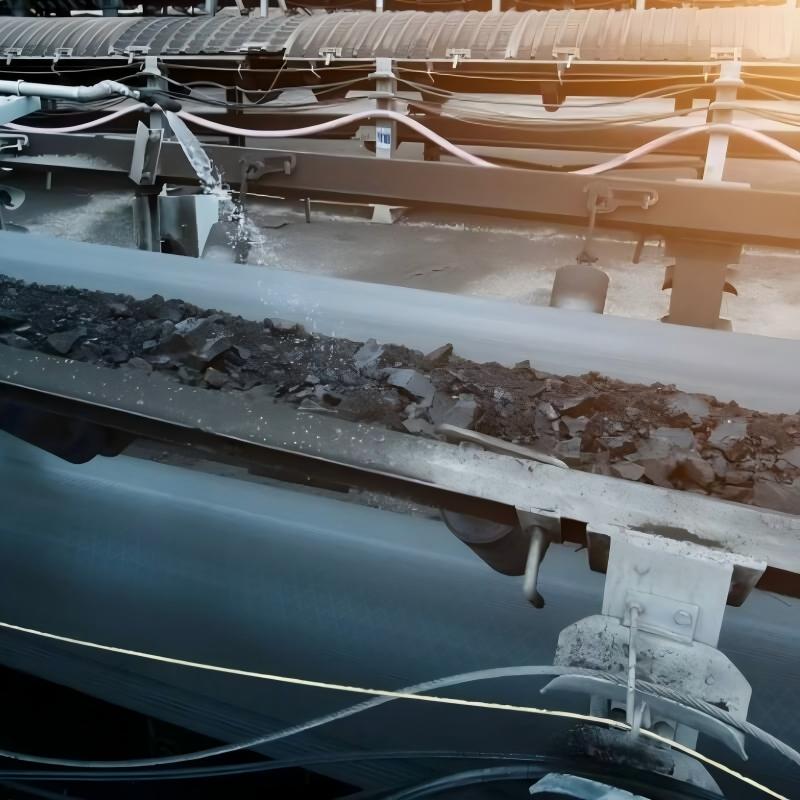
High-performance belts are designed with anti-fray technology and reinforced edges to prevent the most common causes of mechanical failure. To buy conveyor belt rubber that lasts, you should look for manufacturers who offer on-site surveys to identify potential points of failure before they happen.
Preventing torn or frayed belt edges?
Frayed edges are often a sign of tracking issues or poor belt quality, leading to dangerous debris on the production floor. Belts with molded edges or heavy-duty reinforcement are much more resilient against the friction of side guides.
You’ll want to hear this:
- Molded edges for tracking stability.
- High-tensile cross-rigidity.
- Regular tensioning schedules.
How to identify belt wear early?
Modern rubber belts can be ordered with indicator layers that show a different color when the top cover has worn down to a critical level. This allows your maintenance team to schedule a replacement during planned downtime rather than reacting to a break.
Key Takeaway: Proactive belt selection and wear monitoring features can virtually eliminate unplanned production stoppages on your casting line.
| Maintenance Factor | Impact on Downtime | Recommended Action | |
|---|---|---|---|
| Edge Fraying | High | Use molded edges | |
| Surface Wear | Medium | Wear indicator layers | |
| Belt Stretch | High | Use EP or ST cores |
Reducing downtime is not just about the belt itself, but also about the technical support and installation speed your supplier provides.
How to buy conveyor belt rubber for steep inclines?
Steep angle conveying requires belts with specialized surface profiles like chevrons or corrugated sidewalls to prevent material backflow. If you need to buy conveyor belt rubber for vertical or high-incline transport, ensure the cleats are vulcanized directly to the base belt for maximum strength.
When should you use chevron patterns?
Chevron belts are ideal for inclines up to 40 degrees where wet plaster or dry gypsum must be moved quickly between levels. The V-shaped cleats channel moisture toward the edges while keeping the bulk material centered.
But there’s a catch.
- Pattern heights from 5mm to 32mm.
- Open or closed cleat designs.
- Easy-to-clean rubber compounds.
The role of corrugated sidewall belts?
For near-vertical transport, corrugated sidewalls create pockets that hold the plaster securely as it moves upward. This design allows you to save significant floor space by using a much smaller footprint for your conveyor system.
Key Takeaway: Incline casting requires specialized surface geometries that prevent material slippage while maintaining the belt’s overall flexibility.
| Incline Solution | Max Angle | Best Application | |
|---|---|---|---|
| Chevron Belts | 40 Degrees | Dry Gypsum / Aggregate | |
| Sidewall Belts | 90 Degrees | Vertical Space Saving | |
| Rough Top | 25 Degrees | Boxed / Molded Goods |
Matching the specific cleat or sidewall design to your factory’s incline angle is essential for efficient material movement.
Should you buy conveyor belt rubber for branding?
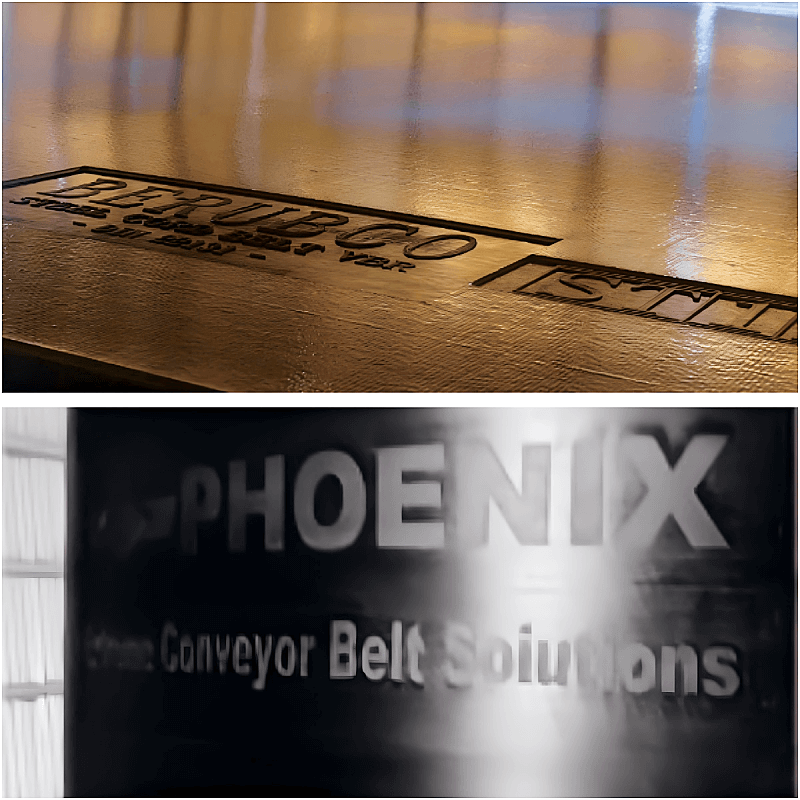
Custom branding on your belts helps with part identification and ensures that your maintenance team always knows the exact specification for a replacement. When you buy conveyor belt rubber with your company logo, it also demonstrates a professional commitment to quality throughout your facility.
OEM logo and part identification benefits?
Embossed logos and part numbers on the belt surface prevent confusion when multiple lines use similar-looking but differently-specced belts. This simple feature can save hours of research when an emergency replacement is needed.
The real kicker?
- Faster part identification.
- Internal tracking of belt life.
- Enhanced factory aesthetics.
Does professional packaging protect the belt?
High-quality packaging like waterproof wrapping and steel frames ensures that your rubber belts arrive without flat spots or moisture damage. This is especially important for international shipments where belts may spend weeks in transit.
Key Takeaway: Custom branding and professional packaging are functional tools that streamline inventory management and protect your capital investment.
| Branding Option | Benefit | Delivery Method | |
|---|---|---|---|
| Embossed Logo | Part ID accuracy | Molded during vulcanization | |
| Part Numbers | Inventory tracking | Surface printing | |
| Custom Colors | Line separation | Specialized compounds |
Effective branding turns your conveyor belts into an organized part of your facility’s asset management strategy.
What benefits come when you buy conveyor belt rubber?
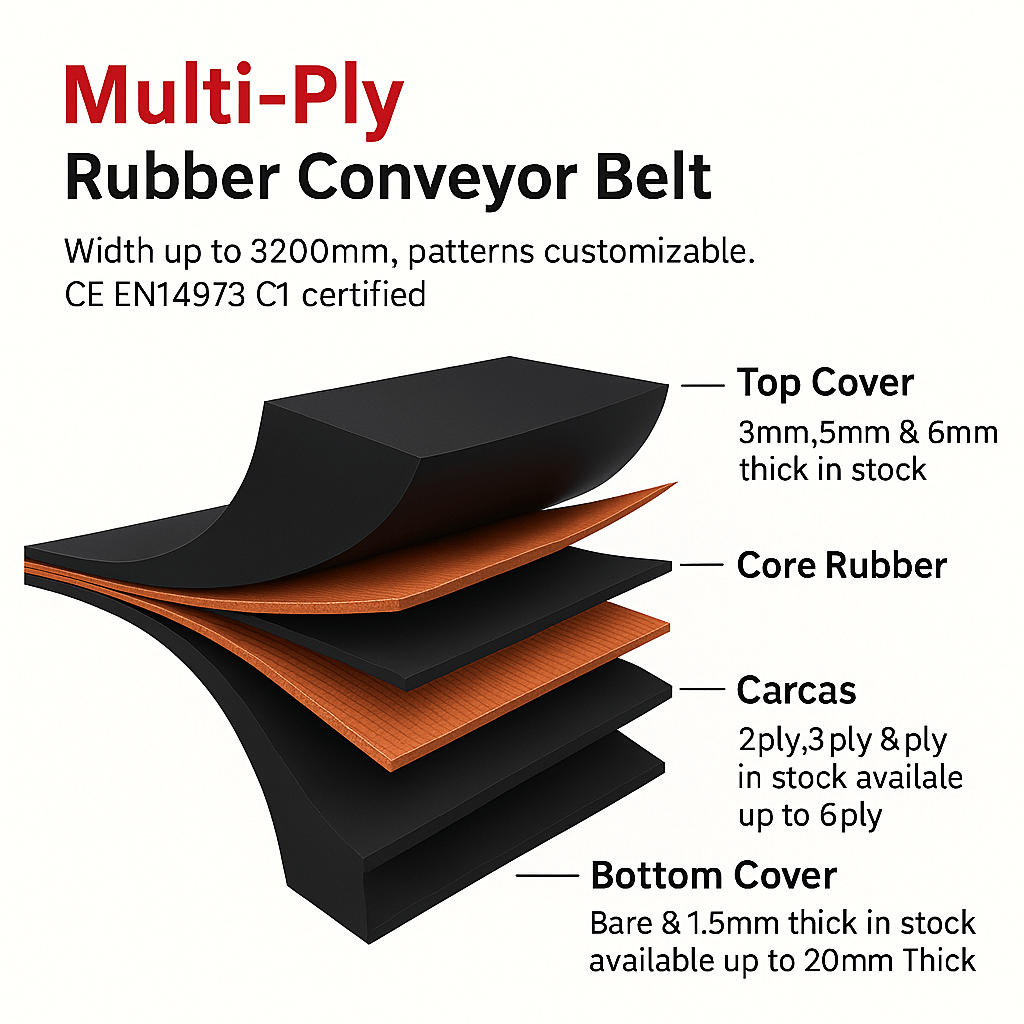
The primary benefits of high-grade rubber include increased line flexibility and a significant boost in overall operational yield. When you buy conveyor belt rubber from a trusted manufacturer, you gain peace of mind knowing your equipment can handle peak production demands.
Maximizing production line flexibility?
Advanced rubber compounds allow belts to operate across a wider range of temperatures and speeds without losing their physical properties. This means you can adjust your production rates based on market demand without stressing your equipment.
You’re going to love this.
- Higher speed capabilities.
- Wider temperature tolerances.
- Compatibility with various additives.
Can it improve worker safety on the floor?
Belts that track correctly and have high-traction surfaces reduce the risk of material spillage and trip hazards. Furthermore, high-quality rubber produces less noise and vibration, creating a safer and more comfortable working environment for your team.
Key Takeaway: Investing in premium rubber belts pays off through improved safety, higher speeds, and the ability to adapt to different production needs.
| Benefit Category | Impact | Long-Term Value | |
|---|---|---|---|
| Operational | Higher Yield | Reduced Cost Per Unit | |
| Safety | Fewer Accidents | Lower Insurance/Liability | |
| Maintenance | Less Frequent Swaps | Lower Labor Costs |
Higher yield and lower maintenance costs are the natural results of selecting belts that are purpose-built for the plaster industry.
How to buy conveyor belt rubber with certification?
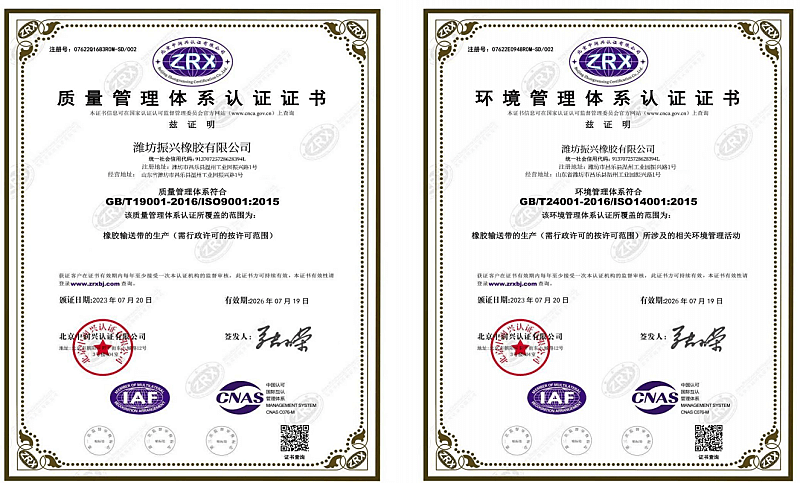
Verification of quality reports and international safety standards is the final step in securing a reliable supply chain. When you buy conveyor belt rubber, always request factory testing reports that cover tensile strength, elongation at break, and abrasion loss.
Why is ISO 9001 quality management vital?
ISO certification guarantees that the manufacturer follows a documented process for every belt produced. This eliminates the “lottery” effect where some belts perform well while others fail within weeks.
It’s simpler than you think.
- Standardized raw material sourcing.
- Documented production stages.
- Final inspection checklists.
How to verify factory testing reports?
Legitimate manufacturers provide detailed laboratory data for every batch, often verified by third-party inspectors like SGS. These reports confirm that the belt you receive matches the technical datasheet you approved during the quoting process.
Key Takeaway: Certifications and verified test reports are your only insurance policy against poor material quality and premature belt failure.
| Certification | What it Proves | Project Benefit | |
|---|---|---|---|
| ISO 9001 | Process Consistency | Reliable replacements | |
| CE / EN Standards | Safety Compliance | Legal/Site Requirements | |
| SGS Verification | Material Integrity | Truth in specifications |
Ensuring your supplier meets these standards protects your production line from the hidden costs of low-quality rubber.
Plaster casting is an intricate dance of chemistry and mechanics that demands the highest level of material handling precision. We understand the frustration of ruined molds and wasted gypsum, which is why we specialize in providing belts that handle moisture, weight, and chemicals with ease. By choosing ZHENXING, you are partnering with a direct manufacturer that offers 24-hour technical consultations and a complete range of certified rubber solutions tailored to your plant. Our vision is to empower global building material producers with belts that offer more yield, less downtime, and total peace of mind. To solve your toughest conveying challenges and optimize your production today, simply contact us today for a custom solution.
Frequently Asked Questions (FAQ)
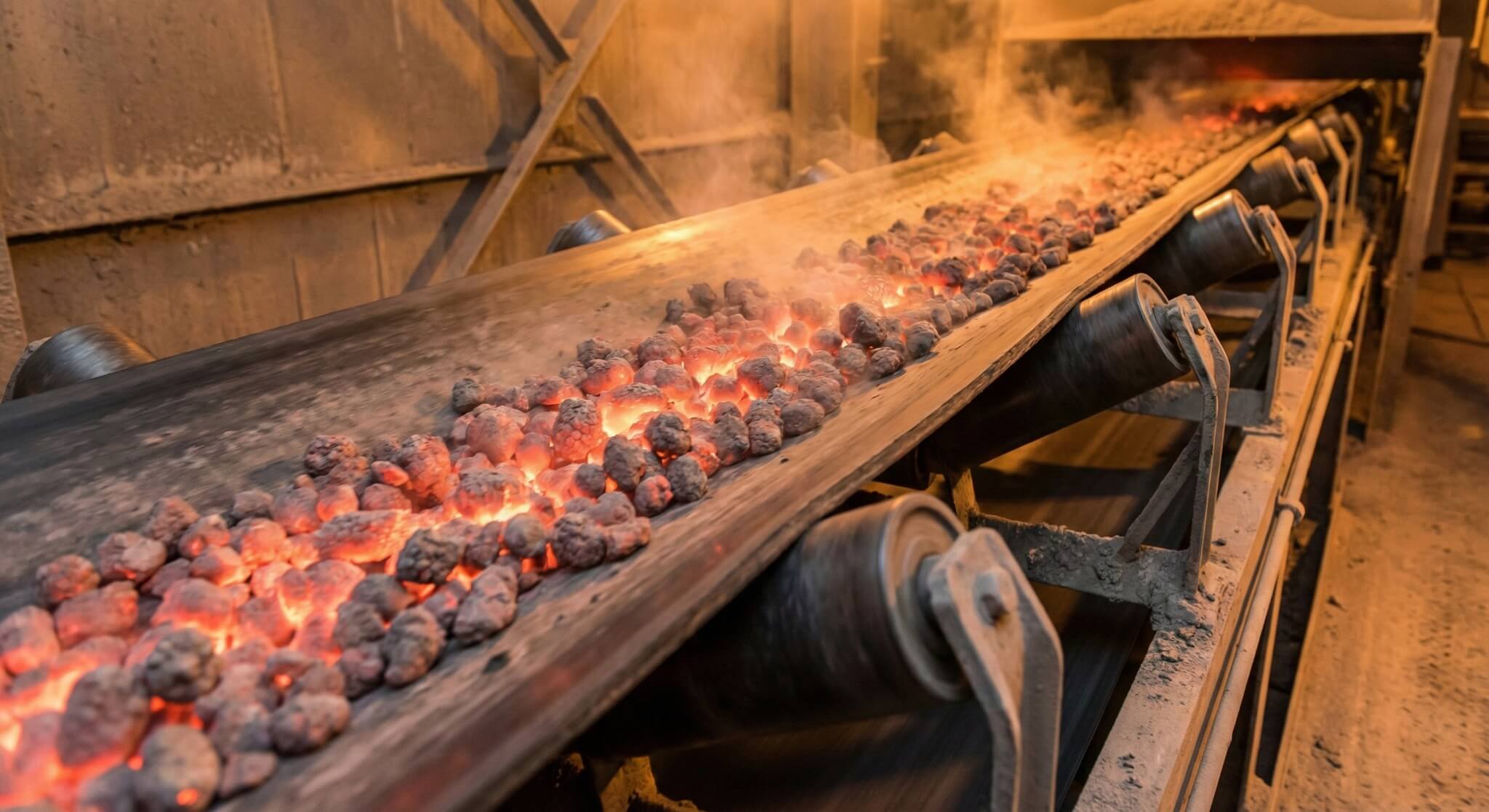
Can I buy conveyor belt rubber that is heat resistant?Yes, because specialized compounds like EPDM can withstand continuous temperatures up to 200°C for clinker or hot gypsum applications. Using heat-resistant rubber prevents the carcass from becoming brittle and cracking under thermal stress.
What’s the best way to prevent plaster buildup on the belt surface?The best method is using belts with high-release top covers combined with secondary scrapers. This combination ensures that wet slurry doesn’t dry and harden on the belt, which would eventually cause tracking issues.
How do I know if my belt needs to be replaced before it breaks?You should look for signs of exposed fabric or steel cords and monitor the thickness of the top cover. Once the cover is worn down to the reinforcement layer, the belt loses its structural integrity and could fail at any moment.
Can I get a custom logo printed on my rubber belt?Yes, because direct-factory manufacturers can mold your brand name or part numbers into the rubber during the vulcanization process. This assists with inventory management and ensures the correct belt specification is always used.
What’s the best certification to look for in a belt supplier?The best certification is ISO 9001 combined with specific safety standards like EN 14973 for industrial use. These certifications prove the manufacturer follows strict quality control and meets international safety requirements for your facility.