
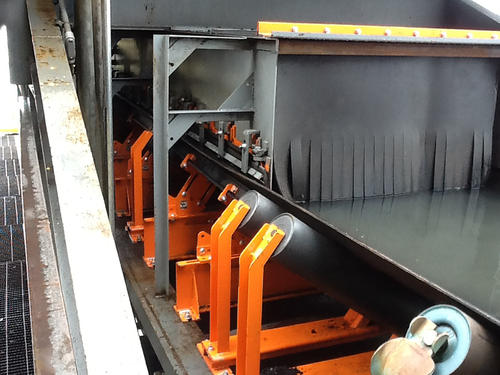
A skirt rubber belt conveyor system creates an airtight seal at transfer points, preventing spillage and dust, protecting equipment, and improving efficiency in material handling operations.
What is a skirt rubber belt conveyor system?
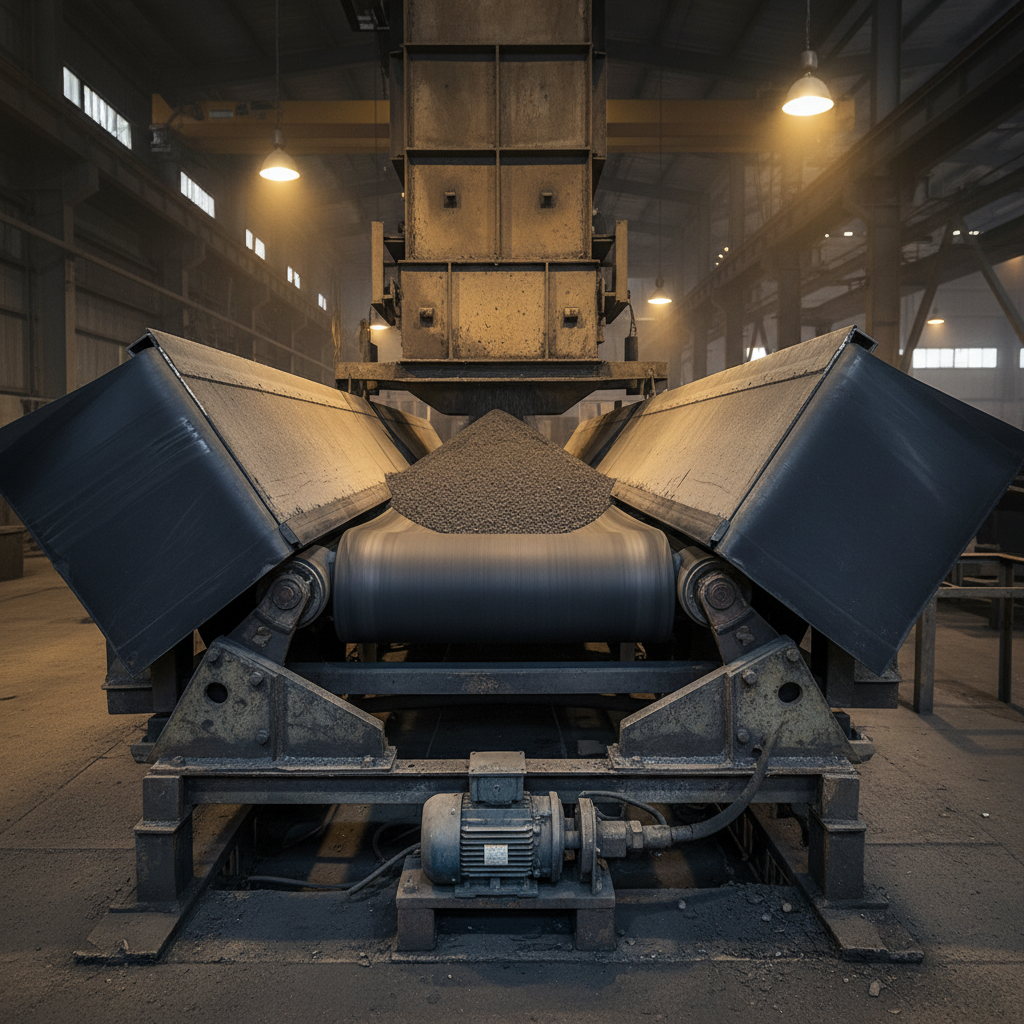
A skirt rubber belt conveyor system is a specialized containment assembly consisting of rubber strips and mounting hardware installed at loading zones. It serves as the primary barrier between the stationary loading chute and the high-speed moving belt. You use this system to bridge the gap where gravity and impact otherwise force material over the sides.
How does the sealing work?
The rubber strip is clamped to the outside of the chute and extends down to lightly touch the belt surface. Think about it: the seal must be tight enough to contain fines but flexible enough to avoid friction damage.
- Creates a physical barrier.
- Reduces air velocity at exit points.
- Guides material to the belt center.
But here is the kicker: the wrong pressure can actually cut through your belt cover in weeks. You must balance the downward force to ensure longevity and containment.
Key TakeawayA professional skirting system is your first line of defense against material loss and mechanical degradation at the loading point.
| Component | Function | |
|---|---|---|
| Skirting Strip | Primary material and dust containment seal | |
| Mounting Clamp | Secures the rubber and allows for wear adjustment | |
| Backup Plate | Provides structural support for the flexible strip |
Proper alignment ensures that the skirting remains parallel to the belt, preventing uneven wear patterns.
How does a skirt rubber belt conveyor stop spills?
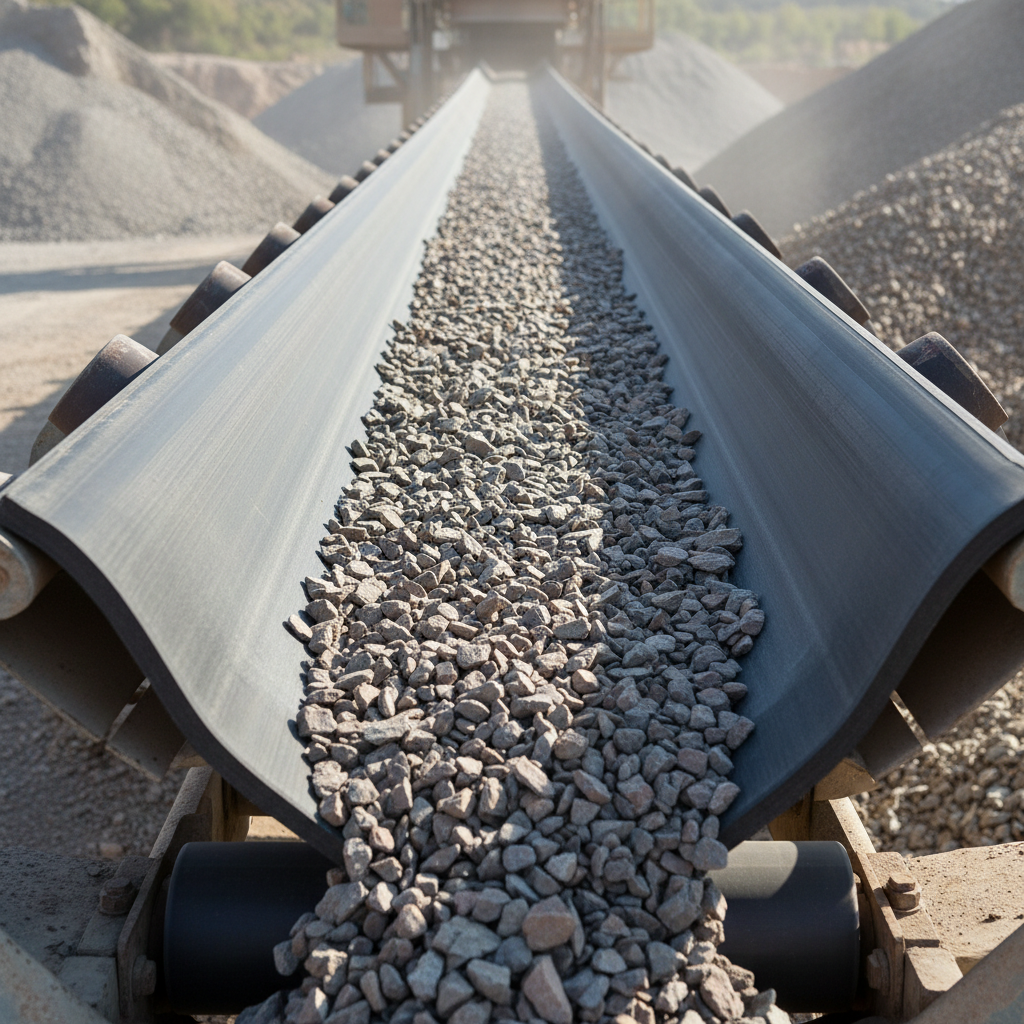
A skirt rubber belt conveyor stops spills by creating a mechanical barrier that forces bulk material to remain within the belt’s trough. As material impacts the loading zone, it naturally wants to bounce and spread outward toward the edges. The skirting deflects this energy back toward the center of the belt profile.
Managing Material Turbulence
When you drop heavy aggregates, the air inside the chute becomes pressurized and pushes dust through any available gap. Here is the secret: a dual-seal skirting system uses a primary seal for material and a secondary seal for dust.
- Absorbs lateral impact forces.
- Maintains seal during belt vibration.
- Prevents “plowing” at the exit.
You might think standard rubber is enough, but consider the turbulence involved. High-impact zones require thicker skirting to prevent the material from forcing the seal open.
Key TakeawaySkirting acts as a passive containment wall that manages the kinetic energy of falling materials to prevent side-loss.
| Mechanism | Operational Benefit | |
|---|---|---|
| Lateral Deflection | Keeps 99% of bulk material on the belt | |
| Pressure Sealing | Eliminates the mess under the conveyor | |
| Friction Reduction | Protects the belt edges from abrasion |
Effective spillage control directly translates to reduced labor costs associated with manual shoveling and area cleanup.
Why choose rubber for a skirt rubber belt conveyor?
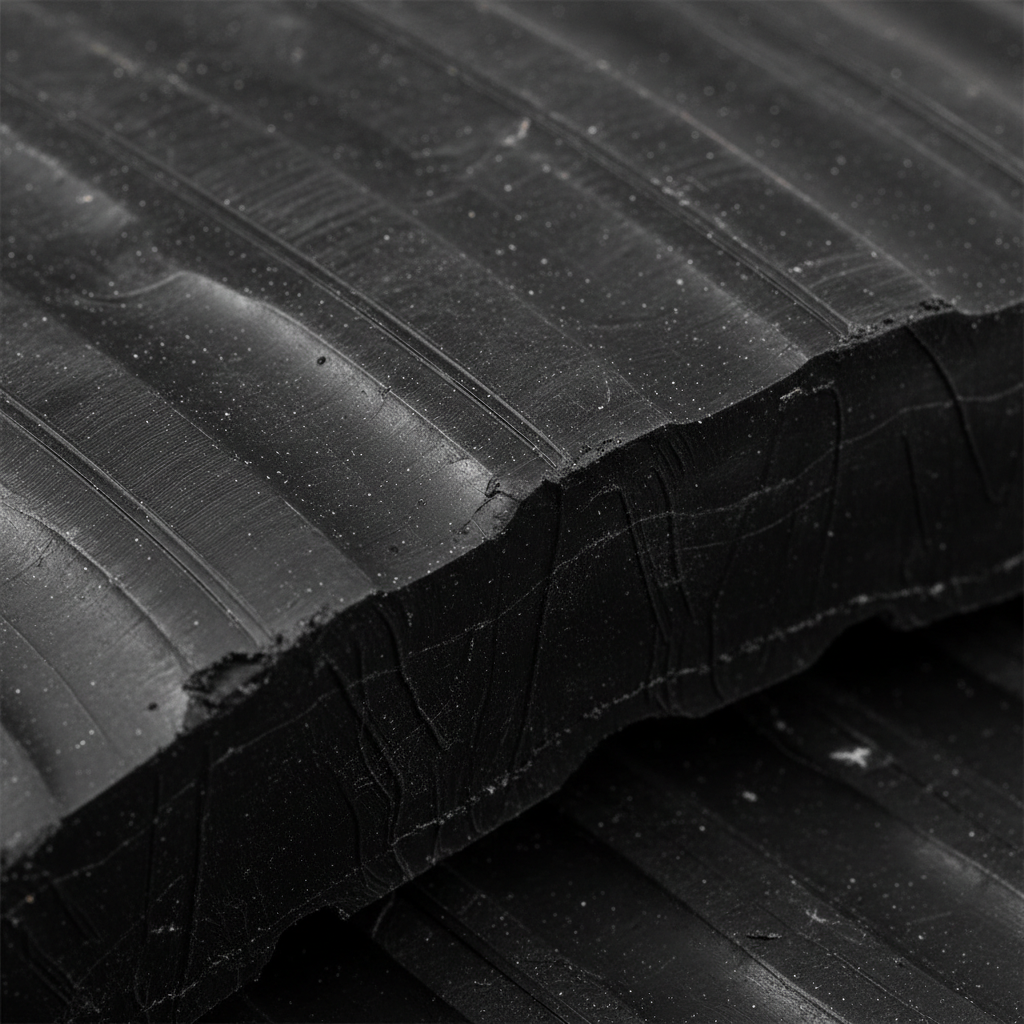
You choose rubber for a skirt rubber belt conveyor because it offers the unique combination of high flexibility and excellent abrasion resistance. Unlike rigid metal plates, rubber can deflect when large rocks become momentarily trapped, preventing significant damage to the belt cover. This elasticity allows the seal to maintain constant contact even as the belt fluctuates or vibrates.
Selecting the Right Durometer
The hardness of your rubber, measured in Durometer, dictates how it will perform under different loading conditions. The best part? You can customize the rubber grade to match your specific material density and temperature.
- 60 Shore A: Best for fine dust and sand.
- 80 Shore A: Ideal for large, sharp rocks.
- Natural Rubber: Offers the highest tensile strength.
But here is the catch: if the rubber is too hard, it acts like a grinding stone against your belt. You must select a durometer that is softer than the belt’s top cover to prioritize belt protection.
Key TakeawayRubber is the industry standard for skirting because it provides a self-adjusting, low-friction seal that preserves the life of the primary conveyor belt.
| Rubber Grade | Application Strength | |
|---|---|---|
| SBR Rubber | Economical choice for general bulk handling | |
| Neoprene | Resistant to oils and chemical exposure | |
| Nitrile | Superior performance in high-temperature zones |
The inherent resilience of rubber allows it to “heal” slightly from small nicks and cuts, maintaining a seal longer than rigid alternatives.
How does skirt rubber belt conveyor affect efficiency?
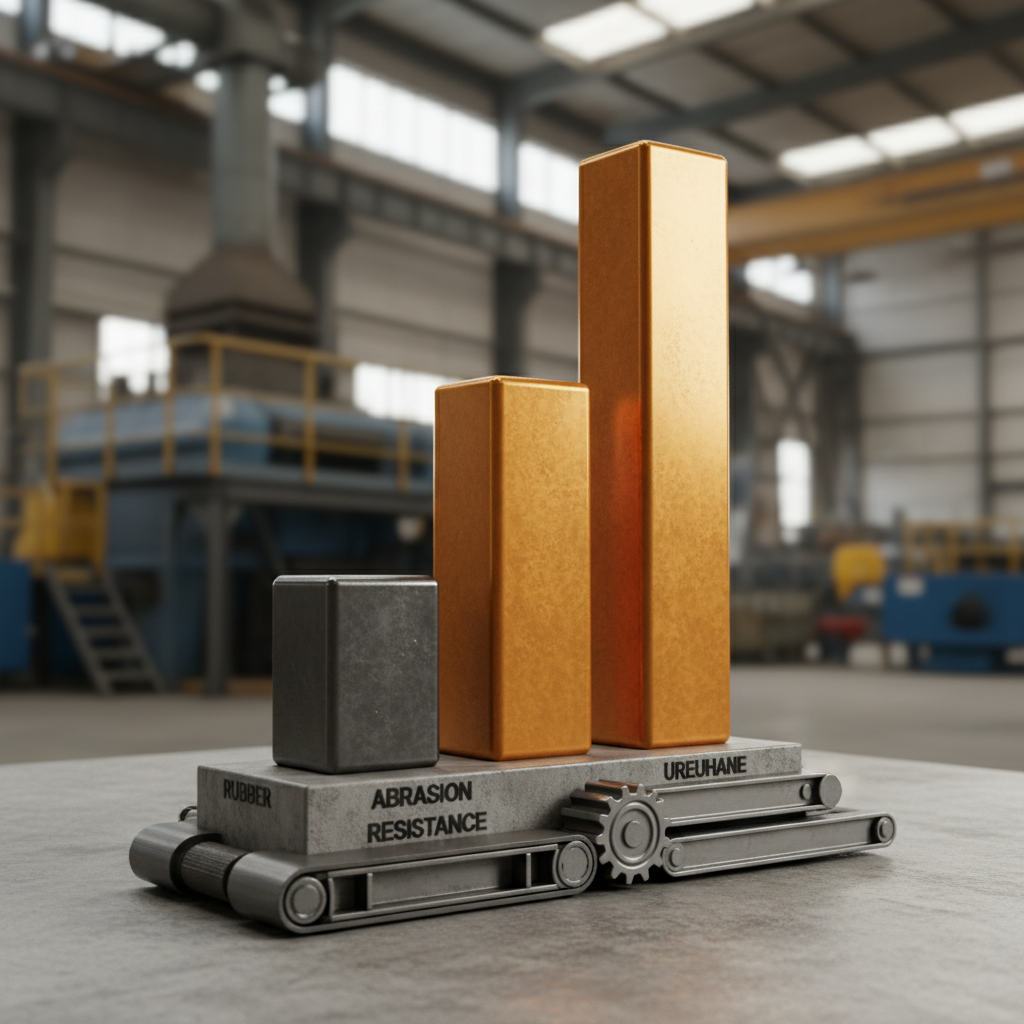
A skirt rubber belt conveyor increases efficiency by reducing the time your crew spends on non-productive cleaning tasks. When material stays on the belt, your throughput remains consistent and your facility stays compliant with safety regulations. Every pound of material that escapes the belt is profit lost to the floor.
Reducing Unplanned Downtime
Fugitive material is the number one cause of component failure in bulk handling systems. Think about it: every rock that falls off the belt eventually finds its way into a return idler or a tail pulley.
- Protects tail pulleys from buildup.
- Extends the life of return idlers.
- Minimizes belt mistracking issues.
Here is the kicker: a single hour of unplanned downtime can cost more than an entire year of high-quality skirting. Investing in better containment is simply a matter of risk management.
Key TakeawayContainment at the source is the most cost-effective way to ensure continuous operation and high system availability.
| Efficiency Metric | Improvement with Skirting | |
|---|---|---|
| Maintenance Hours | Reduced by up to 70% | |
| Component Life | Increased by 2x to 3x | |
| Product Recovery | Near 100% containment |
By keeping the belt path clear, you also reduce the motor amperage required to overcome the friction of material buildup.
Can a skirt rubber belt conveyor handle heavy loads?
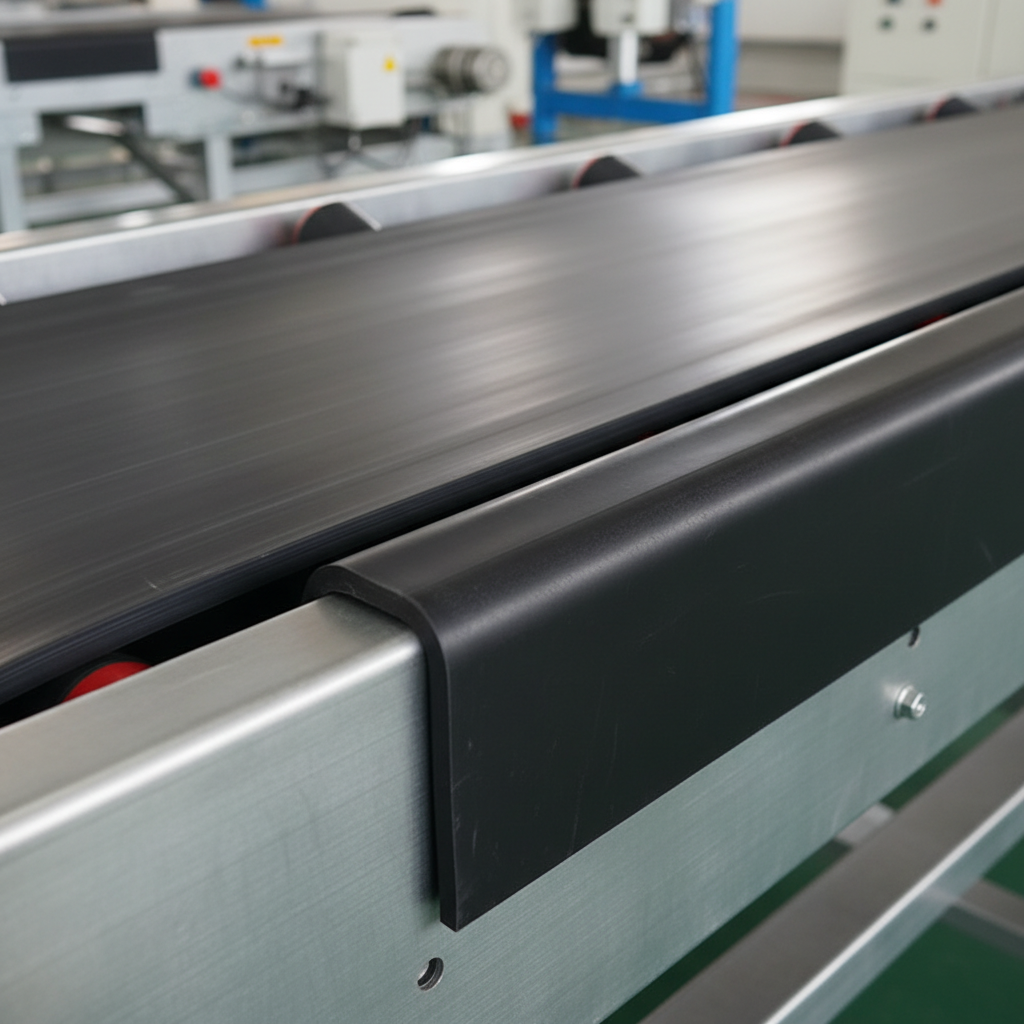
A skirt rubber belt conveyor is specifically designed to withstand the massive impact and lateral pressure of heavy mining and quarrying loads. In these environments, the skirting must be thick enough to resist deformation while the belt is fully loaded. You can install reinforced skirting systems that utilize steel backplates to handle the highest tonnage.
Dealing with High-Impact Zones
When heavy ore drops from several feet, the skirting experiences intense outward pressure. Does it hold? Modern high-density rubber compounds are engineered to absorb this energy without tearing or losing their seal.
- Thicknesses up to 1 inch available.
- Beveled edges for better trough fit.
- Multi-layered construction for durability.
But here is the catch: heavy loads require more frequent adjustment because the downward pressure increases wear. You should use quick-release clamps to make these adjustments fast and easy for your maintenance team.
Key TakeawayHeavy-duty skirting is a requirement for high-tonnage operations where material weight would otherwise blow out a standard seal.
| Load Type | Recommended Skirting | |
|---|---|---|
| Light (Grain/Sand) | 1/2″ Soft Rubber | |
| Medium (Coal/Salt) | 3/4″ Standard Rubber | |
| Heavy (Ore/Rock) | 1″ High-Density Rubber |
Selecting a skirting thickness that matches your material density prevents the “bowing” effect that leads to massive spills.
Is urethane better for a skirt rubber belt conveyor?
Urethane is often better for a skirt rubber belt conveyor when your operation involves highly abrasive materials that would quickly shred standard rubber. Urethane provides up to five times the wear life of traditional rubber in extreme conditions. You will find that while the initial cost is higher, the total cost of ownership is significantly lower due to reduced replacement frequency.
Comparing Wear Resistance
Urethane has a much lower coefficient of friction than rubber, which means it generates less heat against the belt surface. Think about it: less heat means less risk of thermal damage to your expensive conveyor belt.
- Superior cut and gouge resistance.
- Chemical and oil immunity.
- Color-coded for different hardness.
The best part? Urethane stays flexible in freezing temperatures where rubber might become brittle and crack. This makes it the premier choice for outdoor overland systems in harsh climates.
Key TakeawayUrethane is the “premium” skirting option that pays for itself through extreme longevity and reduced friction.
| Material | Typical Life | Primary Benefit | |
|---|---|---|---|
| Standard Rubber | 6 – 12 Months | Lowest initial cost | |
| Premium Urethane | 3 – 5 Years | Exceptional abrasion resistance |
For operations handling sharp glass, slag, or metal scrap, urethane is the only material that can provide a reliable long-term seal.
How to install a skirt rubber belt conveyor correctly?
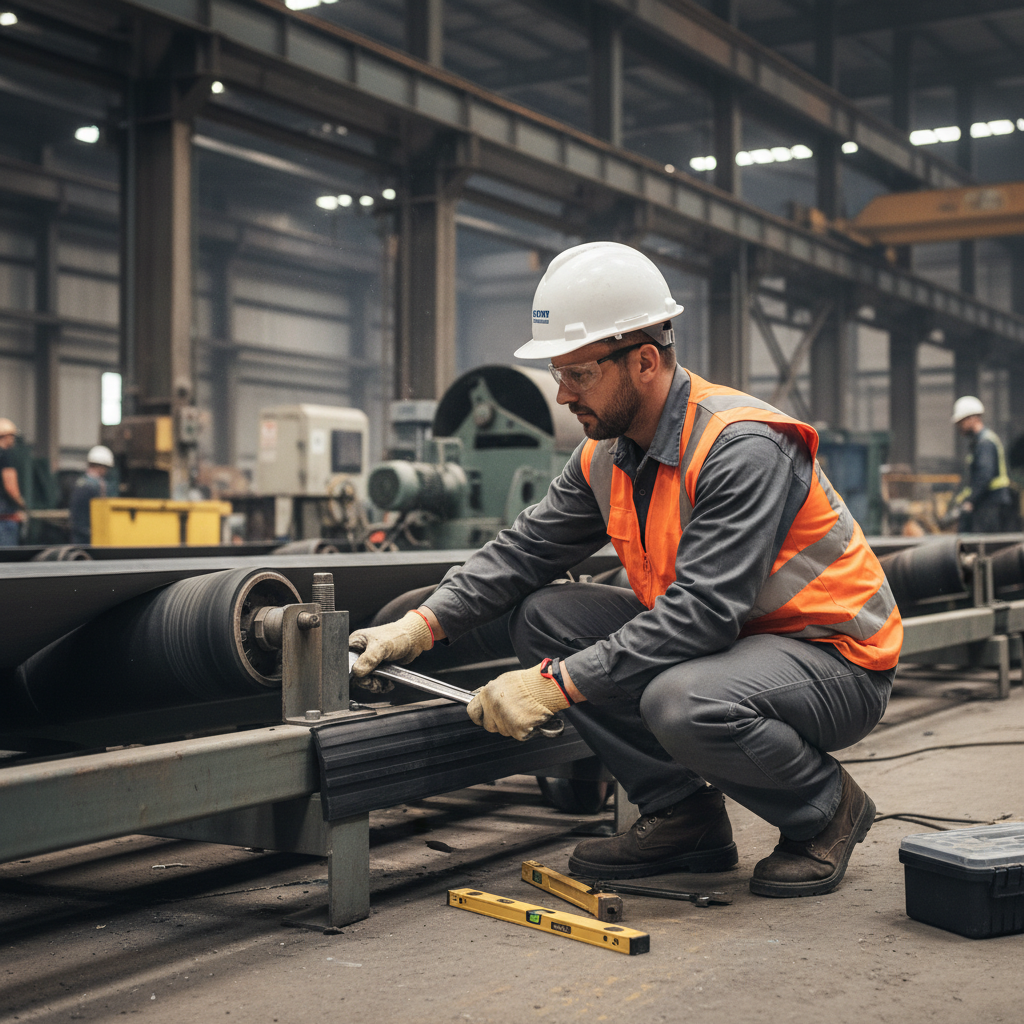
To install a skirt rubber belt conveyor correctly, you must ensure the rubber makes light contact with the belt without being used as a structural support. The skirting should be installed in a way that allows it to follow the natural trough of the belt. You must also ensure that the leading edge of the skirting is slightly wider than the trailing edge to prevent material wedging.
Setting the Vertical Pressure
The most common mistake is applying too much downward pressure, which causes the rubber to act as a brake on your motor. How do you find the sweet spot? The rubber should just barely “kiss” the belt when the system is running empty.
- Mount clamps 12-18 inches apart.
- Ensure parallel alignment to belt.
- Check for gaps at the idler junctions.
But here is the catch: if you don’t account for belt sag between idlers, material will leak through the gaps. You should install impact beds or slider bars under the loading zone to create a flat sealing surface.
Key TakeawayProper installation prioritizes a consistent, low-pressure seal that maximizes containment while minimizing belt-to-skirt friction.
| Installation Step | Critical Measurement | |
|---|---|---|
| Clamp Spacing | Maximum 18 inches for stability | |
| Skirt Overlap | 2-inch minimum on chute wall | |
| Belt Clearance | Zero gap (light contact only) |
Using a notched or beveled skirt design allows the rubber to sit more naturally against the angled wings of a troughed conveyor.
When to maintain a skirt rubber belt conveyor?
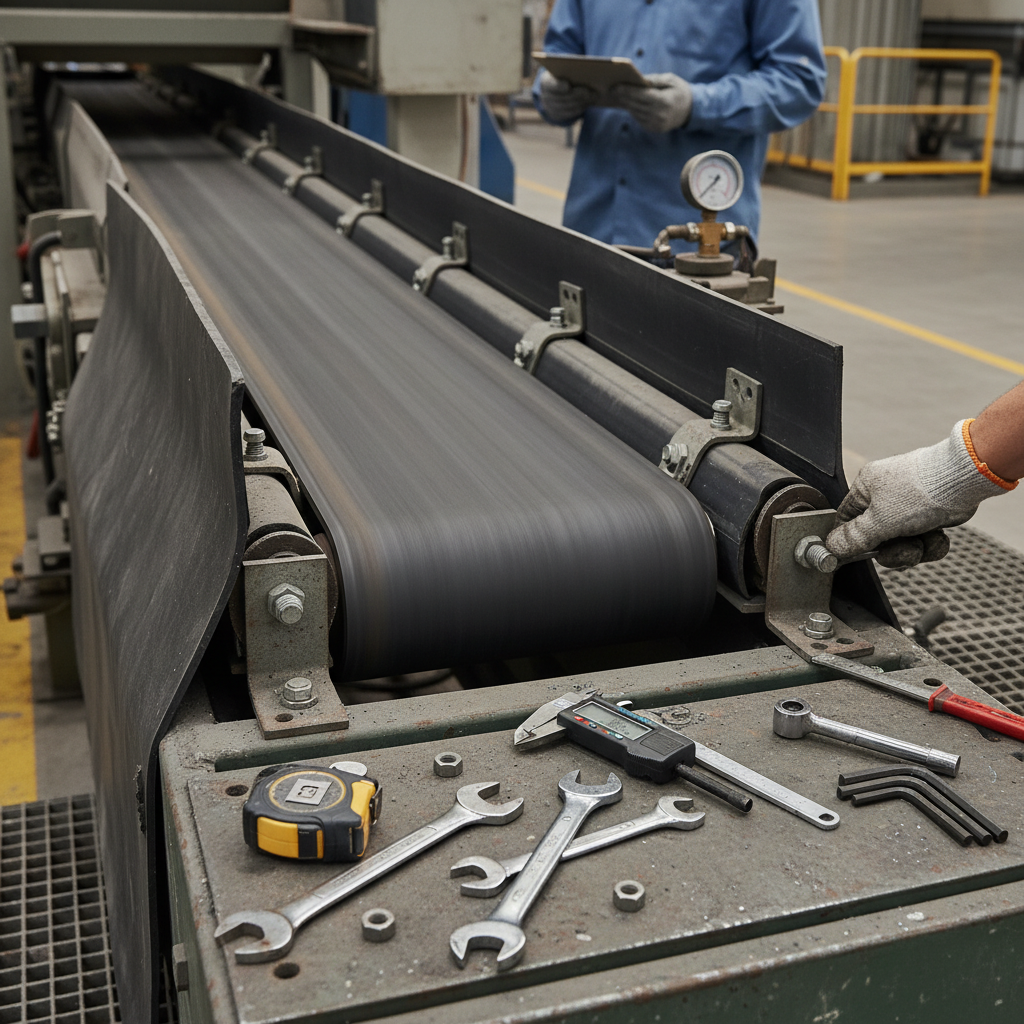
You should maintain a skirt rubber belt conveyor at least once a month or whenever you notice dust escaping from the loading zone. Because the rubber is a sacrificial wear part, it will naturally thin out over time as it contacts the belt and material. Regular inspections prevent the mounting hardware from contacting the belt, which could cause irreparable damage.
Signs of Impending Failure
How do you know when it’s time to replace rather than just adjust? Look for “wavy” edges or vertical cracks in the rubber, which indicate the material has lost its elasticity.
- Check for thinning at the contact point.
- Tighten loose mounting clamps.
- Clear away trapped material between seals.
Think about it: five minutes of adjustment today can prevent five hours of cleanup tomorrow. Maintenance is about being proactive rather than reactive.
Key TakeawayScheduled skirting adjustments are the simplest and most effective way to prevent catastrophic material spillage.
| Inspection Item | Warning Sign | |
|---|---|---|
| Rubber Thickness | Less than 1/4″ remaining at tip | |
| Seal Integrity | Visible dust clouds or “fines” pileup | |
| Clamp Tension | Vibration or “chatter” during operation |
Cleaning the mounting area during every inspection prevents rust and ensures that future adjustments can be made without tools being stuck.
Does a skirt rubber belt conveyor improve safety?
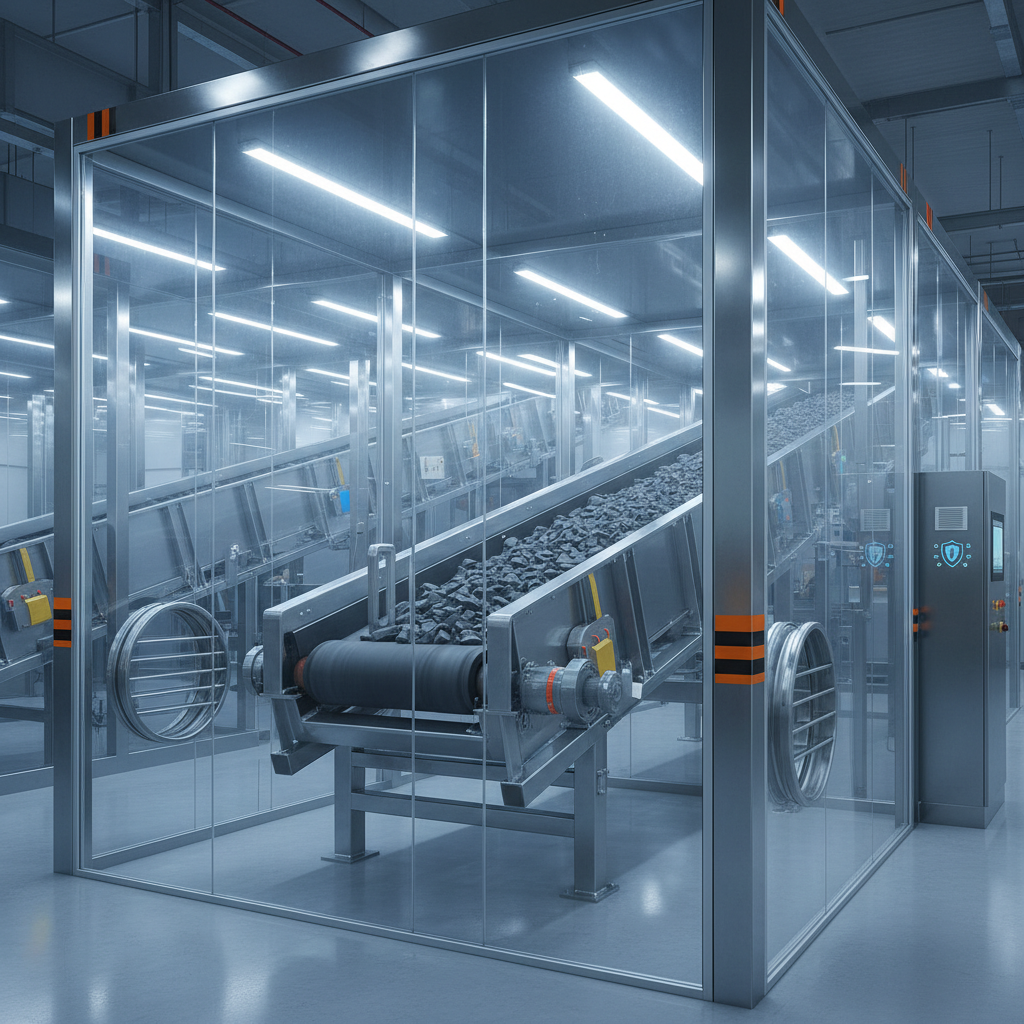
A skirt rubber belt conveyor significantly improves safety by containing hazardous dust that can lead to respiratory issues or catastrophic explosions. In industries like coal mining or grain handling, keeping dust levels below the Lower Explosive Limit (LEL) is a critical safety requirement. You protect your workers from long-term health risks by ensuring the air remains clear at transfer points.
Preventing Slip and Trip Hazards
Material that spills off the belt doesn’t just stay in a neat pile; it spreads across walkways and stairs. Have you ever tried to walk through a layer of fine, dry sand on a steel floor?
- Reduces the need for manual shoveling.
- Keeps walkways clear of debris.
- Improves visibility in enclosed areas.
But here is the catch: dust that settles on structural beams can lead to secondary explosions if a small initial fire occurs. Professional skirting captures this dust before it ever becomes airborne.
Key TakeawaySkirting is a vital safety component that manages environmental risks and prevents workplace accidents caused by spillage.
| Safety Category | Skirting Impact | |
|---|---|---|
| Respiratory Health | Reduces PM10 and PM2.5 emissions | |
| Explosion Risk | Controls combustible dust accumulation | |
| Slip Prevention | Eliminates loose material on walkways |
Using Fire-Resistant Anti-Static (FRAS) rubber further enhances safety in underground or explosive environments by preventing spark generation.
Where to find a skirt rubber belt conveyor roll?
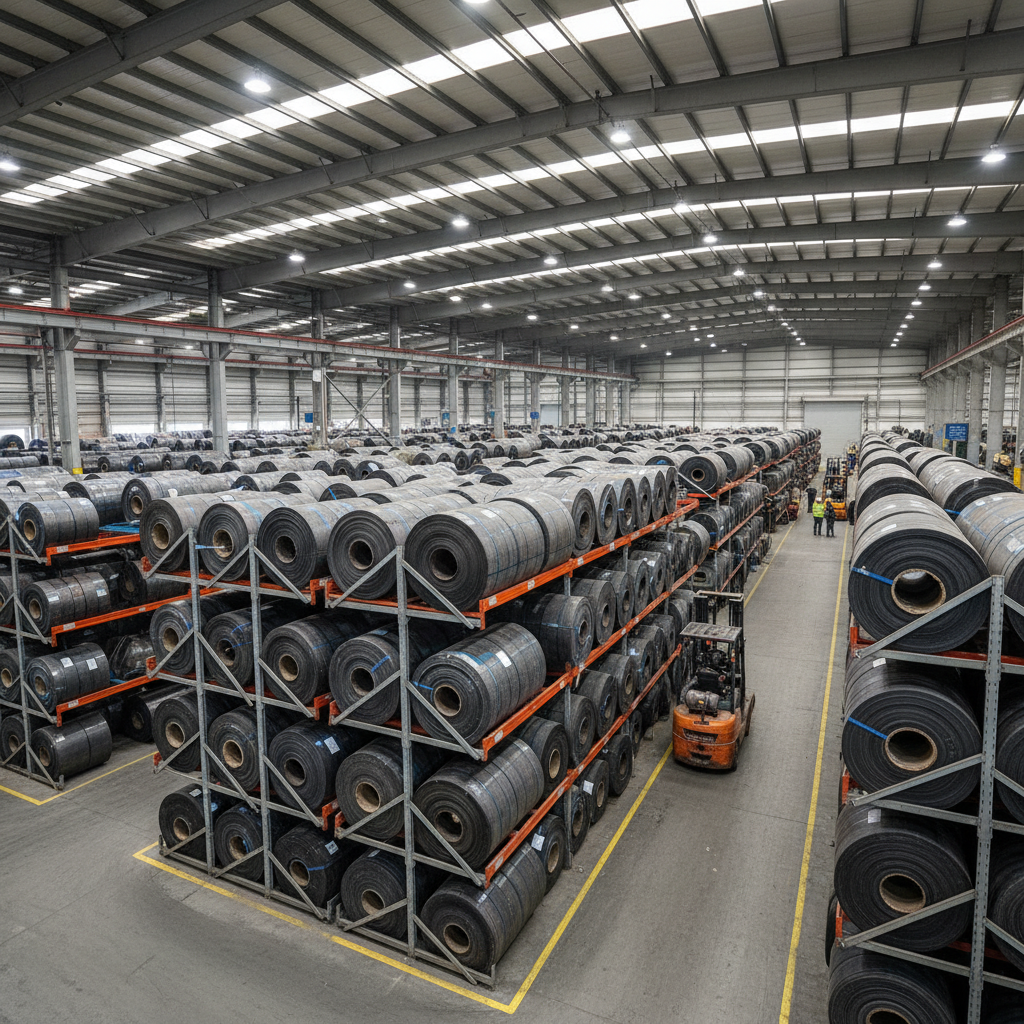
You can find a skirt rubber belt conveyor roll directly from specialized rubber manufacturers who offer bulk sizing for industrial applications. Purchasing in full rolls (typically 50 or 100 feet) allows you to cut custom lengths for various transfer points across your facility. You should look for suppliers who provide a range of thicknesses and durometers to match your specific machinery.
Choosing a Reliable Supplier
When evaluating a vendor, check for their material certifications and lead times. The best part? Many suppliers now offer pre-cut strips with beveled edges, which can save your maintenance team hours of manual labor during installation.
- Verify abrasion resistance ratings.
- Ask about custom width availability.
- Request samples for material testing.
Think about it: consistent quality from a single supplier ensures that your maintenance procedures remain uniform across all conveyor lines. This simplifies your inventory and training requirements.
Key TakeawaySourcing skirting in bulk from a reputable manufacturer ensures you have the right material on hand for immediate repairs.
| Procurement Factor | Professional Recommendation | |
|---|---|---|
| Roll Length | 50′ for easier handling | |
| Material Spec | Match to belt cover grade | |
| Delivery Speed | Stock items are better for uptime |
Always keep a “safety stock” of at least one full roll of your most common skirting size to avoid long lead times during an emergency.
Implementing a high-quality skirting solution solves your most pressing pain points: material loss, equipment damage, and hazardous dust. By containing material at the loading zone, you protect your bottom line and your people simultaneously. Our vision is to provide the most durable rubber solutions that keep global industries moving without interruption.
Take control of your loading zone— contact us today for a professional containment consultation.
Frequently Asked Questions
Can I use old conveyor belt scraps as skirting?No, you should not. Old belts contain fabric or steel reinforcements that are much harder than your new belt’s cover and will quickly gouge deep grooves into its surface.
What’s the best thickness for general-purpose skirting?A 1/2-inch thickness is the most common for standard industrial applications. It provides enough rigidity to hold its shape while remaining flexible enough for a tight seal.
How do I know if my skirting is too tight?If you see visible “polishing” or heat discoloration on the belt edges, your pressure is likely too high. The skirting should barely touch the belt when it is empty.
Can I use rubber skirting on high-heat belts?Yes, but you must select a heat-resistant compound like EPDM or Nitrile. Standard SBR rubber will become brittle and fail quickly in temperatures exceeding 200°F.
How often should I adjust my skirting clamps?You should inspect and adjust them at every major belt service. In high-abrasion environments, this might be as often as every 250 hours of operation.