
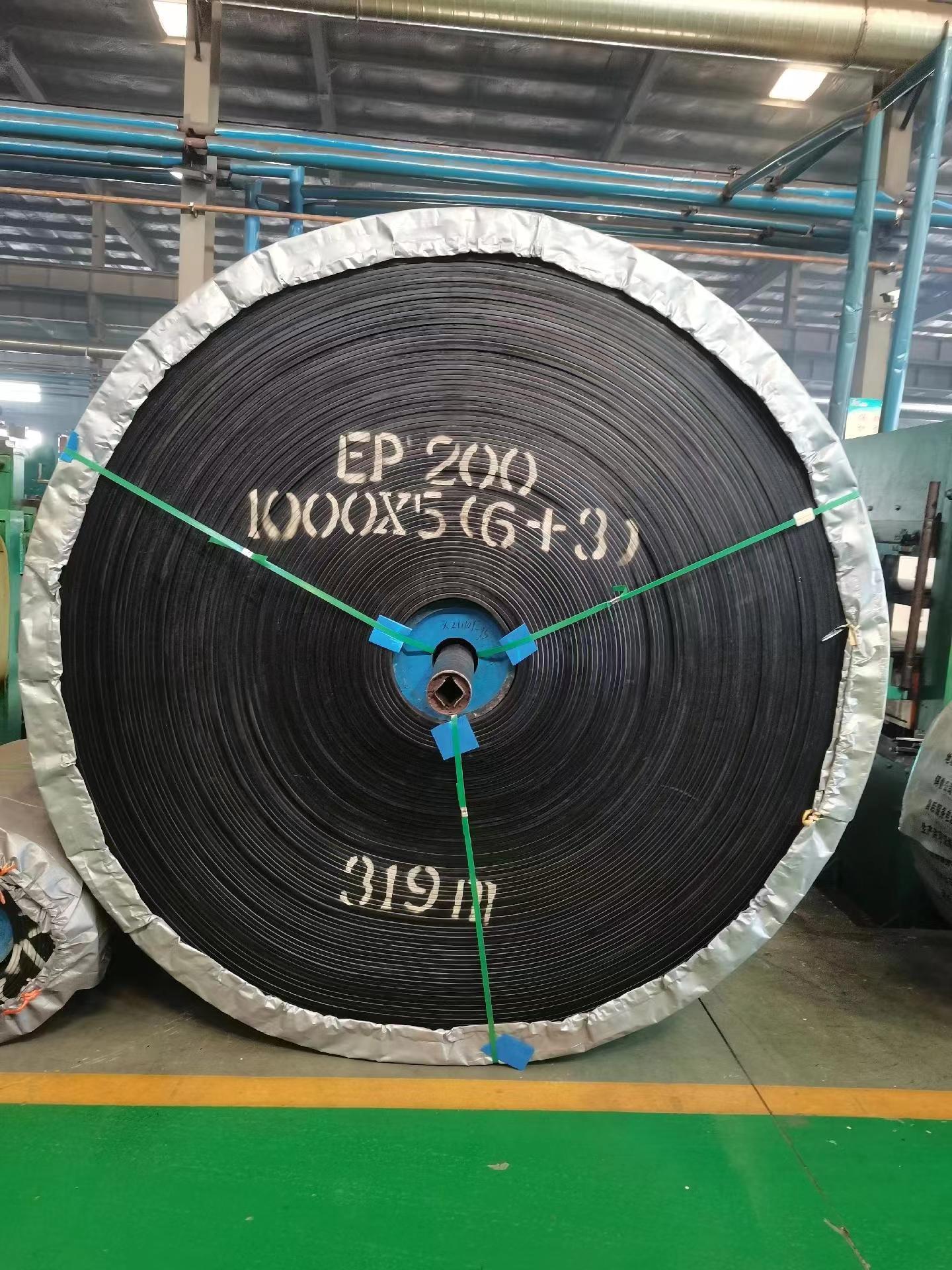
A china nylon rubber conveyor belt offers high strength and moisture resistance for plaster casting, reducing wear, preventing failure, and ensuring reliable, long-term material handling performance.
What is plaster casting with a china nylon rubber conveyor belt?
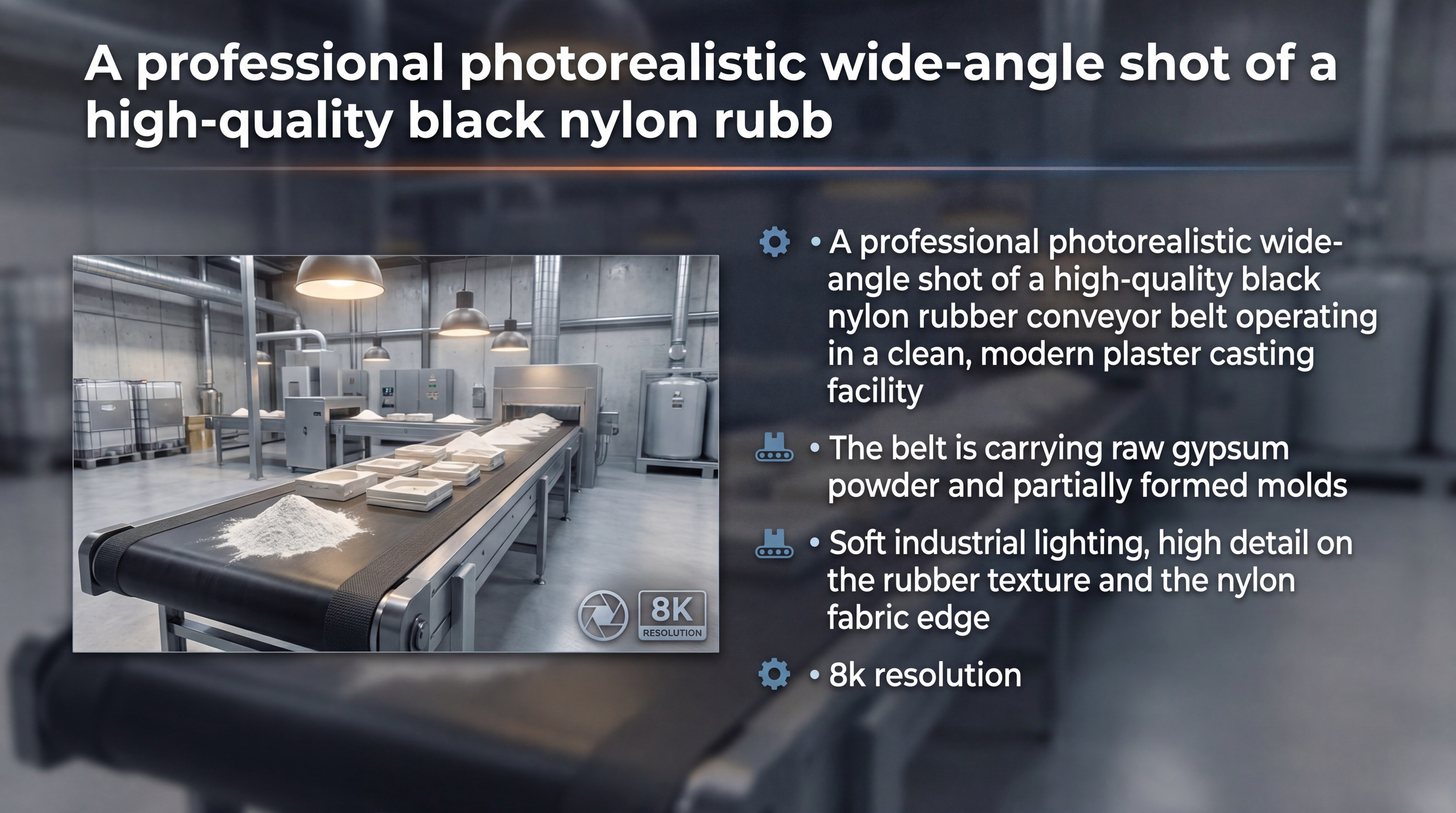
Plaster casting with a china nylon rubber conveyor belt refers to the specialized industrial application where nylon-reinforced rubber belts transport the raw materials, liquid slurries, and finished molds used in the precision casting process. This method relies on the high elasticity and fatigue resistance of the nylon core to maintain a steady production flow.
What role does gypsum play?
The process begins with gypsum powder, which is mixed with water to create a slurry that fills a master pattern. This material is inherently abrasive, meaning your belt surface must withstand constant friction.
Why is material handling critical?
Without a reliable transport system, the wet plaster could harden prematurely, leading to wasted batches and clogged machinery.
- Consistency: The belt must move at a precise speed to synchronize with the mixing units.
- Load Distribution: Belts must handle the high density of wet plaster without sagging.
- Cleanliness: Surface compounds must allow for easy wash-downs between casting cycles.
How does NN fabric improve flow?
Here is the kicker: Nylon-nylon (NN) fabric provides the ultimate flexibility needed for complex conveyor layouts.
- High Tensile Strength: Supports heavy industrial molds.
- Excellent Troughability: Prevents slurry spillage on long runs.
- Shock Absorption: Protects the carcass at loading points.
Key Takeaway: The structural integrity of NN fabric is the backbone of efficient plaster casting, ensuring that heavy, abrasive materials are moved without system failure.
| Component | Role | Belt Requirement | |
|---|---|---|---|
| Gypsum Powder | Raw Input | Anti-static surface | |
| Plaster Slurry | Mold Creation | Moisture resistance | |
| NN Fabric | Core Strength | High elasticity |
Analytical Insight: Matching the belt’s troughability to the density of the plaster slurry is the most effective way to eliminate material loss during the molding phase.
How does a china nylon rubber conveyor belt support casting?
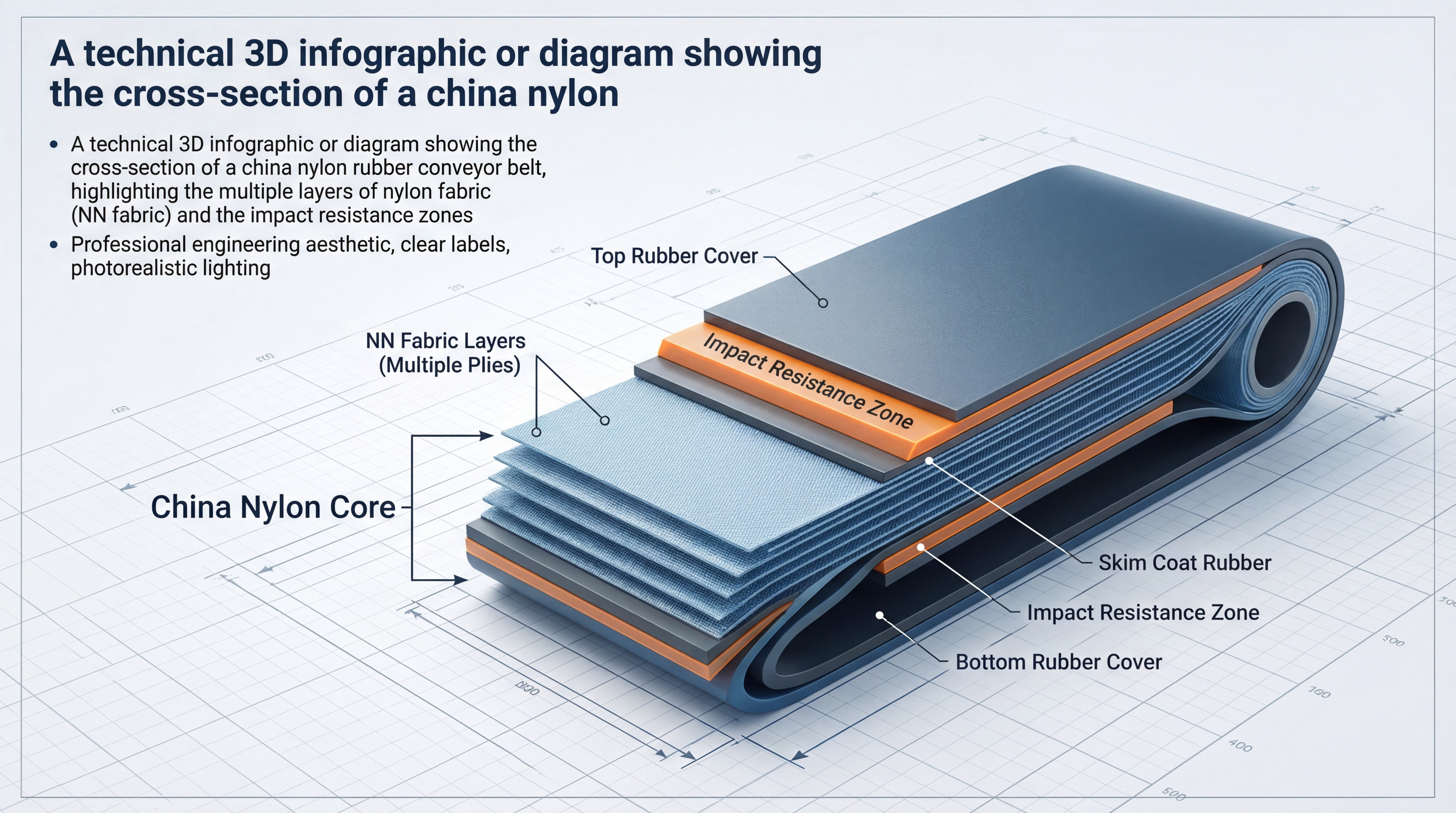
A china nylon rubber conveyor belt supports casting by providing the high impact resistance and superior elasticity needed to handle the sudden weight of plaster pours. Because nylon is more flexible than other textile reinforcements, it allows the belt to bend around smaller pulleys without cracking the top cover.
What about shock absorption?
The initial drop of gypsum stone or heavy molds onto the belt creates significant stress at the loading point. Nylon fibers act like a spring, absorbing the kinetic energy and preventing carcass punctures.
Why is elasticity important?
Look: A belt that doesn’t stretch slightly under load will eventually snap.
- Recovery: Nylon returns to its original length after the load is removed.
- Tracking: Better elasticity ensures the belt stays centered on the rollers.
- Lifespan: Reduces the internal heat generated by constant flexing.
Key Takeaway: The natural elasticity of nylon ensures that the belt can survive the mechanical “punishment” of a 24/7 casting environment.
| Feature | Support Benefit | Production Impact | |
|---|---|---|---|
| Impact Resistance | Reduced punctures | Lower downtime | |
| High Elasticity | Carcass recovery | Longer belt life | |
| Flexibility | Smaller pulley use | Compact plant design |
Analytical Insight: Utilizing high-elasticity nylon belts reduces the tensioning requirements of the system, which directly lowers the wear on drive motors and bearings.
Which materials suit a china nylon rubber conveyor belt system?
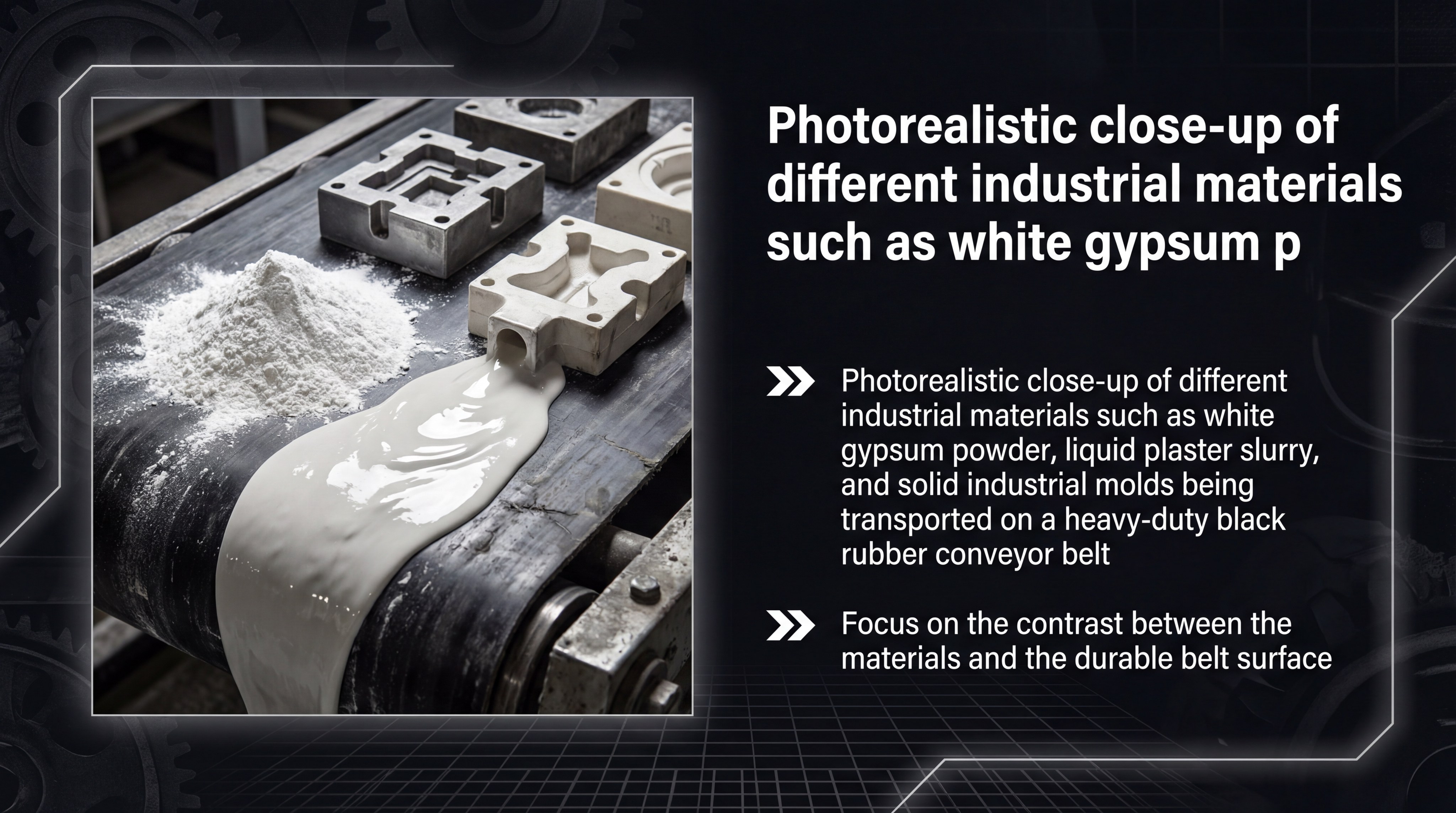
Materials that suit a china nylon rubber conveyor belt system include abrasive gypsum powders, dense liquid slurries, and heavy-duty industrial molds that require stable transport through curing ovens. These belts are specifically engineered to handle materials with densities exceeding 2.0 kgs/cbm.
Can it handle liquid slurries?
Liquid plaster requires a belt with a non-porous top cover to prevent moisture from reaching the nylon plies. If moisture enters the carcass, it can lead to delamination and rot.
- Grade M: Ideal for moderate abrasion and moisture.
- Grade N: Best for heavy-duty slurry transport.
Is dry powder transport safe?
Transporting fine powders requires specific belt characteristics to ensure safety and efficiency.
- Anti-Static Covers: Prevents the buildup of static electricity from powder friction.
- High-Abrasion Rubber: Resists the sandpaper-like effect of gypsum dust.
- Sealed Edges: Keeps the fabric core protected from dust ingress.
Key Takeaway: Whether you are moving dry minerals or wet mixtures, the chemical and physical properties of nylon-core belts accommodate every stage of the process.
| Material | State | Recommended Cover | |
|---|---|---|---|
| Gypsum Stone | Solid | Heavy Abrasive Condition | |
| Plaster Slurry | Liquid | Moisture Resistant Grade | |
| Finished Molds | Heavy Solid | High Tensile Grade |
Analytical Insight: For powder handling, selecting a belt with a specific “Abrasion Loss” rating of less than 100mm³ significantly extends the time between belt replacements.
Why choose a china nylon rubber conveyor belt for mold making?
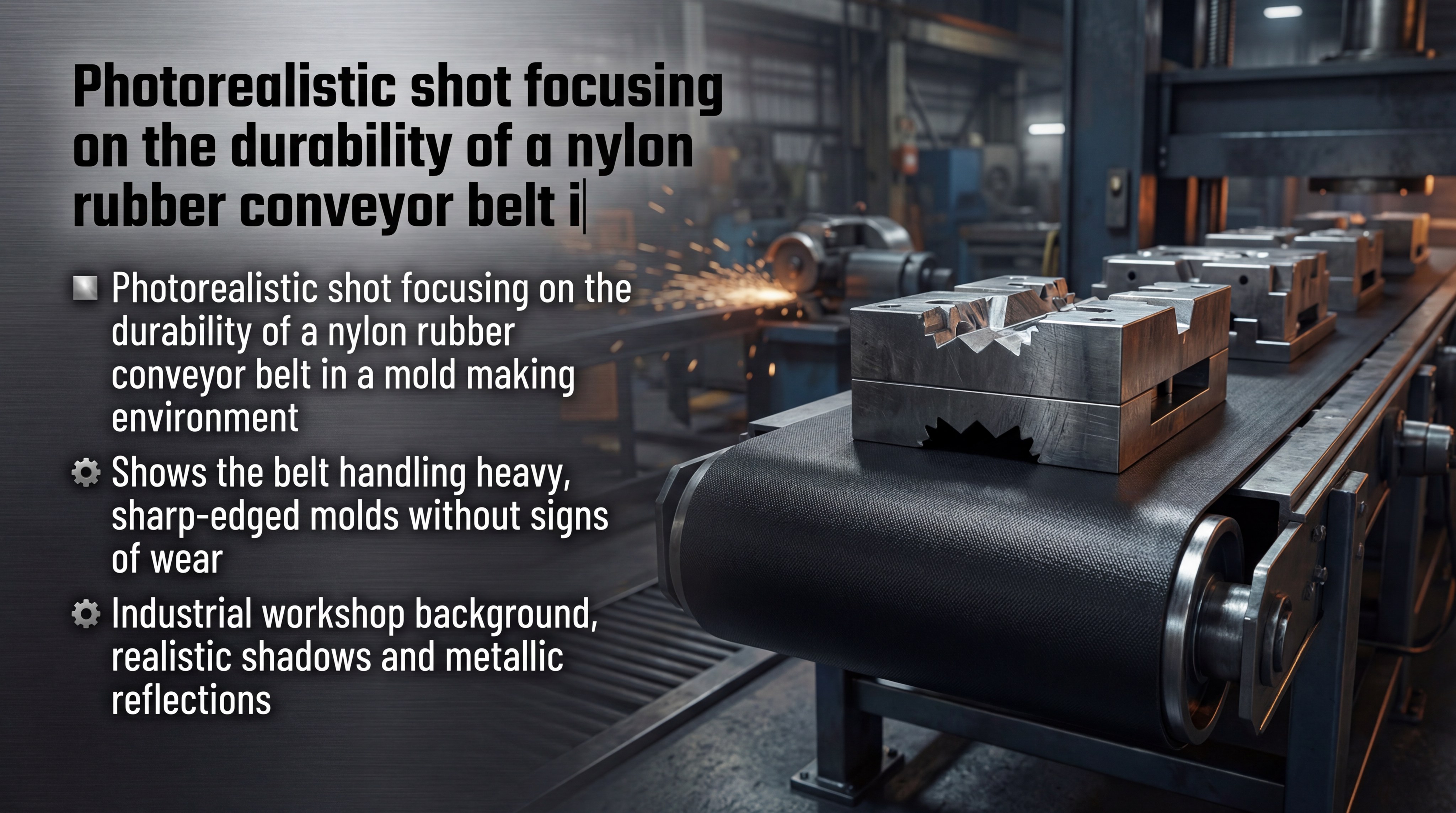
You should choose a china nylon rubber conveyor belt for mold making because its superior fatigue resistance ensures the belt can withstand the repetitive stress of small-radius pulley cycles. In a mold-making facility, space is often at a premium, requiring compact conveyor designs that standard belts cannot handle.
Is fatigue resistance necessary?
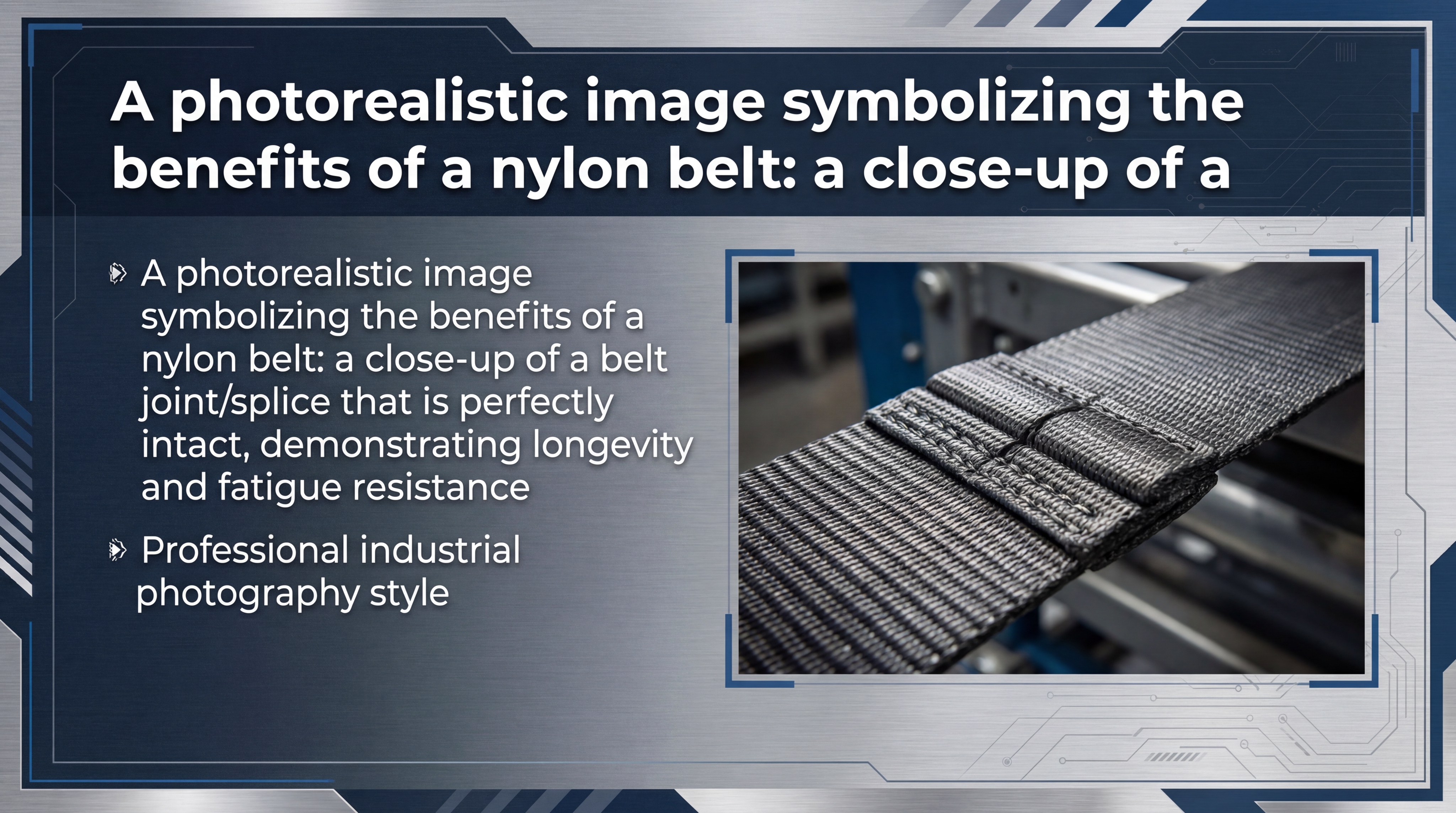
The best part? Nylon fabric is virtually immune to the bending fatigue that causes other belts to crack. Even after thousands of hours of operation, the bond between the rubber and the nylon remains intact.
What about anti-tear features?
Industrial molds often have sharp edges that can snag a belt.
- Woven Strength: The weft fibers provide lateral strength to stop tears from spreading.
- Reinforcement: Multiple plies (up to 6) create a thick, impenetrable barrier.
Key Takeaway: Choosing nylon reinforcement provides a safety margin against the unexpected mechanical failures that often plague mold-making lines.
| Attribute | Benefit | Advantage | |
|---|---|---|---|
| Fatigue Resistance | No cracking | 24/7 reliability | |
| Anti-Tear Carcass | Stops rip spread | Safety | |
| High Adhesion | No delamination | Consistent quality |
Analytical Insight: Fatigue resistance is the most critical factor in automated lines where the belt must change directions or elevate materials over short distances.
How is the china nylon rubber conveyor belt process optimized?
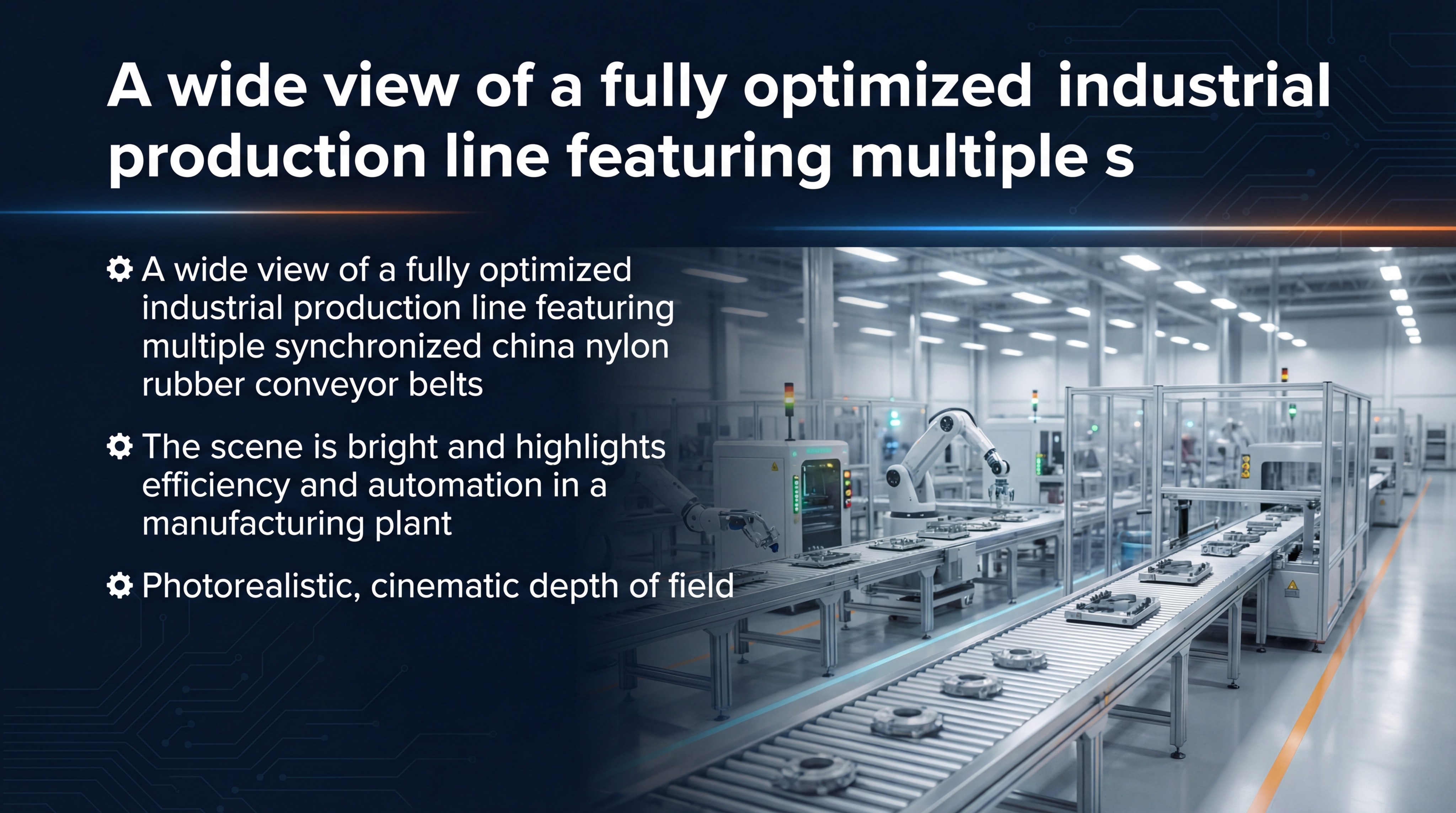
The china nylon rubber conveyor belt process is optimized by matching the specific NN ply index to the maximum anticipated load and environmental temperature of your facility. Optimization ensures that you are not paying for excess material strength while still maintaining a high factor of safety.
Does ply count matter?
Yes, the number of plies directly influences the belt’s load-bearing capacity and its ability to maintain tension.
- 2-Ply: Best for light-duty packaging or small parts.
- 4-Ply: The industry standard for bulk gypsum transport.
- 6-Ply: Required for extreme loads and mining-grade applications.
How to balance cover thickness?
The top cover protects the carcass, but making it too thick adds unnecessary weight.
- 3mm Top: Sufficient for smooth slurry transport.
- 6mm Top: Necessary for sharp, heavy stone loading.
- 1.5mm Bottom: Optimized for pulley grip and energy efficiency.
Key Takeaway: Process optimization is a balancing act between the physical strength of the nylon core and the protective properties of the rubber cover.
| Optimization Factor | Light Duty | Heavy Duty | |
|---|---|---|---|
| Ply Count | 2 Plies | 4-6 Plies | |
| Top Cover Thickness | 3.0 mm | 6.0 mm | |
| NN Index | NN80 – NN100 | NN200 – NN400 |
Analytical Insight: Analyzing the “load-to-ply” ratio allows engineers to downsize drive motors, resulting in a 10-15% reduction in annual energy consumption.
What uses exist for a china nylon rubber conveyor belt in casting?
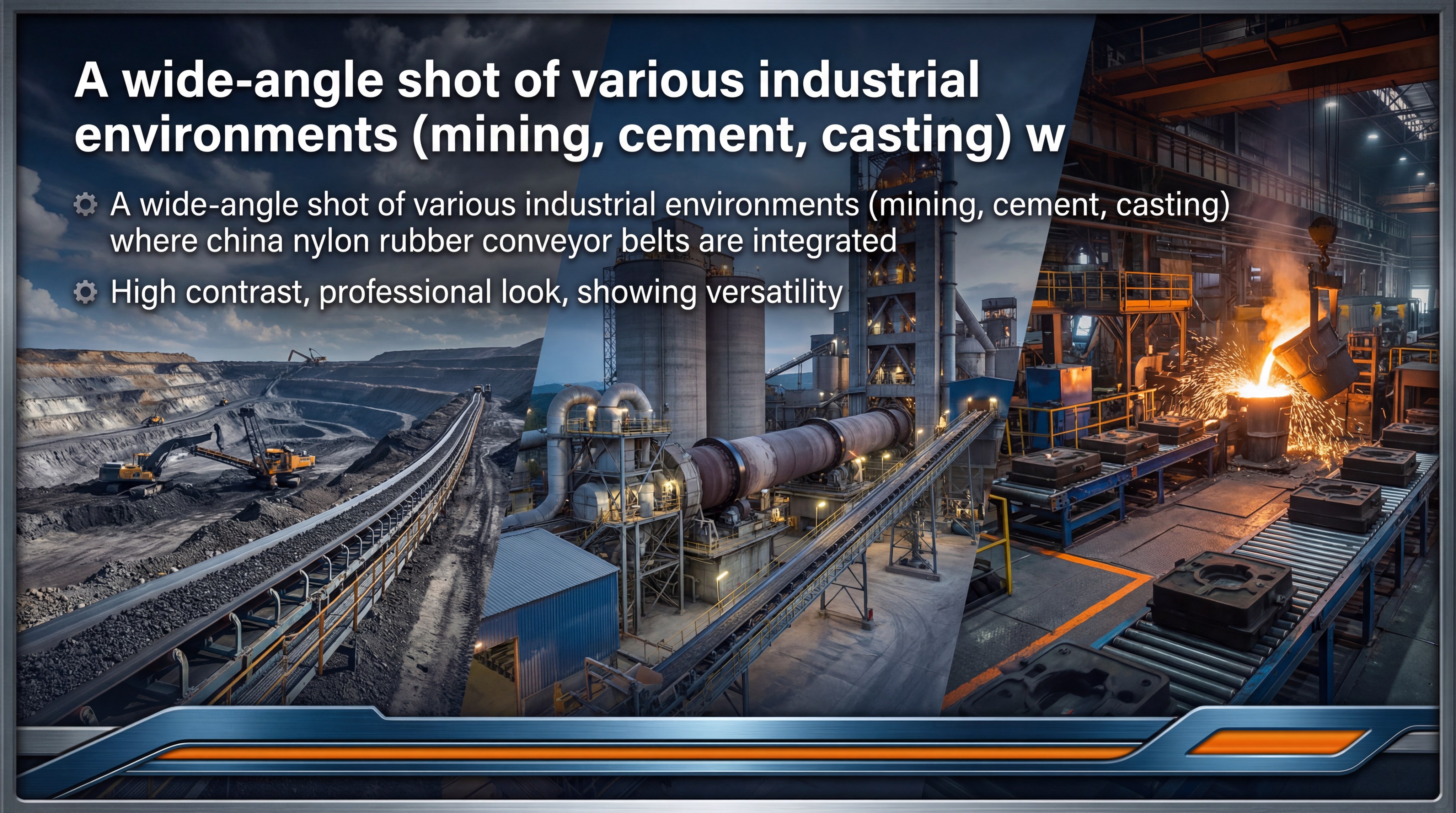
Uses for a china nylon rubber conveyor belt in casting range from raw material mining and crushing to the high-precision transport of finished molds through automated production cells. Because of its versatility, a single belt specification can often handle multiple stages of the manufacturing lifecycle.
Is mining the first step?
Before the plaster is made, raw gypsum stone must be moved from the quarry.
- Bulk Transport: Handling high-density stone over long distances.
- Crushing: Transporting material through primary and secondary crushers.
What about precision transport?
In the actual casting facility, the belt acts as a moving work surface.
- Synchronized Feeding: Delivering the exact amount of powder to the mixers.
- Mold Curing: Moving wet molds through heat tunnels for drying.
- Post-Processing: Carrying finished parts to inspection stations.
Key Takeaway: The wide application range of nylon belts makes them the most cost-effective choice for integrated industrial facilities.
| Use Case | Material Load | Belt Requirement | |
|---|---|---|---|
| Quarrying | Extreme | High Impact Grade | |
| Mixing | Moderate | Dust-Tight Cover | |
| Curing | Light | Moderate Heat Resistance |
Analytical Insight: Facilities that standardize on a single high-quality nylon belt specification reduce their spare parts inventory costs by approximately 25%.
Can a china nylon rubber conveyor belt handle heavy plaster?
Yes, a china nylon rubber conveyor belt can handle heavy plaster, as it is engineered with a tensile strength ranging from 160 N/mm to 2400 N/mm across multiple plies. This allows it to support the concentrated weight of large industrial molds without suffering from permanent deformation.
What are the strength specs?
It is simple: The more plies you add, the more weight you can move. A 4-ply NN400 belt provides an incredible amount of pulling force for long, inclined systems.
Should I use steel cord?
For ultra-long distances or vertical lifts of several hundred meters, you might consider a steel cord conveyor belt .
- Low Stretch: Steel has zero elongation but lacks the flexibility of nylon.
- The Nylon Choice: For most plant-based casting, nylon is the superior, more flexible option.
Key Takeaway: Nylon’s high strength-to-weight ratio makes it the ideal material for heavy material handling in localized factory environments.
| Belt Type | Tensile Range (N/mm) | Best Use | |
|---|---|---|---|
| Nylon (NN) | 160 – 2400 | General Industrial | |
| Steel Cord (ST) | 630 – 5400 | Long-Distance Mining |
Analytical Insight: While steel cord belts offer higher absolute strength, the “flex-life” of nylon provides a significantly better return on investment for systems under 500 meters.
What are china nylon rubber conveyor belt benefits in plants?
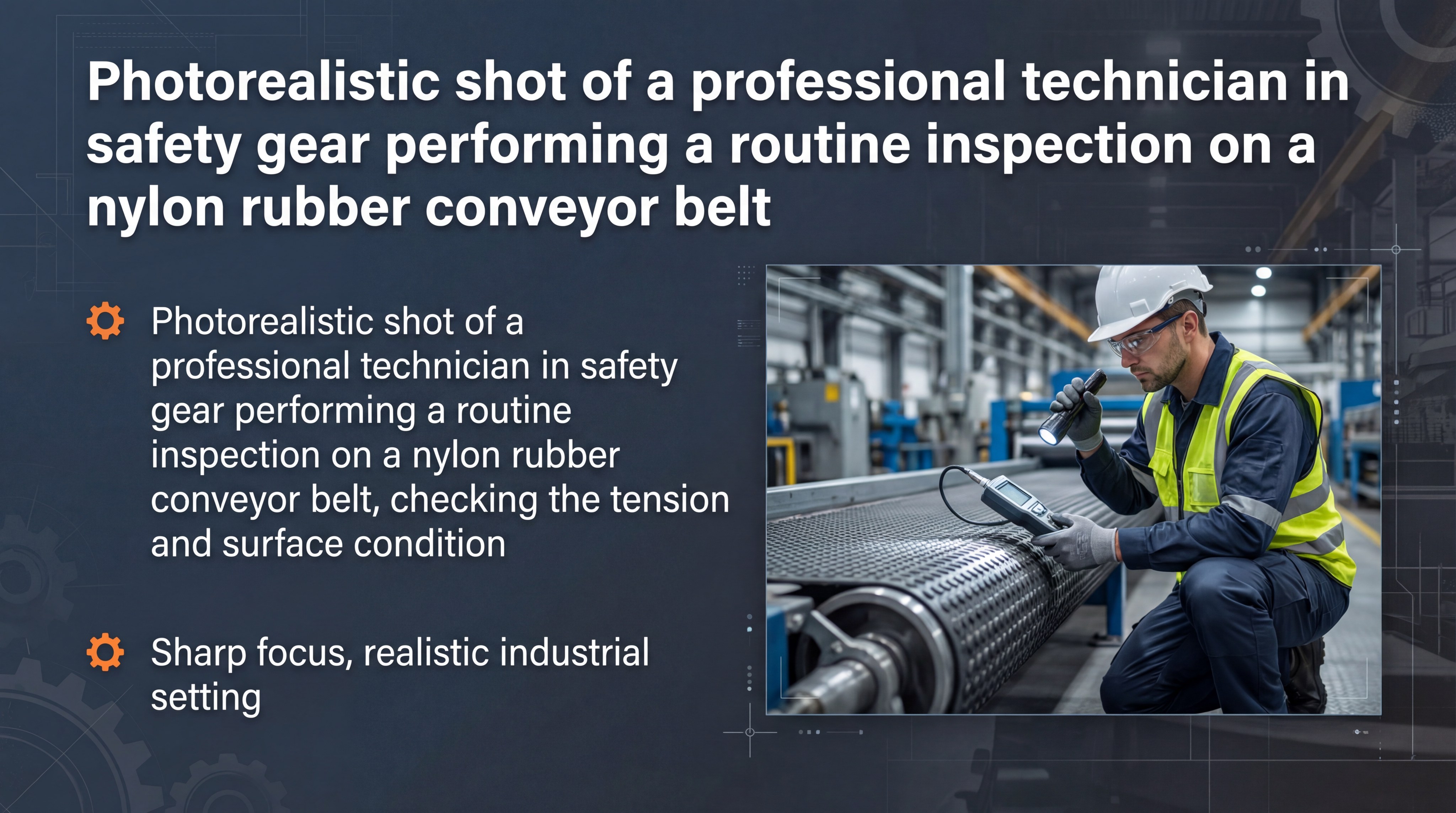
The primary china nylon rubber conveyor belt benefits in plants include increased operational uptime, lower energy consumption due to reduced belt weight, and the ability to operate in humid environments without fabric degradation. These belts are designed to outlast traditional cotton or EP belts in harsh conditions.
Will maintenance costs drop?
Look at the facts: Nylon’s resistance to moisture means you won’t deal with the carcass rot that destroys other belts in wet casting environments.
- Anti-Rot: Nylon does not absorb water.
- Easy Tracking: The belt stays aligned, reducing edge damage.
- Adhesion: High bonding strength prevents ply separation.
How does troughing help?
Better troughability allows for a deeper “V” shape on the rollers, which increases the volume of material you can move without spilling. This is critical when transporting liquid plaster or fine gypsum powder.
Key Takeaway: The combination of mechanical durability and environmental resistance makes nylon belts the most stable foundation for plant operations.
| Benefit | Operational Result | Financial Result | |
|---|---|---|---|
| Moisture Resistance | No carcass rot | Lower replacement cost | |
| Energy Efficiency | Lower motor load | Reduced power bills | |
| Stable Tracking | Zero edge fraying | Reduced repair hours |
Analytical Insight: Reducing belt weight through nylon reinforcement typically results in a 5-8% decrease in total system energy consumption over a 12-month period.
Is a china nylon rubber conveyor belt durable for slurries?
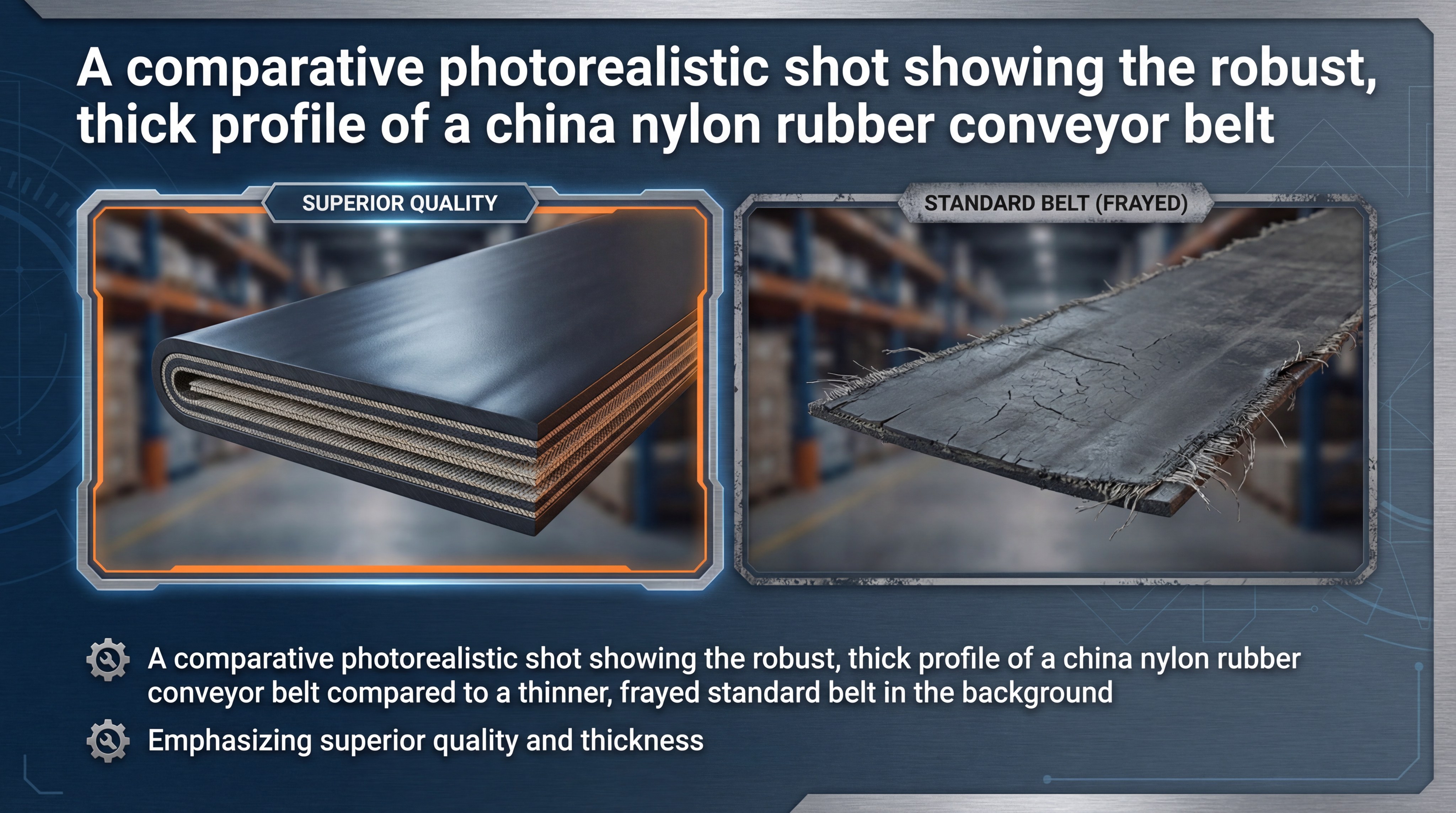
A china nylon rubber conveyor belt is exceptionally durable for slurries because the nylon carcass is inherently moisture-proof and does not lose its tensile strength when exposed to wet conditions. Unlike cotton belts, which swell and rot, nylon maintains its structural integrity even during constant wash-downs.
Does moisture cause rot?
No, nylon fibers are synthetic and do not provide a food source for the bacteria that cause rot. This makes them the “gold standard” for any casting plant that uses liquid mixtures.
What prevents surface abrasion?
The best part? We use “Heavy Abrasive Condition” rubber covers that limit abrasion loss to less than 100mm³.
- High Density: Prevents fine plaster particles from embedding in the surface.
- Grade Selection: Choosing the right Mpa (15.0 to 24.0) for the application.
Key Takeaway: The synergy between a moisture-proof core and an abrasion-resistant cover makes these belts invincible against slurry damage.
| Threat | Nylon Defense | Outcome | |
|---|---|---|---|
| Constant Humidity | Synthetic fiber | Zero strength loss | |
| Plaster Particles | High Mpa cover | Minimal surface wear | |
| Chemical Additives | Resistant compounds | No rubber swelling |
Analytical Insight: Utilizing moisture-proof nylon fabric eliminates the risk of “internal belt failure,” which is the leading cause of unexpected shutdowns in wet processing plants.
How to find a china nylon rubber conveyor belt manufacturer?
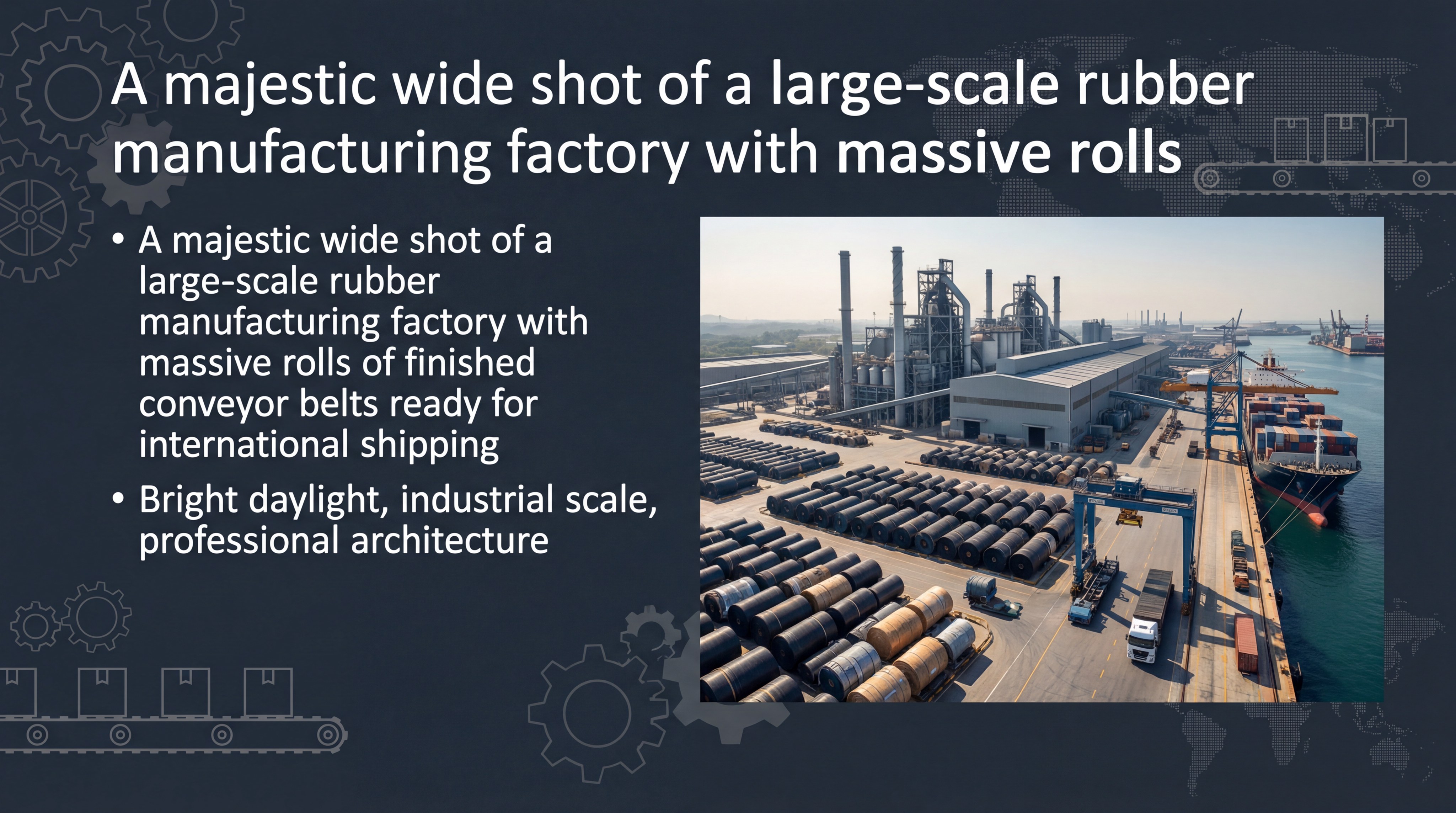
Finding a reliable china nylon rubber conveyor belt manufacturer requires verifying their ISO certifications, assessing their direct factory capabilities, and ensuring they provide professional engineering support for your specific casting requirements. A true partner will help you select the exact specifications for your project.
Which certifications are vital?
You must verify that the factory holds recognized safety and quality standards.
- ISO 9001: Quality management systems.
- CE/EN14973: European safety standards.
- MT 668: Mining safety standards (if applicable).
Is technical consultation free?
Look: A high-quality manufacturer like ZHENXING provides free consultations to help you determine the correct belt width, ply count, and rubber grade.
- Fast Quotes: Expect an accurate pricing breakdown within 24 hours.
- Samples: Request samples to verify the rubber and fabric quality.
- Factory Visits: Reliable manufacturers welcome you to inspect their production lines.
Key Takeaway: Partnering directly with a Chinese factory eliminates middleman markups and gives you direct access to technical experts.
| Selection Step | What to Check | Goal | |
|---|---|---|---|
| Verification | ISO / CE Certificates | Safety assurance | |
| Capacity | 200+ employees | Reliable lead times | |
| Service | 24h technical support | Perfect specification |
Analytical Insight: Buying direct from a factory with self-owned production lines typically saves 15-30% compared to sourcing through international trading companies.
Conclusion
Precision in plaster casting requires a material handling system that is as reliable as it is durable. By integrating a high-performance nylon rubber conveyor belt into your production line, you eliminate the risks of carcass rot, belt stretching, and surface abrasion. Our engineering team is dedicated to providing the custom specifications that keep your facility running at peak efficiency.
Ready to partner with a reliable conveyor belt manufacturer? Contact us today to receive your custom technical solution and accurate quotation within 24 hours.
Brand Position: ZHENXING is a global leader in rubber conveyor belt manufacturing, providing direct-factory solutions that reduce costs and maximize industrial uptime for the world’s most demanding casting operations.
FAQ
Can I use these belts for high-temperature curing?It depends. While standard nylon belts handle up to 80°C, we can manufacture specialized heat-resistant grades that withstand continuous operation in drying tunnels up to 200°C.
What’s the best way to clean plaster buildup off the belt?The best way is to use a primary belt scraper combined with a continuous water spray wash-down system, as nylon is naturally resistant to water damage.
How do I know if I need more than 4 plies for my molds?It depends on the total weight of your molds and the length of your conveyor; our engineers can calculate the exact tension requirements based on your system drawings.
Can I get a belt with my company logo printed on it?Yes, we offer custom logo printing and specialized packaging to enhance your brand identity and ensure product protection during international shipping.
What’s the lead time for a custom nylon belt order?It depends on the order volume, but our factory typically provides a stable lead time with rapid production capabilities for urgent industrial projects.