
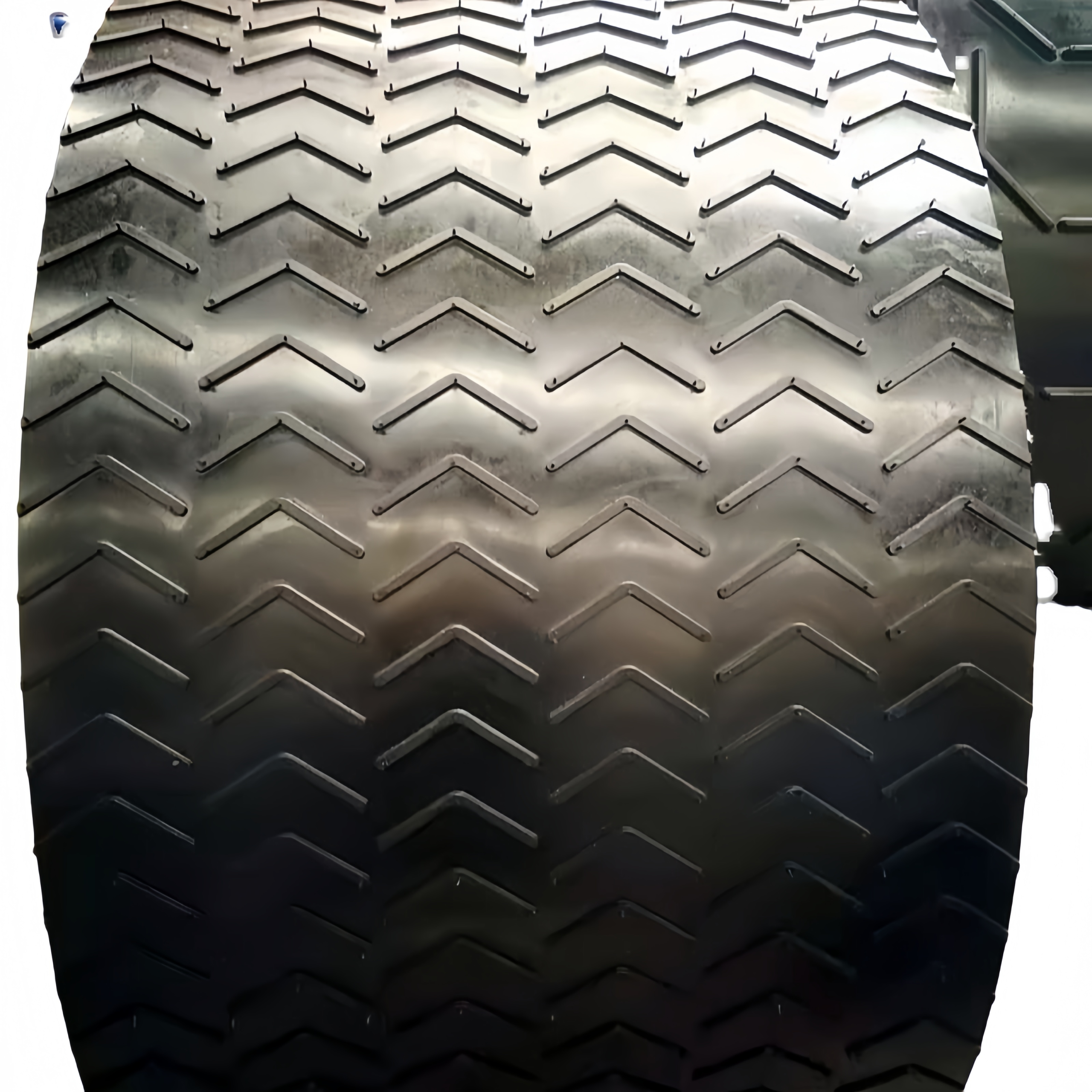
A convex pattern rubber conveyor belt provides superior grip for steep incline transport, preventing material rollback, reducing waste, and improving efficiency in industrial conveying systems.
1. Why choose a convex pattern rubber conveyor belt for steep inclines?
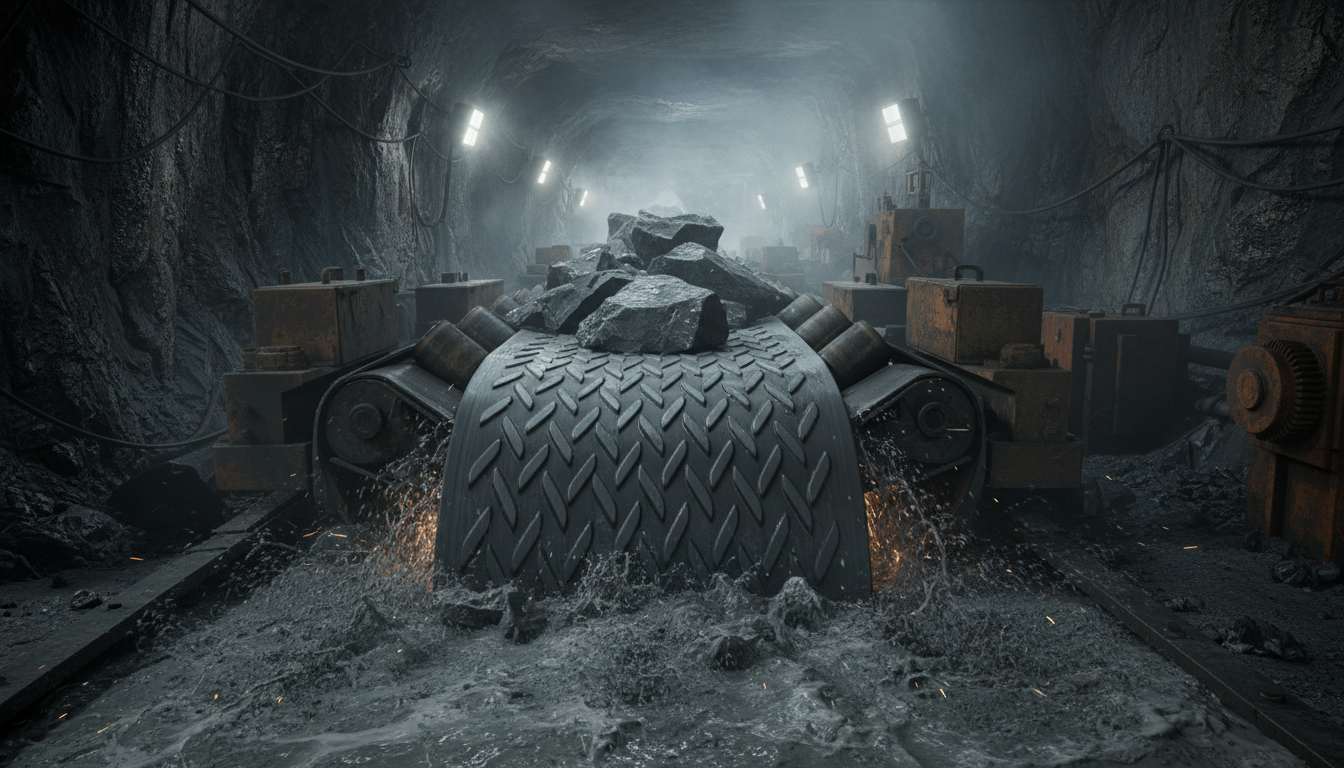
A convex pattern rubber conveyor belt is specifically engineered to overcome the limitations of gravity in material handling. When your facility requires transporting materials at angles exceeding 20 degrees, standard smooth belts simply cannot maintain the necessary friction. The raised profiles of the convex design act as miniature cleats that lock the material in place.
How does the pattern height affect performance?
The height of the convex pattern directly dictates the maximum angle of inclination your system can handle safely. Higher profiles are better suited for larger, rounder aggregates that tend to roll more easily during transport. Think about this: choosing the wrong height could lead to catastrophic material backflow.
What are the design variations for inclines?
Manufacturers offer several pattern types, including herringbone, multi-V, and granular surfaces, to suit different cargo types. Each geometry is optimized for specific material flow characteristics and drainage requirements. You must match the pattern to your specific load to ensure peak operational efficiency.
- Pattern Types for Steep Slopes:
- High-Profile Cleats: For angles up to 40 degrees.
- Medium Patterns: Ideal for wet or semi-liquid materials.
- Fine-Grain Surfaces: Best for powdery or small granular loads.
Can these belts reduce energy consumption?
By preventing material slippage, the motor doesn’t have to work overtime to compensate for lost load weight or friction imbalances. This leads to a more consistent power draw and extends the lifespan of your driving components. It is the smarter way to manage heavy vertical lifting.
Key Takeaway: Choosing a convex pattern belt allows for steeper conveyor paths, saving valuable floor space and reducing material loss during high-angle transport.
| Feature | Flat Belt | Convex Pattern Belt | |
|---|---|---|---|
| Max Angle | 15-20 Degrees | 25-45 Degrees | |
| Grip Level | Low | High | |
| Material Loss | Significant on Incline | Minimal | |
| Space Required | Large Footprint | Compact Footprint |
This comparison highlights why patterned belts are indispensable for modern facilities looking to optimize vertical space and throughput.
2. What makes a convex pattern rubber conveyor belt durable?

The longevity of a rubber belt depends heavily on the quality of its internal reinforcement and the chemistry of the rubber compound. In B2B environments, durability isn’t just a feature; it is a requirement for maintaining 24/7 operations. Our specialized production methods ensure that the pattern and the base belt are vulcanized as a single, inseparable unit.
What role does the fabric carcass play?
The internal carcass, often made of EP (Polyester/Polyamide) fabric, provides the necessary tensile strength to prevent stretching under heavy loads. You will find that high-quality belts use multiple layers of this fabric to ensure structural integrity. Here is the kicker: without a strong carcass, the pattern surface would crack and peel prematurely.
How do rubber compounds impact wear resistance?
We use advanced synthetic and natural rubber blends that are treated with anti-abrasive and anti-aging agents. This ensures the convex patterns remain sharp and effective even after months of handling jagged or sharp materials. Learn more about us and our commitment to using only premium raw materials.
- Factors Enhancing Durability:
- Thermal Stability: Resists deformation in high-temperature environments.
- Chemical Resistance: Protects against oils, acids, and salts.
- Ozone Protection: Prevents cracking when stored or used outdoors.
Is the vulcanization process critical?
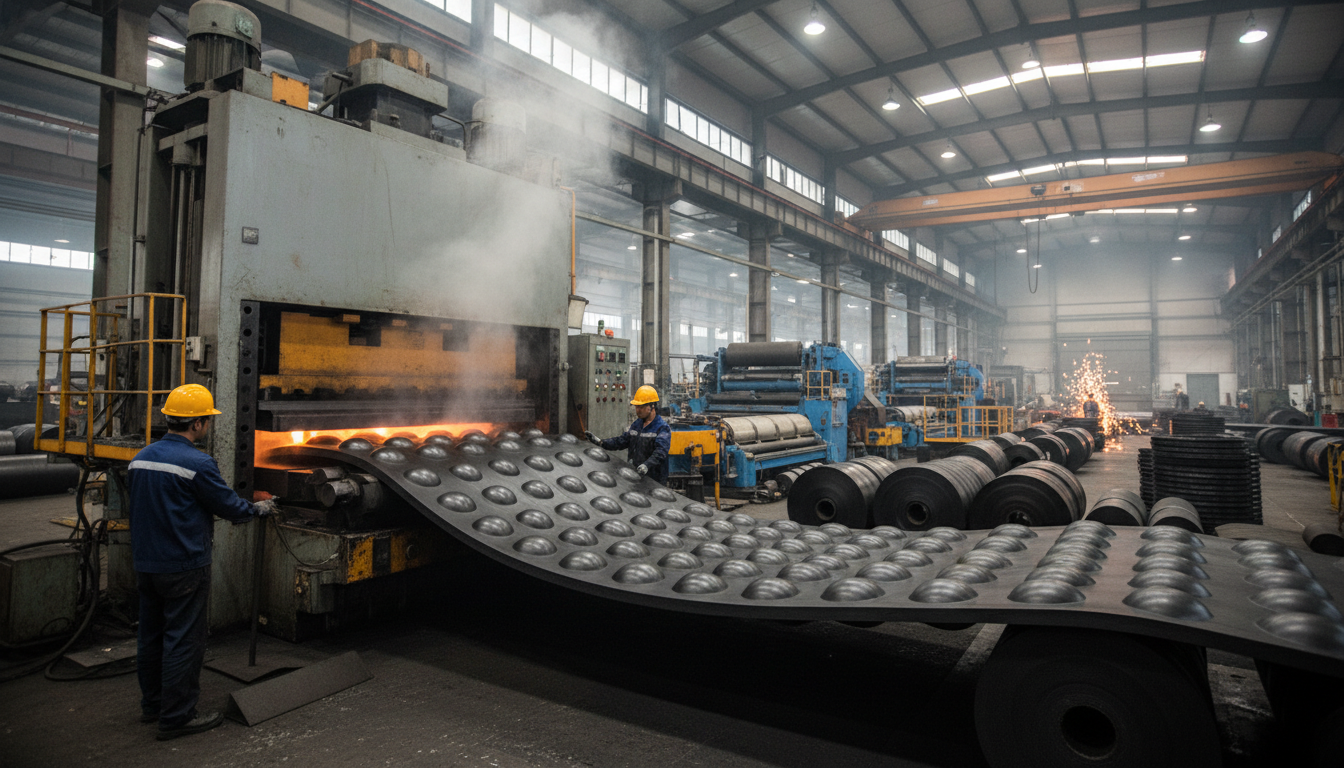
Yes, because integral molding ensures that the convex pattern is part of the belt body rather than just glued on. This prevents the “cleat stripping” common in lower-quality alternatives that rely on secondary bonding. A single-step vulcanization process creates a much more resilient product for harsh industrial use.
Key Takeaway: Durability is achieved through a combination of high-tensile fabric cores and advanced rubber chemistry that prevents pattern degradation.
| Component | Material Used | Benefit | |
|---|---|---|---|
| Base Carcass | EP Fabric / Nylon | Low stretch, high strength | |
| Top Cover | NR/SBR Rubber | Abrasion and impact resistance | |
| Pattern Bond | Integral Vulcanization | Zero delamination risk | |
| Additives | Anti-oxidants | Extended service life |
Investing in a belt with these technical specifications ensures your maintenance cycles are longer and your replacement costs are lower.
3. How does a convex pattern rubber conveyor belt prevent material slippage?
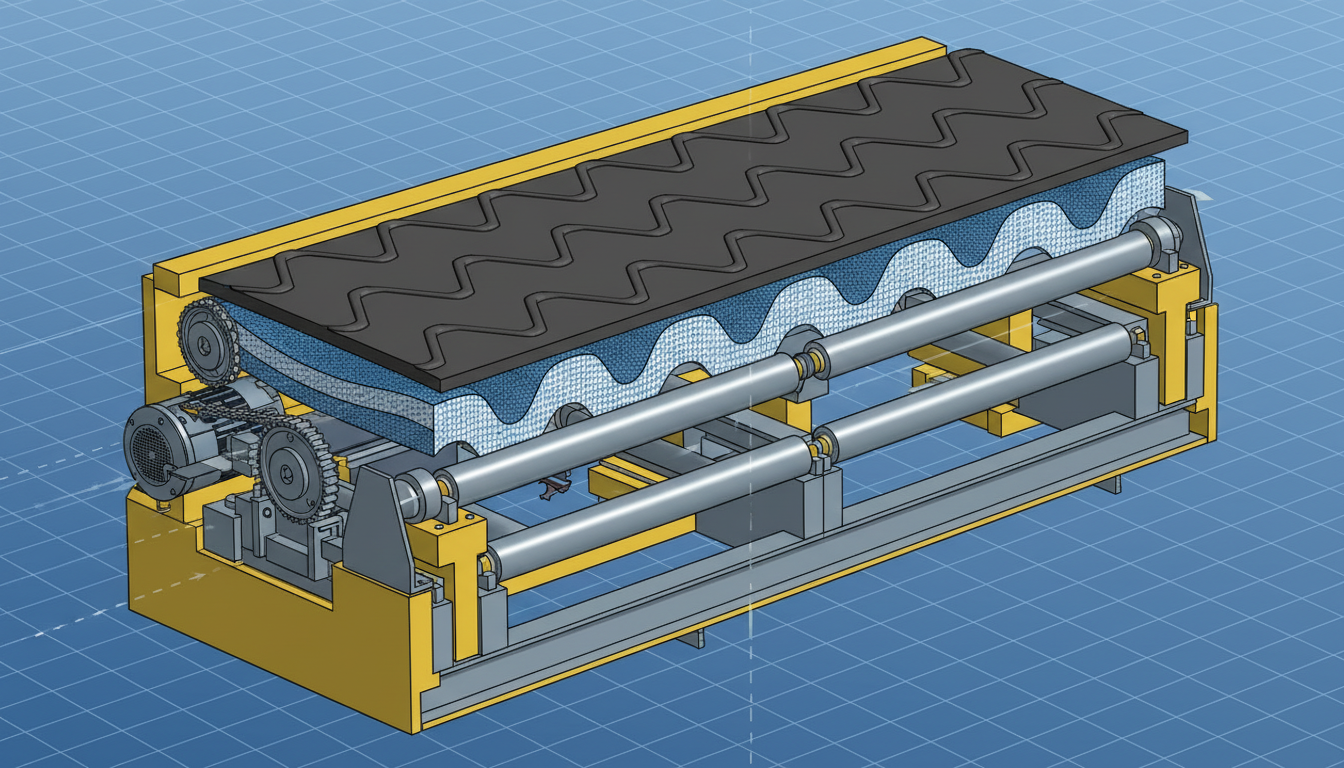
A convex pattern rubber conveyor belt prevents slippage by creating mechanical interference between the belt surface and the cargo. On a smooth belt, the only thing holding material is the coefficient of friction, which fails as the angle increases. The convex shapes act as barriers that physical block the material from moving backward down the line.
What is the physics of the “locking” effect?
As material sits in the valleys between the convex ridges, the weight of the load actually pushes it deeper into the pattern. This increases the contact surface area and creates a “nested” effect. It’s like using a gear system instead of a friction wheel; the teeth do the work.
How does the pattern handle wet materials?
The channels between the patterns allow moisture and water to drain away from the contact points. This prevents the “hydroplaning” effect where wet materials slide on a thin film of water. You can maintain high speeds even in rainy or humid conditions because of this built-in drainage.
- Slippage Prevention Mechanisms:
- Mechanical Blocking: Ridges stop downward movement.
- Surface Tension: High-grip rubber “grabs” the cargo.
- Pressure Distribution: Spreads weight to avoid sliding.
Does belt speed affect grip?
At higher speeds, centrifugal force can sometimes cause material to bounce, but the convex pattern helps stabilize the load center. By keeping the center of gravity low within the patterns, the belt reduces the risk of spillage at transition points. This stability is crucial for high-speed bulk handling.
Key Takeaway: Mechanical ridges and specialized drainage channels ensure that material stays in place regardless of moisture levels or incline angles.
| Variable | Impact on Slippage | Convex Belt Solution | |
|---|---|---|---|
| Gravity | Pulls material down | Physical ridge barriers | |
| Water | Creates slippery film | Deep drainage grooves | |
| Material Size | Round items roll off | “V” shape nesting | |
| Speed | Causes vibration | Centered load stability |
The technical integration of these features allows for a much more predictable flow of materials in complex industrial systems.
4. Can a convex pattern rubber conveyor belt handle bulk materials?
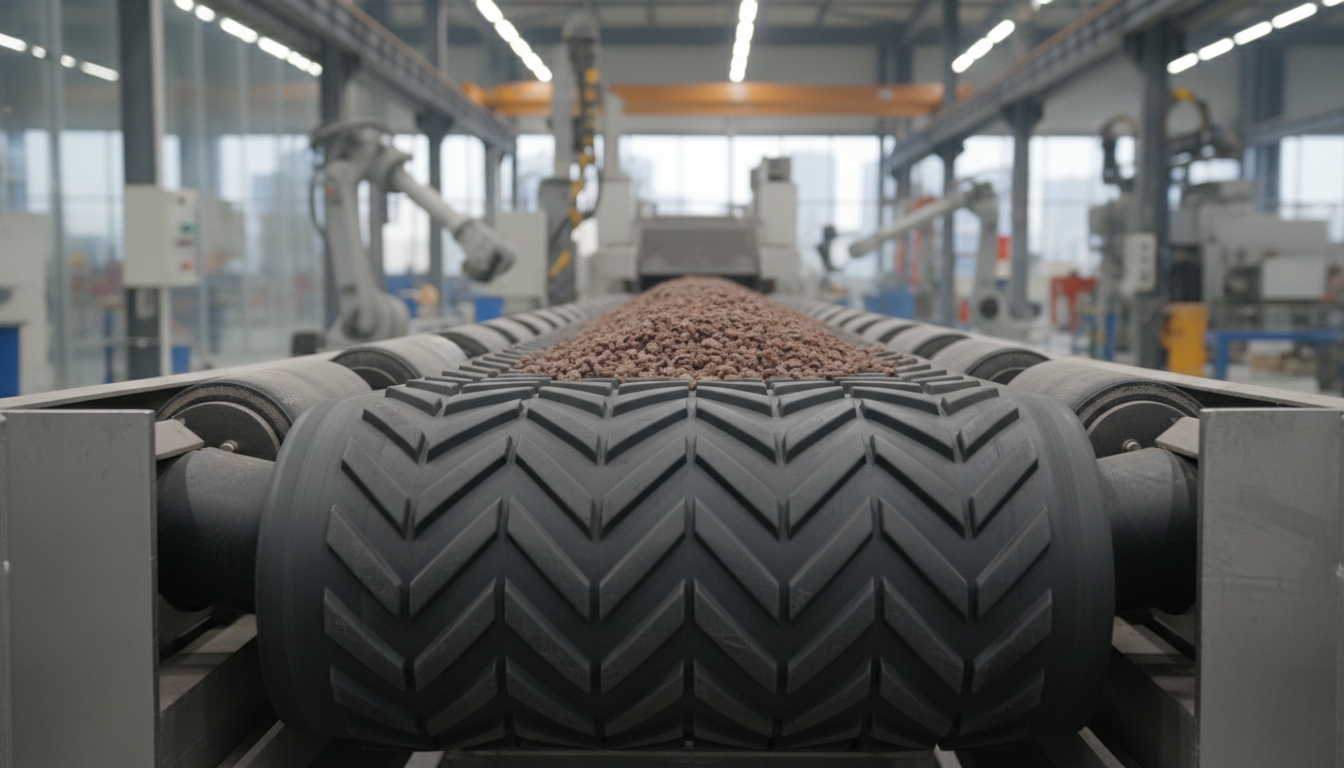
Bulk material handling requires a belt that can manage inconsistent sizes, heavy weights, and high-impact loading. These belts are specifically designed to distribute the pressure of bulk loads across the entire surface area. Whether you are moving coal, sand, or heavy ores, the patterned surface ensures the load remains centralized.
How is the load capacity calculated?
The load capacity depends on the belt width and the thickness of the carcass, combined with the pattern height. You must ensure that the “troughability” of the belt allows it to form a deep U-shape on the idlers. This further increases the volume of material that can be transported per hour.
Does the pattern affect discharge?
While the patterns hold material during transit, they are designed to release it cleanly at the head pulley. You should use a brush-type cleaner rather than a scraper to ensure the valleys are emptied effectively. This prevents “carry-back,” which can lead to debris buildup on the return rollers.
- Bulk Materials Best Suited:
- Aggregates: Gravel, crushed stone, and sand.
- Mining: Iron ore, coal, and mineral concentrates.
- Agriculture: Wheat, corn, and fertilizer pellets.
Can it handle heavy impact?
High-quality rubber covers are engineered to absorb the energy of falling rocks or heavy lumps during the loading process. This prevents the fabric layers from being punctured or bruised. You need this level of protection to avoid sudden belt failures in high-volume environments.
Key Takeaway: These belts are the workhorses of the bulk industry, offering the perfect balance of load stability and impact protection.
| Material Type | Flow Characteristic | Recommended Pattern | |
|---|---|---|---|
| Dry Sand | High fluidity | Closed V-pattern | |
| Wet Coal | Sticky/Slippery | Open-ended U-pattern | |
| Large Ore | Heavy/Jagged | High-impact Granular | |
| Grains | Light/Round | Low-profile Multi-V |
Properly matching your bulk material characteristics to the belt pattern is the first step toward achieving maximum throughput.
5. Where are convex pattern rubber conveyor belts most commonly used?
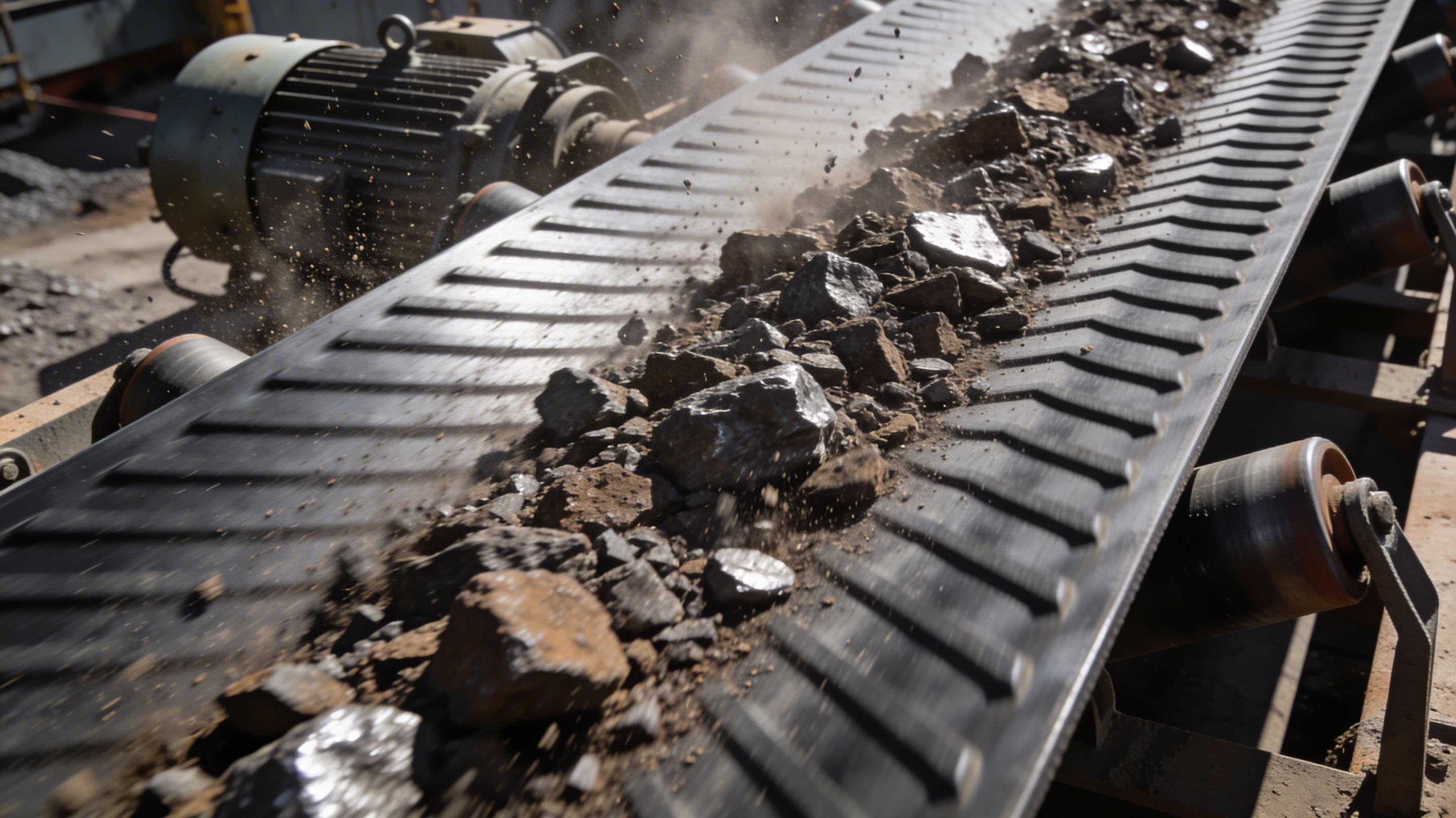
A convex pattern rubber conveyor belt is a staple in industries where space is at a premium and vertical transport is necessary. You will find these belts in mining, construction, and power generation facilities across the globe. They are also widely used in portable equipment like mobile crushers and stackers.
Why is mining the primary user?
In mining, moving ore from deep pits to the surface requires extremely steep inclines to minimize the length of the conveyor run. This saves millions in infrastructure costs by reducing the number of transfer towers needed. See our specialized Chevron Conveyor Belt for extreme mining conditions.
Are they used in recycling and waste?
Recycling centers use these belts to move sorted materials like plastics, metals, and glass into elevated silos. Since these materials vary in shape and weight, the convex pattern provides a universal grip. You can process more waste in a smaller footprint using these specialized patterns.
- Common Industry Applications:
- Cement Plants: Transporting raw materials to the kiln.
- Port Terminals: Loading ships from ground-level stockpiles.
- Food Processing: Moving bulk grains or sugar in refineries.
What about the construction industry?
Mobile concrete plants and road building machinery rely on patterned belts to feed sand and gravel into mixers. These machines are often compact, meaning the belts must operate at very sharp angles. Reliability in these field conditions is paramount for keeping projects on schedule.
Key Takeaway: From deep mines to urban construction sites, these belts enable efficient vertical movement of materials where flat belts would fail.
| Industry | Primary Use Case | Angle Requirement | |
|---|---|---|---|
| Mining | Ore extraction/hauling | 25 – 35 Degrees | |
| Agriculture | Grain silo loading | 20 – 30 Degrees | |
| Construction | Sand/Gravel feeding | 30 – 40 Degrees | |
| Logistics | Package/Bulk sorting | 15 – 25 Degrees |
The versatility of these belts makes them a “must-have” for any operation dealing with non-horizontal material flow.
6. How to install a convex pattern rubber conveyor belt correctly?
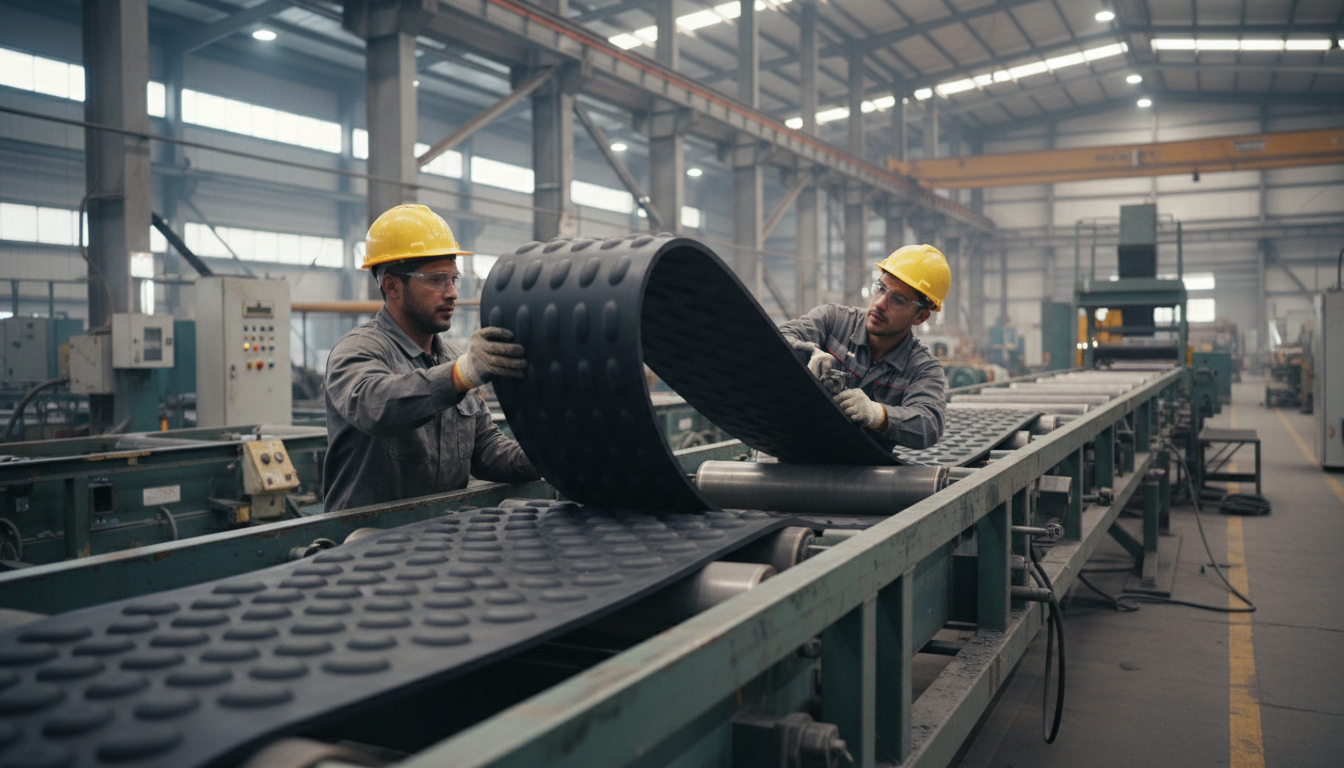
Installing a patterned belt requires more precision than a standard flat belt to ensure the pattern is oriented correctly. If you install a V-pattern belt backward, it may actually push material off the sides rather than centering it. Proper alignment of the pulleys and idlers is critical to prevent premature wear on the raised profiles.
Which direction should the pattern face?
Most patterns are designed to be “directional,” meaning the apex of the “V” should point in the direction of belt travel. This geometry ensures that material is funneled toward the center of the belt as it moves. Installing it in the reverse direction can lead to severe spillage and tracking issues.
How do you handle splicing and jointing?
For patterned belts, we recommend using finger-splicing or step-splicing followed by hot vulcanization to maintain the pattern’s continuity. Mechanical fasteners can be used for temporary repairs, but they may interfere with the belt scrapers. You should always consult with a professional to ensure the joint strength matches the belt’s rating.
- Installation Checklist:
- Direction Check: Apex of pattern must point forward.
- Tensioning: Ensure even pull across the width.
- Cleaner Setup: Use specialized pattern-compatible scrapers.
Are there special idler requirements?
You must ensure the return idlers are positioned so they do not crush or damage the convex patterns. Sometimes, disk-type return idlers are used to minimize contact with the patterned surface. This small adjustment can significantly extend the life of your patterns.
Key Takeaway: Correct orientation and specialized splicing are essential to ensure the belt functions as intended and lasts through its expected service life.
| Installation Step | Critical Action | Consequence of Failure | |
|---|---|---|---|
| Orientation | Align “V” apex forward | Material spillage/loss | |
| Splicing | Hot vulcanization | Weak joints/breakage | |
| Idler Setup | Use disk-type rollers | Pattern wear/cracking | |
| Alignment | Center the belt tracking | Edge fraying/damage |
A professional installation sets the foundation for years of trouble-free operation and high efficiency.
7. What is the maintenance schedule for a convex pattern rubber conveyor belt?
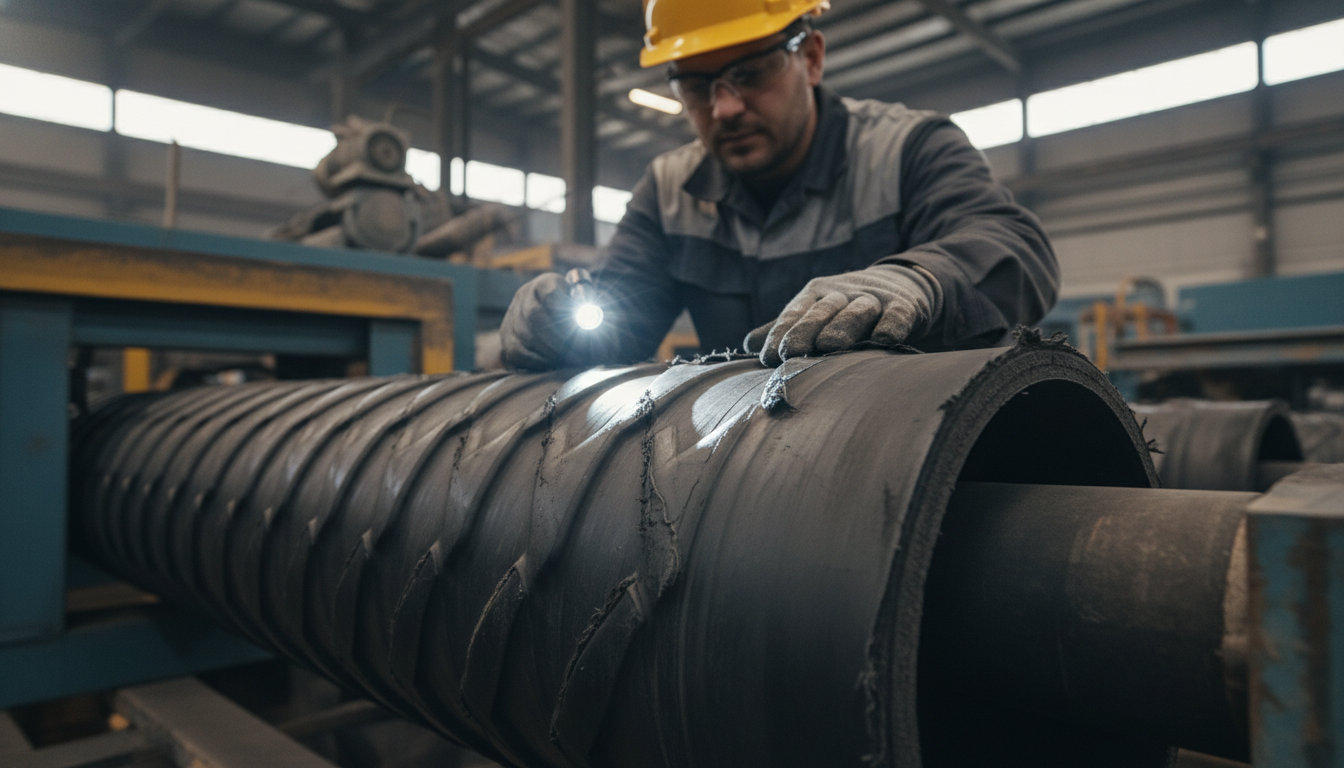
Maintaining a convex pattern rubber conveyor belt is slightly more intensive than flat belts due to the complex surface geometry. Debris can easily become lodged in the valleys, leading to belt imbalance or damage to the return rollers. You must implement a proactive inspection routine to catch wear before it leads to system failure.
How often should you clean the patterns?
In high-dust or sticky environments, you should inspect and clean the patterns daily. Buildup of material in the grooves reduces the effective height of the patterns, which in turn reduces grip. Think about this: a clogged pattern is essentially a flat belt, and your incline system will fail.
What are the signs of pattern wear?
You should look for rounding of the sharp edges on the convex profiles, which indicates high abrasion. Once the patterns are worn down by more than 50%, the risk of material rollback increases significantly. Understanding the fabric-textile-conveyor-belt core is also vital for checking if the carcass is exposed.
- Routine Maintenance Tasks:
- Groove Cleaning: Remove rocks or sticky buildup.
- Height Measurement: Check for pattern thinning.
- Pulley Inspection: Ensure no debris is trapped in pulleys.
Can you repair damaged patterns?
Small nicks or gouges in the rubber can be repaired using cold-bond rubber compounds to prevent moisture from reaching the fabric core. However, if large sections of the pattern are stripped, it is usually more cost-effective to replace the section. Regular maintenance prevents these small issues from becoming major expenses.
Key Takeaway: Cleanliness and regular pattern-height inspections are the most critical factors in maintaining the performance of incline belts.
| Maintenance Task | Frequency | Target | |
|---|---|---|---|
| Visual Inspection | Daily | Debris, tracking, tears | |
| Pattern Cleaning | Weekly | Removing stuck material | |
| Thickness Test | Monthly | Measuring pattern wear | |
| Splicing Check | Quarterly | Identifying joint fatigue |
Following this schedule ensures that your conveyor system remains safe and your production stays on track.
8. How to identify a high-quality convex pattern rubber conveyor belt?
Not all belts are created equal, and identifying quality requires looking beyond the surface. A high-quality belt will have uniform pattern dimensions and a smooth, consistent rubber finish. You should also check the manufacturer’s certifications and the technical specifications of the internal fabric.
What should the rubber feel like?
The rubber should be firm yet resilient; if it feels overly brittle or excessively oily, it may contain too many fillers and not enough high-grade polymer. You can perform a simple “fingernail test”—the indentation should disappear almost immediately. This resilience is what allows the patterns to hold up under the weight of bulk cargo.
How important is pattern uniformity?
Inconsistent pattern heights can cause the belt to vibrate or track poorly, leading to mechanical stress on the entire conveyor frame. Check the edges of the patterns—they should be cleanly molded without any “flashing” or loose rubber. Quality manufacturing shows in these fine details.
- Quality Indicators:
- Edge Sealing: Prevents moisture from wicking into the fabric.
- Brand Markings: Clear identification of strength and model.
- Fabric Density: High thread count in the internal EP layers.
Is weight a sign of quality?
Generally, a heavier belt indicates a higher concentration of real rubber and a denser fabric core. Be wary of belts that feel unusually light for their size, as they likely sacrifice durability for cost. Always request a technical data sheet to verify the actual material components.
Key Takeaway: High-quality belts are characterized by resilient rubber compounds, uniform molding, and robust internal reinforcements.
| Quality Check | Good Sign | Red Flag | |
|---|---|---|---|
| Surface Texture | Smooth and uniform | Pitted or oily surface | |
| Pattern Height | Consistent across width | Varied or wavy ridges | |
| Belt Edges | Square and sealed | Frayed or cut unevenly | |
| Elasticity | Snaps back to shape | Stays deformed or cracks |
By performing these checks during procurement, you can avoid the high costs of premature belt failure.
9. Who is the leading convex pattern rubber conveyor belt manufacturer?
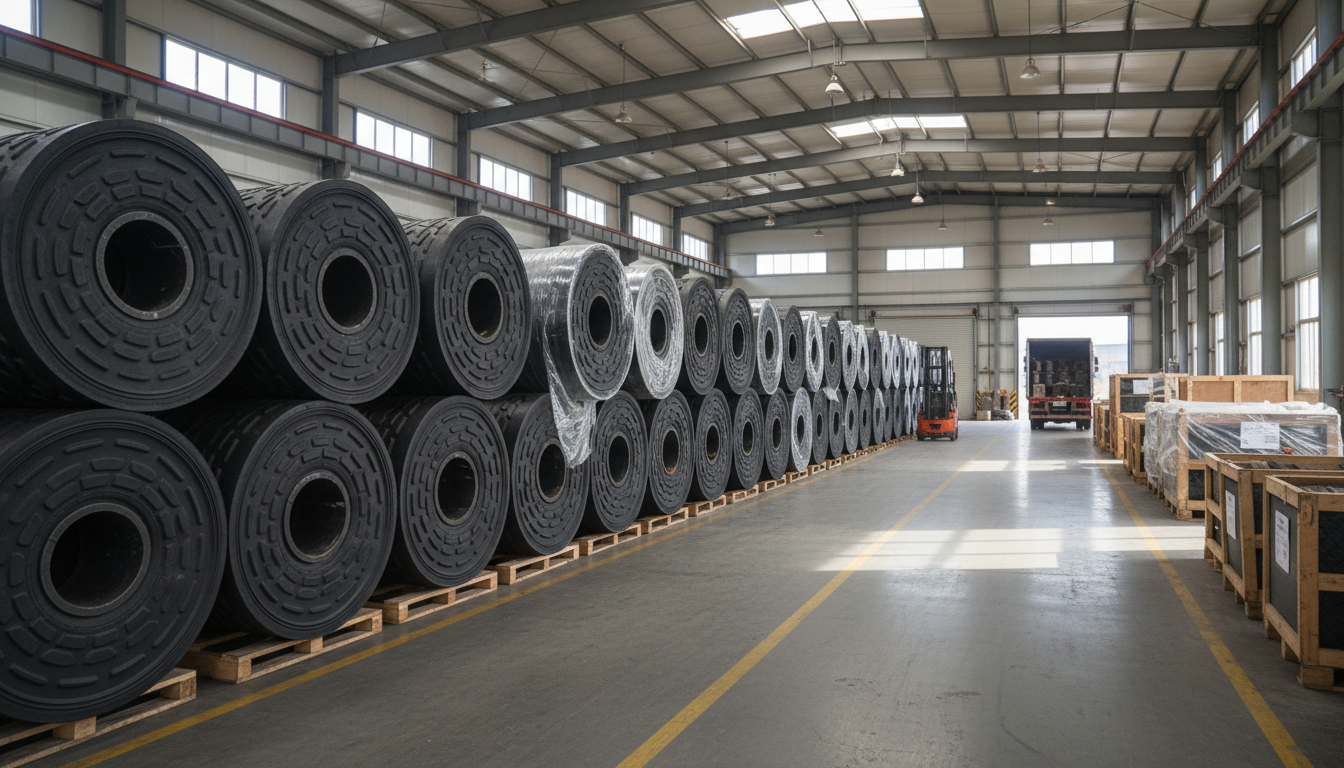
Finding the right convex pattern rubber conveyor belt manufacturer means looking for a partner with extensive export experience and modern production facilities. A leader in the industry will offer a wide range of patterns and be able to customize the belt width and strength to your specific needs. They should also have a proven track record of supplying large-scale mining and industrial projects.
What production capacity should you look for?
A top-tier manufacturer should have multiple vulcanization lines capable of producing belts up to 2000mm in width or more. This capacity ensures they can handle large orders quickly without sacrificing quality control. If you need a reliable partner, feel free to contact us to discuss your project requirements.
Why does R&D matter in belt manufacturing?
The best suppliers invest in research to develop rubber compounds that are more resistant to heat, oil, and extreme cold. They don’t just sell a product; they provide a solution tailored to your environment. You should choose a manufacturer that stays at the forefront of rubber technology.
- Manufacturer Must-Haves:
- ISO Certification: Ensures standardized quality management.
- Global Logistics: Experience shipping to major ports worldwide.
- Technical Support: Ability to provide installation and maintenance advice.
Can they provide custom patterns?
While standard herringbone and V-patterns work for most, some specialized applications require custom heights or spacing. A leading manufacturer will have the in-house capability to create custom molds for unique industrial challenges. This flexibility is what separates a true manufacturer from a simple reseller.
Key Takeaway: A leading manufacturer combines massive production capacity with a deep commitment to technical innovation and global customer support.
| Criteria | Why it Matters | Manufacturer Capability | |
|---|---|---|---|
| Experience | Long-term reliability | 40+ years in industry | |
| Capacity | Faster lead times | Multiple high-output lines | |
| Customization | Specific app needs | Custom mold development | |
| Exporting | Reliable delivery | Global shipping network |
Partnering with a proven supplier ensures you receive a product that meets international standards and your specific operational goals.
10. How to choose the right convex pattern rubber conveyor belt size?
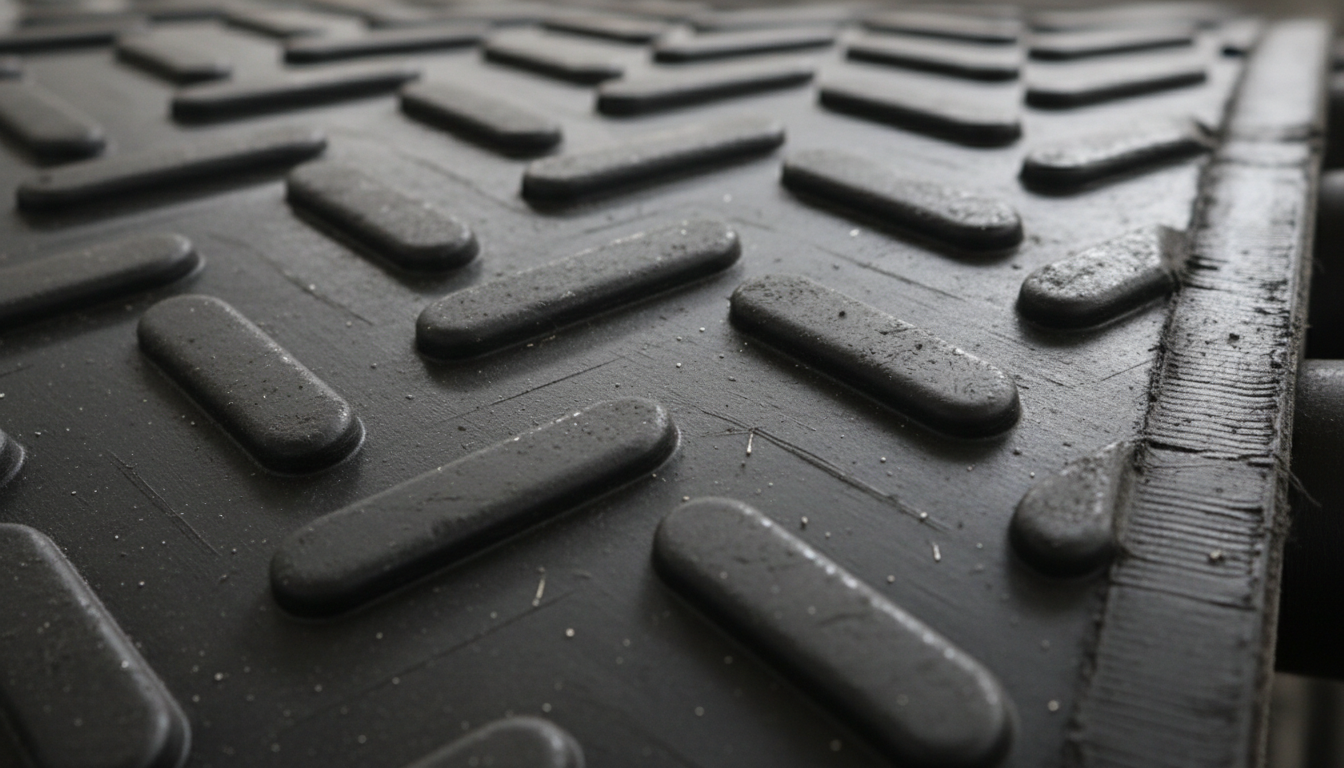
Selecting the correct size involves more than just measuring the width of your conveyor frame. You must also consider the height of the patterns, the total length of the belt, and the tensile strength required for your load. A belt that is too narrow will cause spillage, while one that is too thick may not wrap correctly around smaller pulleys.
How do you determine the required belt width?
The width should be chosen based on the maximum volume of material you need to move per hour, keeping in mind the “surcharge angle” of the material. Generally, the load should occupy only the center two-thirds of the belt width to prevent edge spillage. You need to calculate the throughput carefully to avoid system bottlenecks.
What is the importance of pulley diameter?
The total thickness of the belt determines the minimum pulley diameter it can safely navigate. If the belt is too stiff or thick for the pulley, the rubber will experience excessive fatigue and eventually crack. Always match your belt’s “minimum bend radius” to your existing hardware specifications.
- Sizing Considerations:
- Throughput: Volume per hour.
- Incline Angle: Determines necessary pattern height.
- Tension Rating: Required to handle the vertical lift.
How does the pattern affect total thickness?
Remember that the “total thickness” includes both the base belt and the height of the convex ridges. This is important for clearance calculations within the conveyor housing. You must ensure there is enough space for the patterned surface to pass through the support structures without rubbing.
Key Takeaway: Correct sizing is a multi-step process that balances volume requirements, physical hardware limits, and pattern geometry.
| Specification | Calculation Metric | Industrial Standard | |
|---|---|---|---|
| Width | Tonnage / Speed | 500mm to 2400mm | |
| Pattern Height | Angle of Incline | 5mm to 32mm | |
| Tensile Strength | Load + Vertical Lift | EP 200 to EP 3150 | |
| Total Thickness | Base + Ridge Height | 8mm to 25mm+ |
Properly specified belts lead to smoother operation, less waste, and a significantly longer lifespan for your material handling system.
Frequently Asked Questions
Can I use a convex pattern belt on a flat conveyor system?Yes, but it is generally unnecessary and less efficient unless you plan to add an incline later. The patterns may also make it harder to use standard flat scrapers for cleaning.
What is the best way to clean a patterned belt?A rotary brush cleaner or a “finger” type scraper is the best choice. These tools can reach into the valleys of the pattern to remove stuck material that a flat blade would miss.
Can these belts handle high-temperature materials?Yes, provided you select a heat-resistant rubber compound. The convex patterns can actually help dissipate heat more quickly by increasing the surface area of the belt.
How do I know if the pattern height is right for my gravel?A general rule is that the pattern height should be at least one-third the diameter of the largest stones. This ensures the stones are “locked” in place rather than rolling over the ridges.
What causes the patterns to peel off?Peeling is usually caused by poor vulcanization during manufacturing or by using a belt that is too thick for the pulleys. Choosing a belt with integral molding prevents this issue.
Conclusion
A high-quality convex pattern rubber conveyor belt is the definitive solution for B2B operations facing the challenges of incline material handling. By providing superior grip, exceptional durability, and efficient drainage, these belts solve the problems of material rollback, cargo waste, and high maintenance costs. Whether you are operating a deep-pit mine or a compact recycling facility, the right pattern ensures your throughput remains consistent and your overhead remains low. Our commitment is to provide industrial-grade solutions that empower your business to move more, faster, and more safely. If you are ready to upgrade your efficiency and secure your material flow, contact us today for a customized quote and technical consultation.