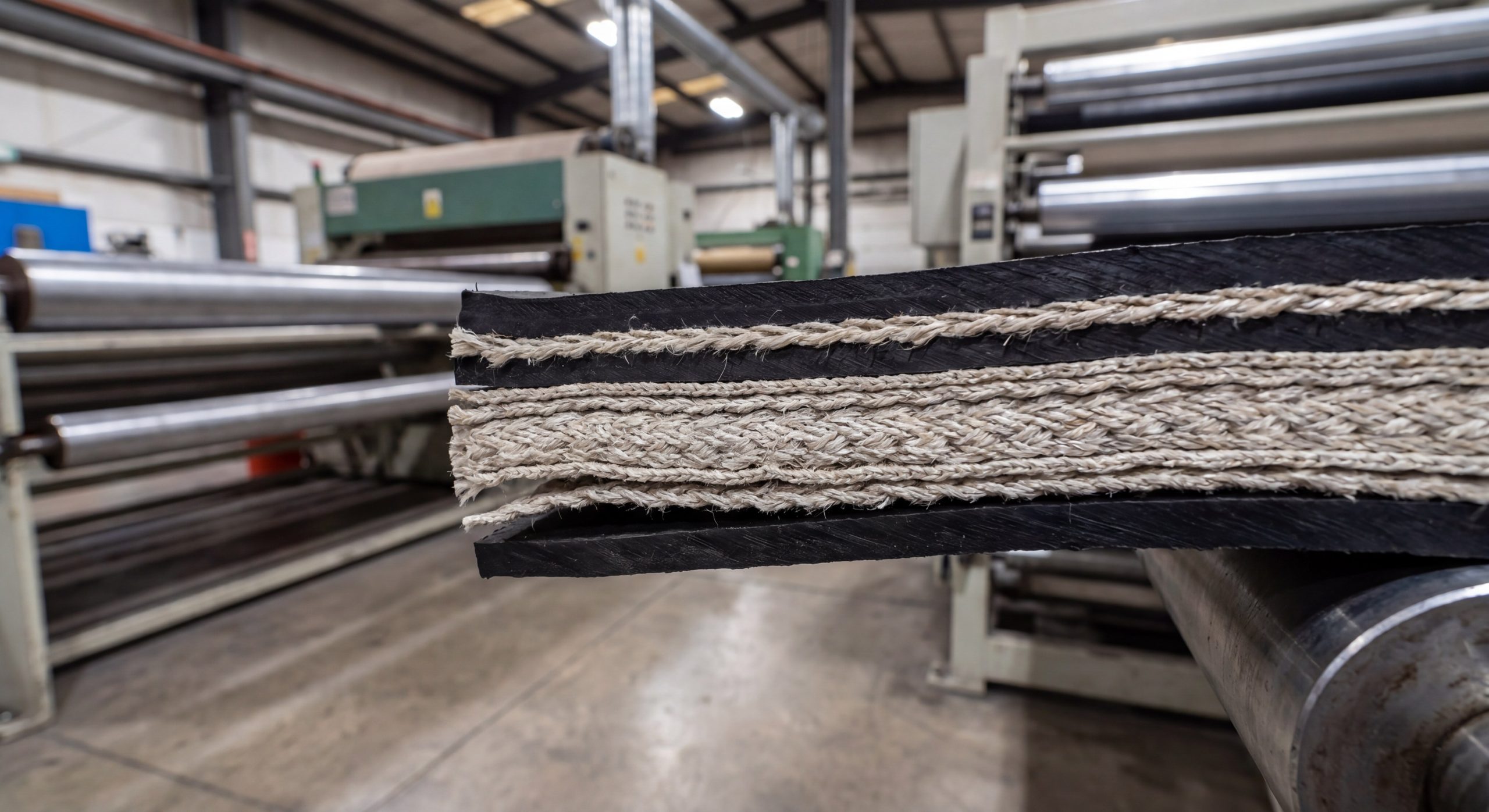
Optimize your plaster casting production with a reliable custom conveyor belt rubber strips vendor that delivers abrasion-resistant and moisture-proof solutions. Reduce downtime caused by gypsum dust contamination and extend belt lifespan with tailored conveyor components designed for high-precision manufacturing environments.
What is plaster casting and why consult a custom conveyor belt rubber strips vendor?
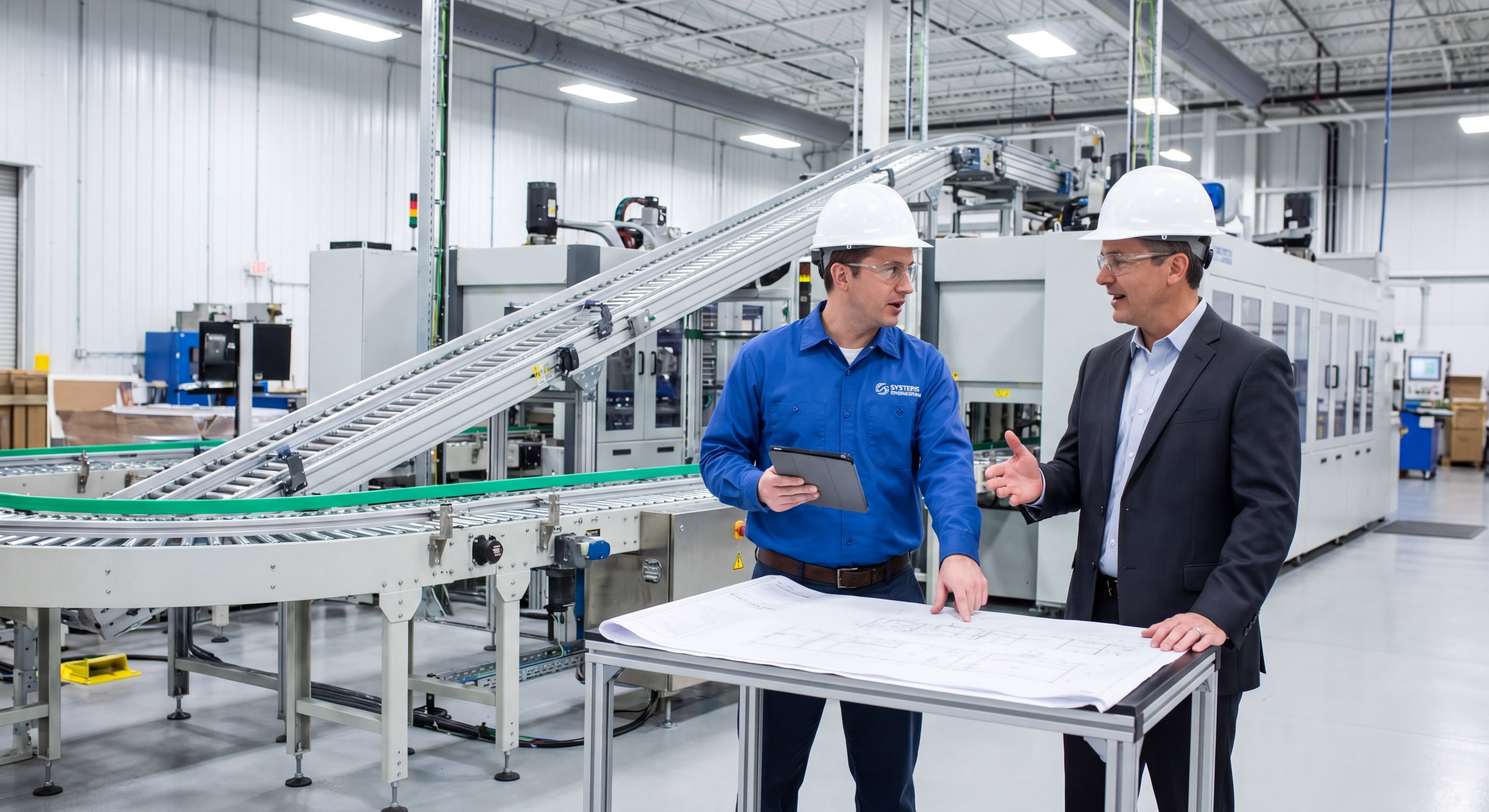
Plaster casting is an investment-style casting process that produces parts with tighter tolerances and better finishes than traditional sand casting. Choosing a custom conveyor belt rubber strips vendor is the first step in ensuring your facility can handle the delicate transport of these gypsum molds. Expert vendors understand that standard belts often fail when exposed to the specific friction and chemical interactions found in casting labs.
Is your mold transport secure?
Ensuring the integrity of a plaster mold requires a conveyor surface that minimizes vibration while maintaining steady traction. A specialized vendor can provide high-flexibility EP belts that absorb mechanical shocks during transit.
- Smooth belt surfaces prevent mold cracking.
- Custom widths allow for specialized machinery integration.
- Synthetic fabrics offer superior elongation control.
But that’s not all.
Key Takeaway: Customization ensures that your delicate plaster molds reach the pouring station without structural compromise or surface defects.
| Benefit | Impact on Casting | |
|---|---|---|
| Precision Tracking | Zero mold collisions | |
| High Flexibility | Smooth transition points | |
| Vibration Dampening | Reduced mold breakage |
A detailed analysis shows that vibration-resistant belts can reduce mold scrap rates by up to 15% in high-volume facilities.
How does the plaster casting process work?
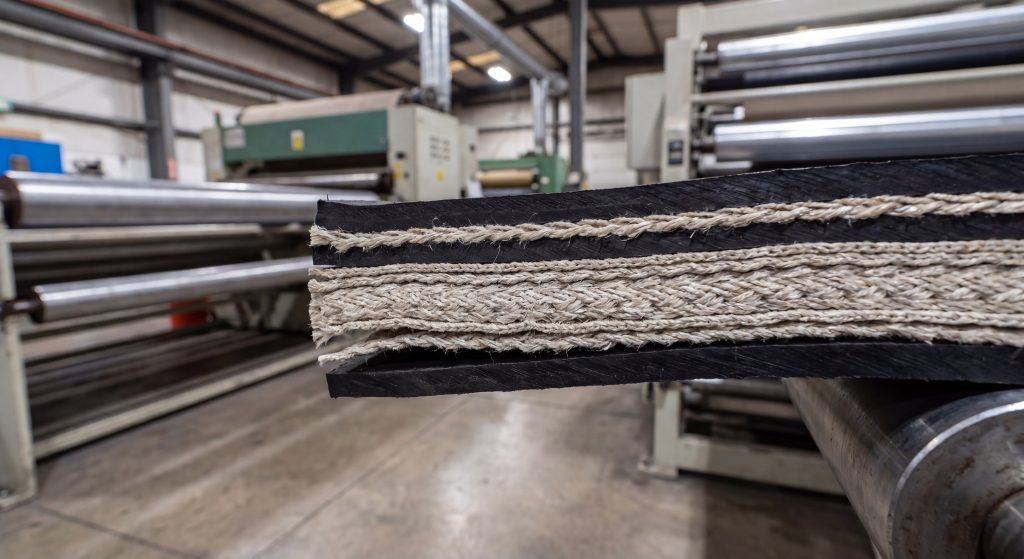
The process works by pouring a liquid plaster slurry over a pattern, allowing it to harden, and then using the resulting mold to cast non-ferrous metals like aluminum. When you work with a custom conveyor belt rubber strips vendor, you ensure that the various stages of hardening and pattern removal are supported by reliable machinery. The timing of these stages is critical, as the plaster must reach a specific cure level before moving to the next station.
How do you optimize the drying phase?
The drying phase is where many facilities struggle with moisture-related belt slippage or material buildup on the rollers. You need a surface that can handle the humidity without losing its grip on the mold trays.
- Controlled transit speeds allow for uniform drying.
- Moisture-resistant covers prevent rubber swelling.
- Cut-edge designs fit narrow laboratory conveyors.
Here is the kicker:
Key Takeaway: Proper process flow depends on synchronized conveyor speeds that match the chemical hardening time of the gypsum slurry.
| Process Phase | Belt Requirement | |
|---|---|---|
| Slurry Pouring | Level stability | |
| Hardening | Controlled speed | |
| Pattern Extraction | High friction grip |
Maintaining a constant curing environment requires a conveyor system that integrates perfectly with your facility’s environmental controls.
What role does a custom conveyor belt rubber strips vendor play in heat management?
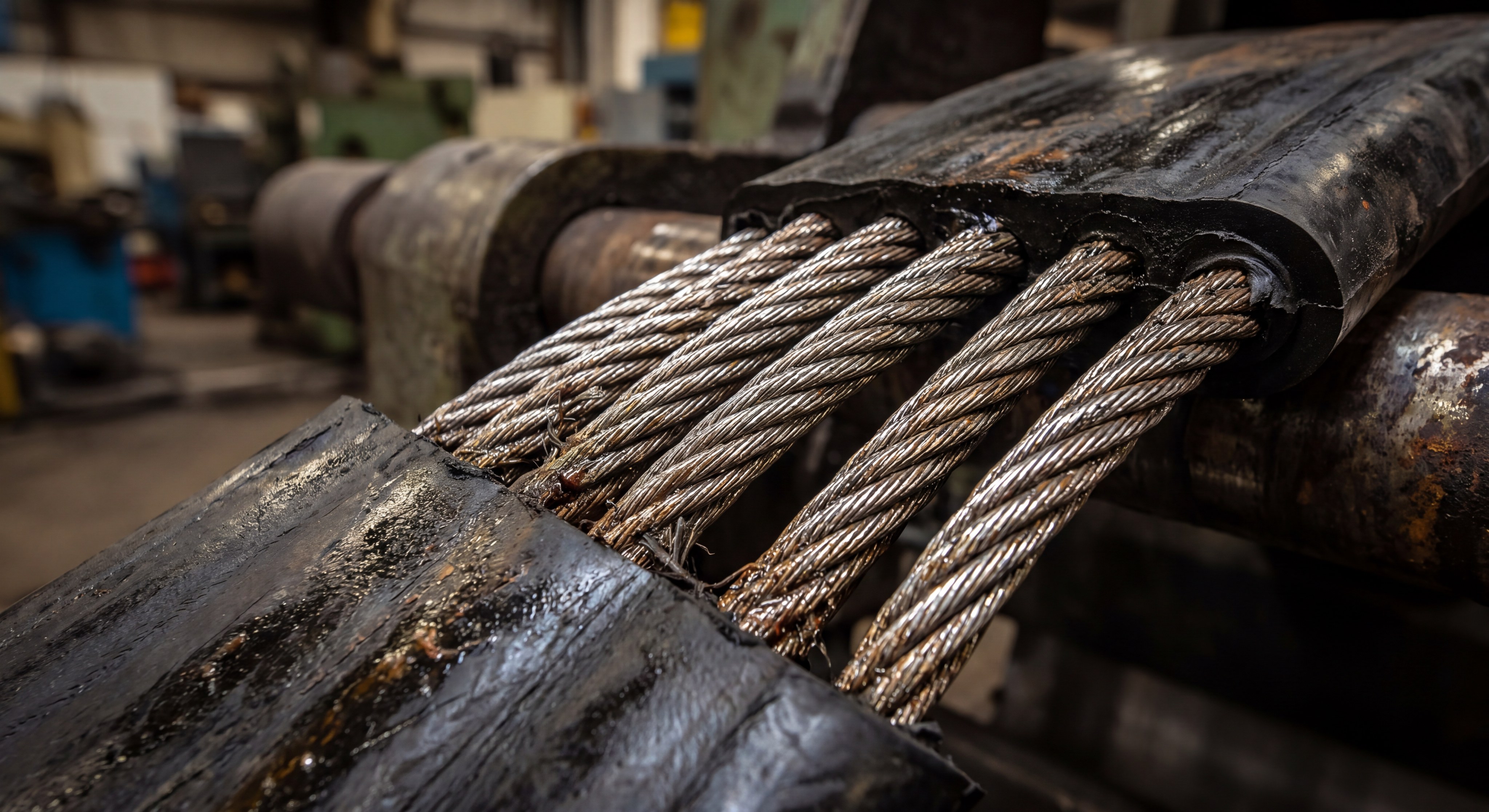
A vendor provides specialized heat-resistant belts that can withstand the high temperatures associated with the oven-drying and metal-pouring stages. Consulting a custom conveyor belt rubber strips vendor allows you to select EPDM compounds designed for continuous thermal exposure. Standard rubber belts will quickly harden and crack when they pass through the burnout ovens used to remove moisture from plaster molds.
Can your belt survive the burnout oven?
Burnout ovens reach extreme temperatures that would melt general-purpose conveyor materials in minutes. You must employ belts rated for “Super Thermo” conditions to ensure your production line doesn’t melt under the pressure.
- EPDM covers resist thermal aging and cracking.
- Reinforced carcasses prevent heat-induced delamination.
- High-temperature adhesives maintain ply integrity.
It gets even better.
Key Takeaway: Heat-resistant grades are non-negotiable for facilities running continuous mold-drying cycles at temperatures exceeding 200°C.
| Thermal Grade | Temperature Limit | Application | |
|---|---|---|---|
| Normal Quality | 80°C | General cooling | |
| Heat Resistant | 150°C | Standard drying | |
| Super Thermo | 220°C | Oven discharge |
Our engineering data indicates that heat-rated belts last up to three times longer than standard alternatives in casting environments.
What are the common industrial uses for plaster casting?
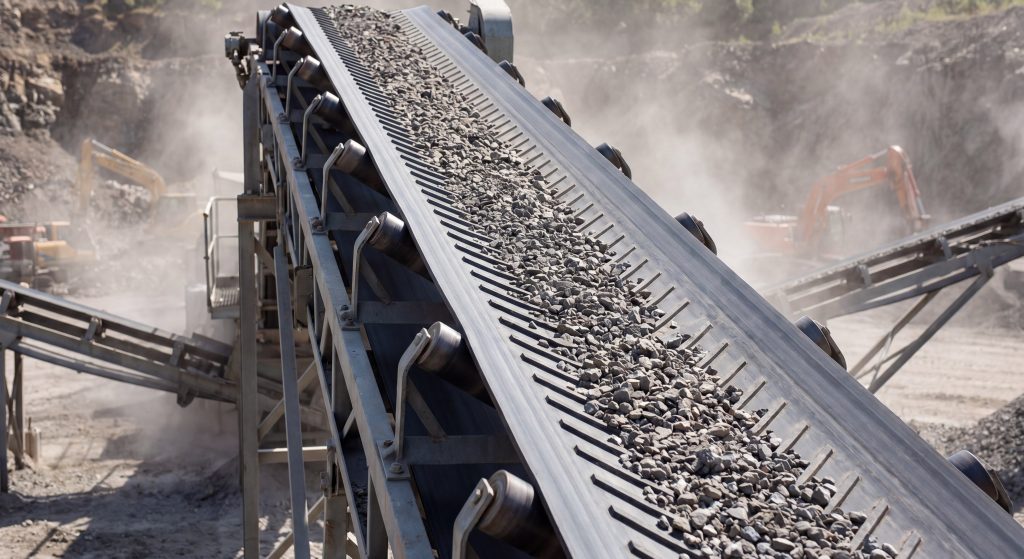
Plaster casting is primarily used for creating automotive parts, aerospace components, and artistic bronze sculptures where detail is paramount. Your custom conveyor belt rubber strips vendor can help you move the bulk materials like gypsum powder and specialized sands needed for these high-end applications. Because these materials are often abrasive and fine, they require specific belt profiles to prevent material loss during transport.
Why is detail so important for aerospace?
Aerospace parts require intricate internal geometries that are difficult to achieve with traditional sand molds. Plaster provides a smooth enough interface to capture tiny details, but this means the molds themselves are more brittle.
- Precise movement prevents micro-fractures in the plaster.
- Enclosed pipe conveyors reduce dust in the lab.
- Smooth transitions protect thin-walled casting sections.
But that’s not all.
Key Takeaway: High-detail industries rely on the stability of the conveyor system to maintain the “as-cast” quality of the finished metal part.
| Industry | Typical Part | Material Used | |
|---|---|---|---|
| Automotive | Intake manifolds | Aluminum | |
| Aerospace | Valve bodies | Magnesium | |
| Artistic | Detailed statues | Bronze |
Using high-grip surfaces ensures that even the most complex mold geometries remain upright and stable throughout the entire production cycle.
Why are profiled belts used by a custom conveyor belt rubber strips vendor?
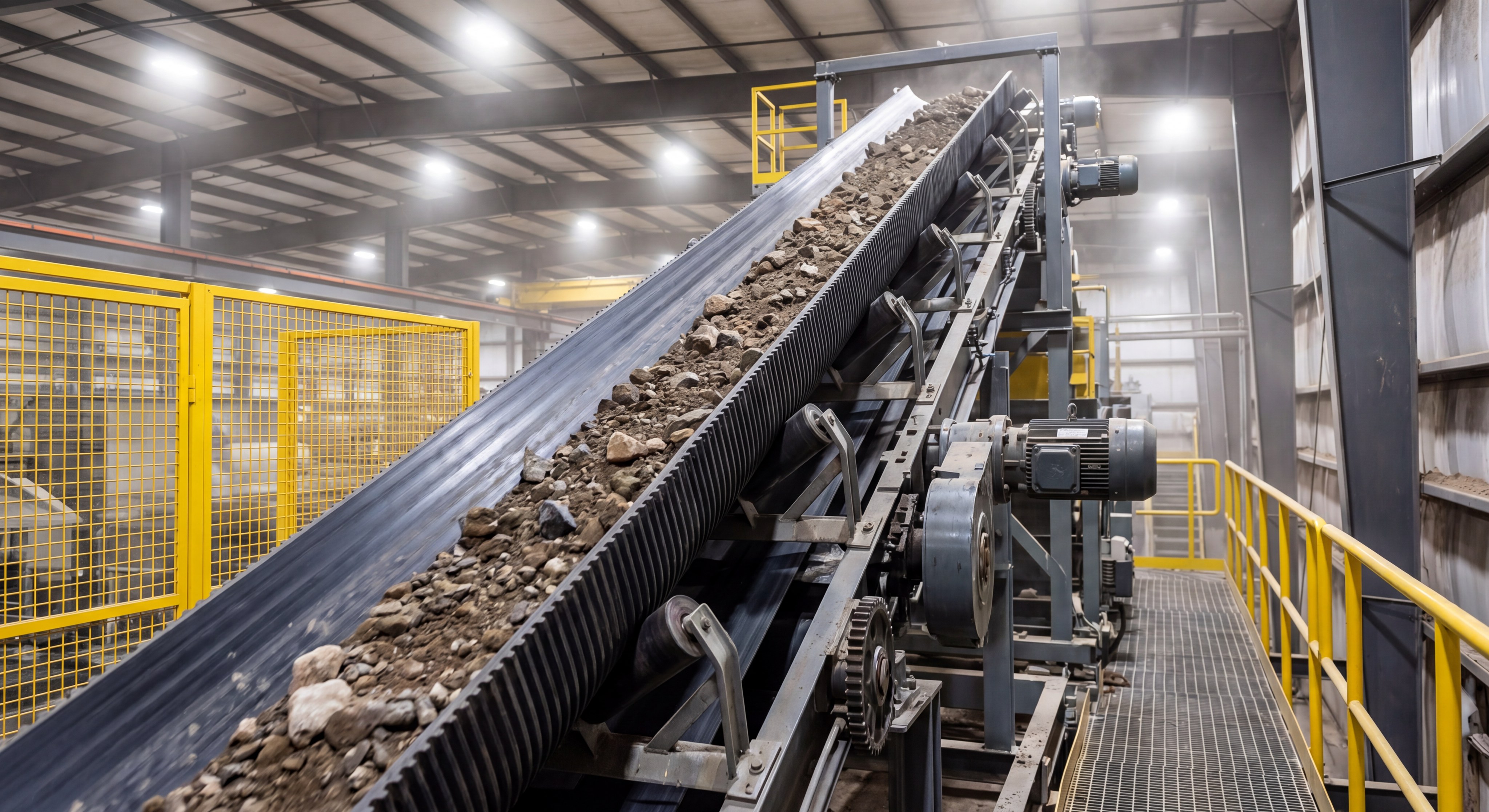
Profiled belts are used to provide the necessary grip for transporting molds or raw materials up steep inclines within the casting facility. A custom conveyor belt rubber strips vendor will recommend chevron or sidewall patterns when your floor plan requires vertical movement. Without these profiles, the fine dust from the gypsum can act as a lubricant, causing items to slide back and create dangerous blockages.
Do you need vertical lifting solutions?
When space is at a premium, moving materials straight up at an angle of 45 degrees or more is often the only option. Corrugated sidewalls and cross cleats create secure “pockets” that hold your materials in place regardless of the slope.
- Cleat heights can be customized to part size.
- Sidewalls contain fine gypsum dust effectively.
- Profiled surfaces increase friction on inclined runs.
The best part is:
Key Takeaway: Profiled surfaces are the primary defense against material rollback in multi-level manufacturing facilities with restricted floor space.
| Profile Type | Max Angle | Best Material | |
|---|---|---|---|
| Smooth Surface | 20° | Cured molds | |
| Chevron Pattern | 45° | Gypsum powder | |
| Sidewall Cleats | 87° | Bulk aggregates |
Strategic use of chevron belts can increase your usable floor space by allowing for more compact, vertically oriented production lines.
What specific process steps ensure high-quality parts?
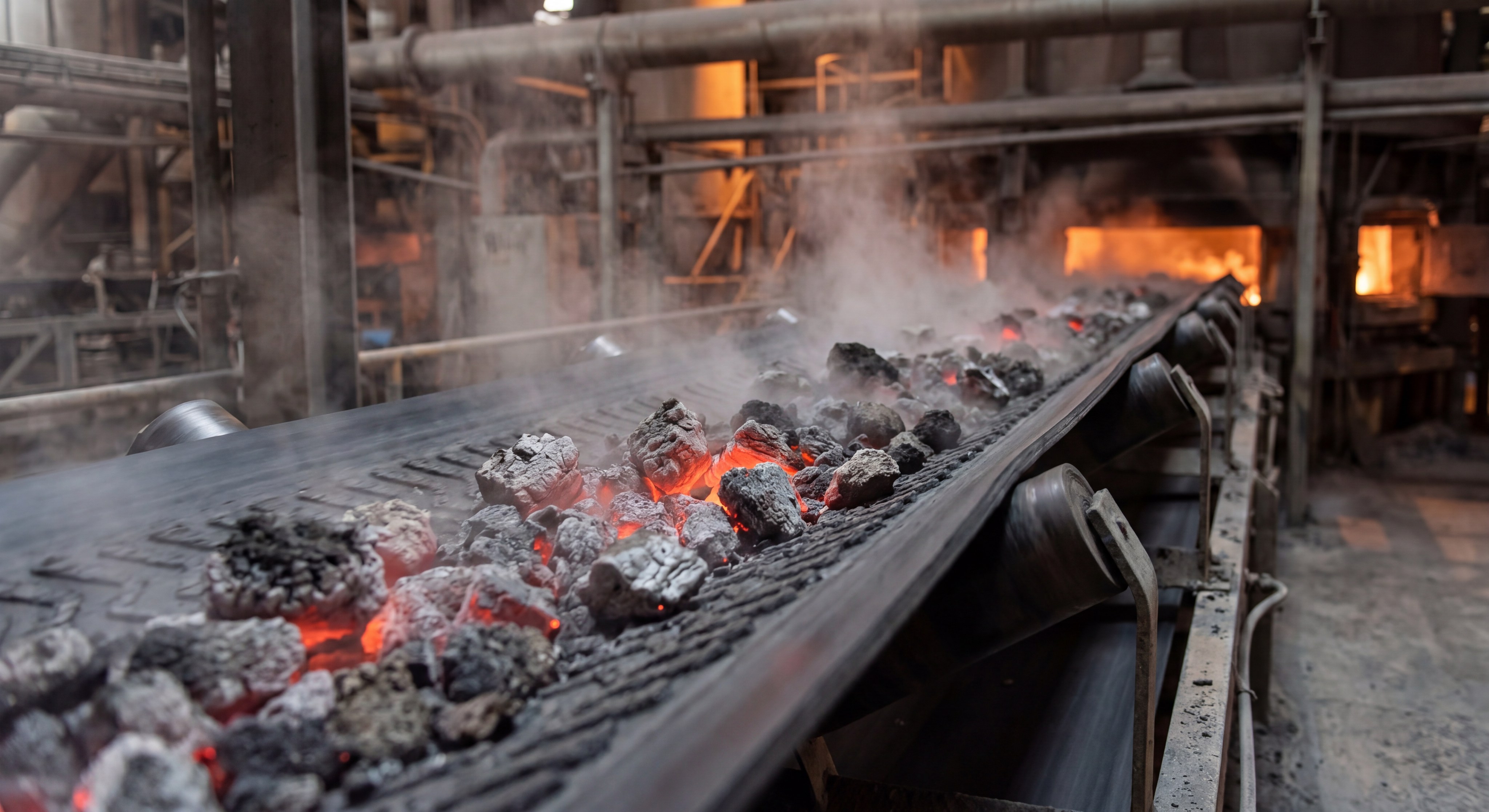
High-quality parts are ensured through precise slurry mixing, vacuum degassing to remove air bubbles, and controlled oven burnout to eliminate moisture. Your custom conveyor belt rubber strips vendor provides the stability needed during the degassing phase to prevent the mold from being unsettled. Any vibration during the curing stage can lead to dimensional inaccuracies that result in costly part rejection.
Is degassing your bottleneck?
If your conveyor system is jerky or misaligned, the vacuum degassing process will be interrupted by spilled slurry or shifted mold boxes. A high-quality vendor offers precision-aligned tracking that eliminates the side-to-side hunting common in cheap belt systems.
- Precision-ground rollers ensure flat transit.
- High-tension carcasses prevent belt sagging.
- Anti-static properties reduce dust attraction.
Wait, there’s more.
Key Takeaway: Quality assurance in plaster casting is directly proportional to the mechanical stability of the mold transport system.
| Process Step | Quality Factor | Conveyor Solution | |
|---|---|---|---|
| Slurry Mix | Consistency | Agitator stability | |
| Degassing | Zero bubbles | Vibration-free belt | |
| Oven Burnout | No moisture | Heat-resistant grade |
Eliminating mechanical jitter during the initial 20 minutes of plaster hardening can reduce part rework costs by nearly 20%.
How does a custom conveyor belt rubber strips vendor improve long-distance transport?
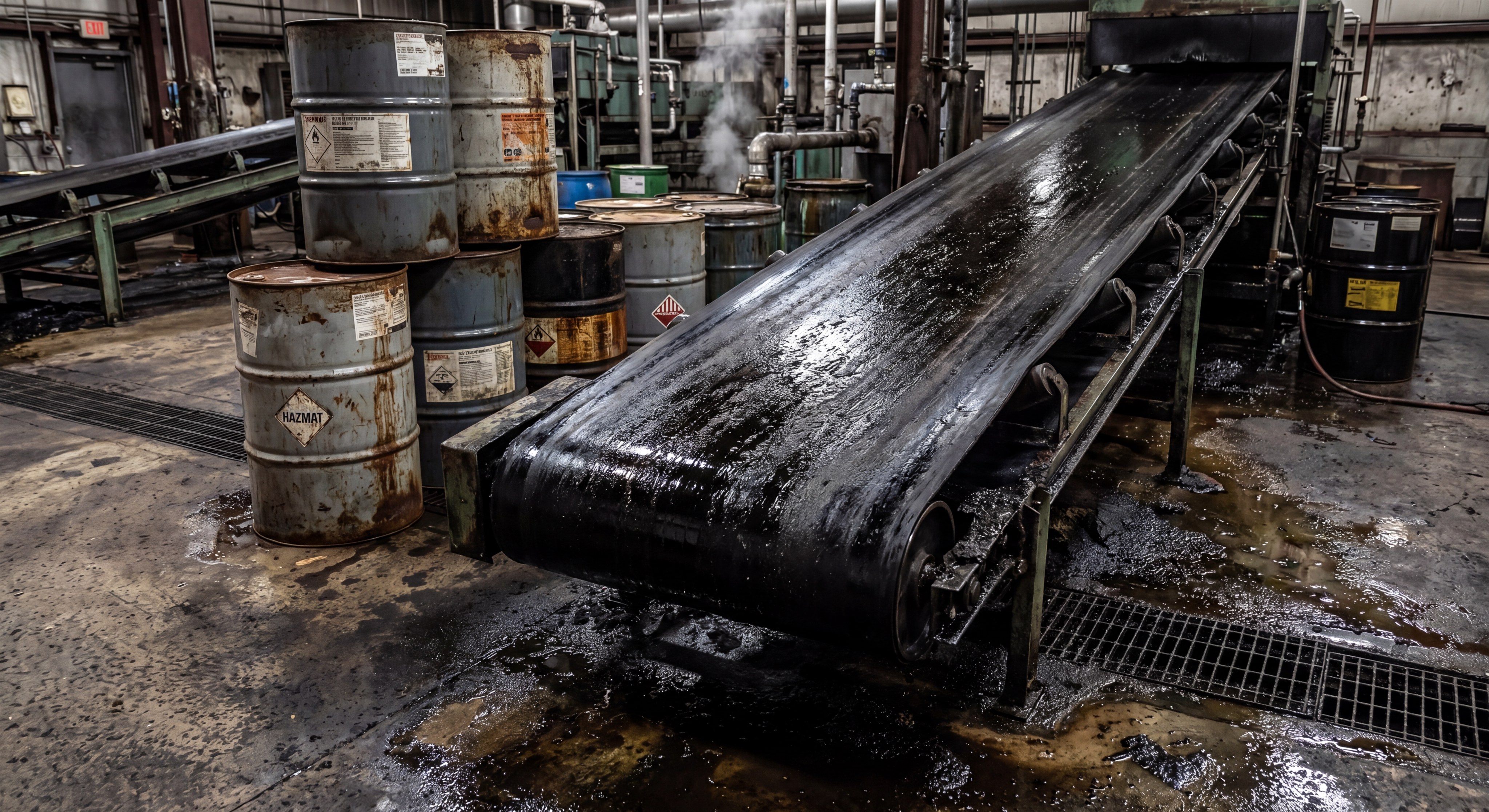
Vendors improve long-distance transport by utilizing high-tensile materials like steel cords that minimize elongation over several kilometers of production line. By partnering with a custom conveyor belt rubber strips vendor , you can implement systems that handle the heavy weight of metal casting batches without stretching. Steel cord reinforcement is the industry standard for large facilities where a single conveyor might traverse multiple buildings.
When should you switch to steel?
If your current fabric belts are requiring constant tensioning adjustments, you have likely exceeded the practical limits of textile reinforcement. Steel cables embedded in the rubber offer nearly zero stretch, ensuring your timing and motor synchronization stay perfect.
- High breaking strength for heavy loads.
- Excellent impact resistance for loading zones.
- Minimal maintenance requirements over long spans.
Here is the secret:
Key Takeaway: Steel cord belts are essential for high-capacity facilities that require consistent belt tension across long distances.
| Metric | Fabric (EP) | Steel Cord | |
|---|---|---|---|
| Elongation | High | Extremely Low | |
| Tensile Strength | Moderate | Very High | |
| Max Length | Short/Medium | Very Long |
Facilities that switch to steel cord belts for their primary supply lines report a 40% reduction in annual maintenance hours.
What are the key advantages of choosing plaster casting?
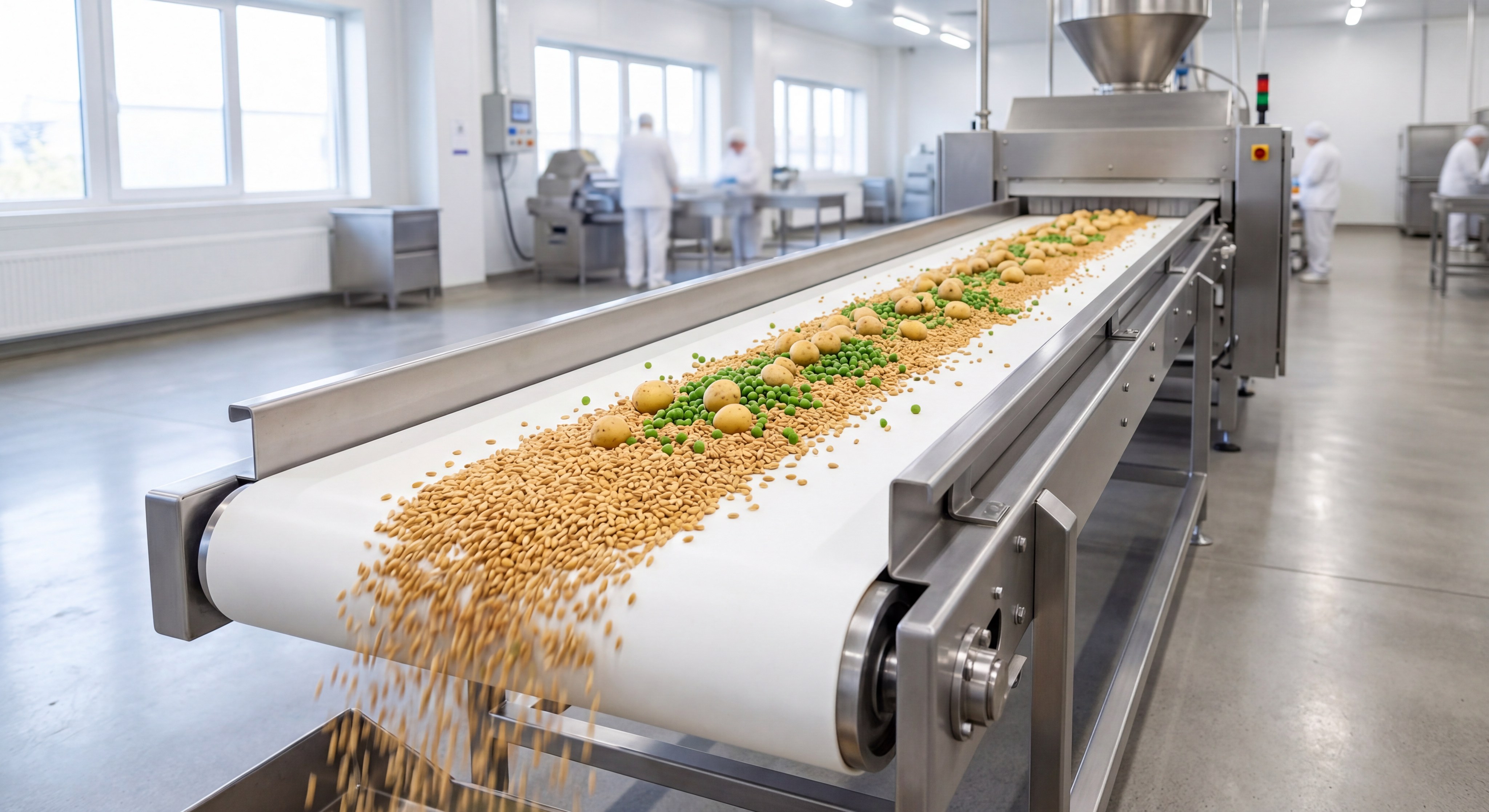
Key advantages include the ability to cast complex internal shapes, achieve surface finishes as smooth as 1.5 micrometers, and maintain high dimensional accuracy. A custom conveyor belt rubber strips vendor ensures that your facility maintains the hygiene and precision standards required to achieve these results. For certain high-end applications, a “White” or non-toxic belt quality is used to prevent the transfer of oils or carbon black to the molds.
Why choose plaster over sand?
Plaster provides a much higher degree of detail because the liquid slurry can penetrate the finest crevices of a master pattern. This eliminates much of the post-process machining that is traditionally required after a metal part is cast.
- Lower post-processing costs for users.
- Reduced tool wear on finishing machines.
- Faster turnaround for complex geometries.
But wait, there’s more.
Key Takeaway: The cost-benefit ratio of plaster casting is maximized when the transport system protects the mold’s superior surface finish.
| Feature | Plaster Casting | Sand Casting | |
|---|---|---|---|
| Surface Finish | Excellent | Rough | |
| Detail Level | High | Low | |
| Metal Types | Non-ferrous only | Almost any |
The precision of the final part is a direct reflection of the care taken during the mold’s journey from pouring to the metal station.
Does a custom conveyor belt rubber strips vendor offer chemical-resistant options?
Yes, vendors offer oil and chemical-resistant belts that prevent structural degradation when exposed to parting agents and industrial lubricants. Working with a custom conveyor belt rubber strips vendor allows you to select “Oil” or “OilGM” grades that won’t swell when they come into contact with the sprays used in pattern removal. Chemicals used to clean patterns or accelerate plaster setting can destroy standard rubber in a matter of months.
How do you stop rubber swelling?
Swelling occurs when oils penetrate the rubber matrix, leading to belt “waving” and tracking issues that eventually stall the motor. Chemical-resistant covers act as a barrier, ensuring that the belt stays flat and true even in contaminated environments.
- Molded edges prevent oil penetration into the fabric.
- Nitrile-based covers resist mineral fats and oils.
- High carcass adhesion prevents ply separation.
It’s about to get even better.
Key Takeaway: Chemical resistance is vital for any facility using automated oil-based parting sprays or pattern lubricants.
| Grade | Resistance Type | Environment | |
|---|---|---|---|
| LUCON Oil | High Mineral Oil | Heavily contaminated | |
| LUCON OilGM | Moderate Oil | Occasional exposure | |
| LUCON GK | Oil + Flame | Chemical/Fertilizer |
Choosing a chemical-resistant belt can eliminate the “snake-like” tracking issues caused by uneven rubber expansion.
How can a custom conveyor belt rubber strips vendor optimize your facility layout?
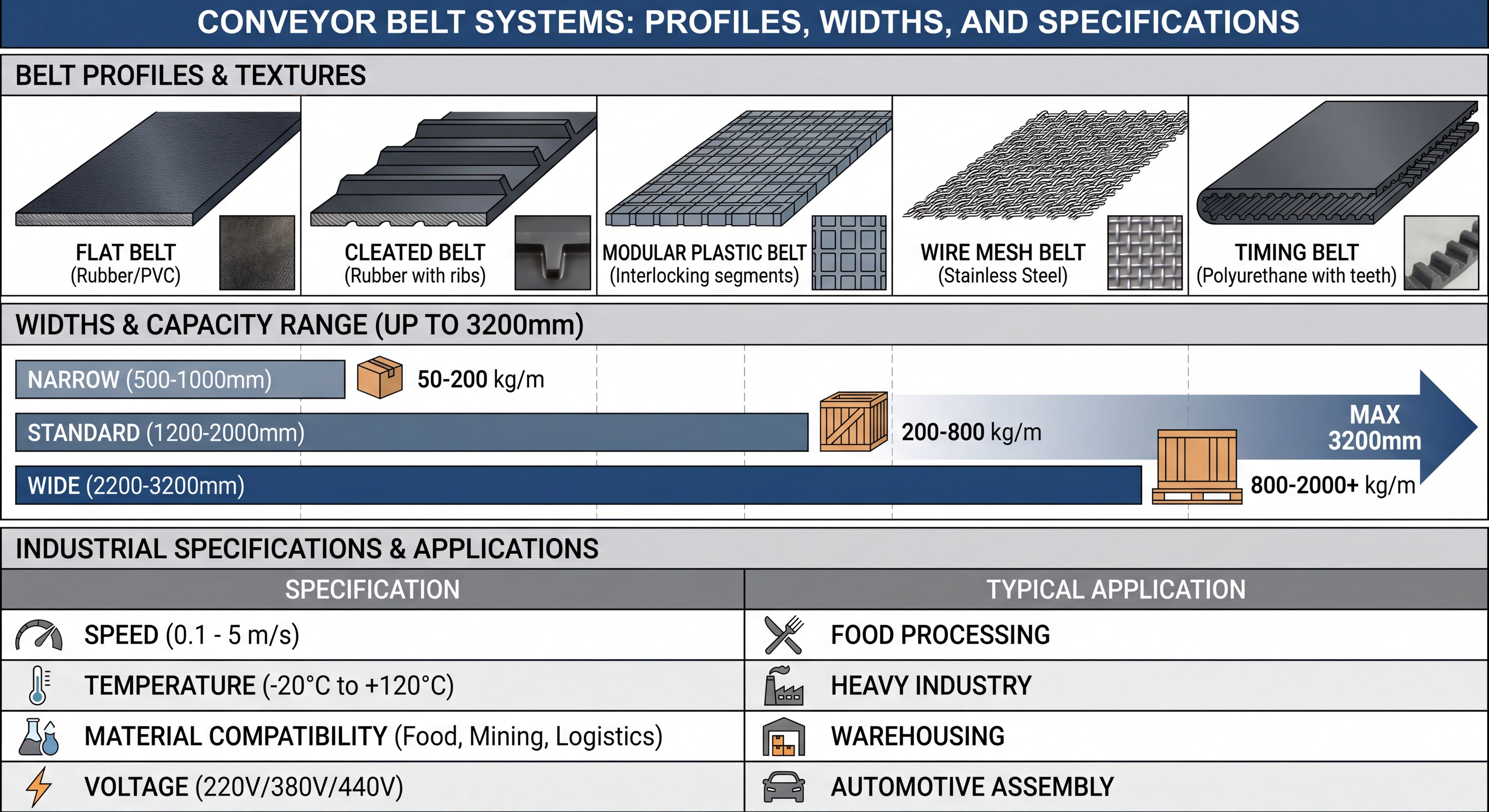
A vendor optimizes your facility by providing customized belt widths, lengths, and branding that fit perfectly into your existing structural footprint. Every conveyor belt rubber strips vendor uses a “belt compass” approach to help you navigate the jungle of abbreviations like Y, X, W, and RMA1. They take full responsibility for ensuring the belt you receive is not just a standard roll, but a tailored solution for your specific plaster casting machinery.
Can you get custom branding?
Professional vendors offer OEM services where your company logo can be embossed directly onto the rubber surface for a professional look. This is especially useful for equipment manufacturers who want to provide a cohesive brand experience for their end-users.
- Custom logos enhance brand identity.
- Specialized packaging protects belts during export.
- Technical consultation ensures the right width-for-width fit.
Here is the bottom line:
Key Takeaway: Expert facility optimization relies on a vendor who can provide both technical selection guidance and custom fabrication.
| Optimization | Method | Result | |
|---|---|---|---|
| Custom Widths | Tailored fabrication | Perfect machine fit | |
| Profile Selection | Load-specific design | Zero material loss | |
| Branding | OEM Logo printing | Professional image |
Custom fabrication allows you to run belts up to 3200mm wide, covering even the largest automated pouring platforms in the industry.
Conclusion
Successfully managing a plaster casting facility requires more than just high-quality gypsum; it demands a robust, application-specific conveyor system. From heat-resistant oven belts to chemical-resistant transport lines, every component must be engineered to handle the unique challenges of the casting environment. By partnering with a dedicated factory manufacturer, you eliminate the risks of generic “one-size-fits-all” solutions and gain access to expert technical guidance. Our vision is to provide a seamless industrial future where every production line operates with maximum uptime and minimum waste. If you are ready to upgrade your facility’s performance, contact us today for a customized technical consultation and a detailed quotation.
FAQ
Can I request a sample before placing a large volume order?Yes, we provide samples for quality verification and full testing reports to ensure our rubber grades meet your specific chemical or thermal requirements.
What’s the best way to determine if I need steel cord reinforcement?If your conveyor run exceeds 500 meters or carries very heavy metal batches that cause fabric belts to stretch excessively, steel cord is the recommended choice for stability.
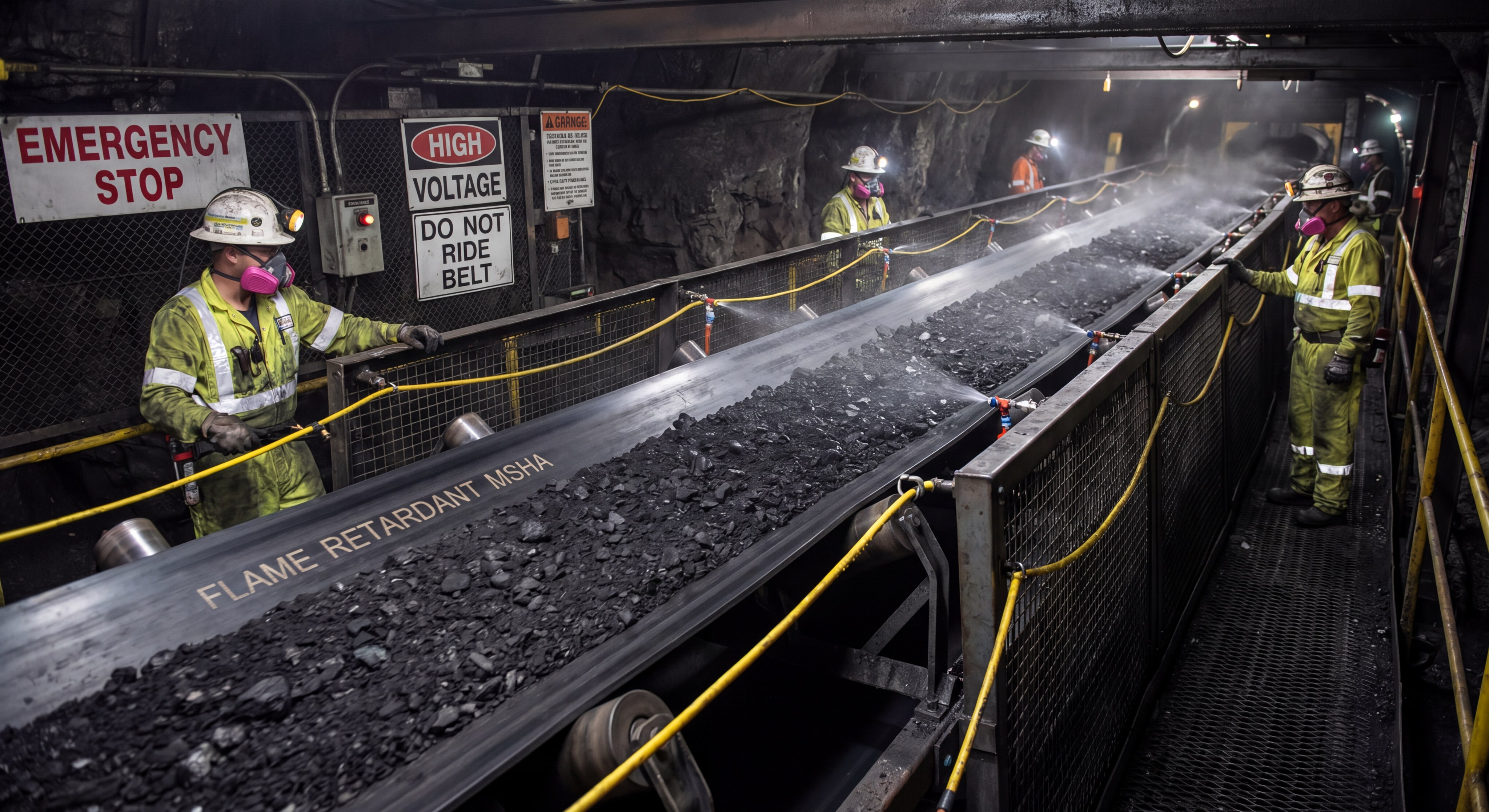
How do I know if my facility requires flame-retardant belts?You should check your local safety regulations (like ISO 340); generally, if you are transporting fine powders like flour or operating in enclosed underground spaces, flame-retardant belts are mandatory.
What is the standard lead time for a custom-made belt?We offer a stable lead time from our factory in China, with most technical designs and accurate quotations provided within 24 hours of your initial request.
How do I select the right cleat height for my steep incline?The ideal height depends on your material’s particle size and the angle of the slope; our engineers will provide a drawing-based recommendation during your free consultation.