
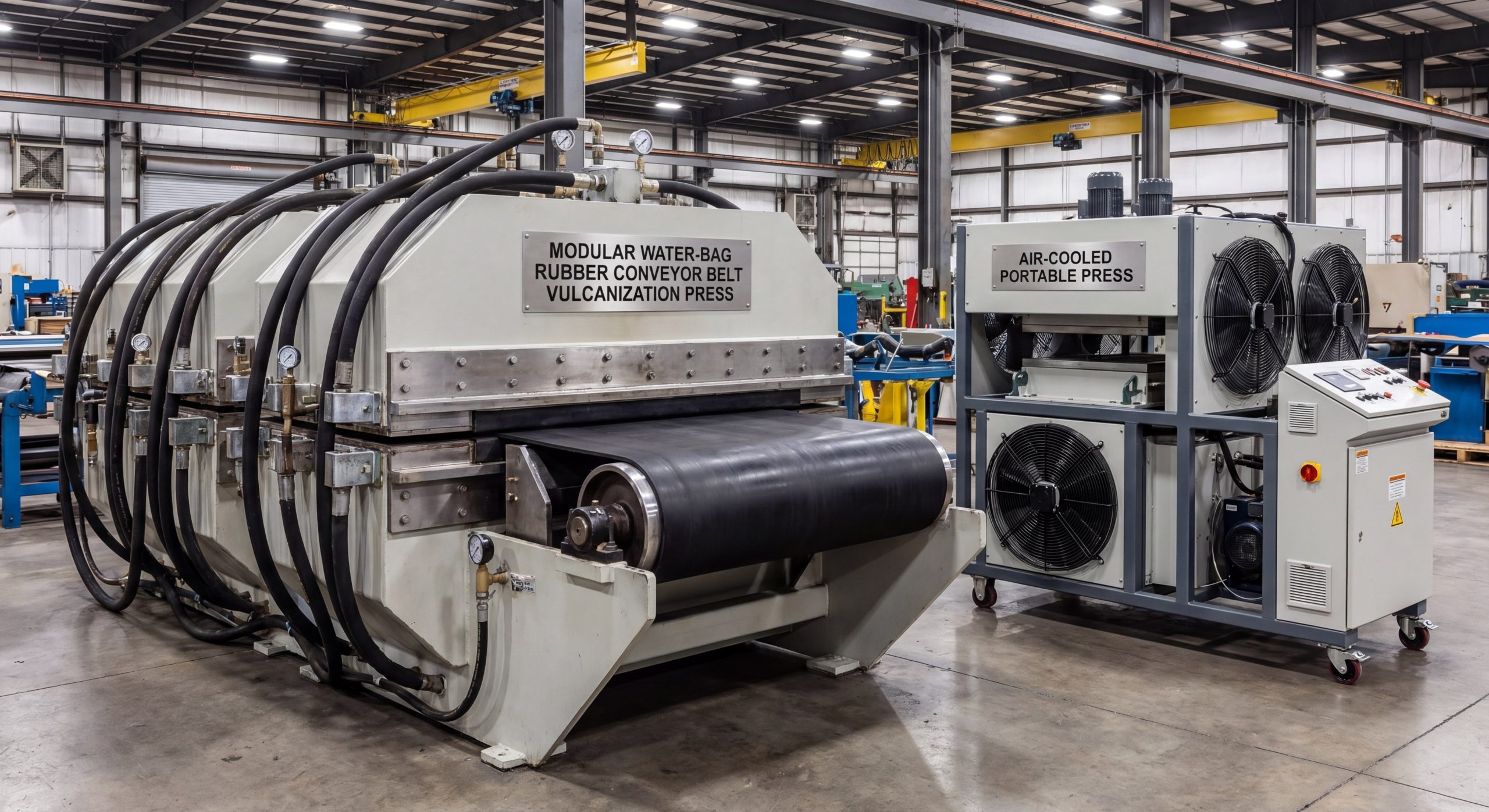
Ensure reliable and long-lasting belt performance with an ordinary rubber conveyor belt vulcanization press, designed to create strong, seamless joints through precise heat and pressure. This hot splicing method eliminates weak points, reduces downtime, and maintains the integrity of high-tension systems like steel cord conveyor belts, making it an essential solution for heavy-duty industrial operations.
What is an ordinary rubber conveyor belt vulcanization press?
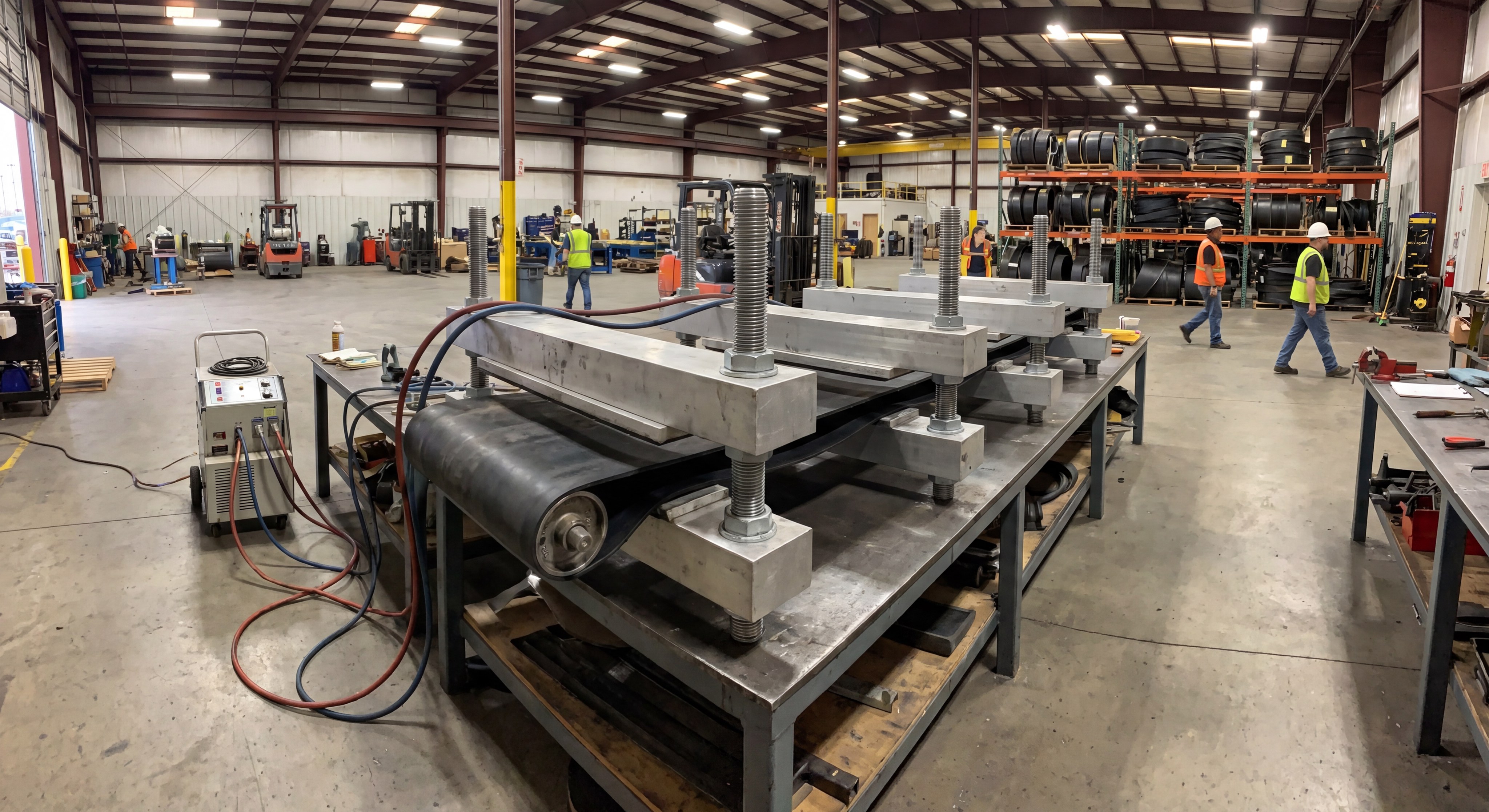
An ordinary rubber conveyor belt vulcanization press is a specialized assembly of heating plates, pressure systems, and structural frames designed to cure rubber compounds. This machine provides the necessary environment to transform raw or uncured rubber into a stable, elastic, and wear-resistant joint. It is the gold standard for creating high-strength splices in industrial settings.
Understanding the modular design
The ordinary rubber conveyor belt vulcanization press features a modular build to allow for easy transport to remote job sites. You can assemble the cross beams and heating platens directly onto the conveyor structure, minimizing the need to remove the belt from the system.
- High-grade aluminum cross beams for portability.
- Interchangeable heating platens for different belt widths.
- Integrated thermal sensors for precise control.
- Safety locking mechanisms for high-pressure cycles.
Check this out:
The role of the heating platens
Heating platens are the core components that deliver uniform thermal energy to the splice area. Crafted from superior aluminum alloys, these plates ensure that heat reaches the center of the belt consistently.
- Parallel heating elements for even distribution.
- Rapid heat-up times to reduce repair windows.
- Advanced insulation to protect the outer frame.
- High-durability surfaces resistant to oxidation.
But wait, there’s more:
Key TakeawayThe modularity and thermal efficiency of these presses make them indispensable for on-site industrial repairs.
| Component | Function | Material | |
|---|---|---|---|
| Cross Beams | Structural Support | Aircraft-grade Aluminum | |
| Heating Platen | Thermal Energy Source | Extruded Aluminum | |
| Clamping Bolts | Pressure Maintenance | High-Tensile Steel |
This structural combination allows you to maintain professional standards even in the most restricted mining or factory environments.
How does an ordinary rubber conveyor belt vulcanization press work?
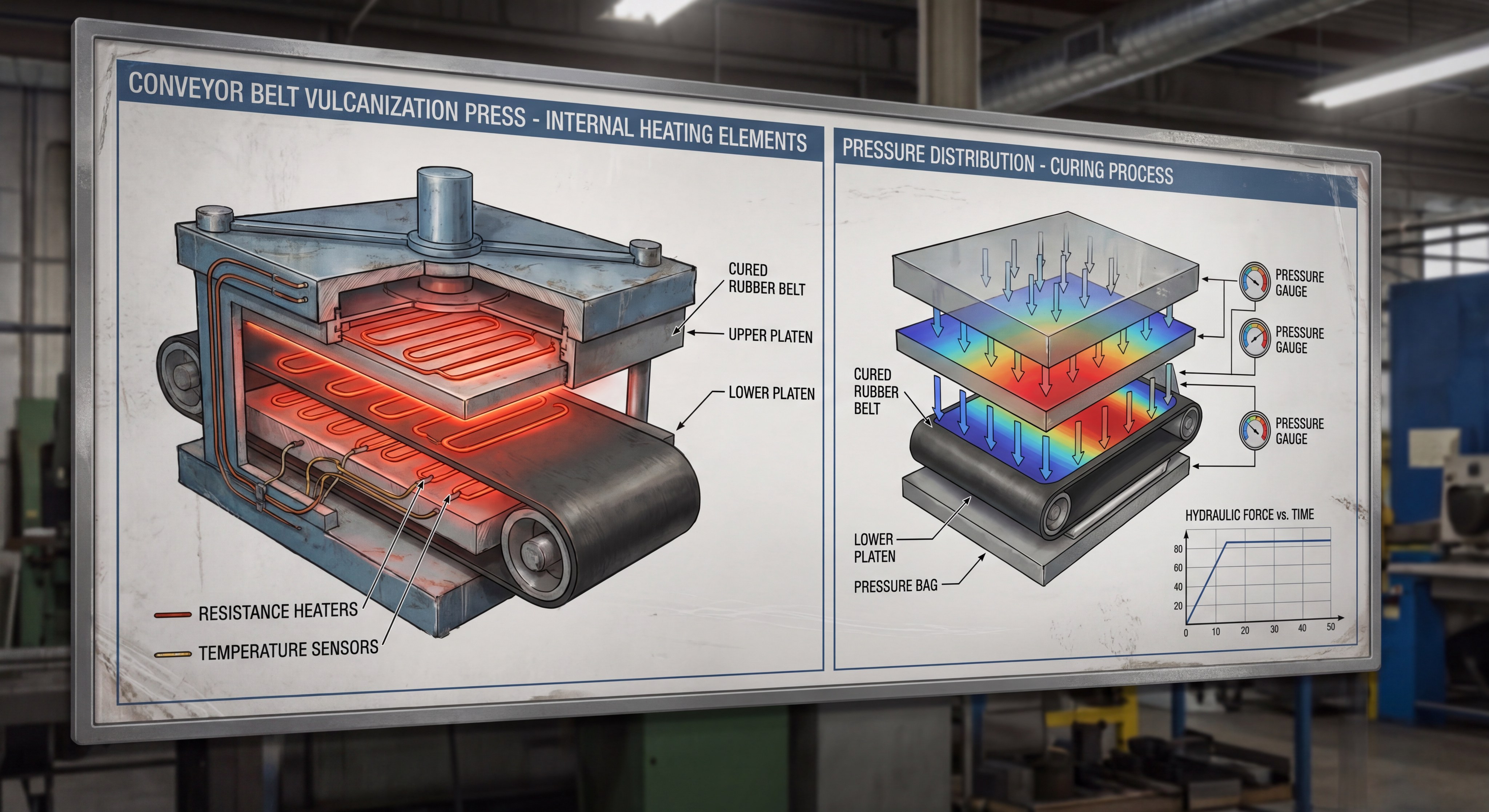
An ordinary rubber conveyor belt vulcanization press works by initiating a chemical reaction called cross-linking within the rubber layers. By maintaining a steady temperature of approximately 145°C under high pressure, the press forces the sulfur molecules to form bridges between the polymer chains. This results in a splice that is much stronger than cold-welded alternatives.
The science behind the bond
When you operate an ordinary rubber conveyor belt vulcanization press, you are effectively “cooking” the belt joint. This process ensures the new rubber and the original belt carcass become a single, inseparable unit.
- Molecular bridge formation (cross-linking).
- Chemical activation of bonding agents.
- Thermal stabilization of the rubber compound.
- Elimination of internal structural offsets.
But that is only the beginning:
Importance of the pressure cycle
Pressure is applied to ensure that the liquefied rubber flows into every fiber and around every steel cable. The ordinary rubber conveyor belt vulcanization press uses either mechanical bolts or a fluid-filled pressure bag to exert even force across the entire surface area.
- Forced air removal from the splice.
- Perfect encapsulation of reinforcements.
- Compression of the rubber to prevent porosity.
- Uniform density throughout the joint area.
Here is the interesting part:
Key TakeawayThe synchronization of heat and pressure ensures that the physical properties of the joint match the rest of the conveyor belt.
| Variable | Requirement | Impact on Joint | |
|---|---|---|---|
| Temperature | 145°C (±5°C) | Triggers chemical cure | |
| Pressure | 100 – 200 PSI | Eliminates internal air | |
| Time | 30 – 60 Minutes | Ensures full cross-linking |
High-performance vulcanizing depends on managing these variables with absolute precision to avoid under-curing or burning the material.
Which ordinary rubber conveyor belt vulcanization press technology is best?
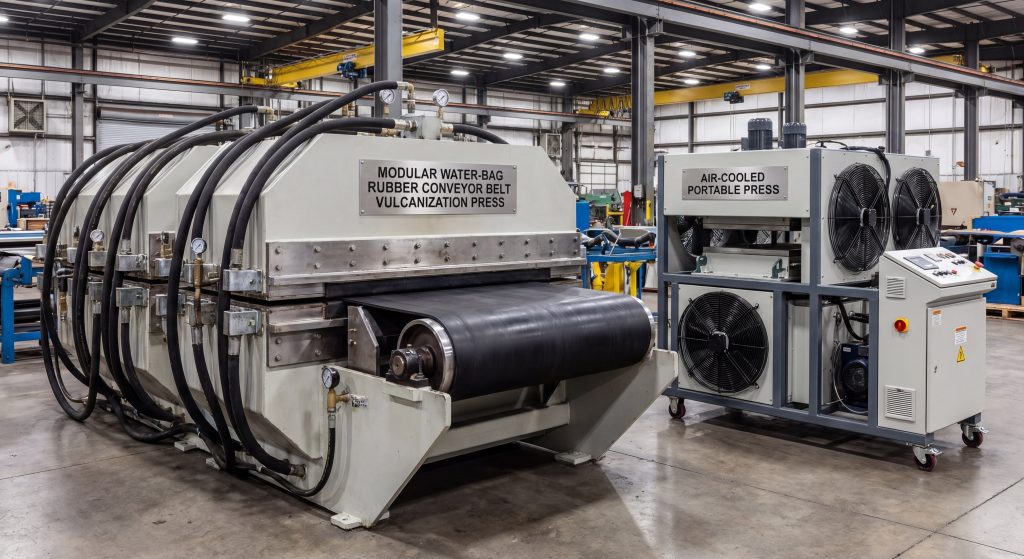
The best ordinary rubber conveyor belt vulcanization press usually features water-bag pressure technology for superior force distribution. For users who need maximum speed and portability, air-cooled modular units have become a popular choosing in the About Us section of modern industrial history. Choosing the right technology depends on your specific belt thickness and site conditions.
The advantage of water-bag systems
Water-bag technology in an ordinary rubber conveyor belt vulcanization press uses a flexible bladder to apply pressure. This allows the machine to adjust perfectly to any thickness variations across the belt width, ensuring no weak spots are created.
- 100% uniform pressure distribution.
- Compensates for belt wear and tear.
- High-pressure capability up to 200 PSI.
- Durable, cloth-reinforced rubber construction.
It gets even better:
Rapid air-cooled portable units
For lighter-duty belts, air-cooled ordinary rubber conveyor belt vulcanization press models offer immense time savings. These units do not require water pumps or external cooling tanks, making them the fastest option for emergency repairs.
- Integrated high-speed cooling fans.
- All-in-one compact design.
- Lower energy consumption requirements.
- Ideal for PVC and PU materials.
Believe it or not:
Key TakeawayWater-bag systems offer the most reliable pressure for heavy-duty rubber, while air-cooled units excel in speed and mobility for lighter belts.
| Press Type | Ideal Application | Key Advantage | |
|---|---|---|---|
| Water-Bag | Mining/Heavy Industry | Uniform Pressure | |
| Air-Cooled | Logistics/Food | Fast Cycle Time | |
| Manual Bolt | Workshop/Small Belts | Low Cost/Simplicity |
Strategic selection of the press type ensures that your maintenance team can work quickly without sacrificing splice integrity.
Does it fit an ordinary rubber conveyor belt vulcanization press?
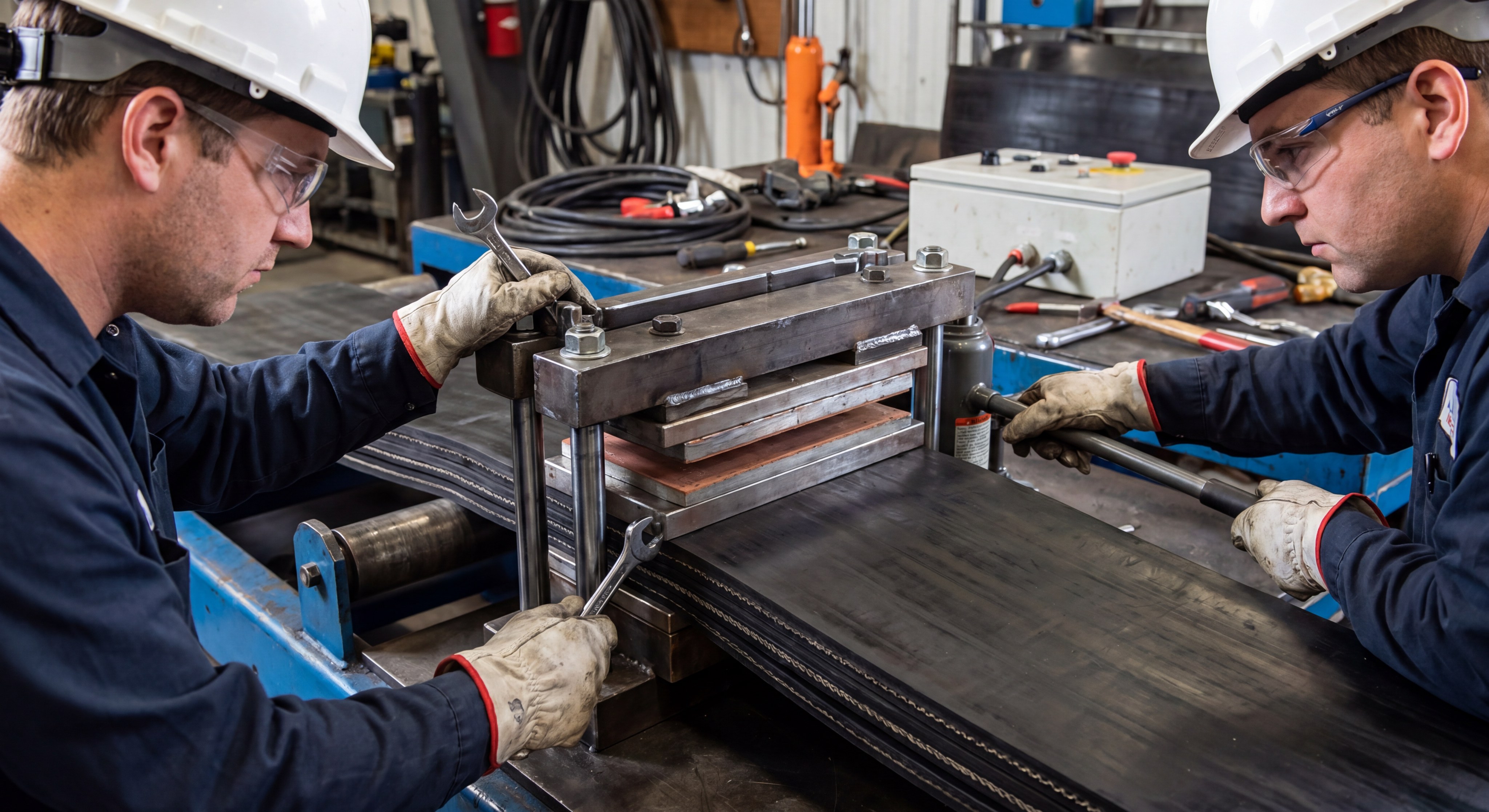
Answer: Yes, an ordinary rubber conveyor belt vulcanization press is highly versatile and fits most standard fabric, steel cord, and Chevron Conveyor Belt profiles. These machines are designed with adjustable parameters to handle various belt widths and thicknesses common in industrial material handling.
Compatibility with fabric and EP belts
The ordinary rubber conveyor belt vulcanization press is the primary tool for EP Conveyor Belt maintenance. It ensures that the heat penetrates through multiple textile plies to create a deep, structural bond that survives years of heavy loading.
- Multi-ply textile integration.
- Deep-core heat penetration.
- Edge-seal reinforcement.
- Tension-resistant joint geometry.
Don’t miss this:
Handling specialized rubber profiles
You can even use an ordinary rubber conveyor belt vulcanization press for patterned belts. By using custom-made mold inserts, the press can accommodate raised profiles while still applying the necessary heat to the base belt carcass.
- Profile-specific mold inserts.
- Steep-incline belt compatibility.
- Specialized cleat and chevron support.
- Preservation of surface patterns.
This is a game changer:
Key TakeawayThe adaptable nature of modern vulcanizing presses allows them to service a wide range of belt types from standard flat belts to complex patterned profiles.
| Belt Category | Splicing Method | Press Setup | |
|---|---|---|---|
| Fabric (EP/NN) | Step Splice | Standard Platens | |
| Steel Cord | Cable Overlap | High-Pressure Bag | |
| Chevron | Pattern Mold | Custom Matting |
By matching the press settings to the specific belt carcass, you guarantee a joint that maintains the system’s overall rated strength.
How to use an ordinary rubber conveyor belt vulcanization press?
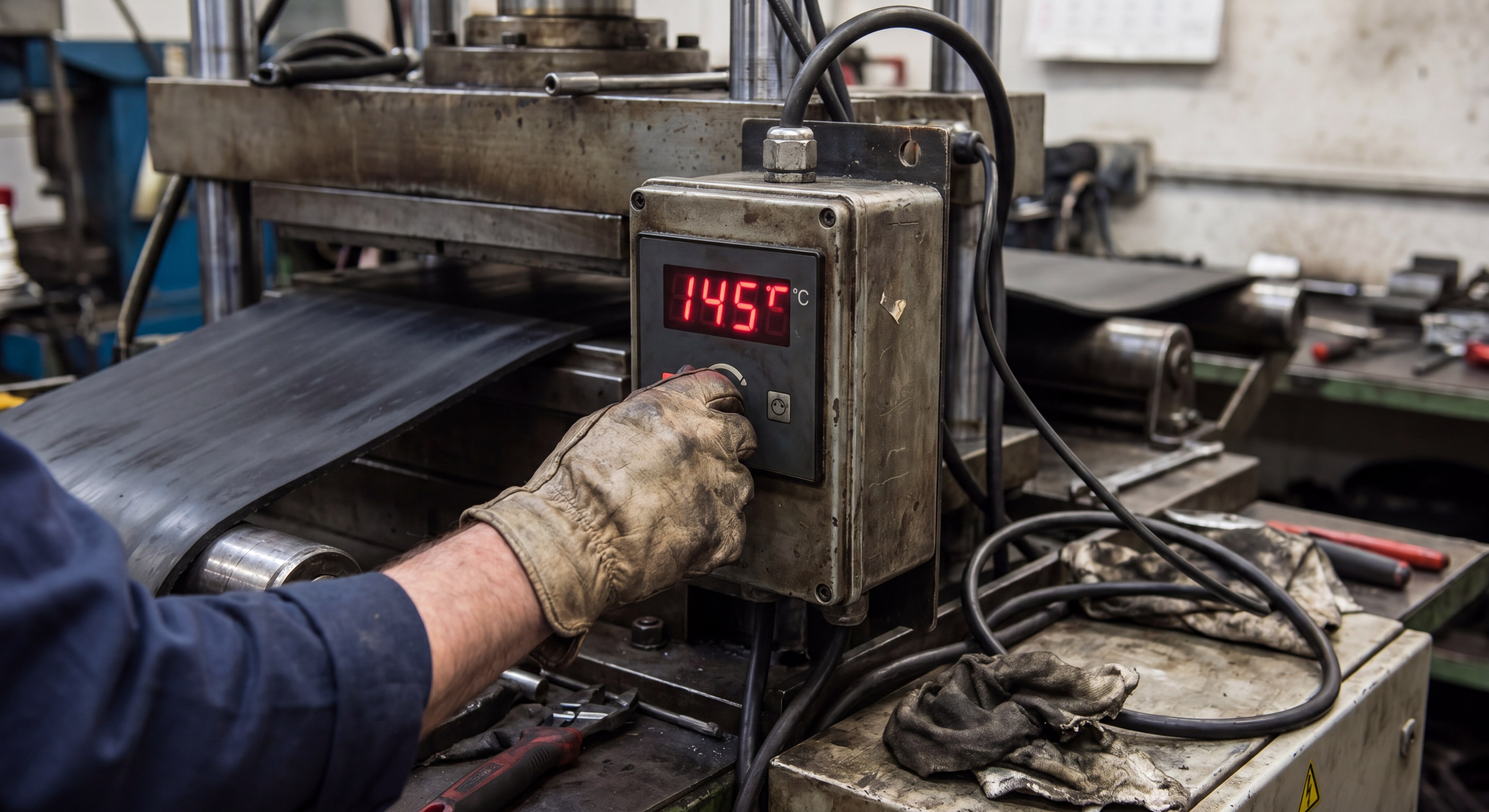
To use an ordinary rubber conveyor belt vulcanization press, you must first prepare the belt ends by stripping them into a step or finger pattern and applying uncured rubber. Once the ends are aligned, the ordinary rubber conveyor belt vulcanization press is clamped over the joint to begin the automated heating, pressing, and cooling cycle.
Step 1: Splice preparation
Success with an ordinary rubber conveyor belt vulcanization press starts with meticulous preparation. You must clean the area with specialized solvents and apply fresh vulcanizing cement to ensure the uncured rubber adheres correctly before the heat is applied.
- Precise mechanical buffing of surfaces.
- Removal of all dirt and grease.
- Application of hot-vulcanizing solution.
- Layering of tie-gum and cover rubber.
Stay with me here:
Step 2: The curing cycle
Once the ordinary rubber conveyor belt vulcanization press is assembled, you must monitor the control box. The temperature must ramp up slowly to avoid thermal shock, and the dwell time must be exact to ensure the rubber is fully cured from the surface to the core.
- Controlled thermal ramp-up.
- Steady-state “dwell” period.
- High-pressure maintenance during cooling.
- Temperature-dependent pressure release.
It works like a charm:
Key TakeawayMeticulous belt preparation and strict adherence to cure times are the most critical factors for a successful hot splice.
| Stage | Action | Success Metric | |
|---|---|---|---|
| Preparation | Cleaning/Buffing | Zero Contaminants | |
| Assembly | Clamp Tightening | Uniform Alignment | |
| Vulcanization | Heat/Pressure | Stable PID Control |
Following these standardized steps ensures that each splice meets international safety and durability standards for high-capacity systems.
Where is the ordinary rubber conveyor belt vulcanization press used?
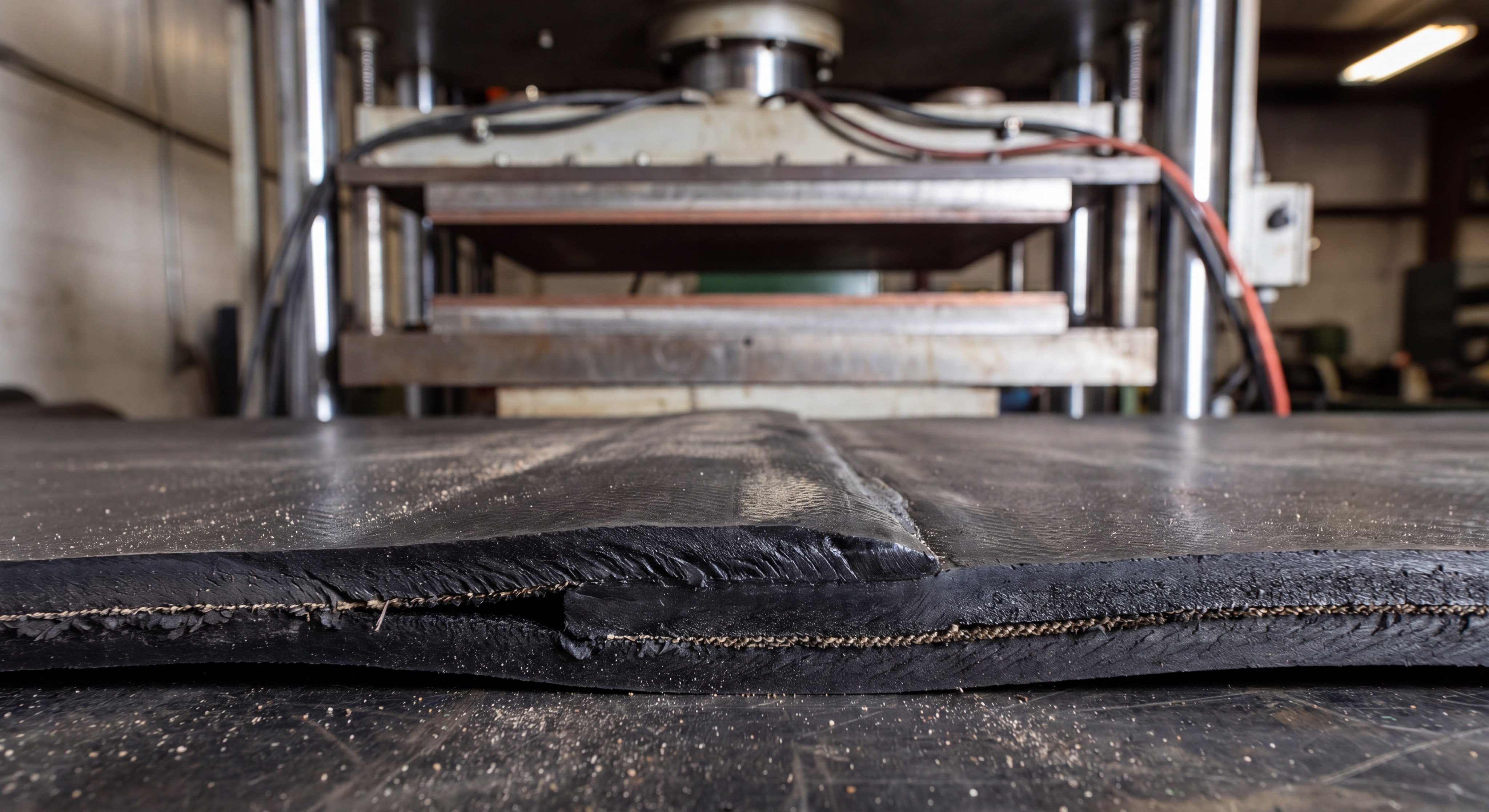
The ordinary rubber conveyor belt vulcanization press is used in every industry that relies on continuous material transport, particularly in mining, cement plants, and power generation. In these environments, an ordinary rubber conveyor belt vulcanization press provides the only joint strong enough to handle extreme tensions and abrasive materials.
Mining and aggregate industries
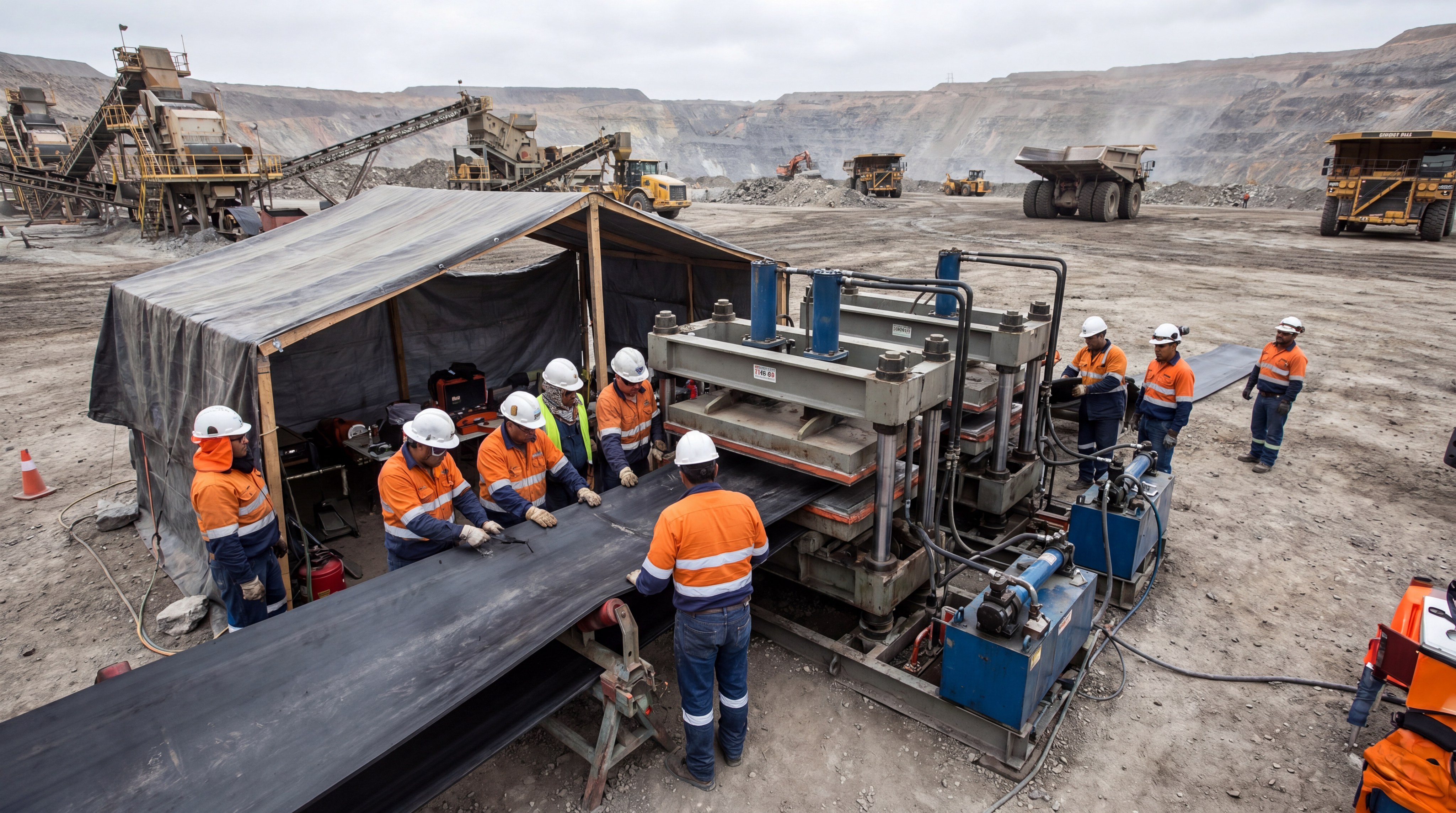
In heavy-duty mining, the ordinary rubber conveyor belt vulcanization press is an essential tool for maintaining reliability. These belts carry thousands of tons of rock per hour, and only a hot-vulcanized joint can withstand the constant impact and high starting torque.
- Copper and iron ore mines.
- High-capacity coal transport.
- Mobile crushing and screening.
- Deep-pit underground conveyors.
Wait, there’s more:
Ports and bulk handling terminals
Large-scale ports use the ordinary rubber conveyor belt vulcanization press to maintain massive ship-loading systems. Because these conveyors operate in highly humid and corrosive environments, a sealed, vulcanized joint is necessary to prevent moisture from reaching the internal reinforcements.
- Sea-port bulk loading docks.
- High-speed grain elevators.
- Fertilizer and chemical handling.
- Integrated ship unloading systems.
As you can imagine:
Key TakeawayGlobal material handling infrastructure depends on vulcanizing presses to maintain 24/7 operational capability in harsh environments.
| Industry | Primary Stress | Preferred Joint | |
|---|---|---|---|
| Mining | High Tension/Impact | Hot Vulcanized | |
| Power Plant | Heat/Flame Risk | FR Rated Vulcanized | |
| Port | Humidity/Corrosion | Seamless Hot Splice |
The ability to perform these repairs on-site reduces the need for expensive belt replacements and prevents long-term revenue loss.
What are the advantages of an ordinary rubber conveyor belt vulcanization press?
The primary advantage of an ordinary rubber conveyor belt vulcanization press is the creation of a seamless, high-strength joint that can last as long as the belt itself. Unlike mechanical fasteners, a joint made with an ordinary rubber conveyor belt vulcanization press is completely flush with the belt surface, which protects scrapers, pulleys, and rollers from premature wear.
Enhanced joint strength and longevity
An ordinary rubber conveyor belt vulcanization press creates a joint with up to 95% of the belt’s original breaking strength. This allows you to run your systems at higher speeds and tensions without worrying about splice failure.
- 10-year+ expected splice life.
- High resistance to dynamic fatigue.
- Superior flexibility over small pulleys.
- Permanent chemical cross-linking.
The bottom line is this:
Protection of conveyor components
Because the splice is seamless, it glides through the system without the “thumping” caused by mechanical clips. This reduces vibration and noise while extending the life of your idlers and belt cleaners.
- Zero damage to secondary scrapers.
- Reduced noise pollution on-site.
- Smooth transition over tracking idlers.
- Elimination of fastener “snagging” risks.
You can take that to the bank:
Key TakeawayVulcanization provides the lowest total cost of ownership by extending the life of both the belt and the conveyor hardware.
| Benefit | Vulcanization | Mechanical Fasteners | |
|---|---|---|---|
| Joint Strength | Excellent (90%+) | Moderate (50-70%) | |
| Component Wear | None | High | |
| Service Life | Years | Months |
While the initial setup takes longer than simple clips, the long-term reliability far outweighs the temporary convenience of mechanical methods.
How to maintain an ordinary rubber conveyor belt vulcanization press?
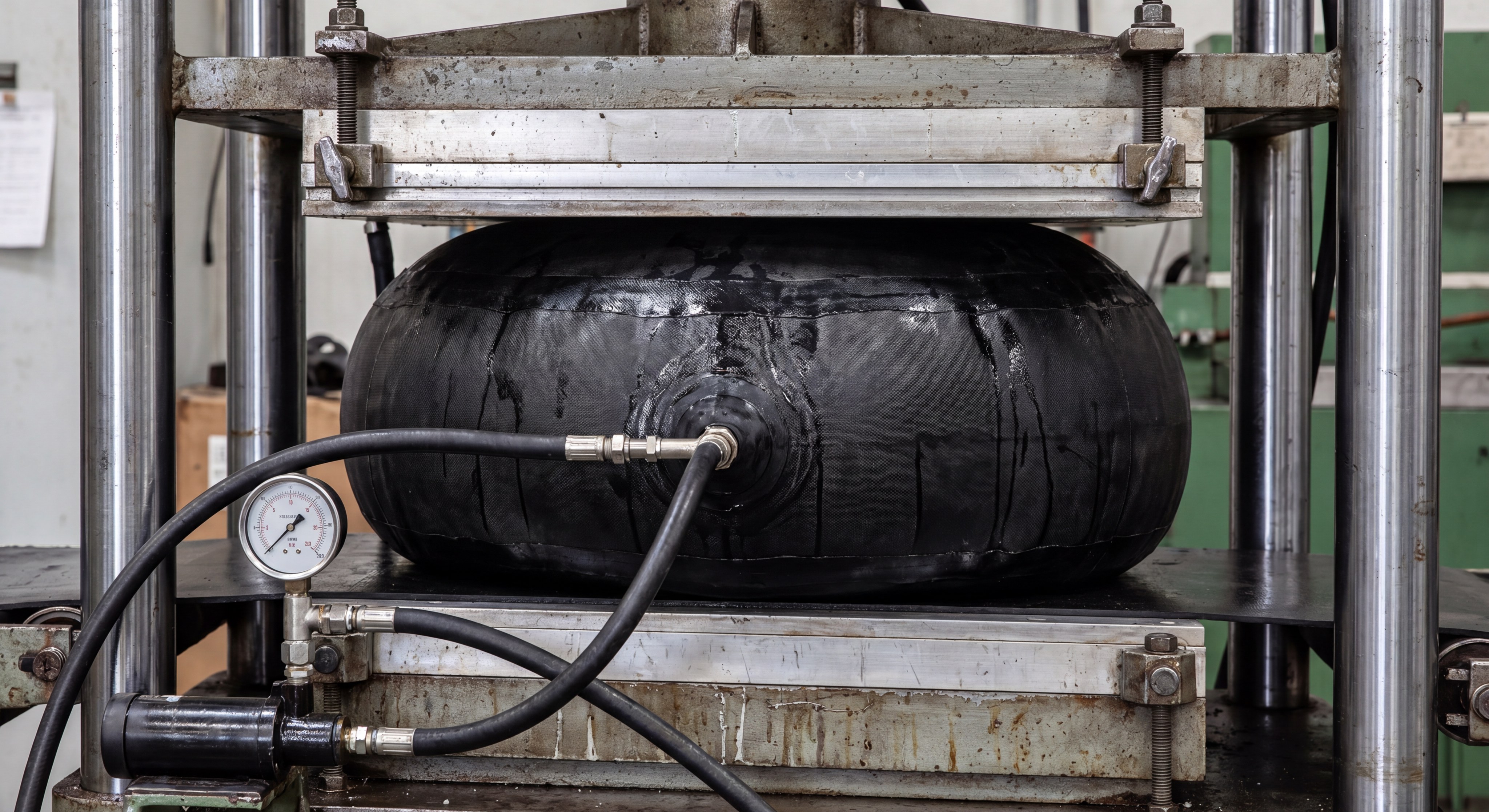
Maintaining an ordinary rubber conveyor belt vulcanization press involves regular electrical testing of the heating elements and pressure testing of the water bags. Ensuring the ordinary rubber conveyor belt vulcanization press remains clean and its sensors calibrated is vital for consistent, high-quality splicing results every time.
Electrical and thermal inspections
You must verify that your heating platens are functioning uniformly to avoid “cold spots” that result in under-cured rubber. Checking all electrical connections for oxidation or looseness will prevent dangerous short circuits during high-power cycles.
- Thermocouple accuracy calibration.
- Heating element ohm resistance checks.
- Grounding circuit safety tests.
- Control box software/fuse updates.
Keep this in mind:
Pressure system integrity
The pressure bag is the most fragile part of an ordinary rubber conveyor belt vulcanization press. Regularly inspecting the hoses and the bag surface for cracks or punctures ensures you don’t lose pressure in the middle of a critical cure.
- Annual hydrostatic pressure testing.
- Visual inspection for rubber perishing.
- Hydraulic pump seal lubrication.
- Valve and coupling leak checks.
That is the secret sauce:
Key TakeawayProactive machine maintenance is the only way to ensure emergency repairs are successful and safe for the crew.
| Maintenance Task | Frequency | Target Metric | |
|---|---|---|---|
| Platen Cleaning | After Every Use | Zero Residue | |
| Bag Inspection | Monthly | No Surface Cracks | |
| Sensor Check | Quarterly | ±2°C Accuracy |
Regular technical audits of your equipment help maintain the tight tolerances required for professional-grade industrial splicing.
Is an ordinary rubber conveyor belt vulcanization press reliable?
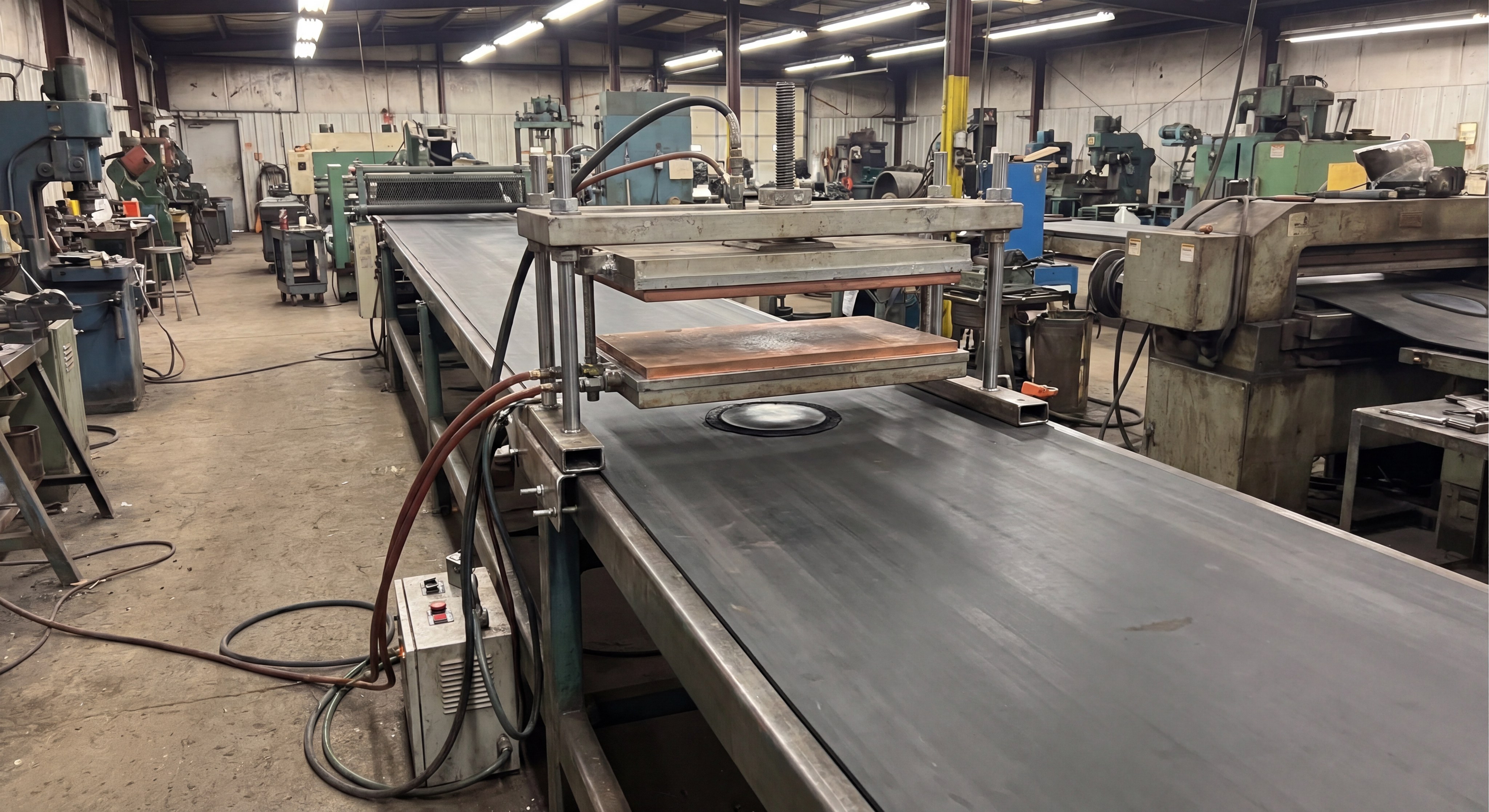
Answer: Yes, the ordinary rubber conveyor belt vulcanization press is highly reliable due to its rugged aluminum construction and automated control systems. Modern ordinary rubber conveyor belt vulcanization press models are built to operate in extreme conditions, from dusty mining pits to humid coastal ports, without performance degradation.
Consistency through automation
One reason for the high reliability of an ordinary rubber conveyor belt vulcanization press is the use of digital PID controllers. These units automatically adjust the power to the heating plates, ensuring the temperature remains stable within 2 degrees of the setpoint.
- Automated dwell timers.
- Precise temperature regulation.
- Visual and audible cycle alerts.
- Data logging for quality assurance.
Now, consider this:
Durable structural engineering
The frames of these presses are calculated to withstand thousands of tons of pressure without bowing or warping. This structural stiffness ensures that the pressure is applied perfectly flat, which is essential for a smooth, high-speed belt joint.
- Non-warping aluminum cross beams.
- Heavy-duty steel structural bolts.
- High-temperature resistant wiring.
- Weather-proof control enclosures.
It’s simply more effective:
Key TakeawayAdvanced engineering and digital controls remove human error, providing repeatable, high-strength joints in any environment.
| Reliability Factor | Design Solution | Benefit | |
|---|---|---|---|
| Heat Stress | Sectional Platens | Prevents thermal warping | |
| Load Stress | High-Tensile Beams | Ensures flat pressure | |
| User Error | Digital Control Box | Automates the cure cycle |
This technological consistency allows industrial facilities to maintain strict production schedules without the fear of recurring joint failure.
Is an ordinary rubber conveyor belt vulcanization press safe?
Answer: Yes, an ordinary rubber conveyor belt vulcanization press is built with multiple safety features, including emergency stop buttons, thermal cut-offs, and pressure relief valves. When operated according to the manufacturer’s guidelines, the ordinary rubber conveyor belt vulcanization press is the safest method for performing high-load belt maintenance on industrial sites.
Built-in operator protection
Modern presses are designed to protect the maintenance team from high voltage and extreme heat. All electrical components are grounded, and the control boxes are designed to shut down automatically if a sensor fails or the temperature exceeds safety limits.
- Over-temperature safety circuits.
- Reliable grounding and insulation.
- Shatter-proof pressure components.
- Intuitive emergency shutdown.
Stay with me here:
Physical safety and ergonomics
The modular design of the ordinary rubber conveyor belt vulcanization press reduces the risk of lifting-related injuries. Because the machine can be broken down into individual beams and plates, two-person crews can safely position the equipment without heavy machinery.
- Lightweight aluminum components.
- Ergonomic lifting handles.
- Quick-connect electrical plugs.
- Secure mechanical locking bolts.
The results speak for themselves:
Key TakeawayFocusing on internal safety mechanisms and modular ergonomics makes hot vulcanizing a safe and efficient process for field technicians.
| Safety Feature | Function | Primary Protection | |
|---|---|---|---|
| Relief Valve | Vents Excess Pressure | Prevents bag rupture | |
| Thermal Switch | Cuts Power at Limit | Prevents belt fires | |
| Grounding | Diverts Fault Current | Prevents electric shock |
By integrating these safety layers, industrial operators can maintain their systems with minimal risk to their most valuable assets—their people.
Frequently Asked Questions
Can I use a vulcanizing press on a belt that has already been cold-bonded?Concise Judgment: Yes, you can. You must completely remove the old cold-bonding adhesive by mechanical buffing until you reach clean rubber. Any residual cold-cement will prevent the new hot-vulcanizing compound from forming a chemical bond during the press cycle.
What’s the best way to determine the correct cure time?Concise Judgment: Refer to the belt’s technical data sheet. A general rule of thumb is a base cure time of 20-30 minutes plus 2-3 additional minutes for every millimeter of belt thickness to ensure heat reaches the core fibers.
Can I perform vulcanization in the rain?Concise Judgment: No, it is not recommended without a shelter. Moisture trapped in the splice turns into steam under the high heat of the press, creating “bubbles” and voids that significantly weaken the joint’s structural integrity.
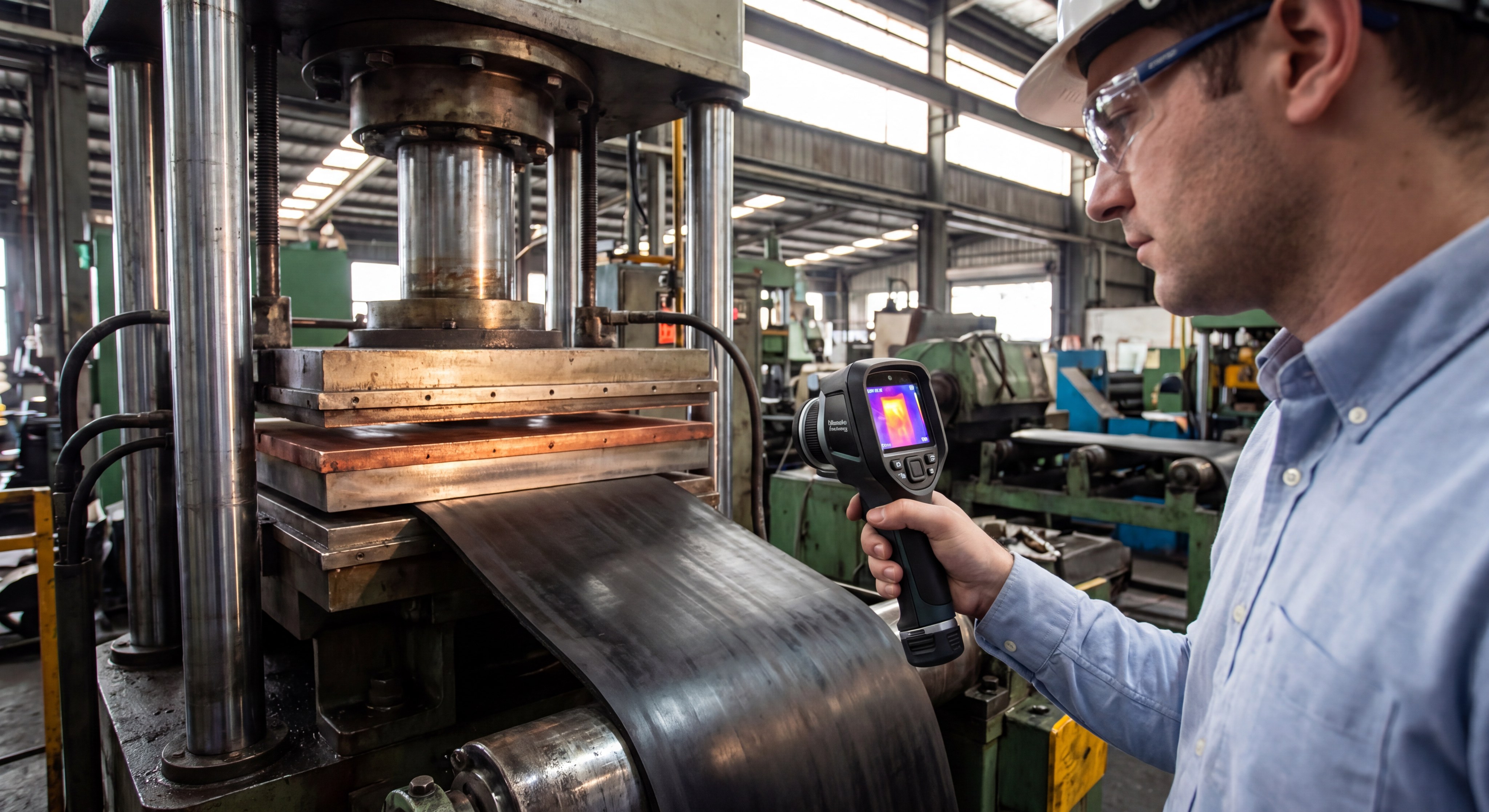
How do I know if the heating plates are heating evenly?Concise Judgment: Use a thermal imaging camera. Periodically checking the platens during a test run will reveal “cold spots” which usually indicate a failing heating element that needs replacement before your next repair.
Can I use air instead of water in my pressure bag?Concise Judgment: It depends on the bag model. Some bags are dual-rated, but water is generally preferred for high-pressure industrial applications because it is non-compressible and provides more stable force than air.
Conclusion
Maximizing the lifespan and reliability of your transport systems requires moving beyond temporary fixes to the permanent strength of an ordinary rubber conveyor belt vulcanization press. By integrating high-quality equipment and professional hot-splicing techniques, you guarantee that your operations remain efficient, safe, and highly profitable. Our team at Zhenxing is dedicated to providing the reliable machinery and high-performance belts you need to solve your toughest material handling challenges. To secure your infrastructure and optimize your production uptime, contact us today for a tailored industrial solution. Our vision is to empower global industry with unparalleled conveyor excellence and quality you can rely on for a lifetime.