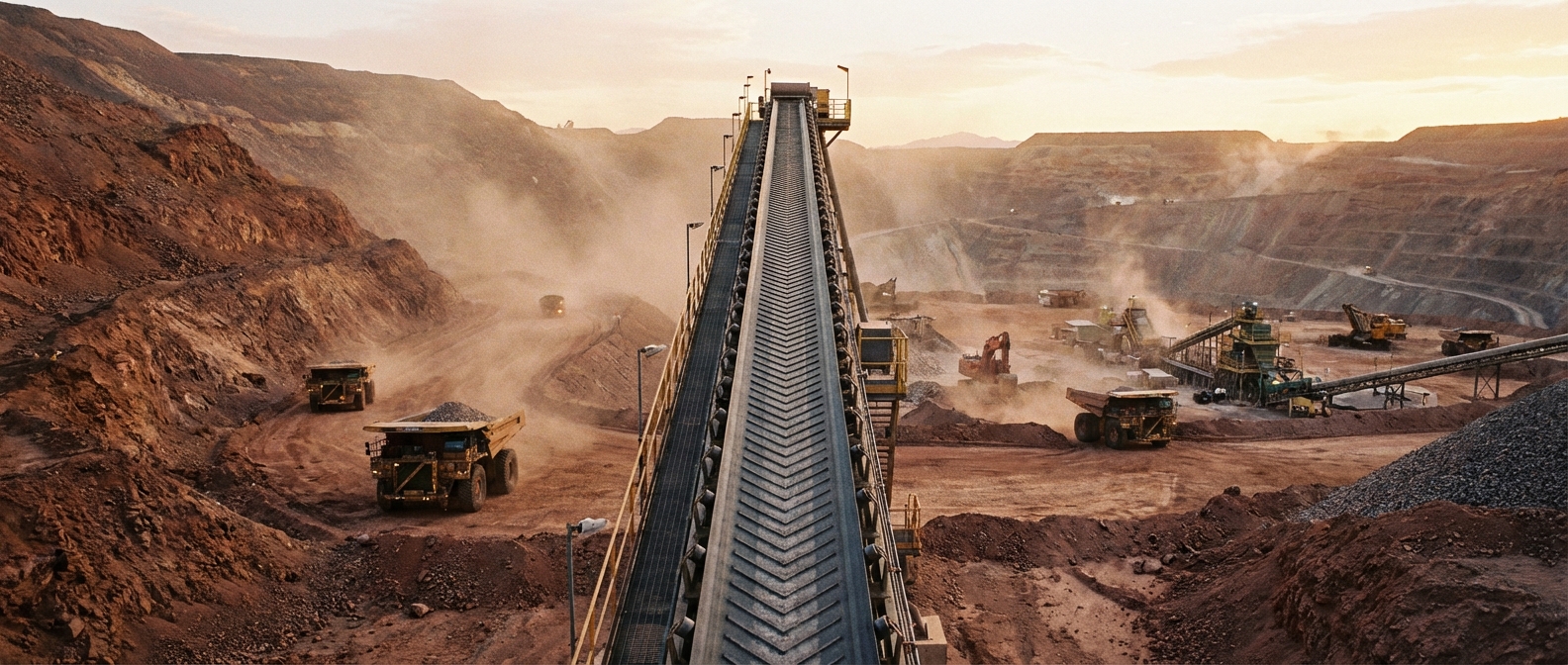
A mining wear resistant rubber conveyor belt delivers superior abrasion and impact resistance, reducing downtime, preventing damage, and ensuring reliable performance in harsh mining environments.
Why is a mining wear resistant rubber conveyor belt essential?
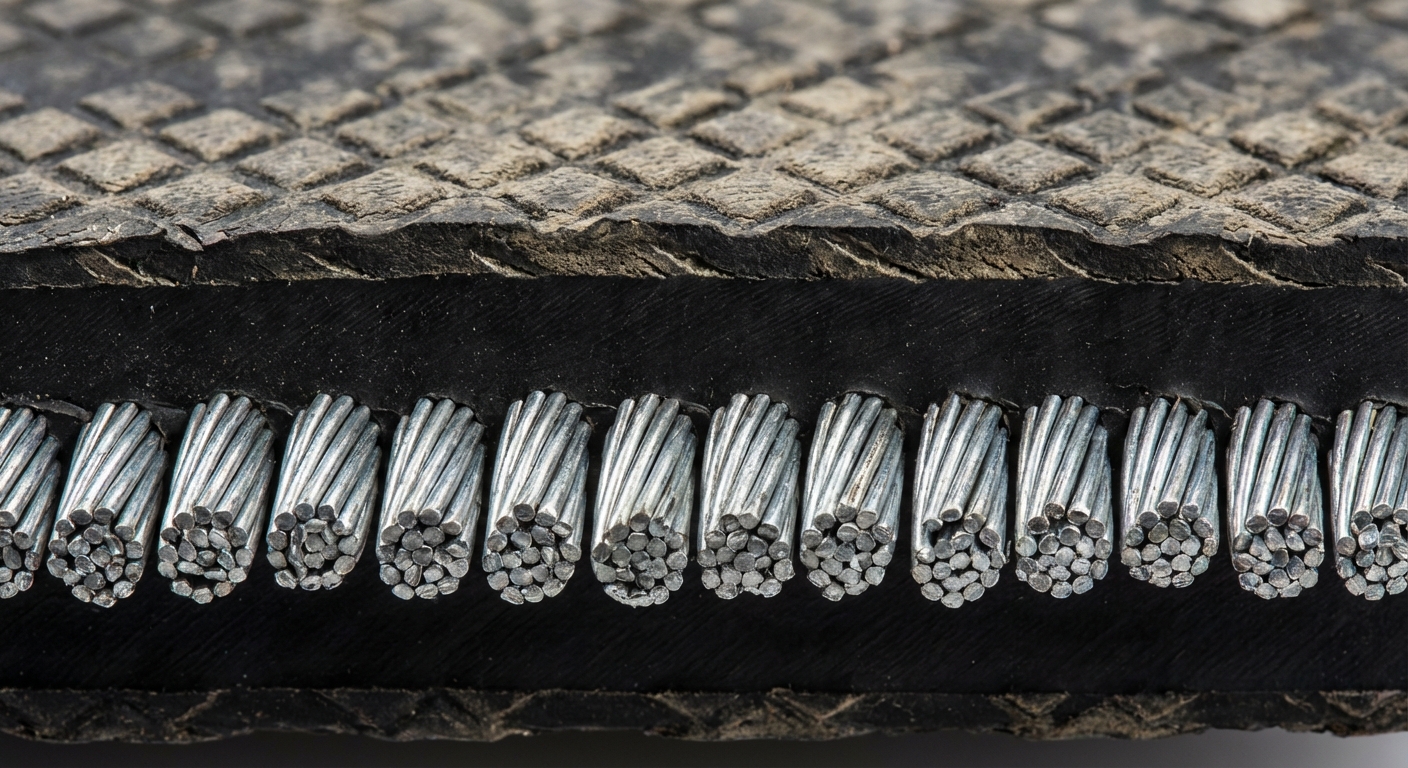
A mining wear resistant rubber conveyor belt is critical because it utilizes specialized DIN X or W rubber compounds to withstand the sharp edges of ores and the high-impact energy found at primary crusher discharge points. In the heavy-duty mining sector, the cost of downtime often exceeds the cost of the equipment itself, making a standard belt a high-risk choice. Selecting a high-performance mining wear resistant rubber conveyor belt protects your investment by ensuring that the internal reinforcement remains shielded from mechanical damage.
How do steel cords improve belt durability?
For long-distance and high-capacity transport, steel cord reinforcement offers the lowest elongation and highest impact resistance. These cords are zinc-coated to prevent corrosion, providing a high-tensile core that can span several kilometers without significant stretching.
Can fabric carcasses handle heavy mining loads?
Multi-ply textile designs provide excellent flexibility for curved layouts while maintaining the integrity needed for a robust conveying system. EP (polyester/nylon) fabric is a popular choice for medium runs due to its excellent resistance to moisture and chemical degradation.
Summary Table: Reinforcement Comparison
| Feature | Steel Cord Reinforcement | Textile (EP/NN) Fabric | |
|---|---|---|---|
| Max Strength | Up to 5400 N/mm | Up to 3150 N/mm | |
| Elongation | Extremely Low (0.2%) | Moderate (1.5% – 2.5%) | |
| Application | Long distance/High lift | Short/Medium runs |
A logical chain of inquiry reveals that while steel cords offer maximum strength, fabric plies offer the “troughability” required for smaller pulley diameters.
Key Takeaway: Choosing the right reinforcement is a strategic decision that balances the required tensile strength against the physical constraints of your conveyor structure to optimize energy consumption.
What makes a mining wear resistant rubber conveyor belt strong?
The strength of a mining wear resistant rubber conveyor belt is derived from the synergistic bond between its high-tensile internal members and the specialized rubber covers that protect them from external elements. Strength is not merely about the total thickness of the belt, but the adhesion levels between layers that prevent delamination under heavy loads. A premium mining wear resistant rubber conveyor belt must maintain its structural integrity even when subjected to extreme temperature fluctuations and constant mechanical stress.
Why use a chevron pattern for steep inclines?
A chevron conveyor belt with integrated V-shaped profiles allows you to transport bulk materials at gradients up to 45 degrees without the risk of back-slip or spillage. The pattern height is customized based on the lump size of the ore being moved.
Bucket Brigade:And the best part? You don’t have to sacrifice speed for steepness when using these specialized surface geometries.
Summary Table: Surface Geometry Benefits
| Feature | Smooth Surface | Chevron / Cleated | |
|---|---|---|---|
| Max Incline | ~18 Degrees | Up to 45 Degrees | |
| Material Retention | Low on slopes | High on steep slopes | |
| Maintenance | Simple cleaning | Requires specialized scrapers |
By analyzing the angle of repose for specific minerals, engineers can determine whether a textured surface is necessary to prevent operational bottlenecks.
Key Takeaway: Steep-angle conveying reduces the total footprint of a mine site, allowing for more compact infrastructure and significant savings on structural steel and land usage.
How does a mining wear resistant rubber conveyor belt handle angles?
Moving material on steep inclines requires a mining wear resistant rubber conveyor belt that features specialized surface profiles to grip the load and prevent catastrophic material fallback. Without these profiles, ore can slide backwards, creating safety hazards and damaging the conveyor frame. A high-quality mining wear resistant rubber conveyor belt with molded cleats or chevrons ensures that productivity remains high regardless of the terrain.
Why is fire safety critical in mining?
Underground safety is non-negotiable, and fire resistance is a strict regulatory requirement designed to protect human life and expensive underground infrastructure. A fire-safe belt will self-extinguish shortly after the ignition source is removed, preventing the spread of flames through tunnels.
Bulleted List: Key Safety Features
- Self-extinguishing rubber compounds that meet ISO 14973.
- Anti-static properties (ISO 284) to prevent spark ignition in dusty environments.
- High-adhesion covers to prevent the exposure of flammable internal carcasses.
Summary Table: Safety Standards Compliance
| Standard | Application | Core Requirement | |
|---|---|---|---|
| ISO 14973 | Underground Mining | Flame retardancy Class C1/C2 | |
| ISO 284 | Coal / Explosive Dust | Anti-static resistance < 300MΩ | |
| MT 668 | Mining Safety | Chinese national safety certification |
Analysis of safety incidents shows that fire-retardant belts are the most effective passive defense against widespread damage in enclosed mining environments.
Key Takeaway: Investing in certified fire-resistant belts is not just a regulatory hurdle; it is an essential risk management strategy that protects your workforce and your long-term operational viability.
Is a mining wear resistant rubber conveyor belt fire safe?
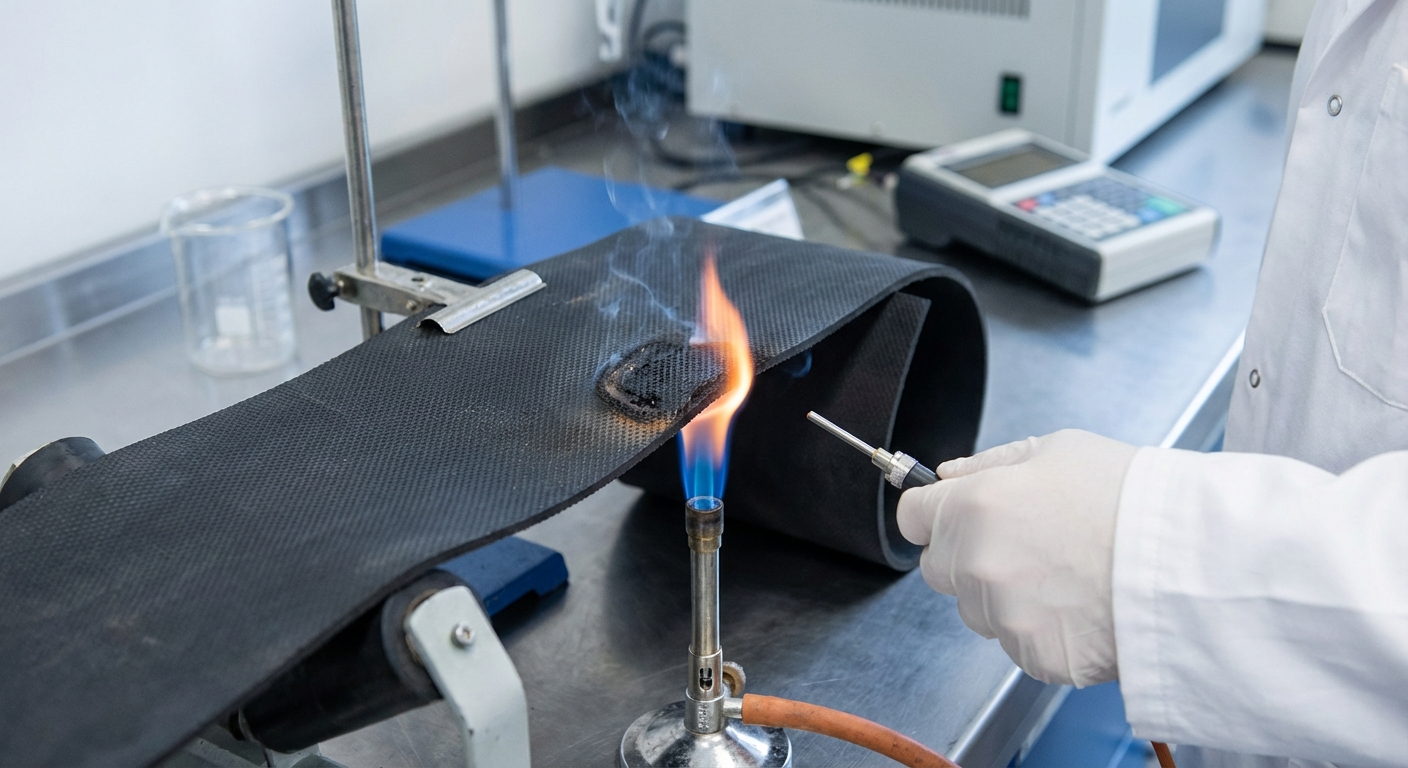
A reliable mining wear resistant rubber conveyor belt used in underground applications must be manufactured with flame-retardant additives that comply with international safety standards such as ISO 14973. Fire safety is a strategic consideration because a single belt fire can lead to toxic smoke inhalation and total loss of the mine’s main haulage route. Every mining wear resistant rubber conveyor belt destined for coal or underground mines undergoes rigorous lab testing to ensure it will not support combustion.
How do steel breakers protect the belt?
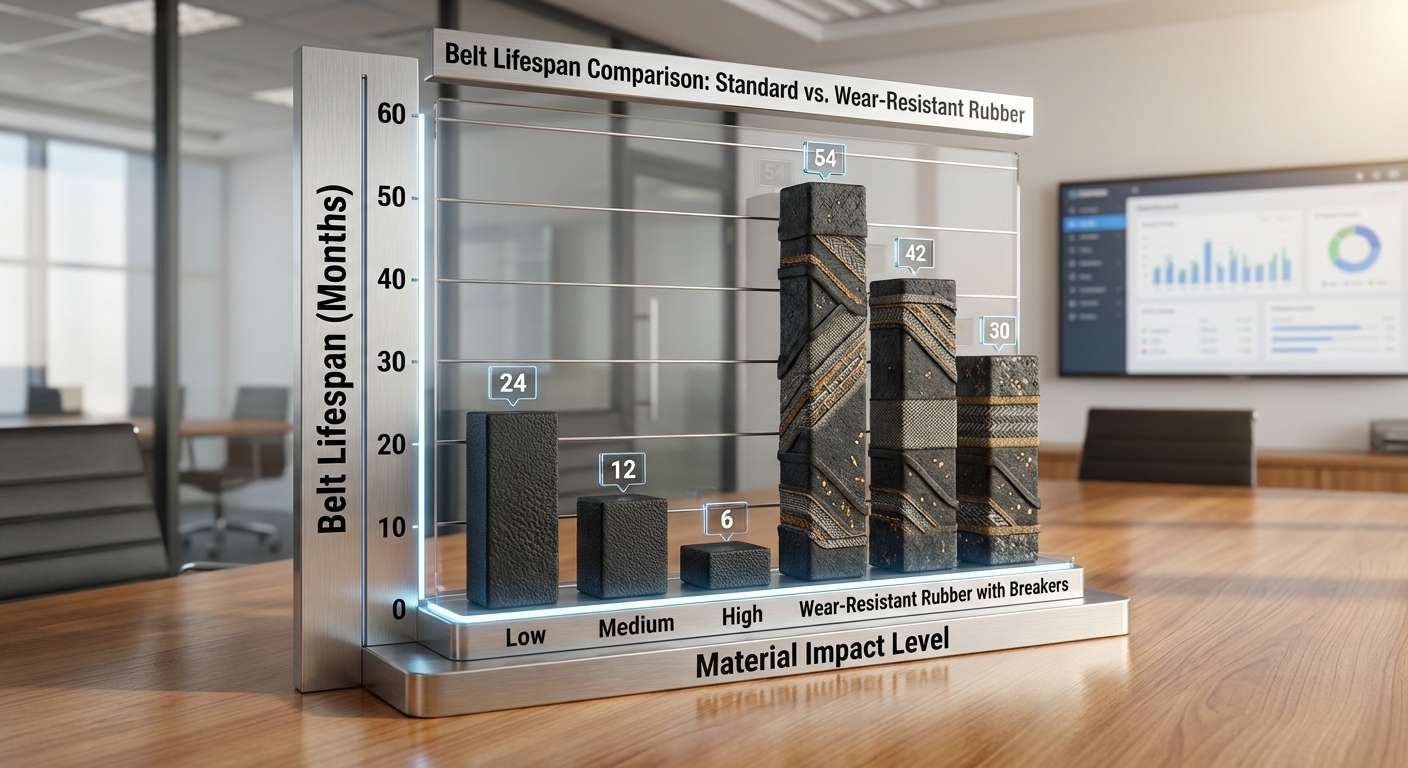
By embedding transverse steel breakers in the top cover, a mining wear resistant rubber conveyor belt can stop a longitudinal rip before it destroys the entire roll. These breakers act as physical barriers that deflect sharp objects like roof bolts or tramp iron.
Bucket Brigade:You might be wondering… How do you monitor these internal components without stopping the line?
Summary Table: Rip Protection Options
| Protection Type | Mechanism | Effectiveness | |
|---|---|---|---|
| Steel Breakers | Transverse wire mesh | High physical resistance | |
| Fabric Breakers | High-strength textile | Moderate resistance / Flexible | |
| AI Monitoring | Real-time sensor data | Predictive / Warning system |
Investigating root causes of belt failure reveals that most “total loss” events start as small punctures that grow into massive longitudinal rips.
Key Takeaway: Rip prevention is a “second-order” benefit—it doesn’t just make the belt stronger; it prevents a minor accident from becoming a multi-million dollar replacement project.
Can a mining wear resistant rubber conveyor belt stop rips?
A mining wear resistant rubber conveyor belt can effectively stop rips when it is reinforced with transverse steel breakers that act as a “shield” against sharp penetrating objects. This design prevents a localized puncture from turning into a thousand-meter longitudinal split that would require a complete belt replacement. Modern mining wear resistant rubber conveyor belt technology focuses on containment, ensuring that any damage sustained is limited to a small, repairable section.
Can you repair a belt without hot vulcanizing?
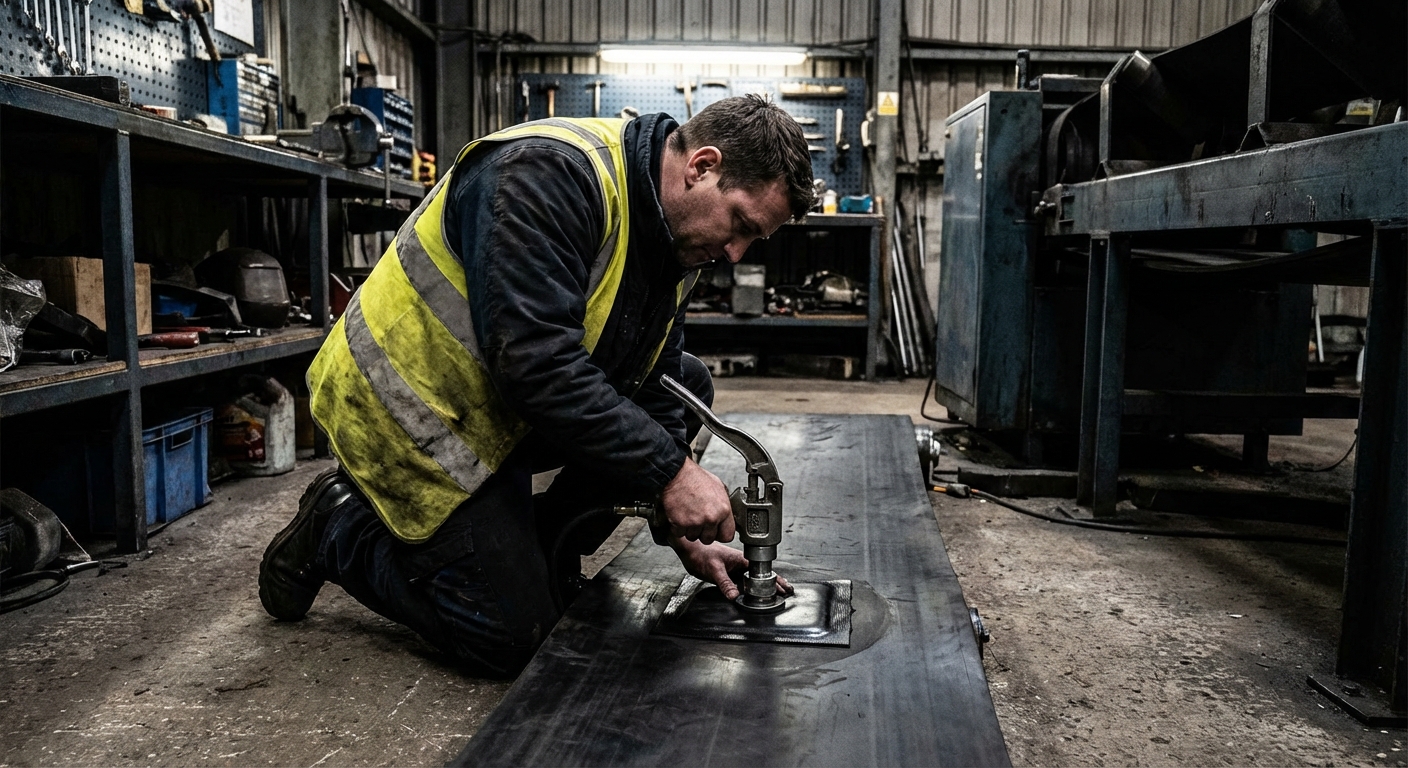
Cold repair systems allow you to patch small gouges and tears quickly using high-bond adhesives, extending the life of your belt without the need for heavy vulcanizing presses. This is ideal for emergency repairs where downtime must be kept to an absolute minimum.
When should you consider a full splice?
Monitoring the thickness of the top cover provides the data needed to decide when abrasion has reached critical levels, signaling it is time for a professional resplicing. A full splice ensures the tensile strength of the join matches the original belt specifications.
Summary Table: Maintenance Methods
| Method | Speed | Durability | Equipment Needed | |
|---|---|---|---|---|
| Cold Repair | Fast (1-2 hours) | Temporary/Medium | Hand tools & adhesive | |
| Hot Vulcanizing | Slow (8-12 hours) | Permanent | Heavy hydraulic press | |
| Mechanical Fasteners | Very Fast | Low/Temporary | Simple hammers/wrenches |
A logical analysis of maintenance logs proves that predictive replacement based on wear measurements is 30% more cost-effective than reactive “run-to-fail” strategies.
Key Takeaway: Mastering fast repair techniques and scheduled monitoring allows you to extend the service life of your equipment by years, directly impacting your bottom line.
How do you maintain a mining wear resistant rubber conveyor belt?
Maintenance of a mining wear resistant rubber conveyor belt involves a balance between “run-to-fail” and predictive servicing, utilizing cold-repair patches for minor damage and scheduled downtime for major splicing. To keep a mining wear resistant rubber conveyor belt in peak condition, you must conduct regular inspections of the top cover and idler alignment to prevent uneven wear patterns. Neglecting these small steps can lead to the premature degradation of the high-performance rubber covers.
What are the benefits of rubber chute linings?
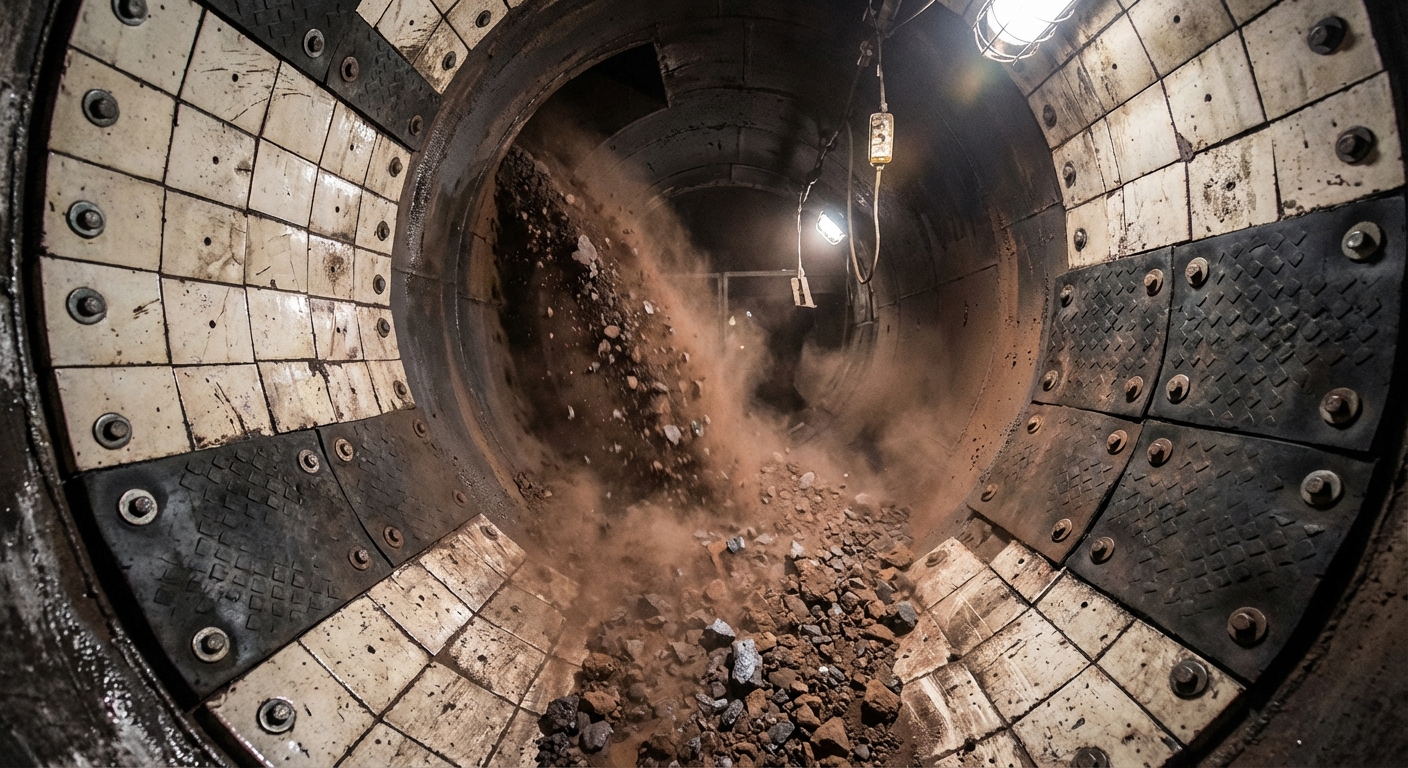
Protecting material feed points with specialized liners reduces the impact energy absorbed by the belt, effectively doubling its service life. These liners take the brunt of the “shaving” action caused by falling ore before the material settles on the belt surface.
Bulleted List: Typical Wear Protection Areas
- Truck bed linings for heavy ore haulers.
- Transfer point chutes and hopper walls.
- Crusher discharge zones and feeder beds.
- Grinding mill linings for primary and secondary stages.
Summary Table: Impact Protection Comparison
| Area | Without Lining | With Rubber/Ceramic Lining | |
|---|---|---|---|
| Belt Lifespan | Baseline | Up to 200% Increase | |
| Noise Levels | High (Metal on Metal) | Significantly Reduced | |
| Maintenance | Frequent Belt Repairs | Modular Liner Swaps |
Synthesis of site data shows that wear is never isolated to the belt; it is a system-wide phenomenon that requires an integrated protection strategy.
Key Takeaway: By protecting the environment around the belt, you create a low-stress operating zone that allows your rubber components to reach their maximum engineered potential.
Does a mining wear resistant rubber conveyor belt prevent wear?
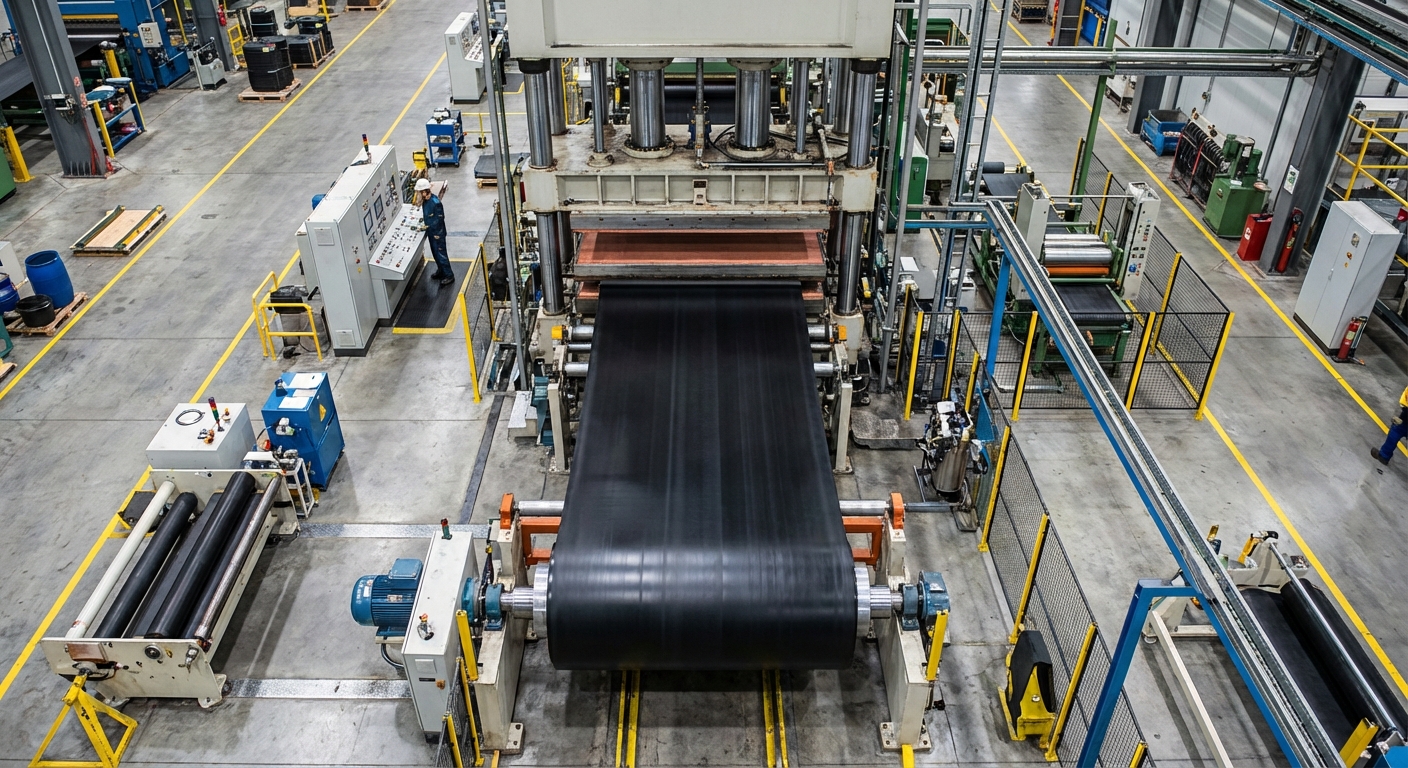
A mining wear resistant rubber conveyor belt does not prevent wear on its own, but it is the primary line of defense that must be supported by secondary wear protection like rubber chute linings. Integrating these components into your material handling system ensures that the mining wear resistant rubber conveyor belt is not subjected to unnecessary “point-load” stress at transfer stations. Using a comprehensive approach to wear management allows the mining wear resistant rubber conveyor belt to maintain its thickness over millions of tons of throughput.
Can the belt width and thickness be tailored?
Factories can produce these belts in widths up to 3200mm with customized top and bottom cover thicknesses to match your specific tonnage and material abrasiveness. Customization ensures you aren’t paying for excess rubber where it isn’t needed.
Bucket Brigade:Think about it. Why pay for excess rubber on the bottom cover if your idlers are perfectly maintained?
Summary Table: Customization Options
| Parameter | Range | Purpose | |
|---|---|---|---|
| Belt Width | 400mm to 3200mm | Tonnage requirements | |
| Top Cover | 3mm to 30mm | Abrasion life | |
| Reinforcement | EP, NN, or Steel | Distance & Tension |
An interrogative approach to design reveals that over-engineering a belt can lead to higher power costs, while under-engineering leads to frequent failures.
Key Takeaway: Working directly with a manufacturer allows you to “right-size” your belt specifications, ensuring the perfect balance between durability and operational efficiency.
Where can a mining wear resistant rubber conveyor belt be customized?
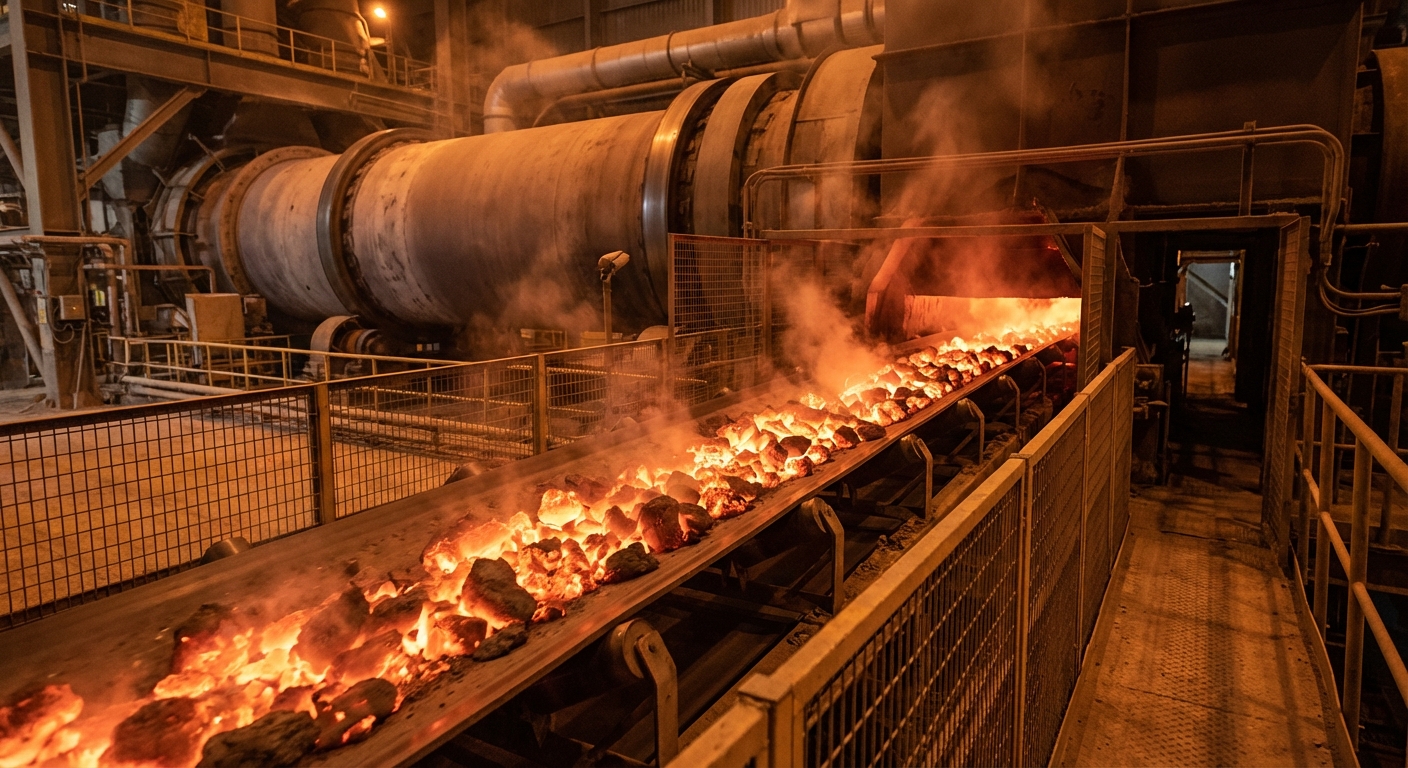
You can customize a mining wear resistant rubber conveyor belt at the manufacturing stage by specifying cover grades, internal reinforcement types, and total width to suit your specific site geometry. Customization is the key to maximizing the value of your mining wear resistant rubber conveyor belt, as it allows for specialized properties like oil resistance or heat tolerance to be added based on the ore’s chemical makeup. Every mining wear resistant rubber conveyor belt produced by a direct factory is built to your exact technical drawings.
How does the belt handle hot clinker?
A heat resistant conveyor belt uses EPDM or specialized compounds to handle materials up to 200°C, preventing the rubber from hardening and cracking. These belts are essential in cement and sintering plants where thermal degradation is as dangerous as physical abrasion.
Bulleted List: Heat Resistance Tiers
- T1: Up to 120°C for warm aggregates.
- T2: Up to 150°C for standard clinker.
- T3: Up to 200°C (with spikes to 800°C) for sintering.
Summary Table: Thermal Performance
| Grade | Base Polymer | Max Material Temp | |
|---|---|---|---|
| Standard | SBR/NR | 60°C | |
| Heat Resistant | EPDM / Chlorobutyl | 200°C | |
| Extreme Heat | Silicone / Specialized | 250°C+ |
By examining the historical context of cement plant failures, it becomes clear that “heat” and “abrasion” must be treated as a dual threat requiring a hybrid belt compound.
Key Takeaway: In high-heat environments, the primary failure mode is the “cooking” of the rubber, making it brittle and prone to shattering under the impact of the material.
Why choose a mining wear resistant rubber conveyor belt for cement?

In the cement industry, a mining wear resistant rubber conveyor belt is often modified with EPDM compounds to handle the dual challenges of high material temperatures and extreme surface abrasion. Standard rubber belts will quickly become brittle and crack when exposed to hot clinker, but a specialized mining wear resistant rubber conveyor belt maintains its flexibility. Choosing a hybrid grade of mining wear resistant rubber conveyor belt ensures that your cement plant avoids the frequent shutdowns associated with thermal belt failure.
What should you ask for in a quotation?
- Full technical data sheets for both cover and carcass.
- Evidence of ISO 9001 and CE certification.
- Factory test reports for tensile strength and abrasion loss.
- Lead time and global shipping logistics.
Direct Answer: Sourcing directly from a manufacturer eliminates middleman markups, typically saving you 15-30% while ensuring the belt is built to your exact site requirements.
Bucket Brigade:Ready to get started?
Summary Table: Supplier Selection Checklist
| Criteria | Middleman / Trader | Direct Factory | |
|---|---|---|---|
| Price | +20-30% Markup | Factory Direct | |
| Technical Support | Limited / Generic | Engineer-Led | |
| Quality Control | Secondary | Primary (In-House Lab) |
Leading mining firms have transitioned to direct factory partnerships to ensure transparency in the manufacturing process and more agile response times for custom orders.
Key Takeaway: The “total cost of ownership” is always lower when you partner with a manufacturer who can provide both the hardware and the engineering expertise to back it up.
How to buy a mining wear resistant rubber conveyor belt?
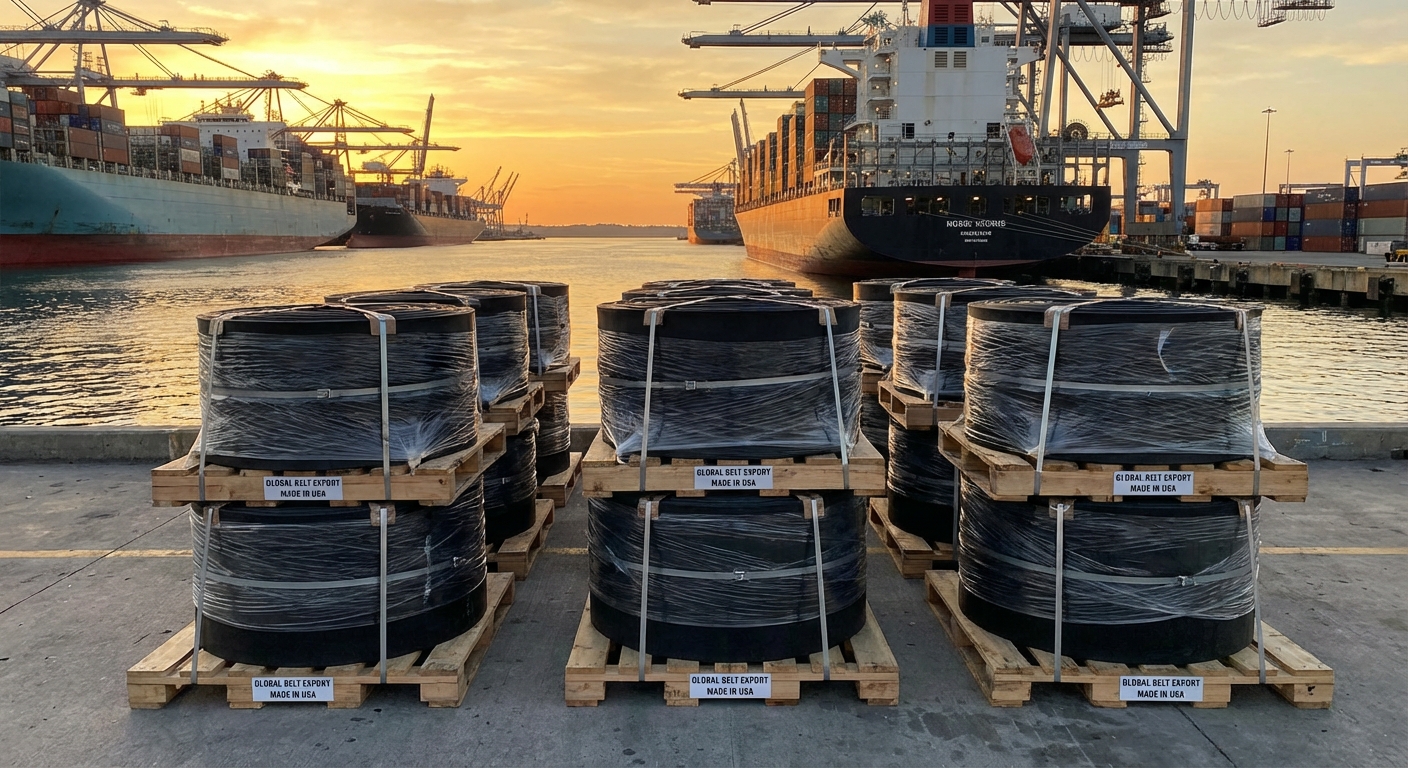
To purchase a mining wear resistant rubber conveyor belt, you should contact a direct factory that offers technical consultation to ensure the chosen specifications match your site’s specific tension and abrasion levels. Selecting a supplier is a strategic partnership that requires verification of their global export experience and quality control standards. Once you have finalized the drawings, a mining wear resistant rubber conveyor belt can be produced and shipped to your port, ready for installation. To receive a tailored technical solution and accurate quotation within 24 hours, please contact us today.
Conclusion
This article has detailed the critical role of specialized rubber belts in maintaining mining efficiency, from reinforcement types to fire safety and rip protection. Our goal is to solve your downtime issues by providing high-tensile, abrasion-resistant solutions that outlast standard industry offerings. By choosing a partner with over 40 years of manufacturing excellence, you gain access to factory-direct pricing and elite engineering support. We are dedicated to powering the world’s most demanding mines with belts that never quit. For the most reliable material handling solutions in the industry, contact us today .
Frequently Asked Questions (FAQ)
Can I use a fabric belt for long-distance mining?While fabric belts are excellent for medium loads, they are generally not recommended for very long distances due to elongation. Steel cord is the preferred choice for spans exceeding several kilometers because it maintains tension with minimal stretching.
What’s the best rubber grade for sharp iron ore?DIN X or ISO H grades are superior for high-impact and sharp materials. These specialized grades offer high tensile strength and excellent tear resistance to prevent punctures from jagged, heavy rocks.
How do I know if my belt needs replacing?Monitor the top cover thickness regularly using ultrasonic gauges. If the cover has worn down to the carcass reinforcement (fabric or steel cords), the belt is at high risk of failure and should be replaced immediately.
Can I customize the logo on my mining belt?Yes, most direct factories offer OEM services where your logo or specific belt markings can be embossed into the rubber surface. This is done during the vulcanization process to ensure the branding is permanent.
How do I know if I need a heat-resistant belt?If your material temperature consistently exceeds 60°C (140°F), a standard belt will harden and fail. You will need a specialized heat-resistant compound like EPDM for handling hot clinker, sintering, or foundry sand.