
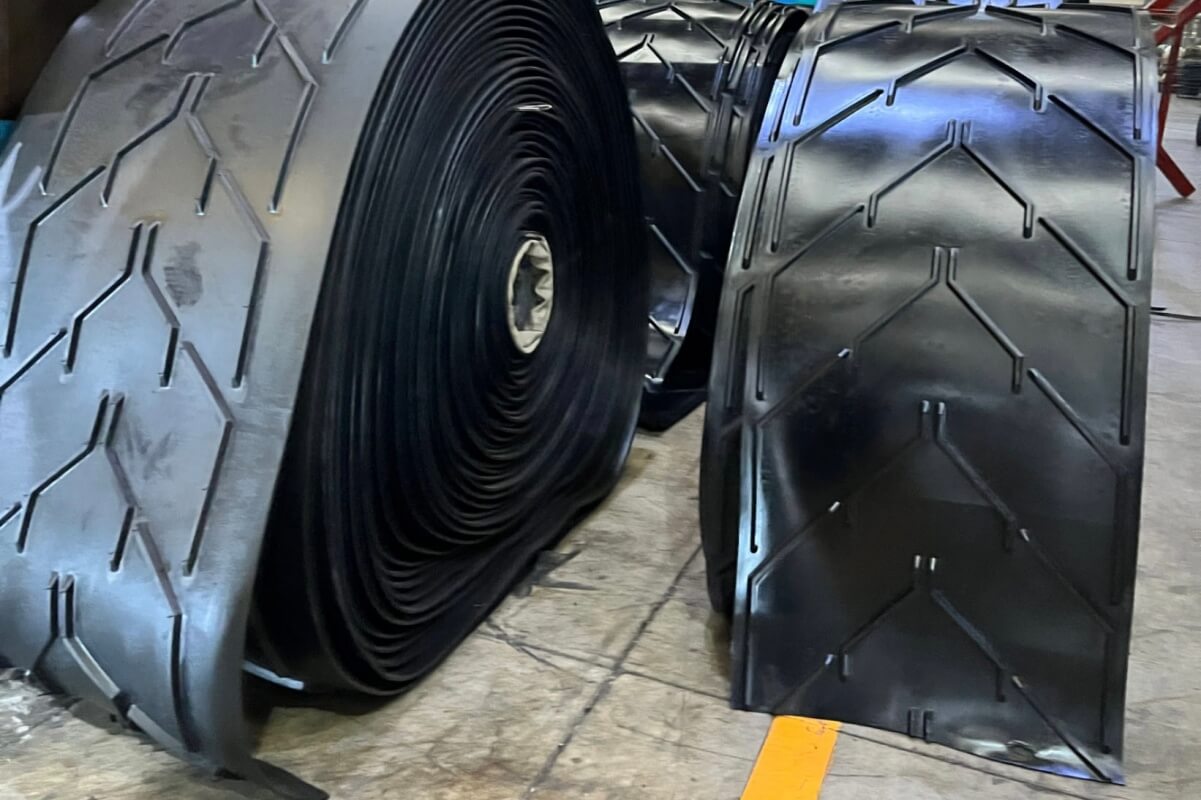
A quality rubber conveyor belt improves plaster casting efficiency by enabling smooth, automated transport, reducing downtime, and ensuring consistent, high-precision production results.
Why use a quality rubber conveyor belt in plaster casting?
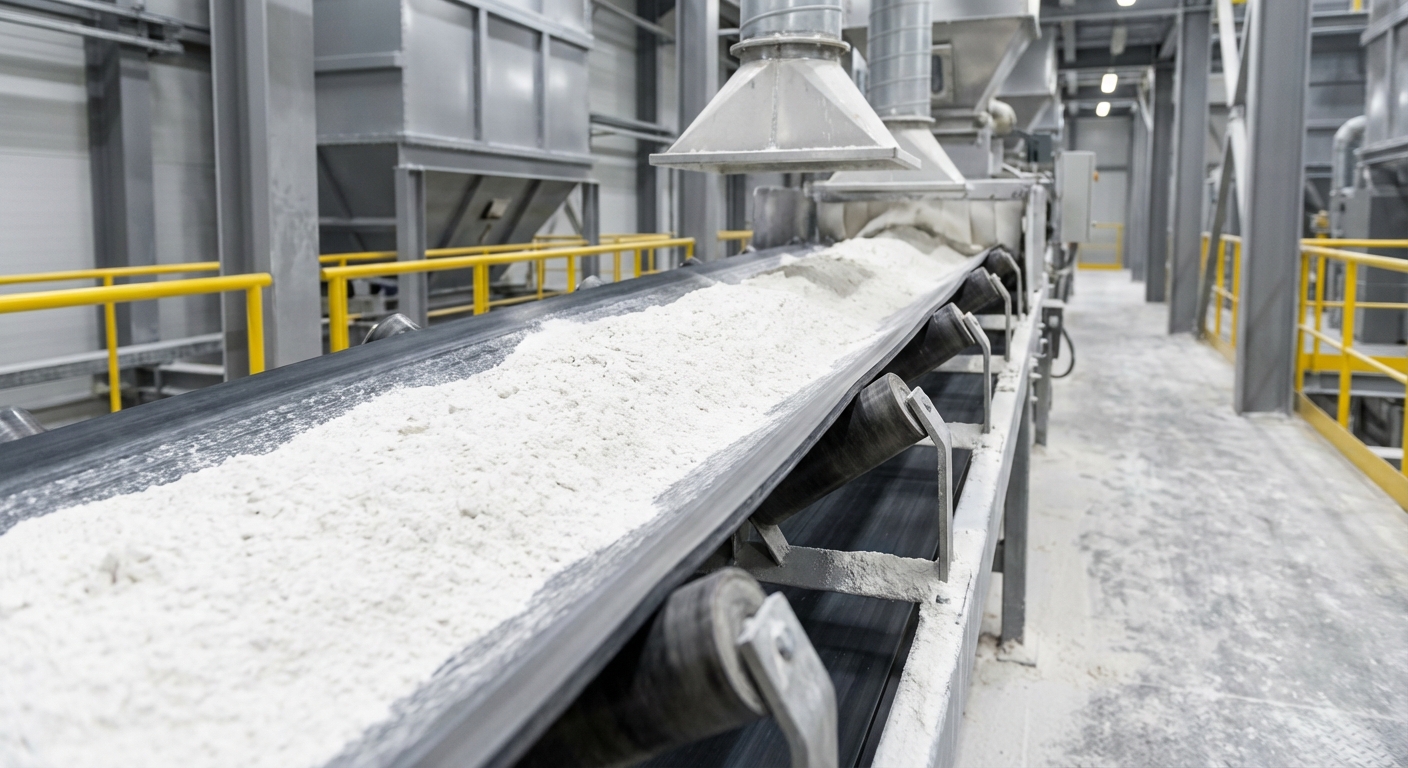
Using a quality rubber conveyor belt provides the essential stability and vibration control required to transport heavy gypsum powder and fragile molds throughout your plant. This equipment ensures that raw materials move from storage to the mixing station without the risk of contamination or mechanical delays.
How does automation help you?
When you automate the delivery of gypsum powder, you eliminate the inconsistencies associated with manual handling. This leads to a more uniform slurry mixture which is the foundation of a high-quality cast.
Look: A consistent material flow is the primary secret to a perfect mold. If your transport system pulses or jerks, the plaster may settle unevenly, leading to structural weaknesses.
- Consistent delivery of dry gypsum components.
- Reduced material waste from spills and leaks.
- Lower labor requirements for bulk handling.
Can it handle the weight?
The dense weight of industrial plaster and metal patterns requires a system that won’t sag or stretch under pressure. You need reinforced belts that are specifically designed for the high-impact environments found in modern foundries.
- High load-bearing capacity for bulk powders.
- Reinforced carcass to prevent belt elongation.
- Abrasion-resistant top covers for longevity.
Key Takeaway: Reliable material transport is the backbone of a successful casting line, ensuring that every mold begins with perfectly measured ingredients.
| Feature | Industrial Benefit | Impact on Casting | |
|---|---|---|---|
| Load Stability | No belt sagging | Precise material dosing | |
| Dust Sealing | Cleaner environment | Pure gypsum mixtures |
This table illustrates how specific belt features translate directly into improved casting outcomes for your facility.
What defines a quality rubber conveyor belt for casting?
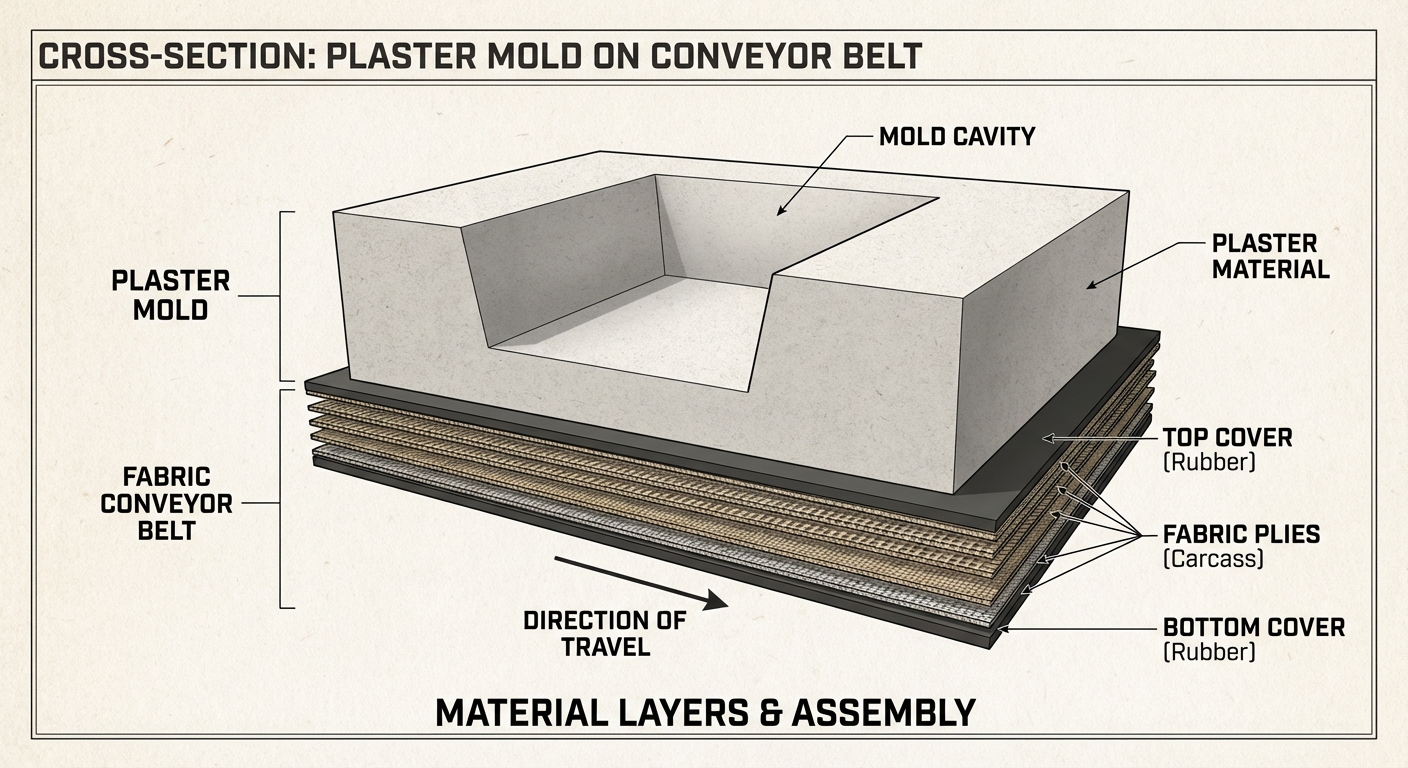
A quality rubber conveyor belt is defined by its multi-layered construction, featuring a durable rubber cover and a high-strength fabric or steel carcass. This design allows the belt to support the weight of heavy molds while maintaining the flexibility needed for high-speed pulley navigation.
What is the internal structure?
The core of the belt, often made of polyester or nylon fabric plies, provides the tensile strength necessary to resist stretching. These layers are protected by thick rubber covers that shield the belt from the abrasive nature of plaster dust.
The best part? This reinforced architecture ensures that the belt maintains a perfectly flat surface. A flat transport surface is critical for preventing the liquid plaster from shifting while it is still in its unset state.
- Multi-ply fabric carcass for tension.
- Impact-resistant rubber top cover.
- Anti-static properties for powder handling.
Why is thickness important?
You need a thick top cover to absorb the impact of heavy molds being placed on the line. Thicker rubber also provides a natural damping effect that reduces the micro-vibrations that can cause air bubbles in your plaster.
- Damping of mechanical motor vibrations.
- Protection against sharp mold edges.
- Extended service life in dusty environments.
Key Takeaway: Understanding the internal layers of your equipment allows you to select the right belt for heavy-duty mold transport.
| Component | Function | Advantage | |
|---|---|---|---|
| Fabric Plies | Tensile strength | No belt stretching | |
| Rubber Cover | Surface protection | Vibration damping |
Review this material assembly guide to see how each layer contributes to the overall stability of your production line.
How is a quality rubber conveyor belt used during pouring?
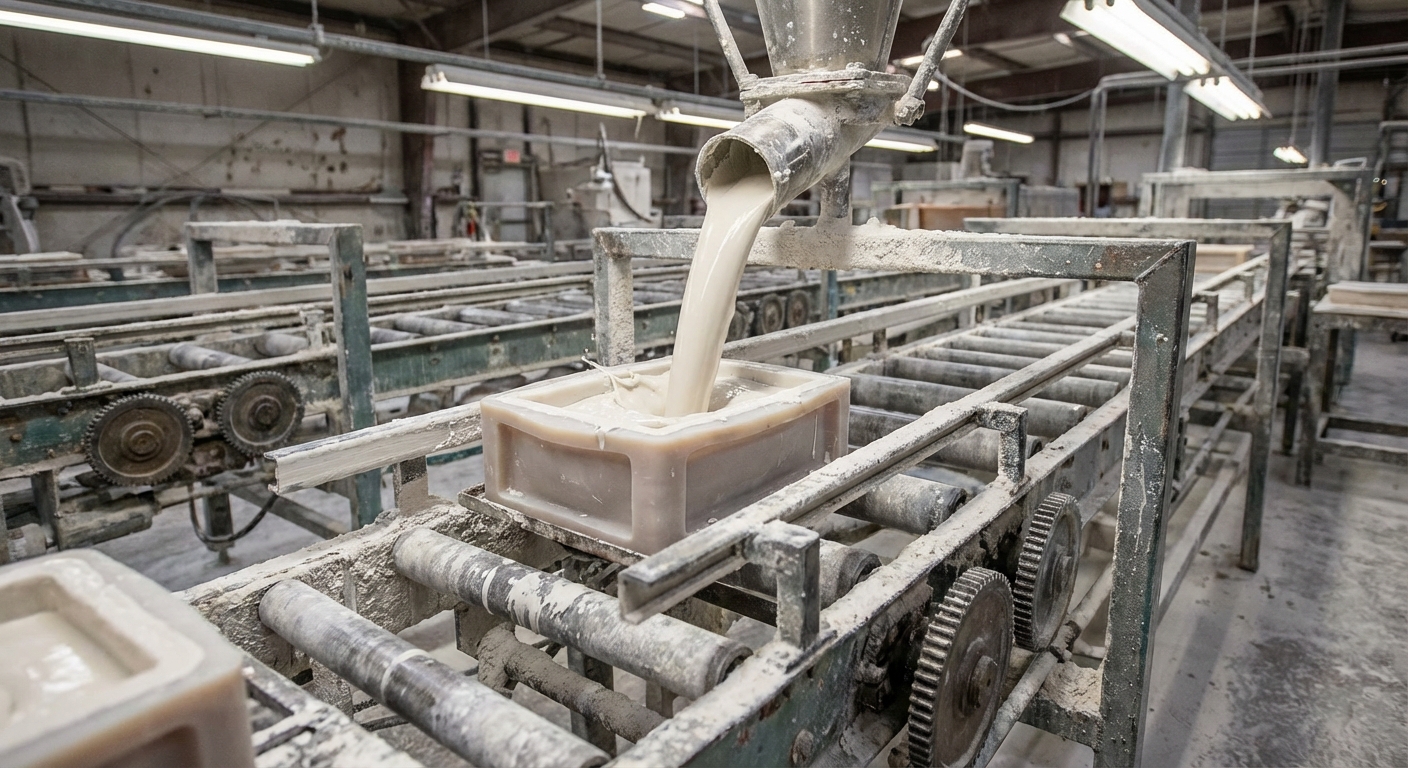
During the pouring stage, a quality rubber conveyor belt serves as the steady platform that moves the molds under the slurry dispenser. It must maintain a perfectly smooth motion to ensure that the liquid plaster fills every detail of the pattern without trapping air.
How do you eliminate air bubbles?
You can integrate a vibration table beneath the belt to help settle the slurry as it is poured. The belt must be flexible enough to transfer these vibrations to the mold without tearing or losing its alignment.
Think about it: If the belt is too rigid, the vibration won’t reach the plaster. If it is too soft, the mold will bounce, creating even more bubbles in the final part.
- Flexibility to accommodate vibration tables.
- High-grip surface to keep molds in place.
- Resistance to moisture from the plaster slurry.
Is precision pouring possible?
Automated systems rely on the belt to position the mold precisely under the pouring nozzle every single time. Any slippage on the belt could result in the slurry missing the mold or splashing, which creates a significant mess.
- Synchronized movement with automated pumps.
- Accurate indexing for high-volume production.
- Spill-resistant surfaces for easy cleaning.
Key Takeaway: The pouring phase is the most delicate part of the process, requiring a transport system that balances grip with flexibility.
| Pouring Need | Belt Solution | Outcome | |
|---|---|---|---|
| Bubble Removal | Vibratory flexibility | Denser, stronger molds | |
| Positioning | High-friction surface | Zero-waste pouring |
This analysis shows the critical link between belt physics and the physical integrity of the final plaster mold.
When is a quality rubber conveyor belt needed in the kiln?
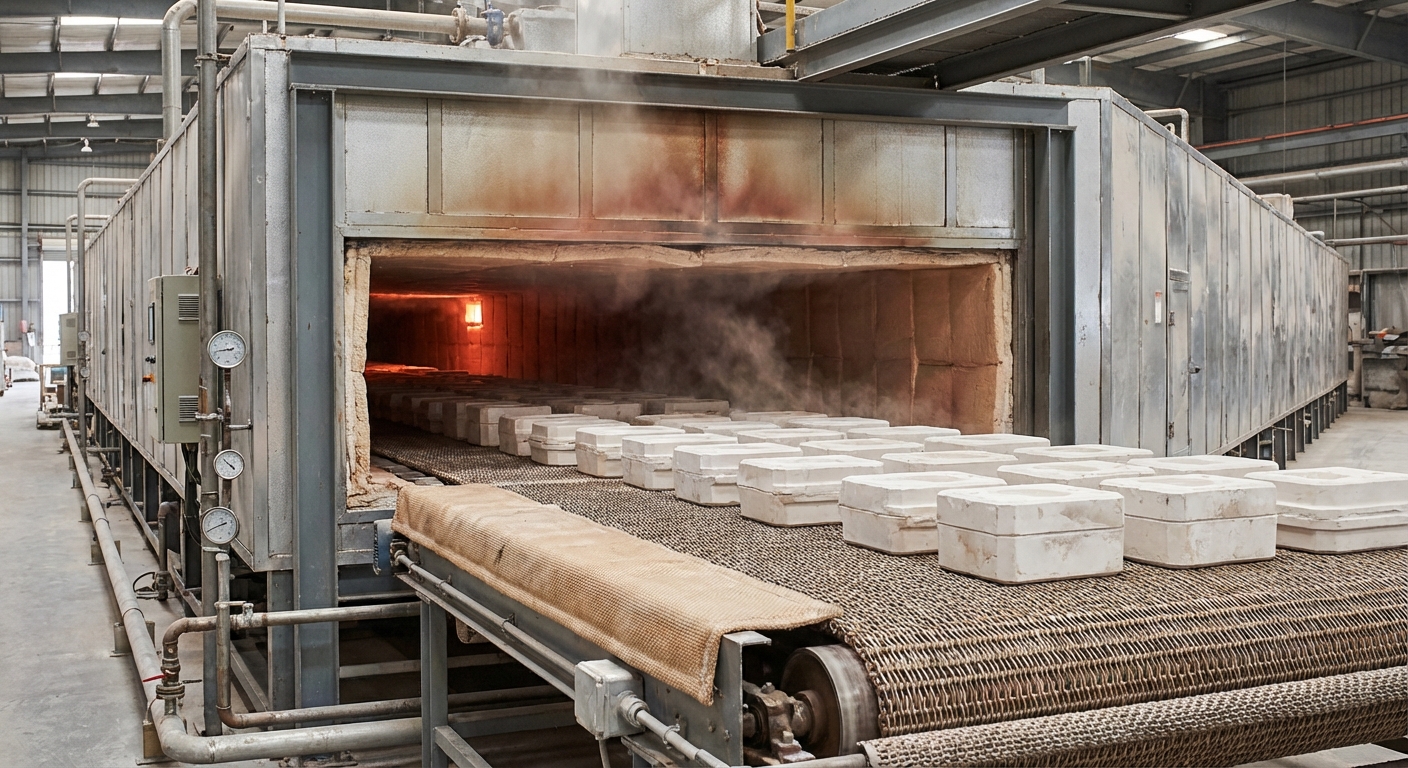
A quality rubber conveyor belt with heat-resistant properties is essential when your molds need to pass through industrial drying kilns. These specialized belts are engineered to withstand temperatures that would melt or crack standard rubber compounds.
Why is heat resistance vital?
Standard belts will quickly degrade, harden, and snap when exposed to the high temperatures required to bake the moisture out of plaster. You need a specialized EPDM or heat-resistant compound to maintain production uptime in the drying zone.
The truth is: Frequent belt replacements due to heat damage can cost you more than the initial investment in a premium belt. Using the right material prevents the line from stopping unexpectedly during a drying cycle.
- Resistance to temperatures up to 200°C.
- Prevention of surface cracking and hardening.
- Low thermal expansion for consistent tracking.
Does drying affect the belt?
As moisture leaves the plaster, it can create a humid environment that some materials cannot handle. Your belt must be resistant to both heat and moisture to prevent the carcass from rotting or delaminating over time.
- Moisture-resistant fabric reinforcements.
- Anti-aging additives in the rubber mix.
- Stable dimensions under thermal load.
Key Takeaway: Heat-resistant transport systems are a non-negotiable requirement for facilities that utilize automated kiln drying processes.
| Condition | Risk | Belt Requirement | |
|---|---|---|---|
| High Heat | Cracking/Melting | Heat-resistant EPDM | |
| Humidity | Delamination | Sealed fabric plies |
Use this guide to ensure your equipment is rated for the specific thermal demands of your industrial drying ovens.
Which metals require a quality rubber conveyor belt?
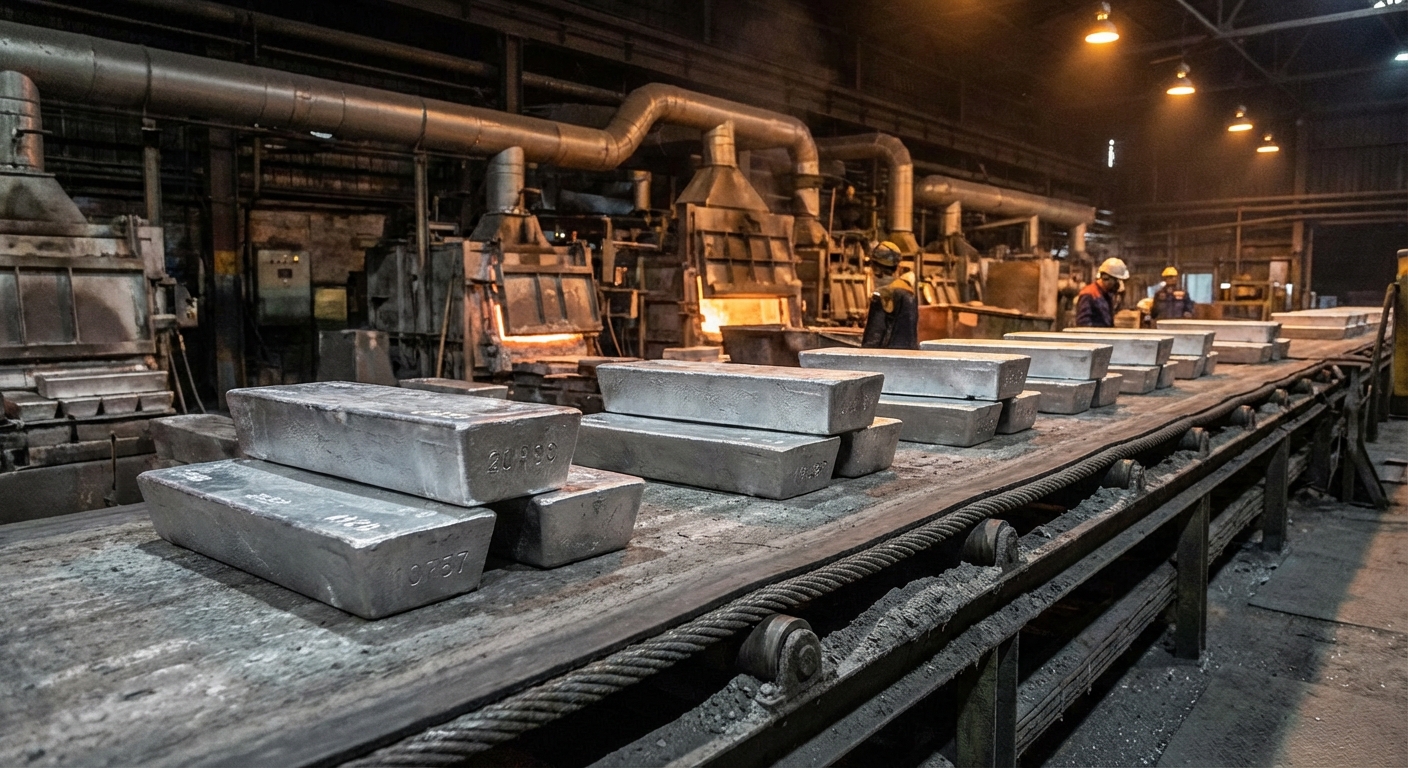
Non-ferrous metals like aluminum and magnesium are the primary materials used in this process, and they require a quality rubber conveyor belt for safe ingot transport. These heavy metal loads must be moved from the warehouse to the melting furnaces with high efficiency and safety.
Why focus on non-ferrous alloys?
Plaster molds cannot survive the extreme melting points of steel or iron, making aluminum the star of the show. Because these metals are often used for large structural parts, the transport system must handle significant weight.
Here is the deal: The weight of a pallet of aluminum ingots can exceed several tons. If your belt isn’t reinforced with steel cords or high-density fabric, it will fail under the sheer mass of the raw materials.
- Aluminum for lightweight aerospace parts.
- Magnesium for high-strength automotive components.
- Zinc for complex decorative and industrial items.
Can it handle heavy ingots?
You need a belt with high impact resistance to handle the localized pressure of metal ingots being dropped onto the line. Steel cord belts are often the best choice for these high-stress areas of the foundry.
- Steel cord reinforcement for maximum load.
- Impact-resistant top covers for metal handling.
- High tensile strength for long-distance transport.
Key Takeaway: Your belt selection must match the specific weight and density of the non-ferrous metals you are casting.
| Metal Type | Density Link | Transport Need | |
|---|---|---|---|
| Aluminum | Medium-High | Fabric or Steel Cord | |
| Magnesium | Low-Medium | Standard reinforced rubber |
This comparison helps you determine whether a fabric or steel cord solution is best for your specific alloy handling needs.
Does a quality rubber conveyor belt increase worker safety?
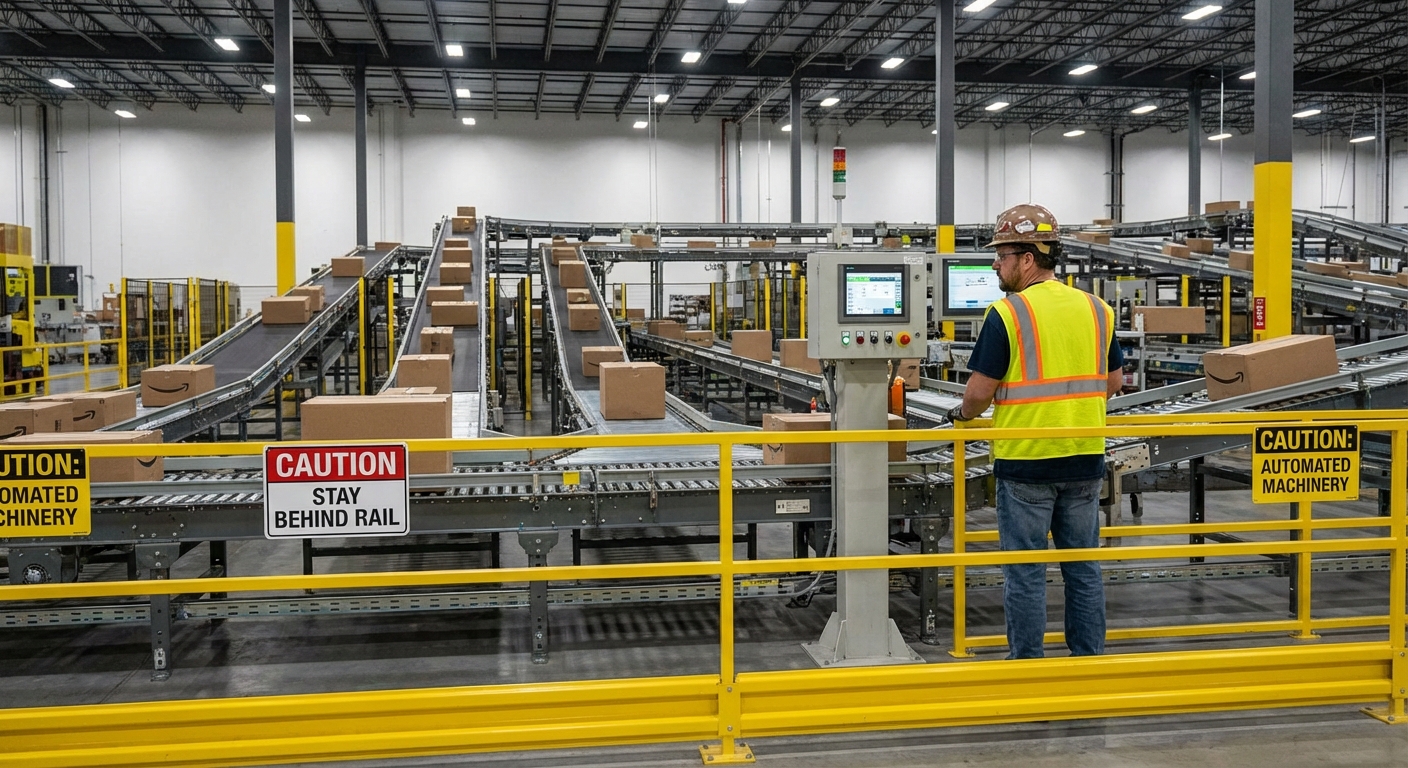
Integrating a quality rubber conveyor belt significantly enhances workplace safety by automating the movement of heavy molds and molten metal hazards. By removing the need for manual lifting, you drastically reduce the risk of musculoskeletal injuries among your foundry staff.
How do you prevent burns?
Automation keeps your workers at a safe distance from the pouring station and the hot drying kilns. A reliable conveyor system ensures that hot molds are moved to cooling zones without any direct human contact.
The secret is simple: Distance equals safety in a foundry environment. When the machinery does the moving, your team can focus on monitoring the process from behind protective safety rails and control stations.
- Remote monitoring of the production line.
- Elimination of manual heavy lifting tasks.
- Controlled transport of high-temperature materials.
Is dust management easier?
Conveyor systems can be enclosed to contain the fine gypsum and silica dust that is a byproduct of the plaster casting process. This keeps your facility’s air quality within legal limits and protects the respiratory health of your employees.
- Enclosed belts for dust containment.
- Reduced physical contact with raw powders.
- Cleaner walkways and work surfaces.
Key Takeaway: Investing in automation is an investment in your people, creating a safer and more professional working environment.
| Safety Factor | Automation Benefit | Risk Reduction | |
|---|---|---|---|
| Heavy Lifting | Mechanical transport | Back and joint injuries | |
| Heat Exposure | Distance/Barriers | Thermal burns |
This safety analysis highlights how modern transport equipment protects your most valuable asset: your workforce.
What finish results from a quality rubber conveyor belt?
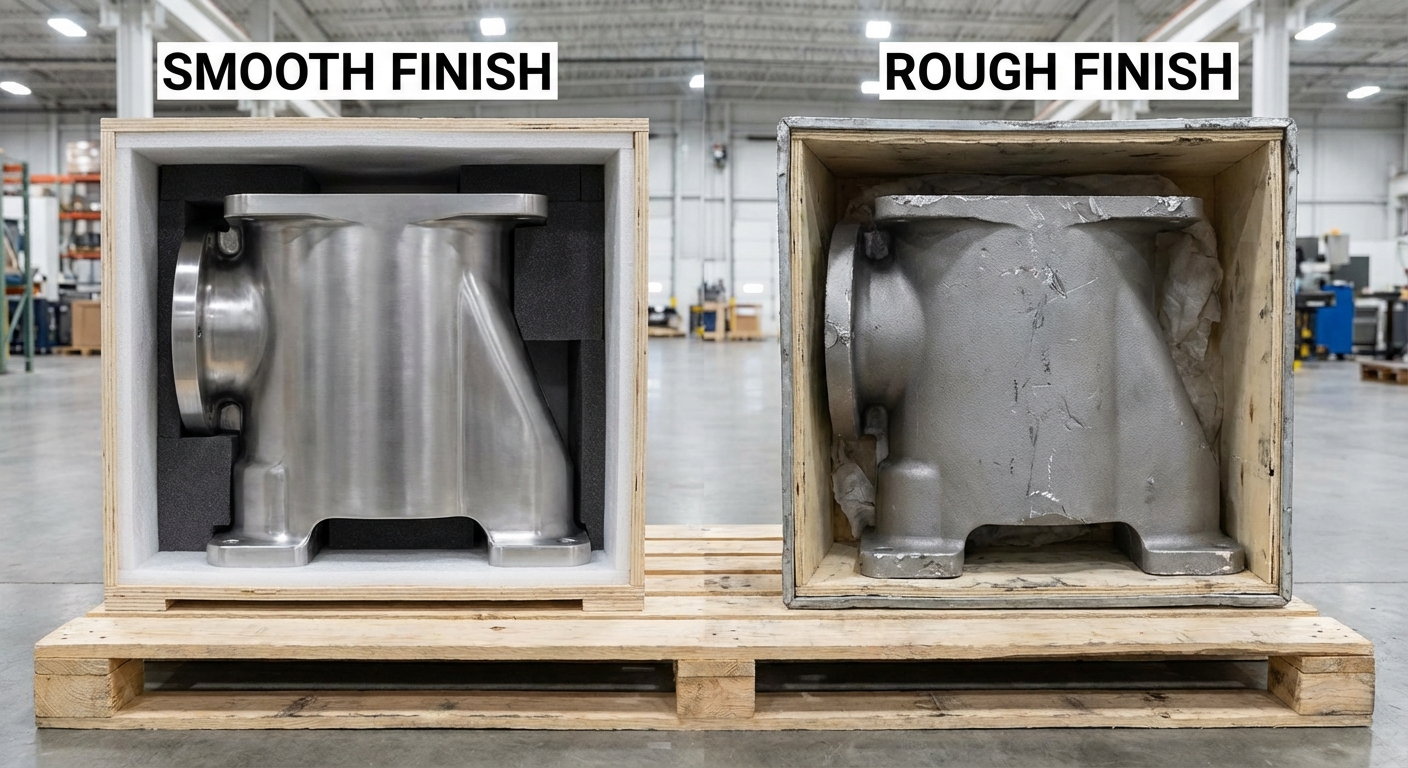
The use of a quality rubber conveyor belt results in a superior surface finish because it prevents the mechanical shocks that cause mold defects. When the transport is smooth, the liquid metal can solidify against a perfect plaster surface, mirroring every detail.
Why is surface finish critical?
In industries like aerospace and medical devices, the surface texture of a part can affect its performance and longevity. Plaster casting is famous for achieving finishes as smooth as 1.3 to 4.0 micrometers.
But wait, there is more: A smooth ride on the conveyor prevents the “green” mold from developing micro-fissures. If the mold remains perfectly intact during transport, the final metal part will require almost zero sanding or polishing.
- Mirror-like finishes on aluminum parts.
- Exceptional dimensional accuracy.
- Reduction in post-processing labor costs.
Does vibration ruin parts?
Excessive vibration during the cooling phase can cause internal stress in the metal or surface irregularities. A high-quality belt acts as a shock absorber, shielding the cooling metal from the heavy vibrations of other machinery in the plant.
- Shock absorption for delicate cooling parts.
- Uniform cooling rates due to steady motion.
- Consistent part-to-part quality.
Key Takeaway: High-precision parts require a high-precision transport journey to ensure the mold’s surface is perfectly preserved.
| Finish Type | Required Condition | Equipment Role | |
|---|---|---|---|
| Rough (Sand) | High-vibration transport | Low-cost/Low-quality belt | |
| Smooth (Plaster) | Stable/Buffered transport | Quality rubber belt |
This visual guide demonstrates why stable transportation is the deciding factor in achieving premium surface quality.
How to care for your quality rubber conveyor belt?
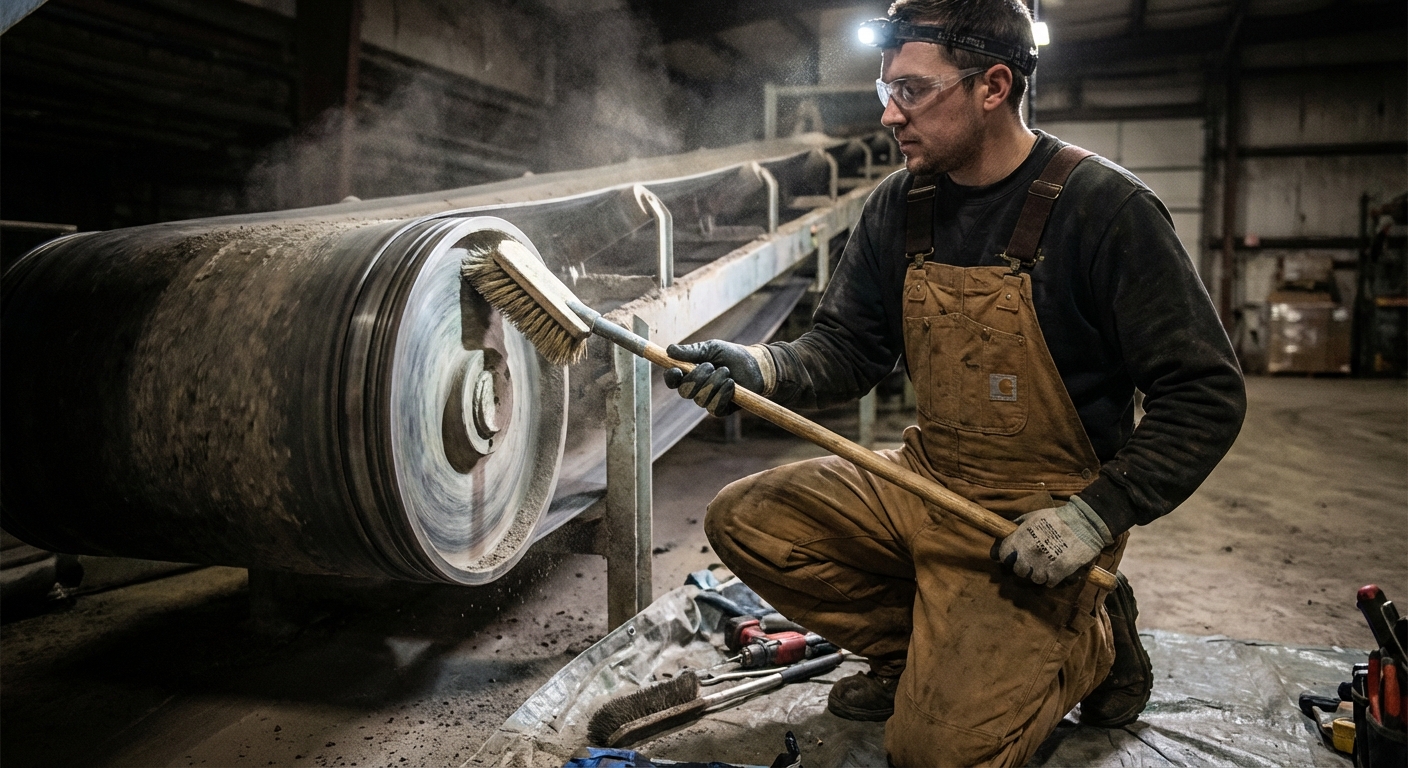
Maintaining your quality rubber conveyor belt involves regular inspections and the prompt removal of hardened plaster buildup. Proactive care ensures that the belt tracks correctly and doesn’t suffer from premature wear caused by abrasive dust.
Why clean the pulleys?
Plaster dust can accumulate on the pulleys and rollers, creating an uneven surface that forces the belt to drift to one side. This “mistracking” can cause the edges of the belt to fray against the conveyor frame, leading to total failure.
Don’t ignore the signs: If you see dust building up on the underside of the belt, it is already affecting your tracking. A simple daily cleaning routine can save you thousands of dollars in emergency repairs and lost production time.
- Daily removal of gypsum and metal dust.
- Visual inspection of belt edges for fraying.
- Lubrication of rollers to prevent seizing.
Is tensioning necessary?
Over time, even the best belts can stretch slightly. You must check the tension regularly to prevent the belt from slipping on the drive pulley, which can cause heat buildup and melt the rubber.
- Adjustment of take-up units for proper tension.
- Checking for belt slippage under load.
- Monitoring of drive motor temperature.
Key Takeaway: A few minutes of daily maintenance can extend the life of your transport system by several years.
| Maintenance Task | Frequency | Main Objective | |
|---|---|---|---|
| Pulley Cleaning | Daily | Prevent belt mistracking | |
| Tension Check | Monthly | Prevent pulley slippage |
Follow this maintenance guide to keep your production line running at peak efficiency with minimal downtime.
Can speed depend on a quality rubber conveyor belt?
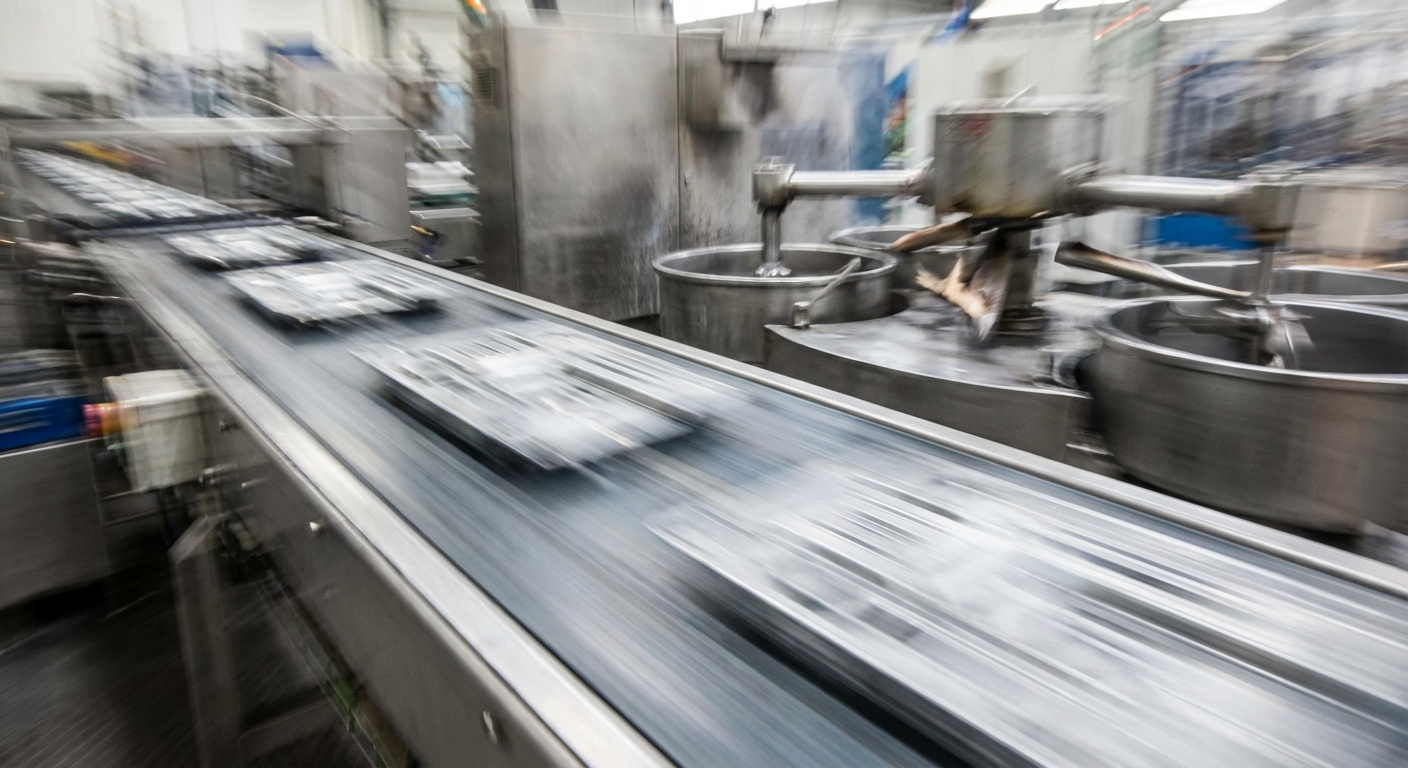
Your production throughput is directly limited by the speed of your conveyor system, and only a quality rubber conveyor belt can handle high velocities without losing stability. Faster transport allows you to process more molds per shift, which is vital for meeting tight delivery deadlines.
How fast can you go?
In a high-volume foundry, belts can move at several meters per second to keep up with automated pouring robots. If the belt is low-quality, the centrifugal force and friction at these speeds will cause it to overheat or vibrate excessively.
Make no mistake: Speed without stability is a recipe for disaster. You need a belt with a high-grip surface and a perfectly balanced carcass to ensure that molds stay centered even at maximum velocity.
- Increased molds-per-hour capacity.
- Reduced bottlenecks at the cooling station.
- Better integration with high-speed robotics.
Does speed affect quality?
If the belt starts and stops abruptly, the liquid plaster can splash or ripple. A premium belt allows for smooth acceleration and deceleration, protecting the integrity of the mold while maintaining a high production pace.
- Smooth ramp-up and ramp-down speeds.
- Zero-slip surfaces for rapid indexing.
- Stable transport of liquid components.
Key Takeaway: Maximizing your facility’s output requires a transport system that can handle high speeds while remaining rock-solid.
| Metric | Impact of Speed | Belt Requirement | |
|---|---|---|---|
| Throughput | Higher profitability | High-velocity rating | |
| Accuracy | Fewer mold spills | High-grip surface |
This guide shows how optimizing your conveyor speed can lead to a significant increase in your plant’s overall capacity.
Where to source a quality rubber conveyor belt?
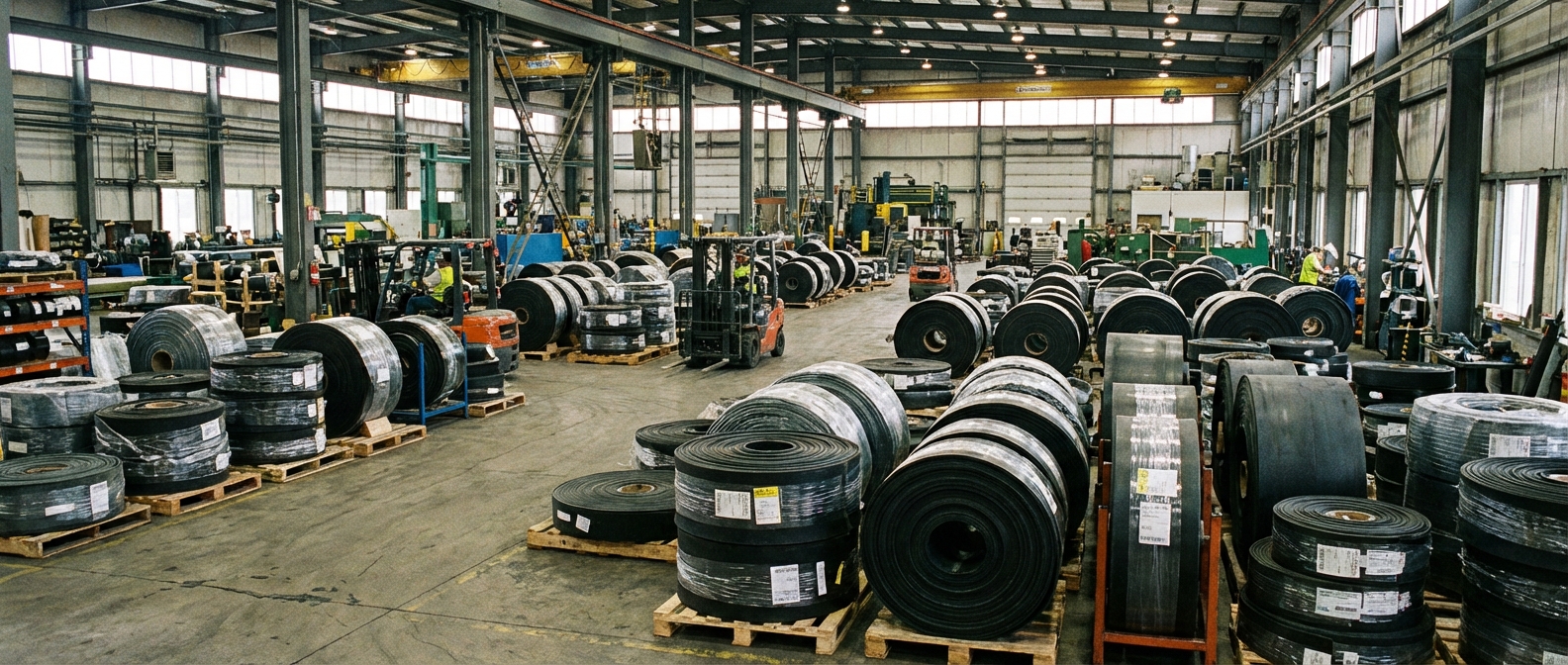
Sourcing a quality rubber conveyor belt from a reputable manufacturer with decades of experience is the best way to guarantee performance. Specialized producers offer customized compounds and widths that are specifically designed for the harsh conditions of a plaster casting facility.
Why buy direct from a factory?
Buying directly from an experienced manufacturer gives you access to engineering support that middlemen simply cannot provide. You can specify the exact heat resistance, width, and thickness needed for your unique production line configuration.
Believe it or not: A custom-engineered belt often lasts twice as long as a generic “off-the-shelf” alternative. This long-term reliability provides a much better return on investment for your manufacturing facility.
- Direct factory pricing and technical support.
- Custom belt dimensions up to 3200mm.
- Certified quality standards (ISO/CE).
Is global support available?
The leading manufacturers serve a global market, ensuring that you can receive the parts and support you need regardless of your location. This ensures that your facility always has access to the latest transport technology and replacement components.
- Fast international shipping to major markets.
- On-site technical consultation for large projects.
- Comprehensive warranty and after-sales service.
Key Takeaway: Choosing a partner with a proven track record ensures your equipment is backed by world-class engineering and support.
| Sourcing Option | Quality Level | Technical Support | |
|---|---|---|---|
| Direct Manufacturer | Highest | Expert/Engineering | |
| Local Distributor | Variable | Limited/Sales only |
Refer to this procurement guide to ensure you are getting the best value and performance for your material handling investment.
Conclusion
Plaster casting is a powerful tool for manufacturing complex, smooth, and highly accurate metal parts. By pairing this intricate process with a quality rubber conveyor belt , you bridge the gap between artisanal precision and industrial efficiency. Our mission is to provide the reliable material handling foundations that allow your manufacturing business to scale without compromising on quality. To discover how our specialized belts can revolutionize your casting facility, contact us today for a personalized technical audit.
FAQ
Can I use plaster casting for steel components?No, because the melting point of steel is too high for gypsum molds; this method is exclusively for non-ferrous metals like aluminum or zinc.
Can I automate the mold drying process in my plant?Yes, by using a specialized heat-resistant belt, you can safely transport molds through a continuous drying kiln.
How do I know if I need a custom belt width?It depends on your mold size; we manufacture custom widths up to 3200mm to fit any existing conveyor framework.
Can I reduce air bubbles in my plaster molds?Yes, placing your conveyor on a vibration table during the pouring stage is a highly effective way to remove trapped air.
Can I use standard rubber belts in the heating zones?No, you must use a heat-resistant EPDM or similar compound to prevent the belt from cracking or melting in the kiln.