
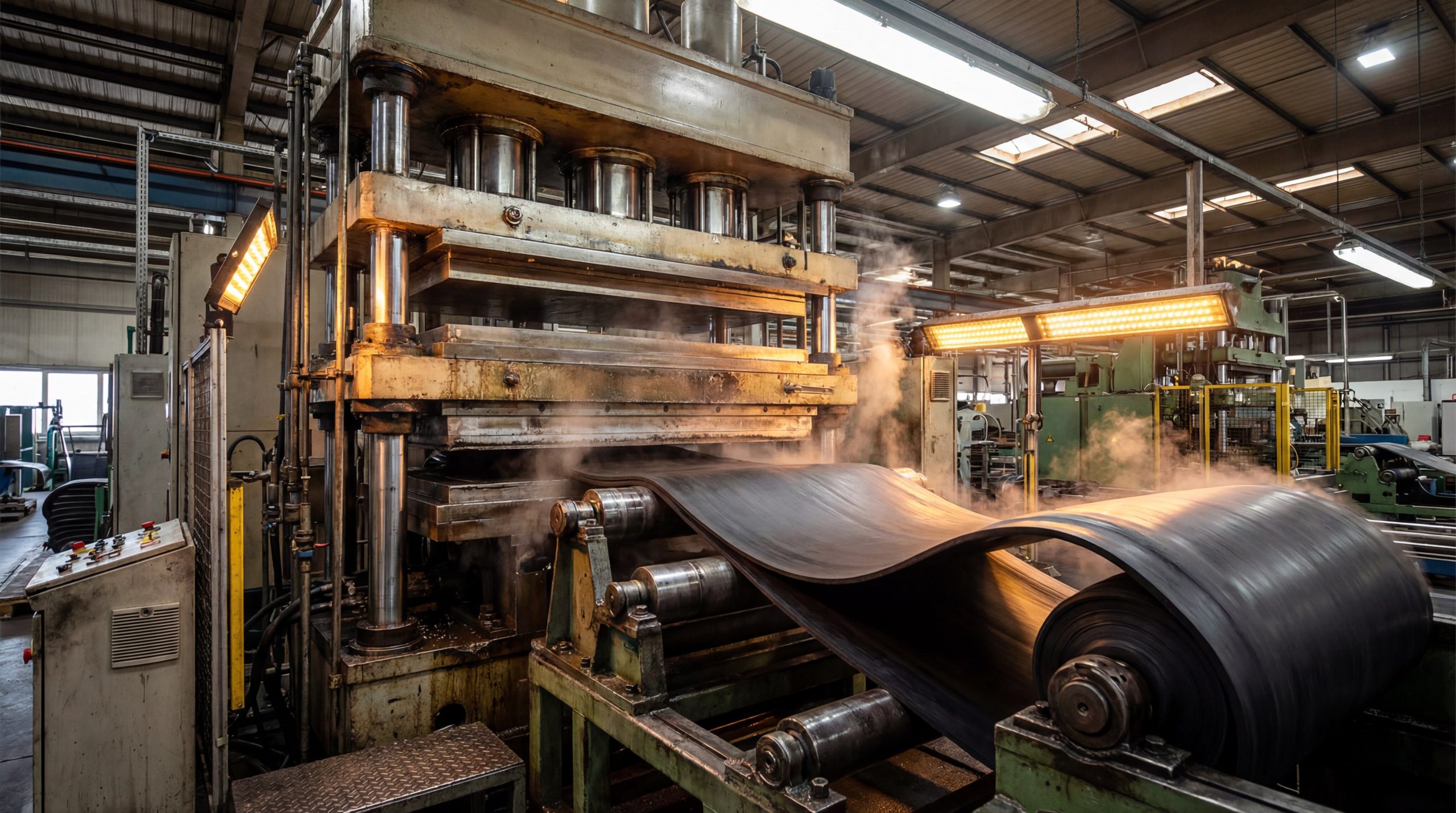
A rubber belt conveyor factory uses advanced casting techniques to create customized belt surfaces, improving grip, material flow, and efficiency in demanding bulk handling operations.
What Makes Plaster Casting Unique for Belts?
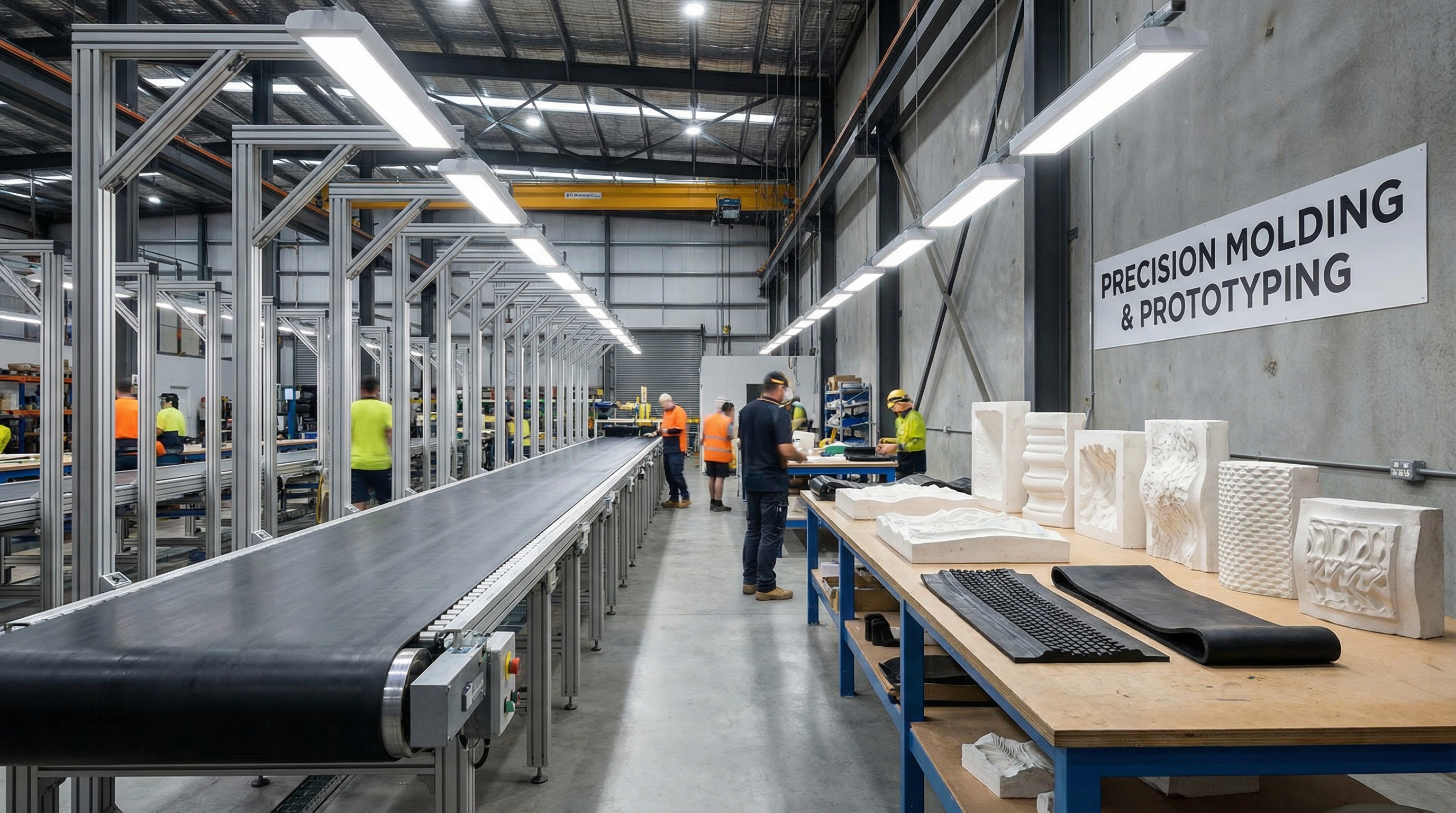
This method is unique because it allows a rubber belt conveyor factory to achieve microscopic detail in surface patterns that are difficult to mill into solid steel. Traditional metal molds are often limited by the reach of CNC tools, whereas liquid plaster flows into the smallest crevices of a master pattern. This ensures that every ridge and valley on the final belt surface is perfectly formed to the engineer’s specifications.
Precision Molding Explained
Precision molding involves using a liquid medium to replicate a master design with absolute fidelity for industrial applications. You will find that this technique captures nuances in texture that standard Fabric (Textile) Conveyor Belt production might otherwise miss.
Think about it:
- Liquid plaster expands slightly upon setting to fill gaps.
- It provides a smooth finish that reduces rubber friction.
- The mold remains stable during the initial curing phase.
Key Takeaway: Precision molding allows for the creation of complex geometries that enhance material handling efficiency.
Material Properties of Industrial Plaster
Industrial plaster is chosen for its specific thermal stability and porous nature, which aids in air evacuation during the molding process. This material can withstand the moderate temperatures required for setting specialized rubber compounds without cracking.
The best part?
- High compressive strength supports the weight of heavy rubber plies.
- Controlled porosity prevents air bubbles on the belt surface.
- Easy removal ensures the prototype remains undamaged.
Key Takeaway: The physical properties of industrial plaster make it an ideal medium for high-detail rubber molding.
| Property | Benefit for Conveyor Belts | |
|---|---|---|
| Fine Grain | Replicates intricate grip textures | |
| Porous Structure | Eliminates surface air pockets | |
| Dimensional Stability | Ensures pattern consistency |
The unique characteristics of plaster provide a level of detail that metal machining simply cannot replicate for specialized belt profiles.
How Does the Casting Process Actually Work?
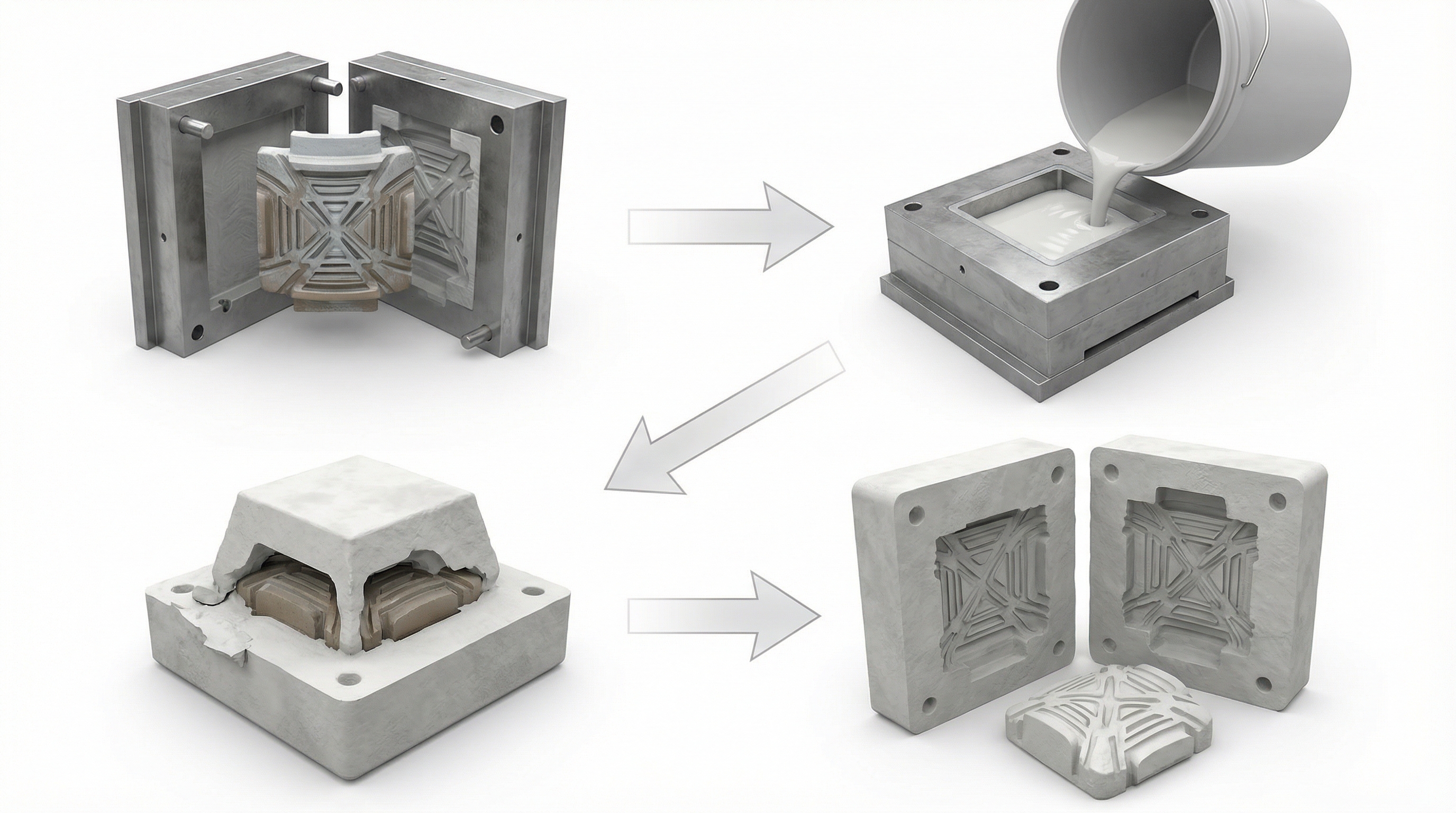
The process works by pouring liquid plaster over a master pattern to create a negative mold for a rubber belt conveyor factory to use during prototype vulcanization. This creates a highly accurate cavity that mirrors the intended design of the conveyor belt’s top cover. Once the plaster has hardened and dried, it serves as a rigid form into which raw rubber compounds are pressed.
Creating the Master Pattern
The master pattern is the original physical model of the belt surface, typically created using 3D printing or precision woodworking. You must ensure this pattern is flawless, as every imperfection will be replicated in the final product.
Look:
- Patterns are often coated in a sealant to prevent moisture absorption.
- Draft angles are included to facilitate easy mold release.
- Registration marks ensure the mold halves align perfectly.
Key Takeaway: A high-quality master pattern is the foundation of a successful cast-molding operation.
Pouring and Setting the Plaster
Pouring involves mixing a specific ratio of plaster and water to achieve a slurry that flows easily over the pattern. This stage requires careful vibration to release any trapped air that could compromise the mold’s integrity.
Think about it:
- Vacuum degassing is used for ultra-high-detail requirements.
- The setting time is strictly monitored to ensure maximum strength.
- Controlled drying prevents the mold from warping or shrinking.
Key Takeaway: Rigorous control during the pouring and setting phase ensures a void-free and accurate mold.
| Process Stage | Critical Success Factor | |
|---|---|---|
| Master Prep | Surface finish of the original model | |
| Slurry Mixing | Accurate water-to-plaster ratios | |
| Vibration | Complete removal of microscopic air bubbles |
Each step of the casting process is designed to eliminate variables that could lead to surface defects in the finished conveyor belt.
Why is Precision Vital in Belt Manufacturing?
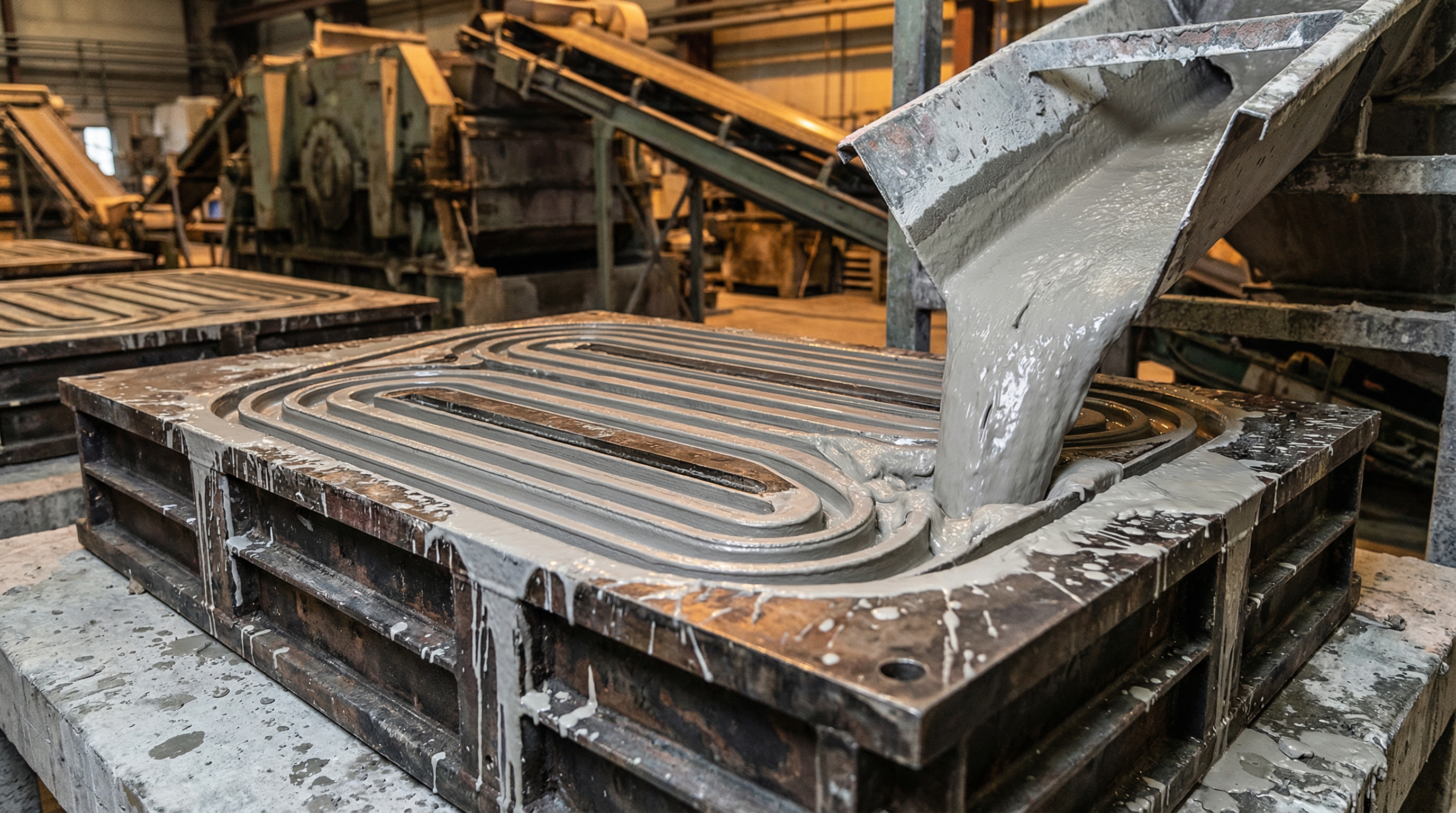
Precision is vital for a rubber belt conveyor factory because even minor surface deviations can cause tracking issues or premature wear in high-speed systems. If the belt’s profile is not uniform, the load may shift during transport, leading to material spillage or belt misalignment. High-precision molding ensures that the weight distribution across the belt remains balanced during operation.
Eliminating Surface Imperfections
Surface imperfections like pits or uneven ridges can create localized stress points that lead to early rubber degradation. By using plaster casting, you can eliminate the tool marks often left by traditional metal milling processes.
The best part?
- Smooth transitions reduce the risk of material snagging.
- Uniform texture ensures consistent grip across the entire surface.
- Reduced friction prevents excessive heat buildup during use.
Key Takeaway: Removing surface flaws through precision molding significantly extends the operational lifespan of the conveyor belt.
Consistency Across Large Production Runs
Consistency ensures that every meter of belt produced at the factory performs identically under heavy loads. While casting is often used for prototypes, it establishes the benchmark for quality that mass production must follow.
Think about it:
- Exact pattern replication prevents “surging” in belt speed.
- Consistent thickness maintains the integrity of internal reinforcements.
- Reliable geometry simplifies the installation of belt cleaners.
Key Takeaway: High-precision manufacturing ensures that the final product meets the exact engineering tolerances required for mining and industry.
| Aspect | Impact on Performance | |
|---|---|---|
| Symmetry | Prevents belt wandering and edge wear | |
| Texture Depth | Optimizes friction for inclined conveying | |
| Surface Finish | Enhances the effectiveness of scrapers |
Precision in manufacturing is not just about aesthetics; it is the primary driver of belt reliability and system uptime.
Where is This Casting Technique Applied?
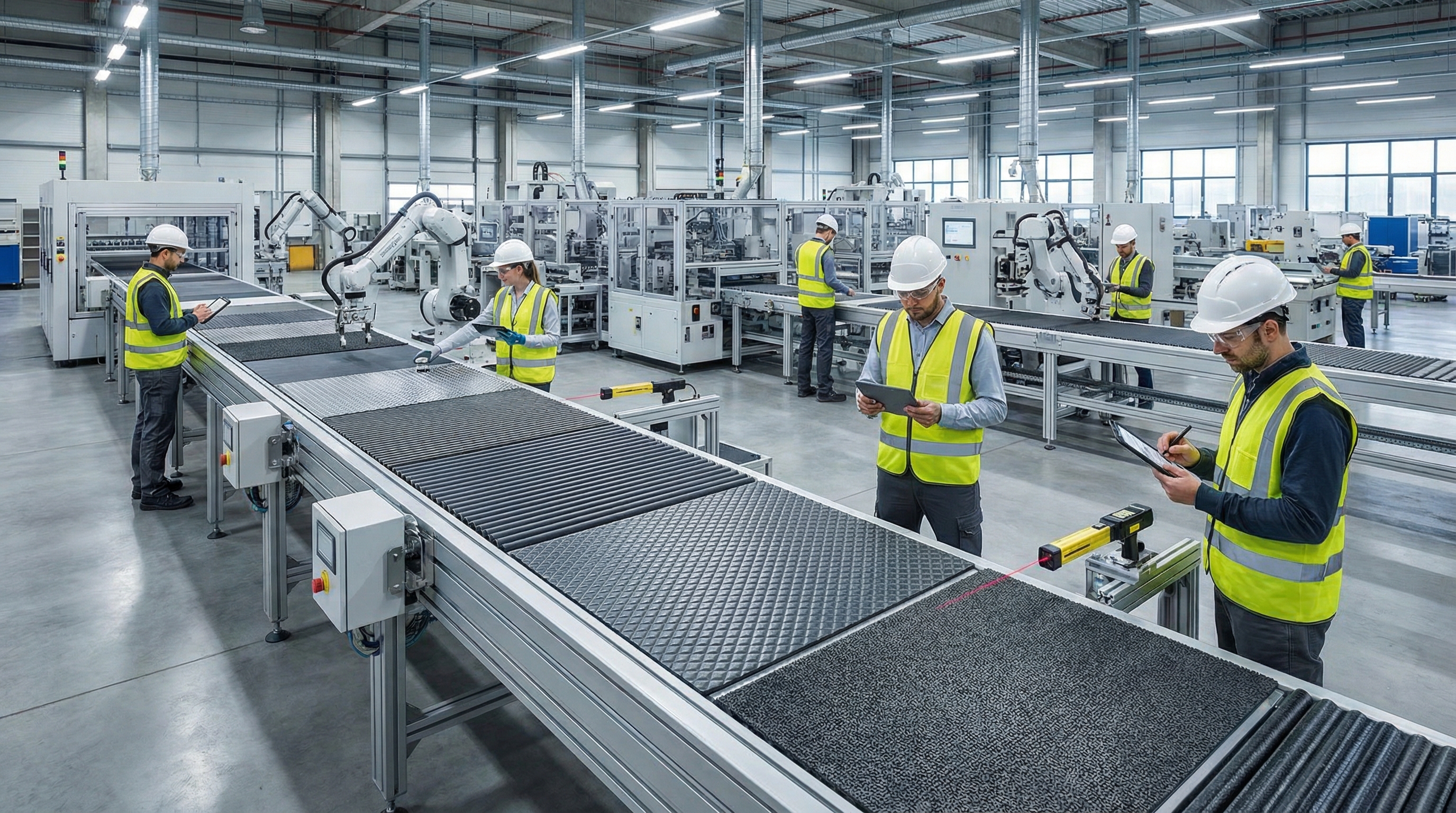
This technique is applied at a rubber belt conveyor factory primarily for producing high-detail Chevron Conveyor Belt profiles and specialized industrial prototypes. These applications require specific cleat heights and angles that must be perfectly replicated to prevent material slide-back. Beyond standard patterns, casting is essential for developing custom solutions for unique bulk material handling challenges.
Specialized Chevron Patterns
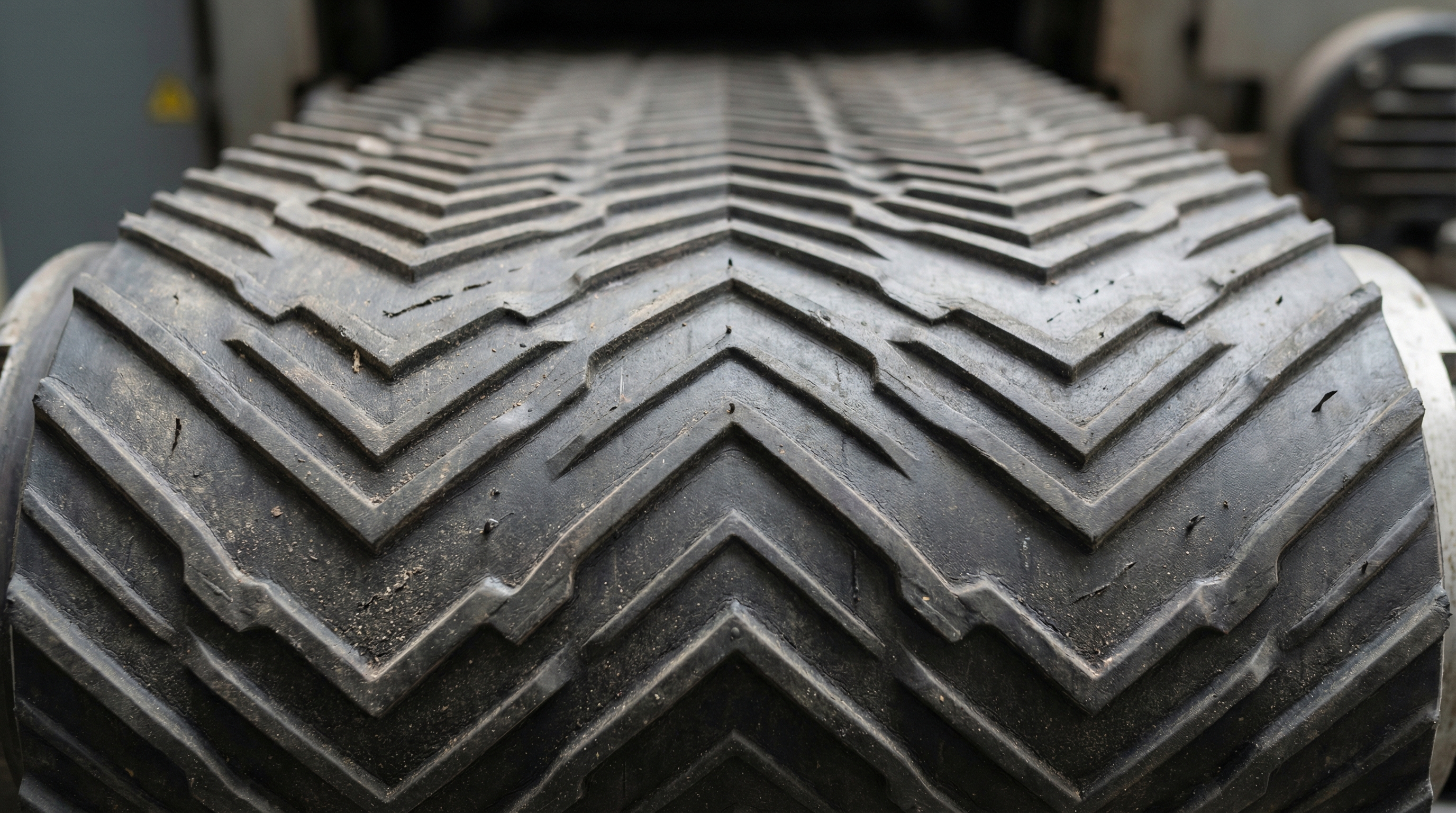
Chevron patterns are designed for inclined conveying where standard flat belts would allow materials to slip. You will see that casting allows for the creation of multi-angled cleats that provide superior grip for wet or granular materials.
Look:
- Complex V-shapes are easily formed using cast molds.
- Cleat height can be adjusted without re-machining metal tools.
- Tapered edges are smoothed to prevent material buildup in the corners.
Key Takeaway: Cast molding is the most effective way to produce the intricate patterns required for high-angle conveying.
Custom Prototyping for Mining
In the mining sector, belts must often be tailored to the specific abrasion and impact characteristics of the ore being transported. Engineers use plaster casting to test how different profile designs handle the aggressive impact of sharp mineral rocks.
The best part?
- Prototype belts can be produced in small batches for field testing.
- Design flaws are identified and corrected at a low cost.
- Specialized impact zones can be integrated into the surface design.
Key Takeaway: Prototyping allows mining operations to verify belt performance before committing to large-scale procurement.
| Application | Primary Benefit | |
|---|---|---|
| Chevron Belts | High-grip profiles for steep inclines | |
| Rough Top Belts | Non-slip surfaces for packaging and boxes | |
| Mining Prototypes | Impact-resistant designs for heavy ores |
Applying casting techniques to these specialized areas ensures that the final belt is perfectly suited for its intended environment.
Can Plaster Molds Handle Industrial Heat?
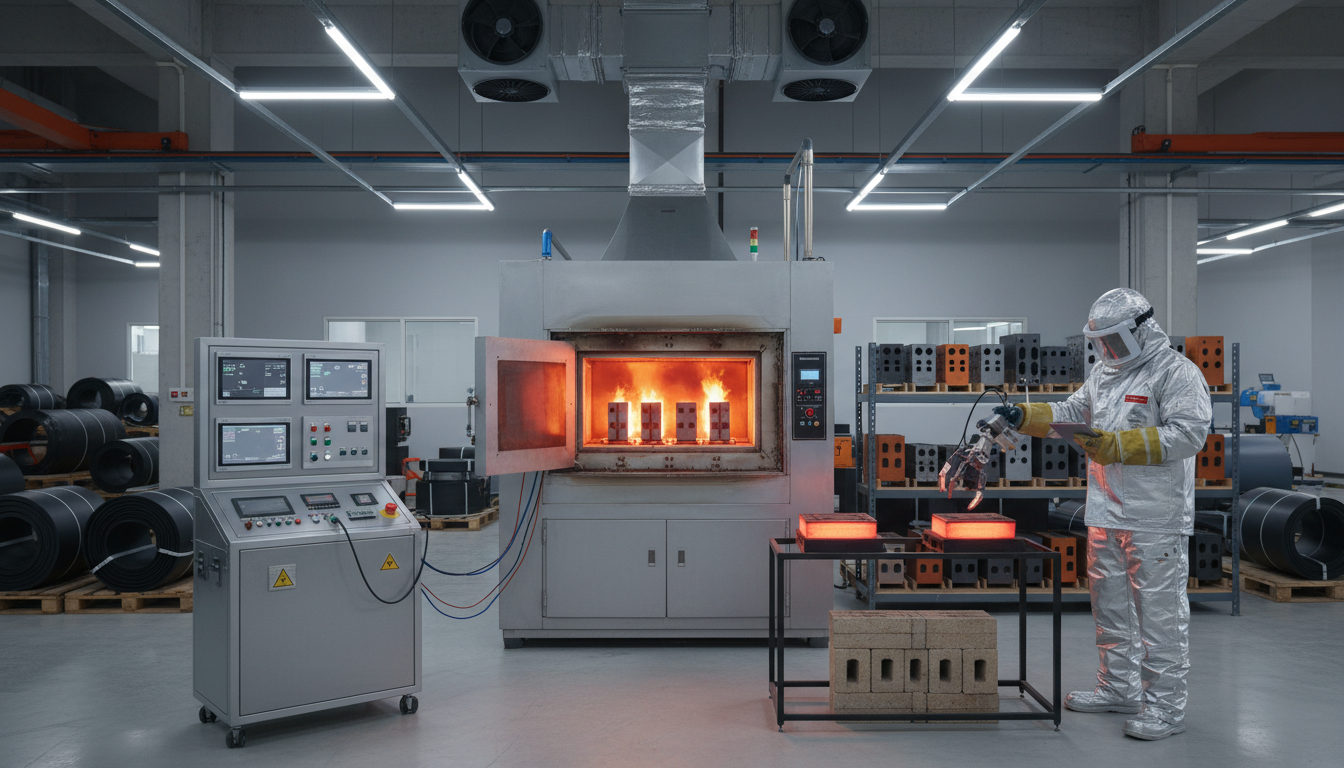
Plaster molds are capable of handling the moderate temperatures required for rubber curing at a rubber belt conveyor factory, though they are not used for high-pressure vulcanization. They are particularly effective for “cold-cure” processes or as the form for the initial setting of the belt’s top cover. Understanding the thermal limits of the mold ensures that the belt surface remains accurate throughout the manufacturing cycle.
Thermal Resistance Limits of Molds
Plaster can withstand continuous temperatures up to approximately 150 degrees Celsius before its crystalline structure begins to dehydrate. You must manage the heating cycle carefully to prevent the mold from becoming brittle or cracking during the process.
Think about it:
- Gradual heating prevents thermal shock in the plaster.
- Reinforcing fibers can be added to improve heat resistance.
- Post-curing at lower temperatures maintains the mold’s shape.
Key Takeaway: Proper thermal management allows plaster molds to be used effectively in the early stages of belt vulcanization.
Interaction with Release Agents
Release agents are critical when using plaster molds to ensure that the cured rubber does not bond to the porous surface. You will find that silicone-based sprays or specialized waxes create a barrier that facilitates a clean separation.
The best part?
- Release agents fill microscopic pores in the plaster.
- They enhance the sliding properties of the rubber as it sets.
- A clean release preserves the detail of the molded pattern.
Key Takeaway: The correct use of release agents is essential for protecting both the mold and the finished belt surface.
| Thermal Factor | Operational Guideline | |
|---|---|---|
| Peak Temperature | Keep below 150°C to maintain structural integrity | |
| Ramp Rate | Use slow heating to prevent internal moisture expansion | |
| Barrier Coating | Apply non-permanent release agents for every cycle |
While not a substitute for steel in high-pressure environments, plaster molds provide excellent thermal performance for precision casting.
What Are the Major Benefits for Factories?
The major benefits for a rubber belt conveyor factory include significantly lower tooling costs and the ability to iterate designs rapidly without expensive steel machining. This flexibility allows the factory to respond to custom orders much faster than traditional manufacturing methods permit. By reducing the barrier to entry for custom patterns, factories can offer more specialized solutions to their industrial clients.
Cost-Effective Tooling Solutions
Tooling costs for traditional steel molds can run into tens of thousands of dollars, making small runs prohibitively expensive. You will benefit from plaster casting because the raw materials are inexpensive and the mold-making process is largely manual.
Look:
- Reduced capital expenditure on heavy-duty CNC equipment.
- Lower storage costs for molds as they can be easily recycled.
- Faster setup times for new belt profile designs.
Key Takeaway: Lower tooling costs enable the profitable production of low-volume, highly specialized conveyor belts.
Rapid Design Iterations
In a competitive market, the ability to test and refine a design in days rather than weeks is a significant advantage. You can produce a new plaster mold from a modified master pattern in a fraction of the time it takes to cut a new steel plate.
Think about it:
- Design changes can be implemented immediately based on testing.
- Multiple variations of a pattern can be tested simultaneously.
- Client feedback is quickly integrated into the final product.
Key Takeaway: Rapid iteration reduces the time-to-market for new conveyor belt innovations.
| Benefit | Impact on Business | |
|---|---|---|
| Lower Cost | Increases profit margins on custom orders | |
| Faster Turnaround | Improves customer satisfaction and lead times | |
| Flexibility | Allows for a broader range of product offerings |
These benefits make plaster casting an indispensable tool for a modern, responsive rubber manufacturing facility.
Does This Method Affect Belt Durability?
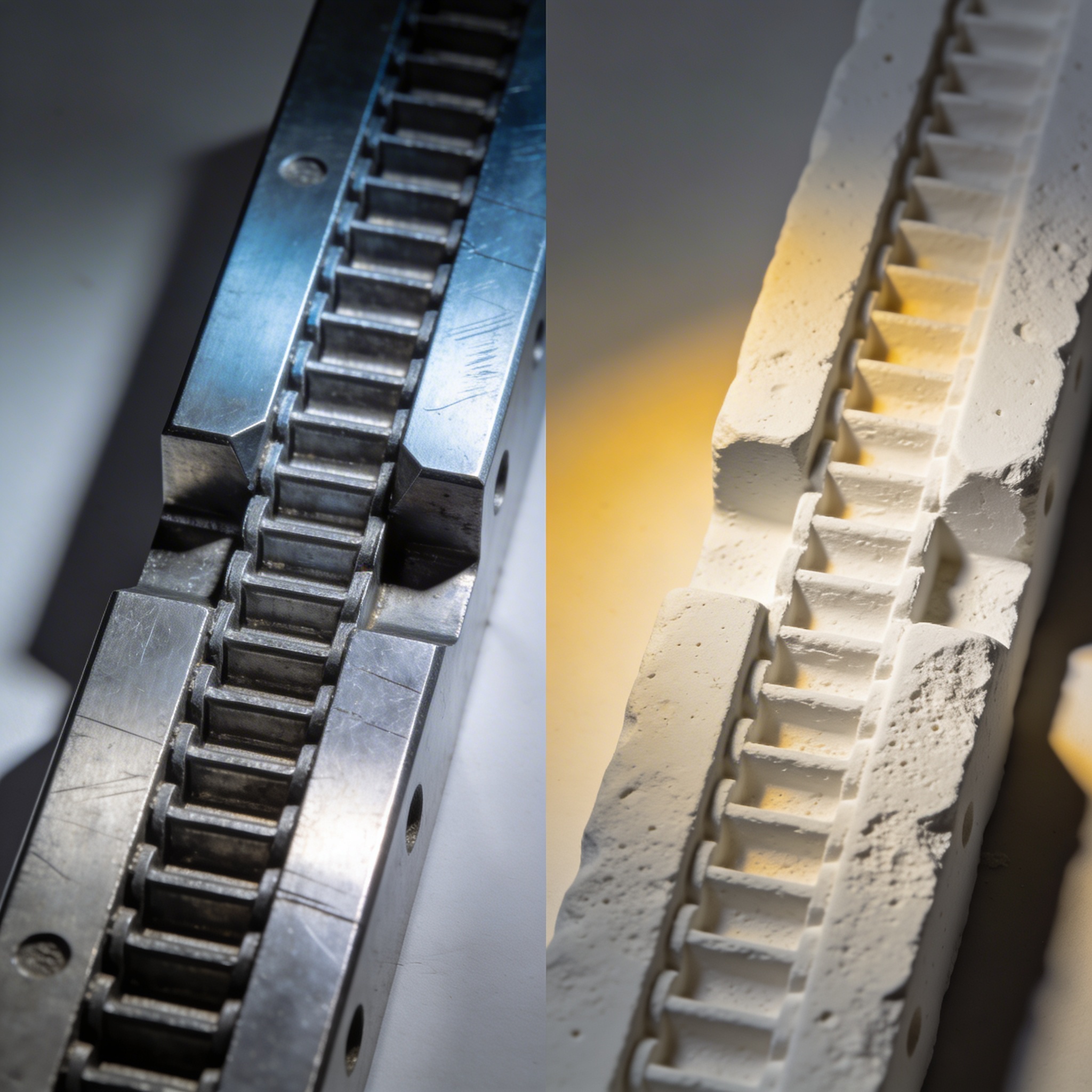
This method does not negatively affect durability but instead enhances it by ensuring the rubber compound fills every cavity within a rubber belt conveyor factory mold setup. Because the casting provides a perfectly smooth and accurate surface, the resulting rubber belt is free from the micro-stress points that can lead to cracking. A uniform surface allows for better distribution of loads, which reduces the rate of abrasion over time.
Impact on Surface Hardness
Surface hardness is determined by the rubber compound used, but the mold finish dictates how that hardness is distributed across the pattern. You will find that the smooth finish of a plaster mold ensures the rubber reaches its maximum density at the surface.
The best part?
- Dense rubber surfaces are more resistant to gouging and tearing.
- Uniform cooling in the mold prevents soft spots in the cleats.
- Consistent hardness ensures the belt maintains its grip profile.
Key Takeaway: Precision molding supports the development of a durable, high-density wear surface.
Ensuring Chemical Stability
Chemical stability is maintained because the plaster is an inert material that does not react with the rubber’s chemical additives. You must ensure the mold is completely dry to prevent moisture from interfering with the vulcanization chemistry.
Think about it:
- No metallic contamination of the rubber compound occurs.
- The mold surface does not oxidize or transfer rust to the belt.
- Stable curing environments prevent chemical imbalances in the top cover.
Key Takeaway: The inert nature of plaster ensures that the rubber’s physical properties are not compromised during molding.
| Durability Factor | Casting Contribution | |
|---|---|---|
| Abrasion Resistance | Ensures smooth, high-density surface contact | |
| Tear Strength | Eliminates micro-cracks from tool marks | |
| Pattern Integrity | Prevents cleat separation through uniform curing |
By focusing on precision at the molding stage, manufacturers can guarantee a longer service life for their industrial belts.
How Does it Differ from Steel Molding?
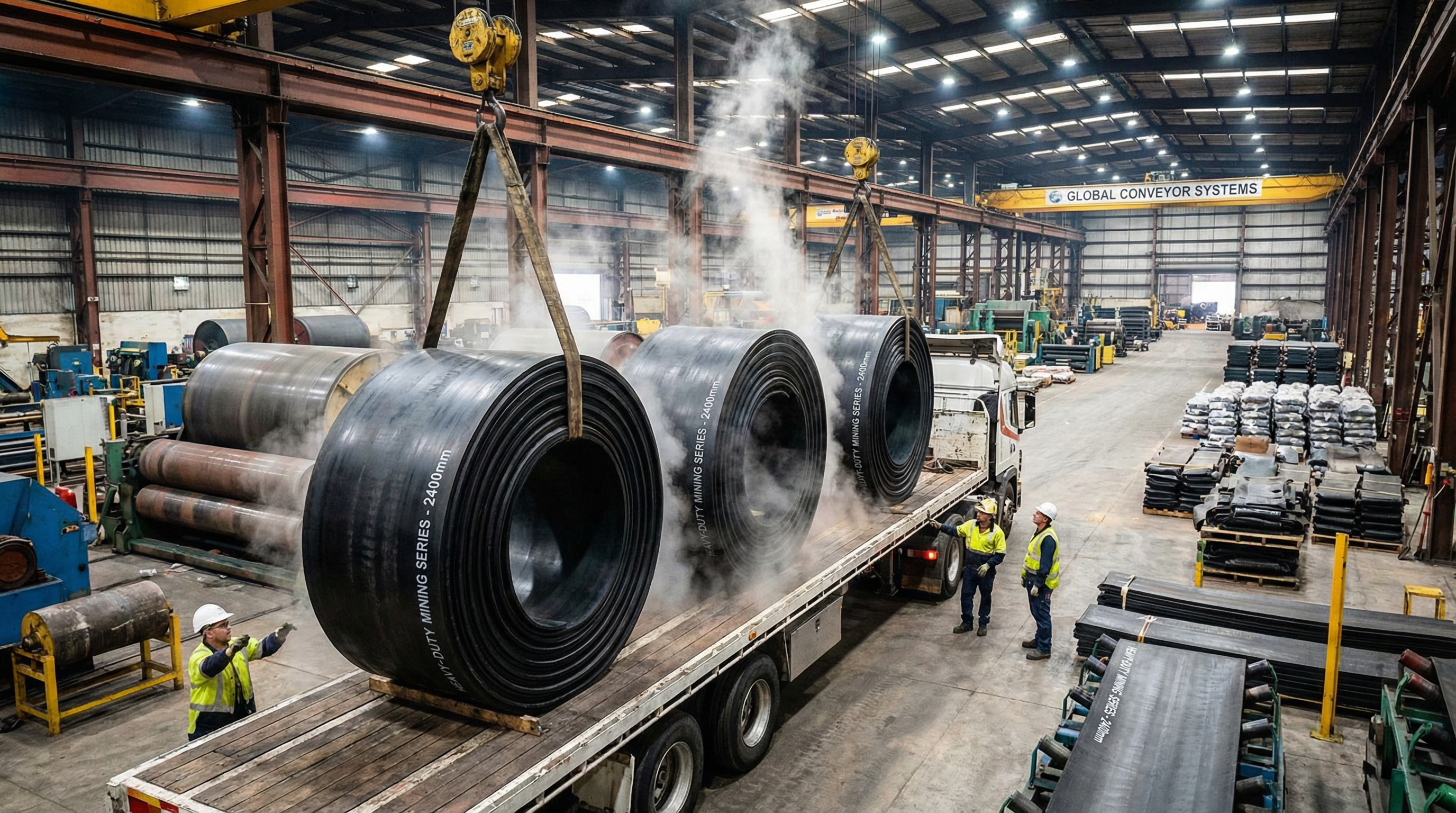
Plaster molding differs from steel molding by offering higher detail resolution and lower upfront costs for a rubber belt conveyor factory compared to rigid metal alternatives. While steel molds are ideal for high-volume, standard products like Steel Cord Conveyor Belt rolls, they lack the versatility needed for custom textures. Understanding when to use each method is key to optimizing a factory’s production efficiency.
Comparing Initial Tooling Costs
The cost difference between plaster and steel is one of the most significant factors in choosing a molding method. You can expect a steel mold to cost ten to twenty times more than a comparable plaster mold.
Look:
- Steel requires expensive materials and highly skilled labor.
- Plaster molds can be produced by general technicians using simple forms.
- Re-tooling a steel mold is nearly impossible, whereas plaster is easily replaced.
Key Takeaway: Plaster casting is the economically superior choice for specialized or low-volume production.
Detail Resolution and Texture Quality
Steel molds are limited by the physical size of the milling bits used to create the pattern. You will notice that plaster casting can replicate textures as fine as a human fingerprint, which is impossible with standard machining.
Think about it:
- Liquid media flows where solid tools cannot reach.
- No “stair-stepping” effect from CNC tool paths.
- Perfect replication of organic or non-geometric textures.
Key Takeaway: For applications requiring high-resolution grip or drainage patterns, plaster casting is the only viable option.
| Feature | Plaster Casting | Steel Molding | |
|---|---|---|---|
| Upfront Cost | Low | High | |
| Detail Resolution | Extreme | Moderate | |
| Durability of Mold | Single/Limited Use | Thousands of Cycles |
Choosing the right molding technology allows a factory to balance cost, speed, and precision for every customer.
Which Industries Benefit from This Process?
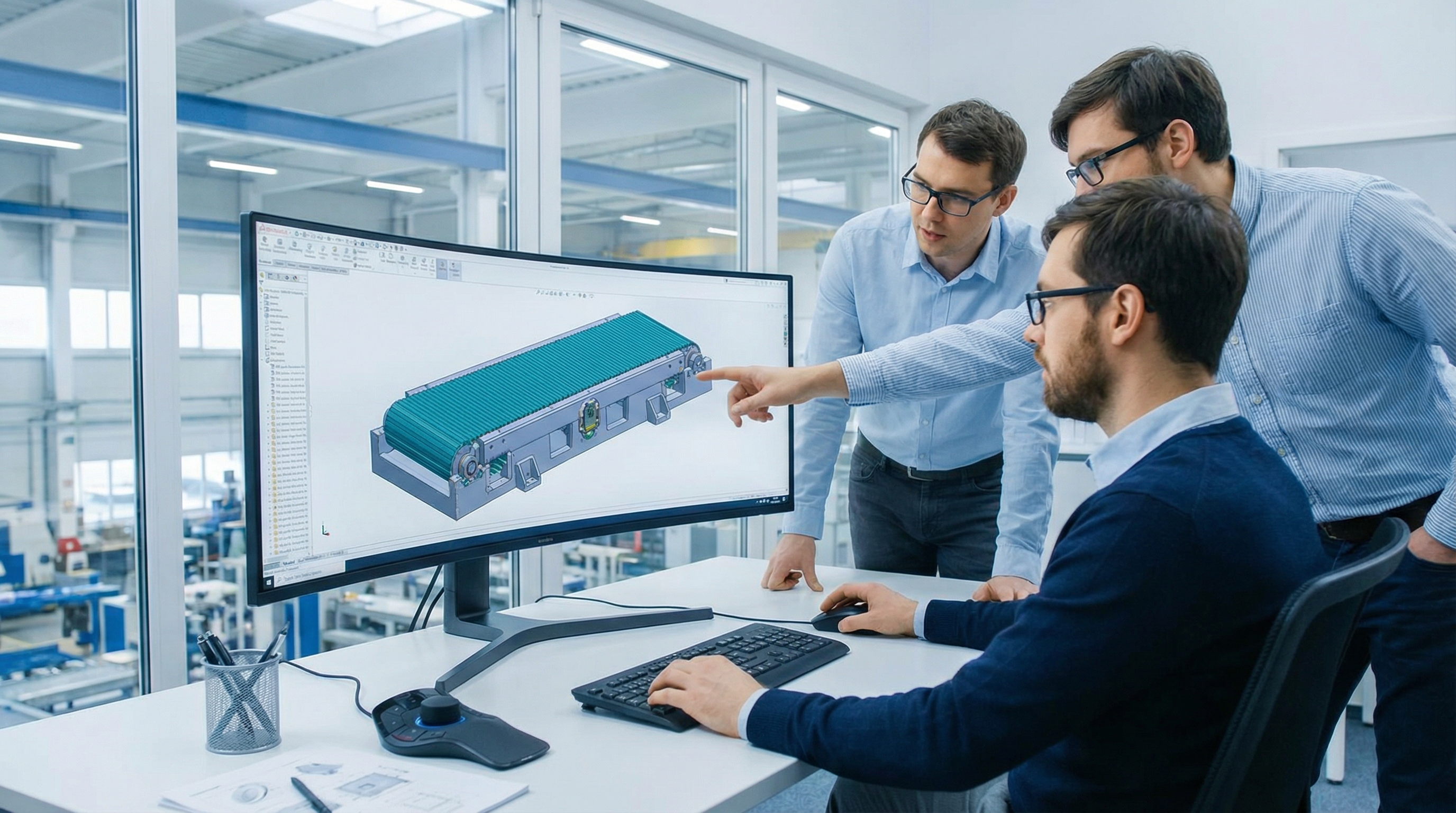
Industries like mining and cement benefit from this process because a rubber belt conveyor factory can create bespoke patterns tailored to specific bulk materials. These sectors often face unique challenges, such as conveying heavy ores on steep inclines or handling hot clinker that requires specialized drainage. Custom-cast belts provide the exact physical characteristics needed to solve these operational bottlenecks.
Demands of the Global Mining Sector
Mining operations require belts that can handle extreme impacts and abrasive materials without failing. You will see that custom-molded impact zones and reinforced cleat designs significantly reduce downtime in high-output mines.
The best part?
- Belts are tailored to the specific density of the ore being moved.
- Optimized patterns reduce the risk of material “rollback” on inclines.
- Custom profiles improve the efficiency of belt scrapers and cleaners.
Key Takeaway: Bespoke belt designs help mining companies maximize their extraction efficiency and lower maintenance costs.
Solutions for Cement and Aggregate
In the cement industry, belts must often handle materials at high temperatures while maintaining their structural shape. You will find that precision casting allows for the integration of heat-dissipating surface patterns into the belt design.
Look:
- Grooved patterns improve airflow and cooling of the belt surface.
- Specialized textures prevent “sticking” of fine cement powders.
- Custom sidewall designs increase the volume of material carried per meter.
Key Takeaway: Precision-molded belts address the specific thermal and material handling challenges of the cement industry.
| Industry | Primary Requirement | Casting Solution | |
|---|---|---|---|
| Mining | High Impact Resistance | Custom-thickened impact zones | |
| Cement | Heat Dissipation | Air-flow optimized surface patterns | |
| Aggregate | Spillage Prevention | High-profile Chevron and Sidewall designs |
Tailored solutions provided through advanced molding ensure that every industry gets the most out of its conveying systems.
Is This the Future of Belt Customization?
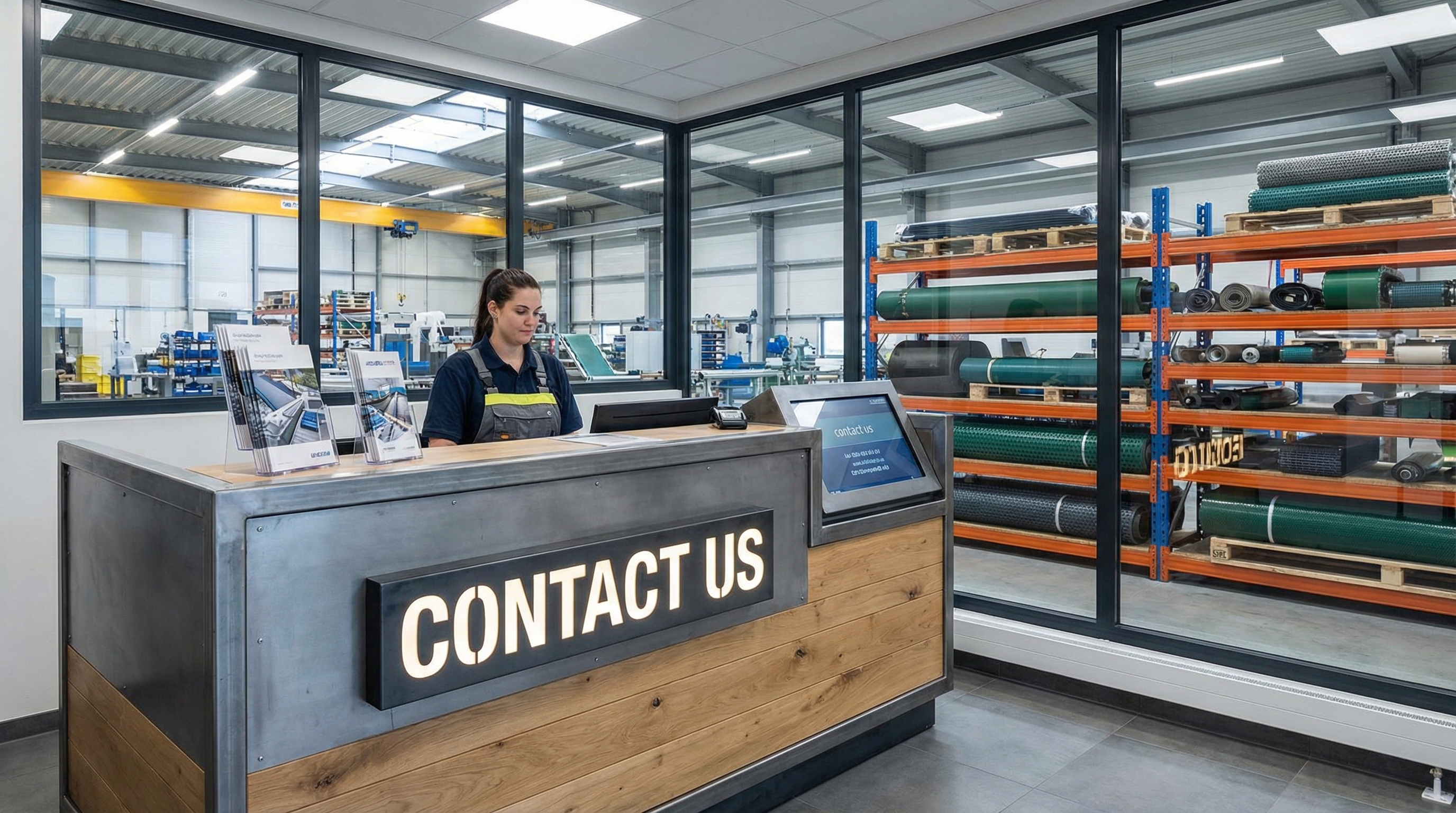
Yes, integrating digital design with plaster casting is the future of customization at a rubber belt conveyor factory , allowing for complex Sidewall Conveyor Belts and intricate textures. As 3D printing technology becomes more affordable, the ability to create complex master patterns will only increase. This synergy between digital precision and traditional casting will redefine what is possible in conveyor belt design.
Integrating Digital Design Workflows
The move toward digital design allows engineers to simulate belt performance before a single drop of plaster is poured. You can use CAD software to optimize the geometry of a belt profile for maximum throughput and minimum wear.
Look:
- 3D printing creates the master pattern directly from the digital model.
- Finite Element Analysis (FEA) predicts stress points in the proposed design.
- Digital twins of the belt allow for predictive maintenance planning.
Key Takeaway: The integration of digital tools with physical casting creates a highly efficient and accurate manufacturing pipeline.
The Shift Toward Total Customization
Industrial users no longer have to settle for “standard” belts that are only partially effective for their needs. You will find that total customization is becoming the new industry standard, driven by the low cost of cast-molding technology.
Think about it:
- Every conveyor system can have a belt optimized for its unique parameters.
- Manufacturers can offer “Design-as-a-Service” to their clients.
- Competitive advantages are gained through superior material handling efficiency.
Key Takeaway: Total customization is the next logical step in the evolution of the global conveyor belt market.
| Trend | Benefit for Users | |
|---|---|---|
| Digital Integration | Faster design-to-production cycles | |
| 3D Master Patterns | Virtually unlimited design complexity | |
| On-Demand Tooling | Cost-effective production of unique spare parts |
The future of conveyor belt manufacturing lies in the ability to provide highly specialized, high-performance products at a competitive price.
No compromises should be made when it comes to the performance and safety of your industrial material handling systems. By leveraging advanced plaster casting techniques for precision molding and prototyping, industrial leaders ensure that every belt exceeds expectations for durability and efficiency. If you are looking for a manufacturing partner who understands the value of precision engineering and custom solutions, please contact us today to discuss your specific project requirements.
Frequently Asked Questions
- Can I request a custom surface pattern for my mining belts?Yes. Through advanced casting processes, we can develop bespoke surface textures tailored to the specific density and moisture levels of your ore.
- What’s the best way to determine if I need a custom-cast prototype?It is recommended when your conveying system experiences high material rollback, excessive belt wear, or requires a non-standard incline angle.
- How do I know if my current belt is reaching its thermal limit?If you notice surface cracking, cleat deformation, or a loss of elastic properties, your belt may be suffering from thermal stress and requires a heat-optimized profile.
- Can I use my own 3D design files for a custom mold?Yes. Our engineering team can work directly with your CAD files to create the 3D-printed master patterns used in the plaster casting process.
- How do I know if the belt quality will be consistent with the prototype?We use the prototype phase to finalize the exact manufacturing parameters and material compounds, ensuring that the mass-produced belt matches the tested performance.