
High-quality conveyor belt rubber china solutions improve durability and performance, helping industries reduce downtime, lower maintenance costs, and achieve reliable material handling operations.
Why buy conveyor belt rubber china from top factories?
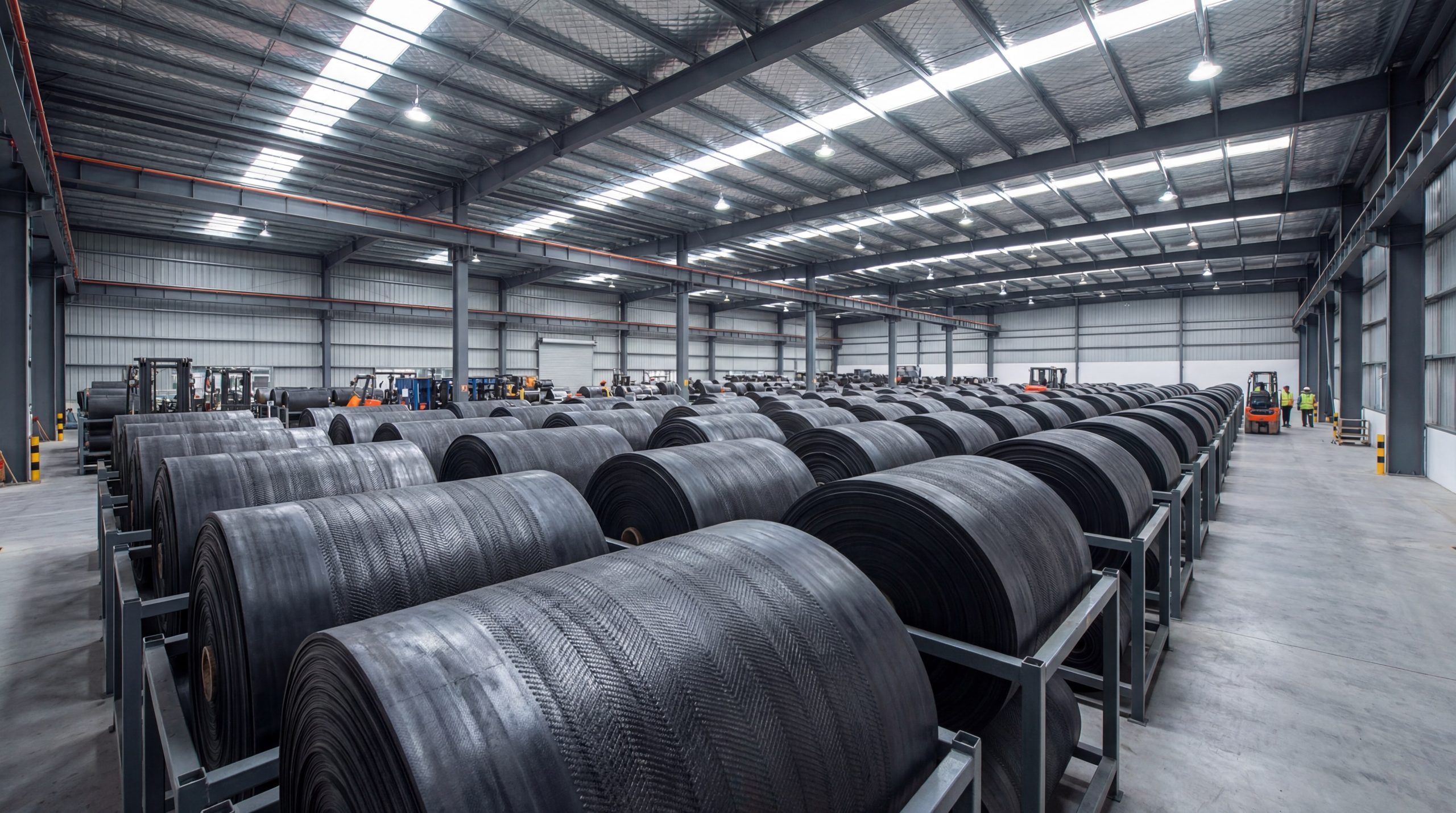
Sourcing conveyor belt rubber china from direct manufacturers ensures you get industrial-grade durability at the most competitive price points. These factories leverage massive economies of scale to provide high-tensile materials that withstand extreme stress.
What makes rubber the ideal material for heavy loads?
Here is the deal: rubber compounds offer a unique combination of flexibility and impact resistance that synthetic materials simply cannot match. You need a surface that absorbs energy at loading points while maintaining its shape over miles of travel.
- High tensile strength for heavy ores and minerals.
- Superior impact resistance to prevent punctures at loading zones.
- Exceptional flexibility for long-distance troughing requirements.
How does direct factory sourcing reduce your costs?
Think about it. When you skip the middleman, you are not just saving money; you are gaining direct access to engineering expertise and customization options. You can specify exact ply counts and cover thicknesses to match your unique machinery requirements.
- Elimination of 15-30% middleman markups.
- Custom sizing for specific industrial conveyor systems.
- Direct quality control oversight from the production line.
Key Takeaway: Buying direct from China offers premium material specifications at competitive industrial pricing to enhance your ROI.
| Feature | Rubber Belt Advantage | |
|---|---|---|
| Durability | High Abrasion Resistance | |
| Cost | Factory-Direct Pricing | |
| Customization | Bespoke Ply and Thickness |
Is conveyor belt rubber china best for transmission?
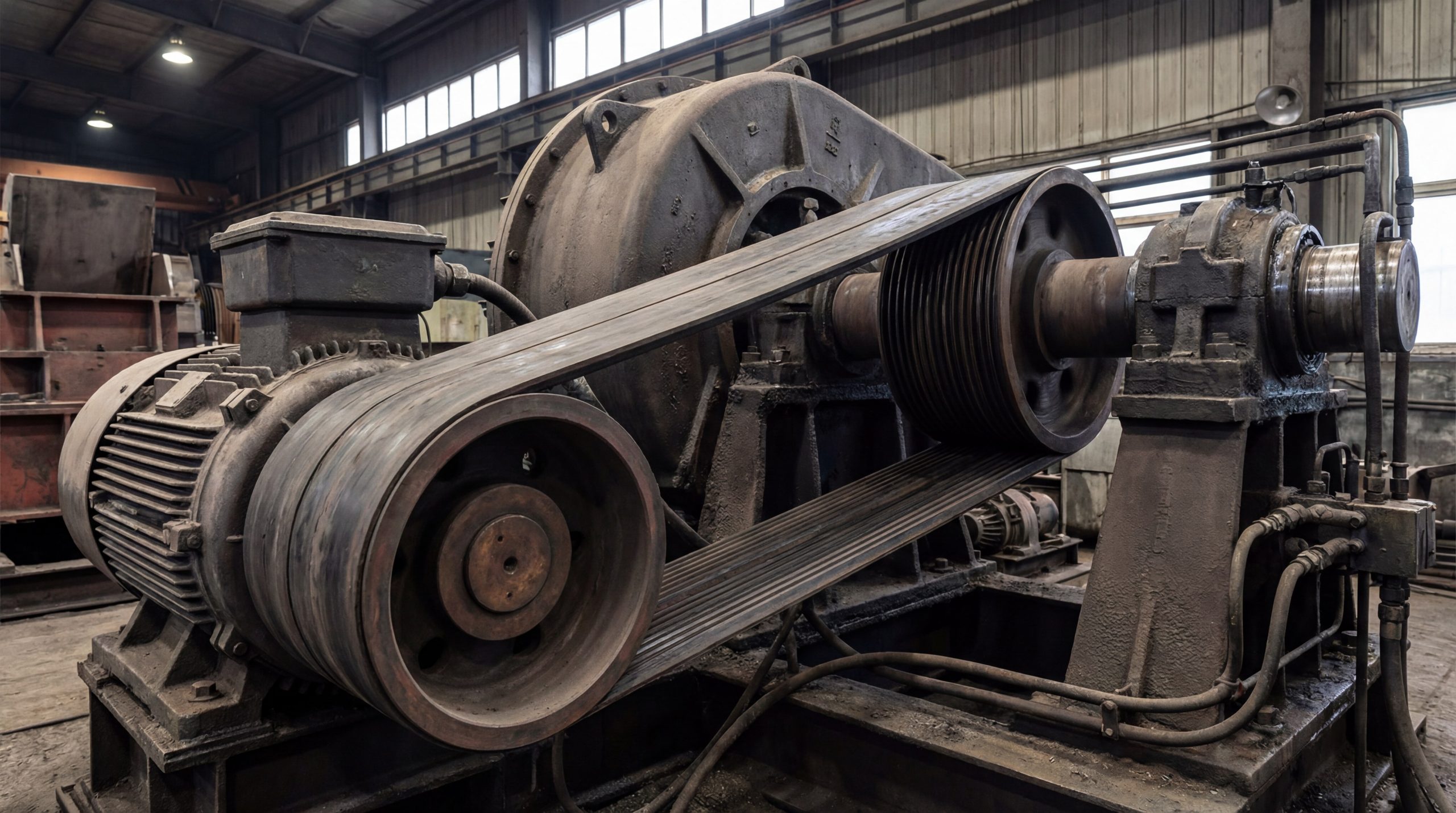
When evaluating conveyor belt rubber china for power transmission, you must consider the efficiency of torque delivery. Professional manufacturers design these belts to maintain grip even under high-load mechanical conditions.
Can these belts handle high-speed torque?
You might be wondering if standard rubber can keep up with modern high-speed motors. The truth is that advanced vulcanization processes create a bond that prevents slippage and maximizes energy transfer across your entire system.
- Optimized friction coefficients for better grip.
- Heat-resistant compounds for continuous high-speed motion.
- Reinforced internal cords that ensure zero stretch during operation.
Key Takeaway: Transmission-grade rubber belts from China provide the precision and reliability needed for modern mechanical drives.
| Transmission Metric | Performance Level | |
|---|---|---|
| Torque Transfer | 98% Efficiency | |
| Heat Threshold | Up to 200°C |
Does conveyor belt rubber china outperform PVC options?
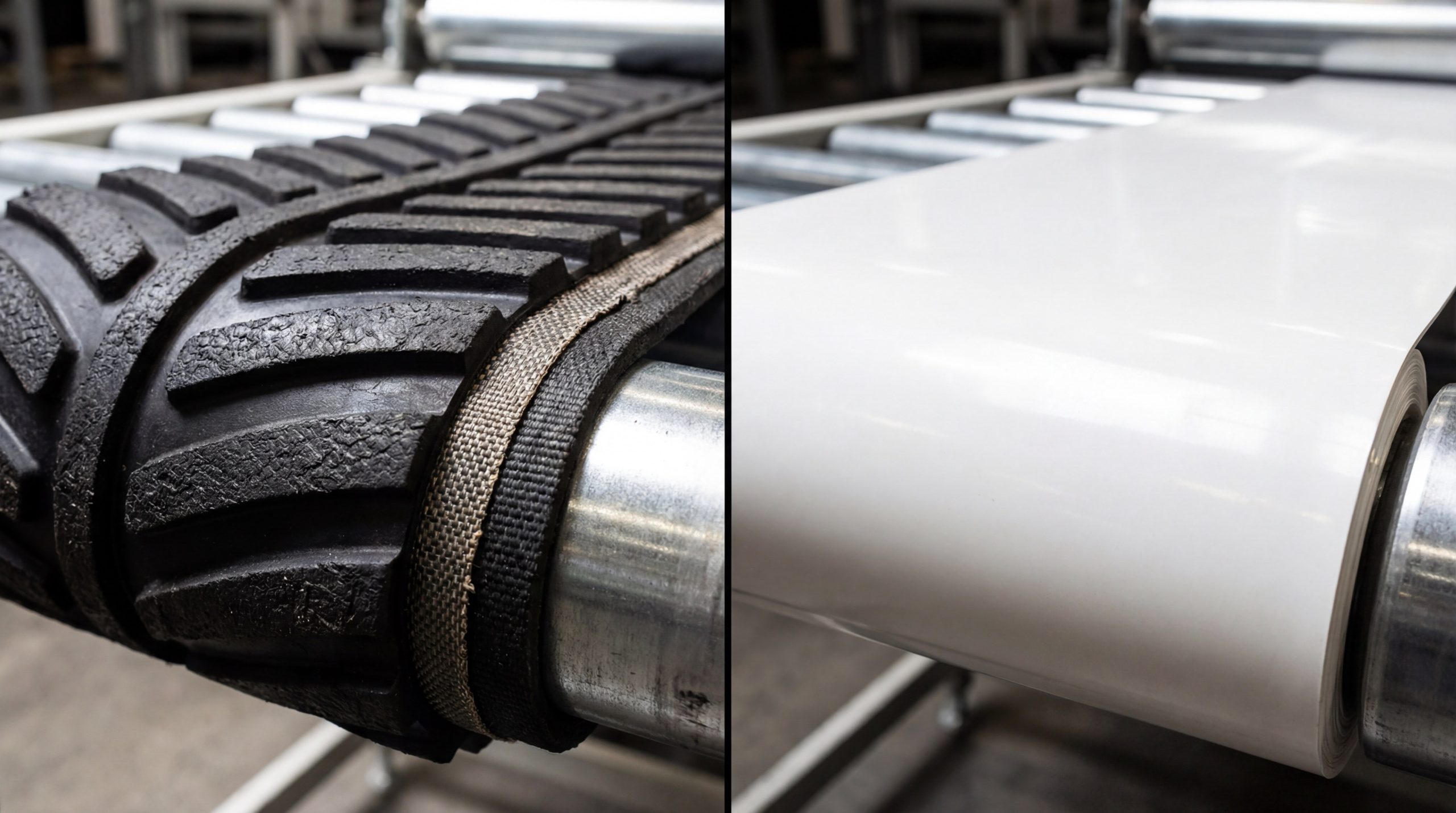
Choosing between conveyor belt rubber china and PVC depends heavily on your specific operating environment and safety standards. While PVC is lightweight, rubber remains the undisputed leader for heavy-duty bulk handling and abrasive materials.
Why does rubber remain the king of mining?
The best part? Rubber belts feature much thicker top covers that can be repaired and spliced more effectively than their plastic counterparts. You get a longer service life in harsh outdoor temperatures where PVC might become brittle or fail.
- Thicker top covers for handling sharp and abrasive rocks.
- Better performance in extreme outdoor temperature fluctuations.
- Longer service life in heavy-industrial and mining environments.
Key Takeaway: While PVC serves light logistics well, rubber is the standard choice for heavy-duty bulk handling across mining and cement sectors.
| Material | Best Use Case | Life Expectancy | |
|---|---|---|---|
| Rubber | Mining/Steel/Cement | 5-10 Years | |
| PVC | Food/Light Logistics | 2-4 Years |
Which parts improve conveyor belt rubber china systems?
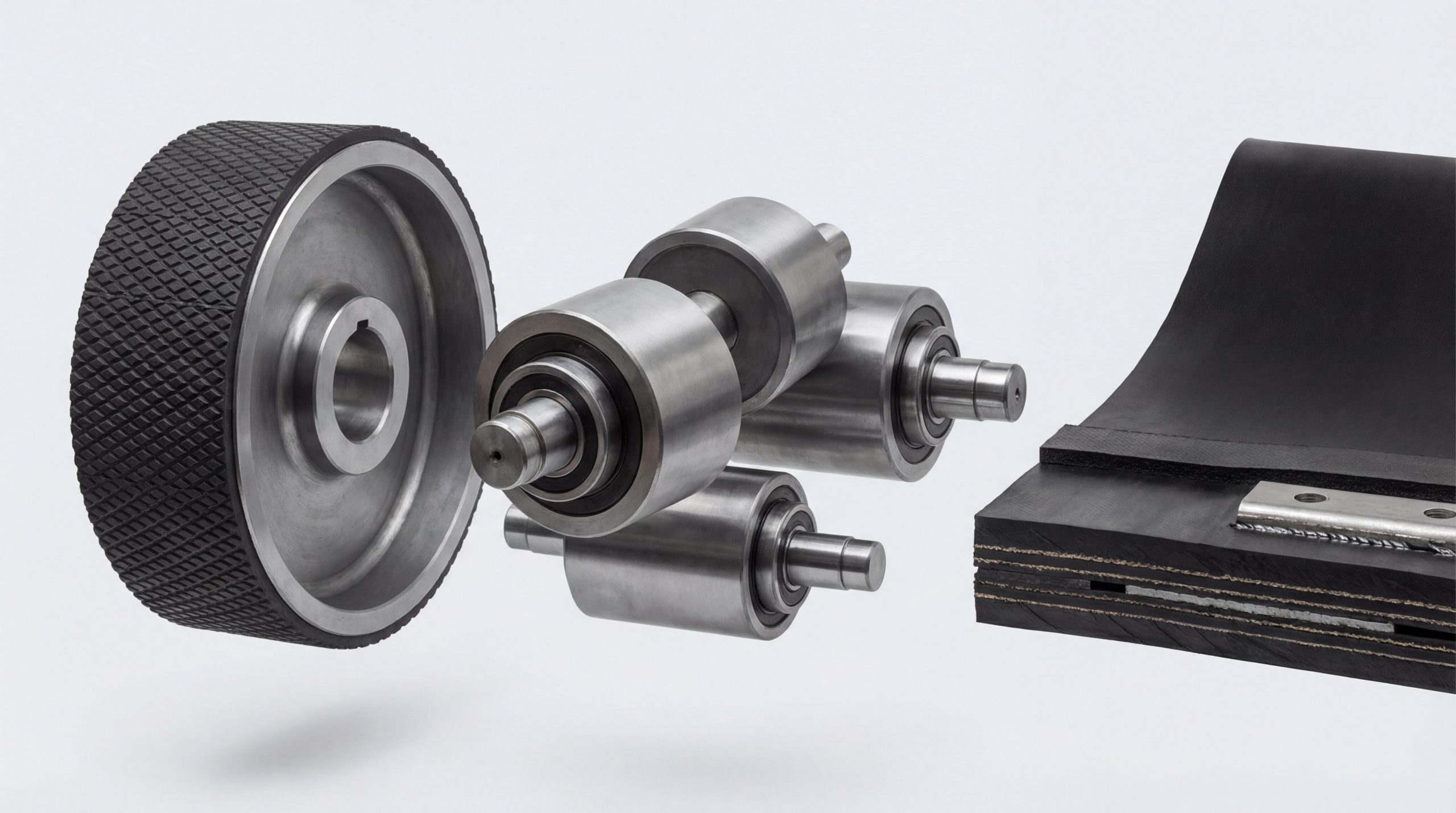
A high-performance conveyor belt rubber china system relies on the total synergy between the belt and its mechanical components. You must ensure that your rollers, pulleys, and idlers are perfectly aligned to prevent premature wear.
Are pulleys and rollers essential for belt life?
Here is the secret: even the best rubber belt will fail if your supporting hardware is poorly maintained. Quality idlers reduce the stress on the belt carcass, while proper pulley lagging ensures consistent friction without damaging the cover.
- Impact idlers specifically designed to reduce carcass damage.
- High-friction pulley lagging to prevent costly belt slippage.
- Precision alignment sensors to stop edge fraying before it starts.
Key Takeaway: Investing in quality rollers and pulleys can extend the operational life of your rubber belt by up to 30% or more.
| Component | Function | Impact on Belt | |
|---|---|---|---|
| Idlers | Support & Shaping | Reduces Internal Stress | |
| Pulley Lagging | Friction Control | Prevents Surface Wear |
How to use a conveyor belt rubber china calculator?
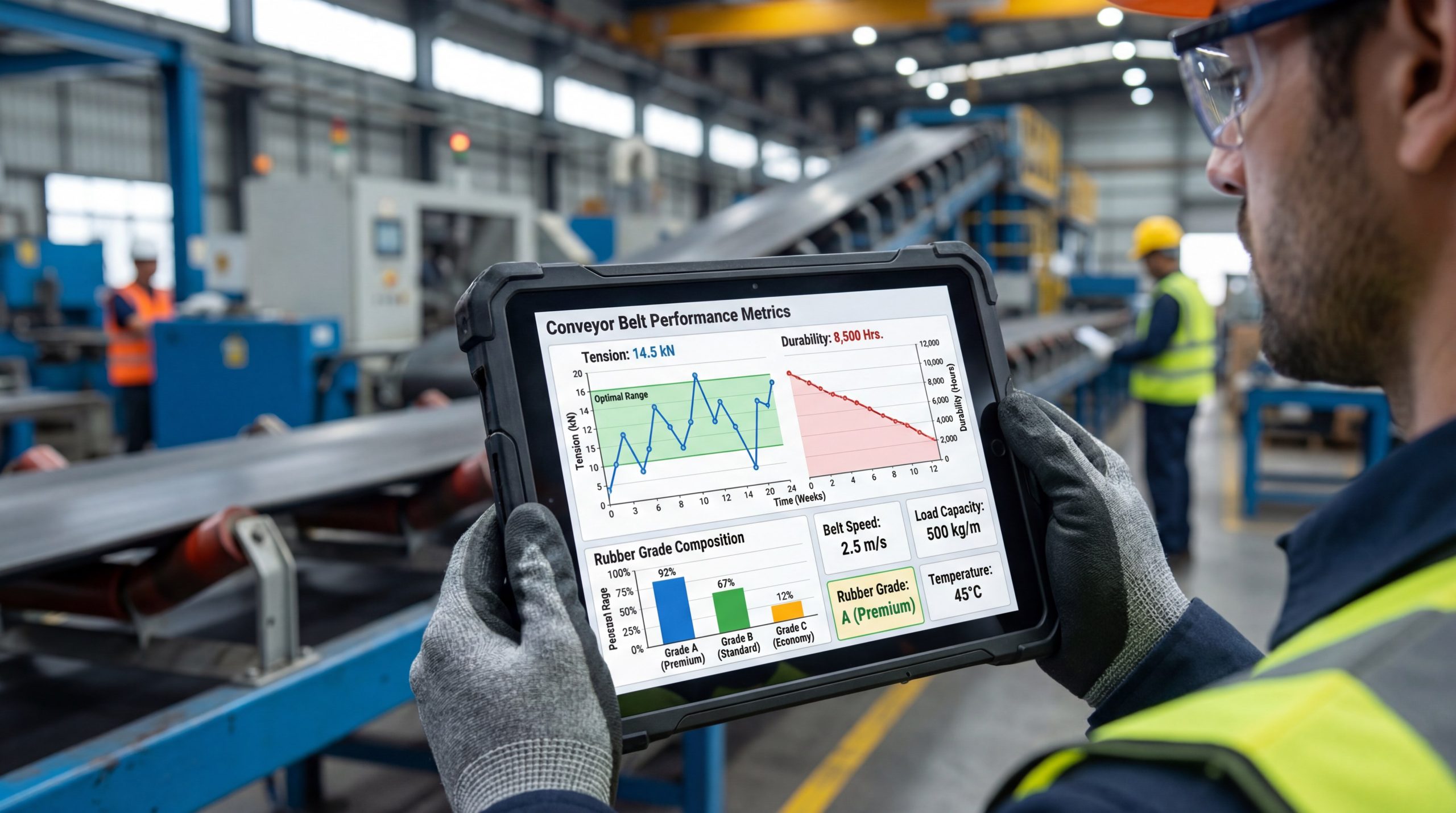
Precision is vital when ordering conveyor belt rubber china, making the use of technical calculators indispensable for your engineering team. These tools allow you to determine the exact weight and tension requirements before placing a large order.
Why calculate belt weight before shipping?
Look: if you underestimate the weight of your belt, your drive motors might fail under the load. Using a calculator ensures your infrastructure is prepared for the mass of the material being moved.
- Accurately determine logistics and total freight costs.
- Ensure your motor capacity can handle the specific belt mass.
- Calculate structural load-bearing requirements for safe operation.
Key Takeaway: Using a factory-provided calculator prevents costly errors in motor sizing and shipping estimates for your project.
| Input Data | Calculated Output | |
|---|---|---|
| Width & Length | Total Belt Weight | |
| Number of Plies | Required Roll Diameter |
What is the history of conveyor belt rubber china?
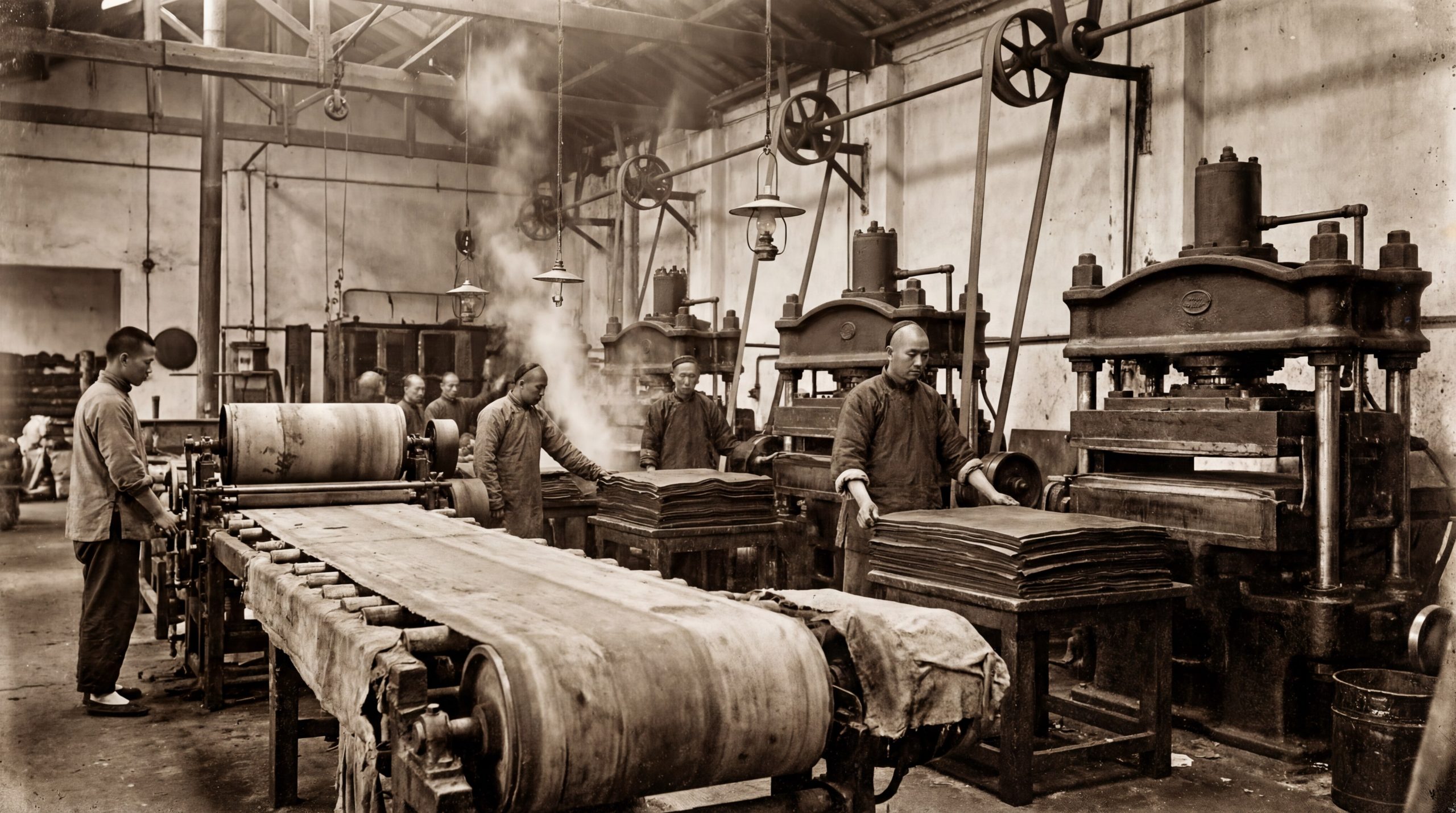
Understanding the evolution of conveyor belt rubber china reveals how China emerged as the world’s primary hub for industrial production. Over the decades, massive investments in vulcanization technology have changed the global landscape of material handling.
How did China become a global manufacturing leader?
Believe it or not, the industry started with simple local needs but rapidly expanded through the adoption of international CE and ISO standards. You now benefit from a supply chain that combines 40 years of experience with modern automation.
- Adoption of ISO and CE international manufacturing standards.
- Massive scaling of production to meet global mining booms.
- Integration of advanced R&D and smart manufacturing tech.
Key Takeaway: Decades of persistent innovation have transformed Chinese manufacturers from local suppliers into global industry benchmarks.
| Era | Focus | |
|---|---|---|
| 1980s | Local Industrialization | |
| 2000s | Global Export Expansion | |
| 2020s | Advanced Smart Manufacturing |
Why trust a leading conveyor belt rubber china supplier?
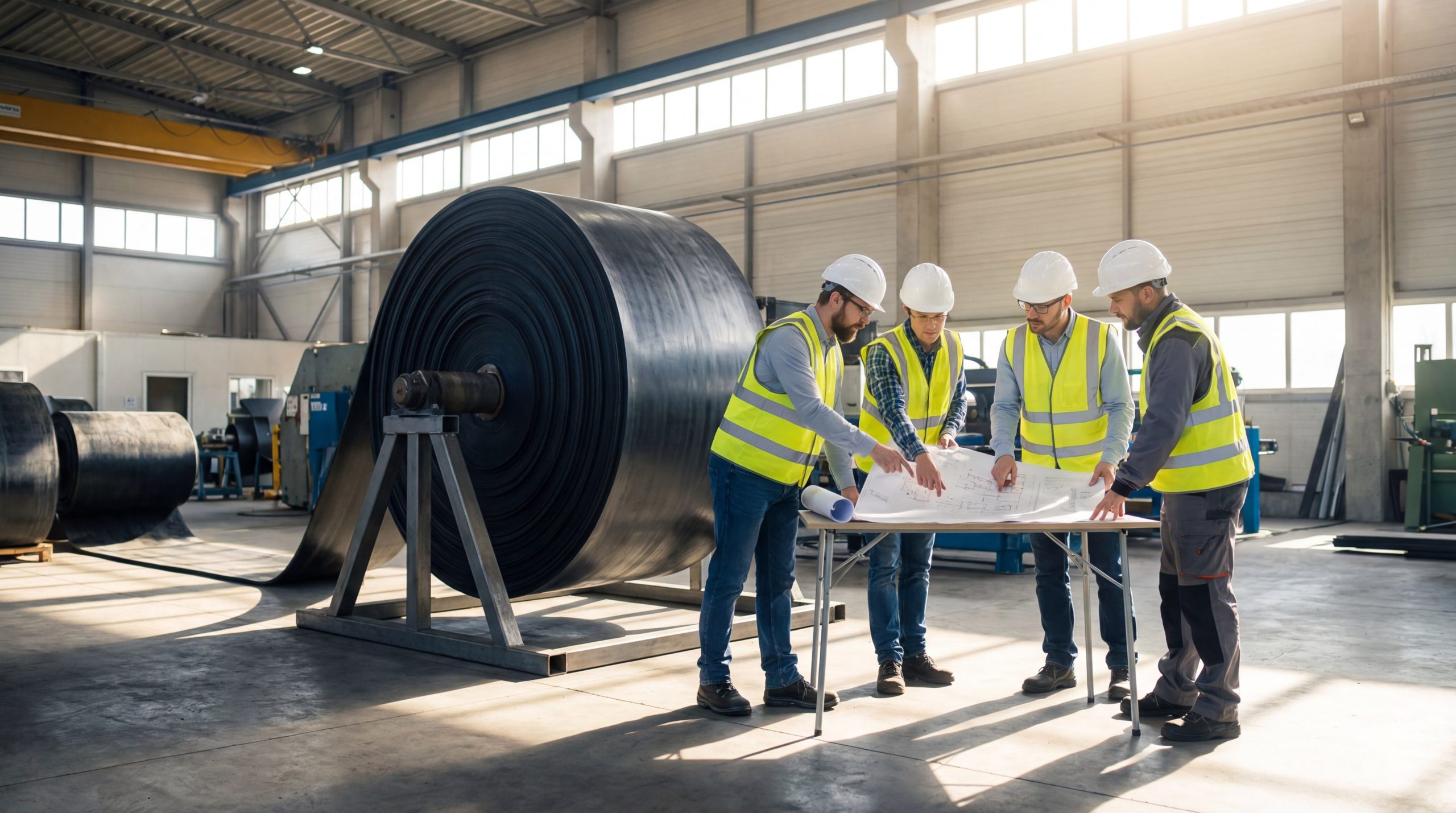
Trust in conveyor belt rubber china is established through transparent manufacturing processes and verified success stories. You should look for partners who offer comprehensive engineering support rather than just selling a commodity.
What sets professional exporters apart?
That’s not all; a truly professional supplier provides third-party test reports from organizations like SGS to verify their claims. You need a partner who answers your technical queries within 24 hours to keep your project on schedule.
- Provision of SGS and third-party material test reports.
- On-site technical consultation and expert belt selection.
- Global response times optimized for urgent industrial quotations.
Key Takeaway: A reliable supplier offers more than a product; they provide a comprehensive engineering partnership for your success.
| Supplier Trait | Benefit to Client | |
|---|---|---|
| ISO Certification | Guaranteed Global Quality | |
| Global Network | Localized Support Access |
How is quality conveyor belt rubber china manufactured?
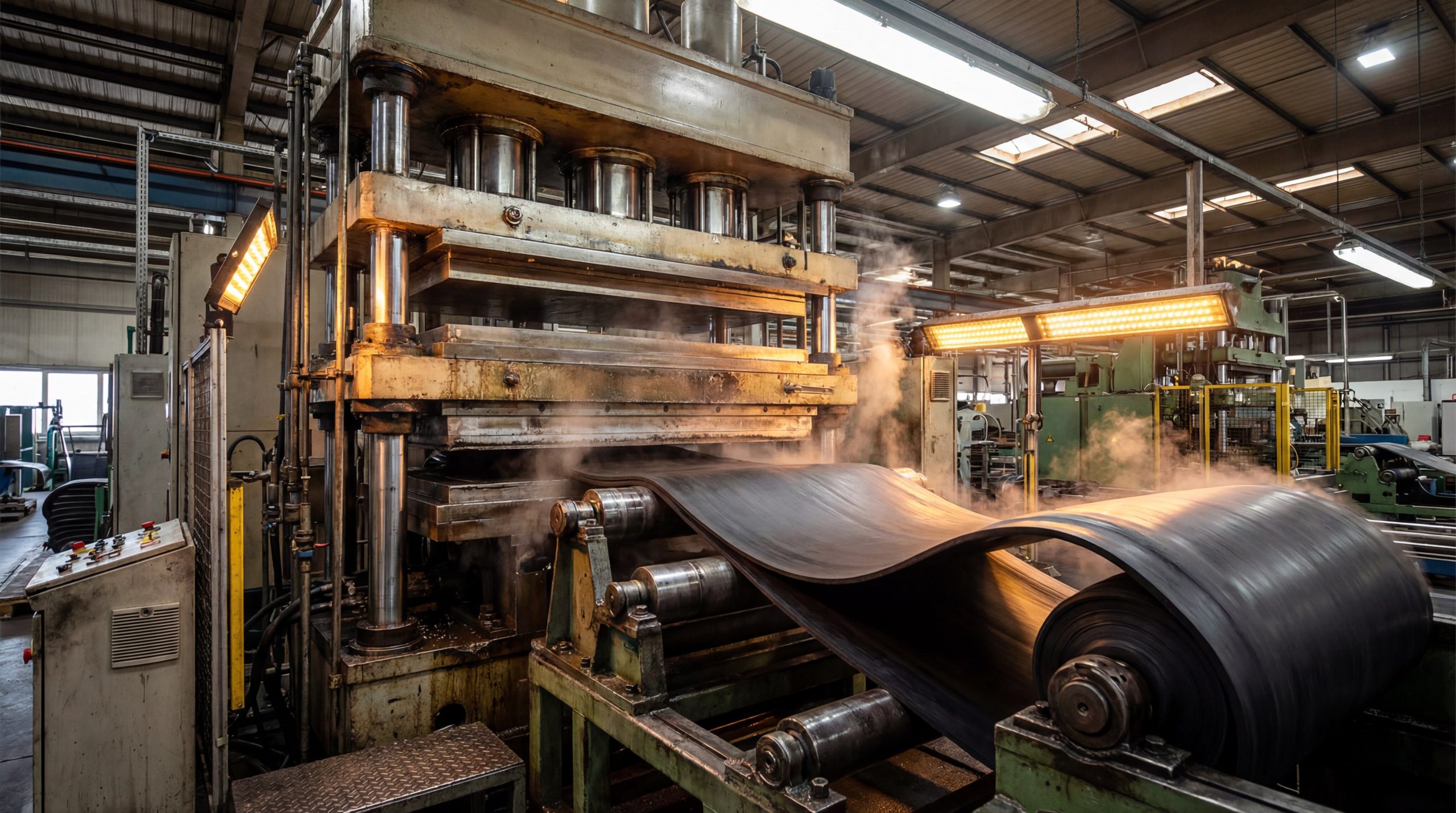
The manufacturing of high-quality conveyor belt rubber china involves complex stages of compounding, calendaring, and vulcanization. Each step requires precise temperature and pressure control to ensure the plies bond into a single, indestructible unit.
What is the secret to perfect vulcanization?
Here is the catch: if the temperature fluctuates by even a few degrees during pressing, the belt’s tensile strength could be compromised. Top factories use automated controls to maintain uniform conditions across the entire width of the belt.
- Precise automated temperature control during the pressing stage.
- High-pressure bonding of multiple fabric or steel plies.
- Uniform cooling processes to prevent damaging internal stress.
Key Takeaway: Quality control at the vulcanization stage determines the belt’s final tensile strength and operational flexibility.
| Process Stage | Key Action | |
|---|---|---|
| Compounding | Mixing specialized rubber | |
| Calendaring | Applying rubber to fabric | |
| Vulcanization | Heat-setting the structure |
Where is conveyor belt rubber china used effectively?
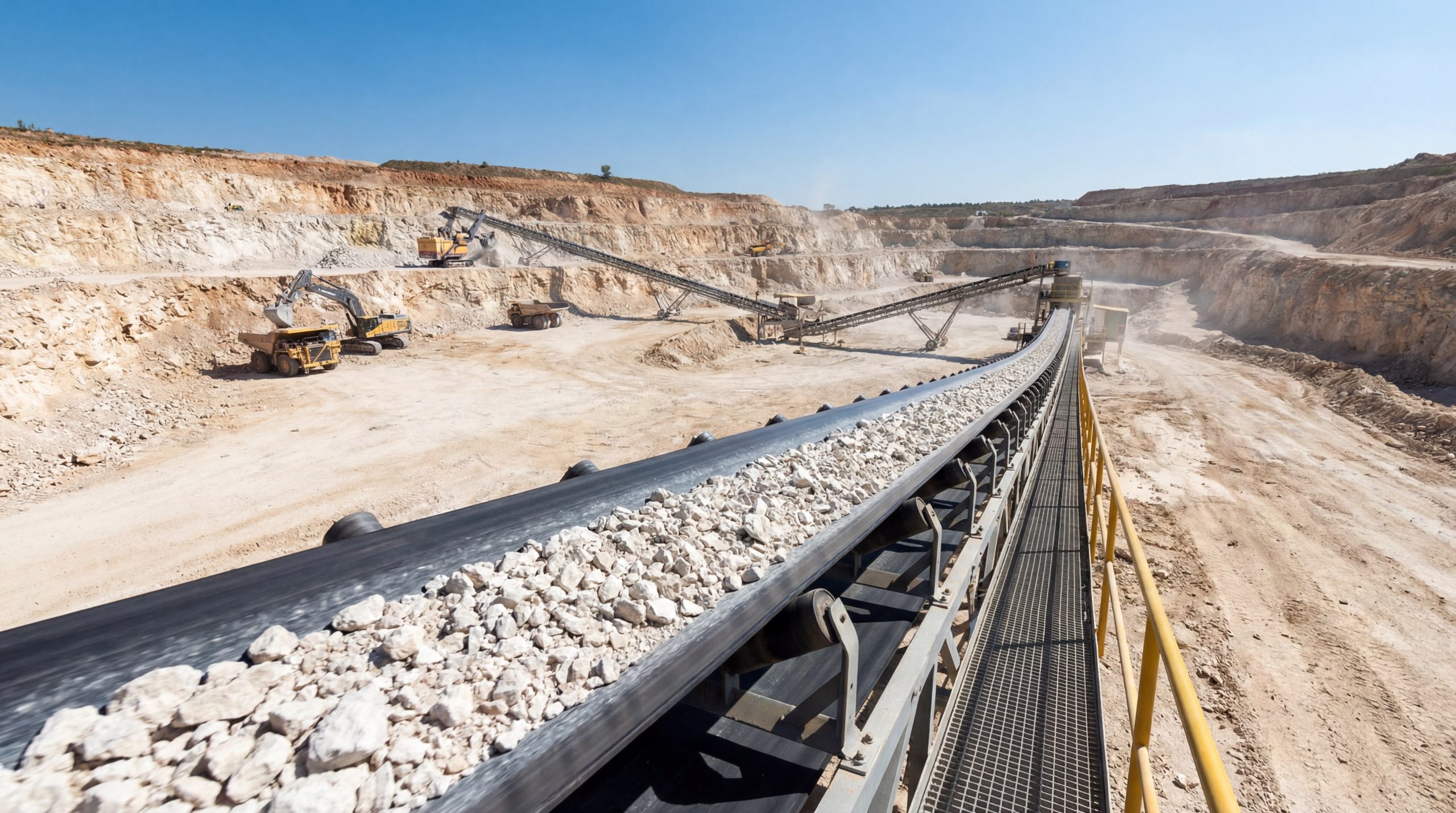
From massive open-pit mines to international port terminals, conveyor belt rubber china serves as the vital backbone of global infrastructure. You will find these belts operating in the world’s harshest climates, from freezing Siberian mines to blistering desert quarries.
Is it suitable for heavy mining projects?
The answer is simple: rubber belts are the only choice for transporting sharp, high-density materials like iron ore or coal over long distances. You can rely on specialized compounds to resist oil, chemicals, or extreme heat depending on your facility’s needs.
- Handling bulk coal and iron ore in high-capacity mines.
- Resisting corrosive chemicals in large fertilizer plants.
- Operating reliably in deep, flame-retardant underground mines.
Key Takeaway: Versatile rubber compounds allow these belts to operate efficiently in the world’s harshest industrial environments.
| Industry | Specific Belt Requirement | |
|---|---|---|
| Cement | Heat Resistance (T3/T4) | |
| Port | High Speed & Large Width | |
| Mining | Tear & Abrasion Resistance |
Who offers the best conveyor belt rubber china service?
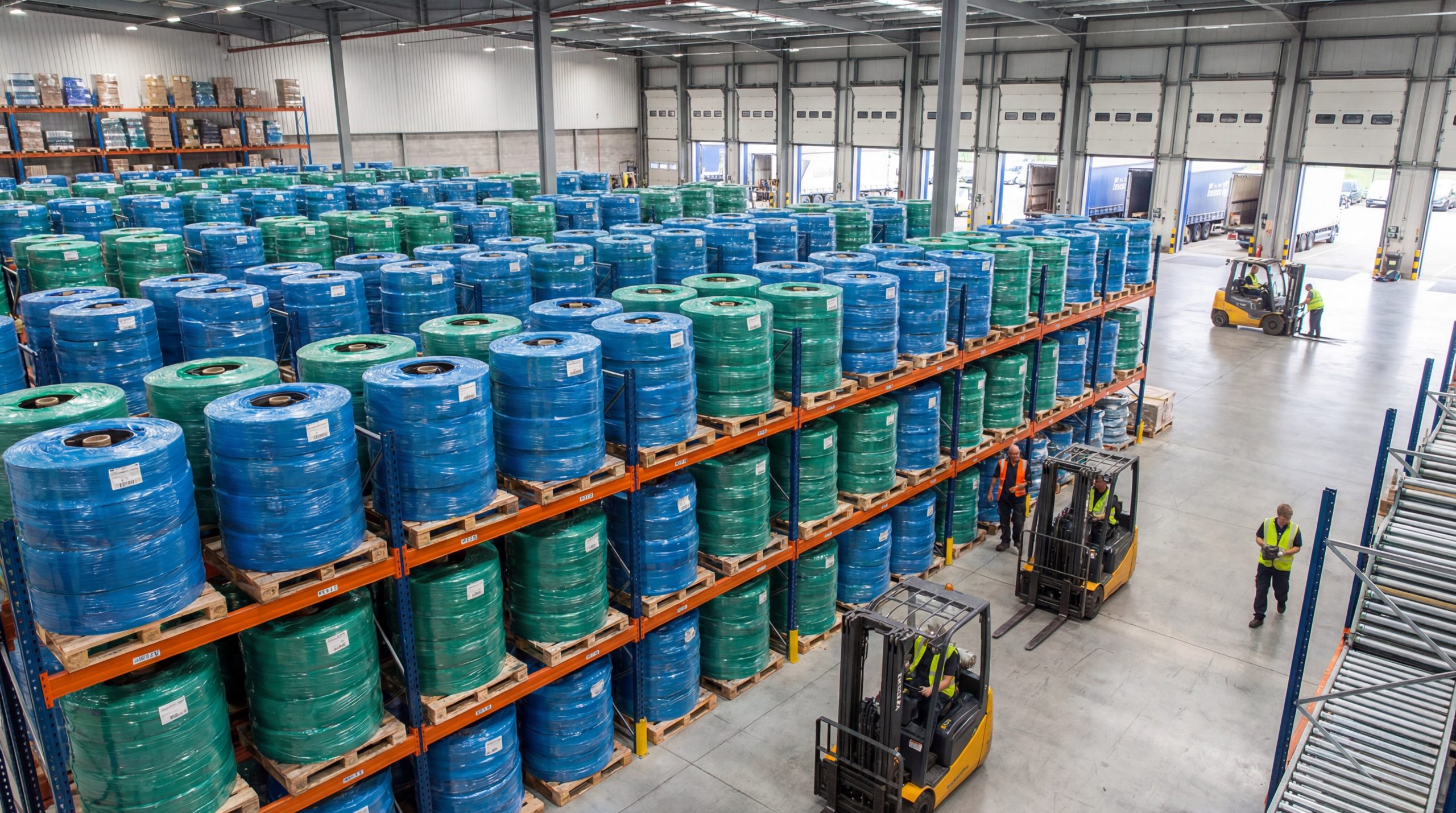
Finalizing your purchase of conveyor belt rubber china requires a partner who excels in both logistics and after-sales support. You deserve a seamless transition from the initial technical quote to the final installation at your job site.
How fast can you get a technical quote?
Bottom line? Leading manufacturers prioritize speed and accuracy because they know that every hour of downtime costs you money. You can expect a detailed design drawing and a competitive quote within one business day.
- Standard technical quotes delivered within 24 hours.
- Free material samples available for quality verification.
- Custom design drawings for complex industrial systems.
Key Takeaway: Leading manufacturers prioritize speed and accuracy to keep your production lines moving without interruption.
| Support Service | Availability | |
|---|---|---|
| Tech Consultation | 24/7 Global Access | |
| Factory Visit | Available Upon Request |
For high-performance, durable, and cost-effective material handling, choosing a top-tier manufacturer is essential. We are dedicated to providing the most reliable rubber solutions that empower industries and drive global progress. Our vision is to become your most trusted engineering partner through innovation and consistent quality. Explore our full range of solutions and contact us today to optimize your facility’s efficiency.
FAQ
- Can I customize the rubber grade for oil and heat resistance?Yes, professional manufacturers provide specialized compounds tailored to handle temperatures up to 200°C and corrosive chemical environments.
- What’s the best way to verify the quality of a Chinese manufacturer?Request a factory visit or ask for third-party inspection reports from SGS to ensure the materials meet international ISO and CE standards.
- How do I know if I need a steel cord or fabric reinforced belt?Steel cord is best for long-distance, high-tension applications, while fabric reinforcement is more suitable for shorter runs with high flexibility requirements.
- Can I get a sample before placing a full-scale container order?Yes, most top-tier factories offer free samples for quality verification so you can test the rubber’s tensile strength and abrasion resistance.
- How do I know if the belt is compatible with my existing rollers?Provide your pulley diameters and idler angles to the engineering team; they will calculate the minimum bend radius and troughing capability for you.