
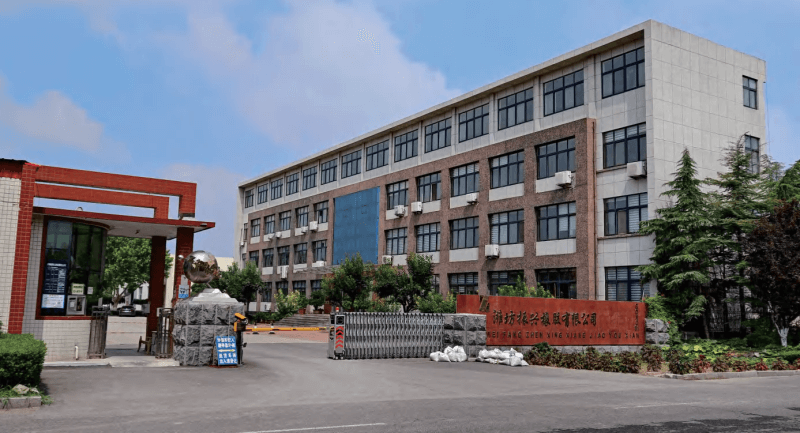
Professional plaster casting improves precision and efficiency, just like sourcing a rubber conveyor belt from china manufacturer ensures reliable performance and cost-effective industrial operations.
What is the fundamental nature of plaster casting?
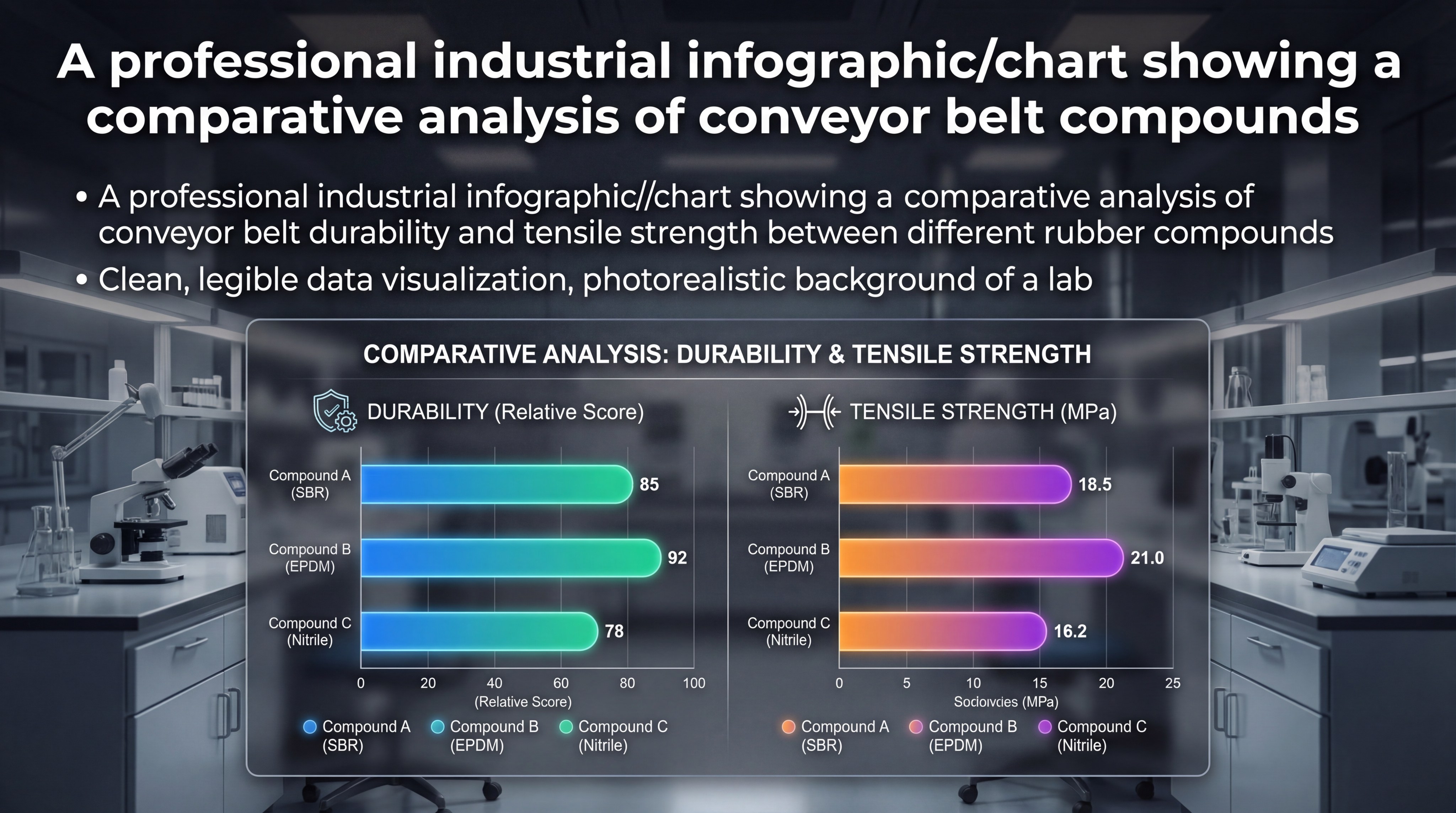
Plaster casting is a specialized molding technique that utilizes a mixture of gypsum, water, and strengthening agents to create high-precision metal parts. The stability and consistency of this molding material are as critical to the final output as the durability of a rubber conveyor belt from china manufacturer is to a large-scale logistics facility.
Defining the Plaster Mold Principle
The process begins by mixing specialized gypsum plaster with water to create a slurry that captures every minute detail of a pattern. This material provides a much smoother finish than traditional sand casting, which is vital for parts that require aesthetic appeal.
- High-detail reproduction capability.
- Low thermal conductivity for controlled cooling.
- Superior surface smoothness (RA values).
Think about it: If you want a part that looks and feels like a finished product straight out of the mold, plaster is your best choice. You save time on polishing and grinding, which improves your overall manufacturing throughput.
Precision vs. Traditional Sand Methods
While sand casting is excellent for large, simple shapes, plaster casting excels at intricate geometries and thin walls. The reliability of this method ensures that your complex components perform under pressure, mirroring the high standards of a rubber conveyor belt from china manufacturer.
- Minimal dimensional shrinkage.
- Excellent repeatability for small batches.
- Reduced need for post-mold machining.
Key Takeaway: Plaster casting is a specialized high-precision molding technique designed for intricate non-ferrous metal parts.
| Feature | Plaster Mold | Traditional Sand Mold | |
|---|---|---|---|
| Surface Finish | Excellent (Smooth) | Rough / Grainy | |
| Dimensional Accuracy | High (+/- 0.005 in) | Moderate (+/- 0.030 in) | |
| Wall Thickness | Can be very thin | Generally thicker |
The choice between these materials depends entirely on your specific tolerance requirements and production volume.
How does the plaster casting process function?
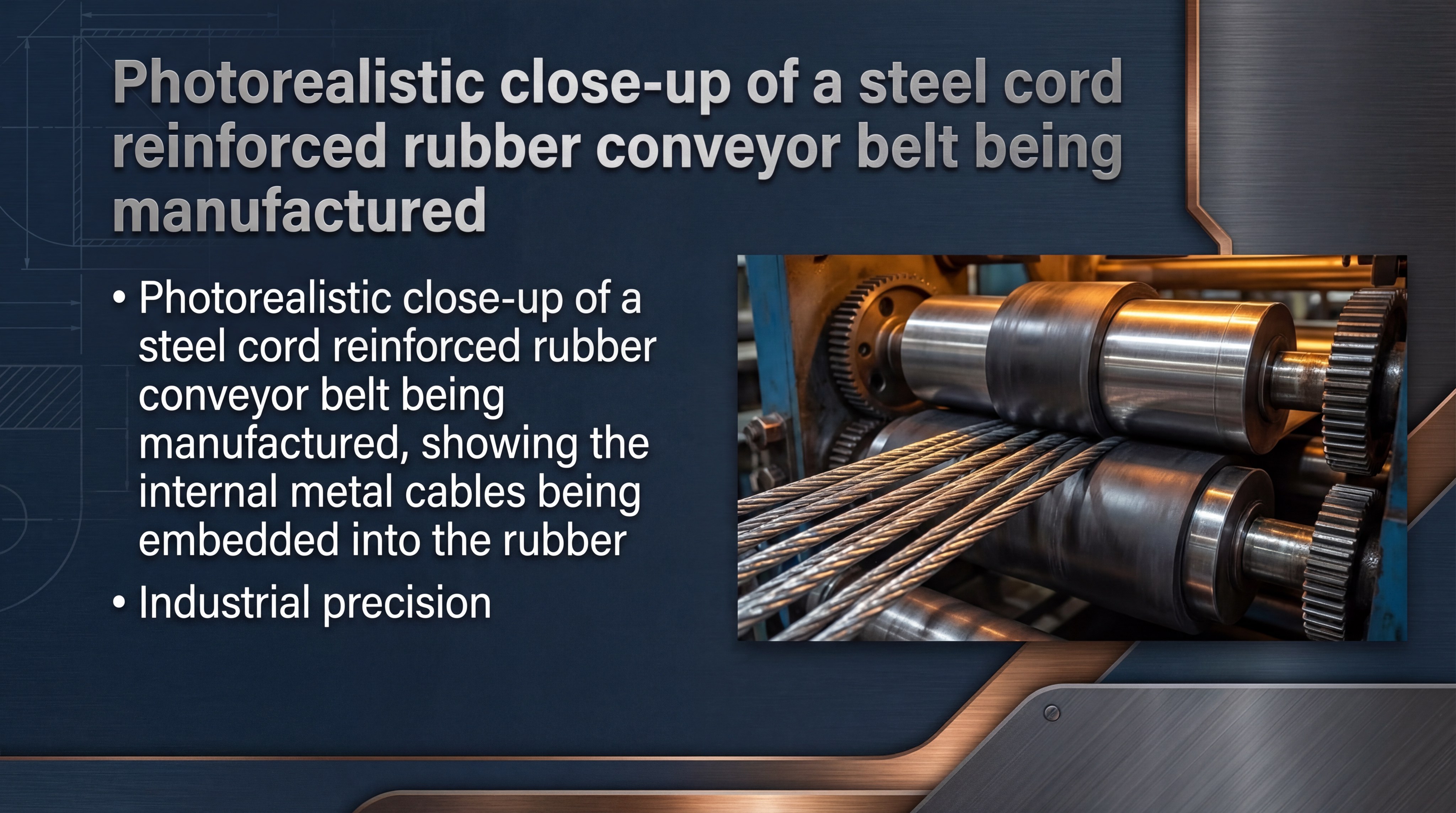
The plaster casting process functions through a series of meticulous stages designed to remove moisture and ensure structural integrity. Maintaining technical consistency during these stages is as vital as the heavy-duty reinforcement found in a rubber conveyor belt from china manufacturer.
The Sequential Manufacturing Stages
First, a pattern made of metal or plastic is coated with a parting agent before the plaster slurry is poured around it. The slurry must be allowed to set completely to avoid cracks or deformities during the metal pouring stage.
- Pattern preparation and coating.
- Slurry mixing and vacuum degassing.
- Mold baking to remove all moisture.
Here is why: Moisture is the enemy of a perfect casting, as trapped water turns to steam and causes blowholes. For heavy-duty industrial transport of raw materials needed in these foundries, consider using a Steel Cord Conveyor Belt .
Post-Casting Finishing and Inspection
Once the metal has solidified, the plaster mold is broken away—this is why it is often called a “waste mold” process. The final part is then cleaned, and any gating systems are removed to reveal the finished geometry.
- Controlled cooling to prevent warping.
- Mechanical mold removal (vibration or water jets).
- Rigorous dimensional verification.
Key Takeaway: Controlled dehydration of the mold is essential for maintaining the structural integrity of the final metal part.
| Process Stage | Average Time | Critical Control Factor | |
|---|---|---|---|
| Slurry Setting | 20–40 Minutes | Water-to-plaster ratio | |
| Mold Baking | 12–24 Hours | Temperature consistency | |
| Metal Pouring | 5–15 Minutes | Pouring speed and pressure |
Successful execution requires a strict adherence to timing and temperature protocols to ensure a defect-free result.
Why is plaster preferred for complex components?
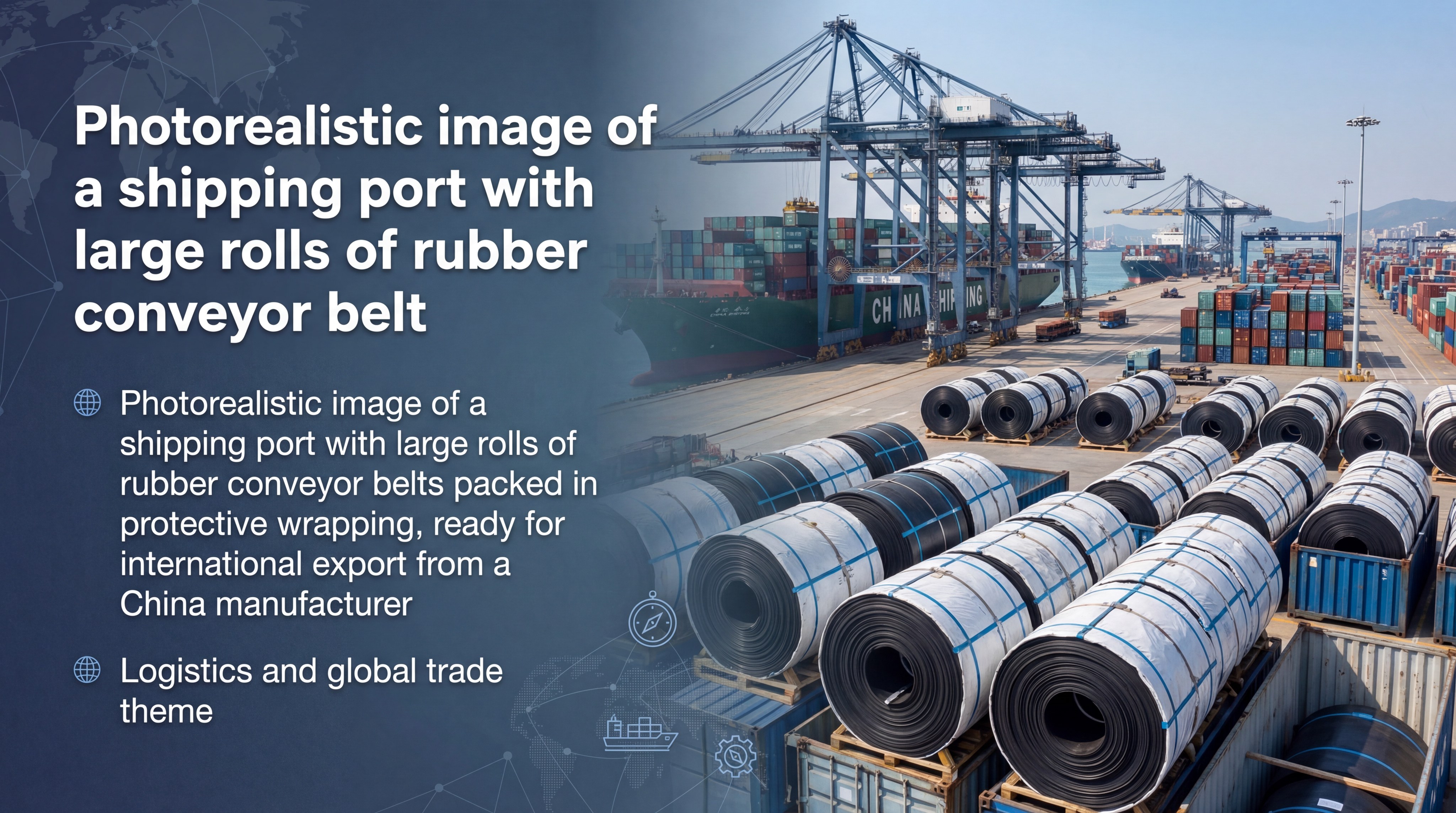
Plaster is preferred because it offers a level of precision engineering that is the hallmark of any top-tier rubber conveyor belt from china manufacturer. Its ability to replicate fine textures and thin-walled structures makes it indispensable for high-tech industrial applications.
Precision vs. Cost-Effectiveness
By choosing plaster, you can eliminate up to 90% of the secondary machining typically required for sand-cast parts. This reduction in labor costs makes the slightly higher material cost of the plaster itself a very smart investment for your project.
- Near-net-shape production.
- Elimination of surface grinding.
- Reduced waste of expensive alloys.
But wait, there is more: The accuracy achieved here is not just about the surface; it is about the internal dimensions that must fit perfectly into larger assemblies. This level of detail ensures that your supply chain remains efficient and predictable.
Handling Intricate Geometries
If your design involves complex internal cavities or sharp corners, plaster is the only viable gravity-fed casting method. These benefits provide an edge in competitive markets, much like the efficiency of a rubber conveyor belt from china manufacturer.
- Ability to cast 0.5mm thin walls.
- Sharp edge definition.
- Complex internal coring capabilities.
Key Takeaway: Plaster casting eliminates most secondary machining costs by providing superior surface finishes and tight tolerances.
| Metric | Plaster Casting | Die Casting | |
|---|---|---|---|
| Tooling Cost | Low to Moderate | Very High | |
| Lead Time | Short (Days) | Long (Weeks) | |
| Intricacy | Extremely High | High |
This comparison highlights why plaster is the dominant choice for prototypes and small-to-medium production runs.
Which materials are compatible with plaster molds?
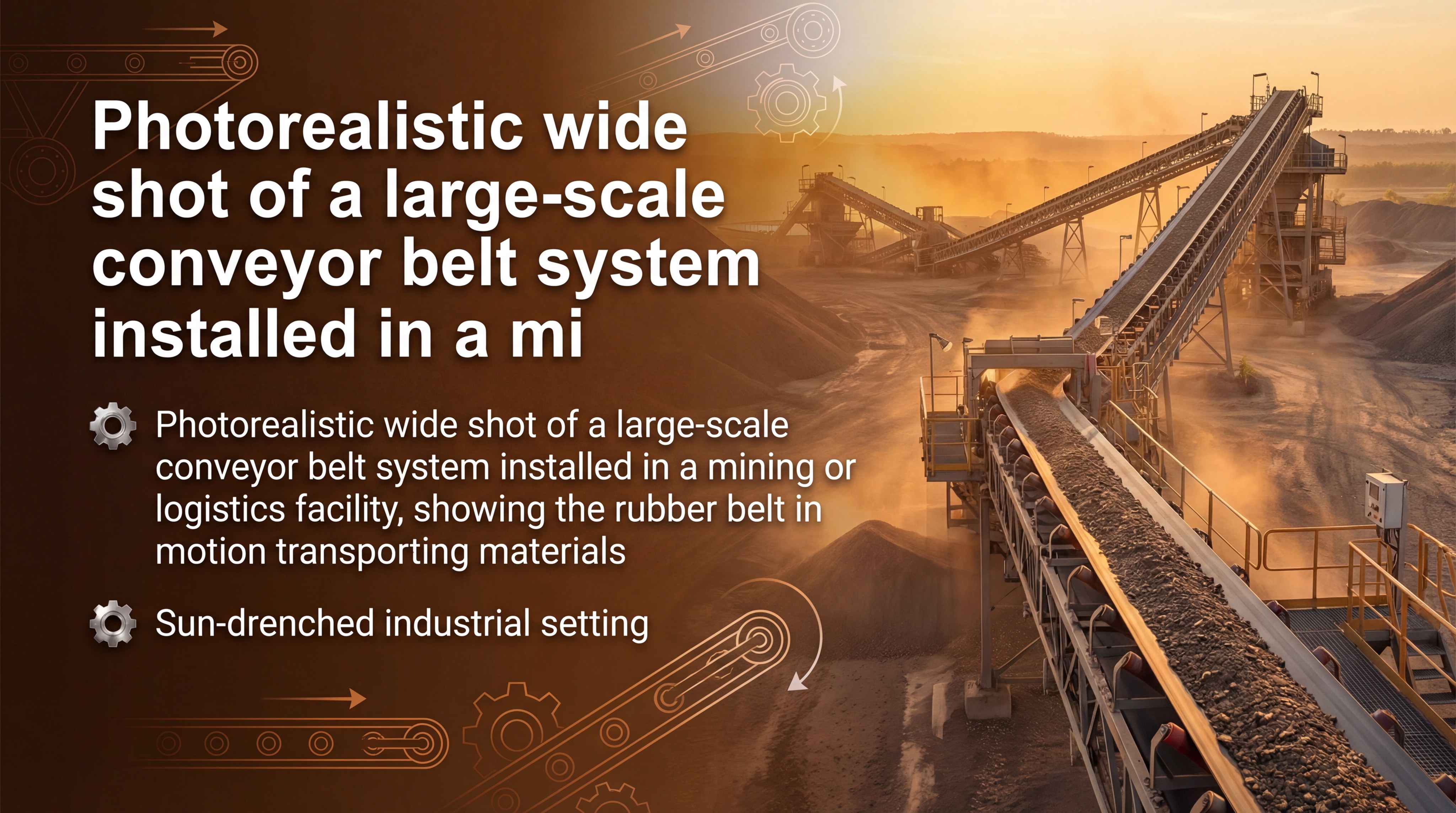
Compatible materials are limited to non-ferrous alloys because the plaster mold cannot withstand the extreme melting points of iron or steel. Selecting the right compatible metal ensures performance, much like choosing a rubber conveyor belt from china manufacturer designed for specific load types.
Focusing on Non-Ferrous Alloys
Aluminum is the most common material used due to its excellent flow characteristics and low melting point. Magnesium and zinc alloys are also frequently cast using this method to create lightweight yet strong structural components.
- Aluminum (300 and 400 series).
- Zinc alloys (ZA-8, ZA-12).
- Magnesium for aerospace weight reduction.
Think about it: When you use a compatible alloy, the metal flows into the smallest crevices of the mold without damaging the plaster. For lighter material handling during production, explore Fabric (Textile) Conveyor Belts .
Limitations with Ferrous Metals
You must avoid iron and steel because their high temperatures would cause the gypsum in the plaster to chemically decompose. This would release sulfur gases that contaminate the metal and destroy the mold surface instantly.
- Avoidance of high-temperature alloys.
- Focus on low-melting-point materials.
- Specialized plaster mixes for copper-based alloys.
Key Takeaway: Low-melting-point non-ferrous alloys yield the most consistent and reliable results in plaster casting.
| Alloy Type | Melting Point Range | Best Application | |
|---|---|---|---|
| Aluminum | 580°C – 660°C | Aerospace / Engine parts | |
| Zinc | 380°C – 430°C | Hardware / Precision tools | |
| Magnesium | 450°C – 650°C | Automotive housings |
Understanding these thermal limits is the first step in deciding if your component is suitable for this casting technique.
What are the most common industrial applications?
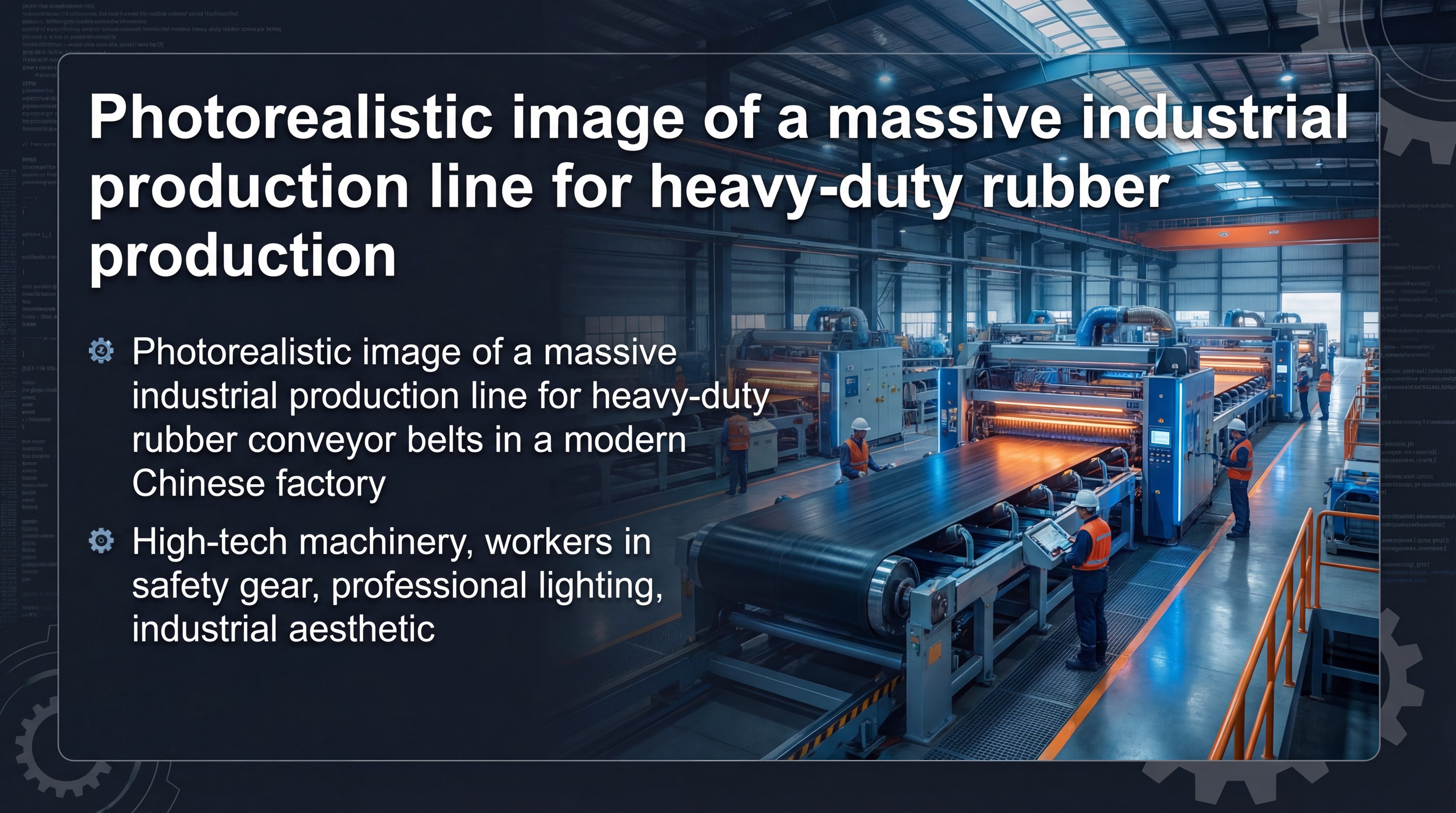
Common applications range from aerospace prototypes to automotive valve bodies, all of which require components as tough as a rubber conveyor belt from china manufacturer. These sectors prioritize dimensional stability and weight reduction above all else.
Aerospace and Automotive Integration
In the aerospace sector, you will find plaster-cast parts in electronic housings and intricate air-duct systems. Automotive engineers use this method for high-performance transmission cases where traditional sand casting is too imprecise.
- Lightweight engine components.
- Complex cooling system manifolds.
- Communication equipment housings.
Here is why: The ability to produce thin-walled parts reduces the overall weight of the vehicle or aircraft, saving fuel and increasing efficiency. It is the same principle of optimization used when installing a rubber conveyor belt from china manufacturer.
Prototyping and Low-Volume Parts
When you need a functional metal prototype that looks like a final die-cast part, plaster casting is your go-to solution. It allows for testing of geometries and fitment before committing to expensive permanent steel molds.
- Medical device housings.
- Electronic chassis frames.
- Architectural decorative hardware.
Key Takeaway: Plaster casting is ideal for intricate, small-to-medium-sized industrial parts that require aerospace-grade precision.
| Industry | Specific Part Example | Primary Benefit | |
|---|---|---|---|
| Aerospace | Radar components | Weight and detail | |
| Automotive | Torque converter parts | Dimensional accuracy | |
| Medical | Surgical tool handles | Surface finish |
The versatility of this process allows it to serve multiple high-stakes industries with minimal overhead costs.
What specific advantages does this method offer?
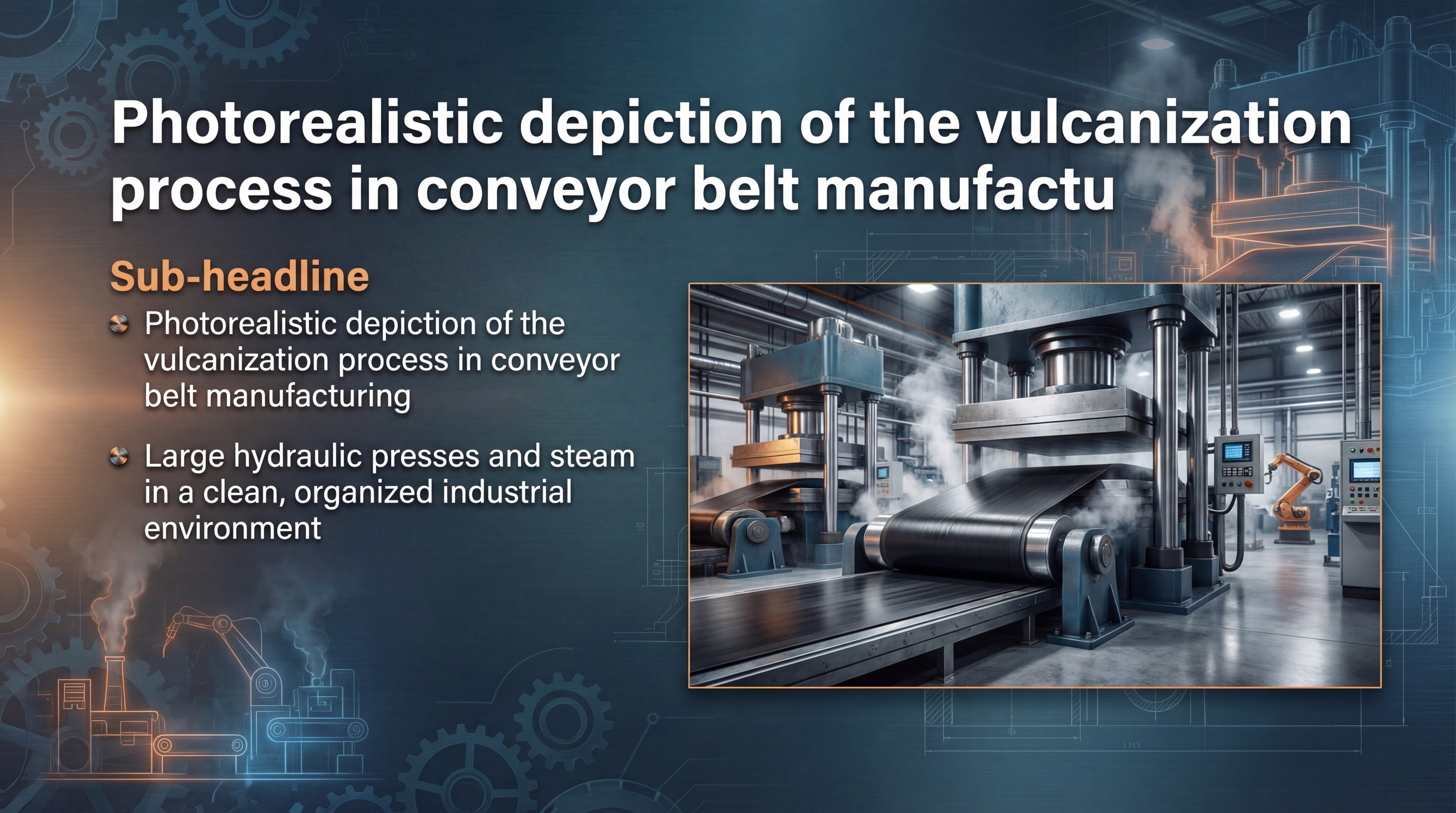
The primary advantages include a superior surface finish and the ability to create thin walls, providing an edge similar to the efficiency of a rubber conveyor belt from china manufacturer. These benefits allow you to push the boundaries of design.
Superior Surface Finish and Detail
Because the plaster slurry is a liquid, it conforms perfectly to the texture of the pattern, resulting in a surface that often requires no further polishing. This is critical for parts with aesthetic requirements or those that need to be airtight.
- Mirror-like surface reproduction.
- Clearer embossed or debossed text.
- Reduced friction for internal fluid channels.
Think about it: Imagine casting a part where the serial numbers and fine logos are legible without any post-processing. For demanding environments like mines, use a Flame Retardant Conveyor Belt .
Dimensional Stability over Large Runs
The molds maintain their shape exceptionally well during the metal pouring phase, which ensures that Part #1 is identical to Part #500. This level of consistency is exactly what you expect from a rubber conveyor belt from china manufacturer.
- Uniform cooling rates.
- Consistent wall thickness across batches.
- Predictable metal shrinkage rates.
Key Takeaway: High-detail reproduction significantly reduces production waste and eliminates the need for expensive secondary polishing.
| Advantage | Benefit to You | Impact on Cost | |
|---|---|---|---|
| Smooth Surface | No polishing needed | Lower labor costs | |
| Thin Walls | Lighter weight parts | Lower material costs | |
| Tight Tolerances | Perfect assembly fit | Reduced scrap rates |
By maximizing these benefits, you can deliver high-quality products to your customers faster and more reliably.
Are there critical limitations to be aware of?

Critical limitations include mold permeability and the one-time-use nature of the plaster, which is as vital to understand as maintenance for a rubber conveyor belt from china manufacturer. You must plan for these factors during the design phase.
Mold Permeability and Cycle Time
Plaster is naturally less permeable than sand, meaning gases have a harder time escaping the mold during pouring. This requires specialized additives or vacuum systems to ensure that your parts do not suffer from internal porosity defects.
- Slower cooling times than metal molds.
- Risk of gas entrapment without vacuum.
- Extended mold drying times required.
But wait, there is more: The cycle time is significantly longer than die casting because each mold must be baked for up to 24 hours. While this makes it slow for millions of parts, it remains highly competitive for small-to-medium production runs.
One-Time-Use Mold Constraints
Every part you cast requires a brand-new plaster mold, which means you must constantly replenish your plaster supply. This logistical challenge is why many foundries rely on a rubber conveyor belt from china manufacturer to move raw materials efficiently.
- High labor cost for mold preparation.
- Disposal of used plaster waste.
- Dependency on high-quality gypsum sources.
Key Takeaway: Longer cooling times and mold preparation requirements are the trade-offs for achieving high-precision surface details.
| Limitation | Technical Cause | Recommended Solution | |
|---|---|---|---|
| Gas Escapement | Low mold permeability | Use vacuum-assisted pouring | |
| Cycle Time | 24-hour bake cycle | Batch processing of molds | |
| Metal Limits | Gypsum decomposition | Use only non-ferrous alloys |
Understanding these constraints allows you to mitigate risks and choose the right projects for this manufacturing style.
How can you maintain high quality in production?
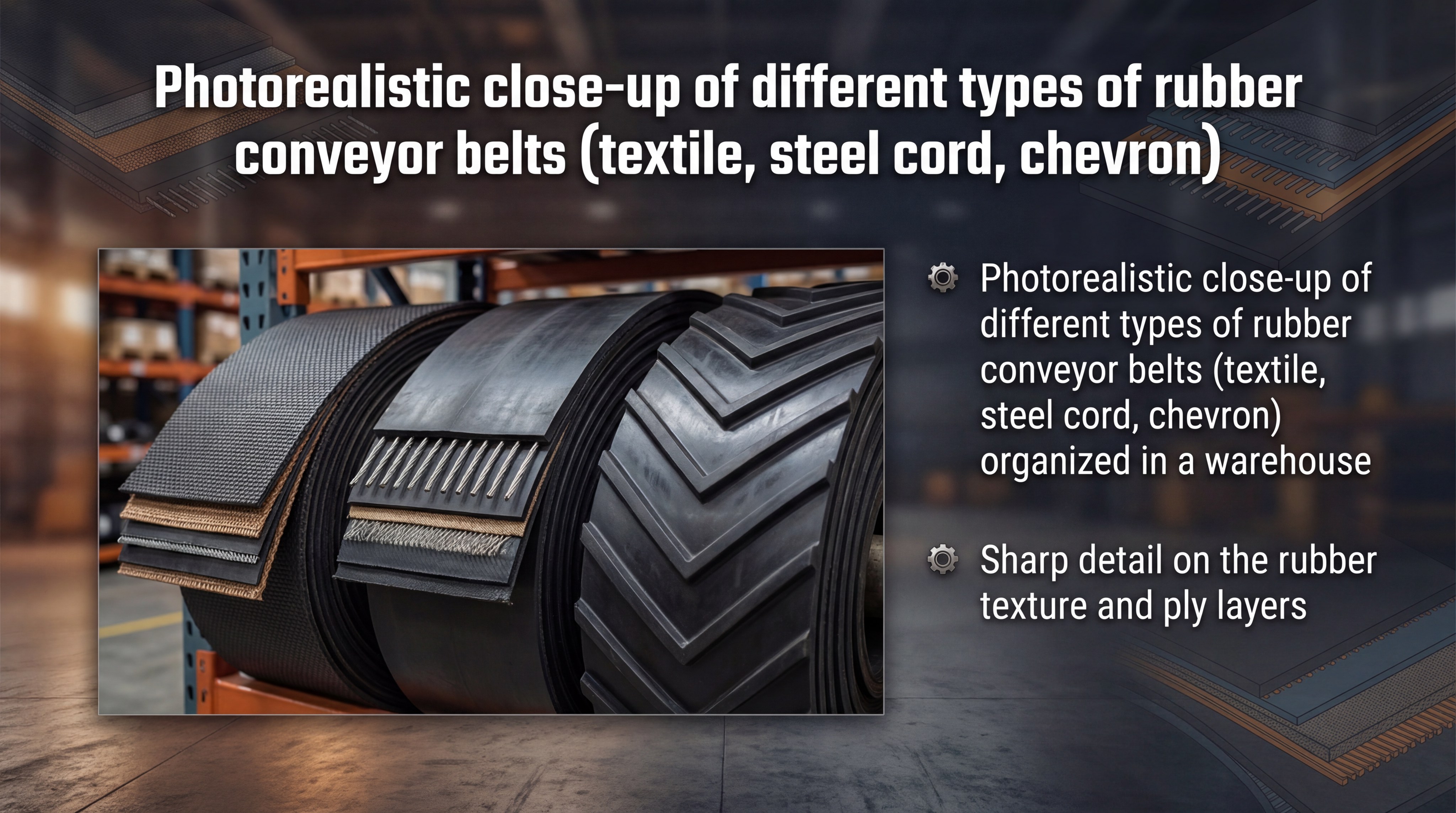
Maintaining high quality requires managing moisture levels and baking temperatures, mirroring the rigorous standards of a rubber conveyor belt from china manufacturer. Consistency in the “invisible” parts of the process is what separates success from failure.
Managing Moisture and Baking Temperature
If a mold is not 100% dry, the remaining moisture will turn into steam the moment molten metal hits it, causing a dangerous explosion or a ruined part. You must use calibrated ovens to ensure every mold is completely dehydrated.
- Precision oven calibration.
- Step-down cooling after baking.
- Moisture-proof storage for dried molds.
Here is why: A perfect mold is the foundation of a perfect part; there are no shortcuts when it comes to the dehydration cycle. For steep angle material transport, check out Sidewall Conveyor Belts .
Rigorous Inspection Protocols
Using X-ray and ultrasonic testing allows you to see inside the finished casting to check for hidden air bubbles or cracks. Quality control here is just as important as the testing protocols for a rubber conveyor belt from china manufacturer.
- Dye penetrant testing for surfaces.
- Spectrographic analysis of metal alloys.
- Digital calipers for 100% dimensional checks.
Key Takeaway: Perfect mold preparation and moisture control are the absolute foundation of a defect-free casting.
| Quality Check | Equipment Used | Purpose | |
|---|---|---|---|
| Porosity Check | X-Ray / CT Scan | Internal integrity | |
| Surface Finish | Profilometer | RA value verification | |
| Alloy Purity | Spectrometer | Chemical composition |
Implementing these checks ensures that only the highest quality components enter your assembly line.
What are common questions about plaster casting?
Getting answers is the first step to finding a quality rubber conveyor belt from china manufacturer and mastering your casting projects. Here are the most frequent queries from industrial professionals.
Can I use plaster casting for steel parts?No, the high melting point of steel exceeds the thermal limits of the gypsum, causing the mold to fail chemically. This process is strictly for non-ferrous metals like aluminum and zinc.
What’s the best metal for high-precision plaster molds?Aluminum is widely considered the best choice because it flows easily into thin walls and has a predictable shrinkage rate. It provides the best balance of strength and detail reproduction.
Can I reuse the plaster mold after one casting cycle?No, you cannot reuse the mold because it must be broken or vibrated into pieces to remove the finished metal part. This makes it an “expendable mold” process.
What’s the best way to improve surface finish further?Using a vacuum degassing chamber for the wet plaster slurry ensures all air bubbles are removed before the mold sets. This results in a much smoother interface with the molten metal.
Can I automate the plaster slurry pouring process?Yes, modern facilities use robotic arms to mix and pour the slurry into mold boxes to ensure a consistent water-to-plaster ratio. This reduces human error and increases production speed.
How to reach a leading industrial manufacturer?

We provide the same level of excellence as a leading rubber conveyor belt from china manufacturer by offering expert consultation for your precision needs. Integrating these high-tech techniques into your supply chain is easy with the right partner.
Expert Consultation and Next Steps
Our team of engineers is ready to review your CAD drawings and provide a feasibility analysis for plaster mold casting. We focus on optimizing your design for both performance and cost-efficiency.
- Free technical design reviews.
- Rapid prototyping timelines.
- Global shipping and logistics support.
Think about it: Why settle for mediocre sand-cast parts when you can achieve die-cast quality at a fraction of the tooling cost? To get a tailored quote for your project, please contact us today.
Key Takeaway: Partnering with industrial experts ensures your precision parts meet global standards for quality and performance.
| Contact Channel | Response Time | Available Support | |
|---|---|---|---|
| Email Inquiry | < 24 Hours | Technical Quote | |
| WhatsApp Chat | Immediate | Project Updates | |
| Video Call | Scheduled | Design Consultation |
Choosing the right expert ensures that your production remains on schedule and within budget.
Conclusion
Plaster casting solves the critical problems of poor surface finish and dimensional inaccuracy that often plague traditional manufacturing methods. By utilizing this high-precision technique, we provide you with a way to create complex, thin-walled components that are ready for assembly with minimal post-processing. Our service ensures that your non-ferrous metal projects are executed with the same reliability and industrial durability found in a world-class rubber conveyor belt from china manufacturer.
We invite you to experience our commitment to engineering excellence. Our vision is to empower global industries through precision manufacturing and stable supply chain solutions that drive innovation. Please contact us today to discuss your specific project requirements and receive a customized technical solution that meets your highest standards.