
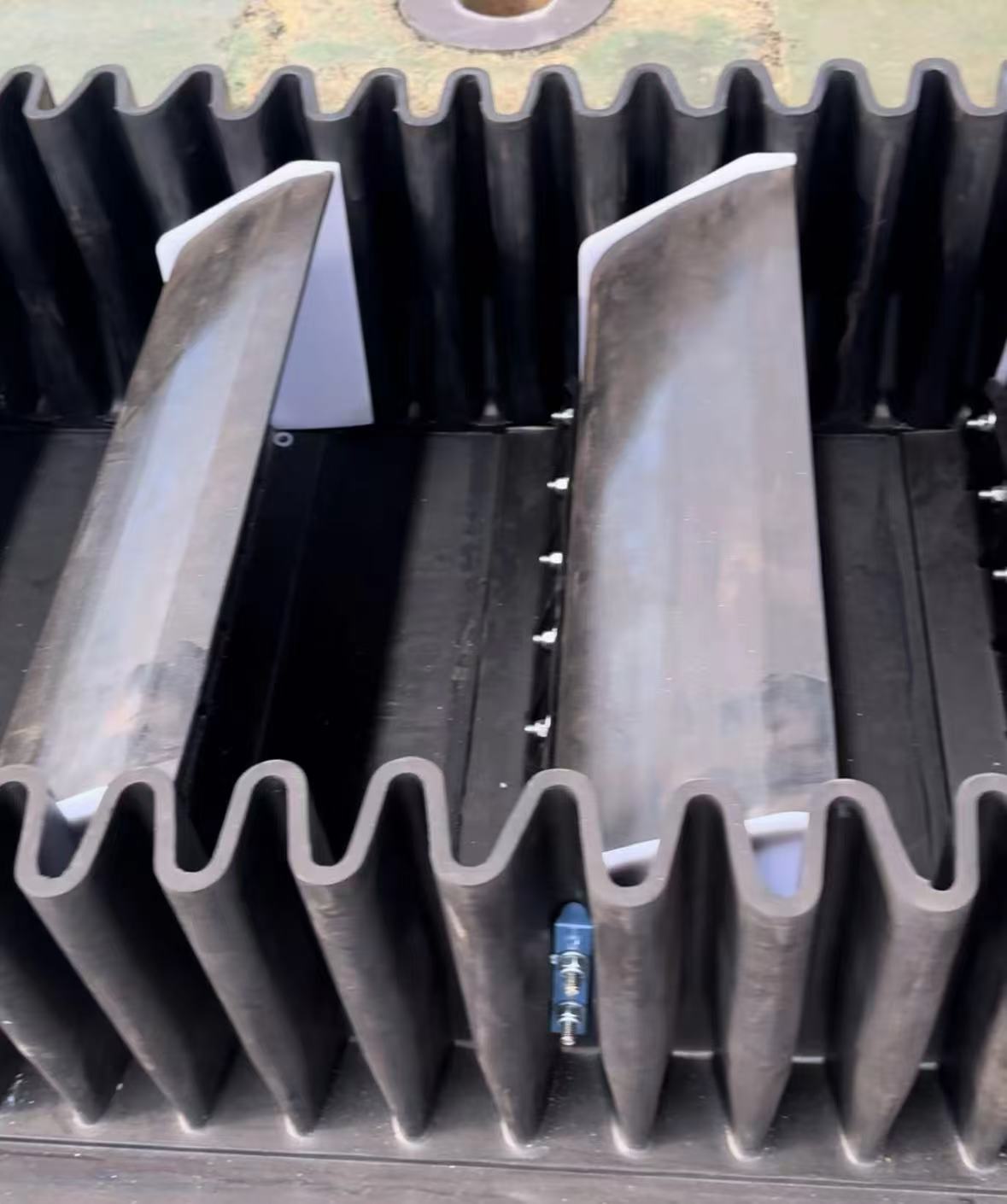
A rubber corrugated sidewall conveyor belt enables efficient vertical material transport, reducing spillage, saving space, and lowering maintenance costs in industrial operations.
How has sidewall belt manufacturing evolved?
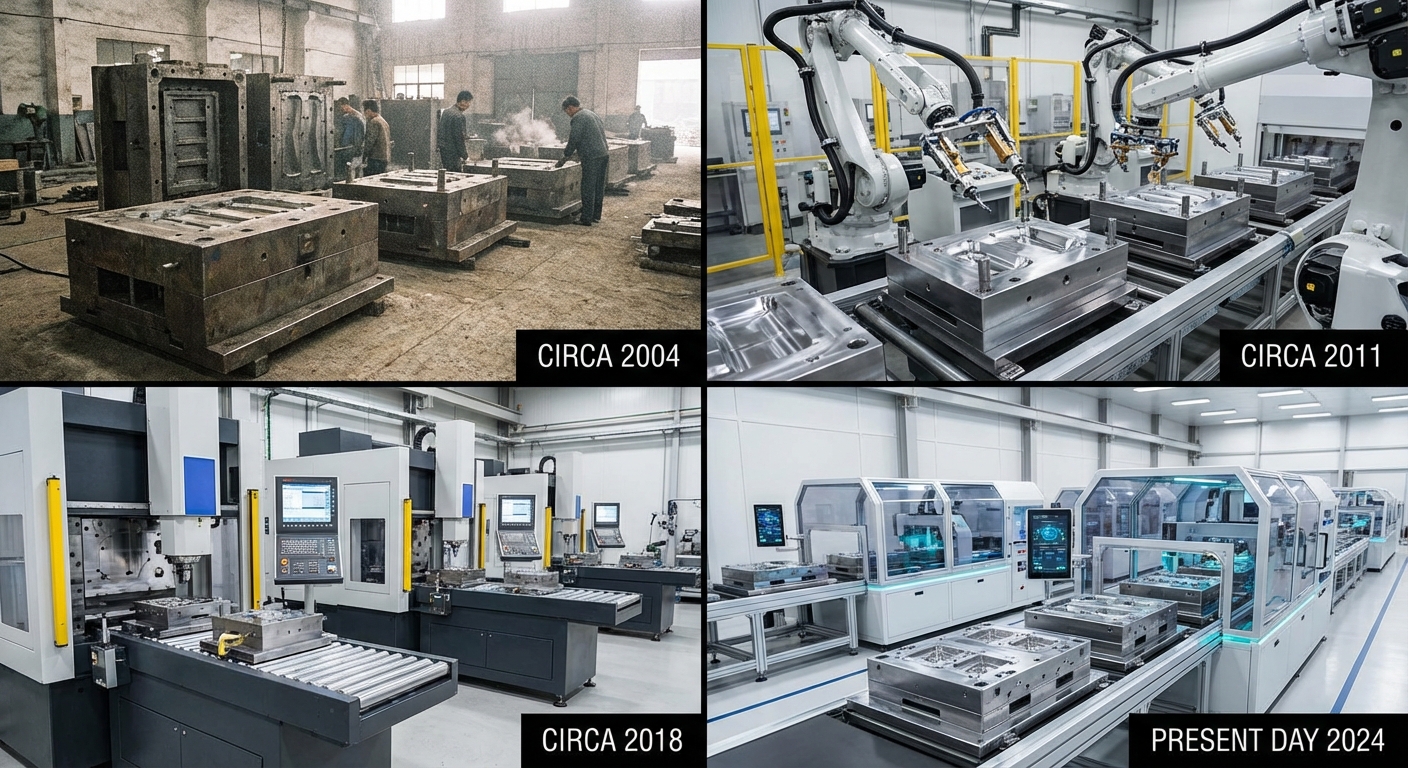
Manufacturing has transitioned from manual labor-intensive plaster casting to high-precision CNC molding and automated assembly lines over the last twenty years. This evolution ensures that every rubber corrugated sidewall conveyor belt meets the rigorous demands of modern heavy industry.
What are the benefits of modern molding?
The shift to digital precision allows for tighter tolerances and more consistent rubber thickness throughout the sidewall structure.
Look: Consistency is the foundation of durability in high-angle systems.
- Reduced mechanical stress points.
- Improved flexibility under high tension.
- Superior surface finish for material release.
Key Takeaway: Modern molding eliminates the structural variances that lead to premature belt fatigue.
| Feature | Legacy Casting | Modern CNC Molding | |
|---|---|---|---|
| Dimensional Accuracy | Variable | High-Precision | |
| Production Speed | Slow | Accelerated |
Can S-path conveyors save facility floor space?
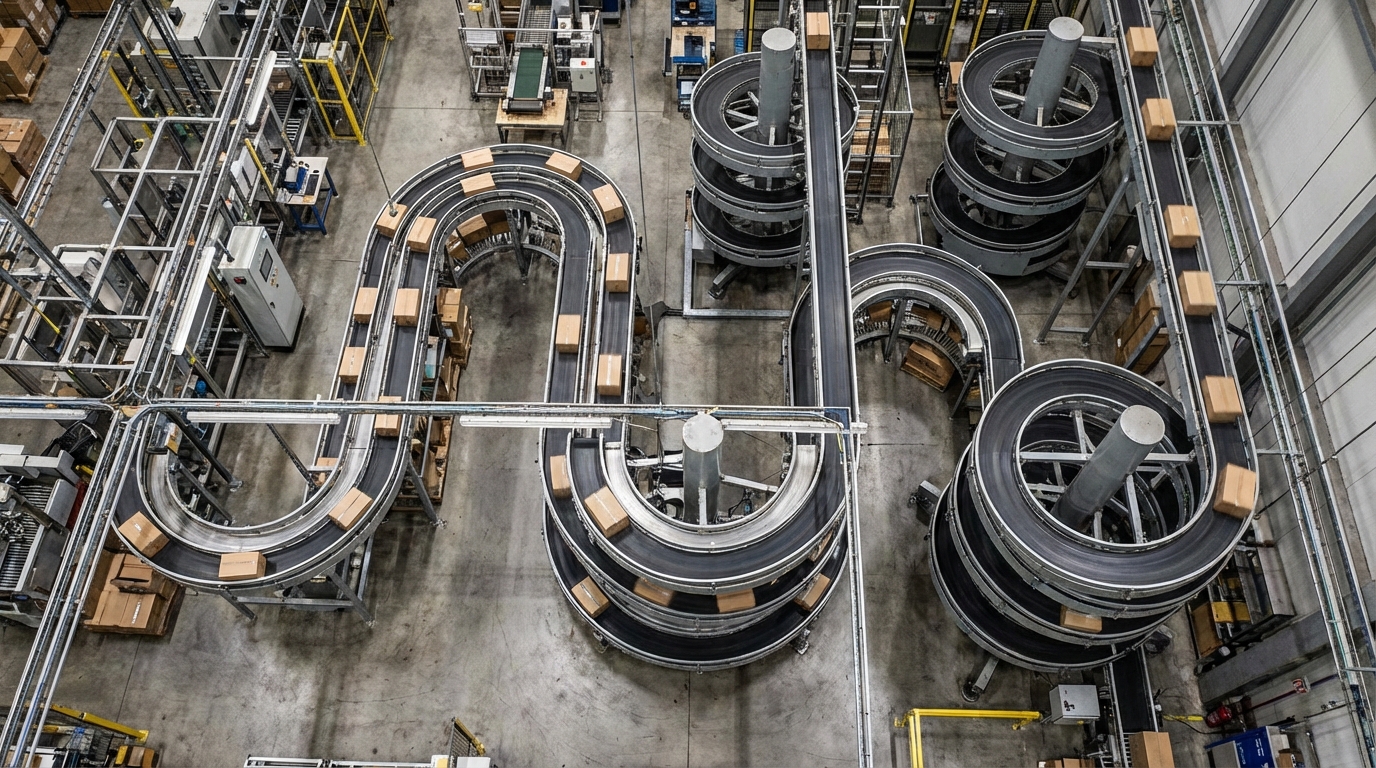
Yes, S-path conveyor configurations allow for compact vertical lifts that bypass the need for multiple complex transfer points. Integrating a rubber corrugated sidewall conveyor belt into these layouts maximizes throughput while minimizing the mechanical footprint.
How do S-path layouts optimize flow?
By combining horizontal and vertical runs into a single continuous loop, facilities can eliminate spill-prone transfer stations.
Here is the thing: Simplified systems are inherently more reliable and easier to maintain.
- Continuous material flow without interruption.
- Lower energy requirements for vertical lifting.
- Reduced structural engineering costs for the plant.
Key Takeaway: S-path designs utilizing sidewall belts significantly reduce the total equipment footprint.
| Optimization | Traditional Layout | S-Path Layout | |
|---|---|---|---|
| Transfer Points | Multiple | Zero | |
| Power Efficiency | Lower | Higher |
Why are corrugated belts best for vertical lifts?
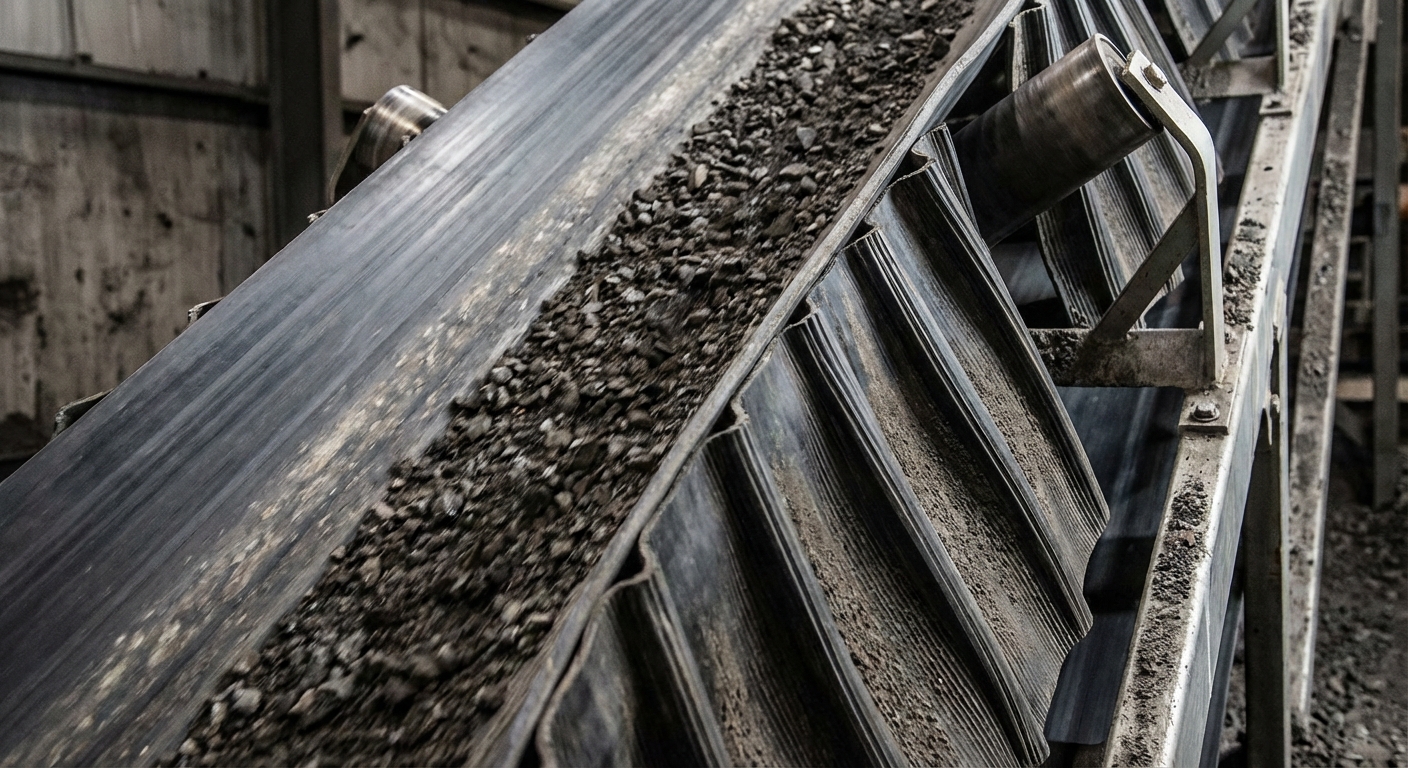
Corrugated walls act as a flexible containment system that holds material securely during 90-degree vertical ascents. A high-quality rubber corrugated sidewall conveyor belt ensures that even fine-grained bulk materials remain on the belt without fallback.
What enables zero-spillage transport?
The height of the sidewall is specifically engineered to match the volumetric capacity of the cleat pockets.
Think about it: Zero spillage means zero waste and zero cleanup labor.
- Pocket-style containment for steep angles.
- Flexible walls that accommodate pulley wrapping.
- Reinforced edges for lateral stability.
Key Takeaway: The synergy between corrugated walls and cleats makes vertical transport highly efficient.
| Vertical Factor | Flat Belt | Sidewall Belt | |
|---|---|---|---|
| Max Incline | 18 Degrees | 90 Degrees | |
| Material Fallback | High | Negligible |
What layers define a durable base belt?
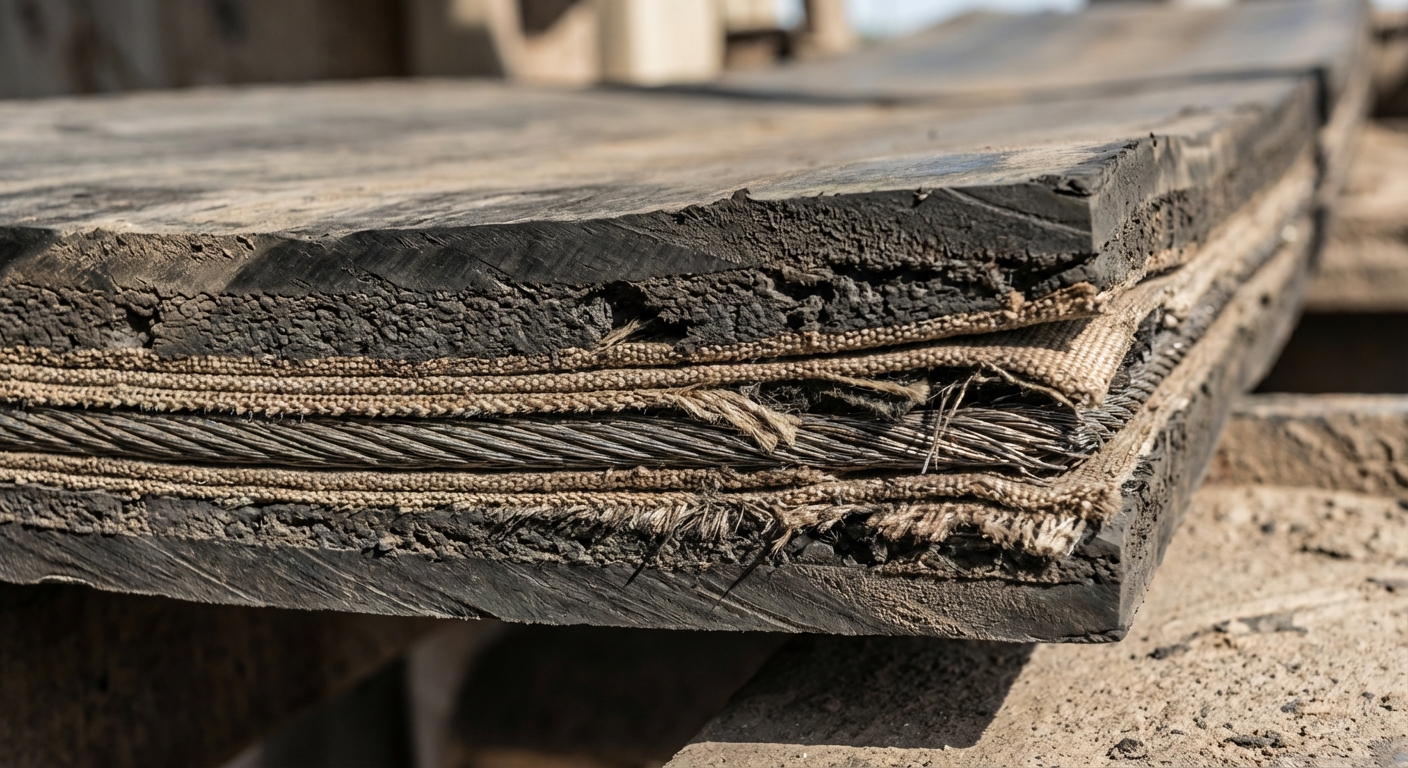
A durable base belt is constructed from high-tensile fabric plys or steel cords integrated with a cross-rigid carcass. This specialized structure provides the necessary support for a rubber corrugated sidewall conveyor belt to prevent sagging under heavy loads.
Why is cross-rigidity essential?
Cross-rigidity ensures the belt remains flat across the width while remaining flexible enough to bend around the drive pulley.
The reality is: Without lateral stiffness, the sidewalls would lean inward, compromising the carrying capacity.
- Multi-ply polyester/nylon fabric layers.
- Steel cord reinforcement for high-lift applications.
- Abrasion-resistant rubber cover compounds.
Key Takeaway: A reinforced carcass prevents the transverse bowing that ruins sidewall alignment.
| Belt Layer | Material Type | Primary Function | |
|---|---|---|---|
| Carcass | Steel or EP Fabric | Tensile Strength | |
| Cover | SBR or EPDM | Wear Resistance |
How does hot vulcanization improve belt life?
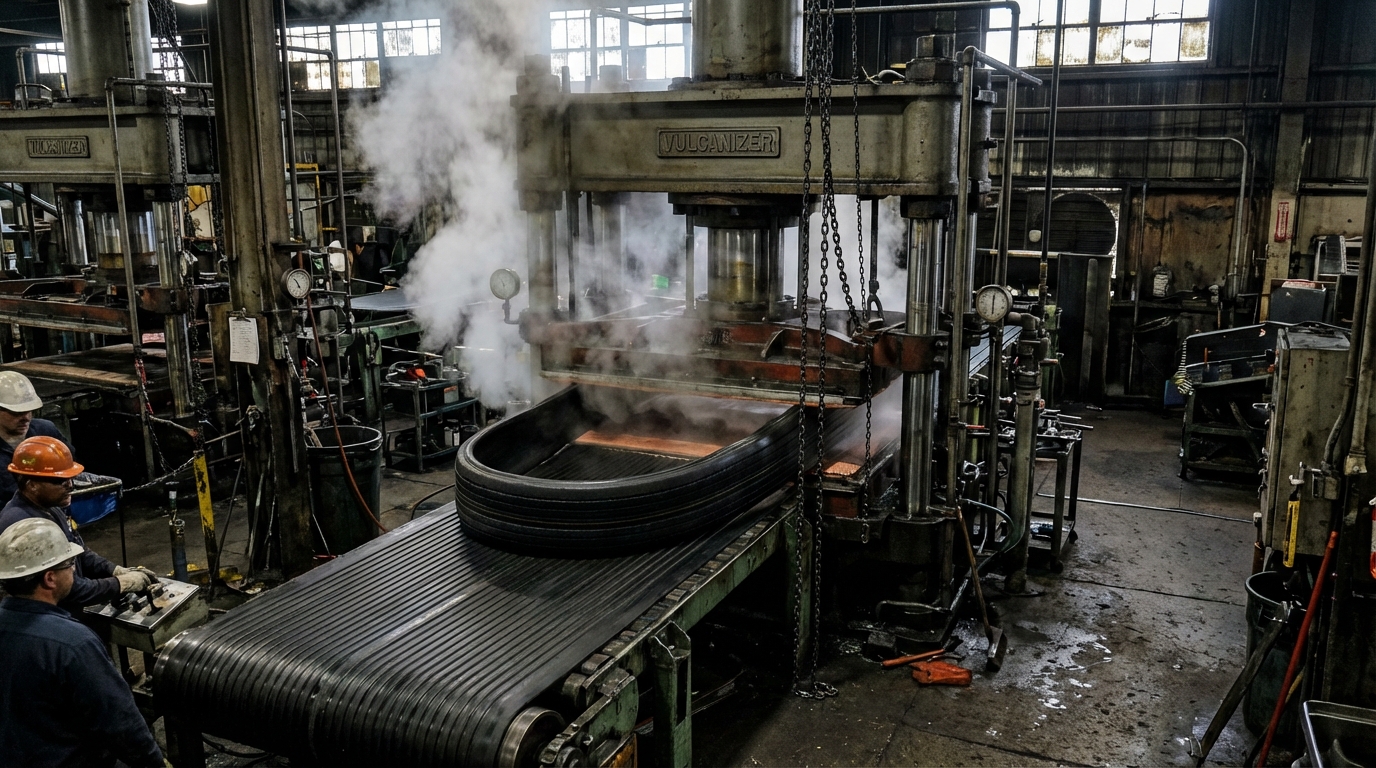
Hot vulcanization creates a molecular bond between the belt, sidewalls, and cleats that is far superior to cold adhesives. Every rubber corrugated sidewall conveyor belt relies on this thermal fusion to withstand the constant flexing of industrial cycles.
What makes hot bonding superior?
The process uses controlled heat and high pressure to cure the rubber components into a single, inseparable monolithic structure.
Believe it or not: Hot-vulcanized bonds are up to five times stronger than traditional cold-glued alternatives.
- Resistance to extreme heat and humidity.
- Superior peel strength during heavy loading.
- Seamless joints that prevent material ingress.
Key Takeaway: Hot vulcanization is the only bonding method suitable for heavy-duty, high-angle applications.
| Bonding Quality | Cold Adhesion | Hot Vulcanization | |
|---|---|---|---|
| Bond Strength | Moderate | Exceptional | |
| Temperature Limit | Low | High |
Which cleat designs handle abrasive materials?
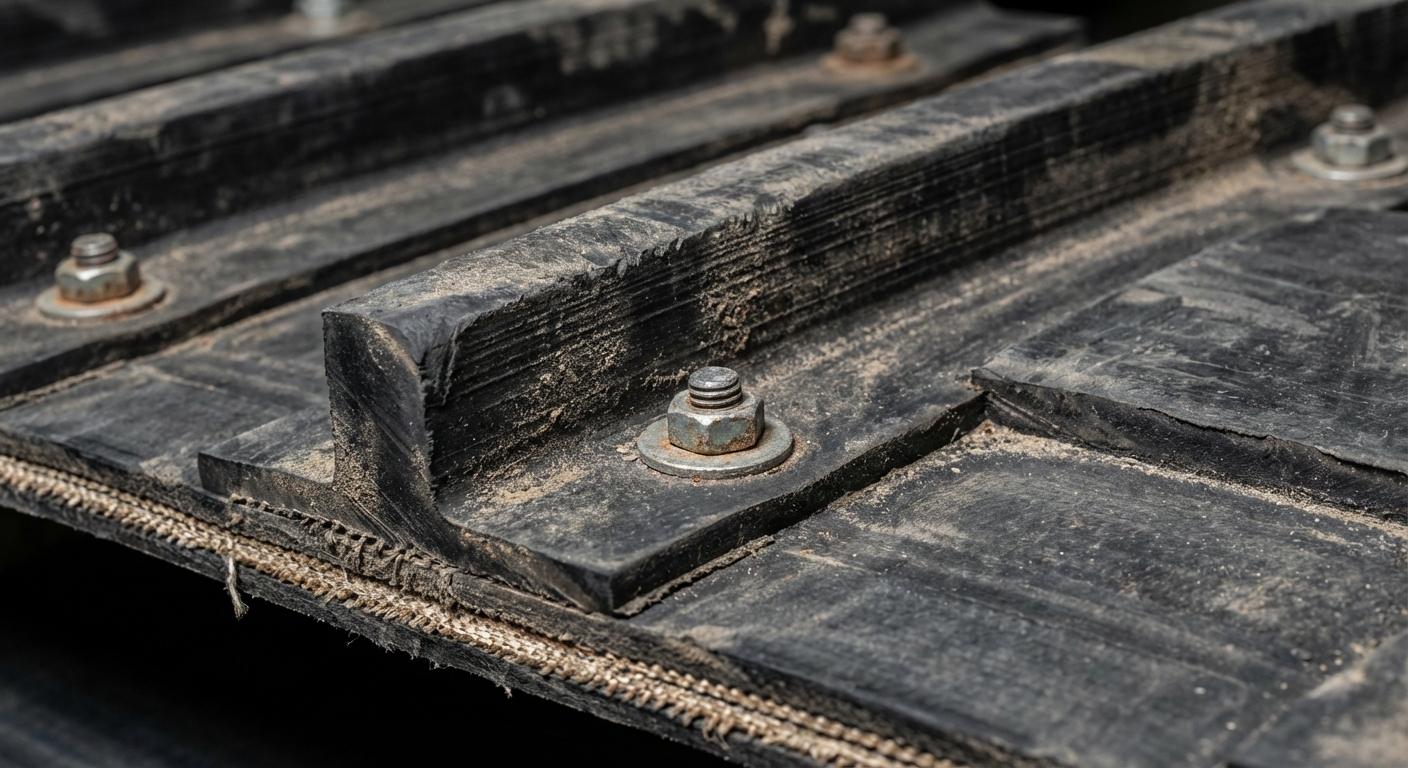
TC and C-type cleat profiles are specifically designed with reinforced rubber ribs to lift abrasive bulk materials at 90-degree angles. A rubber corrugated sidewall conveyor belt must use these heavy-duty profiles to avoid cleat deformation under the weight of rock or ore.
How do you select the right cleat?
Cleat selection depends entirely on the flowability and weight of the material being moved across your facility.
The fact is: The right cleat geometry determines your system’s actual hourly tonnage.
- T-Cleats for light, granular products.
- C-Cleats for vertical, sticky materials.
- TC-Cleats for heavy-duty, abrasive loads.
Key Takeaway: Reinforced cleats provide the structural “bucket” needed for maximum vertical carrying capacity.
| Cleat Profile | Best Material | Max Lift Angle | |
|---|---|---|---|
| C-Type | Wet Sand/Coal | 90 Degrees | |
| TC-Type | Heavy Iron Ore | 90 Degrees |
How does capacity change with conveyor angles?
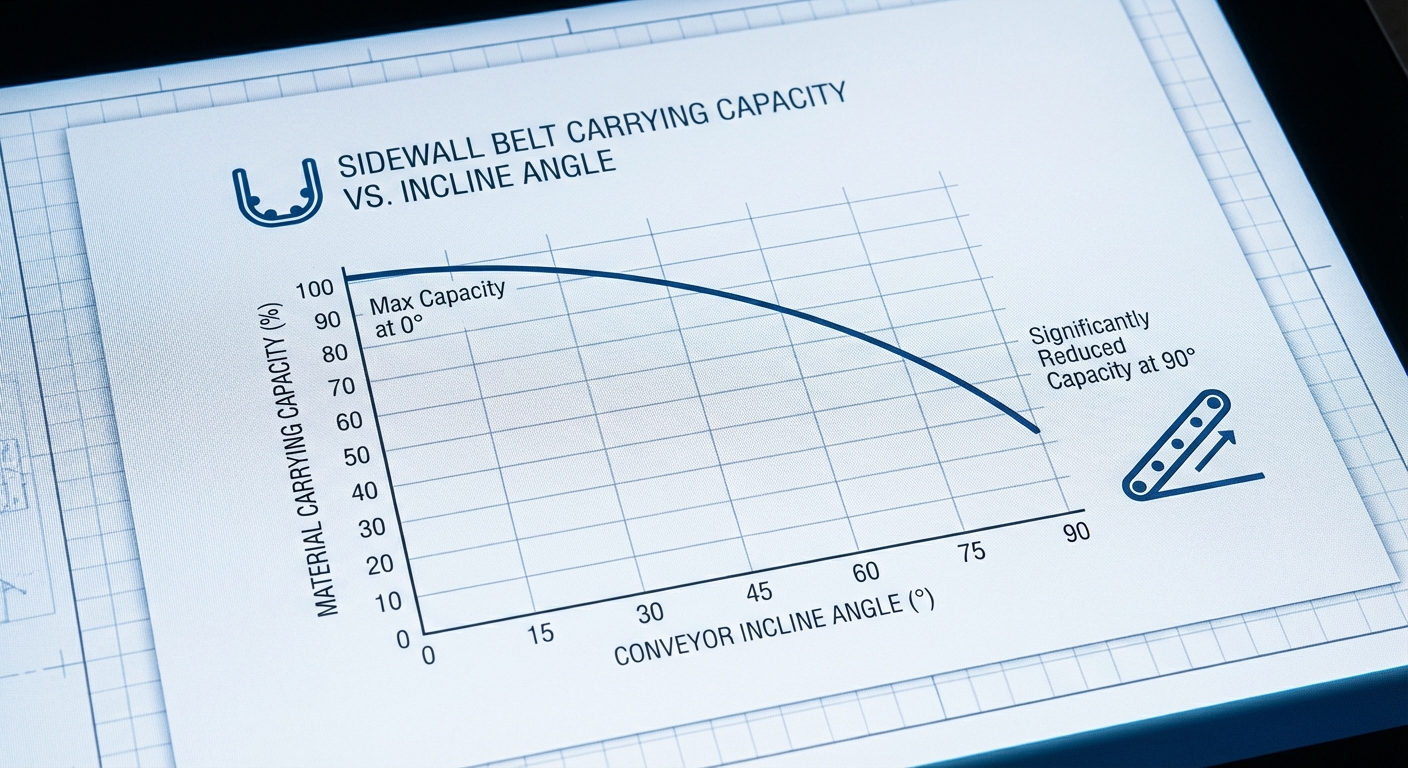
While volumetric capacity decreases as the incline angle increases, the rubber corrugated sidewall conveyor belt maintains significantly higher efficiency than flat belts. At a 90-degree angle, the cleat depth and sidewall height become the primary factors for calculating total throughput.
What factors impact vertical volume?
Cleat spacing and pocket depth define the usable volume for each segment of the vertical conveyor system.
It gets better: Optimizing pocket size can increase your plant’s throughput by up to 30%.
- Cleat height and frequency.
- Sidewall corrugation width.
- Belt speed and material density.
Key Takeaway: Engineering calculations must account for the reduction in fill-factor at extreme vertical angles.
| Incline Angle | Relative Capacity | containment | |
|---|---|---|---|
| 0 Degrees | 100% | Full Width | |
| 90 Degrees | ~60% | Cleat Pocket |
Can you customize sidewall heights and widths?
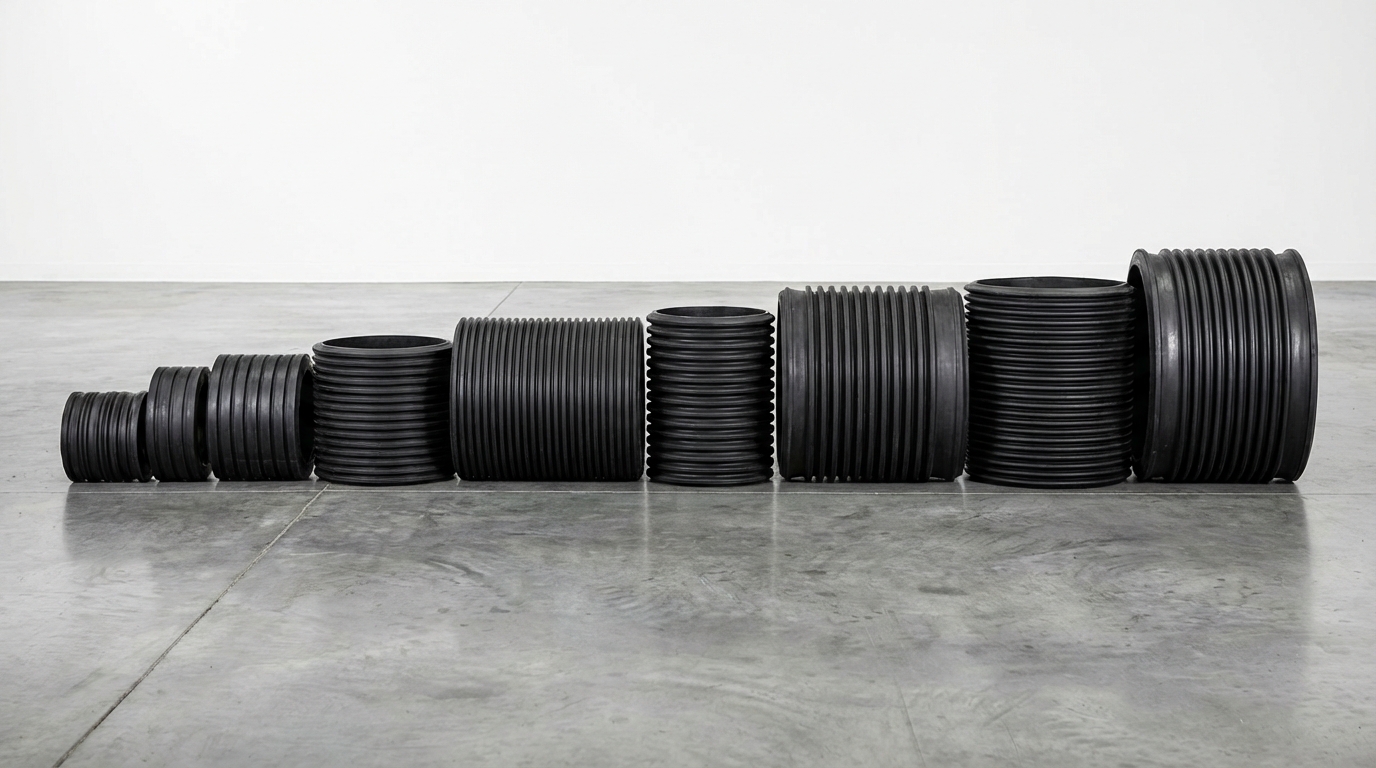
Yes, sidewalls can be customized in heights ranging from 40mm to 630mm to accommodate a vast range of industrial throughput requirements. Customizing your rubber corrugated sidewall conveyor belt ensures the system is neither underpowered nor over-engineered for your specific site.
Why is customization critical?
Properly sized sidewalls prevent material overflow while ensuring the belt remains flexible enough for the smallest available pulleys.
Keep in mind: The wrong height can cause mechanical interference or insufficient material lift.
- Matched height for specific volumetric needs.
- Fabric reinforcement for tall sidewall stability.
- Oil and heat-resistant compound options.
Key Takeaway: Tailoring the sidewall height to your material density maximizes ROI and operational life.
| Height Range | Application Example | Pulley Min Diameter | |
|---|---|---|---|
| 40-120mm | Light Grains/Gravel | Smaller | |
| 200-630mm | Heavy Mining/Coal | Larger |
What are the best practices for belt inspection?
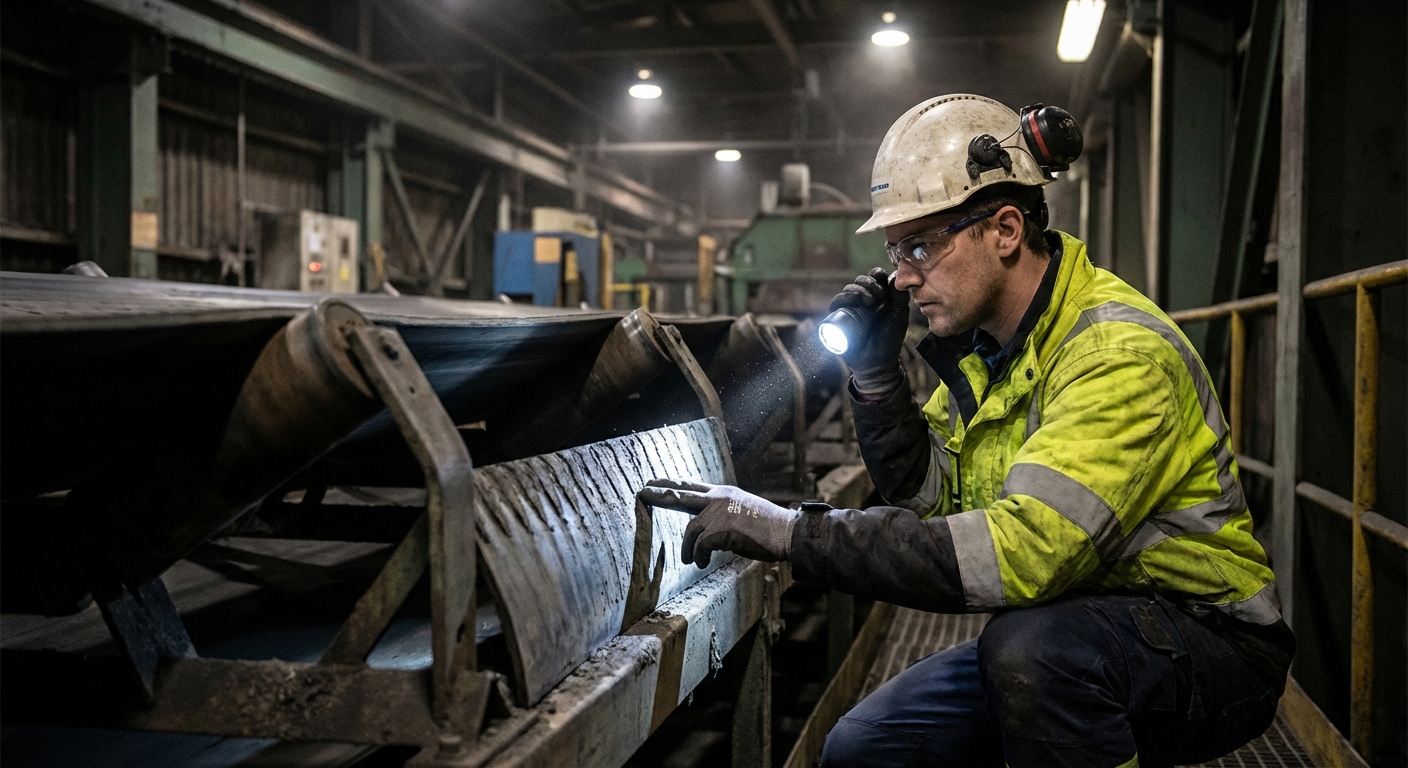
Regular inspection should focus on the hot-vulcanized bond lines between the sidewall and the base belt to detect early signs of fatigue. Maintaining your rubber corrugated sidewall conveyor belt requires a proactive approach to surface wear and cleat alignment.
How do you perform a proper inspection?
Technicians must visually inspect the belt during operation and shutdown to identify abnormal tracking or localized rubber cracking.
The bottom line: Early detection of wear prevents catastrophic failures that halt your entire production line.
- Visual check of sidewall corrugation joints.
- Measurement of cleat wear patterns.
- Inspection of pulley lagging for rubber build-up.
Key Takeaway: A structured inspection schedule extends the service life of high-angle belts by several years.
| Component | Inspection Focus | Frequency | |
|---|---|---|---|
| Sidewall | Delamination/Cracks | Monthly | |
| Cleat | Structural Integrity | Quarterly |
Where are high-angle systems used today?
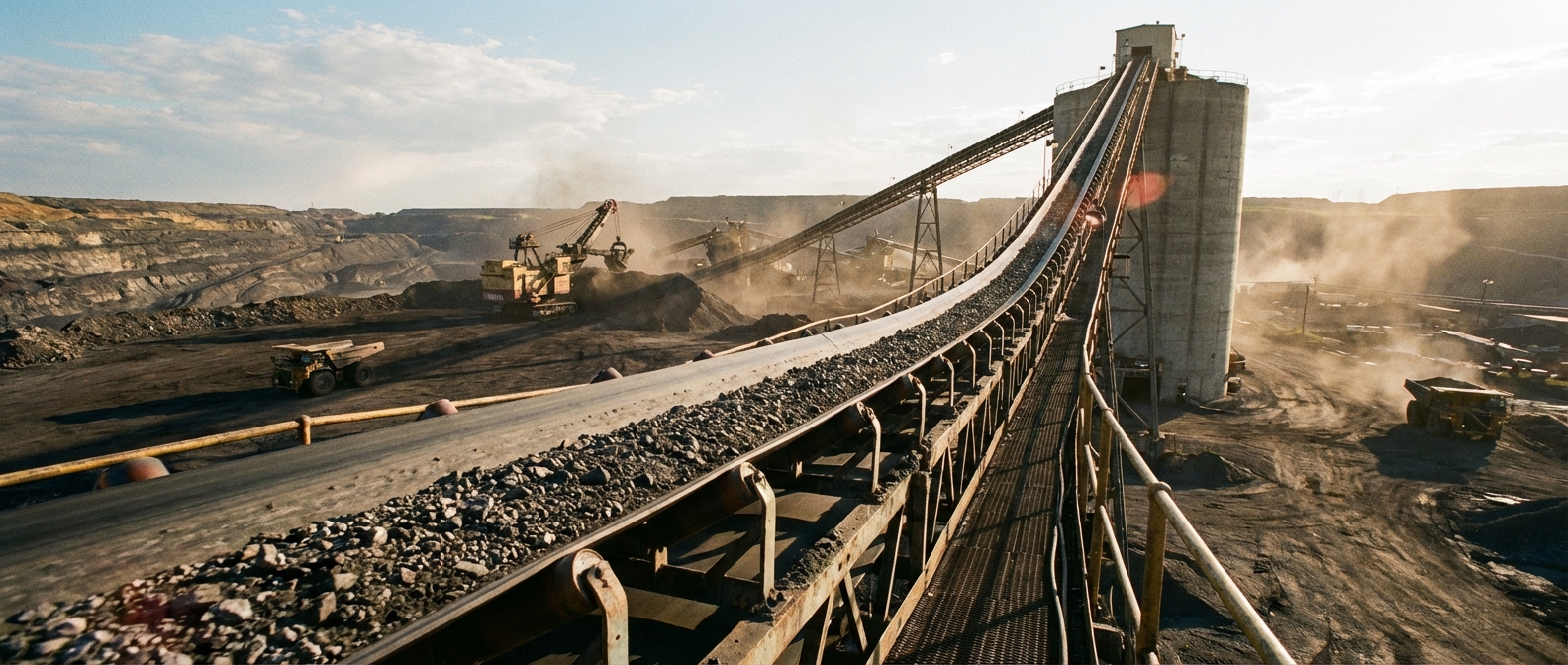
High-angle systems are primarily utilized in mining processing plants, cement facilities, and power utilities where vertical space is extremely limited. A rubber corrugated sidewall conveyor belt is the preferred choice for ship unloading and silo feeding due to its compact vertical capabilities.
Which industries benefit the most?
Mining and power plants benefit from the ability to lift heavy bulk loads in a footprint that traditional elevators cannot match.
Look: Modern bulk handling is about vertical efficiency and minimal maintenance overhead.
- High-volume silo feeding systems.
- Ship loading and unloading terminals.
- Underground-to-surface mining lifts.
Key Takeaway: Sidewall belts are the industry standard for high-capacity, high-angle bulk material transportation.
| Application | Material Type | Angle | |
|---|---|---|---|
| Silo Feeding | Wood Chips/Grain | 60-90° | |
| Ore Mining | Crushed Rock | 90° |
Our engineering team is committed to delivering the highest quality material handling components that ensure your operations run without interruption. We provide the technical expertise and durable products needed to overcome your most complex vertical transport challenges. To optimize your facility with a custom-engineered solution, contact us today .
Frequently Asked Questions
Can I use these belts for food-grade applications?Certainly, we manufacture sidewall systems using white, FDA-compliant rubber compounds that are perfect for vertical food processing and grain handling.
What’s the best way to prevent material sticking to the belt?The most effective method is utilizing a specialized non-stick rubber compound or installing high-frequency vibrators specifically at the discharge point of the conveyor.
How do I know if my pulleys are large enough?You must consult our technical specifications to ensure your pulley diameter exceeds the minimum radius required for your specific sidewall and cleat height.
Can I repair a damaged sidewall on-site?Yes, small tears can be repaired using cold-bonding vulcanizing kits, although major structural damage usually requires a hot-vulcanized section replacement for safety.
What’s the best tension for a vertical belt?The optimal tension is achieved when the belt is tight enough to prevent sagging between idlers but loose enough to avoid overstressing the fabric carcass.