
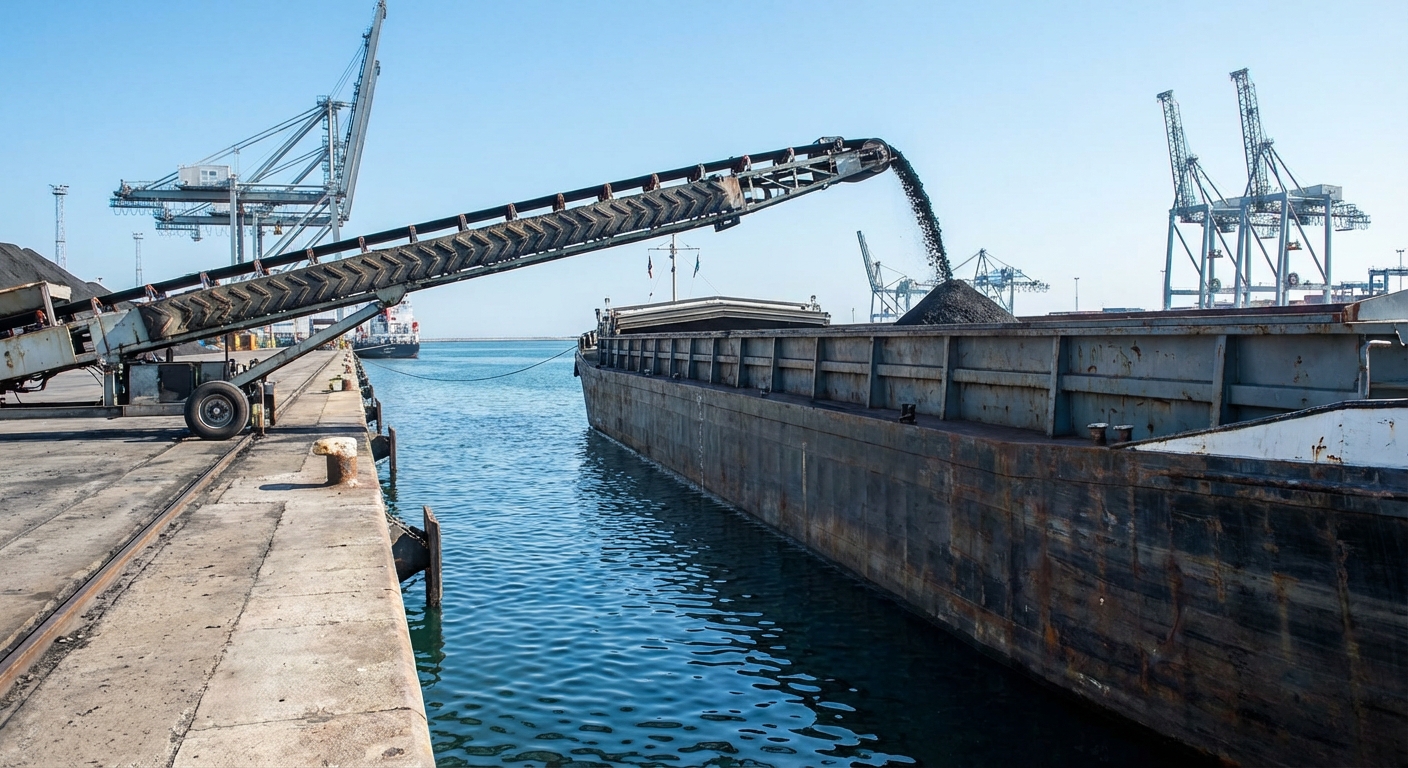
A rubber mobile belt conveyor offers flexible, efficient material handling, reducing labor costs, eliminating bottlenecks, and adapting easily to changing industrial site conditions.
1. Why choose a rubber mobile belt conveyor for bulk?
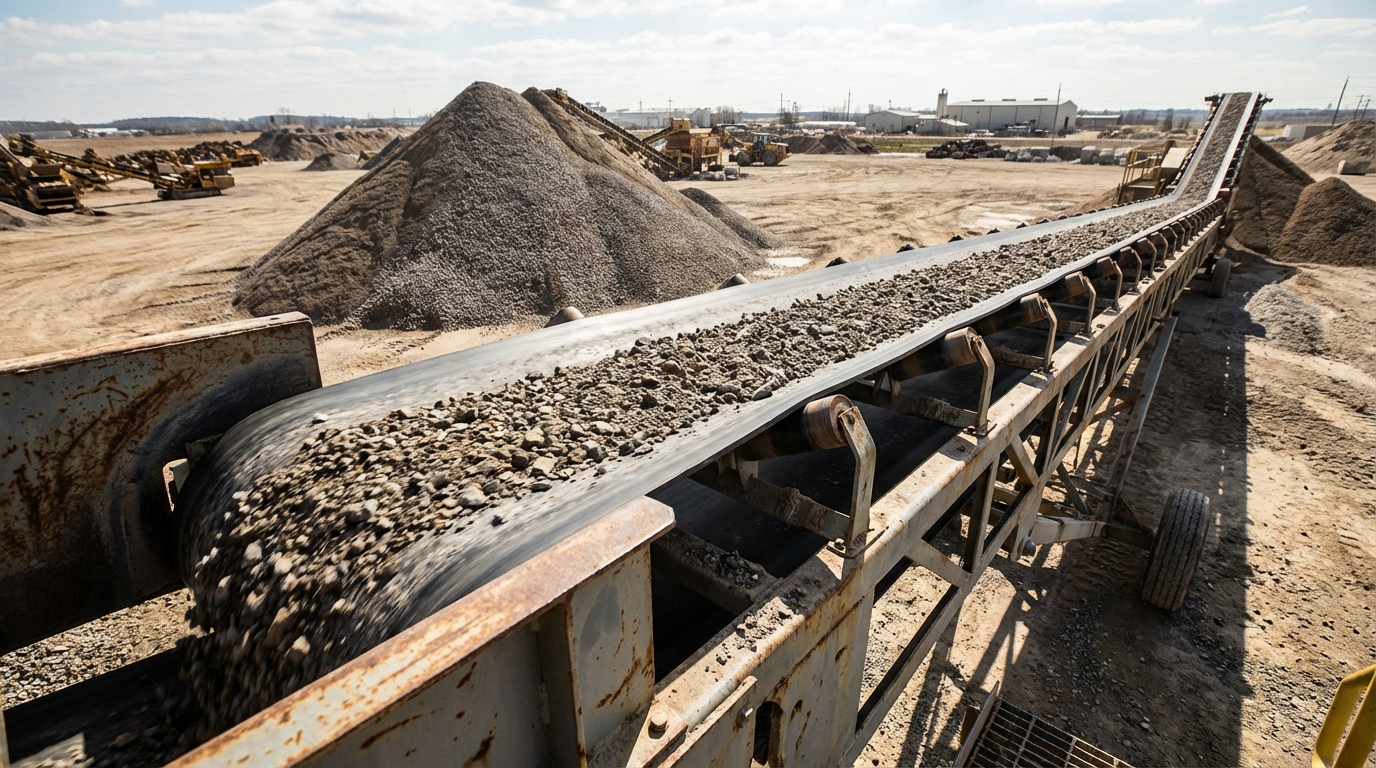
You should choose a rubber mobile belt conveyor because it offers unmatched operational flexibility compared to traditional static systems. This equipment allows you to relocate your loading points instantly, ensuring that your site remains productive even as project requirements change. By investing in mobility, you eliminate the need for permanent civil works and reduce the initial capital expenditure for your facility.
Maximizing operational flexibility
Mobile systems allow you to respond to changing site conditions without downtime.
Think about this:
- Quick relocation across large industrial yards.
- Immediate adaptation to different truck or barge sizes.
- Modular setup for temporary storage zones.
You no longer have to worry about your equipment becoming a permanent obstacle in your yard.
Reducing long-term handling costs
Reducing manual intervention is the fastest way to improve your bottom line.
But that’s not all:
- Lower fuel consumption compared to multiple wheel loaders.
- Reduced need for a large fleet of support vehicles.
- Optimized material flow that prevents costly spills.
Key Takeaway
| Feature | Benefit | |
|---|---|---|
| Modular Frame | High site adaptability | |
| Electric Drive | Lower operational costs | |
| Robust Belt | Reduced downtime |
The transition from fixed to mobile handling significantly lowers the total cost of ownership over the equipment’s lifespan.
2. What makes a rubber mobile belt conveyor so versatile?
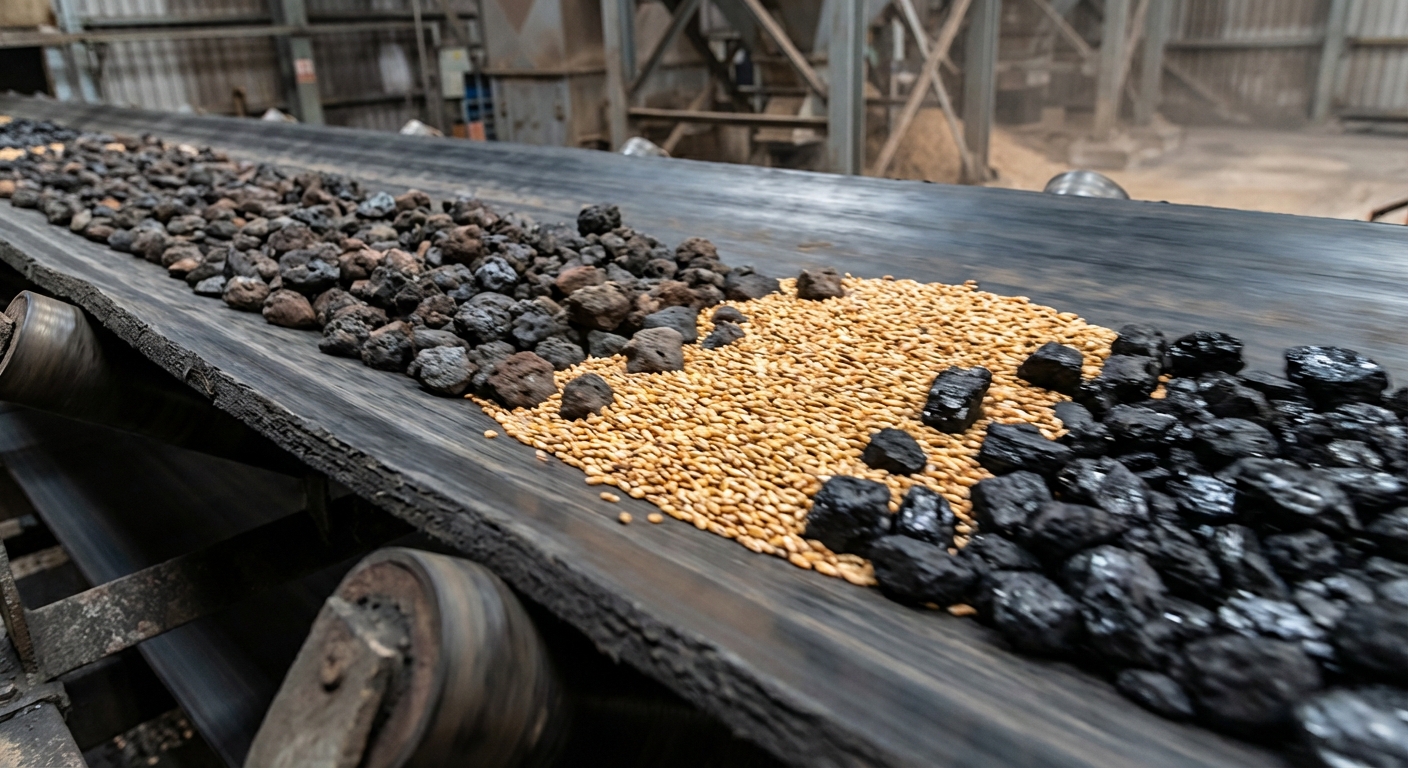
The versatility of a rubber mobile belt conveyor stems from its ability to handle a wide spectrum of material densities and abrasive properties. Whether you are moving light grains or heavy mineral ores, the equipment can be configured with specific belt widths and motor powers to match the task. This adaptability ensures that a single investment can serve multiple sectors of your business throughout the year.
Handling agricultural bulk and grains
Agricultural operations require gentle handling to prevent product degradation and dust.
Look:
- Smooth belt surfaces for fragile seeds and grains.
- Variable speed drives to control flow intensity.
- Sealed transition points to minimize waste.
Managing diverse harvests becomes much simpler when your equipment adjusts to the material’s specific flow characteristics.
Managing heavy raw mining materials
For mining applications, you need reinforced components that can withstand high impact and constant abrasion.
Check this out:
- High-tensile rubber compounds for sharp rocks.
- Reinforced rollers for heavy localized loads.
- Impact bars at loading zones to protect the belt.
Key Takeaway
| Material Type | Recommended Configuration | |
|---|---|---|
| Grains/Seeds | Standard EP Belt | |
| Fertilizers | Chemical-Resistant Rubber | |
| Mining Ores | High-Abrasion ST Belt |
Selecting the right belt grade ensures that your versatile unit can move from soft agricultural goods to heavy mining ores without premature failure.
3. How does a rubber mobile belt conveyor handle inclines?
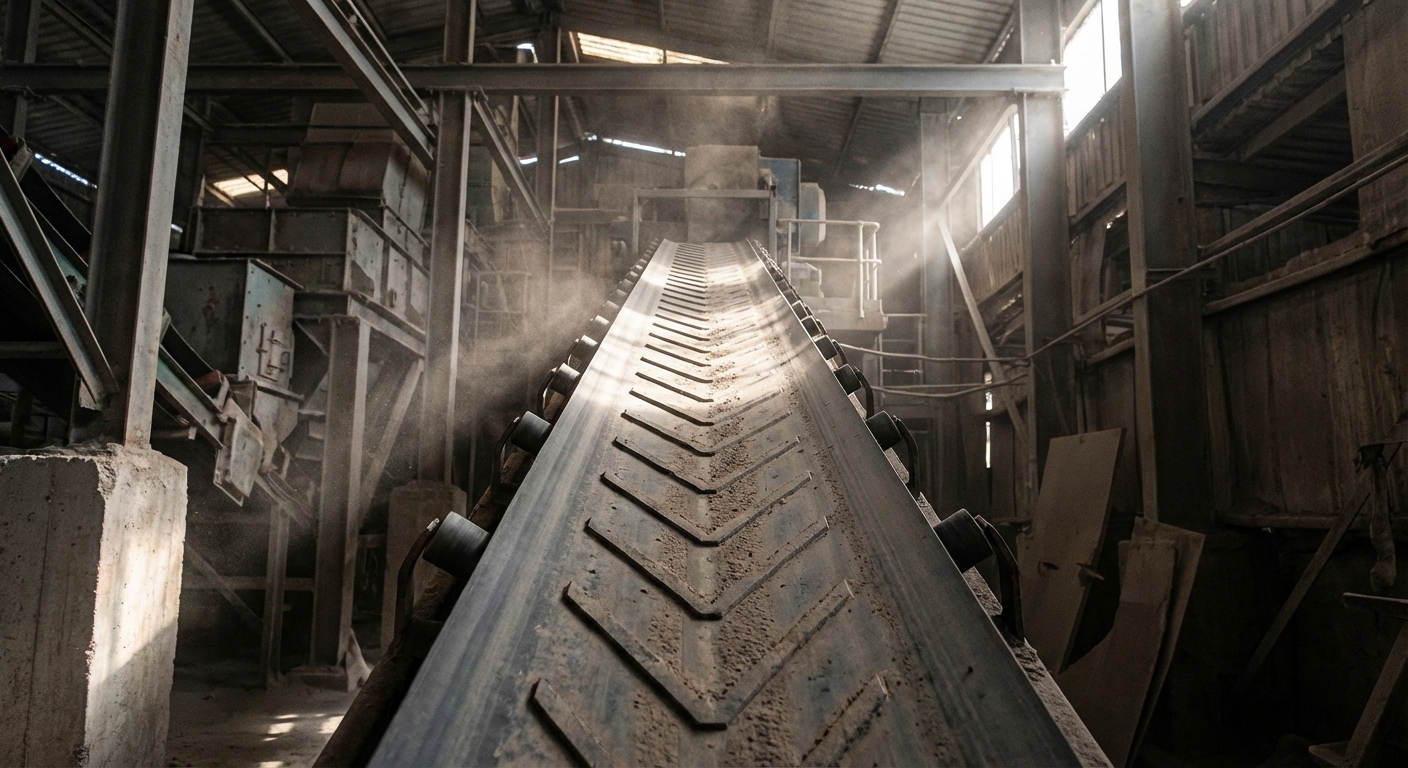
A rubber mobile belt conveyor handles steep inclines by utilizing specialized surface patterns that provide the necessary friction to prevent material rollback. When standard smooth belts reach their limit, these engineered surfaces ensure that bulk goods continue to move upward efficiently. Utilizing a chevron conveyor belt allows your mobile unit to operate at angles that would otherwise be impossible.
The advantage of patterned surfaces
Patterned belts feature molded cleats or ribs that grip the material during high-angle transport.
Here is the kicker:
- “V” shape patterns for centered material flow.
- High-friction rubber for wet or slippery materials.
- Consistent grip even at 30-degree inclines.
This technology allows you to achieve higher discharge points while maintaining a shorter overall conveyor footprint.
Optimized angles for truck loading
Loading high-sided trailers requires a steep angle of attack to ensure the material reaches the center of the bed.
Believe it or not:
- Reduced “boiling” of material at the loading point.
- Maximum utilization of truck capacity through even distribution.
- Safer operation by preventing material from sliding backward.
Key Takeaway
| Angle Range | Recommended Surface | |
|---|---|---|
| 0° – 15° | Smooth Rubber Belt | |
| 15° – 35° | Chevron/Patterned Belt | |
| Above 35° | Sidewall/Cleated Belt |
Strategic use of patterned belts maximizes your vertical reach without increasing the physical length of your mobile equipment.
4. Where can a rubber mobile belt conveyor be deployed?
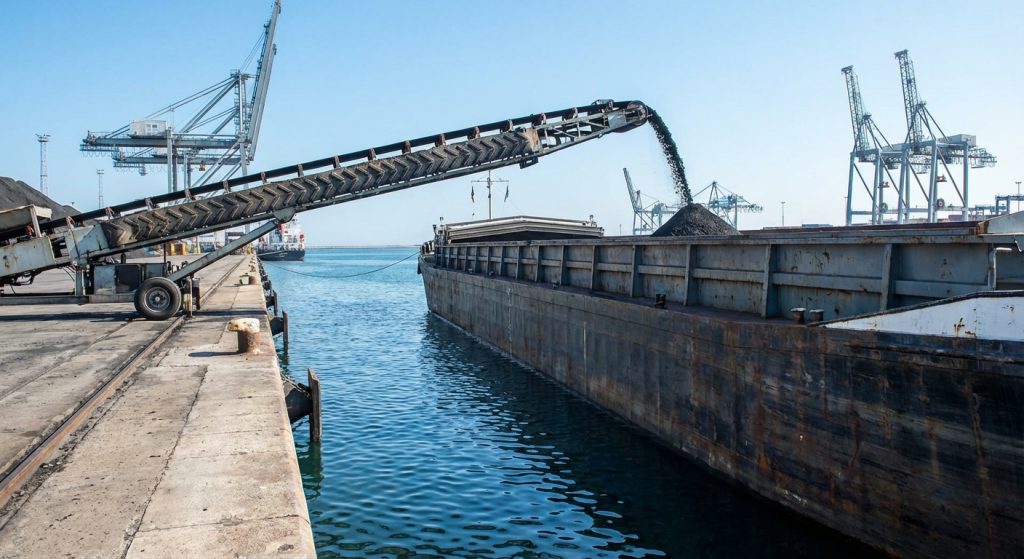
You can deploy a rubber mobile belt conveyor in diverse environments ranging from busy ports and dockside barge loading to indoor warehouse facilities. Because these units do not require permanent foundations, they can be positioned exactly where the material is needed. This flexibility makes them the ideal choice for temporary construction sites or seasonal logistics hubs.
Efficiency in port and barge loading
Ports require rapid setup and teardown to match vessel arrival schedules and minimize demurrage fees.
Consider this:
- Fast positioning for ship-to-shore transfers.
- Extended reach for loading deep-hull barges.
- Resistance to corrosive saltwater environments.
The mobility of the unit ensures that you can clear the dock quickly once the vessel has departed.
Streamlining indoor warehouse storage
Indoor storage often suffers from space constraints that make fixed conveyor installations impractical.
The truth is:
- Compact frames that maneuver through tight aisles.
- Electric power to prevent indoor exhaust fumes.
- Precise discharge to maximize vertical stacking.
Key Takeaway
| Environment | Key Requirement | |
|---|---|---|
| Port/Docks | Corrosion resistance | |
| Warehouse | Zero emissions | |
| Construction | All-terrain mobility |
The ability to move equipment between indoor and outdoor zones allows you to maintain a high utilization rate across all your facilities.
5. Is a rubber mobile belt conveyor easy to transport?
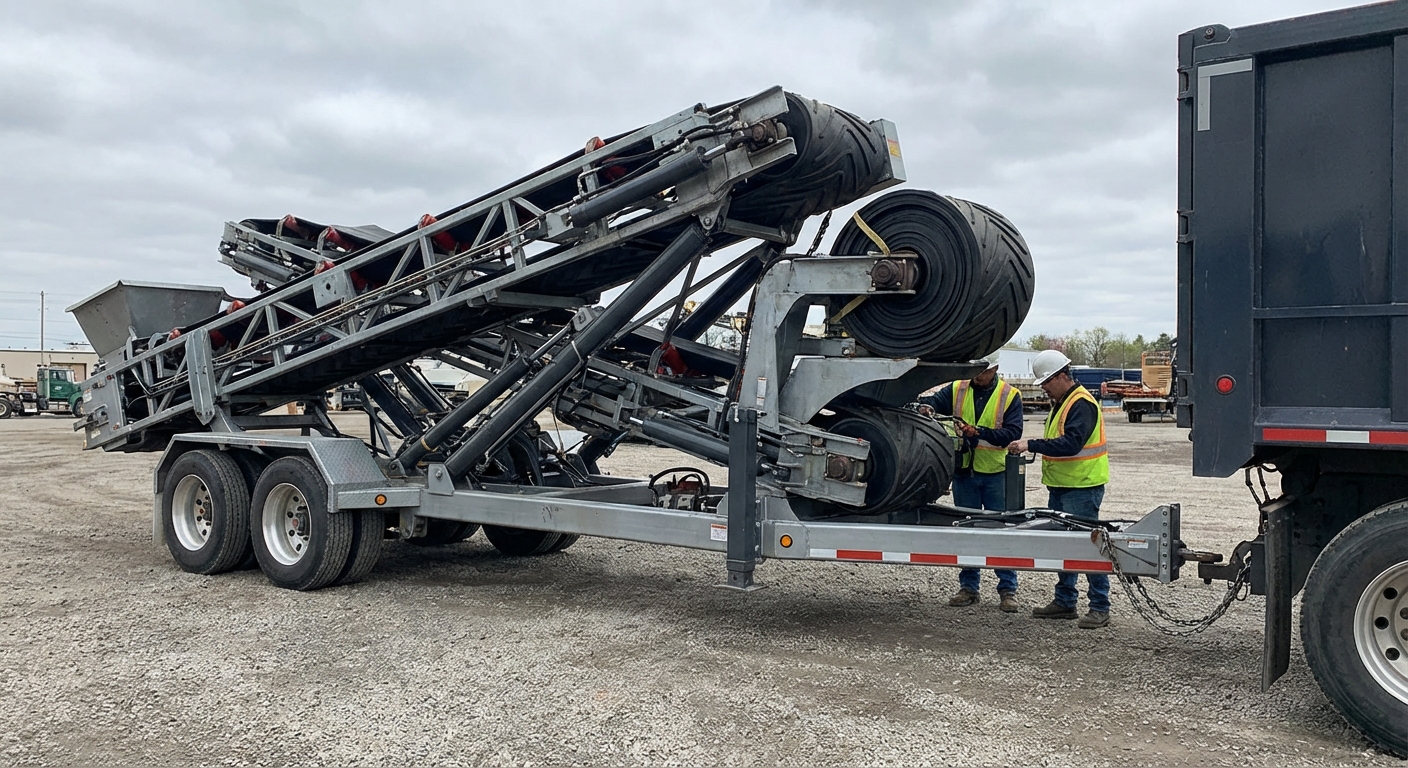
Yes, a rubber mobile belt conveyor is exceptionally easy to transport due to its integrated wheel systems and innovative folding frame designs. Most modern units are built to be towed behind standard site vehicles, significantly reducing the logistical costs of moving machinery between jobsites. You can collapse the unit into a compact form that meets standard road transport regulations without needing special permits.
Integrated wheels and towbar systems
Built-in wheels allow for localized movement and long-distance towing with minimal preparation.
It gets better:
- Pneumatic tires for stable transport on uneven ground.
- Heavy-duty towbars compatible with standard hitches.
- Quick-lock mechanisms for transit security.
This design ensures that your equipment is ready to move within minutes of completing a job.
Benefits of the innovative folding design
Folding systems allow 21-meter conveyors to be transported as compact loads that fit on standard trailers.
Look:
- Hydraulic cylinders that handle the heavy lifting.
- Safety locks that prevent accidental unfolding.
- Protected belt surfaces during the folding process.
Key Takeaway
| Transport Mode | Preparation Time | |
|---|---|---|
| Site Relocation | < 10 Minutes | |
| Road Transport | < 30 Minutes | |
| Unfolding Setup | < 15 Minutes |
Modern engineering has turned the relocation of large-scale bulk machinery into a routine task that does not require specialized cranes.
6. What belt types fit a rubber mobile belt conveyor?

Several belt types fit a rubber mobile belt conveyor , including multi-ply textile belts for standard use and steel cord conveyor belt options for heavy-duty mining. Choosing the correct belt is vital because the mobile frame must support the weight and tension of the material being moved. Selecting a high-tensile belt ensures that your equipment can handle high-density ores without excessive elongation or snapping.
High-tensile strength for heavy loads
Heavy materials like iron ore or crushed stone require belts with internal reinforcement to prevent sagging.
Check it out:
- Steel cords for minimal stretch over long spans.
- Multi-ply polyester (EP) fabric for general bulk handling.
- Heat-resistant layers for clinker or hot aggregates.
Choosing a belt with the right tensile rating prevents premature wear on the drive motors and rollers.
Impact-resistant rubber compounds
Loading zones are the most frequent sites of belt damage due to falling heavy materials.
The point is:
- Thick top covers to absorb falling energy.
- Rip-resistant weaves to prevent longitudinal tears.
- Low-friction bottom covers to save energy.
Key Takeaway
| Belt Type | Best Use Case | |
|---|---|---|
| Textile (EP/NN) | General bulk/Grains | |
| Steel Cord | Long-distance/Heavy mining | |
| Aramid | High-impact/Fire resistance |
Matching the belt’s internal reinforcement to your material’s density is the most effective way to extend the service life of your mobile unit.
7. How to optimize a rubber mobile belt conveyor for height?
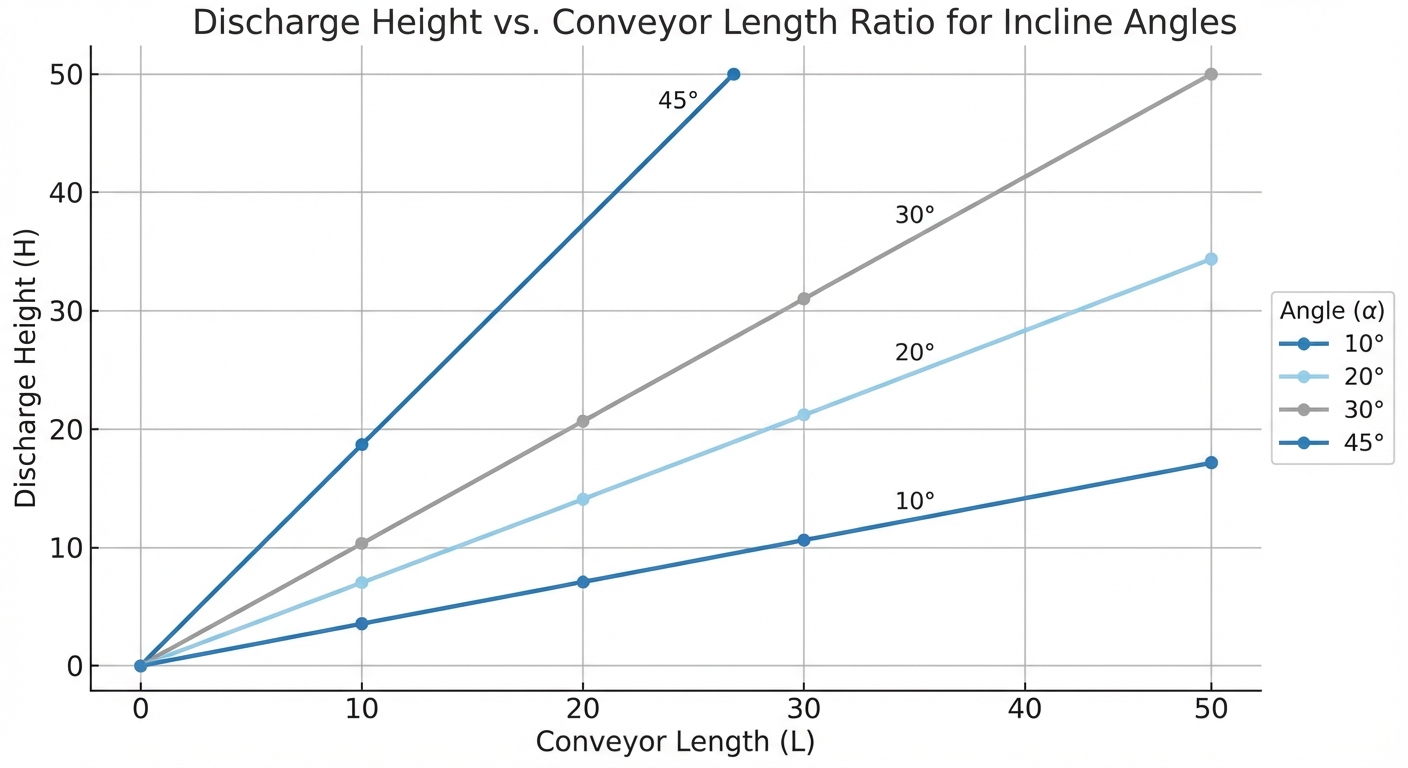
You optimize a rubber mobile belt conveyor for height by integrating motorized hydraulic cylinders and utilizing a sidewall conveyor belt for vertical lift. Standard conveyors are limited by the angle of repose of the bulk material, but sidewall technology allows you to move goods at near-vertical angles. This optimization maximizes your discharge elevation while keeping the machine’s footprint as small as possible on your crowded worksite.
Achieving maximum discharge elevation
Reaching the top of tall silos or creates massive stockpiles requires a carefully calculated length-to-height ratio.
Think about this:
- Telescopic frames that extend your vertical reach.
- Dual hydraulic rams for stable elevation.
- Motorized height adjustment from a central control panel.
Precision in height adjustment allows you to fill containers or silos without wasting space or causing spills.
Can I use sidewalls for vertical lifts?
Corrugated sidewalls act as “pockets” that contain the material even as the belt moves into a vertical position.
But that’s not all:
- Prevention of lateral spillage at steep angles.
- High-capacity transport in restricted spaces.
- Integration of transverse cleats for vertical support.
Key Takeaway
| Elevation Method | Maximum Incline | |
|---|---|---|
| Standard Hydraulic | Up to 22° | |
| Chevron Pattern | Up to 35° | |
| Sidewall Cleated | Up to 90° |
Combining hydraulic height adjustment with sidewall belts provides the ultimate solution for high-level product transfer in industrial environments.
8. Why trust a reliable rubber mobile belt conveyor maker?
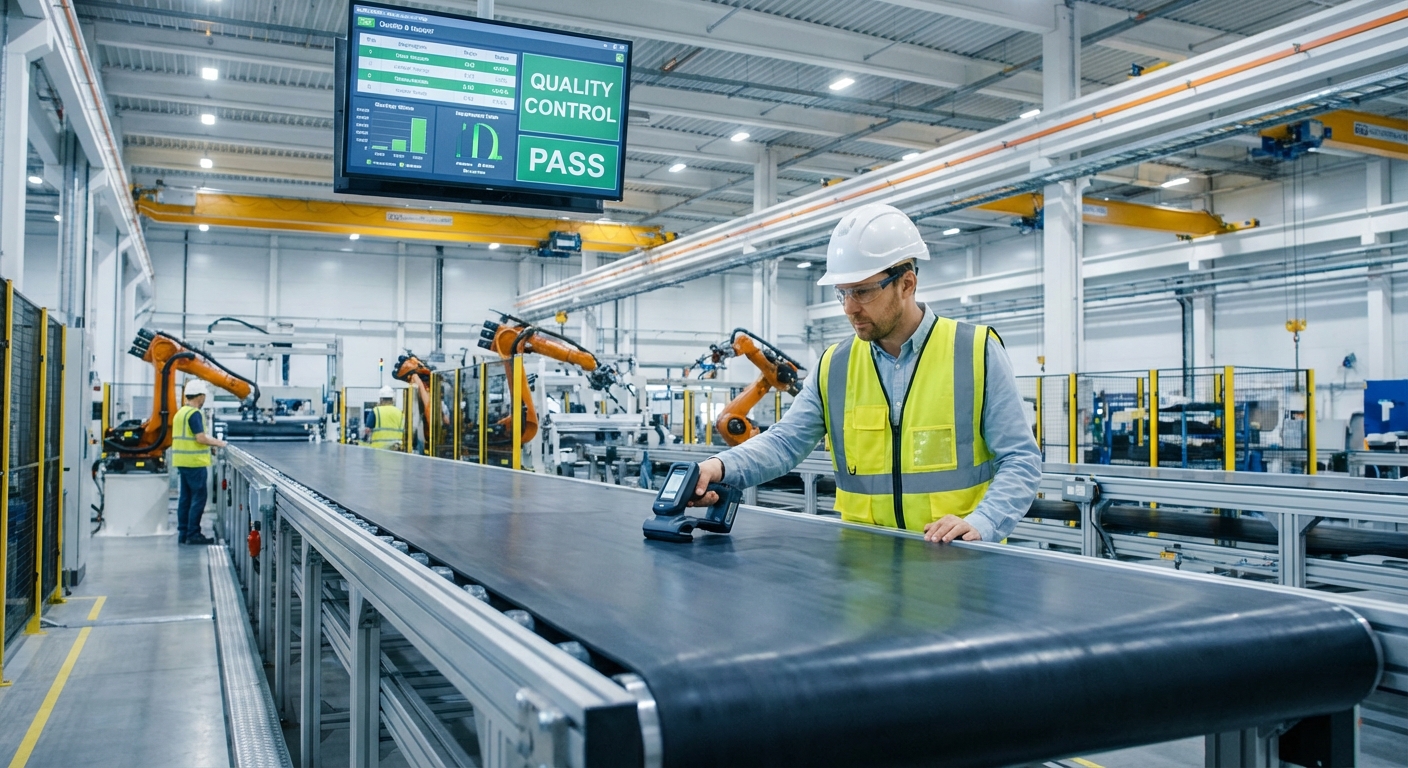
You should trust a reliable rubber mobile belt conveyor maker because industrial operations demand equipment that adheres to strict CE and ISO quality standards. Unverified manufacturers often use low-grade rubber that cracks under UV exposure or steel frames that fatigue under heavy loads. Learning how to choose reliable rubber belt conveyor manufacturers ensures you receive equipment with long-term technical support and available spare parts.
Evaluating manufacturer certifications
Certifications are more than just paperwork; they are a guarantee that the equipment has been tested for safety and durability.
Look:
- ISO 9001 for consistent manufacturing quality.
- CE compliance for European safety regulations.
- Verification of rubber vulcanization processes.
Choosing a certified maker reduces the risk of mechanical failure during critical operational windows.
Importance of global technical support
Even the best machinery requires professional support to maintain peak performance over its lifetime.
Believe it or not:
- Ready availability of replacement belts and rollers.
- Access to engineers for custom configuration advice.
- Comprehensive warranties that protect your investment.
Key Takeaway
| Evaluation Criteria | High-Quality Maker | Budget Manufacturer | |
|---|---|---|---|
| Raw Materials | Premium virgin rubber | Recycled/Low-grade rubber | |
| Frame Finish | Hot-dip galvanized/Powder | Standard spray paint | |
| Support | 24/7 Technical assistance | Limited or no support |
Partnering with an established manufacturer guarantees that your bulk handling operations will remain online despite the rigors of industrial use.
9. What maintenance does a rubber mobile belt conveyor need?
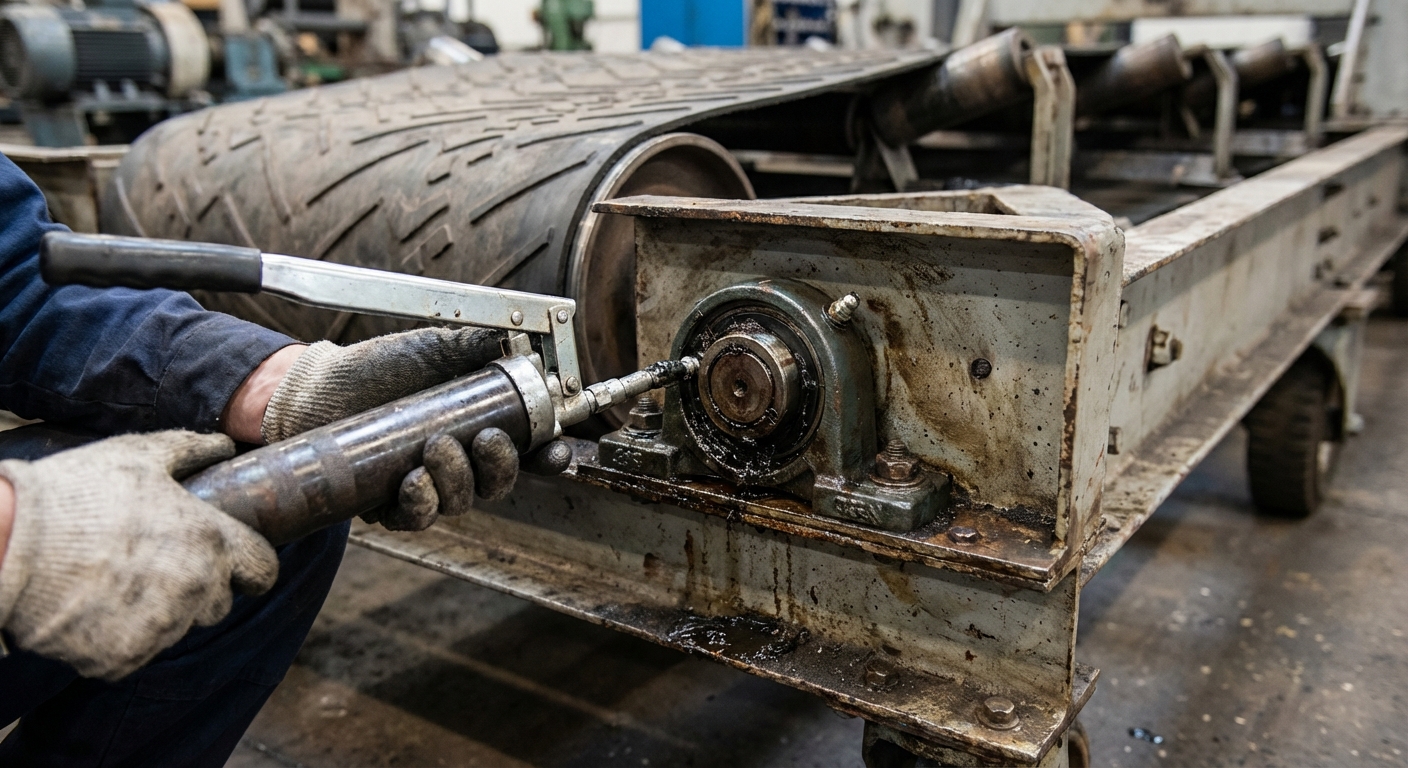
A rubber mobile belt conveyor needs a consistent schedule of bearing lubrication, belt tensioning, and surface inspections to prevent premature mechanical failure. Because mobile units operate in dusty and often harsh environments, debris can accumulate in critical moving parts like drive drums and return rollers. A simple daily maintenance routine ensures that small issues are caught before they turn into expensive emergency repairs that stop your production line.
Daily inspection of the belt surface
The rubber belt is the most valuable consumable on the machine and requires constant monitoring.
Check this:
- Look for cuts or gouges from sharp materials.
- Check for “tracking” issues where the belt drifts.
- Inspect the vulcanized joints for signs of peeling.
Early detection of belt wear allows you to schedule repairs during planned downtime rather than reacting to a snap.
Cleaning the drive and return drums
Material buildup on the drums can cause the belt to slip or track incorrectly, leading to edge damage.
It’s simple:
- Remove caked-on dust and mud from rollers.
- Ensure the belt scrapers are working effectively.
- Verify that the lagging on the drive drum is intact.
Key Takeaway
| Component | Maintenance Frequency | |
|---|---|---|
| Bearings | Monthly lubrication | |
| Belt Surface | Daily visual check | |
| Belt Tension | Weekly adjustment |
Proper maintenance of the wheel chassis and drive system extends the operational life of the unit by several years.
10. How does a rubber mobile belt conveyor save costs?
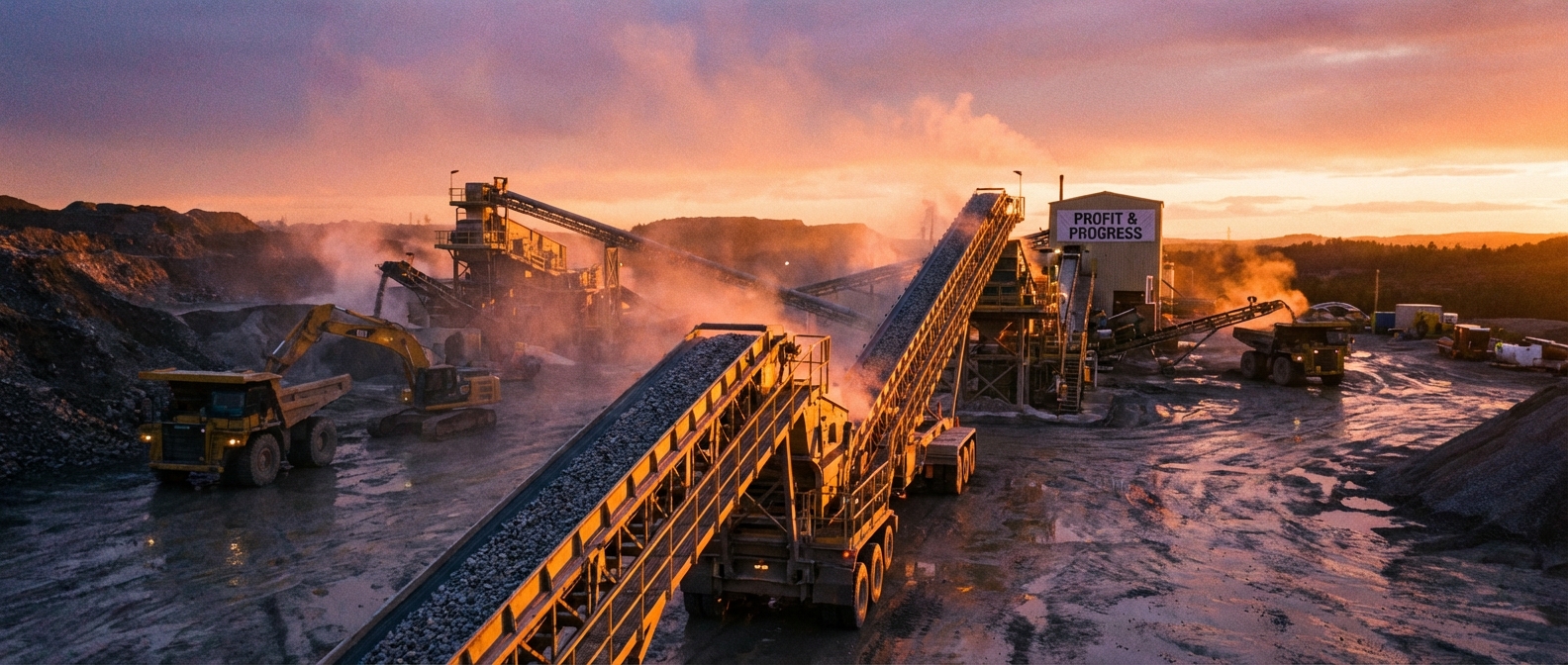
A rubber mobile belt conveyor saves costs by significantly reducing fuel consumption, manual labor requirements, and the need for expensive fixed infrastructure. Instead of running a fleet of diesel-hungry wheel loaders back and forth across a yard, a single electric conveyor provides a continuous, low-energy flow of material. Over time, the reduction in labor and energy expenses pays for the equipment multiple times over.
Reducing manual handling requirements
Automating the transfer of bulk goods eliminates the need for large teams of manual laborers or equipment operators.
Look at this:
- Continuous flow replaces intermittent batch loading.
- Fewer operators needed per ton of material moved.
- Lower insurance premiums due to safer automated sites.
By streamlining the process, you can reallocate your staff to higher-value tasks within the company.
Lowering energy consumption per ton
Electric-driven conveyors are far more efficient at moving mass than internal combustion engines.
But that’s not all:
- Significant reduction in site-wide CO2 emissions.
- Lower maintenance costs for electric motors vs. engines.
- Precise material control prevents overfilling and waste.
Key Takeaway
| Expense Category | Saving Potential | |
|---|---|---|
| Fuel/Energy | Up to 60% Reduction | |
| Labor Costs | Up to 40% Reduction | |
| Site Preparation | Up to 80% Reduction |
Switching to mobile conveying systems is a strategic move that enhances both your environmental sustainability and your financial health.
FAQ Section: Understanding Mobile Conveying Solutions
- Can I use a mobile conveyor for heavy mining ores? Yes, by selecting a high-tensile belt reinforced with steel cords, mobile units can handle high-density ores without stretching or breaking. This reinforcement provides the structural integrity needed to support the extreme weight of mineral loads over the length of the frame.
- Can I tow the conveyor on public roads? Most mobile units come with pneumatic road equipment and a drawbar, allowing them to be towed between sites behind a suitable vehicle. However, you must always check local regulations regarding towable machinery weights and braking requirements.
- Can I adjust the speed of the rubber belt? Yes, our conveyors are typically equipped with variable frequency drives (VFD) that allow operators to sync the belt speed with the material flow. This is essential for preventing bottlenecks when different types of material are being processed through the same line.
- Can I operate the equipment in extreme weather? Our rubber belts are designed to withstand temperatures ranging from -20°C to +40°C, and optional covers can be added to protect materials from wind and rain. This ensures year-round productivity even in exposed port or mining environments.
- Can I customize the discharge height? Absolutely. Most models feature hydraulic cylinders that allow for motorized height adjustment to reach different trucks, silos, or stockpiles. This capability is crucial for maintaining a clean site and preventing material segregation.
Conclusion
The right-capacity mobile conveyor is a transformative tool for any bulk professional looking to modernize their handling operations. By replacing outdated, inflexible systems with modular rubber belt solutions, you gain the ability to adapt to any logistical challenge while simultaneously slashing your energy and labor costs. Our mission is to provide industrial firms with the durable, high-performance equipment they need to stay competitive in an evolving global market. If you are ready to optimize your material flow and boost your site’s profitability, contact us today to discuss a custom solution tailored to your specific industrial needs.