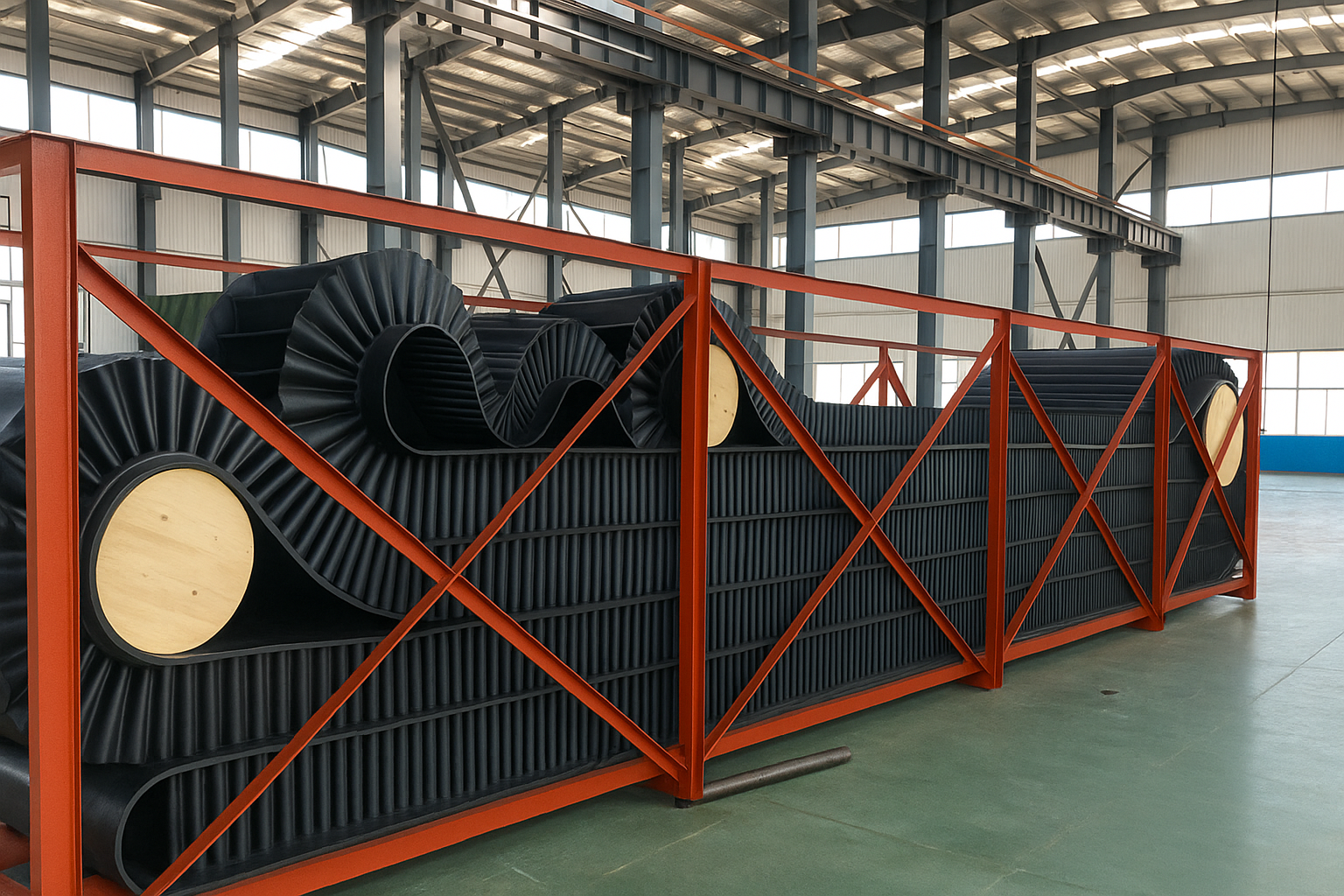
A reliable sidewall rubber conveyor belt factory provides high-angle conveying solutions that prevent spillage, protect materials, and improve efficiency in plaster casting operations.
What defines a sidewall rubber conveyor belt factory in casting?
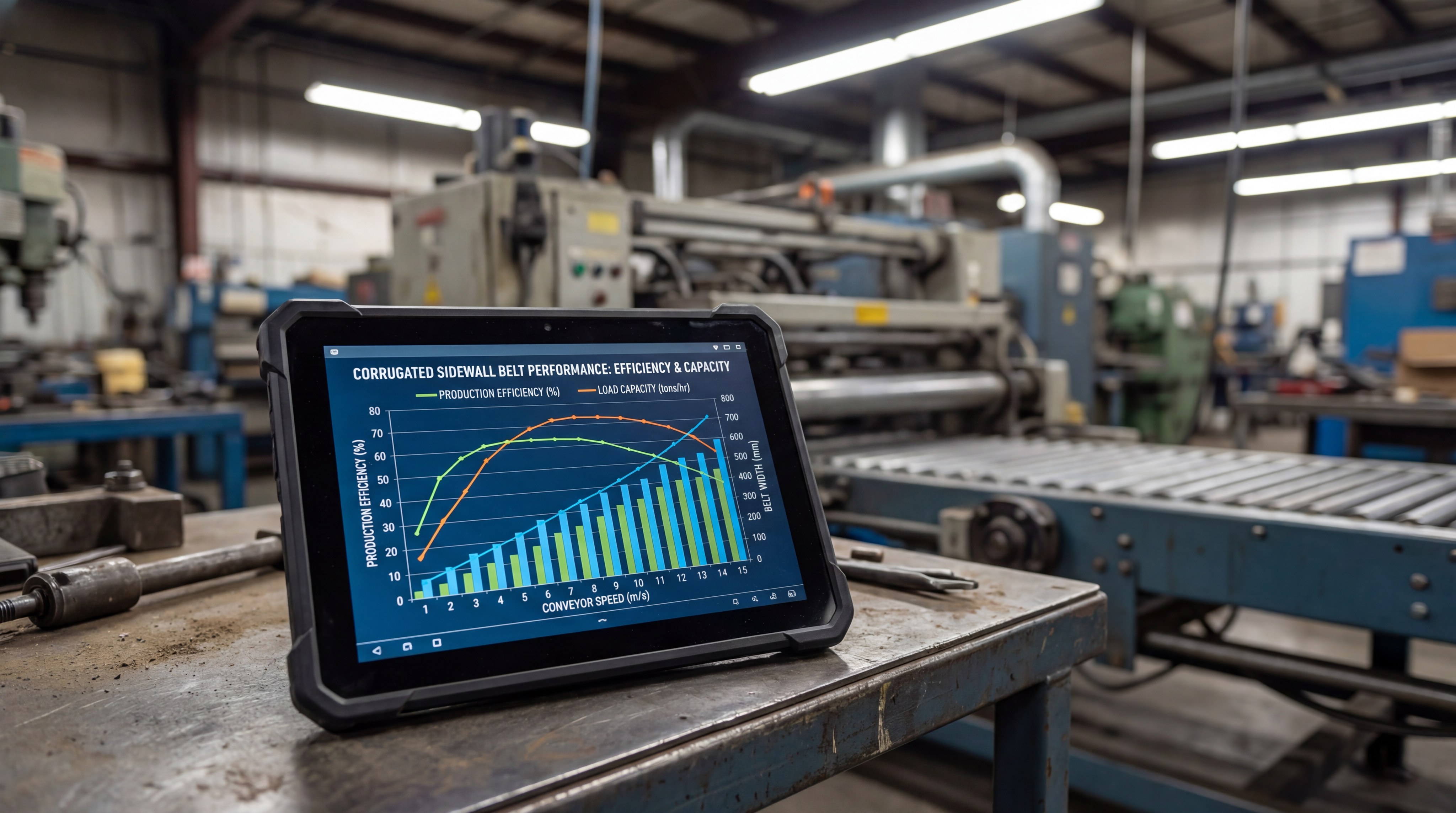
A factory in this sector is defined by its ability to engineer high-angle transport systems that integrate corrugated walls and cleats into a single rubber unit. Working with a dedicated sidewall rubber conveyor belt factory ensures that your casting line can handle the transition from horizontal to vertical movement seamlessly. These facilities focus on cross-rigid base belts that prevent bowing under the weight of heavy plaster molds.
Defining high-angle belt roles
High-angle belts are designed to transport bulk materials at inclines ranging from 30 to 90 degrees. This is essential in casting environments where floor space is at a premium and material must reach elevated silos.
Check this out:
- Cross-rigid bases provide lateral stability.
- Corrugated sidewalls prevent side-spillage.
- Integrated cleats act as buckets for vertical lift.
The best part? You can eliminate expensive transfer points and reduce the overall conveyor footprint by up to 70% compared to traditional inclined systems.
Synergy between rubber and plaster
The interaction between the conveyor’s rubber surface and the gypsum plaster requires specific chemical compatibility. High-quality rubber compounds ensure that the wet plaster mix does not adhere to the belt surface during transit.
Here is the deal:
- Rubber provides a flexible foundation for vibration-assisted leveling.
- Smooth covers allow for easy cleaning of plaster residue.
- Abrasion-resistant layers protect the belt from dry gypsum dust.
Key Takeaway: A specialized factory provides the engineering precision required to sync conveyor performance with the delicate requirements of plaster mold transport.
| Feature | Casting Application | Benefit | |
|---|---|---|---|
| Corrugated Walls | Plaster Dust Containment | Zero Spillage | |
| Cross-Rigidity | Heavy Mold Support | No Belt Sagging | |
| Custom Cleats | Vertical Elevation | Space Savings |
This structural design ensures that your plaster casting facility operates with maximum spatial efficiency while maintaining high material throughput.
How does a sidewall rubber conveyor belt factory support casting?
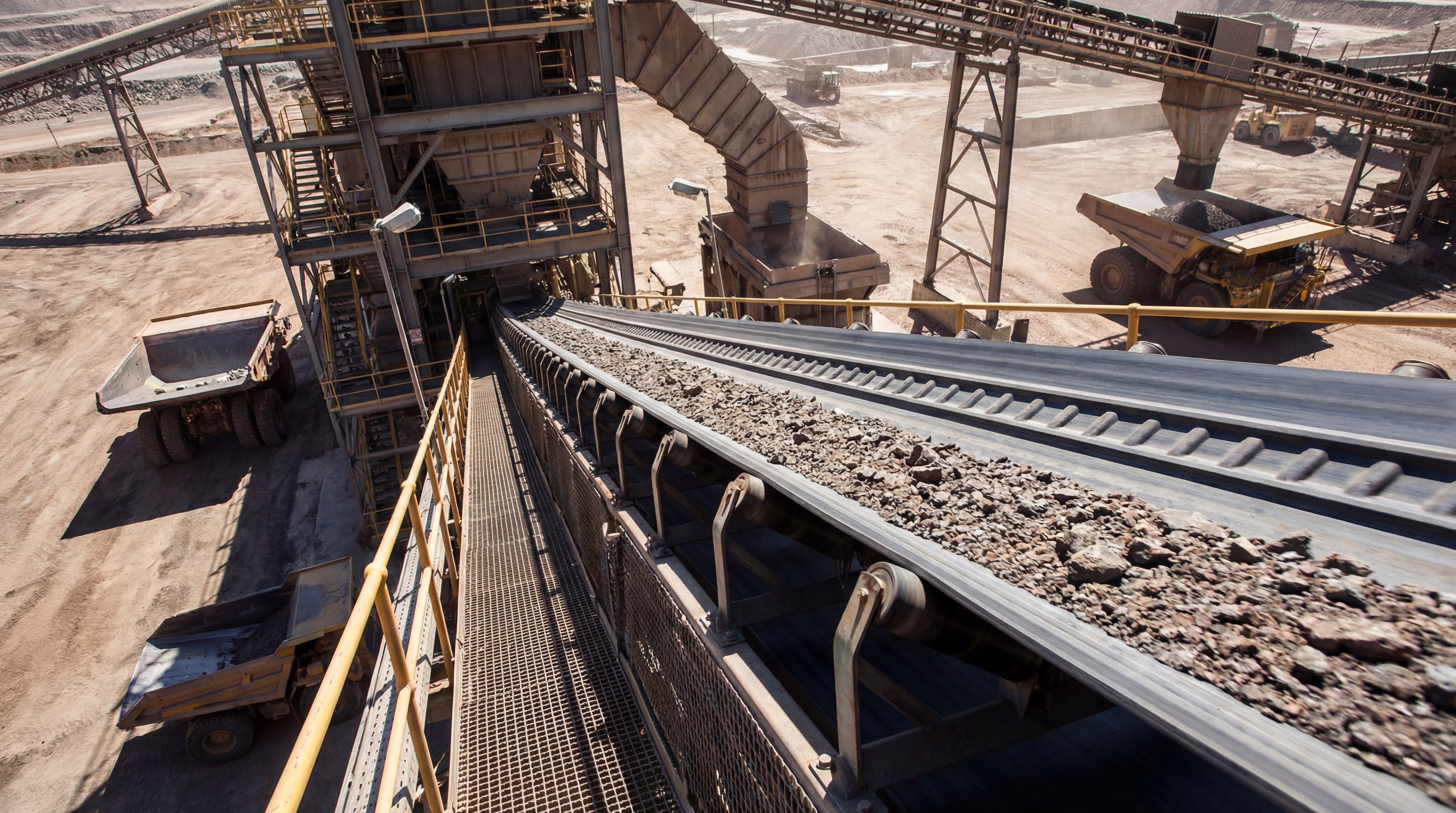
Support is provided through the creation of customized transport systems that prevent the segregation of fine plaster powders during high-speed movement. A sidewall rubber conveyor belt factory designs these systems to handle the specific bulk density of casting sands and gypsum. By providing a “pocket” for the material, the conveyor maintains a consistent flow rate regardless of the incline angle.
Transporting molding materials
Molding materials like gypsum and fine additives require gentle handling to maintain their chemical properties and moisture levels. Any vibration-induced loss of fines can lead to inconsistent mold quality.
Think about it:
- Enclosed pockets protect materials from air currents.
- Smooth transitions reduce mechanical shock to the load.
- Consistent speeds prevent “avalanching” on steep inclines.
You need a system that treats your raw materials as assets, not just bulk weight.
Handling abrasive plaster sands
Dry plaster and sand can be highly abrasive, leading to premature wear on standard industrial belts. A factory specializing in these belts uses reinforced rubber compounds to extend the operational life of the equipment.
But that’s not all:
- Reinforced cleats resist tearing under load.
- Special compounds minimize surface gouging.
- Durable edges prevent fraying from gypsum friction.
Key Takeaway: Specialized factory support ensures your conveyor can handle the abrasive nature of casting materials without frequent, costly replacements.
| Component | Protective Measure | Result | |
|---|---|---|---|
| Belt Cover | Abrasion-Resistant Grade | Extended Life | |
| Sidewall | Fabric Reinforcement | Better Flex Life | |
| Cleat | Bolt-on or Vulcanized | Impact Resilience |
Investigating these protective measures reveals why purpose-built belts are superior for handling the harsh environment of a modern foundry.
What is the plaster process at a sidewall rubber conveyor belt factory?
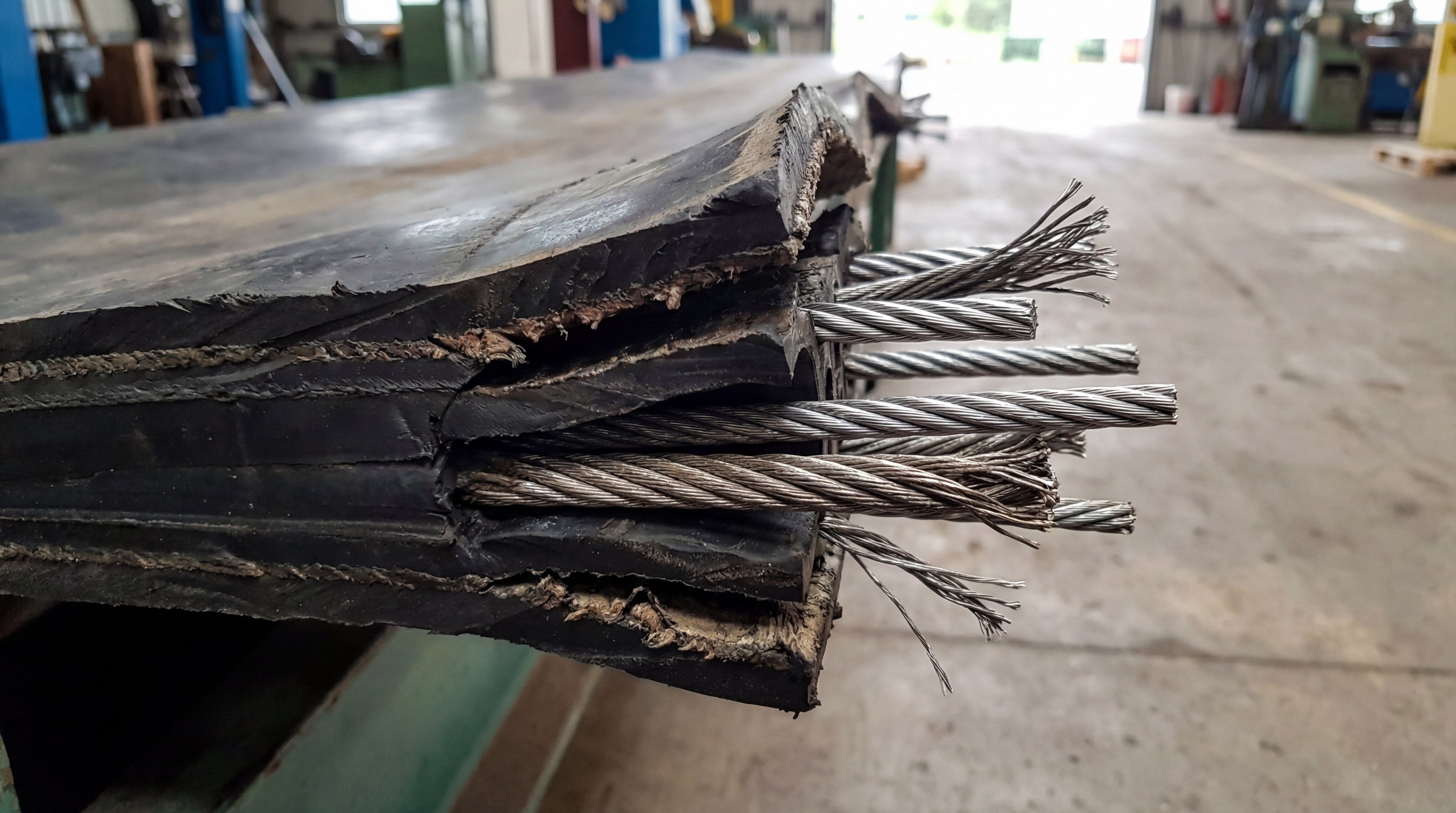
The process involves manufacturing a multi-layered rubber belt that serves as the primary transport mechanism for wet and dry plaster stages. At a sidewall rubber conveyor belt factory , the production begins with a high-tensile fabric or steel cord base. This base is then vulcanized with corrugated sidewalls to create a leak-proof trough.
Moving wet plaster mixes
Transporting wet plaster is a delicate stage where the material is prone to sticking and causing belt tracking issues. The process ensures the rubber surface has low-surface-tension properties to facilitate easy discharge.
Here is the deal:
- Belts are designed with self-cleaning profiles.
- Sidewall heights are optimized to contain liquid mixtures.
- Water-resistant compounds prevent core degradation.
The result is a consistent flow from the mixer to the casting station.
Vertical transport of cast molds
Once the plaster is cast, the molds are heavy and fragile, requiring a belt that offers perfect lateral stability. Vertical transport allows these molds to move to curing ovens without manual intervention.
Check this out:
- Uniform cleat spacing prevents mold collisions.
- Soft rubber compounds dampen structural vibrations.
- Steep angles allow for multi-story curing towers.
Key Takeaway: The manufacturing process at a specialized factory focuses on the material’s transition from a liquid slurry to a solid, heavy cast.
| Process Stage | Belt Requirement | Technical Solution | |
|---|---|---|---|
| Wet Mixing | Moisture Resistance | Synthetic Rubber Plys | |
| Vertical Lift | High Cleat Profiles | T-Cleat or C-Cleat | |
| Discharge | Surface Release | Specialized Top Covers |
Understanding the manufacturing stages allows you to select a belt that aligns perfectly with each phase of your casting operation.
Why is a sidewall rubber conveyor belt factory vital for foundries?
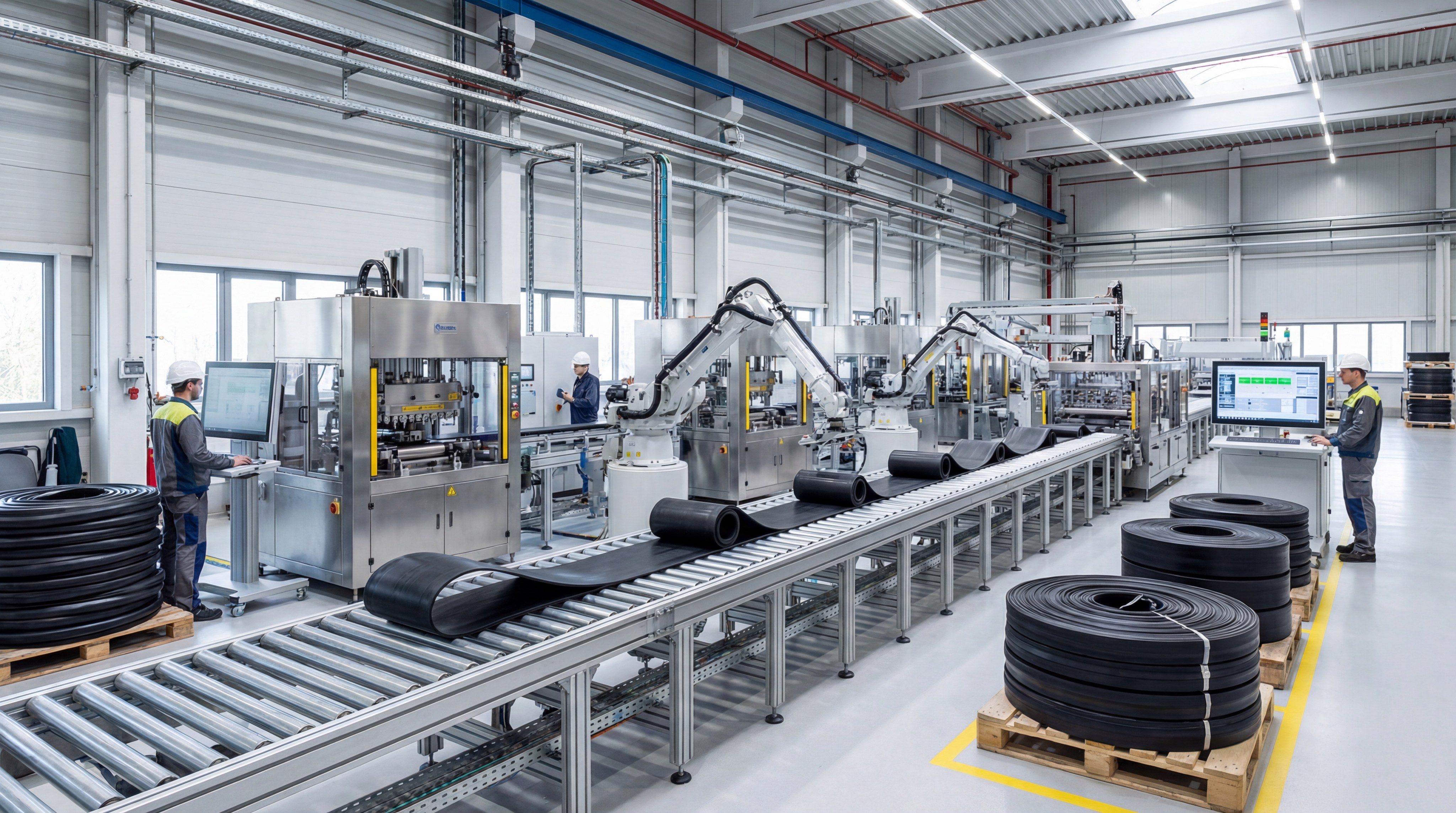
A factory is vital because it provides the specialized technology needed to automate the sand recycling and plaster recovery systems foundries rely on. A sidewall rubber conveyor belt factory creates the closed-loop systems that keep a foundry clean and safe. Without these belts, foundries would be forced to use bucket elevators, which are notoriously difficult to clean and maintain in a plaster environment.
Efficient sand recycling
Sand and plaster recovery is essential for cost control in large-scale casting operations. Sidewall belts allow for the collection of waste material from basement levels and transport it back to silos.
Think about it:
- Recycled material often contains sharp metallic flash.
- Standard belts would suffer frequent punctures.
- Sidewall belts use high-impact rubber to resist damage.
This keeps your raw material costs low and your efficiency high.
Reducing manual material handling
Manual handling of plaster bags and heavy molds is a primary source of workplace injuries in the casting industry. Automating these paths with high-angle belts removes the human element from high-risk transport.
But that’s not all:
- Continuous flow replaces pallet jack transport.
- Vertical lifts replace stairs and freight elevators.
- Automated paths reduce the risk of mold breakage.
Key Takeaway: Vital factory-engineered solutions reduce both your operational overhead and your insurance liabilities through automation.
| Problem | Factory Solution | ROI Impact | |
|---|---|---|---|
| High Spillage | Corrugated Sidewalls | Lower Cleanup Cost | |
| Slow Transport | Continuous High-Angle Belt | Increased Output | |
| Manual Lifting | Automated Vertical Conveying | Improved Safety |
Foundries that adopt these specialized systems often see a dramatic reduction in downtime related to material handling failures.
How does a sidewall rubber conveyor belt factory optimize molding?
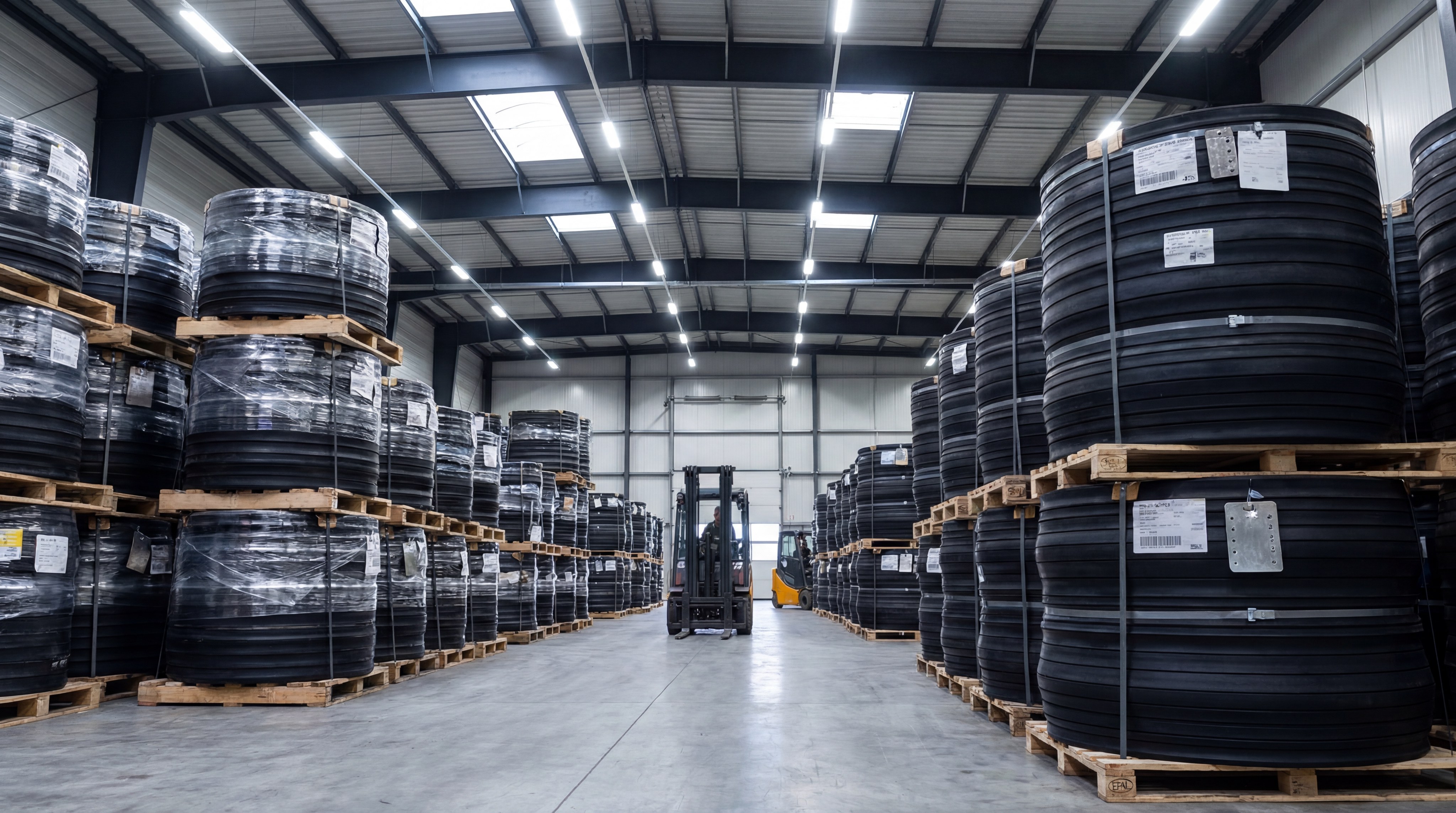
Optimization is achieved by providing custom-designed cleat patterns that match the dimensions and weight of your specific casting molds. By working with a sidewall rubber conveyor belt factory , you can specify the exact rigidity needed for your molding line. This ensures that the belt does not stretch or slip under the fluctuating loads typical of batch casting processes.
Hot vulcanization for durability
Optimized belts utilize hot vulcanization to bond the sidewalls and cleats to the base belt. This process is far superior to cold bonding, as it creates a molecular bond that won’t fail under heat or heavy loads.
Check this out:
- Higher temperature resistance for curing zones.
- Greater shear strength for steep vertical lifts.
- Long-term durability in 24/7 operating environments.
It ensures your molding line doesn’t stop for avoidable belt repairs.
Custom cleat and sidewall heights
Every casting operation has different volume requirements, and a specialized factory allows you to customize the “bucket” size of your belt. This optimization maximizes the material volume moved per hour.
Here is the deal:
- T-cleats are used for standard material flow.
- C-cleats provide extra capacity for wet plaster.
- Sidewall heights can reach up to 400mm for large molds.
Key Takeaway: Factory optimization allows you to tailor your conveyor system to the specific volume and weight of your casting products.
| Optimization Variable | Selection Choice | Operational Benefit | |
|---|---|---|---|
| Cleat Type | C-Cleat Profile | Higher Load Capacity | |
| Bond Type | Hot Vulcanization | No Cleat Detachment | |
| Base Belt | Steel Cord Reinforcement | Zero Elongation |
Customizing these variables allows your facility to push the limits of production speed without risking belt failure.
What are the benefits of a sidewall rubber conveyor belt factory?
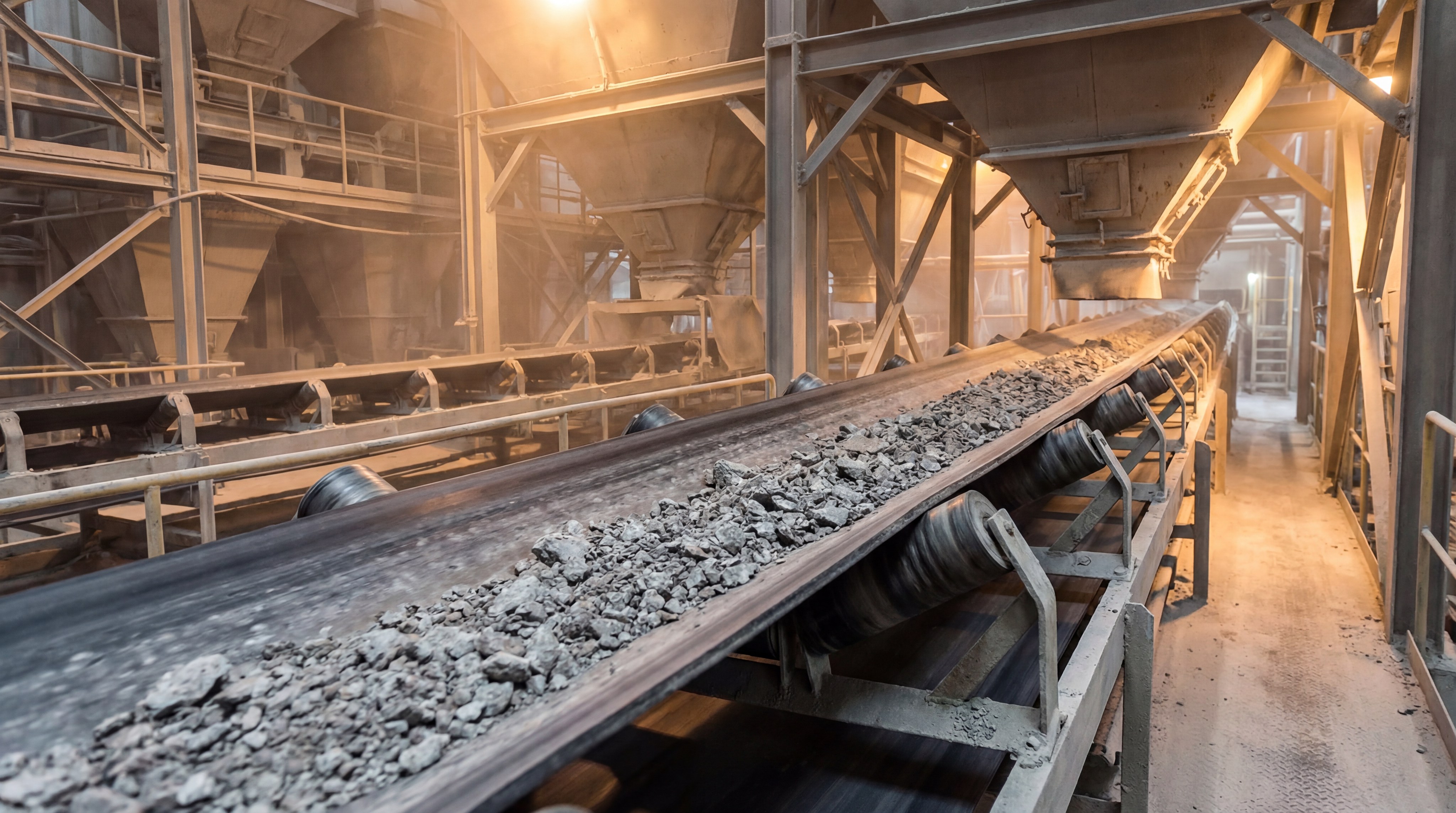
The primary benefit is the reduction in total cost of ownership through a belt that combines durability with an extremely low maintenance requirement. Using a sidewall rubber conveyor belt factory gives you access to high-grade polymers that resist the “setting” of plaster on the belt surface. This leads to cleaner operations and fewer man-hours spent on conveyor maintenance.
Lower power consumption costs
Sidewall belts are more energy-efficient than traditional bucket elevators or multi-stage flat belt systems. Because they utilize a single drive motor for complex vertical paths, your electricity usage drops.
Think about it:
- Fewer rotating components mean less friction.
- Single-run belts eliminate multiple transfer motors.
- Lighter aramid-reinforced bases reduce inertial load.
Your utility bills will reflect the efficiency of your conveying choice.
Minimizing material spillages
In plaster casting, spillage isn’t just a mess; it’s a hazardous dust and a waste of expensive gypsum. The corrugated edges of these belts create a moving seal that contains even the finest powders.
But that’s not all:
- Cleaner work environments improve air quality.
- Zero spillage means no material is lost to the floor.
- Reduced cleanup time increases available production hours.
Key Takeaway: Benefits from factory-grade belts translate directly into operational savings and improved workplace environmental standards.
| Benefit Category | Impact | Result | |
|---|---|---|---|
| Maintenance | Reduced Belt Stretching | Less Downtime | |
| Environmental | Dust Containment | Health Compliance | |
| Financial | One-Motor Operation | Lower Energy Costs |
The aggregate effect of these benefits is a significantly higher return on investment for your casting infrastructure.
How does a sidewall rubber conveyor belt factory handle hot loads?
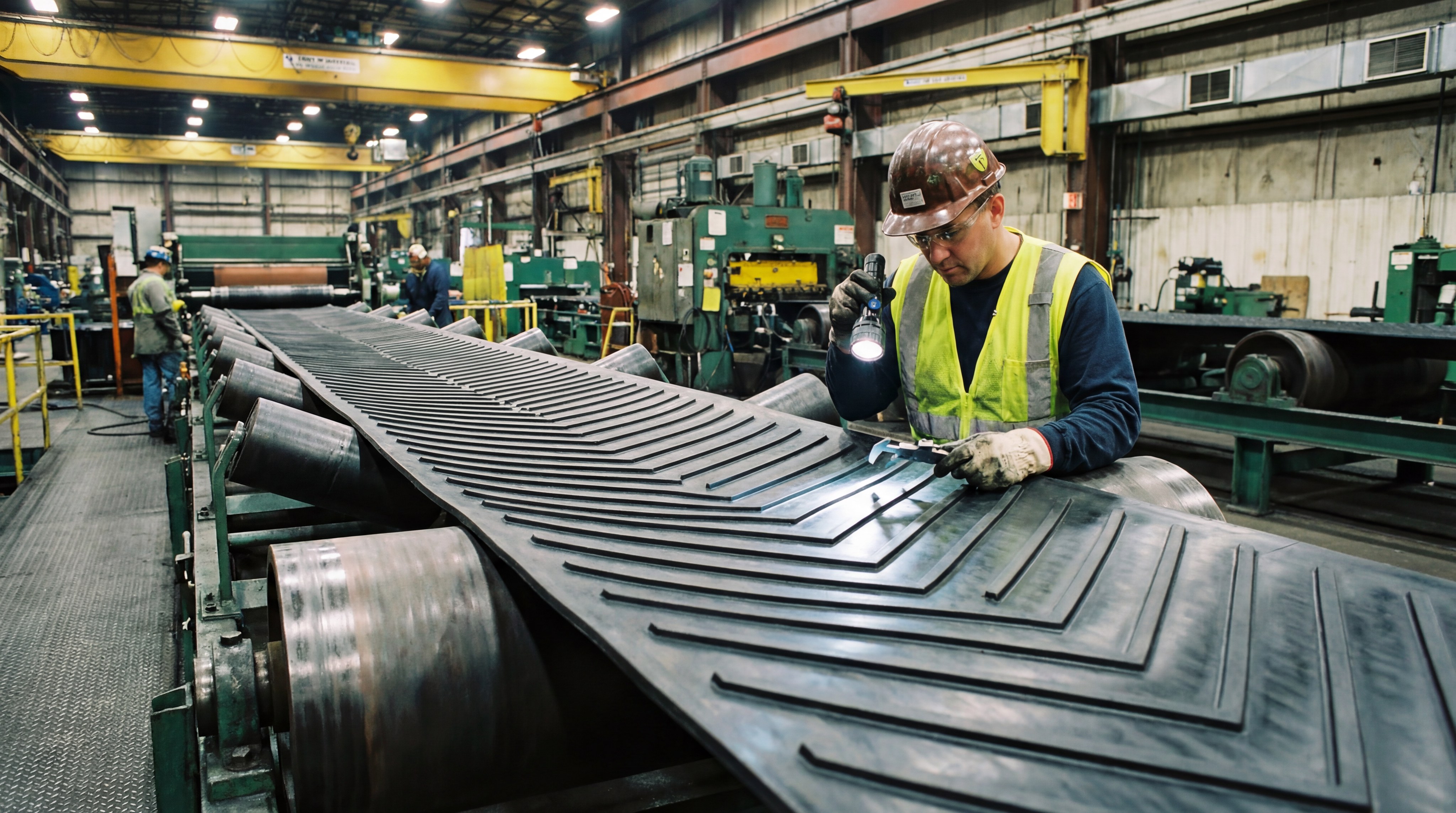
Handling hot loads is managed by utilizing EPDM or other heat-resistant rubber compounds during the manufacturing process. A sidewall rubber conveyor belt factory ensures that the belt can withstand temperatures up to 200°C without cracking. This is critical when transporting molds directly from the pouring or curing stages.
Heat-resistant belt compounds
Plaster molds often retain heat long after the metal has been poured. Specialized factories use heat-resistant covers that prevent the rubber from hardening and becoming brittle.
Check this out:
- EPDM covers resist thermal oxidation.
- SBR blends provide a balance of heat and abrasion resistance.
- Multi-ply heat barriers protect the internal carcass.
This keeps the belt flexible even in high-heat casting zones.
Maintaining bond strength at heat
The most common failure point for standard belts in hot environments is the glue bond between the cleats and the base. A specialized factory uses high-temperature vulcanization to ensure the bond remains intact.
Here is the deal:
- Heat-resistant adhesives are used in the bonding process.
- Constant tensioning systems account for thermal expansion.
- Reinforced sidewall roots prevent thermal fatigue cracks.
Key Takeaway: Factory-grade heat resistance allows your conveying system to operate reliably in the “hot zones” of your foundry.
| Temperature Range | Rubber Compound | Casting Application | |
|---|---|---|---|
| Up to 100°C | Standard SBR | Dry Gypsum Transport | |
| 100°C – 150°C | Heat-Resistant T1 | Post-Pouring Molds | |
| 150°C – 200°C | EPDM / T2 | High-Temp Curing Lines |
Choosing the correct heat grade ensures that your conveyor investment doesn’t melt away under operational stress.
Why trust a sidewall rubber conveyor belt factory for precision?
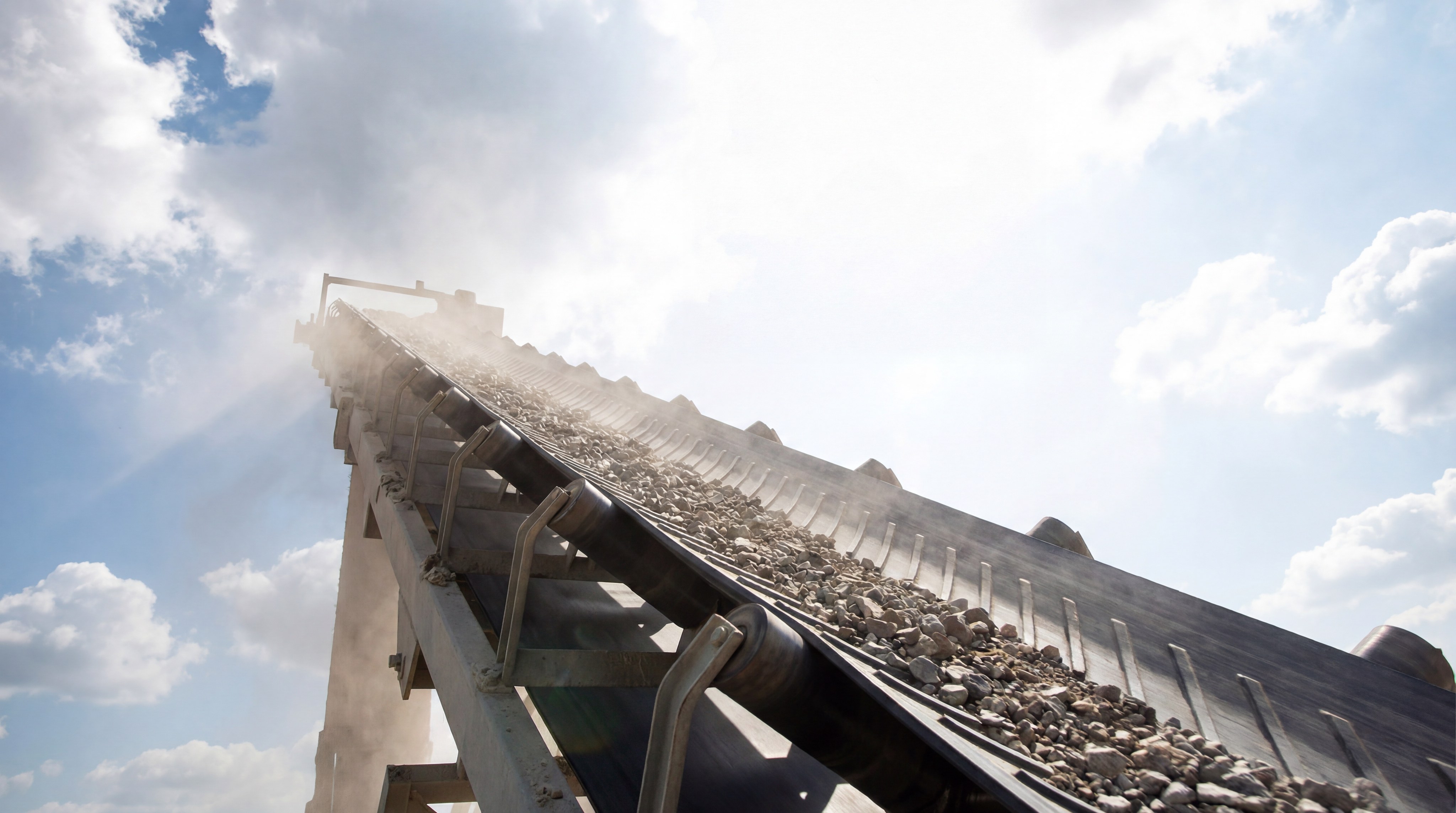
Precision is guaranteed through rigorous quality control standards that measure belt tracking and cleat alignment to the millimeter. A sidewall rubber conveyor belt factory uses automated vulcanizing presses to ensure that the sidewalls are perfectly symmetrical. This symmetry is vital for high-angle systems where even a minor misalignment can lead to catastrophic belt tracking failure.
Zero-spill vertical elevation
Precision engineering ensures that the transition from horizontal to vertical occurs without the material shifting or falling back. This is achieved through calculated cleat angles and spacing.
Think about it:
- Cleat height is matched to the maximum lump size.
- Sidewall flexibility allows for tight pulley diameters.
- Accurate cleat pitch ensures consistent loading rates.
You get a predictable flow that doesn’t vary with the convey angle.
Advanced manufacturing standards
Trust is built on certifications like ISO 9001 and CE EN14973. Factories that adhere to these standards provide documented proof of tensile strength and abrasion resistance.
But that’s not all:
- Computerized testing for dynamic fatigue.
- Laser-guided cleat placement for perfect balance.
- Third-party verification of rubber compound purity.
Key Takeaway: Precision manufacturing from a trusted factory ensures that your vertical conveyor runs straight and true for its entire service life.
| Precision Metric | Standard Requirement | Operational Impact | |
|---|---|---|---|
| Tracking Deviation | < 1% of Belt Width | No Edge Damage | |
| Cleat Alignment | +/- 1mm Symmetry | Smooth Pulley Transition | |
| Adhesion Strength | > 12 N/mm | No Component Loss |
High-precision components reduce mechanical wear on your conveyor’s drive system and rollers.
What components does a sidewall rubber conveyor belt factory make?
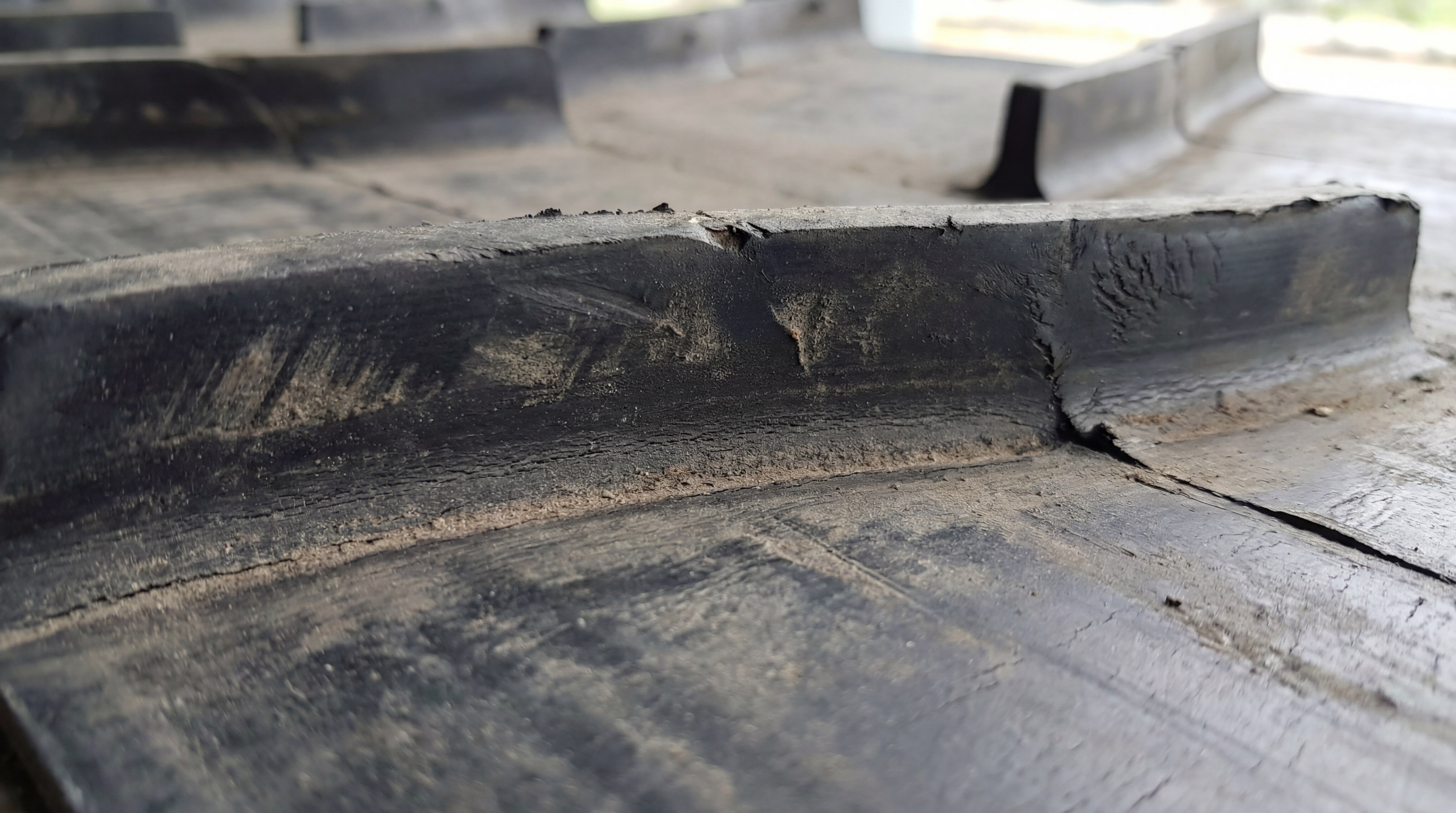
These factories manufacture the three core components: the cross-rigid base belt, the corrugated sidewalls, and the load-carrying cleats. At a sidewall rubber conveyor belt factory , each component is designed to work in harmony. The base belt provides the tension, the sidewalls provide the volume, and the cleats provide the lift.
Corrugated sidewall variations
Sidewalls come in various heights and profiles to accommodate different material volumes and incline angles. They are manufactured with fabric reinforcement to ensure they can flex around pulleys without tearing.
Check this out:
- S-Type sidewalls for light to medium loads.
- WM-Type for heavy-duty casting applications.
- Heights ranging from 40mm to a massive 500mm.
The right sidewall keeps your plaster contained even during sudden stops.
High-capacity rubber cleats
Cleats are the “steps” that carry your material upward. They are available in various shapes, including T, C, and TC profiles, depending on the steepness of your incline.
Here is the deal:
- T-Cleats work for inclines up to 40 degrees.
- C-Cleats are ideal for vertical 90-degree lifts.
- TC-Cleats provide maximum stability for heavy molds.
Key Takeaway: Every component is a piece of a high-performance puzzle designed specifically for the rigors of industrial conveying.
| Component | Material | Function | |
|---|---|---|---|
| Base Belt | EP Fabric / Steel Cord | Tensile Load Bearing | |
| Corrugated Wall | Reinforced Rubber | Lateral Containment | |
| Cleats | Abrasion-Resistant Rubber | Vertical Lifting |
Investing in a complete component package from a single factory ensures maximum compatibility and performance.
Where is a sidewall rubber conveyor belt factory located for you?
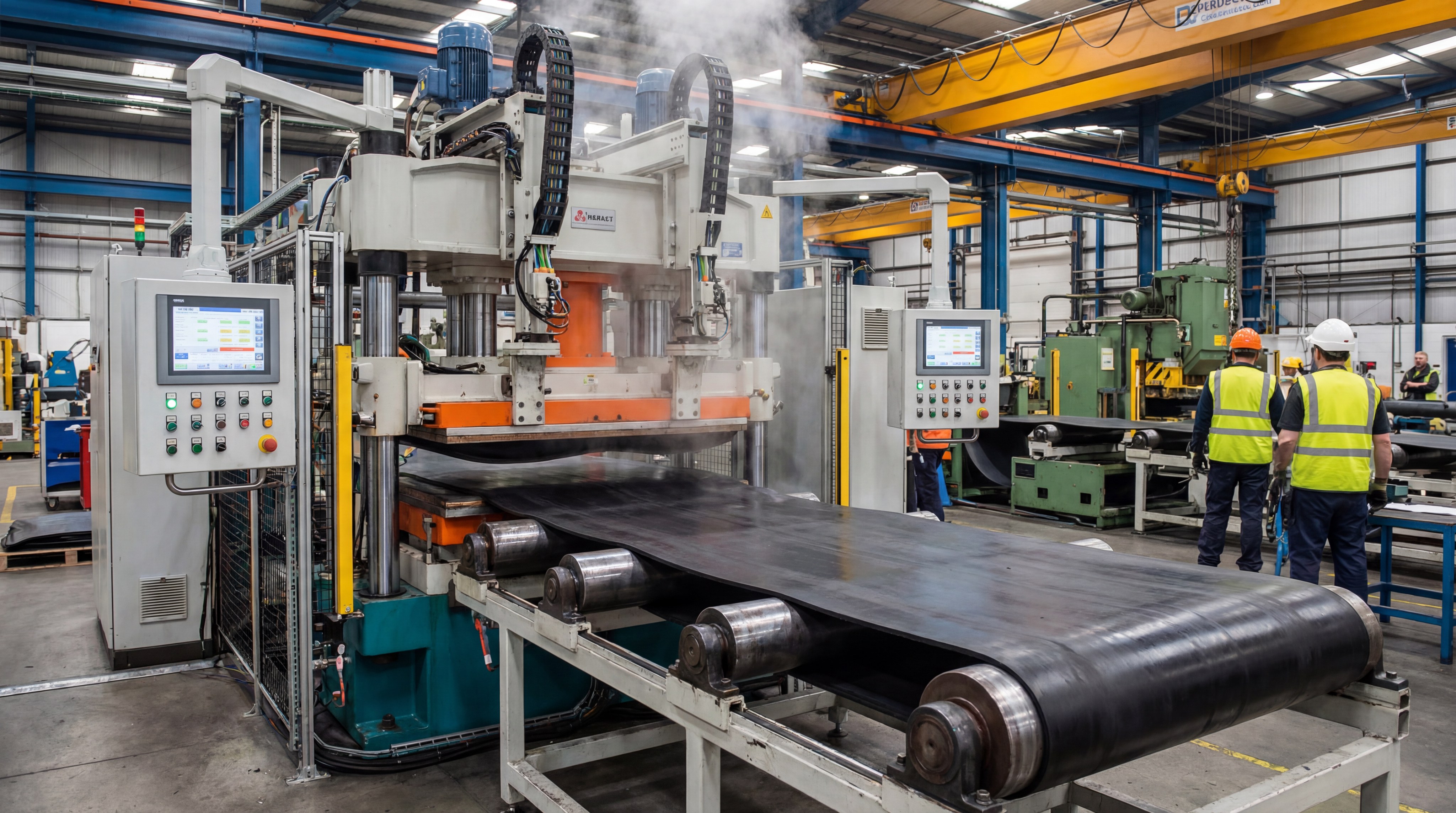
Factories are strategically located in global manufacturing hubs like North America and Shandong to ensure rapid delivery and technical support. A sidewall rubber conveyor belt factory located in these regions can provide on-site audits and rapid response times for custom orders. This proximity is essential when you need a custom-width belt to replace a failed unit quickly.
Strategic North American hubs
North American distribution centers ensure that standard sizes are always in stock. This reduces the lead time for replacement parts from weeks to days.
Think about it:
- Local technical support for installation.
- Faster shipping for emergency belt repairs.
- Compliance with local industrial safety standards.
You can rely on a supply chain that understands the urgency of your casting production.
Global distribution capabilities
While the main manufacturing may occur in specialized industrial zones, a top-tier factory maintains a global reach. This allows them to serve multi-national casting operations with consistent quality.
But that’s not all:
- Export experience to over 20 countries.
- Professional packaging for overseas shipping.
- Remote engineering support via digital consults.
Key Takeaway: Strategic locations ensure that wherever your casting facility is, you have access to factory-direct quality and engineering support.
| Region | Service Benefit | Delivery Speed | |
|---|---|---|---|
| North America | Local Inventory & Audits | Fast (1-5 Days) | |
| Asia (Factory Hub) | Direct Pricing & Customization | Medium (2-4 Weeks) | |
| Global | Standardized Quality | Reliable Lead Times |
The location of your supplier is just as important as the quality of the belt itself when it comes to long-term operational success.
Plaster casting requires a level of precision and material handling care that standard conveyor systems simply cannot provide. By integrating high-angle sidewall belts into your facility, you solve the chronic problems of material spillage, high energy costs, and wasted floor space. Our vision is to empower your foundry with conveying solutions that are as durable as they are efficient, ensuring your production line never misses a beat. To optimize your facility today, contact us for a technical consultation and custom quote.
FAQ
Can I use sidewall belts for wet plaster and dry gypsum?
Yes, you can. The specialized rubber compounds and corrugated designs are specifically engineered to handle both the liquid slurry of wet plaster and the abrasive powders of dry gypsum without leaking or sticking.
What’s the best cleat shape for a 90-degree vertical lift?
The best is the C-type or TC-type cleat. These profiles act like deep buckets, providing the necessary mechanical support to prevent material from falling backward when the belt moves into a purely vertical orientation.
How do I know if my base belt needs steel cord reinforcement?
You know it is necessary if your conveyor run is long (over 100 meters) or the vertical lift is extremely high. Steel cords provide zero elongation, ensuring the belt doesn’t stretch and cause tracking issues under the immense weight of heavy casting molds.
Can I customize the height of the corrugated sidewalls?
Yes, you can. Factories offer sidewall heights ranging from 40mm to 500mm, allowing you to match the containment area perfectly to the maximum lump size or volume of the material you are transporting.
What’s the best way to prevent plaster from sticking to the belt?
The best way is to select a belt with a high-grade, low-friction top cover and use integrated belt cleaners or “beaters.” These systems use vibration or mechanical scraping to ensure the belt is clean before it begins its return journey.