
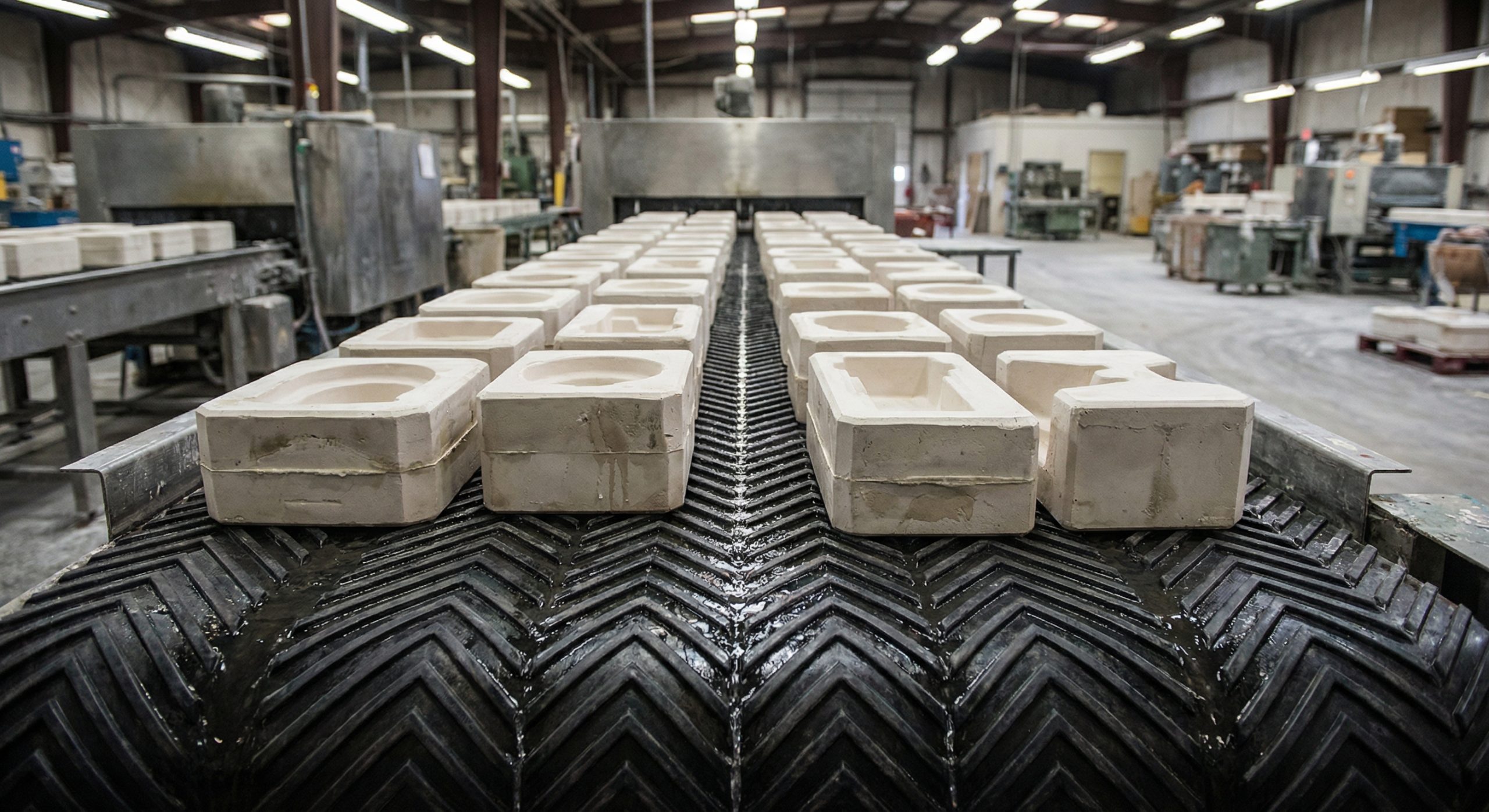
A various pattern anti slip rubber conveyor belt improves stability in plaster casting by preventing mold movement, reducing material loss, and ensuring efficient, high-speed production.
What is a various pattern anti slip rubber conveyor belt?
A various pattern anti slip rubber conveyor belt is a high-friction transport surface featuring geometries like diamonds, chevrons, or rough-top textures to lock materials in place. You will find that these belts are specifically engineered to handle the unique challenges of fine particulates. They are essential for any plant dealing with delicate or slippery molds.
What defines the belt’s geometry?
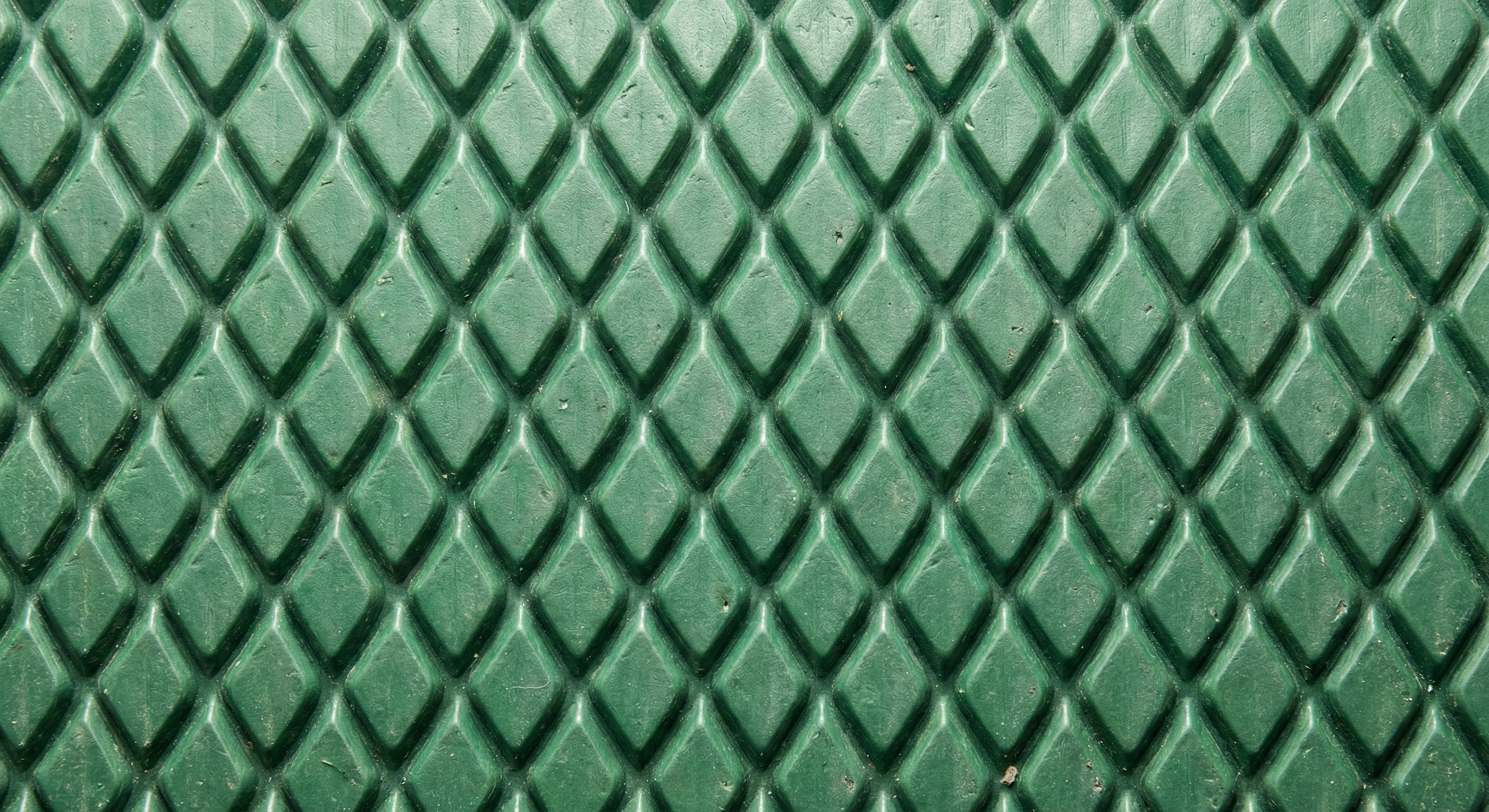
The geometry of the belt is defined by its surface profile, which determines the amount of mechanical grip provided to the product. You can choose between several standard patterns depending on your specific incline requirements. These shapes prevent the “aquaplaning” effect common with wet plaster.
- Rough Top: Best for high-vibration environments.
- Chevron: Ideal for steep inclines.
- Diamond: Provides multi-directional grip.
Here is the deal: The right pattern choice depends entirely on your mold’s base surface and weight.
How are the layers constructed?
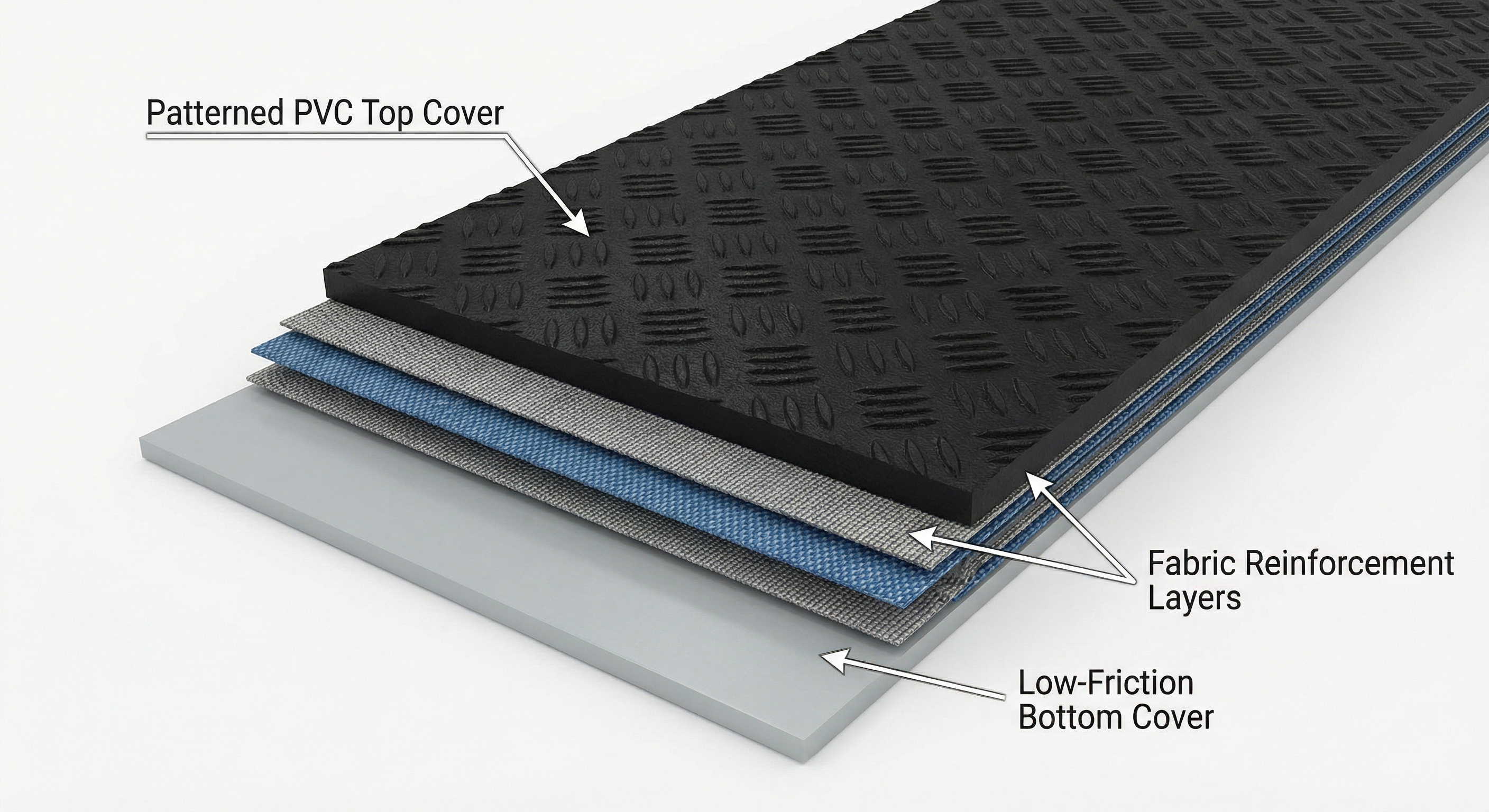
The layers consist of a high-friction PVC top cover, multi-ply fabric reinforcement, and a low-friction bottom for smooth bed movement. You need this multi-layer approach to ensure the belt doesn’t stretch or tear under heavy casting loads. This construction provides the necessary tensile strength for long industrial runs.
Think about this: Without the fabric core, your belt would sag under the weight of wet plaster molds.
| Component | Material | Purpose | |
|---|---|---|---|
| Top Cover | Textured PVC | High friction and grip | |
| Carcass | Synthetic Fabric | Tensile strength and support | |
| Bottom | Smooth PVC/Fabric | Reduced motor strain |
Key Takeaway: A patterned belt is defined by its surface architecture and multi-ply construction to balance grip with durability.
How does a various pattern anti slip rubber conveyor belt work?
A various pattern anti slip rubber conveyor belt works by creating mechanical interlocking points between the belt surface and the mold to resist sliding. These patterns break the surface tension of wet plaster and moisture, ensuring that the mold remains level. You will see an immediate improvement in stability during acceleration and deceleration phases.
Can patterns handle liquid runoff?
Yes, the patterns are designed to channel moisture away from the contact points to maintain a high coefficient of friction. This prevents the mold from floating on a thin layer of water or slurry. You can maintain high speeds even when your casting environment is exceptionally damp.
- Channeled Ridges: Guide water to the belt edges.
- Raised Studs: Lift the mold above small spills.
- Deep Grooves: Trap dry dust to keep the surface clear.
Listen to this: Moisture management is the secret to maintaining grip in wet plaster environments.
How does friction prevent tilting?
Friction prevents tilting by distributing the mold’s weight across hundreds of individual contact points on the patterned surface. This ensures that the center of gravity remains stable even during slight inclines. You don’t have to worry about the “slosh” effect ruining the internal detail of your plaster cast.
But wait, there’s more: The soft nature of the PVC patterns also dampens mechanical vibrations from the conveyor motor.
| Action | Mechanic | Result | |
|---|---|---|---|
| Inclined Travel | Pattern Interlocking | No product sliding | |
| Rapid Braking | Surface Friction | Molds stay in position | |
| Wet Transport | Moisture Channeling | Consistent grip levels |
Key Takeaway: The belt works through a combination of mechanical grip and liquid drainage to ensure mold stability.
Why use a various pattern anti slip rubber conveyor belt?
Using a various pattern anti slip rubber conveyor belt is critical because it significantly reduces the waste and downtime associated with mold breakage. You will find that standard smooth belts cannot provide the necessary security for heavy, wet plaster. Investing in a patterned surface is an investment in your final product quality.
Why is stability important for setting?
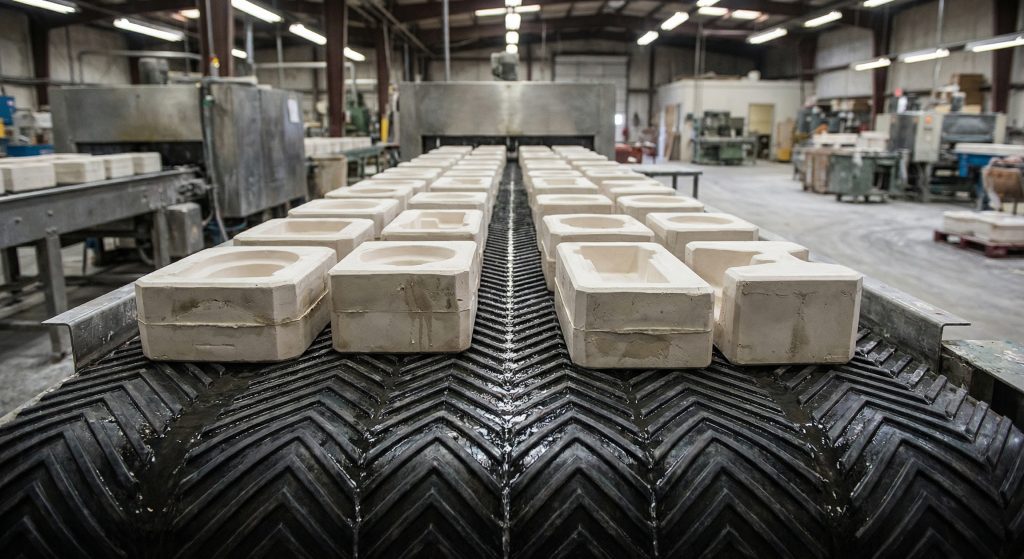
Stability is vital because any movement during the chemical setting process can cause internal cracks or surface deformities in the plaster. You need your molds to travel in a perfectly smooth, vibration-free state. A patterned belt provides this “locked-in” security without requiring complex clamping systems.
- Reduced Scrap: Fewer molds are ruined during transport.
- Higher Speeds: You can increase throughput without losing products.
- Automation Ready: Precise positioning is easier with non-slip surfaces.
The result? Your yield per hour increases while your waste disposal costs drop.
Does it lower your energy costs?
It lowers energy costs by allowing the conveyor to run at a lower tension while still maintaining effective traction with the drive pulley. You will experience less motor wear and tear because the belt is not slipping. This efficiency translates directly into lower monthly utility bills for your facility.
Think about this: Every time a belt slips, you are wasting electricity and wearing down your equipment.
| Advantage | Practical Benefit | ROI Factor | |
|---|---|---|---|
| Zero Slippage | No mold damage | Increased profit | |
| High Traction | Lower motor load | Energy savings | |
| Better Grip | Faster line speeds | Higher throughput |
Key Takeaway: Choosing a patterned belt solves the problem of product loss while optimizing your operational costs.
Where is a various pattern anti slip rubber conveyor belt used?
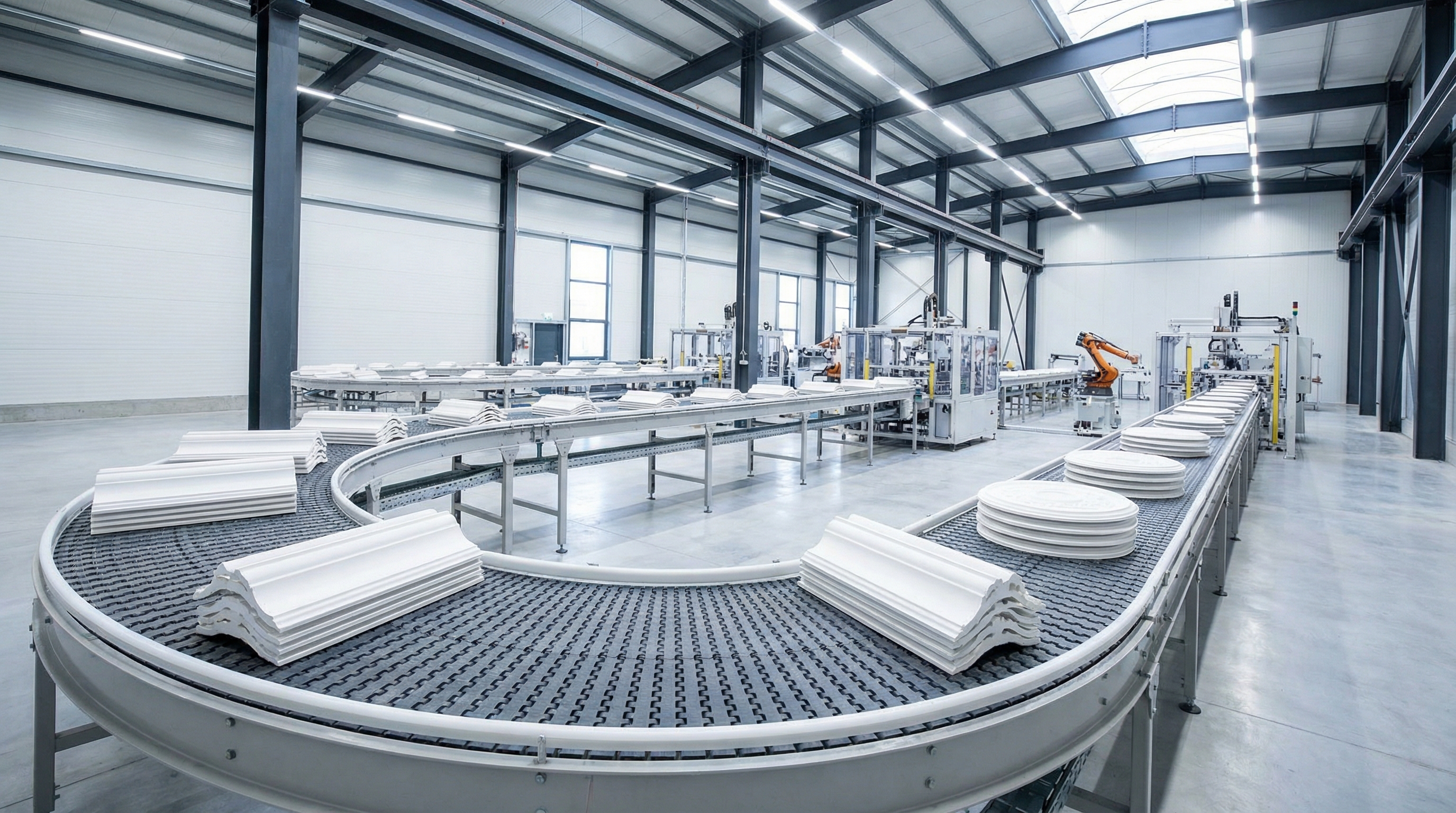
A various pattern anti slip rubber conveyor belt is used in architectural molding plants, ceramic production lines, and industrial plasterboard facilities. You will see these belts wherever heavy, fragile products must move through inclines or automated processing zones. They are the standard for high-volume casting environments.
Is it suitable for automated lines?
Yes, it is highly suitable because it ensures that every mold arrives at the robot or injection station in the exact same orientation. You can calibrate your sensors with confidence knowing the product won’t shift. This predictability is the backbone of a successful automated manufacturing plant.
- Packaging Areas: Stabilizing boxes on steep inclines.
- Injection Zones: Holding molds steady during the pour.
- Drying Tunnels: Keeping pieces spaced correctly for airflow.
Here is the deal: Automation only works when your product stays where it is supposed to be.
Can it be used in small workshops?
It is perfectly scaled for smaller workshops where manual labor is used and slip-and-fall hazards need to be minimized. You will find that even short conveyor sections benefit from the added grip of a patterned PVC surface. It makes the job easier for your crew by reducing the need for constant product realignment.
The best part? It works just as well for artistic sculpture casting as it does for industrial tiles.
| Sector | Usage | Key Belt Pattern | |
|---|---|---|---|
| Architecture | Large column molding | Deep Chevron | |
| Logistics | Box and bag handling | Rough Top | |
| Ceramics | Tile and plate drying | Diamond Grip |
Key Takeaway: From heavy industrial plants to boutique studios, these belts provide the necessary stability for all casting scales.
Is the various pattern anti slip rubber conveyor belt durable?
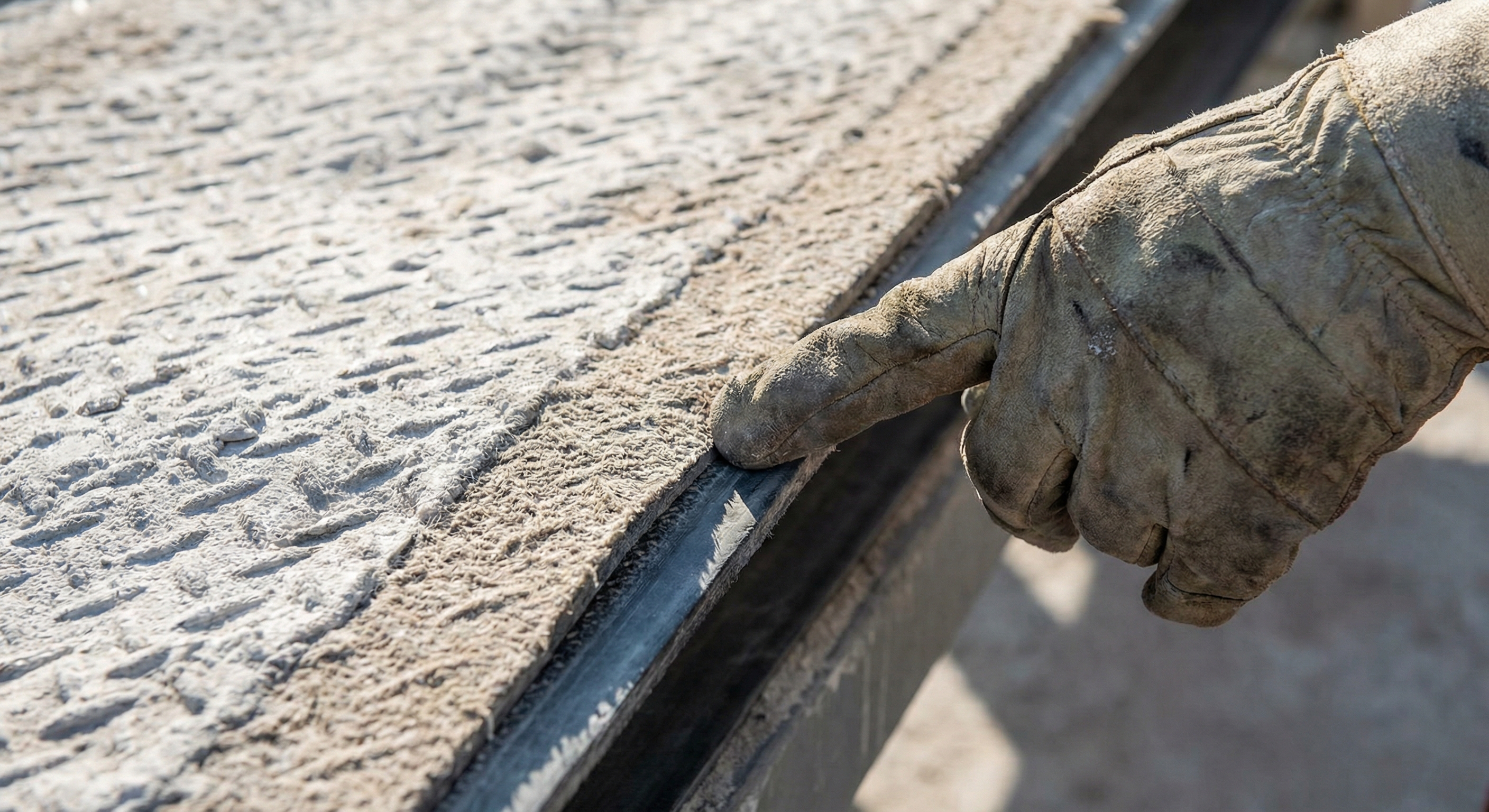
Yes, a various pattern anti slip rubber conveyor belt is exceptionally durable and built to resist the abrasive nature of plaster dust. You will find that the high-grade PVC material maintains its texture even after millions of cycles. This longevity ensures that your initial investment pays off over years of reliable service.
Does it resist chemical abrasion?
It resists chemical abrasion from the sulfates found in plaster, preventing the surface from becoming brittle or “pitted.” You don’t have to worry about the belt material leaching into your white plaster and causing discoloration. The chemical stability of the PVC blend is a major advantage in these environments.
- Sulfate Resistance: Handles the chemistry of plaster setting.
- UV Stability: Won’t crack if exposed to drying lights.
- Heat Tolerance: Withstands standard drying tunnel temperatures.
Listen to this: Durability isn’t just about strength; it’s about staying chemically neutral in a harsh environment.
What is the typical lifespan?
The typical lifespan of a high-quality patterned belt is three to five years under standard operating conditions. You can extend this further by following a basic cleaning and tensioning routine. This makes it one of the most cost-effective components in your entire production line.
But wait, there’s more: The multi-ply carcass ensures that even if the top pattern wears slightly, the belt won’t snap.
| Metric | Rating | Benefit | |
|---|---|---|---|
| Abrasion Loss | < 120mm³ | Extended pattern life | |
| Tensile Strength | 200 – 350 N/mm | Handles heavy molds | |
| Temp Range | -10°C to +70°C | Versatile placement |
Key Takeaway: Heavy-duty construction and chemical resistance make this belt a long-term solution for casting plants.
What various pattern anti slip rubber conveyor belt sizes exist?
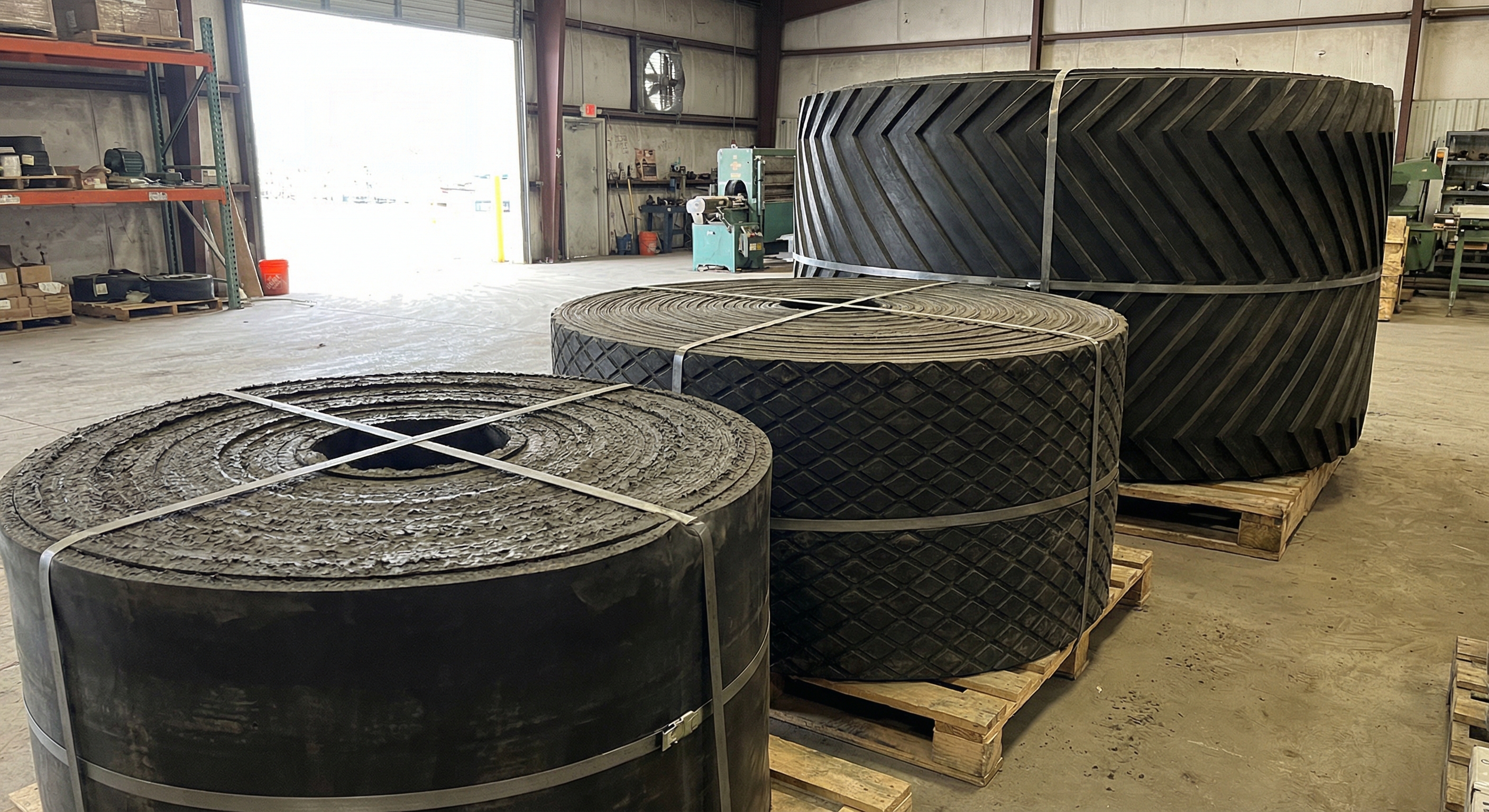
Various pattern anti slip rubber conveyor belt sizes exist from narrow 300mm workshop widths to 3200mm industrial widths. You can find a size that perfectly matches your existing conveyor frames without needing expensive modifications. Custom lengths are also available to fit any facility layout.
Are custom widths available?
Yes, you can order custom widths to ensure the belt covers the full surface of your conveyor bed. This prevents plaster dust from falling into the mechanical components of the machine. You will find that a properly sized belt reduces your overall maintenance requirements.
- Narrow (300-600mm): For detail work and small molds.
- Standard (800-1400mm): For general production lines.
- Wide (Up to 3200mm): For bulk plasterboard and large casts.
The result? A cleaner machine and a more efficient transport process.
Can you get endless loops?
You can order endless loops that are factory-spliced for maximum strength and a smooth, continuous surface. This eliminates the weak point of a mechanical fastener which could catch on your molds. You will find that endless belts run much quieter and more smoothly.
Think about this: A smooth joint means your fragile plaster molds won’t “jump” as they pass the splice.
| Scale | Width Range | Application | |
|---|---|---|---|
| Small | 300 – 600mm | Lab/Testing | |
| Medium | 800 – 1200mm | Tiles/Moldings | |
| Large | 1600 – 3200mm | Bulk Wallboard |
Key Takeaway: There is a belt size for every application, ensuring you never have to compromise on grip or coverage.
How to maintain various pattern anti slip rubber conveyor belt?
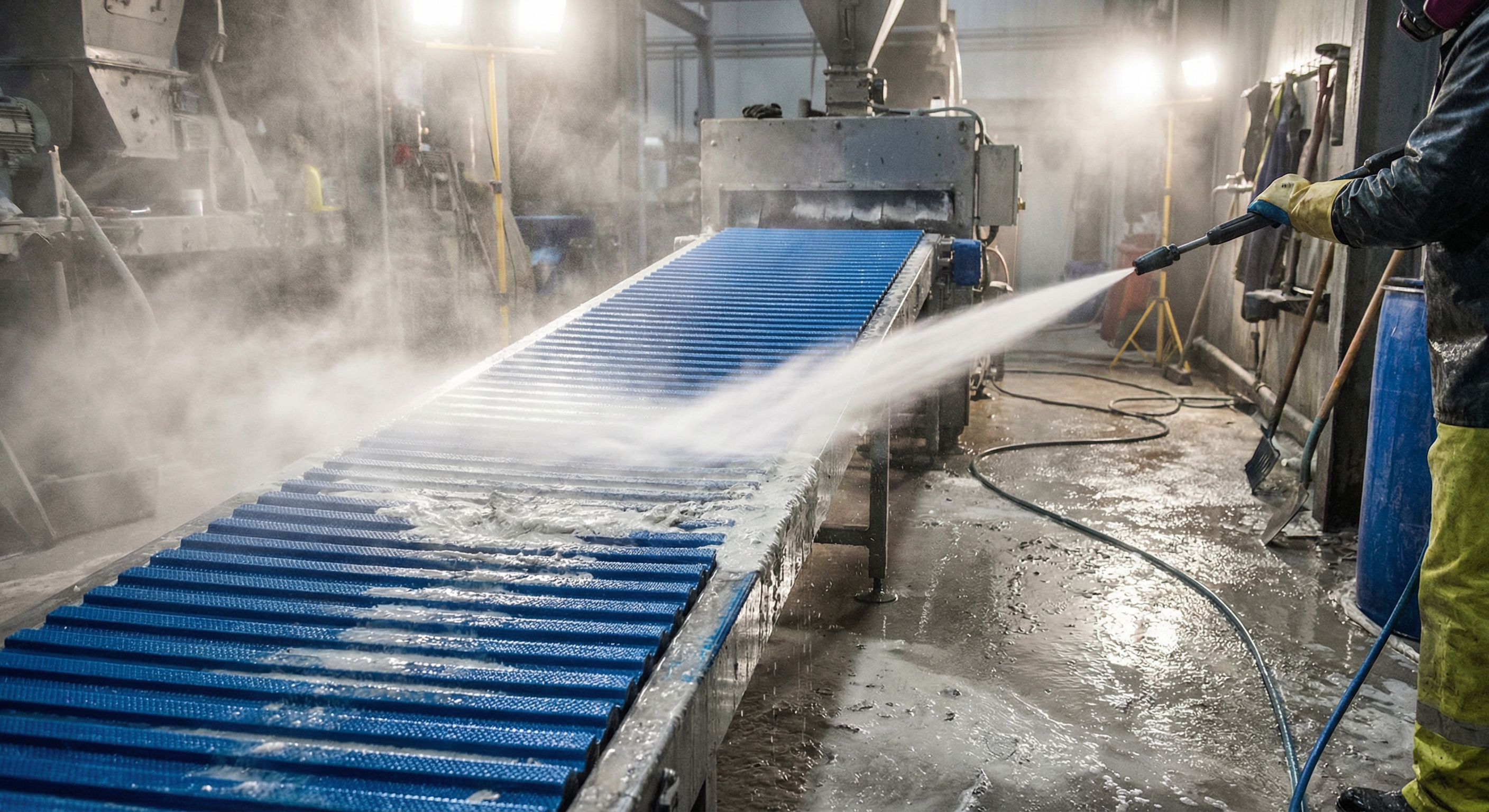
Maintaining a various pattern anti slip rubber conveyor belt involves regular cleaning to ensure the patterns don’t become clogged with dried plaster. You must keep the “valleys” of the patterns clear to allow the “peaks” to grip the product. A clean belt is a safe and effective belt.
What is the best cleaning method?
The best cleaning method is high-pressure water washing combined with soft-bristle brushing to remove fine particulates. You should avoid using harsh metal scrapers that could dull or tear the PVC patterns. Regular cleaning prevents the build-up of a smooth “glaze” that would reduce friction.
- Daily Rinse: Removes wet slurry before it dries.
- Weekly Deep Clean: Clears out the deep diamond or chevron grooves.
- Air Drying: Prevents moisture from sitting in the belt’s joints.
Here is the deal: Maintenance only takes a few minutes, but it can double the life of your belt.
How often should you check tension?
You should check the tension weekly to ensure the belt doesn’t sag or slip on the drive pulley. Correct tensioning protects the motor and prevents the belt from tracking off-center. You will find that a properly tracked belt wears much more evenly over time.
Listen to this: Most belt failures are caused by improper tensioning, not material wear.
| Task | Frequency | Tool Needed | |
|---|---|---|---|
| Surface Wash | Daily | Water Spray | |
| Tension Check | Weekly | Tension Gauge | |
| Edge Inspection | Monthly | Visual Check |
Key Takeaway: Proactive cleaning and regular tension checks ensure your anti-slip system remains at peak performance.
Can various pattern anti slip rubber conveyor belt help safety?
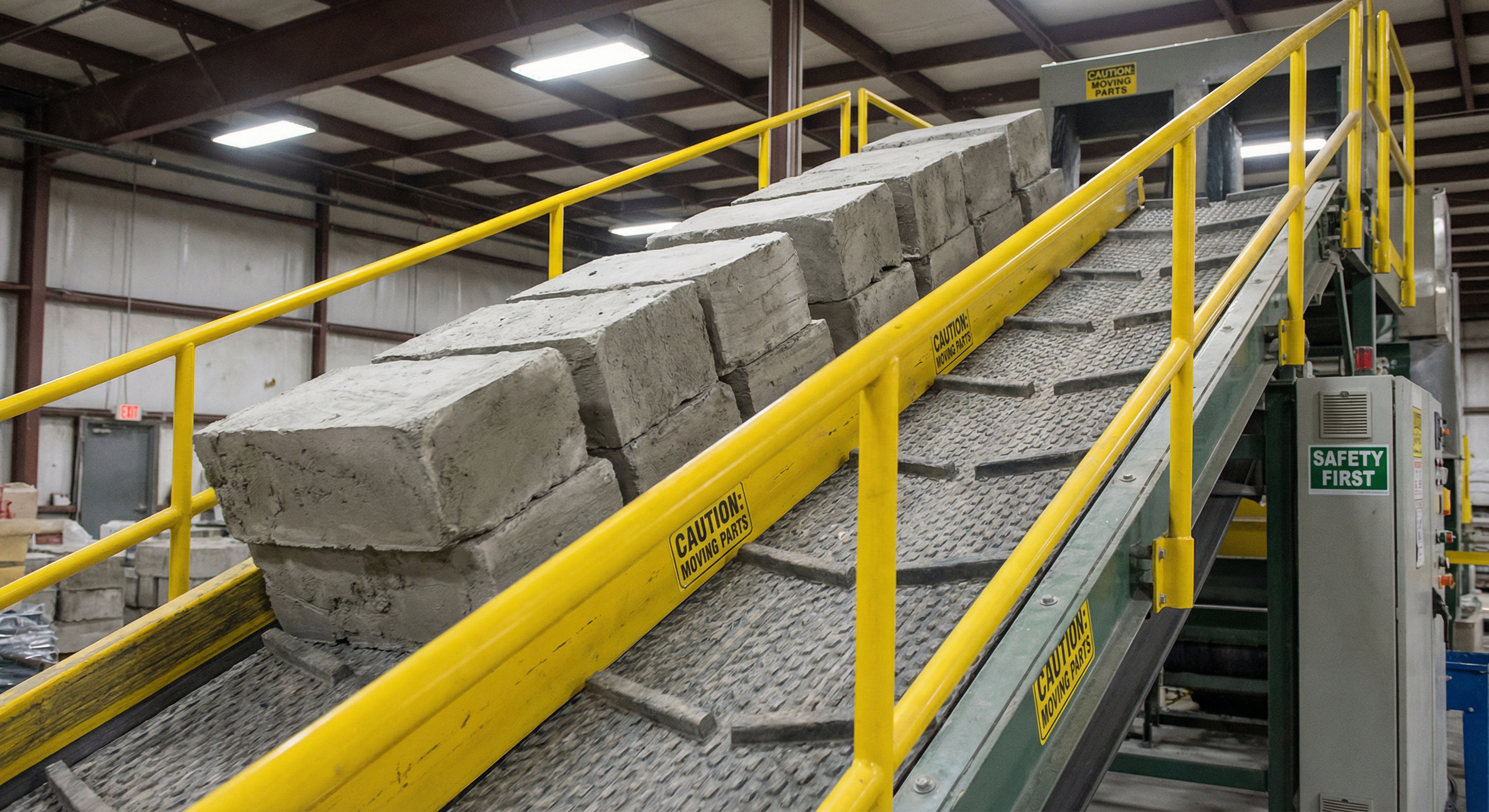
A various pattern anti slip rubber conveyor belt helps safety by preventing heavy plaster molds from sliding off the line and injuring workers. You can significantly reduce the risk of accidents by providing a stable, high-friction platform for transport. This is especially important in facilities with many inclines or worker walkways.
How does it reduce spills?
It reduces spills by keeping liquid plaster contained within the mold during transitions and stops. You don’t have to worry about wet plaster splashing onto the floor and creating a slip hazard for your crew. A cleaner floor is a safer floor for everyone in the plant.
- Stability: Stops products from falling at height.
- Containment: Keeps wet materials inside their molds.
- Friction: Ensures instant stopping during emergency shut-offs.
But wait, there’s more: High-friction surfaces also mean that products don’t “run away” on downhill sections.
Is the soft surface safer?
The soft PVC surface is safer for manual handling because it provides a better grip for workers who may need to reposition a mold. You will find that there are fewer pinched fingers and strained muscles when the product is easy to handle. It adds an ergonomic benefit to your production line.
The result? A lower rate of workplace injuries and higher employee morale.
| Safety Risk | Solution | Outcome | |
|---|---|---|---|
| Falling Molds | Patterned Grip | Zero impact injuries | |
| Slippery Floors | Moisture Channeling | Fewer falls | |
| Product Slide | High Friction | Controlled stops |
Key Takeaway: Workplace safety is built on product stability; if the product stays put, the workers stay safe.
What is the various pattern anti slip rubber conveyor belt process?
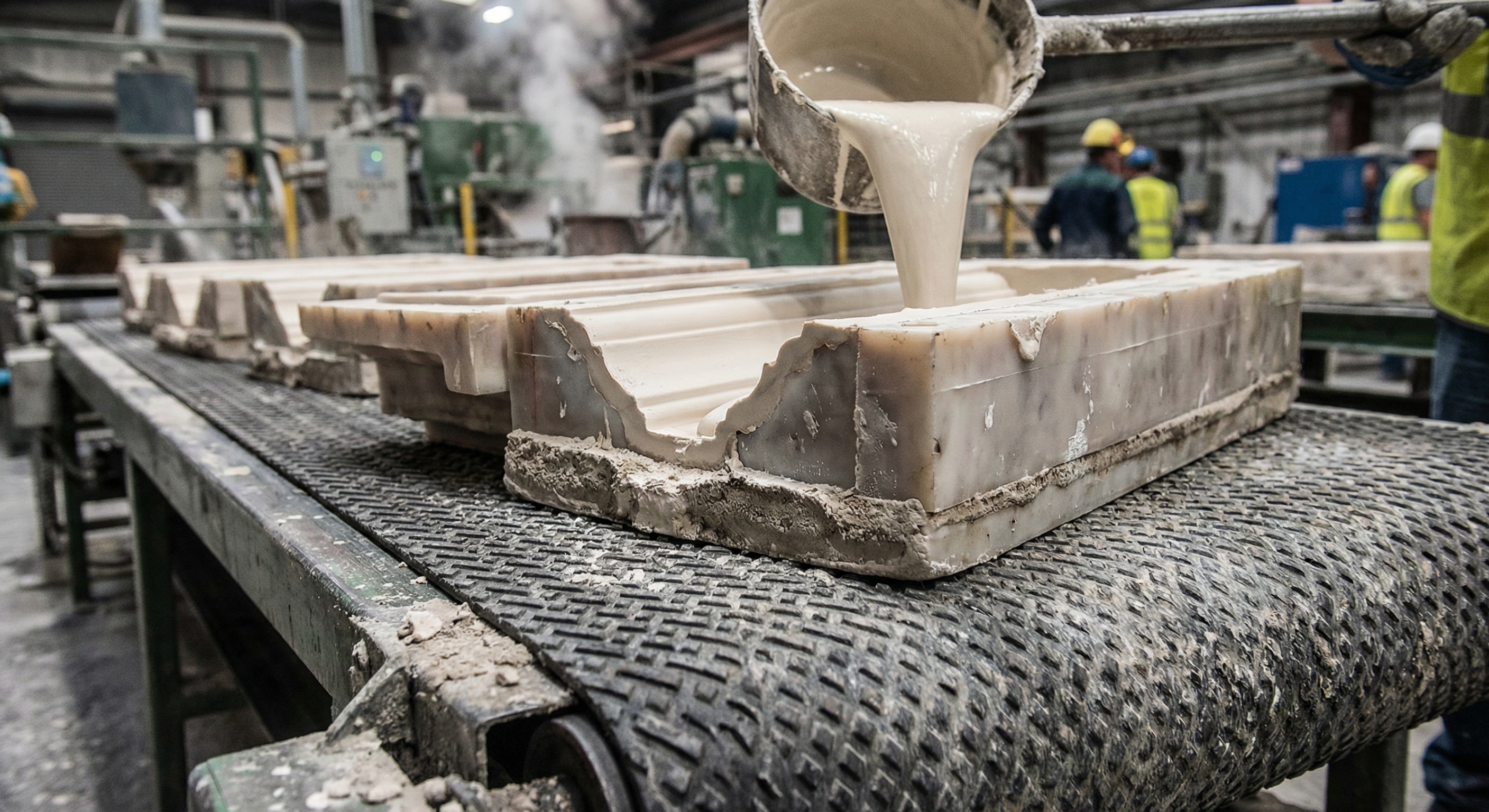
The various pattern anti slip rubber conveyor belt process involves the movement of molds through the pouring, vibrating, and setting stages of production. You will find that the belt acts as a precision platform that maintains product integrity at every step. This process must be synchronized to ensure high-quality results.
What happens during the pouring phase?
During the pouring phase, the belt remains steady or moves at a slow, controlled speed to allow the liquid plaster to fill the mold evenly. You need the anti-slip surface to prevent the mold from vibrating away from the nozzle. This ensures a clean fill with minimal waste.
- Pouring: Precise alignment with the plaster source.
- Vibrating: Patterned grip resists the mold’s “walking” tendency.
- Setting: Smooth travel prevents internal cracks.
Think about this: The belt isn’t just moving; it’s holding the product for processing.
How does it handle the extraction?
It handles the extraction phase by providing a stable base as the hardened plaster is removed from the mold. You can apply the necessary force to pull the cast without the mold sliding across the belt. This makes the final stage of production much faster and more reliable.
The best part? A patterned belt allows for faster transitions between these different production zones.
| Step | Belt Role | Success Metric | |
|---|---|---|---|
| Casting | Positioning | Alignment accuracy | |
| Transport | Stability | Zero product slide | |
| Extraction | Resistance | Easy mold removal |
Key Takeaway: The belt supports the entire lifecycle of the plaster cast, from liquid pour to finished product.
Why choose this various pattern anti slip rubber conveyor belt?
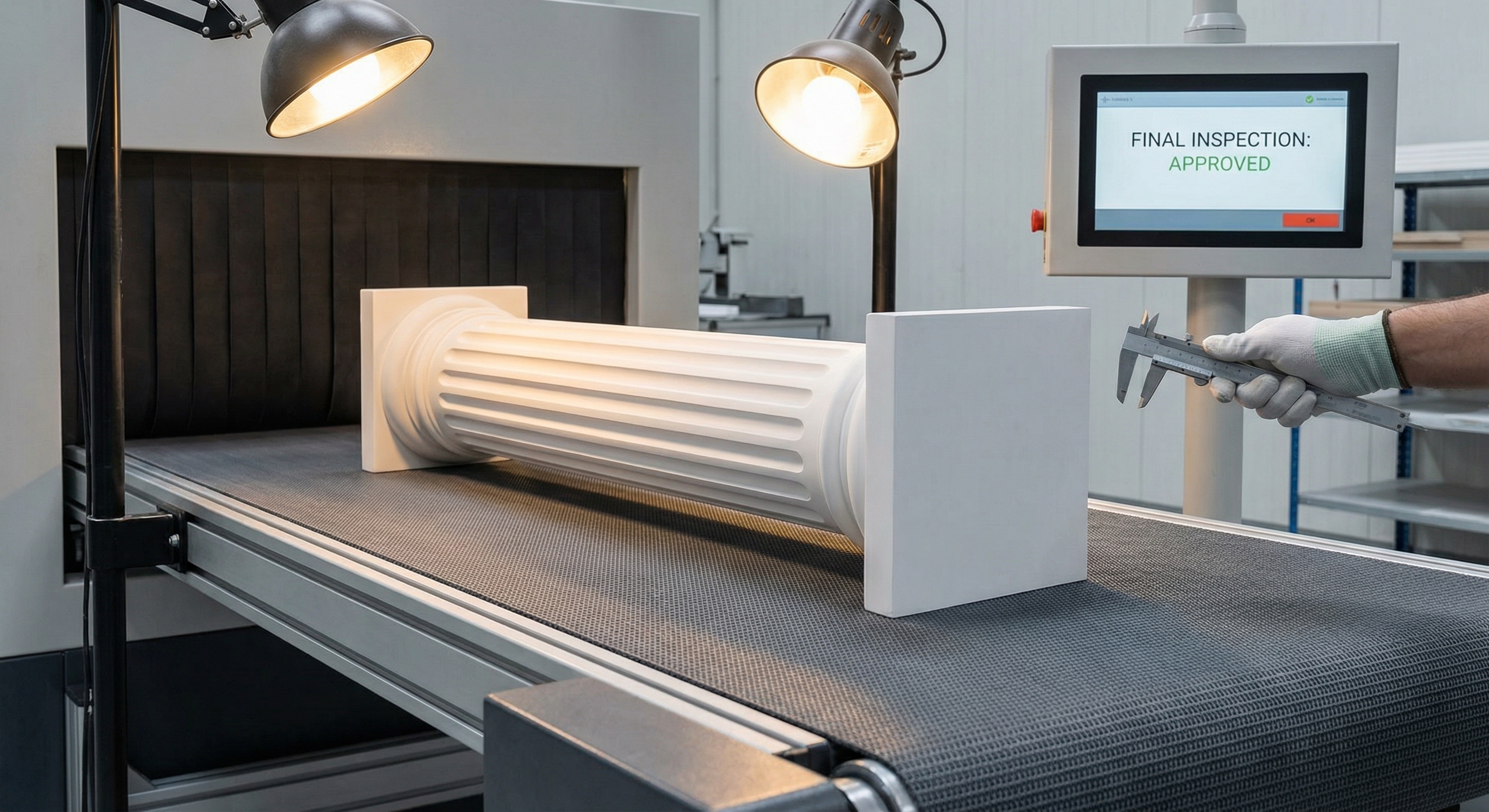
You should choose this various pattern anti slip rubber conveyor belt because it offers superior performance, long-term durability, and a lower total cost of ownership. You will find that the specialized PVC construction is tailored specifically for the harsh conditions of a plaster plant. It is the most reliable way to protect your production investment.
Does it offer better ROI?
Yes, it offers a better ROI because it pays for itself through reduced waste and lower maintenance costs. You can achieve higher production speeds with fewer personnel involved in manual realignment. This efficiency is what allows you to stay ahead of your competition.
- Efficiency: Faster line speeds and throughput.
- Reliability: Fewer unplanned breakdowns and repairs.
- Quality: Higher percentage of “Grade A” finished products.
Listen to this: In high-volume manufacturing, a 1% reduction in waste can save thousands of dollars per month.
Is customization easy?
Customization is incredibly easy, as you can select the exact width, length, and pattern that your facility requires. You are not forced to use a “one-size-fits-all” solution that doesn’t quite meet your needs. This flexibility ensures that the belt integrates perfectly with your existing workflow.
The result? A seamless upgrade that immediately improves your plant’s performance.
| Decision Factor | Patterned Belt | Standard Belt | |
|---|---|---|---|
| Grip Level | Excellent | Poor | |
| Waste Rate | Very Low | Moderate | |
| Total Value | High | Low |
Key Takeaway: The right belt choice transforms your material handling from a liability into a strategic advantage.
Conclusion
Securing your plaster casting line with a patterned anti-slip solution is the fastest way to improve quality and reduce operational waste. By choosing a belt designed specifically for friction and moisture management, you protect your molds and your profits. We are dedicated to providing industrial-grade solutions that empower your manufacturing process. To find the ideal belt for your facility and see how we can optimize your line, contact us today .
FAQ
Can I use these belts for very heavy molds?Yes, you can use these belts for heavy industrial loads by specifying a multi-ply fabric carcass that provides the necessary tensile strength.
What’s the best way to prevent plaster build-up?The best way is to install a soft-tip belt cleaner and use daily water rinses to keep the anti-slip patterns clear of residue.
Can I get a custom pattern for my specific mold?Yes, you can consult with our technical team to select or customize a surface pattern that matches your product’s weight and moisture content.
What’s the best pattern for steep inclines?The Chevron or “V” pattern is generally the best for steep inclines as it provides a mechanical “shelf” that prevents the mold from sliding backward.
Can I replace my current smooth belt with this one?Absolutely, these belts are designed to fit standard conveyor frames and can be installed as a direct upgrade to your existing system.