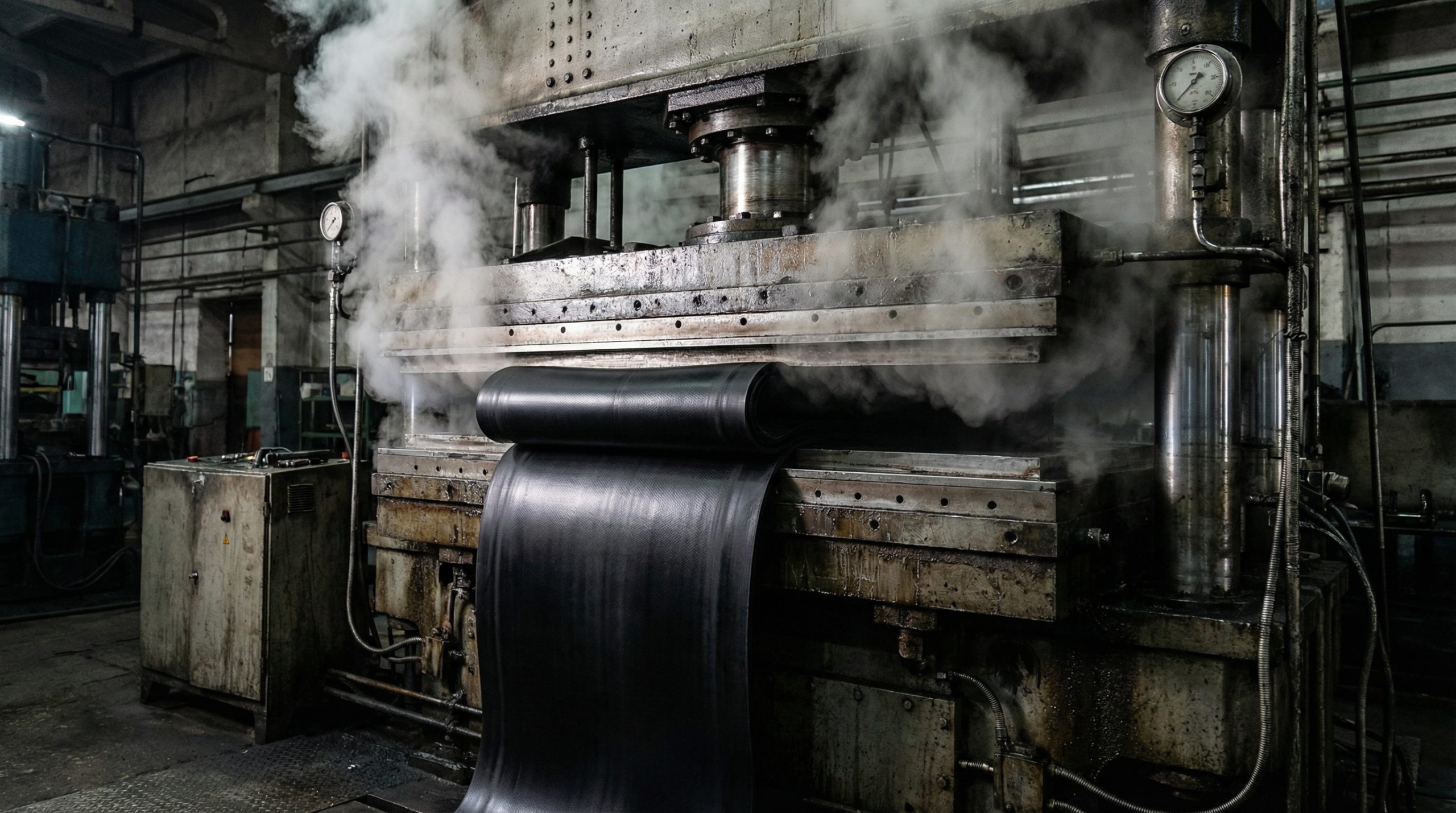
Using bespoke custom conveyor belt rubber strips improves precision handling in plaster casting, reducing slippage, preventing downtime, and ensuring durable performance in high-moisture environments.
What is plaster casting in conveyor systems?
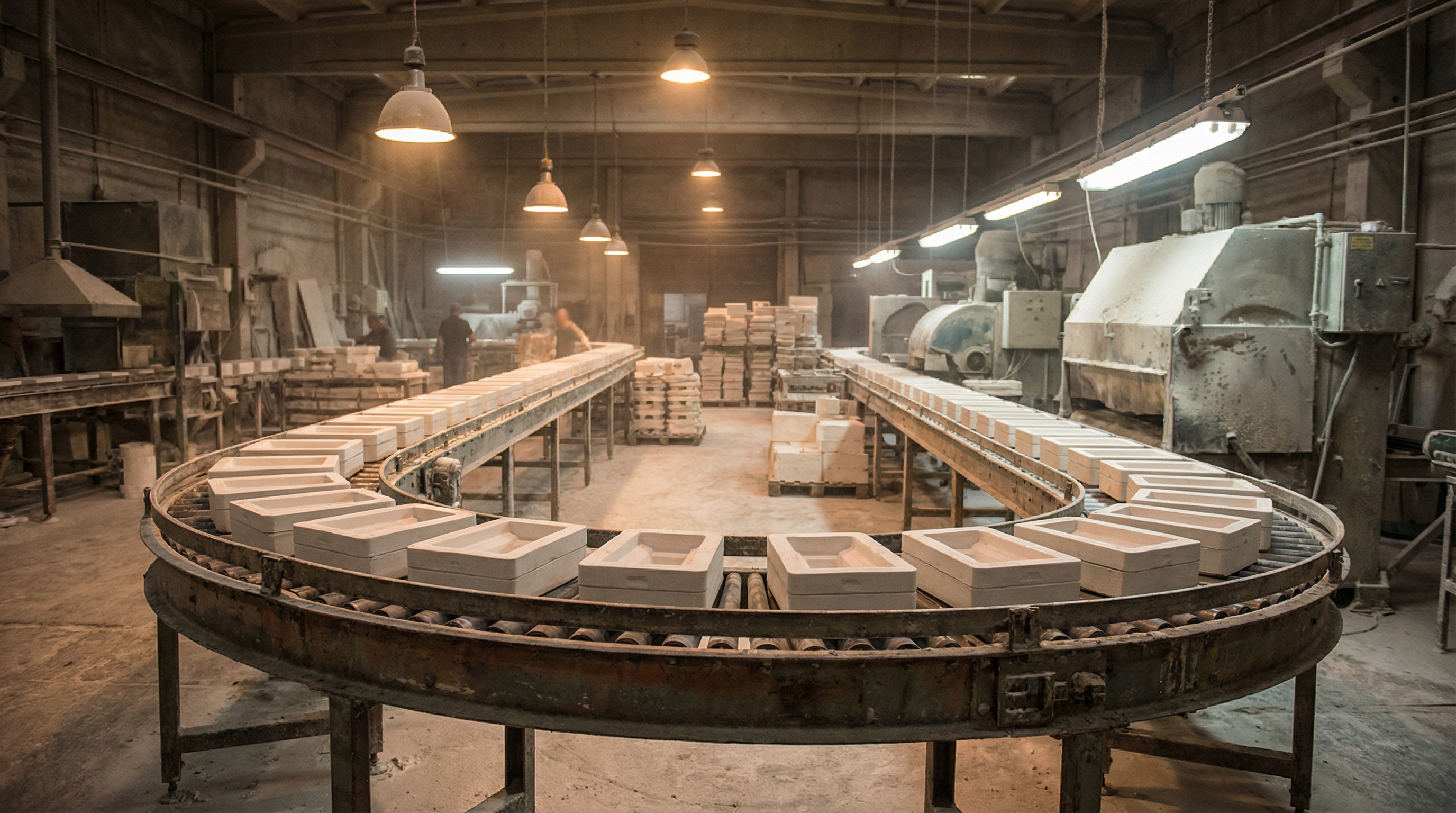
Plaster casting refers to the automated transport of gypsum molds or liquid slurry during the solidification and curing process. Using bespoke custom conveyor belt rubber strips provides the necessary friction and chemical resistance required for these specialized industrial operations. These systems are specifically designed to handle the heavy weight and abrasive nature of plaster while maintaining structural integrity.
Think about it: without a custom surface, your molds are at risk of shifting or cracking during the critical setting phase.
Material handling requirements
The following factors are essential for a successful casting line setup:
- Non-stick surface coatings to prevent gypsum buildup
- High impact resistance for heavy mold placement
- Precision tracking to avoid edge damage
- Moisture-proof compounds for wet slurry environments
| Factor | Requirement | |
|---|---|---|
| Surface Grip | High | |
| Chemical Resistance | Moderate | |
| Maintenance | Low |
These requirements highlight why standard off-the-shelf belts often fail to meet the specific tolerances and environmental demands of casting lines.
Key Takeaway: Custom belts for casting provide a stable, chemically resistant platform that protects delicate molds throughout the transport cycle.
How do technical casting belts operate?
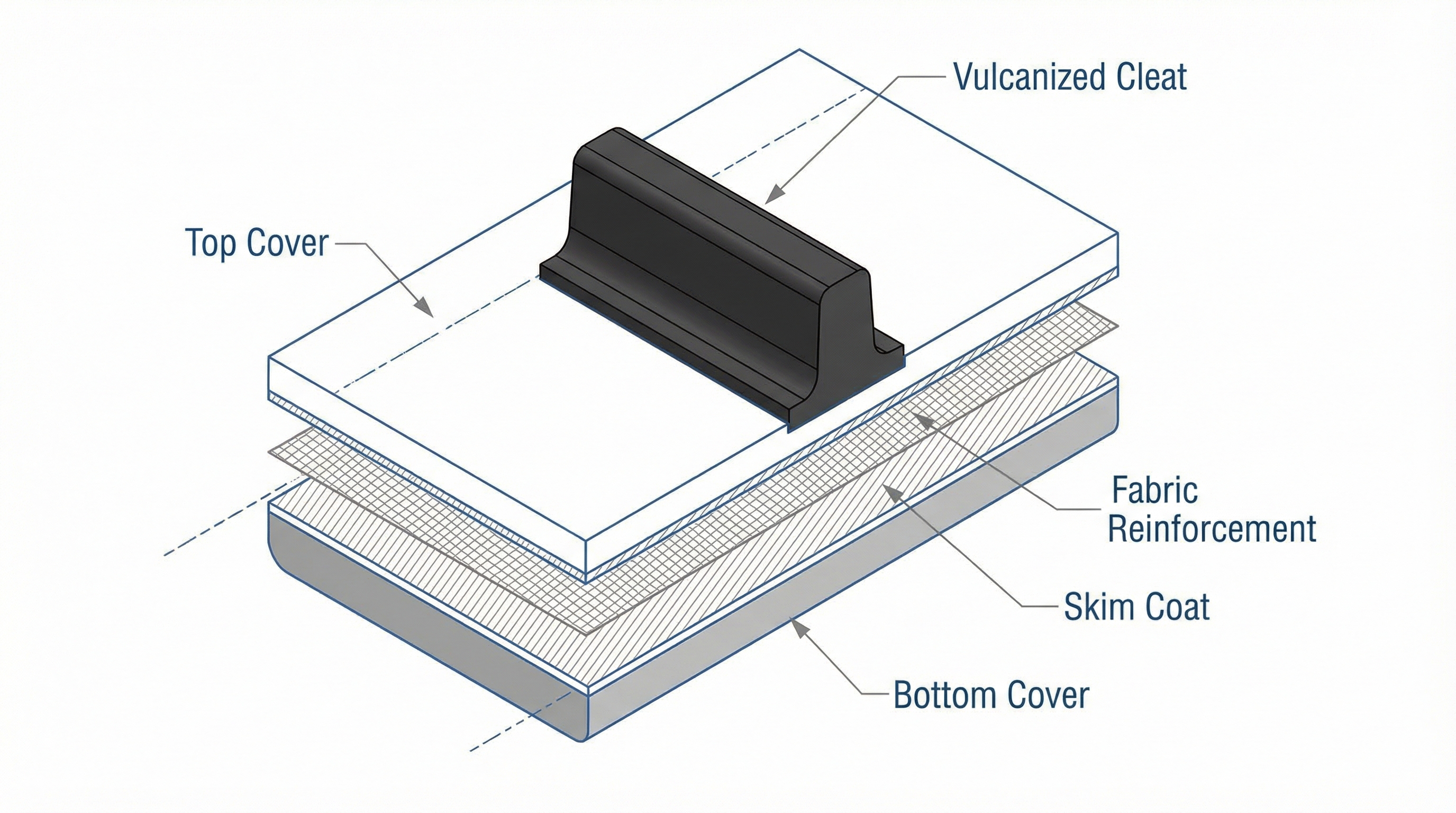
Technical casting belts operate by combining a reinforced internal carcass with specialized top covers to ensure dimensional stability under extreme loads. Every bespoke custom conveyor belt rubber strips installation relies on multi-ply fabric or steel cord reinforcement to prevent stretching during continuous operation. The internal structure supports the weight of heavy architectural molds while maintaining a perfectly flat profile for even curing.
Here is the kicker: the molecular bond between the cleat and the base belt is vital for long-term survival in high-stress zones.
Structural breakdown
The complex internal design of a high-performance belt includes:
- Vulcanized cleat for superior material grip
- Top cover designed for abrasion and chemical resistance
- Carcass layers for ultimate tensile strength
- Bottom cover optimized for drive friction and drum engagement
| Component | Function | |
|---|---|---|
| Carcass | Tensile Strength | |
| Top Cover | Surface Protection | |
| Cleats | Material Containment |
Analyzing the internal layers reveals how specialized engineering prevents mechanical failure during heavy-duty casting cycles and high-tension applications.
Key Takeaway: A multi-layered design ensures that the belt handles both the static weight of the plaster and the dynamic tension of the drive system.
Where are casting rubber strips utilized?
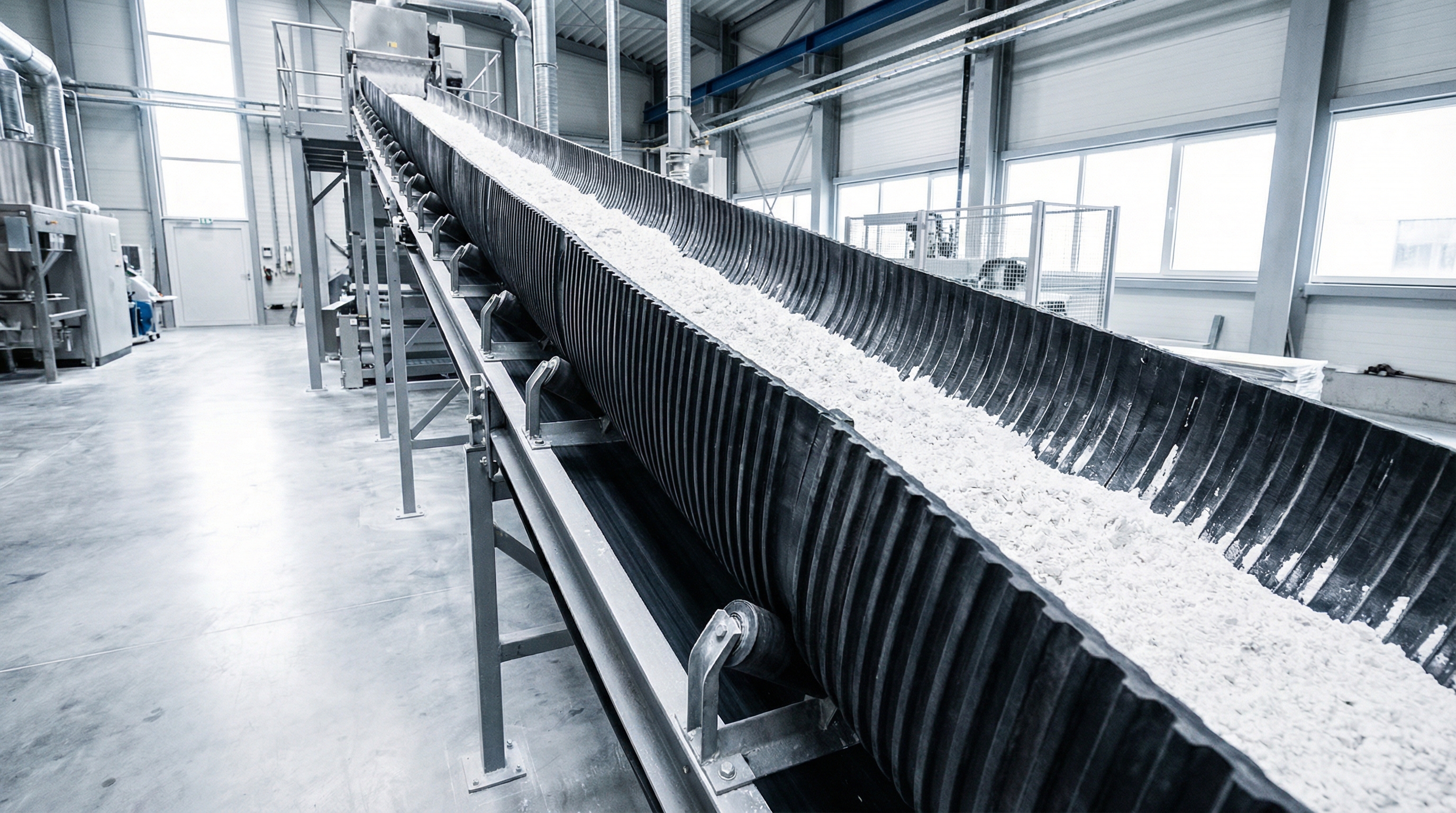
Casting rubber strips are used primarily in gypsum board manufacturing, ceramic mold lines, and architectural pre-cast concrete facilities. Integrating bespoke custom conveyor belt rubber strips into these industries allows for steeper inclines and much better material containment in tight factory footprints. They are essential for moving raw powder into mixers and finished molds through drying tunnels to storage.
Think about it: spillage in a factory setting isn’t just a mess; it is a direct loss of raw material profit.
Common industrial applications
You will find these custom solutions in several demanding sectors:
- Architectural pre-cast concrete and stone molding
- Sanitary ware and ceramic molding systems
- Industrial gypsum board and drywall production
- Fertilizer and chemical processing for granular products
| Industry | Specific Use Case | |
|---|---|---|
| Gypsum | Slurry Transport | |
| Construction | Pre-cast Molds | |
| Ceramics | Drying Line |
The diversity of these applications demonstrates the versatility and ruggedness required in modern industrial belt manufacturing.
Key Takeaway: Custom strips are the backbone of specialized manufacturing lines where standard movement simply isn’t sufficient for the task.
How are these bespoke belts manufactured?
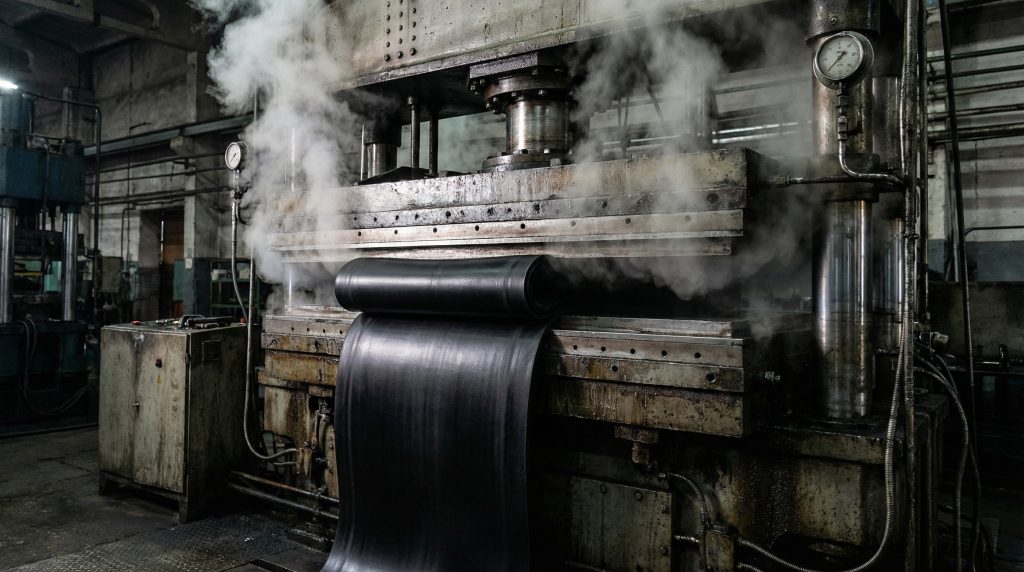
Bespoke belts are manufactured through a rigorous process of heat-pressure vulcanization where rubber strips are fused directly to a reinforced carcass. The production of bespoke custom conveyor belt rubber strips involves high-precision hydraulic presses that ensure a permanent, inseparable molecular bond. This industrial method prevents the “peeling” that often occurs with lower-quality cold-glued alternatives.
Here is the kicker: true quality begins with the precise mixing of raw rubber compounds to meet your specific chemical environment.
Manufacturing stages
The fabrication process follows a strict sequence to ensure durability:
- Raw material mixing for specific chemical resistance
- Carcass calendaring for uniform ply thickness
- Profile molding for cleats and sidewalls
- High-heat vulcanization for structural unification
| Stage | Primary Tool | |
|---|---|---|
| Mixing | Internal Mixer | |
| Calendaring | Roller Mill | |
| Vulcanization | Hydraulic Press |
Precision in the vulcanization stage is what separates high-performance industrial belts from generic, short-lived substitutes.
Key Takeaway: Manufacturing quality relies on heavy industrial machinery and expert thermal control to create a unified, high-strength belt structure.
What profiles work best for casting?
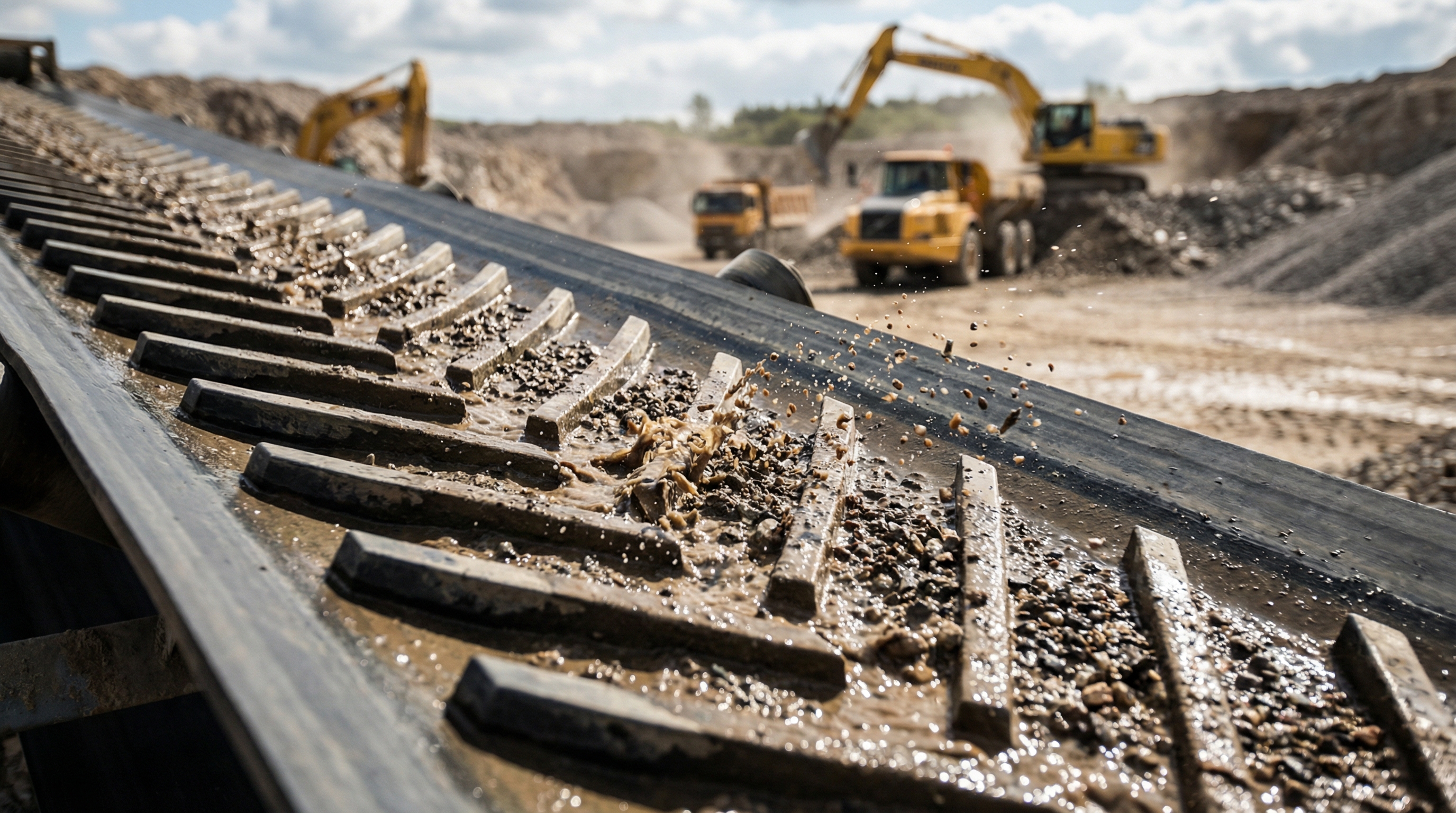
The most effective profiles for casting include Chevron patterns, Multi-V shapes, and high-sidewall designs that prevent material rollback on steep inclines. Selecting bespoke custom conveyor belt rubber strips with a Chevron pattern allows you to move liquid plaster or heavy molds at angles up to 40 degrees. This surface geometry creates “pockets” that effectively trap material during vertical transport.
Think about it: a flat belt on an incline is just a slide for your expensive products.
Popular profile choices
Consider these options based on your specific system geometry:
- Chevron (V-Pattern) for steep incline transport
- Corrugated Sidewalls for loose material containment
- Transverse Cleats for high-volume material lifting
- Rough Top surfaces for increased friction on flat runs
| Profile | Best For | |
|---|---|---|
| Chevron | Steep Inclines | |
| Sidewall | Loose Material | |
| Rough Top | High Friction |
Profile selection must be mathematically aligned with the incline angle and material viscosity to maximize your hourly throughput.
Key Takeaway: The right profile significantly increases carrying capacity by neutralizing the effects of gravity on steep inclines and vertical lifts.
Why is material selection critical in casting?
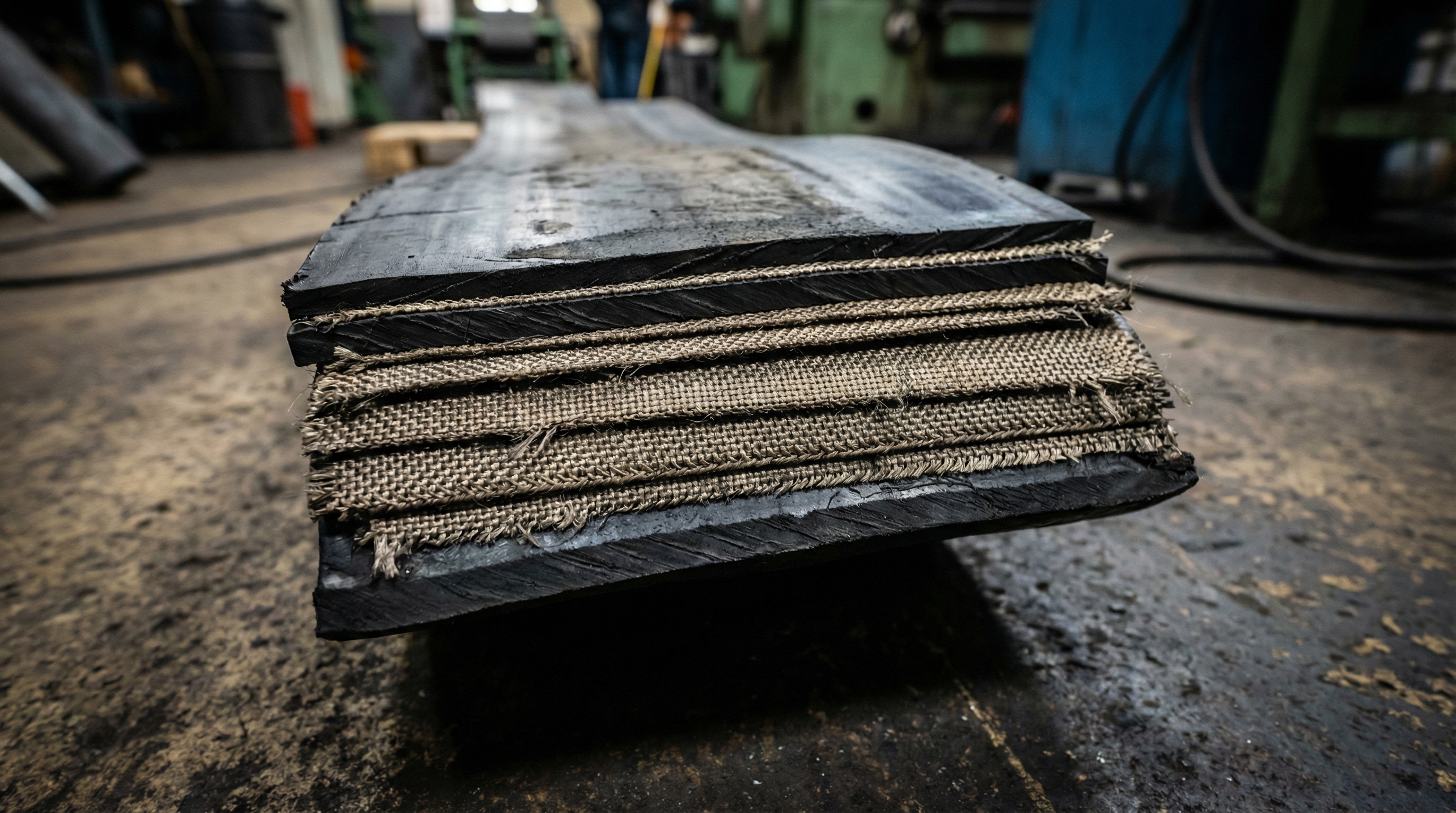
Material selection is critical because it determines the belt’s long-term resistance to chemical additives, high moisture levels, and mechanical abrasion. Every bespoke custom conveyor belt rubber strips order should consider whether SBR, EPDM, or Nitrile rubber is best for the specific chemical makeup of your plaster mix. Using the wrong compound leads to rapid swelling or hardening when exposed to common casting chemicals.
Here is the kicker: the internal fabric core must also resist rotting or delamination in high-moisture environments.
Rubber compound properties
Your belt should be engineered with these specific properties in mind:
- High abrasion resistance (DIN-Y or DIN-X grades)
- Oil and chemical resistance for additives
- Low-stretch fabric layers for tension stability
- Anti-static covers for safety in dusty environments
| Rubber Type | Advantage | |
|---|---|---|
| Nitrile | Oil Resistance | |
| EPDM | Heat Resistance | |
| SBR | General Abrasion |
A detailed cross-sectional analysis ensures that the internal reinforcement perfectly matches the external environment’s harsh demands.
Key Takeaway: Correct material matching prevents premature belt degradation and significantly extends the service life of your entire material handling system.
How does temperature affect casting belts?
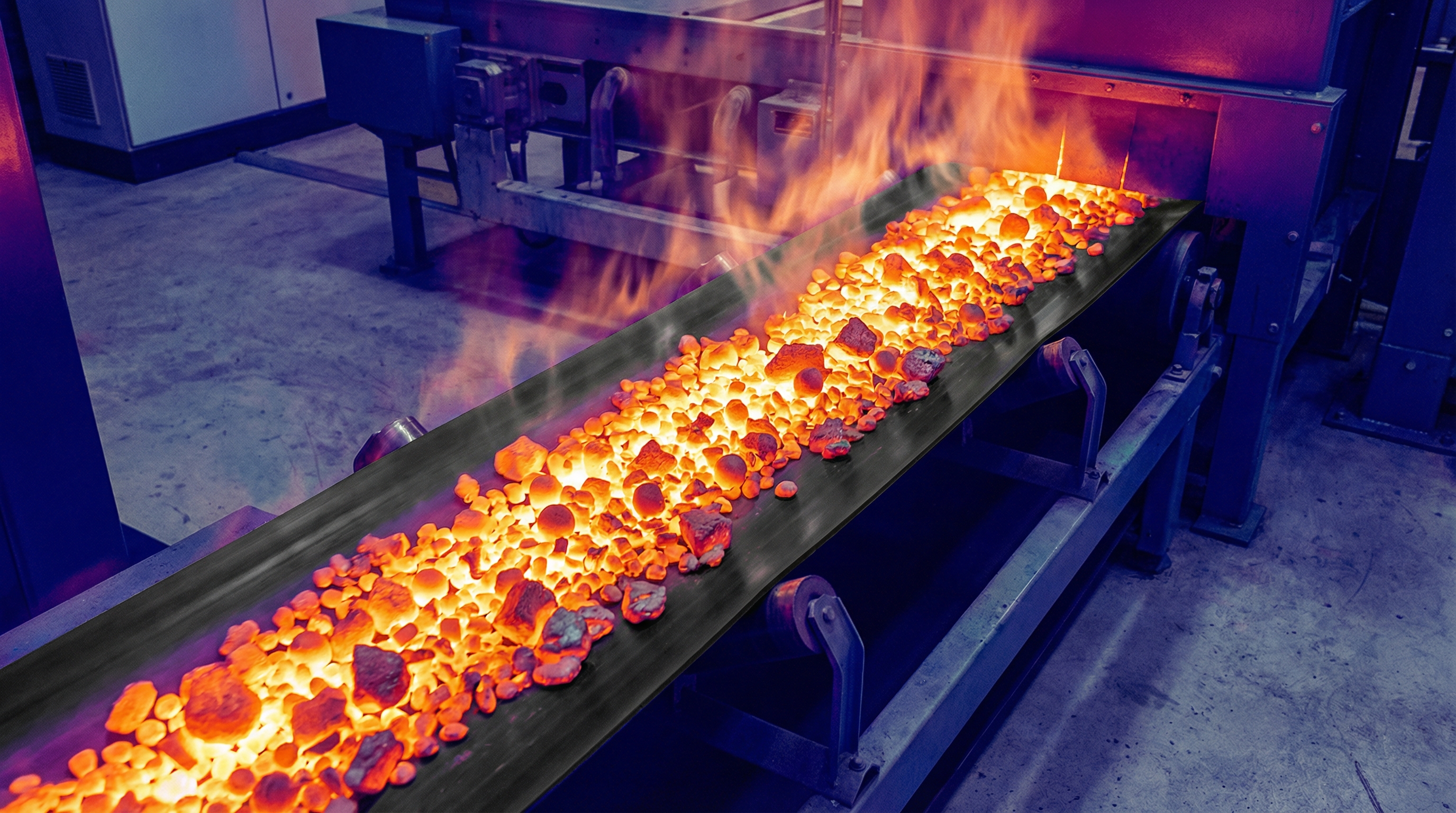
High temperatures during the plaster drying or curing phase can cause standard rubber to crack and fail, necessitating the use of specialized thermal-grade compounds. Utilizing bespoke custom conveyor belt rubber strips made from EPDM allows your system to operate reliably in environments reaching up to 200°C. These belts maintain their elasticity and grip even when transporting hot sintered plaster directly from ovens.
Think about it: heat-related belt failure doesn’t just stop one machine; it stops the whole production line.
Thermal management features
High-heat belts include several critical engineering features:
- High-temp EPDM covers for surface integrity
- Heat-resistant bonding agents for cleats and strips
- Thermal-stable fabric cores to prevent shrinkage
- Rapid cooling surface designs to dissipate heat
| Temp Range | Belt Grade | |
|---|---|---|
| 100°C – 150°C | HR (Standard) | |
| 150°C – 200°C | SHR (Super) | |
| Above 200°C | EPDM Special |
Managing thermal stress is the most effective way to prevent the hardening and cracking that leads to catastrophic belt failure.
Key Takeaway: Specialized heat-resistant belts are mandatory for any casting process involving curing ovens or high-temperature material handling zones.
What are the benefits of system upgrades?
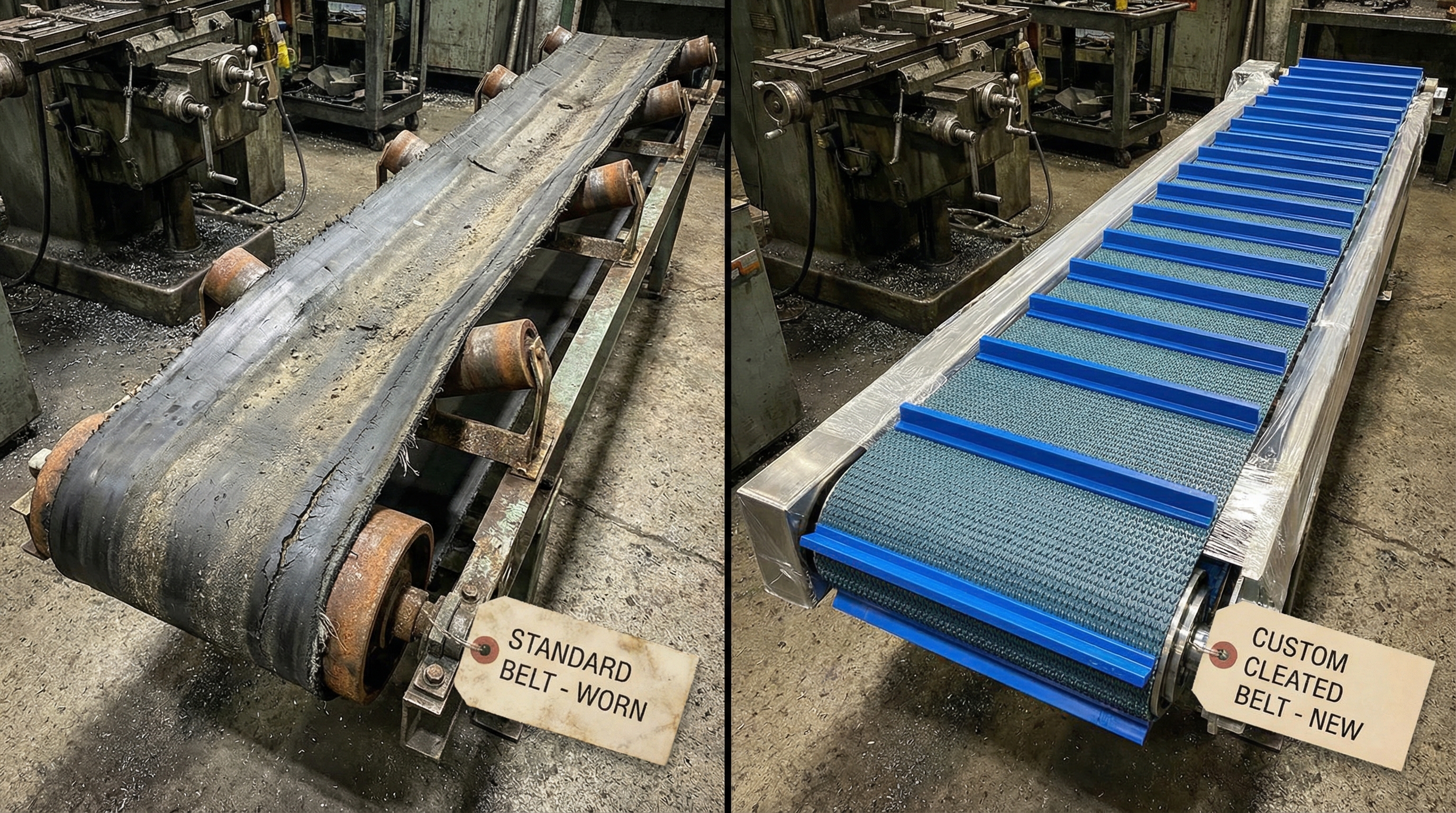
Upgrading to custom-made systems provides immediate improvements in production speed, material yield, and overall mechanical system reliability. Replacing worn standard belts with bespoke custom conveyor belt rubber strips eliminates the frequent adjustments needed for mistracking and slipping. A new, custom-fit belt reduces the mechanical strain on your rollers, bearings, and drive motors.
Here is the kicker: the total cost of the upgrade is often recovered through reduced downtime in just a few months.
Performance gains from upgrades
Upgrading your system results in measurable operational benefits:
- 20-30% increase in total carrying capacity
- Reduced energy consumption through better tracking
- Minimal material spillage and easier facility cleaning
- Significantly extended maintenance intervals
| Metric | Before Upgrade | After Upgrade | |
|---|---|---|---|
| Downtime | High | Low | |
| Throughput | Limited | Optimized | |
| Maintenance | Frequent | Routine |
Comparing new custom solutions with worn standard equipment highlights the significant ROI of proactive system replacement and modernization.
Key Takeaway: System upgrades to custom specifications provide a measurable competitive edge through higher efficiency and much lower long-term costs.
How do you maintain casting belt efficiency?
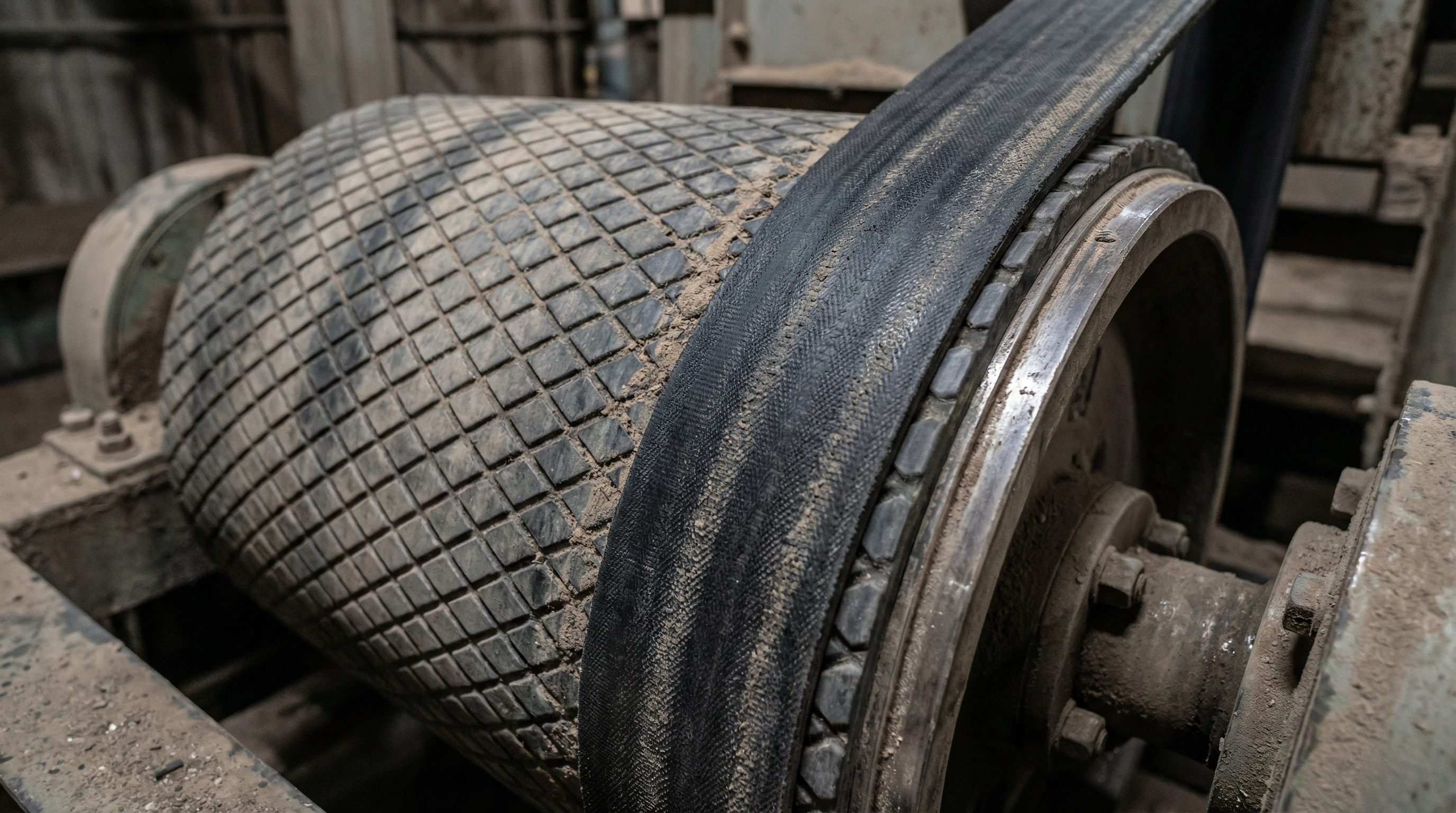
Maintaining peak efficiency requires regular inspections of the belt tension, surface wear patterns, and the cleanliness of the drive drums. To keep bespoke custom conveyor belt rubber strips performing at their highest level, you must ensure that plaster buildup is removed from the drive rollers. Friction is the lifeblood of your conveyor system, and contamination ruins it quickly.
Think about it: a dirty drum is a slipping drum, leading to heat buildup and belt damage.
Maintenance best practices
Implement these routine steps to protect your investment:
- Weekly cleaning of drive drums and idler rollers
- Monthly tension checks and tracking adjustments
- Visual inspection for edge wear and cleat integrity
- Regular lubrication of idler and pulley bearings
| Task | Frequency | |
|---|---|---|
| Cleaning | Daily/Weekly | |
| Tensioning | Monthly | |
| Alignment | Quarterly |
Regular maintenance prevents minor tracking issues from snowballing into expensive mechanical failures that halt your entire production.
Key Takeaway: Consistent cleaning and tensioning are the simplest and most effective ways to maximize the life of your high-performance casting belts.
How are casting belts spliced and repaired?
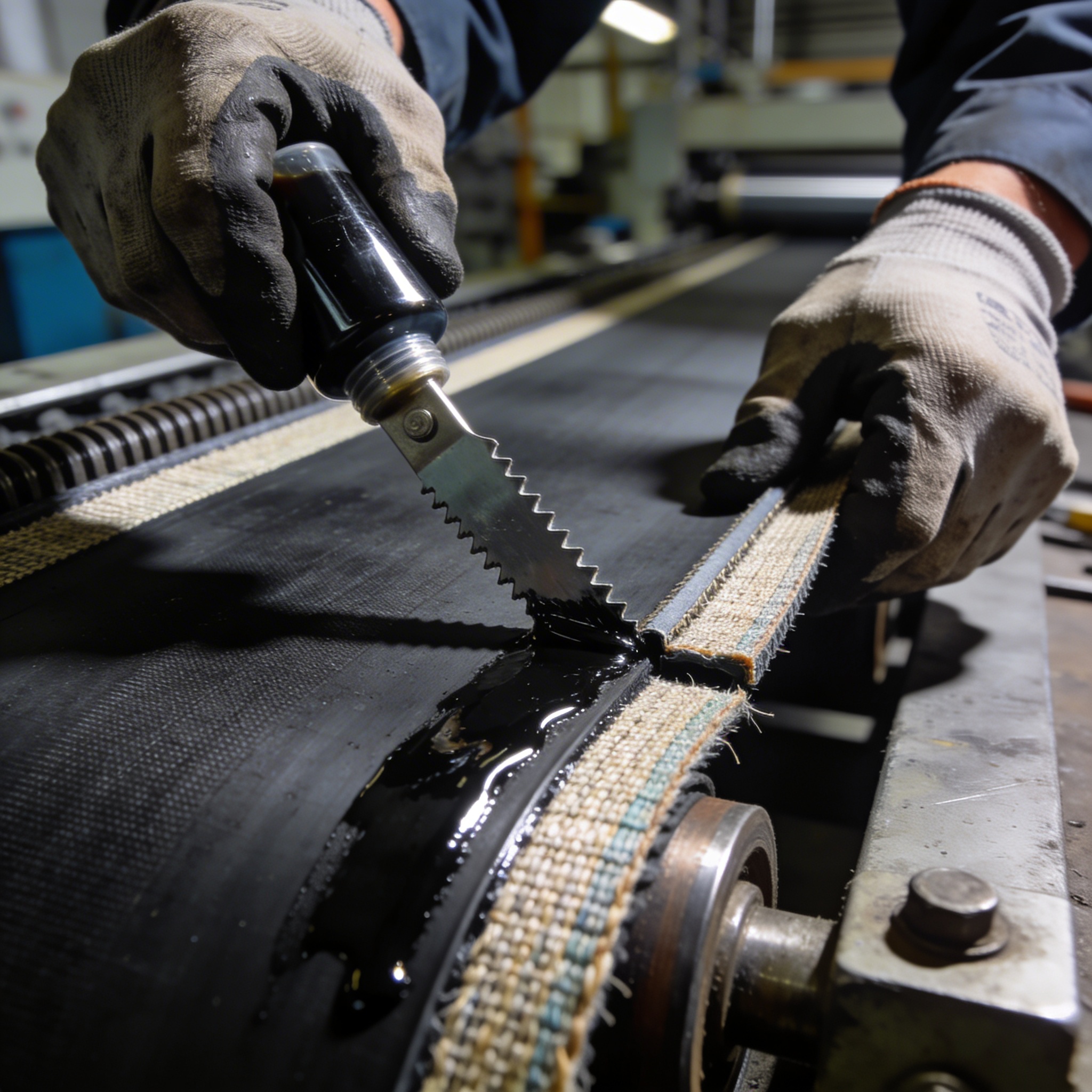
Casting belts are spliced using either hot or cold vulcanization techniques to create a continuous endless loop with maximum joint strength. For bespoke custom conveyor belt rubber strips, a cold vulcanized splice is often a fast and effective on-site solution for emergency repairs. This process uses specialized chemical bonding agents to fuse the belt ends without the need for heavy machinery.
Here is the kicker: a professional hot splice is always recommended for higher-tension systems to ensure maximum longevity.
Splicing techniques compared
Different repair methods offer varying levels of strength and speed:
- Hot Vulcanization using heat and pressure for permanent bonds
- Cold Vulcanization using chemical agents for on-site speed
- Mechanical Fasteners using metal clips for temporary fixes
- Overlay patching for minor surface or cover tears
| Method | Duration | Strength | |
|---|---|---|---|
| Hot | 6-12 hours | 100% | |
| Cold | 2-4 hours | 85-90% | |
| Mechanical | < 1 hour | 60-70% |
Choosing the right repair method depends on the urgency of the situation and the specific tension requirements of your conveyor.
Key Takeaway: Professional splicing ensures your system remains reliable and prevents the belt from parting under heavy load during a shift.
FAQ
- Can I modify the cleat height for my specific molds? Yes, you can select standard or custom cleat heights (from C5 to C25) during fabrication to match your mold dimensions perfectly.
- How do I know if I need a heat-resistant belt? If your process temperatures exceed 80°C at any point, you should switch to a heat-resistant EPDM grade to prevent surface cracking.
- Can I get a custom logo on my belts? Absolutely, we provide full OEM branding services where your company logo can be embossed directly onto the rubber surface.
- How do I know what width I need? Our engineering team offers free consultation to help you select widths ranging from 450mm up to 3200mm based on your frame.
- Can I request samples before placing a large order? Yes, quality verification samples and full third-party testing reports are available upon request for any industrial project.
Specialized material handling in the plaster casting industry demands more than just generic equipment. Investing in high-quality, engineered solutions ensures that your production remains fluid and your material waste stays at an absolute minimum. At our facility, we prioritize precision and durability to help you achieve long-term operational excellence. If you are ready to optimize your system with high-performance components, contact us today for a technical consultation. We stand by our commitment to quality, offering direct factory pricing and expert support to help your business grow.