
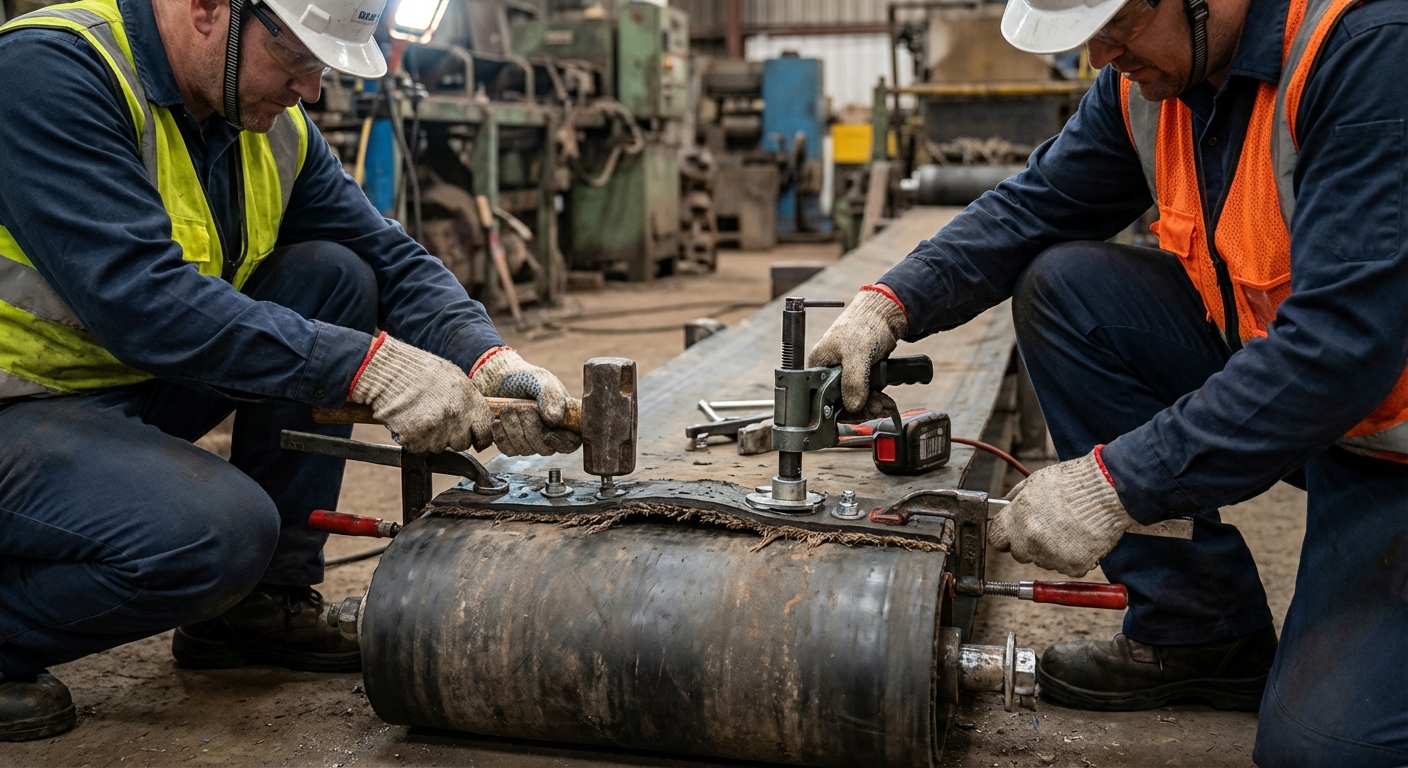
Reliable ordinary rubber conveyor belt splicing equipment enables fast, durable belt repairs, reducing downtime and restoring production efficiency in heavy-duty industrial operations.
What is plaster casting for conveyor splices?
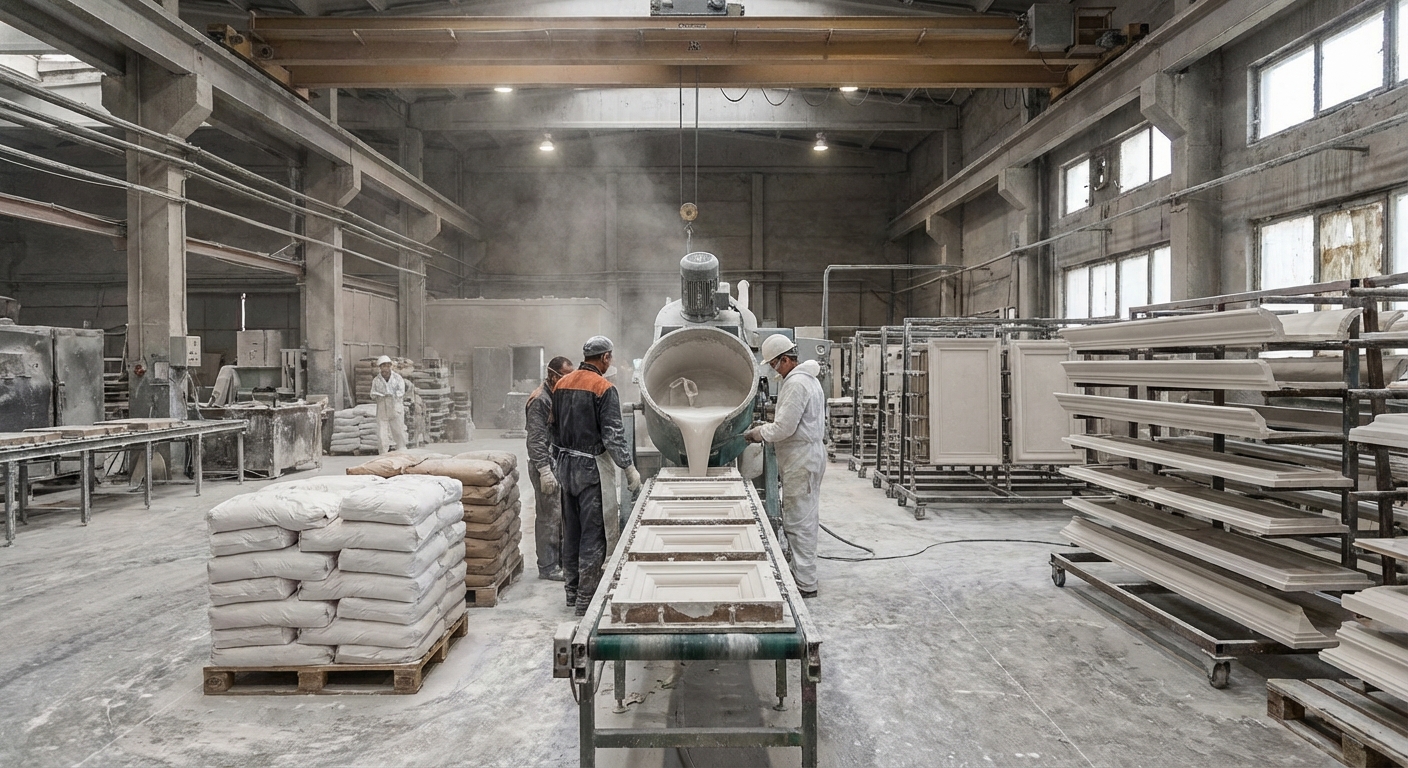
Plaster casting in this context refers to the specialized molding and set-up process used to create seamless covers or custom profiles for ordinary rubber conveyor belt splicing equipment. You use this method to ensure that the transition between belt ends is perfectly flush, protecting the splice from abrasive materials. By creating a cast, you provide a shield that mimics the original belt’s texture and durability.
Is this method right for your facility?
This approach is particularly useful when you are dealing with delicate materials or specific architectural casting products. You need a splice that won’t leave marks or indentations on the finished goods as they move through the line.
- Ideal for decorative plaster manufacturing.
- Prevents surface contamination.
- Ensures consistent product thickness.
The best part? It allows your ordinary rubber conveyor belt splicing equipment to perform with the precision of a factory-original endless belt.
Key Takeaway: Plaster casting for splices provides a smooth, non-marking surface essential for specialty manufacturing.
| Feature | Advantage | |
|---|---|---|
| Flush Finish | Eliminates product marking | |
| Custom Molding | Matches specific belt profiles | |
| Material Shield | Protects internal fasteners |
This methodology bridges the gap between mechanical strength and surface aesthetic requirements.
How does the process actually work?
The process works by applying a liquid compound over the mechanical joint which then sets into a hard, protective “cast” using ordinary rubber conveyor belt splicing equipment . You begin by securing the belt ends with high-strength fasteners to provide the necessary tensile structure. Once the mechanical bond is solid, you apply the casting material to fill the gaps and create a unified surface.
What are the steps for a perfect cast?
You must follow a rigorous sequence to ensure the casting material adheres properly to the rubber substrate. Any shortcut during the cleaning or priming phase will result in premature delamination.
- Clean the belt ends thoroughly.
- Install the primary fasteners.
- Apply the liquid casting resin.
But here is the kicker: the set time depends entirely on your environmental conditions like humidity and temperature.
Key Takeaway: Success depends on a combination of mechanical fastening and chemical bonding.
| Step | Focus Area | |
|---|---|---|
| Preparation | Surface tension and cleanliness | |
| Fastening | Mechanical load distribution | |
| Casting | Aeration and leveling |
Correct execution ensures that the splice does not become a weak point in your solutions pipeline.
Why choose heavy-duty conveyor splices?
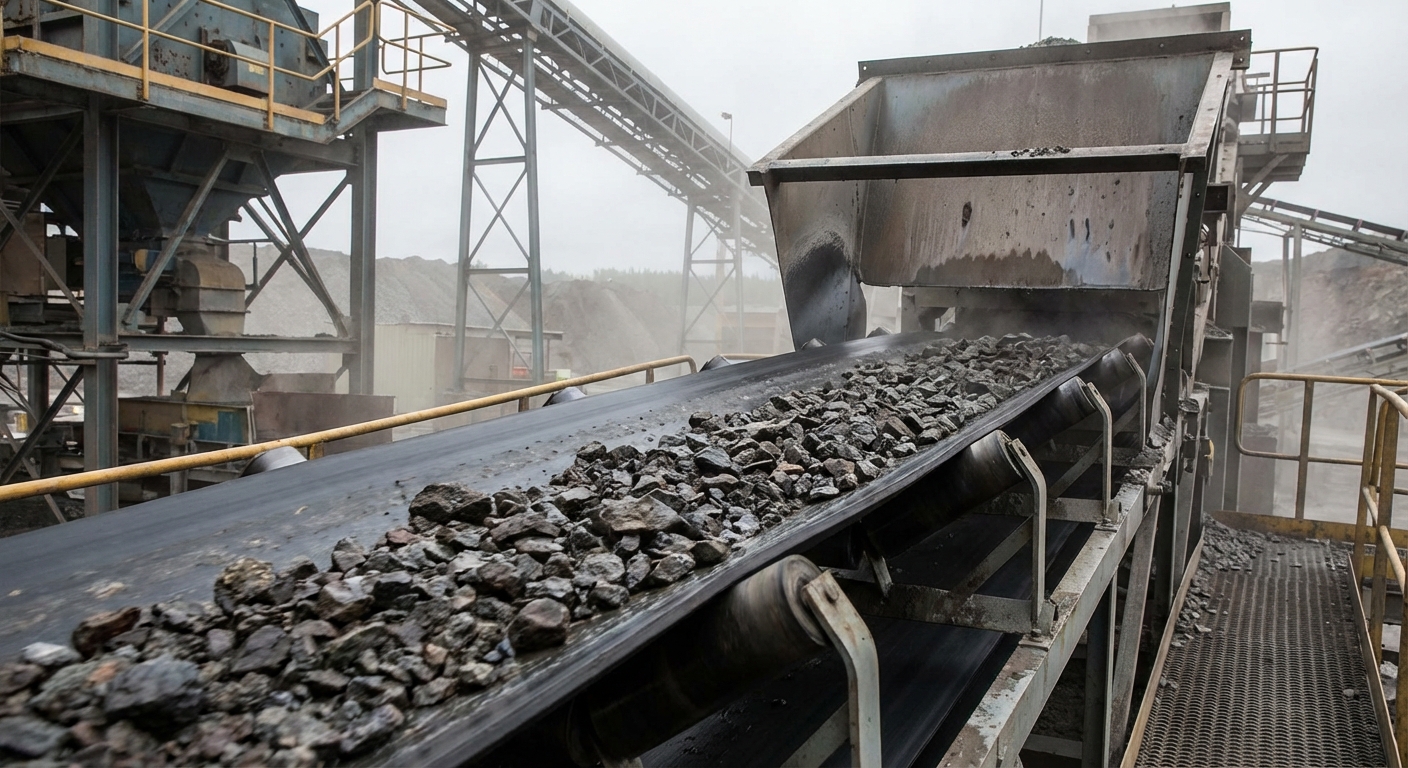
Heavy-duty splices are chosen because they offer the highest level of tear resistance and load-bearing capacity for ordinary rubber conveyor belt splicing equipment. When you are moving tons of raw aggregate or wet plaster, standard fasteners simply won’t hold up to the constant tension. These specialized joints are engineered to distribute the stress across a larger surface area of the belt carcass.
Can they handle extreme environments?
You will find that heavy-duty options are designed to survive where others fail, such as in high-heat or high-moisture zones. These splices utilize advanced metallurgy and polymer technology to resist corrosion.
- High tensile strength steel components.
- Abrasion-resistant cover materials.
- Corrosion-proof coatings.
Look: if your belt is under constant strain, a “standard” fix is just a ticking time bomb.
Key Takeaway: Heavy-duty splices provide the safety factor required for industrial-scale material handling.
| Benefit | Impact | |
|---|---|---|
| High Strength | Supports heavier material loads | |
| Durability | Reduces frequency of belt maintenance | |
| Reliability | Minimizes risk of catastrophic failure |
Investing in heavy-duty components is the most effective way to protect your long-term about us operational goals.
What equipment is needed for splicing?
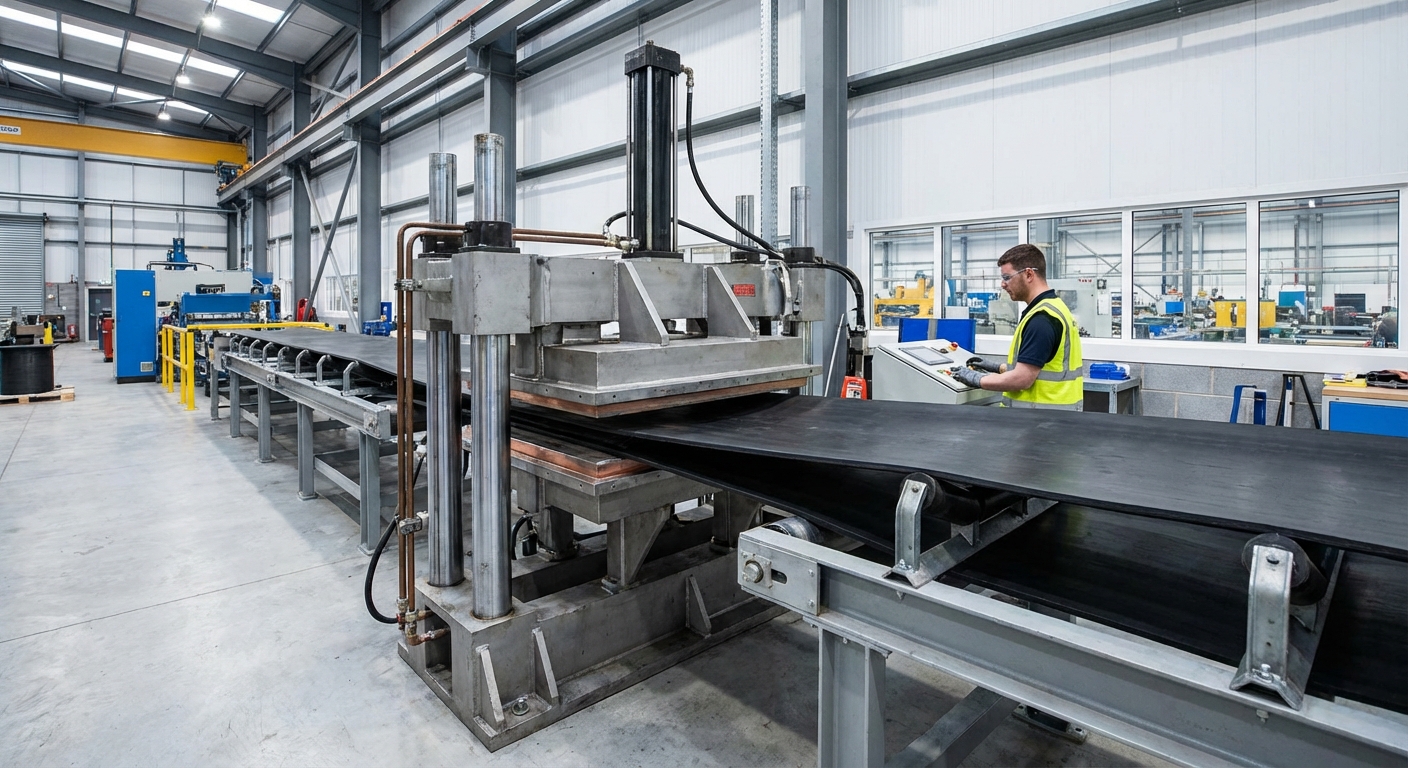
Essential equipment includes tensioning tools, skiving knives, and high-torque drivers specifically designed for ordinary rubber conveyor belt splicing equipment . You need a complete kit to ensure that the belt ends are prepared with surgical precision before the fasteners are applied. Without the right alignment tools, your splice will track poorly and cause edge wear immediately.
Should you use manual or power tools?
While manual tools offer control, you will likely prefer power-assisted drivers to ensure every screw or bolt reaches the exact required torque. This consistency is vital for a joint that can withstand thousands of cycles.
- Precision belt skivers.
- Alignment clamps and bars.
- Electric or pneumatic impact drivers.
The best part? Modern kits are designed to be portable, allowing you to perform the work directly on the conveyor structure.
Key Takeaway: High-quality tools are the primary determinant of a splice’s lifespan.
| Tool Type | Primary Function | |
|---|---|---|
| Skiver | Prepares the belt surface level | |
| Clamps | Maintains critical alignment | |
| Driver | Ensures uniform fastener tension |
Proper equipment selection is a hallmark of professional solutions in belt maintenance.
How do you prepare the belt surface?
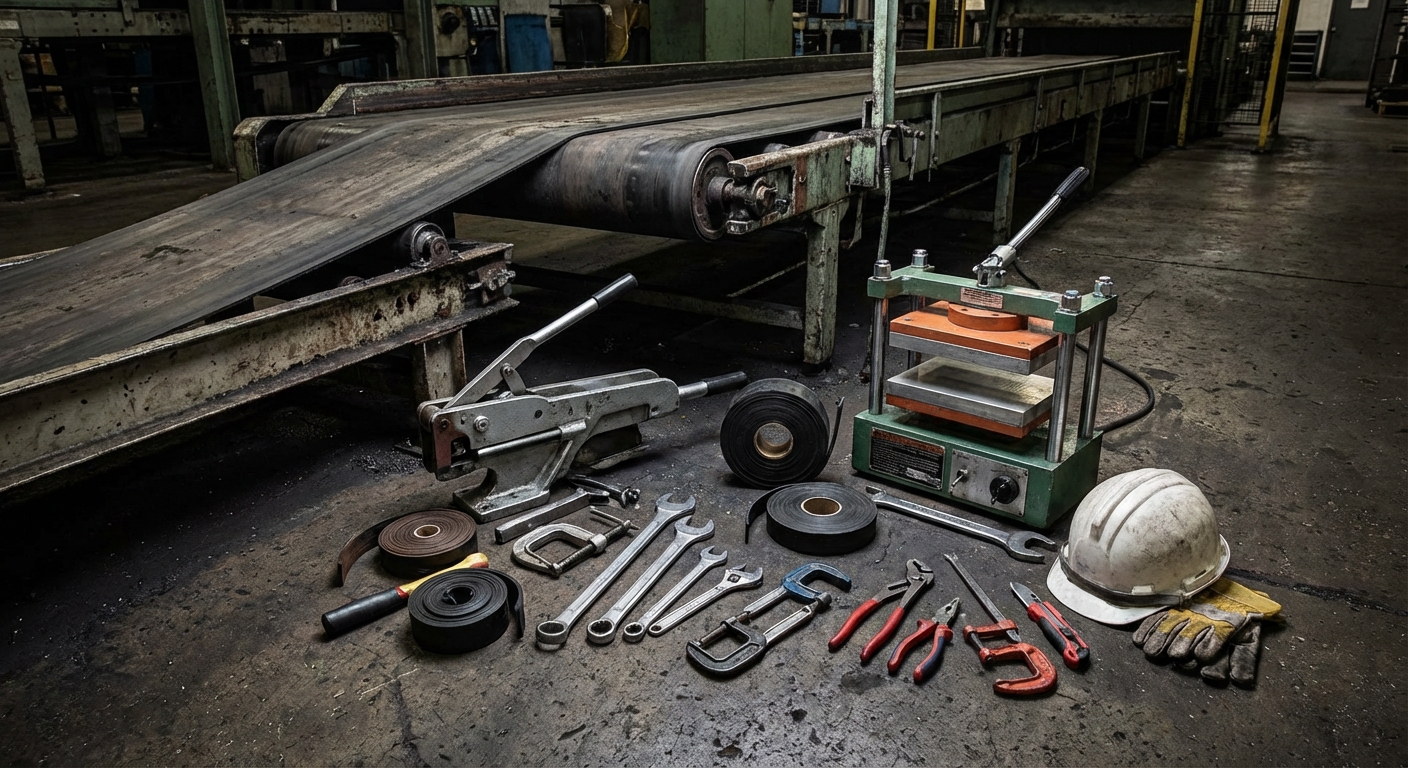
Surface preparation involves skiving the top cover and cleaning the carcass to allow the ordinary rubber conveyor belt splicing equipment to seat deeply into the belt. You must remove the top layer of rubber so the fasteners can grip the internal fabric or steel cords directly. If you skip the cleaning phase, dust and oils will prevent the casting material from bonding, leading to a failed repair.
Is skiving mandatory for every belt?
For heavy-duty applications, you must skive to ensure the splice is not thicker than the rest of the belt. A thick splice will hit your scrapers and rollers, causing mechanical damage to the whole system.
- Remove top rubber cover.
- Buff the exposed carcass.
- Degrease with industrial cleaners.
But here is the kicker: if you skive too deep, you might damage the structural cords and ruin the entire belt section.
Key Takeaway: Precision during surface preparation prevents mechanical interference during operation.
| Action | Reason | |
|---|---|---|
| Skiving | Ensures a low-profile finish | |
| Buffing | Increases surface area for bonding | |
| Degreasing | Removes contaminants that cause failure |
Meticulous preparation is the secret to a splice that lasts as long as the belt itself.
Is mechanical splicing better for casting?
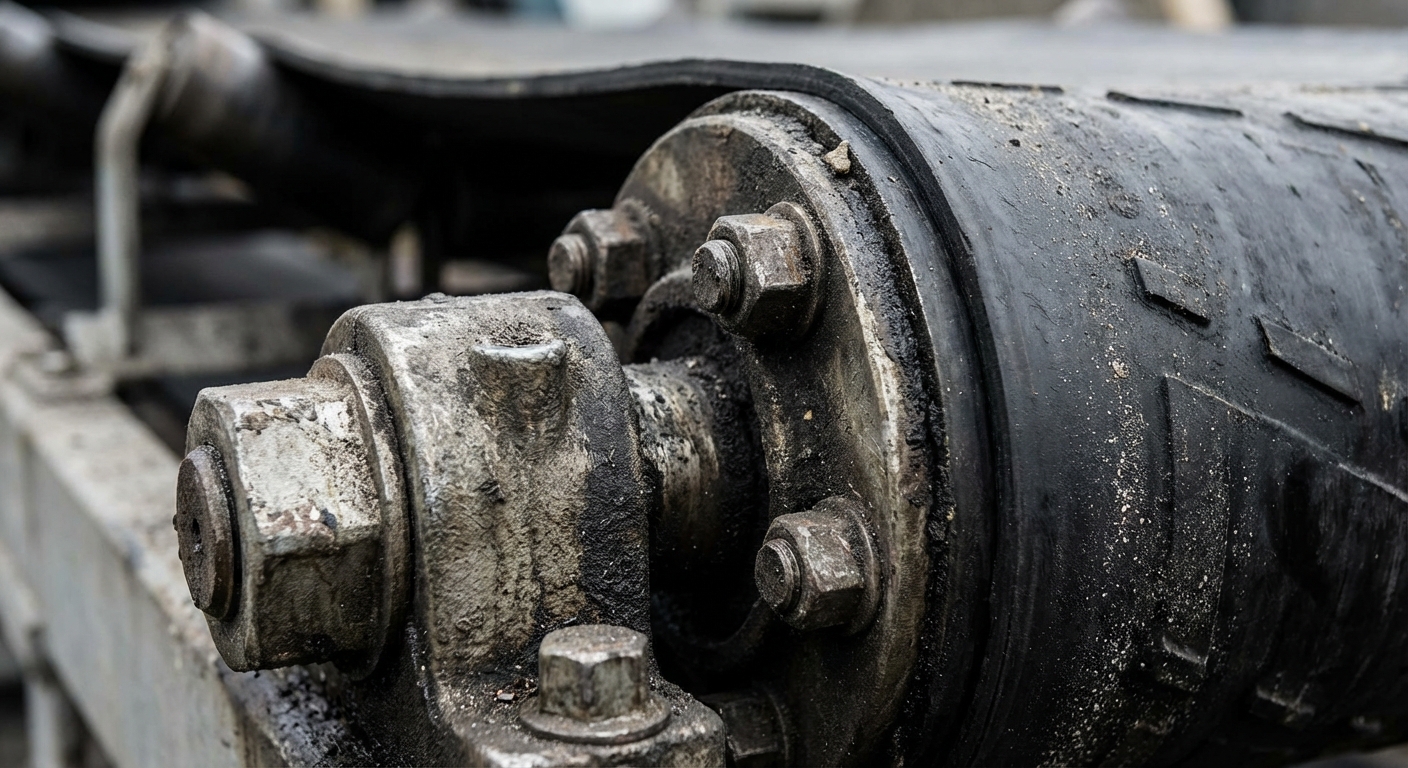
Mechanical splicing is often better for casting because it provides a rigid internal skeleton for the ordinary rubber conveyor belt splicing equipment . You can install these fasteners much faster than a cold or hot vulcanized joint, which is critical during emergencies. The mechanical bond holds the belt under tension while the casting material settles and cures around it.
Why not just vulcanize?
Vulcanization requires heavy presses and hours of heating, whereas you can finish a mechanical splice in under an hour. This speed makes it the superior choice for remote sites or mines.
- Rapid on-site installation.
- No specialized heating equipment.
- High tolerance for dusty conditions.
Look: when every minute of downtime costs you money, speed is your most valuable asset.
Key Takeaway: Mechanical joints offer the perfect balance of immediate strength and ease of application.
| Method | Time Required | Skill Level | |
|---|---|---|---|
| Mechanical | < 1 Hour | Moderate | |
| Vulcanization | 6-12 Hours | Expert | |
| Casting | +2 Hours | Moderate |
Choosing mechanical methods provides the flexibility needed for modern solutions in logistics.
Which materials are used in these splices?
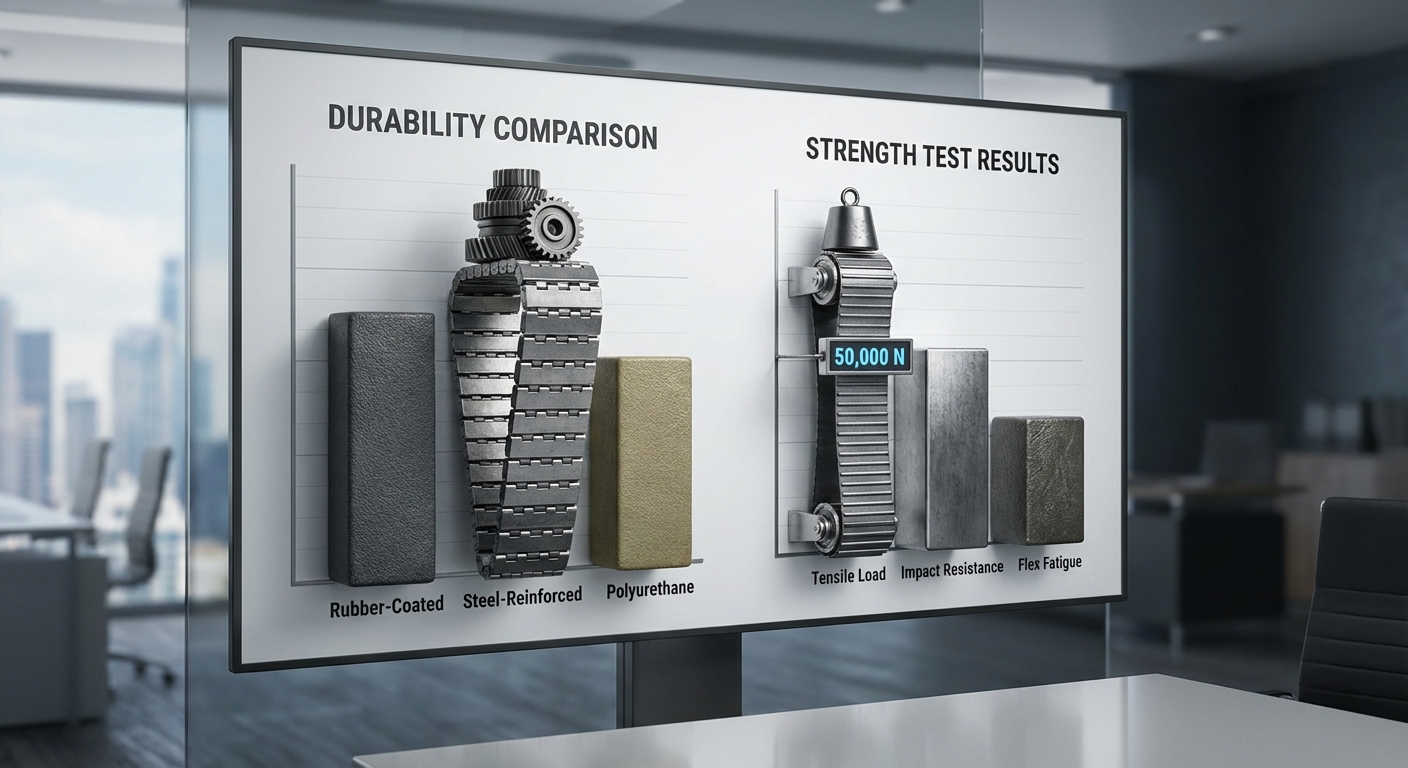
The materials typically include high-tensile carbon steel or stainless steel for the fasteners and specialized polyurethanes for the ordinary rubber conveyor belt splicing equipment. You select the metal based on your belt’s environment; for instance, stainless steel is mandatory for chemical or fertilizer plants. The polymer casting material is designed to have the same flexibility and abrasion resistance as the belt’s original rubber.
Do these materials resist chemicals?
You can find compounds specifically formulated to resist oils, acids, and high temperatures. Matching the splice material to your cargo is essential for preventing chemical degradation.
- Austenitic stainless steel.
- High-flex polyurethane.
- Heat-resistant rubber covers.
The best part? These materials are often pre-packaged in kits to prevent measurement errors during on-site mixing.
Key Takeaway: Material compatibility determines how well the splice survives the specific rigors of your industry.
| Material | Application | |
|---|---|---|
| Stainless Steel | Corrosive or wet environments | |
| Polyurethane | High-abrasion casting zones | |
| Carbon Steel | General heavy-duty mining |
Superior materials ensure that your products remain moving without interruption.
How long does the installation process take?
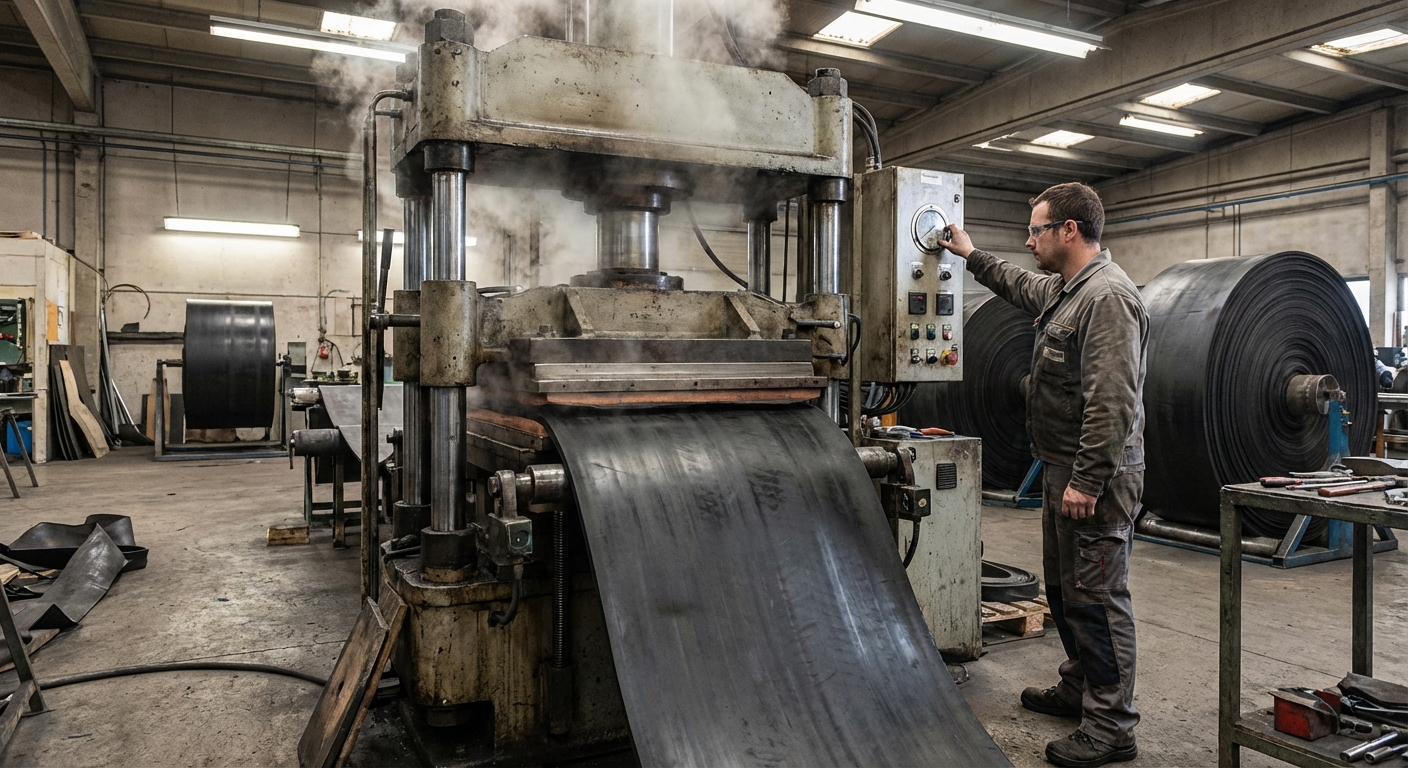
The installation of a mechanical splice typically takes between 30 to 90 minutes when using ordinary rubber conveyor belt splicing equipment . You will find that the actual fastening of the belt ends is very quick, usually taking less than half an hour. The remaining time is spent on the casting and curing process, which varies depending on the specific chemicals used.
Can you speed up the curing time?
Using chemical accelerants or mild heat lamps can help you reduce the wait time, but you must be careful not to cause bubbles. Slow and steady curing usually yields a much stronger bond.
- Alignment takes 10 minutes.
- Fastening takes 20 minutes.
- Curing takes 30-60 minutes.
But here is the kicker: attempting to run the belt before the cast is fully hard will strip the cover right off.
Key Takeaway: Efficiency comes from preparation, but the final cure requires patience.
| Phase | Duration | Critical Task | |
|---|---|---|---|
| Preparation | 15 Mins | Precise measurement | |
| Installation | 25 Mins | Uniform torque | |
| Finishing | 40 Mins | Chemical hardening |
Proper timing ensures that your solutions are both fast and permanent.
Can you repair splices on-site easily?
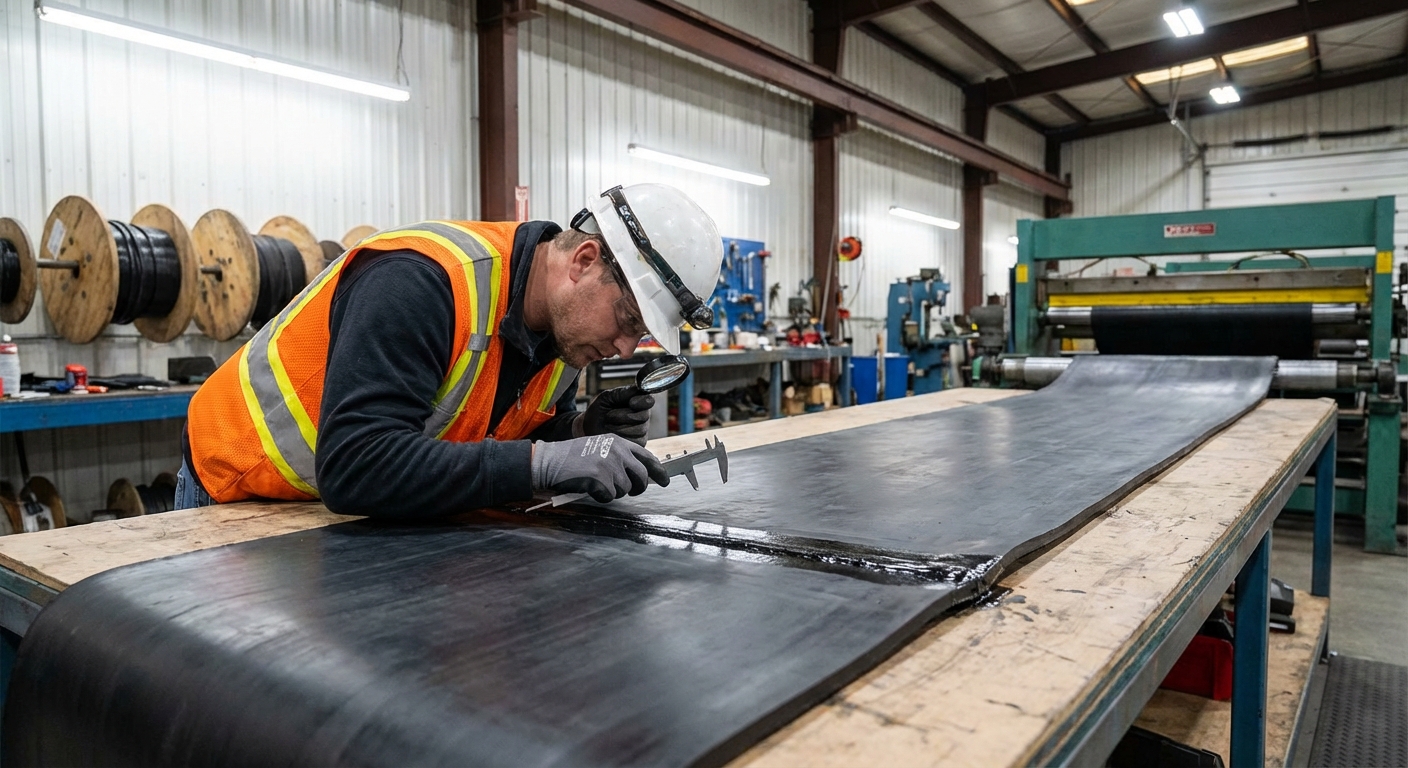
Yes, you can easily repair or replace these splices on-site without removing the belt from the conveyor frame using ordinary rubber conveyor belt splicing equipment. You simply need to pull the tension out of the belt and work in the affected area with hand tools. This modular approach means you don’t have to wait for a service truck to arrive with a massive vulcanizing press.
What tools should you keep on hand?
You should always have a “first aid” kit for your belts that includes basic fasteners and a small amount of casting resin. This allows you to fix small tears before they grow into a full belt break.
- Spare mechanical fasteners.
- Emergency skiving tools.
- Fast-set repair resin.
Look: a proactive repair today prevents a catastrophic failure tomorrow.
Key Takeaway: On-site repairability is the greatest operational advantage of mechanical splicing systems.
| Tool | Importance | |
|---|---|---|
| Skiver | Essential for surface prep | |
| Spare Plugs | Fills accidental punctures | |
| Template | Ensures fastener spacing |
Maintaining on-site repair capabilities is a core strategy for high-uptime solutions .
What are the key advantages of this method?
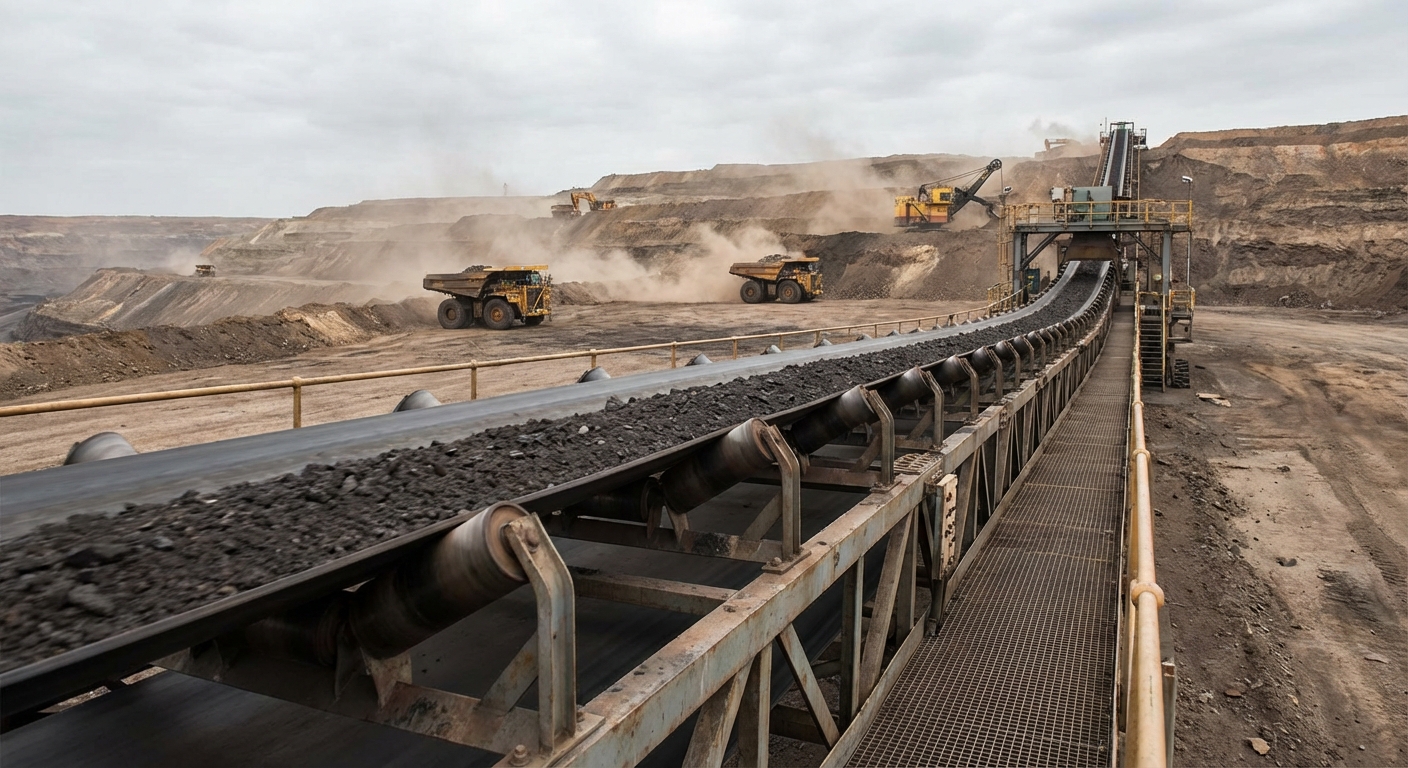
The primary advantages are the speed of return to service and the flush, non-marking surface created by ordinary rubber conveyor belt splicing equipment . You get the strength of a mechanical joint with the smooth performance of a vulcanized belt. This hybrid approach is the modern standard for industries that cannot afford the downtime of traditional methods but require high-quality product handling.
Does it save you money in the long run?
You will see significant cost savings because you eliminate the need for external contractors and expensive heavy machinery. The reduced downtime alone often pays for the splicing kit in a single use.
- Drastic reduction in downtime.
- Lower labor costs for installation.
- Extended belt service life.
The best part? You have complete control over your maintenance schedule without being dependent on third-party availability.
Key Takeaway: The hybrid splicing method offers a unique combination of strength, speed, and surface quality.
| Advantage | Business Impact | |
|---|---|---|
| Rapid Install | Maximize production hours | |
| Smooth Surface | Protects fragile cargo | |
| Simple Tools | Empower in-house maintenance |
These benefits make the process an essential part of any heavy-duty solutions package.
Conclusion
This article has addressed the complexities of splicing heavy-duty conveyor belts, specifically exploring how the plaster casting method creates a superior, non-marking surface using ordinary rubber conveyor belt splicing equipment. We have analyzed the process from surface preparation to final cure, highlighting why mechanical hybrids are often the smartest choice for high-pressure industrial environments. You can now make informed decisions about your maintenance strategy to ensure maximum uptime and product integrity.
At Weifang Zhenxing Rubber, our vision is to empower global industries with the most reliable and innovative conveyor solutions available today. We are dedicated to providing the engineering expertise and high-performance products that keep your business moving forward. To see how we can optimize your specific production line, contact us today .
FAQ
Can I use these splices on steel cord belts?Yes, but you must use specific fasteners designed to penetrate the steel reinforcement. Most ordinary rubber conveyor belt splicing equipment is designed for fabric-ply belts, so ensure your kit matches your belt’s internal structure.
What’s the best way to prevent the casting from cracking?Ensure the belt is properly cleaned and primed before application. Cracking is usually caused by poor adhesion or by running the belt over pulleys that are too small for the splice’s thickness.
How do I know when to replace a splice?Check for any lifting edges or loose fasteners during your weekly inspections. If the casting material starts to flake off or the metal parts become visible and worn, it is time for a proactive replacement.
Can I install these in freezing temperatures?Yes, but the curing time for the casting material will be significantly longer. You should use a heat lamp or an insulated cover to maintain a consistent temperature while the chemicals set.
What is the maximum belt speed for these splices?Most high-quality mechanical splices are rated for speeds up to 5 or 6 meters per second. Always check the specific rating of your fasteners to ensure they match your conveyor’s operating parameters.