
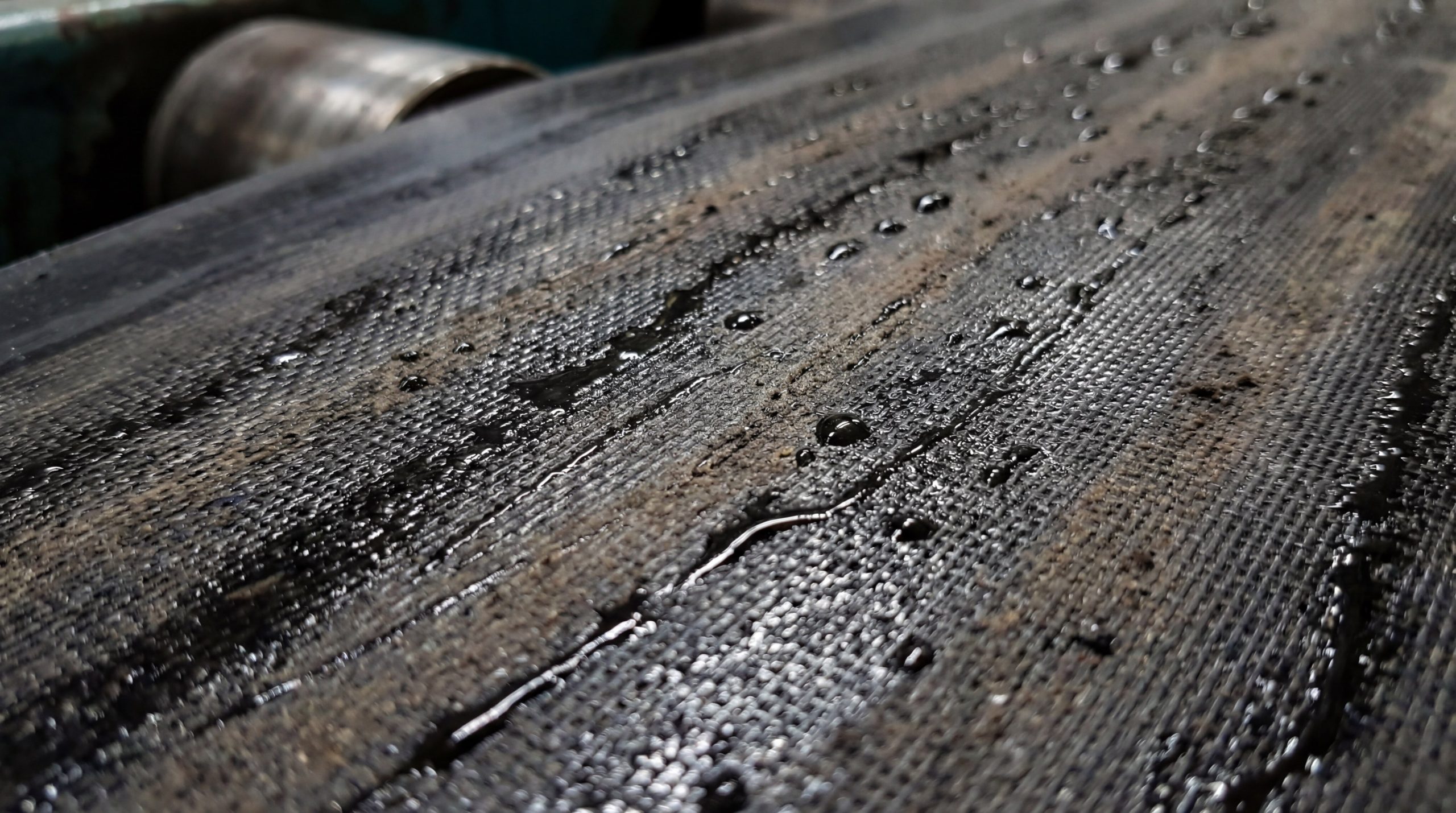
A wholesale NBR rubber conveyor belt offers excellent oil resistance and durability, preventing swelling and cracking, reducing downtime, and ensuring reliable performance in harsh industrial environments.
## What are oil resistant nitrile conveyor belts?
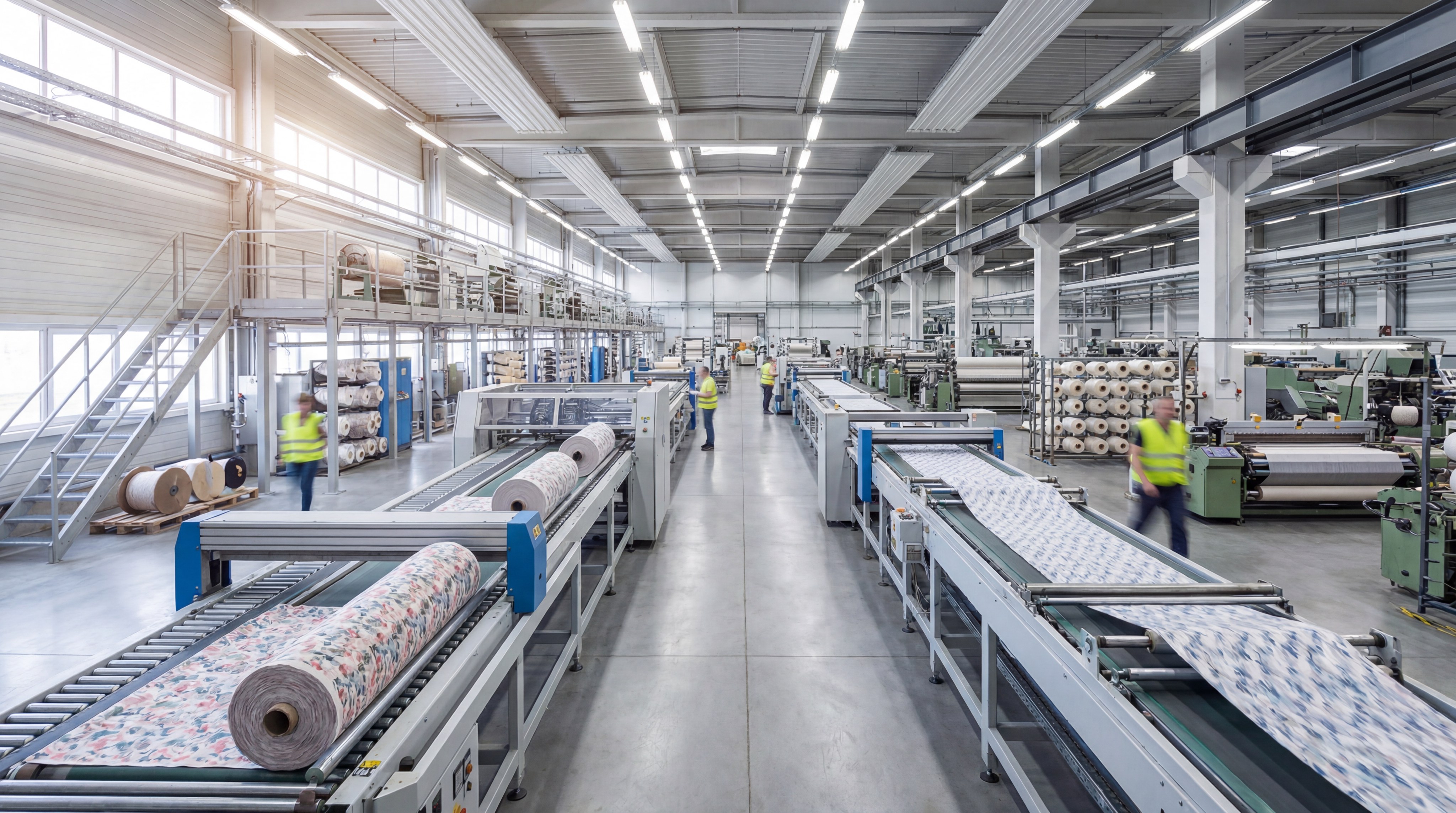
These belts are high-performance material handling solutions that combine a chemically resistant NBR cover with a durable textile carcass. When you source a wholesale nbr rubber conveyor belt , you are getting a product engineered to resist the volume swelling that typically destroys natural rubber. The hybrid blend ensures the belt remains flexible and functional in the presence of non-polar solvents.
### Why are nitrile blends superior for you?
Nitrile blends offer a unique balance of cost-efficiency and chemical resilience. Think about this:
- They maintain cover hardness over time.
- They prevent the “peeling” effect common in oily environments.
- They offer excellent resistance to animal and vegetable fats.
You see, using a blended compound allows the belt to survive harsh industrial chemicals while remaining affordable for large-scale operations. It is the smartest way to protect your infrastructure from unavoidable oil exposure.
Key Takeaway: Nitrile (NBR) concentrations are the primary factor in determining a belt’s lifespan when moving greasy or oily materials.
| Feature | NBR Blended Belt | Standard Natural Rubber | |
|---|---|---|---|
| Oil Resistance | Excellent | Poor (Swells) | |
| Cover Integrity | High | Low | |
| Solvent Defense | Strong | Weak |
Analysis: The data shows that NBR blends are non-negotiable for any application involving fat or oil exposure to prevent catastrophic swelling.
## Why is oil resistance vital for your system?
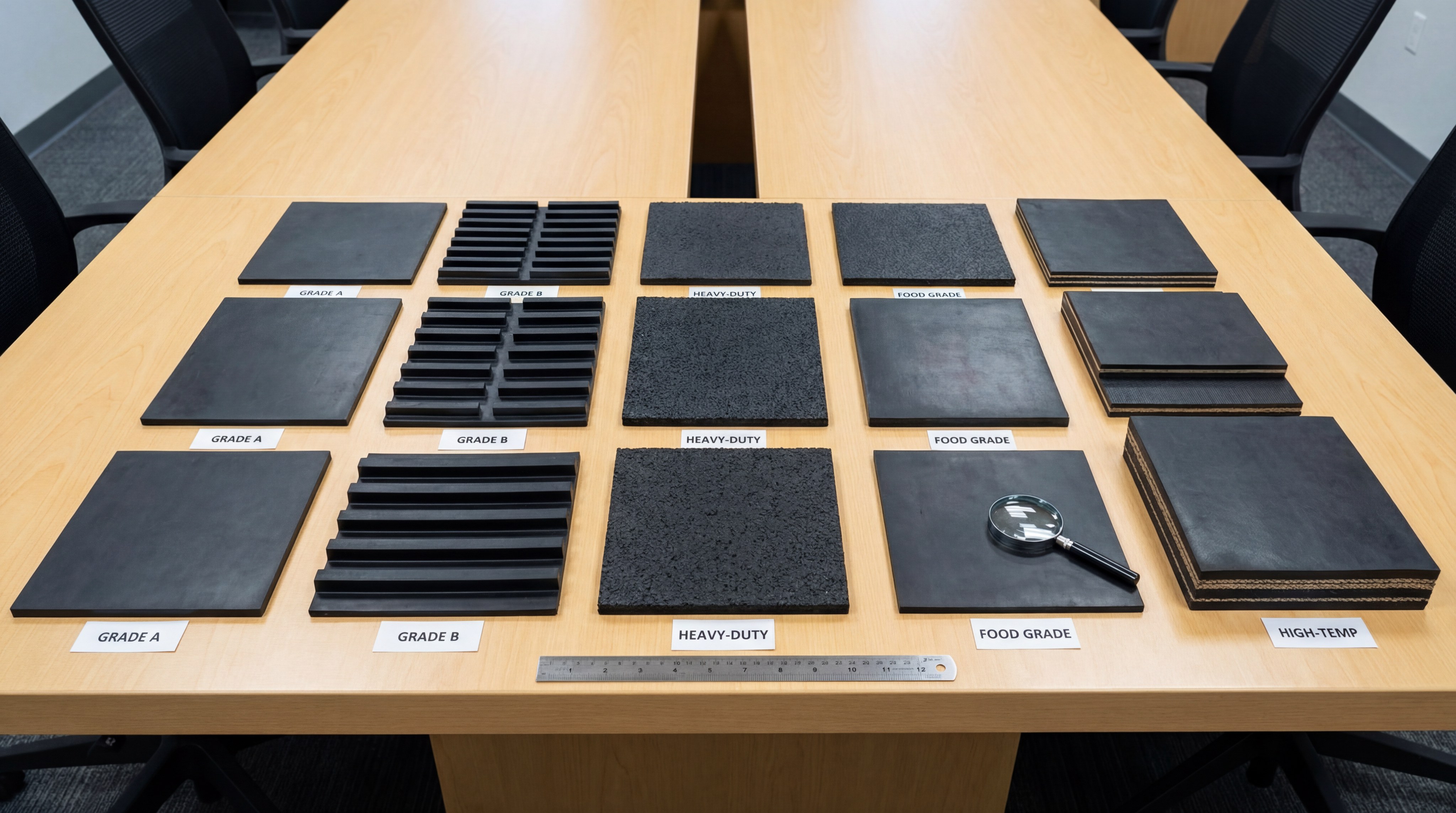
Oil resistance is critical because it prevents the chemical breakdown of the polymer chains that give a belt its structural integrity. Every wholesale nbr rubber conveyor belt is tested to ensure that oils cannot penetrate the surface and reach the internal textile plies. Without this barrier, your system would suffer from belt elongation and tracking issues within weeks.
### How does oil degrade standard rubber?
Standard rubber acts like a sponge when it comes into contact with industrial lubricants or organic fats.
- The rubber absorbs oil molecules and expands.
- Tension members lose their bond with the cover.
- The belt becomes soft and loses its abrasive resistance.
In fact, the swelling is often so severe that it causes the belt to jump off the pulleys entirely. This creates a massive safety hazard for your team and risks damaging your expensive conveyor hardware.
Key Takeaway: Preventing oil penetration is the only way to maintain proper belt tension and tracking in greasy environments.
| Degradation Phase | Standard Rubber | NBR Blended Rubber | |
|---|---|---|---|
| Initial Exposure | Surface softening | No change | |
| Middle Phase | Volume swelling | Stable dimensions | |
| Final Result | Delamination/Failure | Continued Operation |
Analysis: This comparison highlights how NBR compounds prevent the progression from simple contact to total mechanical failure.
## How does plaster casting aid belt tooling?

Plaster casting integrates with manufacturing by allowing for the creation of high-precision molds used for specialized belt attachments and cleats. When you order a custom wholesale nbr rubber conveyor belt , engineers often use plaster molds to prototype or produce intricate sidewall profiles. This process ensures that every molded part fits the base belt with microscopic accuracy.
### Is precision molding cost-effective for you?
Plaster casting is an excellent choice for low-volume, high-detail components that standard steel molds cannot justify.
- It offers a smoother surface finish for molded parts.
- It reduces the lead time for custom cleat designs.
- It provides better dimensional tolerances for rubber-to-metal bonding.
The bottom line? You get a more reliable belt system without the massive upfront costs associated with heavy industrial machining. This allows you to customize your conveyor for specific material shapes or angles.
Key Takeaway: Plaster casting provides the precision needed for custom belt cleats and sidewalls that must interact perfectly with pulley systems.
| Molding Type | Plaster Casting | Steel Machining | |
|---|---|---|---|
| Detail Level | Very High | Moderate | |
| Tooling Cost | Low | High | |
| Lead Time | Short | Long |
Analysis: Plaster casting is the superior choice for custom, detail-oriented components that require rapid deployment and high accuracy.
## What are the primary uses for NBR belts?
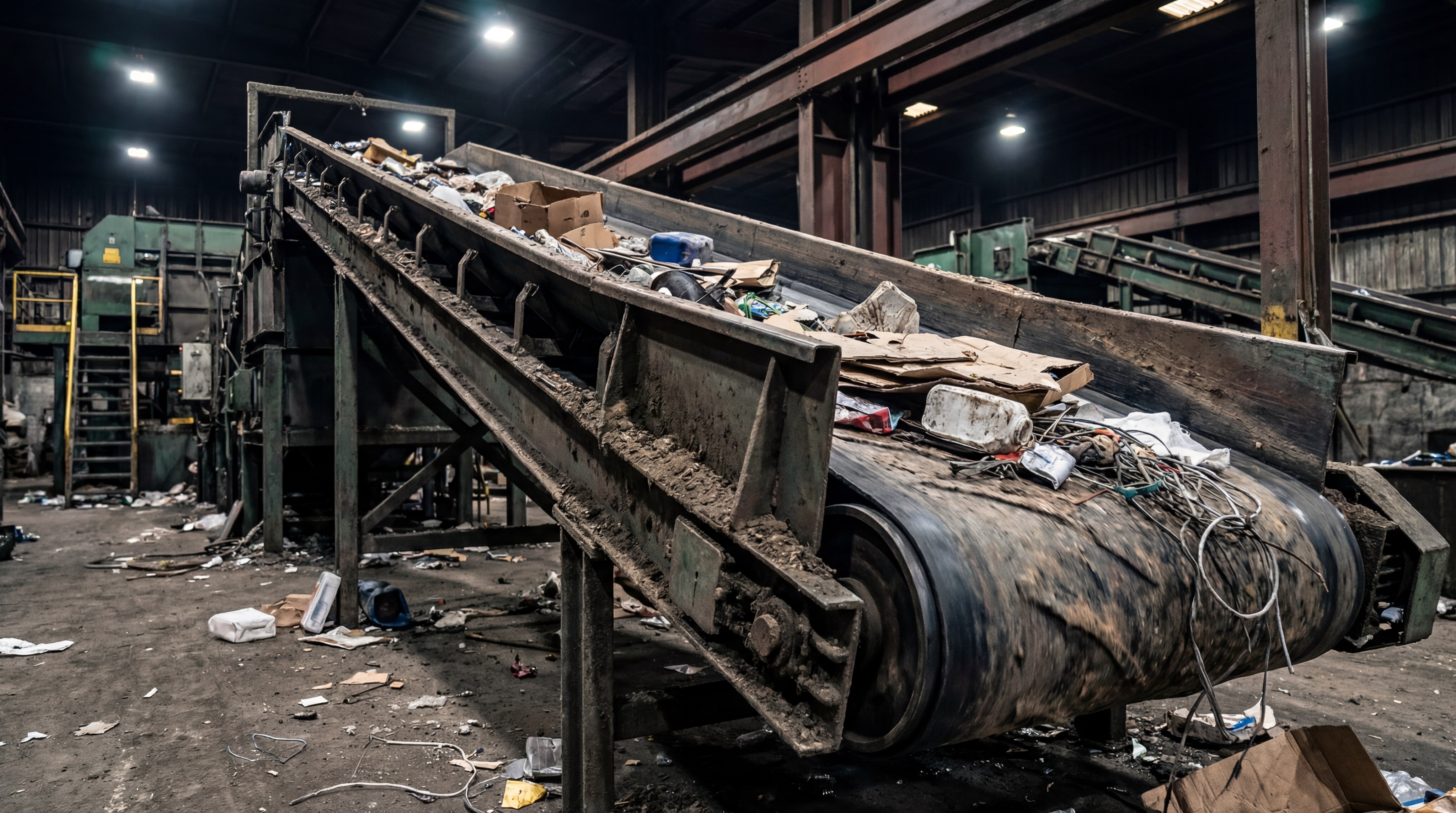
The primary uses for these specialized belts include the transport of grain, fertilizers, and recycled household waste. Every wholesale nbr rubber conveyor belt is built to handle materials that would otherwise dissolve a general-purpose belt. You will commonly find these in recycling plants where oily metal scraps or plastics are the norm.
### Which industries need these belts most?
Many heavy industrial sectors rely on NBR textile belts to keep their production lines moving 24/7.
- Recycling facilities handling mixed waste streams.
- Chemical plants moving granular fertilizers.
- Wood processing sites dealing with resinous sap and turpentine.
Believe it or not, even the forestry industry needs these belts to handle the natural oils found in pine and bark chips. If you are in any of these fields, a standard belt simply will not survive the chemical onslaught.
Key Takeaway: Industry-specific chemical exposure dictates the level of NBR concentration required for operational longevity.
| Industry | Material Moved | Primary Threat | |
|---|---|---|---|
| Recycling | Mixed Waste | Fats/Mineral Oils | |
| Fertilizer | Granular Chemicals | Chemical Corrosives | |
| Forestry | Bark & Chips | Resins/Turpentine |
Analysis: Selecting a belt based on the specific material threat ensures you aren’t overspending or underspecifying your equipment.
## What is the NBR belt manufacturing process?
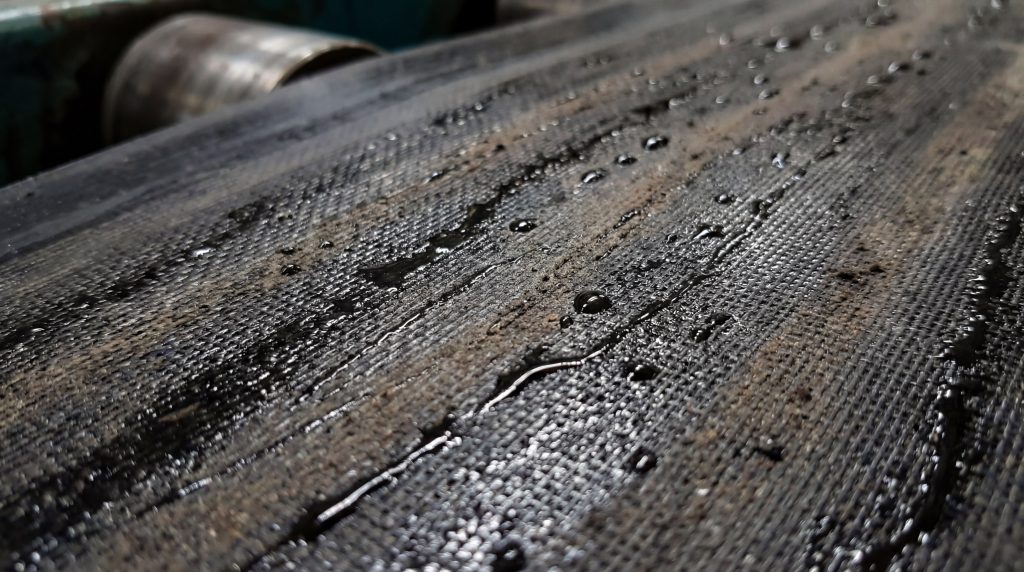
The manufacturing process involves compounding NBR with stabilizing agents before bonding it to the textile carcass. When a factory produces a wholesale nbr rubber conveyor belt , they use a calendaring process to “sandwich” the fabric between layers of oil-resistant rubber. This ensures that the reinforcement is protected from all sides.
### How are rubber and textile layers bonded?
Vulcanization is the secret to creating a single, cohesive unit that will not delaminate under pressure.
- High heat and pressure are applied in a curing press.
- Chemical bonds form between the rubber and the textile plies.
- The result is a belt with high tensile strength and flexible covers.
Wait, there’s more. The quality of the bonding agent used during this stage determines how well the belt resists “ply separation” when oil eventually coats the edges. Only high-grade manufacturing ensures this level of chemical defense.
Key Takeaway: Professional vulcanization under controlled conditions is essential for preventing the belt layers from peeling apart.
| Process Stage | Action | Benefit | |
|---|---|---|---|
| Compounding | Mixing NBR/SB/CR | Chemical Resistance | |
| Calendaring | Layering Fabric | Structural Strength | |
| Vulcanization | Heat Pressing | Permanent Bonding |
Analysis: A rigorous manufacturing process ensures the belt acts as a single protective shield rather than a series of loosely connected layers.
## How does plaster casting work for parts?
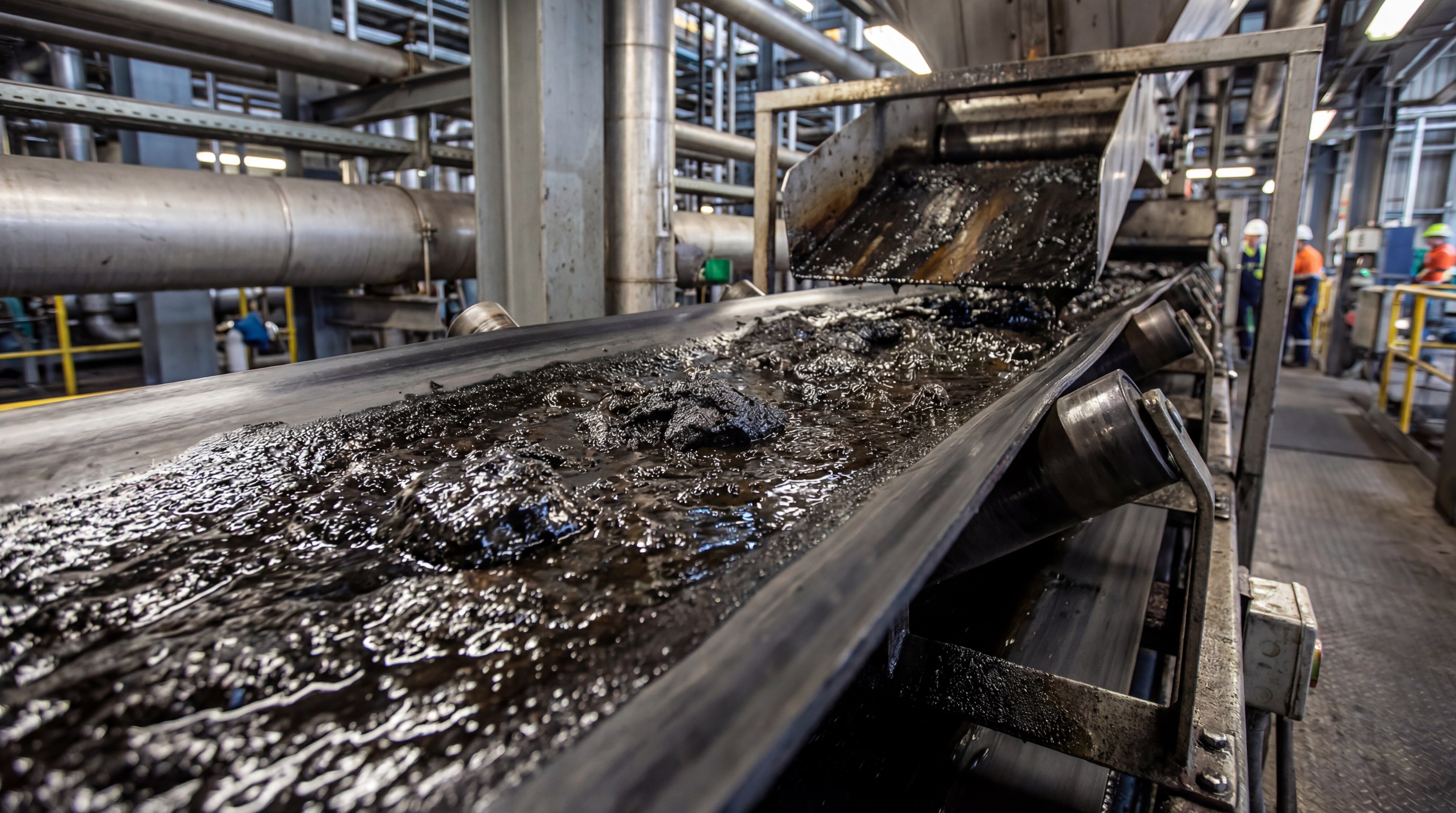
Plaster casting works by creating a master pattern that is encased in a gypsum-based slurry to form a rigid mold. This mold is then used to cast the rubber components that are eventually bonded to a wholesale nbr rubber conveyor belt. You get parts that match the original design with near-perfect fidelity.
### What makes plaster molds accurate for you?
The fine particles in the plaster slurry capture every detail of the master pattern, down to the texture of the surface.
- They allow for zero-draft designs that are impossible with metal molds.
- They accommodate complex undercuts for locking cleats.
- They prevent the formation of air bubbles on the component surface.
It gets better: Because plaster is porous, it allows gases to escape during the casting process, resulting in a denser, stronger rubber part. This means your belt attachments will be more durable and less likely to tear off during heavy use.
Key Takeaway: Plaster casting is the gold standard for creating the intricate, high-density rubber attachments needed for specialized conveying.
| Metric | Plaster Mold | Sand Mold | |
|---|---|---|---|
| Surface Finish | Smooth/Refined | Coarse/Granular | |
| Tolerance | +/- 0.1mm | +/- 0.5mm | |
| Complexity | High | Moderate |
Analysis: The superior finish of plaster casting reduces friction and wear on the conveyor components, extending the life of the entire system.
## What are the main benefits of NBR blends?
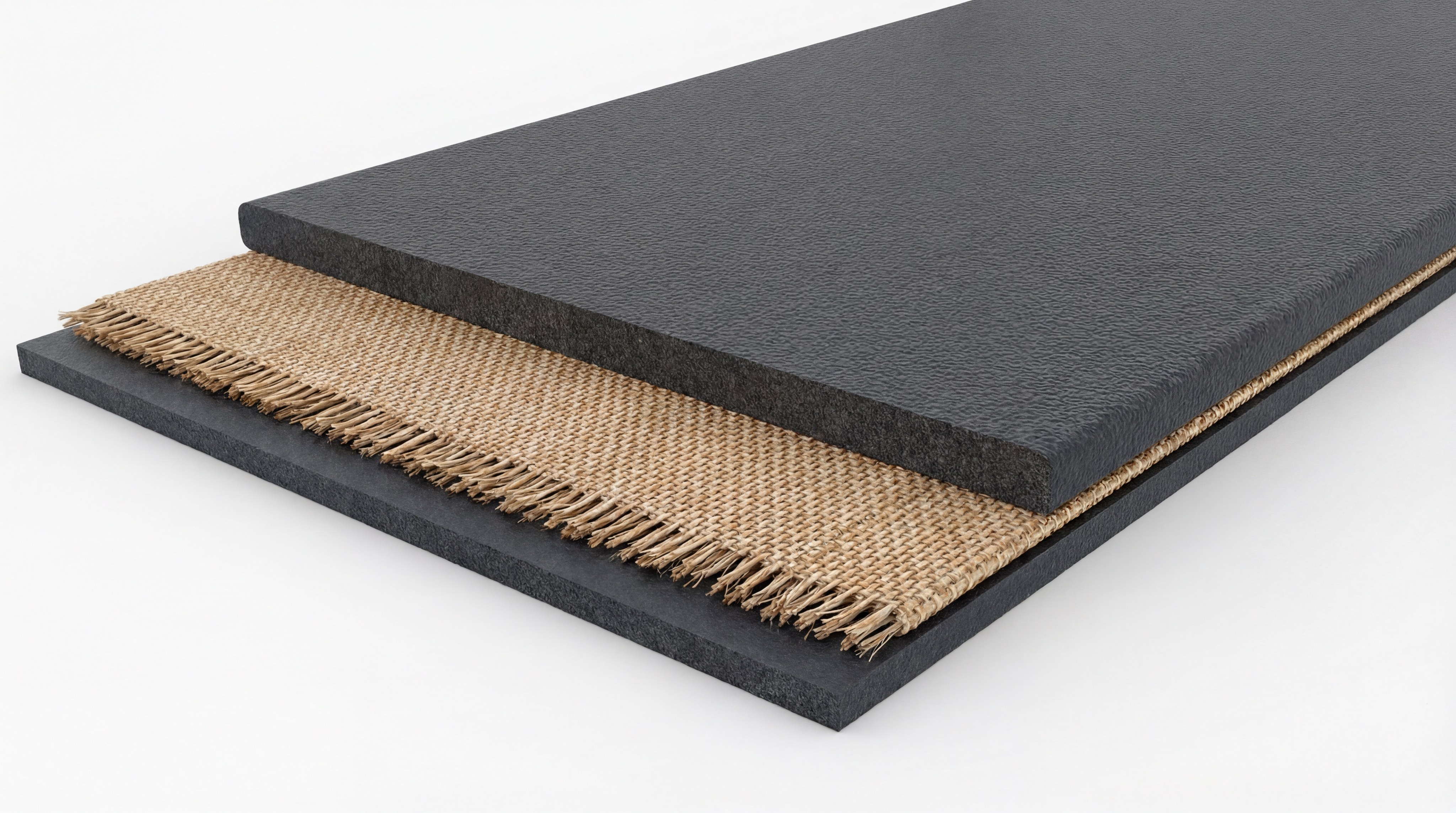
Key advantages include superior thermal stability, high abrasion resistance, and permanent chemical defense. When you invest in a wholesale nbr rubber conveyor belt , you are buying a product that stays flexible in cold weather and remains tough in high heat. It is a versatile solution for all-season outdoor operations.
### Do they offer better thermal stability?
Yes, NBR blends are engineered to withstand the friction heat generated by heavy loads without hardening.
- They resist “heat aging” which causes belts to become brittle.
- They maintain their elastic properties even in oily environments.
- They prevent the cover from cracking under repeated pulley flexing.
In fact, the thermal resistance of a nitrile blend is often twice as high as a standard general-purpose belt. This means you spend less time replacing heat-damaged sections and more time moving material.
Key Takeaway: Thermal stability prevents the belt from becoming brittle, which is the leading cause of cover cracking and material seepage.
| Property | NBR Blended | Natural Rubber | |
|---|---|---|---|
| Heat Aging | Very Low | High | |
| Elasticity | High | Moderate | |
| Crack Resistance | Superior | Average |
Analysis: Maintaining elasticity through temperature fluctuations is what prevents the microscopic cover cracks that eventually let oil reach the carcass.
## How does textile reinforcement add value?
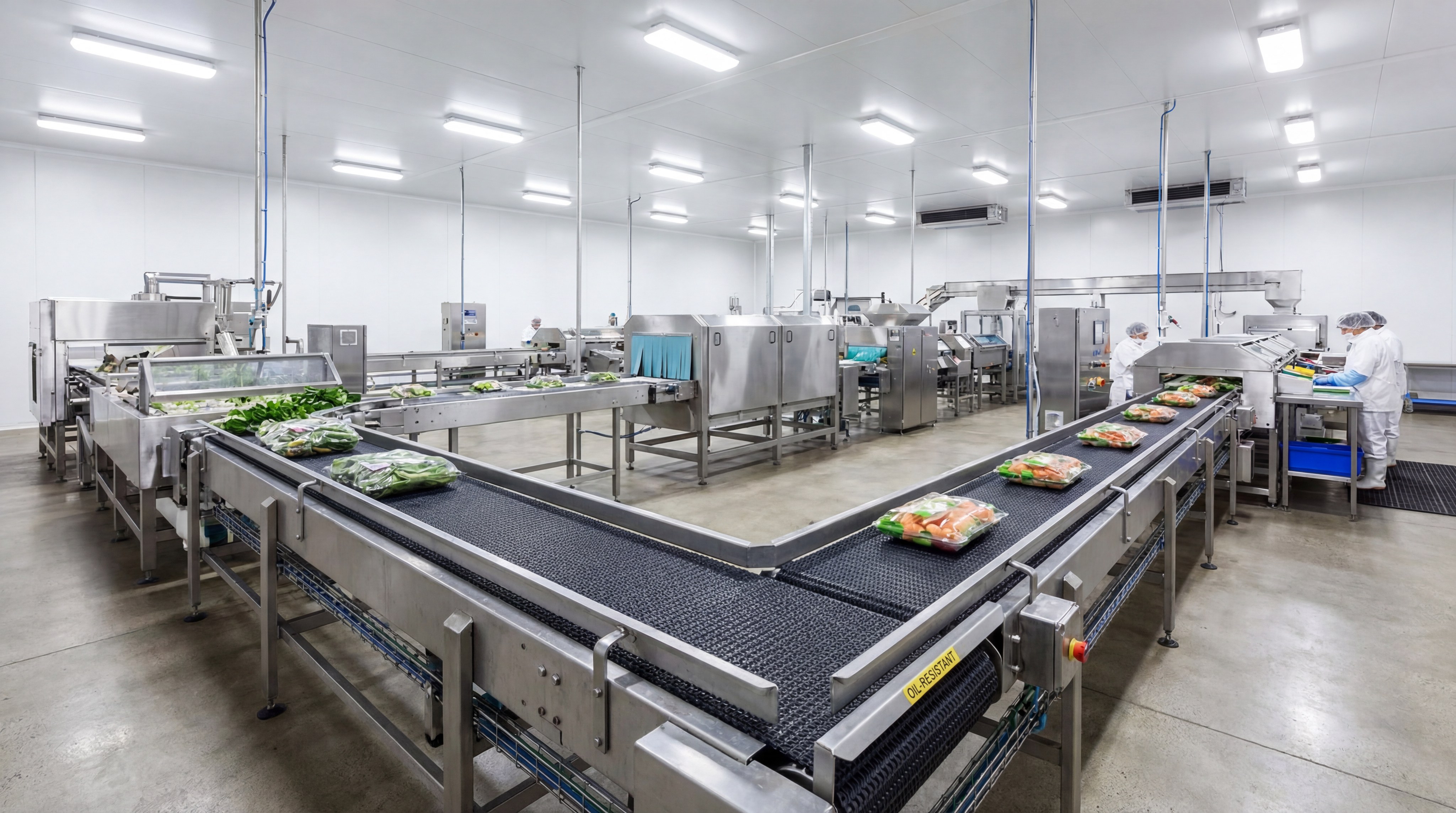
The textile reinforcement provides the necessary tension and impact resistance to prevent the wholesale nbr rubber conveyor belt from stretching. Most belts use a Polyester/Nylon (EP) carcass because it offers the perfect mix of low elongation and high flexibility. You need this backbone to ensure your conveyor stays tracked correctly under heavy loads.
### Why is tension management essential for you?
Without a strong textile core, an oil-softened belt would stretch like a rubber band and slip on the drive pulley.
- It enables the use of shorter take-ups in tight spaces.
- It absorbs the energy of falling materials at loading points.
- It allows the belt to “trough” deeply to prevent material spillage.
Consider this: A belt that doesn’t stretch is a belt that doesn’t need constant adjustment. This reduces the labor costs associated with manual tensioning and keeps your operation running efficiently.
Key Takeaway: High-strength textile plies (EP/NN) are what allow the belt to maintain its shape and performance under heavy load.
| Carcass Type | Tension Capacity | Elasticity | |
|---|---|---|---|
| EP (Polyester) | Very High | Low (Preferred) | |
| NN (Nylon) | High | High (Impact Res.) | |
| CC (Cotton) | Low | High (Legacy) |
Analysis: Polyester-based textile plies offer the best “set and forget” performance for modern industrial conveyor systems.
## How do you choose the right oil grade?
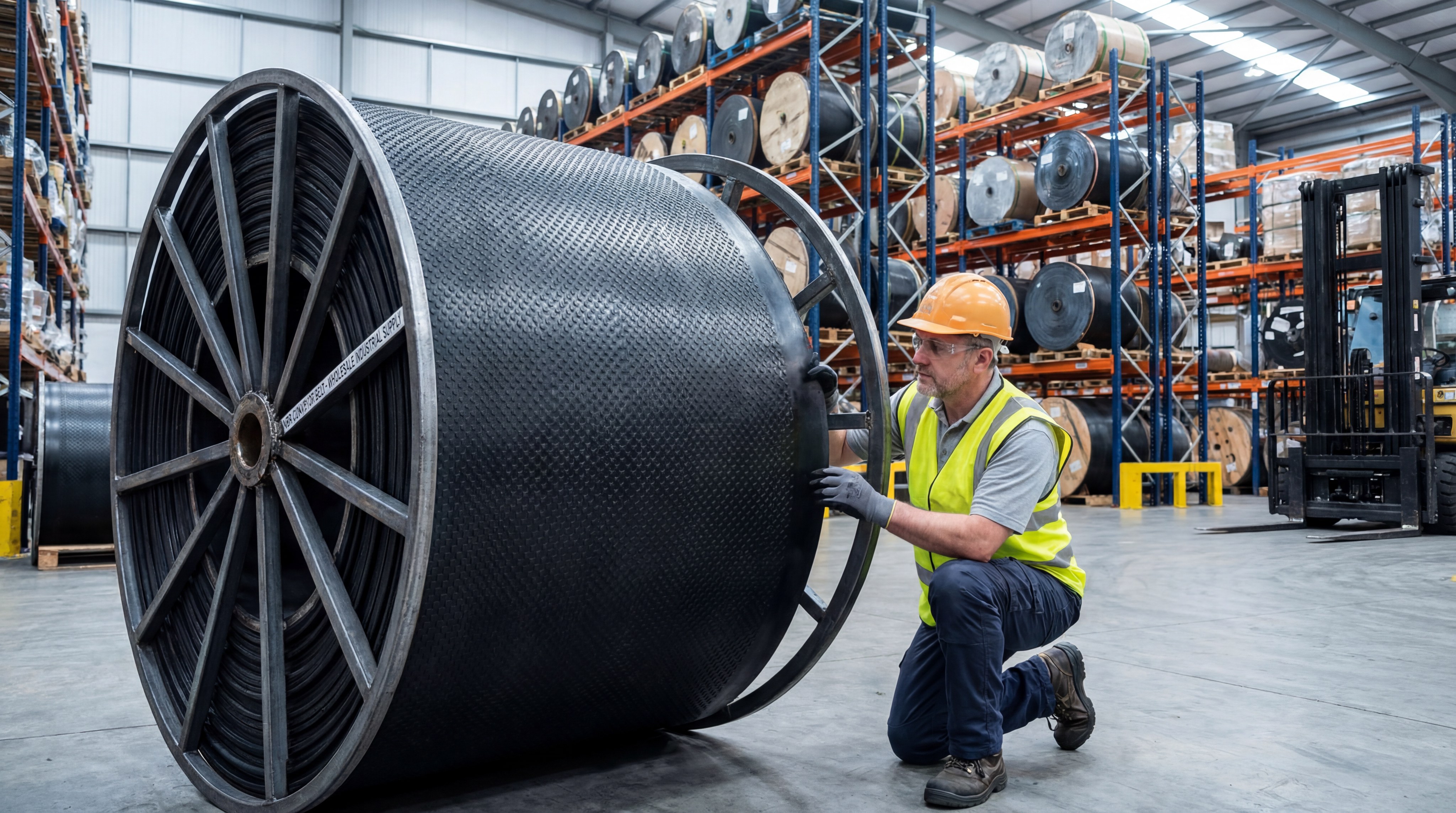
Selecting the right grade requires analyzing the specific oils your system encounters and the level of saturation. When ordering a wholesale nbr rubber conveyor belt , you must decide between Moderate Oil Resistance (MOR) and Super Oil Resistance (SOR). This choice significantly impacts both the initial cost and the total lifecycle of the belt.
### MOR vs. SOR: Which fits your needs?
MOR grades are designed for “incidental” contact with oils, such as those found in wood chips or some grains.
- MOR is more cost-effective for general agriculture.
- SOR is required for materials dripping with mineral oils.
- SOR handles higher concentrations of aggressive solvents.
Wait, there’s more. Using an SOR belt for a mild application is a waste of money, but using an MOR belt for heavy oil will lead to failure in weeks. You must match the belt chemistry to your specific material hazard.
Key Takeaway: Matching the NBR grade to the saturation level of your material is the most important step in the procurement process.
| Grade | Oil Concentration | Best Application | |
|---|---|---|---|
| MOR | Low to Moderate | Wood chips, grains, waste | |
| SOR | High/Continuous | Machined parts, chemicals | |
| Standard | Zero | Sand, rocks, dry goods |
Analysis: The right grade selection balances the initial investment against the risk of premature chemical failure.
## Why invest in wholesale NBR solutions?
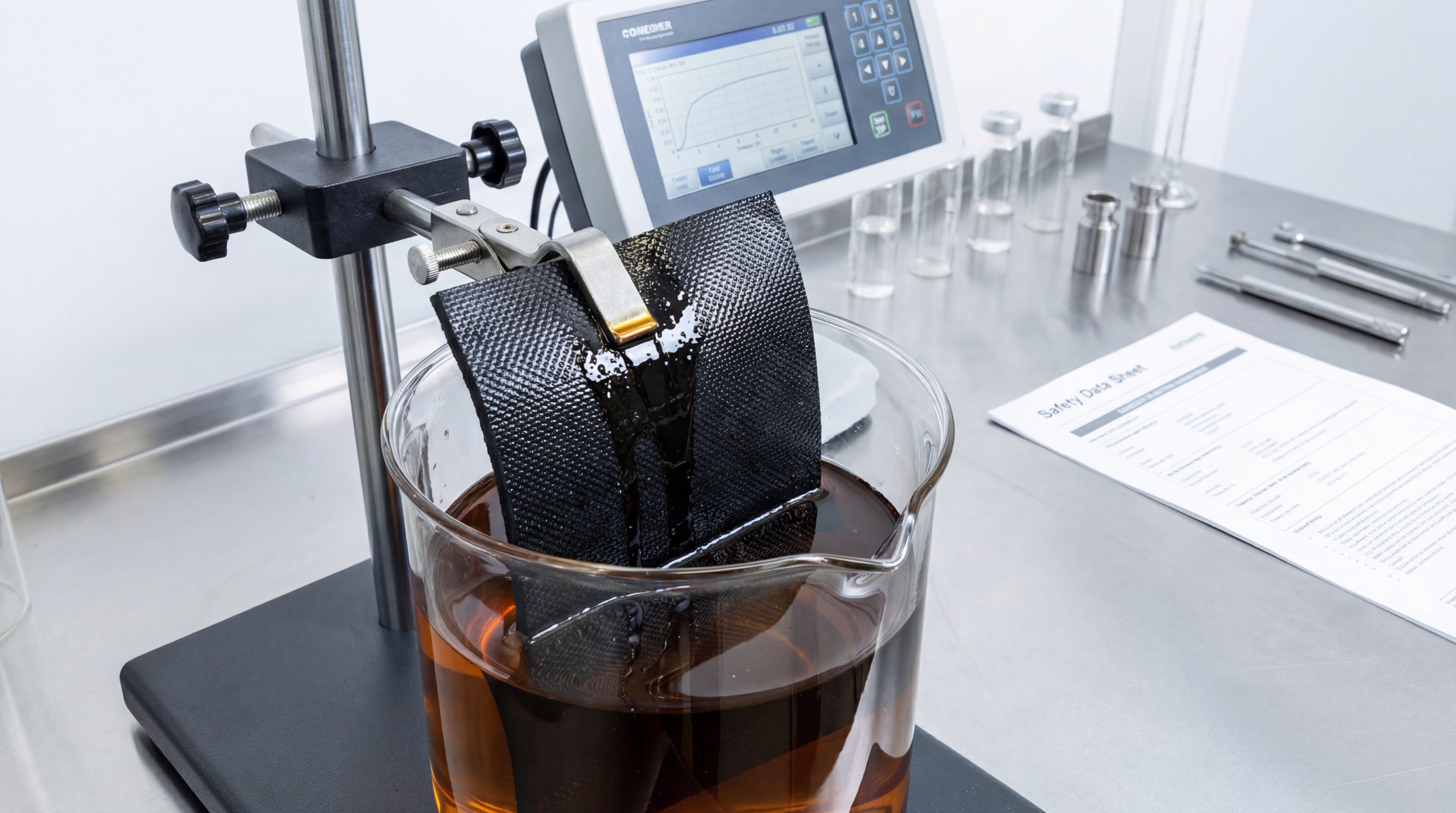
Wholesale solutions offer economies of scale and guarantee material consistency across your entire facility. Buying a wholesale nbr rubber conveyor belt means you have a uniform standard of oil resistance, which simplifies maintenance and spare parts inventory. It is the most strategic way to manage a large-scale material handling operation.
### Can bulk procurement reduce your costs?
Buying at the wholesale level significantly reduces the “per-meter” cost of high-grade NBR belting.
- It ensures all your belts age at the same rate.
- It provides you with a direct line to the manufacturer’s technical team.
- It reduces the shipping and logistics costs per unit.
The bottom line? Consistent quality prevents the “weak link” scenario where one cheap belt causes a massive system failure. By standardizing on high-quality nitrile blends, you protect your entire production workflow.
Key Takeaway: Standardizing your inventory with wholesale NBR belts reduces the complexity of maintenance and lowers long-term operational costs.
| Procurement Level | Unit Cost | Quality Control | |
|---|---|---|---|
| Wholesale | Low | Very High/Consistent | |
| Retail/Spot | High | Variable | |
| Secondary Market | Mixed | High Risk |
Analysis: Wholesale sourcing is the only viable path for industrial operators who require guaranteed chemical performance and budget predictability.
Conclusion
Protecting your conveyor system from oil-induced damage is not just a maintenance task; it is a financial strategy. By utilizing NBR blended belts, you solve the chronic problems of belt swelling, delamination, and tracking errors that plague standard systems. These specialized components, often refined through precision plaster casting, represent the pinnacle of chemical defense in material handling. We are committed to providing robust industrial solutions that maximize your uptime and lower your total cost of ownership. Our brand vision is to be your most reliable partner in conveying quality across every industry. To find the perfect belt for your specific application, please contact us today for an expert consultation.
FAQ
Q1: Can I use a standard belt for wood chips if they only have a little sap?No, because even trace amounts of turpentine and resins will cause standard rubber to soften and swell over time. It is always better to use at least an MOR (Moderate Oil Resistant) belt to prevent the cover from degrading prematurely.
Q2: What’s the best way to clean an NBR belt that has been heavily coated in oil?The best method is using a mild detergent and water rather than harsh chemical solvents. While the belt is oil-resistant, using aggressive solvents can eventually strip the stabilizing agents from the rubber surface, shortening its lifespan.
Q3: How do I know if my belt needs to be upgraded to a higher oil resistance grade?Look for signs of cover softening or the belt edges curling upward. If you notice the belt is becoming “tacky” or sticky to the touch, your current rubber compound is being overwhelmed by chemical absorption and requires a higher NBR concentration.
Q4: Can I splice an NBR belt using standard cold vulcanizing materials?Yes, but you must ensure the adhesive and bonding layers are also compatible with nitrile rubber. Using a general-purpose glue on an NBR belt often results in a weak bond that will fail when oil penetrates the seam.
Q5: Is plaster casting used for the entire conveyor belt?No, plaster casting is exclusively used for creating the molds for specialized components like cleats, sidewalls, or tracking strips. The main belt body is produced using a high-pressure calendaring and vulcanizing process for maximum strength.