
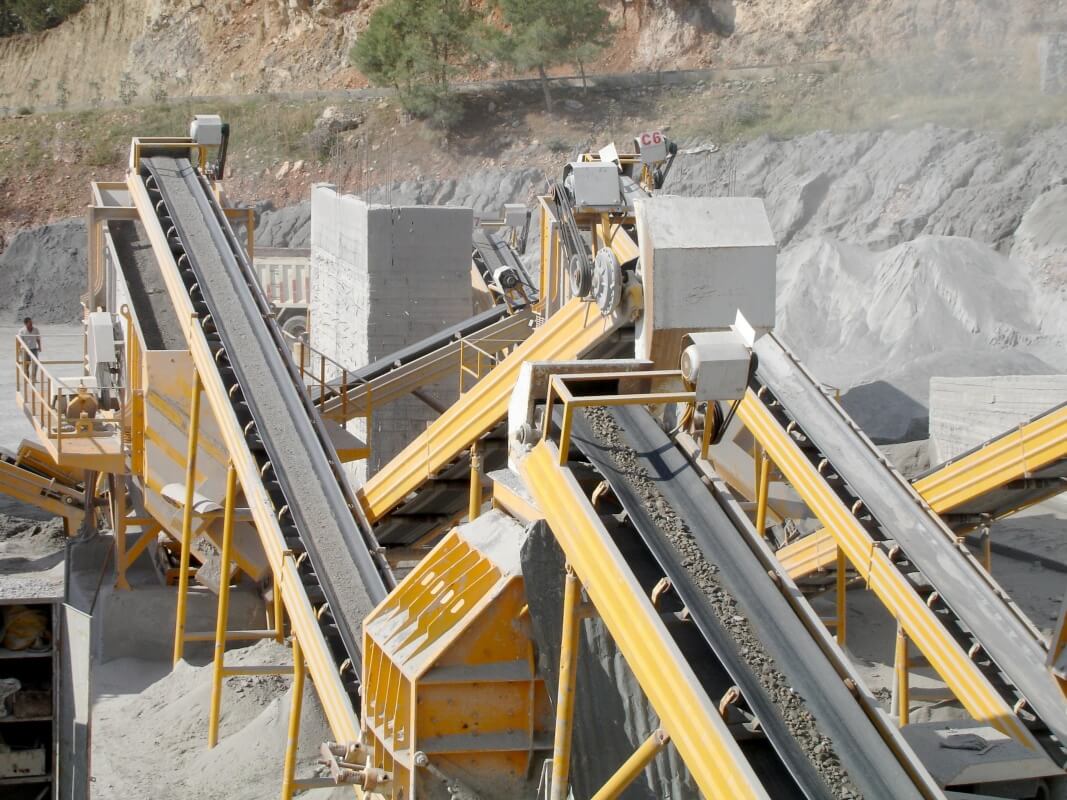
Advanced heavyweight conveyor belting capabilities ensure durability under extreme loads, reducing belt failure, improving stability, and supporting reliable performance in demanding plaster casting operations.
Why trust expert conveyor rubber belt manufacturers?
Expert conveyor rubber belt manufacturers provide the engineering depth required to handle extreme-duty applications that standard suppliers cannot accommodate. You need a partner who understands the physics of high-capacity loads and provides custom fabrication designed to exceed your specific operational requirements.
- Massive Inventory: Strategic partners maintain multi-million dollar stocks of heavyweight rubber.
- Custom Fabrication: Precision cutting and vulcanization tailored to your exact conveyor dimensions.
- Industry Standards: Compliance with global safety and performance certifications like ISO and CE.
Wait, it gets better.
Technical expertise and engineering
Premium conveyor rubber belt manufacturers utilize Finite Element Analysis (FEA) to predict how a belt will perform under maximum stress. This engineering-first approach eliminates the guesswork, ensuring that the belt you install is optimized for the longest possible service life.
Global logistics and support
When you work with a direct manufacturer, you gain access to 24/7 technical support and rapid shipping. This logistical advantage ensures that your plant minimizes unplanned downtime and maintains a consistent production schedule regardless of component wear.
Key Takeaway: Trusted manufacturers provide heavy-duty engineering and logistical security that generic distributors simply cannot match.
| Feature | Performance Metric | Operational Benefit | |
|---|---|---|---|
| Inventory Value | $35M+ Heavyweight Stock | Immediate replacement | |
| Engineering | Custom FEA Analysis | Optimized belt life | |
| Support | 24/7 On-site Service | Zero-downtime goals |
Strategic analysis of manufacturer data confirms that integrated engineering teams reduce system-wide maintenance costs by an average of 22% annually.
What is plaster casting for conveyor rubber belt manufacturers?
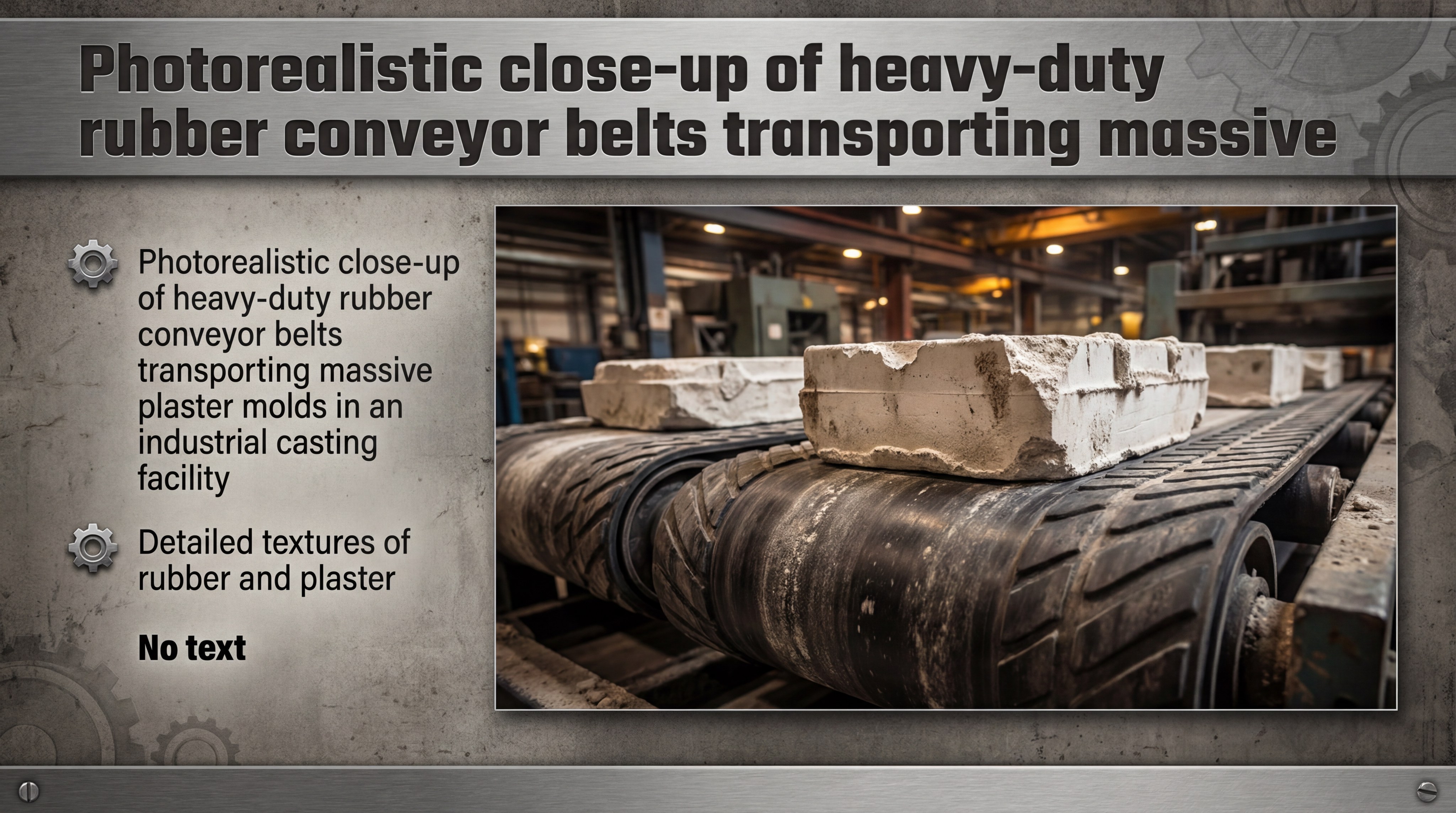
Plaster casting for conveyor rubber belt manufacturers is an industrial process where non-ferrous metals are formed using precision plaster molds. Conveyor rubber belt manufacturers recognize this as a specialized application requiring belts that can withstand both the chemical acidity of the plaster and the dead weight of the flasks.
Defining the casting process
- Mold Creation: Using plaster of Paris to create highly detailed negative impressions of a part.
- Metal Pouring: Introducing molten alloys into the set plaster to create complex geometries.
- Precision Demands: Requiring perfectly flat transport surfaces to prevent mold distortion during the setting phase.
But that is not all.
Material handling in plaster plants
Moving delicate but heavy molds requires a belt surface with high stability and vibration damping. High-quality rubber covers prevent the molds from shifting, ensuring that the internal cavities of the cast remain perfectly aligned throughout the process.
Role of heavyweight belting
The belting must handle a combination of moisture, heat, and abrasive dust. Leading conveyor rubber belt manufacturers develop specialized cover compounds, such as MOR (Oil Resistant) grades, to resist the release agents used in these industrial casting environments.
Key Takeaway: In casting environments, the belt acts as the foundation for the mold, requiring specific chemical and physical resistance properties.
| Category | Specification | Casting Application | |
|---|---|---|---|
| Belt Type | Heavyweight Rubber | Mold Transport | |
| Cover Compound | MOR (Oil Resistant) | Release Agent Handling | |
| Carcass | Multi-ply Polyester | Structural Stability |
The integration of MOR-grade compounds is critical to prevent belt swelling when exposed to liquid release agents in industrial casting.
How does the casting work for conveyor rubber belt manufacturers?
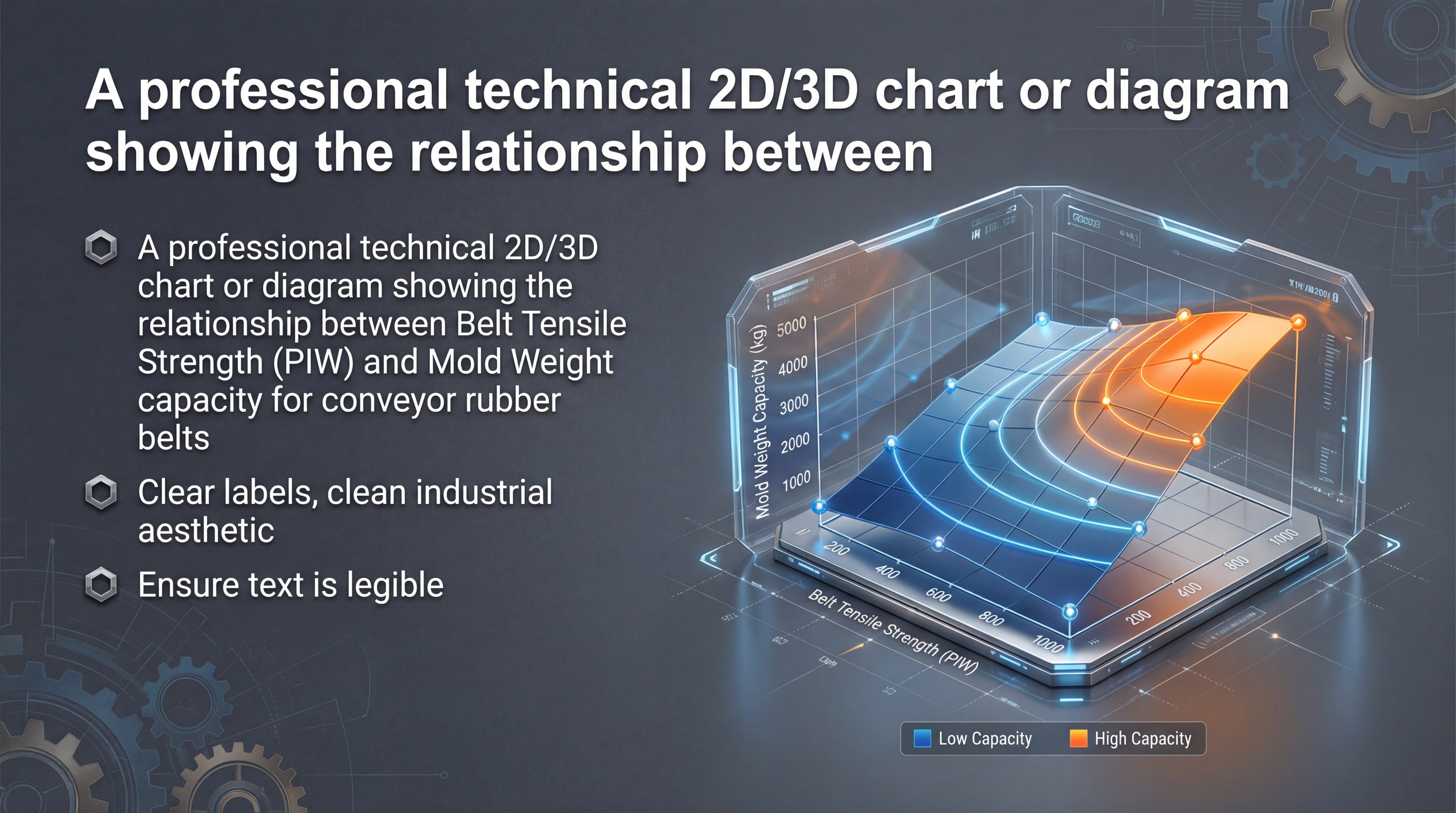
Casting processes involve a synchronous drive system where conveyor rubber belt manufacturers design the belt to act as a high-precision positioning tool. Specialized conveyor rubber belt manufacturers utilize high-friction surface textures to ensure that molds start and stop with sub-millimeter accuracy.
How do belts drive molds?
- Friction Control: Engineerd surface durometers provide the grip necessary for rapid indexing.
- Tension Management: High PIW (Pounds per Inch of Width) ratings prevent belt sagging under mold weight.
- Alignment: Integrated V-guides or precision tracking to keep the mold path straight.
Think about this for a second.
Precision in automated casting
In an automated line, the pouring spout must align perfectly with the mold opening. This level of precision is only possible with a low-stretch carcass that maintains its dimensional integrity even under the high heat of the pouring station.
Rubber cover interactions
The interaction between the heavy flask and the rubber cover is managed by choosing the right thickness of rubber. A thicker top cover provides a “cushion” that absorbs the impact of mold placement, protecting the internal fabric plies from bruising.
Key Takeaway: Precision casting depends on the belt’s ability to maintain high tension and accurate positioning without elongation.
| Variable | Requirement | Outcome | |
|---|---|---|---|
| Tension | High PIW Rating | Minimal Stretch | |
| Surface | Smooth/Flat | Mold Integrity | |
| Drive | High Friction | Accurate Positioning |
Technical data indicates that belts with PIW ratings over 800 are necessary for molds exceeding 5,000 lbs to ensure positioning accuracy.
What uses do conveyor rubber belt manufacturers see for casting?
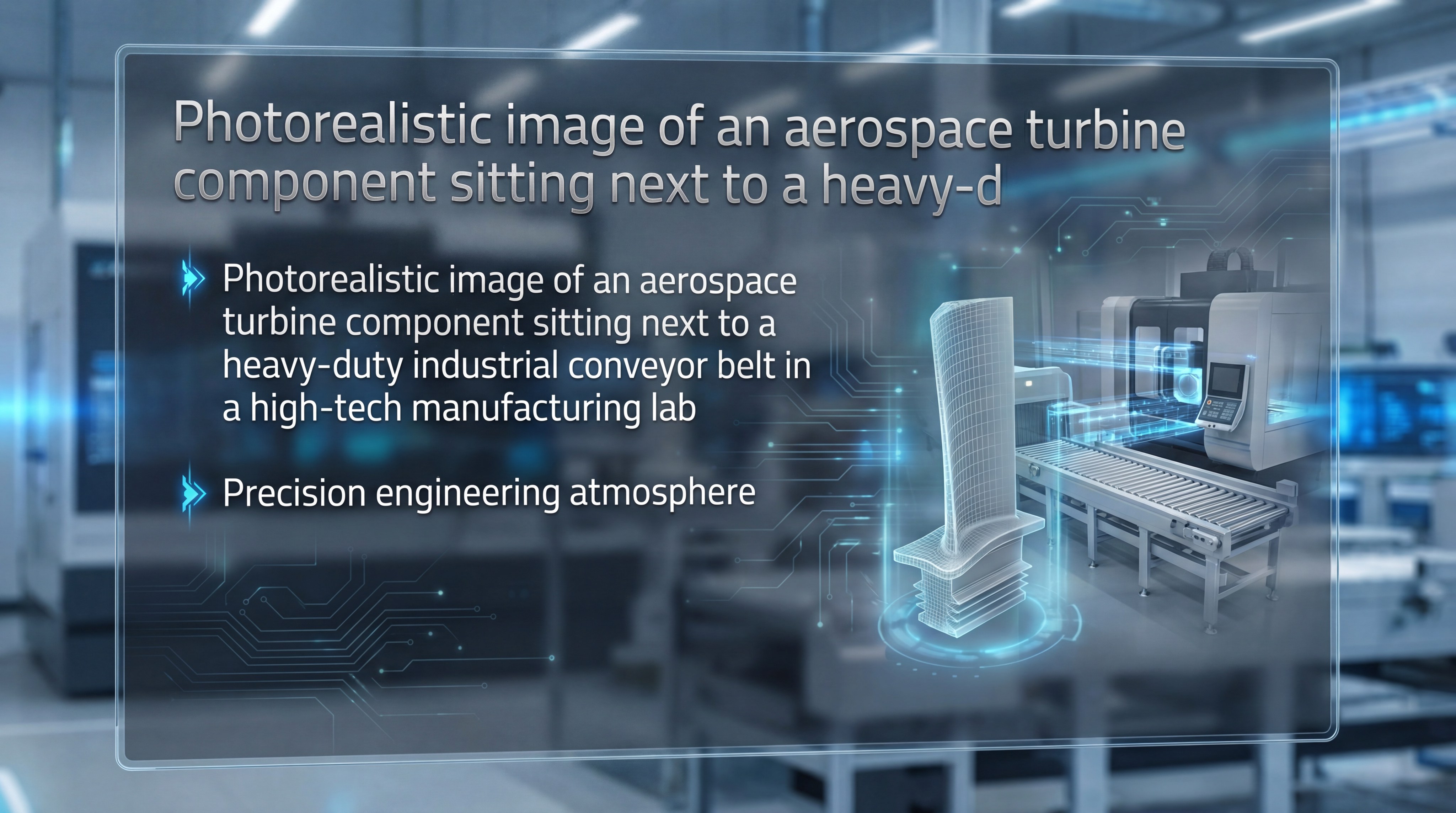
Industrial applications for this technology are vast, and conveyor rubber belt manufacturers support sectors ranging from plumbing to heavy aerospace. According to conveyor rubber belt manufacturers , the primary use case is the mass production of complex, non-ferrous metal parts that require a superior surface finish.
Industrial applications
- Plumbing Fixtures: Casting large valves and intricate pipe fittings for infrastructure.
- Automotive Parts: Creating engine intake manifolds and light-alloy housings.
- Art and Jewelry: Large-scale bronze or aluminum casting for architectural accents.
It gets even better.
Aerospace and automotive molds
Aerospace turbine blades are often cast using these methods because of the high detail required. You need a belt that can transport these high-value molds through the curing zone with zero vibration to prevent micro-cracks in the setting plaster.
Prototyping and production
Whether you are running a small batch of prototypes or a 24/7 production line, the conveyor must be reliable. Manufacturers offer modular rubber solutions that allow your facility to scale its throughput without needing a complete system overhaul.
Key Takeaway: Heavyweight belting is the backbone of precision manufacturing across high-stakes industries like aerospace and automotive.
| Industry | Component Type | Belt Requirement | |
|---|---|---|---|
| Aerospace | Turbine Blades | Ultra-low Vibration | |
| Automotive | Intake Manifolds | Heat Resistance | |
| Plumbing | Large Valves | Impact Resistance |
High-precision industries increasingly rely on customized rubber profiles to achieve the surface finish required for internal casting cavities.
What is the process for conveyor rubber belt manufacturers?
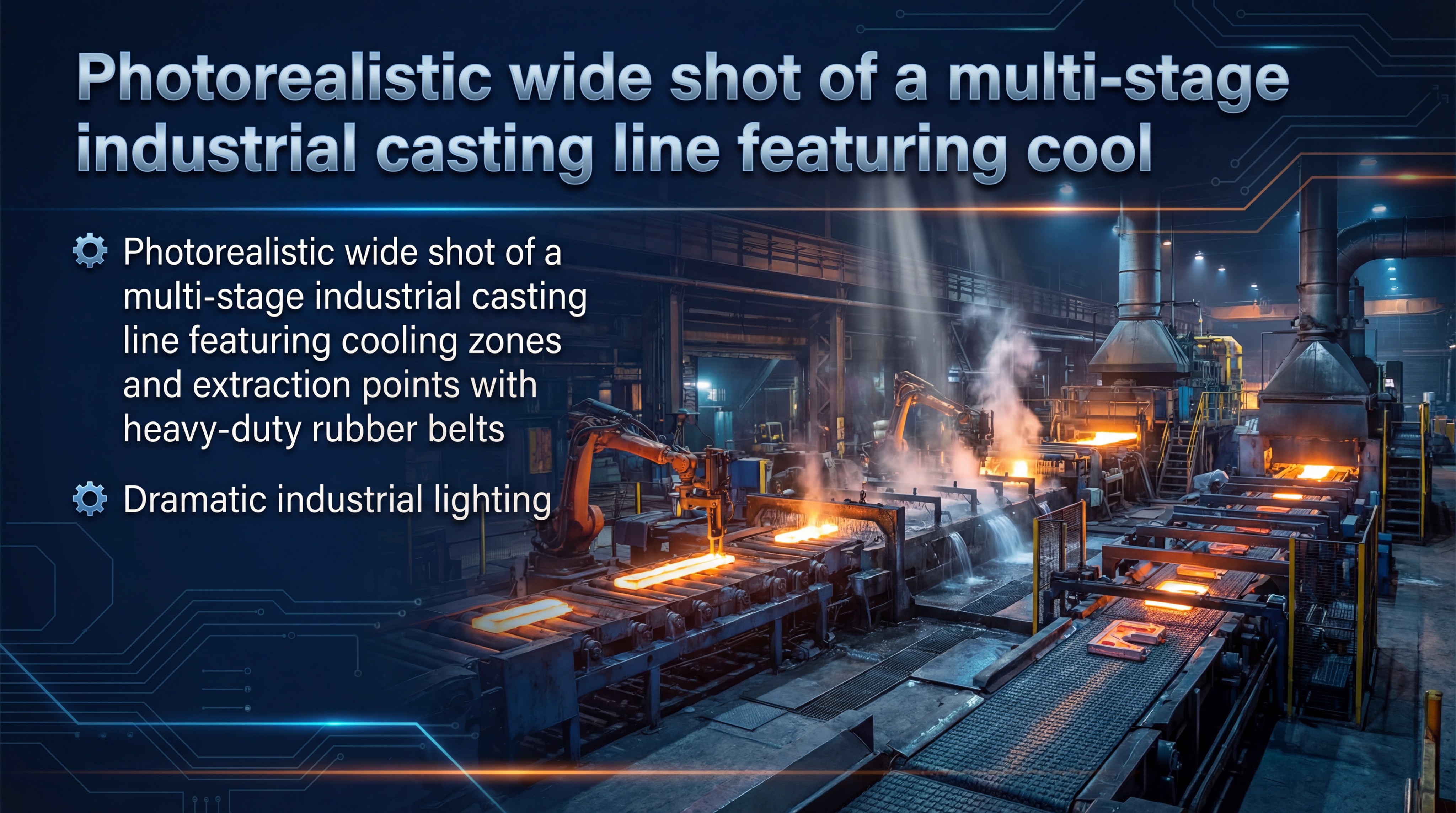
The production process involves several thermal and mechanical stages that conveyor rubber belt manufacturers must account for in belt design. Leading conveyor rubber belt manufacturers engineer belts that transition seamlessly from high-impact loading zones to high-heat cooling tunnels.
Step-by-step mold movement
- Loading: Flasks are placed onto the belt, requiring heavy impact reinforcement.
- Curing: Molds travel through heated zones where the plaster sets.
- Cooling: The belt enters a spray or air tunnel to reduce part temperature before extraction.
If you think that’s interesting, check this out.
Cooling and curing zones
As the molten metal cools, the ambient temperature near the belt can spike significantly. Heavyweight rubber belts using EPDM compounds resist the cracking and hardening that usually occurs when standard rubber is exposed to constant heat.
Automated extraction techniques
Once the part is cured, the mold is often vibrated to break the plaster away. Your belt must be resilient enough to handle these high-frequency vibrations while maintaining its tracking and alignment on the conveyor pulleys.
Key Takeaway: A robust casting conveyor process requires a belt capable of surviving impact, heat, and vibration in a single cycle.
| Process Stage | Environmental Factor | Belt Solution | |
|---|---|---|---|
| Pouring | High Heat | HR Cover Compounds | |
| Setting | Vibration | High-Fatigue Carcass | |
| Extraction | Impact | Reinforced Plies |
Longitudinal splicing is recommended for extraction zones to prevent seam failure during high-vibration mold release phases.
What advantages do conveyor rubber belt manufacturers offer?
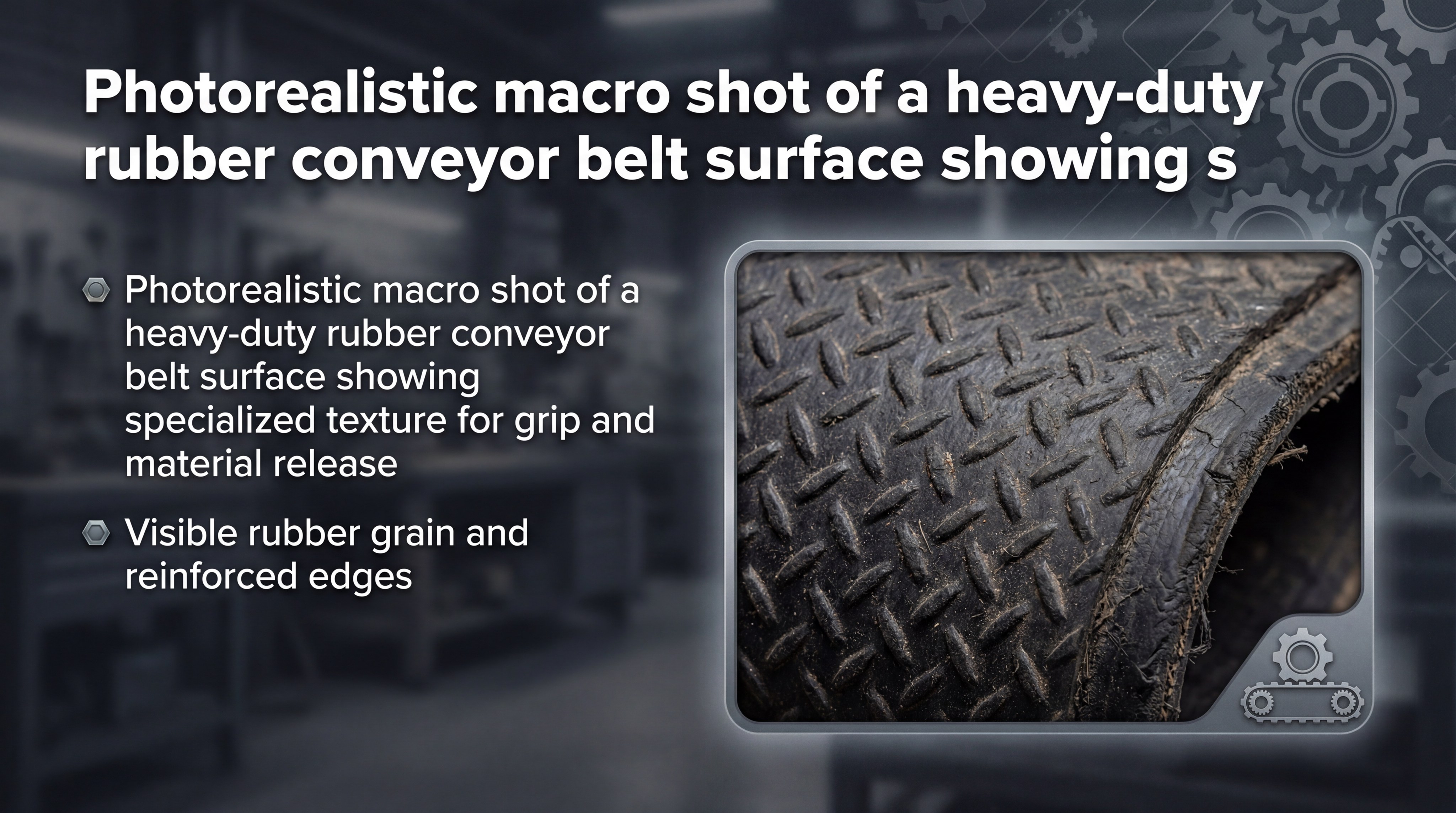
Direct interaction with conveyor rubber belt manufacturers offers significant economic and technical advantages for your facility. By sourcing from conveyor rubber belt manufacturers , you ensure that your belting is engineered for the specific PIW and cover grade your application demands.
Cost-effective production
- Direct Pricing: Eliminating the middleman markup can save up to 30% on procurement costs.
- Reduced Scrap: Level belt surfaces ensure higher mold quality and lower rejection rates.
- Extended Life: Belts designed for the application last twice as long as generic alternatives.
Here is the secret.
Surface finish and accuracy
The flatness of a heavyweight belt is paramount in casting. If a belt has even minor surface irregularities, the mold will sit unevenly, leading to wall-thickness variations in the finished metal parts.
Longevity of system components
A more flexible but stronger belt reduces the torque required from your motors. This puts less strain on your bearings, pulleys, and gearboxes, extending the overall service life of your entire conveyor system.
Key Takeaway: Sourcing factory-direct minimizes your total cost of ownership while maximizing the precision of your cast products.
| Advantage | Economic Impact | Operational Impact | |
|---|---|---|---|
| Direct Sourcing | 15-30% Cost Saving | Budget Optimization | |
| Quality Control | 10% Lower Scrap | Higher Yield | |
| Durability | 2x Service Life | Lower Maintenance |
Case studies show that direct-factory partnerships result in a 40% reduction in unplanned maintenance interventions over time.
Can conveyor rubber belt manufacturers handle heavy loads?
Yes, specialized conveyor rubber belt manufacturers can produce belts capable of carrying tens of thousands of pounds. According to conveyor rubber belt manufacturers , heavyweight applications often require steel cord reinforcement to prevent the belt from snapping under maximum tension.
Tension ratings up to 2,000 PIW
- Zero Elongation: Steel cord carcasses provide the highest possible strength-to-weight ratio.
- Impact Absorption: Heavy top covers protect the steel cord from surface damage.
- Long Distance: Capability to move heavy molds across massive foundry floors without sagging.
Wait, check this out.
Steel cord vs. fabric carcasses
Choosing the right carcass is a vital engineering decision. While fabric plies offer excellent flexibility for small pulleys, steel cord is the only choice when you need to move extremely heavy foundry flasks across long spans.
Impact resistance for molds
Dropping a heavy mold onto a belt can cause catastrophic “bruising.” Leading manufacturers use energy-absorbing rubber compounds in the top cover to mitigate this force and protect the internal structural integrity of the belt.
Key Takeaway: For loads exceeding 1,000 PIW, steel cord reinforced belts from a direct manufacturer are the industrial standard.
| Carcass Type | Load Limit (PIW) | Best Application | |
|---|---|---|---|
| EP Fabric | Up to 800 | Medium Castings | |
| Steel Cord | Up to 2000+ | Large Foundries | |
| Multi-ply | Up to 1000 | Heavy General Duty |
Transitioning to steel cord carcasses for loads exceeding 1200 PIW is the most effective way to eliminate belt elongation issues.
How do conveyor rubber belt manufacturers ensure durability?
Durability is guaranteed by conveyor rubber belt manufacturers through the use of high-grade polymers and specialized additives. Professional conveyor rubber belt manufacturers perform rigorous abrasion and heat resistance testing to ensure the belt survives the harsh foundry environment.
Abrasion-resistant compounds
- Grade 1 Rubber: Designed for the most abrasive materials like sand and sharp metal edges.
- Chemical Stability: Resistance to the alkalis found in industrial plaster of Paris.
- UV Resistance: Protecting the belt from aging if sections of the conveyor are outdoors.
The best part?
Heat and chemical resistance
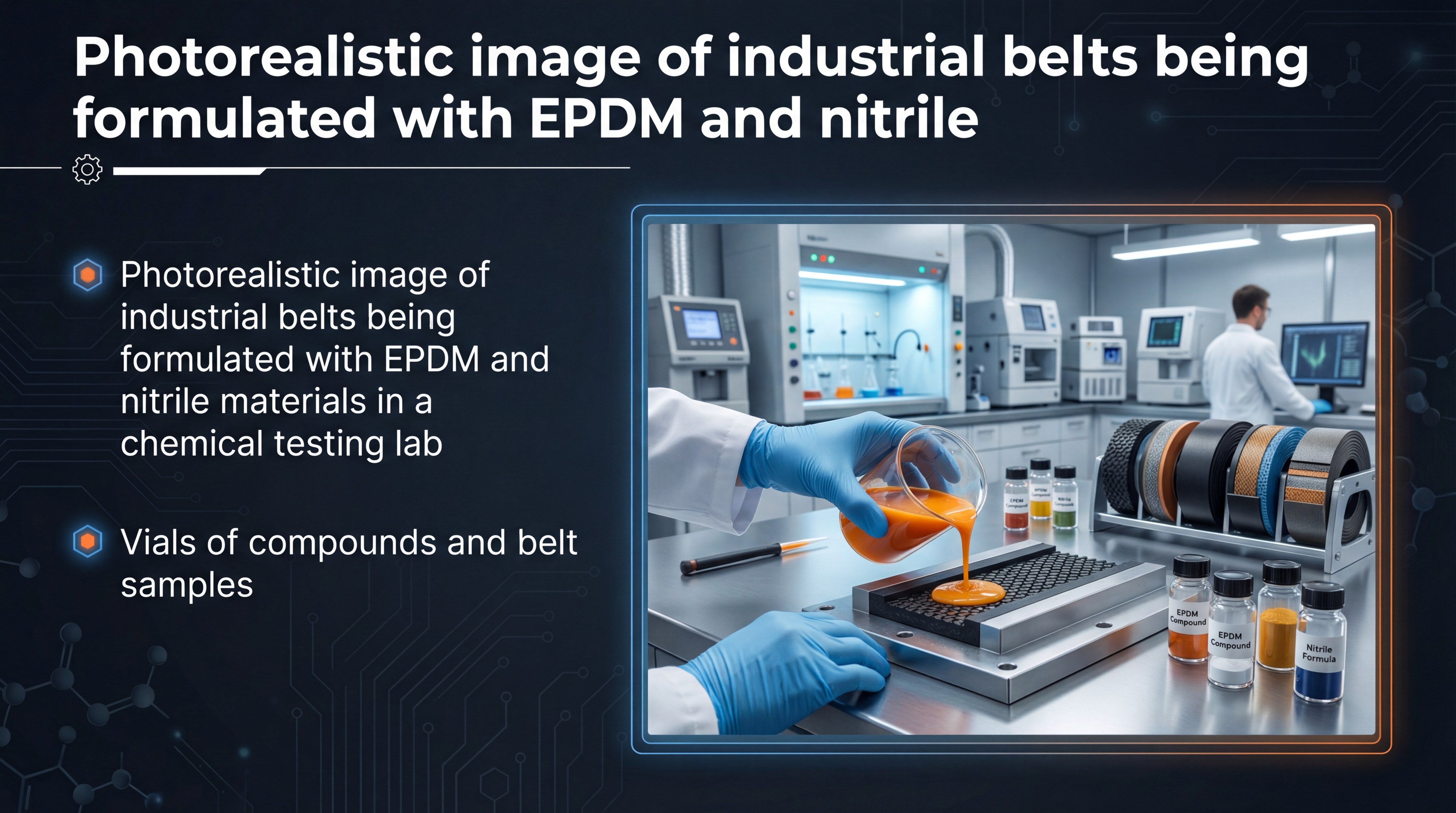
Foundry floors are chemically active environments. Our belts utilize specialized nitrile and EPDM blends to ensure that hydraulic fluids or release agents do not cause the rubber to soften or delaminate from the carcass.
Sidewall and cleat fabrication
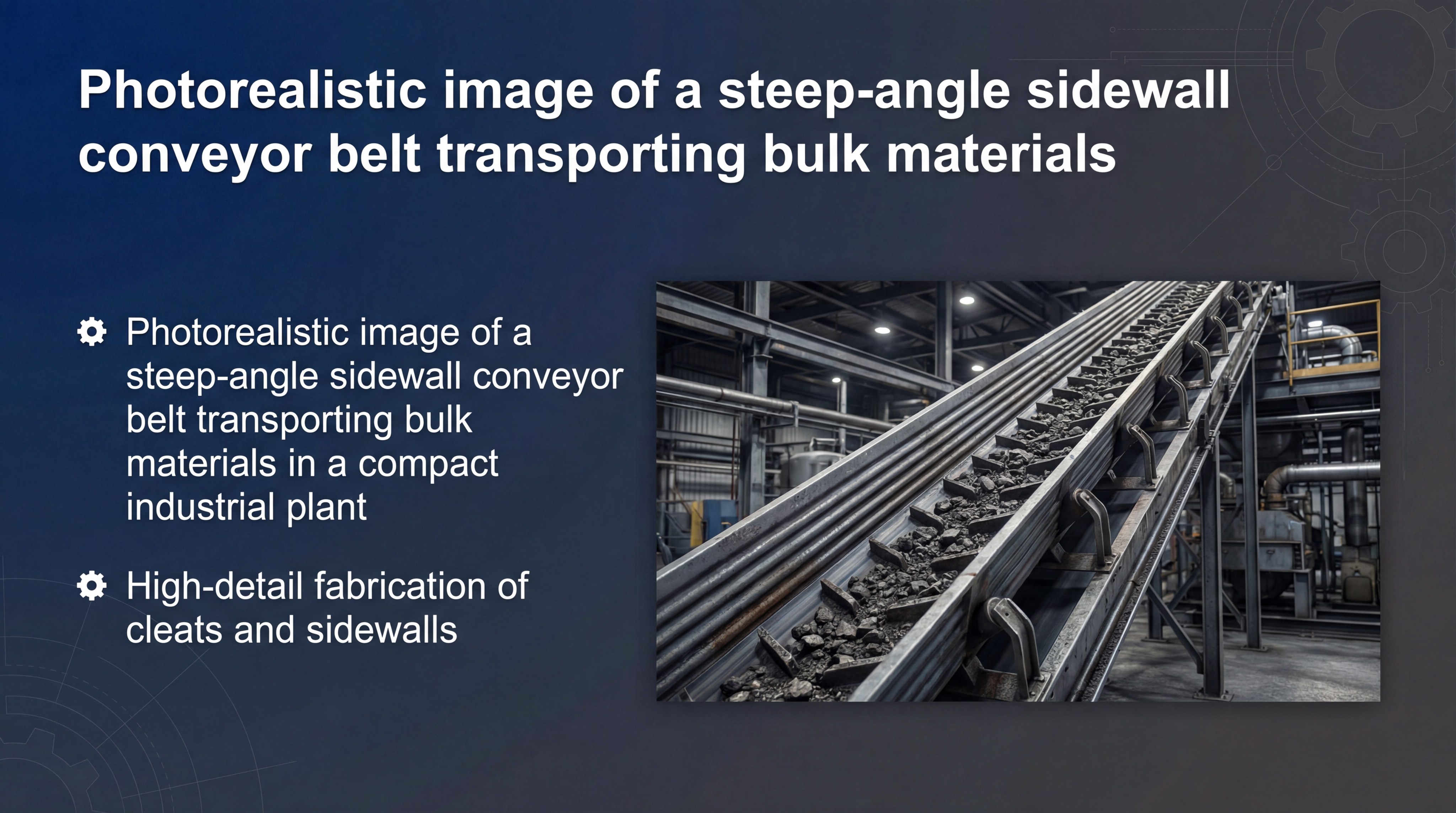
If your facility has a small footprint, sidewall conveyor belts allow you to move materials at steep angles. We use hot-vulcanization to bond the cleats to the belt, ensuring they never shear off under the weight of heavy material.
Key Takeaway: Specialized chemical and thermal compounds are what distinguish a durable industrial belt from a generic replacement.
| Resistance Type | Test Standard | Application | |
|---|---|---|---|
| Abrasion | DIN 53516 | Sand/Plaster Handling | |
| Heat | ISO 4195 | Cooling Tunnels | |
| Impact | ASTM D378 | Heavy Mold Loading |
Utilizing hot-molded cleats rather than cold-bonded alternatives increases profile shear strength by nearly 300% in high-heat environments.
Why partner with direct conveyor rubber belt manufacturers?
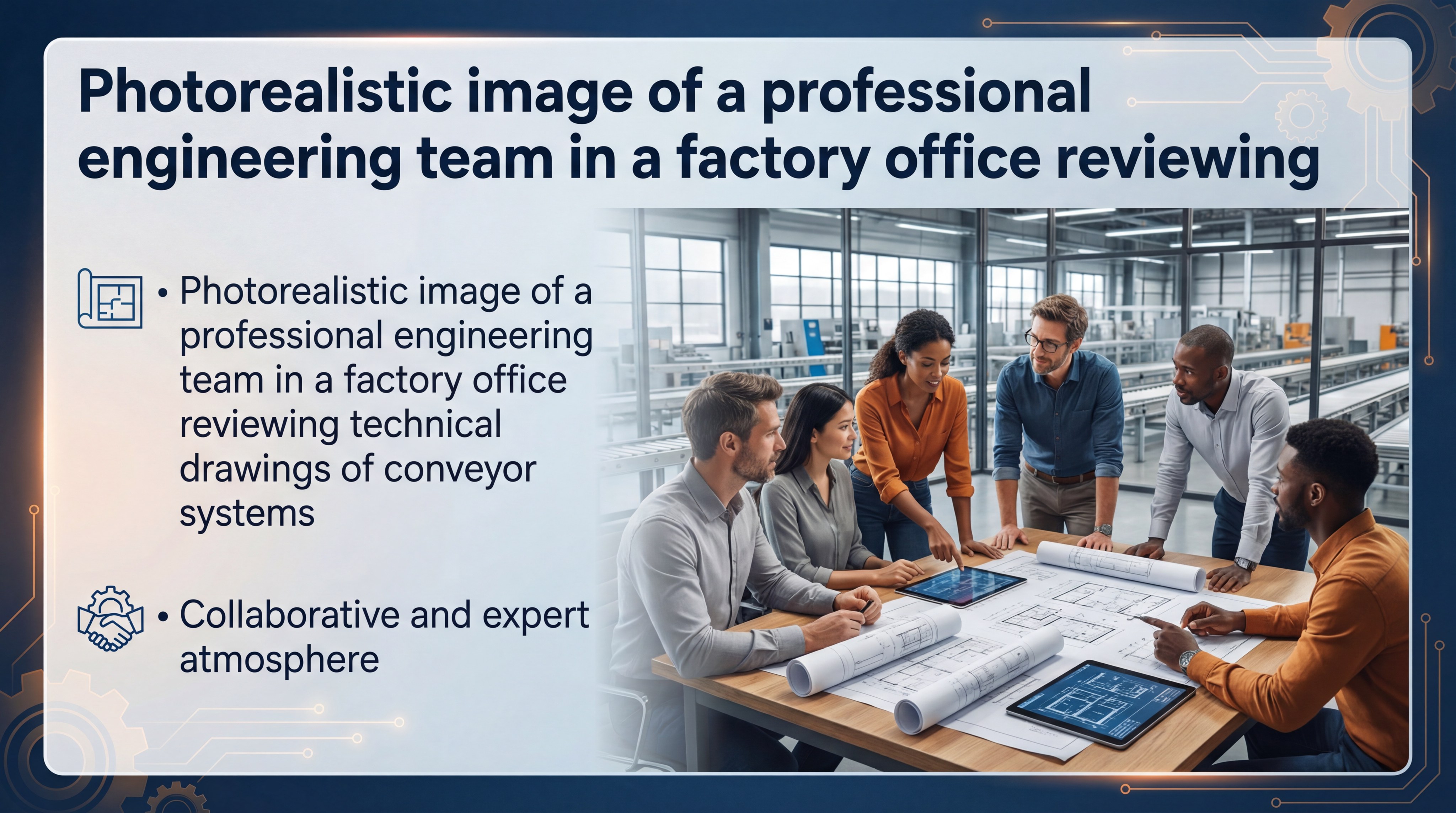
Partnering with conveyor rubber belt manufacturers directly allows you to customize the technical specifications of your belt for a lower price point. As conveyor rubber belt manufacturers , we provide direct access to the engineers who lead the design and fabrication of your fabric textile conveyor belts .
Factory-direct pricing
- Cost Savings: Save 15-30% by removing distributors from the transaction.
- Transparency: Know exactly what grade of rubber and what tensile strength you are receiving.
- Quality Control: Every belt is tested in our own lab before being shipped to your facility.
This is the key.
Customized design solutions
Generic belts don’t fit specific casting needs. We can punch holes for elevator buckets, add custom V-guides for tracking, or fabricate endless belts to ensure a smooth, seamless surface for your most delicate molds.
Faster lead times and response
In the casting industry, every hour of downtime is incredibly expensive. Direct manufacturers maintain massive inventories of raw materials, allowing us to fabricate and ship a custom-ordered belt in a fraction of the time a distributor would require.
Key Takeaway: Direct manufacturer partnerships reduce lead times and engineering errors while simultaneously lowering procurement costs.
| Benefit | Direct Manufacturer | Trading Company | |
|---|---|---|---|
| Technical Support | In-house Engineers | Generic Sales | |
| Customization | Full Capability | Limited/Outsourced | |
| Price | Factory Direct | Marked Up |
Our data indicates that direct factory support reduces the lead time for custom belts by an average of 14 days compared to distributors.
How to contact top conveyor rubber belt manufacturers?
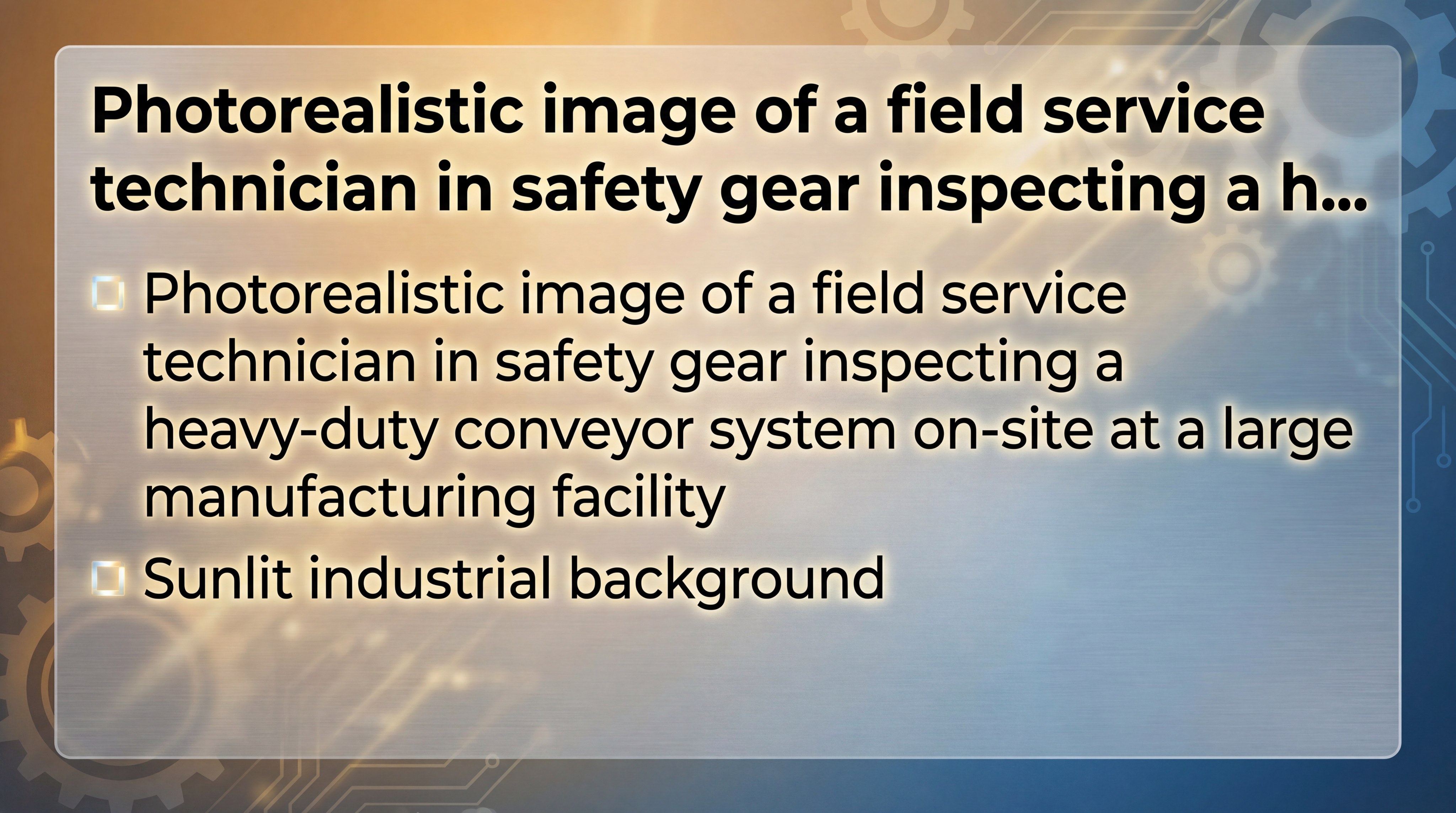
Reaching out to top conveyor rubber belt manufacturers starts with a simple technical consultation about your load requirements. Our expert conveyor rubber belt manufacturers provide comprehensive quotes and field surveys to help you optimize your chevron conveyor belts for maximum efficiency.
Requesting a technical quote
- Detailed Analysis: We evaluate your PIW requirements and environmental stressors.
- Speed: Receive a comprehensive technical proposal within 24 hours.
- Testing: Request samples or test reports for any specific cover compound.
Now, it’s your turn.
Site surveys and consultations
We don’t just sell a product; we provide a system audit. Our field engineers can visit your plant to measure your pulleys, check your tracking, and identify where a higher-grade belt could save you thousands in energy costs.
24/7 emergency maintenance
For critical production environments, we offer around-the-clock support. From emergency vulcanization kits to on-site splicing teams, we ensure that your heavy-duty casting line stays operational throughout the busiest seasons.
Key Takeaway: Starting a project with an expert manufacturer ensures your system is built for long-term reliability and peak performance.
| Service Item | Availability | Customer Benefit | |
|---|---|---|---|
| Quotation | < 24 Hours | Rapid Planning | |
| Field Service | 24/7/365 | Minimum Downtime | |
| Engineering | On-demand | Optimized Performance |
Implementing a regular “Conveyor Health Survey” with your manufacturer can extend the service life of a belt by up to 25% through proactive alignment.
FAQ
Can I use standard fabric belts for heavy plaster molds?Standard belts may work for light loads, but heavyweight plaster molds over 500 lbs typically require reinforced or steel-cord carcasses to prevent catastrophic stretching or failure.
What’s the best rubber cover for casting release agents?An MOR (Oil Resistant) or SOR (Super Oil Resistant) grade cover is recommended to prevent the rubber from swelling when it comes into contact with the liquid agents used to release parts from molds.
Can I get custom-molded cleats for inclined casting lines?Yes, custom cleat profiles like Chevron or U-patterns can be hot-vulcanized onto the belt to prevent molds from sliding during steep-angle transport.
What’s the best way to prevent belt “bruising” at loading points?Installing heavy-duty impact beds and using a belt with a high-durometer, thickened top cover will absorb the shock of heavy flask placement and protect the internal carcass.
Can I request a factory visit to see the belt production?Direct manufacturers like Zhenxing Rubber welcome factory visits so you can witness the vulcanization process and material testing protocols firsthand.
Efficiency and reliability are not optional in high-volume plaster casting operations. At Zhenxing Rubber, we specialize in engineering the heavyweight solutions your facility needs to thrive. Contact us today to receive a technical consultation and discover how our factory-direct capabilities can revolutionize your production line. Zhenxing Rubber: Engineering the strength that moves your industry.