
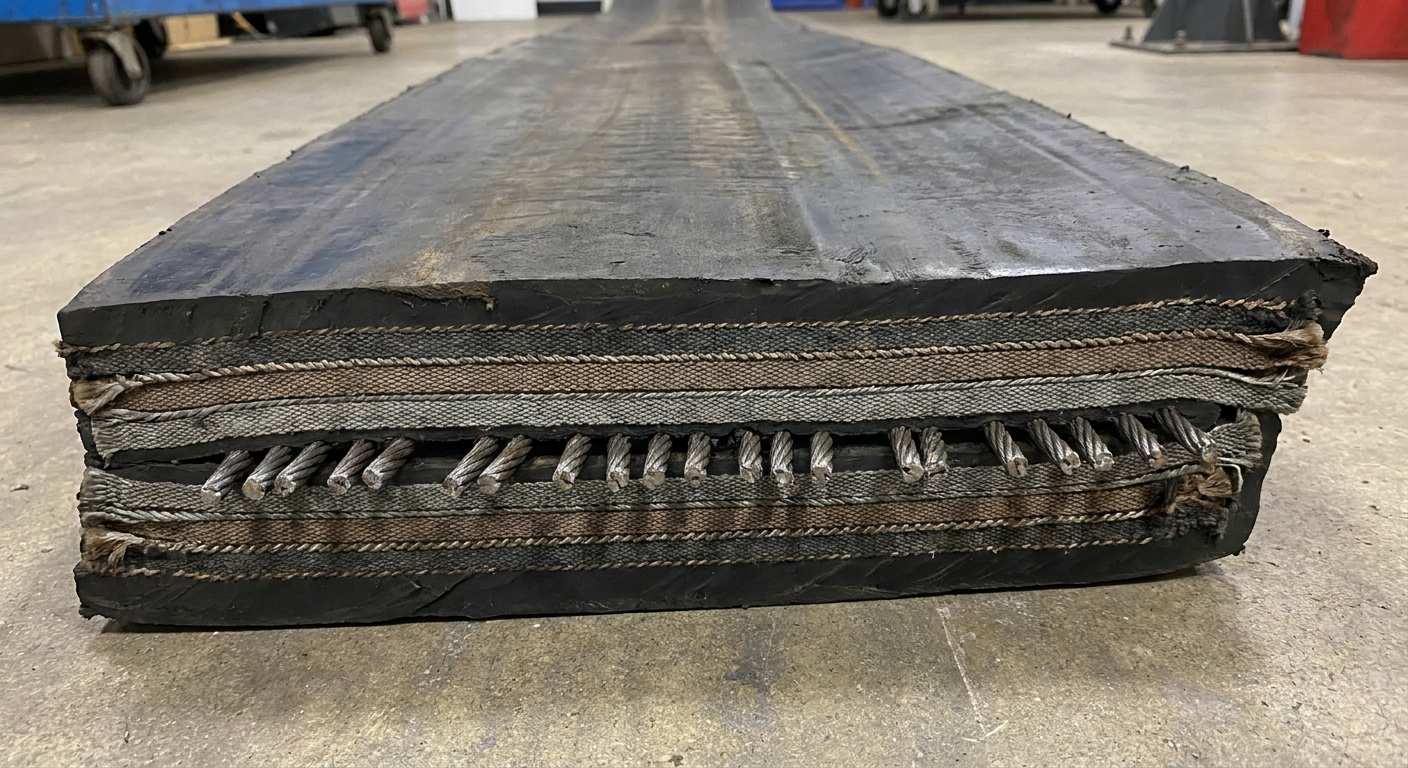
Ultra-wide conveyor belt B2400- B6800 systems are specialized heavy-duty material handling solutions designed for massive throughput in industries like plaster casting and mining. You probably deal with the constant headache of material overflow and frequent belt maintenance in your bulk handling facility. This inefficiency doesn’t just waste raw materials; it agitates your operational budget through unexpected downtime and labor costs. By integrating a high-performance wide rubber conveyor belt , you can streamline your entire production line with a single, seamless solution that maximizes load stability and durability.
What is the benefit of a wide rubber conveyor belt?
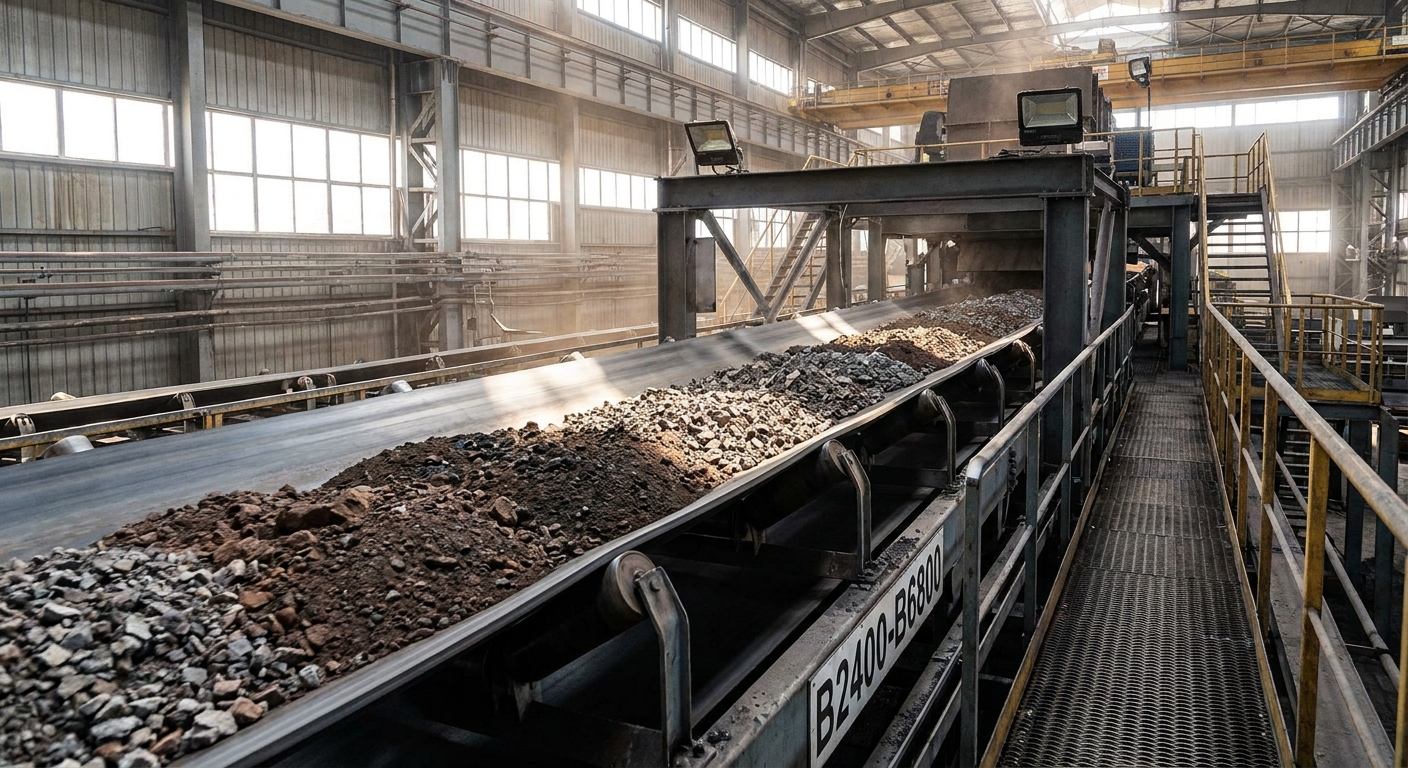
The primary benefit of an ultra-wide system is its ability to move significantly higher volumes of material without the risk of spillage. When you utilize a wide rubber conveyor belt , you are investing in a platform that supports high-speed transportation over long distances. These belts are engineered with advanced vulcanization techniques to ensure a molding process that remains splice-free across the entire surface.
Why does width matter for throughput?
Increased width allows for a shallower troughing angle while maintaining a higher cross-sectional load area. This means you can transport more material at a lower belt speed, which significantly reduces the rate of mechanical wear on the rollers and pulleys.
Here is the kicker:
- Higher volume capacity per linear meter.
- Reduced material degradation due to lower impact.
- Enhanced stability for fine-grained materials like plaster.
Key Takeaway: A wider belt footprint optimizes your facility’s efficiency by allowing for massive throughput increases without needing to increase the physical speed of your conveyor system.
| Feature | Ultra-Wide Advantage | |
|---|---|---|
| Load Capacity | Up to 40% higher than standard B1200 belts | |
| Maintenance | Fewer splices mean fewer potential fail points | |
| Stability | Wider surface reduces material “roll-back” |
A broader conveying surface effectively redefines the limits of your bulk material processing capabilities.
How does a wide rubber conveyor belt improve safety?
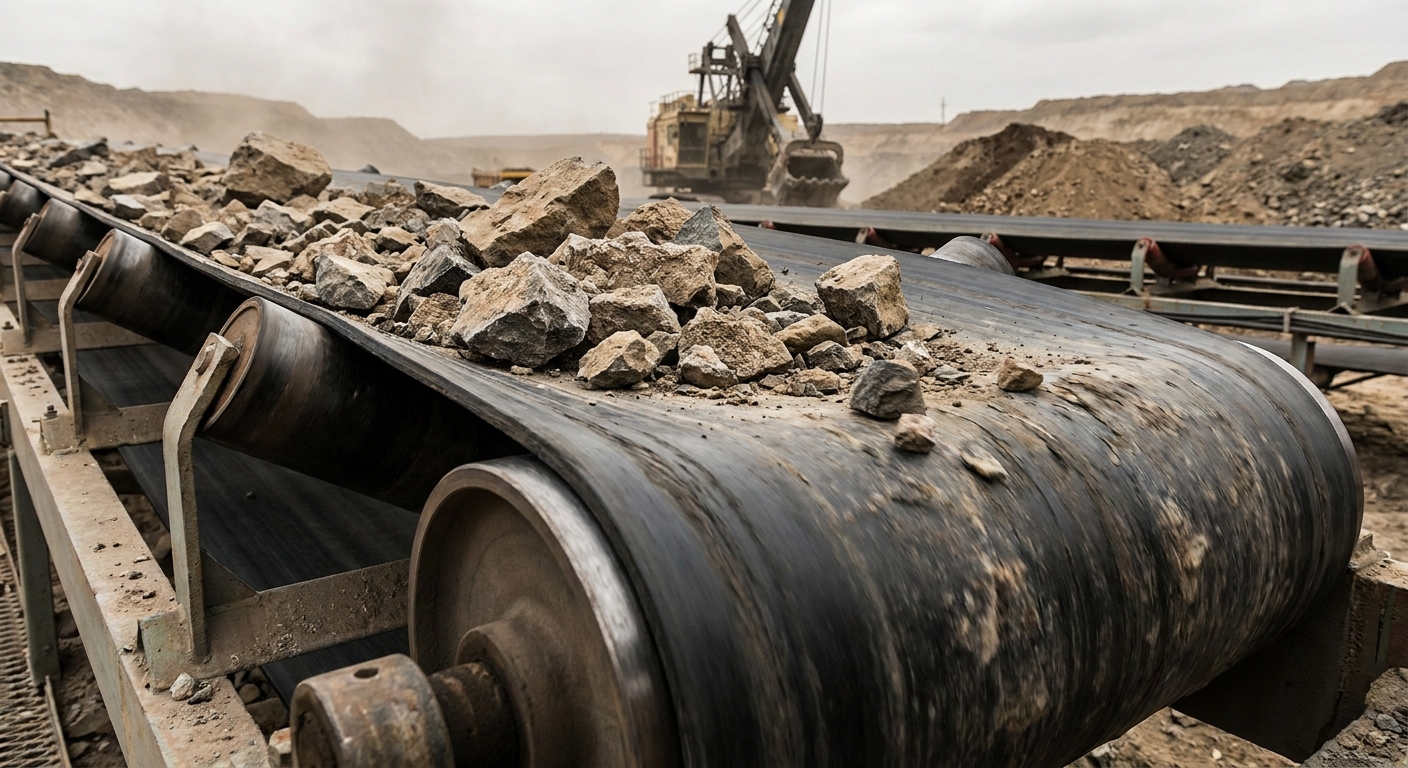
Safety is improved by the wide rubber conveyor belt through the dramatic reduction of material spillage and airborne dust. In heavy industries like plaster casting, overflowing materials create slip hazards and respiratory concerns for your workers. Using a wider surface area ensures that materials stay centered, even during high-capacity surges or sudden stops.
Can it prevent belt tracking issues?
Wider belts offer a higher moment of inertia, which makes them naturally more resistant to mistracking and lateral shifts. This stability protects your structural framework from damage caused by the belt edges rubbing against the conveyor stand.
But wait, there’s more:
- Lower risk of belt snapping due to distributed tension.
- Clearer walkways around the conveyor due to less debris.
- Integrated fire-resistant properties available for mining safety.
Key Takeaway: Prioritizing surface width is a proactive safety measure that keeps your workspace clean and reduces the risk of mechanical failure or worker injury.
| Safety Factor | Impact of Wide Belts | |
|---|---|---|
| Dust Control | Better containment within the belt center | |
| Structural Health | Reduced vibration and tracking stress | |
| Worker Environment | Cleaner floors and safer access points |
Enhanced stability at the edges of the belt serves as a critical buffer against operational hazards.
Why choose a wide rubber conveyor belt for cement?
Cement production requires a wide rubber conveyor belt because of the extreme heat and abrasive nature of clinker. These belts are designed to withstand constant contact with hot materials while maintaining their structural integrity. The extra width ensures that heat is dissipated more effectively across the rubber surface, preventing premature hardening or cracking.
How does heat resistance work here?
Specialized EPDM compounds are often integrated into the top cover to handle temperatures exceeding 200°C. This chemical stability is vital when you are moving raw cement materials directly from the cooling zone to storage.
Believe it or not:
- EPDM covers prevent “heat-checking” or surface cracks.
- Fabric reinforcements like EP plies provide thermal stability.
- Thick covers protect the internal carcass from sharp clinker.
Key Takeaway: For cement plants, the combination of width and heat-resistant chemistry ensures that your production never halts due to thermal belt failure.
| Material Type | Recommended Belt Width | Heat Rating | |
|---|---|---|---|
| Raw Meal | B2400+ | Standard | |
| Hot Clinker | B2400+ | T2 or T3 (200°C+) | |
| Finished Cement | B2000+ | Standard |
Selecting the right thermal grade alongside width is the only way to guarantee longevity in cement handling.
Where is a wide rubber conveyor belt used most?
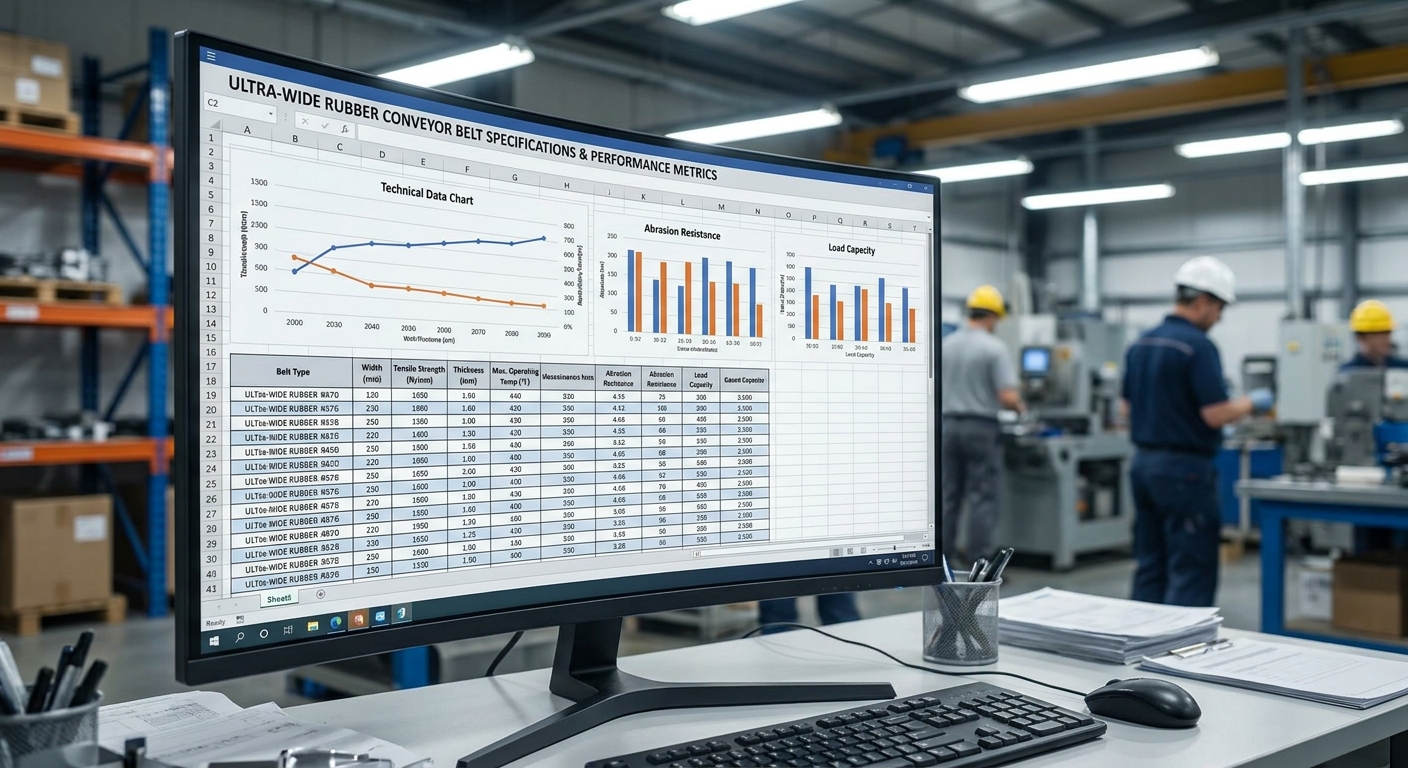
You will find the wide rubber conveyor belt used most in ports, large-scale mining operations, and specialized chemical plants. These environments demand the movement of thousands of tons per hour, where standard belts simply cannot keep up with the volume. For horizontal belt vacuum filters in pulp washing or plaster casting, width is the absolute bottleneck for productivity.
Is it suitable for port logistics?
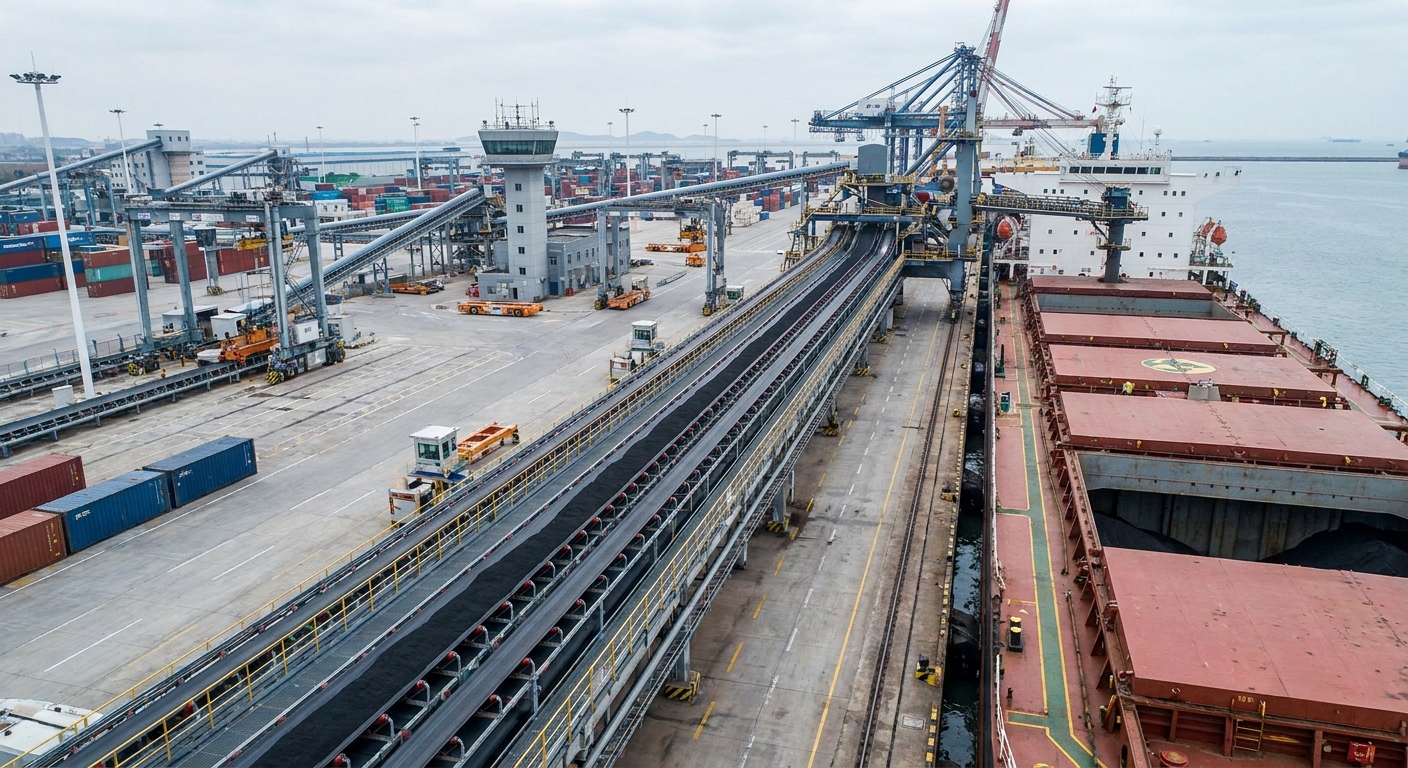
Yes, port terminals use these belts for loading and unloading bulk carriers where time is literally money. The ability to handle high throughput reduces the time ships spend at the dock, optimizing your port’s logistics chain.
The best part?
- Handles diverse materials from coal to grain.
- Available in widths up to 6800mm for specialized filters.
- Customizable lengths to suit massive terminal layouts.
Key Takeaway: Identifying the high-demand zones of your facility allows you to place these heavy-duty belts where they will provide the highest return on investment.
| Industry | Typical Application | Width Range | |
|---|---|---|---|
| Mining | Ore and overburden removal | B2400 – B3200 | |
| Port | Ship loading systems | B2400 – B3000 | |
| Chemical | Vacuum filter belts | B3500 – B6800 |
Strategic placement of ultra-wide belts allows for the seamless scaling of bulk material throughput.
Which wide rubber conveyor belt handles chemicals?
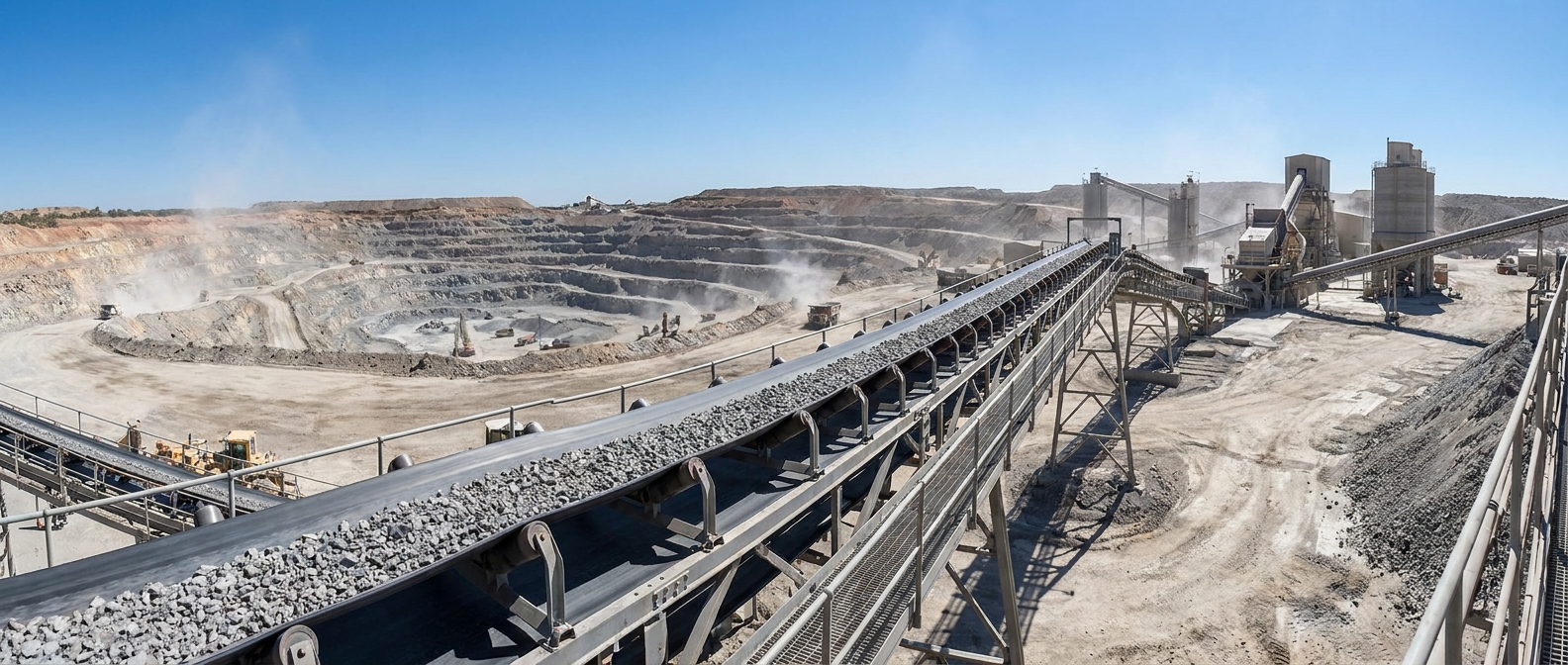
Specific models of the wide rubber conveyor belt are engineered with acid and alkali-resistant compounds for chemical processing. If you are operating a fertilizer plant or a leaching facility, you need a belt that won’t swell or degrade when exposed to corrosive substances. These belts feature a carcass protected by thick, chemically inert rubber layers.
How do they resist corrosion?
The rubber covers are formulated with synthetic polymers that create a barrier against chemical penetration. This prevents the acidic materials from reaching the fabric or steel cord core, which would otherwise lead to internal rot and belt failure.
Here is the kicker:
- Resistant to sulfuric and phosphoric acids.
- Maintains flexibility in corrosive environments.
- Custom widths allow for better containment of liquids.
Key Takeaway: Investing in chemical-grade wide belts ensures that your specialized processing lines remain operational despite the harshness of the materials being handled.
| Chemical Agent | Resistance Level | Recommended Cover | |
|---|---|---|---|
| Fertilizers | High | Oil & Chemical Grade | |
| Mineral Acids | Superior | Specialized Acid Resistant | |
| Alkalis | High | Standard Chemical Grade |
Chemical resilience is just as important as physical width when dealing with aggressive industrial materials.
How to install a wide rubber conveyor belt correctly?
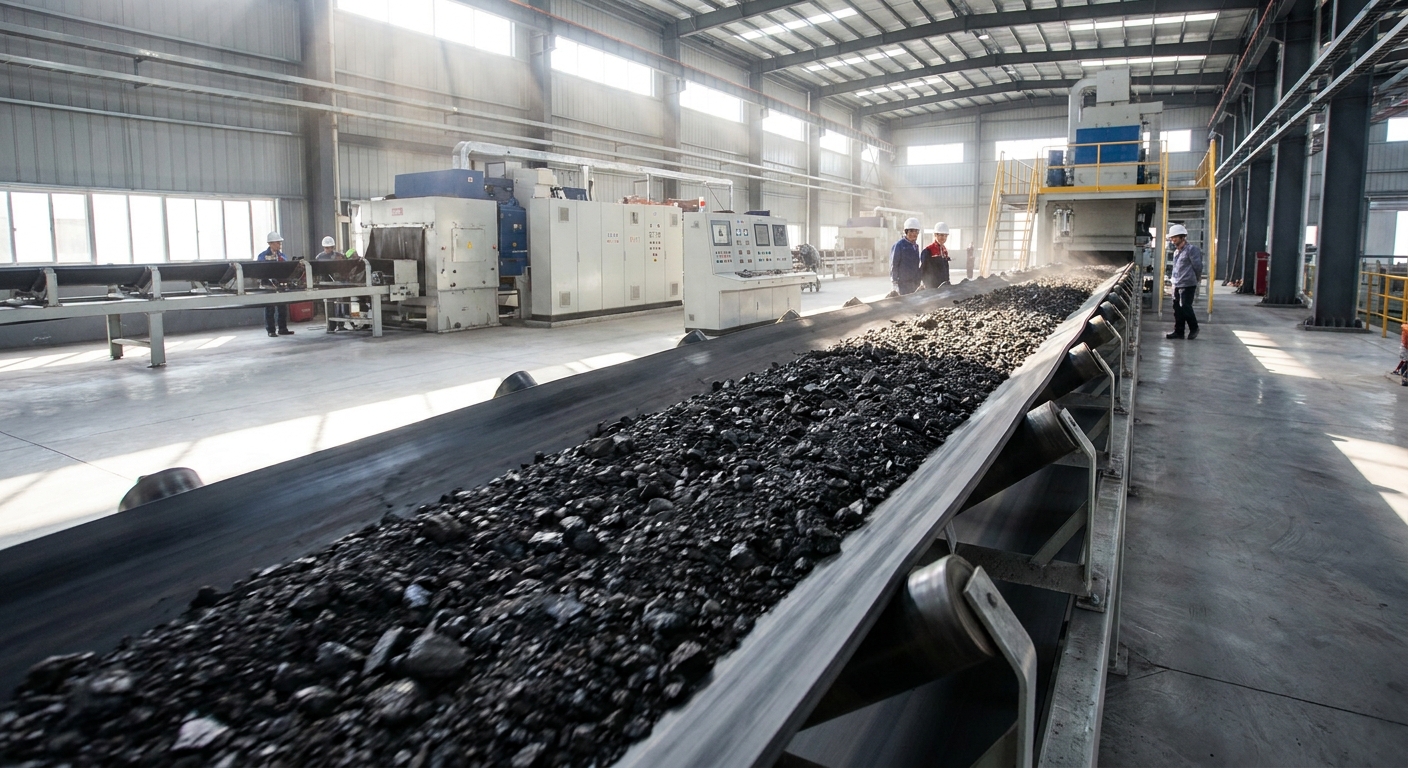
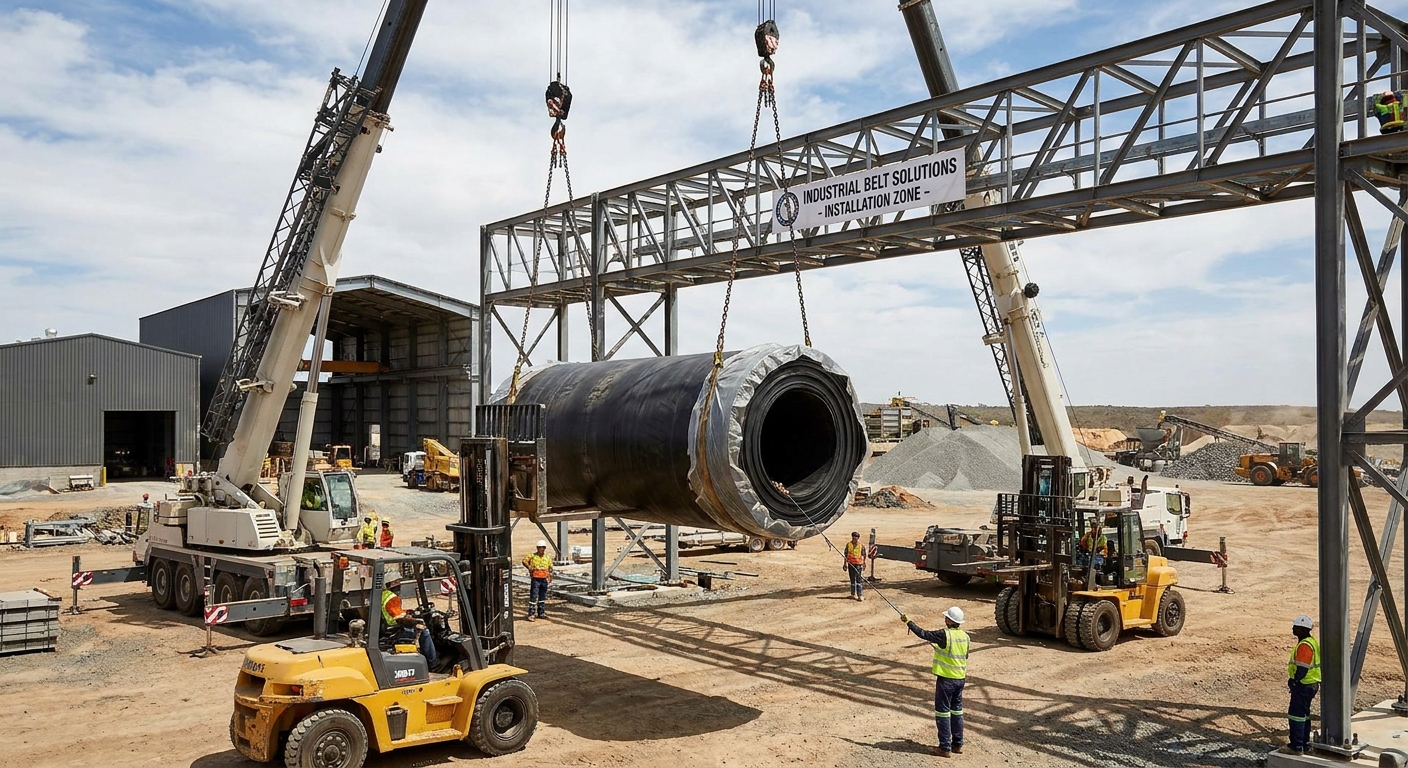
To install a wide rubber conveyor belt correctly, you must focus on precise alignment and the use of heavy-duty tensioning equipment. Because of the massive weight of a B2400 or B6800 roll, specialized cranes and cradles are required to position the belt without damaging the edges. Ensuring that the conveyor structure is perfectly square is non-negotiable for belts of this scale.
What about the splicing process?
For ultra-wide belts, hot vulcanized splicing is the gold standard because it creates a joint that is as strong as the belt itself. You need a vulcanizing press that can cover the entire width in a single pass to avoid weak spots.
You’ll want to remember this:
- Use laser alignment for the entire conveyor frame.
- Check all idlers for smooth rotation before loading.
- Gradually increase tension to avoid overstretching the core.
Key Takeaway: A professional installation is the foundation of your belt’s lifespan; shortcuts taken during the setup will lead to tracking issues and premature wear.
| Installation Step | Critical Check | Tool Required | |
|---|---|---|---|
| Alignment | Horizontal and vertical squareness | Laser Tracker | |
| Splicing | Uniform heat and pressure | Vulcanizing Press | |
| Tensioning | Reference load elongation | Hydraulic Tensioner |
Precision at the start prevents expensive maintenance cycles throughout the belt’s operational life.
Why is the wide rubber conveyor belt better than fabric?
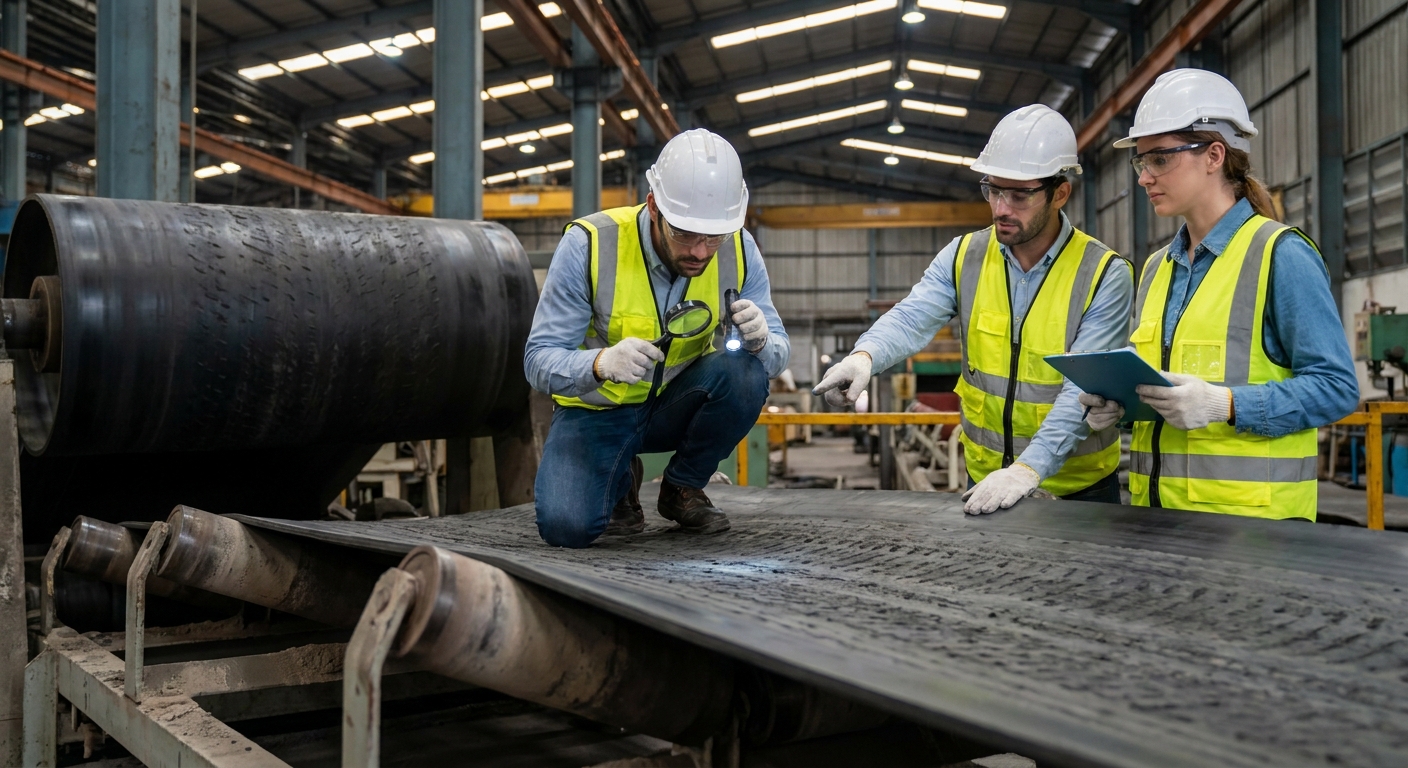
A wide rubber conveyor belt with a steel cord or high-modulus EP carcass is better than standard fabric belts because of its superior elongation properties. When you are moving heavy loads, fabric belts tend to stretch significantly, requiring frequent take-up adjustments. The high-bulk modulus of our ultra-wide belts ensures that they maintain their length and shape under extreme stress.
Does it handle impact better?
Yes, the thicker rubber covers and reinforced cores provide a “cushioning” effect that absorbs the energy of falling rocks or clinker. This prevents punctures and tears that often plague thinner, fabric-only conveyor systems.
But wait, there’s more:
- Lower stretch means fewer stops for adjustment.
- Better thermal stability in high-heat zones.
- Improved impact resistance for large-lump materials.
Key Takeaway: While the initial cost may be higher, the structural stability of reinforced wide rubber belts delivers a much lower total cost of ownership.
| Parameter | Fabric Belt | Wide Rubber (Reinforced) | |
|---|---|---|---|
| Elongation | High (2.5%+) | Low (<1.5%) | |
| Impact Strength | Moderate | Superior | |
| Max Width | Limited | Up to 6800mm |
Choosing reinforced rubber over simple fabric is a strategic move toward industrial-scale durability.
What specs define a quality wide rubber conveyor belt?
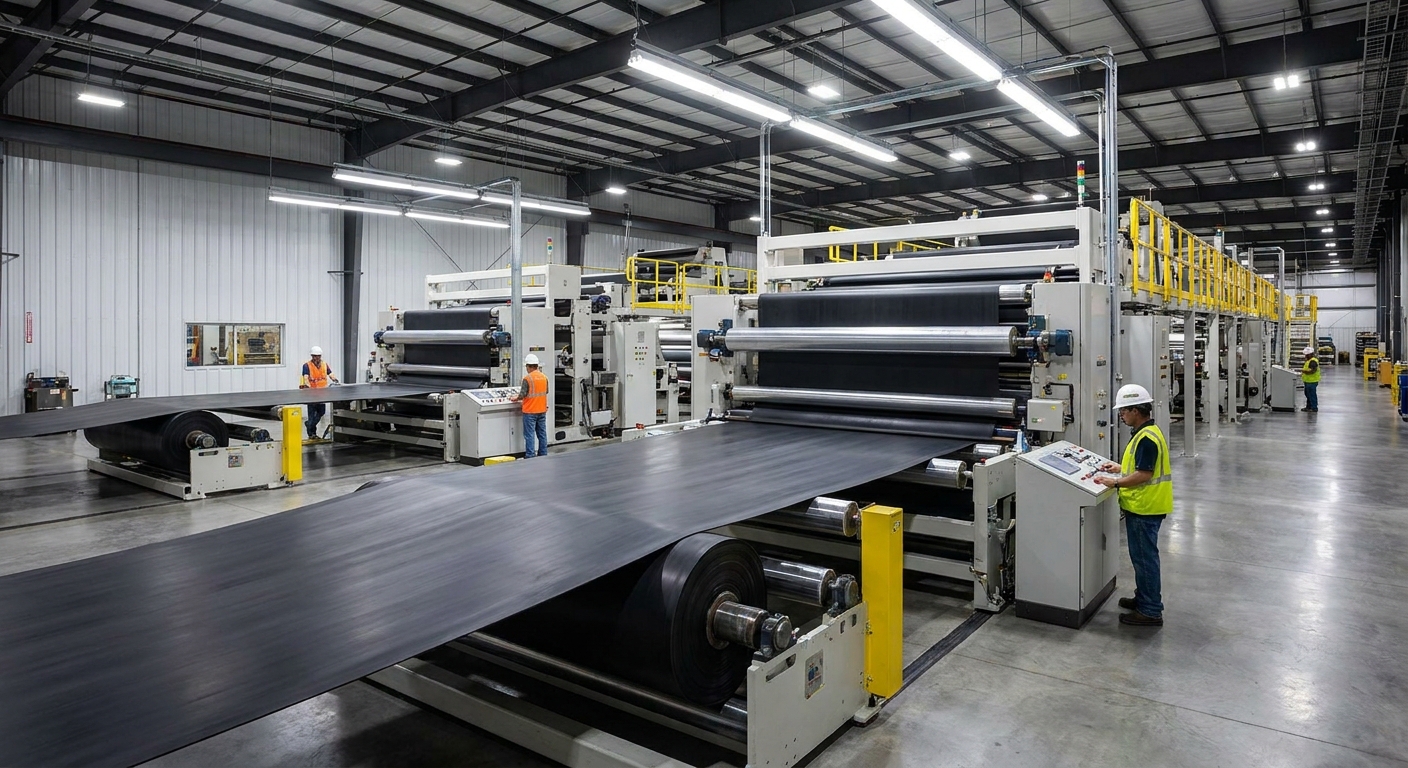
The specs that define a quality wide rubber conveyor belt include tensile strength, abrasion resistance, and the quality of the vulcanization. You should look for belts that meet international standards like ISO 9001 or DIN 22102. A high-quality belt will feature a uniform thickness across its entire width and a surface free from bubbles or delamination.
What is a good abrasion rating?
For mining and plaster handling, an abrasion loss of less than 120mm³ (Grade X) is ideal. This ensures that the rubber cover doesn’t wear down too quickly when transporting abrasive sharp stones or heavy ores.
The best part?
- Tensile strengths available up to 3000 N/mm.
- Cover thicknesses ranging from 1.5mm to 12mm.
- Choice of NN (Nylon) or EP (Polyester) carcass.
Key Takeaway: Technical specifications are your blueprint for reliability; never settle for belts that lack detailed testing reports for tensile strength and abrasion.
| Spec | Industrial Standard | Optimal Value | |
|---|---|---|---|
| Tensile Strength | DIN / ISO | 800 – 3000 N/mm | |
| Abrasion Loss | ISO 4649 | <150 mm³ | |
| Adhesion | Between Plies | ≥ 5 N/mm |
Strict adherence to technical metrics ensures that the belt performs as expected in the field.
How does a wide rubber conveyor belt reduce downtime?
The wide rubber conveyor belt reduces downtime by utilizing one-piece vulcanization, which eliminates the common failure points found in spliced belts. Most conveyor failures occur at the joints or because of material buildup on the rollers. By using a wider, more stable belt, you minimize the frequency of these mechanical issues and the need for constant cleaning.
Can it reduce the need for cleaning?
Yes, because the wide surface prevents spillage, you won’t have to shut down the system to clear debris from the return rollers or the floor. This “self-containing” nature keeps the belt path clear and the bearings protected from dust.
Here is the kicker:
- Fewer belt replacements due to wear resistance.
- Reduced structural stress prolongs pulley life.
- Predictable maintenance cycles based on high-grade data.
Key Takeaway: Reliability is built into the width; a belt that stays on track and holds its load is a belt that keeps your facility running 24/7.
| Downtime Factor | Standard Belt | Ultra-Wide Belt | |
|---|---|---|---|
| Cleanup Frequency | Daily | Weekly / Monthly | |
| Splicing Repairs | Common | Rare | |
| Tracking Fixes | Frequent | Minimal |
Operational continuity is the direct result of choosing a belt engineered for massive, stable loads.
When should you replace a wide rubber conveyor belt?
You should replace a wide rubber conveyor belt when the cover thickness is worn down to the carcass or if you notice significant edge fraying. Even the most durable belts have a lifespan, and waiting for a total snap can cause catastrophic damage to your conveyor frame. Regular inspections using ultrasonic thickness gauges will help you predict the end of the belt’s life.
What are the “red flags” for belt health?
Look for longitudinal cracks or “blisters” on the surface, which indicate internal delamination. If the belt begins to stretch beyond the limits of your take-up system, it’s a clear sign that the internal reinforcement has been compromised.
You’ll want to remember this:
- Exposed cords are an immediate reason for replacement.
- Significant mistracking that cannot be corrected.
- Heat-hardened rubber that has lost its flexibility.
Key Takeaway: Proactive replacement is always cheaper than an emergency repair; monitor your belt’s wear metrics to stay ahead of the curve.
| Indicator | Action | Urgency | |
|---|---|---|---|
| Worn Cover | Schedule Replacement | Medium | |
| Exposed Core | Immediate Stop | High | |
| Splice Cracking | Repair or Replace | High |
Monitoring surface integrity is the most effective way to prevent unplanned production halts.
At Zhenxing, we understand that your operation depends on more than just a piece of rubber; it depends on a commitment to industrial excellence. Our ultra-wide conveyor belt B2400- B6800 systems are engineered to solve your most complex material handling challenges, from massive throughput requirements to extreme environmental conditions. We take pride in our “one-piece vulcanization” stance, ensuring that every belt we deliver is a testament to durability and engineering precision. Don’t let inefficient belt systems hold back your facility’s potential. To receive a tailored technical solution and a competitive quote for your next project, contact us today and let our expert engineering team guide you toward a more productive future.
FAQ Section
Can I customize the width of my belt beyond B2400?Yes, you can. We provide ultra-wide customization options ranging from B2400 up to B6800 to suit specialized vacuum filters and large-scale bulk handling systems.
What is the best way to handle high-temperature clinker?The best method is using our heat-resistant wide belts with T2 or T3 rated EPDM covers. These are specifically formulated to maintain flexibility and resist cracking in continuous temperatures up to 200°C.
How do I know if my current belt is mistracking because of width?The most common indicator is asymmetrical wear on the belt edges or visible damage to the conveyor frame. Often, a belt that is too narrow for its load will shift laterally, whereas a wider belt provides the stability needed to stay centered.
Can I get a sample before placing a bulk order?Yes, we provide samples for quality verification. This allows you to inspect the vulcanization quality, cover thickness, and carcass reinforcement firsthand before committing to a full-scale installation.
How do you protect the belts during international shipping?We use professional export packaging, including waterproof wrapping and steel or wooden crates. This ensures that your high-performance belt arrives at your site in perfect condition, regardless of the distance.