
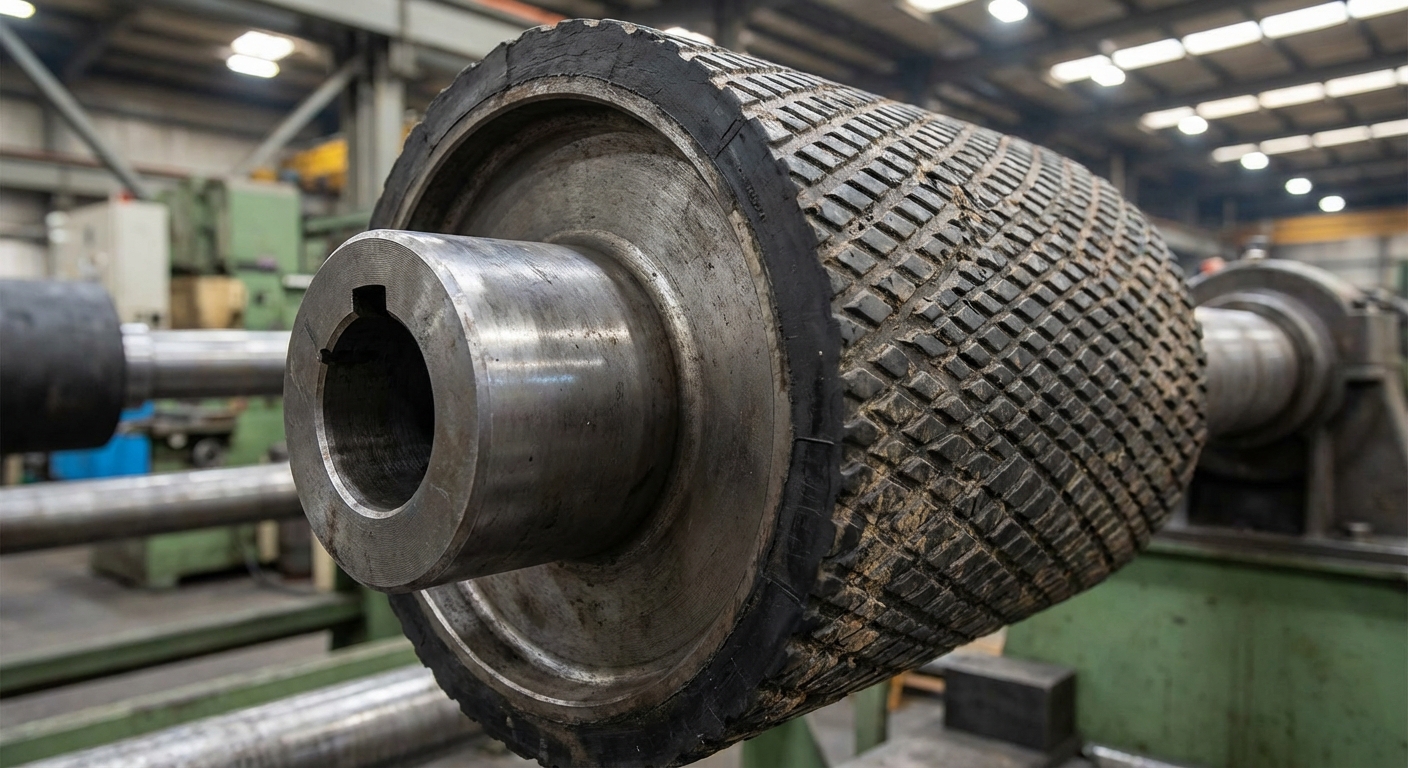
Conveyor belt rubber drive rollers provide high traction and stable power transmission, reducing slippage, improving efficiency, and ensuring reliable material handling in industrial conveyor systems.
What are conveyor belt rubber drive rollers?
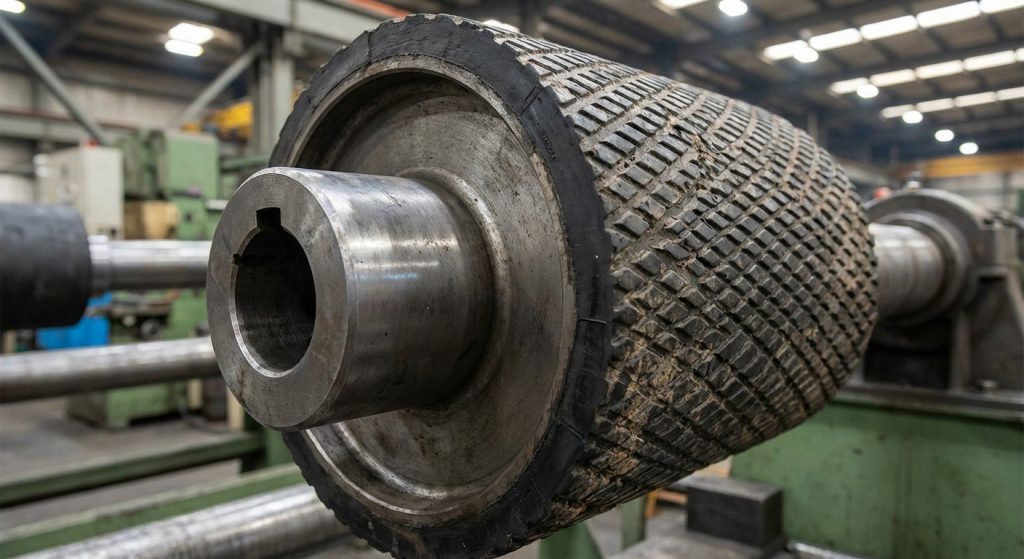
Conveyor belt rubber drive rollers are cylindrical power transmission units composed of a heavy-duty metal core encapsulated by a specialized elastomeric coating. By utilizing high-quality conveyor belt rubber drive rollers , facilities can achieve the precise rotational force necessary to propel weighted loads across vast distances.
Structural Engineering and Design
Each roller is engineered to withstand substantial radial loads without deflection. The internal core, typically manufactured from carbon steel or high-tensile aluminum, provides the structural backbone, while the outer rubber layer acts as the functional interface.
Material Hardness and Durability
Manufacturers utilize different vulcanization techniques to bond the rubber to the metal. This ensures that the coating does not delaminate under high-speed operation or extreme ambient temperatures.
- Internal Core: Prevents bending under heavy textile belt tension.
- Bonding Agent: Chemical primers used to fuse rubber to steel.
- Protective Lagging: Heavy-duty rubber that absorbs kinetic impact.
Key Takeaway: The fundamental role of a rubber-coated roller is to convert mechanical motor energy into linear belt movement through enhanced surface friction.
| Component | Material | Function | |
|---|---|---|---|
| Shaft | Precision Ground Steel | Connection to motor/gearbox | |
| Coating | EPDM / Nitrile / Silicone | Friction and traction | |
| Core | Aluminum or Mild Steel | Structural integrity |
The interaction between the core and the coating determines the roller’s overall load capacity.
How do conveyor belt rubber drive rollers work?
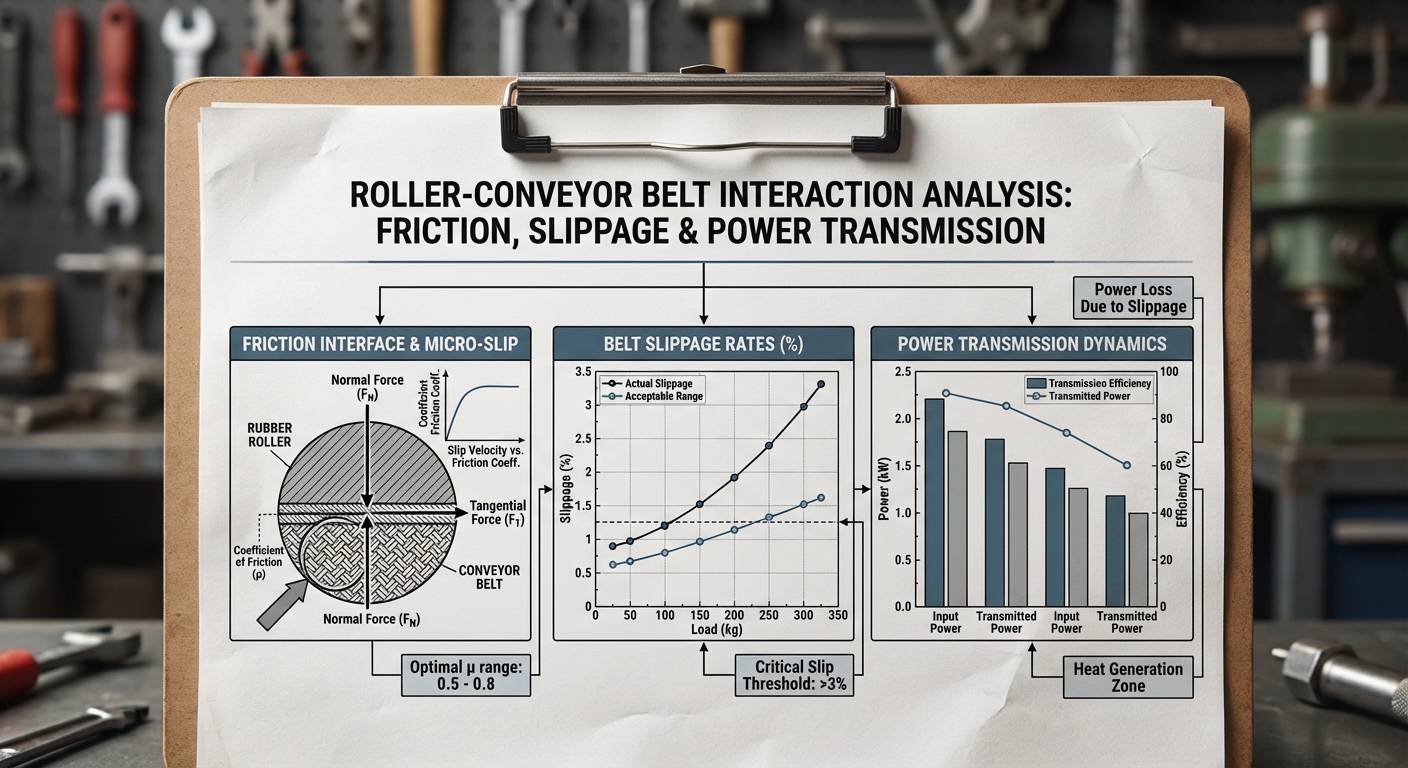
Conveyor belt rubber drive rollers work by establishing a high coefficient of friction between the roller’s surface and the underside of the conveyor belt. When the drive motor initiates rotation, the conveyor belt rubber drive rollers “bite” into the belt material, preventing the frictional heat buildup associated with slipping components.
Physics of Traction and Friction
Friction is the governing principle here. The rubber surface deforms slightly under tension, increasing the contact surface area and allowing for maximum power transfer even in humid or dusty environments.
Operational Synergies
The effectiveness of the drive roller is amplified when paired with high-performance textile conveyor belts . The rubber on rubber contact creates a safe, non-abrasive interface that moves materials without damaging the belt’s structural fibers.
- Torque Transfer: Minimal energy loss during startup.
- Vibration Control: Rubber naturally dampens mechanical harmonics.
- Tracking Support: Coated rollers help keep the belt centered on the frame.
Is slippage a constant issue for you? You likely need a higher durometer rubber to maintain grip under maximum load conditions.
Key Takeaway: Effective operation relies on the balance between belt tension and the frictional coefficient of the roller coating.
| Operational Factor | Effect on System | Goal | |
|---|---|---|---|
| Surface Grip | Reduced Slippage | Efficiency | |
| Dampening | Lowered Noise | Safety | |
| Heat Resistance | Component Longevity | Reliability |
Properly specified rollers ensure that even the heaviest mining loads move without hesitation.
Why use conveyor belt rubber drive rollers?
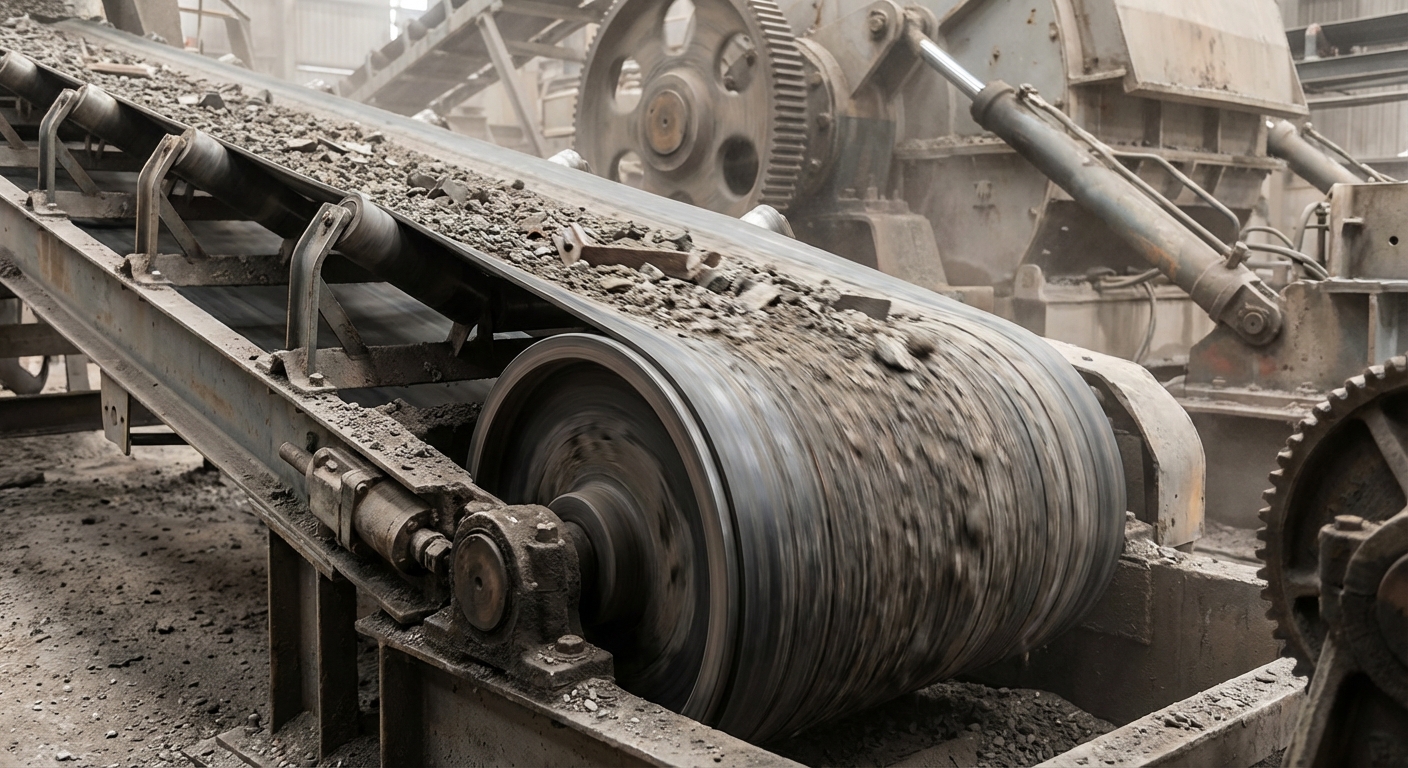
Conveyor belt rubber drive rollers are essential because they prevent the belt from sliding relative to the driving force, a problem that causes rapid belt degradation and energy waste. By choosing conveyor belt rubber drive rollers, you ensure that the conveyor system maintains consistent speeds and accurate material positioning.
Elimination of Belt Slippage
Think about the energy used to turn a sliding roller; it is wasted. Rubber coatings ensure that every watt of electricity used by the motor results in actual material movement.
Noise and Vibration Reduction
Steel-on-steel contact is extremely loud and generates significant vibration. Rubber-coated rollers provide a cushioning effect that reduces decibel levels in the workplace and protects delicate bearings from shock damage.
- Lower Maintenance Costs: Protects both the belt and the motor.
- Improved Safety: Prevents sudden material roll-back on inclines.
- Energy Savings: Less mechanical resistance during peak loads.
Wait, there’s more to consider here than just grip. These rollers also protect the belt from the sharp edges of a bare metal drum.
Key Takeaway: Rubber coating transforms a simple industrial part into a high-performance power transmission tool that pays for itself in energy savings.
| Benefit | Impact | ROI Metric | |
|---|---|---|---|
| High Traction | Zero Slip | Throughput % | |
| Compression | Belt Protection | Replacement Cycle | |
| Resilience | Shock Absorption | Downtime Hours |
Strategic implementation of these rollers is the most cost-effective way to boost system performance.
Where are conveyor belt rubber drive rollers used?

Conveyor belt rubber drive rollers find applications in harsh industrial environments including mining, cement production, and bulk material handling facilities. Utilizing heavy-duty conveyor belt rubber drive rollers is a standard requirement for mining industry solutions where belts must carry tons of ore up steep inclines.
Specialized Industrial Sectors
In cement and fertilizer plants, materials are often abrasive and chemical-heavy. Rubber-coated rollers are specified with corrosive-resistant compounds to prevent the metal core from being eaten away.
Logistics and High-Speed Fulfillment
E-commerce warehouses use non-marking rubber rollers to ensure that white packaging or sensitive electronics remain clean. These rollers facilitate the high acceleration rates required for modern sortation systems.
- Power Plants: Moving coal and ash reliably near heat sources.
- Cement Plants: Handling limestone with specialized cement plant solutions .
- Ports: High-capacity loading of grain and bulk cargo.
You have likely seen these in action at every major distribution terminal worldwide.
Key Takeaway: From underground mines to cleanrooms, rubber-coated rollers are the universal choice for reliable belt tracking and drive.
| Industry | Primary Need | Best Compound | |
|---|---|---|---|
| Mining | Impact Resistance | Crude Rubber / SBR | |
| Food | Compliance | FDA White Rubber | |
| Logistics | Non-Marking | Neoprene |
Selecting the right application-specific roller is critical for environmental compliance.
Which conveyor belt rubber drive rollers are best?
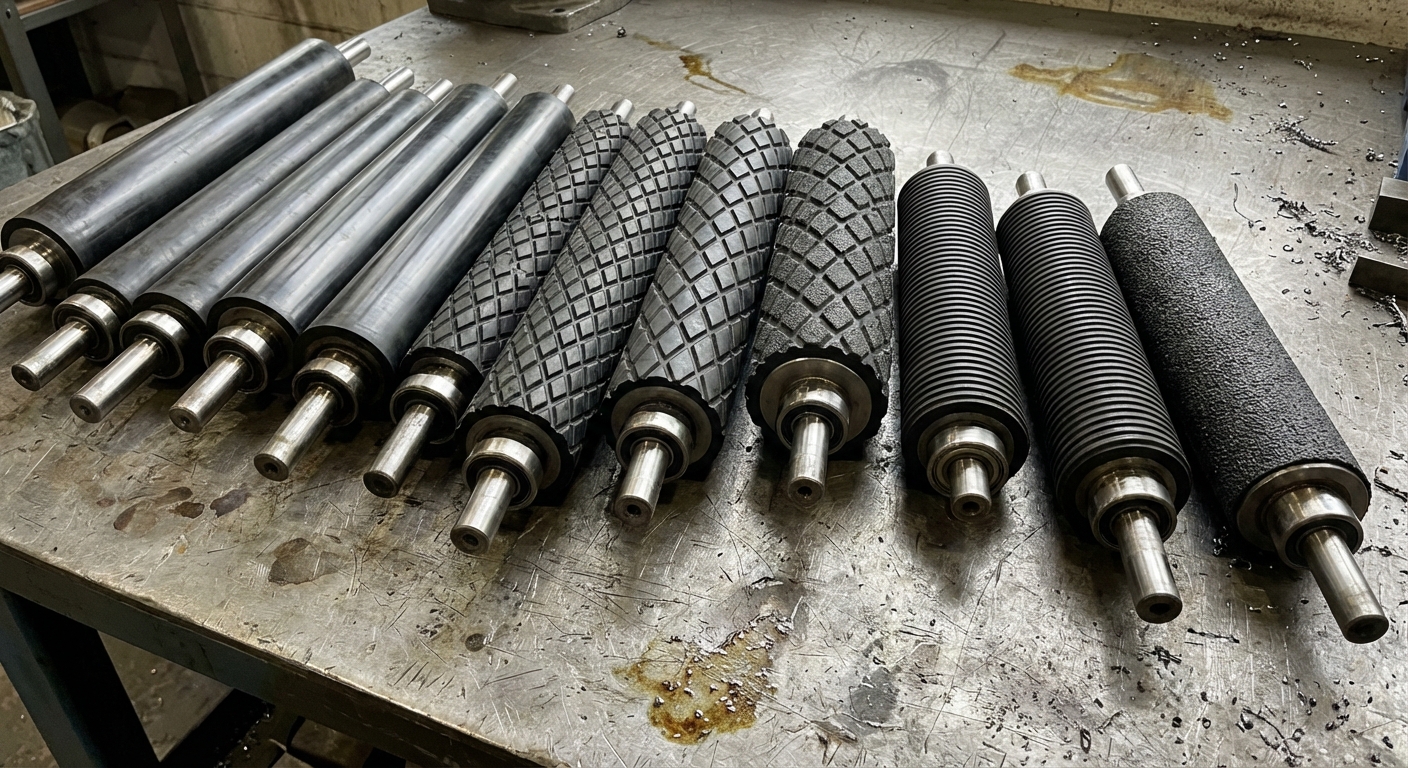
The best conveyor belt rubber drive rollers are those that offer a high Shore hardness for abrasion resistance while maintaining enough flexibility to “grab” the belt surface effectively. High-performance conveyor belt rubber drive rollers often feature custom textures, such as diamond or herringbone patterns, to shed water and debris.
Chain-Driven vs. Belt-Driven
Chain-driven rollers are the superior choice for heavy pallets and industrial manufacturing because they provide synchronized movement. Belt-driven rollers are better for high-speed, lightweight packaging where low noise is the priority.
Custom Lagging Options
Herringbone or diamond grooving is the gold standard for wet or outdoor environments. These patterns act like tire treads, channeling away moisture to ensure the rubber stays in direct contact with the belt.
- Live Rollers: Best for accumulation zones.
- Grooved Rollers: Best for wet outdoor mining.
- Crowned Rollers: Best for keeping belts centered automatically.
Believe it or not, the “groove” in the rubber can increase your traction capacity by over 50% in wet conditions.
Key Takeaway: The “best” roller is defined by its ability to maintain friction under your specific environmental stressors—heat, grit, or moisture.
| Roller Type | Advantage | Ideal Use | |
|---|---|---|---|
| Diamond Groove | Moisture Shedding | Outdoor Mining | |
| High Durometer | Wear Resistance | Abrasive Cement | |
| Non-Marking | Product Care | Food / Logistics |
Balanced design ensures that the motor’s torque is never compromised.
What coatings fit conveyor belt rubber drive rollers?
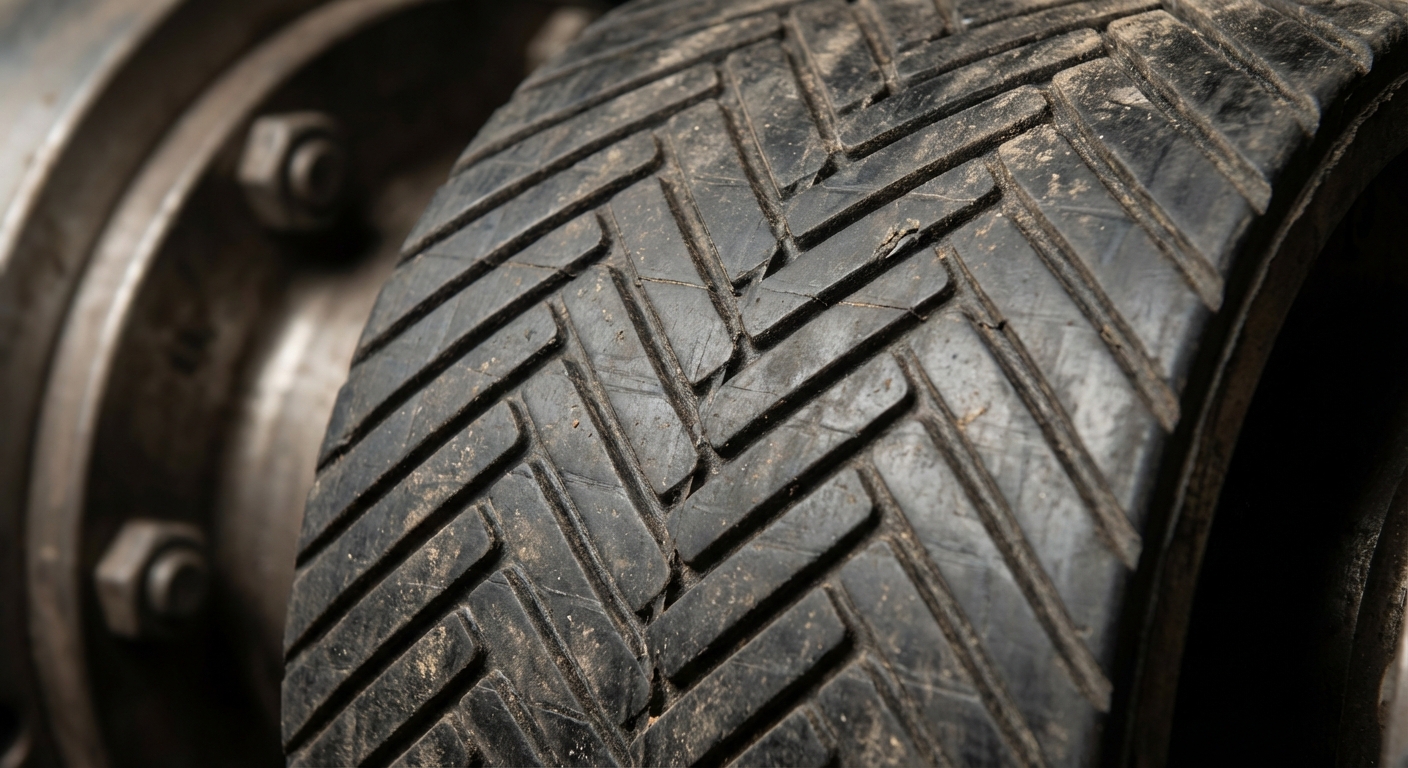
Conveyor belt rubber drive rollers can be finished with a variety of compounds, including EPDM, Nitrile, Neoprene, and specialized SBR blends. Specifying the correct coating for your conveyor belt rubber drive rollers depends on whether your application involves heat, oils, or heavy impacts.
Specialized Material Selection
In high-temperature zones, such as those found in power plant solutions , rollers must use EPDM or Silicone coatings to prevent the rubber from melting or cracking. Oil-resistant Nitrile is the only choice for fertilizer plants.
Surface Texture Customization
The physical texture of the rubber—known as lagging—is as important as the chemistry. Smooth surfaces provide maximum contact on dry loads, while grooved surfaces are necessary for bulk handling.
- EPDM: Excellent for outdoor weathering and ozone.
- Nitrile (Buna-N): Resistant to oils and greases.
- Neoprene: High tensile strength and flame resistance.
Bucket brigade time: if you aren’t sure about your environment, EPDM is the most versatile starting point.
Key Takeaway: Choosing the wrong coating leads to premature swelling or hardening, which destroys the roller’s ability to drive the belt.
| Coating | Attribute | Resistance | |
|---|---|---|---|
| Nitrile | Oil-Proof | Hydrocarbons | |
| SBR | Value / Grip | Standard Wear | |
| Silicone | High Heat | Temperatures > 200°F |
The chemistry of the coating must survive the chemistry of your warehouse.
How to spec conveyor belt rubber drive rollers?
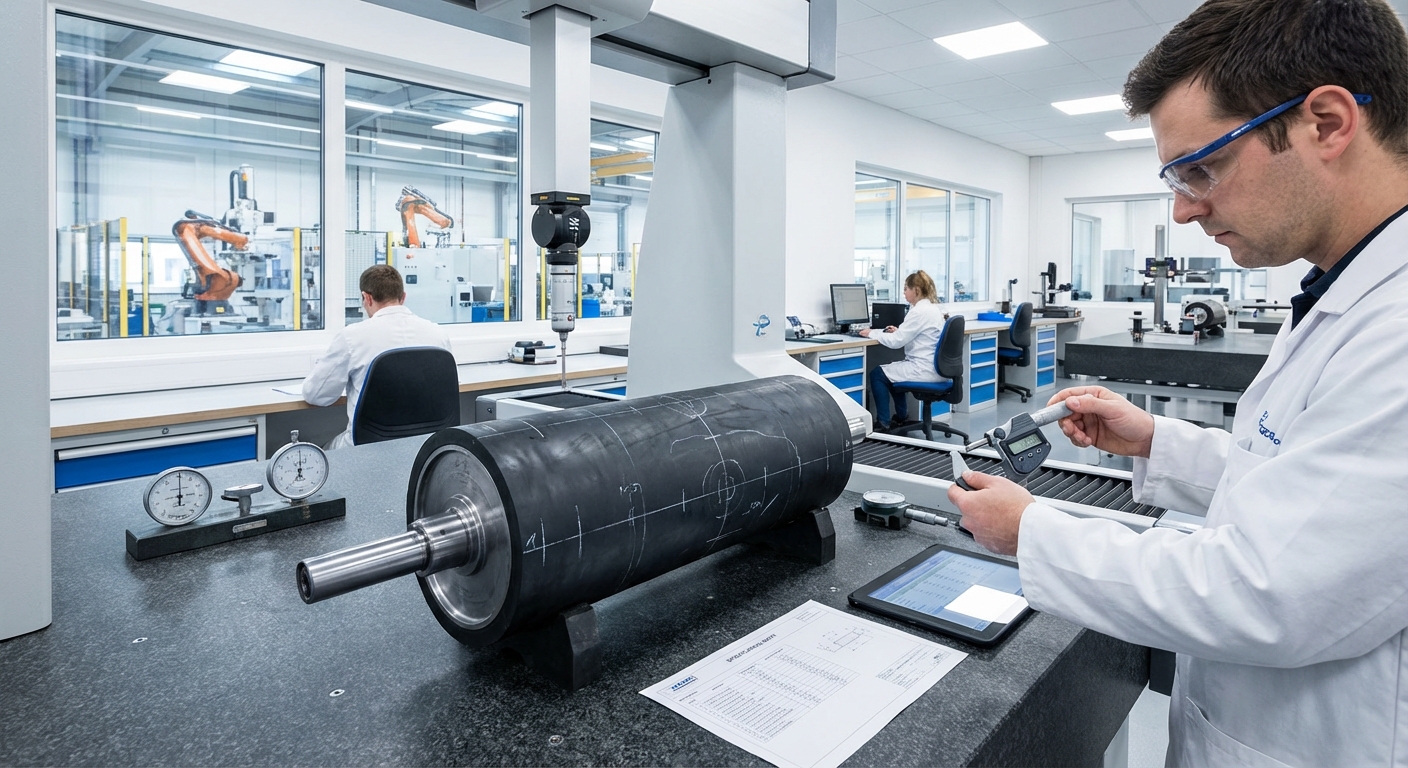
To accurately spec conveyor belt rubber drive rollers, you must calculate the total belt tension and the maximum load capacity of the conveyor frame. When ordering conveyor belt rubber drive rollers, always provide the Shore A durometer (hardness) and the required diameter after the rubber has been applied.
Dimensions and Tolerances
Rollers must be balanced for the speed they will operate at. If a roller is out of balance at high speed, it will create vibrations that destroy bearings and lead to uneven belt wear.
Hardness and Grip Requirements
A softer rubber (40-60 Shore A) provides incredible grip but wears out faster. A harder rubber (70-90 Shore A) lasts much longer but may slip if the belt becomes dusty or wet.
- Diameter: Should match the belt’s minimum bend radius.
- Shaft Extension: Must fit your specific motor coupling.
- Bonding Method: Hot vulcanization is typically the most durable.
Give this some thought: a slightly larger diameter roller reduces the internal stress on your steel cord belts .
Key Takeaway: Precision measurements and hardness ratings are the difference between a system that runs for years and one that fails in months.
| Specification | Metric | Importance | |
|---|---|---|---|
| Core Diameter | mm/inch | Load Support | |
| Rubber Thickness | mm | Cushioning | |
| Shore Hardness | Durometer A | Grip vs. Life |
Don’t guess on the hardness—test it against your current belt’s surface.
What saves conveyor belt rubber drive rollers?
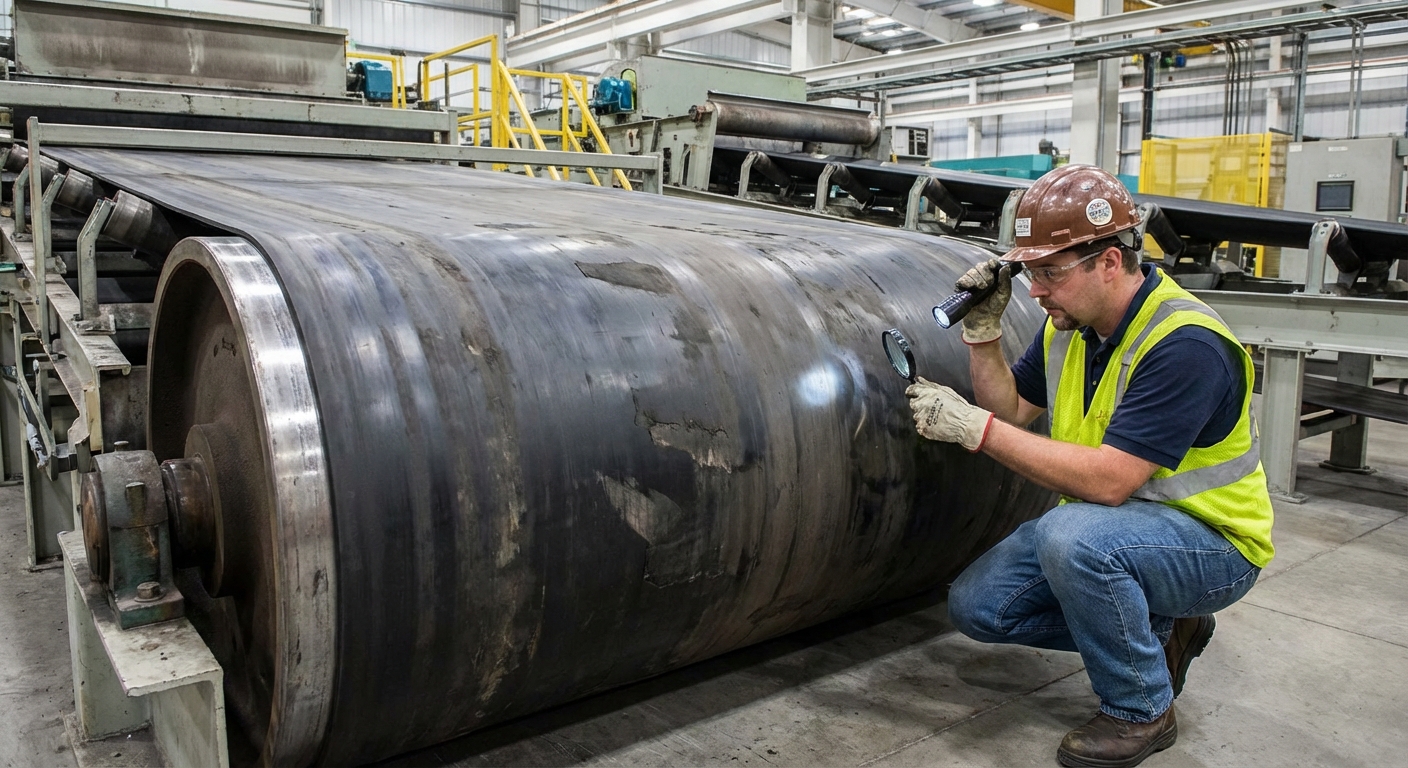
Conveyor belt rubber drive rollers are primarily saved by maintaining proper belt tension and performing regular cleaning to remove abrasive buildup. If you let debris accumulate between the conveyor belt rubber drive rollers and the belt, it acts like sandpaper, grinding away the expensive rubber surface.
Preventative Maintenance Cycles
Regular inspections are key. You should check for signs of “chunking” or cracking in the rubber, which indicates that the belt tension is too high or the material is experiencing thermal shock.
Alignment and Tracking
A misaligned roller creates side-friction that burns through the edge of the rubber coating. Keeping the conveyor frame square ensures that force is distributed evenly across the entire surface.
- Scrapers: Use soft belt scrapers to keep the roller face clean.
- Lubrication: Keep the inner bearings cool to prevent heat transfer to the rubber.
- Tensioning: Ensure the belt is tight enough to drive but not so tight it crushes the rubber cells.
Plain and simple: clean rollers last twice as long as dirty ones.
Key Takeaway: Maintenance is an investment; five minutes of cleaning can save you five thousand dollars in replacement costs.
| Action | Frequency | Result | |
|---|---|---|---|
| Visual Check | Daily | Spotting Cracks | |
| Cleaning | Weekly | Prevents Abrasion | |
| Alignment | Quarterly | Even Wear Patterns |
Consistency in maintenance is the secret to total system uptime.
Who builds conveyor belt rubber drive rollers?
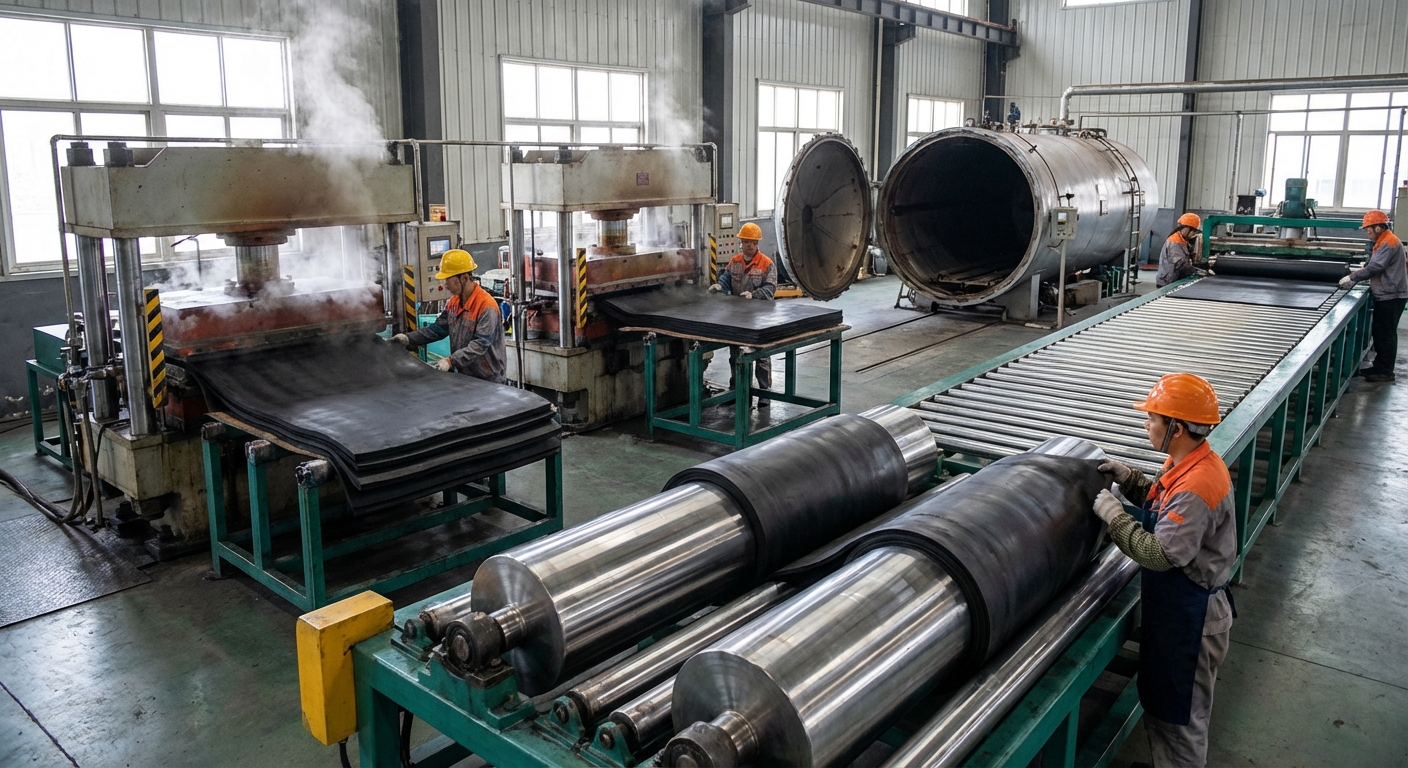
Conveyor belt rubber drive rollers are built by specialized manufacturers who possess vulcanization autoclaves and precision lathing equipment. Top-tier conveyor belt industrial solutions are produced by companies that subject their conveyor belt rubber drive rollers to rigorous tensile strength and bond testing.
Global Manufacturing Standards
Look for manufacturers that adhere to ISO 9001 standards. High-quality rollers require precise chemical mixing of the rubber and a computerized curing process to ensure the coating remains stable.
Capability and Customization
The best builders can handle everything from small guide rollers to massive 2-meter wide drive pulleys. They should offer custom grooving and the ability to work from your specific engineering drawings.
- Autoclave Curing: Ensures uniform density across the roller.
- Dynamic Balancing: Prevents high-speed vibrations.
- Material Certification: Provides proof of rubber chemistry.
The difference is in the bond—cheaper rollers use glue, whereas expert manufacturers use chemical vulcanization.
Key Takeaway: Source your rollers from a direct factory to ensure price competitiveness and higher quality control over the rubber bonding.
| Provider Type | Advantage | Risk | |
|---|---|---|---|
| Direct Factory | Customization / Price | Lead Times | |
| Local Distributor | Fast Shipping | Generic Quality | |
| Specialty Shop | Precision Engineering | Higher Cost |
Expert manufacturing guarantees that your rollers will survive the toughest mining conditions.
Why buy conveyor belt rubber drive rollers now?
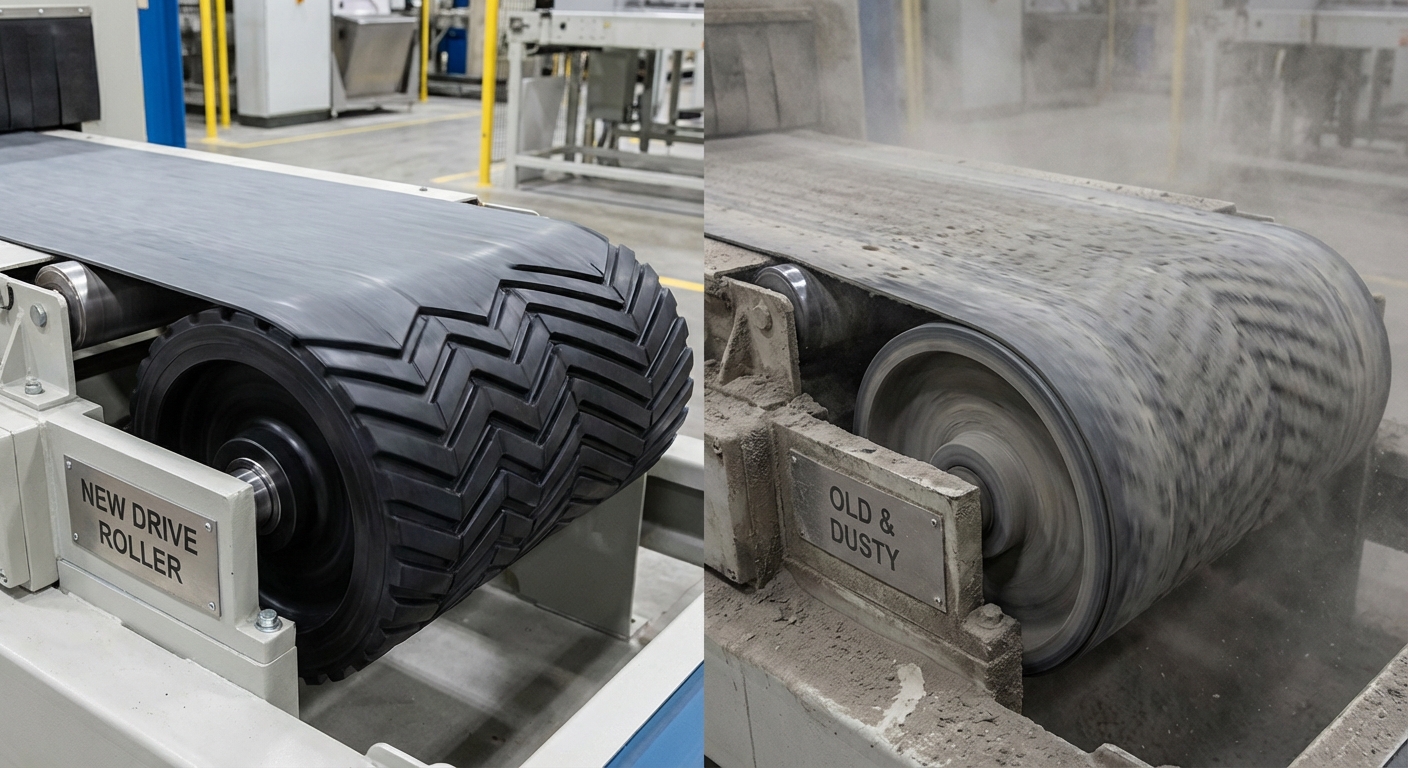
Conveyor belt rubber drive rollers represent a strategic upgrade that immediately lowers your energy consumption and reduces belt-related downtime. Investing in conveyor belt rubber drive rollers now avoids the escalating costs of belt damage caused by running on worn, bare-metal drums.
Immediate Throughput Increases
Slipping belts move less material. By replacing worn rollers with high-friction rubber, you increase your facility’s hourly throughput without needing a larger motor.
Long-Term Operational ROI
Modern elastomers are significantly more durable than the options available a decade ago. Upgrading protects your most expensive asset—the conveyor belt—from heat and abrasion damage.
- Reduced Scrap: Better tracking means less material spillage.
- Safety Upgrades: Safer starting and stopping under heavy loads.
- Future Proofing: Compatible with next-generation automated controls.
But wait, there’s more. Improved traction reduces the strain on your motor’s gearbox, potentially doubling its lifespan.
Key Takeaway: Delaying roller replacement is a “hidden cost” that manifests as higher electricity bills and frequent belt repairs.
| Decision | Impact | Long-Term Result | |
|---|---|---|---|
| Replace Now | Optimized Efficiency | Maximum Profitability | |
| Wait | Wasted Power | Premature Belt Failure | |
| Patch | High Maintenance | Inconsistent Performance |
Proactive replacement is the hallmark of professional operations management.
Selecting the right industrial rollers is the cornerstone of a reliable material handling infrastructure. By integrating advanced traction solutions and application-specific coatings, you can eliminate operational bottlenecks and protect your capital equipment from unnecessary wear. At Zhenxing, we understand that every ton of material moved counts toward your bottom line. We provide high-performance belting and components designed to thrive in the world’s most demanding environments. Contact us today for a technical consultation, and let’s build a more efficient future together.
FAQ
Can I… use rubber rollers for hot oil applications?Yes, but you must specify a Nitrile (NBR) or Viton coating. Standard rubber will swell and decompose quickly if it comes into contact with industrial oils or petroleum-based greases.
What’s the best… way to measure a roller’s hardness?The standard method is using a Shore A Durometer. This pocket-sized device uses a calibrated needle to measure the resistance of the rubber surface, with 60 Shore A being about the hardness of a pencil eraser.
How do I know if… my rollers are causing belt slippage?If you see excessive rubber dust under the drive pulley or notice that the motor is running but the belt is moving slower than it should, slippage is occurring. You can also listen for a high-pitched “squealing” sound during system startup.
Can these… be used in food-grade environments?Yes, but you must request FDA-approved “White” or “Blue” rubber compounds. These are specially formulated to be non-toxic and non-marking, ensuring they meet global food safety regulations.